

Would you like to save this?
Back in the 1960s, you could often support a whole household on just one paycheck. Plenty of jobs only required a high school diploma, yet paid enough to cover a mortgage, car payment, and even a family vacation each year.
Factory jobs, retail management, and skilled trades gave families a real shot at stability—no college degree needed. The gap between those wages and what workers get today (once you factor in inflation and the cost of living) really shows how much things have changed for the average person.
This list rounds up 35 careers from that era and what they meant for families back then.
35. Printing pressman
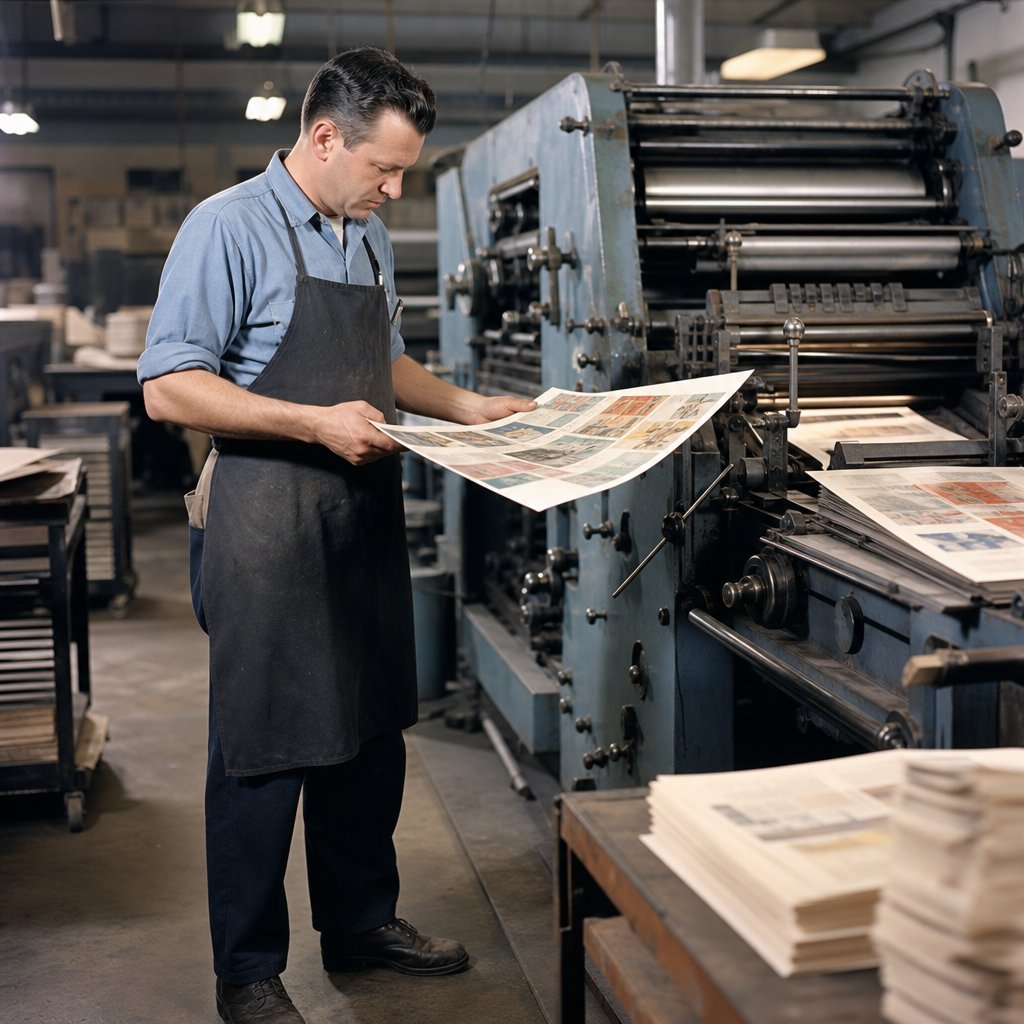
Printing pressmen ran the big offset and letterpress machines that churned out newspapers, magazines, books, and all sorts of commercial print jobs. The job took mechanical skill and a sharp eye, since you had to line up plates, tweak ink flow, and keep the paper running smooth.
Most pressmen learned the ropes through union apprenticeships that lasted a few years. These programs mixed hands-on work with some formal training, and finishing one usually led to a steady, decent-paying job at a newspaper or printing plant.
Unions were strong in this field. The International Printing Pressmen and Assistants’ Union negotiated good wages, so pressmen often landed among the better-paid workers of the time.
With this income, families could usually afford a house, a car, and a yearly vacation. The job wasn’t easy, though. You needed physical stamina, since shifts were long and you spent hours on your feet, surrounded by noise.
Pressmen had to stay focused to avoid jams or misprints that could shut down production. Newspapers relied on them to hit tight deadlines—one mistake could cost the company big.
Advancement came with seniority and proven skill, not more schooling. Some pressmen moved up to supervisor roles, running the pressroom at bigger operations.
The trade felt secure back then, too. Print media was everywhere, and demand for pressmen stayed strong through the ‘60s as circulation grew.
34. Newspaper press operator
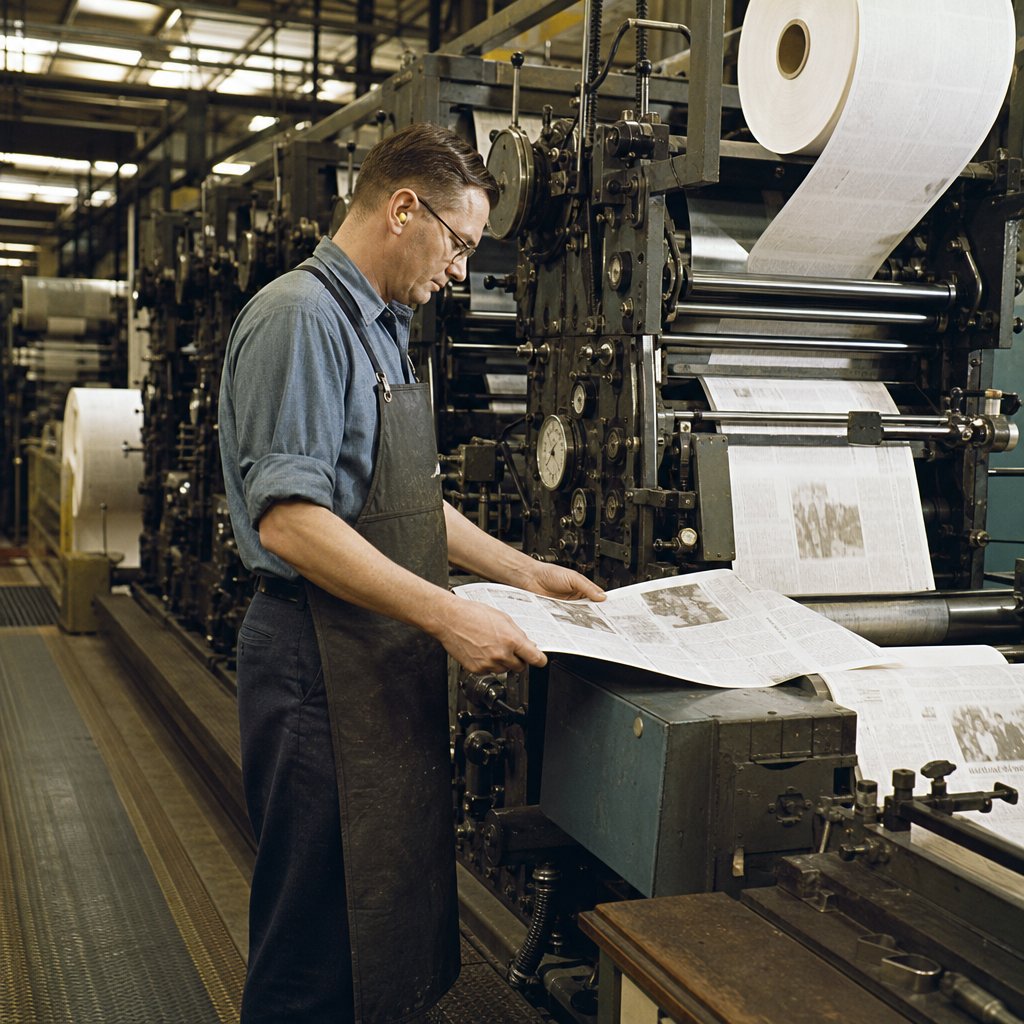
Newspaper press operators ran the gigantic rotary presses that pushed out daily papers. The job took mechanical know-how and the nerve to work with heavy equipment under serious time pressure.
Most newspapers ran 24/7, so operators often pulled night shifts to get the morning edition out. Union contracts kept pay strong and protected working conditions. Skilled operators could earn as much or more than factory workers back then.
This was enough to support a family. Operators could buy a house in a working-class neighborhood, keep a car running, and save up for a yearly family trip.
Newspapers always needed press crews, since every city had at least one daily paper, sometimes more. Training was hands-on, starting as a helper and moving up to operator as you learned the ropes and earned raises.
The work was tough—loud machines, ink fumes, heavy paper rolls—but the steady paycheck and benefits made it worth it for a lot of folks.
33. Court reporter

Court reporters played a key role in the legal system. They captured every word in courtrooms, depositions, and hearings using their trusty stenotype machines.
It took real skill to master those machines—reporters typed at blazing speeds, sometimes over 200 words a minute, and accuracy mattered. The pay was steady, usually through county or state court jobs, and included pensions and job security.
This stability let families plan for the future. Court reporters could usually handle a mortgage, a car payment, and a vacation each year without too much stress.
Demand for court reporters grew as the court system expanded. More cases meant more need for accurate records, so jobs stayed plentiful.
Training usually happened at trade schools or community colleges, taking a year or two. Some reporters picked up extra cash freelancing for private attorneys, too.
32. Dental hygienist

Dental hygienist was a profession on the rise in the ‘60s. More people started seeing dentists regularly, and hygienists handled cleanings, X-rays, and patient education under a dentist’s eye.
The job needed specialized training—a two-year associate degree, usually—but not the long haul of dental school. That made it a good option for women looking for steady, respected work.
Pay was pretty solid, sometimes enough to support a family alone, especially if a spouse worked part-time. Most hygienists worked regular daytime hours, which fit well with family life.
Dental offices popped up all over the suburbs, so jobs were easy to find. A hygienist’s income could take care of a mortgage, car, and the occasional getaway.
31. Pharmacist

Pharmacists in the 1960s held a respected spot in nearly every town. The local drugstore was a fixture, and the pharmacist behind the counter made a good, reliable income—not flashy, but stable.
Pharmacy school took about four years, which was less than med school but still a commitment. It paid off. By the late ‘60s, pharmacists pulled in $7,000 to $10,000 a year, which was solid money back then.
Many pharmacists owned their own shops. That meant more control over income and a chance to build up a real business. The corner drugstore sold everything from medicine to ice cream sodas, honestly.
With that income, pharmacists could buy a decent house, usually with a yard for the kids. Two cars per household weren’t unusual—one for work, one for the family.
Vacations were doable. A week at the beach or a road trip to see relatives didn’t break the bank. Pharmacists also held a certain status in the community, often giving health advice and filling a gap before urgent care clinics were everywhere.
30. Hospital laboratory technician

Hospital lab techs handled blood tests, urinalysis, and other diagnostic work doctors needed. Hospitals everywhere wanted these workers as medical testing got more advanced.
You could get into the field with a high school diploma and some specialized courses, usually through hospital programs or community colleges. That made the job accessible to a lot of people.
Lab techs often supported a family on one income, sometimes with a little help from a spouse’s part-time job. Their pay usually covered a mortgage and car expenses.
Hospital jobs felt secure. Hospitals rarely closed or moved, so a tech could count on a steady paycheck. Public hospitals offered union protections, pensions, and health benefits, too.
Vacation time came standard, so families could actually take trips in the summer. Some techs moved up to supervisor roles or specialized in things like microbiology, boosting their earnings by the end of the decade.
29. Registered nurse
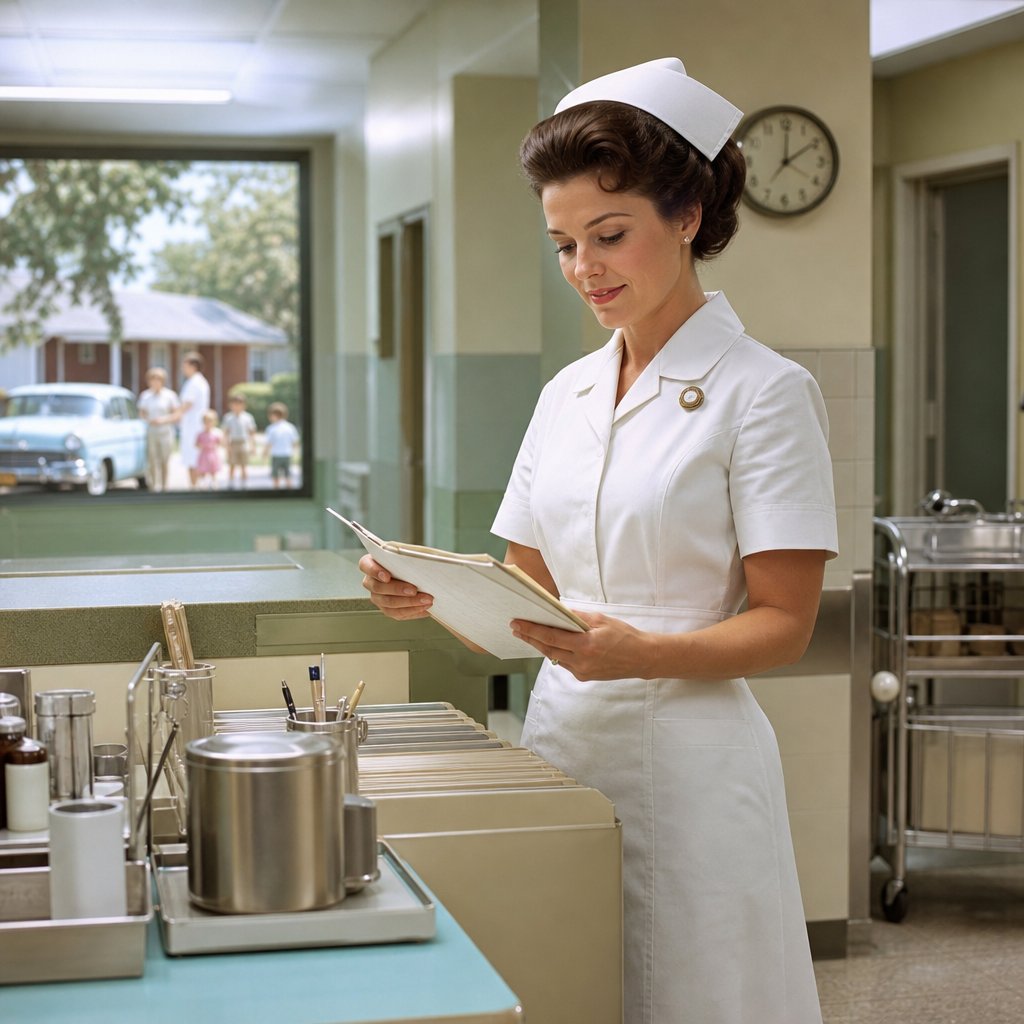
Registered nurses in the ‘60s brought home a steady income that put families solidly in the middle class. Hospitals always needed nurses, and that demand never really dipped.
With a nurse’s salary—sometimes paired with a spouse’s income—families could buy a house in the suburbs. Nursing jobs came with benefits like health insurance and pensions, making it a smart long-term choice for many women.
Owning a car was pretty much a given, since nurses worked rotating shifts and needed reliable transportation. Paid vacation time meant families could travel when they wanted a break from the grind.
Nurses held a respected place in their communities, too. That combination of financial stability and social standing made nursing one of the safest bets for women looking for a career in the 1960s.
28. Public school teacher

Public school teaching in the 1960s was a stable, respected career with a salary that supported a middle-class lifestyle. A typical teacher earned between $4,000 and $6,000 a year, depending on location and experience.
This income covered a mortgage, raised a family, and made car ownership possible without much financial strain. Teachers usually worked in districts where the cost of living matched their pay.
In many towns, a modest home cost around $12,000 to $15,000, so a teacher’s salary could reasonably handle mortgage payments. Summers off let teachers take family vacations or pick up part-time work for extra income.
The profession required a bachelor’s degree. Many teachers went after further education for salary increases tied to advanced degrees or certifications.
Job security was strong since public schools kept growing as the baby boom generation filled classrooms. This steady demand meant predictable pay increases and reliable employment over a teaching career.
Pension plans through state retirement systems added more financial security. Lots of teachers stayed in the profession for decades, building up retirement income that supplemented Social Security.
27. Government administrative worker
Would you like to save this?
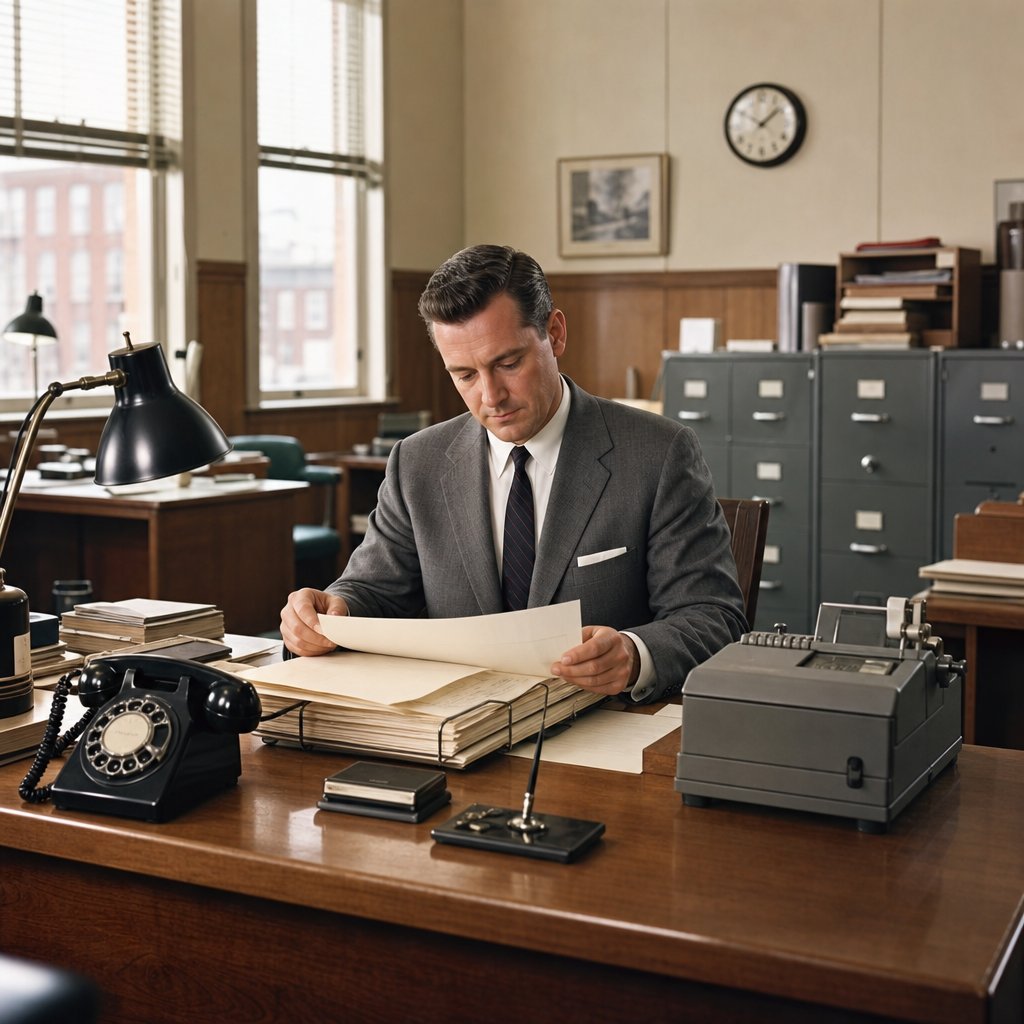
Federal, state, and local governments hired large numbers of clerical and administrative staff throughout the 1960s. These workers handled paperwork, record-keeping, and office coordination for agencies from the Social Security Administration to city halls.
Civil service jobs brought stability that private sector work sometimes couldn’t match. Government positions came with defined pay scales, regular raises, and protection from layoffs during economic downturns.
A mid-level administrative worker in the federal government could expect a salary between $5,000 and $7,000 by the late 1960s. That income supported homeownership, especially for those willing to live in smaller cities or suburbs near government offices.
Benefits set these jobs apart. Government employees usually received pension plans, health insurance, and paid vacation as standard compensation.
The work involved processing forms, maintaining files, answering correspondence, and keeping public agencies running. Attention to detail and reliability mattered more than specialized skills.
Advancement followed predictable paths through civil service exams and seniority. Workers who stuck with government agencies could move into supervisory roles, boosting both their income and long-term security.
26. Payroll clerk

Payroll clerks in the 1960s handled wage calculations, tax withholdings, and employee records for companies big and small. Every business with staff needed someone to manage this, so the job offered a steady path into the clerical workforce.
Most worked in offices, using adding machines and paper ledgers before computers took over. Accuracy mattered more than speed—nobody wanted to mess up someone’s paycheck.
The job usually required only a high school diploma, sometimes paired with a business or bookkeeping course. This low barrier to entry made it accessible to many, including women who were entering office jobs in growing numbers.
Annual salaries ranged from about $3,500 to $5,000, depending on employer and region. That income supported a modest but comfortable lifestyle, often enough for a family to afford a starter home and a car.
Payroll clerks had a reliable route to job security. Companies rarely eliminated the role, since payroll processing was always essential.
Advancement often came through experience, not formal promotion. Clerks who mastered tax codes and company benefits sometimes moved into bookkeeping or office management over time.
25. Bookkeeper

Bookkeeping was a steady, respected job throughout the 1960s. Businesses of every size needed someone to track accounts, record transactions, and manage payroll by hand, since computers weren’t common in small offices yet.
A full-time bookkeeper in 1965 earned roughly $85 to $110 per week, or about $4,400 to $5,700 a year. That put bookkeepers comfortably within middle-class earnings for the era.
Many bookkeepers worked for local businesses, accounting firms, or manufacturing companies. Some were self-taught, while others finished business school certificates or community college courses in accounting.
With this income, a bookkeeper could afford a modest three-bedroom home, usually priced between $12,000 and $16,000. Car ownership was standard, and family vacations—often to lakes or national parks—fit within the budget.
Job security was strong since every business needed accurate financial records. Women increasingly joined the field, often finding it one of the more accessible ways into stable clerical work.
24. Bank branch manager

Bank branch managers in the 1960s held respected positions in most American towns. They typically wore suits to work and knew many customers by name.
This role usually paid between $8,000 and $12,000 a year, putting managers in the middle to upper-middle class. Banks had fewer branches than today, so a manager oversaw significant responsibility in the community.
They approved loans, managed staff, and served as trusted advisors to local families and businesses. This kind of authority brought steady respect from neighbors and colleagues.
The stable salary let a branch manager buy a modest home in a good neighborhood without financial strain. A family car was expected, often replaced every few years as new models came out.
Many managers drove sedans from Ford, Chevrolet, or Buick—solid, not flashy. Vacations were within reach, too.
Families often took summer road trips to national parks or coastal towns. Some managers saved enough for annual trips, sometimes even by air, which still felt a bit luxurious at the time.
Job security in banking was high during this decade. Turnover was low, and many managers spent decades at the same bank, building pensions for a comfortable retirement.
23. Insurance agent

Insurance agents in the 1960s built careers on repeat customers, not just one-time sales. Life, auto, and homeowners policies formed the backbone of their business.
Agents often worked for a single company like State Farm, Allstate, or Prudential for decades. Commission structures rewarded renewals, so an agent’s income grew steadily as their client base expanded.
Many agents operated out of small storefront offices in their towns. They knew clients personally, attended local events, and built trust face-to-face—no call centers or online quotes back then.
A mid-career agent with a solid book of business could easily afford a three-bedroom house and a new car. Vacations were common too, since insurance work rarely required overtime once the client base was established.
Training was typically provided by the company, so a high school diploma was often enough to start. Agents who showed sales skills and reliability could rise quickly, sometimes managing their own branch offices within a decade.
The career offered a rare mix of independence and security. Agents set their own schedules while enjoying steady demand, since every family needed some form of insurance coverage.
22. Auto dealership salesperson
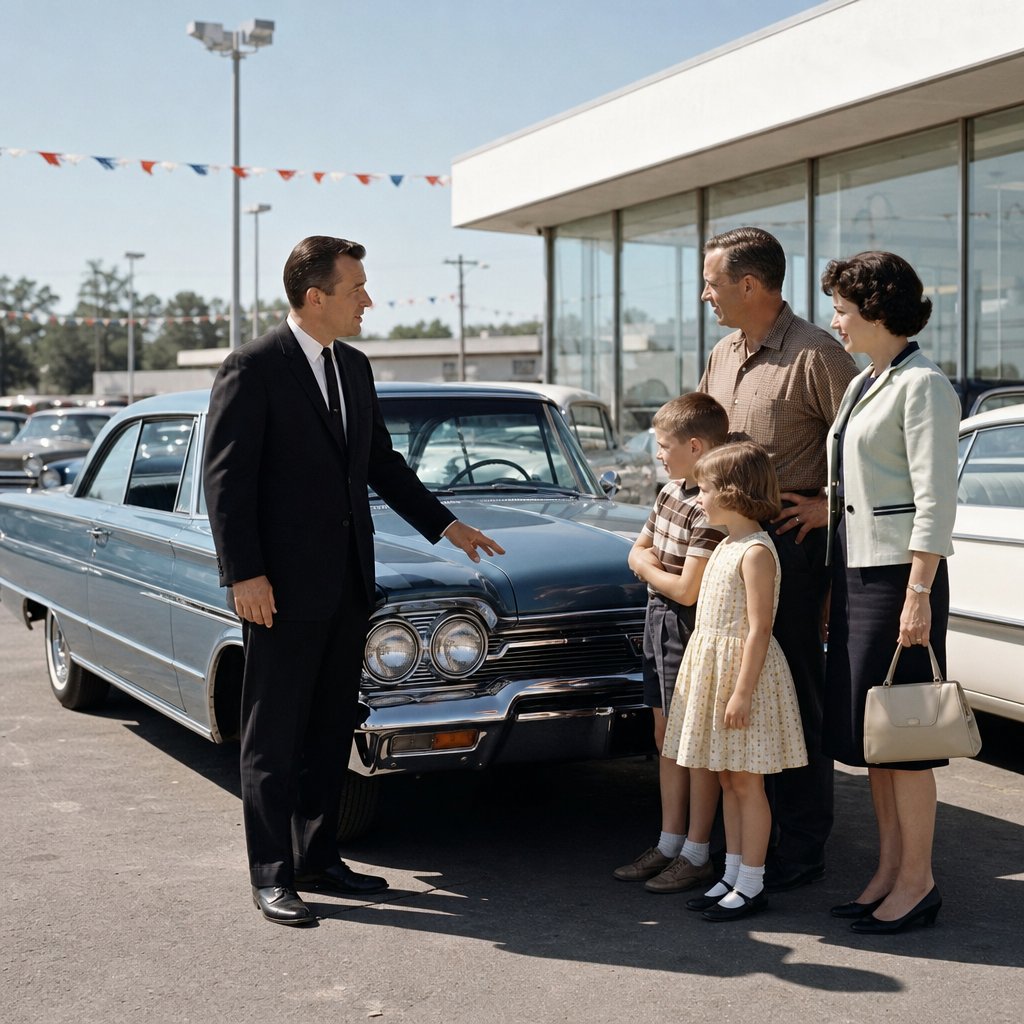
Selling cars in the 1960s brought solid income potential without needing a college degree. Commission-based pay meant a motivated salesperson could earn well above the average factory wage, especially at dealerships selling popular models like the Ford Mustang or Chevrolet Impala.
Many dealerships paid straight commission or a low base salary plus commission, rewarding those who understood customer needs and closed deals. A skilled salesperson often sold several cars per week during peak seasons.
The postwar economic boom fueled steady demand for new vehicles. Families upgraded cars more often, and suburban growth meant more households needed a second car for commuting.
Dealerships didn’t require formal education, making the job accessible to high school grads and veterans. Strong communication skills and product knowledge mattered more.
Successful salespeople earned enough for their own home, a family car, and annual vacations. Top performers at busy dealerships sometimes matched or beat the earnings of white-collar professionals in other fields.
21. Automotive service manager
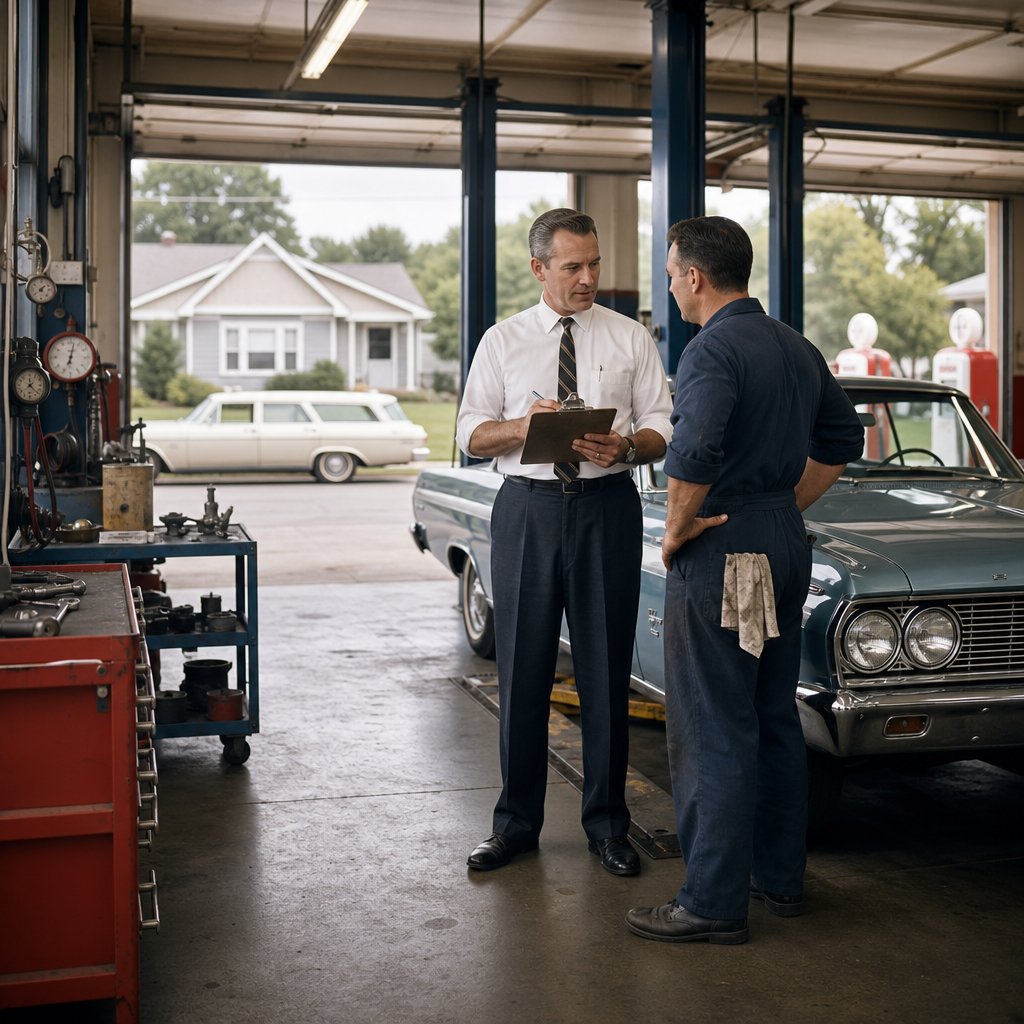
Automotive service managers oversaw repair shops and dealership service departments in a decade when car ownership exploded across American households. They scheduled mechanics, ordered parts, and handled customer relations, keeping things humming as vehicle sales climbed year after year.
The job called for mechanical know-how plus organizational and people skills. Many managers started as mechanics before moving up, giving them credibility with both staff and customers.
Dealerships paid well for this position because service departments brought in steady revenue. A manager’s salary usually covered homeownership in most cities, a family car, and modest vacations.
The postwar highway boom and suburban growth meant more cars on the road and more demand for maintenance. This steady stream of business gave service managers job security that few other trades could match.
Union protections in some regions added more stability. Combined with dealership bonuses tied to performance, many managers earned enough to support a family comfortably without needing a second income.
20. Steel mill worker
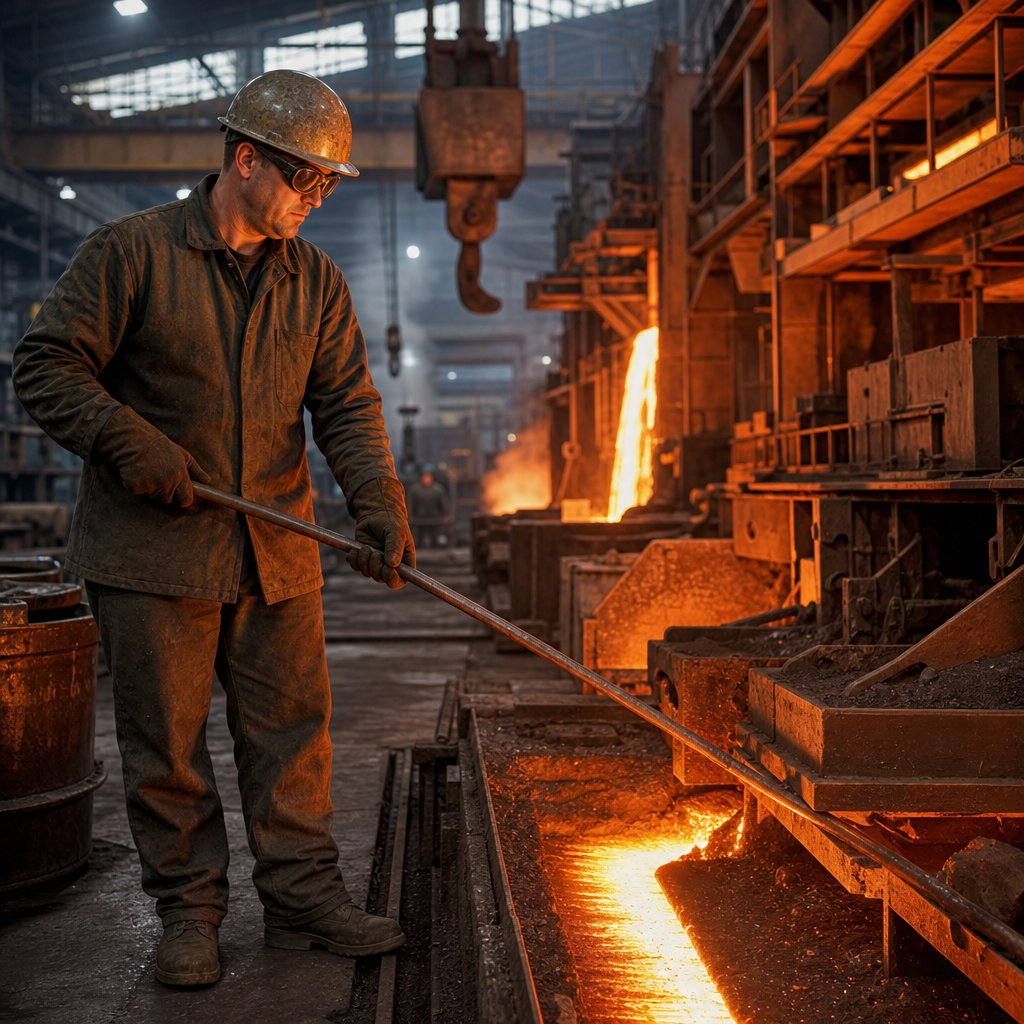
Steel mills across Pittsburgh, Gary, and Cleveland hired thousands of workers who earned solid wages without a college degree. A mill worker could support a family, own a home, and drive a new car on just one income.
Union contracts secured through the United Steelworkers guaranteed pensions, health coverage, and paid vacations. Overtime shifts added extra income for families saving toward a house or a summer trip.
The work was tough and sometimes dangerous, involving extreme heat and heavy machinery. Still, steady employment and rising wages made steel mill jobs a dependable path to middle-class stability throughout the decade.
19. Chemical plant technician

Chemical plants really took off across the U.S. during the 1960s, fueled by the boom in plastics, fertilizers, and industrial materials. Companies like Dow, DuPont, and Union Carbide needed people to monitor equipment, run tests, and keep production lines humming.
Most jobs only asked for a high school diploma and some on-the-job training. Sometimes there were apprenticeship programs with classroom lessons mixed in, but you mostly learned by doing.
Unions were a big deal in this industry and helped push wages higher than the average industrial job. By the mid-1960s, a chemical plant technician could bring home between $4,500 and $6,500 a year.
That was enough for a mortgage on a modest home in the suburbs. Many folks even bought new cars every few years, thanks to steady work and predictable pay.
Companies usually offered pension plans and health insurance, which meant a real sense of long-term security. Overtime pay during busy seasons gave families a little extra for vacations or fixing up the house.
The job came with risks, like exposure to chemicals and the chance of accidents. Still, the non-stop demand for chemical products meant plants ran around the clock, so technicians willing to work rotating shifts could count on stable hours and job security.
18. Oil refinery operator

Oil refinery operators found steady work in the 1960s at big-name companies like Standard Oil, Shell, and Texaco. These plants never really stopped, and operators kept an eye on equipment, adjusted valves, and watched temperature gauges to keep things running.
Pay usually ranged from $3.50 to $5.00 an hour, so a full-time worker could expect about $7,000 to $10,400 a year. Many refineries also paid extra for night or weekend shifts.
Unions like the Oil, Chemical and Atomic Workers negotiated strong contracts back then. Health insurance, pensions, and paid vacations were pretty standard for most refinery jobs.
With that kind of salary, a refinery operator could support a family without much trouble. Workers often bought homes near the plants, drove to work, and even managed to take vacations now and then.
Job security stood out in this field. Refineries needed to stay open all the time, so trained operators rarely faced layoffs, and many stuck with one employer for decades.
17. Power-plant operator
Would you like to save this?
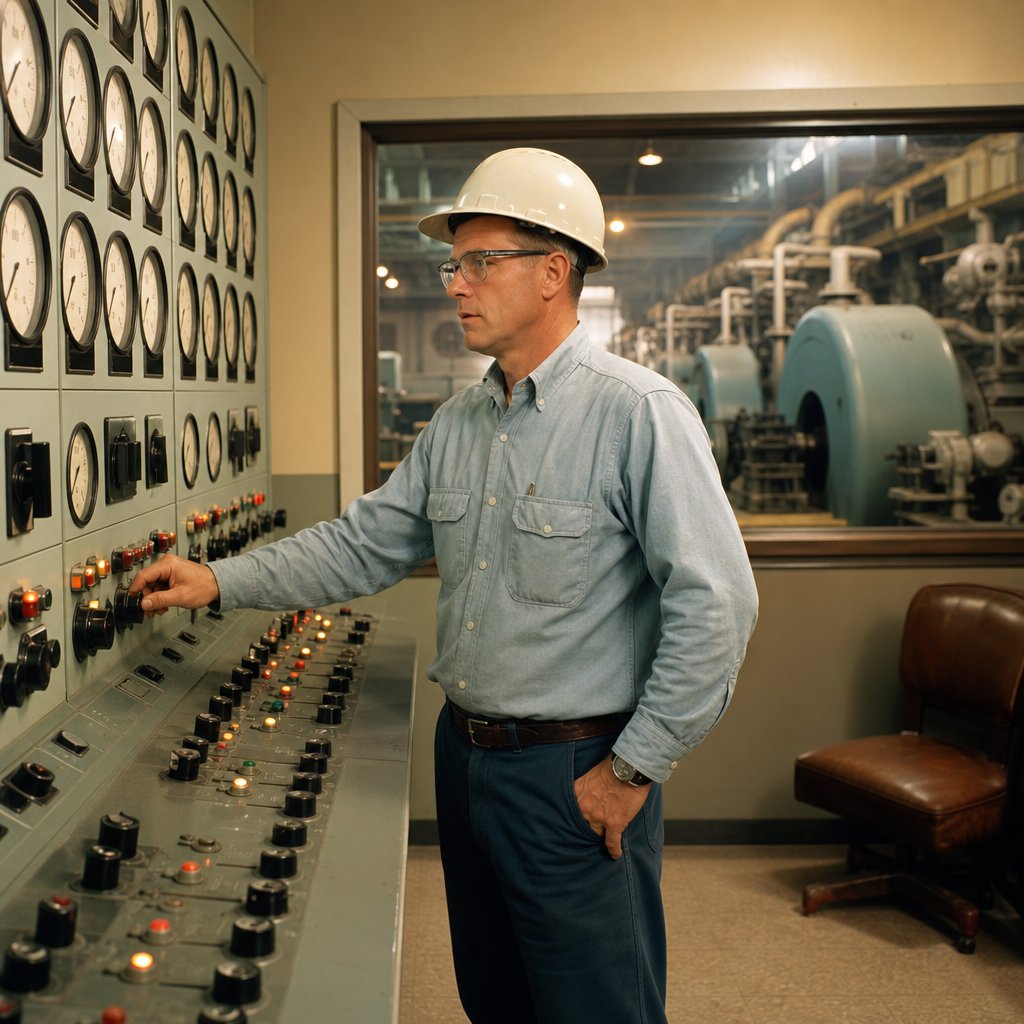
Power-plant operators in the 1960s landed well-paid, reliable jobs at electric utility companies. Plants ran 24/7, so operators worked shifts to keep boilers, turbines, and generators running for homes and businesses.
Most utilities had unions, so operators got good pay, pensions, and health coverage. By the mid-1960s, a typical operator earned between $6,000 and $8,000 a year—a solid middle-class income back then.
That income made it possible for operators to buy homes in the growing suburbs. Owning a car was the norm, and sometimes families even had a second car since public transit rarely reached those neighborhoods.
Electric utilities were regulated monopolies, so layoffs were rare and job security was excellent. Operators could plan ahead, save for their kids’ education, or take a summer vacation with the family.
Plenty of workers stayed with one company for their whole career, building up seniority and gradually earning more over the years.
16. Electric utility lineman
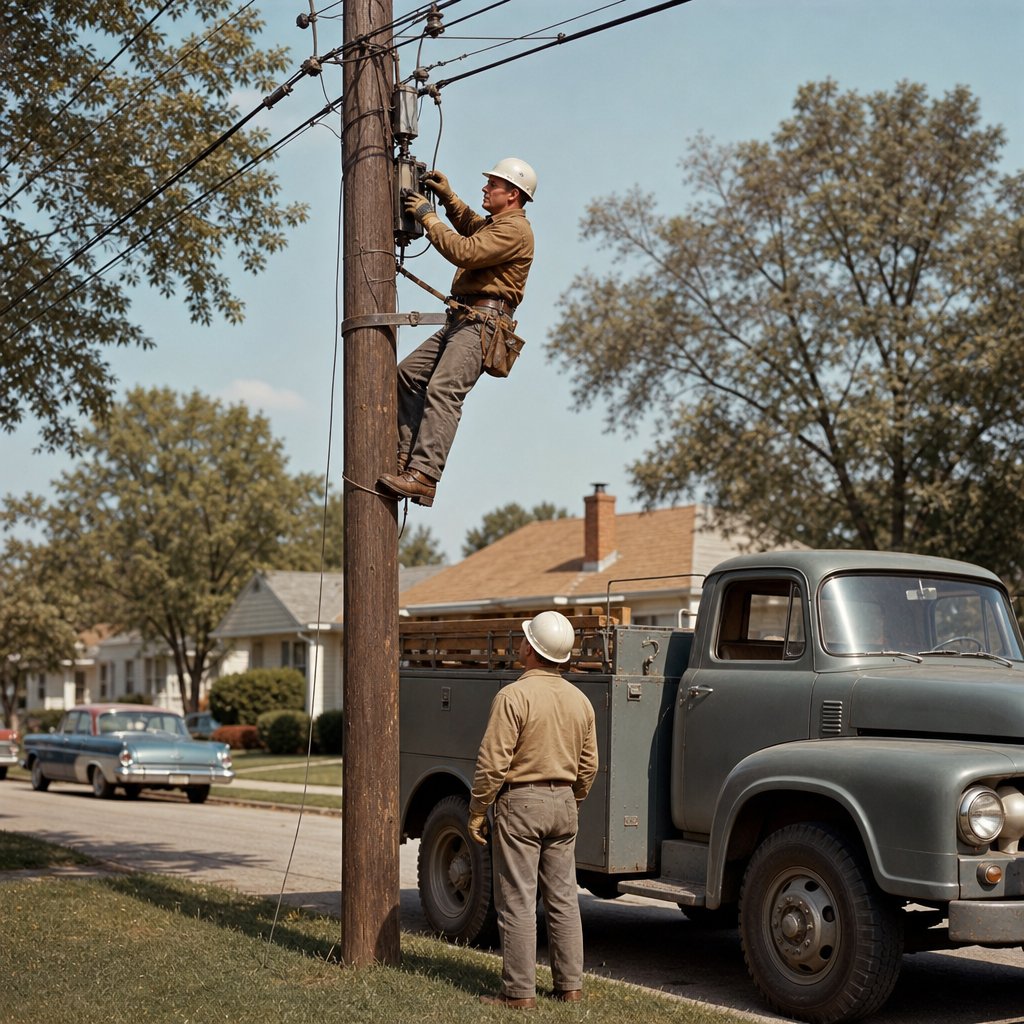
Electric utility linemen built and fixed the power lines that brought electricity everywhere. The job meant climbing poles, handling high-voltage gear, and sometimes working through rough weather.
Utility companies paid well for this tough and risky work. Unions were common and helped workers get steady raises and solid benefits all through the decade.
A lineman’s pay easily supported a family on one income. Many owned their homes, kept a dependable car, and even managed an annual vacation.
Training happened mostly through apprenticeships, not college. A high school diploma and a willingness to learn on the job usually got your foot in the door.
Job security was a real perk. Utilities expanded fast in those years, and the need for linemen stayed strong in both cities and rural areas.
15. Telephone company installer
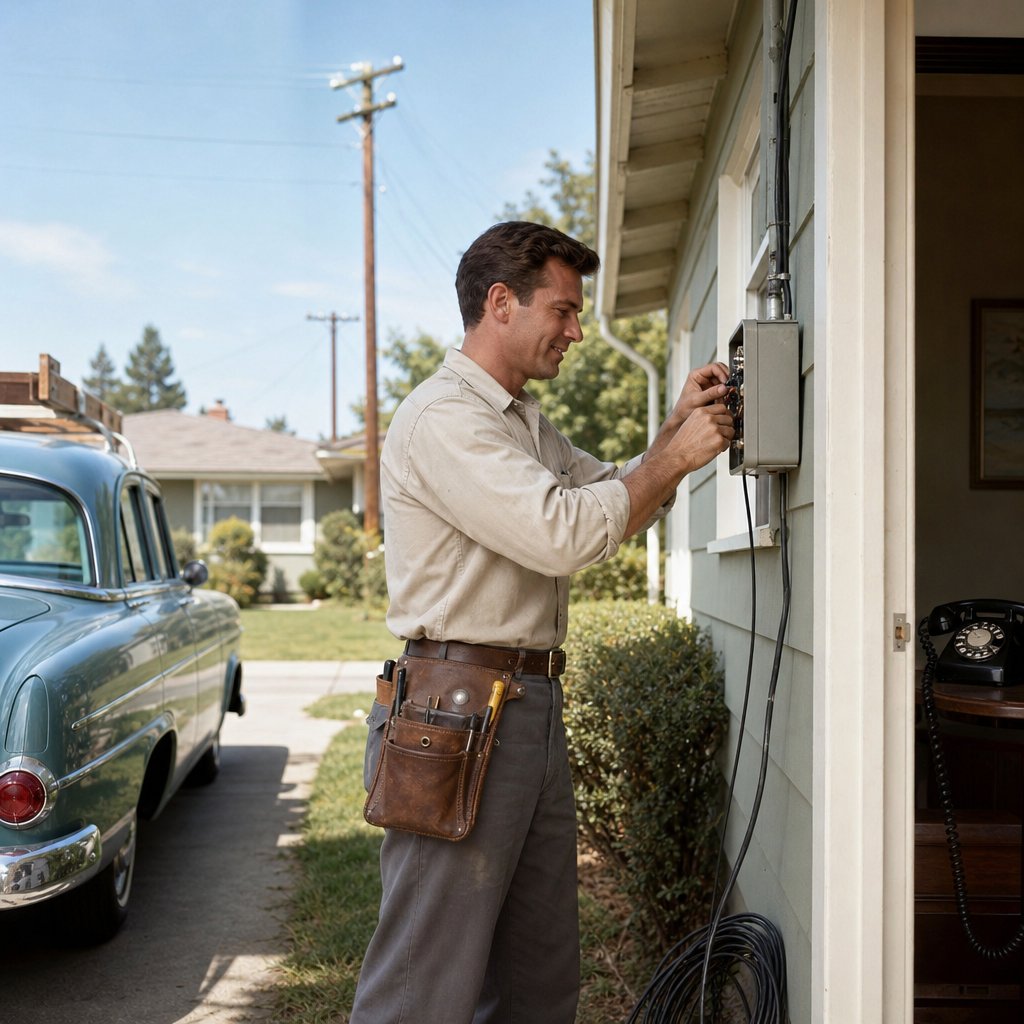
Telephone company installers worked steady jobs with Bell System companies during the 1960s. They hooked up new phone lines, ran wiring, and set up gear for customers.
The job often meant climbing poles or crawling through basements, using basic hand tools to get the work done. Training came straight from the company, and workers moved up through a clear seniority system.
Bell System jobs paid well for the time and came with good benefits. Union backing from the Communications Workers of America gave installers job stability and regular raises.
Plenty of installers bought homes, owned cars, and took family trips on just one income. With phone service booming, there was always work to do.
14. Postal service mail carrier

Postal mail carriers in the 1960s landed some of the most stable government jobs around, even without a college degree. Federal civil service jobs offered steady pay, cost-of-living bumps, and pension benefits that private companies rarely matched.
Starting pay ranged from $4,000 to $5,000 a year, with experienced carriers earning up to $6,000 by the end of the decade. That was enough for a family to buy a modest home in most cities.
The job required a civil service exam, not fancy degrees. Many carriers came from working-class families and saw the job as a real step up.
Health insurance and retirement plans came standard with the job. Those perks made it easier for families to look ahead without the stress that came with many private sector jobs.
Carriers usually worked six days a week, walking or driving their routes to deliver mail straight to homes and businesses. The physical side of the job kept many in good shape over the years.
Unions like the National Association of Letter Carriers helped negotiate raises and kept wages in line with inflation. That collective power meant steady improvements in pay and benefits.
Job security was about as good as it gets—mail volume kept growing with the population, and layoffs were pretty much unheard of. With a spouse sometimes working part-time, a carrier’s income usually covered a home, a car, and even a yearly vacation. That kind of lifestyle was a real marker of postwar prosperity for a lot of federal workers.
13. Teamster truck driver

Teamster truck drivers in the 1960s belonged to one of the country’s strongest unions. The International Brotherhood of Teamsters bargained for wages that beat most jobs not requiring a college degree.
Long-haul drivers moved freight between cities, while local drivers made deliveries for stores and manufacturers. Both paths offered steady, full-time work, with local jobs giving more predictable hours.
Union contracts brought health insurance, pensions, and paid time off—benefits that really mattered and weren’t always available elsewhere. By the mid-1960s, a Teamster driver could support a household on one income, covering a mortgage, car payments, and often even a second family vehicle.
Overtime pay sweetened the deal. Drivers working extra hours during busy shipping seasons could save for vacations or bigger purchases.
The job called for a commercial license and a clean record, but not years of schooling. That made it a good fit for men who wanted to get to work right after high school.
Seniority rules protected experienced drivers from layoffs and let them pick better routes and shifts. Drivers who stuck with a company saw steady boosts in pay and job security.
12. Longshoreman
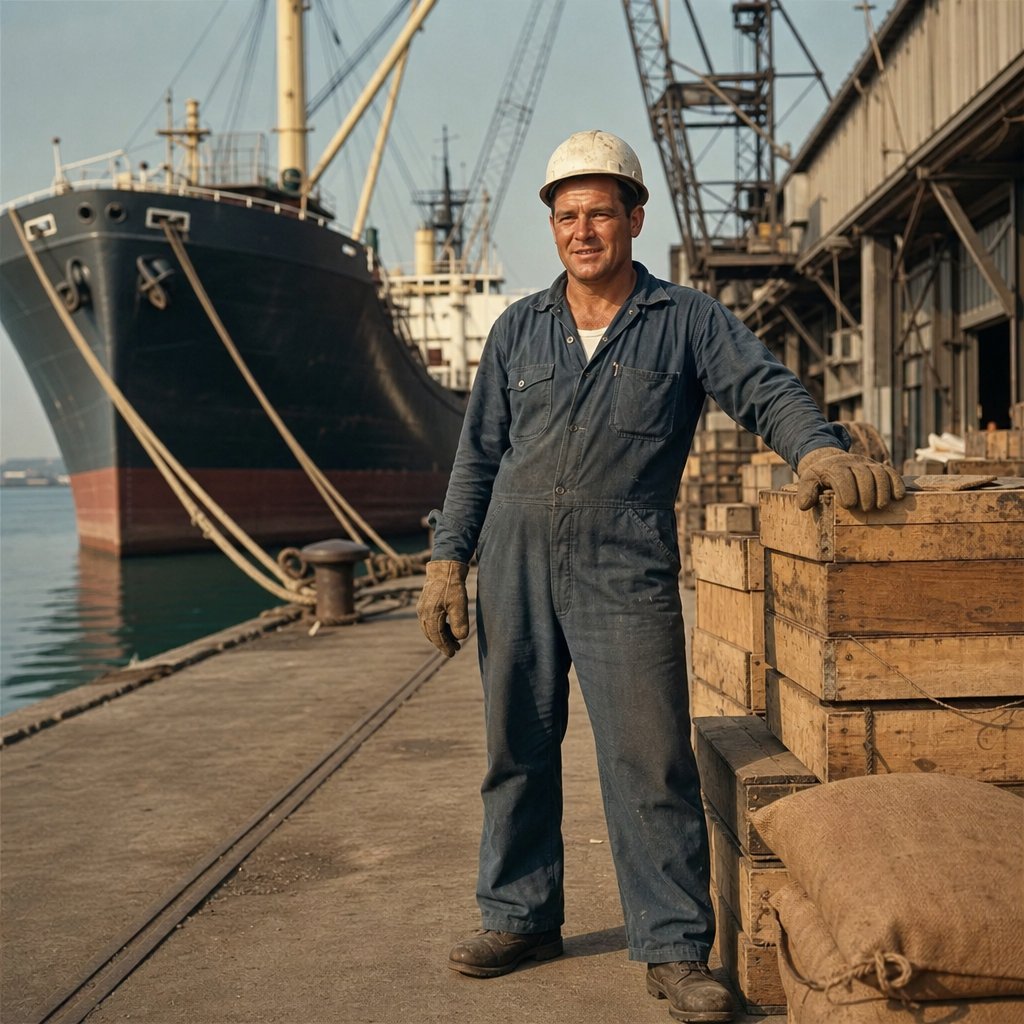
Longshoremen unloaded and loaded cargo ships at ports all over the country in the 1960s. The work was tough—lots of lifting, hauling, and moving crates or barrels by hand or with simple machines.
Union membership, especially with the International Longshoremen’s Association, gave dockworkers real leverage. Wages often beat what many white-collar workers took home.
In busy port cities, a longshoreman could earn enough to support a family. Overtime for nights and weekends really padded the paycheck—sometimes doubling a worker’s base pay.
Job security depended on shipping schedules, but big ports like New York, L.A., and San Francisco kept the work steady. Many men stuck with the job for decades, sometimes passing union cards down to sons or relatives.
The pay let longshoremen buy homes near the docks, own cars, and even take family trips. By the late 1960s, automation and shipping containers started changing the business, but for most of the decade, it remained a solid path to financial stability.
11. Locomotive mechanic
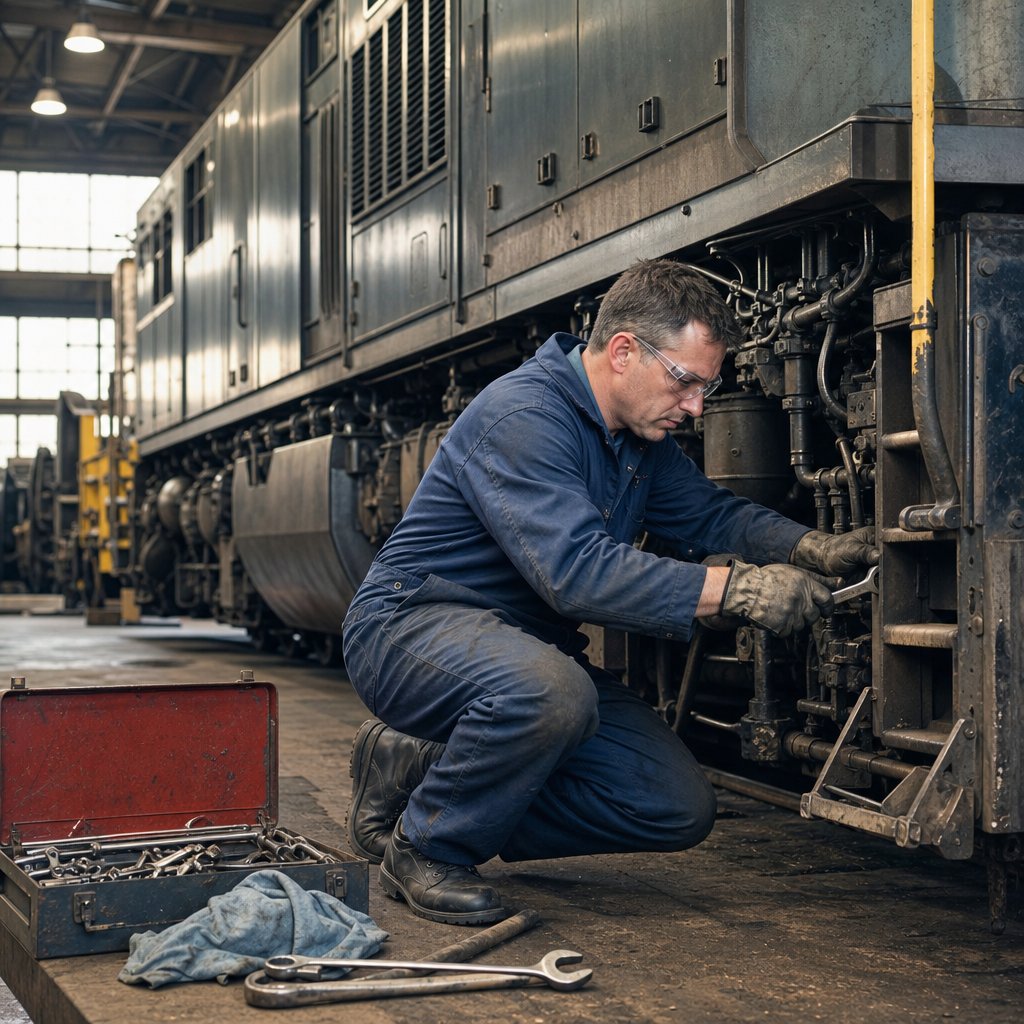
Railroads were still a backbone of American life in the 1960s, and locomotive mechanics kept those trains running. These skilled workers fixed diesel engines, electrical systems, and the mechanical parts that powered both freight and passenger trains.
Big railroad companies like Union Pacific, Santa Fe, and Southern Pacific hired thousands of mechanics for their maintenance yards and shops. The job required technical know-how, especially since diesel-electric engines had mostly replaced steam by then.
Locomotive mechanics earned $3.50 to $4.50 an hour, or about $7,000 to $9,000 a year for full-time work. Railroad unions helped secure strong wages and benefits.
That income made homeownership possible in working-class neighborhoods near the rail yards, where houses might cost $12,000 to $18,000. Many mechanics bought family cars and took modest vacations using railroad travel passes—a nice perk of the industry.
Job security was high because railroads always needed repairs to keep those old fleets moving. Apprenticeship programs let young men learn the trade without college, picking up skills from seasoned mechanics on the job.
10. Railroad engineer

Railroad engineers in the 1960s had one of the more respected blue-collar jobs in America. Freight and passenger rail stayed essential to the economy, and experienced engineers earned wages that supported a family comfortably.
Pay often reached $8,000 to $10,000 a year by the mid-1960s, putting engineers well above the national median income. Seniority mattered in this field, and those who worked their way up from brakeman or fireman saw steady raises over time.
Strong union backing through groups like the Brotherhood of Locomotive Engineers gave workers real negotiating power. Wages, pensions, and benefits were tough to beat in other trades.
An engineer’s income usually covered a mortgage on a modest house, a family car, and an annual vacation. In railroad towns across the Midwest and Northeast, many families built stable, middle-class lives on a single income.
The work demanded long hours and time away from home, since freight schedules ran around the clock. Still, the steady pay, union protection, and job security made it a career families could truly plan a future around.
9. Union sheet-metal worker
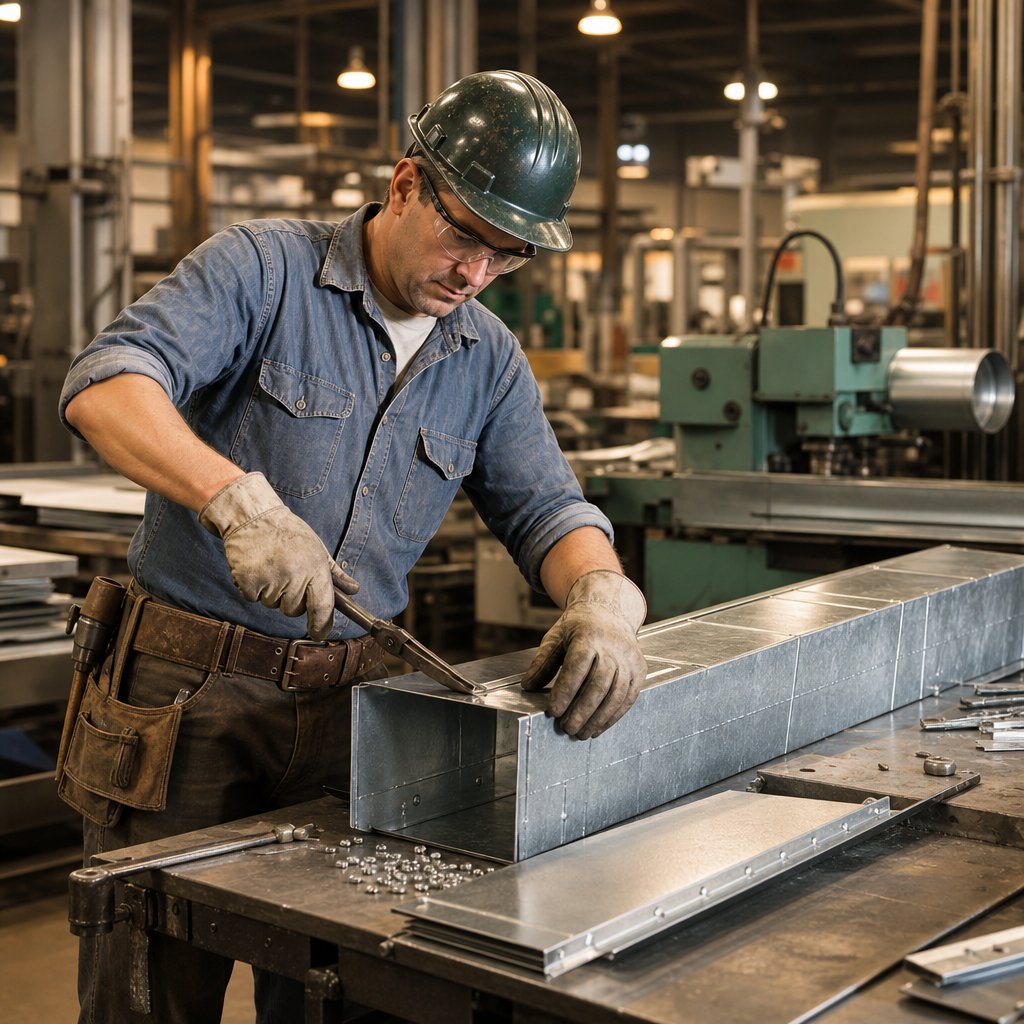
A union sheet-metal worker in the 1960s earned a steady, respectable wage while installing ductwork, roofing, and ventilation systems on construction sites. Membership in the Sheet Metal Workers’ International Association brought negotiated pay scales, health benefits, and pension contributions that many nonunion trades just didn’t offer.
Wages usually ranged between $3 and $4.50 per hour by the late 1960s, which meant an annual income of about $6,500 to $9,000 for full-time work. Overtime during peak construction seasons added even more.
The trade required a formal apprenticeship, usually lasting four years, combining classroom instruction with paid on-the-job training. Workers earned income while learning, so they avoided the debt burden that came with other career paths.
With this income, families could afford a modest single-family home in a suburban development, often with an FHA or VA loan. A reliable car, usually American-made, was within reach for commuting to job sites.
Union benefits also supported annual vacations, maybe a week at the lake or a road trip to see relatives. Job security came from steady postwar construction demand—highways, schools, commercial buildings—anything needing ventilation or metalwork.
8. Commercial construction worker

Commercial construction workers built offices, schools, hospitals, and shopping centers during a decade of rapid suburban and urban expansion. Union membership was common, so wages and benefits stayed pretty consistent across job sites.
Skilled construction workers often earned $4 to $5 an hour by the mid-1960s, which meant $8,000 to $10,000 a year for steady work. That income covered a mortgage, a family car, and modest vacations.
The work was physically demanding, with outdoor conditions and seasonal layoffs. Still, this trade offered a path to homeownership without needing a college degree.
Apprenticeship programs let workers move up into supervisory roles. Plenty of construction workers eventually became foremen or started their own small contracting businesses, which bumped up their earning potential.
7. Bricklayer

Would you like to save this?
Bricklayers in the 1960s could earn a solid, stable wage without a college degree. Union wages for skilled masons often hit $4 to $5 an hour, which meant about $8,000 to $10,000 a year for full-time work.
This income comfortably supported a family. A bricklayer could afford a modest three-bedroom home, a reliable car, and still put away some savings.
Construction was booming, with suburban housing, schools, and commercial buildings driving steady demand for tradespeople. Bricklaying took physical stamina and precision, but you didn’t need more than an apprenticeship.
Many learned the trade through union programs that mixed paid training with hands-on experience. Union membership brought perks beyond wages—health insurance, pension plans, and job security were all common.
The trade offered a clear path to advancement. Skilled bricklayers often became foremen or started their own businesses, which boosted their income over time.
6. Carpenter

Carpenters in the 1960s enjoyed a steady, well-respected trade that supported a comfortable middle-class life. Union wages for skilled carpenters averaged $3 to $4 per hour, or about $6,000 to $8,000 a year—enough for a mortgage, raising kids, and some savings.
Housing demand created consistent work. Suburban expansion meant new subdivisions needed framing, finishing, and cabinetry. A carpenter with steady work could often buy a home in the same neighborhoods he helped build.
Many belonged to unions like the United Brotherhood of Carpenters and Joiners of America. Union membership brought job security, healthcare benefits, and pension plans—long-term stability that made the trade attractive to those without college degrees.
Owning a car was standard, since travel between job sites required reliable wheels. Many managed to save enough for family vacations, often to lakes, parks, or relatives in other states. With steady wages and lower living costs, this kind of financial comfort was within reach.
Apprenticeship programs let young men enter the trade without more than a high school education. Training typically lasted three to four years and combined on-the-job experience with classroom instruction. This created a reliable pipeline of skilled workers who could expect steady advancement.
5. Plumber
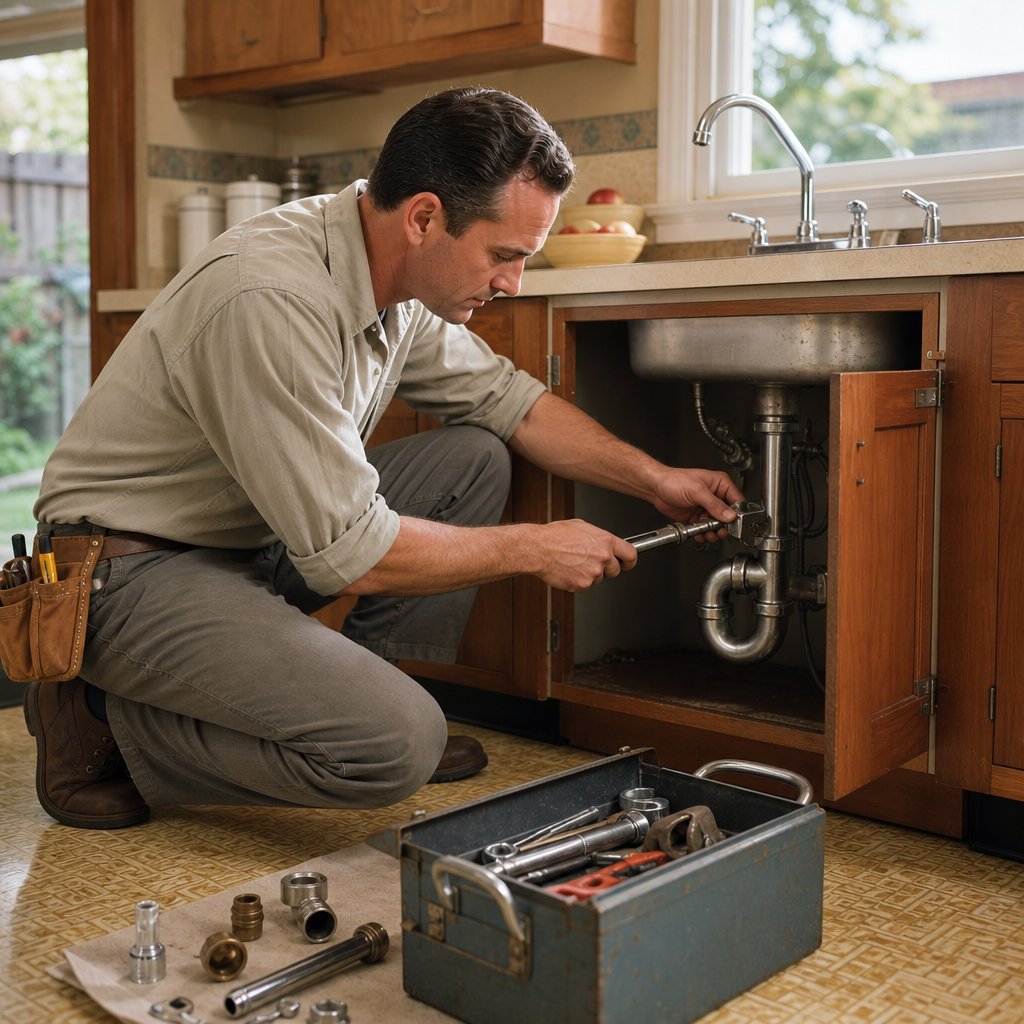
Plumbers in the 1960s earned a solid, dependable income through skilled trade work every home and business needed. Union apprenticeships lasted four to five years, and a journeyman plumber could expect $3 to $5 per hour—about $7,000 to $9,000 a year with steady overtime.
This income easily covered a family home in most suburbs, where median home prices were around $12,000 to $15,000. Many plumbers bought a car outright within a few years, and some even managed a second vehicle for their spouse.
The trade offered job security because new housing developments constantly needed plumbing. Commercial construction—schools, factories—also relied on licensed plumbers, so demand stayed strong.
Union membership provided pension plans and health insurance, which were rare for many other blue-collar jobs then. These protections let plumbers plan for retirement with confidence.
Family vacations were realistic, especially for those working for established companies or running their own small businesses. A week at the lake or a road trip to a national park fit into a typical budget without much financial strain.
4. Electrician
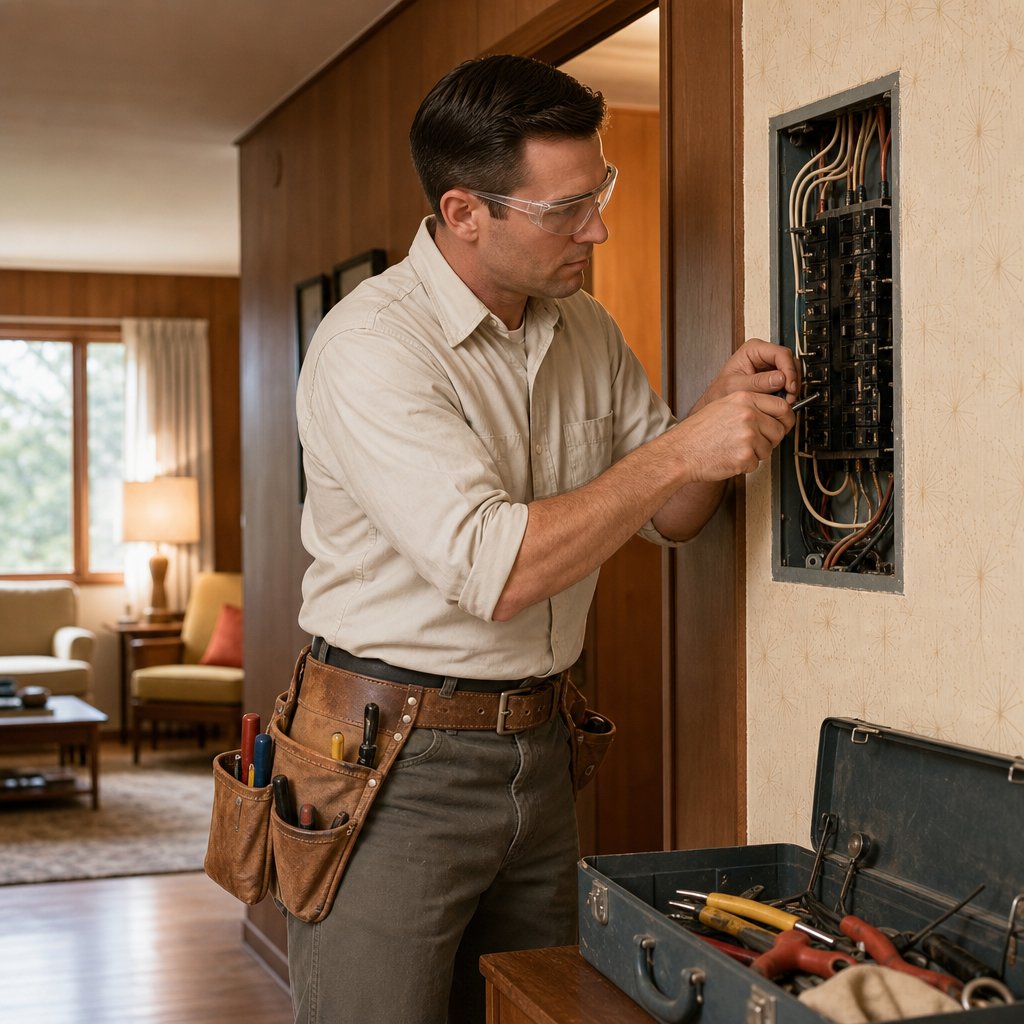
Electricians in the 1960s rode the wave of a construction boom that reshaped American suburbs. New housing needed modern wiring, and families wanted up-to-date electrical systems.
Apprenticeships lasted about four years, mixing classroom lessons with paid, hands-on training. Union membership, especially through the International Brotherhood of Electrical Workers, meant wage protections and steady work assignments.
A journeyman electrician could earn $4 to $6 per hour, or about $8,000 to $12,000 a year. That put them comfortably in the middle class, able to afford a home, a car, and modest travel.
Demand went beyond homes—commercial buildings, factories, and public infrastructure all needed licensed electricians. This kept employment steady across different sectors.
The trade carried a certain respect in communities. Electricians were seen as skilled professionals whose work was both necessary and visible, so job security stayed strong.
3. Tool-and-die maker
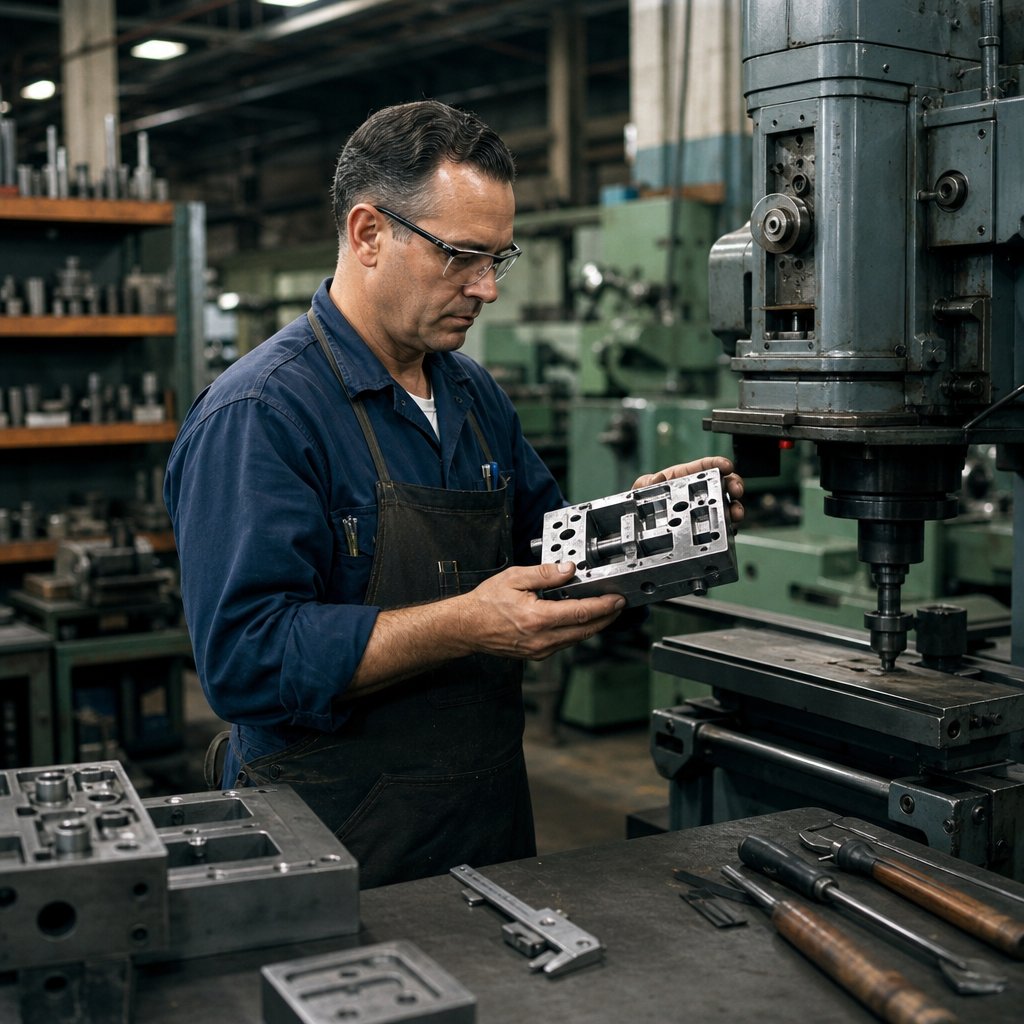
Tool-and-die makers held one of the most respected positions on any factory floor in the 1960s. They built the precision molds, jigs, and dies that shaped metal parts for cars, appliances, and machinery.
The work demanded years of apprenticeship, sharp math skills, and steady hands. A skilled tool-and-die maker typically earned $4,000 to $6,000 a year, which was well above the average factory wage.
This income made homeownership possible in most industrial cities. A modest three-bedroom house usually cost around $12,000 to $15,000 at the time.
Union contracts at major manufacturers like General Motors and Ford included solid benefits packages. Health insurance, pension plans, and paid vacation time came standard for these tradesmen.
Buying a new car was routine, not a luxury. Tool-and-die makers could afford a new Chevrolet or Ford sedan every few years without much financial worry. Some even picked up a second vehicle for their spouse.
The trade offered job security tied to America’s booming manufacturing sector. Cities like Detroit, Cleveland, and Chicago had strong demand for this skill set, and a tool-and-die maker with a good reputation rarely worried about layoffs.
2. Skilled machinist
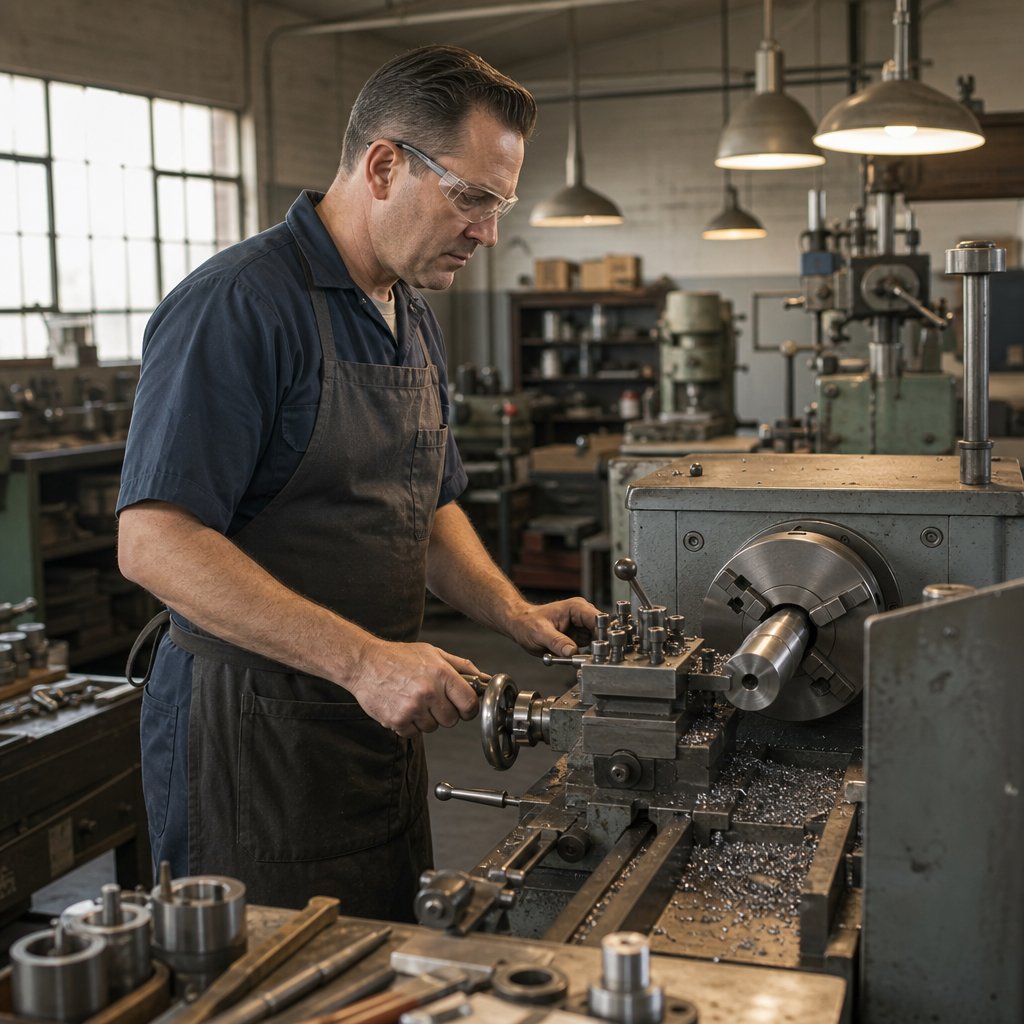
Back in the 1960s, skilled machinists worked with lathes, milling machines, and all sorts of precision tools. They shaped metal parts for engines, machinery, and a surprising range of consumer goods.
Getting good at this trade took years—usually through apprenticeships that mixed hands-on shop experience with some technical schooling. It wasn’t something you just picked up overnight.
Factories in the industrial Midwest and other manufacturing towns leaned hard on machinists to make parts for cars, appliances, and even aircraft. American manufacturing was booming, so demand for these workers stayed pretty steady all decade.
Most machinists belonged to unions, which gave them some real clout when it came to wages. Their pay usually beat what general factory workers made, thanks to the skill and precision the job needed.
If you were a machinist earning a decent wage, you could support a family on just your income. A lot of folks bought modest homes in the suburbs near their plants—housing prices back then actually lined up with what people brought home.
Owning a car was pretty much standard, mostly because you needed one to get to those sprawling industrial parks. As overtime hours added up, some families even managed to buy a second car.
Unionized shops started offering paid vacation time more often during this era. That meant a week or two off in the summer, and families would pile into the car to visit lakes, national parks, or maybe see relatives out of state.
The trade felt stable because factories kept churning out products, and machined parts always needed replacing or fixing. Even when the economy dipped a little, machinists usually hung onto their jobs.
1. Factory assembly-line worker
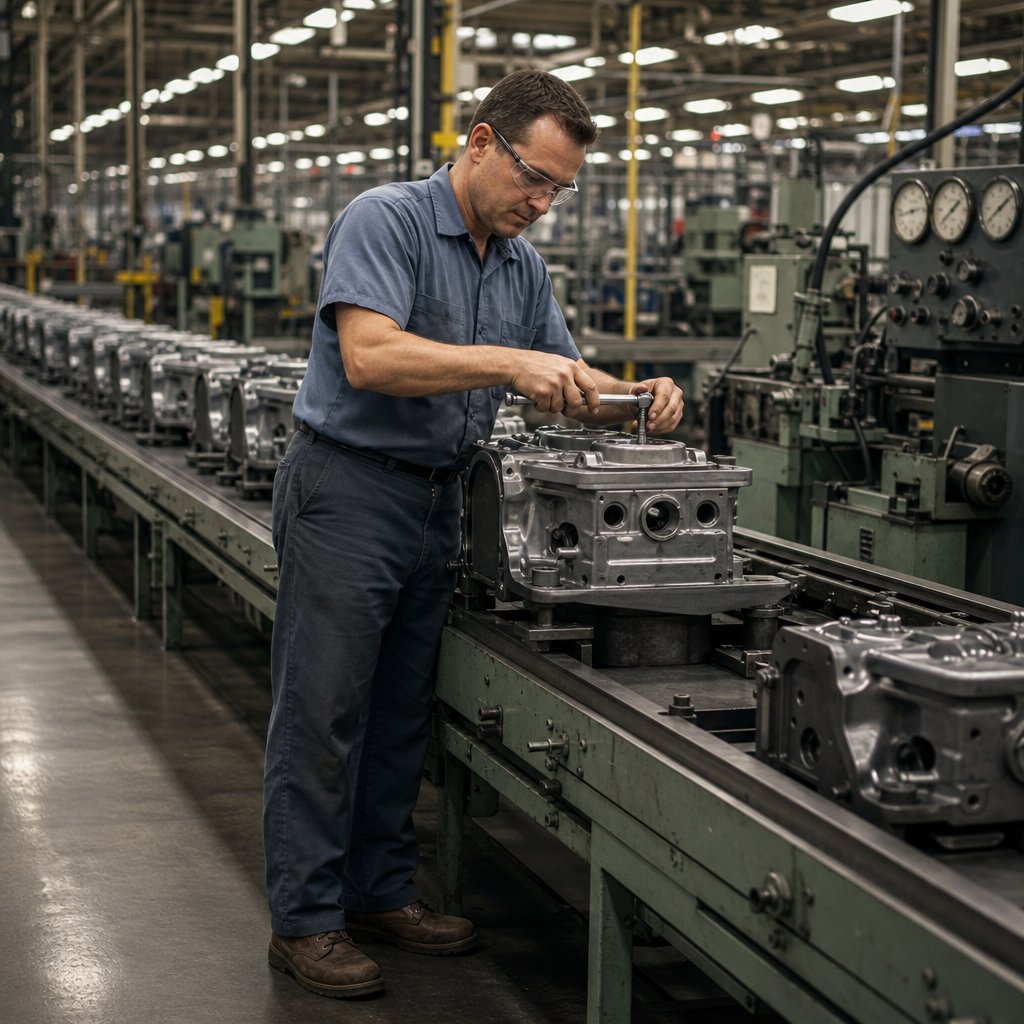
Back in the 1960s, factory assembly-line jobs meant steady pay for millions of American families. Auto manufacturers, appliance makers, and other big industrial employers paid union wages—often more than $3 an hour.
That worked out to about $120 a week if you were full-time. With that kind of income, a single earner could support a household pretty comfortably.
Plenty of assembly-line workers bought modest homes in suburbs close to factories, especially in places like Detroit, Flint, and Cleveland. Union contracts, especially from the UAW, brought benefits like health insurance, pensions, and paid vacations.
Families could afford a car—sometimes even one built at their own plant. Annual vacations to nearby lakes or national parks weren’t out of reach either.