
Would you like to save this?
You could walk into a drugstore in 1965 with one dollar and come back out carrying bread, a candy bar, a bottle of Coke, and change. Gas hovered around 30 cents a gallon. A new Volkswagen Beetle cost about $1,600. A color television could swallow nearly a month of gross family income.
That is what makes these prices so revealing. The small purchases look almost imaginary, while the big ones show that 1965 was not simply a world where everything was cheap. Median American family income was about $6,900 a year, and every price had to fit inside that much smaller paycheck. These 27 everyday costs show what felt ordinary at the time—and what has changed beyond recognition since.
27. A Loaf of White Bread: About 21 Cents in 1965
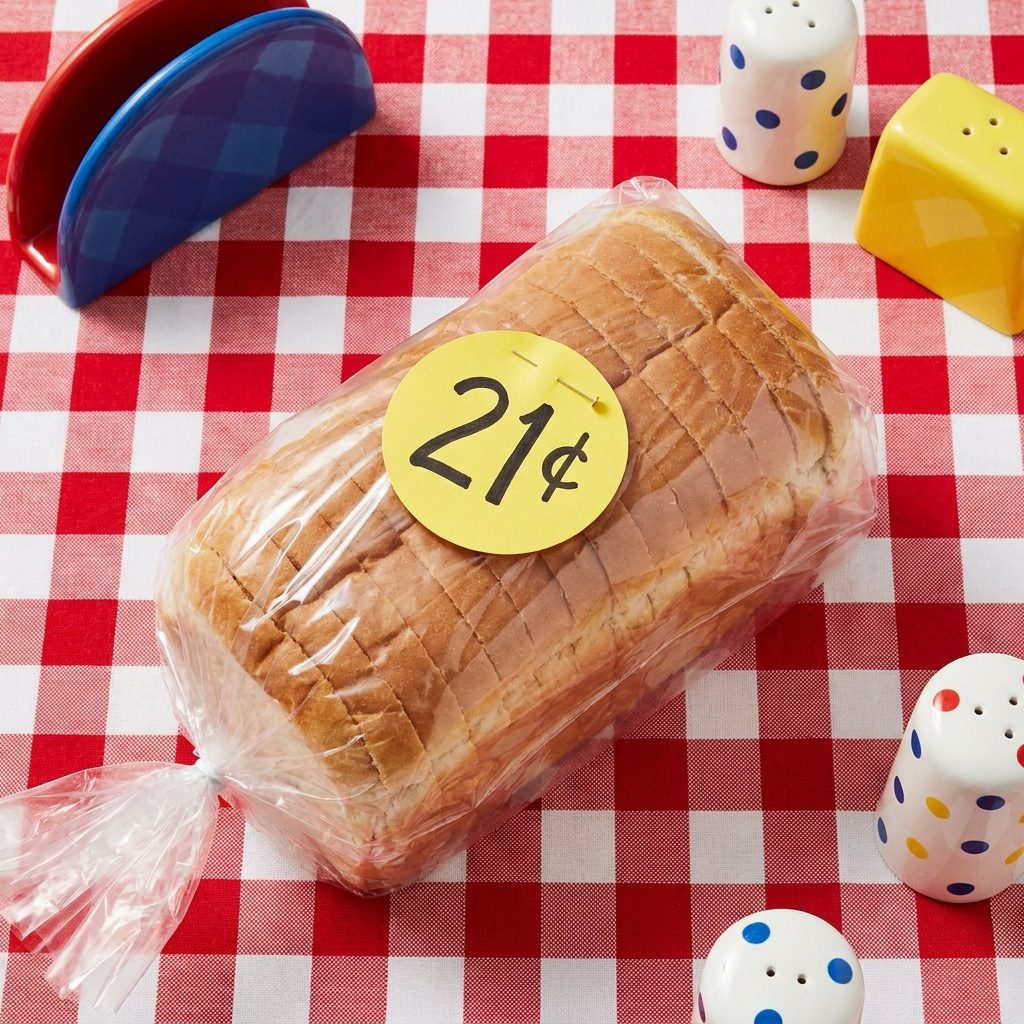
Wonder Bread and its competitors sold for around 21 cents a loaf in 1965. Bread prices remained comparatively stable through much of the 1960s before food inflation accelerated in the early 1970s. A dollar bought nearly five loaves. The bread itself was soft, pre-sliced, and enriched with vitamins, a selling point plastered across every package. Whether it built strong bodies twelve ways was debatable. Whether it made the best grilled cheese sandwich in a cast-iron pan is not.
26. A New Car: Around $2,650 for a Base Model in 1965
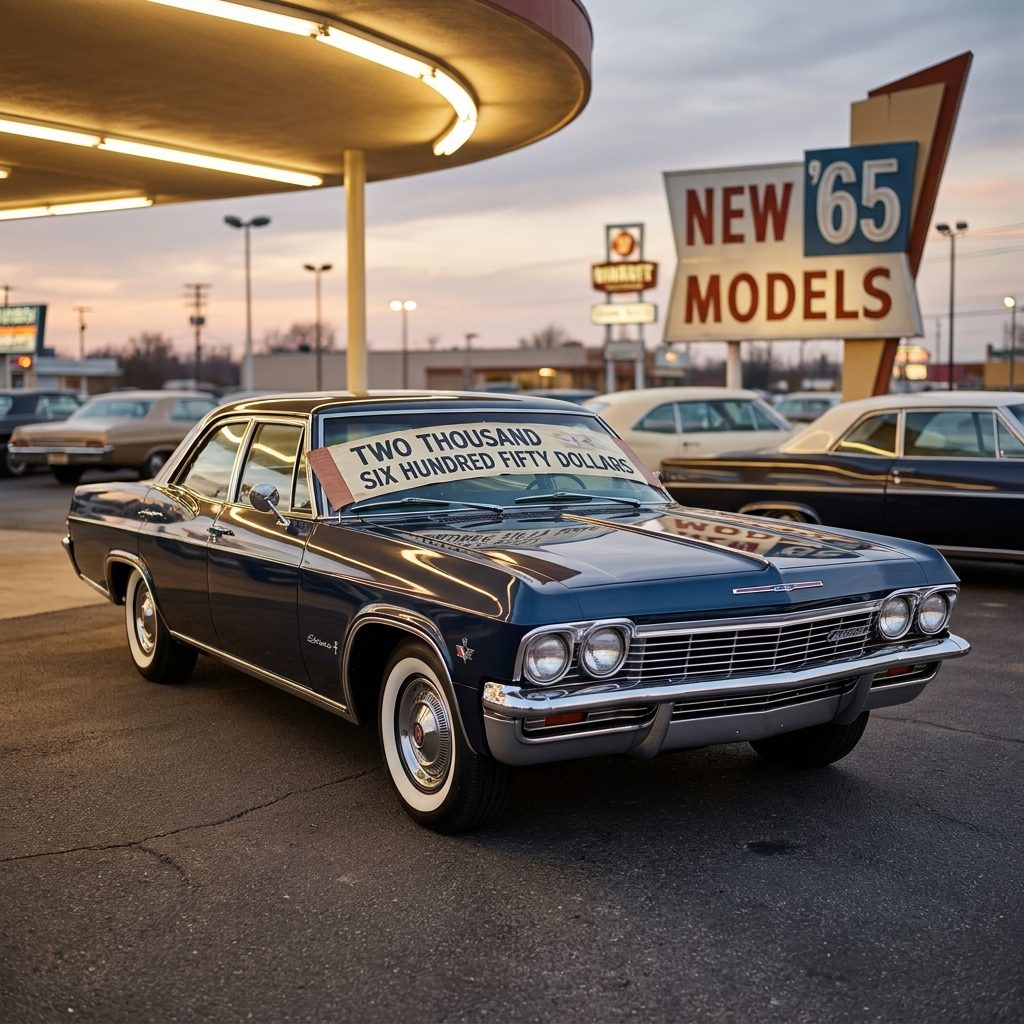
A base-model full-size American car stickered at around $2,650 in 1965. Step up to a Mustang fastback or a Chevelle SS and you were closer to $3,000. These weren’t small cars. They were long, heavy, and powered by engines that would look comical in anything built today.
Median American family income was about $6,900 in 1965, which put a $2,650 car at a little under five months of gross family income. That comparison is only a rough measure of affordability, since financing costs, taxes, household structure, and today’s vehicle market are all different.
25. A Dozen Eggs: About 53 Cents in 1965
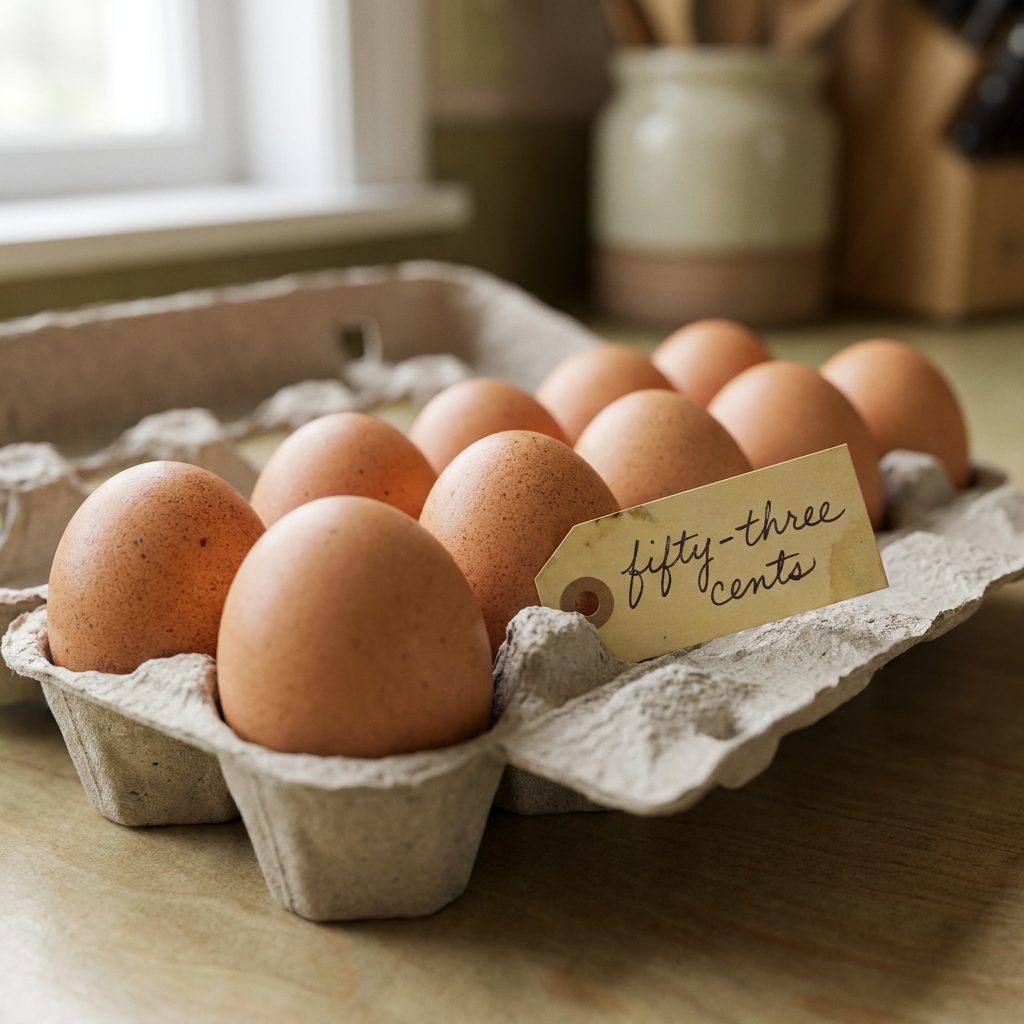
Eggs ran about 53 cents a dozen in 1965, less than half an hour of work for someone earning the $1.25 federal minimum wage. Breakfast was cheap. A dozen eggs, a loaf of bread, and a pound of butter together cost well under a dollar and a half. The price held fairly steady through most of the 1960s, part of a broader period of food price stability that would shatter completely when the 1970s arrived and brought grain shortages, oil shocks, and the highest food inflation Americans had seen in a generation.
24. A Gallon of Milk: About 95 Cents in 1965
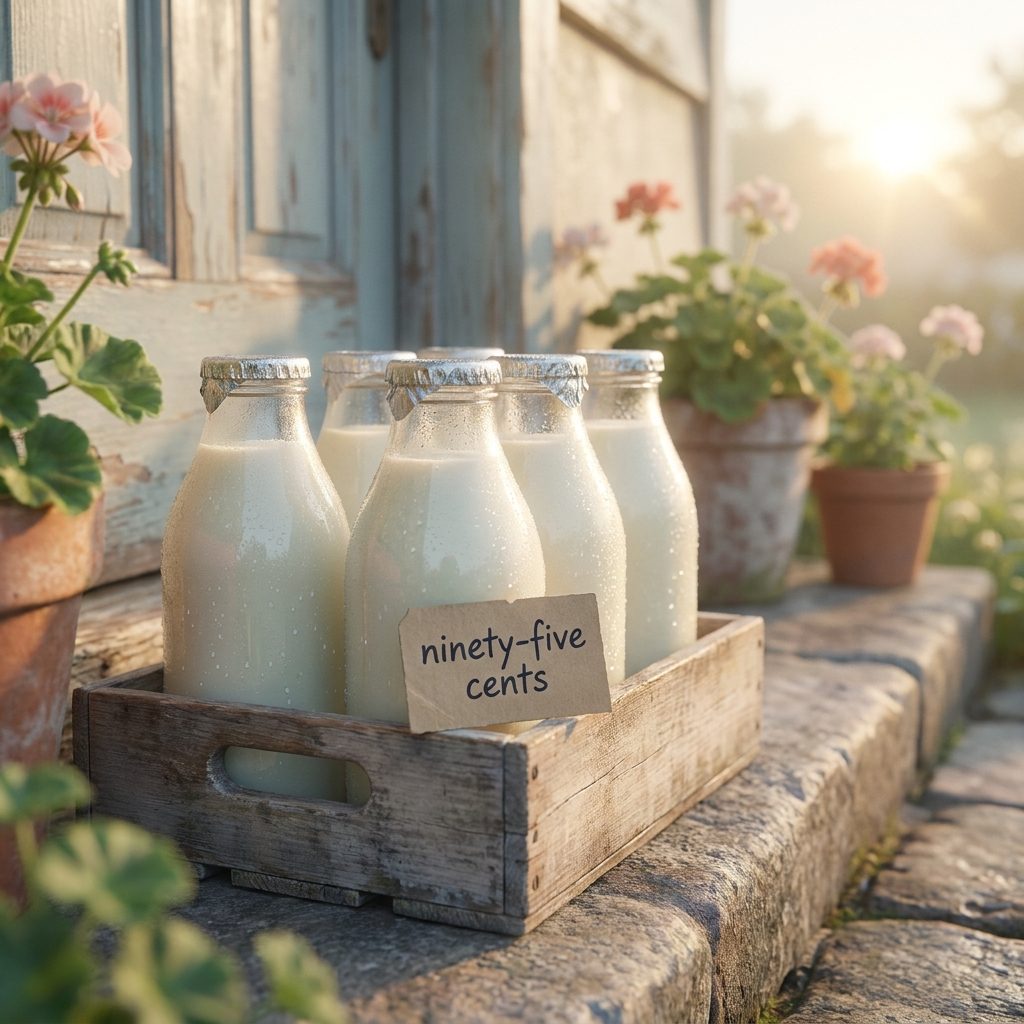
Milk cost roughly 95 cents a gallon in 1965, making it actually one of the pricier items in a mid-decade grocery run relative to bread and eggs. Home delivery by milkman was still common in many neighborhoods, though the practice was declining fast as supermarkets ate into the route business.
Federal dairy policy helped support farm prices, while retail milk costs still varied by region, processing, delivery, and local regulation. The milkman left glass bottles on the porch before dawn. Somebody rinsed them and left them back out. That system worked for a very long time.
23. A McDonald’s Hamburger: 15 Cents in 1965
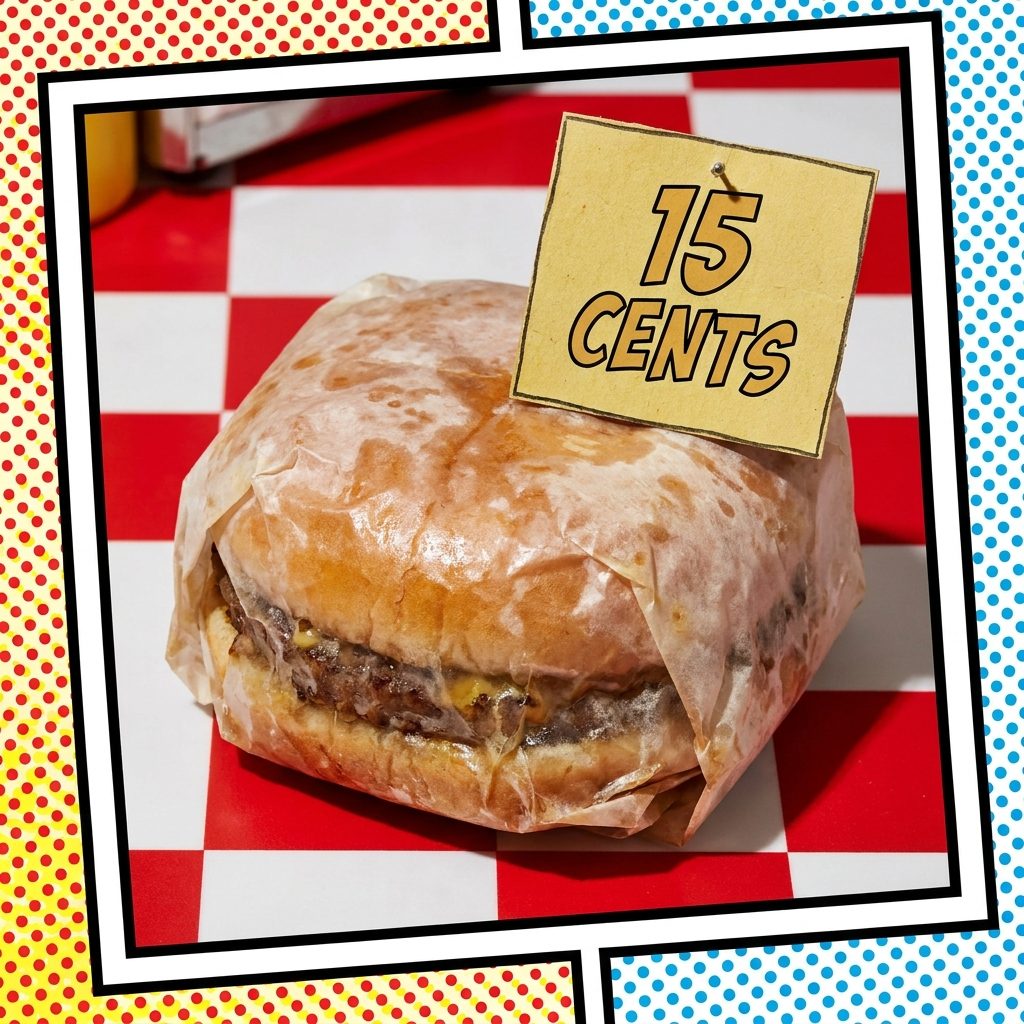
Fifteen cents was the familiar advertised price of a McDonald’s hamburger in the mid-1960s, although menus could vary by location. A 15-cent burger, a 10-cent bag of fries, and a 20-cent shake came to 45 cents total. Under half a dollar for a full fast-food meal.
The 15-cent price began to rise later in the decade as costs and local pricing changed. The chain was expanding fast across the country, and the low price was the whole point. Speed and consistency were the pitch, but the nickel-and-dime pricing was what filled the parking lots.
22. A Pack of Cigarettes: About 25 Cents in 1965
A pack of cigarettes could cost roughly 25 to 35 cents in 1965, depending on state and local taxes. Smoking rates among American adults peaked right around this era, with roughly 42 percent of adults smoking regularly. Cigarettes were sold at every drugstore counter, diner register, and vending machine in the country. The Surgeon General’s famous 1964 report linking smoking to cancer had landed just a year earlier, but it hadn’t moved the price or the habit much yet. That would come later, slowly, through taxes that would push a pack past $10 in many states by the 2020s.
21. A Brand-New Color Television Set: Around $500 in 1965
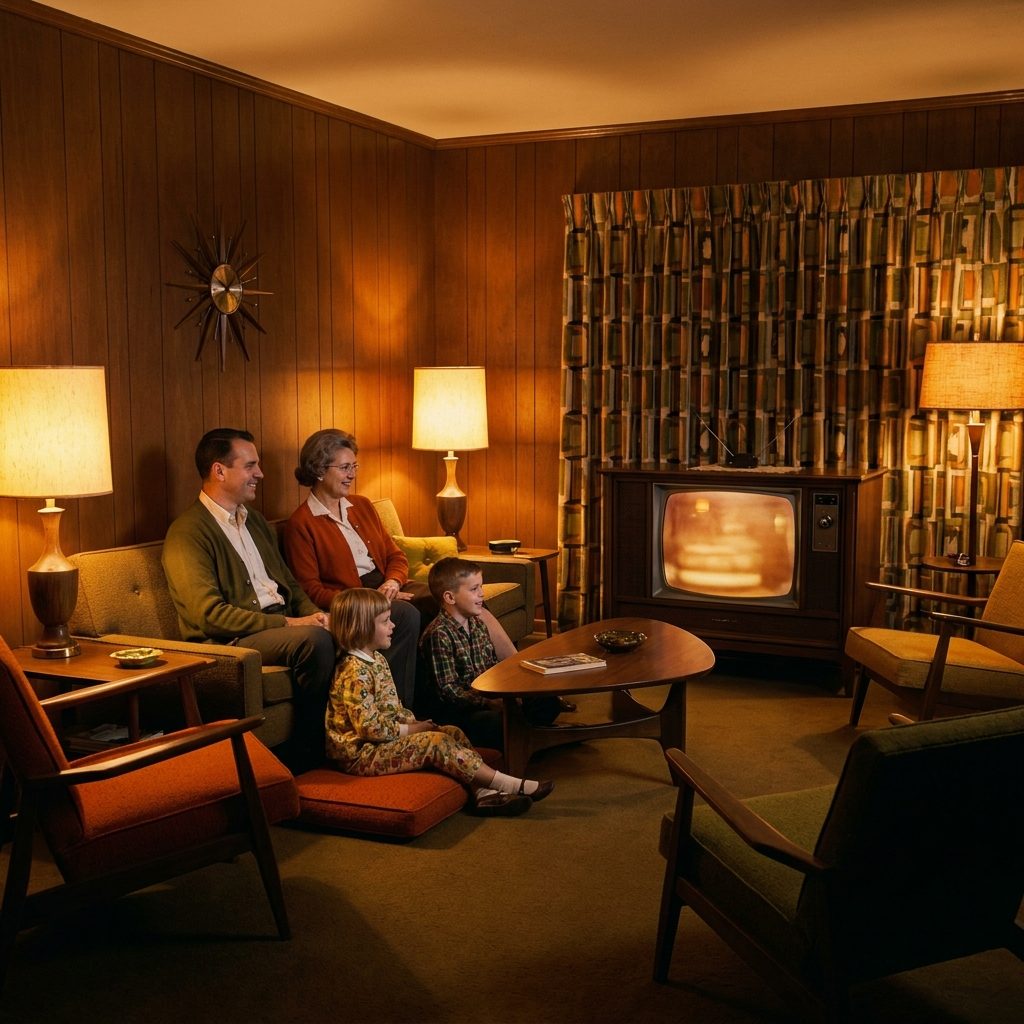
Color television was the appliance of the decade in 1965, and it carried the price tag to prove it. A color console TV ran roughly $400 to $550 depending on screen size and cabinet finish, at a time when median family income was around $6,900 a year. That put a $500 set close to a month of gross family income, sitting in the living room on tapered walnut legs.
Black-and-white sets cost a fraction of that, which is why most American households still had one. Color was aspirational. You bought it, and then you called the neighbors over to watch it.
20. A First-Class Postage Stamp: Just 5 Cents in 1965
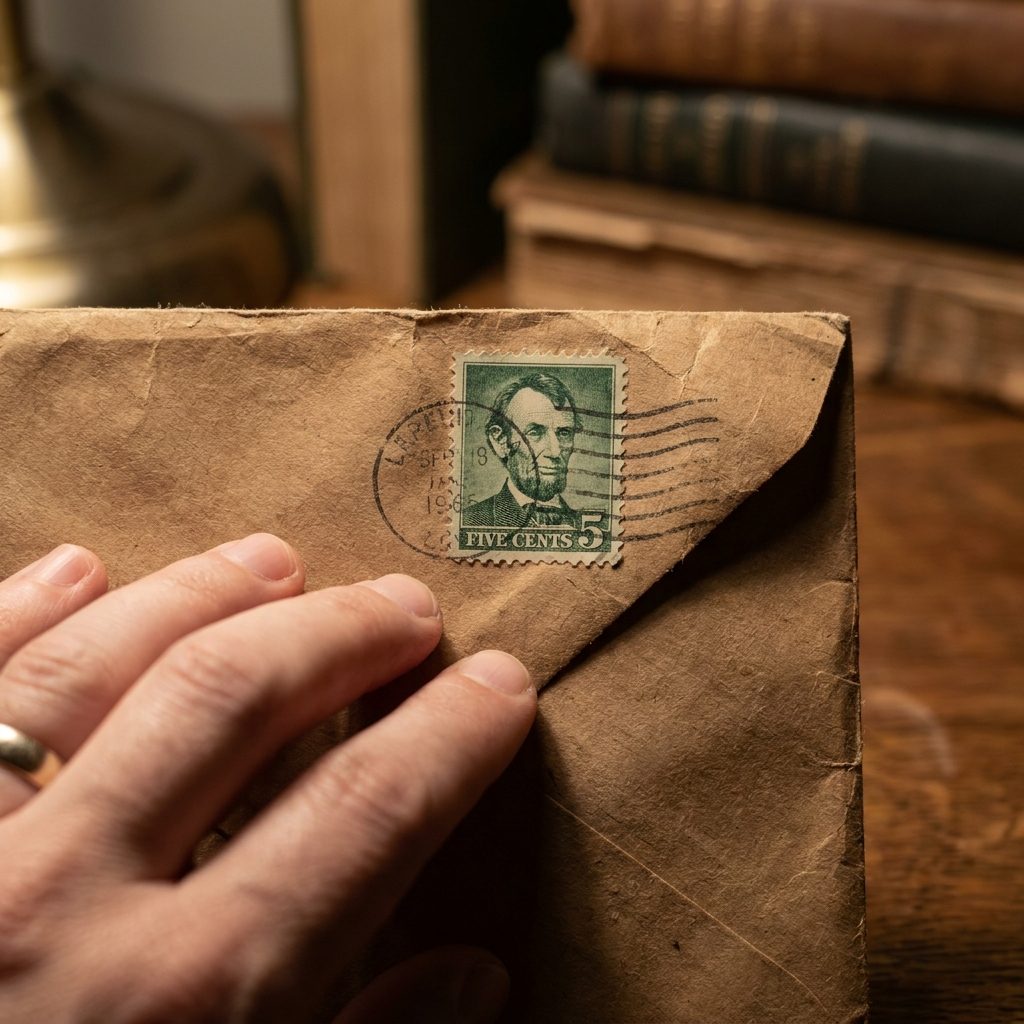
Five cents. That bought a first-class stamp in 1965 and sent a letter anywhere in the country. At the $1.25 federal minimum wage, a covered worker could buy 25 stamps with one hour’s pay, though most people were writing one letter at a time, in cursive, on stationery kept in a desk drawer specifically for the purpose.
The rate had been 4 cents since 1958. The bump to 5 cents came in January 1963, and people genuinely complained about it. Perspective is a funny thing.
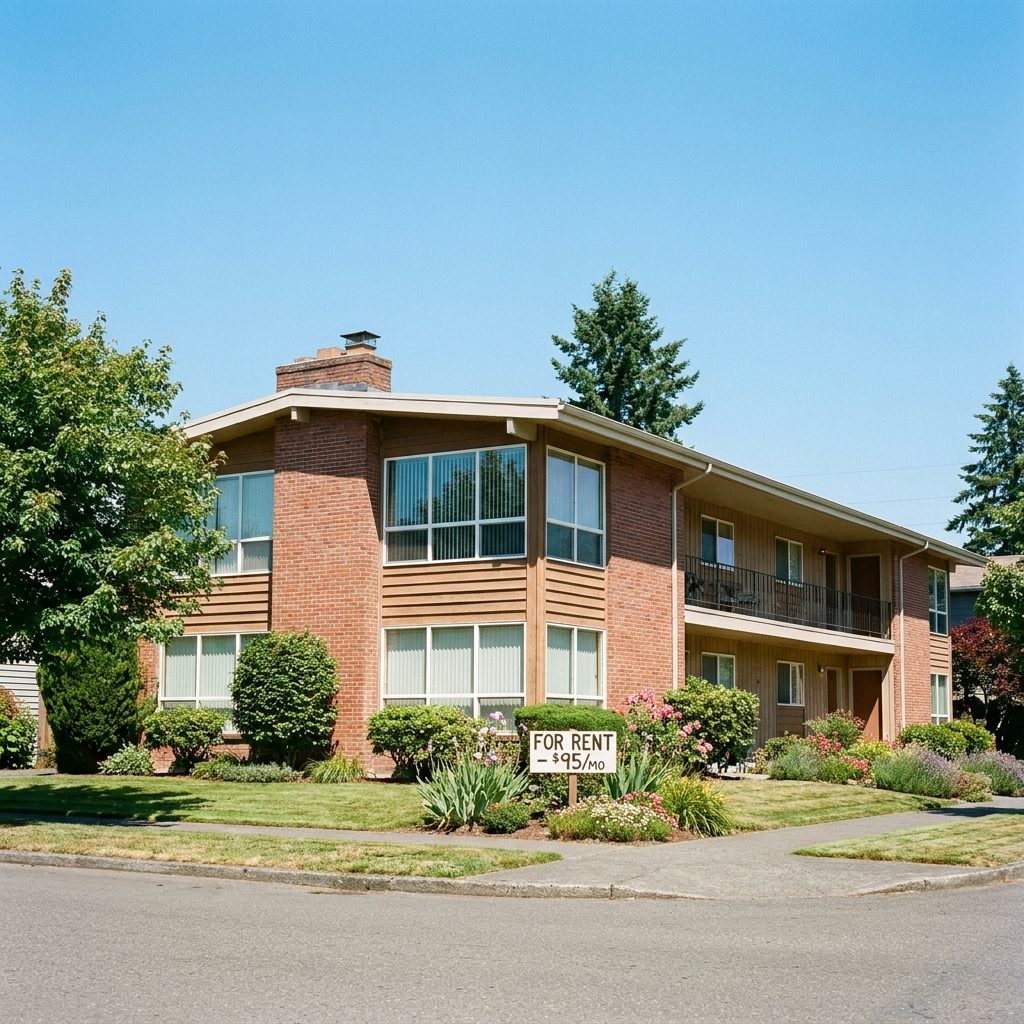
19. Monthly Rent for a Two-Bedroom Apartment: About $95 in 1965
Would you like to save this?
Two-bedroom rents varied enormously by city, neighborhood, building age, and whether utilities were included. A figure around $95 a month works as an illustrative mid-1960s example, not a universal national rent. In many places, that still represented a far smaller share of income than comparable rent does for many households today.
That said, the apartments themselves reflected the price. Small kitchens. Radiator heat. One bathroom shared between everyone. Nobody called it charming, that word came later, when the rents got higher.
18. A Hershey’s Chocolate Bar: A Nickel in 1965
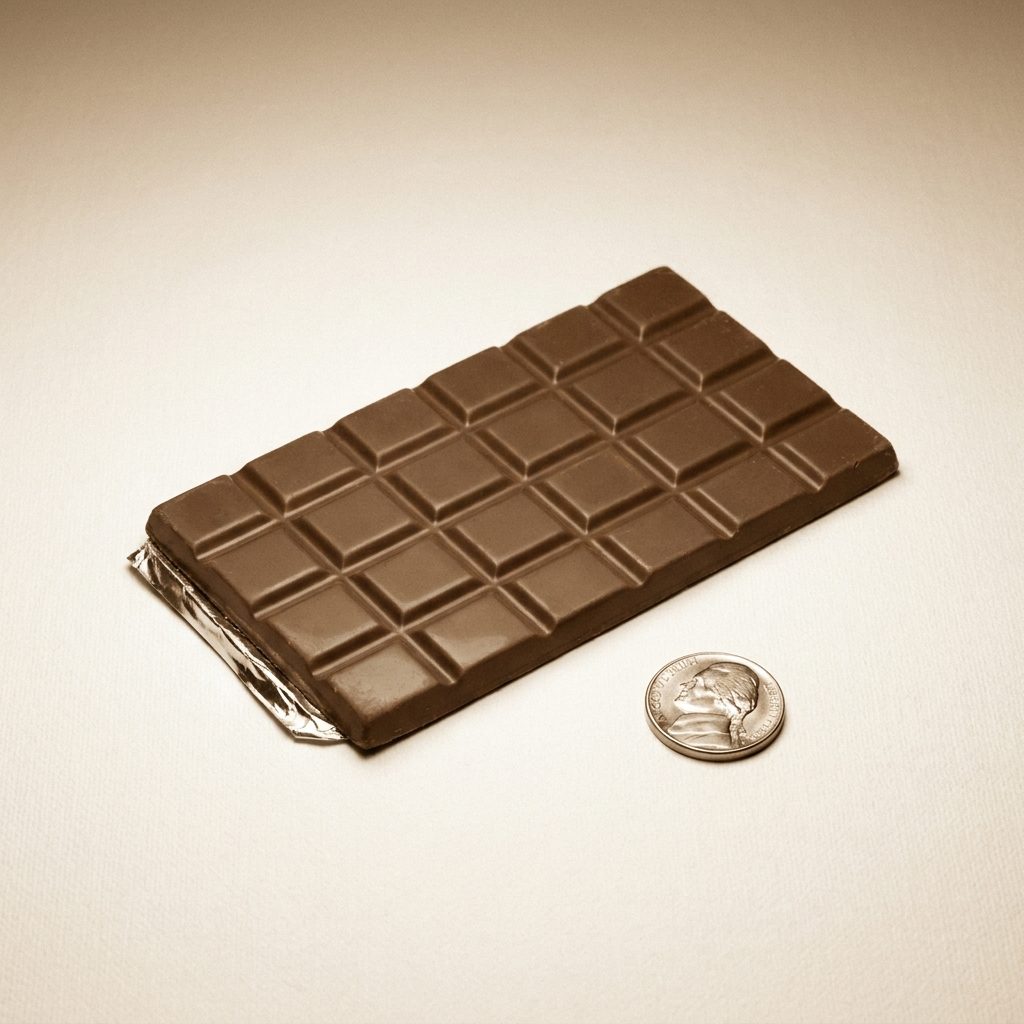
A Hershey bar cost a nickel in 1965. The same nickel had bought you that same bar in 1935. Thirty years at the same headline price, which is actually the more impressive fact. Candy makers often defended familiar price points by adjusting bar size as ingredient and manufacturing costs changed.
By 1969, inflation finally broke the nickel bar for good. It went to 10 cents, then kept going. The era of the nickel candy bar is one of those small, specific closures that marks where one America ended and another began.
17. A Cup of Diner Coffee: About a Dime in 1965
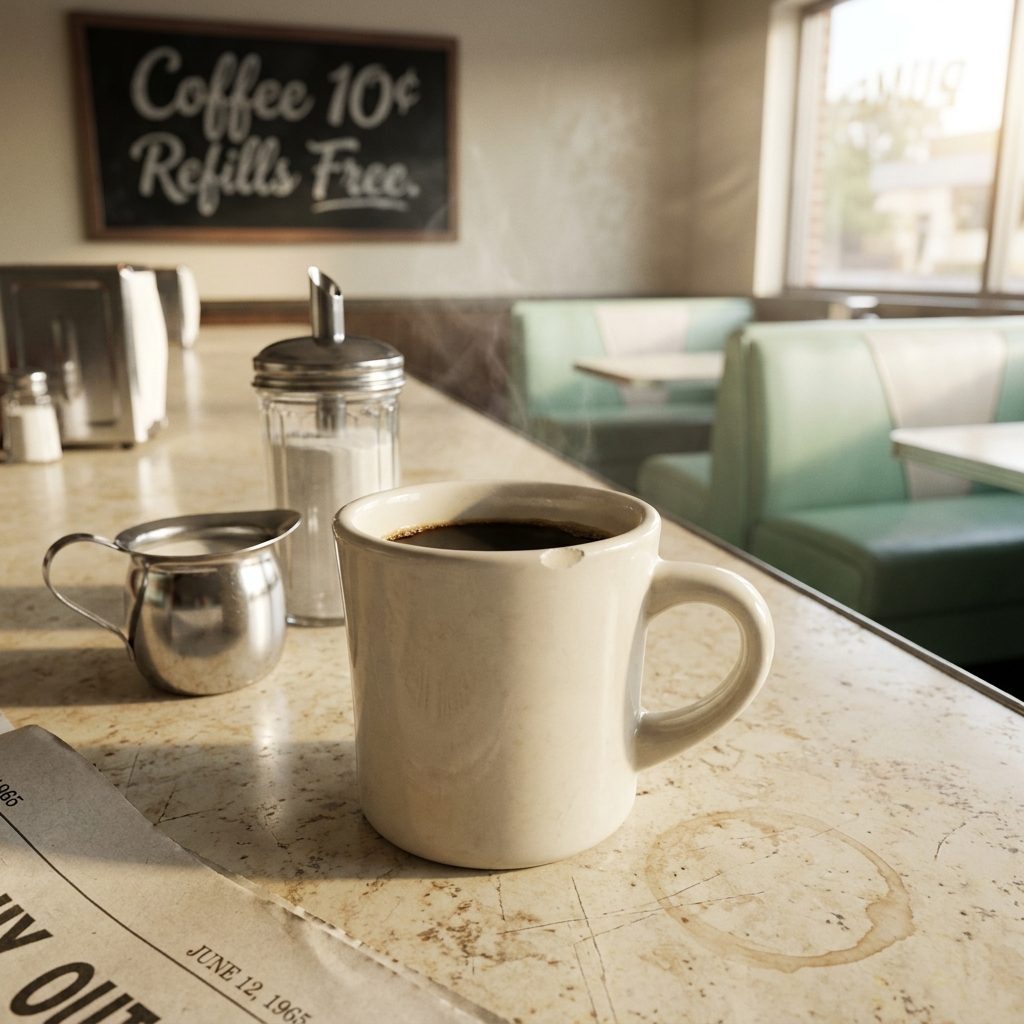
At many diners, a cup of coffee cost about a dime, and refills were often included. That was the whole social contract of the American diner in 1965—you sat down, the waitress poured, and she kept coming back with the pot until you waved her off.
Ten cents was maybe three minutes of work at the average factory wage, so coffee was basically free even then. What you were really paying for was the stool, the paper, and twenty minutes of nobody bothering you.
16. A Gallon of Gas: About 30 Cents in 1965
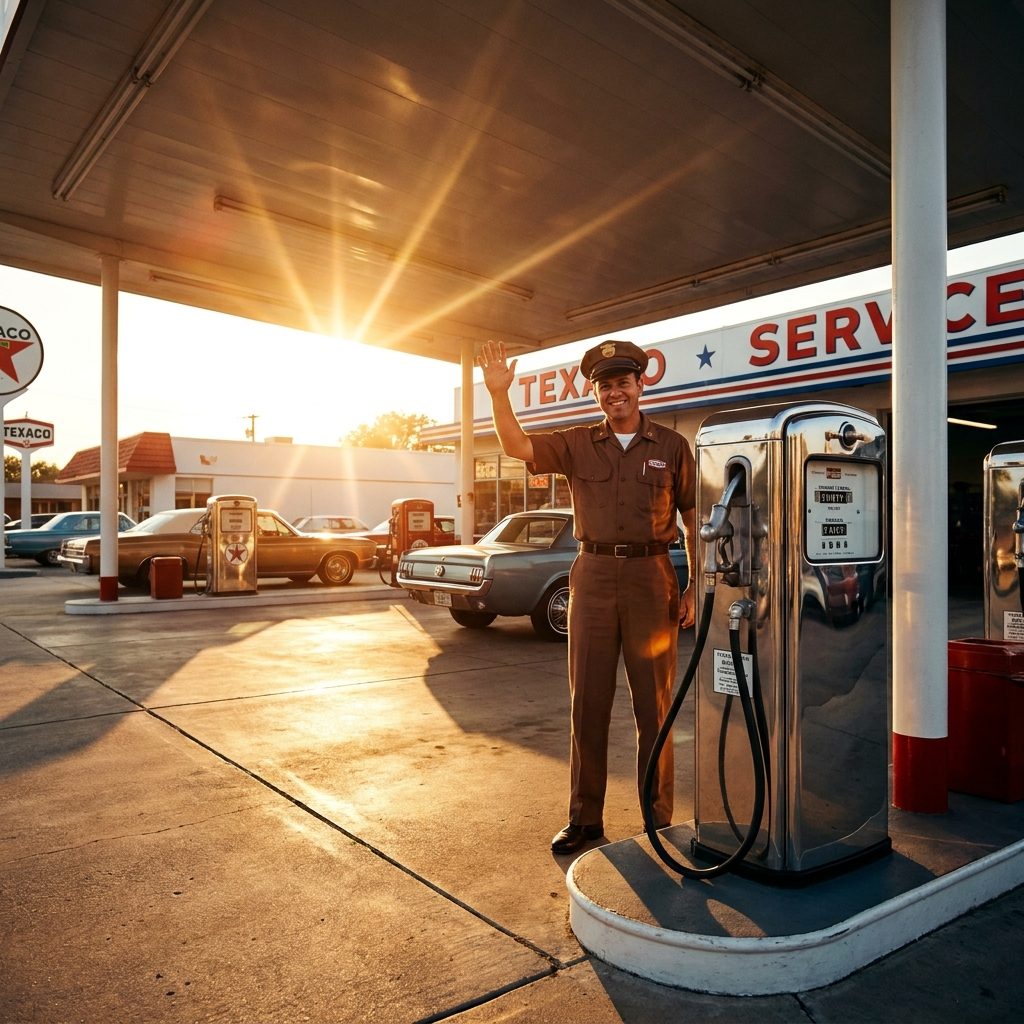
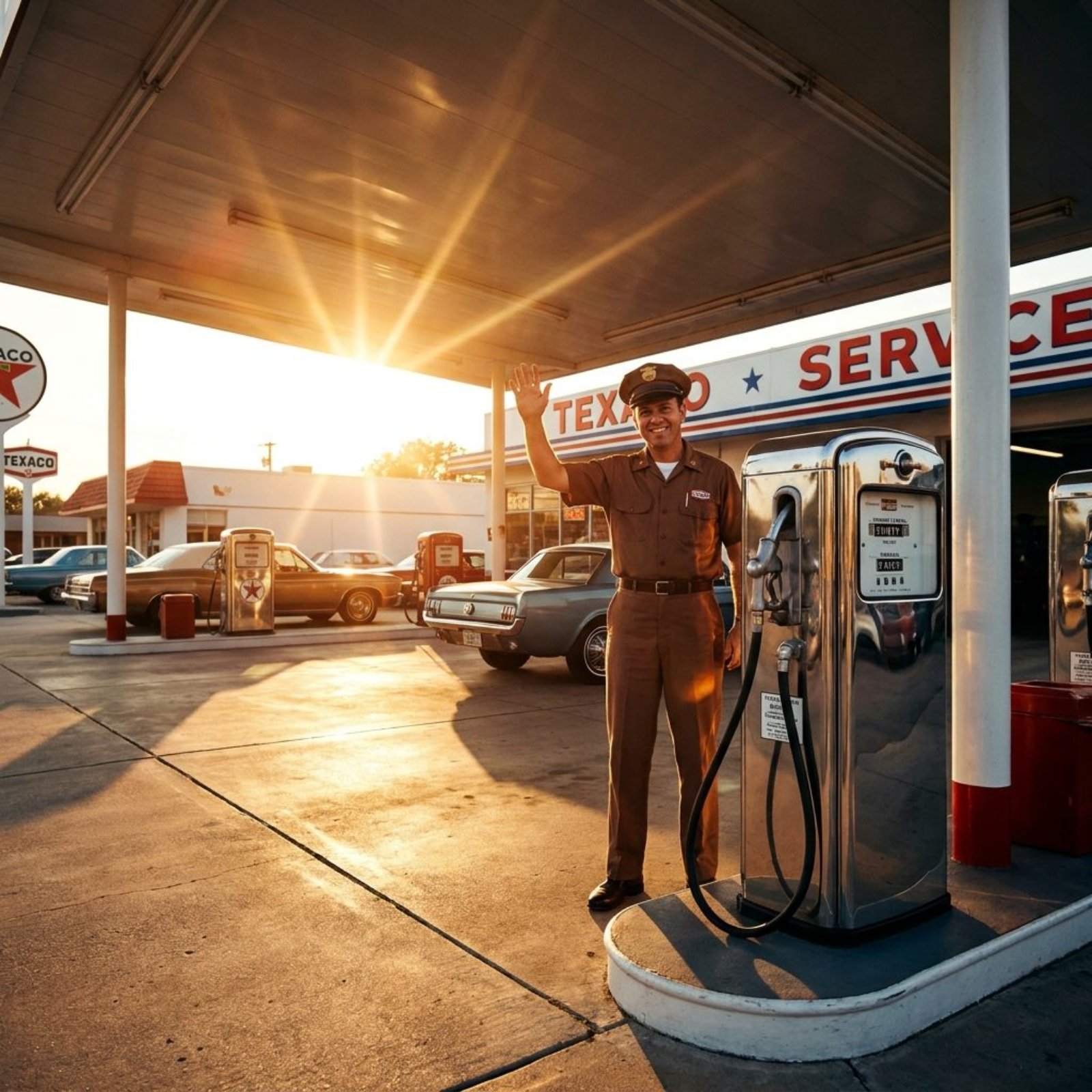
Fill-ups in 1965 ran around 30 cents a gallon, sometimes less for regular grade. The average American worker earned roughly $2.50 an hour, so a full tank in a big Detroit cruiser cost about two hours of work. Cheap by any modern measure, but wages were scaled to match. Many large American cars returned fuel economy in the low-to-mid teens, although smaller cars did better, so the low pump price did not always stretch as far as it appears.
15. A Year of Tuition at a State University: Roughly $250 in 1965
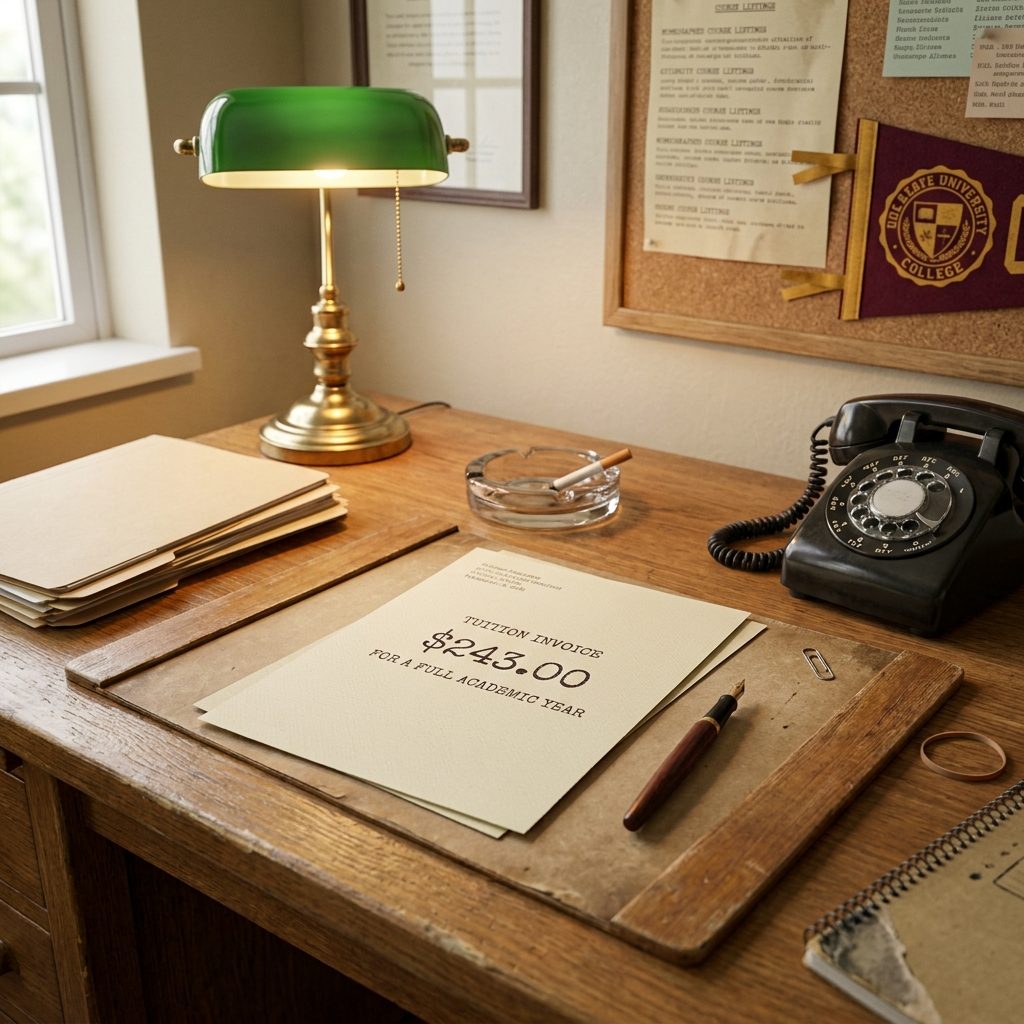
A full academic year at a state university ran roughly $250 in tuition and fees. Not a semester. A year. A sustained summer job could cover a large share of tuition, though books, housing, food, transportation, and fees still had to be paid.
The catch was that fewer people went. A college degree was still a minority credential, and many jobs available without a degree paid enough to support a middle-class household. Cheap tuition existed in a world where you didn’t necessarily need the degree to buy a house.
14. A Sunday New York Times: 25 Cents in 1965
A quarter got you the Sunday paper, and the Sunday paper was a project. Two, three inches thick. You didn’t read it in one sitting—it stayed on the coffee table all week, getting picked up in pieces, the classifieds going to whoever was hunting for a car and the crossword going to whoever got to it first.
Twenty-five cents was less than ten minutes of work. What it bought you was hours.
13. A Pair of Levi’s 501 Jeans: About $5 in 1965
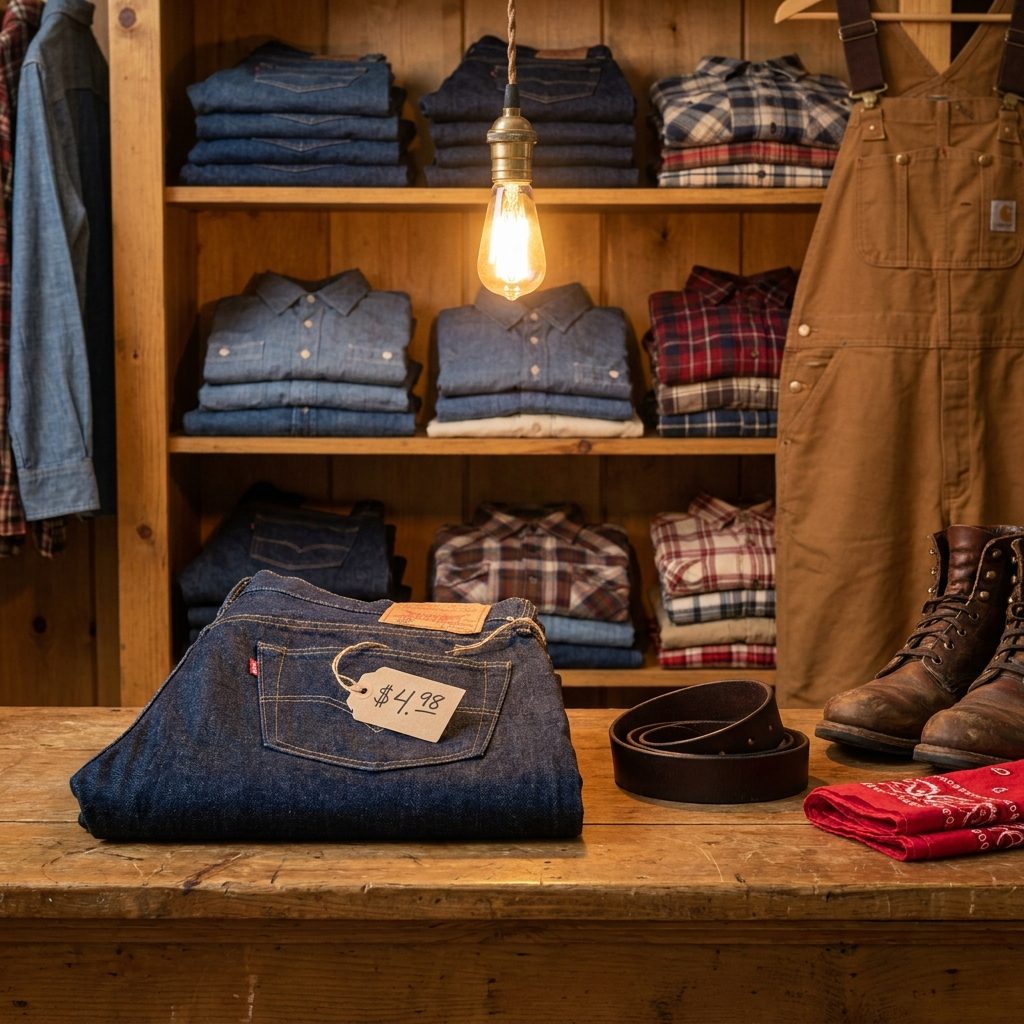
Five bucks got you a pair of Levi’s. Raw, stiff, dark indigo. You wore them until they broke in on your body, and then you wore them for another decade.
Five dollars equaled four hours of work at the federal minimum wage, and for that you got denim heavy enough to stand up on its own and stitching that would outlast the person who bought it. The jeans people hunt down in vintage shops today, paying two hundred dollars for, are the ones somebody bought new for five.
12. A Coca-Cola from the Machine: A Nickel or a Dime in 1965
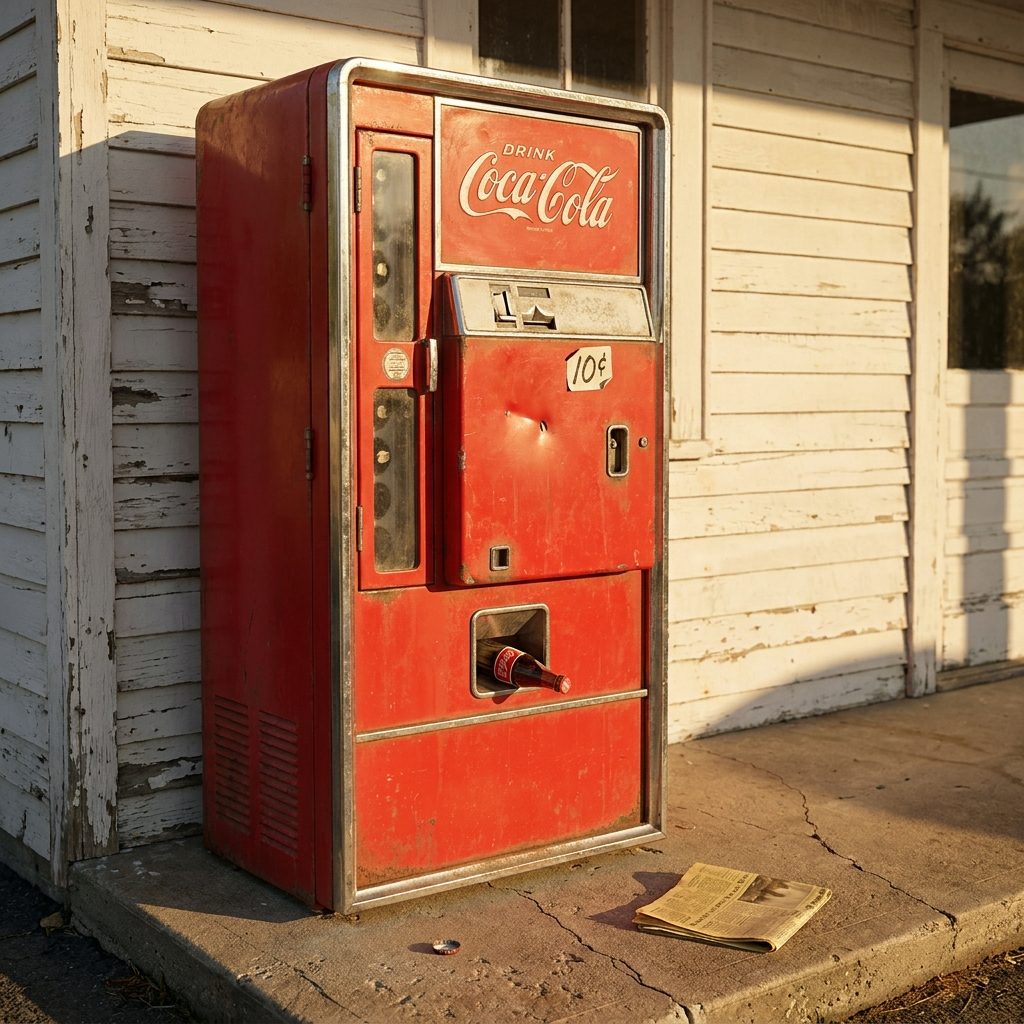
A cold Coke from the machine was five cents through most of the fifties, then crept toward a dime by the mid-sixties as bottlers pushed back. Years earlier, Coca-Cola executives had even considered ways to bridge the awkward gap between a nickel and a dime as the old fixed price became harder to maintain.
A dime for a glass bottle of Coke, pulled sweating from a machine on a July afternoon. That is the kind of small perfect thing 1965 could deliver, and the kind of small perfect thing you cannot buy for any price today.
11. A Whirlpool Washing Machine: About $200 in 1965
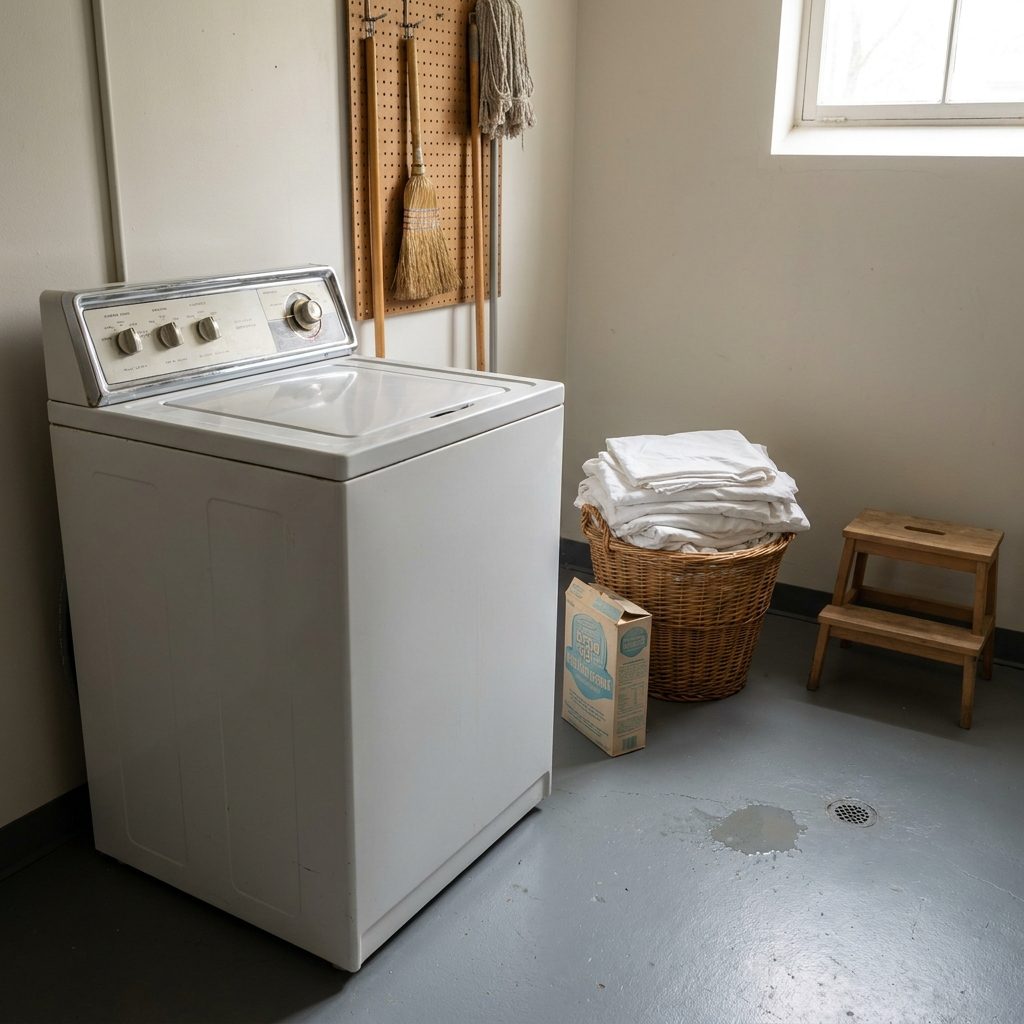
A new automatic washer ran about $200. Serious money—roughly 80 hours at the $2.50-an-hour wage used elsewhere in this article, often financed through the appliance store on a monthly plan.
People bought them once. The machine outlasted the marriage, in a lot of houses. The idea that an appliance would die in seven years and need replacing was not yet part of the deal.
10. A Coloring Book: About 15 Cents in 1965
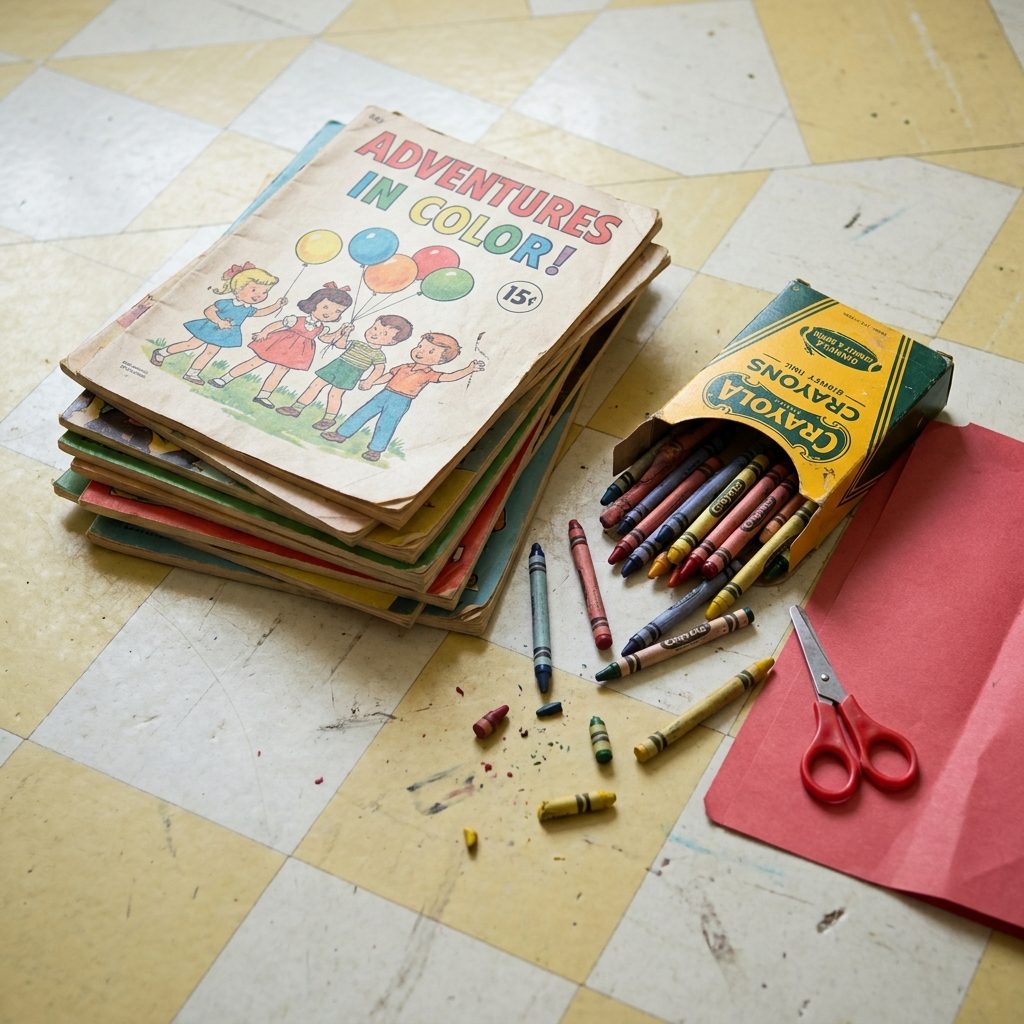
Fifteen cents. That was the coloring book budget—a dime and a nickel handed over at the drugstore, and a kid was set for the afternoon.
What is worth noticing here is not just the price but how many things existed in 1965 that a child could buy with their own change. A coloring book, a candy bar, a comic, a bottle of pop. A quarter in a kid’s pocket was actually a small economy.
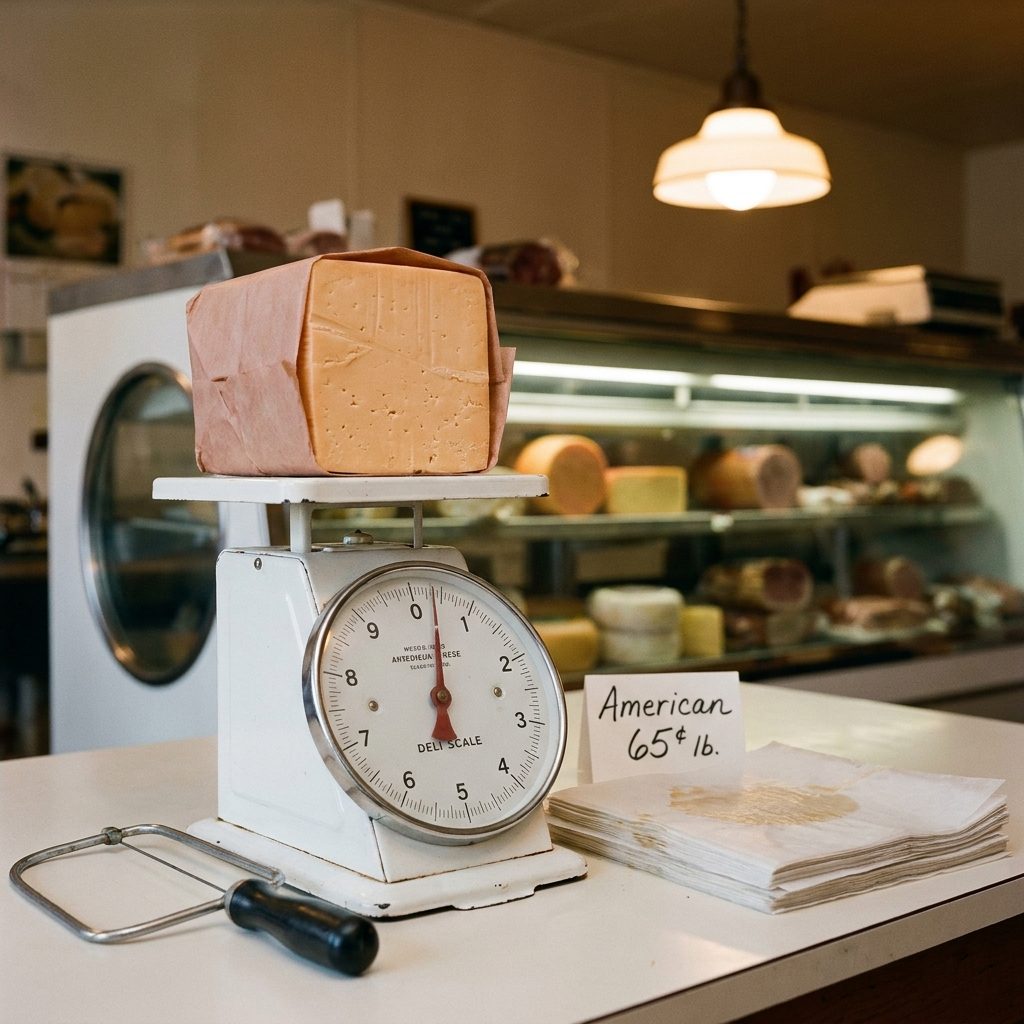
9. American Cheese from the Deli Counter: About 65 Cents a Pound in 1965
Would you like to save this?
American cheese at the deli counter ran about 65 cents a pound, sliced to order and wrapped in butcher paper. You told the man how thick, he told you what he thought, and the two of you usually met in the middle.
At that price, a family could make grilled-cheese sandwiches for well under a dollar. The math on ordinary meals was different, and it made ordinary meals feel less like a budget event.
8. A Brand-New Boys’ Bicycle: About $50 in 1965
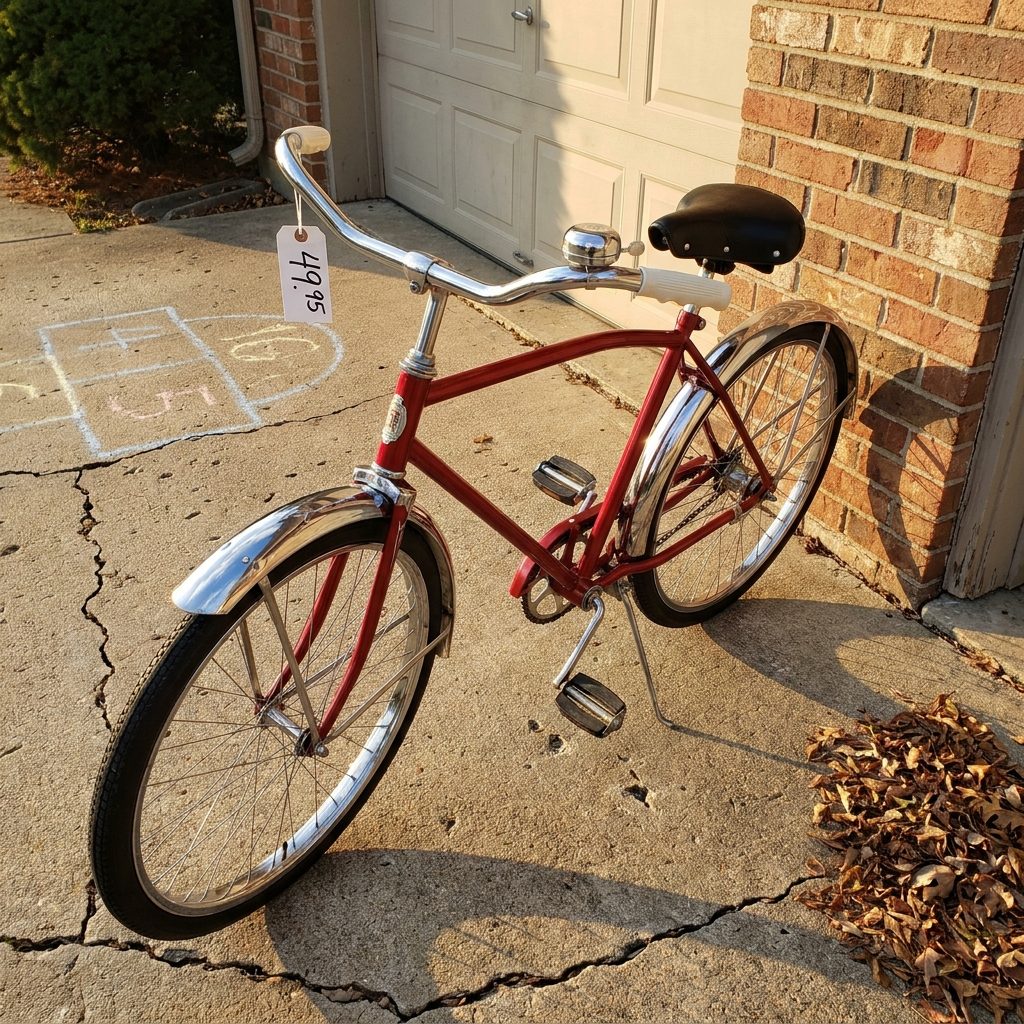
Fifty dollars got you a real bike—steel frame, chrome fenders, a bell, a coaster brake, forty pounds of it, and it would last through three kids.
That was a substantial purchase—about 40 hours at the federal minimum wage— which is why bikes tended to be Christmas presents and birthday presents rather than casual purchases. But once bought, the thing became infrastructure. It was how kids got to school, to the pool, to their friends’ houses, to the corner store for a Coke and a coloring book.
7. A Sit-Down Steak Dinner at a Nice Restaurant: About $3.50 in 1965
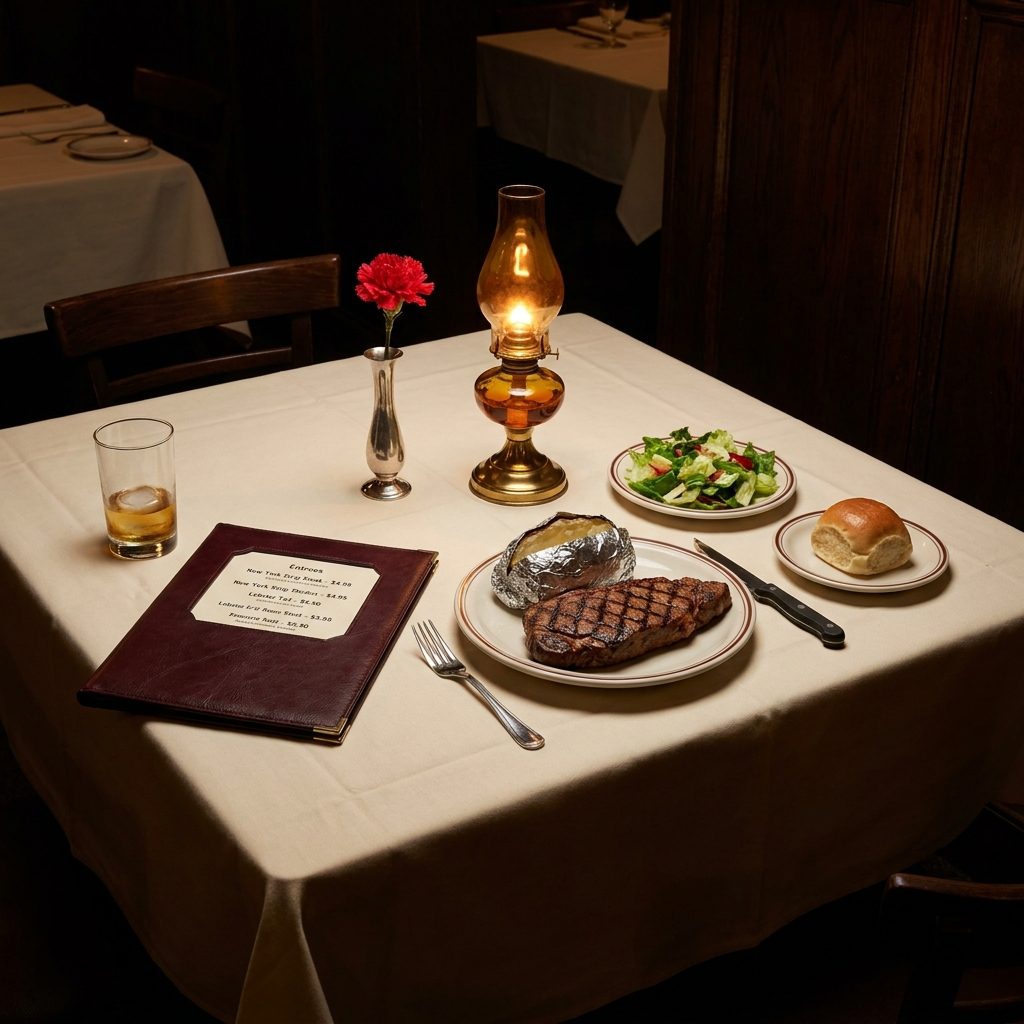
At some midpriced supper clubs, about $3.50 could buy a steak dinner before tax, tip, and drinks. Full deal. Salad, bread, steak, potato, coffee at the end. The waiter wore a jacket, the tablecloth was linen, and nobody was rushing you out.
That was several hours of work for many earners, which was not nothing. But it was a real meal in a real room with real service, inside the range of a Friday night out for ordinary people. The disappearance of that whole category—the affordable nice dinner—is one of the quiet losses of the decades since.
6. A Chocolate Malted at the Soda Fountain: About 30 Cents in 1965
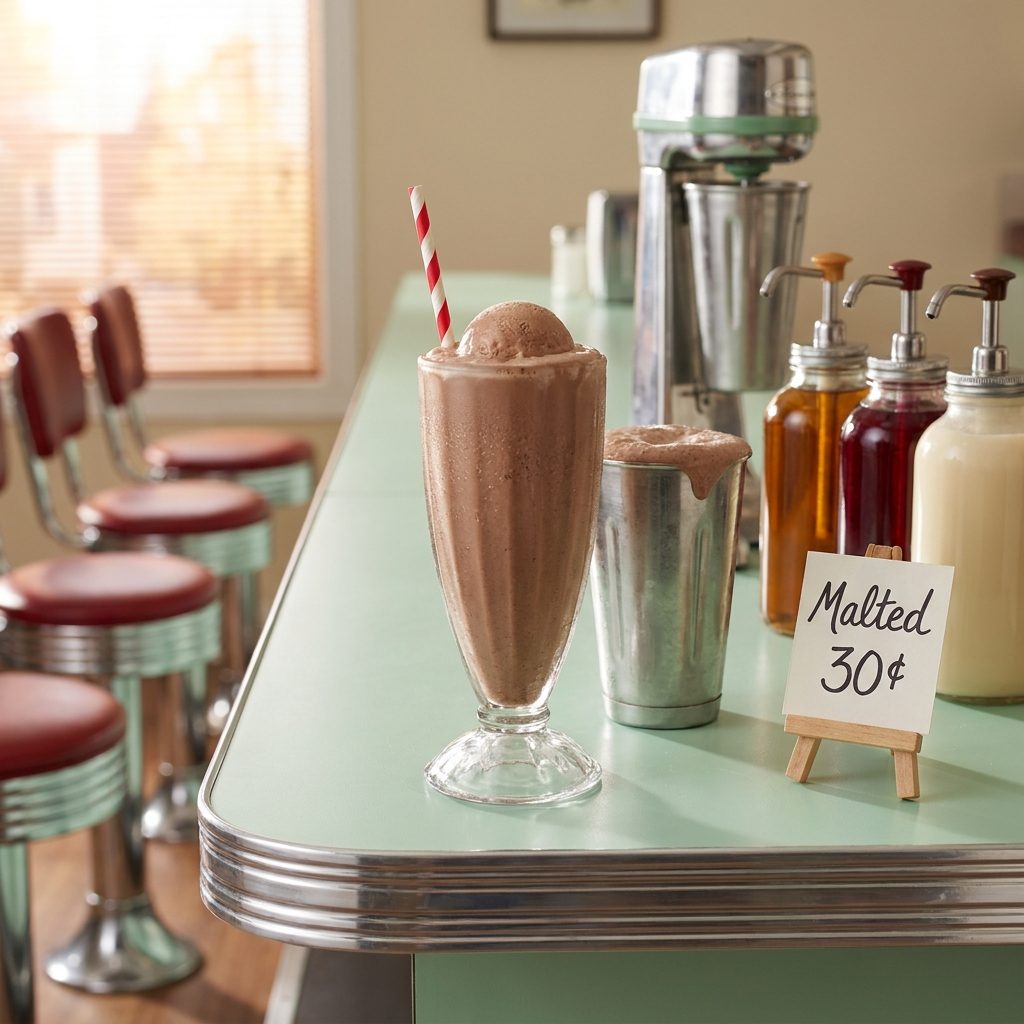
A chocolate malted at the corner Rexall or Woolworth’s counter ran about a quarter to thirty cents in 1965, and you got the tall glass plus the extra tin cup with what wouldn’t fit. Two servings for the price of one—which is how a kid stretched a fifty-cent allowance into a real afternoon.
At the $1.25 federal minimum wage, 30 cents equaled about fifteen minutes of gross pay, though not every teenage or part-time worker was covered by the federal standard. Soda fountains were already fading by 1965, squeezed out by fast food and supermarket ice cream. The ones still open were charging almost exactly what they had a decade before.
5. A Refrigerator: Around $250 for a Standard Model in 1965
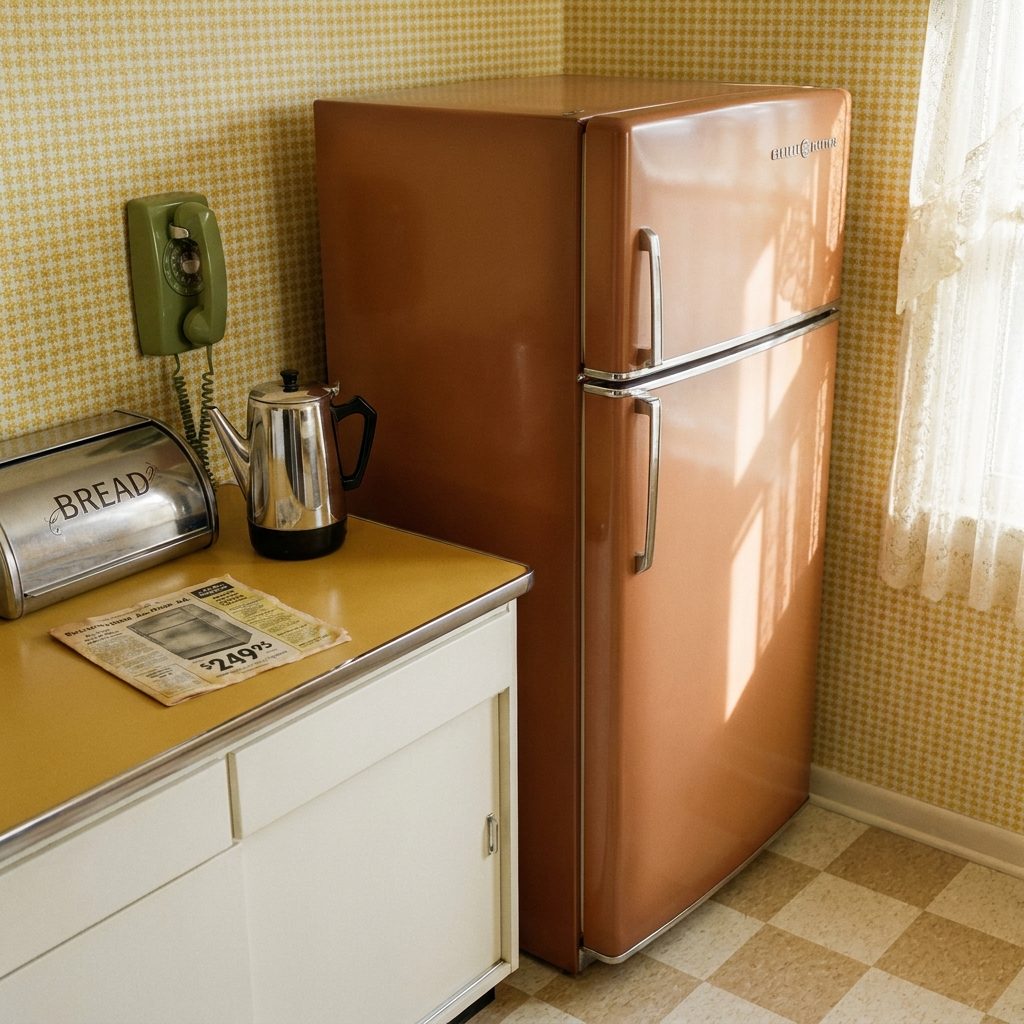
A basic new refrigerator—maybe 12 cubic feet with a small top freezer—ran roughly $220 to $280 in 1965. Nicer models with coppertone or avocado finishes and features like automatic defrost pushed toward $400. Sears sold plenty of them on installment. Five dollars down, the rest across the year.
Median family income was about $6,900, so a $250 refrigerator equaled just under two weeks of gross family income. Sounds cheap. Then you remember that many families treated a major appliance as an event. They bought one on installments and often kept it for decades.
4. A Pound of Ground Beef: About 45 Cents in 1965
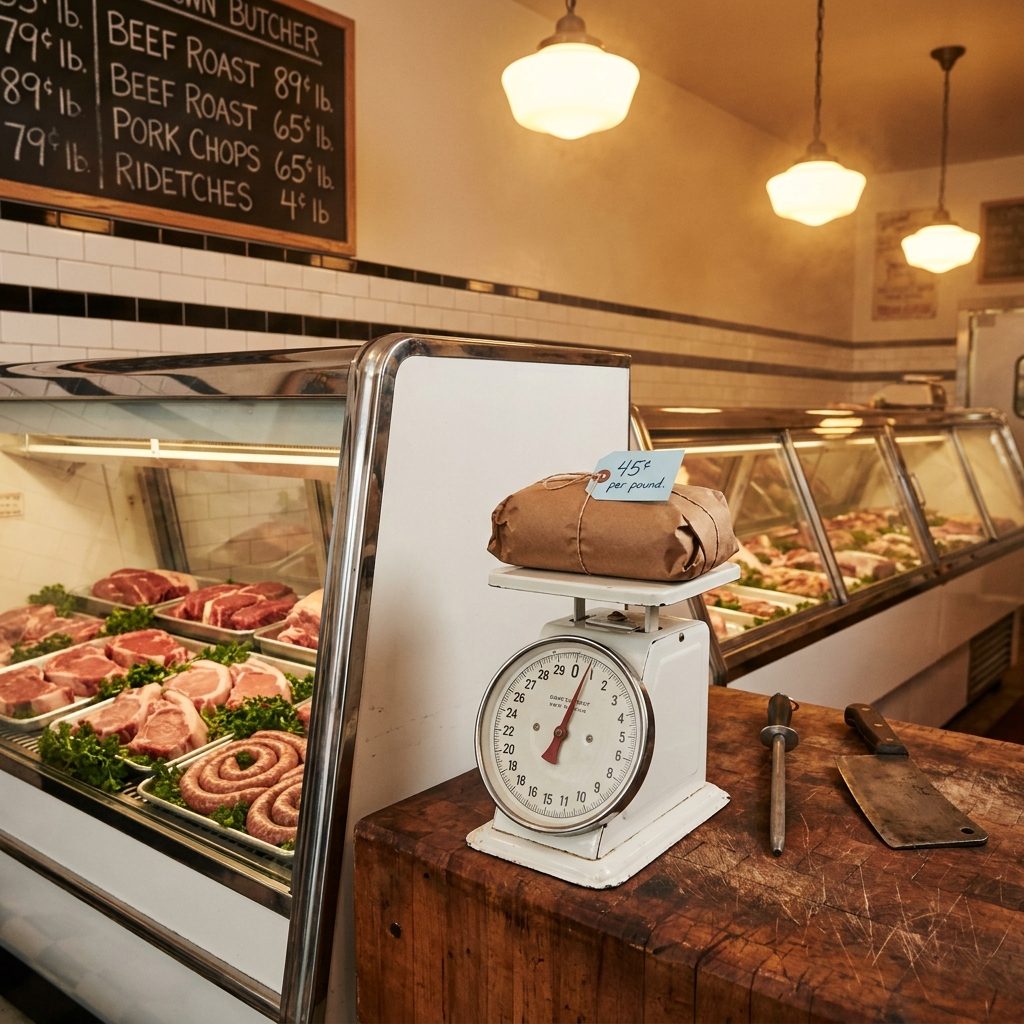
Ground beef at the neighborhood butcher ran 45 to 55 cents a pound in 1965, depending on the lean. Chuck was closer to 55, hamburger meat was cheaper. A pound fed a family of four as meatloaf, spaghetti sauce, or Salisbury steak with brown gravy and canned peas.
Steak told a different story. A T-bone was still well under a dollar a pound—a Friday-night thing, not a special-occasion thing, and it landed on the table more often than it does now.
3. A Volkswagen Beetle: Around $1,600 in 1965
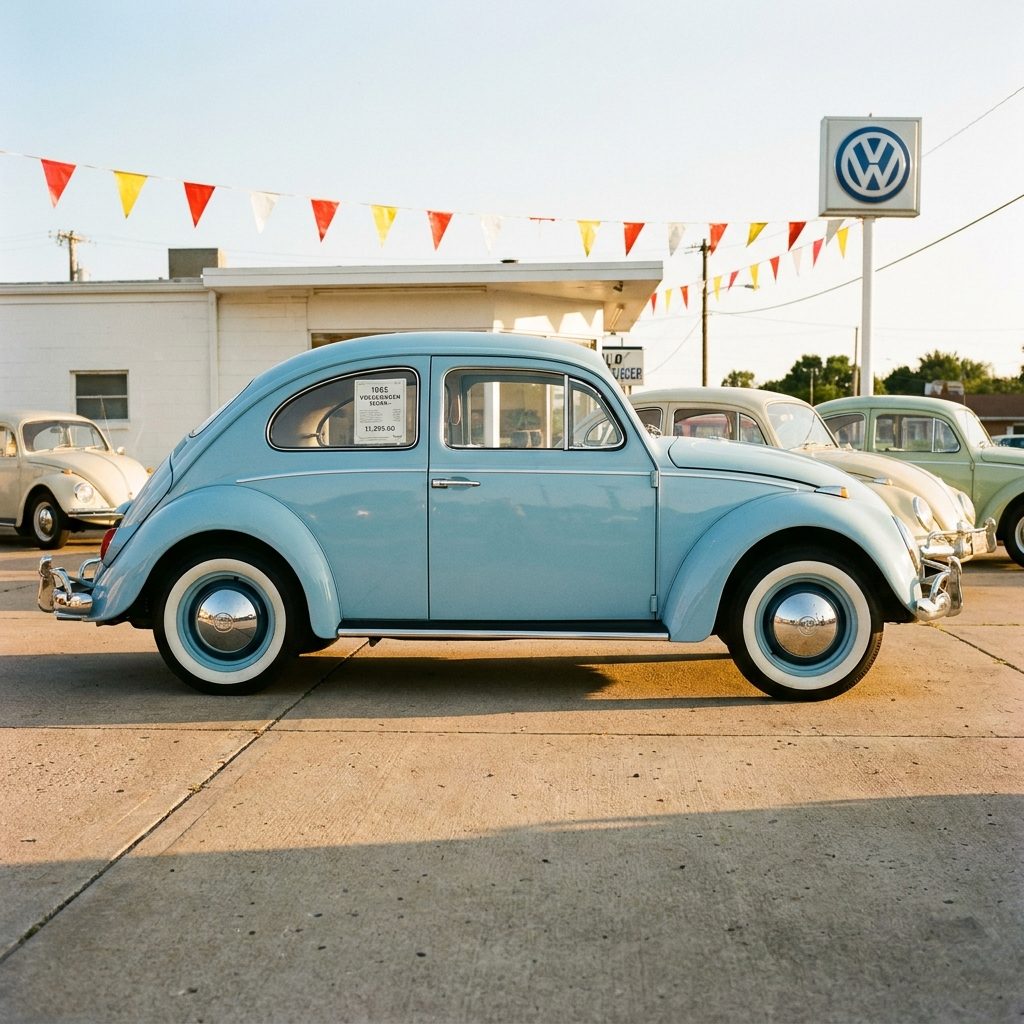
A brand-new Volkswagen Beetle stickered right around $1,595 in 1965, and the model was marketed as a simpler alternative to Detroit’s larger, heavily optioned cars. The Beetle was the anti-Detroit answer, and it worked. VW moved a lot of them in the U.S. that year.
Compare that to the base Chevy Impala at about $2,700 and you understand why the Beetle became the second car in so many driveways. It was also the first car for plenty of young people who didn’t want their father’s Buick.
2. A Hardcover Bestseller: About $5.95 in 1965

A new hardcover novel ran $4.95 to $6.95 in 1965—Herzog by Saul Bellow, The Source by James Michener, Truman Capote’s In Cold Blood just around the corner. You could walk out of the bookstore with a book that would define the year for about six bucks.
Paperbacks were another world entirely. Fifty cents for a pocket edition, sometimes seventy-five. The paperback revolution was already twenty years old by 1965, and it was still the reason working people had bookshelves.
1. A Sears Kenmore Vacuum Cleaner: About $60 in 1965
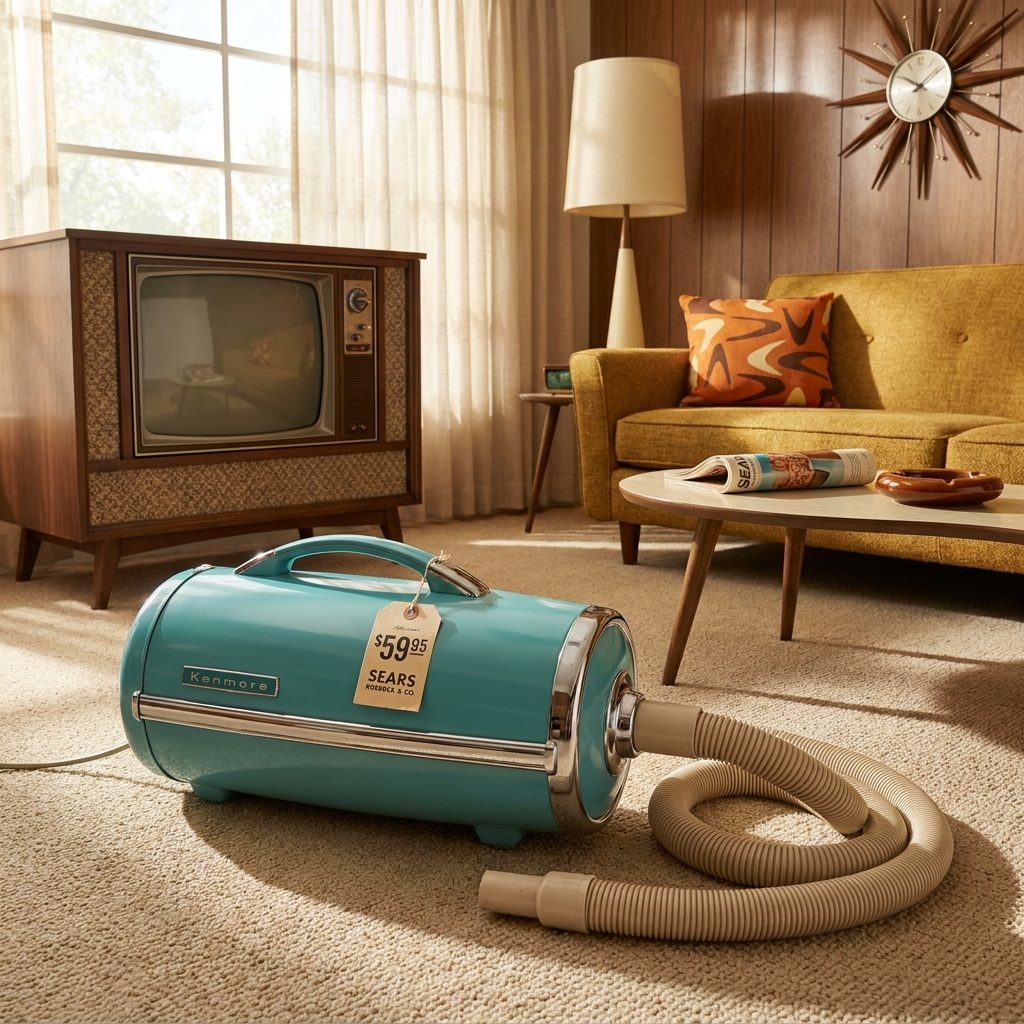
A new Kenmore canister vacuum from the Sears catalog ran about $50 to $70 in 1965. Uprights were similar. Hoover was the fancier brand—closer to $80 or $90 for the good one with the headlight and the beater bar.
At $2.50 an hour, a $60 vacuum represented about 24 hours of gross pay. Not nothing. But a vacuum was expected to last fifteen years and it usually did. Plenty of households kept the same vacuum for decades, repairing belts, hoses, cords, and brushes rather than replacing the entire machine.