
Would you like to save this?
In the 1970s, a college degree was not the standard requirement it is today for building a stable life. Many people entered the workforce straight out of high school and found jobs that paid enough to support a household, buy a home, and raise children. Factories, trade shops, and local businesses across the country hired workers without asking for advanced credentials.
These jobs relied on practical skills, steady effort, and on-the-job training rather than formal education. People could learn a trade, join a union, or work their way up in a company through experience alone. This created a path to financial stability that didn’t depend on a diploma hanging on the wall.
This article looks back at some of those jobs from the 1970s that made it possible for workers to support a family without needing a college background.
30: Hospital orderly

In the 1970s, hospital orderlies played a hands-on role in patient care without needing a college degree. They helped move patients, changed linens, and assisted nurses with daily tasks around the ward.
Many hospitals trained orderlies on the job, which meant a high school diploma was often enough to get started. This made the position accessible to young workers and career changers alike.
The pay wasn’t glamorous, but it offered steady hours and the security of full-time employment. Hospitals needed reliable staff, so orderlies who showed up and worked hard could count on consistent paychecks.
Some orderlies used the job as a stepping stone toward nursing or other medical careers. Others simply appreciated having stable work that supported their families through regular income and benefits like health coverage.
29: Dental office receptionist

In the 1970s, a woman could walk into a dentist’s office, fill out an application, and start working within a week or two. No degree was required, just a friendly phone voice and some basic organization skills.
She would greet patients, schedule appointments, and handle billing, often learning insurance forms on the job. Many offices trained receptionists themselves, so prior experience wasn’t a must-have.
The pay covered rent, groceries, and school clothes for kids, especially when paired with a spouse’s income. Hours were steady, usually daytime shifts that matched a school schedule.
For many mothers, this job offered a manageable balance between work and family life without financial strain.
28: Medical secretary
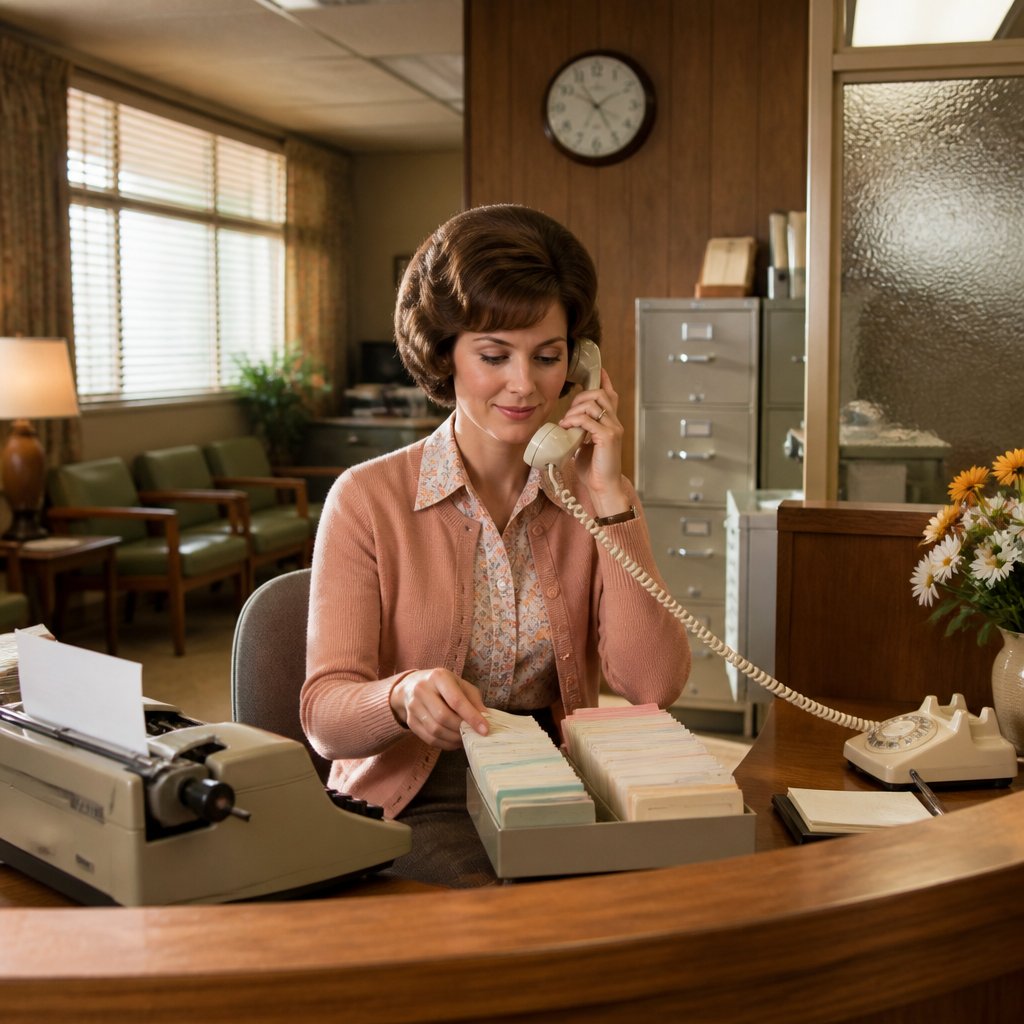
Medical secretaries kept doctors’ offices and hospitals running smoothly during the 1970s. They typed up patient records, scheduled appointments, and handled billing paperwork by hand or on a typewriter.
This job didn’t require a college degree. Many women learned the necessary skills through a business school certificate or on-the-job training that lasted just a few months.
Doctors relied heavily on their secretaries to manage insurance forms and keep files organized. A reliable medical secretary could make or break how efficiently a small medical practice operated.
Pay wasn’t extravagant, but it was steady and came with regular hours. Many medical secretaries worked standard weekday shifts, which made it easier to plan around family responsibilities.
The role also offered a clear path to respect within a community. Neighbors often knew the local doctor’s secretary personally, since she was the one who answered the phone and greeted patients walking through the door.
27: Court reporter
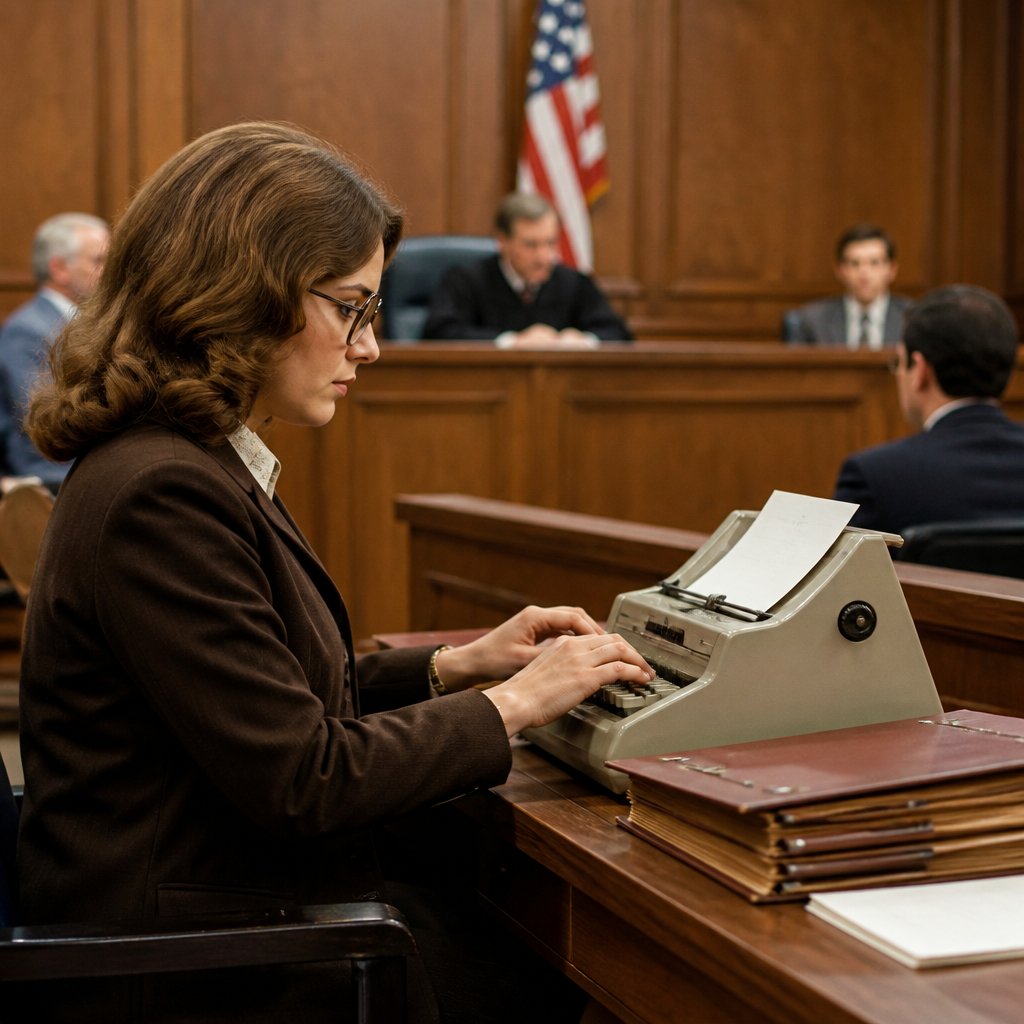
Court reporters transcribed legal proceedings using stenotype machines, a skill learned through vocational training rather than a four-year degree.
Programs typically took one to two years to complete, teaching students to type shorthand at speeds fast enough to capture spoken testimony word for word.
Many reporters worked in courthouses, but others found steady jobs recording depositions for law firms or covering hearings for government agencies.
The pay was solid for someone without a college background, and demand stayed consistent since every trial and legal proceeding needed accurate records.
Reporters often worked regular business hours, which made it easier to plan around family responsibilities.
Some freelanced, picking up extra jobs on the side for additional income when they needed it.
The career also offered room to grow, since experienced reporters could move into supervisory roles or specialize in areas like medical or technical transcription.
26: Bookkeeping clerk
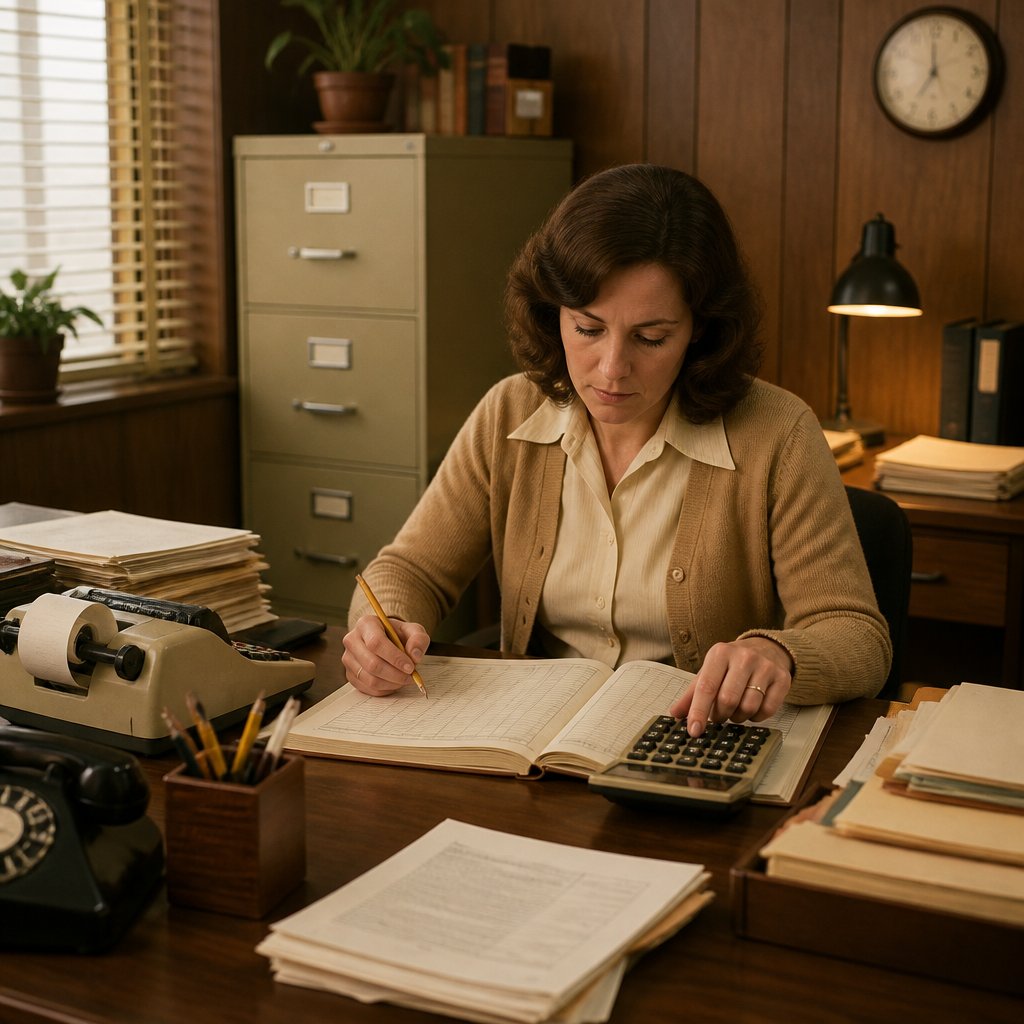
In the 1970s, bookkeeping clerks kept the financial records of small businesses running smoothly. They tracked invoices, recorded payments, and balanced ledgers by hand or with simple adding machines.
Most employers only asked for a high school diploma and basic math skills. Many people learned the job through on-the-job training or a short business course, not a four-year degree.
Local shops, medical offices, and manufacturing companies all needed someone to manage their books. This meant steady demand and jobs available in nearly every town.
The pay was reliable enough to support a household, and the hours were usually a standard workweek. That predictability made it easier for parents to plan around school schedules and family life.
25: Bank teller
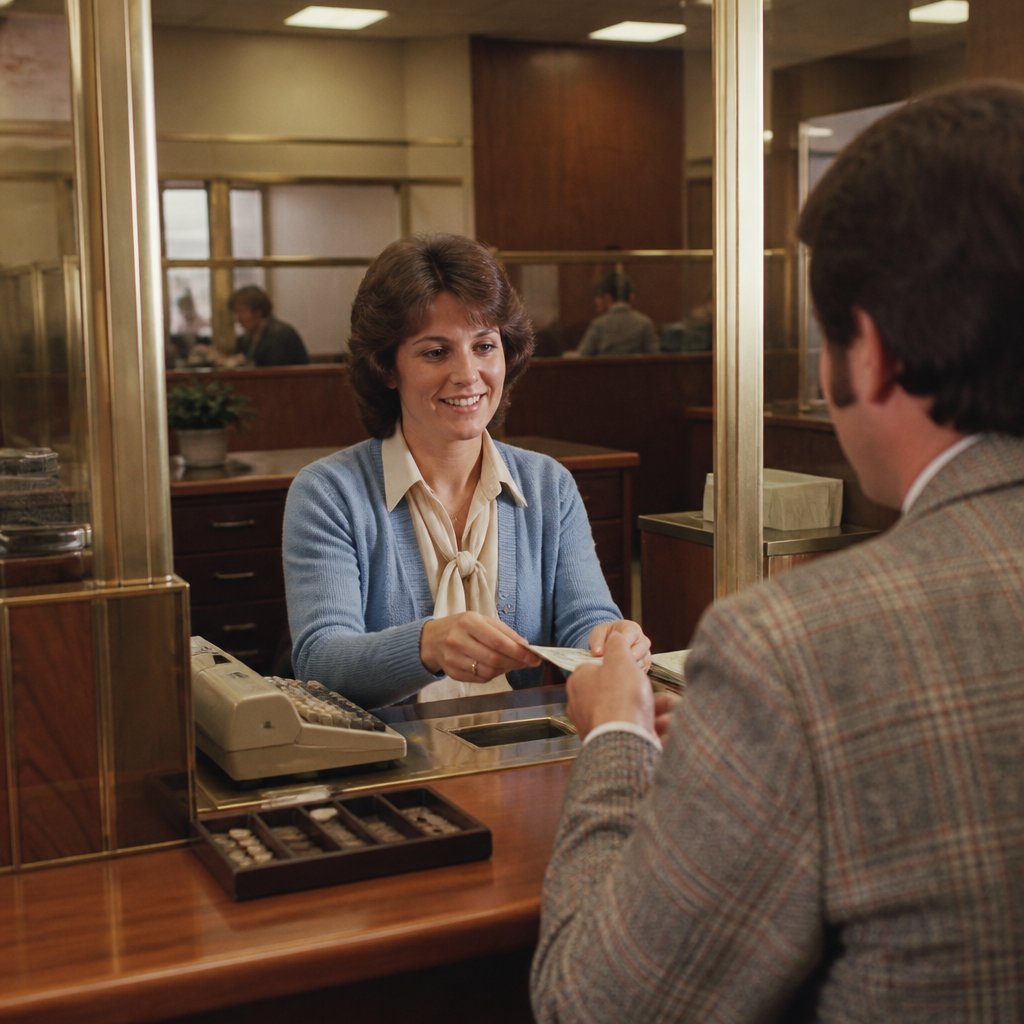
Bank teller was a solid job for anyone who liked working with numbers and people. Most banks hired based on a high school diploma, basic math skills, and a trustworthy manner. Training happened on the job, often taking just a few weeks before a new hire handled deposits and withdrawals independently.
The work stayed steady throughout the decade. Banks operated on regular business hours, which meant employees knew their schedule well in advance and could plan family time around it.
Pay wasn’t extravagant, but it covered the basics for a household. Many tellers received small raises tied to seniority, and some banks offered modest benefits like health coverage or a pension plan.
The role also carried a certain respectability in the community. Neighbors recognized tellers by name, and the job felt secure since banks rarely closed their doors. For someone without a degree, it offered a clear path to stability and a normal, predictable life.
24: Insurance claims adjuster
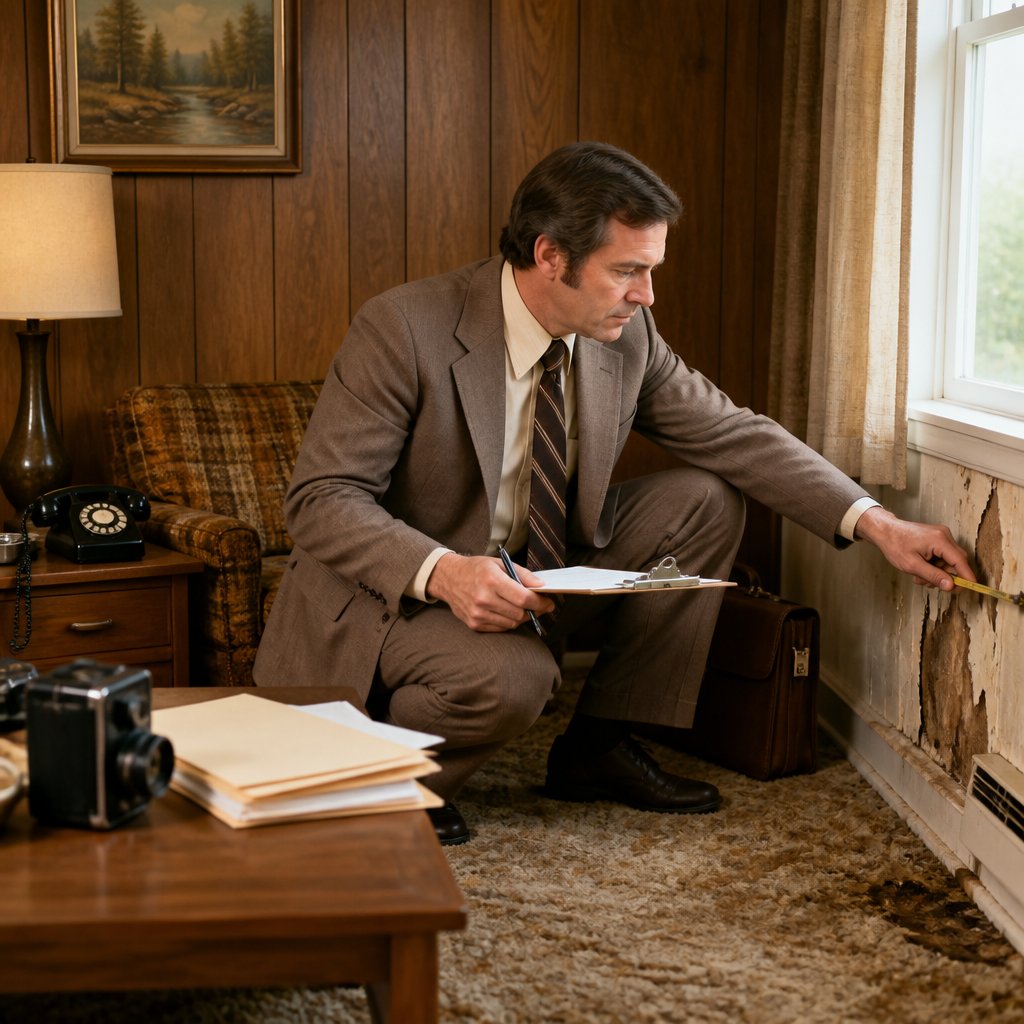
Insurance claims adjusters investigated accidents, fires, thefts, and property damage to figure out what companies owed policyholders. Most companies trained new hires on the job, so a high school diploma was often enough to get started.
The work involved visiting damaged homes, inspecting wrecked cars, and interviewing people involved in a claim. Adjusters took notes, snapped photos, and wrote up reports that helped decide how much money someone would receive.
Good adjusters needed sharp attention to detail and a fair amount of patience. They also had to communicate well, since they dealt with upset customers who had just lost property or been in an accident.
Pay was steady, and many companies offered mileage reimbursement since the job required a lot of driving. Some adjusters worked directly for insurance companies, while others were independent contractors who took on cases from several firms.
This career offered room to grow too. Experienced adjusters could move into supervisory roles or specialize in complicated claims like fire damage or large commercial losses, which usually came with better pay.
23: Hardware store clerk
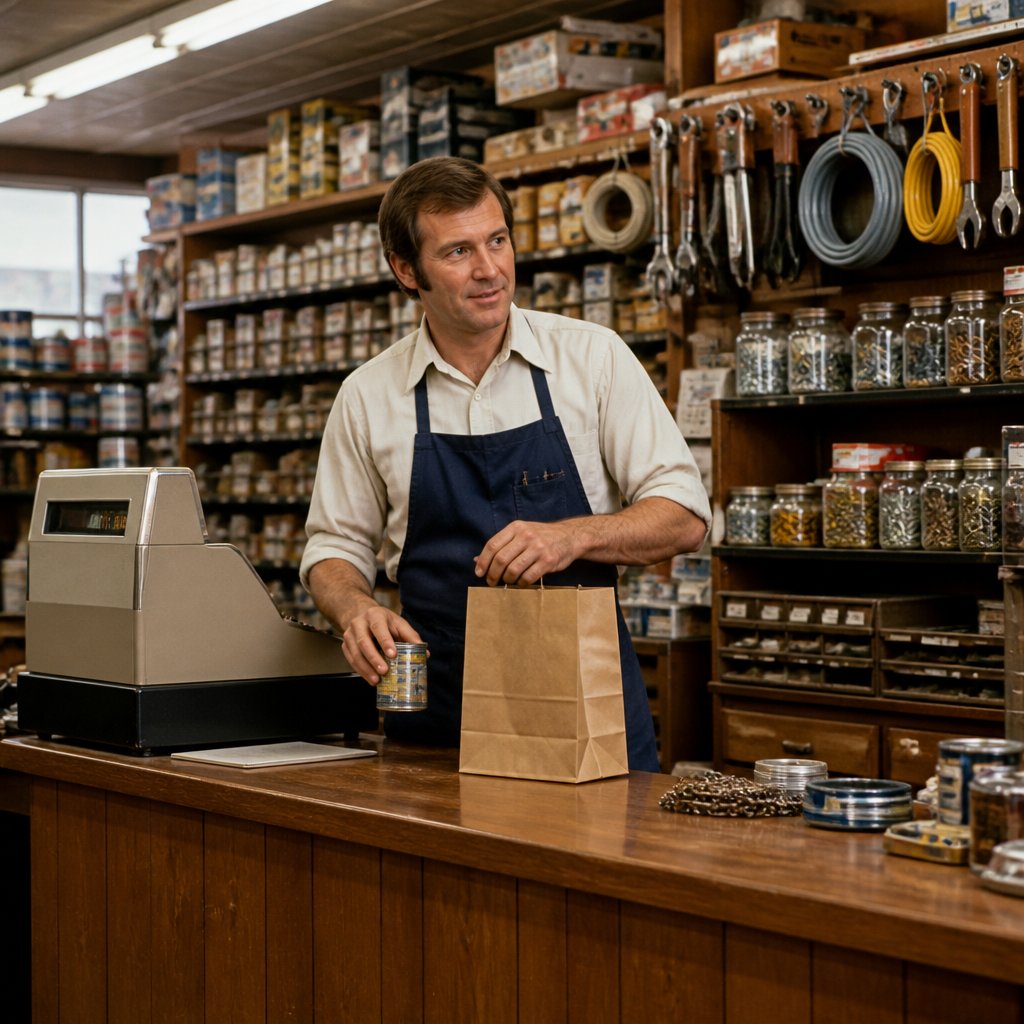
In the 1970s, hardware store clerks held down steady jobs that didn’t require a college degree. They helped customers find nails, paint, tools, and plumbing parts, often relying on hands-on knowledge learned right on the job.
Many stores were locally owned, and clerks could work their way up to management or even ownership over time. The pay wasn’t flashy, but it was consistent, and full-time positions often came with benefits.
Because hardware stores served entire neighborhoods, clerks built lasting relationships with regular customers. This job rewarded patience and practical skills over formal schooling.
A family could live comfortably on this income, especially in smaller towns where the cost of living stayed low. For many men and women, it offered a dependable path to homeownership and raising children without ever setting foot in a university classroom.
22: Grocery store manager
Would you like to save this?
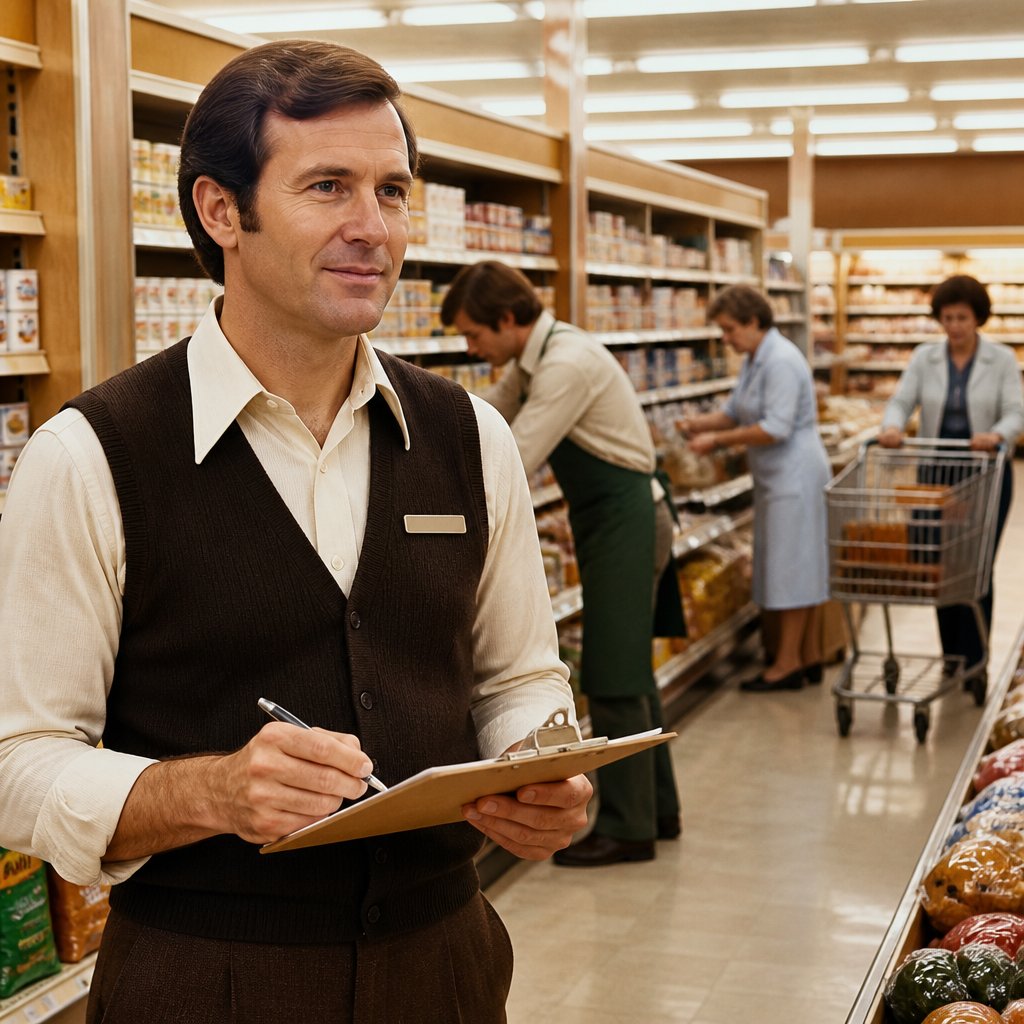
In the 1970s, a grocery store manager held one of the most stable and respected jobs in any neighborhood. He often started as a stock clerk or cashier and worked his way up over several years.
No college degree was required. What mattered most was work ethic, reliability, and a good head for numbers.
Managers oversaw inventory, scheduled employees, and handled customer concerns. They knew regular shoppers by name and kept the store running smoothly day after day.
The pay was solid enough to support a family, buy a home, and put food on the table without financial strain. Many managers stayed with the same grocery chain for decades, earning raises and pensions along the way.
It was steady, honest work that built real community roots.
21: Warehouse supervisor

Warehouse supervisors in the 1970s kept operations running smoothly at distribution centers, factories, and shipping yards. They oversaw teams of workers who loaded trucks, stocked shelves, and moved inventory throughout the day.
This job didn’t require a college degree. Most supervisors worked their way up from entry-level warehouse positions, learning the ropes through years of hands-on experience.
The pay was solid enough to support a household. A supervisor’s salary, combined with overtime opportunities, allowed many families to afford a modest home and cover everyday expenses.
Responsibilities included scheduling shifts, training new hires, and making sure shipments went out on time. Supervisors also handled basic paperwork and communicated with company management about inventory needs.
Physical stamina helped, since the job often meant walking the warehouse floor for hours. Strong organizational skills and the ability to lead a team mattered just as much as brawn.
Many manufacturing and retail companies relied heavily on warehouses during this era. This created steady demand for supervisors across the country, offering long-term job security for those willing to put in the work.
20: Delivery route driver

Delivery route drivers in the 1970s worked for bakeries, dairies, laundries, and soft drink companies, dropping off products at homes and businesses along a set path. Bread and milk delivery to houses was still common, though it was starting to decline as supermarkets grew more popular. Many drivers built friendly relationships with customers they saw week after week.
The job didn’t require a college degree, just a valid driver’s license and a good sense of direction. Companies often trained new hires on the route itself, riding along with an experienced driver for a week or two.
Pay came with steady hours, and some routes offered commission on top of a base wage. Drivers who built loyal customer bases could earn a comfortable living, especially if they picked up extra stops.
Physical stamina mattered since the job involved lifting cases and climbing in and out of a truck all day. Early mornings were typical, but many drivers finished by early afternoon, leaving time for family in the evenings.
19: City bus driver
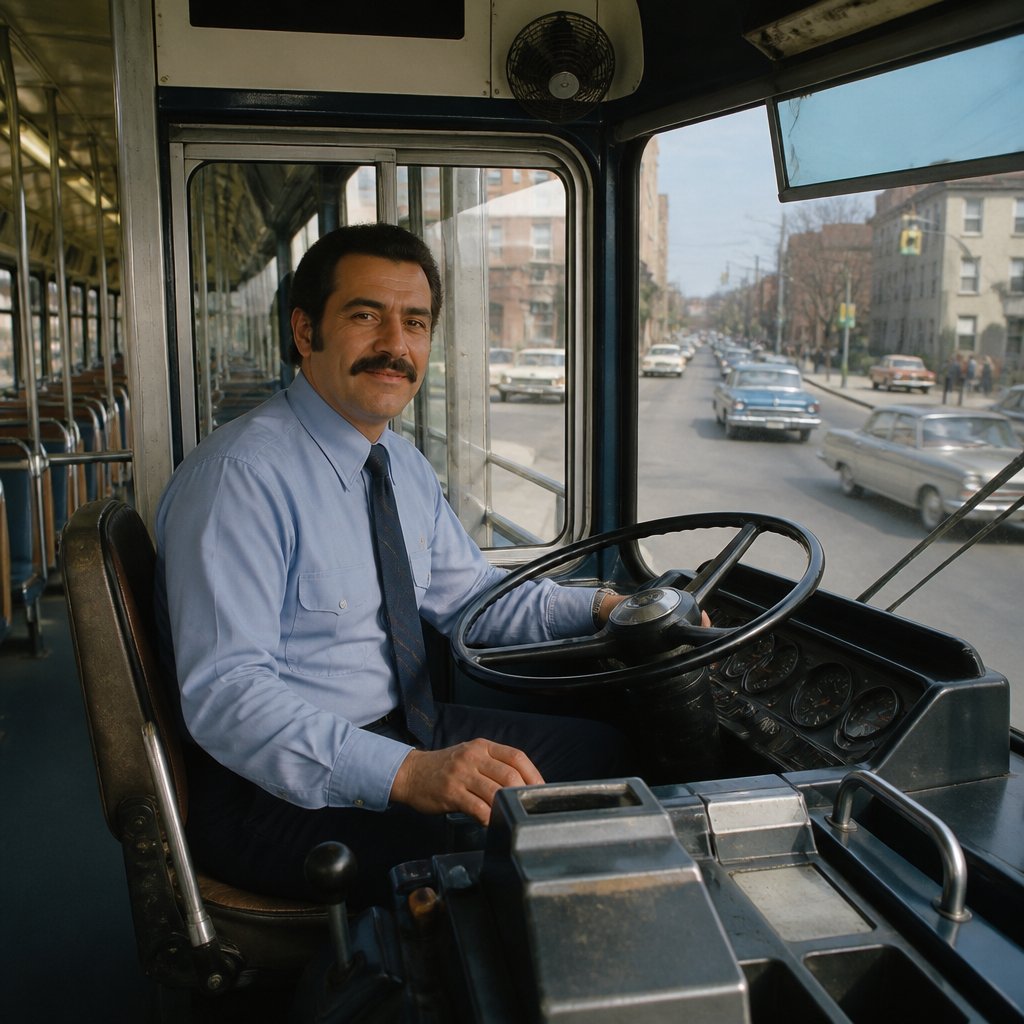
City bus driving was a solid career choice for anyone without a college degree in the 1970s. Cities and towns needed reliable drivers to keep public transit running, and most transit authorities trained new hires directly on the job.
Pay came with steady raises tied to seniority, and many drivers joined unions that negotiated good benefits. Health insurance and pension plans were common, which gave families real financial security.
The schedule wasn’t always easy, since early morning and split shifts were part of the job. Still, many drivers appreciated the routine and the chance to know their regular riders.
A city bus driver’s job didn’t require special schooling, just a valid license and a clean driving record. That made it accessible to people from many different backgrounds looking for stable work.
18: Truck driver
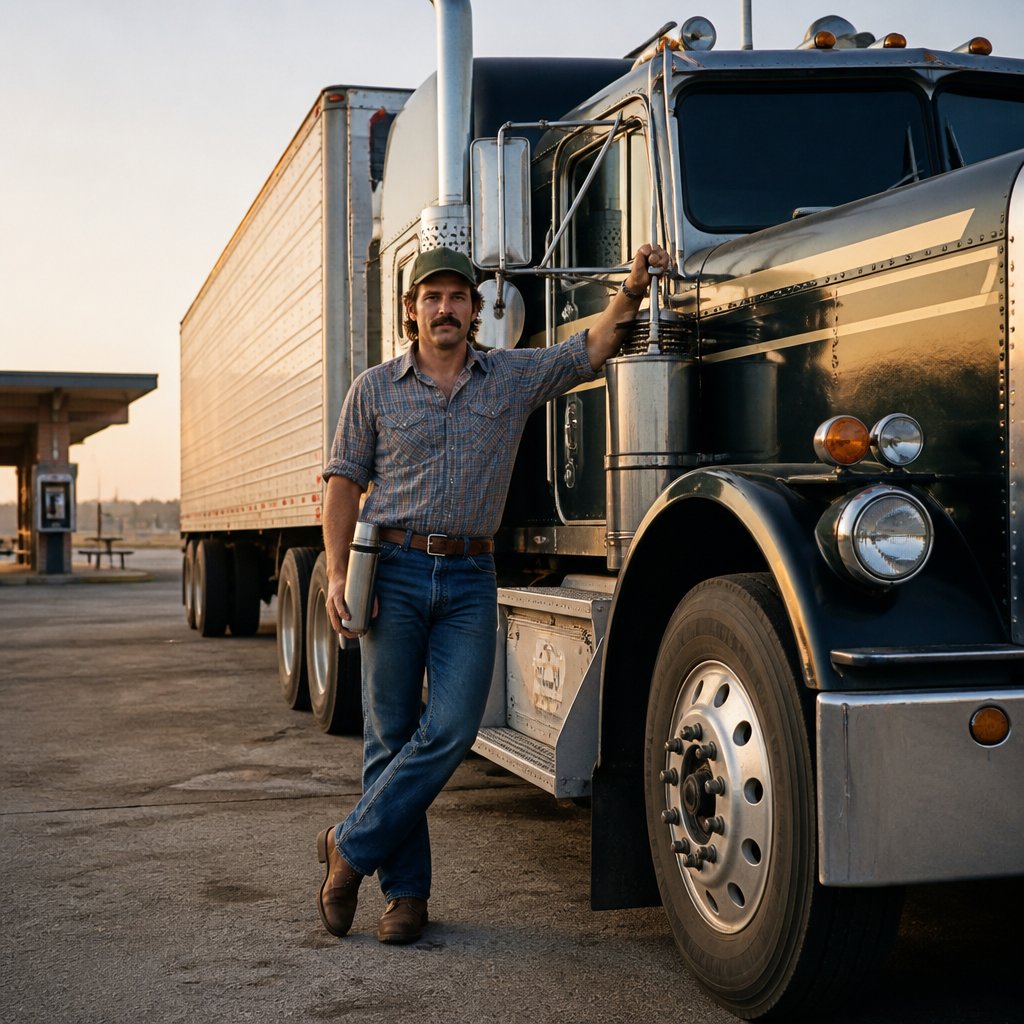
Truck driving was one of the most reliable paths to a stable income in the 1970s. Companies needed drivers to move goods across the country, and the job didn’t require a college diploma.
Many drivers earned union wages through groups like the Teamsters, which meant good pay and benefits for supporting a household. Some drove long-haul routes, spending days away from home, while others handled local deliveries and returned each night.
Training usually happened on the job or through short courses, so new drivers could start earning fairly quickly. The work was physically demanding and required long hours behind the wheel, but it offered steady employment.
For families in the 1970s, a truck driving job often meant a dependable paycheck, health coverage, and enough stability to raise children comfortably.
17: Diesel mechanic
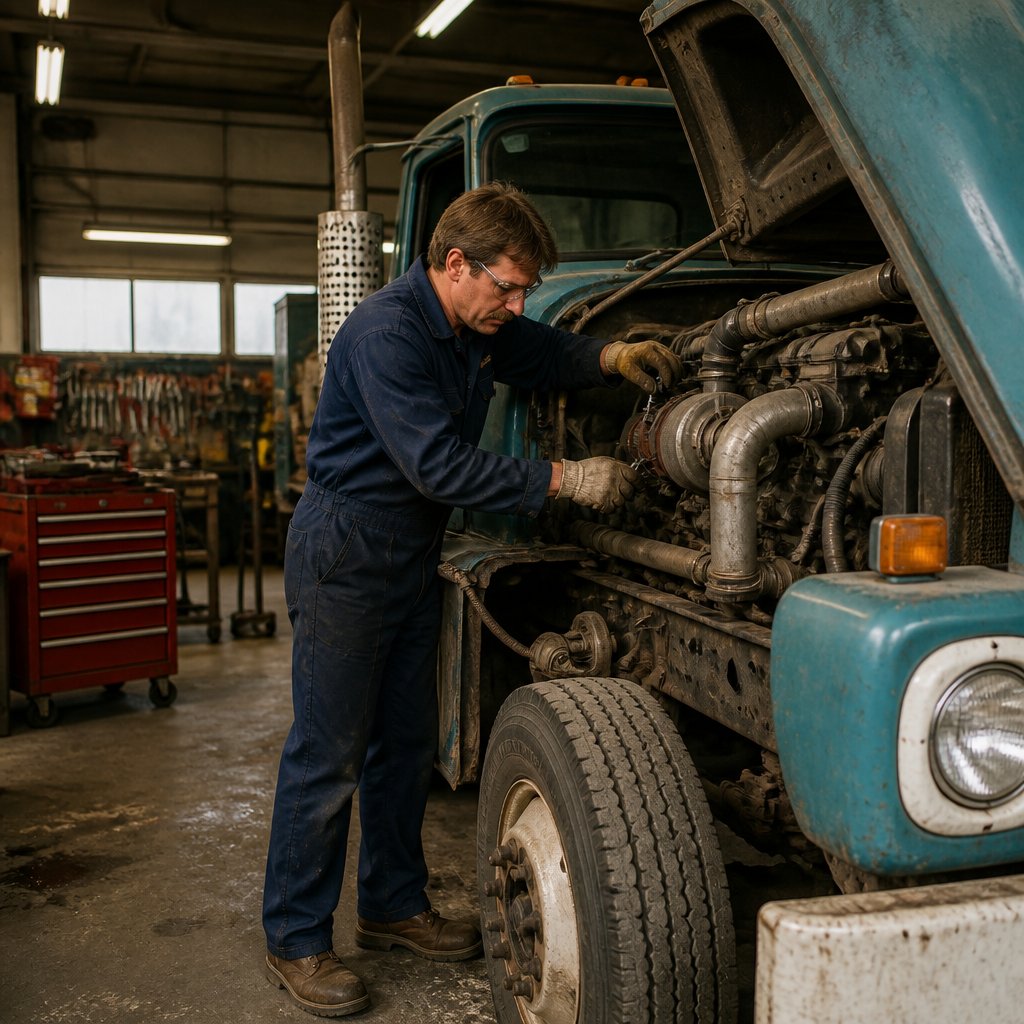
In the 1970s, diesel mechanics kept trucks, buses, and heavy equipment running across the country. Trucking grew fast during this decade, and every truck needed regular maintenance and repairs.
Most mechanics learned through on-the-job training or a short vocational program. Trade schools offered courses, but many guys picked up the trade by working alongside experienced mechanics in a shop.
Diesel mechanics earned solid, steady pay because their skills stayed in demand. Trucking companies, farms, and construction outfits all needed someone who could fix engines when they broke down.
The job offered stability since diesel engines required constant upkeep, regardless of the economy. A family could count on that paycheck showing up week after week.
Physical stamina mattered since the work involved lifting heavy parts and working in tight spaces. Mechanics who built a good reputation often found themselves with more work than they could handle.
16: Auto mechanic
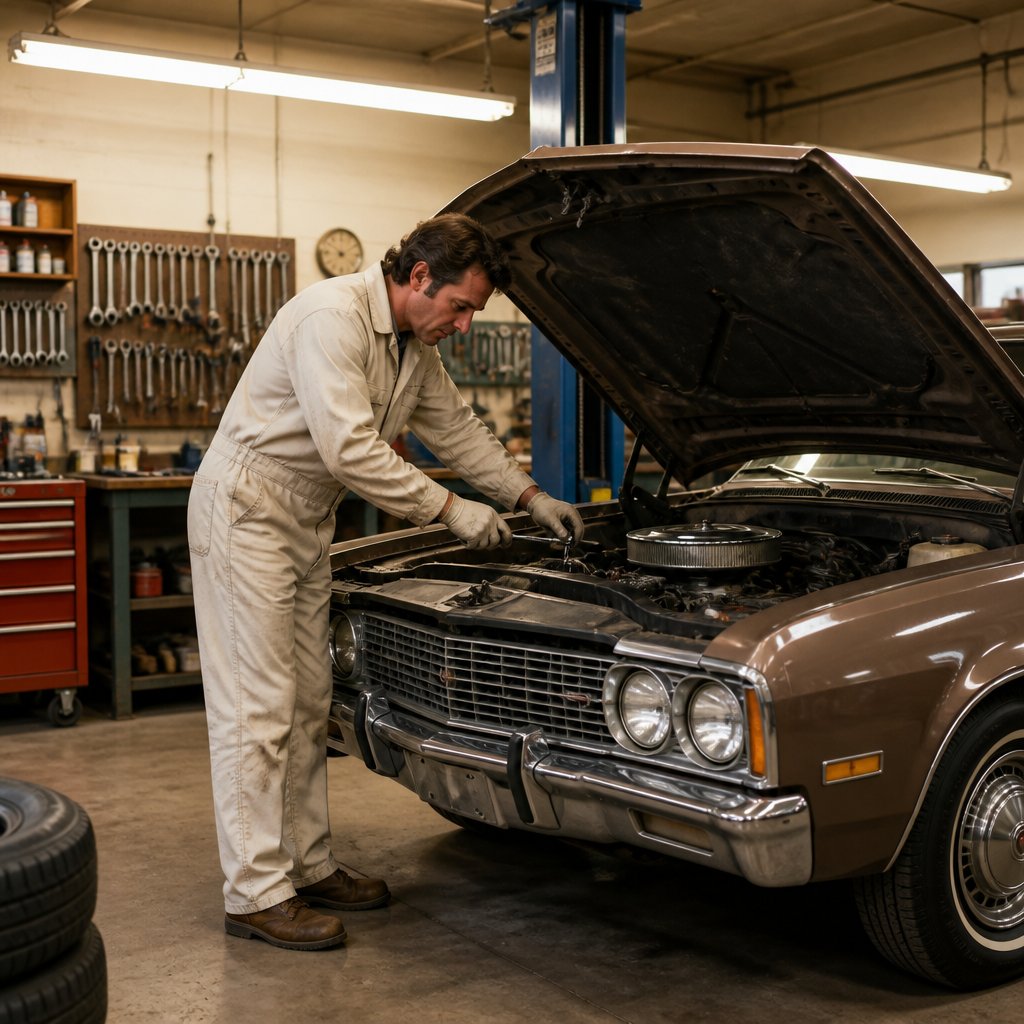
In the 1970s, auto mechanics learned their trade through hands-on experience rather than classroom study. Most started as apprentices at local garages or dealerships, picking up skills from experienced mechanics who showed them the ropes.
Cars from this era were simpler machines compared to today’s computerized vehicles. A mechanic with good instincts and steady hands could diagnose engine trouble just by listening to it run or checking a few basic parts.
This job paid decently and stayed in steady demand since everyone needed their car fixed eventually. Many mechanics opened their own shops after a few years, which gave them more control over their income and schedule.
Families could live comfortably on a mechanic’s wages, especially in towns where car ownership was becoming standard for most households. The work was physical and sometimes dirty, but it offered real job security.
15: Appliance repair technician
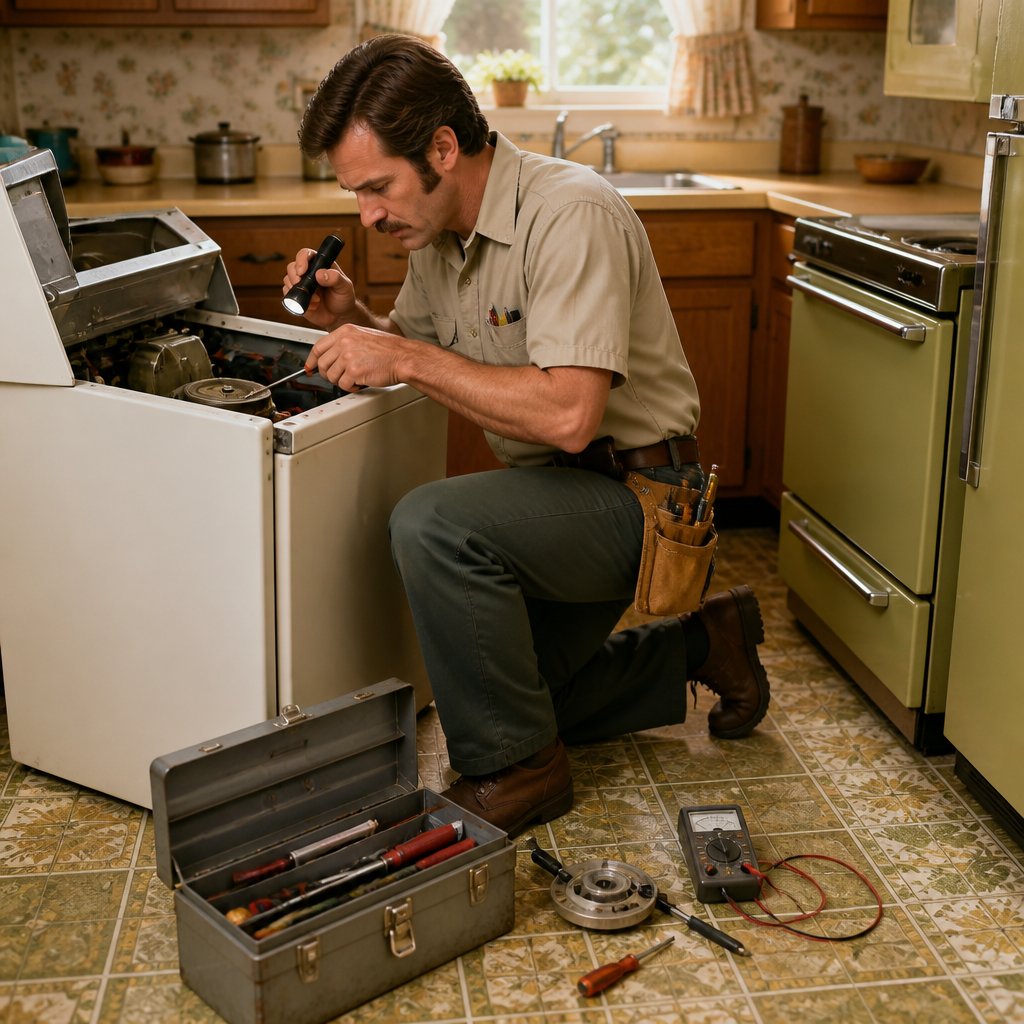
The 1970s brought washing machines, dryers, refrigerators, and dishwashers into more homes than ever before. When these machines broke down, families needed someone who could fix them quickly and affordably.
Appliance repair technicians filled that role. Most learned their skills through on-the-job training or a short vocational course, not a four-year degree.
Many technicians worked for local repair shops or appliance stores. Others started their own small businesses, driving from house to house with a toolbox in hand.
The pay was steady because appliances broke down regularly, and people preferred repairing them over buying new ones. A technician who built a good reputation in his neighborhood often had more work than he could handle.
This job offered flexibility too. Some technicians set their own hours, which made it easier to balance work with family life.
By the end of the decade, a skilled repair technician could support a household comfortably. The demand for hands-on problem solvers never seemed to slow down.
14: Television repair technician
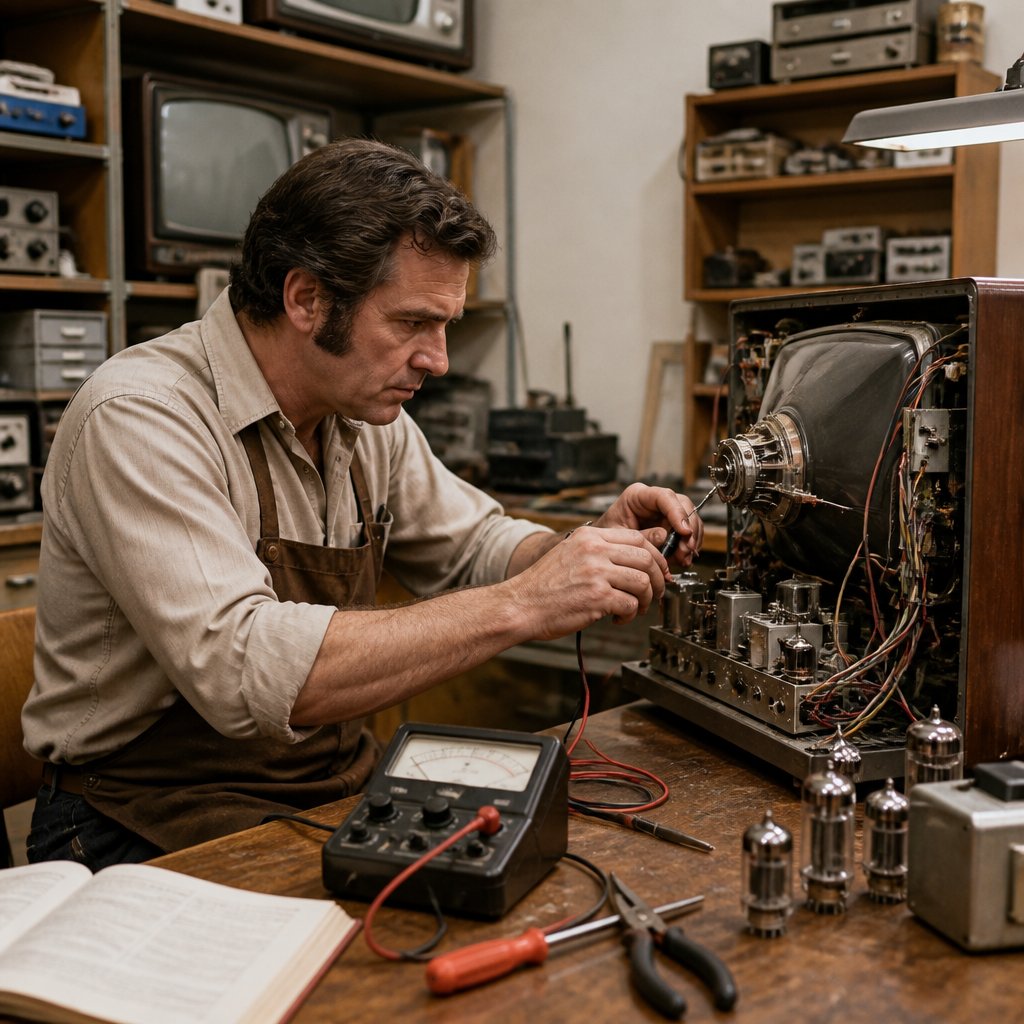
Television repair technicians stayed busy throughout the 1970s. Nearly every household owned at least one TV, and these sets broke down often. Tubes burned out, picture tubes dimmed, and knobs stopped working.
Most technicians learned their trade through vocational schools or on-the-job apprenticeships. A high school diploma often sufficed to get started. Some picked up skills through military electronics training and applied that knowledge directly to civilian repair work.
The pay was steady and reliable. Shops in cities and small towns alike needed skilled hands to fix broken sets, and repeat customers kept business flowing.
Many technicians opened their own repair shops. This gave them control over their schedules and income, which helped support growing families. Others worked for larger retailers, offering both sales and repair services under one roof.
This career offered stability without requiring a four-year degree.
13: Telephone line installer
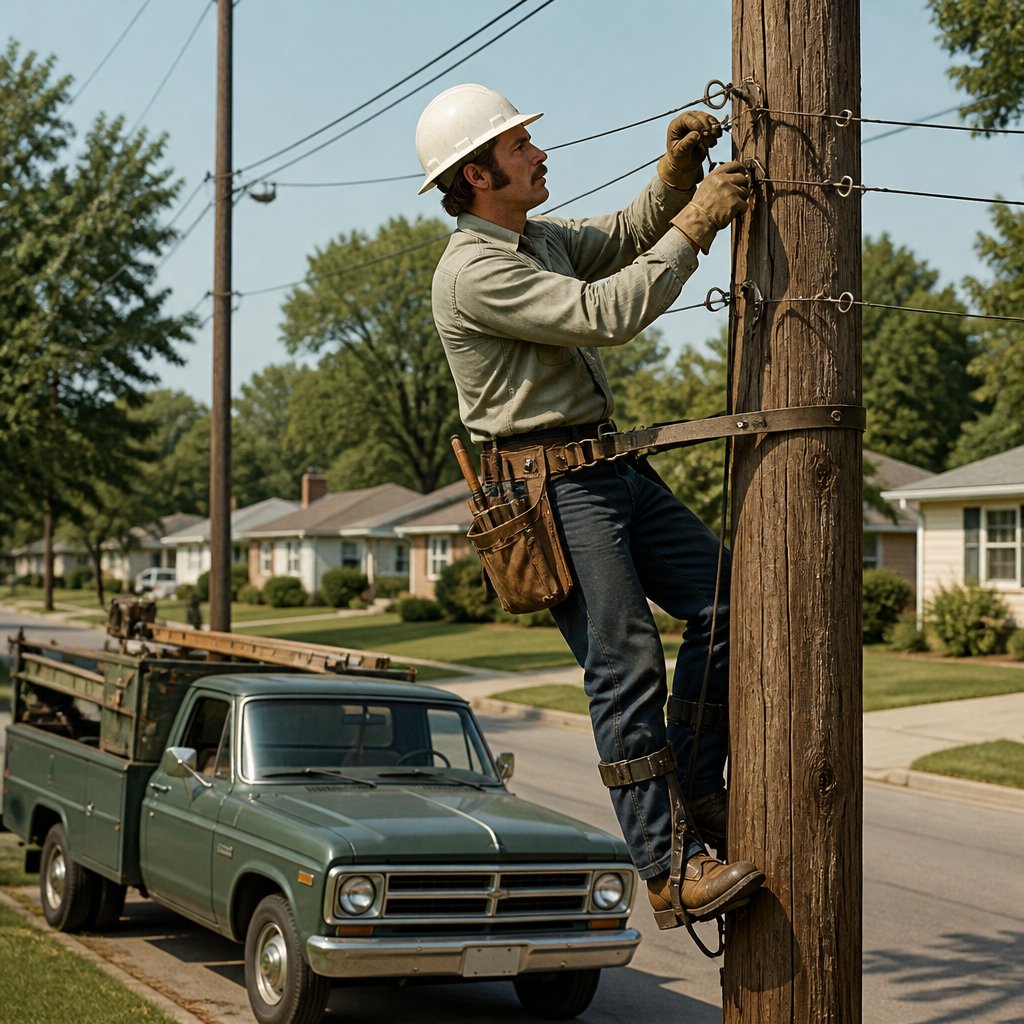
Telephone line installers kept homes and businesses connected during a decade when phone service was expanding into new neighborhoods across the country. They climbed poles, strung wire, and connected lines to houses, often working for regional Bell System companies. The job required physical stamina and a good head for heights, but formal education past high school was not a requirement.
Training happened on the job, with new hires learning from experienced crews how to splice wires and troubleshoot problems. Pay was steady, and many installers belonged to unions that negotiated solid wages and benefits.
This work suited people who liked being outdoors rather than sitting behind a desk all day. Installers traveled to different job sites, which kept the daily routine from feeling repetitive.
Families benefited from the reliable paycheck and the health coverage that came with union membership. A telephone line installer could support a household comfortably, buy a home, and plan for the future without ever setting foot in a college classroom.
12: HVAC Technician
Would you like to save this?
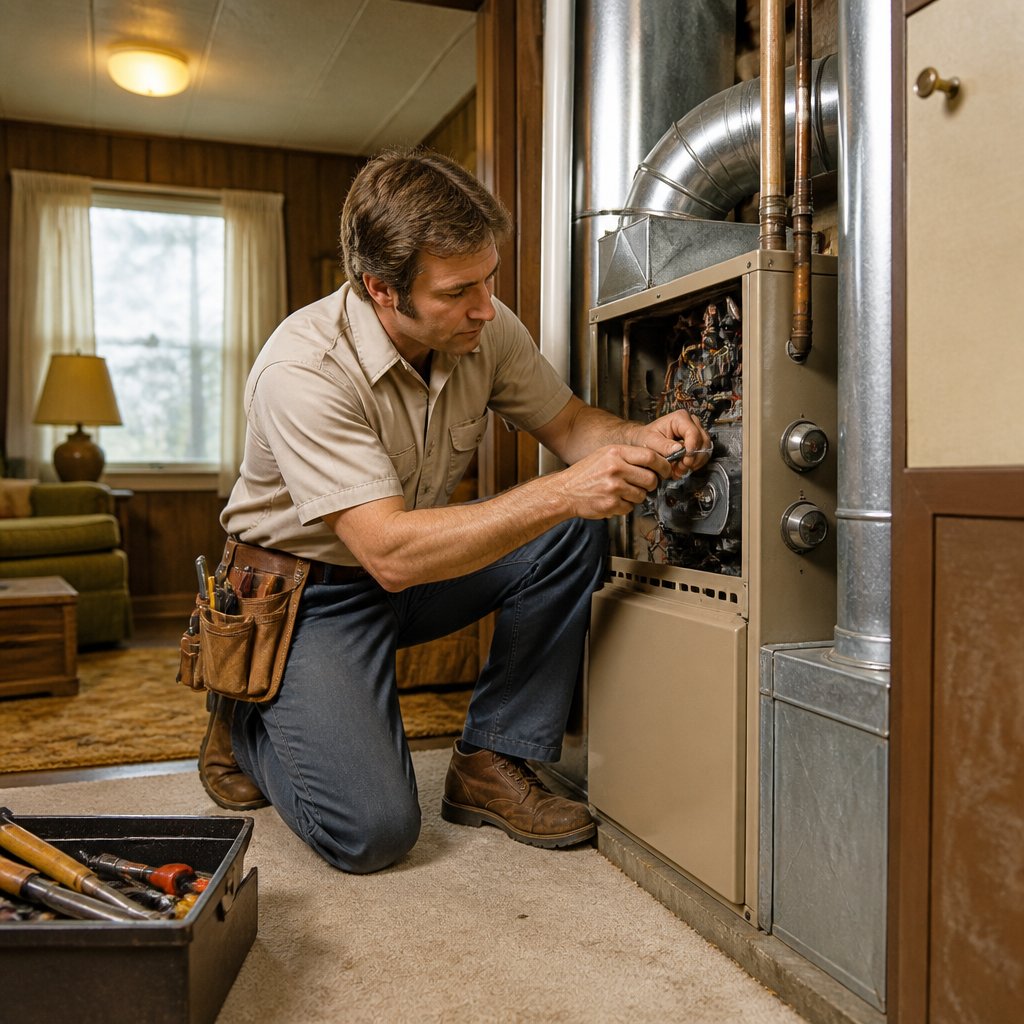
In the 1970s, a man could learn heating and cooling repair through an apprenticeship or trade school, often in under two years. No four-year degree was needed to start earning steady pay.
Homes were installing central air conditioning at a rapid pace during this decade, and furnaces needed regular servicing too. This created plenty of demand for skilled technicians in nearly every town.
HVAC technicians typically earned solid wages, especially once they gained a few years of experience. Many worked for local companies or eventually started their own small businesses.
The job offered year-round work since heating and cooling systems both needed attention. It also came with the satisfaction of solving practical problems that kept families comfortable in their homes.
11: Tool-and-die maker
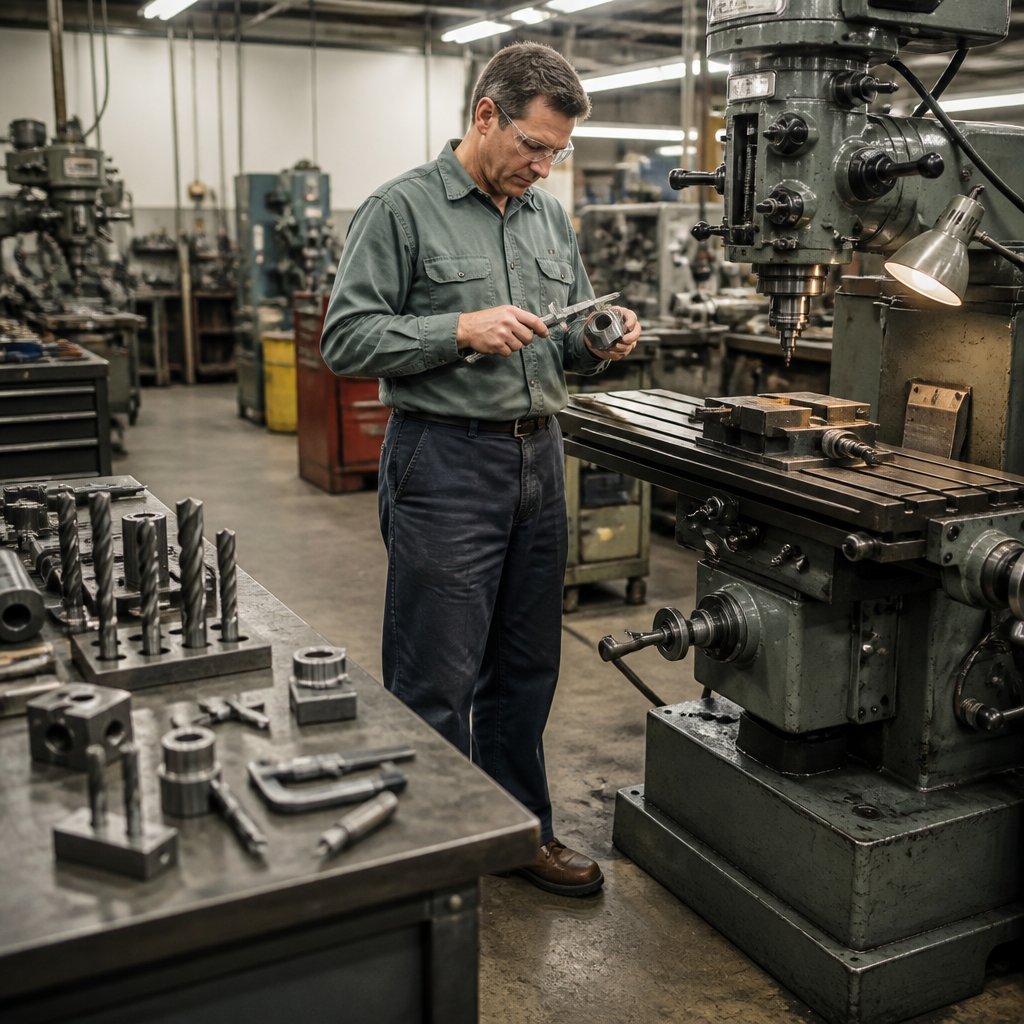
Tool-and-die makers built the precision tools, dies, and molds that factories used to manufacture everything from car parts to kitchen appliances. This trade required steady hands and sharp attention to detail, since even tiny measurement errors could ruin an entire production run.
Most workers learned the trade through apprenticeships that combined hands-on shop training with classroom instruction. These programs typically lasted four years and were often sponsored by manufacturing companies or trade unions.
The skills involved reading blueprints, operating lathes and grinders, and understanding metallurgy. Workers gradually took on more complex projects as their experience grew.
Pay for tool-and-die makers ranked among the better manufacturing wages of the decade. Many earned enough to support a household, buy a home, and put money aside for their children’s future.
Job security was strong throughout the 1970s because manufacturing plants across the country depended on this expertise. Auto factories, appliance makers, and machine shops all needed skilled tradespeople to keep production running smoothly.
10: Machinist
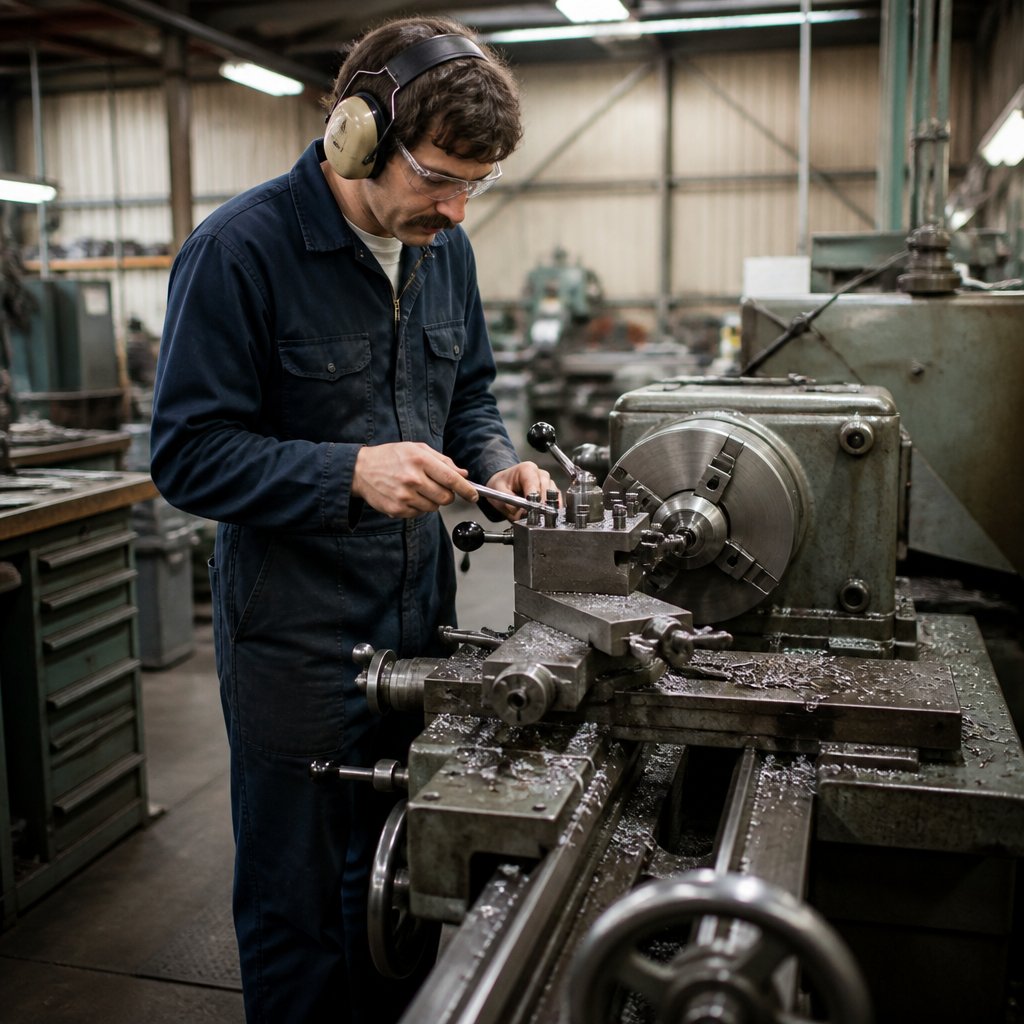
Machinists held a solid spot among skilled trades in the 1970s. They operated lathes, drills, and milling machines to shape metal parts for cars, appliances, and industrial equipment. Factories across the country relied on them daily.
Most machinists learned through apprenticeships rather than college classrooms. A high school diploma, steady hands, and a willingness to learn on the job usually opened the door. Many picked up the trade by working alongside experienced tradesmen.
The pay supported families comfortably, especially in unionized shops. Machinists often received health benefits and pension plans through their employers. Overtime hours during busy production periods added extra income too.
Job security felt strong since manufacturing was booming. A machinist with a good reputation rarely worried about finding steady work.
9: Welder
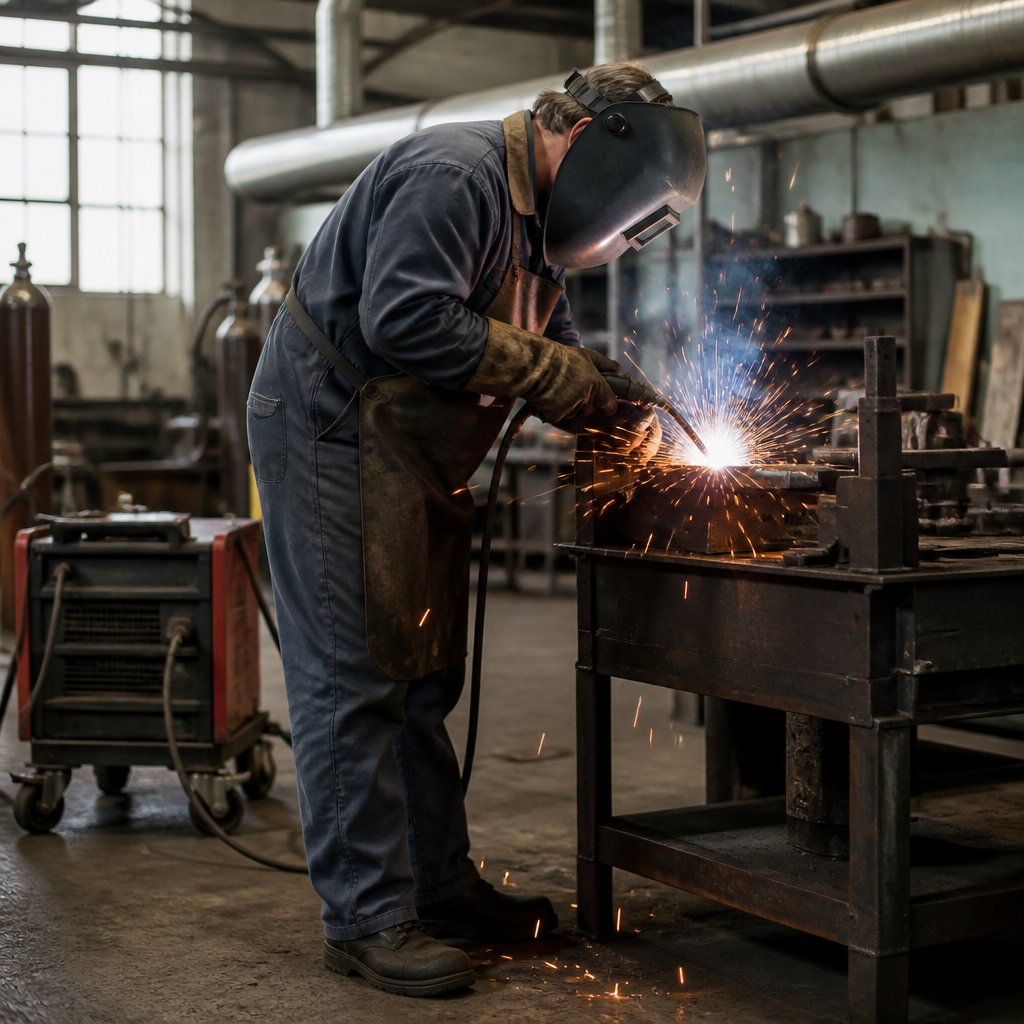
Welding was one of the most reliable trades a person could enter during the 1970s. Factories, shipyards, construction sites, and auto plants all needed skilled welders to join metal parts together. A person could learn the basics through an apprenticeship or vocational program, often without needing a college degree at all.
Pay was decent for the time, and the work was steady as long as manufacturing stayed busy. Many welders joined unions, which helped them earn better wages and benefits like health insurance. This made it possible for a single income to support a family comfortably.
The job did come with physical demands. Welders worked with intense heat, bright sparks, and heavy protective gear, and the hours could be long depending on the industry. Still, many found satisfaction in building something tangible, whether it was a car frame, a building beam, or a piece of machinery.
Experienced welders sometimes moved into supervisory roles or started their own small shops. This gave workers a path to grow their income over time. For someone willing to learn a hands-on skill, welding offered a genuine route to financial stability in the 1970s.
8: Bricklayer

Bricklaying offered steady work for anyone willing to learn the trade through hands-on experience. Most bricklayers in the 1970s picked up their skills through apprenticeships rather than classrooms, working alongside experienced masons who taught them the finer points of the craft.
The construction boom of the era meant plenty of demand for skilled bricklayers. New homes, schools, and commercial buildings needed solid brick and block work, and contractors relied on tradesmen who understood how to lay a straight, sturdy wall.
Pay for bricklayers was often better than many other blue-collar jobs, since the work required precision and physical stamina. A family could live comfortably on a bricklayer’s wages, especially in areas experiencing housing growth.
The job also came with a sense of pride. Bricklayers could point to buildings around town and say they helped construct them, something that made the daily grind feel worthwhile.
7: Carpenter
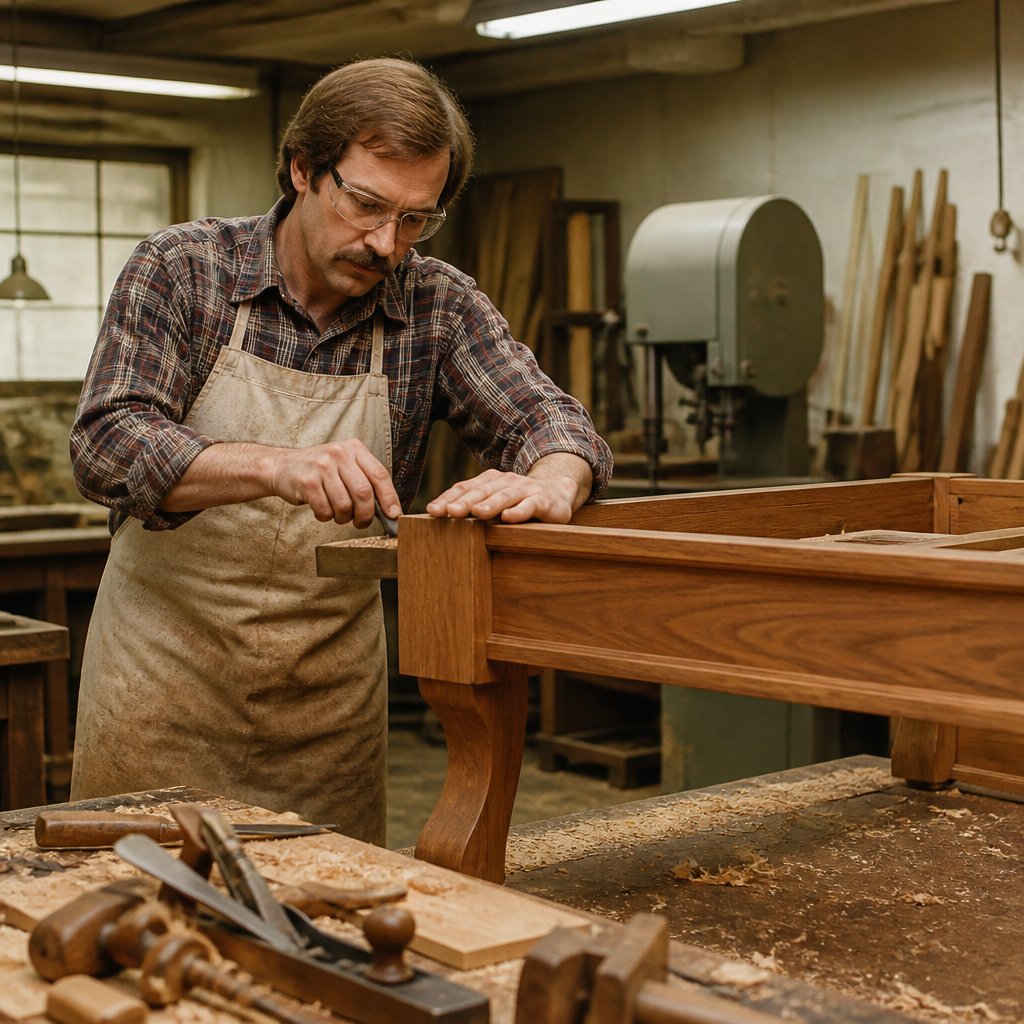
Carpentry offered steady work for anyone willing to learn on the job in the 1970s. Most carpenters entered the trade through apprenticeships or simply by working alongside an experienced builder. A high school diploma wasn’t even required in many cases.
Housing construction was booming during this decade, which kept demand for skilled carpenters high. New neighborhoods, apartment complexes, and commercial buildings needed framing, finishing work, and cabinetry. This meant steady paychecks for those who could swing a hammer and read a blueprint.
Pay for carpenters was solid enough to support a family on a single income. Union membership often came with additional benefits like health insurance and pension plans. Many carpenters eventually started their own small contracting businesses after gaining enough experience.
The physical nature of the work meant long days, but it also built real skills that lasted a lifetime. Fathers often taught sons the trade, creating family businesses that spanned generations. It was a career built on practical knowledge rather than classroom credentials.
6: Plumber’s apprentice
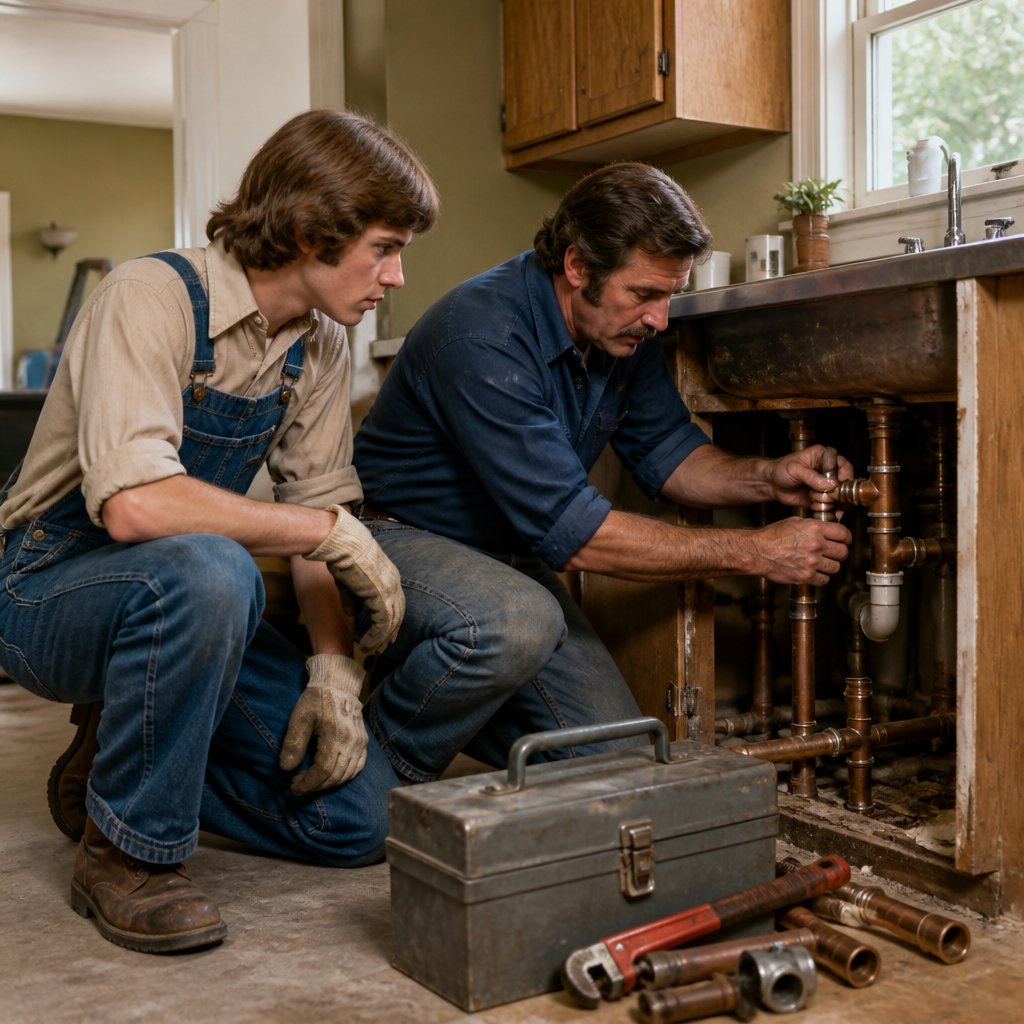
In the 1970s, a young man could walk into a local plumbing union hall and start an apprenticeship without ever setting foot in college. Most programs combined paid on-the-job training with classroom instruction, usually lasting four to five years.
Apprentices started at a fraction of a journeyman’s wage, but pay increased steadily as they gained skills. By the time they finished training, many earned enough to support a spouse and children comfortably.
The demand for plumbers stayed strong throughout the decade. New housing developments, commercial buildings, and aging infrastructure all needed skilled hands, so work rarely dried up.
Union membership often came with benefits like health insurance and pension plans, something many families relied on. Once someone became a licensed journeyman, they could open their own shop or keep working steadily for an established company. It was a practical path that rewarded patience and hard work.
5: Electrician’s Apprentice
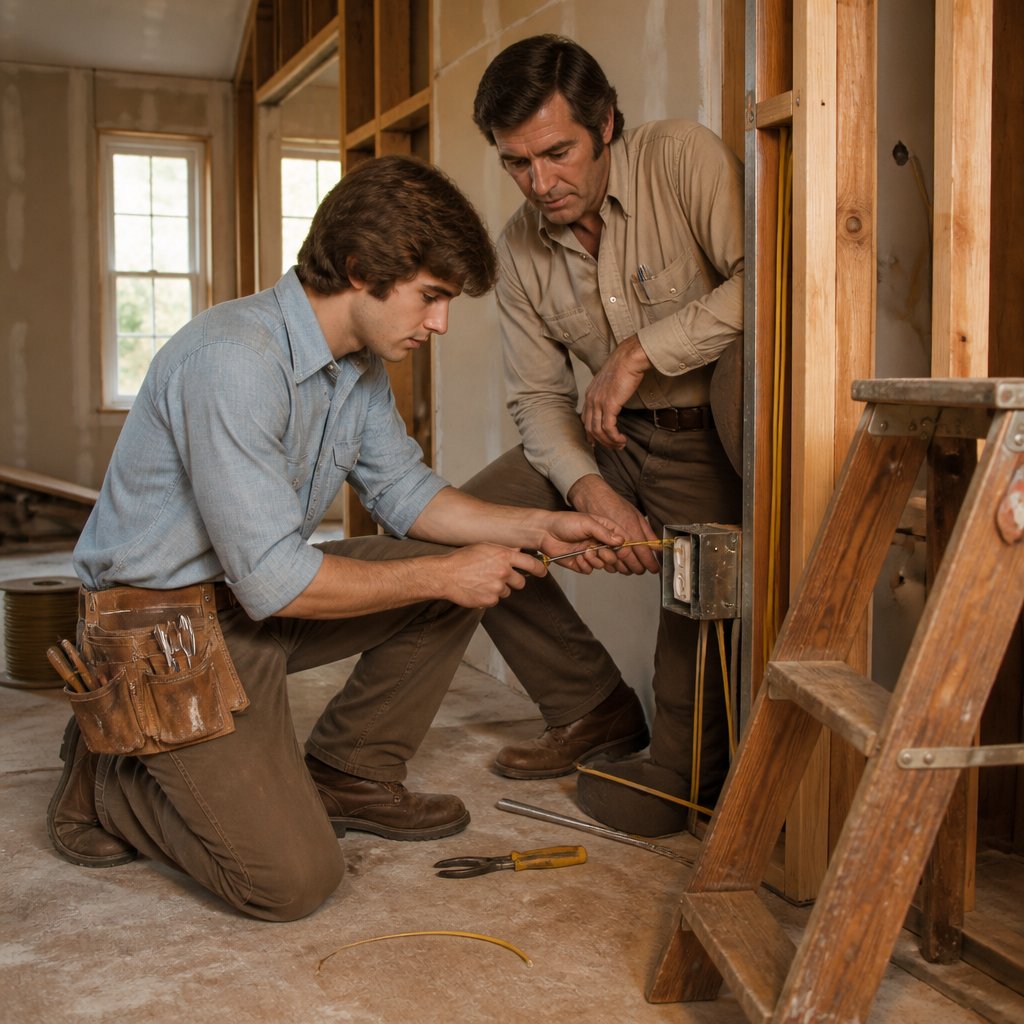
In the 1970s, becoming an electrician’s apprentice offered a solid path to a stable career without needing a college degree. Young workers learned directly on the job, working alongside licensed electricians while attending trade classes part-time. This hands-on training usually lasted four to five years and combined practical experience with technical instruction.
Apprentices earned a paycheck from day one, which made it easier to support a family while learning valuable skills. As they progressed, their pay increased steadily, reflecting their growing expertise. By the time they became journeymen, many could comfortably support a household on their wages alone.
The demand for skilled electricians remained strong throughout the decade, thanks to expanding housing developments and growing industrial needs. This steady demand gave apprentices job security and opportunities for advancement, making it an appealing choice for many families.
4: Automobile assembly worker
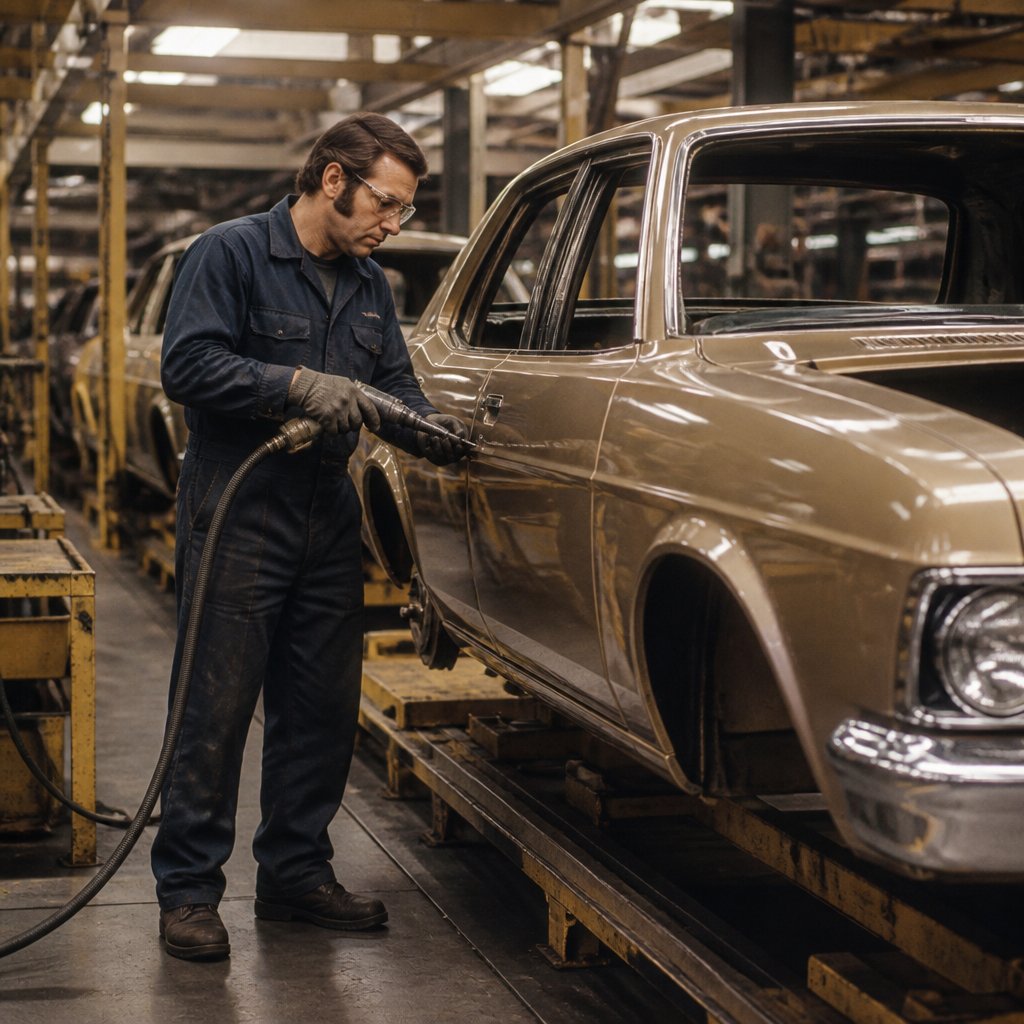
In the 1970s, automobile assembly work offered steady pay and strong benefits without needing a college diploma. Plants across Michigan, Ohio, and other manufacturing hubs hired workers straight out of high school. Many young men and women found themselves earning enough to buy a house and support a family within just a few years.
The work itself was physically demanding. Workers stood for long shifts, repeating tasks like bolting parts, welding frames, or installing interior components on the line. It required stamina and focus, but training happened on the job, so prior experience wasn’t necessary.
Union membership made a huge difference for these workers. The United Auto Workers negotiated contracts that included health insurance, pension plans, and paid vacation time. These benefits helped families feel secure, even when factory work carried physical risks.
Pay rates in auto plants often exceeded what other manufacturing jobs offered. A worker could support a spouse and children on a single income, which was common for households at the time. Overtime shifts added extra income during busy production periods, especially before new model releases.
Job security wasn’t guaranteed, since layoffs happened during economic downturns. Still, many workers stayed with the same company for decades, building seniority that led to better shifts and higher wages over time.
3: Factory machine operator
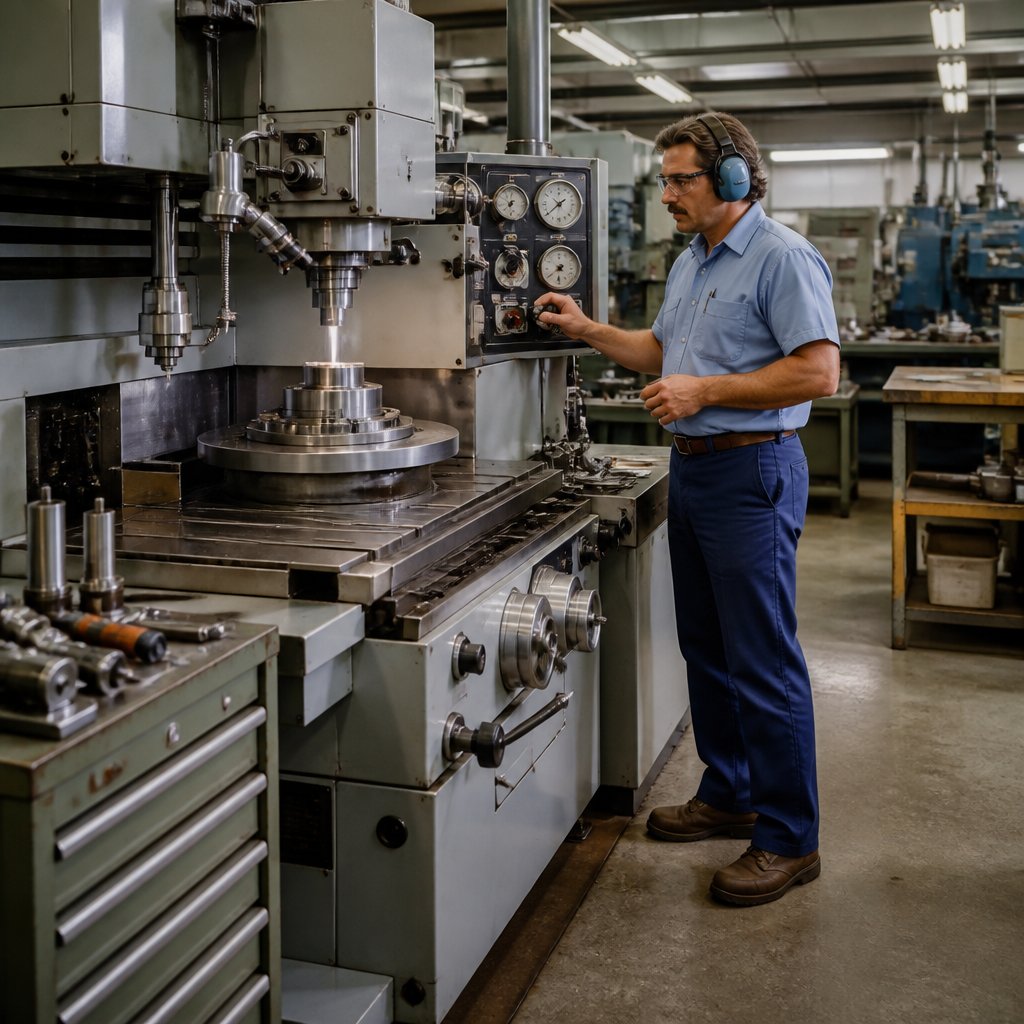
Factories across the country needed people to run presses, lathes, drills, and assembly line machinery. Workers learned on the job, often under the guidance of a senior operator who showed them the ropes over a few weeks. No diploma was required, just a steady hand and a willingness to show up on time.
Pay was solid for the era, especially in unionized plants tied to auto, steel, or textile production. Many operators earned enough to buy a house, support a spouse and kids, and still put a little money aside. Overtime hours during busy seasons added extra income that families counted on.
The work followed a predictable rhythm. Shifts started and ended at set times, and operators knew exactly what their day would look like. That structure made it easier to plan family life around work rather than the other way around.
Job security felt strong through much of the decade. Plants ran multiple shifts, and turnover meant openings for people willing to learn a new machine. Someone starting on a simple task could move up to more complex equipment within a year or two, which often came with a pay bump.
The role did have physical demands. Standing for long stretches, repetitive motion, and loud environments were part of daily life. Hearing protection and safety training became more common as the decade went on, though standards varied by plant and industry.
2: Railroad conductor
Would you like to save this?
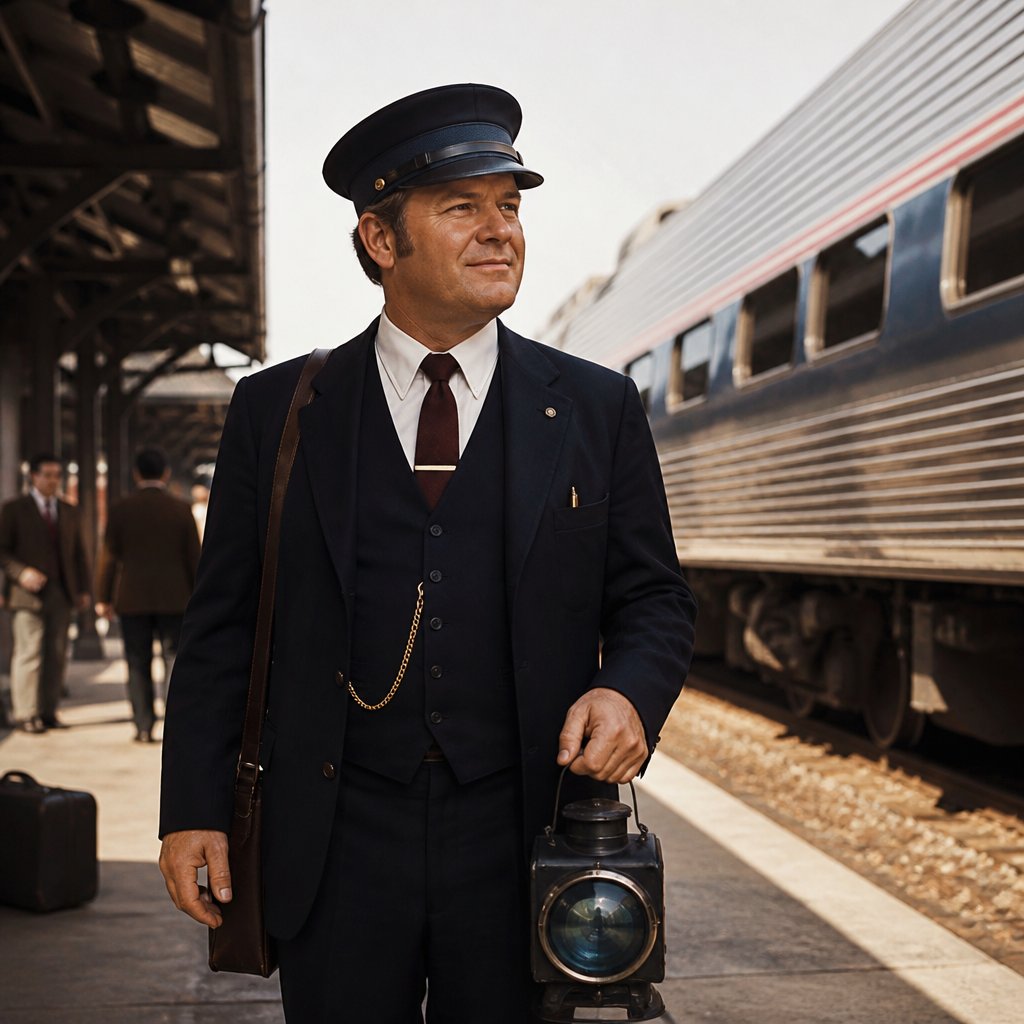
Railroad conductors held one of the most respected blue-collar jobs in the 1970s. They managed train crews, checked tickets, and made sure freight or passengers arrived safely. No college degree was required, just training through the railroad company itself.
Many conductors started as brakemen or in other entry-level rail positions. They worked their way up through seniority, learning the ropes on the job. This system let hardworking men and women build a solid career without ever setting foot in a classroom beyond high school.
Union protections made this job especially family-friendly. Railroad unions negotiated strong wages, healthcare benefits, and retirement pensions throughout the decade. A conductor’s paycheck could comfortably support a spouse and children, even cover a mortgage on a modest home.
The hours were long and sometimes unpredictable, since trains ran day and night. Still, families appreciated the stability that came with railroad work. Once someone secured a position, layoffs were rare compared to other industries.
Conductors also earned respect in their communities. Neighbors saw them as steady, dependable workers with a clear path forward. For many families in the 1970s, a conductor’s job meant financial security without the burden of student debt.
1: Postal service clerk
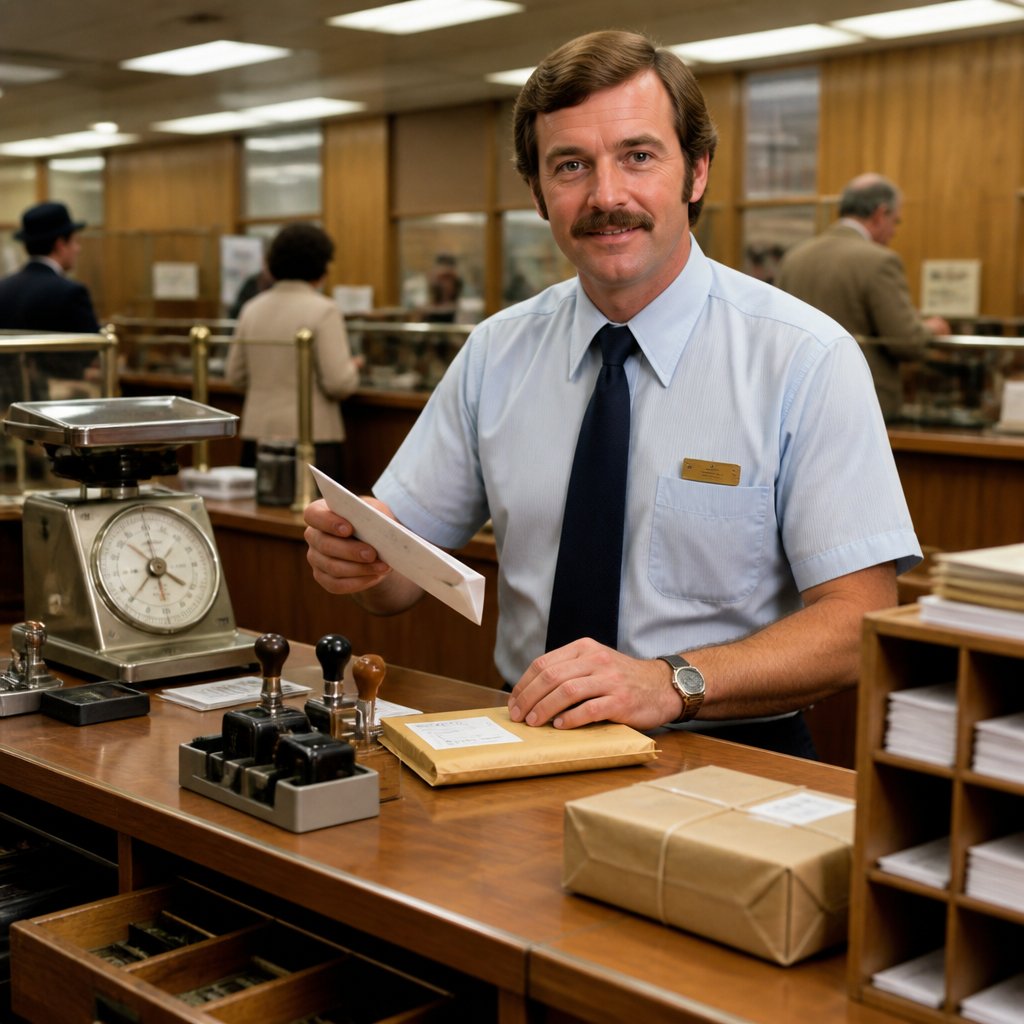
In the 1970s, a postal service clerk job offered steady, dependable work that didn’t require a diploma beyond high school. Applicants took a civil service exam, and those who passed could land a government position with real staying power.
The pay wasn’t flashy, but it was consistent. Clerks sorted mail, sold stamps, weighed packages, and helped customers at the counter, and the routine nature of the work made it easy to plan a life around.
Benefits made this job especially attractive to families. Health insurance, a pension, and job security gave workers peace of mind that many private-sector jobs simply didn’t offer.
Many postal clerks stayed in their roles for decades, watching their families grow alongside their careers. It wasn’t glamorous work, but it paid the bills and let people build something lasting.