
Would you like to save this?
Fifty dollars in 1970 did not disappear into two paper bags and a mild sense of betrayal. It filled the cart, covered the extras, and still left coins knocking around in your coat pocket on the walk back to the car. The average American family spent about $25 a week feeding everyone, so a $50 grocery run was not an errand. It was provisioning.
The prices look misprinted now. Back then, they were ordinary enough to land in the cart without a second thought. Here is what fifty dollars could bring home.
A Loaf of Wonder Bread for 25 Cents, The Whole Aisle Smelled Like It
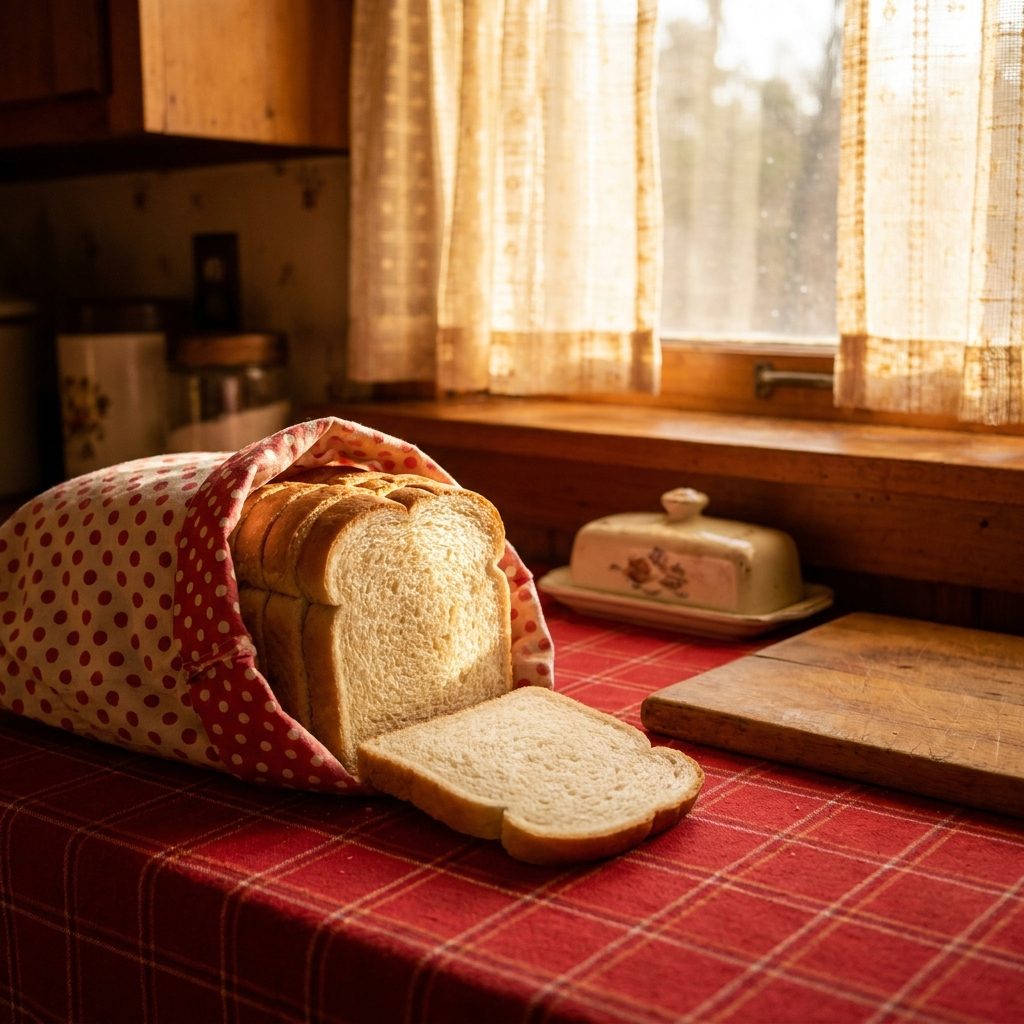
A quarter. One quarter bought a full loaf of sandwich bread in 1970, and if you handed over a dollar, you walked out with four. The soft, pillowy, slightly sweet white bread that built ten thousand school lunches cost less than a phone call from a pay phone.
White bread was at the absolute height of its cultural moment. Whole wheat was for health food stores and people your neighbors quietly worried about.
A Whole Fryer Chicken for 39 Cents a Pound, Sunday Dinner, Under Two Dollars
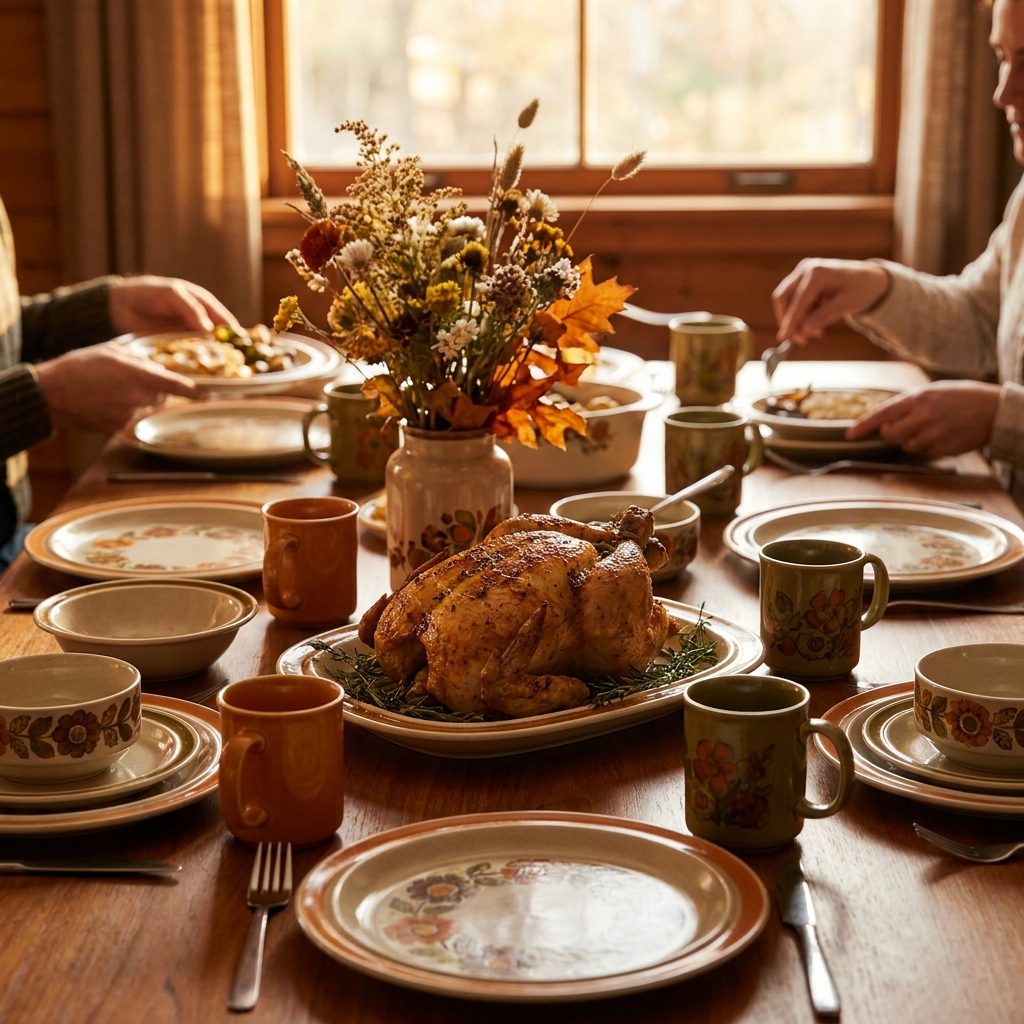
A whole fryer chicken went for roughly 39 cents a pound in 1970. A three-and-a-half pound bird came out to about $1.35. Roasted with butter and salt in a 350-degree oven for an hour and forty minutes, it fed four people without drama.
Sunday chicken was a ritual, not a recipe. Most families had one way they made it and no interest in another way.
Maxwell House Coffee: A One-Pound Can for About 89 Cents
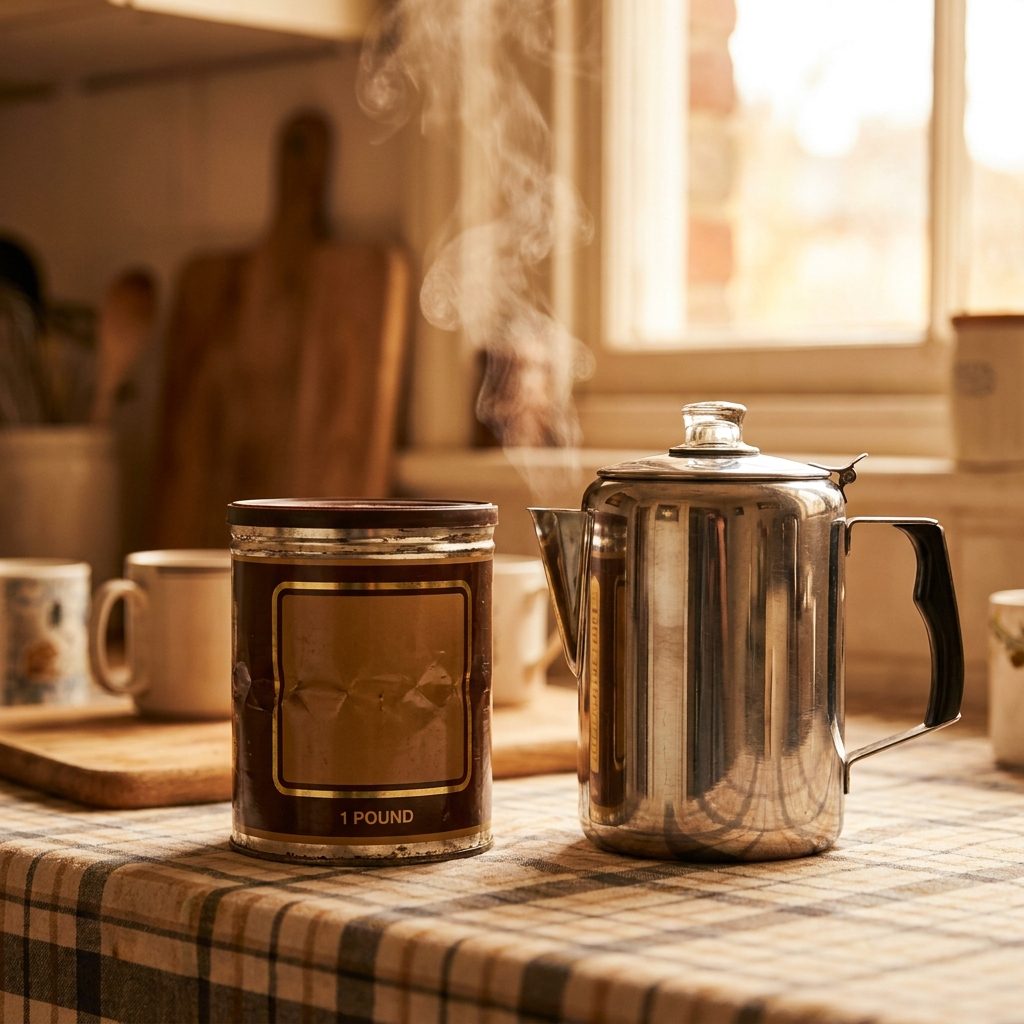
A one-pound can of Maxwell House ran about 89 cents in 1970. That can made roughly 40 pots of coffee in a percolator, which was still the dominant brewing method before the Mr. Coffee drip machine arrived in 1972 and changed everything. Ground coffee bought at the grocery store was the morning ritual in virtually every American household, and a dollar covered it with change to spare.
A Five-Pound Bag of Sugar for 59 Cents
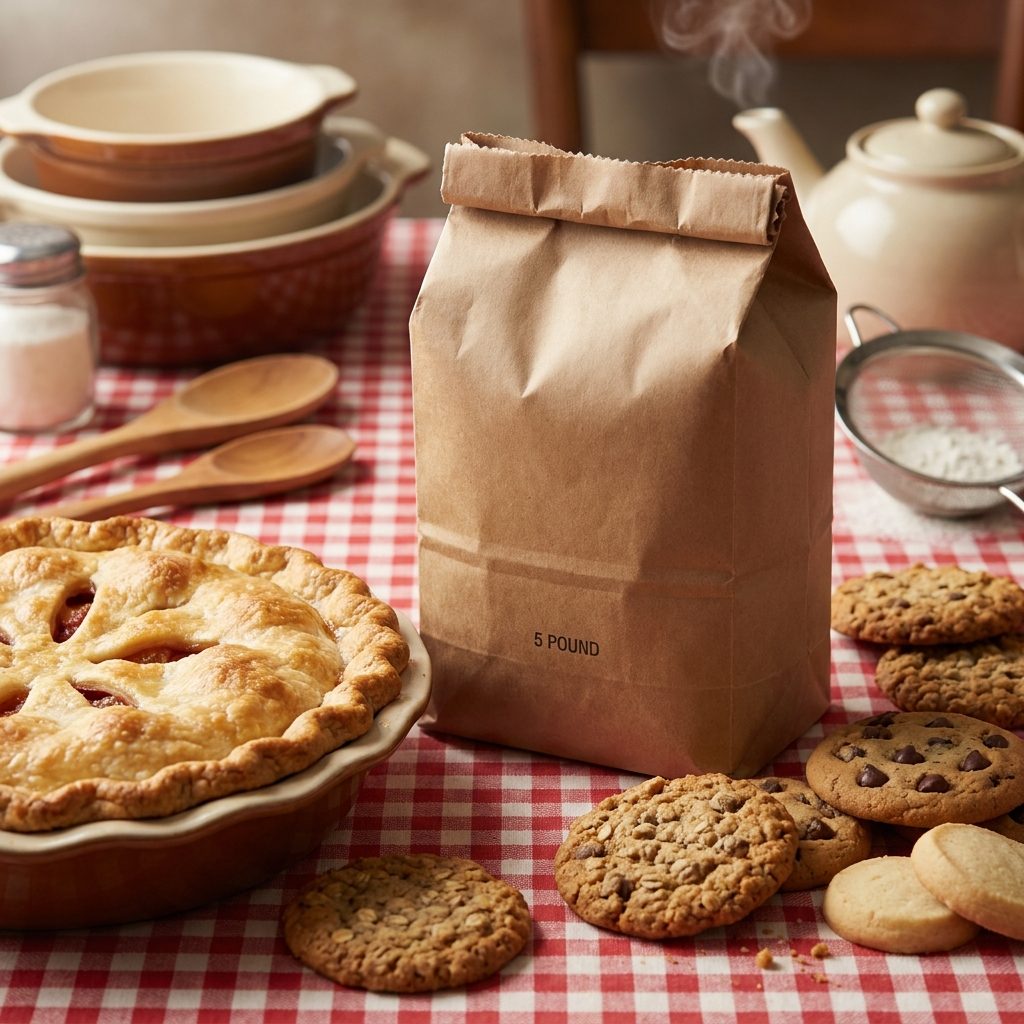
Fifty-nine cents for five pounds of sugar. Baking from scratch wasn’t a hobby in 1970, it was just Tuesday. Sugar went into pies, cakes, preserves, Kool-Aid by the pitcher, and coffee for everyone who stopped by. The price stayed low enough that most families kept a large canister on the counter and refilled it without a second thought.
A Dozen Oranges for Around 49 Cents
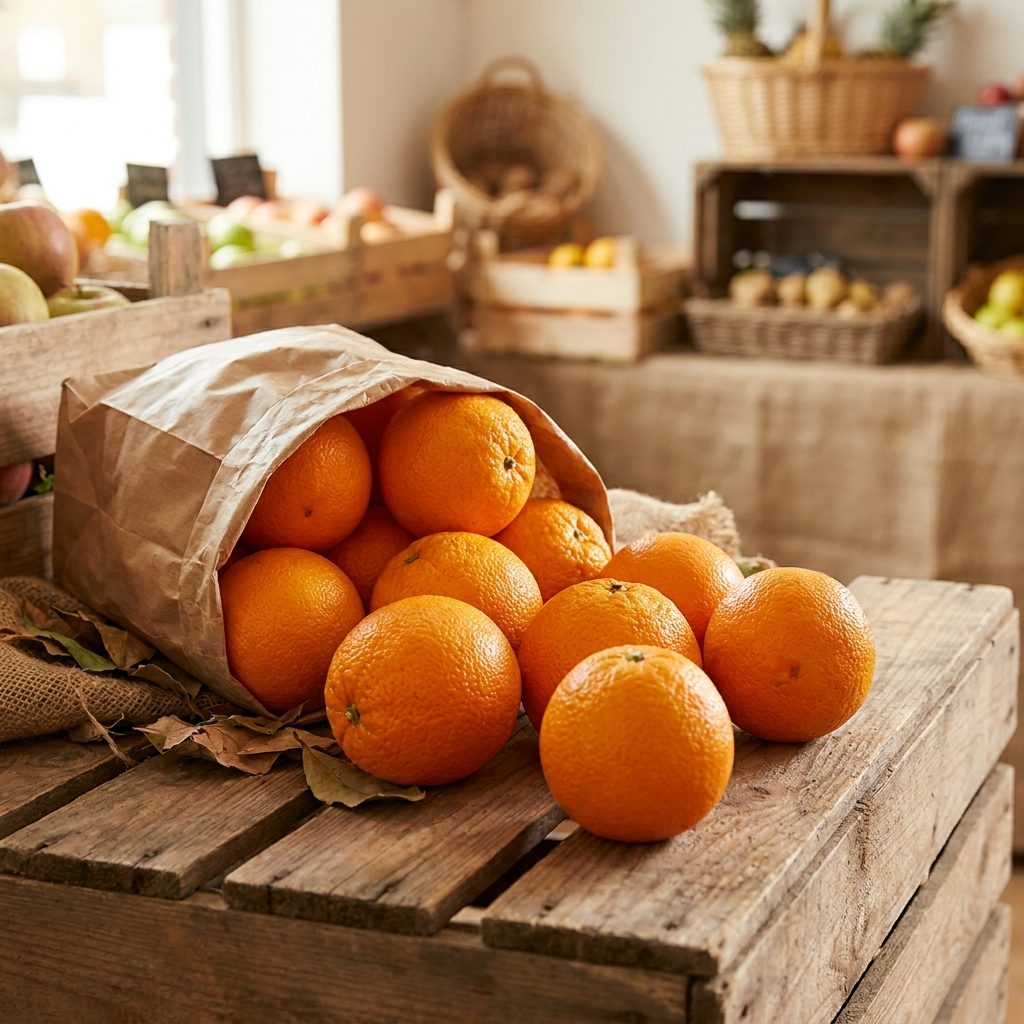
A dozen oranges for about 49 cents. The produce section in 1970 was genuinely seasonal, which meant oranges in winter felt like a small luxury worth buying. Families squeezed them by hand with a glass juicer on the counter, and the juice was gone before anyone could argue about who got more.
No plastic clamshells. No pre-squeezed cartons with a two-week shelf life. Just oranges in a paper bag.
Campbell’s Tomato Soup: 3 Cans for 25 Cents
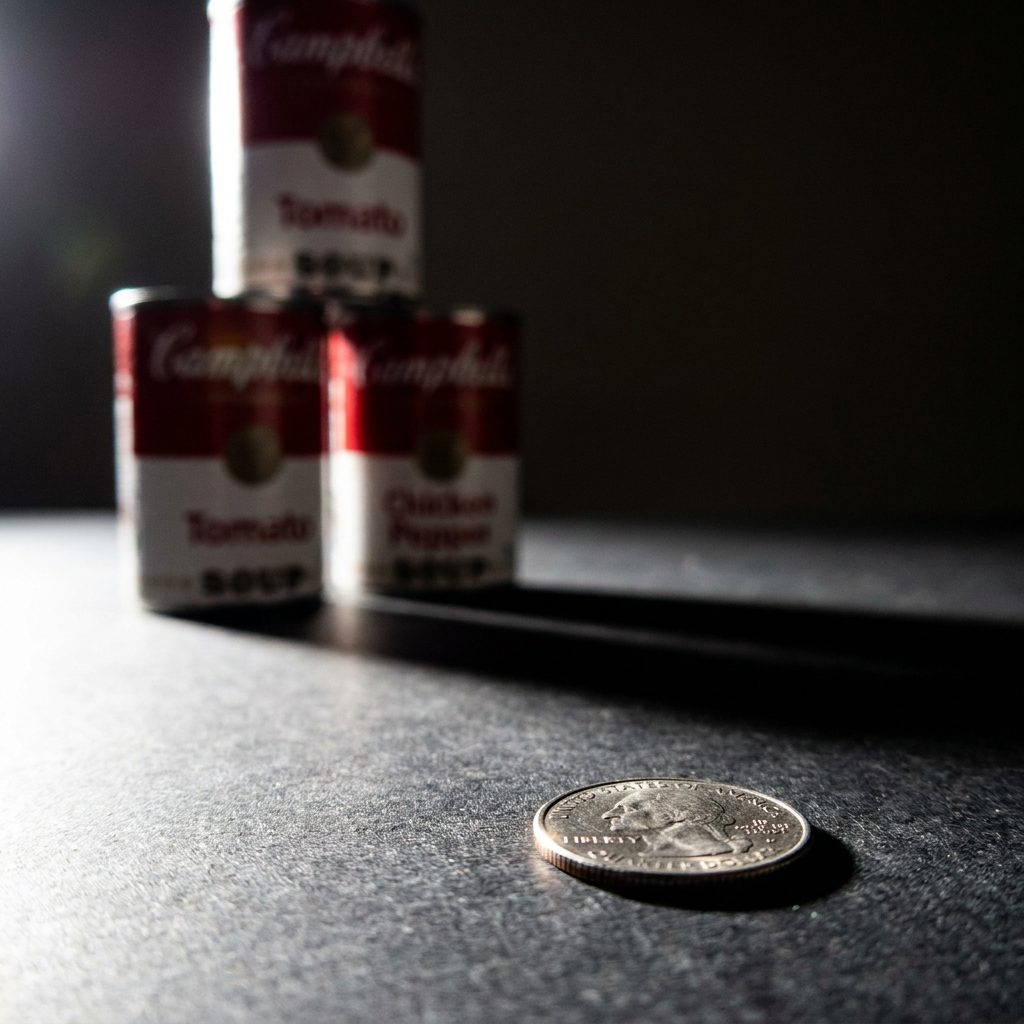
Three cans of Campbell’s condensed tomato soup for a quarter. That’s not a typo. The can was a design icon already by 1970, and the soup inside was the baseline lunch for an entire generation of American children, made with one can of water and served with a grilled cheese that cost maybe 15 cents more to produce at home.
A Dozen Eggs for 62 Cents, And Nobody Thought That Was a Deal
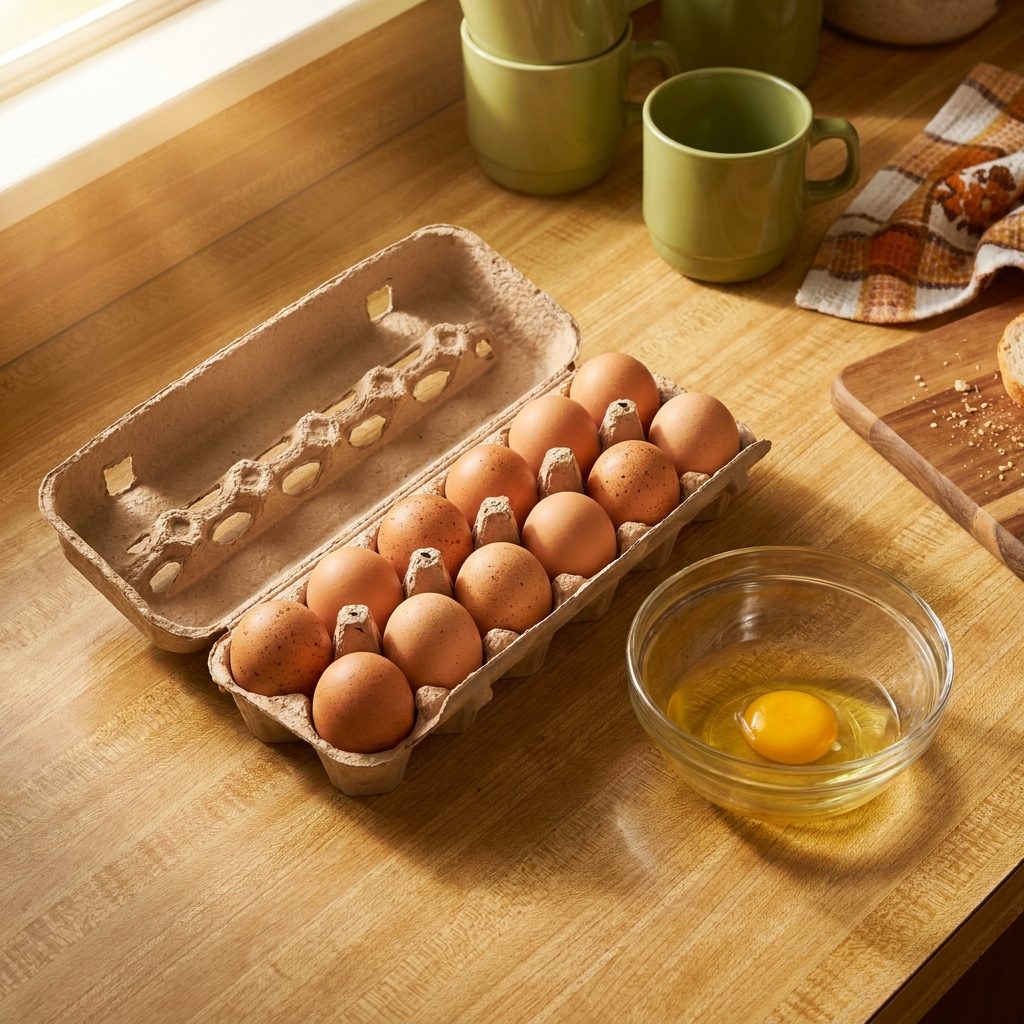
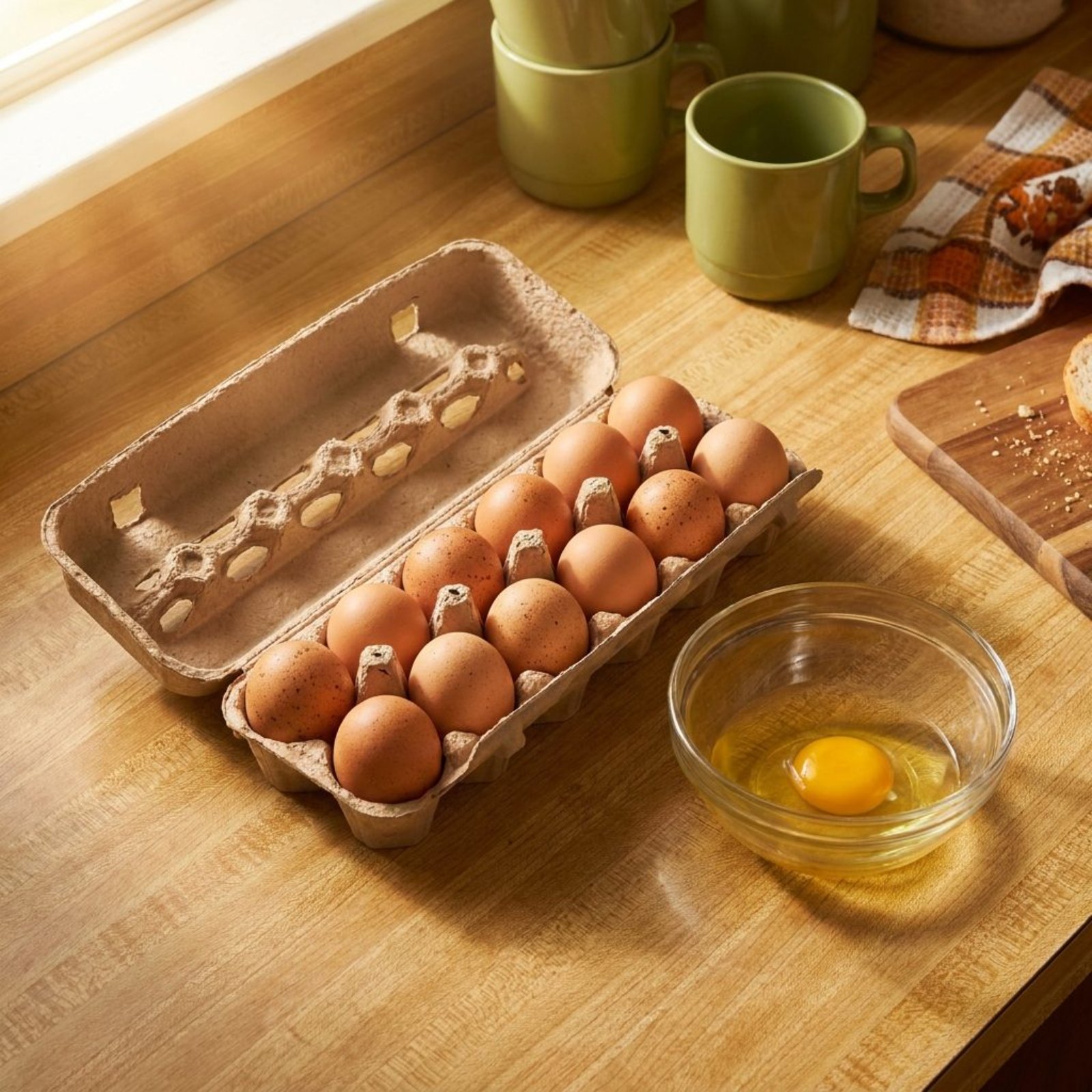
Sixty-two cents. That’s what a dozen eggs cost at most grocery stores in 1970, and it was so unremarkable that nobody wrote it down with any particular fondness. The average hourly wage hovered around $3.40, which means those twelve eggs cost roughly eleven minutes of work.
Today that same dozen runs close to four dollars in most parts of the country, and a bad egg-price year can push it past five. The eggs haven’t changed. Everything around them has.
Crisco Shortening: A 3-Pound Can for 79 Cents
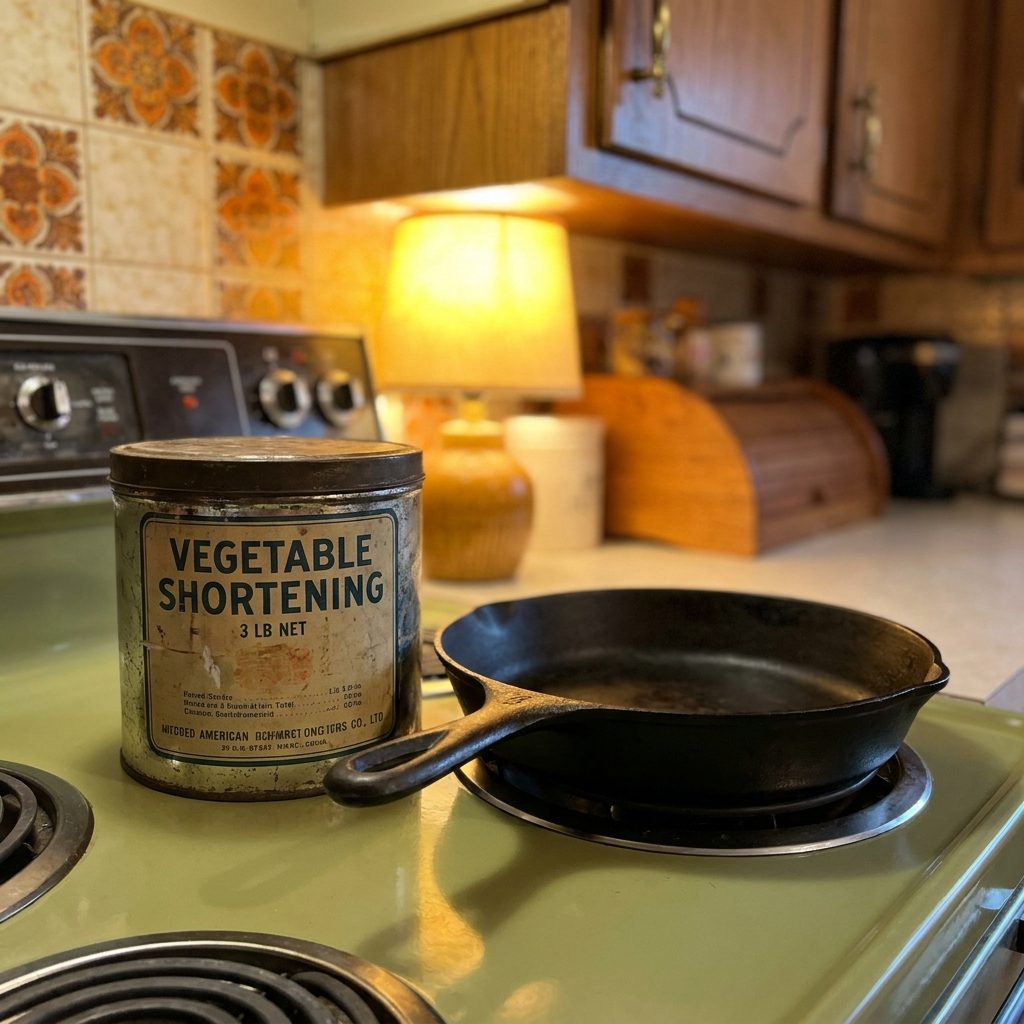
The three-pound Crisco can was a kitchen permanent fixture in 1970, parked next to the stove and refilled every few weeks. At 79 cents, it covered biscuits, pie crusts, fried chicken, and every cookie recipe in the Betty Crocker cookbook. Home bakers trusted it completely, and the tin itself got repurposed for storing other things long after the shortening was gone.
A Head of Iceberg Lettuce for 19 Cents
Would you like to save this?
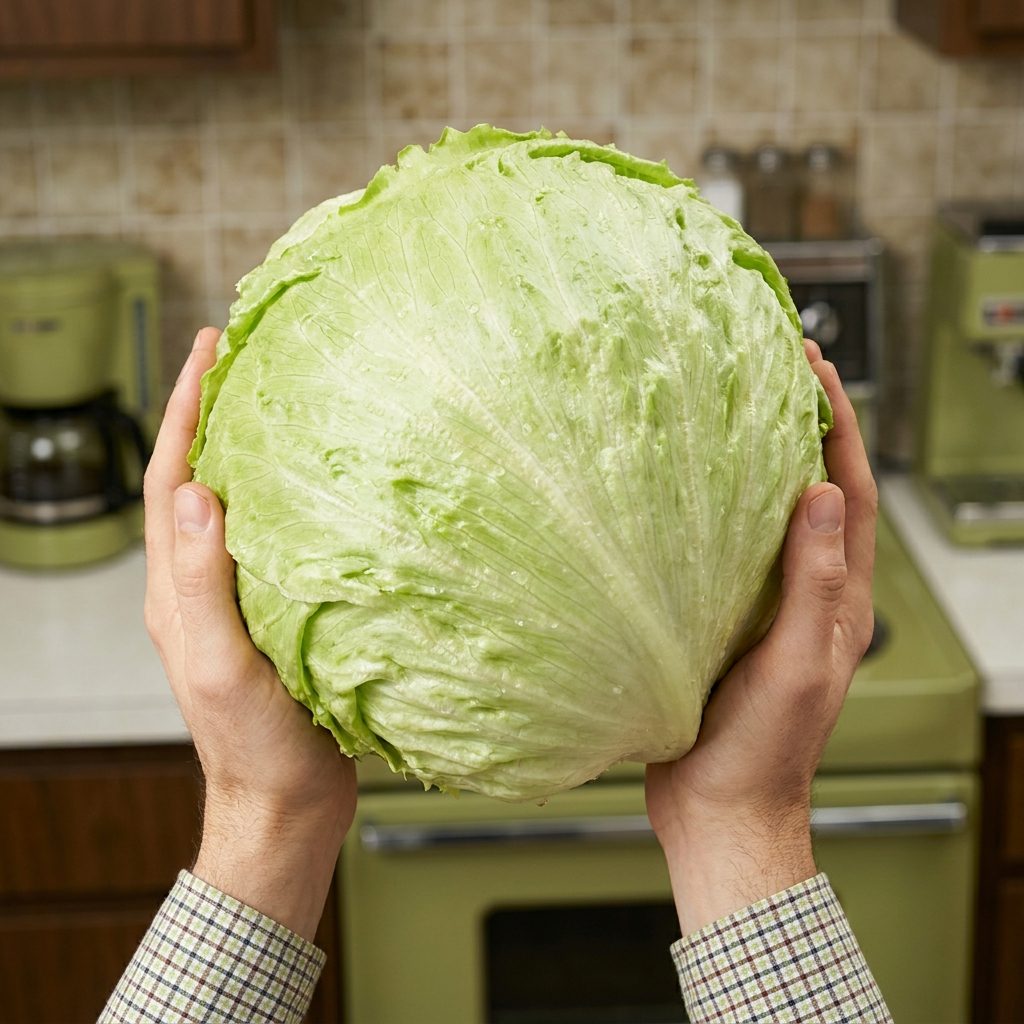
Nineteen cents. For a head of lettuce the size of a bowling ball. Iceberg was the only lettuce most American families knew in 1970. Romaine was something you encountered at a restaurant, if at all. The iceberg came home, got wedged into quarters with a knife, and was served with Thousand Island dressing from a bottle. Nobody called it a wedge salad. It was just salad.
Tide Detergent: A Giant Box for $1.29
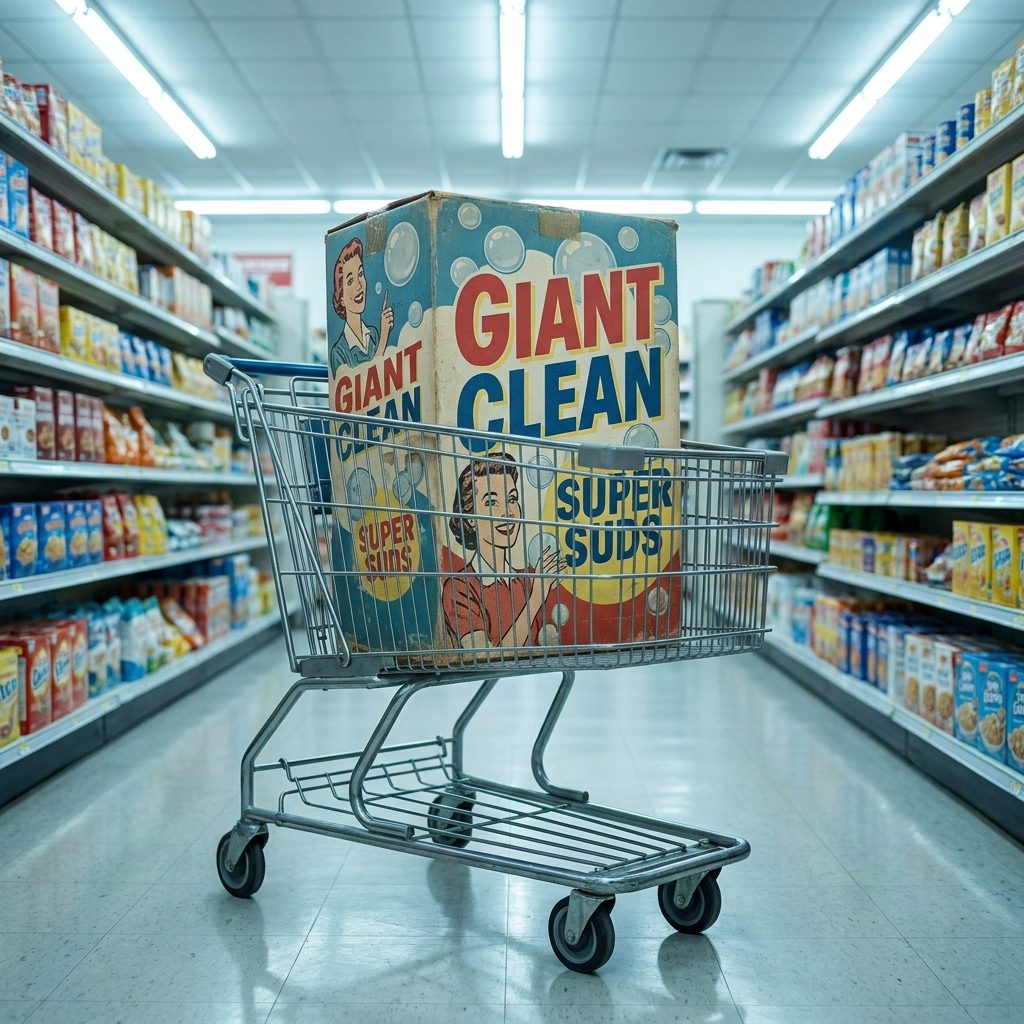
Detergent wasn’t strictly groceries, but it went in the cart every week. A large box of Tide ran about $1.29 in 1970, and it was the brand most families reached for without discussion. The orange bullseye box was as familiar as any food label in the pantry, and in households with a wringer washer still running in the basement, it lasted a long time.
Putting it in the grocery cart stretched that $50 further than most people remember. The cart held more than food.
A Pound of Butter: About 87 Cents in 1970
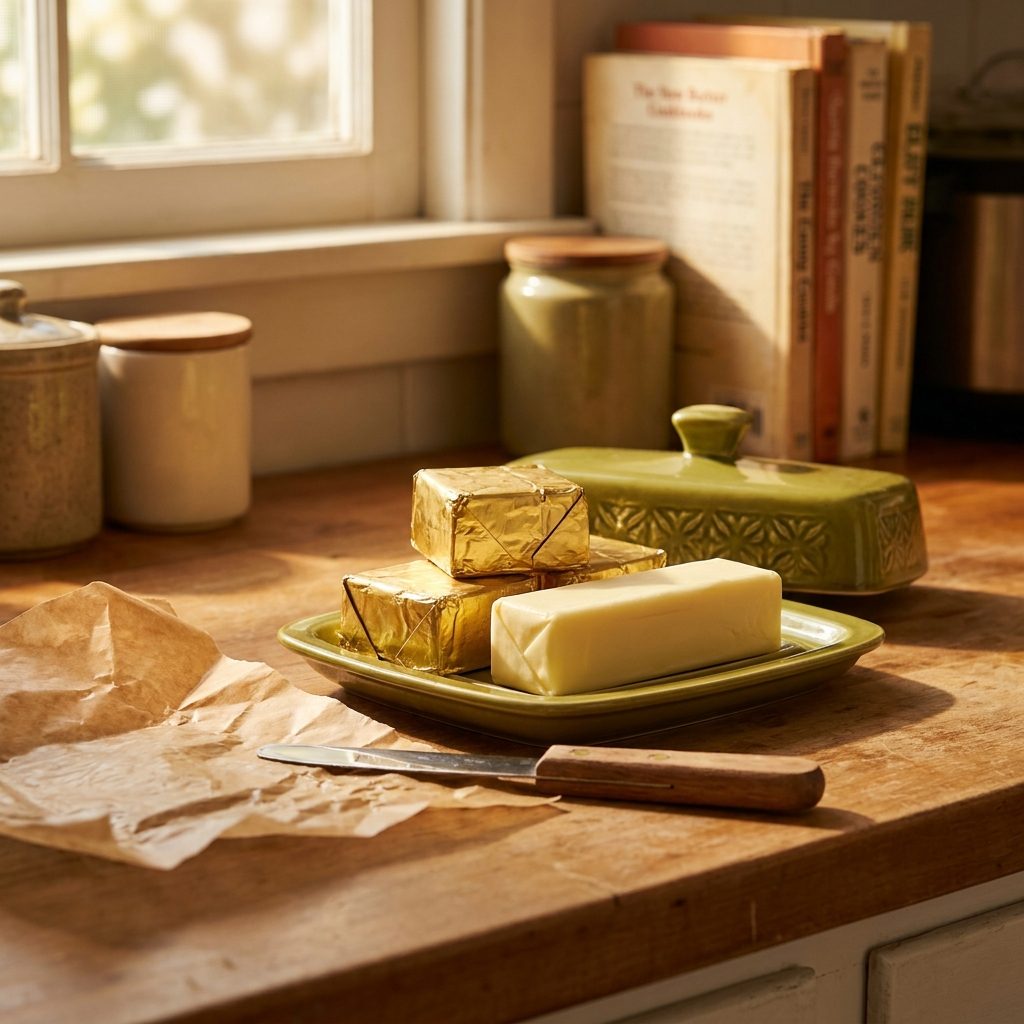
Butter in 1970 ran about 87 cents a pound, and most households bought it every single week without thinking twice. A minimum-wage worker earning $1.60 an hour needed roughly half an hour of work to cover it.
It wasn’t a luxury item. The whole dairy aisle worked this way, a cart full of butter, eggs, milk, and cream cheese and you’d barely cracked two dollars.
Ground Beef: Around 59 Cents Per Pound in 1970
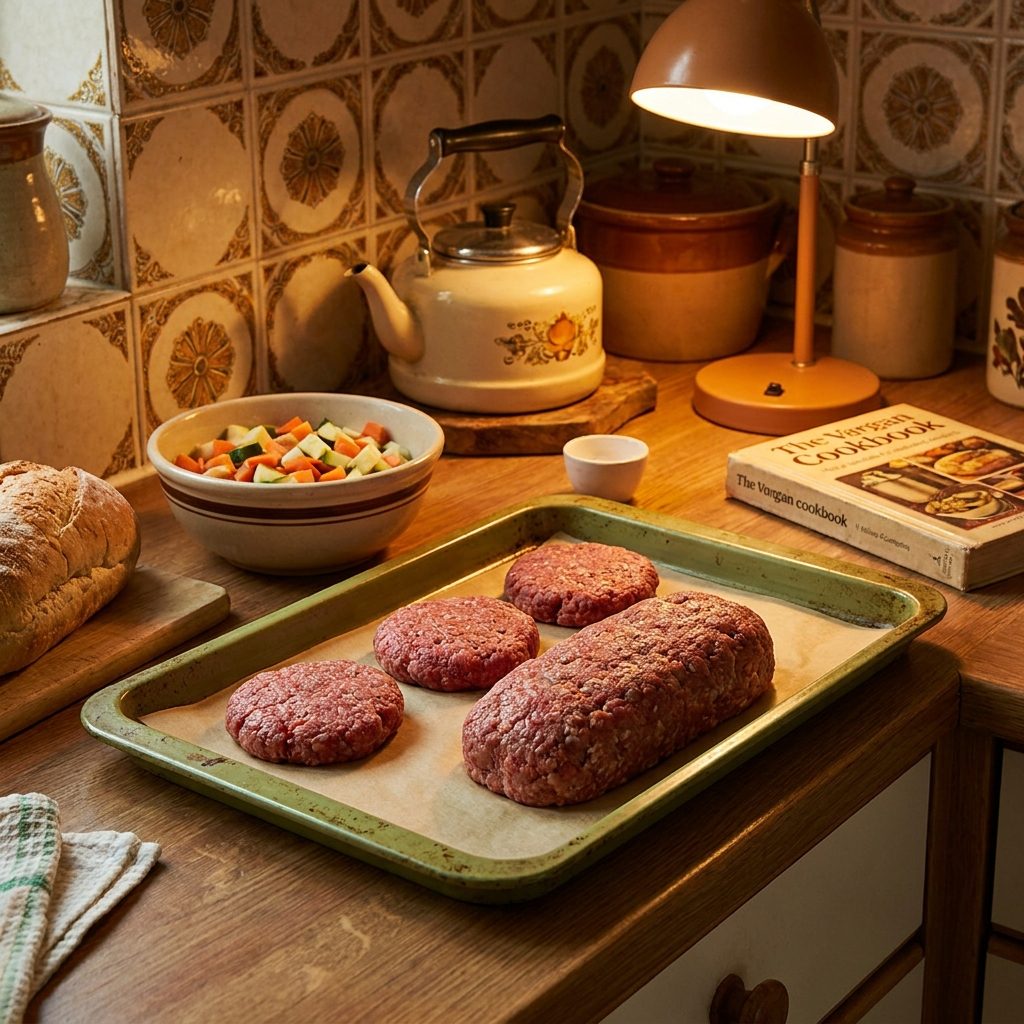
Ground beef at 59 cents a pound made hamburgers, meatloaf, and spaghetti Bolognese cheap enough to rotate through the weekly menu without stress. A family of four could eat for under two dollars a night if hamburgers were the centerpiece.
At 59 cents a pound, ground beef wasn’t a treat. It was Tuesday night dinner, Wednesday’s meatloaf, and whatever was left going into Friday’s soup.
Today that same pound runs closer to six or seven dollars depending on where you shop, meaning the price has risen more than tenfold, well ahead of general inflation.
A Gallon of Whole Milk: About 62 Cents in 1970
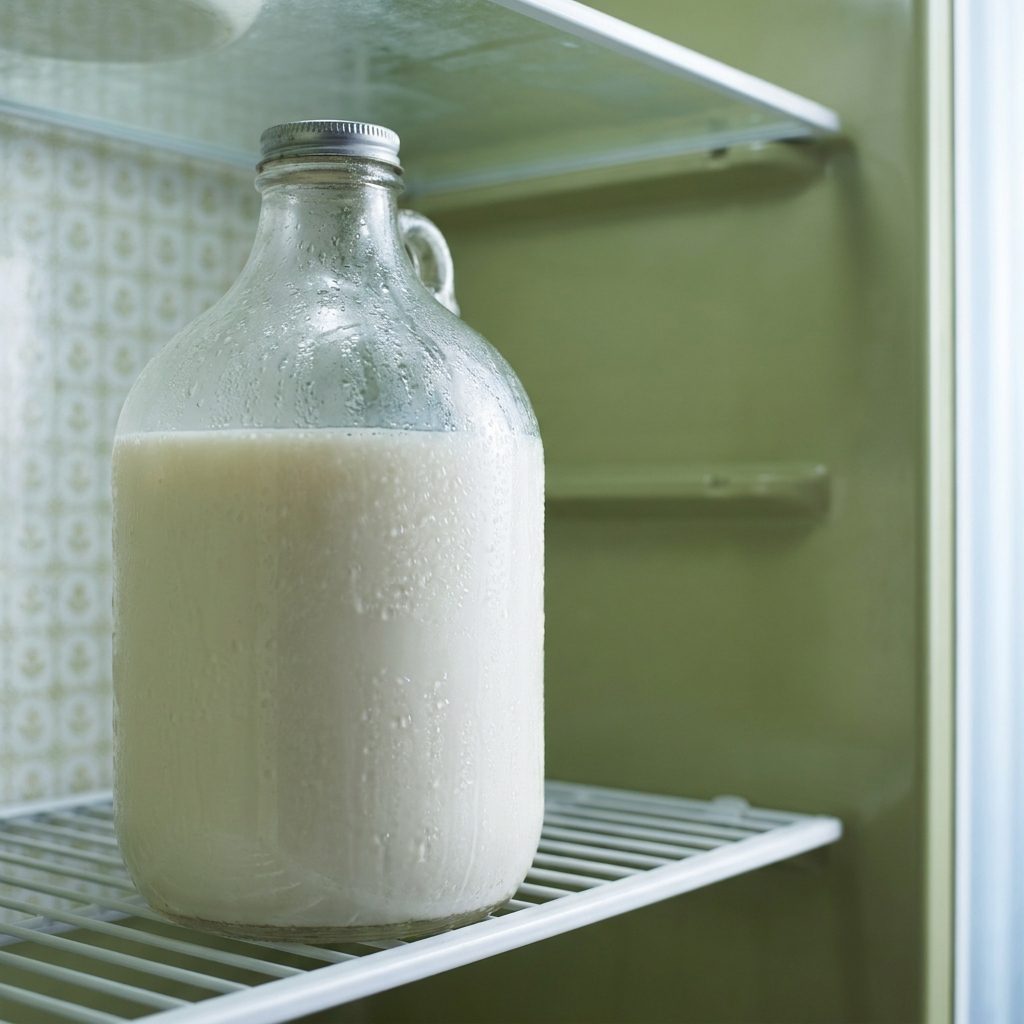
Sixty-two cents for a gallon of whole milk in 1970. Families with young children bought two or three gallons a week without it registering as a significant line item in the grocery budget.
Milk was priced so accessibly that school lunch programs, corner diners, and hospital cafeterias could build entire meal programs around it. The average American drank roughly 30 gallons of fluid milk per year in 1970, a consumption rate that has never been matched since. Milk was not merely in the refrigerator. It was on the table at nearly every meal.
A Box of Jell-O for a Dime: Six Flavors for Less Than a Dollar
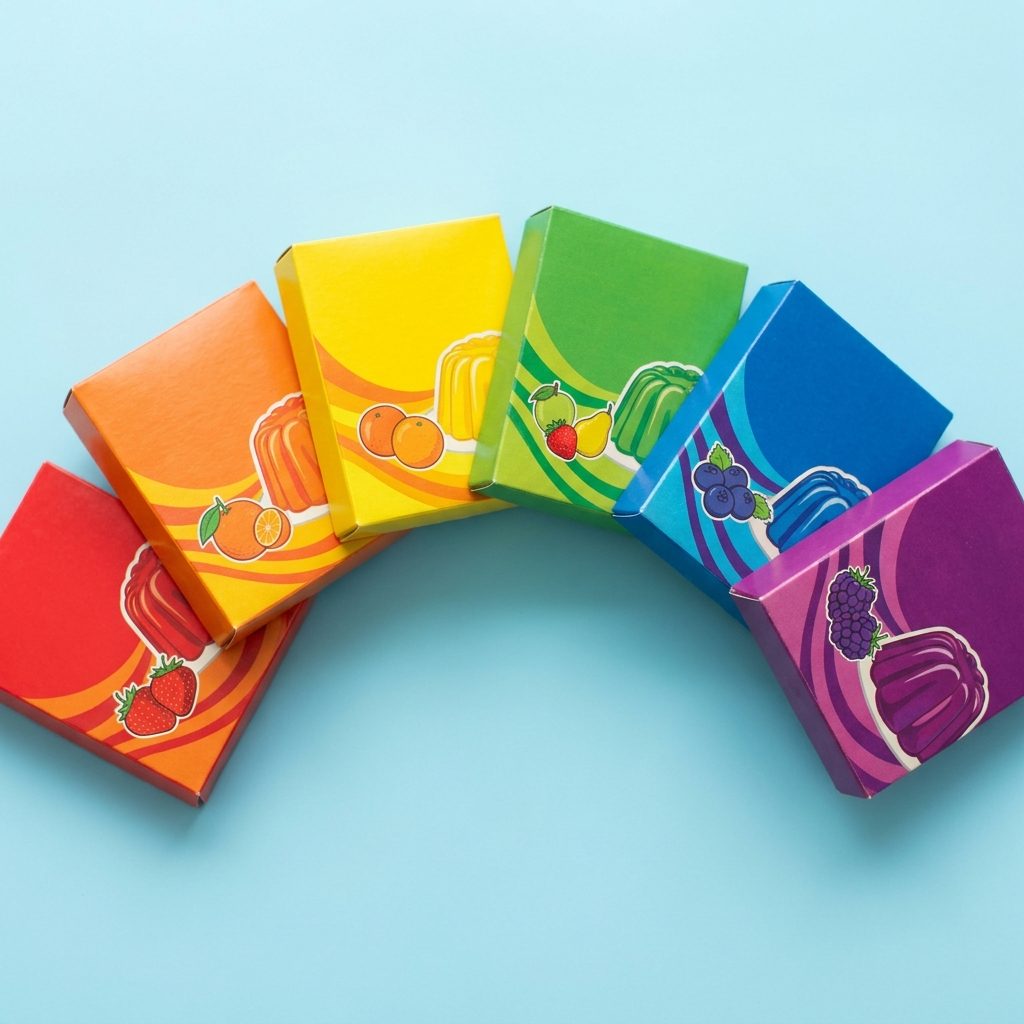
In 1970, a single box of Jell-O cost about a dime. A dime. You could grab six flavors, lime, cherry, strawberry, lemon, orange, grape, hand over sixty cents, and still have change from a dollar. That’s not a typo and it’s not a misremembered family legend; gelatin dessert was genuinely that cheap, and American households in the 1970s treated it like a staple, not a treat.
Molded salads, layered parfaits, after-school snacks set in the fridge by noon. The low price made it something you kept a full box of every flavor at once, just because you could.
The 10-Pound Bag of Potatoes That Fed a Family All Week for Under a Dollar
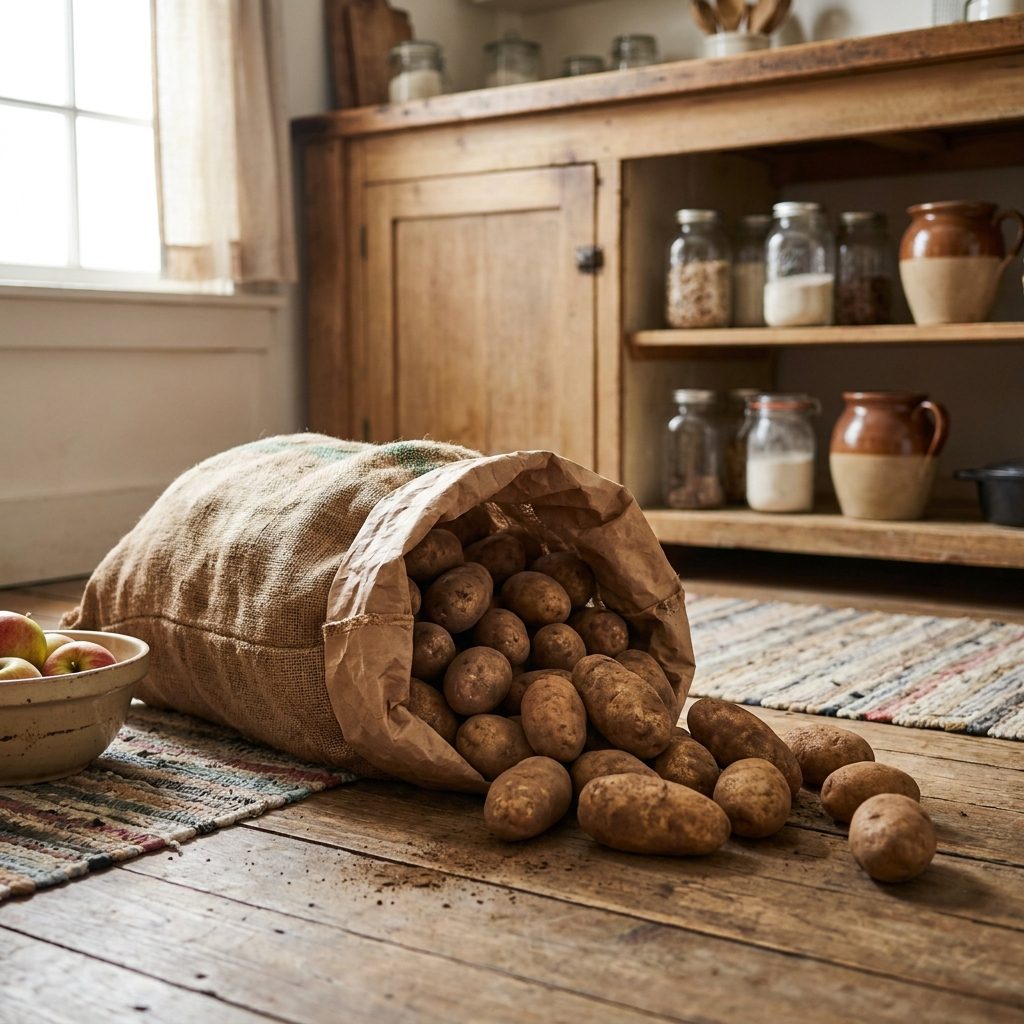
Around 89 cents bought a 10-pound bag of russet potatoes in 1970. That’s less than nine cents a pound, and it covered a week of dinners for a family of four without much strain on the grocery math. Baked, mashed, fried in a cast-iron pan, sliced into a casserole with condensed soup poured over the top. Potatoes were the workhorse of the 1970s American table, and the price kept them there.
A dollar stretching across 10 pounds of food is the kind of arithmetic that genuinely doesn’t translate today. In 2026, the same bag runs closer to four or five dollars depending on where you shop. Same potatoes. Different economy entirely.