
Would you like to save this?
Maybe the job was at a restaurant, a grocery store, or a strip-mall shop. The car was a 1977 Datsun with a rust patch above the rear wheel well, and by August it was yours—bought with three months of wages from a job you got by walking in, filling out one sheet of paper, and asking when you could start.
No portal. No résumé upload. No callback that never came. Just a manager behind the counter who said, “Can you start Monday?” and meant it.
What follows is everything about that summer that sounds like fiction now.
Filling Out a One-Page Job Application in Pen
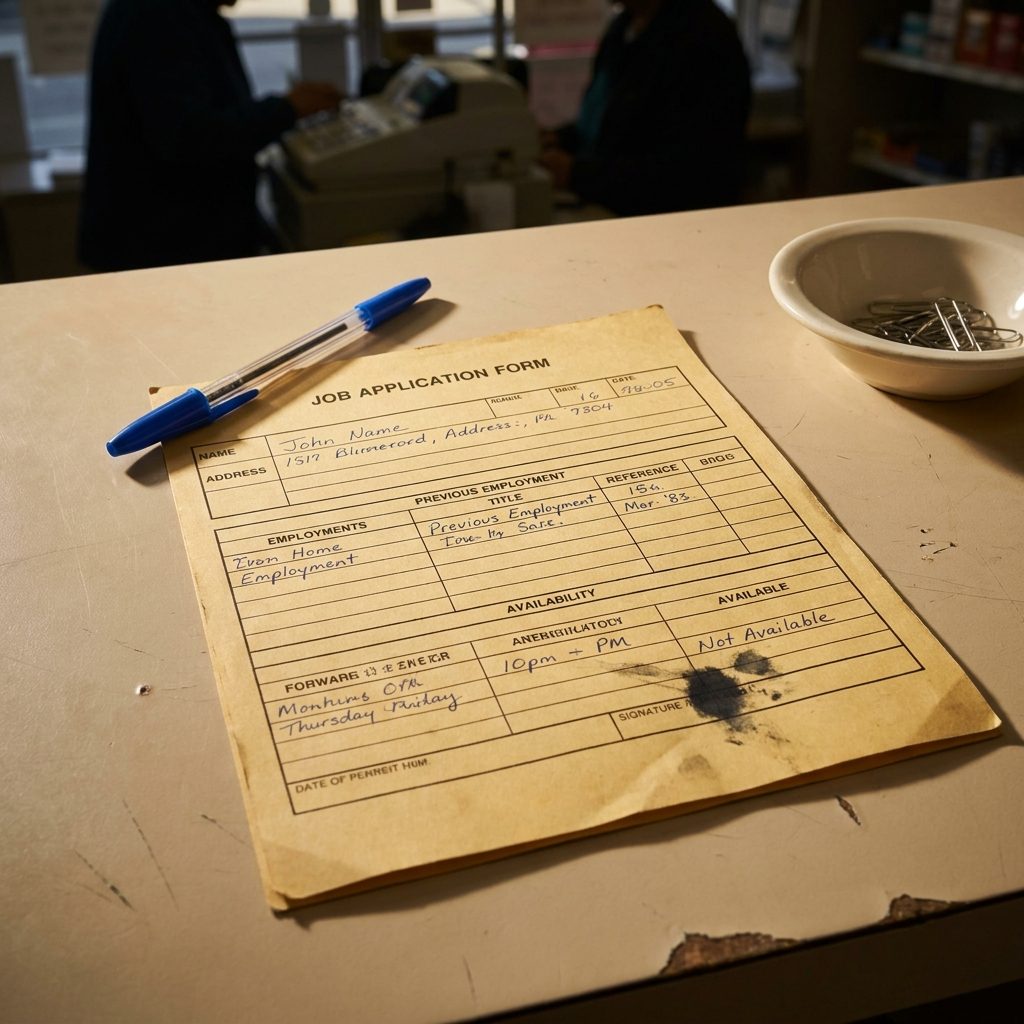
You walked in, asked whether they were hiring, and the manager slid a single sheet across the counter.
You filled it out in pen: name, address, phone number, references, and availability. No portal, résumé upload, or cover letter about your passion for retail.
Getting Hired on the Spot Because the Manager Needed Someone by Friday
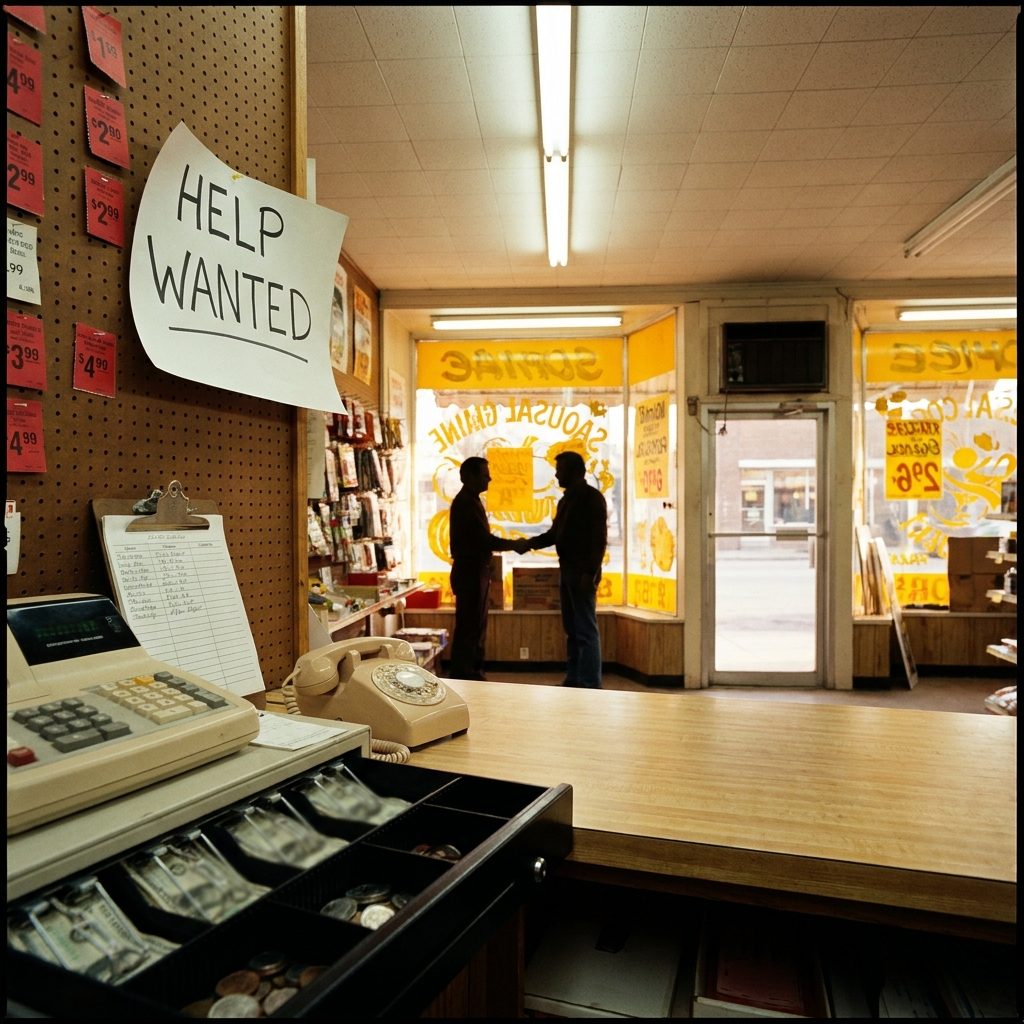
The interview lasted six minutes. Could you work Saturdays? Yes. When could you start? Whenever.
The manager said Friday at four, do not be late, and wear closed-toe shoes.
There was often no background check, reference call, or second interview. The store needed another person behind the register, and you were available.
Learning What a W-4 Was by Guessing at It
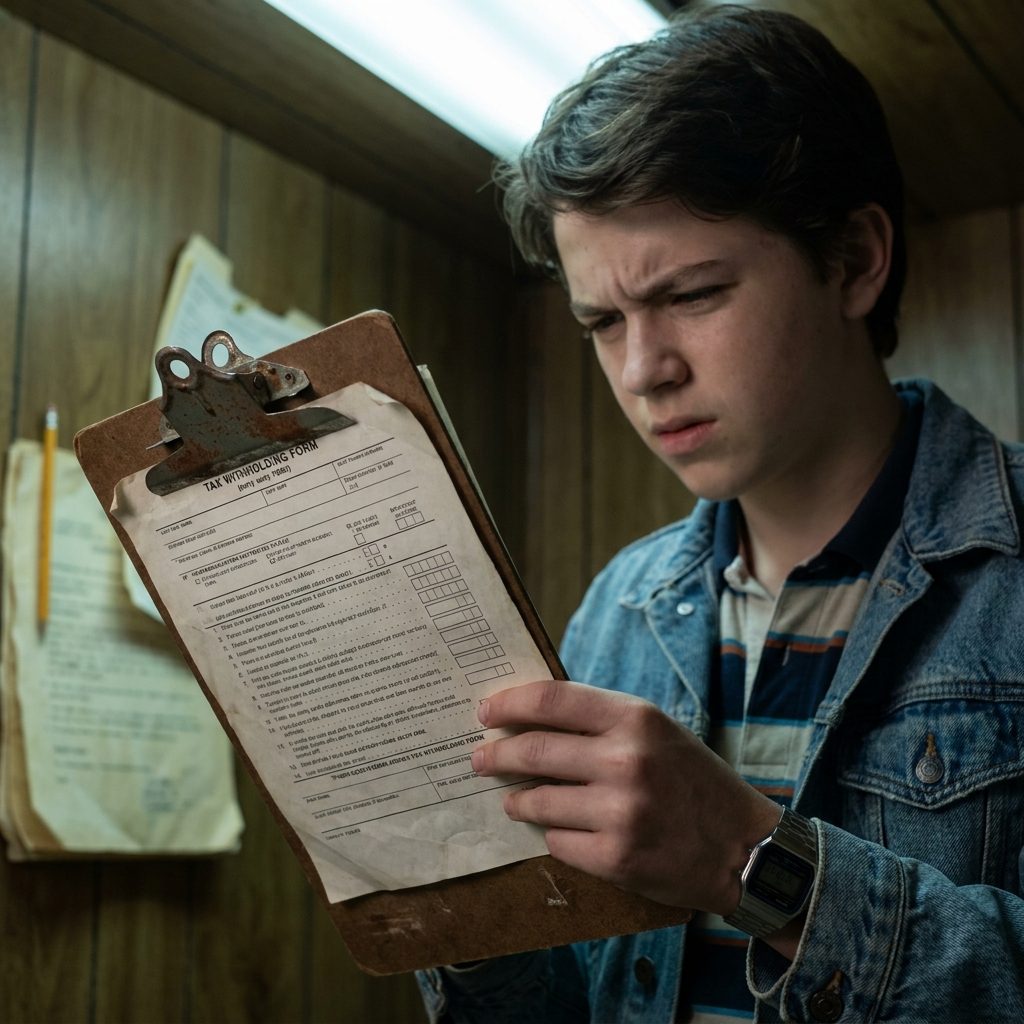
They handed it to you on the first day and pointed toward a corner. Nobody explained it. The instructions used words that referred to other words that referred to still more words.
You wrote a one in the box that seemed most reasonable and hoped for the best.
The following spring, you either received a small refund or owed a small amount. Either way, you felt as though you had survived something.
Eating Lunch From the Break Room Vending Machine
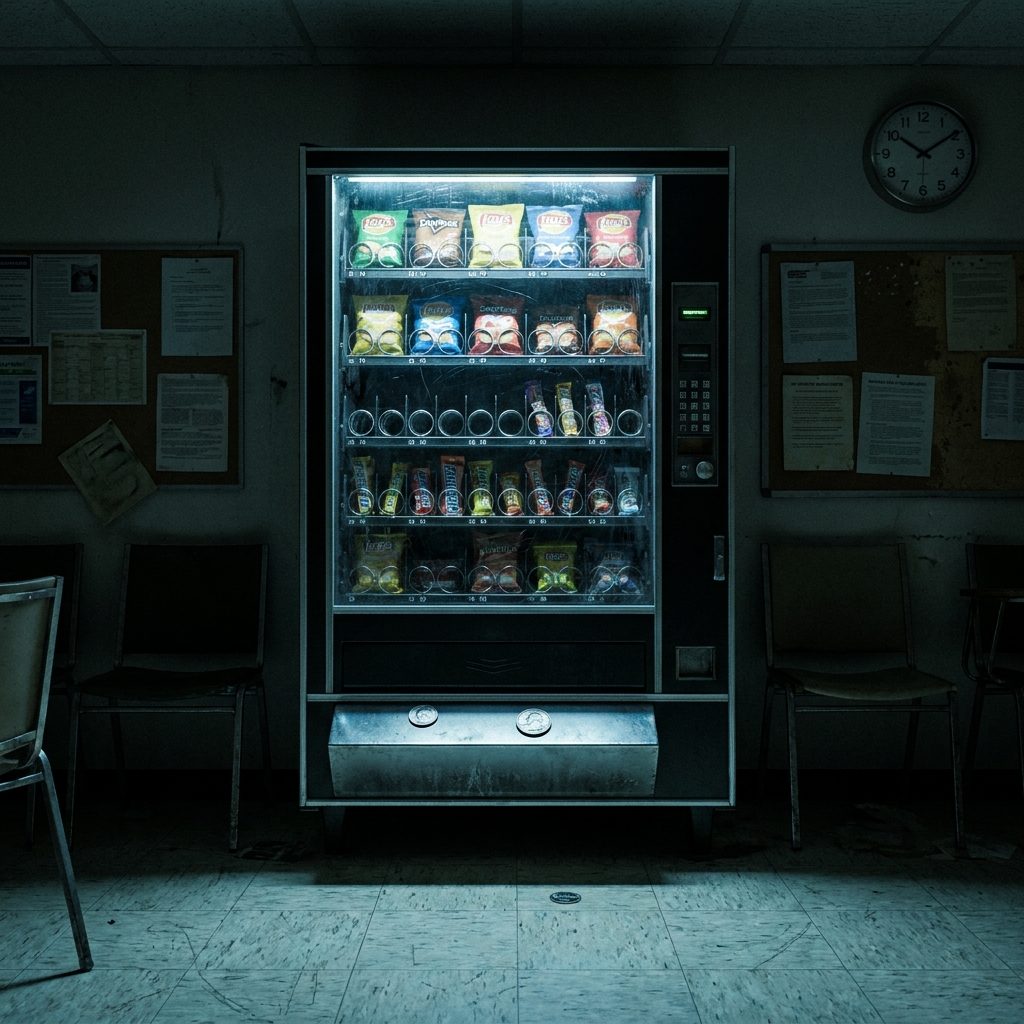
Fifty cents bought a bag of chips and forced a decision about whether the other fifty cents was going toward the gas tank or the Coke machine.
The vending machine was not a luxury. It was infrastructure. You ate there because the restaurant two blocks away charged three dollars for a sandwich and your hourly wage had already been divided among gas, insurance, and the car fund.
Calling In Sick From a Pay Phone Before Anyone Could Ask Questions

You were sick, thought you might be sick, or had somewhere better to be. The call had to happen before the shift started or the whole thing got worse.
The pay phone outside the 7-Eleven took a coin. You knew the store number by heart. The manager answered, said almost nothing, and wrote it down somewhere.
You spent the rest of the day wondering whether it counted against you.
Surviving the Saturday Night Rush That Turned the Restaurant Into Another World

Some nights the place was manageable. Some nights it broke.
The Saturday rush was the second kind. Tickets came faster than anyone could read them, the heat lamps turned the line into a sauna, and the person at the window called numbers while the grill was already three orders behind.
You found out what you were made of somewhere around the forty-fifth minute.
Washing a Uniform That Had to Be Clean Every Single Day
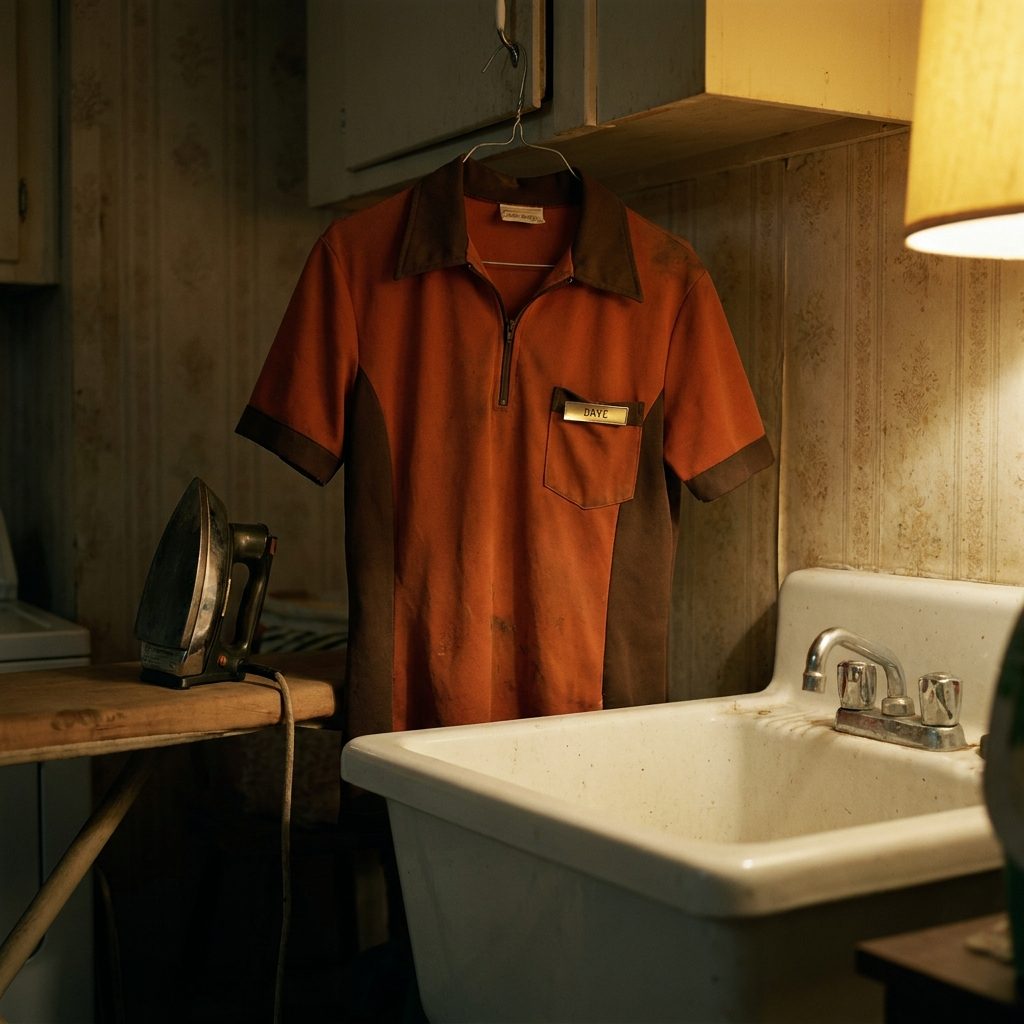
The handbook said the uniform had to be clean and pressed. The handbook did not offer to help you with that. You owned two shirts if you were lucky, which meant washing one while you wore the other, which meant Sunday nights involved a specific combination of laundry math and mild resentment. The name tag had to be straight. The visor had to come with you. Showing up without the full kit was the kind of thing that got noted.
Watching Car Insurance Eat an Entire Paycheck
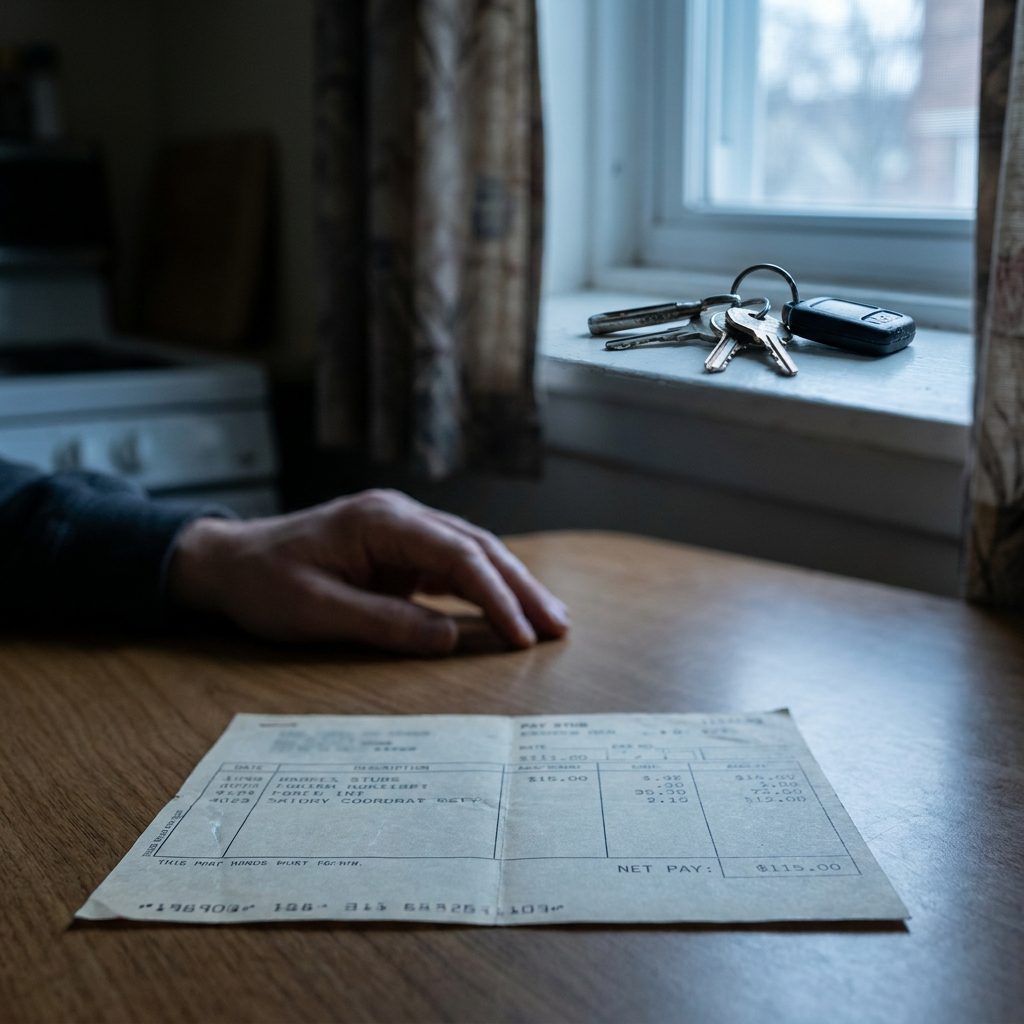
The car needed insurance before it could leave the driveway, and the quote swallowed weeks of wages you had already assigned to the car itself.
That was the moment the summer job stopped feeling like pocket money. The car was the goal. Insurance was the plot twist.
Asking for a Day Off in Person, Out Loud
Would you like to save this?
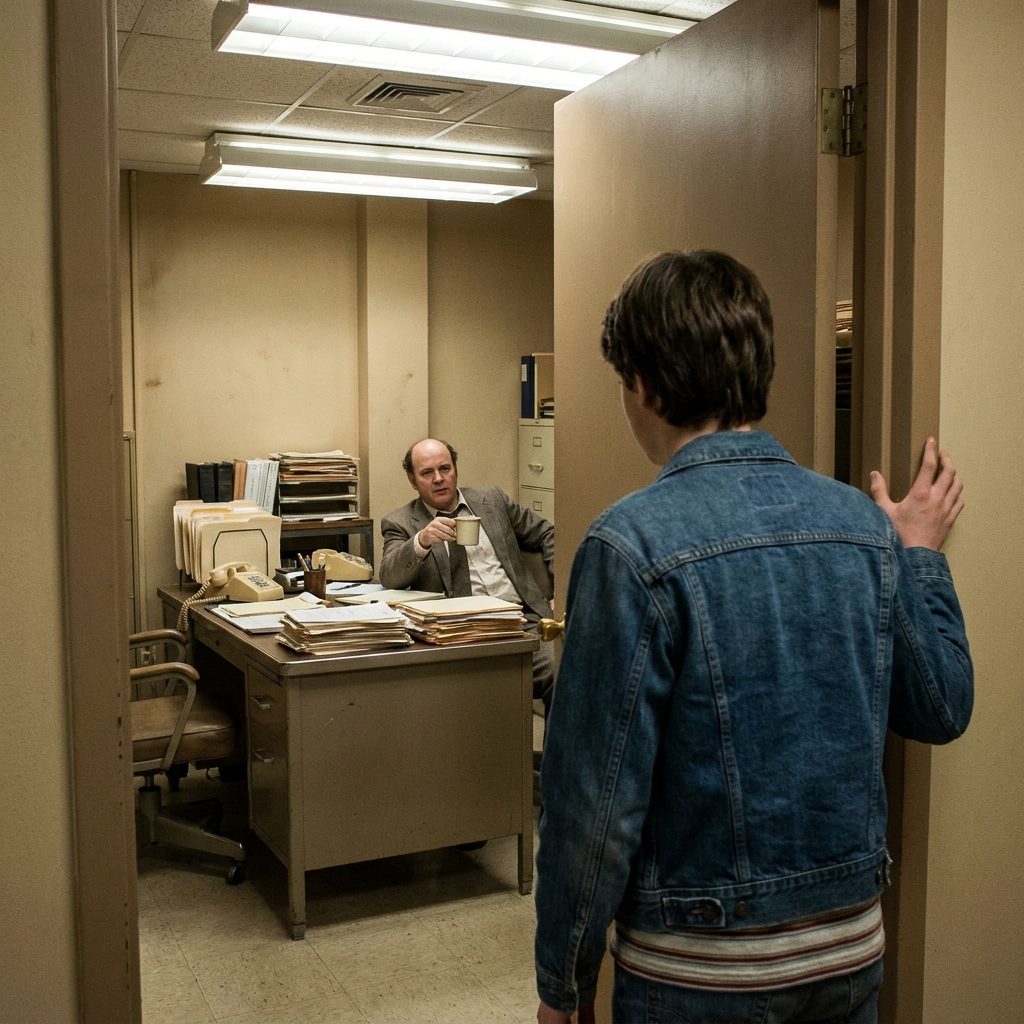
You waited until the manager seemed approachable, found the right moment, and said it aloud: you needed Saturday off.
The manager looked at the schedule, looked at you, and either said yes or no. The whole negotiation lasted less than a minute and left you slightly shaky either way.
A yes felt like a victory. A no meant you worked Saturday.
Seeing Your Name Printed Across an Actual Paycheck
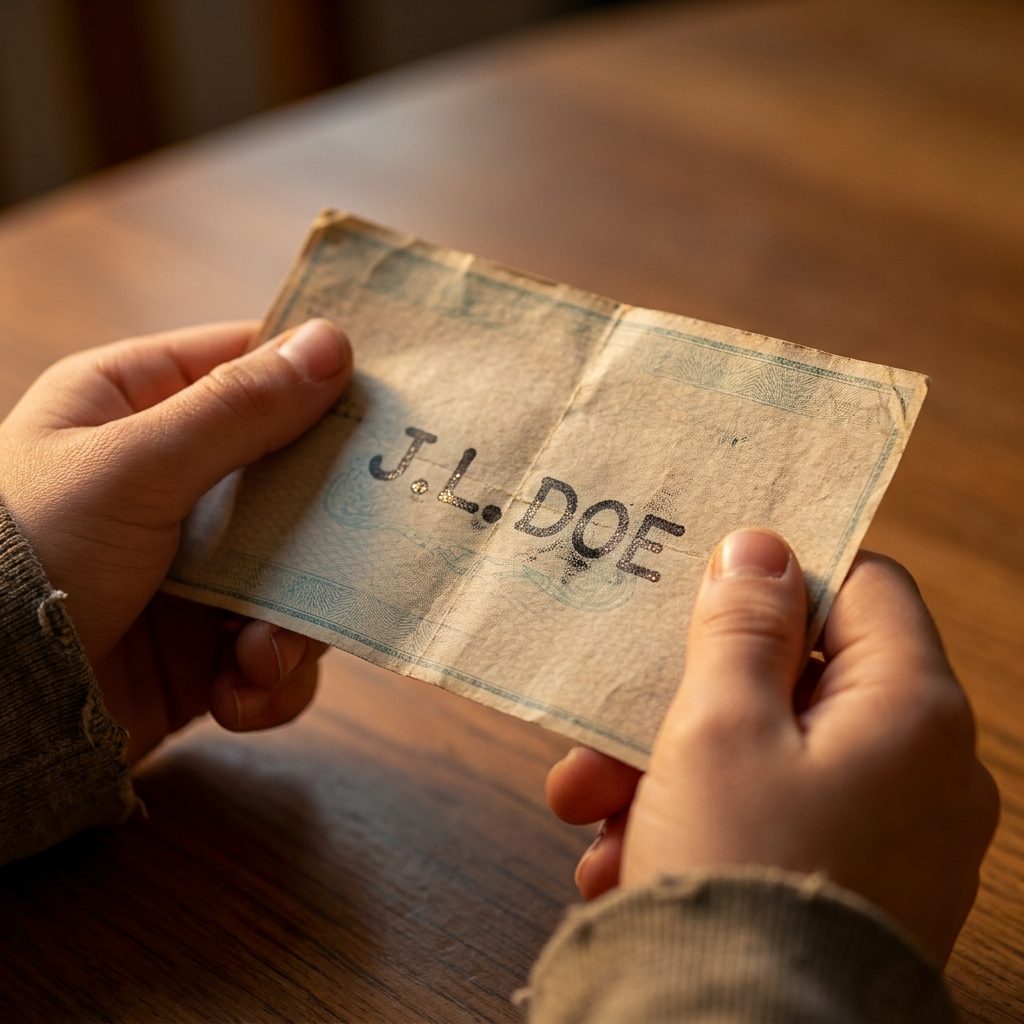
The name was yours, printed on a check that felt more official than anything you had ever held. You looked at it for a second longer than necessary before folding it into your wallet.
The stub showed gross pay, deductions, and the amount that was actually yours. The columns were small, the abbreviations were mysterious, and the lesson was immediate.
Learning That Hourly Pay and Take-Home Pay Were Two Different Numbers
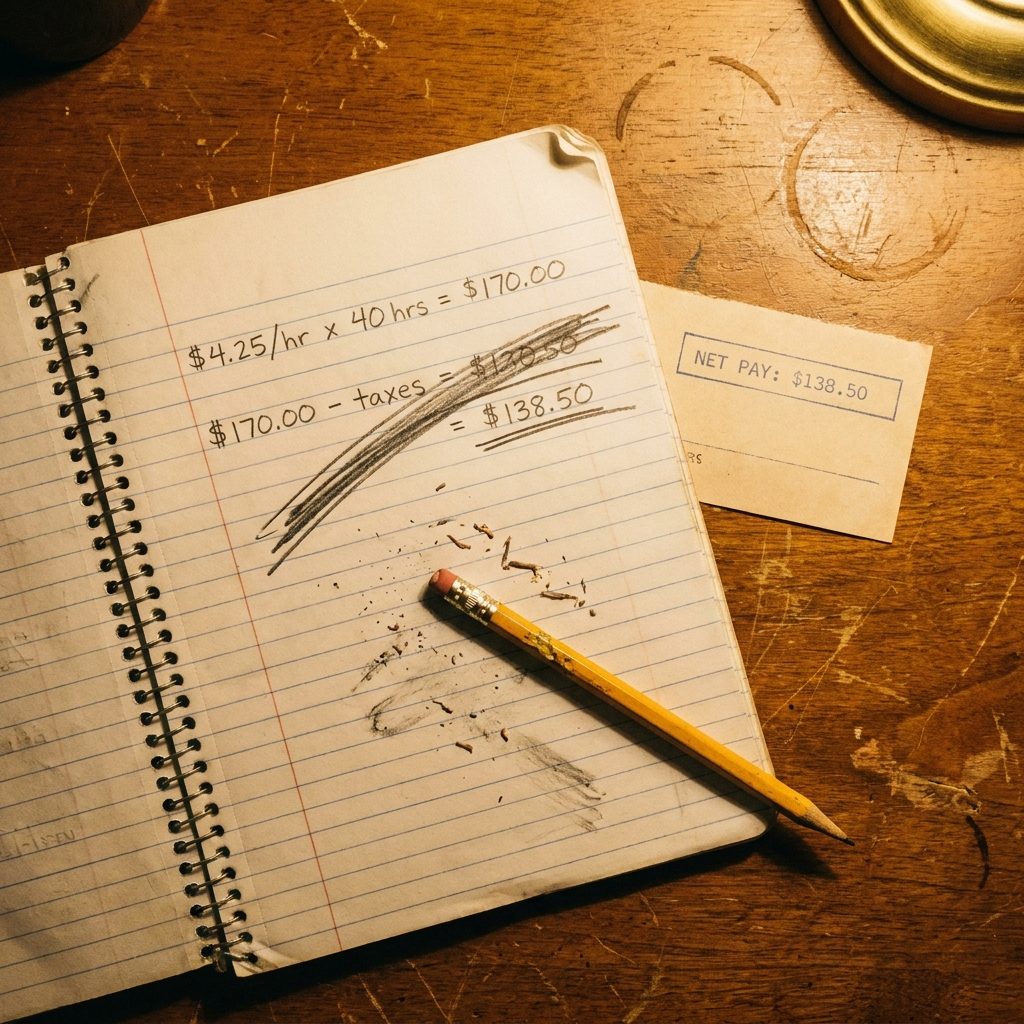
You did the math before the check arrived. Forty hours at $3.35 an hour. You wrote it on notebook paper and felt briefly rich.
Then the check showed up with a shorter, more humbling number. FICA meant nothing to you. Federal withholding meant nothing. Together they took a noticeable bite.
For the rest of the summer, you budgeted from the pay-stub number instead of multiplying hours by the rate. That was the lesson nobody put in a syllabus.
Riding Your Bike to Work to Save for the Car You Did Not Have Yet

The point of the job was the car. The problem was getting to the job without one.
So you biked, sometimes three miles each way, with the uniform shirt rolled inside a backpack. You arrived damp and already tired before the shift had begun.
Nobody discussed the irony. You pedaled and counted the weeks.
Getting Your First Raise and Finding Out It Was a Dime
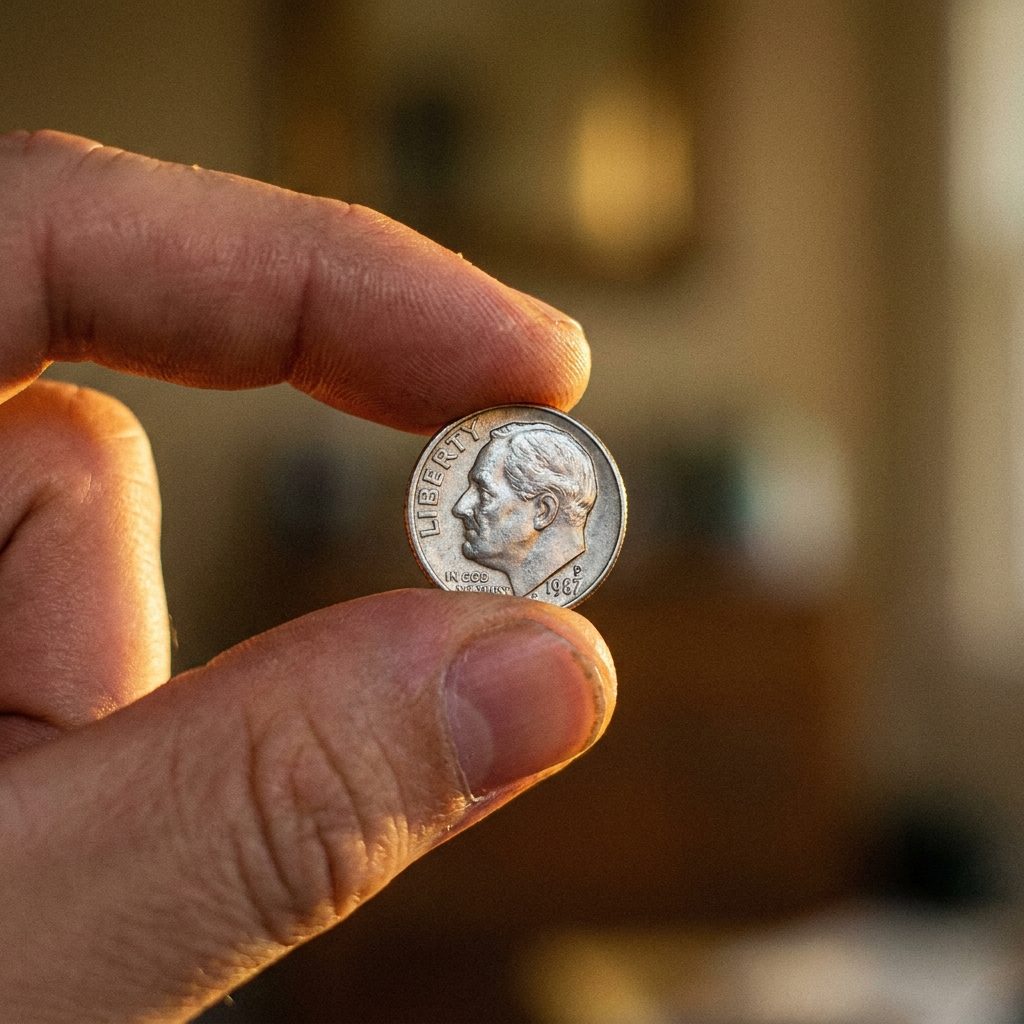
The manager delivered the news with real pride. You had done a good job, you were reliable, and they were raising your rate.
Ten cents an hour. Four dollars over a forty-hour week, before taxes.
You said thank you and meant it. The dime mattered less than hearing that someone who signed your check considered you reliable.
Punching a Time Card That Knew Everything About Your Summer
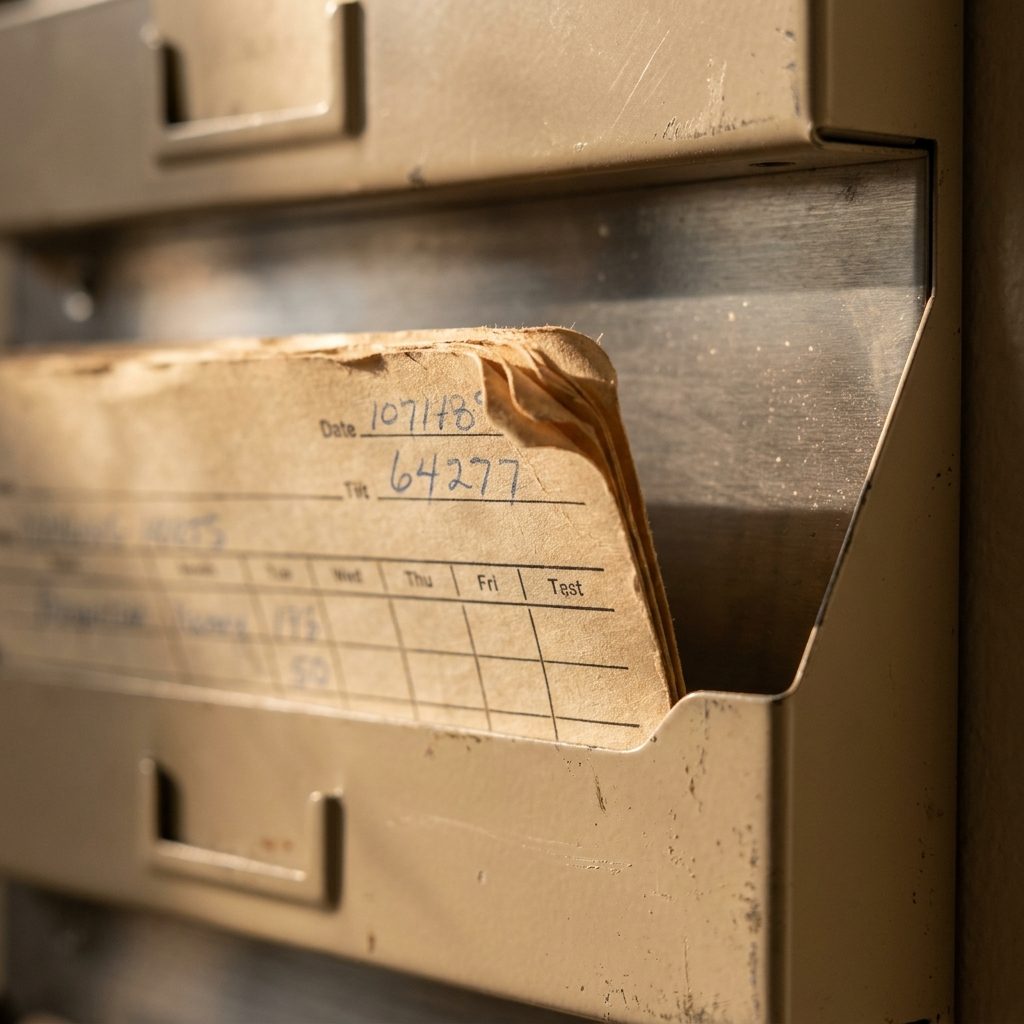
Every worker had a slot. You learned yours on the first day and never forgot it, because forgetting meant finding a supervisor before the shift started.
The card became a small biography of the summer: dates across the top, IN and OUT columns filling week by week, and every late arrival preserved in ink.
At the end of the pay period, somebody collected the cards and sat down with a calculator. Questions were not encouraged.
Counting Down a Saturday Shift While Your Friends Waited Outside

Saturday afternoons were the shifts that cost something other than money.
Your friends had nowhere to be. You had forty-five minutes left on a register that was not moving, watching the parking lot through glass that might as well have been a hundred miles thick.
You stayed. You finished. That part still holds up.
Finding Your Hours on a Piece of Paper Taped to the Wall
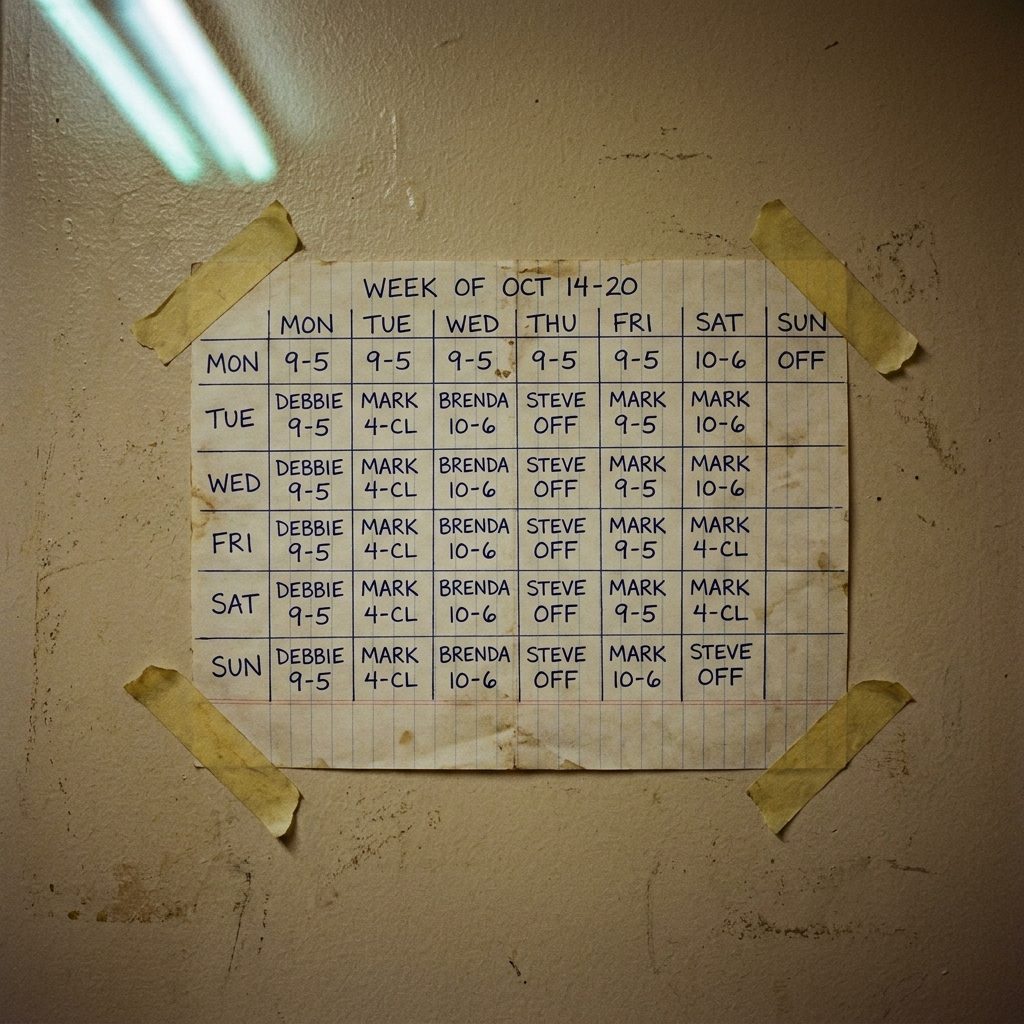
Nobody texted your hours or posted them anywhere you could check from home.
Somebody’s handwriting, taped beside the time clock, was the entire system. If you forgot to check before leaving, you had to call—or drive back—to find out when you worked next.
The system worked until it did not, and when it failed, the mistake somehow belonged to you.
Carrying the Smell of a Fast-Food Closing Shift All the Way Home

You could shower twice and still smell fryer oil at breakfast the next morning. It was in your hair, your uniform, the car, and eventually the pillow.
That was the deal. You accepted it because every cleared paycheck put you a little closer to the car.
Counting Your Tips on the Trunk of a Car After Closing
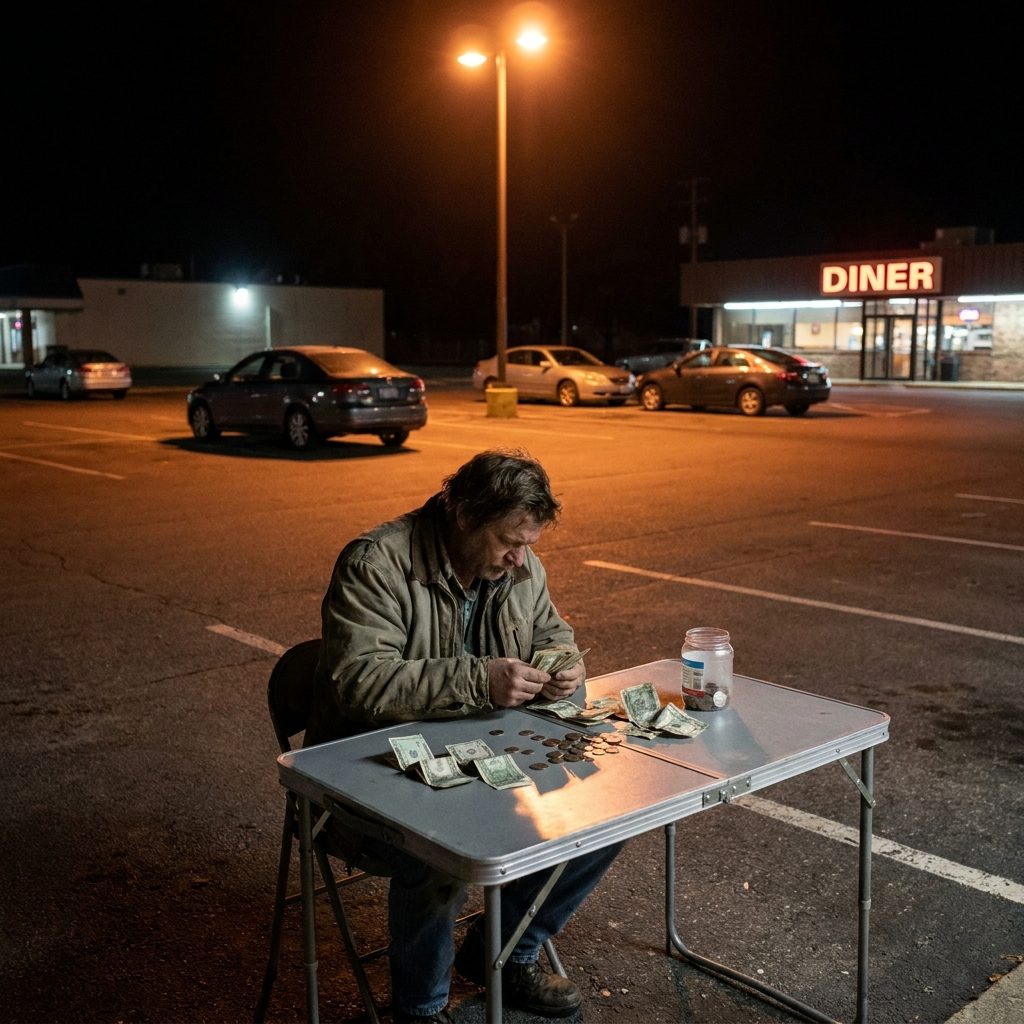
Twelve dollars and forty cents on a Saturday night. You counted it three times because the first two totals did not feel right.
Then came the calculation: how many more nights until the car fund reached its number? Coins sorted by denomination. Dollar bills smoothed flat. A late-night accounting on the trunk of a car under the parking lot light.
No app. No digital tally. Just whatever had accumulated in the apron pocket by 11 p.m.
Working Beside the Coworker Who Had Been There Forever
Would you like to save this?
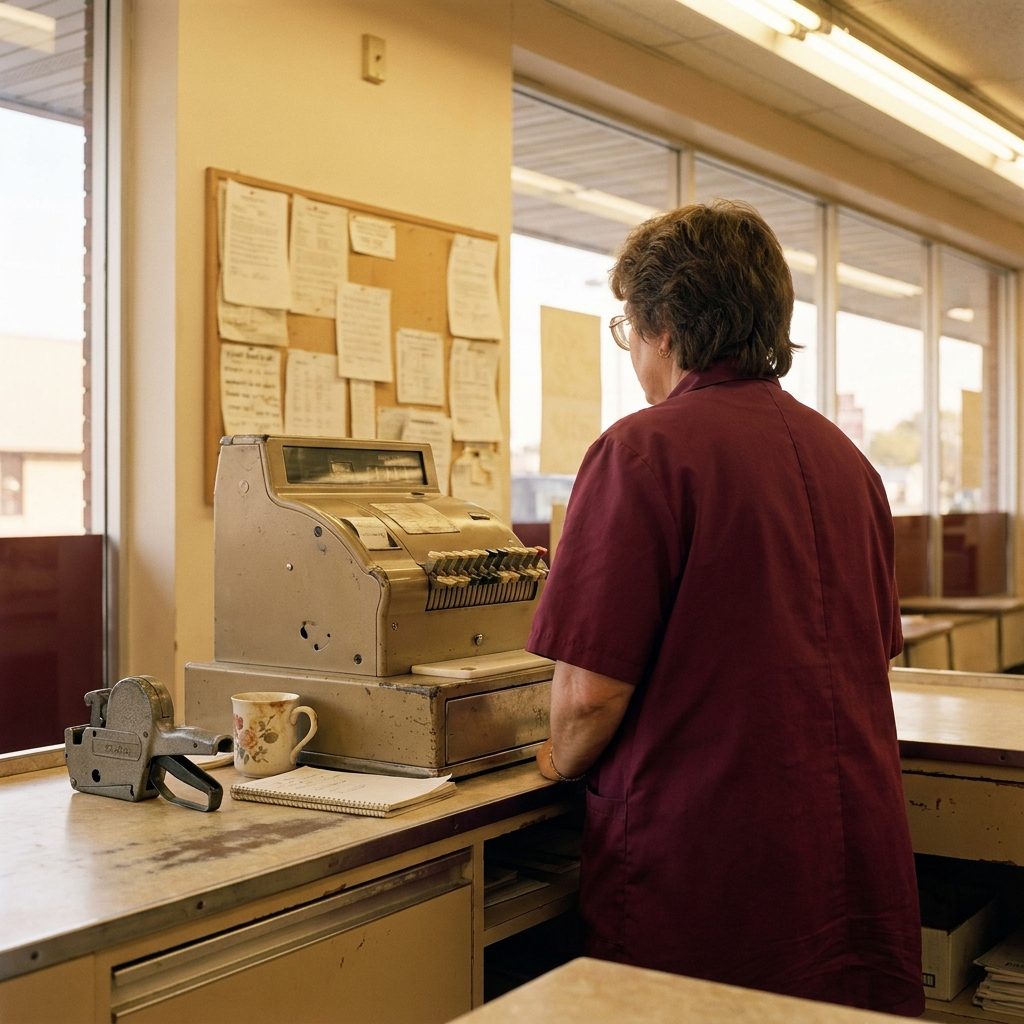
She knew where everything was, including things nobody had requested in a decade.
Bev, Marge, or Diane. She had a coffee mug with her name on it and a drawer that belonged to her alone. The manager deferred to her, vendors knew her, and customers asked for her by name.
You were her fifth summer teenager. She taught you the register in twenty minutes, then returned to her crossword. When you made a mistake, she corrected it before the manager noticed.
Working a Holiday Double Because the Extra Pay Was the Point
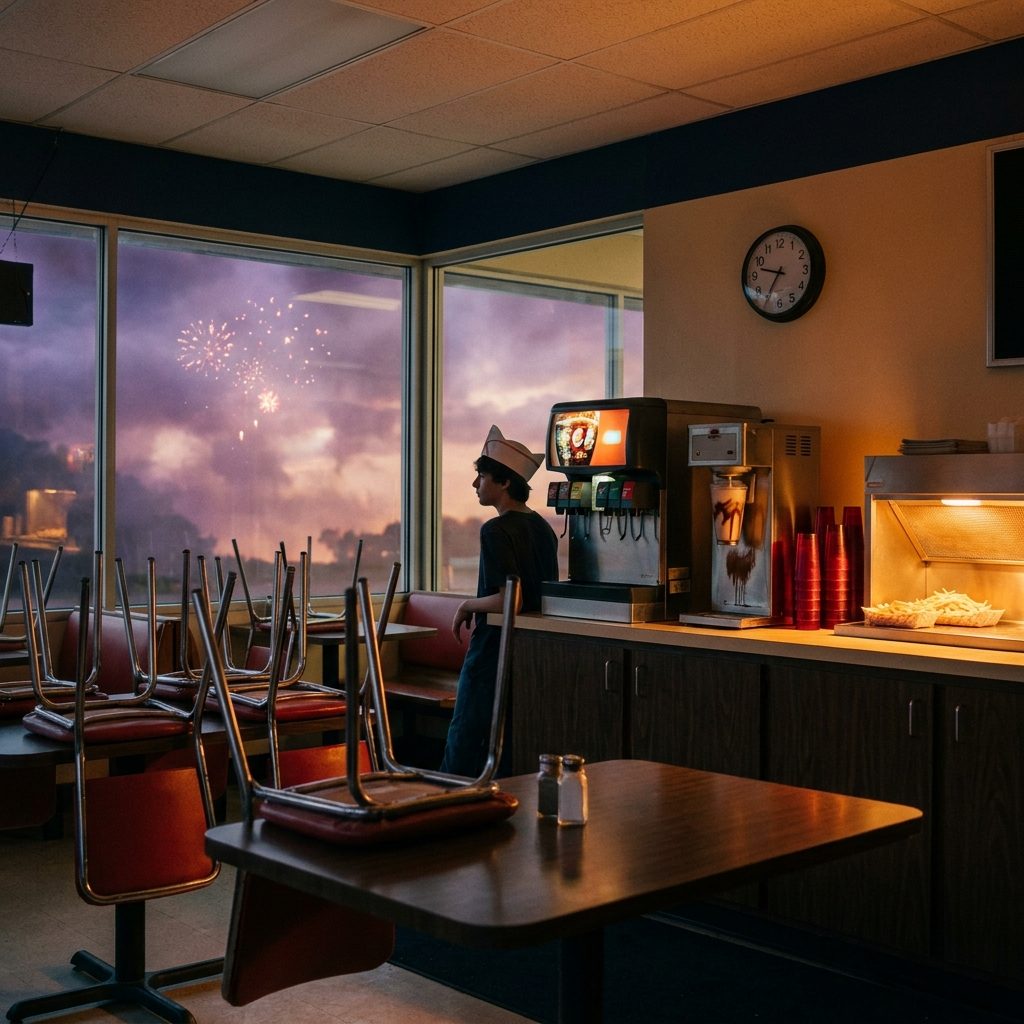
Time and a half on the Fourth—if your employer offered holiday pay. Maybe more if the shift also pushed you into overtime.
You watched the parade from behind the counter and caught the fireworks from the back parking lot during your break. You did the math instead of complaining.
Every holiday hour moved the car fund farther than an ordinary one.
Keeping the Car Money in a Coffee Can in the Closet
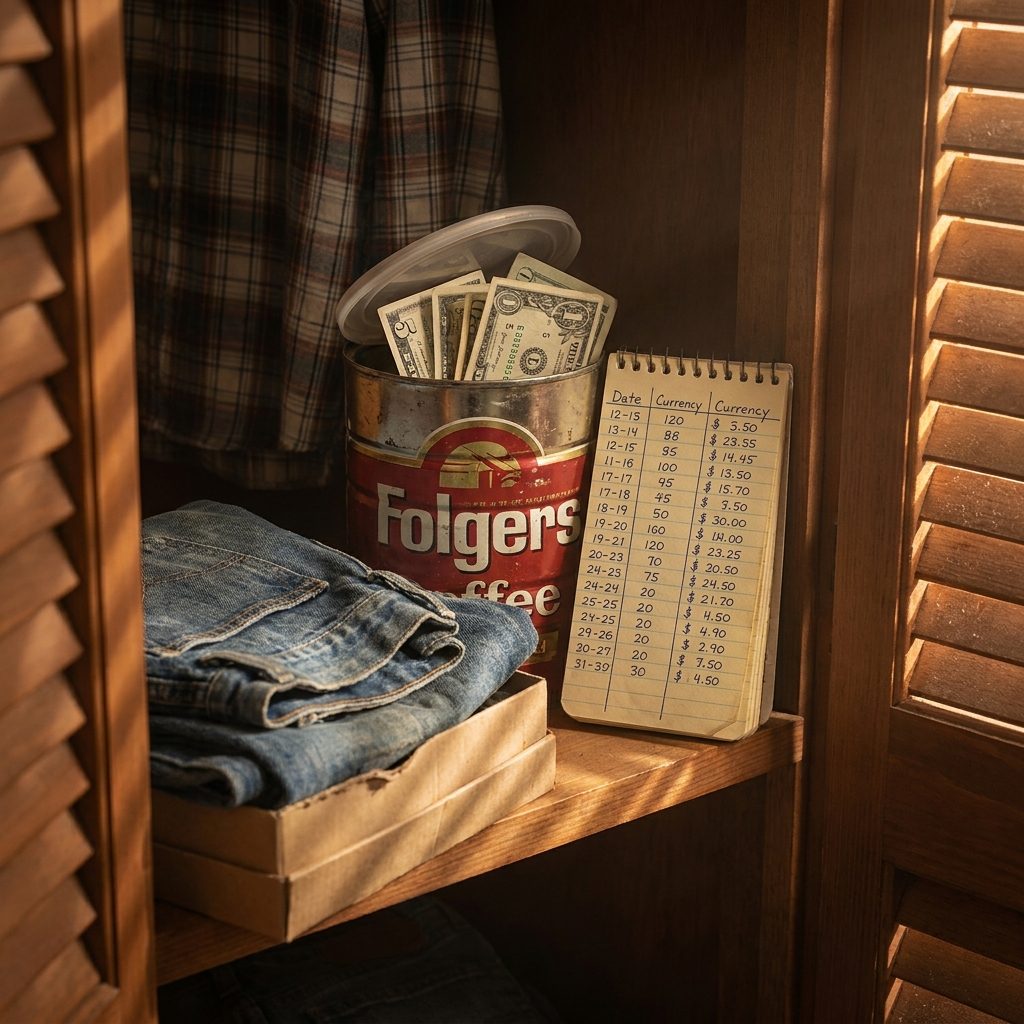
Not a special account. A coffee can.
Bills were folded in half and slipped through a slot cut into the plastic lid. A notebook page beside it carried the running total in your own handwriting.
The bank was not the problem. Easy access was. Money in checking could become a cassette tape or a pair of jeans. Money in the can was hidden well enough to survive you.
Getting Paid Cash for Staying Late With Nothing Written Down
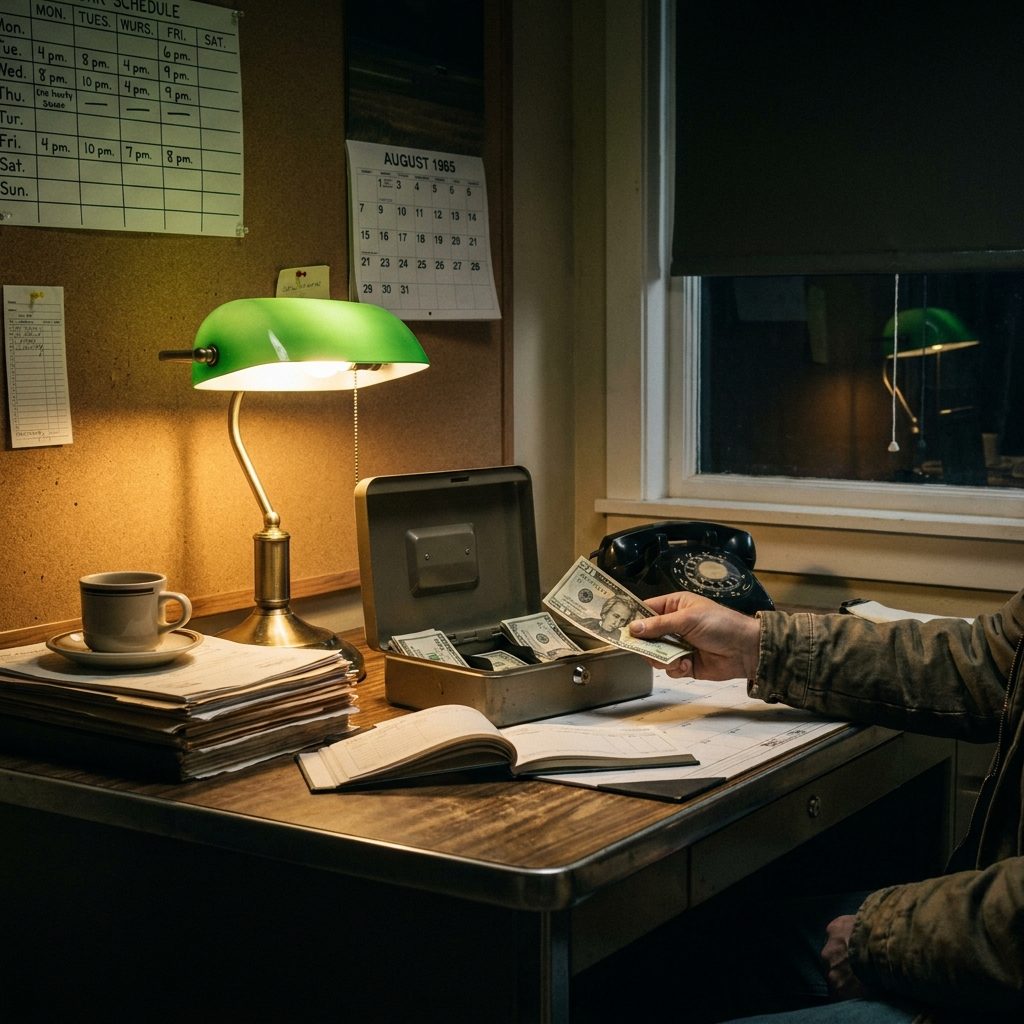
You stayed an hour past closing to help unload a truck. On the way out, the boss handed you a twenty and said not to mention it.
It was not proper payroll, and it left no record if anything went wrong. At sixteen, you mostly saw the twenty.
The following Saturday, he needed help again. You were there before he asked.
Skipping the Family Vacation Because You Could Not Miss the Hours
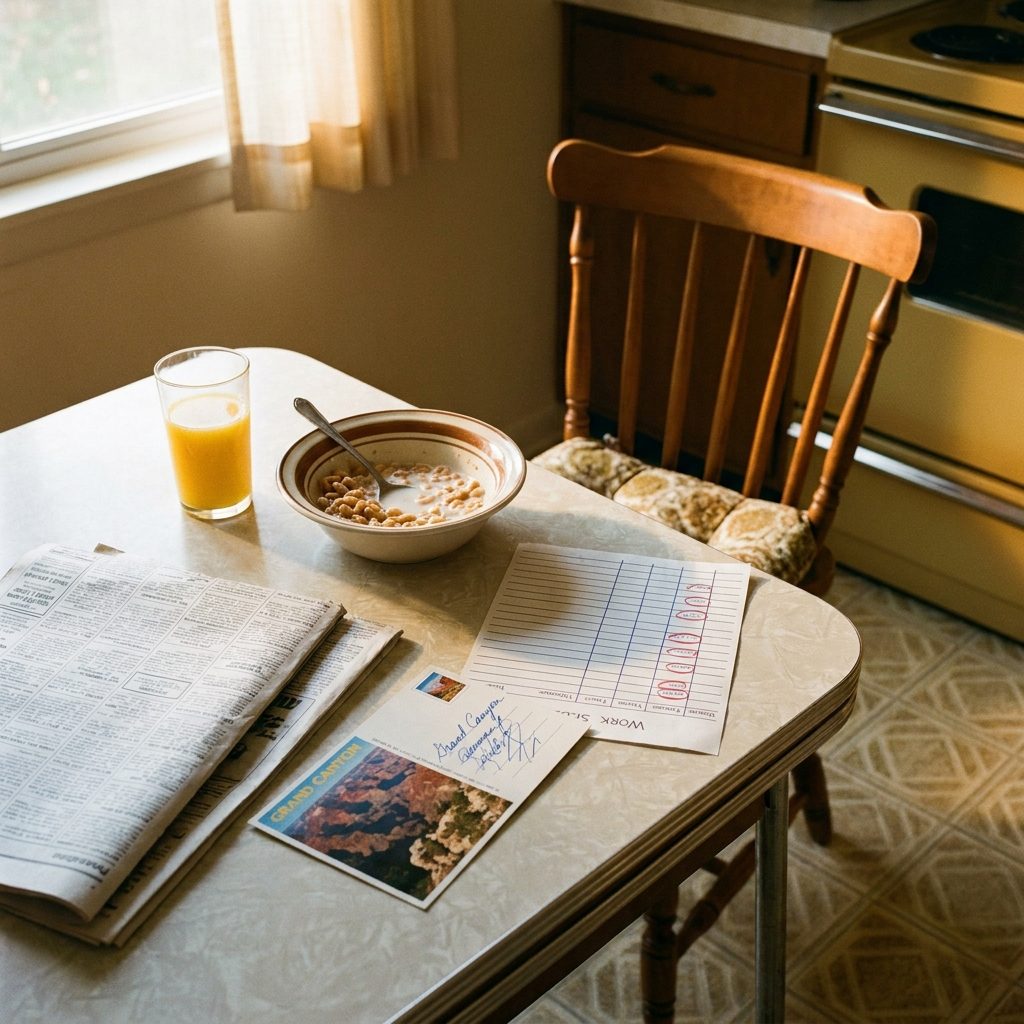
Your family went to the lake for a week. You stayed home because you had shifts and had already asked for another Saturday off.
The house was quiet in a way it had never been. You made sandwiches, watched television alone, worked every shift they offered, and returned each night to an empty kitchen with the refrigerator humming.
Friday’s paycheck was the largest one you had received. That was when you understood a trade-off in your gut instead of on paper.
Driving the Car Home and Realizing Every Hour Had Been for This
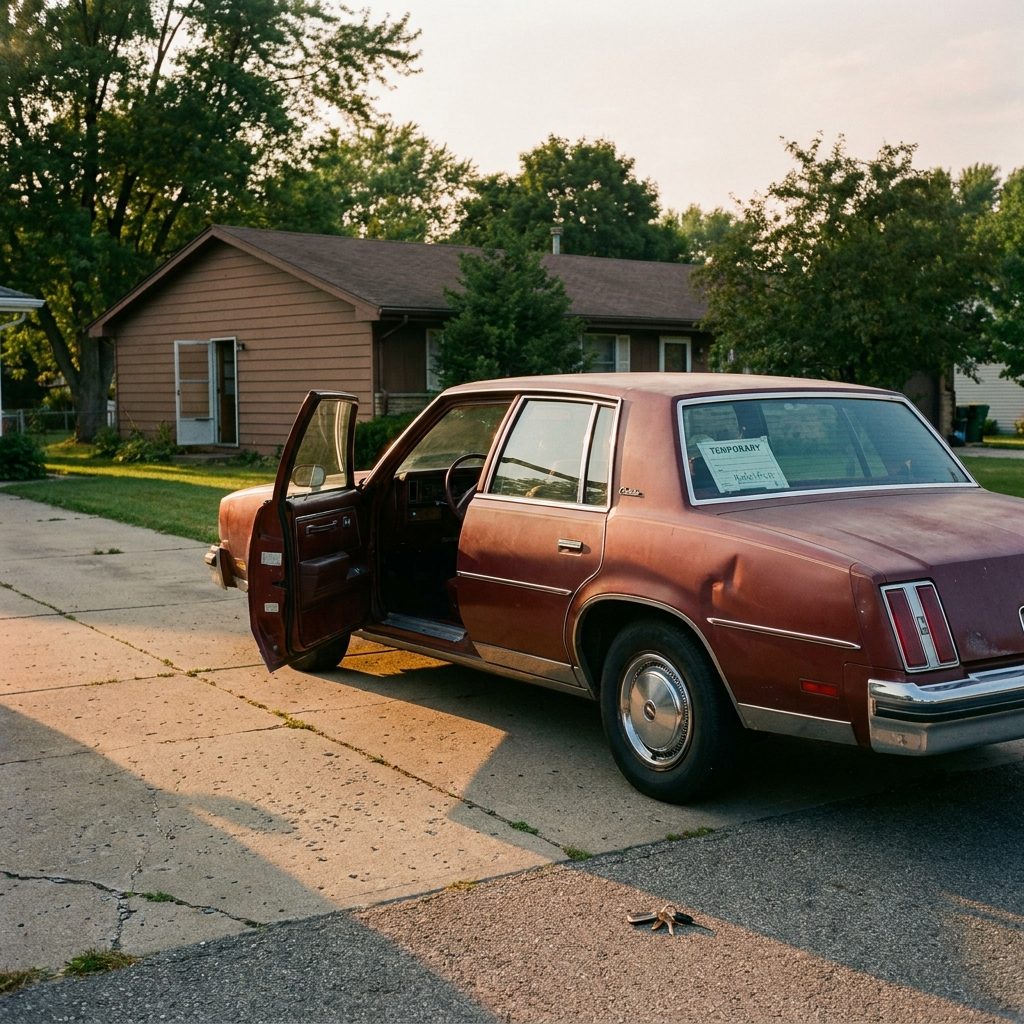
You sat in the driver’s seat with the door open and did not drive anywhere for a while.
The seats smelled like somebody else’s cigarettes. The radio only picked up AM. A crack in the dashboard had been covered with electrical tape.
Yours. Not financed, not co-signed, and not a gift with strings attached. Every dollar in the title had come from your own work and the coffee can on the closet shelf.
You would spend the rest of your life buying things that cost more. Nothing would ever feel quite like this.
Getting Your First W-2 and Having No Idea What to Do With It
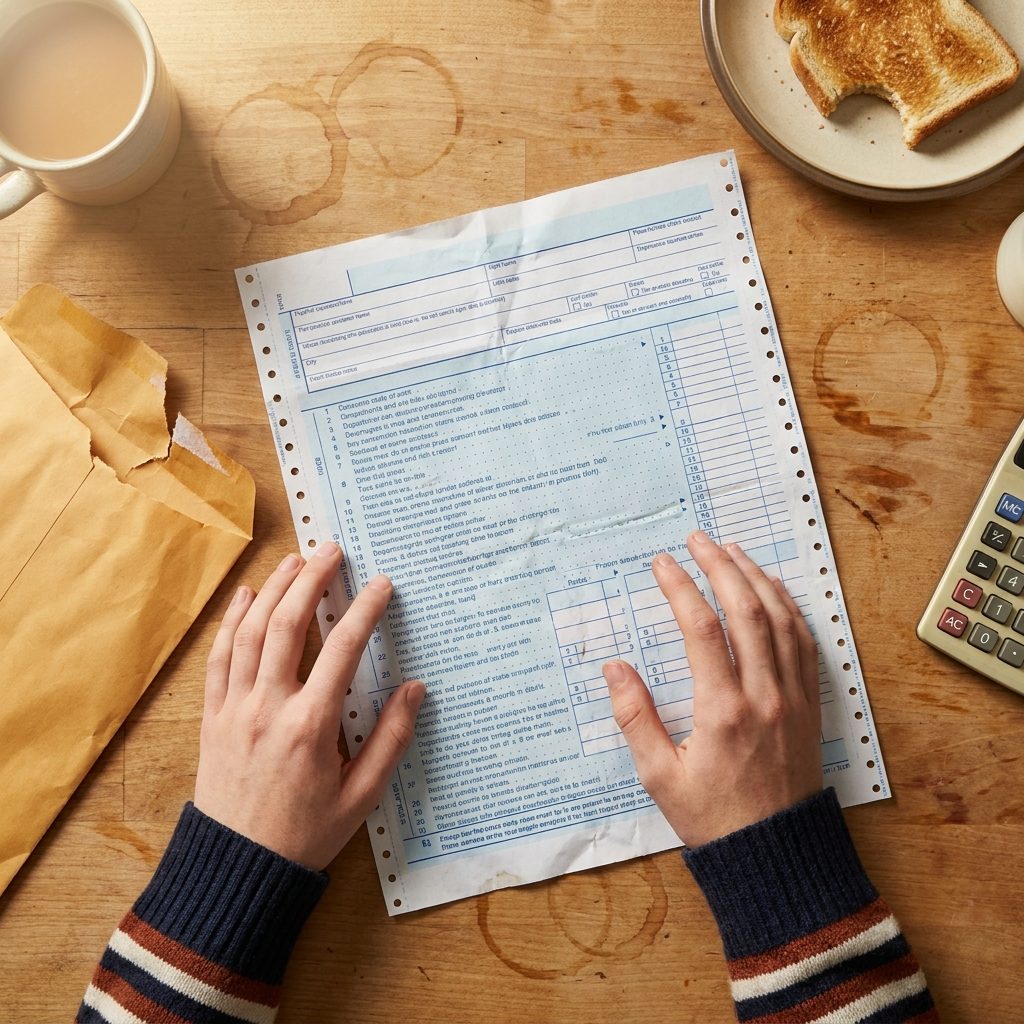
It arrived in a small envelope in January and, for a moment, made you feel like an adult. Then you opened it. Box 1, Box 2, Box 3, Box 4. None of it looked like the money you remembered taking home.
By the middle of the decade, somebody at school may have mentioned the 1040EZ. The post office had a rack of tax forms, so you took one home and stared at it for a week.
If you were lucky, a parent walked you through it. If not, you made your best guess, mailed it in, and spent the next few months quietly wondering whether you had done it wrong.