
Would you like to save this?
It landed on the porch with a thud you could hear from the kitchen. Hundreds of pages of nearly everything a family could want, hauled up the steps by the mailman like some small paper miracle. Kids fought over it. Adults hid the good pages. And for a few weeks every season, that catalog ran the household the way a phone runs it now, long before anyone typed a credit card number into a glowing screen.
30. The Arrival of the Big Wish Book
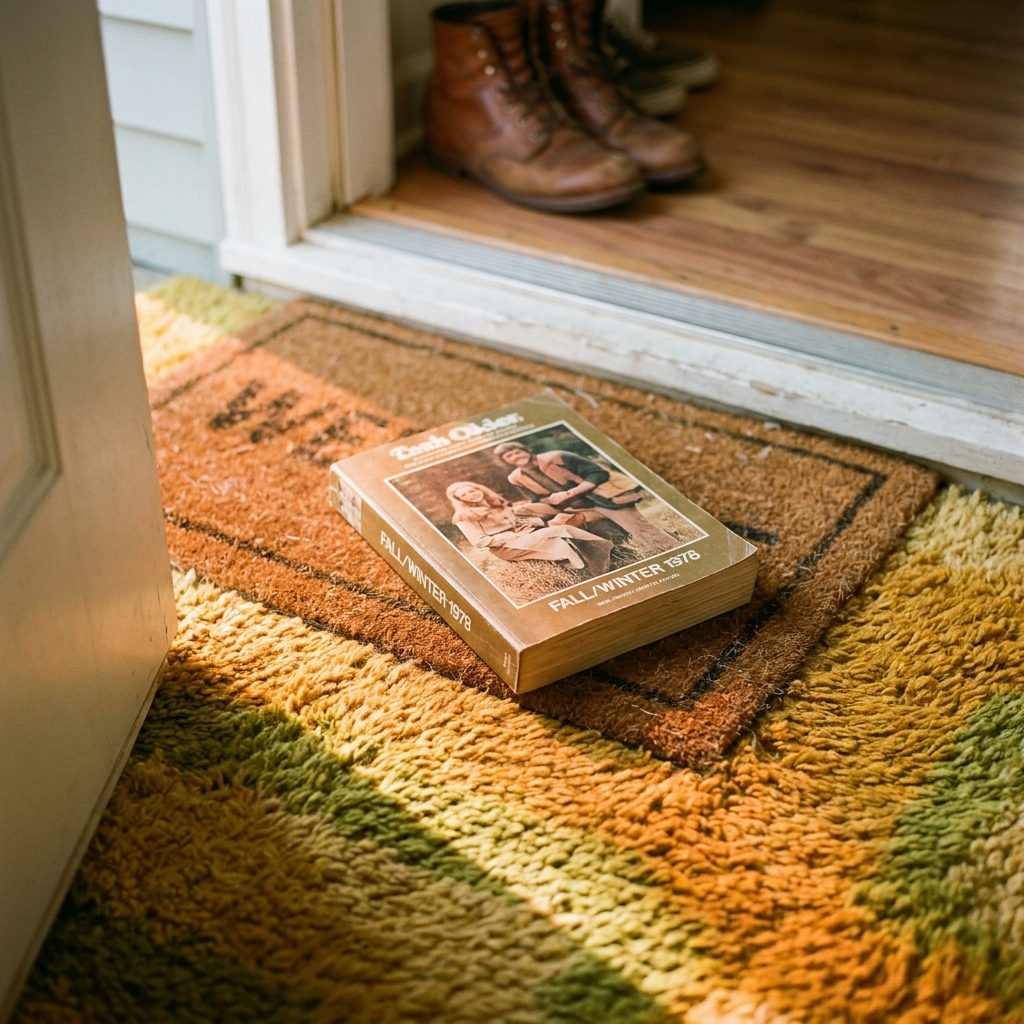
You knew the sound. That heavy thump against the door meant the new one had come, and the whole afternoon rearranged itself around it. Someone carried it to the kitchen table, another person cleared a space, and within minutes the first pages were already turning.
Nobody read it once. It got read the way people scroll now—over and over, until the spine weakened and the cover began curling away from the pages.
29. Hundreds of Pages of Everything You Could Buy
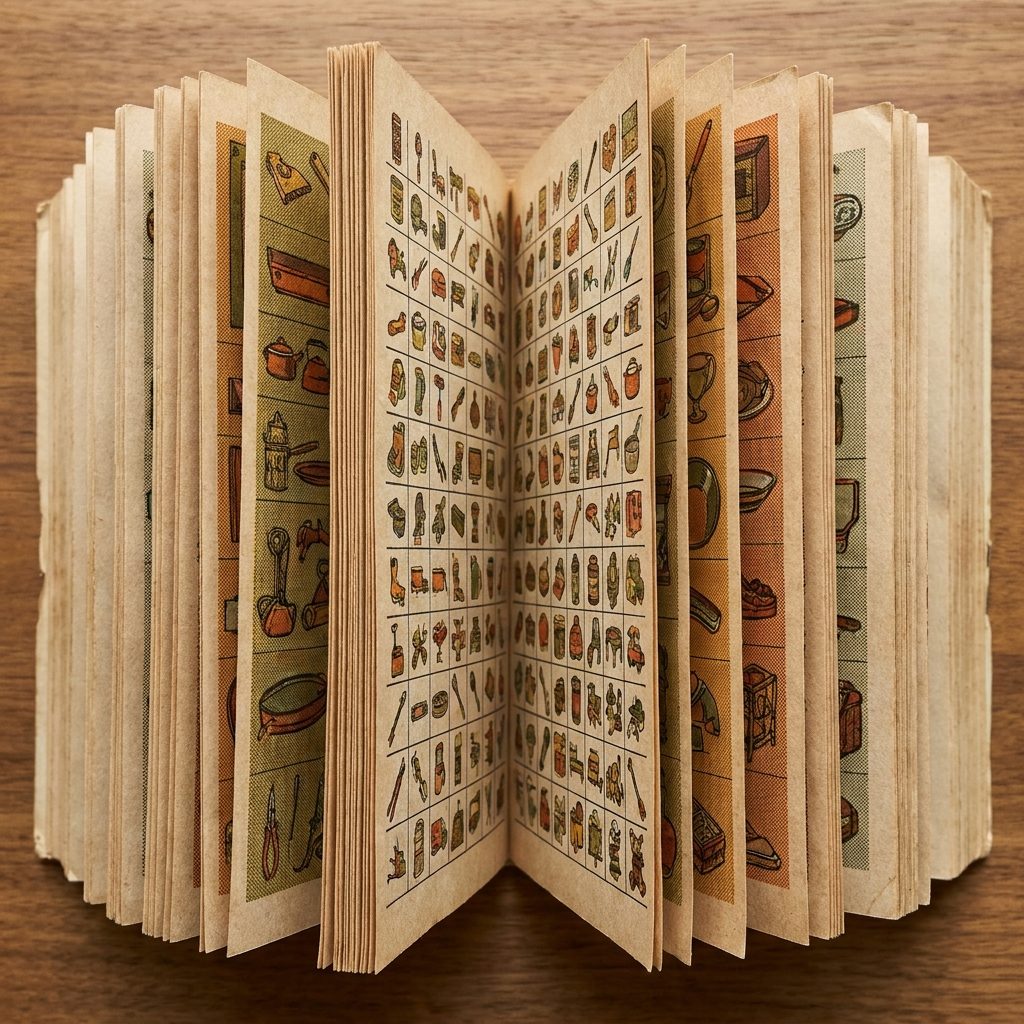
Appliances, tires, wedding rings, wallpaper, clothing, tools, and toys. The catalog did not specialize in anything because it seemed to sell everything. One page held washing machines, and a few flips later came baby clothes, chainsaws, and a chess set.
That range made the book feel bottomless. You went looking for socks and emerged having mentally furnished a den you did not own, equipped a workshop, and chosen a bicycle for a child who had not been born yet.
28. Dog-Eared Pages and Folded Corners

Every folded corner was a promise to come back. You could not save a page digitally, so you did it with your thumb and a hard crease. Within weeks, the catalog fanned open at odd angles on its own, revealing exactly where each person had spent the most time.
The record of what a family wanted was written into the paper. Bent corners near the toys meant a child had been through. A soft fold beside the tools suggested Dad had stopped there. A page that had nearly detached from the binding belonged to everybody.
27. Circling Your Favorite Items
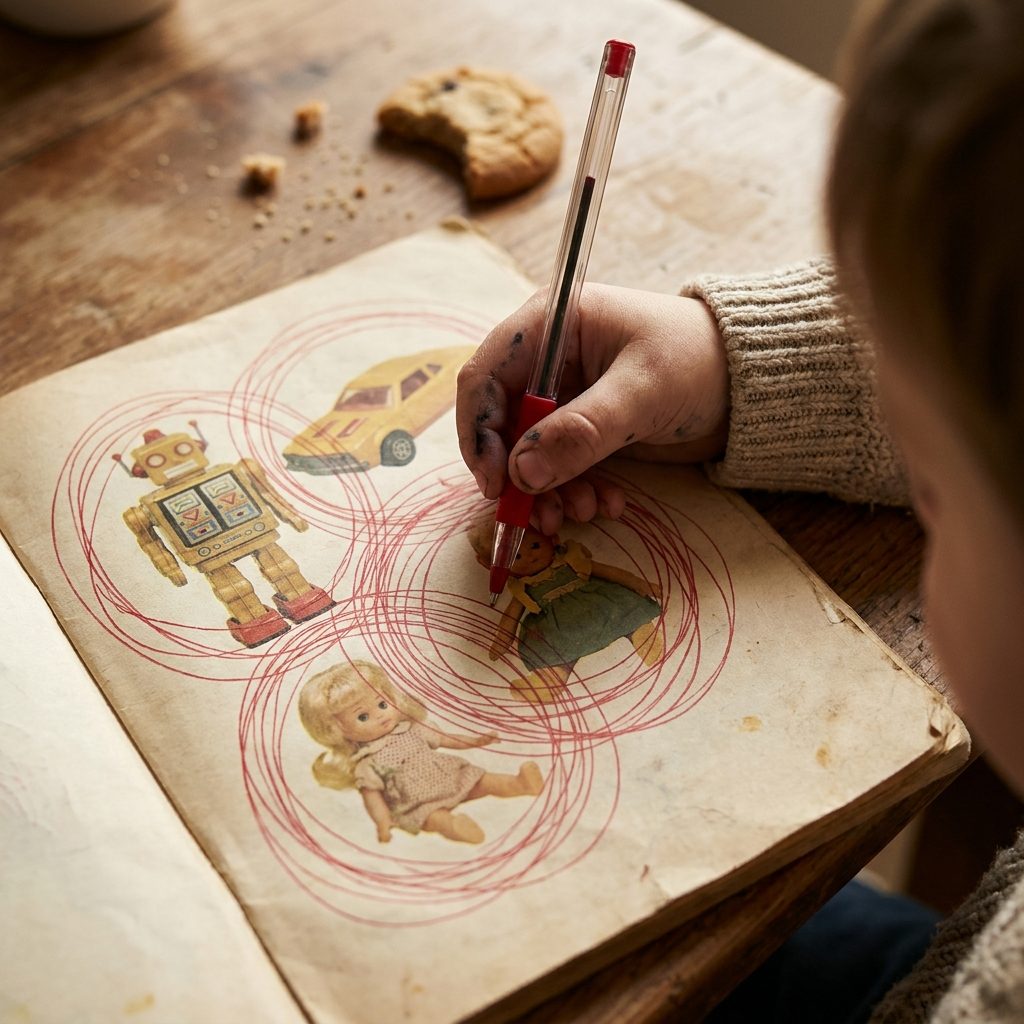
Give a kid a pen and the Wish Book and you would get a page full of red circles within minutes. Some households had a rule about it—one color per person, so nobody could claim they had wanted the racetrack first.
Those circles were the original wish list, and they carried real weight. A marked item might get bought, or it might receive a “we’ll see,” which every child understood meant probably not. You circled it with hope anyway.
26. The Catalog Number Ordering System
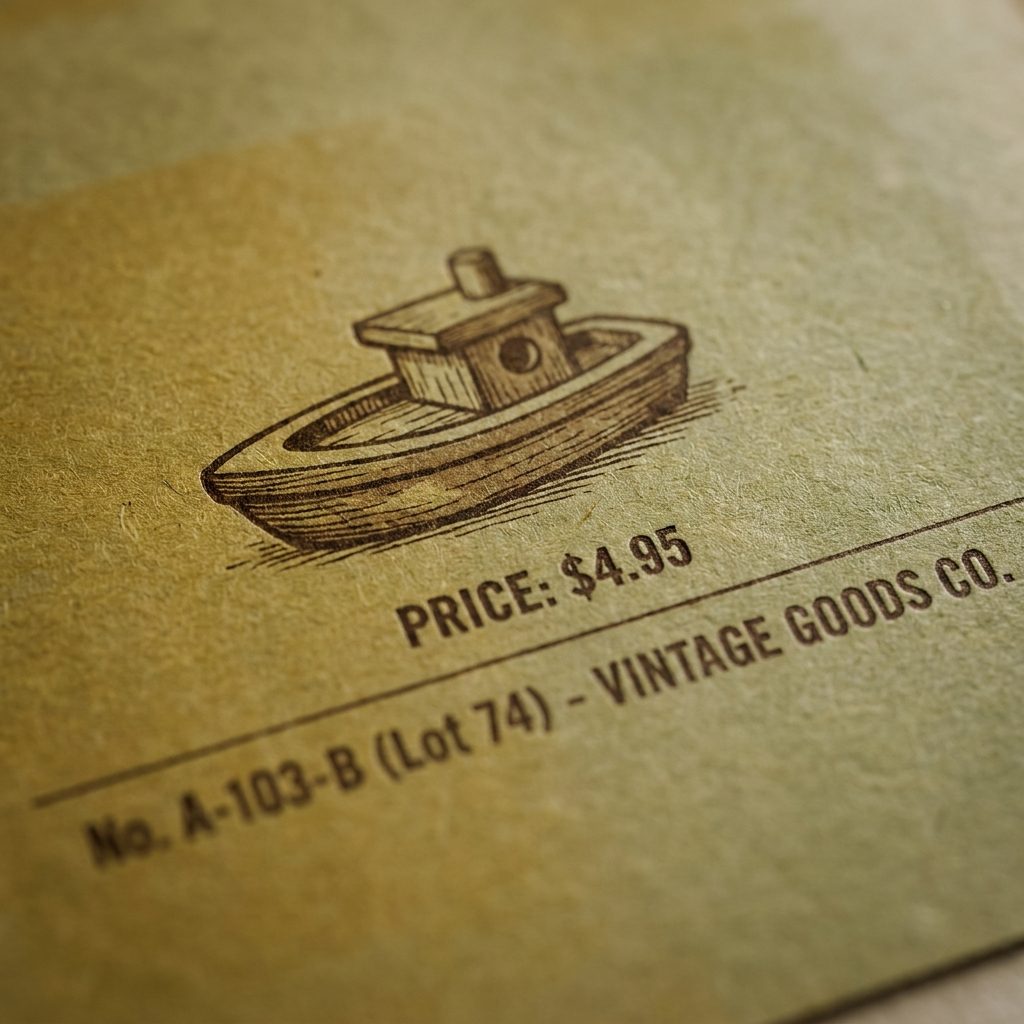
Every item had a number—a long string of digits printed beside the description and price—and that number connected the picture on the page to the correct shelf or bin in the warehouse. You did not order “the blue winter coat.” You ordered the precise code for that coat, in that size and color.
It was the catalog’s search language. Copy one digit incorrectly and an entirely different item might appear, so people read the number twice and squinted at the fine print as though it mattered. Because it did.
25. Filling Out the Mail-Order Form
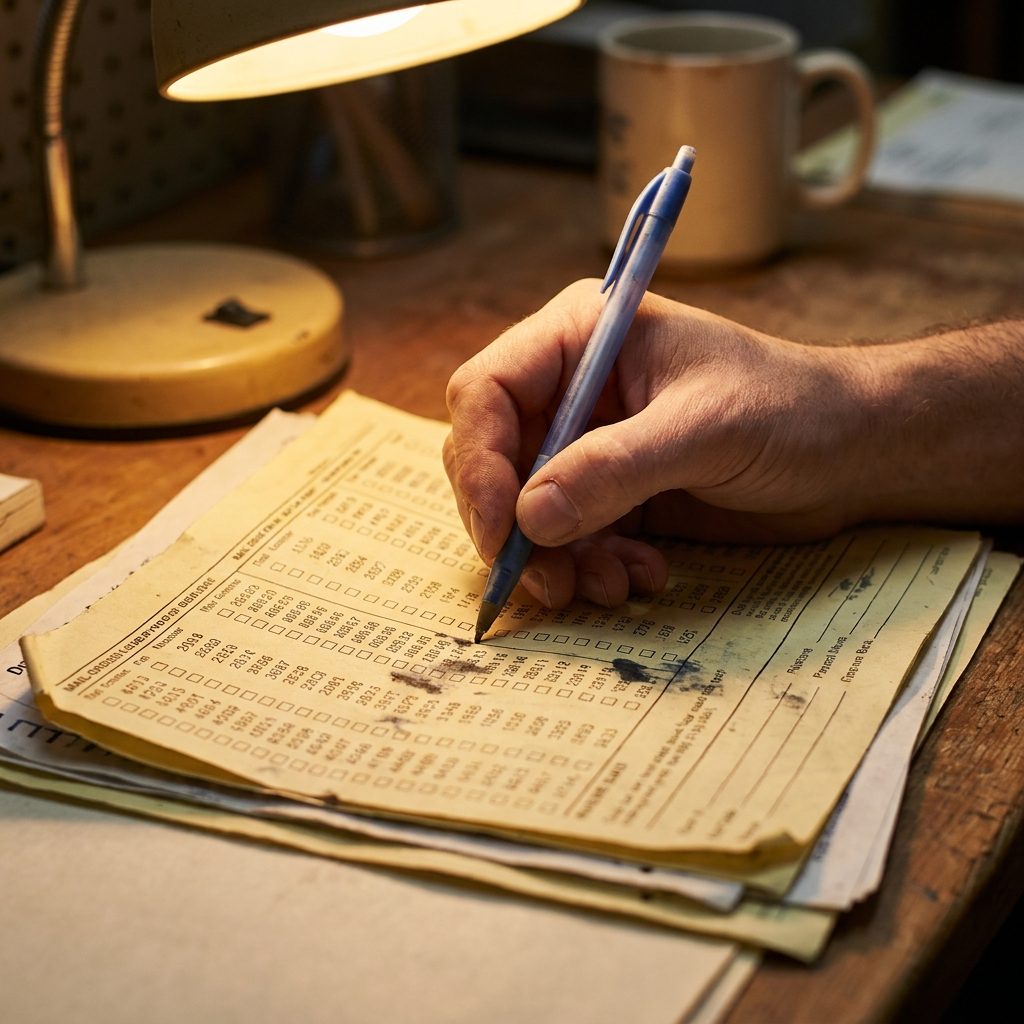
This was the part that required a steady hand. You copied the catalog number into the little box, followed by the quantity, size, and color, and then checked every line because one slip could mean the wrong shirt arriving weeks later.
People did the math themselves. A column of prices, the tax, the shipping charge, and a final total that had to agree with the checkbook. Nothing calculated itself. Just you, a pencil, and the hope that the numbers came out the same the second time.
24. Mailing Your Order and Waiting Weeks
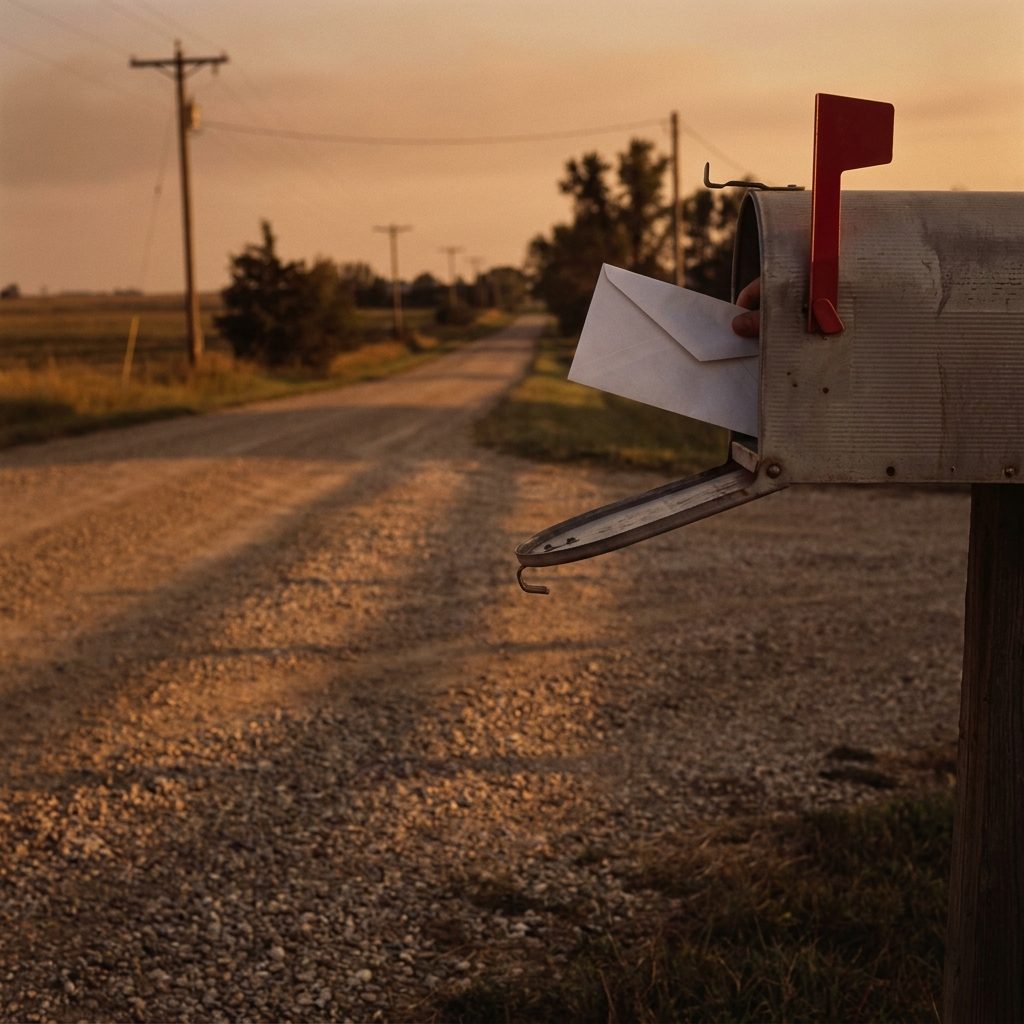
You dropped the envelope into the mailbox, raised the little red flag, and then the hard part started. The waiting. Two weeks felt fast, while some orders took three or four, depending on what you bought, where it was stocked, and how far it had to travel.
There was no tracking page to refresh and no message announcing that the box was six stops away. After a while, the order receded into ordinary life. That made its eventual arrival feel less scheduled and more like a surprise.
23. The Excitement of Parcel Delivery

The box on the porch changed the energy of the whole house. Whatever you had ordered and half-forgotten was suddenly real, packed in cardboard or heavy paper and carrying a few dents from the trip.
Kids ran. Grownups pretended they were not excited and then opened it just as quickly. The contents had to be checked against the order, clothing tried on, and anything mechanical assembled. Even a shipment of practical household goods could make an ordinary Tuesday feel briefly important.
22. Affordable Choices for Working Families
Would you like to save this?
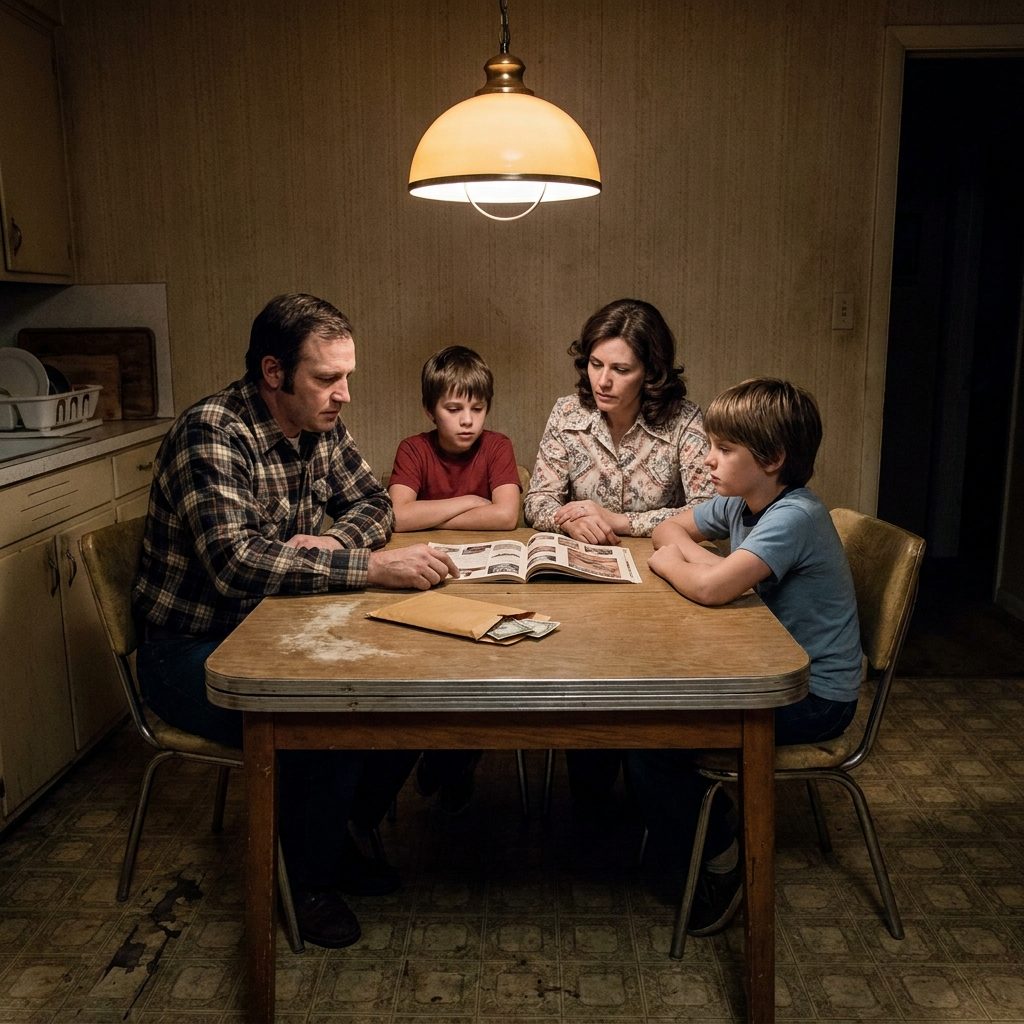
The catalog offered aspiration, but it also handled the practical work of clothing children, replacing cookware, buying work boots, and equipping a home. Products appeared at different price levels, allowing families to compare what they wanted with what the household budget could carry.
For customers living far from a large department store, that access mattered as much as the price. The pages brought an enormous marketplace into towns where the local selection might otherwise have fit inside a single shop.
21. Sears Credit and Easy Payment Plans
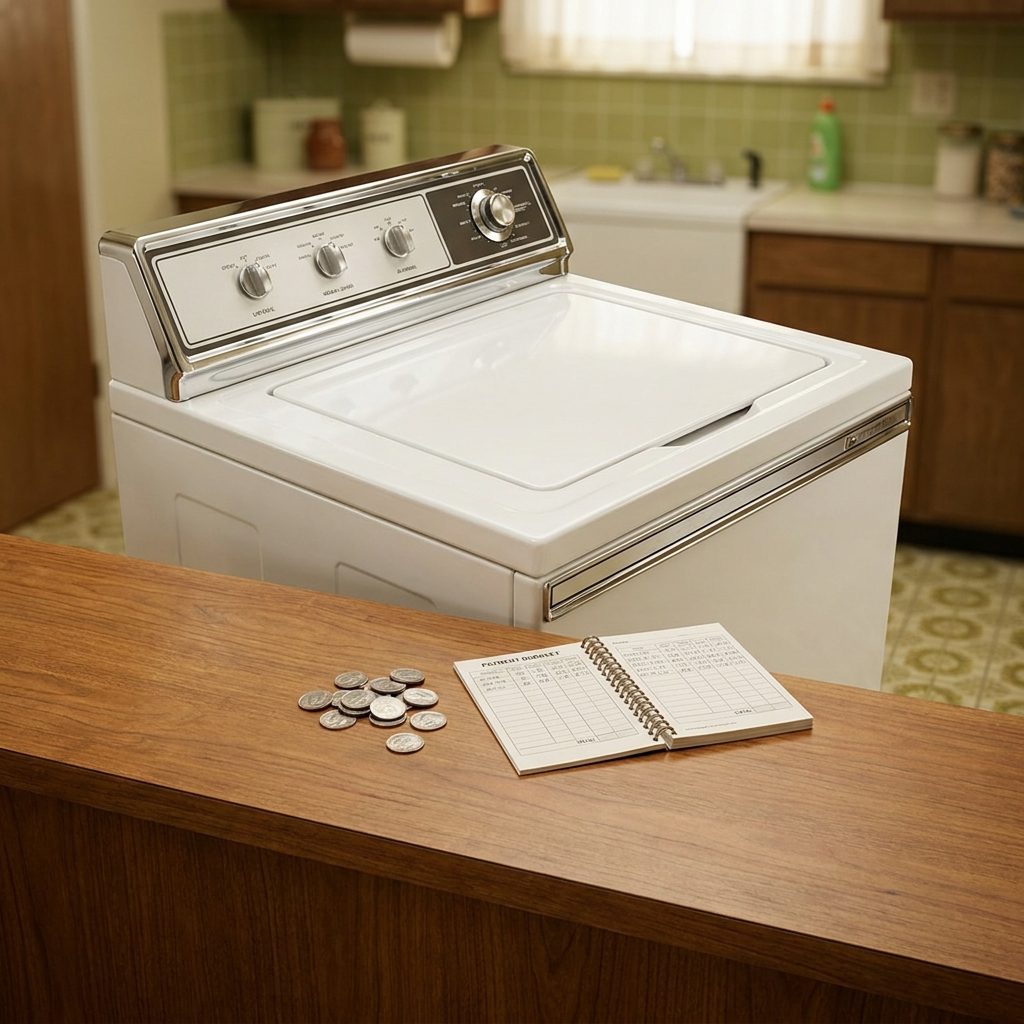
Here is the part people sometimes forget. Sears did not merely sell the washing machine. A charge account or installment plan could allow a household to obtain a major appliance and pay down the balance over time.
The monthly statement arrived by mail. You tore off the payment coupon, wrote a check, and sent it back in the enclosed envelope. The language has changed, and the process has moved online, but buying something now and paying for it in installments was hardly a new idea.
20. Appliances for Every Home, Delivered Through Sears
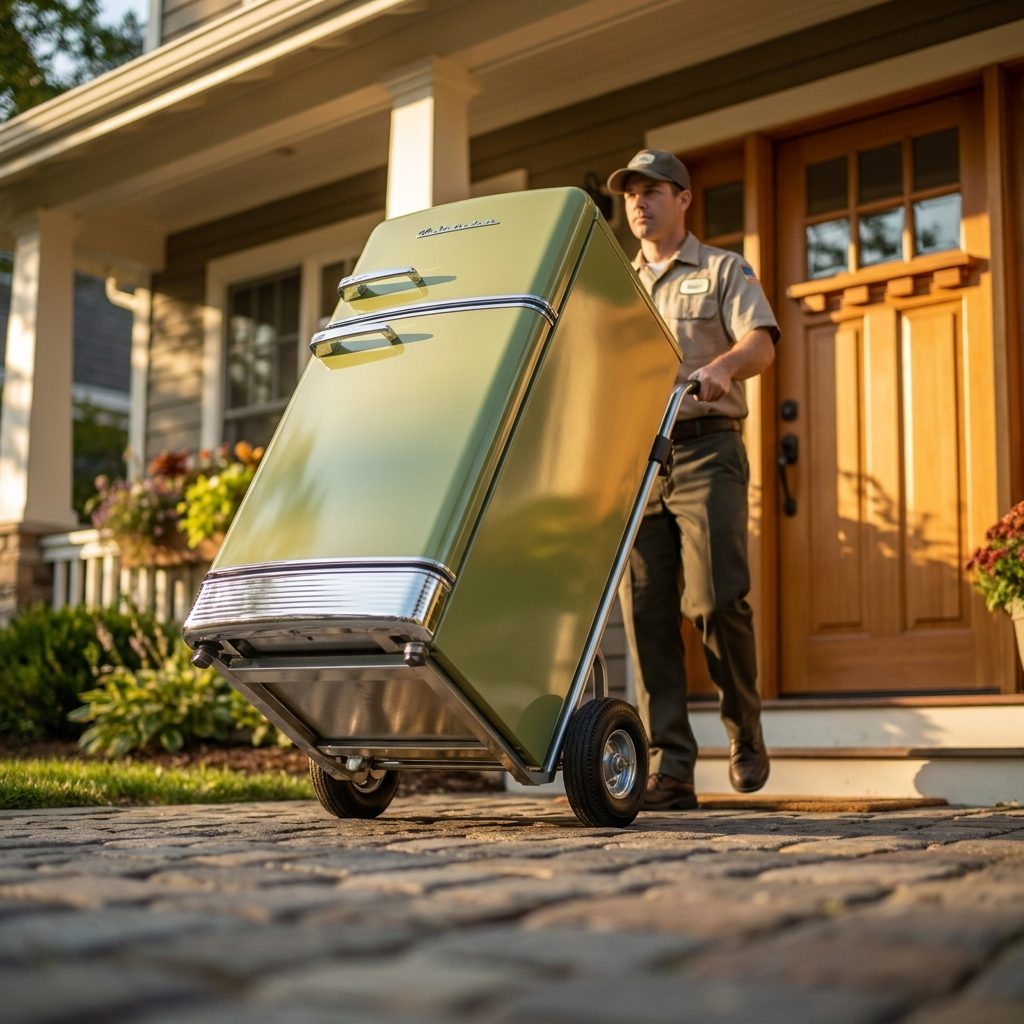
Refrigerators, ranges, washers, dryers, and freezers filled the appliance pages, often shown in the harvest gold, avocado green, copper tones, and dependable white of the era. Customers could compare capacities and features at home, then order through the catalog or contact a Sears store.
The reach was the remarkable part. A family miles from a major shopping district could study the same product spread as someone in Chicago, complete with specifications, prices, and photographs showing exactly how modern the kitchen might become.
19. Kenmore Appliances Your Mother Swore By
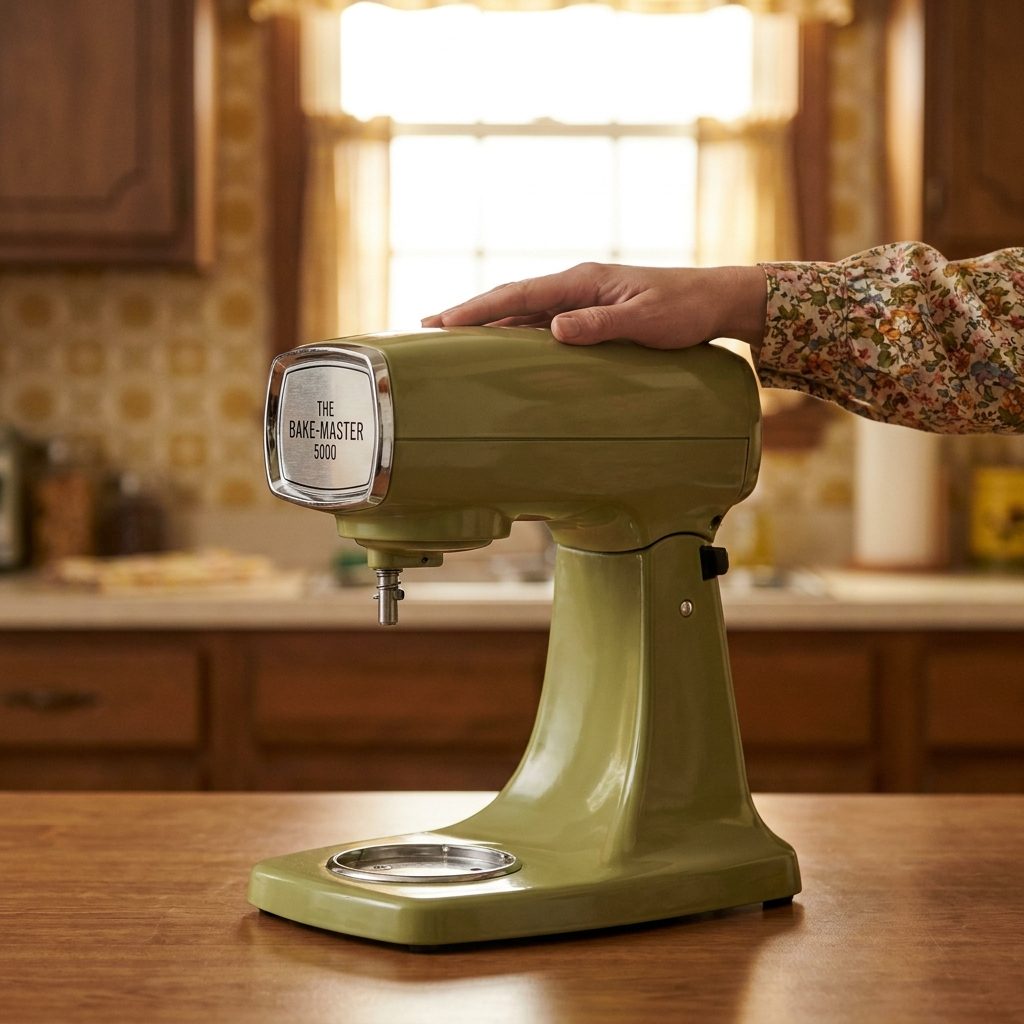
Kenmore was the Sears house brand, and in many homes it was the only appliance name that mattered. Your mother did not merely have a washing machine. She had a Kenmore. If you grew up in the 1970s, you probably understood the distinction.
Families often expected major appliances to be repaired rather than replaced at the first sign of trouble. Sears supported that expectation with service departments, repair technicians, and access to replacement parts.
Reliability was part of the sales pitch and part of the reason customers trusted the wider catalog. A good experience with the washer made the toaster, vacuum, and freezer seem like safer bets.
18. Craftsman Tools and the Lifetime Guarantee

The Craftsman promise attached to many hand tools was simple and memorable. If a covered wrench or socket failed, you could bring it back for replacement, often without producing a receipt. Fathers explained this to sons as though they were passing down a family secret.
A chrome-plated wrench set felt substantial in the hand, and buyers expected it to last long enough to be passed along. Plenty of those tools were.
For generations of customers, the easiest warranty claim was the one settled across a Sears counter.
Craftsman warranties now vary by product and claim method, but the old replacement promise became central to the brand’s identity. The red toolbox in the garage was not disposable equipment. It was part of the household.
17. DieHard Batteries That Earned the Name
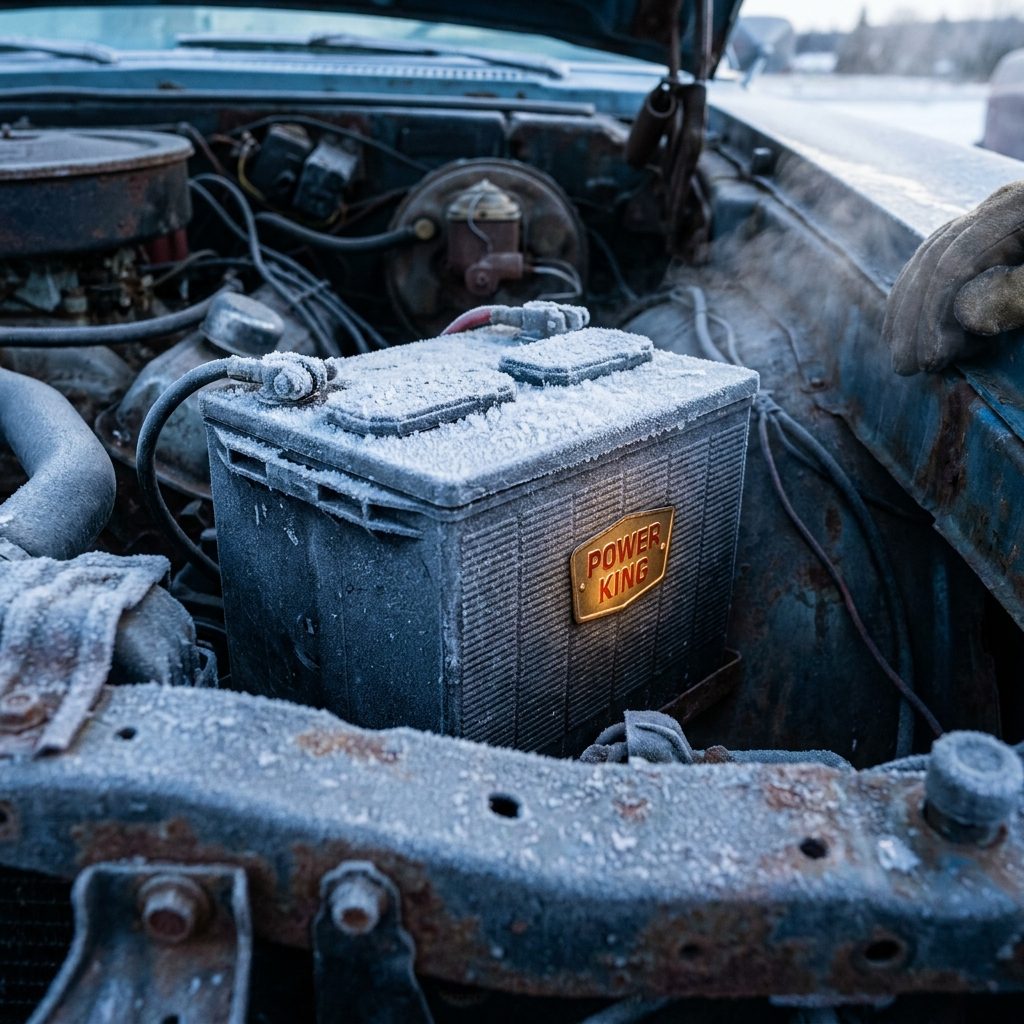
The name did much of the marketing. DieHard. Nothing delicate or ambiguous about it. On a January morning with the temperature well below zero, that promise carried real appeal.
Sears introduced the battery in 1967, and by the 1970s the name carried enough weight to become driveway bragging material. People believed their DieHard was tougher than the neighbor’s, and they were happy to say so while their breath fogged in the cold.
16. Toughskins, the Jeans No Kid Could Destroy

Toughskins were designed around a familiar parental problem: children could wear through the knees of their pants before they outgrew them. Sears answered with hard-wearing fabrics and reinforced knees intended to survive bikes, playgrounds, and whatever happened behind the garage.
They arrived stiff and often needed repeated washing before they softened. Then there were the colors. Toughskins appeared in more than standard blue denim, leaving class photographs full of green, brown, gold, and other unmistakably 1970s choices.
15. Back-to-School Shopping Done at the Kitchen Table
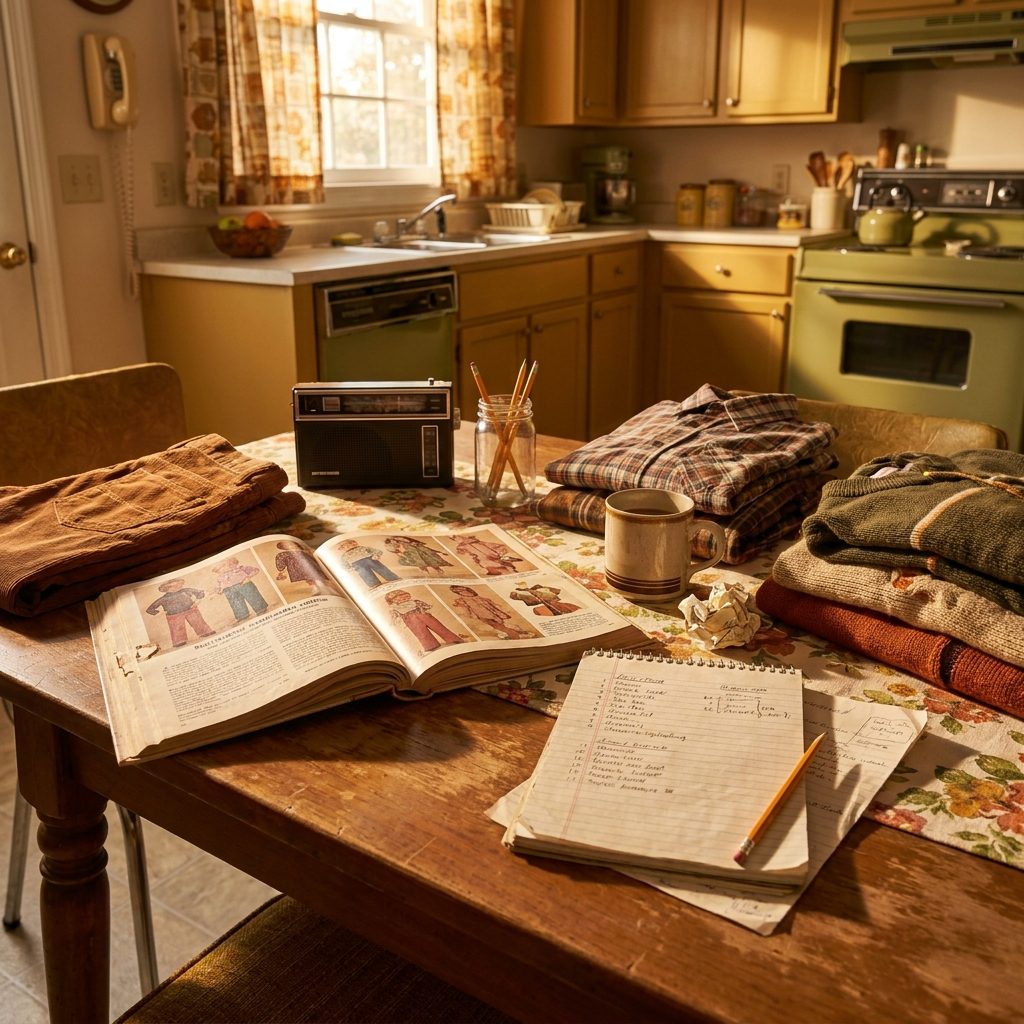
Late August meant choosing school clothes with a pencil, a notepad, and a running argument about whether the striped shirt was cool. Pages were compared, sizes checked, and each child’s choices narrowed until the order met the budget.
There was no fitting-room line and no dragging three tired kids from store to store. The difficult part came later, when everything arrived and the child who had apparently grown since breakfast discovered that the corduroys were already too short.
For families far from major shopping centers, the system made an entire seasonal wardrobe available from the kitchen table. That convenience was practical long before it became a marketing slogan.
14. The Christmas Wish Book and Its Dog-Eared Toy Pages

The Wish Book’s arrival was the true start of Christmas. Forget the calendar. When that thick holiday catalog appeared in the fall, children knew the serious work of wanting things could begin.
You did not merely read the toy section. You studied it. The dollhouse was examined room by room. The racetrack layout became real enough to hear. Football helmets, chemistry sets, action figures, and bicycles occupied far more thought than homework did.
The toy pages were the destination. Children flipped past the socks, cookware, and robes with practiced speed, then settled in for another tour of everything that might be waiting beneath the tree.
13. Bicycles Every Kid Circled Twice
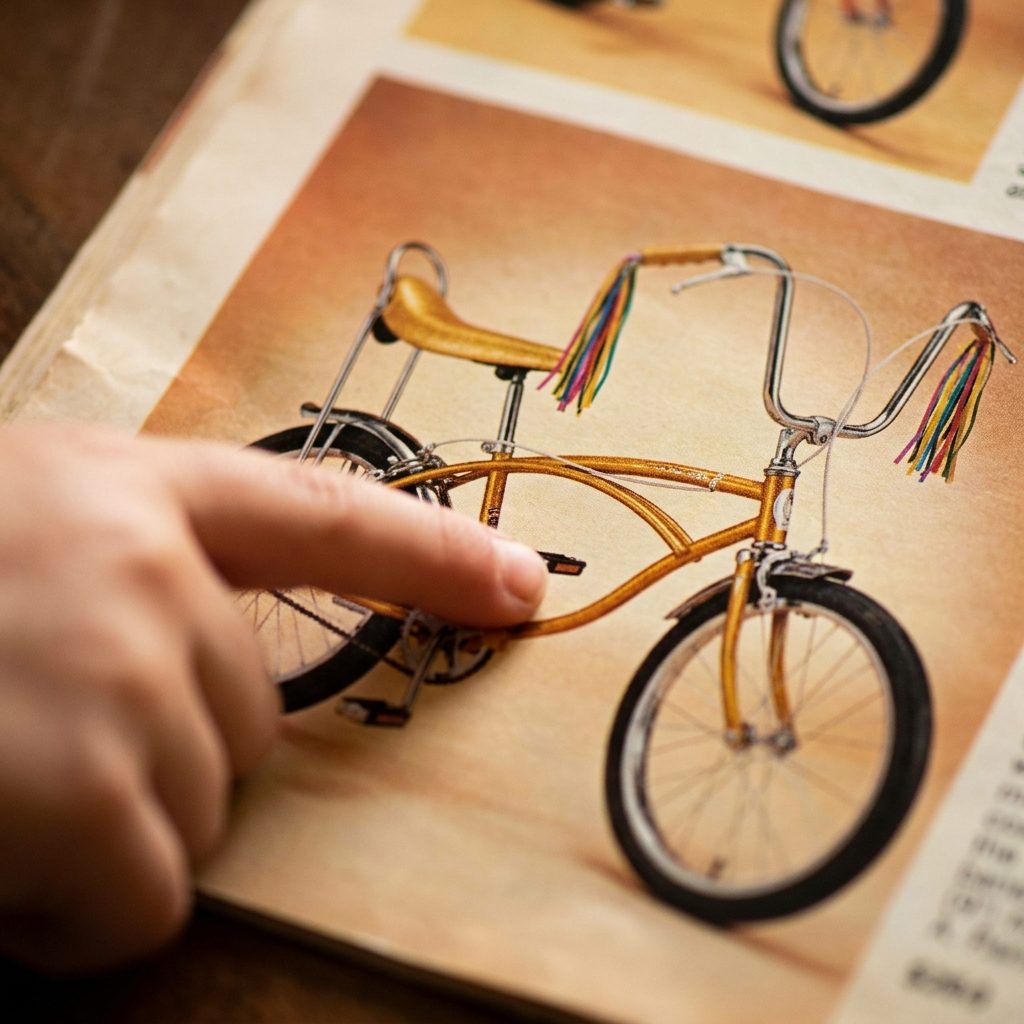
A bike from the Wish Book was a bike you had already ridden a thousand times in your head before it arrived. The banana seat, high-rise handlebars, sissy bar, and glittery vinyl that became scorching hot in July were all considered carefully.
Assembly created its own Christmas Eve drama—usually Dad with a wrench, a screwdriver, and a diagram he stopped consulting around step four. Once finished, the bicycle redrew the child’s world. The whole neighborhood was suddenly reachable without asking for a ride.
12. Home Furnishings That Set the Whole Look of the House
Would you like to save this?
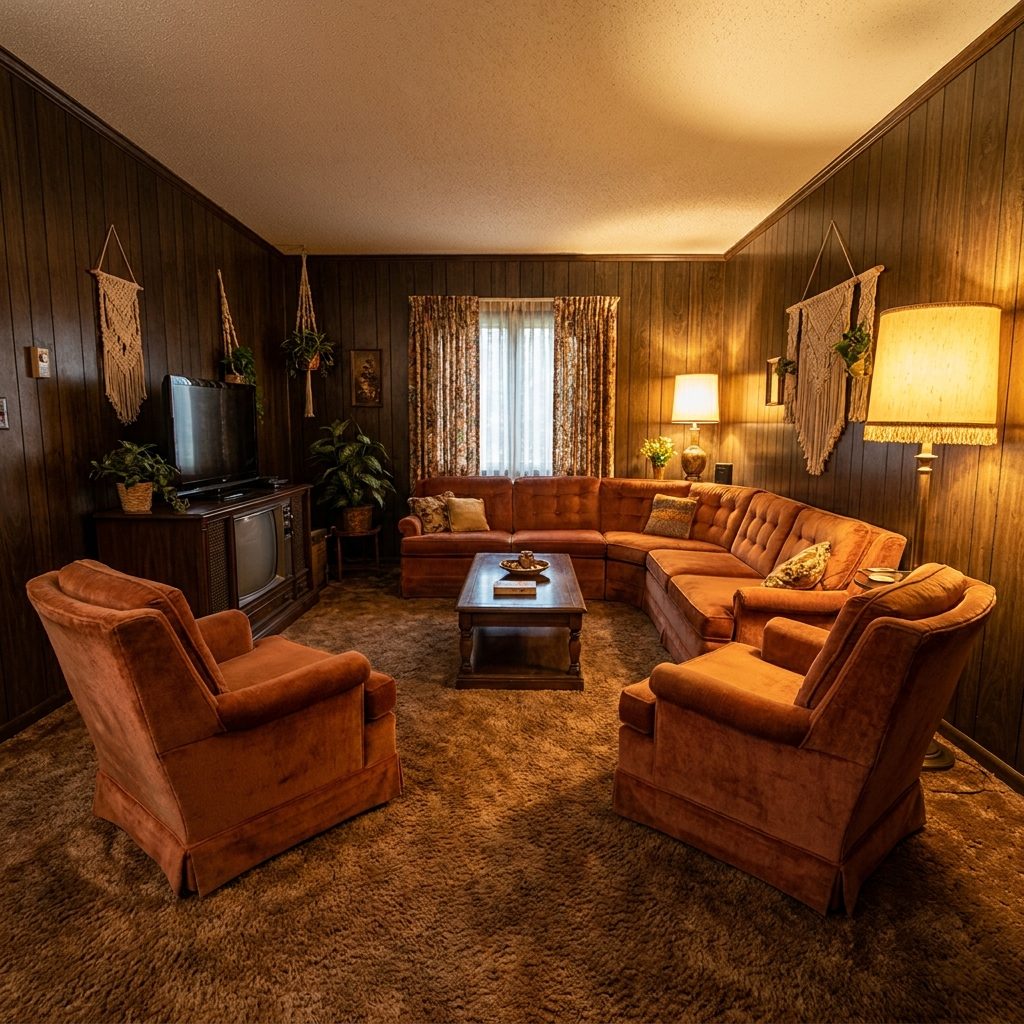
You could furnish room after room from the catalog, and many families did. A burnt-orange velour sofa might appear beside the matching chair, coffee table, shag rug, lamps, wall decoration, and artificial plant. Buy enough of the spread and the living room came out looking remarkably like the photograph.
Those pages sold coordinated rooms rather than isolated furniture. Wood tones, gold accents, patterned upholstery, and enough orange to prove the household had received the message about modern living all appeared together.
11. Jewelry and Watches for the Big Occasions
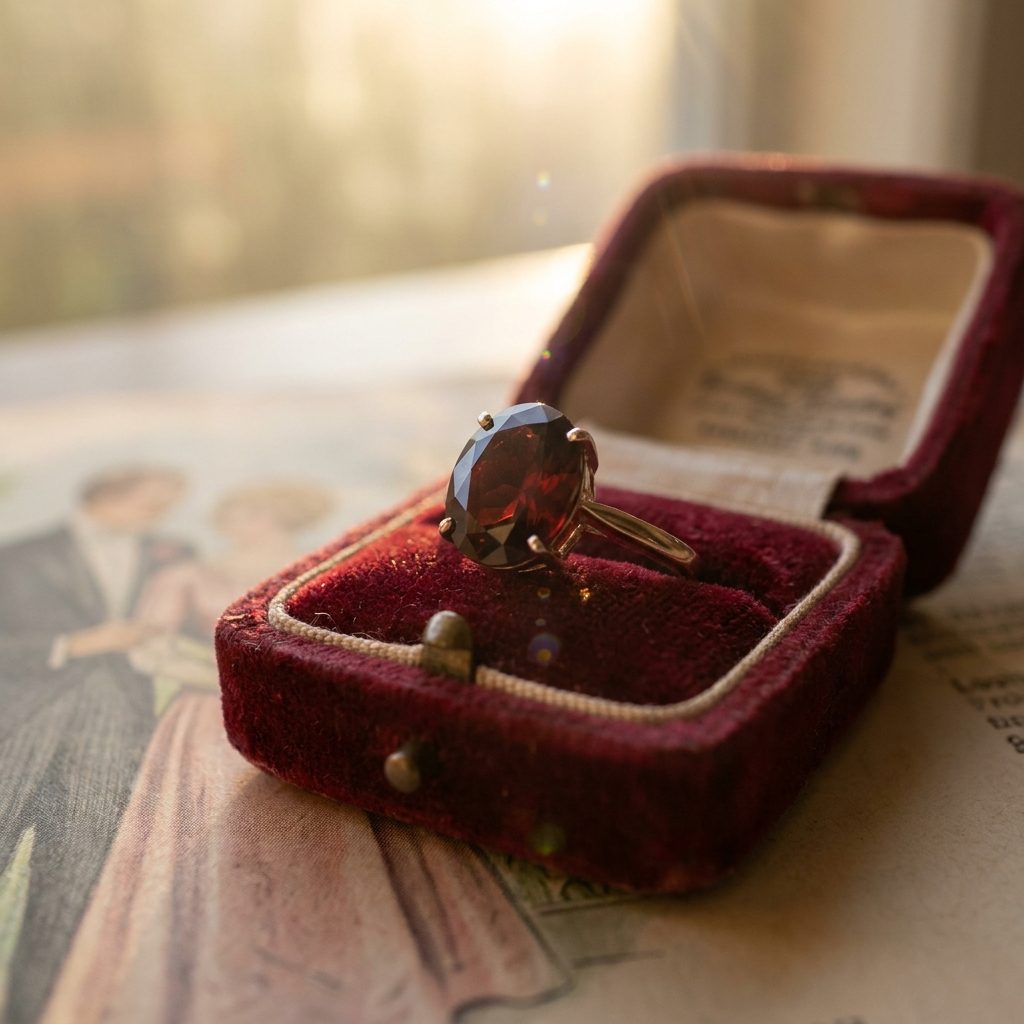
The jewelry pages were where the catalog became quietly romantic. A parent might choose a birthstone ring for a daughter’s sixteenth birthday. A spouse could select an anniversary watch privately, without anyone peering over a shoulder at the mall.
There were watches with wide gold-tone bands, lockets made to hold a tiny photograph, and strands of imitation pearls that looked convincing beneath Christmas-tree lights. The prices placed milestone gifts within reach of households that were not shopping at a private jeweler.
Chosen at home and delivered in a small box, those gifts could feel more significant than their cost suggested.
10. The Sporting Goods Section Was a Locker Room in Paper Form
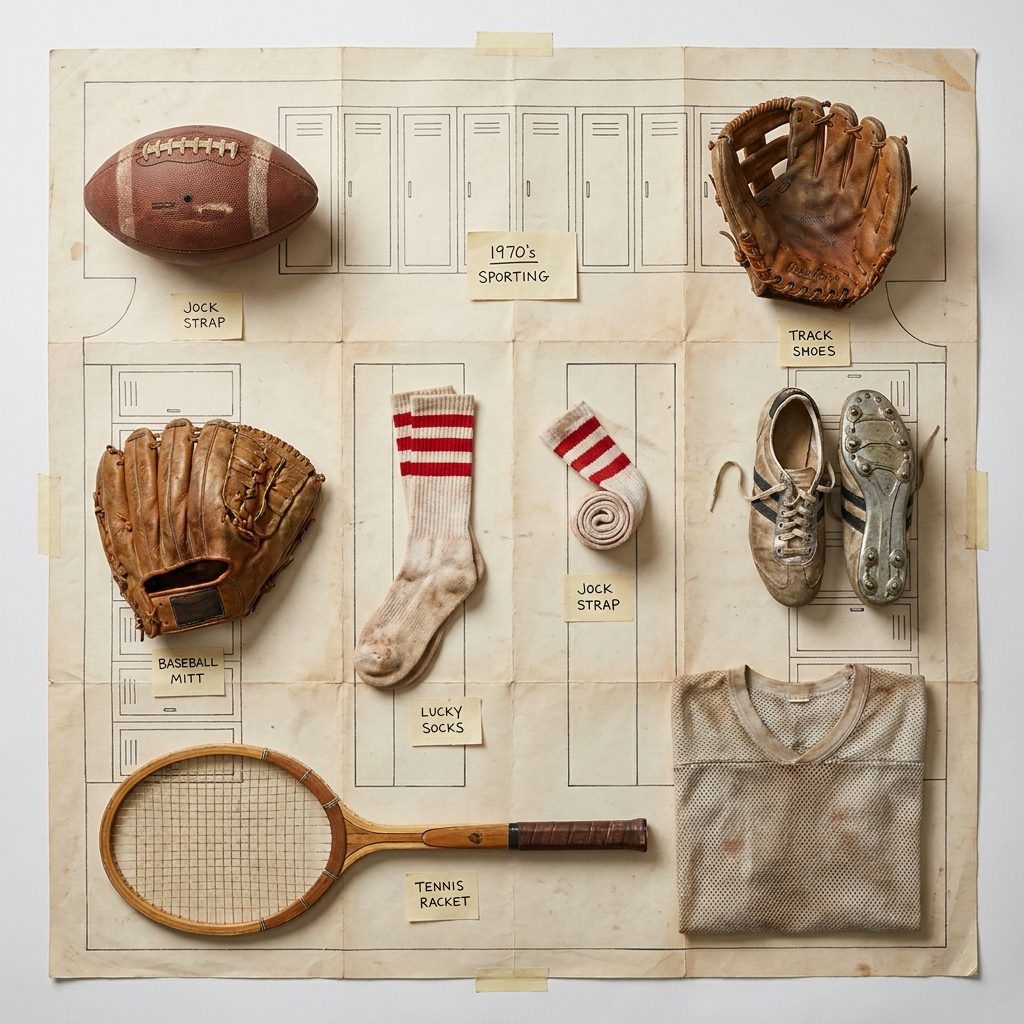
Ten-speeds shared spreads with weight benches, and boxing gloves sat near fishing tackle. The sporting goods section seemed organized less by individual sport than by every ambition a child or parent could develop on a Saturday.
You could equip a Little League player, a fishing trip, and a backyard workout area in a few page turns. Baseball gloves arrived stiff and needed time, oil, and repeated use before they closed easily around a ball. Plenty of heavy bags, boats, and elaborate exercise sets were circled but never ordered.
9. Garden and Lawn Gear Ordered While Snow Was Still on the Driveway
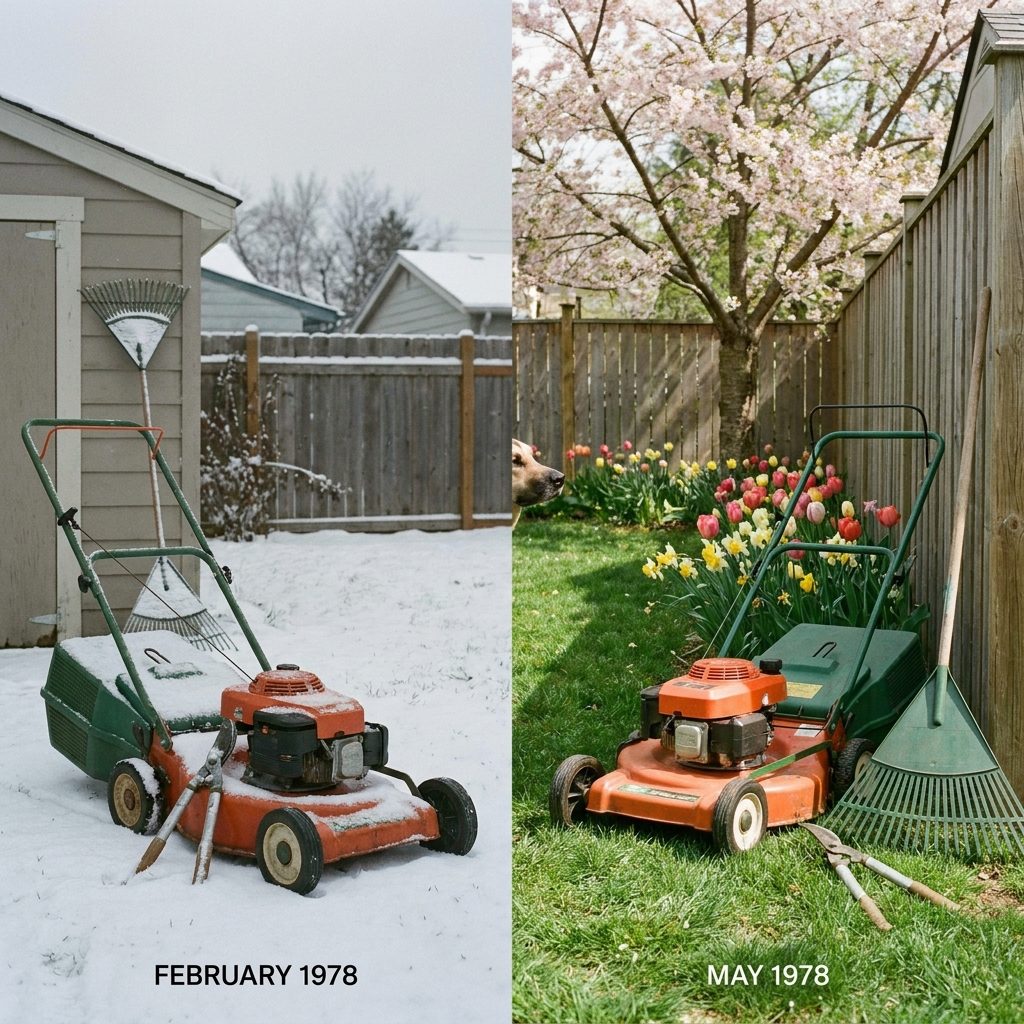
There was a strange comfort in choosing a rotary mower while the driveway was still buried in slush. You could study the garden pages in February, select a 20-inch push mower and a coil of green hose, and have the equipment ready before the grass began growing in earnest.
Those pages ran deep: sprinklers, hedge trimmers, wheelbarrows, seed packages, hose reels, tillers, and nearly everything required to turn winter planning into spring labor. The tomatoes might never repay the cost of the tiller, but that did not stop anyone from doing the calculation.
8. Automotive Parts That Turned the Driveway Into a Repair Shop

Spark plugs, points, condensers, brake shoes, oil filters, and muffler clamps filled the automotive pages. Cars of the period were comparatively accessible to home mechanics, and many owners handled routine maintenance in the driveway.
You looked up the make, model, and year in the fit chart, matched the part number, and placed the order. When the box arrived, the repair manual came out, the socket set spread across the fender cover, and Saturday began to smell like oil, brake cleaner, and cut grass.
7. DIY Home Improvement Kits That Made Every Man Feel Like a Contractor
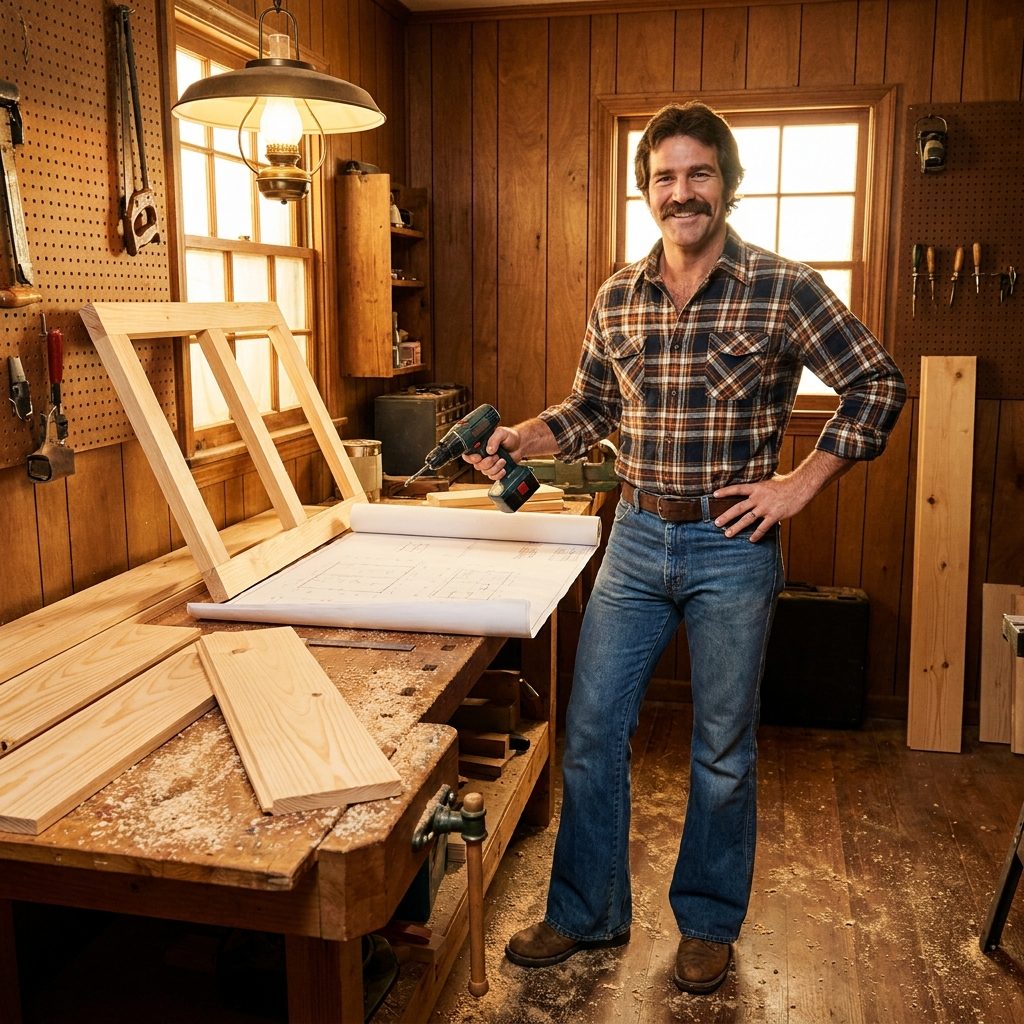
Every basement in America seemed to receive some version of the same 1970s treatment, and Sears offered the materials and tools to attempt it. Faux-walnut wall paneling, drop-ceiling tiles, screen and storm-door kits, and workshop components all appeared in the catalog.
The pages made the projects look manageable. A level, finishing nails, a free Saturday, and a determined homeowner appeared to be all that stood between an unfinished basement and a complete rec room.
In practice, the job stretched across two weekends and produced strong opinions about the location of the wall studs. Even so, the catalog encouraged people to attempt repairs and improvements without waiting for a contractor.
6. Musical Instruments That Arrived in a Box and Changed a Kid’s Life
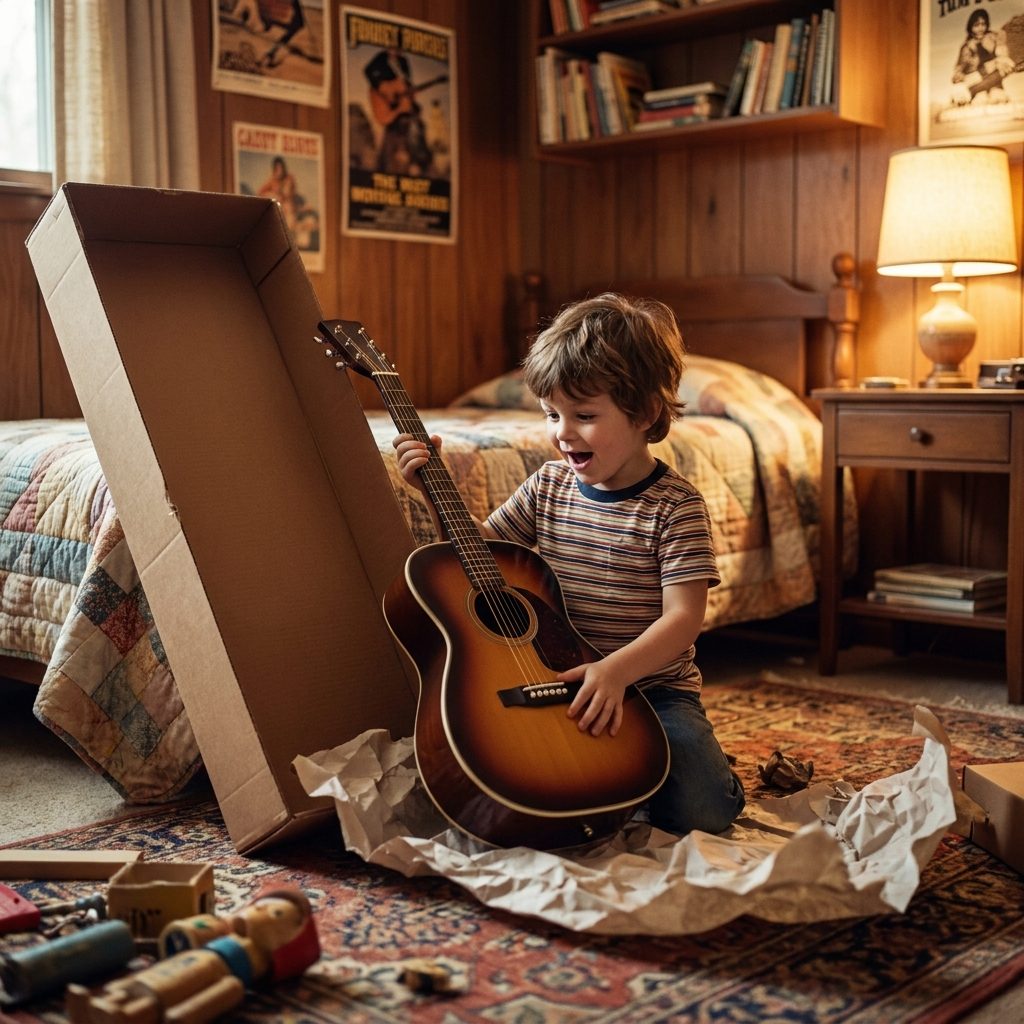
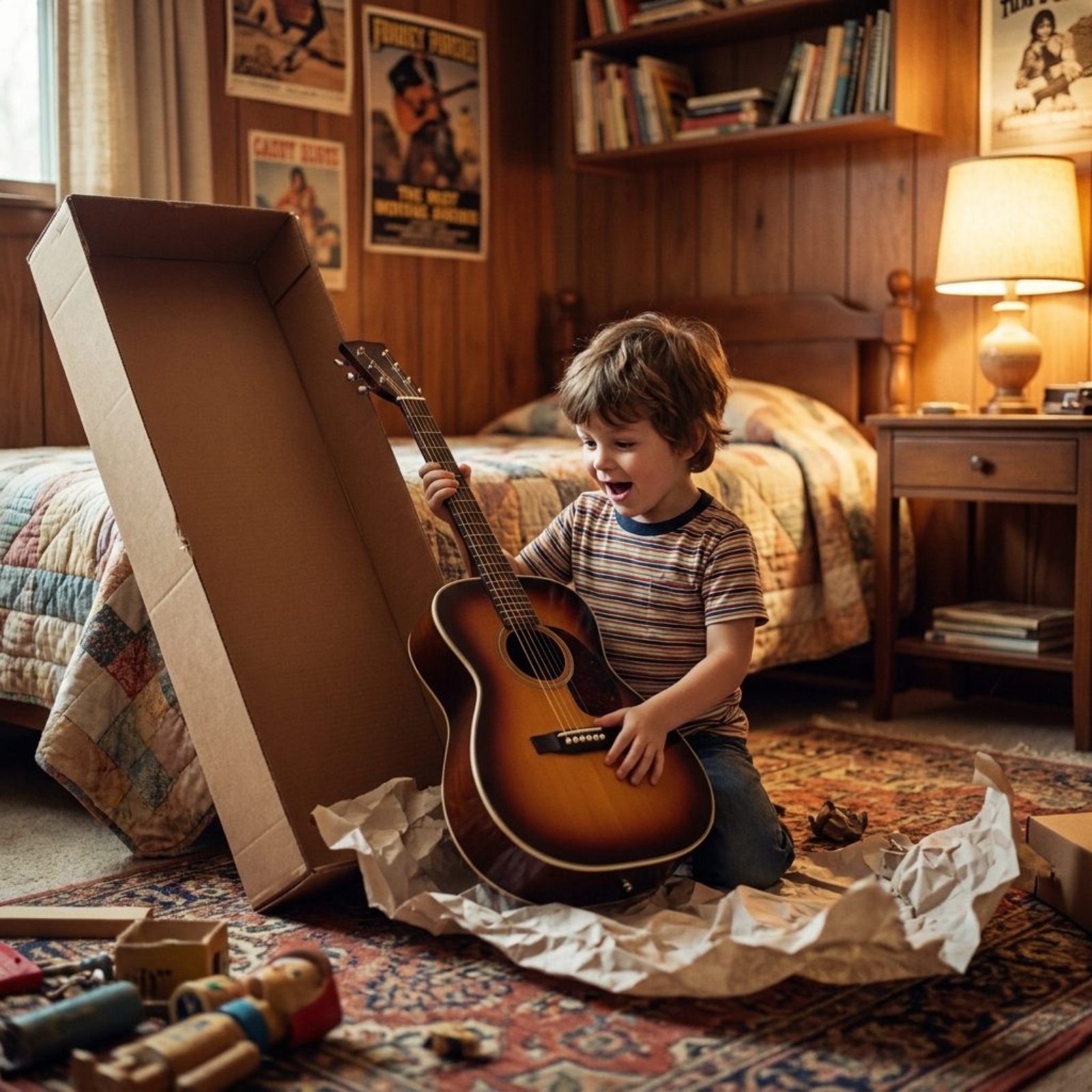
A large cardboard box appeared, and inside was a guitar that made the idea of starting a band suddenly seem practical. Sears sold affordable Silvertone instruments, including the famous guitar-and-amplifier combinations that packed the amp into the carrying case.
You could also order a drum kit, trumpet, accordion, or chord organ that promised a faster route to musicianship than reality usually allowed. The important part was that the instrument arrived. A child who had spent years only imagining the noise could finally begin making it.
5. Cameras and Electronics That Felt Like the Future for $89.99

Just under $90 could buy a slice of tomorrow. A 35mm camera with a leather strap, a portable radio, or another compact piece of electronics offered access to technology that had once seemed expensive and remote.
Children and adults studied the reel-to-reel players, console televisions dressed in imitation walnut cabinets, headphones with extra-long cords, cameras, radios, and stereo equipment. The attraction was not merely the object. Each product suggested a different version of life after it arrived.
4. Ordering From Your Kitchen Table Before Anyone Called It Convenience
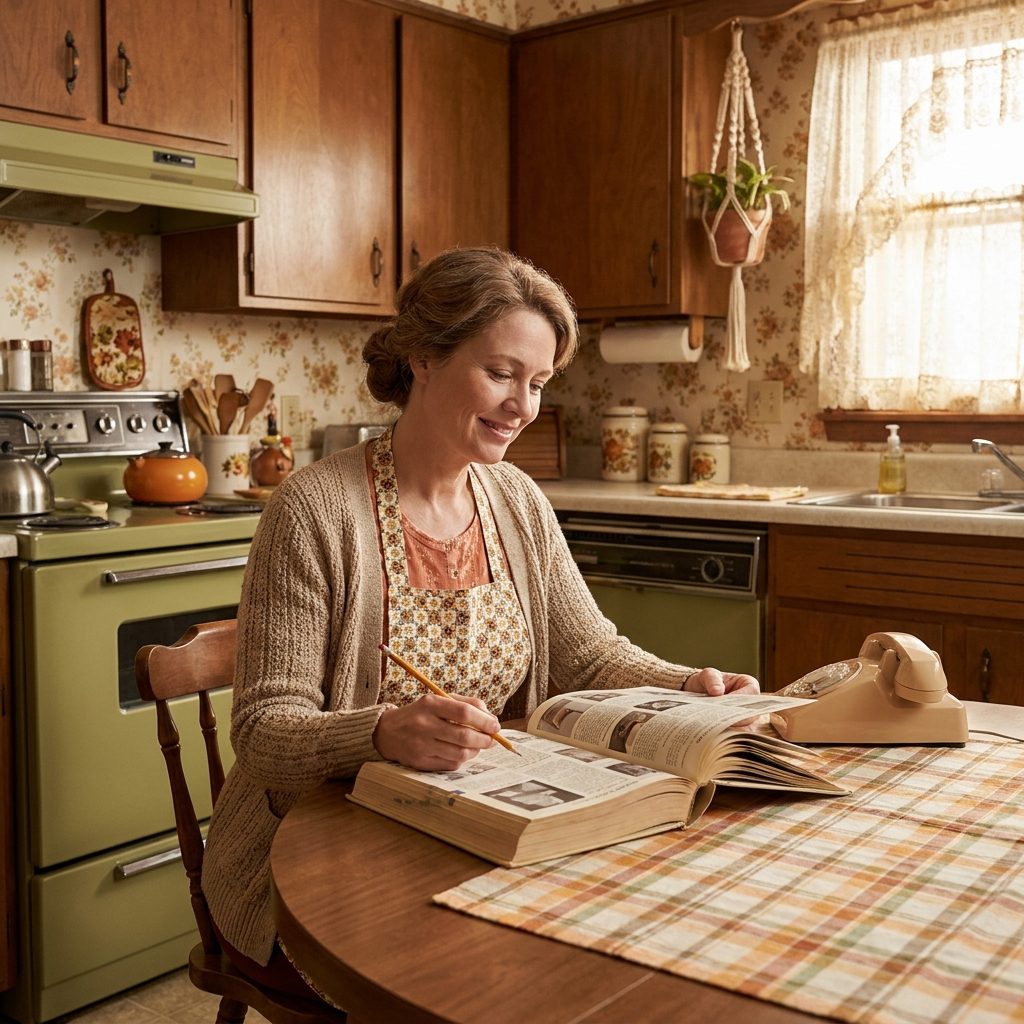
No parking lot, no crowd, and no sales clerk waiting while you made up your mind. A family could outfit rooms, replace clothing, and purchase tools without leaving the chair with the wobbly leg beside the radiator.
The catalog turned the kitchen table into a department store that opened whenever the household had a spare hour. Coffee went cold, a pencil sat behind someone’s ear, and pages spread beneath the overhead light. You selected the products, copied the numbers, checked the total, and sealed the envelope.
For people living far from major stores, convenience was not a luxury or a slogan. It was the ability to obtain what the family needed without losing an entire day to the trip.
3. The Catalog’s Second Career as Bathroom Reading
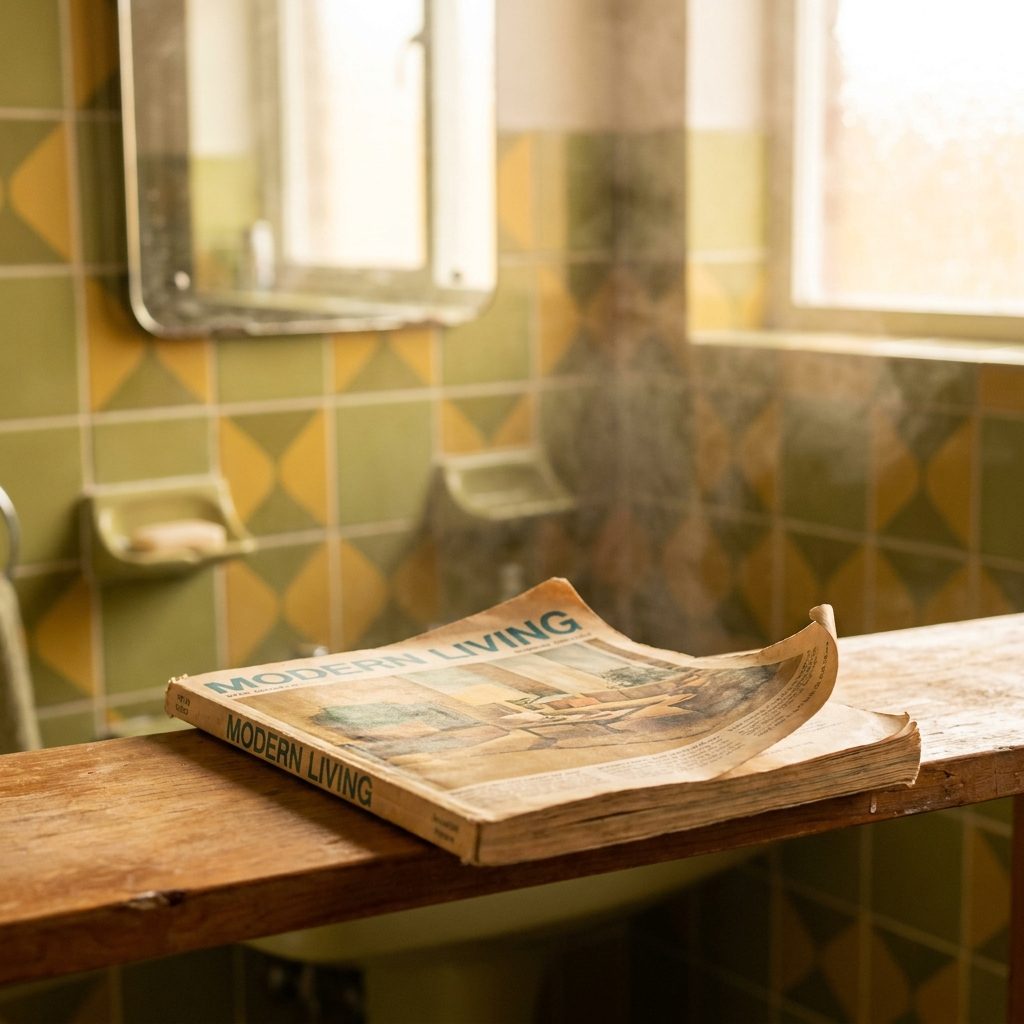
Every bathroom seemed to have one. Thick as a phone book, spine gone soft, one corner permanently curled from the humidity. When a new edition arrived, the old catalog did not retire. It was reassigned.
You flipped to the toy section, the tools, or pages already worn thin, and the minutes disappeared. Nobody formally decided that the catalog belonged there. It simply became the most interesting object in the smallest room in the house.
It may have been the most widely read book in America that nobody admitted to reading.
Earlier Sears and Montgomery Ward catalogs, printed on softer paper in the years before indoor plumbing became universal, sometimes took on an even more practical final job in the outhouse.
2. Comparing Prices Page by Page Before Committing a Dime

Would you like to save this?
You did not simply choose a lawn mower. You lined up three of them across two pages and read every line of small print as though a hidden clause might change the entire decision.
The $59.99 model came with one set of features. The $74.99 version offered a wider cutting deck or longer guarantee, so there you sat, deciding whether the additional $15 would save enough time or trouble to justify itself. Sometimes you asked the neighbor. Sometimes you slept on it.
There was no countdown clock and no warning that only two remained in stock. The catalog was certainly designed to sell, but the paper format left more distance between noticing an item and completing the purchase.
1. Why the Sears Catalog Finally Went Quiet

The Sears general merchandise catalog ran for roughly a century before the company discontinued it in 1993. Printing and mailing enormous books to millions of homes had become expensive, while discount chains, specialty retailers, suburban shopping centers, and changing consumer habits divided the market Sears had once dominated.
The company still possessed an extraordinary customer history, national distribution network, recognizable brands, repair infrastructure, and decades of experience selling to people who could not touch the merchandise first. Yet the system built for paper did not make a successful transition into the emerging digital marketplace.
The catalog was practical, ambitious, occasionally strange, and thick enough to prop open a door. More importantly, it made an enormous store feel close enough to spread across the kitchen table. The paper is gone, but the habit it created arrives on the porch every day.