
Would you like to save this?
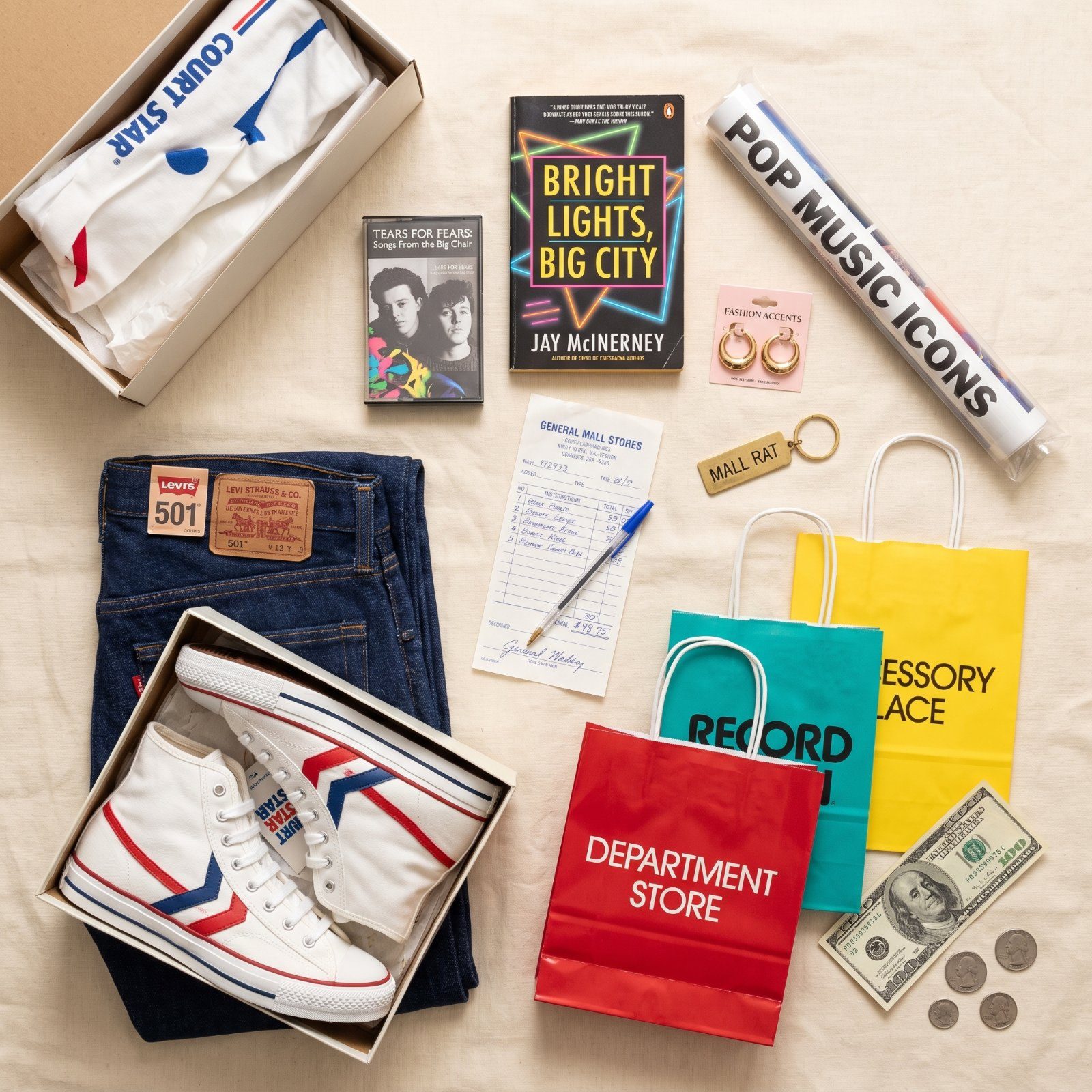
A hundred-dollar bill in 1985 felt like real money walking through the sliding glass doors past the fountain. Minimum wage sat around $3.35 an hour, so that bill was roughly thirty hours of somebody’s work. It didn’t buy everything. But it bought a surprising haul: jeans, sneakers, a cassette, a paperback, a keychain with your name laser-cut into brass. Here’s that receipt, item by item, back when the mall was the whole afternoon.
Levi’s Jeans From the Department Store: About $22
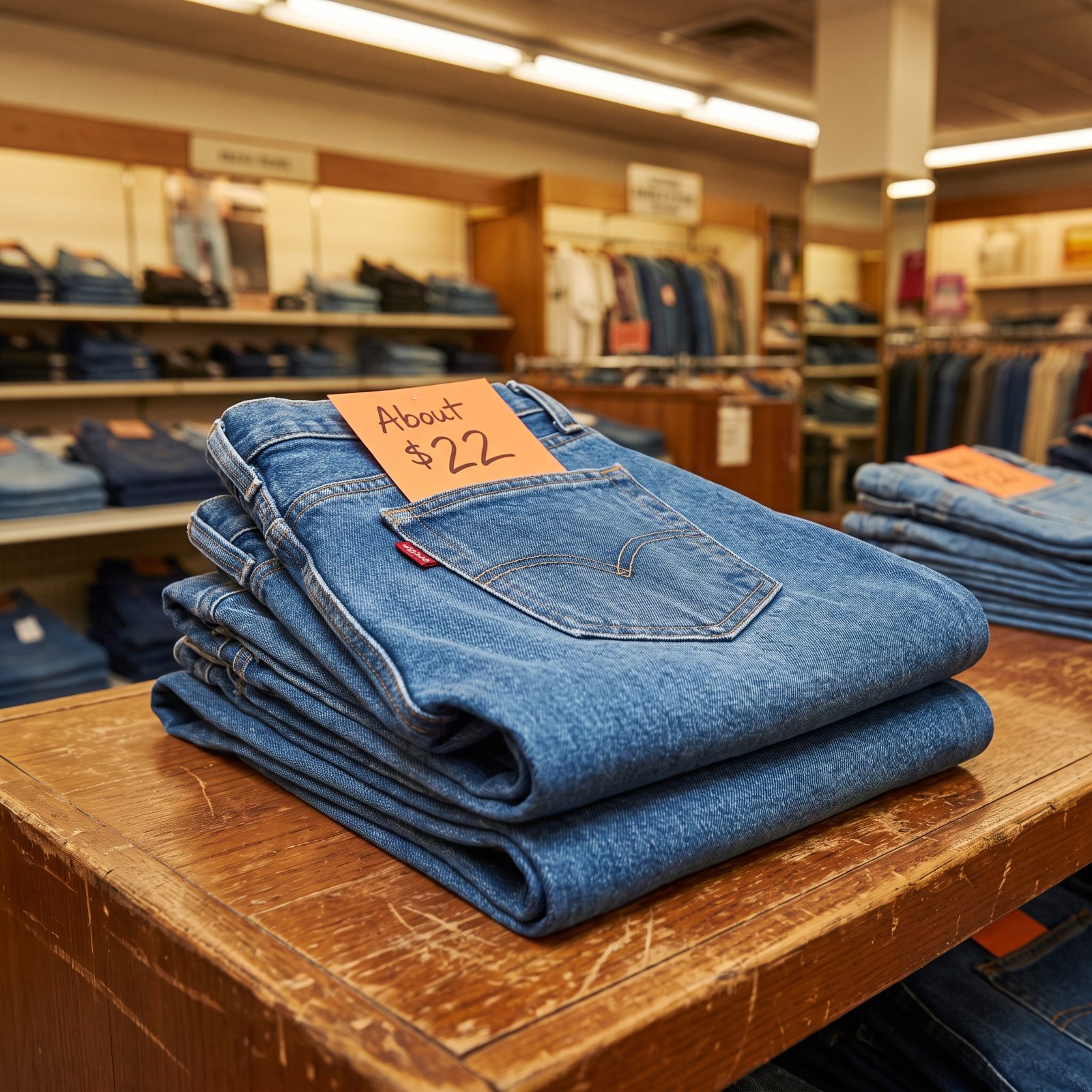
Twenty-two dollars, give or take, for a pair of Levi’s off the department store table — roughly six and a half hours on a minimum-wage job, and nobody blinked. Jeans were an investment you expected to wear until they gave out at the knee, and then a little longer.
The good part? They came home stiff as cardboard and dark as midnight, and you broke them in yourself. No pre-distressing. No factory rips. That indigo faded on your own timeline, at your own knees, and by the second year they fit like nothing else in the closet.
Canvas Sneakers From Kinney Shoes: Around $12
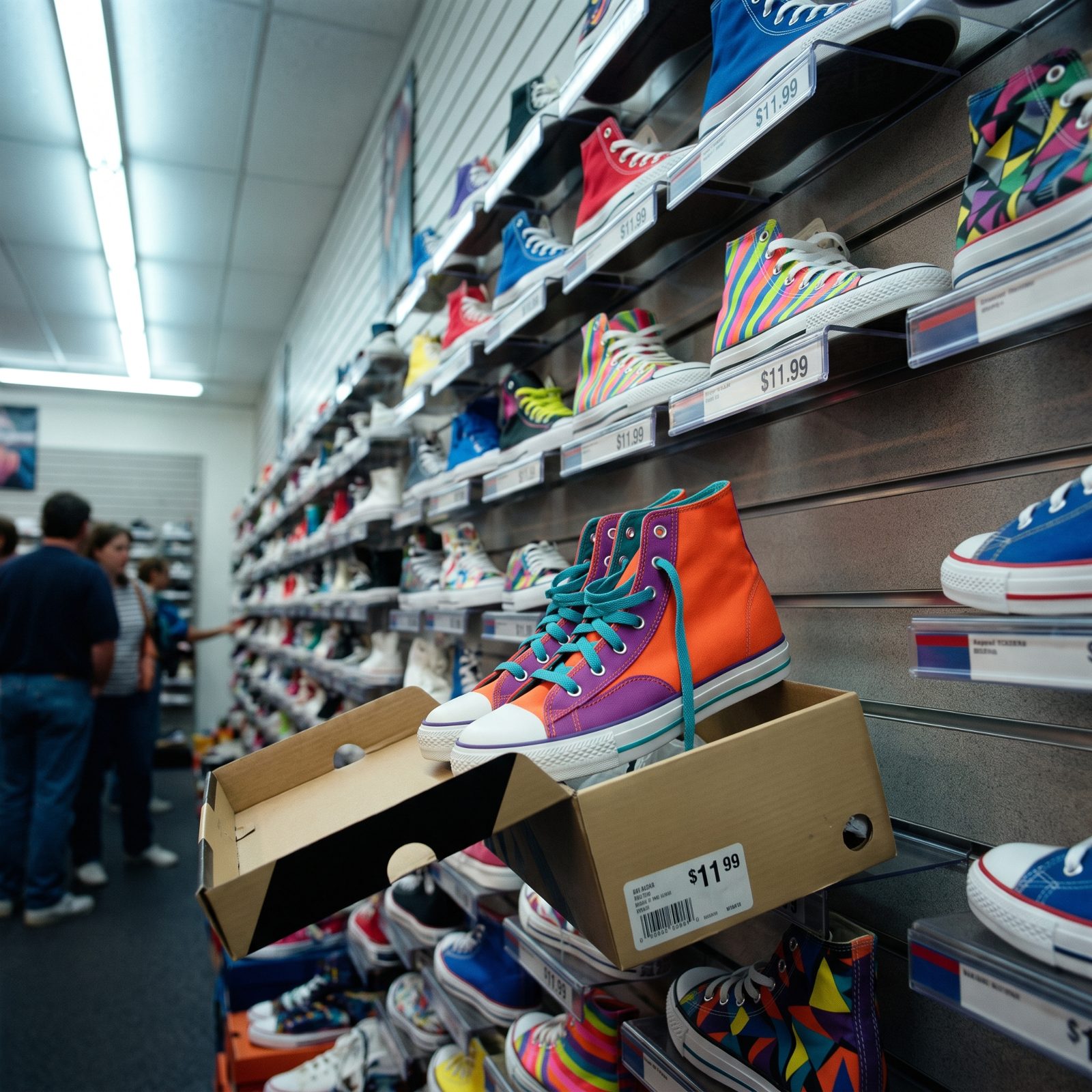
Twelve dollars put canvas high-tops on your feet, and Kinney Shoes had a whole wall of them — under four hours of work for shoes you’d wear until the toe went gray and the sole peeled at the heel.
They weren’t built to last a decade, and that was fine. At twelve bucks you replaced them, and a fresh white pair felt like the start of a whole new attitude every summer.
A Button-Down Shirt From Chess King: About $18
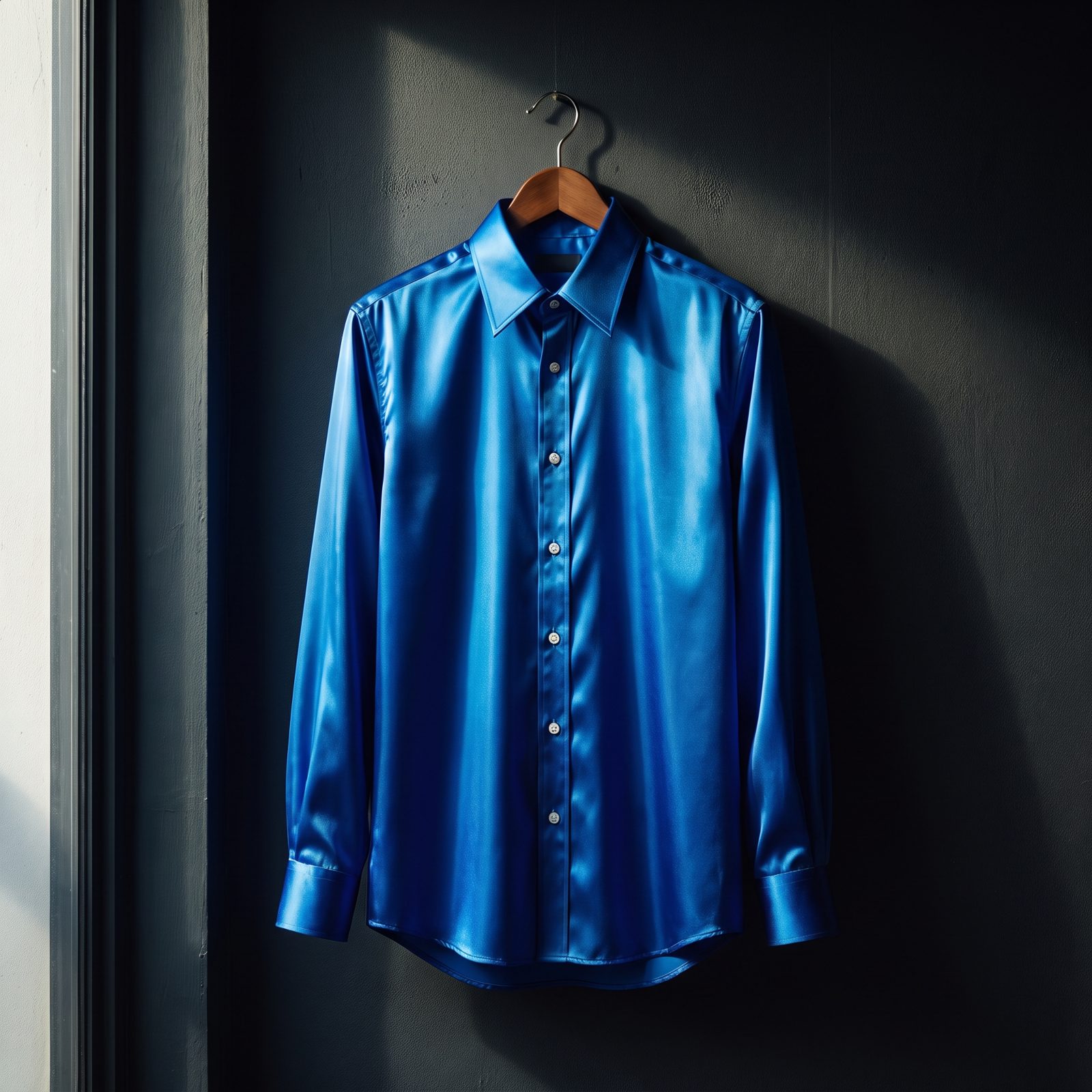
Chess King is where you went when you wanted to look like the guy in the music video. A button-down ran around eighteen dollars, and it came in colors your father would have called ridiculous. Coral. Teal. Something the tag probably called “ice.”
This shirt was the loud piece of the whole haul. Jeans and sneakers built the foundation, but the shirt told everyone at the mall you had opinions about how you looked — roughly five hours of wages for one garment, and worth every minute if it got you noticed.
A Graphic T-Shirt From Spencer Gifts: Around $8
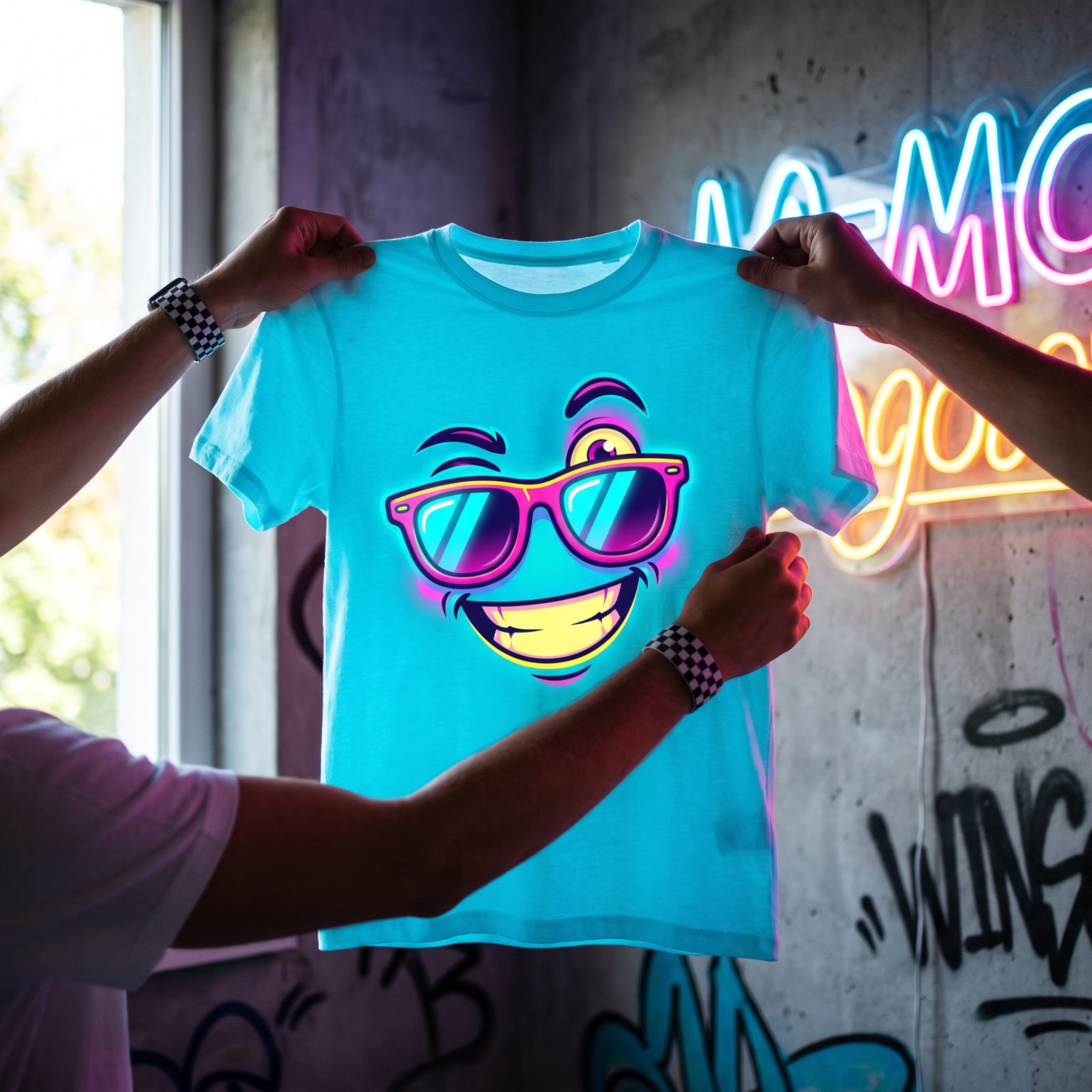
Eight dollars at Spencer Gifts got you a graphic tee — and Spencer’s was the store your mom didn’t want to walk into. Neon print on black cotton, a joke or a band or something that made you feel a little dangerous in study hall.
Two and a half hours of minimum-wage work for a shirt that said everything about you without you saying a word. The store smelled like incense and plastic, and the lava lamps in the back never stopped glowing. You bought the shirt, sure, but the whole visit was the real product.
Costume Earrings From Claire’s: About $4
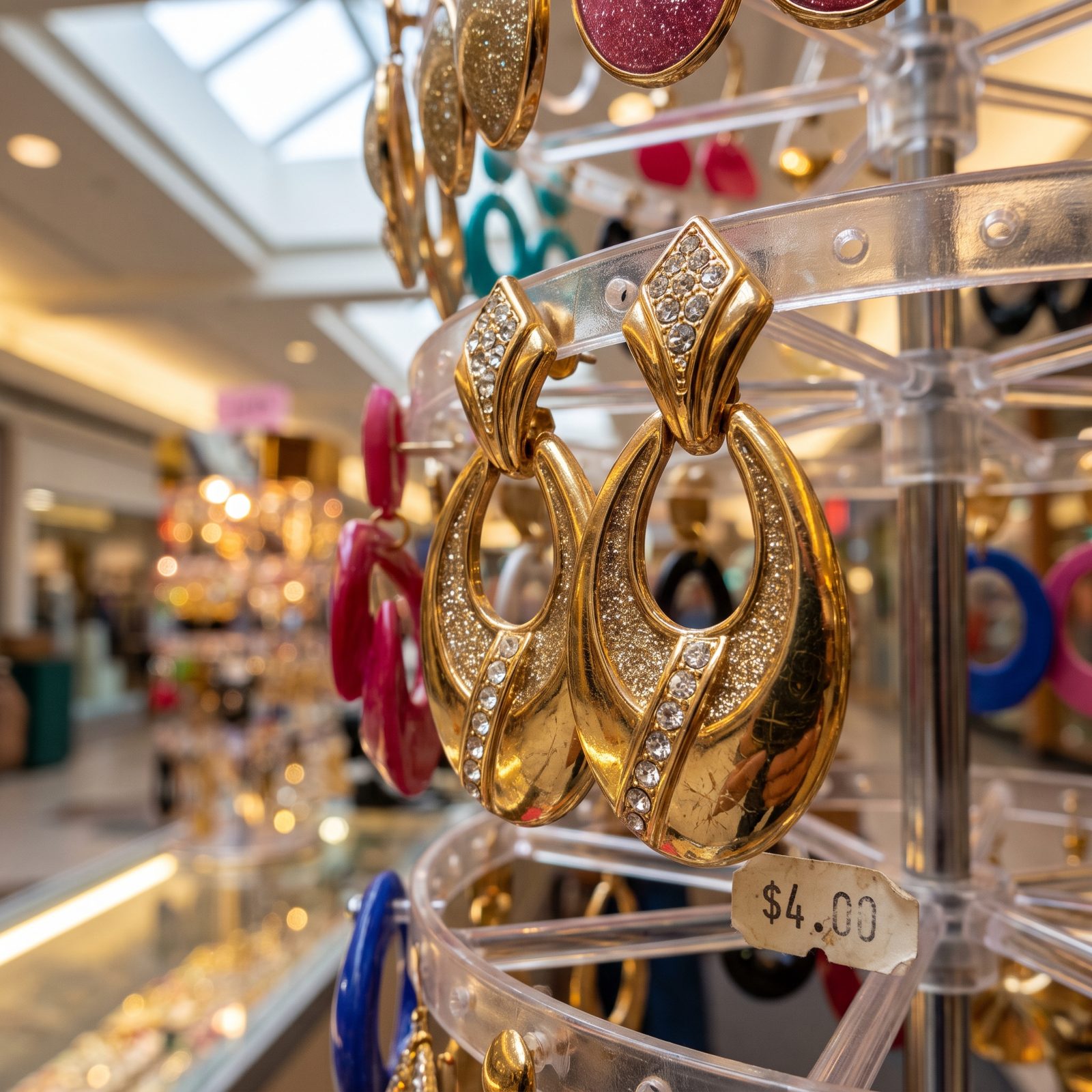
Four dollars at Claire’s, and honestly you never bought just one thing there. Costume earrings, oversized and gold-toned and loud, the kind that turned your earlobes a little green by August. Nobody cared. At four bucks you weren’t buying jewelry, you were buying a mood for the week.
A Prerecorded Cassette From Sam Goody: Around $8
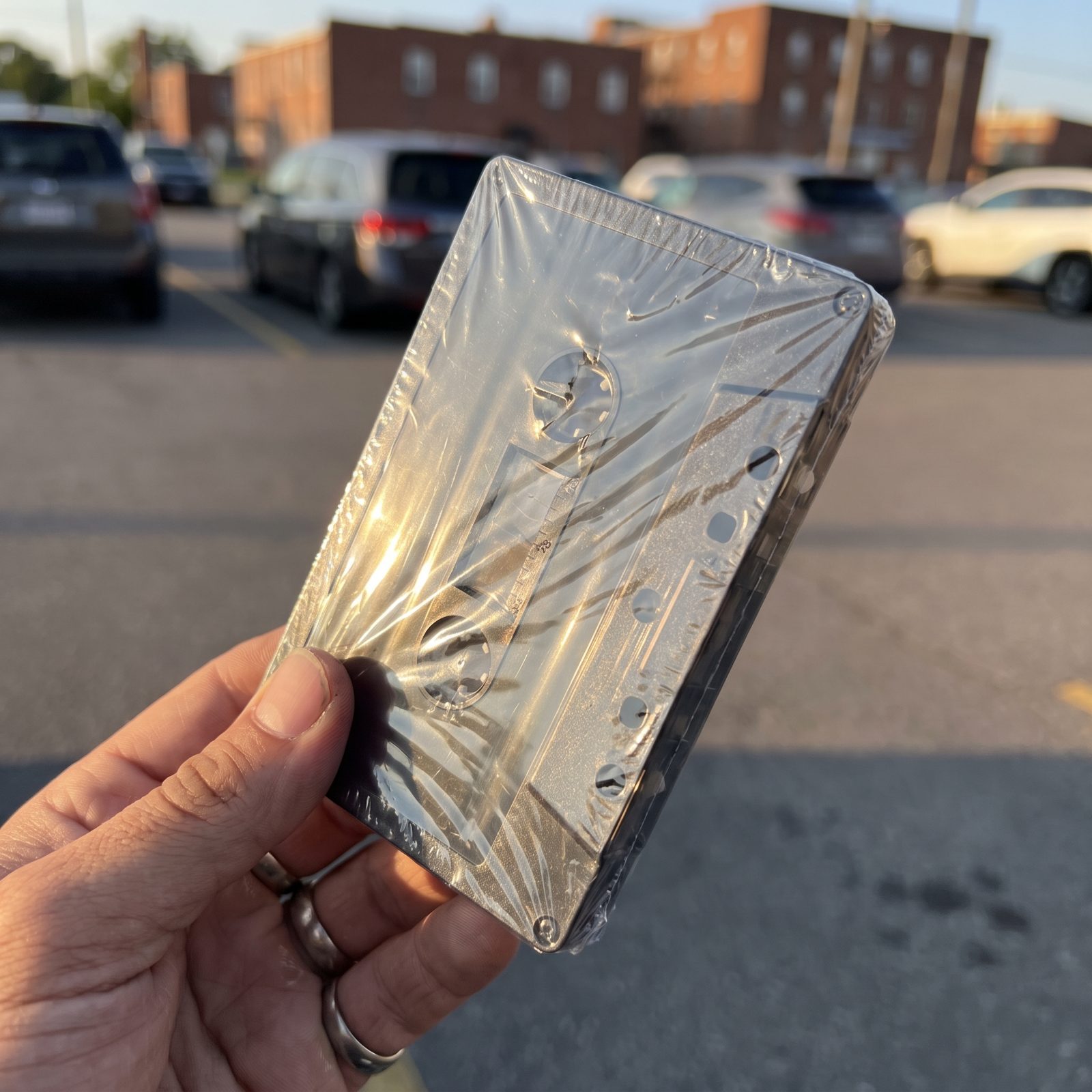
Eight dollars for a prerecorded cassette, still shrink-wrapped, at Sam Goody. That crackle of cellophane in the parking lot was half the fun, and you’d pop it in the car deck before you even got home.
Cassettes weren’t perfect. The tape stretched. It got eaten, and you’d spend a whole afternoon with a pencil winding the spool back into the shell. But at eight bucks a full album felt like a genuine event, and the liner notes folded out into something you actually read.
Before playlists, an album was a commitment. You bought all of it, side A and side B, and you lived with the songs you didn’t like until you learned to love them.
A Paperback From Waldenbooks: About $3.50
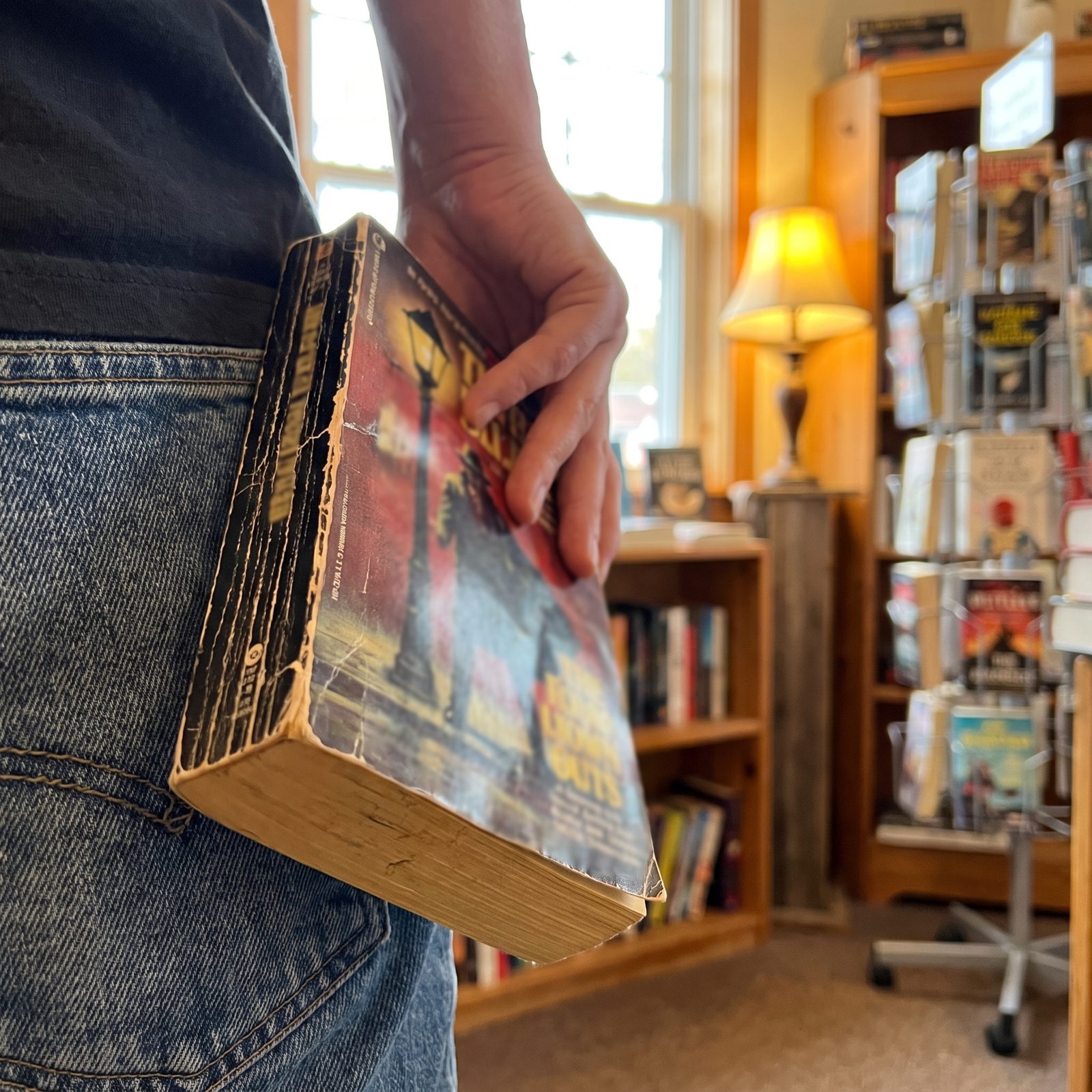
Three-fifty at Waldenbooks bought a mass-market paperback, the fat kind that fit in your back pocket and cracked down the spine by chapter three. About an hour of work for a story that lasted a week.
Waldenbooks was quiet in a way the rest of the mall never was. Carpet underfoot, the smell of new paper, a spinning rack of horror and romance by the door. I’ll admit I bought half my books for the cover art alone. Terrible strategy. Zero regrets.
A Rubik’s Cube From Kay-Bee Toys: Around $7
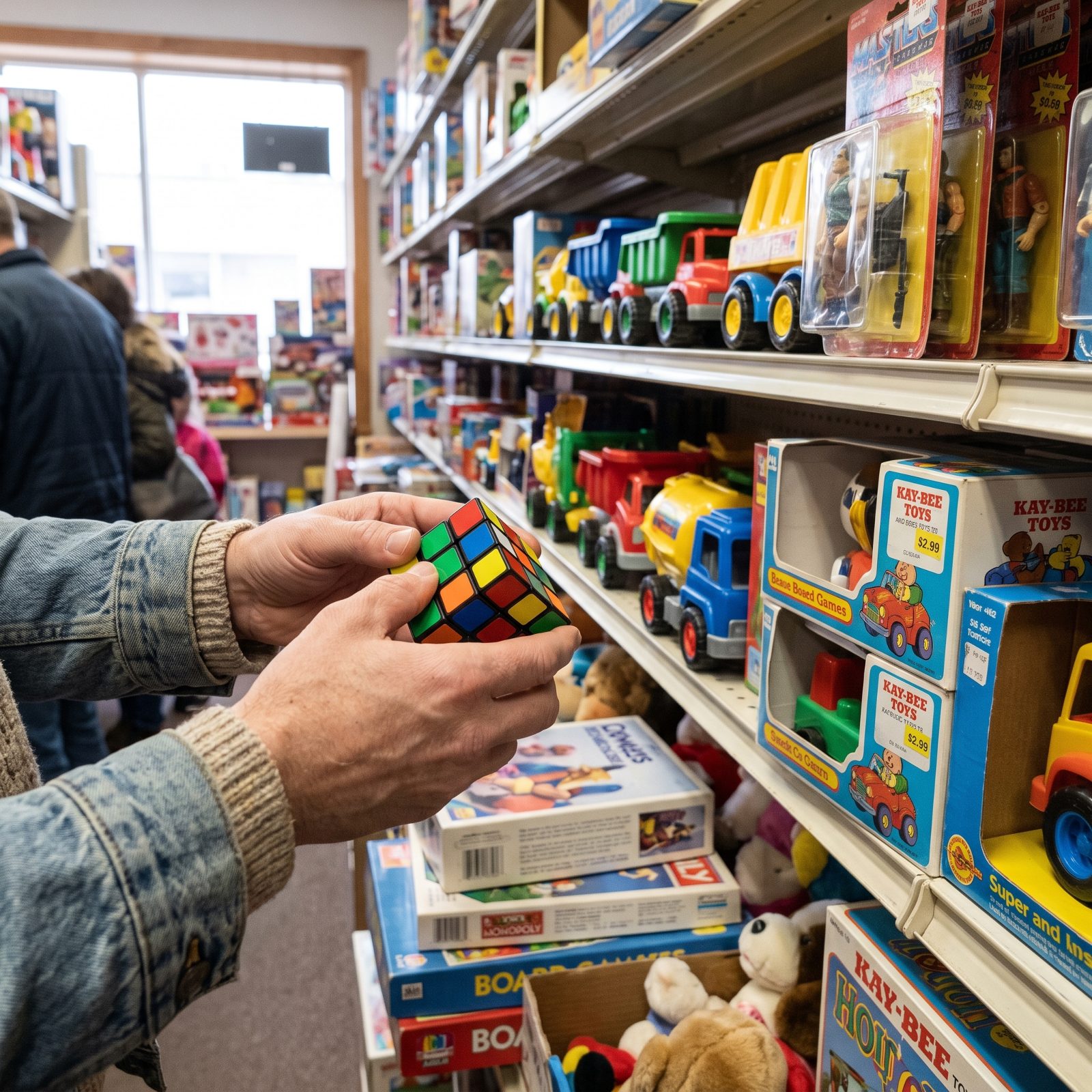
Seven dollars at Kay-Bee, where the aisles were so tight you had to turn sideways to pass another shopper. The cube’s peak fame had cooled a little by ’85, but it was still on the shelf — still colorful, still the thing that made everyone at the lunch table look either smug or defeated.
A Wall Poster From the Record Shop: About $5
Would you like to save this?
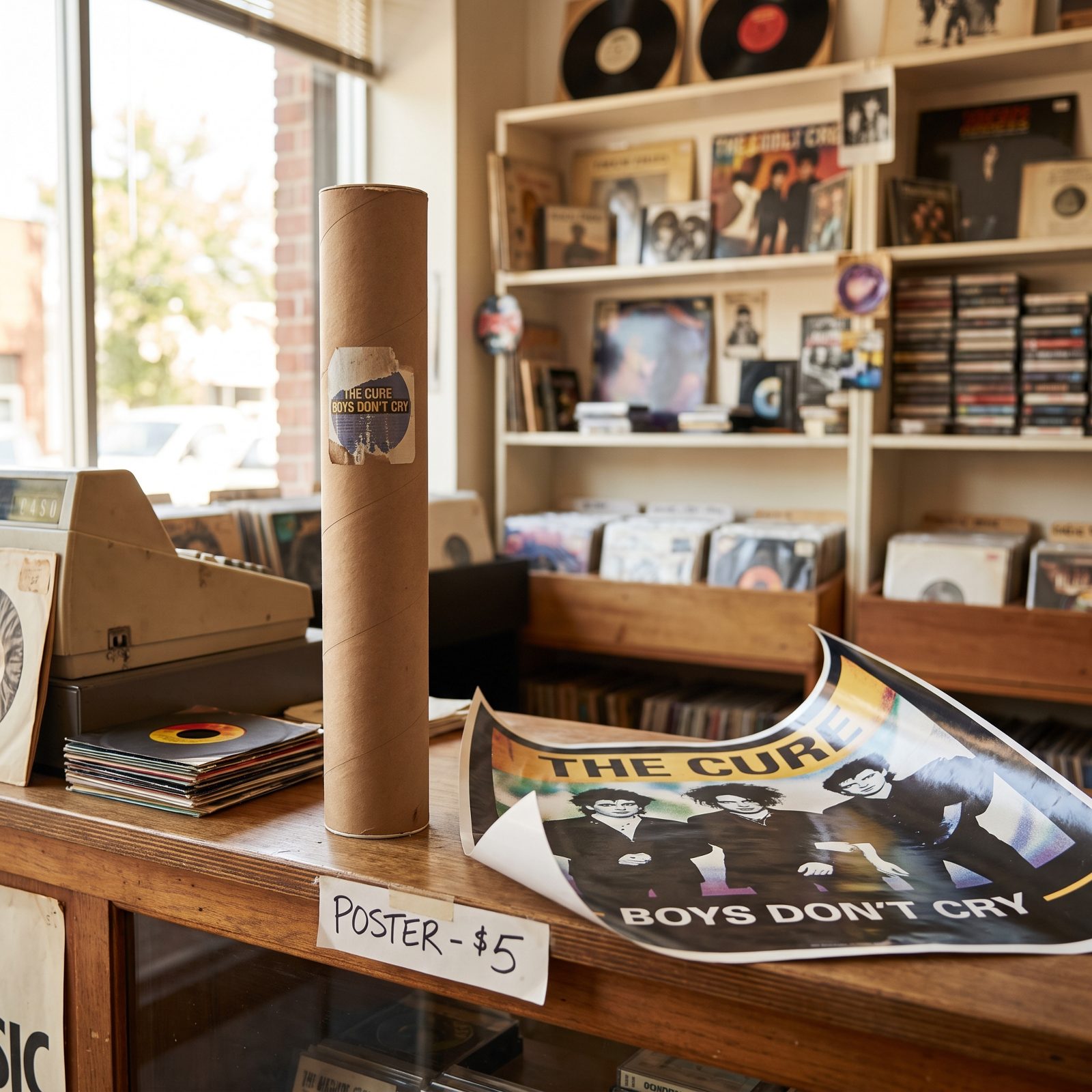
Five dollars for a poster, rolled tight into a tube by a clerk who’d done it a thousand times. Back home it went up with those little sticky tabs that always fell off in the July heat, so eventually you gave up and used thumbtacks — four fresh holes in your mom’s wall.
Bedroom walls in 1985 were real estate. A poster was how you claimed yours. Five bucks, and a corner of your room finally looked like it belonged to you and nobody else.
An Engraved Keychain From Things Remembered: About $6
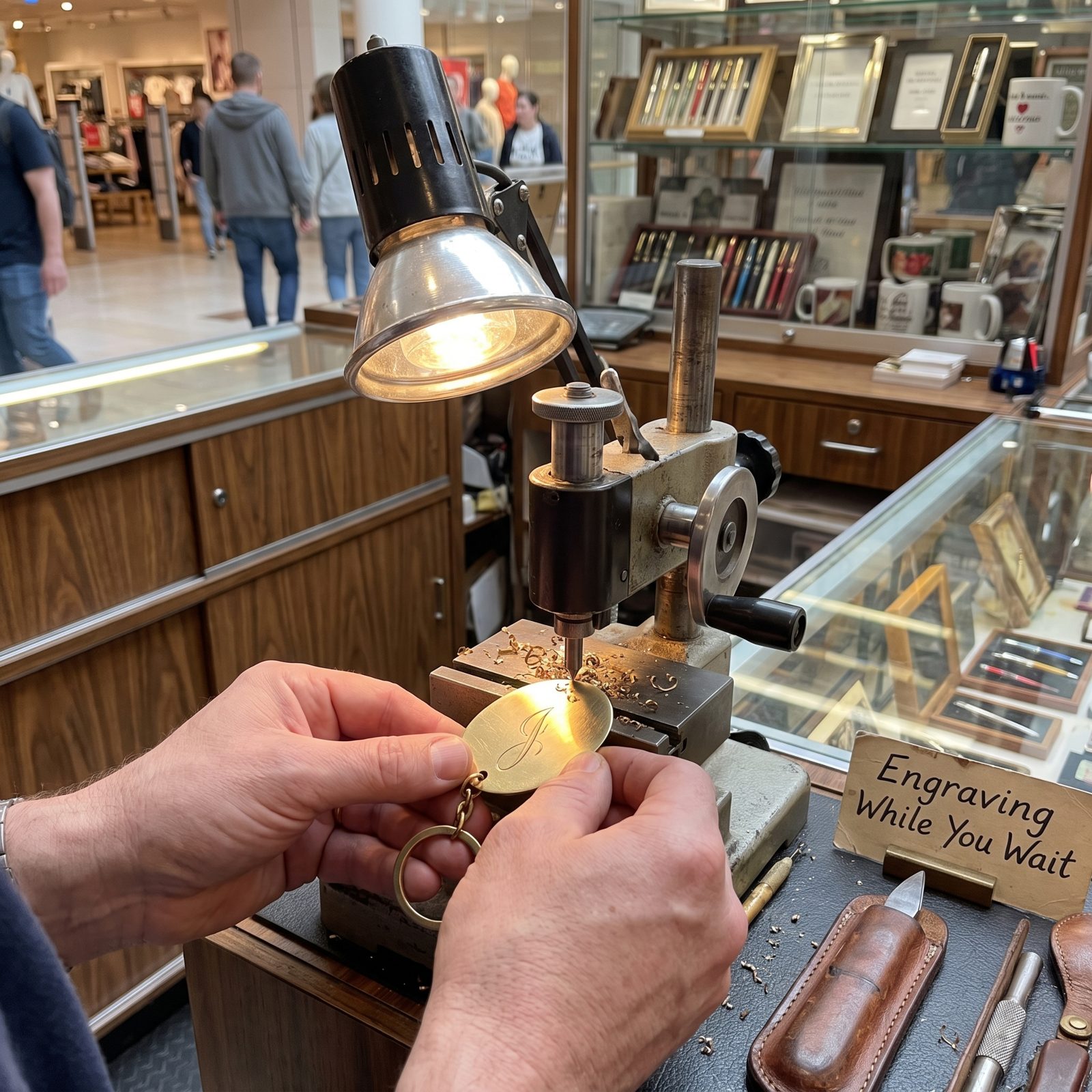
Six dollars, roughly, and you stood there while they engraved your name into a brass tag right in front of you. Things Remembered turned a plain keychain into something that was only yours. The little machine buzzed, the metal shavings curled off, and you walked away with your name in gold.
It was the smallest thing in the bag and somehow the one you kept longest. The cassette got tangled. The poster faded. The sneakers wore through. But a brass keychain with your name on it stuck around on a hook by the door for years.
A Movie Ticket at the Mall Cinema: About $3.50 in 1985
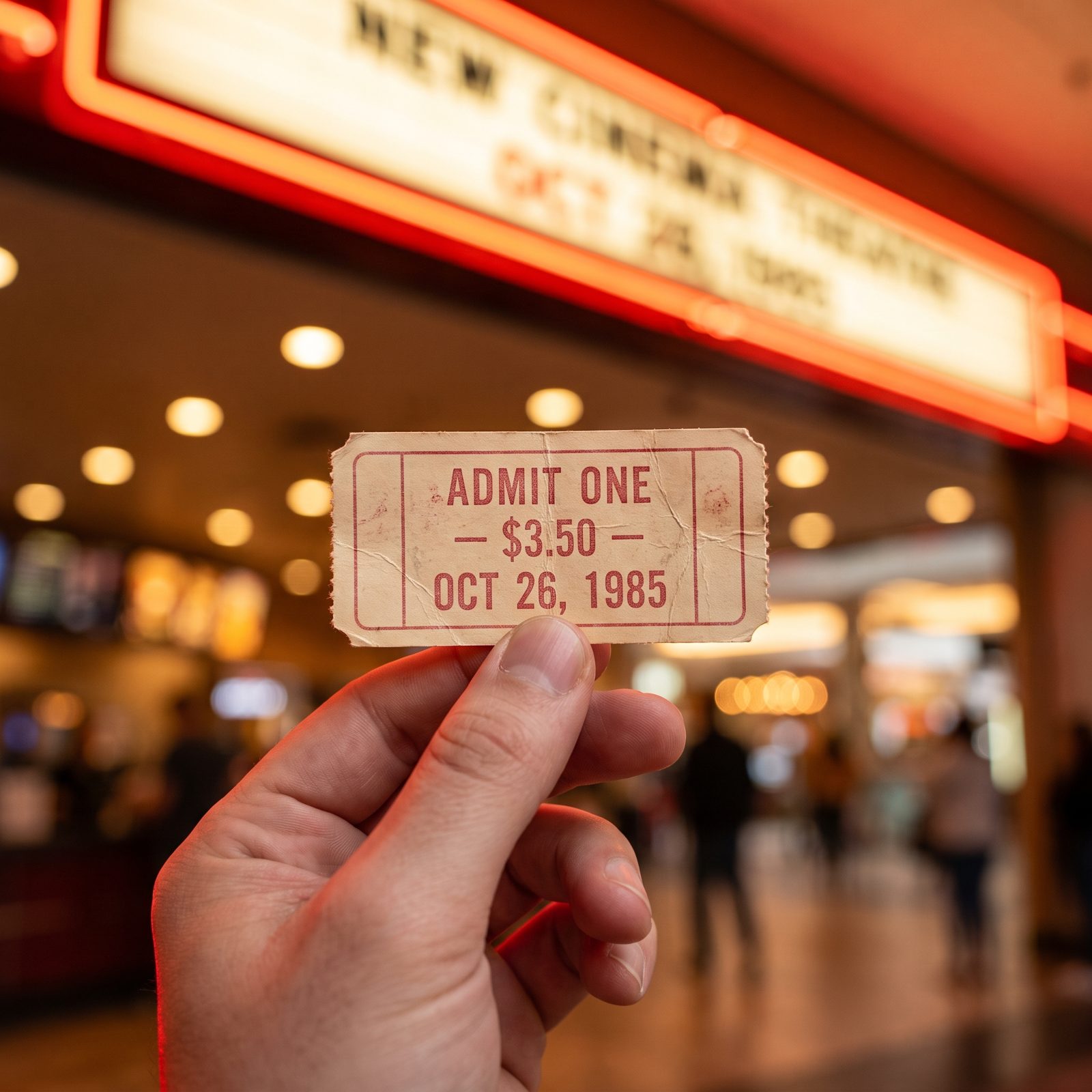
Three-fifty got you in the door. An evening ticket at a mall multiplex in 1985 ran somewhere around $3.50 — less at a matinee, a touch more in a big downtown house. Minimum wage that year sat at $3.35 an hour, so one movie cost almost exactly one hour of work. Chew on that for a second. Sixty minutes on the clock bought you two hours in the dark with Back to the Future or The Goonies.
The multiplex was still a fairly new idea, and malls had only just started stacking four, six, eight screens under one roof while some teenager tore your stub by hand.
An Orange Julius and a Hot Dog: Under Two Dollars
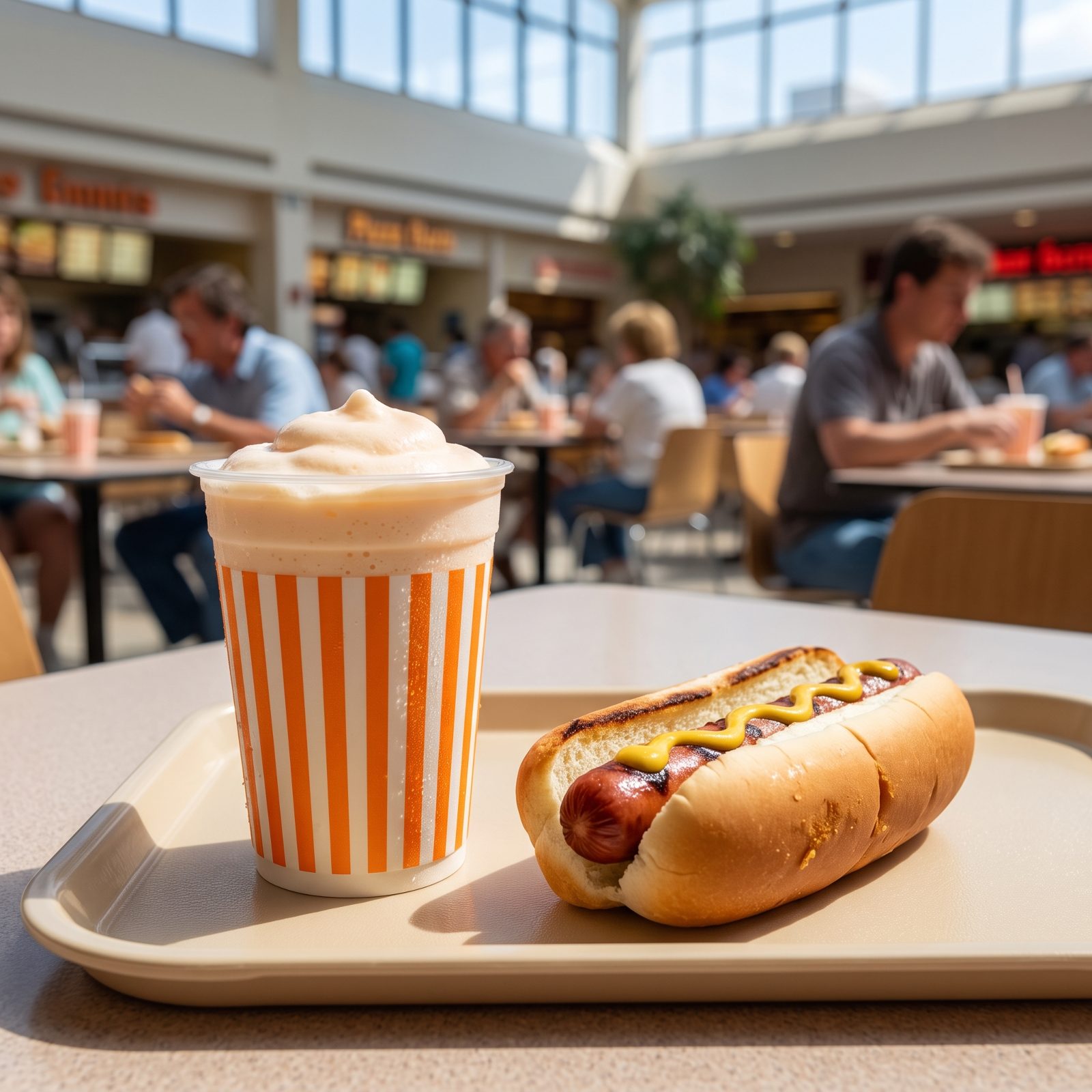
The whole snack ran you less than two bucks. A frothy Orange Julius went for about $1.25, and a food-court hot dog landed somewhere between 75 cents and a dollar, so putting them together left you with change from two dollars and a mustache of orange foam.
That drink was pure 1985 chemistry — orange juice, ice, a little powdered mix, blended until it looked like a creamsicle had drowned in a milkshake. Nobody asked what was in it. You drank it standing up, watching strangers haul their new shoes past the fountain.
A Box of Chocolates From the Candy Counter: Around $4

A modest box of assorted chocolates from the mall candy counter cost about $4 in 1985. A half-pound of the good stuff — weighed out on a brass scale and tucked into a gold box — ran a bit more. Either way, it was the small luxury you grabbed on a whim on your way to the exit.
The candy counter was pure theater. Tilted glass bins, a scoop, a scale that clicked, and someone behind it folding the box lid shut with two quick motions. Four dollars, and you felt like a big spender.
Four dollars for chocolate felt indulgent in a year when a gallon of gas cost about a dollar.
A Hallmark Card With Gift Wrap: Roughly $2.50 Together
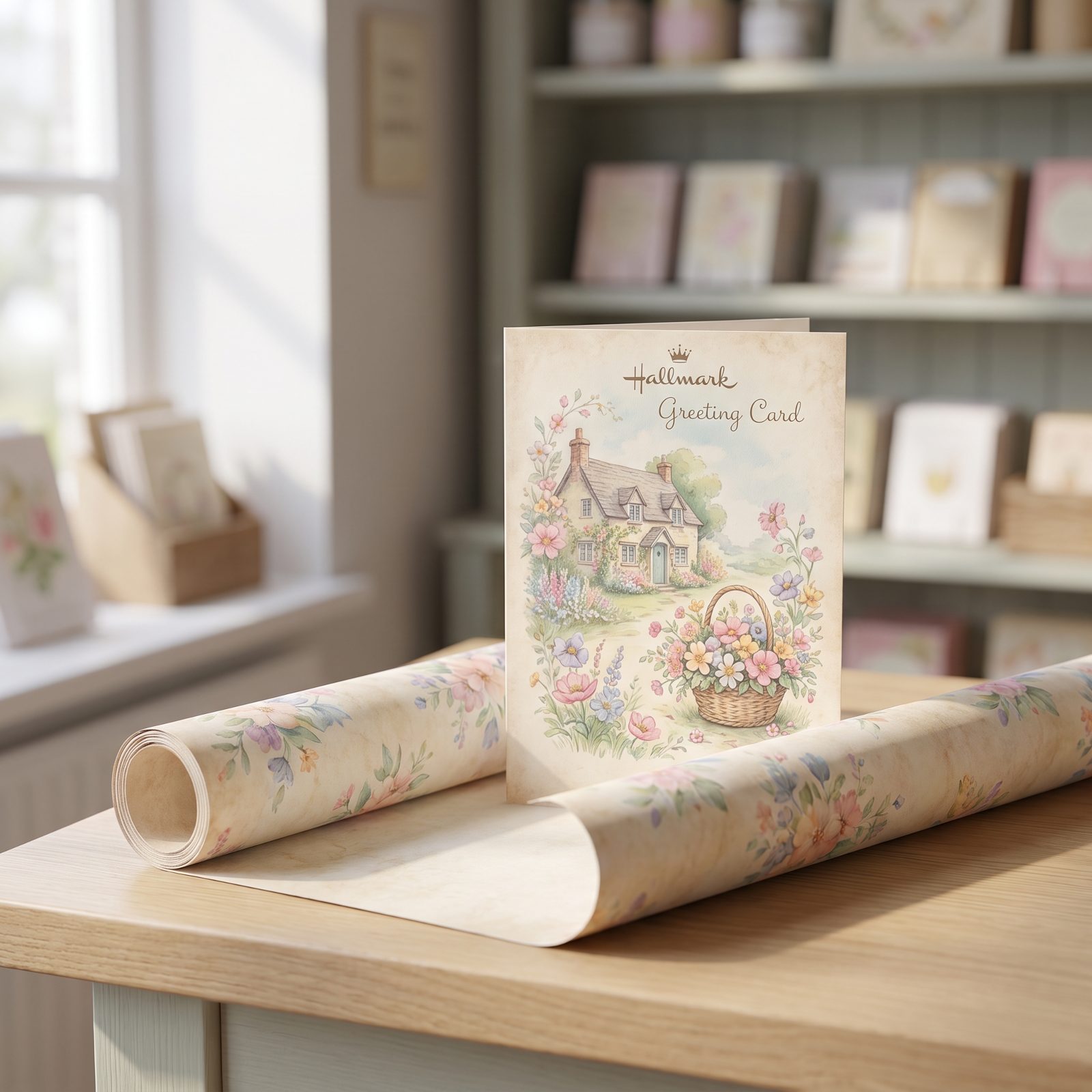
A greeting card ran about a dollar. Toss in a roll of gift wrap for another dollar-fifty and you walked out roughly $2.50 poorer with the full presentation in hand — cheap enough that you never left the card shop empty-handed, even when you’d only wandered in to burn ten minutes.
Those racks smelled faintly of paper and potpourri. You’d stand there reading the funny ones out loud, shove three back, and buy the one that made you laugh a beat too long. Then the clerk rang up the wrap and asked if you wanted a bow.
An Arcade Session Paid for in Quarters: A Dollar Goes Far
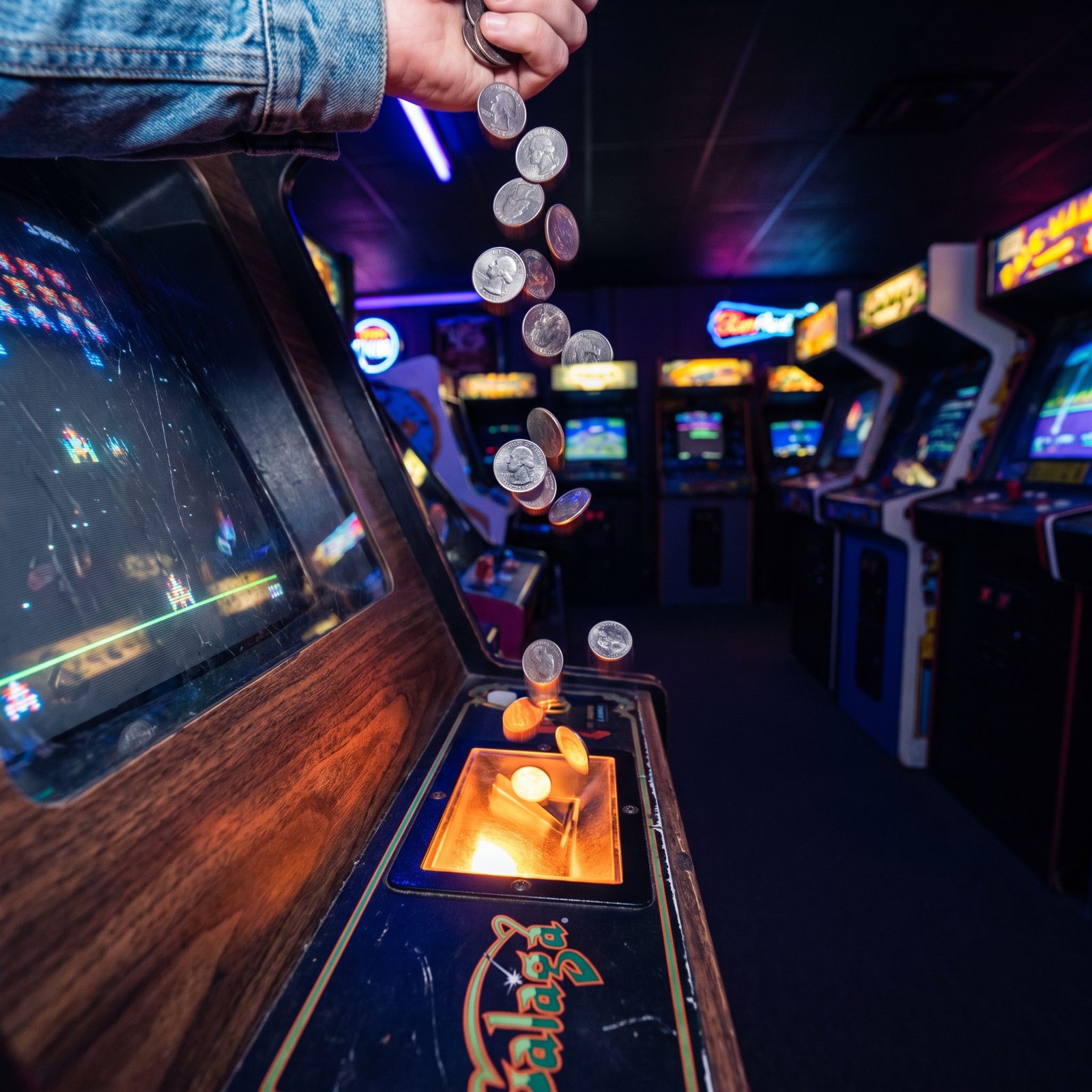
Games cost a quarter apiece in 1985, so a dollar bought four plays. Feed the change machine a couple of bucks and suddenly you had a fistful of quarters and a good half hour ahead of you — longer if you were the kind of player who could squeeze one credit out of Pac-Man or Donkey Kong.
Skill was the whole economy here. A bad player torched a dollar in five minutes flat. A good one stretched that same dollar until closing time, pulling a little crowd in behind the cabinet, everybody hanging around to see how far the run went.
Two or three dollars in quarters, and the arcade became the last stop before the parking lot. It closed out the haul and left you right where a $100 mall budget was supposed to leave you: happy, a little broke, and holding a bag.