
Would you like to save this?
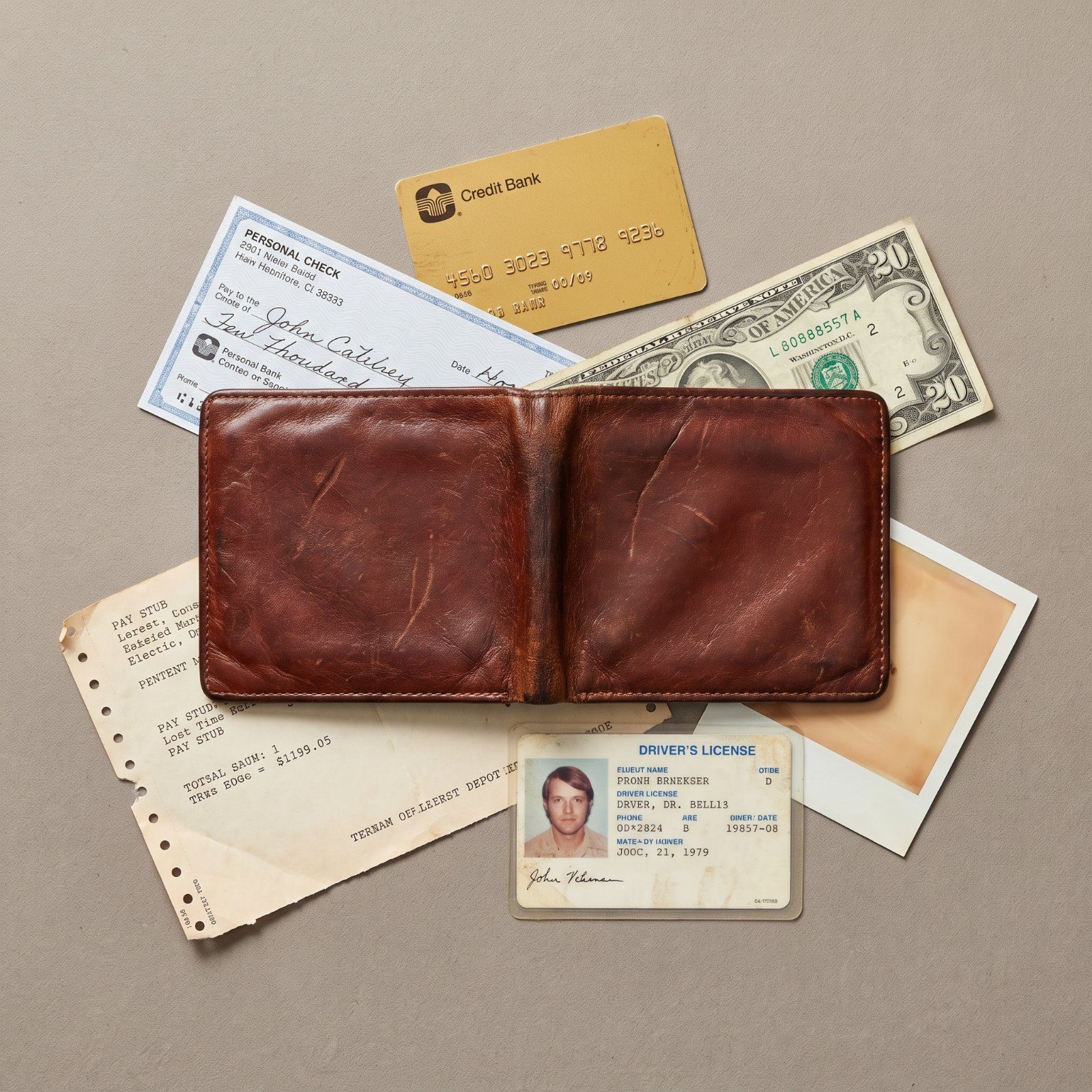
Pull open a brown leather bifold from 1979 and the first thing you notice is the weight. Not from cash. From paper. Folded checks, a pay stub soft at the creases, a gas card embossed by a machine that punched the numbers up like braille. Everything was manual, signed, and left a trail of ink. What follows is what actually lived inside those wallets, back when your identity was a laminated card and your credit was a promise you wrote out by hand.
A Handwritten Check From a Personal Checkbook
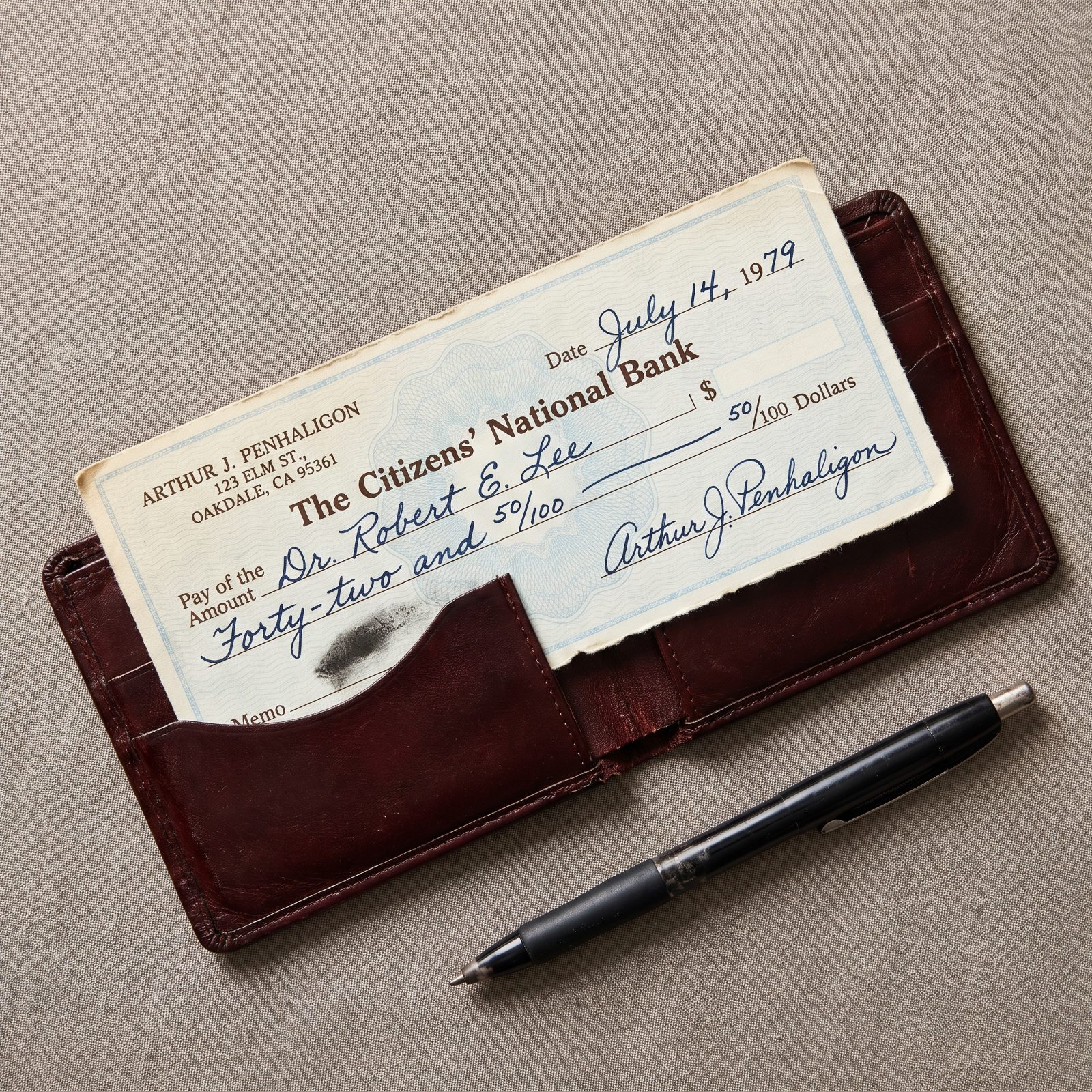
Writing a check was a small performance. You uncapped the pen, spelled the dollar amount out in longhand, and signed like it meant something, because it did. There was no instant anything. The check floated in the mail for days while you just trusted the math in your head.
Everybody carried a few loose ones folded in the wallet for emergencies. Groceries, the gas bill, the church collection plate. You handed a stranger a slip of paper with your home address printed right on it and nobody blinked.
The Matching Paper Check Register
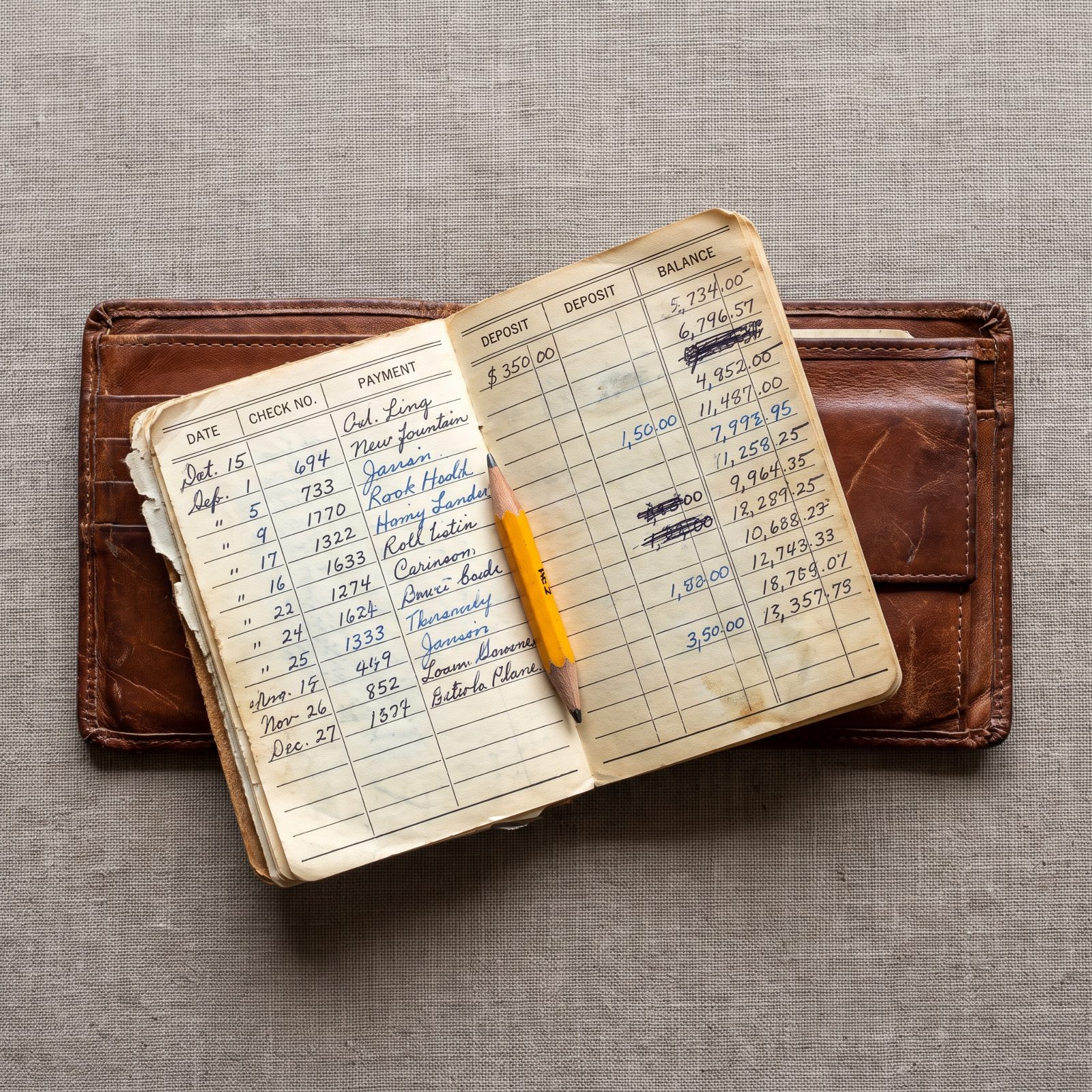
The register was where the truth lived. Every check you wrote and every deposit, logged by hand in a column no wider than your thumb. Get the subtraction wrong and you found out days later at the worst possible moment.
I have seen these things covered in cross-outs and little pencil arguments in the margins where somebody forgot to carry the one. Balancing it against the monthly bank statement was a ritual done at the kitchen table with a cup of coffee going cold. Nobody does this by hand anymore, and honestly? Most of us are worse off for having lost the habit.
A BankAmericard or Master Charge Card
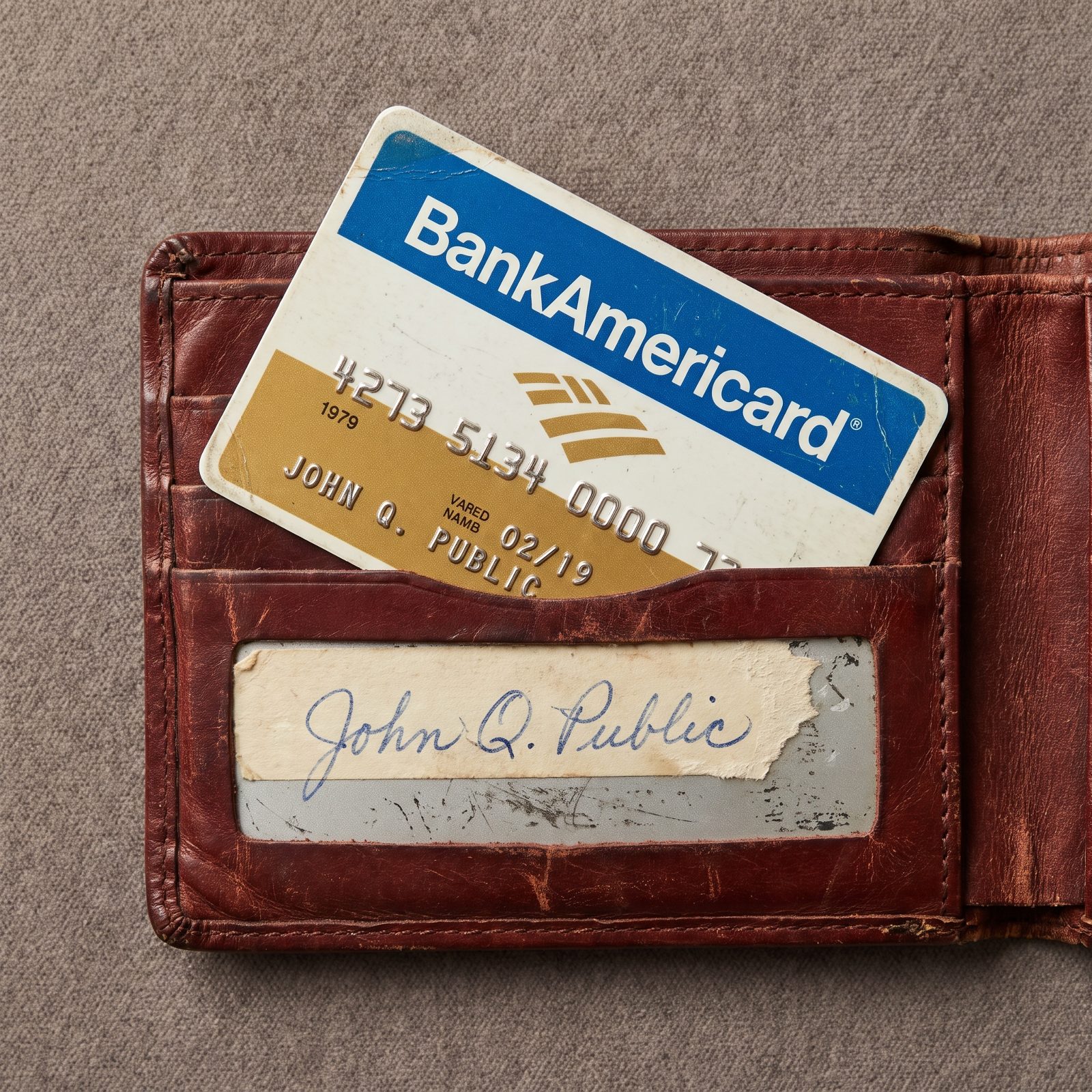
Before it became Visa, it was BankAmericard, and the card lived by its raised numbers. At the register the clerk laid it under a carbon slip and ran a heavy metal knuckle-buster back and forth, and that ka-chunk was the sound of credit in 1979.
You signed the slip, kept your yellow carbon copy, and got a statement a month later. No app told you your balance. You found out when it arrived.
A Gasoline Company Credit Card
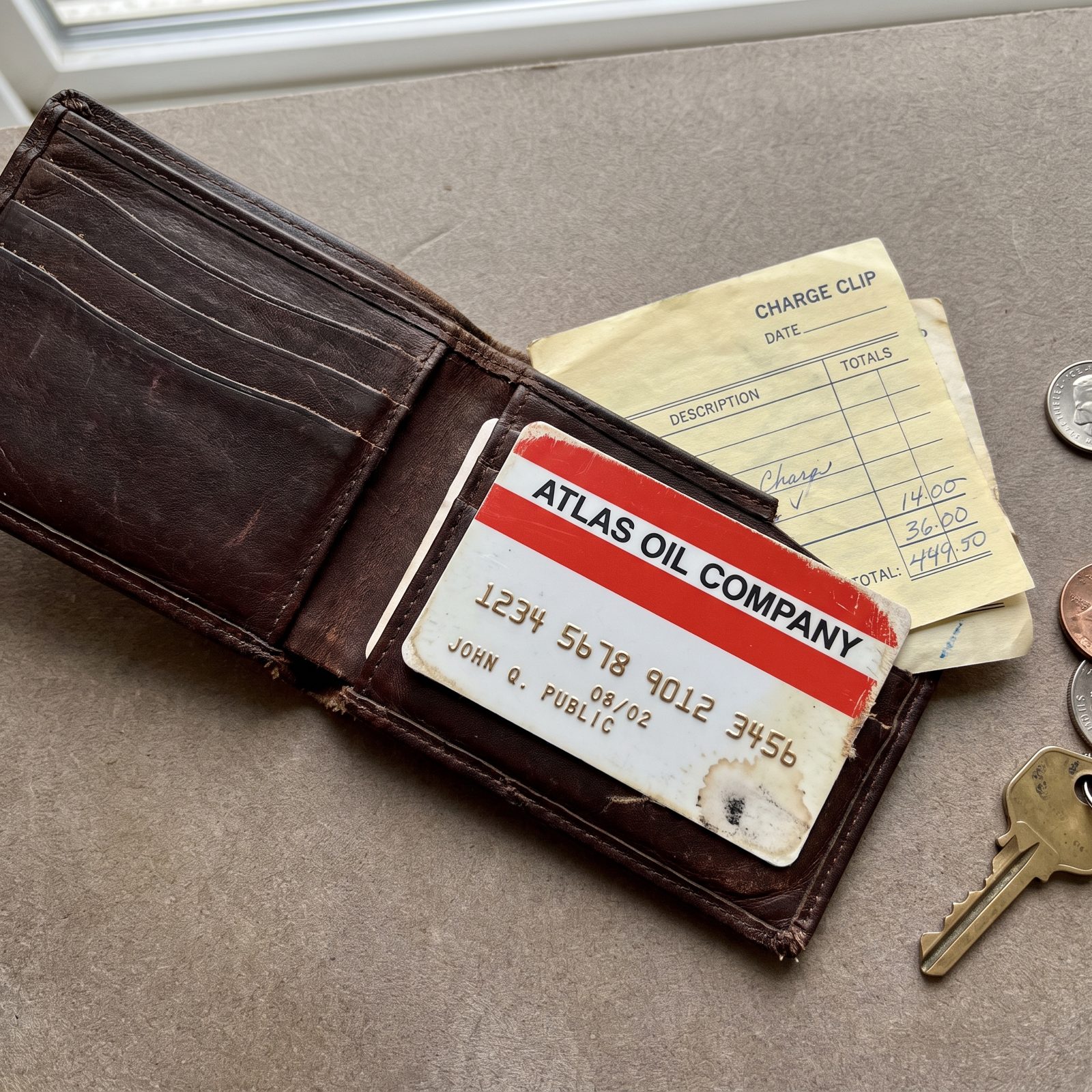
Long before one card did everything, you carried a card that did exactly one thing: buy gas. The oil companies issued their own, and a well-stocked wallet might hold two or three, one per station brand you trusted on a road trip.
The attendant pumped it for you, checked your oil, and ran the same knuckle-buster on the same carbon slip. You built a relationship with a gas station. That sentence sounds insane now, and it was completely normal then.
A Folded Emergency Twenty-Dollar Bill
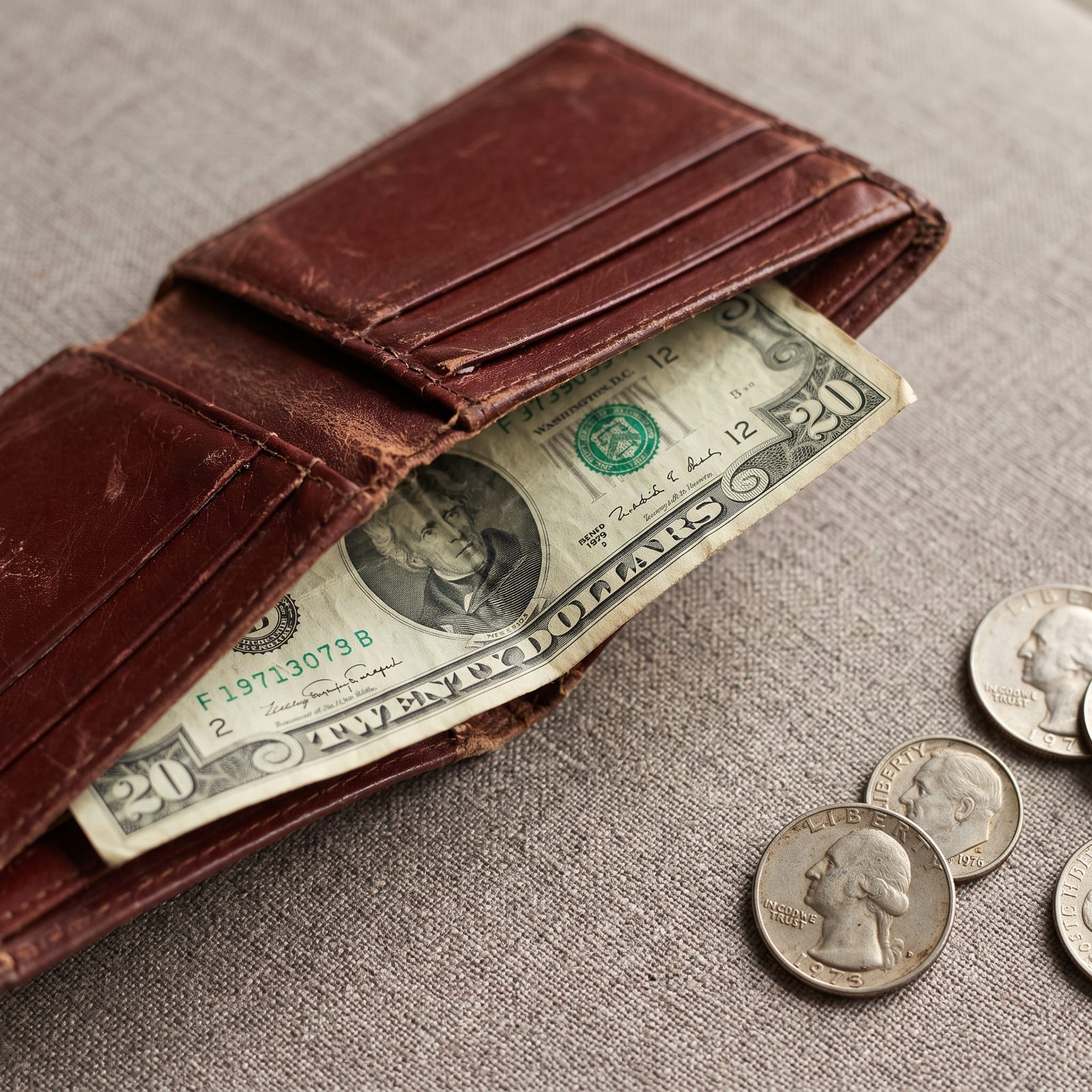
Tucked behind the lining, folded so tight the crease had gone permanent. The emergency twenty was there for the day the check bounced or the card got declined or the payphone ate your only dime.
You forgot about it for months. Then one bad afternoon you dug it out, soft as cloth, and it saved you. Twenty dollars went a real distance in 1979, and that little folded green rectangle was the closest thing most people had to a backup plan.
A Paper Pay Stub
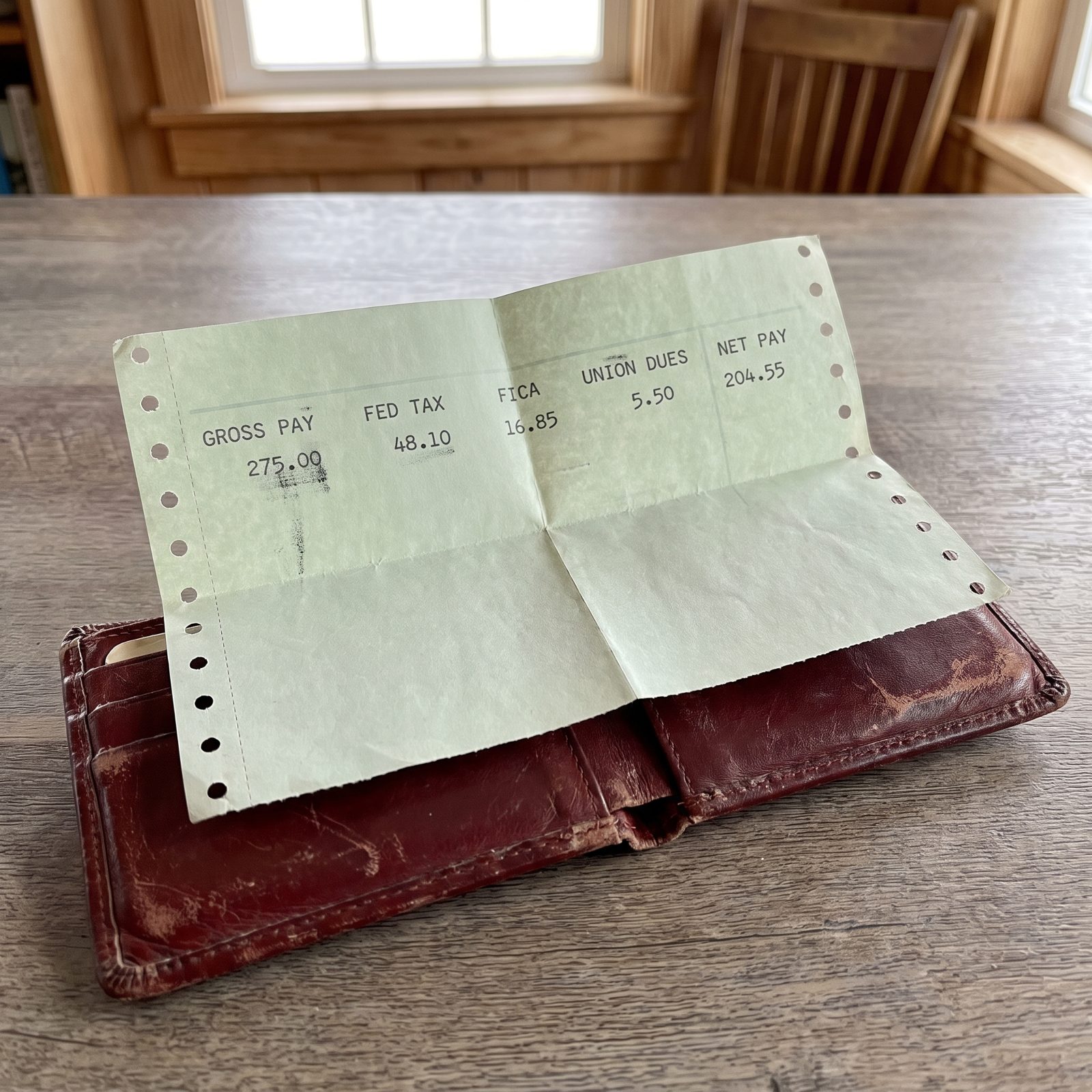
The stub came stapled to the check, and you read it every single time. Gross pay at the top, then the government taking its cut line by line, FICA, federal, state, and if you were union, the dues right there in black and white.
Folded into quarters and slipped in the wallet, it doubled as proof of income if the landlord asked. There was something grounding about seeing the whole arithmetic of your week laid out in typewriter columns. Direct deposit made the money invisible. The stub made it real.
A Bank Savings Withdrawal Slip
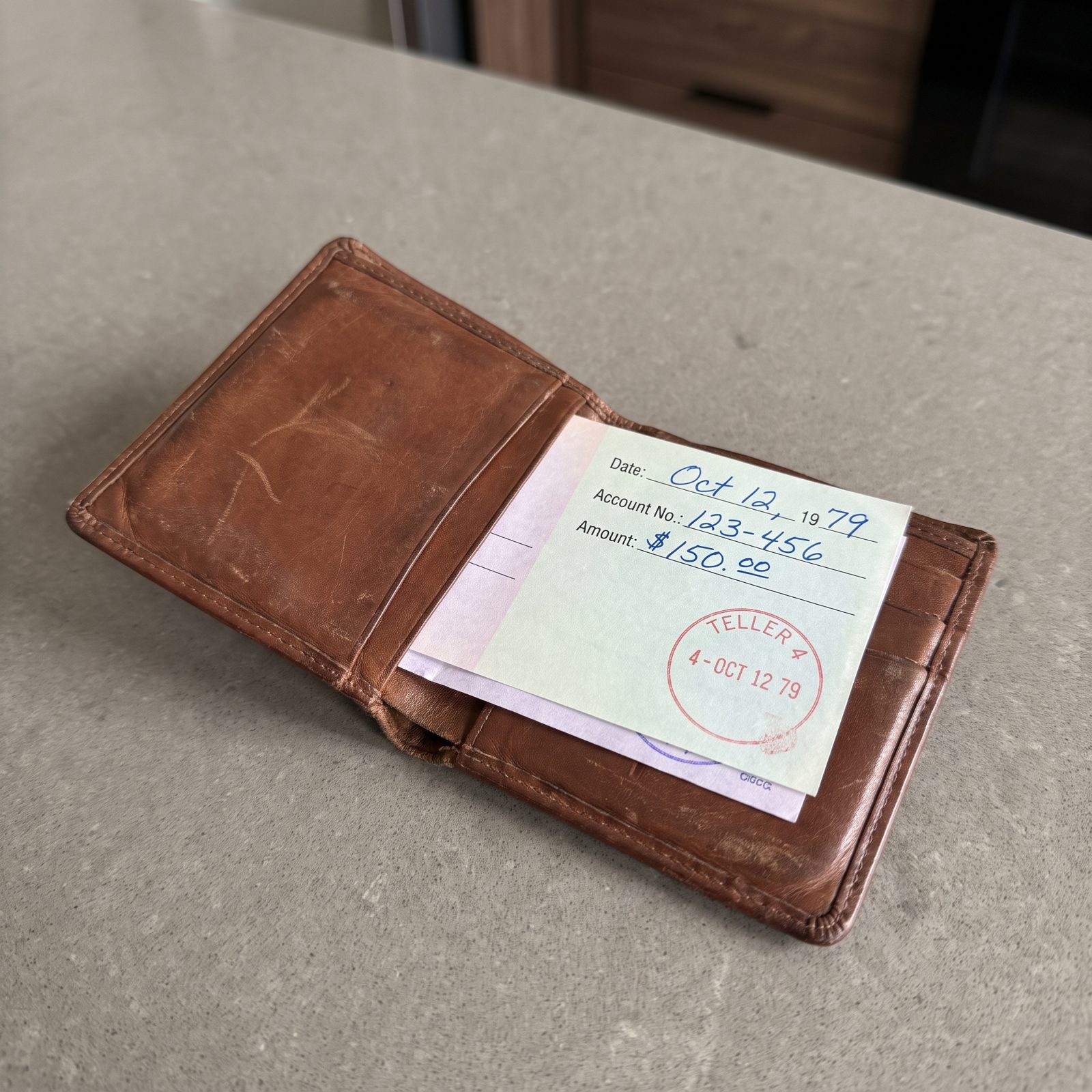
Getting your own money meant standing in line for a teller. You filled out a little pastel slip, wrote your account number from memory, and slid it under the glass with your passbook.
The teller stamped it, counted the cash into your palm, and updated your book by hand. A blank slip or two rode home in your wallet for next time. No machine on a corner at midnight. If the bank was closed, so was your money, and you planned your whole week around those hours.
A Laminated Driver’s License Without a Digital Photo
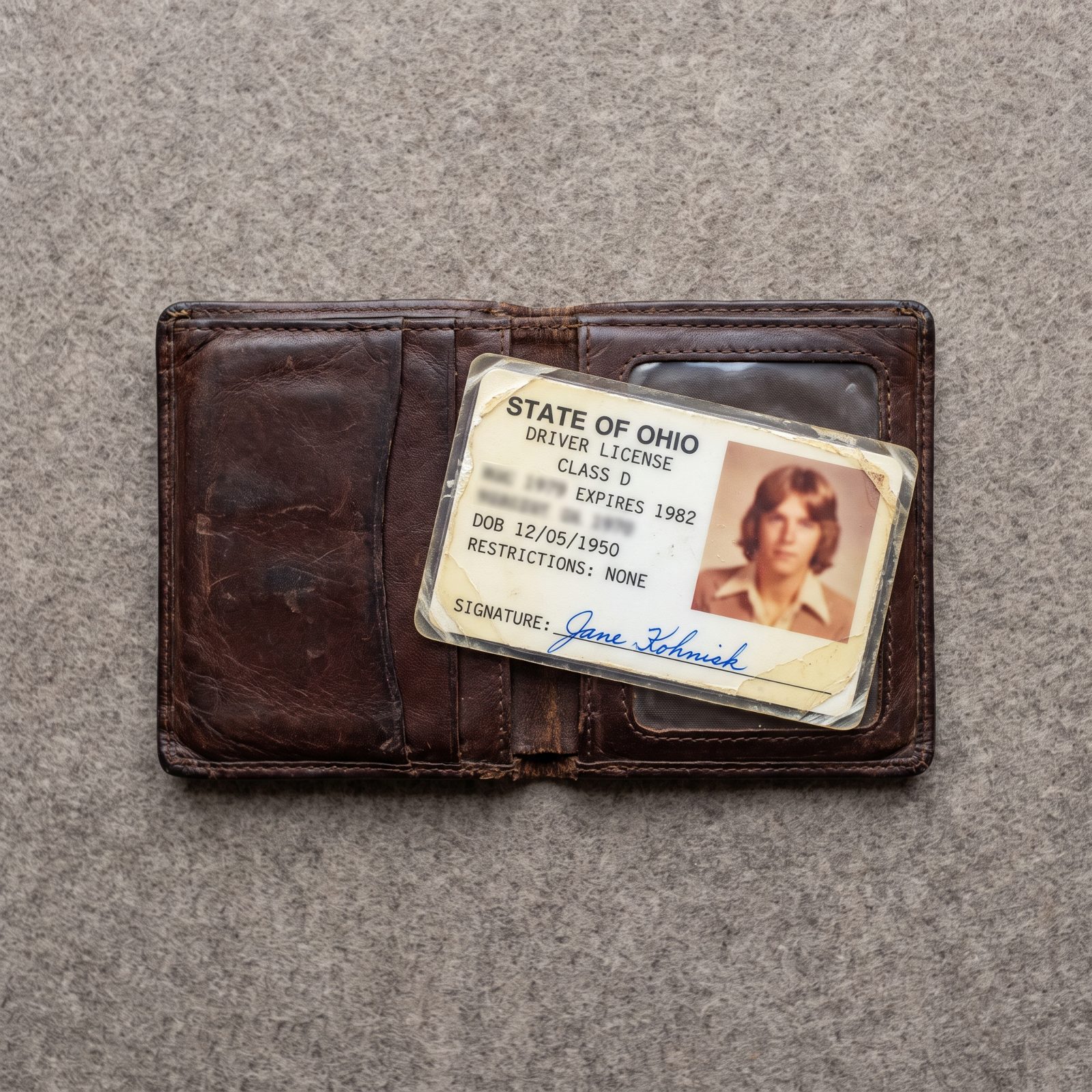
The photo was terrible and it stayed terrible for years. A laminated card, a washed-out color snapshot, and your details banged out on a typewriter at the motor vehicles office while you waited on a plastic chair.
No barcode. No magnetic strip. No database pulling up your record when a clerk squinted at it. The card was the record. The lamination started peeling at one corner, you pressed it back down, and you carried that face around until it expired.
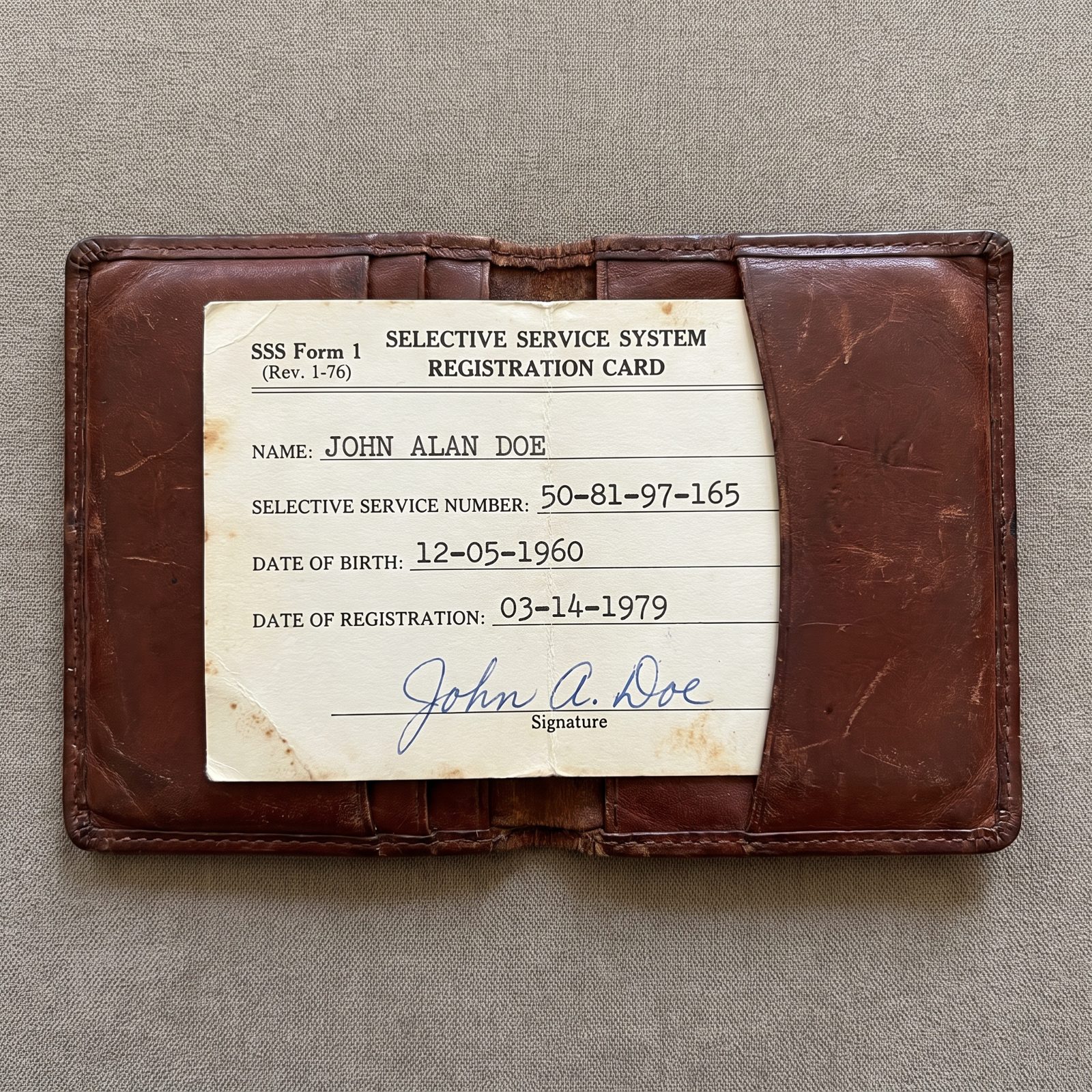
A Selective Service Registration Card
Would you like to save this?
Plain government stock, no photo, just your name and a number that meant Uncle Sam knew where to find you. For young men, this card in the wallet carried a weight the others didn’t.
Registration had lapsed for a stretch in the 1970s, which makes a 1979 card a specific snapshot of a very particular political moment. You kept it because the law said to, and because losing it was a headache you did not want. It sat quietly next to your gas card, doing something far more serious than buying fuel.
A Union Membership Card
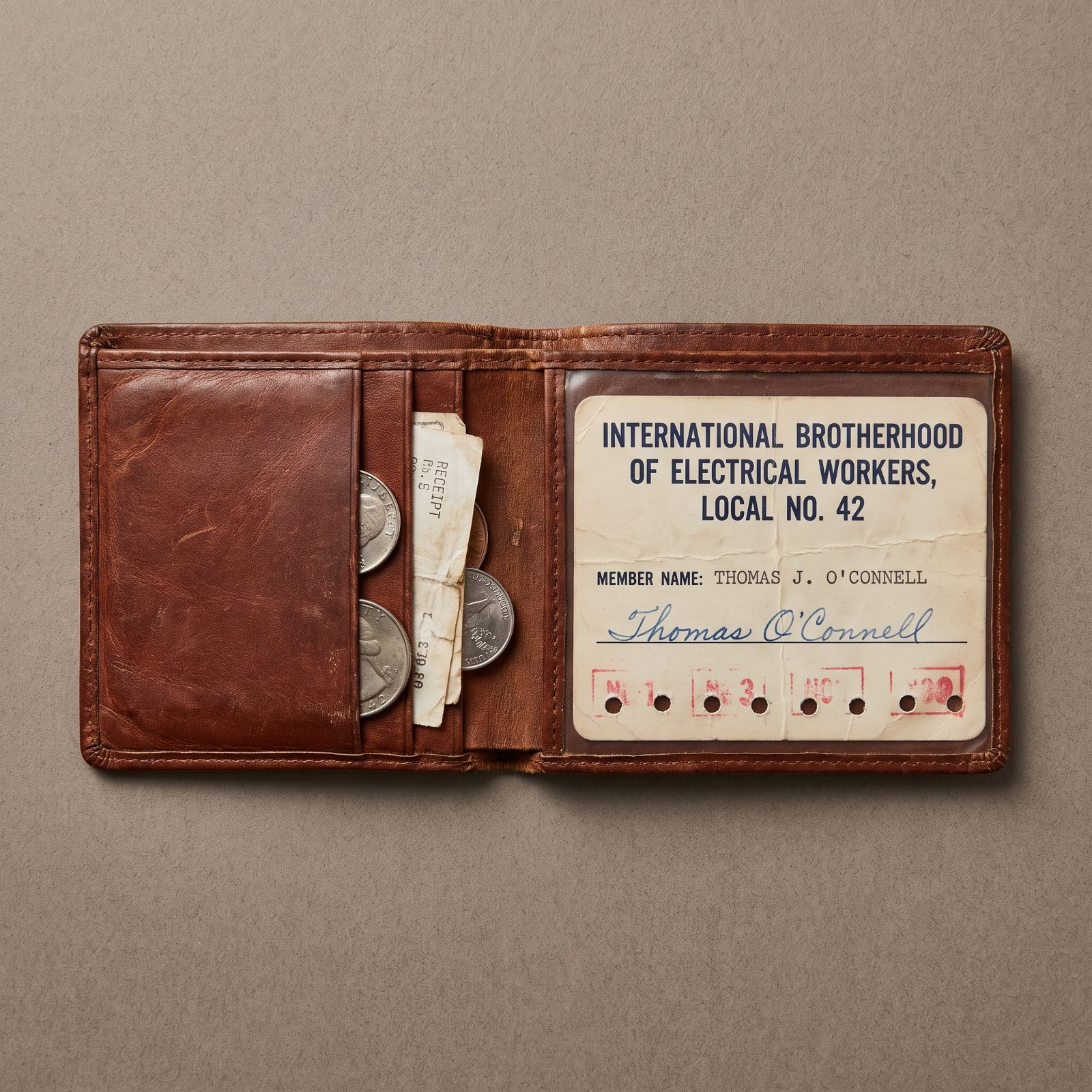
This card was a paycheck’s insurance policy. Bold type, a local number, and a row of dues stamps or punch marks proving you were paid up and in good standing.
You flashed it at the hall, you showed it on the job, and it tied you to a whole apparatus of pensions, seniority, and a gold watch waiting at the end. A union card in a 1979 wallet said you had steady work and a floor under you, and for millions of Americans that card marked the line between a good life and a precarious one. Fewer of these ride in wallets now. The floor got a lot thinner.
A Blue Cross Insurance Card That Fit Behind the Cash
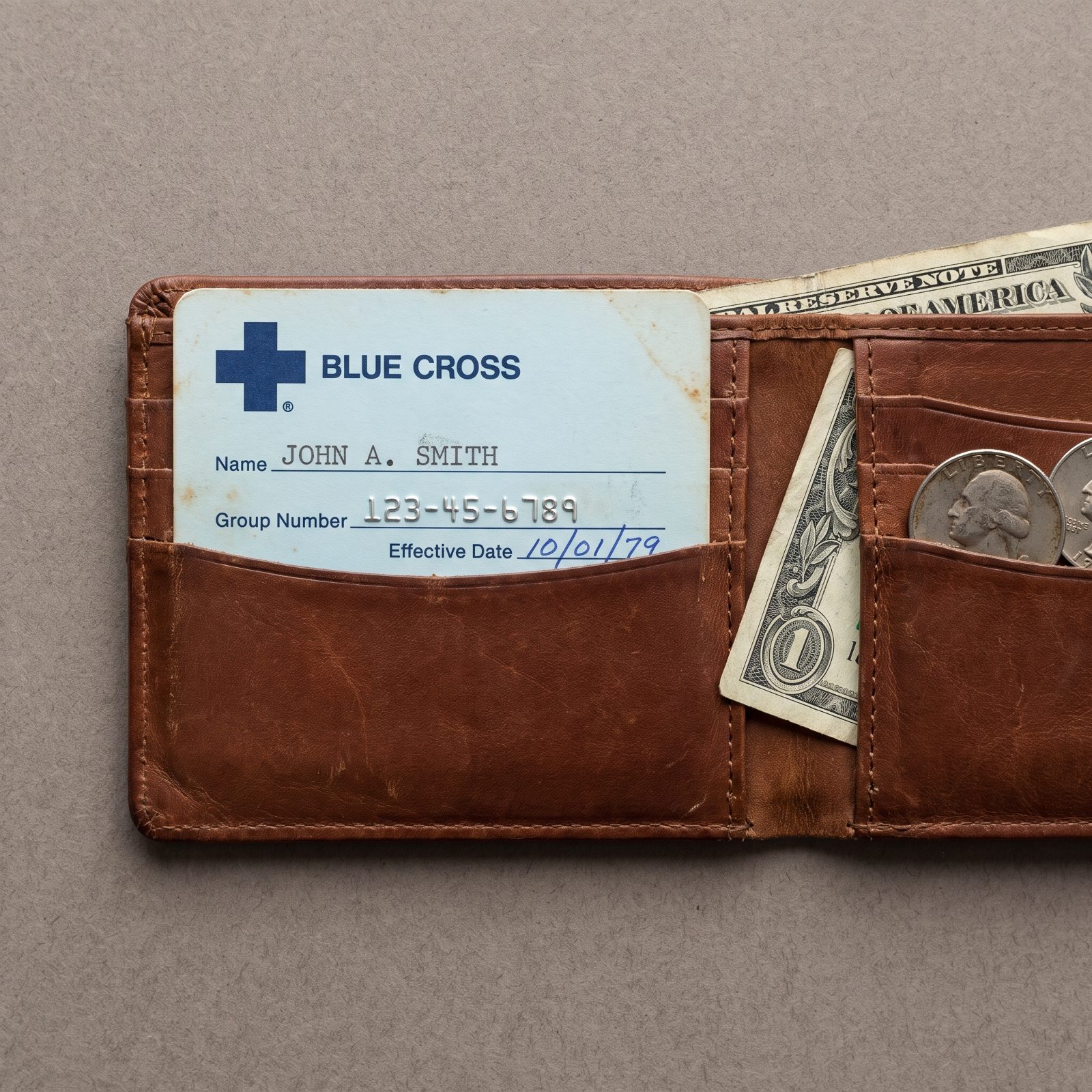
Before insurance came laminated and loaded with barcodes, it came on a piece of blue paper thin enough to fold. The Blue Cross card lived behind the cash, right where you’d feel it in an emergency. Some clerk at an office you’d never see pressed the group number in with an embossing machine, and your name came out on a typewriter that skipped a little on the capitals.
You handed it over at the doctor’s office and someone copied the numbers by hand. No swipe, no verification, no phone tree. If it got soft and fuzzy at the folds, you taped it. Nobody reissued a card over a torn corner back then.
A Library Borrower’s Card With a Metal Stamp Plate
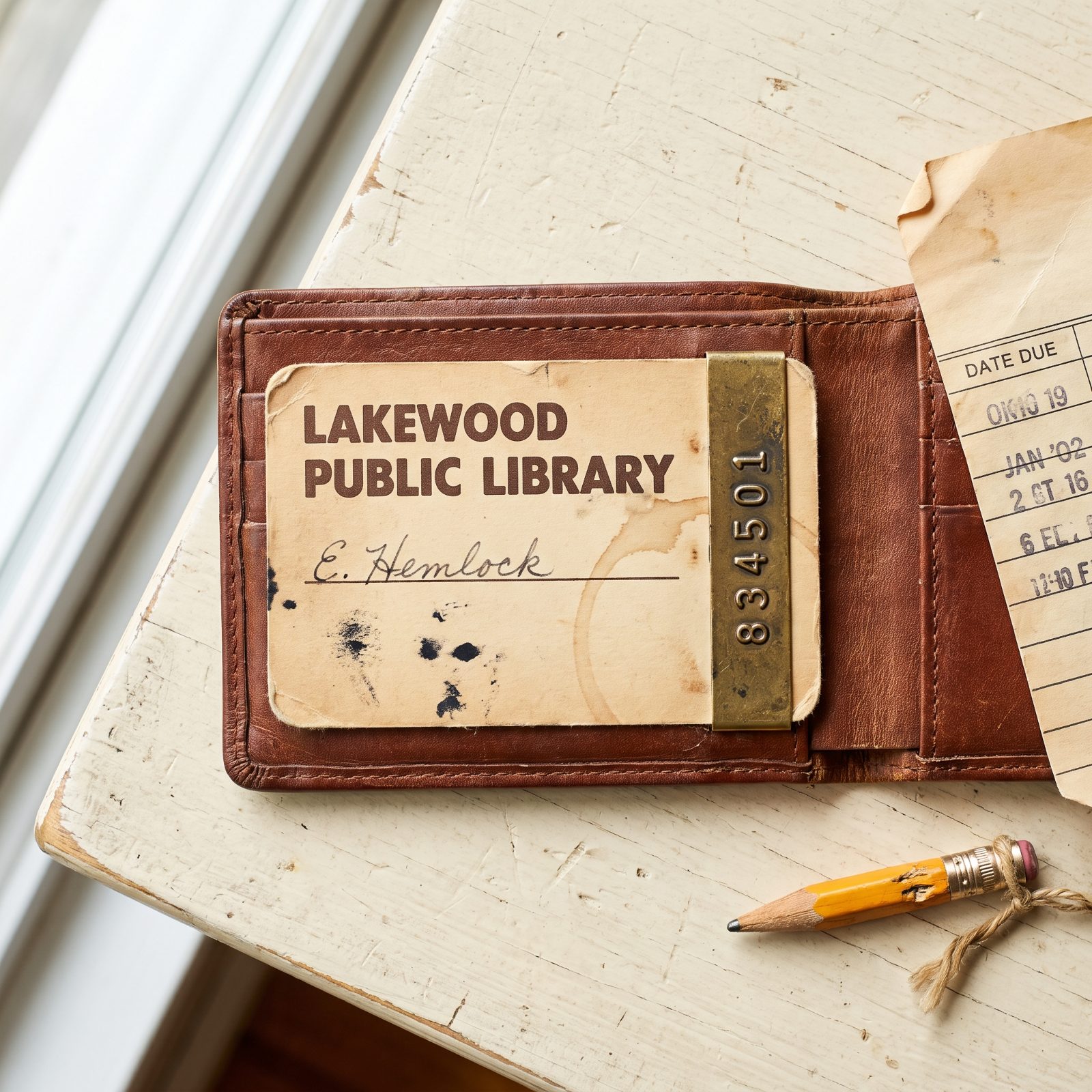
The library card in 1979 wasn’t just paper. Plenty of them carried a little embossed metal plate that slid into a machine at the checkout desk and stamped your number onto the book’s card with one satisfying clunk. You didn’t scan anything — a person pulled the pocket card, ran it through, and slid the whole book back toward you.
And that card meant something. For a lot of kids it was the first thing that was truly theirs, their own name and their own responsibility riding on it. Lose a book and there was no app to remind you. There was a librarian who remembered your face.
A Folded Bus Transfer Getting Soft at the Creases
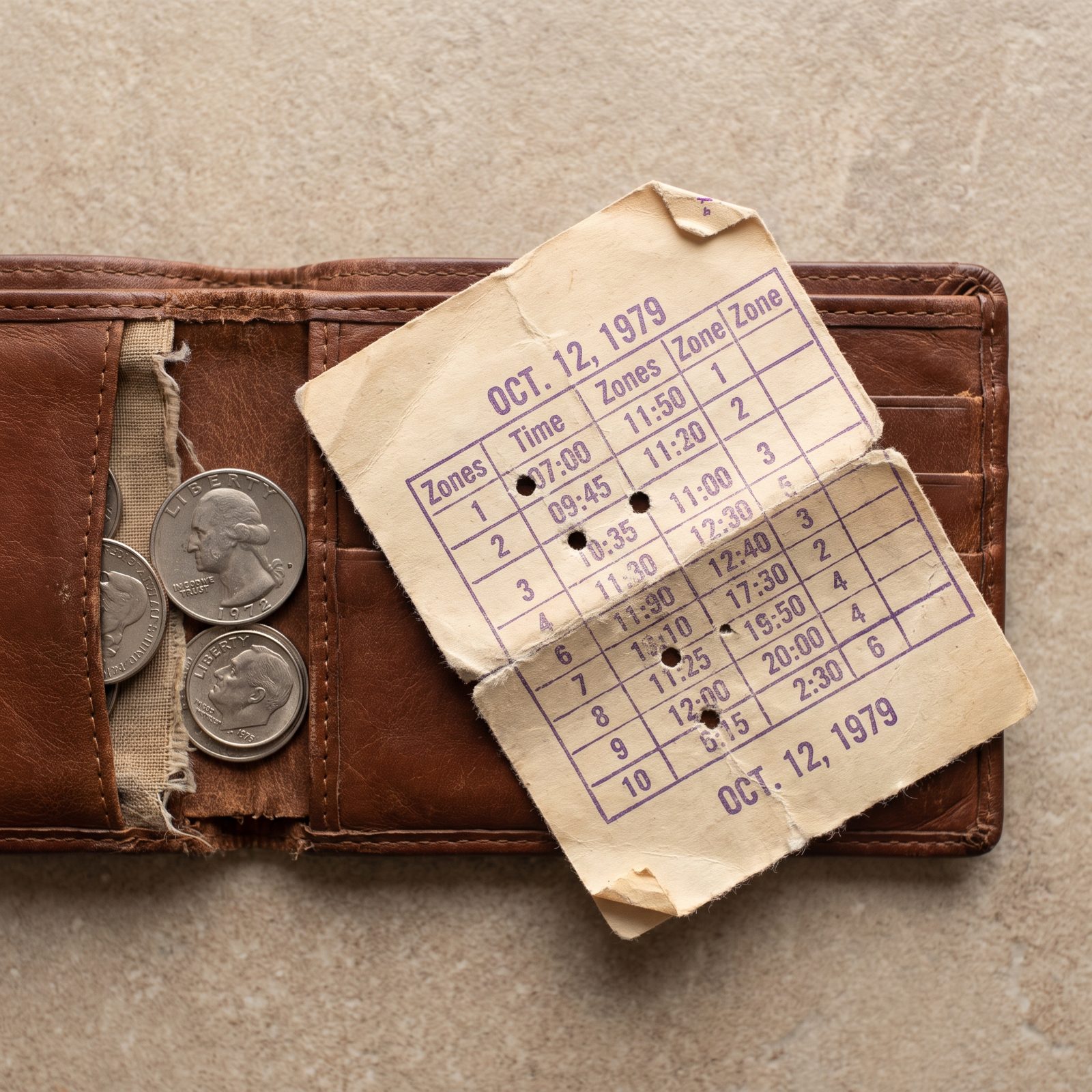
Ask the driver for a transfer and you got a flimsy slip punched with the time and route, printed on stock about one grade above a napkin. It went into the wallet folded, and by the time you needed it the creases had gone soft and the ink had smeared into your thumb.
The whole system ran on trust and a hole punch. You showed the frayed thing to the next driver, he glanced at the time, waved you back. No tap, no reader, no beep — just a scrap of paper good for exactly as long as the clock allowed.
A Subway Token Tucked Into the Coin Pocket
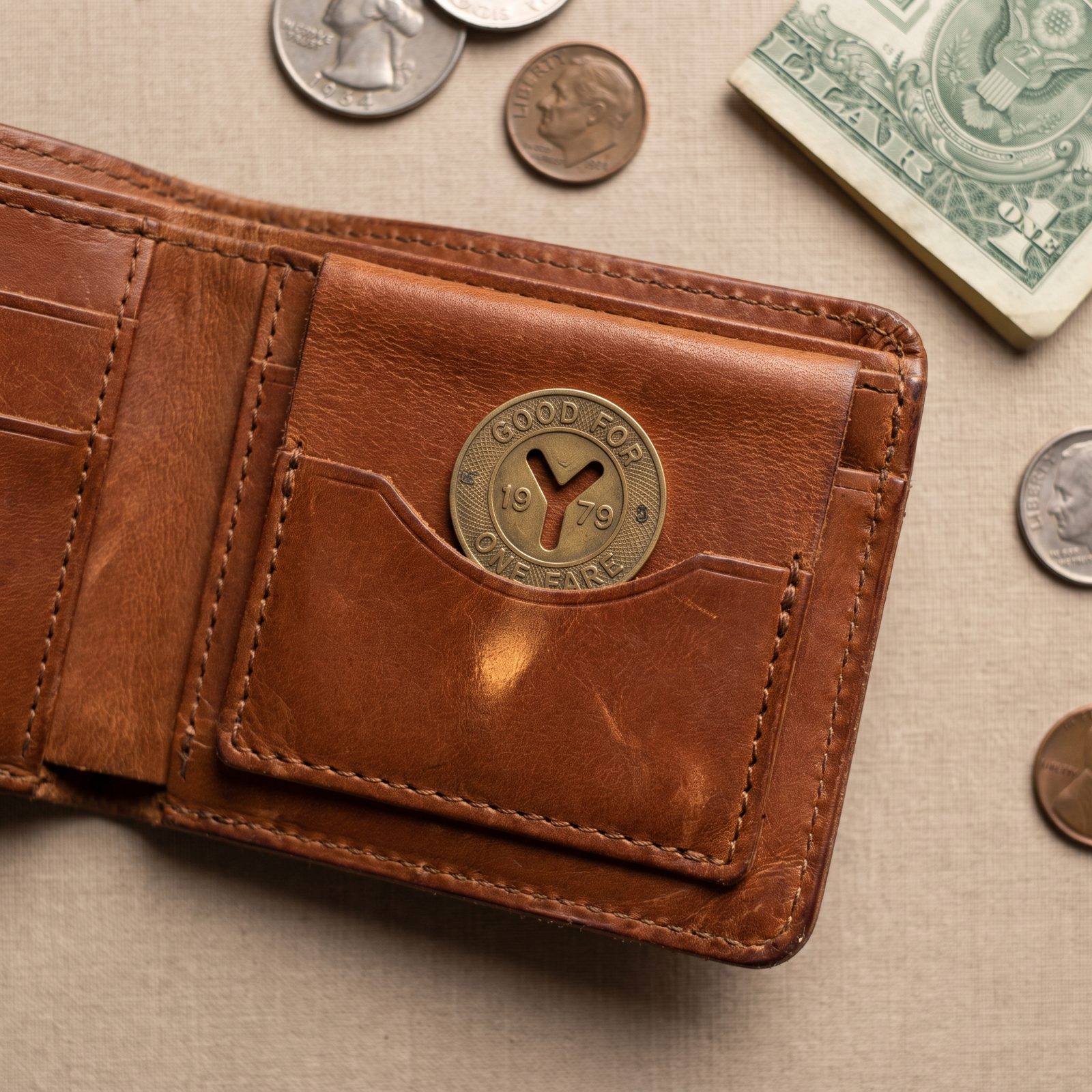
There was always one riding loose in the coin pocket. The subway token, brass-colored with that little cut-out center, worn smooth by a thousand fingers before it reached yours. You kept a spare, because getting stuck at a turnstile with no token was its own small nightmare.
It dropped into the slot with a sound the whole city knew. Nothing to swipe, no balance to check, no card to lose the funds on. One token, one ride, and the metal was heavy enough to feel like it was worth something.
A Long-Distance Phone Credit Card for Calls From the Road
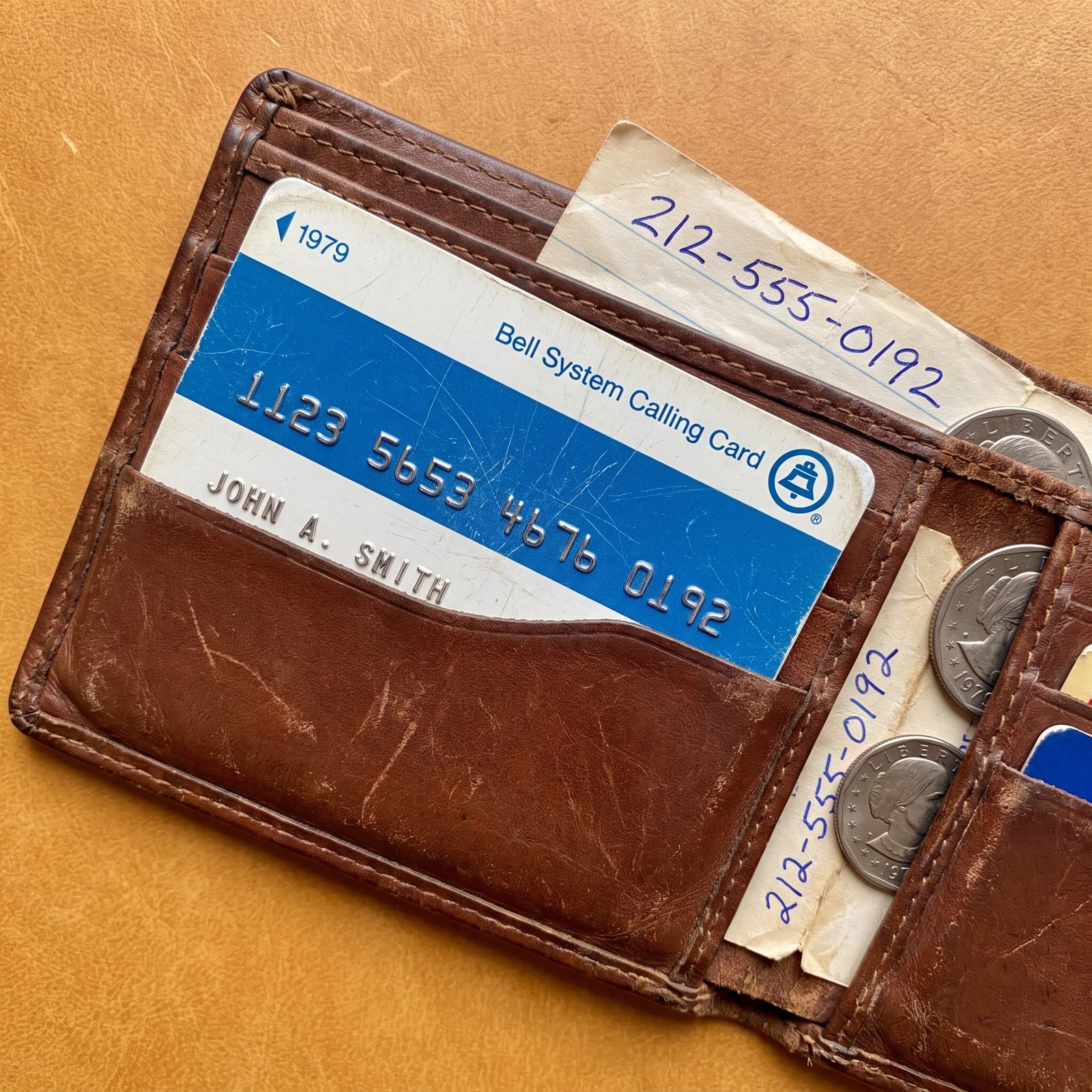
Before cell phones, calling home from a business trip meant a pay phone, a fistful of change, or the card that saved you from both. The long-distance calling card carried a long embossed number you read aloud to an operator, and the charges landed on the home phone bill weeks later.
You memorized part of that number the way you’d memorize a locker combination. Picture it: an airport phone booth, receiver tucked against your shoulder, you reading digits off the raised plastic while the operator waited. Holding a card that let you talk across the country felt sophisticated. It also felt expensive, because it was.
A Tiny Address Book of Numbers You Couldn’t Afford to Lose
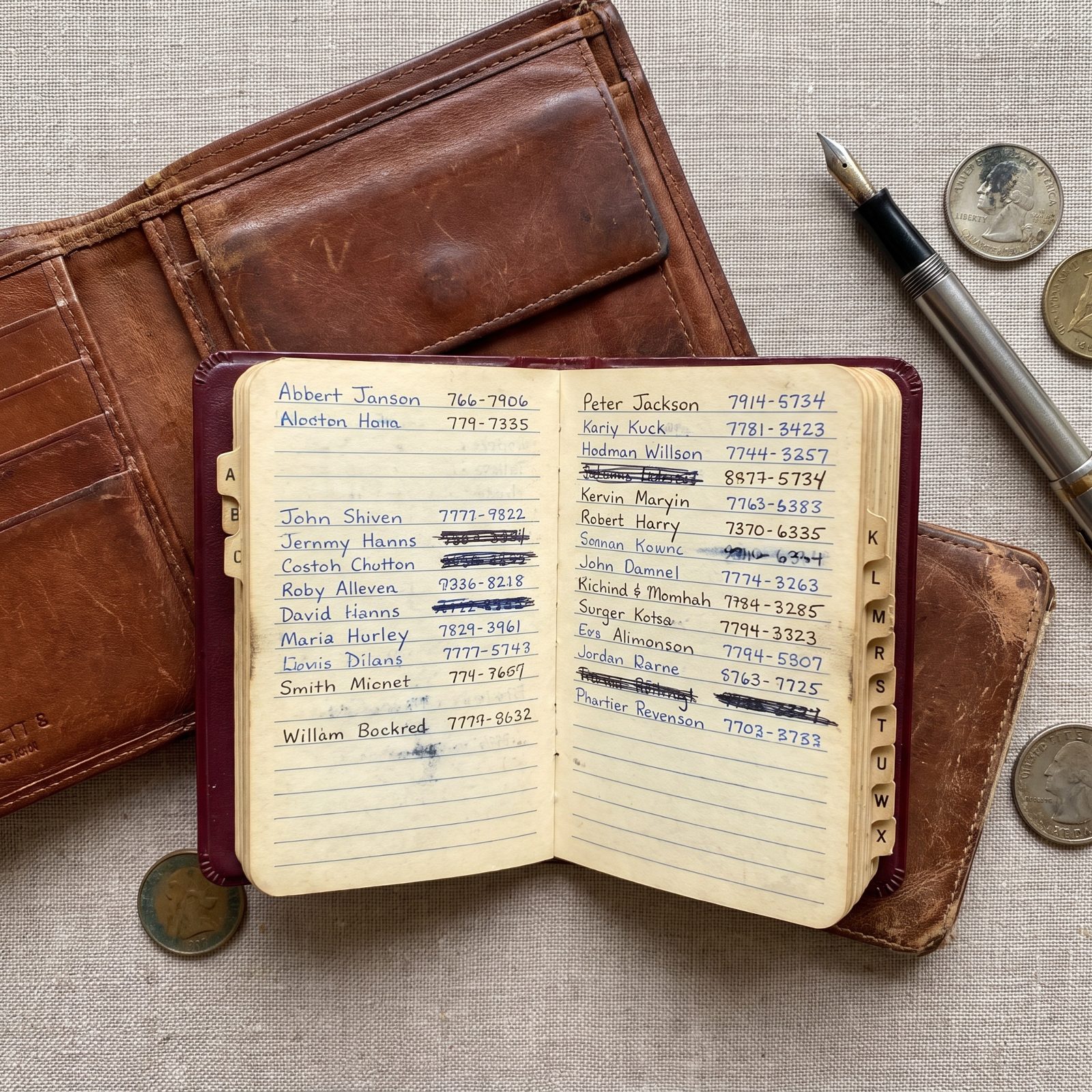
Everyone had one, and everyone’s was a mess. A wallet-sized address book, pages ruled and thumb-tabbed, crammed with seven-digit numbers in three different pens, some crossed out and rewritten in the margin. A few belonged to people you hadn’t spoken to in years but couldn’t bring yourself to erase.
This was your entire contact list. Lose it and you lost people — no cloud backup, no way to recover a number except calling someone who might still have it. So you guarded the little thing, and its swollen, ink-stained pages held more of your life than they had any right to.
A Wallet-Sized Paper Calendar for the Whole Year
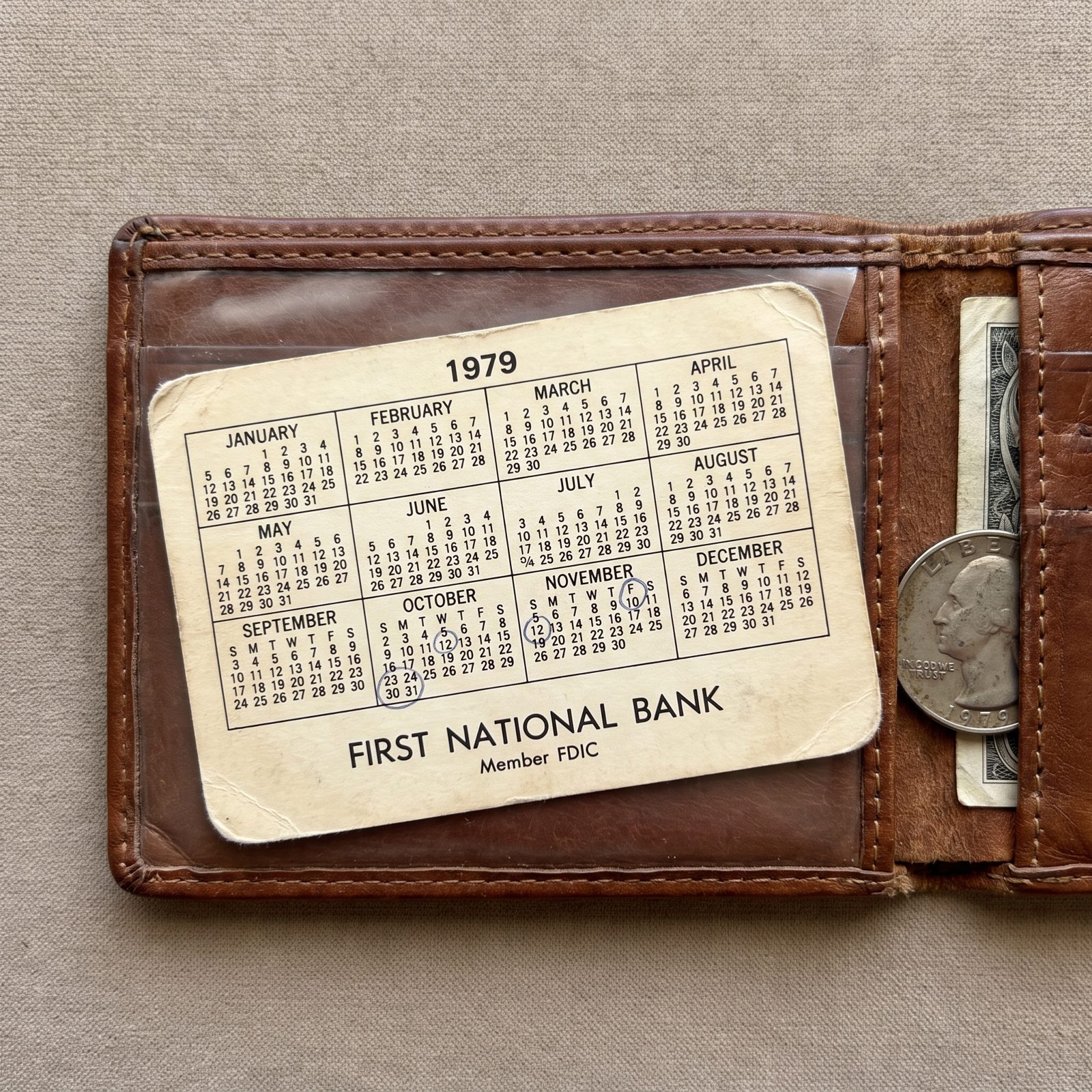
The whole year, all twelve months, printed on one stiff card small enough to slide behind your driver’s license. Usually free. Usually stamped with the name of a bank or an insurance agent who wanted you thinking of them every time you checked a date.
You’d pull it out at the counter to see what day the 14th fell on, squinting at grids the size of postage stamps, a few dates circled in ballpoint. By December the card was bowed and gray at the edges, and next year’s version was already sitting on the bank counter for anyone who wanted to grab one.
A Plastic Sleeve of Family and School Photos
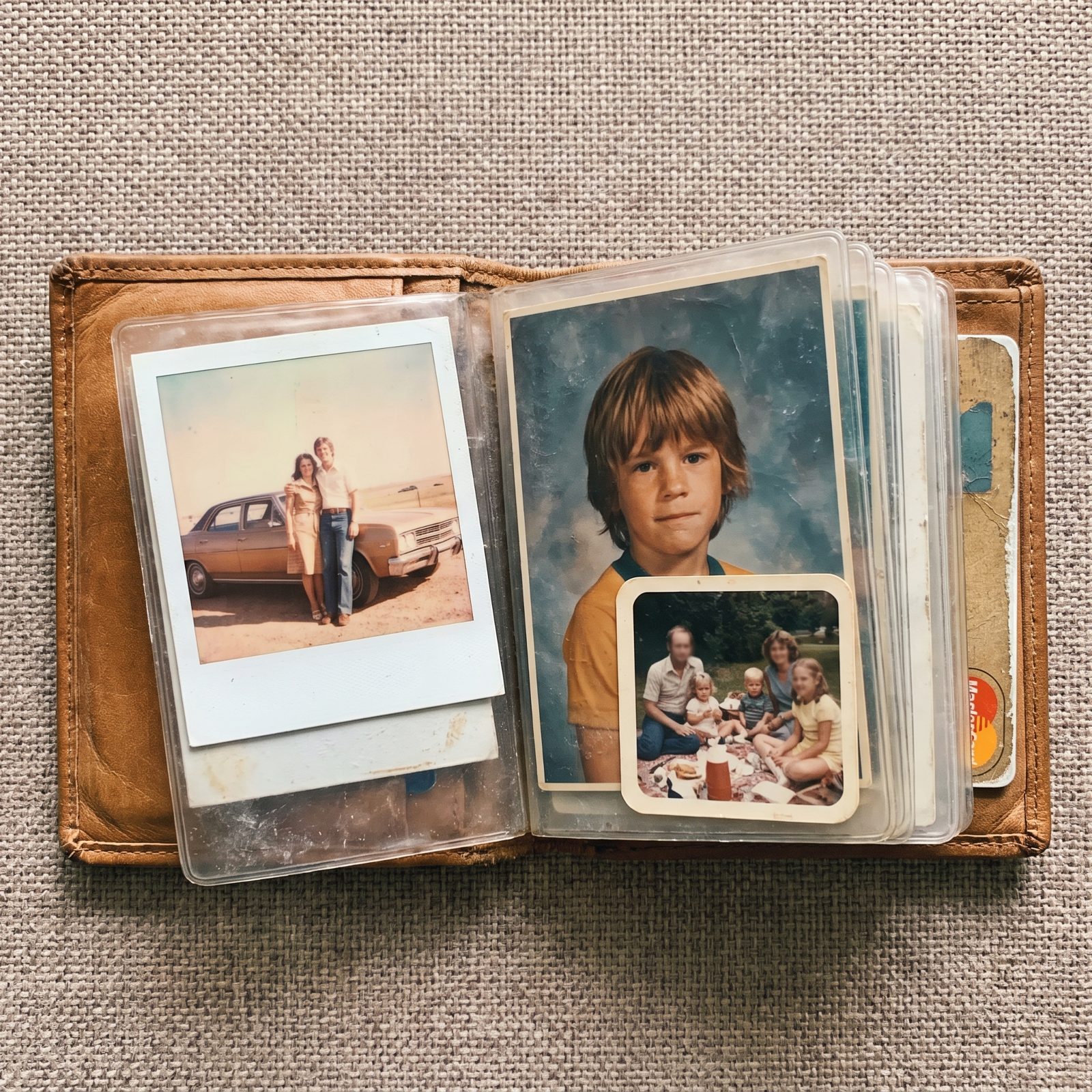
Fan open the accordion of plastic sleeves and there they were: the kids’ school portraits against that mottled blue-gray backdrop, a wedding photo, a snapshot with the wide white border and colors already drifting toward amber. The plastic was scratched cloudy from years of riding in a back pocket.
You showed these to everyone — the barber, the coworker, the stranger next to you at the counter who made the mistake of asking. No phone to scroll. If you wanted to brag on your family you flipped the wallet open and let the sleeve unfurl, and the photos got a little more faded every single day they lived in there.
A Grocery Coupon Clipped Straight From the Newspaper
Would you like to save this?
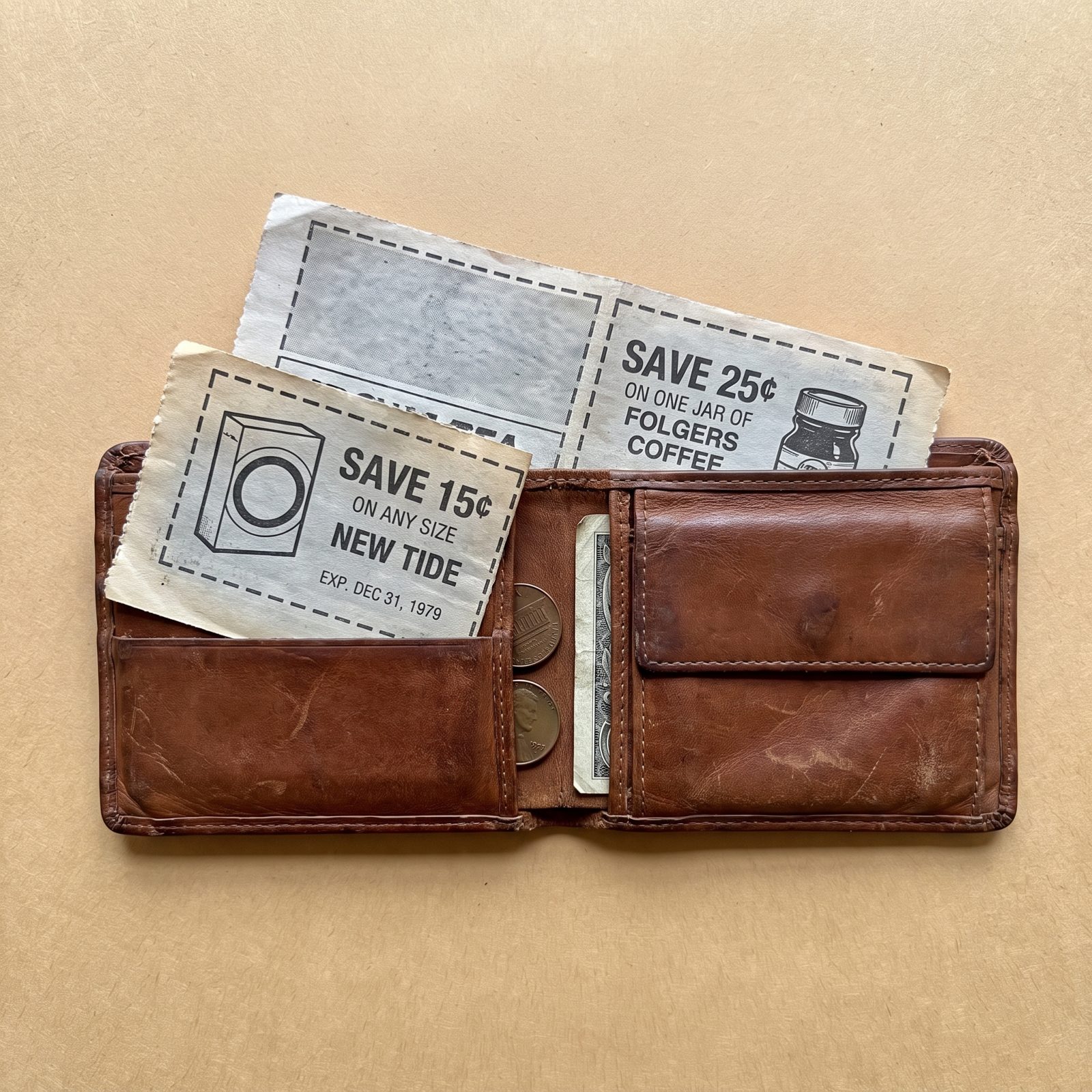
Someone in the house went through the Wednesday paper with scissors, and the little rectangles ended up folded into the wallet. Fifteen cents off. A quarter off if you bought two. The edges were ragged where the cut wandered off the dashed line, and the newsprint left gray dust on your fingers.
Remembering to actually use them was the hard part, and half of them expired soft and forgotten in the bill fold. But getting to the register and pulling out a stack that knocked a dollar off the total? That felt like winning something small and real.
S&H Green Stamps Waiting to Be Pasted Into a Book
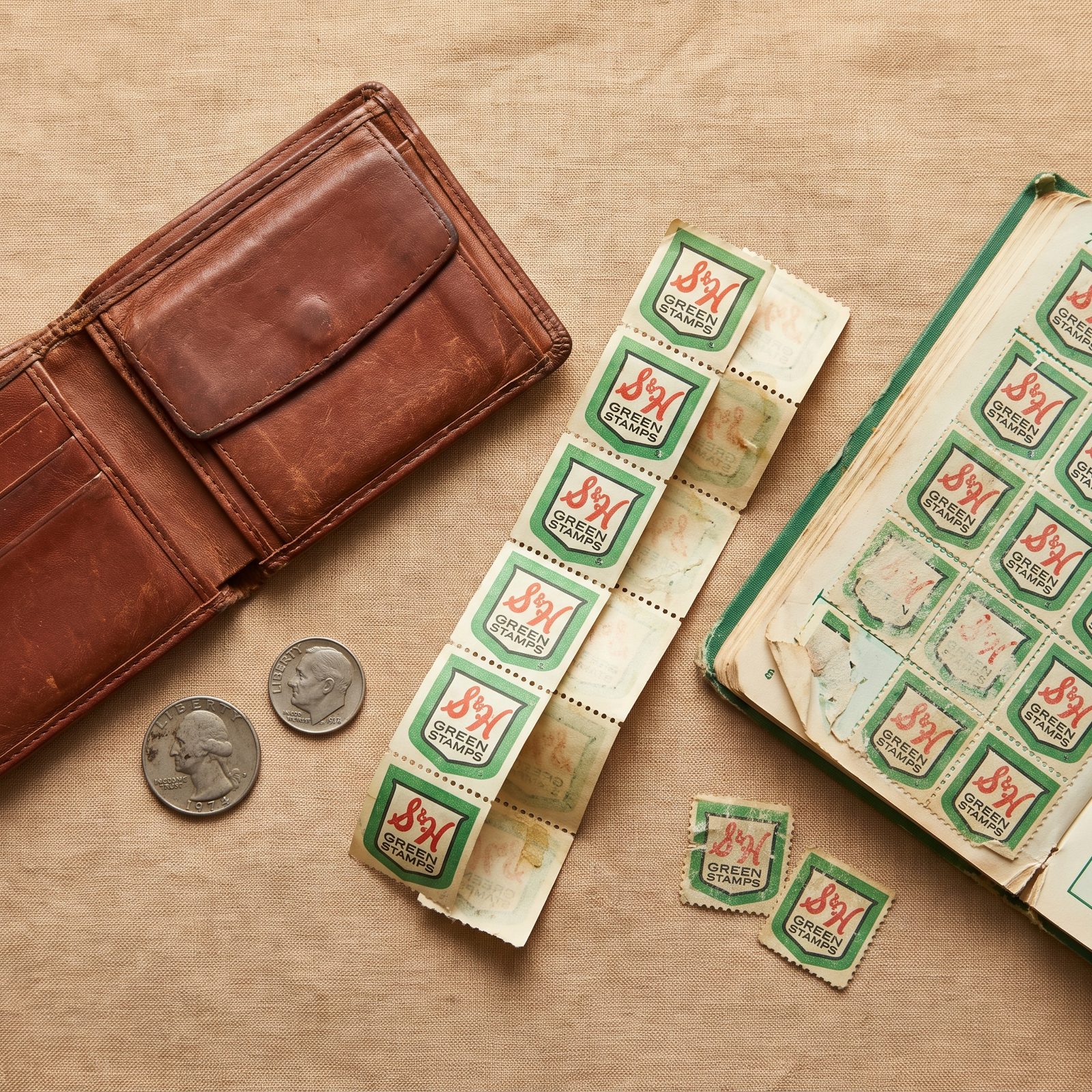
Deep green, perforated, and just faintly sticky, S&H Green Stamps rode in the wallet until you got home and pasted them into the saver book at the kitchen table. The grocery store and the gas station handed them out by the strip, and you licked them into rows like the world’s slowest, most rewarding chore.
A full book bought something from the redemption catalog — a toaster, a lamp, a set of steak knives you didn’t need but earned. Loyalty you could hold, a paper promise you licked into being. Kids got roped into the pasting, and everyone had a half-filled book stuffed in a drawer somewhere.
A Restaurant Matchbook With a Phone Number Written Inside
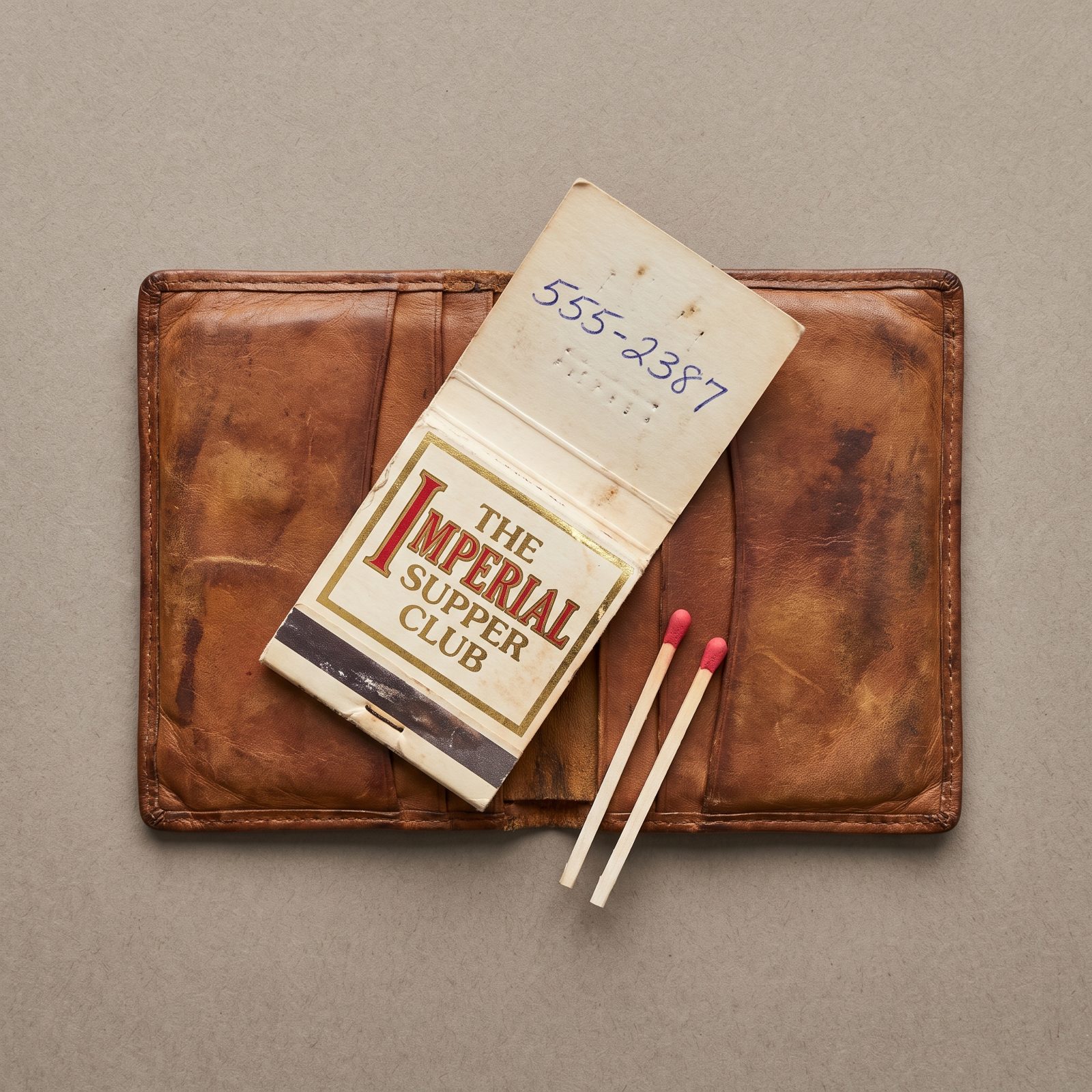
Nobody kept a matchbook for the matches. You kept it for what somebody wrote on the inside flap at the end of the night.
Restaurants gave them away by the fistful — a steakhouse, a supper club, the Italian place with the red-checked tablecloths. The cover carried the name in gold foil and a number for reservations, while the striker strip pulled double duty for the cigarette between courses. But the real archive was on the inside. A phone number. A name. Sometimes just “call me.” One square inch of cardboard doing the work of a business card, a dating app, and a diary entry all at once.
A Dry-Cleaning Pickup Stub
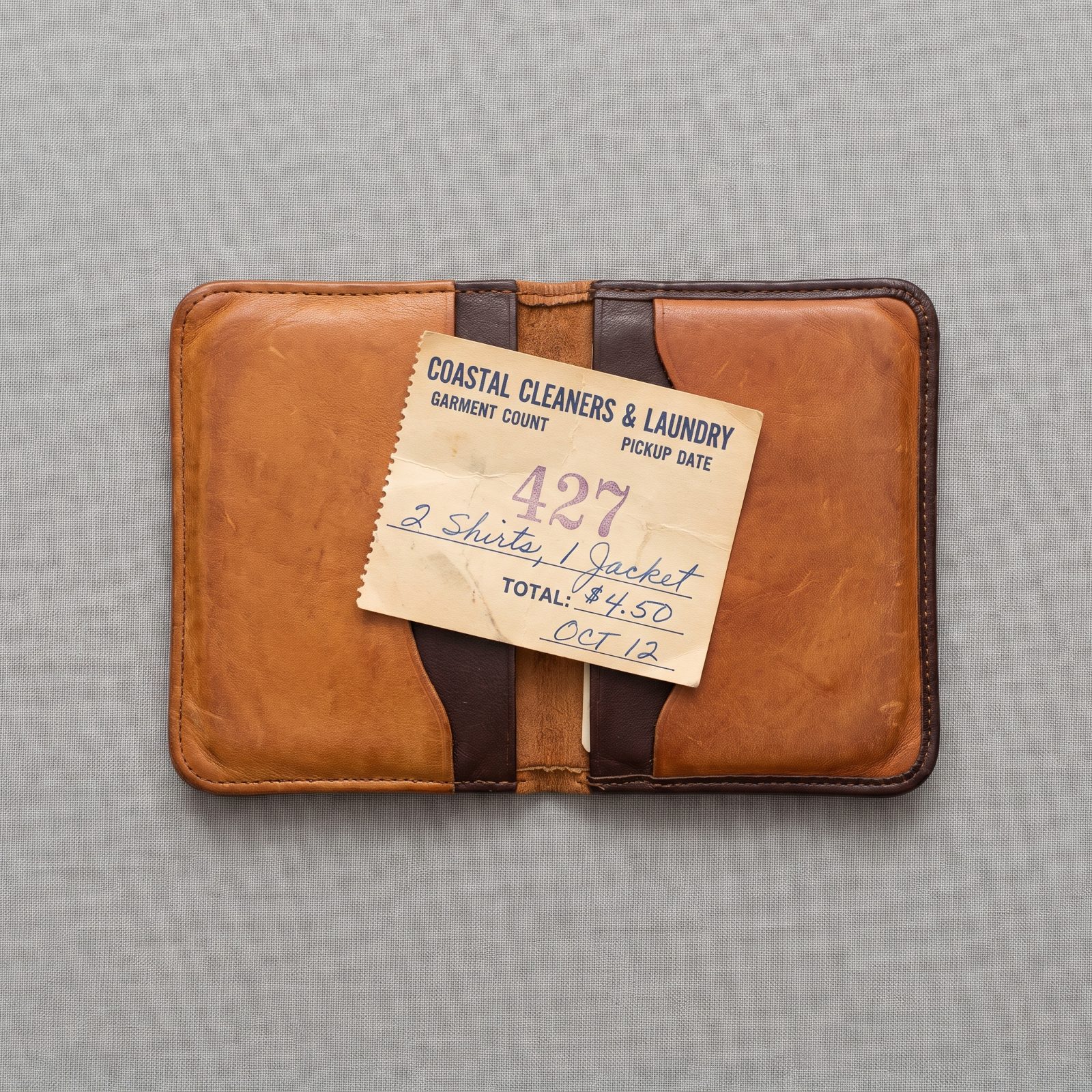
Flimsy, half the size of a dollar bill, and impossible to read after a week in your pocket. The dry-cleaning stub was the least glamorous thing you carried — and the one that caused the most trouble when it went missing.
You handed over your good suit, your wife’s church dress, maybe a coat that needed the collar turned, and in return you got a slip of manila paper with a stamped number and a pickup date in the counter clerk’s hand. No stub, no clothes. That was the deal. Every household knew someone who’d argued it out at the counter after the ticket went through the wash cycle in a pair of trousers.
A Layaway Payment Receipt
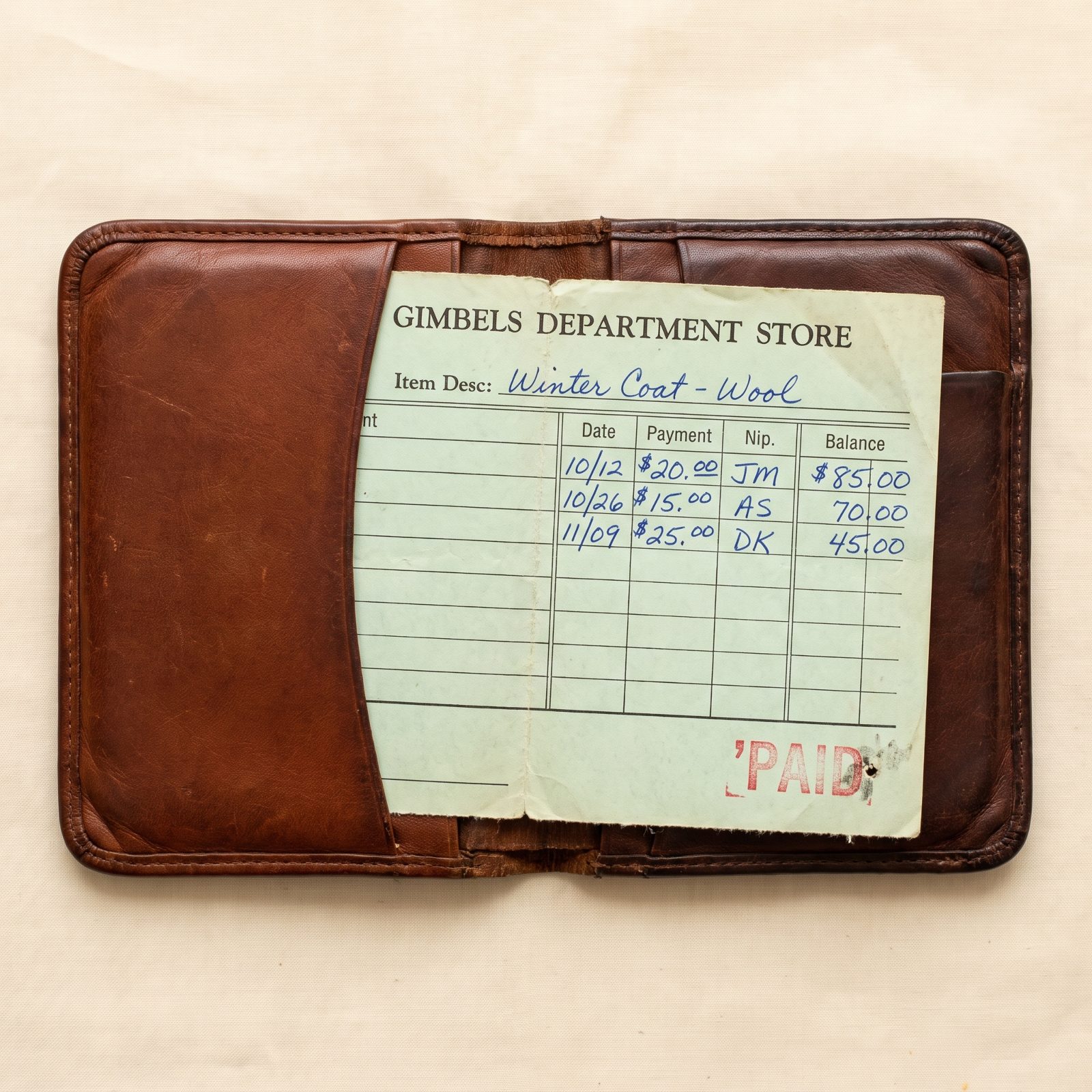
Before credit cards lived in every wallet, layaway was how you bought the thing you couldn’t afford yet. You picked it out, the store held it in the back, and you paid it down a little at a time.
The whole relationship fit on one folded slip. Item description across the top, a grid of payment dates down the side — each one written in and initialed by the clerk who took your five dollars that week — and a running balance in the last column, ticking toward zero. When you made the final payment they stamped it PAID in red, and you walked out with the bicycle, or the winter coat, or the good set of dishes.
No interest. No debt following you home. Just discipline and a piece of paper proving you’d shown up.
A Department-Store Charge Plate
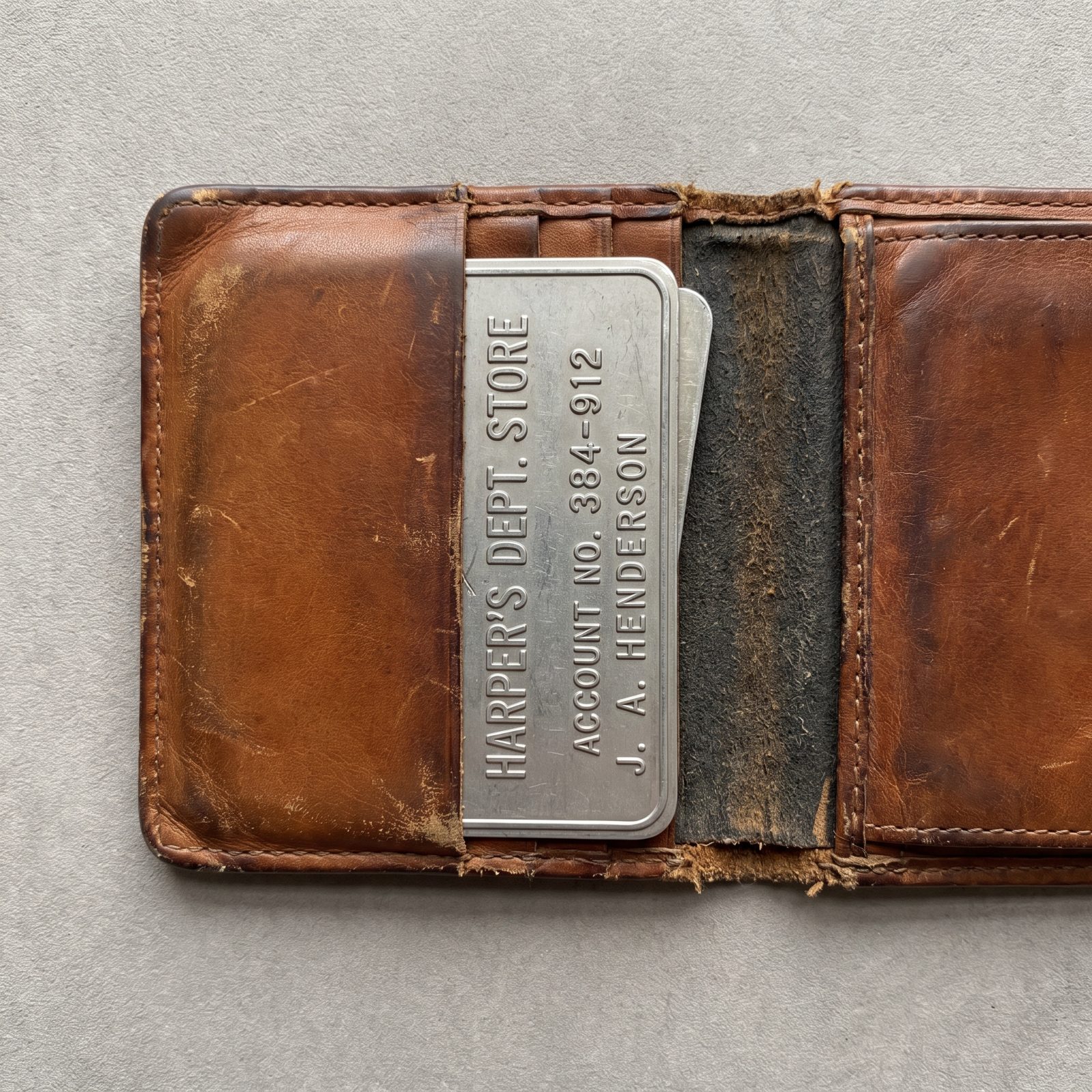
Cool and heavy in your hand, your name punched into it in raised metal letters. The charge plate wasn’t plastic, and it wasn’t a credit card as we’d come to know one — it was a little slab of embossed metal that said you had an account. At one store. Only one.
You handed it to the clerk, she laid it in a machine and ran a carbon slip over the raised letters with a heavy sliding bar, and the impression came up. Chunk. You signed the top copy, kept the flimsy carbon, and the bill showed up at the end of the month.
Marshall Field’s had one. So did the big regional stores. It only worked under that single roof — which sounds limiting until you remember people were loyal to their store the way they were loyal to a ball team.