
Would you like to save this?
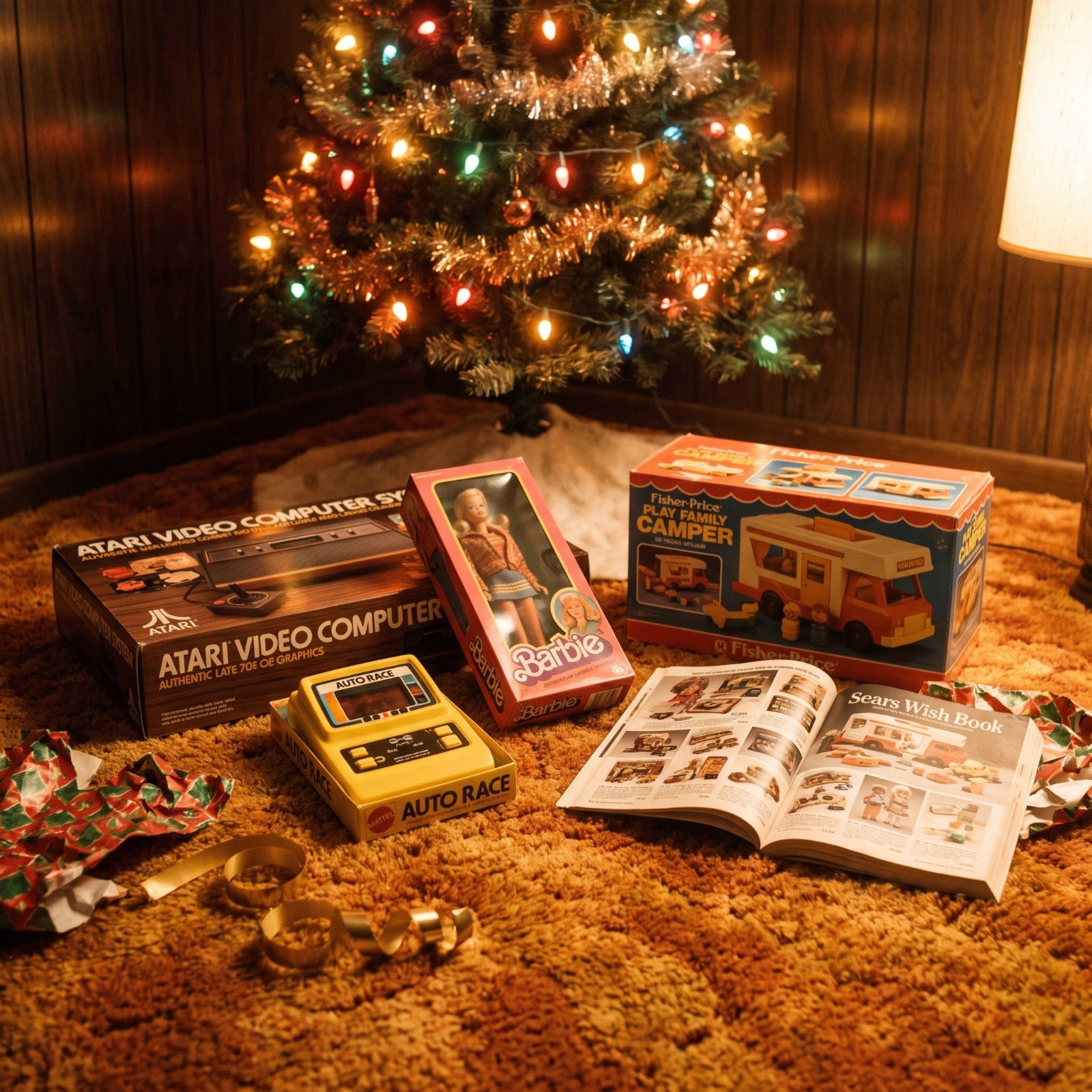
The Sears Wish Book landed on the kitchen table sometime in October, and by Thanksgiving its corners had gone soft from handling. Kids circled things in pen. Parents did the math in their heads and winced. The must-have of 1978 was a wood-grain box that plugged into the TV and cost about two hundred bucks — roughly a week of the average paycheck, which is a thing to sit with. What follows are the toys that emptied wallets that December, the real prices off real shelf tags, and what those numbers look like now.
31. Atari Video Computer System: About $199 in 1978
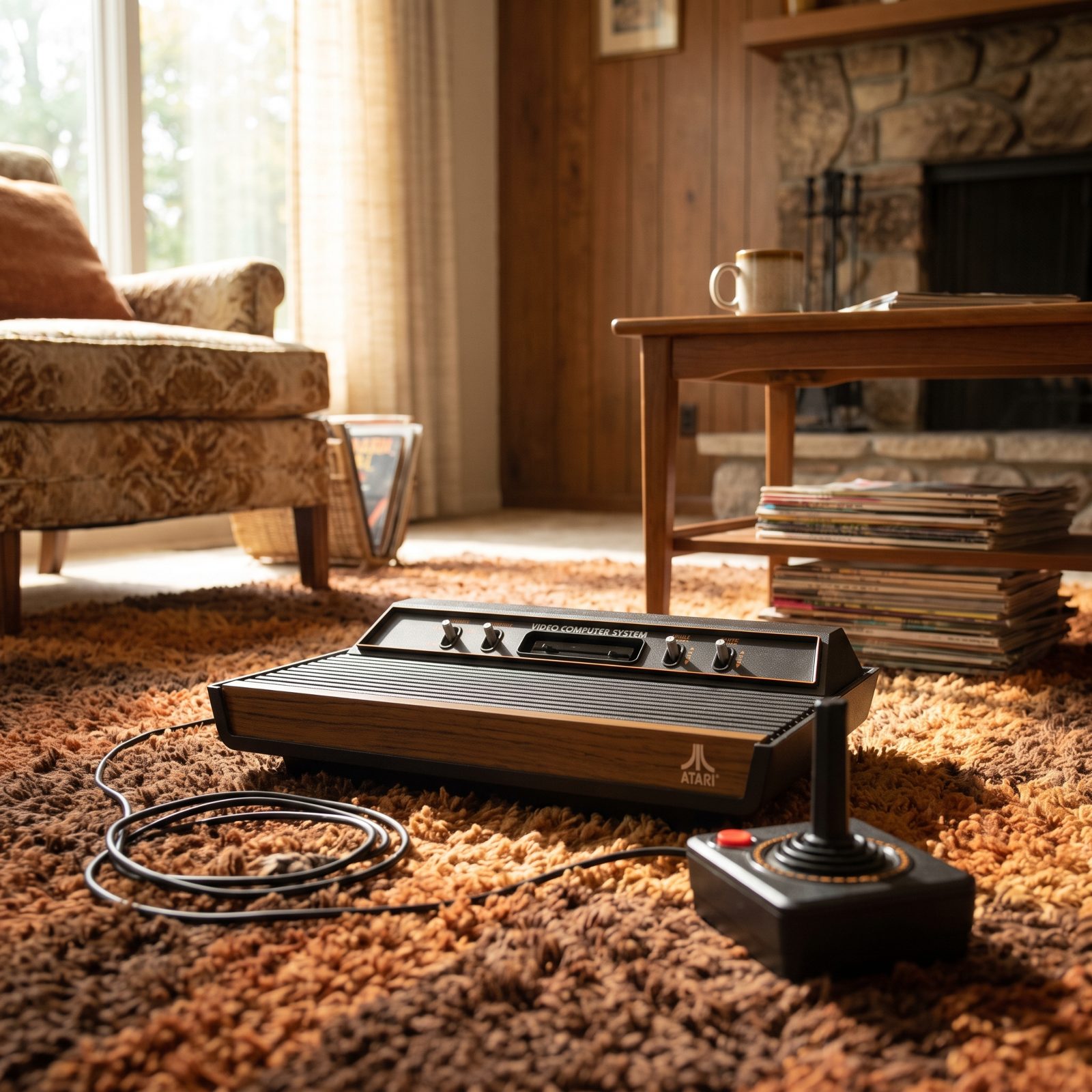
This was the gift that made parents sit down. The Atari VCS ran about $199 in 1978, and cartridges added another twenty or so on top. The average American took home somewhere near a couple hundred a week that year, so the console alone was better than a full week of work before you’d bought a single game.
It didn’t matter. The thing plugged into your own television and turned it into something brand new, and once one house on the block had one, every other kid knew exactly what they wanted for Christmas and would not shut up about it. Combat came in the box. Everything else you begged for.
30. Milton Bradley Simon: Around $25 to $30 in 1978
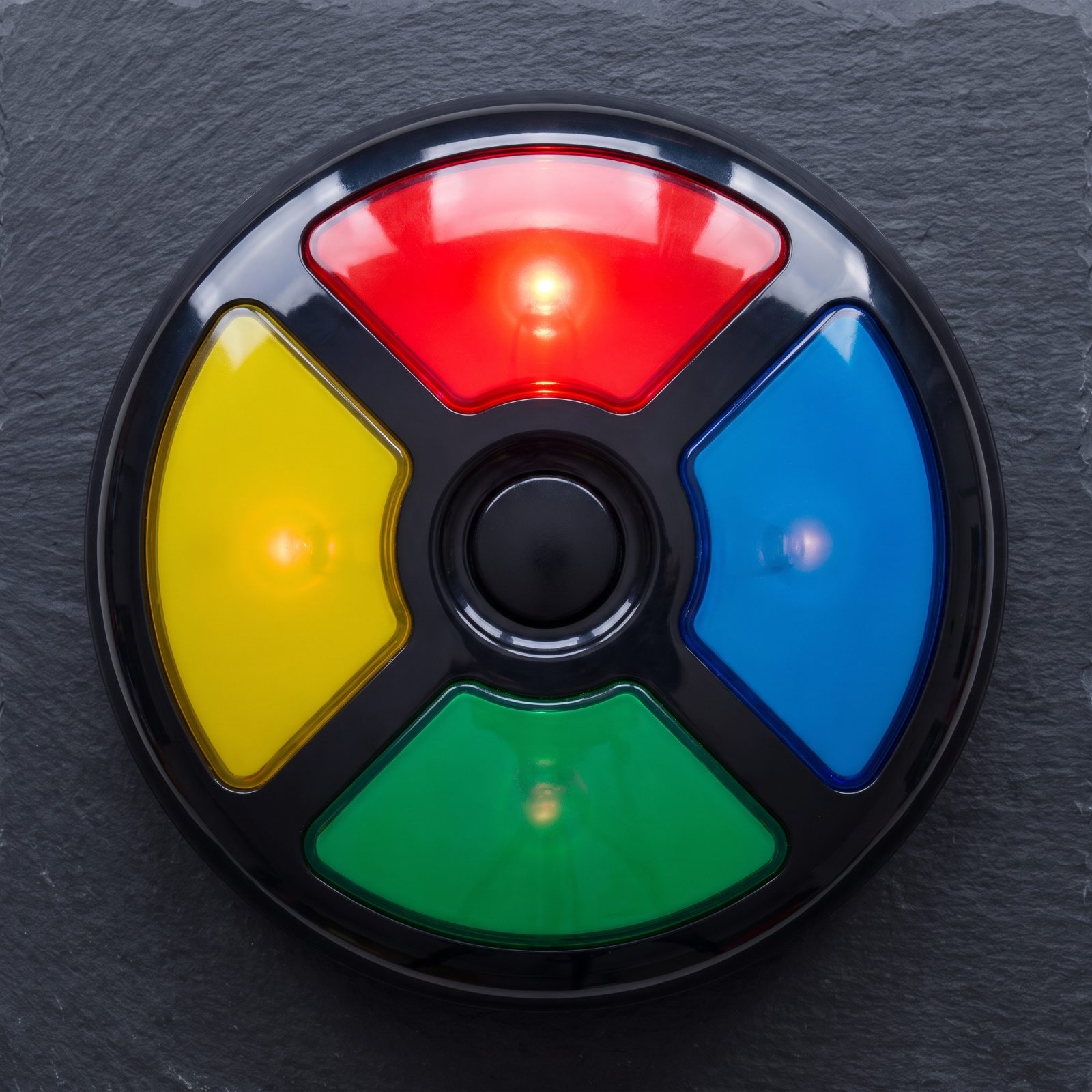
Simon looked like a flying saucer that had learned four colors and wanted to humiliate you. Priced somewhere around $25 to $30 that Christmas, it was the affordable status toy — cheap enough to actually end up under the tree instead of just circled in pen.
The game played a pattern, you copied it, then it added one more and one more until your brain gave out around round fourteen and the whole family took turns screaming at a plastic disc. One of the great party toys ever made. We’ll defend it to anyone who asks and plenty who don’t.
29. Texas Instruments Speak & Spell: Roughly $50 in 1978
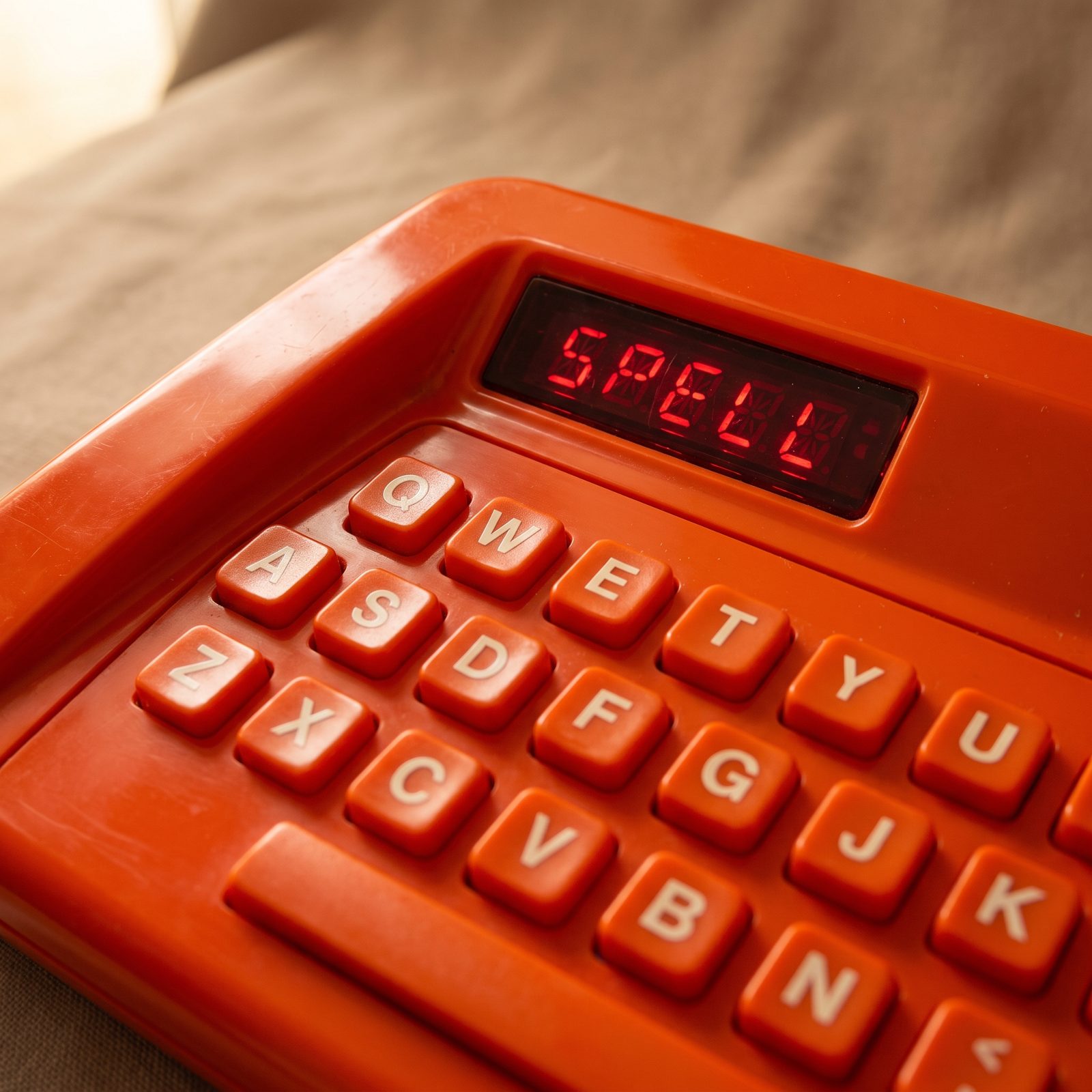
The Speak & Spell talked. That was the whole trick, and in 1978 it read like witchcraft. Around $50 bought you a bright orange slab that spelled words out loud in a flat robotic voice, and every kid within earshot wanted a turn.
Fifty dollars was real money then, close to a third of a weekly paycheck. Parents justified it because it was educational, which it genuinely was, and because it shut the car up on long drives, which mattered a whole lot more.
28. Parker Brothers Merlin: About $25 to $30 in 1978
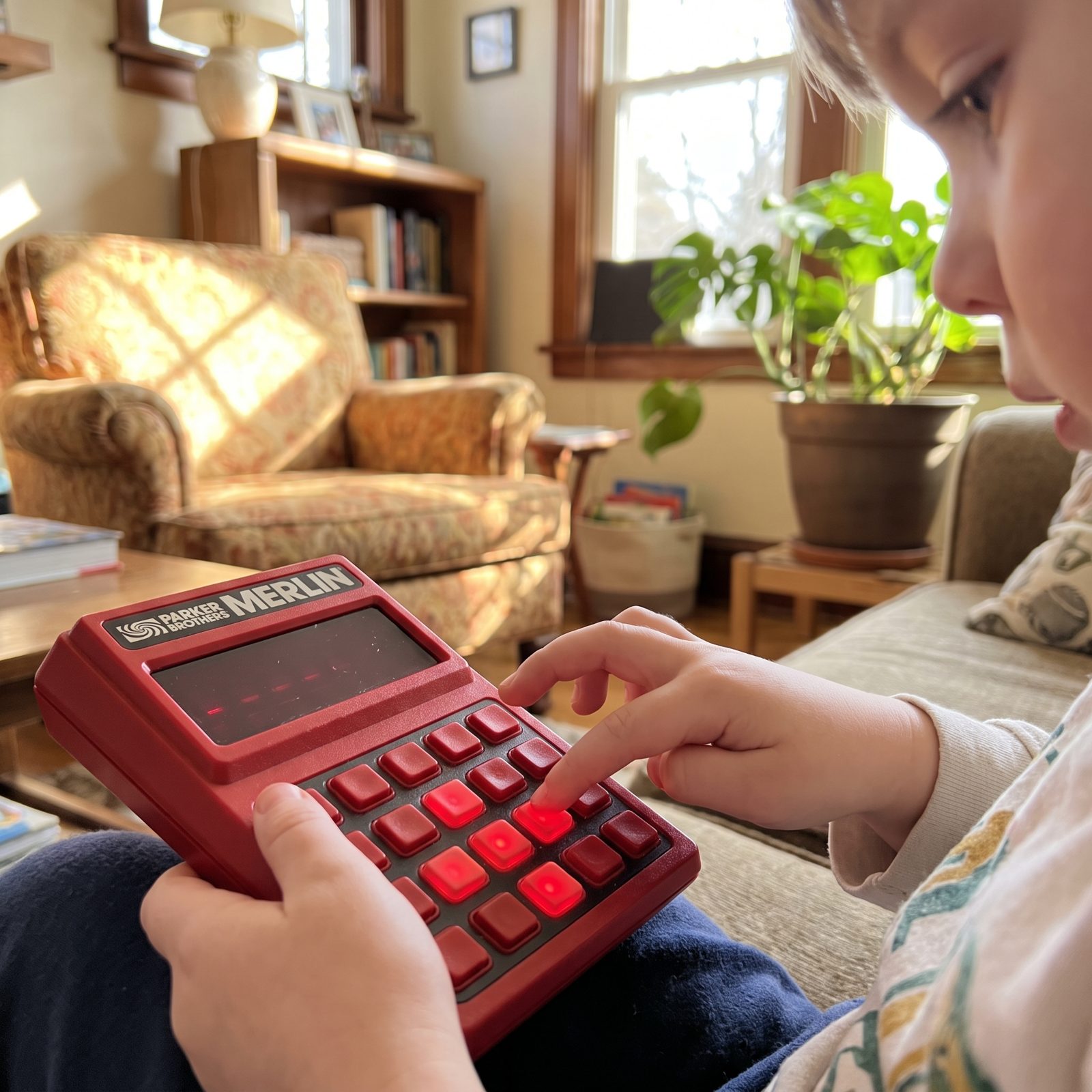
Merlin fit in one hand and did six different things. Priced around $25 to $30, it played tic-tac-toe, a memory game, a music game, and a couple of others, all through a grid of glowing red buttons on a bright red case shaped like a phone.
It felt like the future you could carry over to your friend’s house. And those little electronic beeps? They burned themselves into a generation’s memory whether anyone asked for that or not.
27. Mattel Electronic Football: Around $25 in 1978
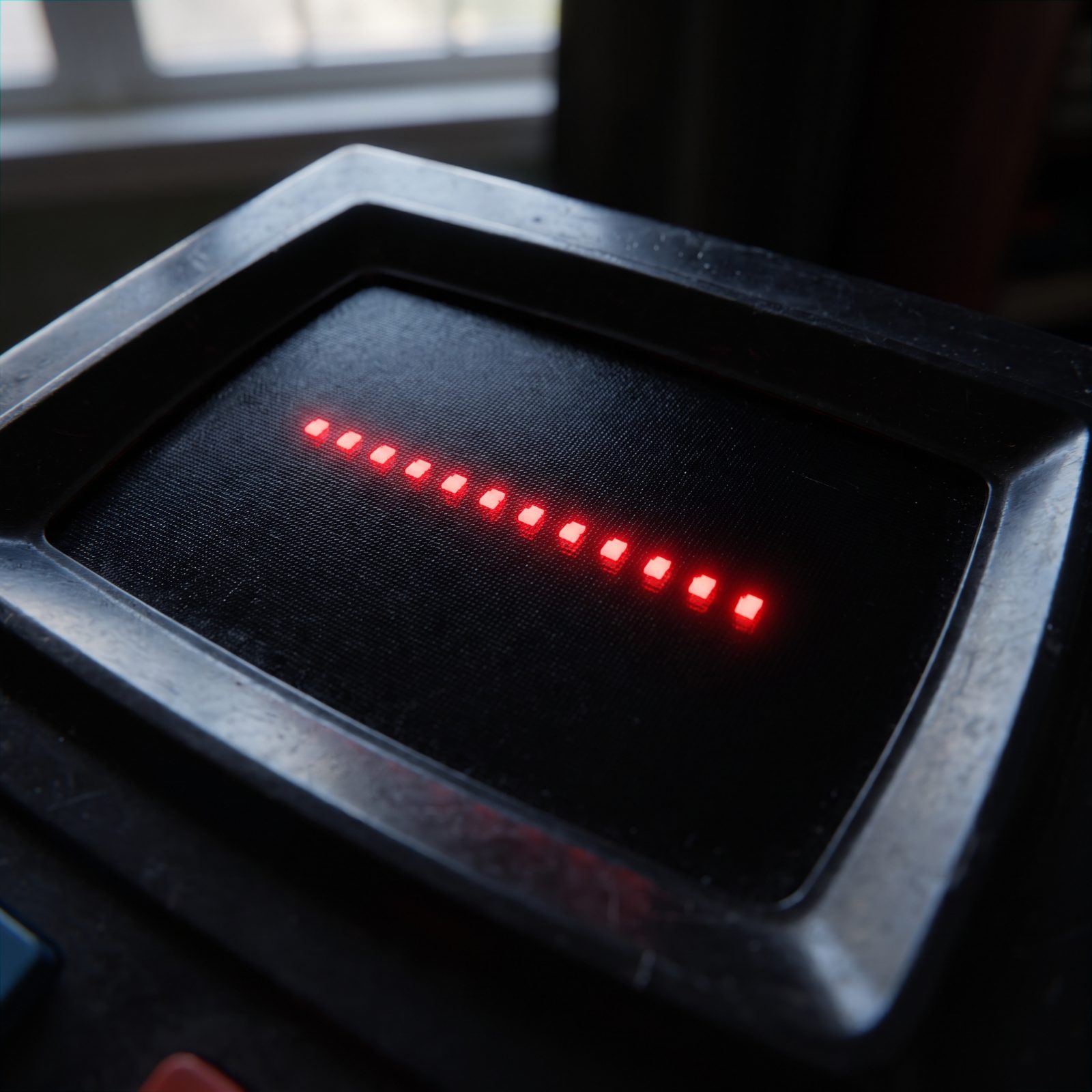
A row of red dashes on a black screen, and somehow it was football. Mattel Electronic Football ran about $25 in 1978, and it caused more silent obsession than anything else here. Kids played it under desks. Adults played it under desks too, which nobody talks about.
You were a single bright dash trying to slip past three other dashes, and the tiny frantic blips as you juked left and right did something to the brain. Plenty of kids got completely lost in this thing, and nobody’s sorry about it.
26. Mattel Superstar Barbie: About $8 to $10 in 1978
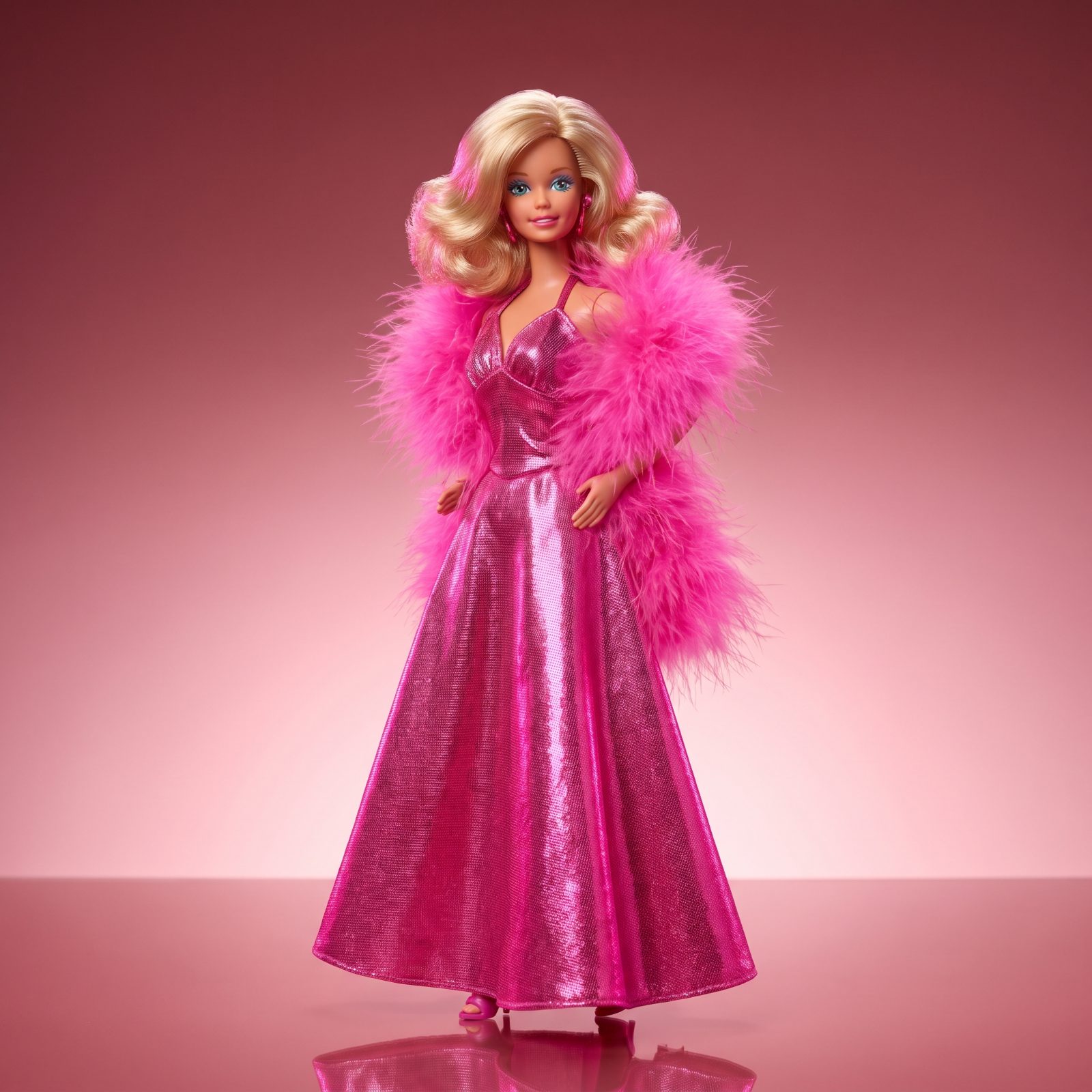
Next to the electronics, Superstar Barbie was almost a bargain — around $8 to $10 that season. She arrived in a hot-pink lamé gown with a feather boa and that huge open-mouth smile, the one that redefined how the doll looked for years afterward.
Ten dollars felt like the sensible line item on the Christmas list, the yes parents gave without a second thought after they’d stared down the Atari price. And she came with the pose kids actually wanted, arm bent so she could hold a hairbrush or a tiny microphone.
25. Mattel Fashion Plates: Roughly $10 to $12 in 1978
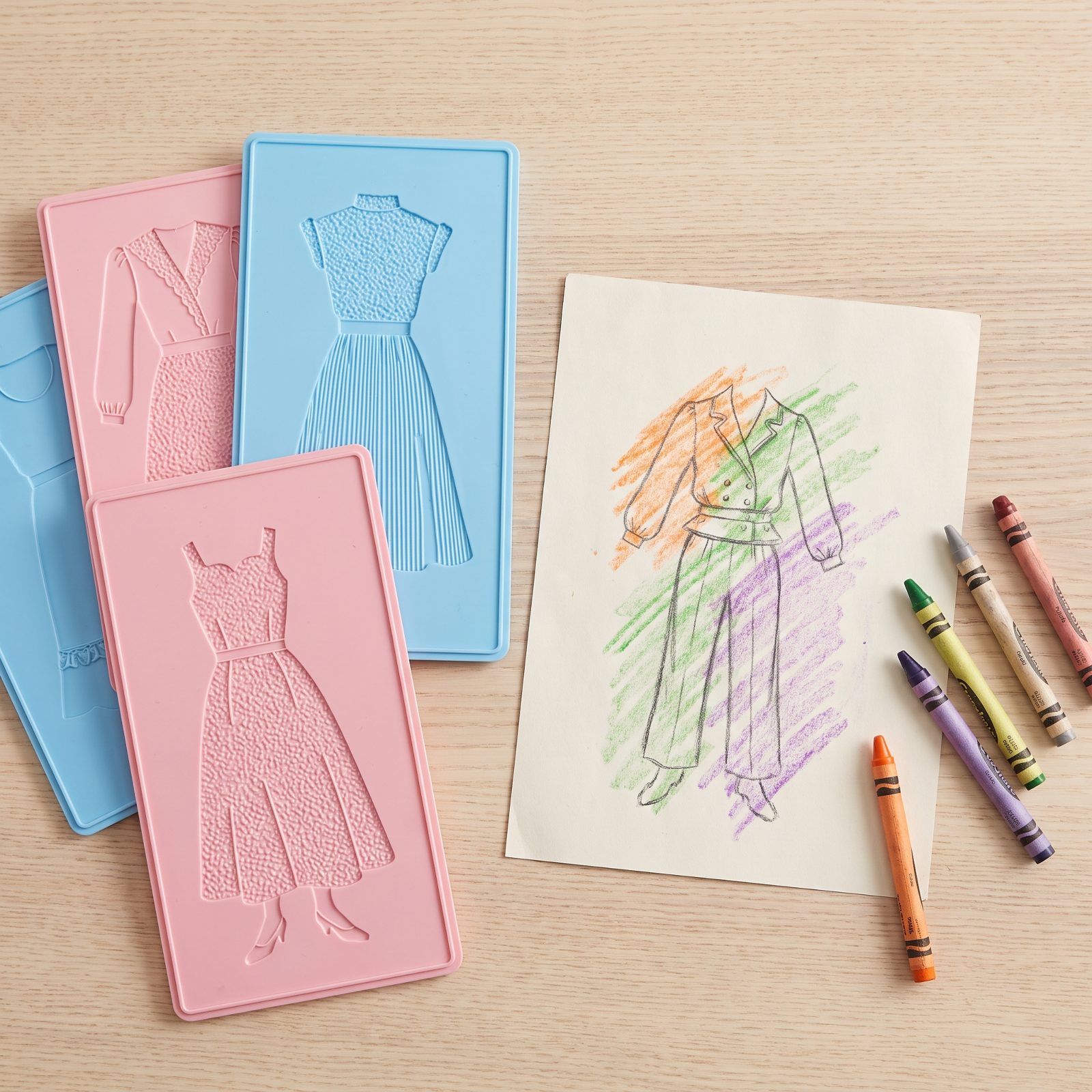
Fashion Plates let you rub together a top, a skirt, and a pair of shoes into one drawing, then color it in. Around $10 to $12, it was the craft toy that felt like a real design studio to an eight-year-old with big ideas and terrible taste.
Textured plastic plates, a pencil dragged across paper, and suddenly you’d designed an outfit nobody would ever wear in real life. Endless combinations for the price of a couple of movie tickets. It kept kids quiet for hours — the highest praise a 1978 toy could earn.
24. Kenner Baby Alive: Around $12 to $15 in 1978
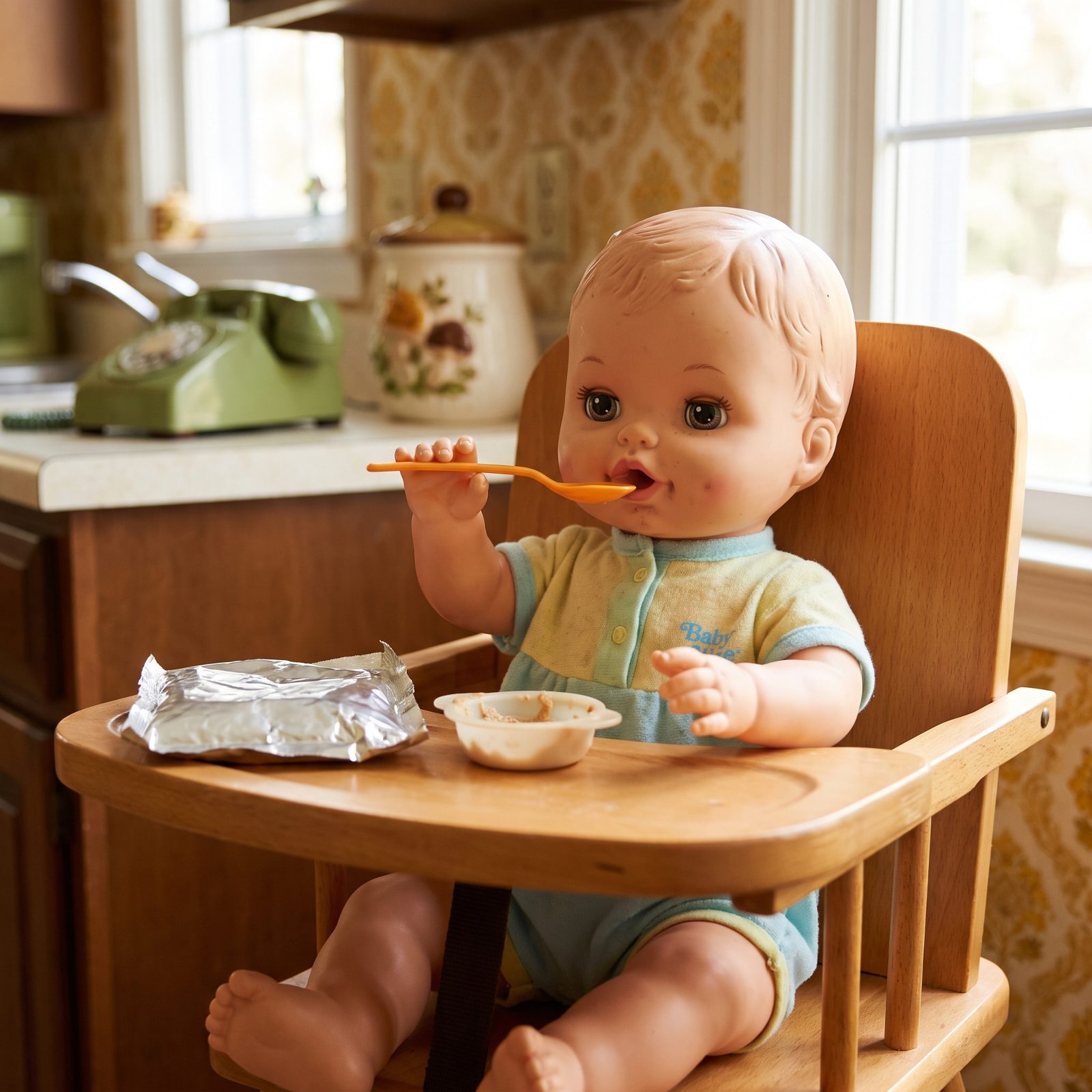
Baby Alive did the one thing that thrilled kids and horrified parents in equal measure: she ate, and then, well, she needed changing. Priced around $12 to $15, she came with little packets of food you mixed with water and spooned in.
Kids loved the realism. Parents loved it a good deal less around the third feeding, when the mechanism gummed up and the whole thing started to smell faintly of paste. She was still the doll everyone talked about that winter, and demand ran hot enough that stores went short.
23. Ideal Baby That-Away: About $12 to $14 in 1978
Would you like to save this?
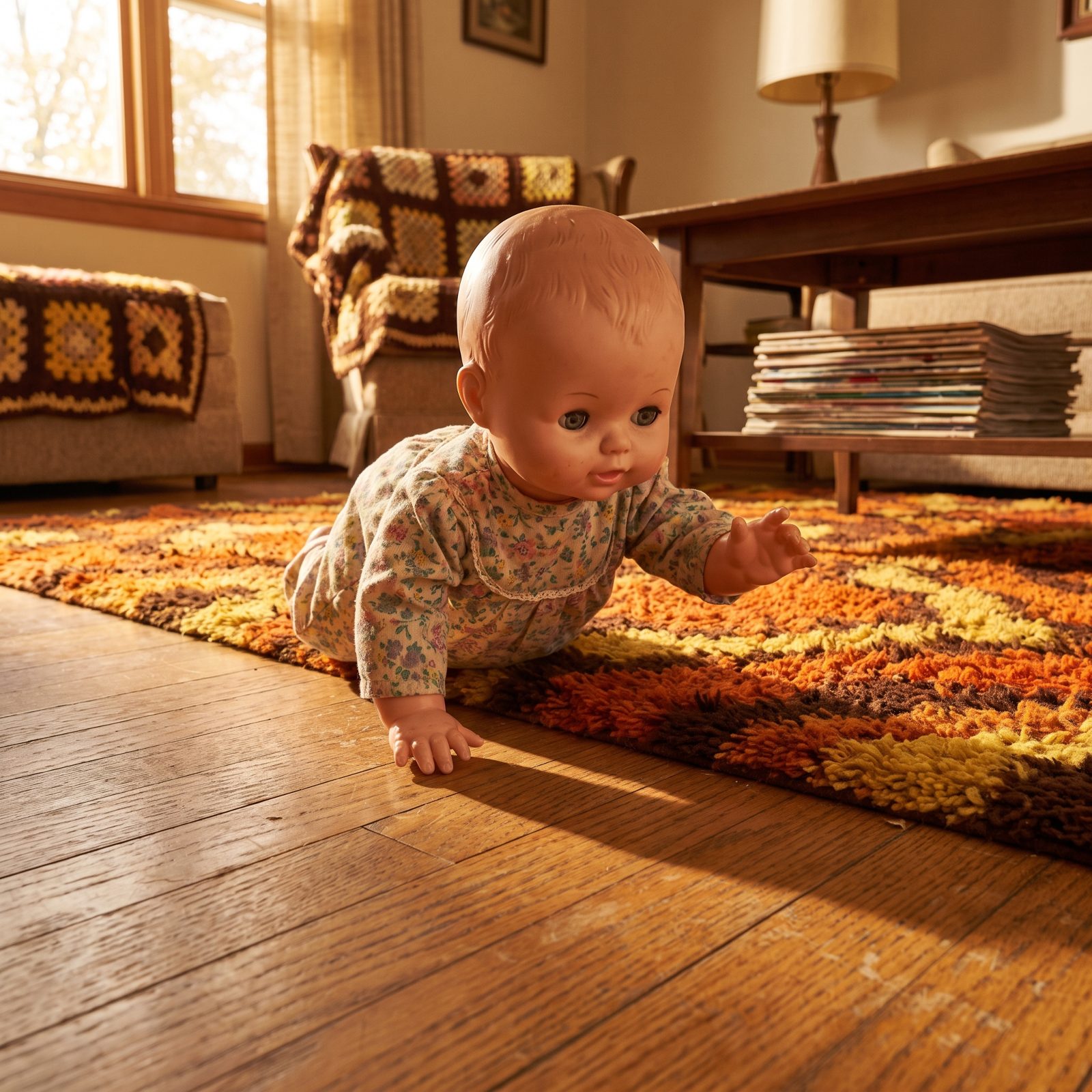
Baby That-Away actually crawled. Wind her up, set her down, and she’d scoot across the floor on her hands and knees — which in 1978 was enough to make a kid’s jaw drop. She ran about $12 to $14.
The novelty was the motion. Most dolls just sat there looking pleasant, and here was one that took off across the shag carpet like she had somewhere to be. That single moving trick was worth every dollar to a five-year-old.
22. Ideal Dancerella: Roughly $13 to $16 in 1978
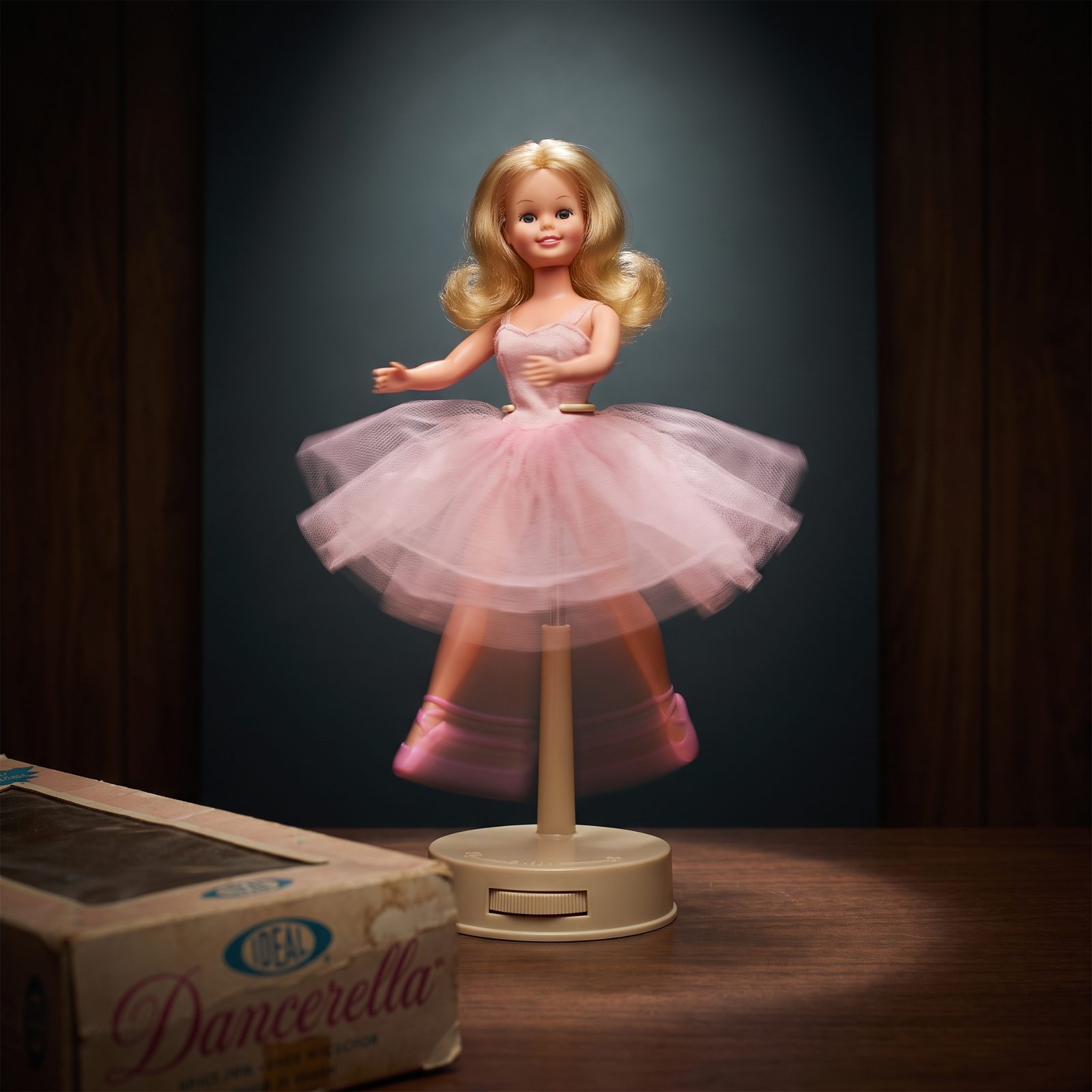
Dancerella spun. You turned a dial on her stand and she pirouetted in her pink tutu, arms up, doing ballet the way a small child pictures ballet actually looking. She landed around $13 to $16 that Christmas.
Same sweet spot as the crawling and eating dolls — one memorable move, priced around fifteen bucks, which parked her firmly in yes territory once the big-ticket electronics had bled the budget dry.
21. Kenner Stretch Armstrong: About $9.99 Under the 1978 Tree
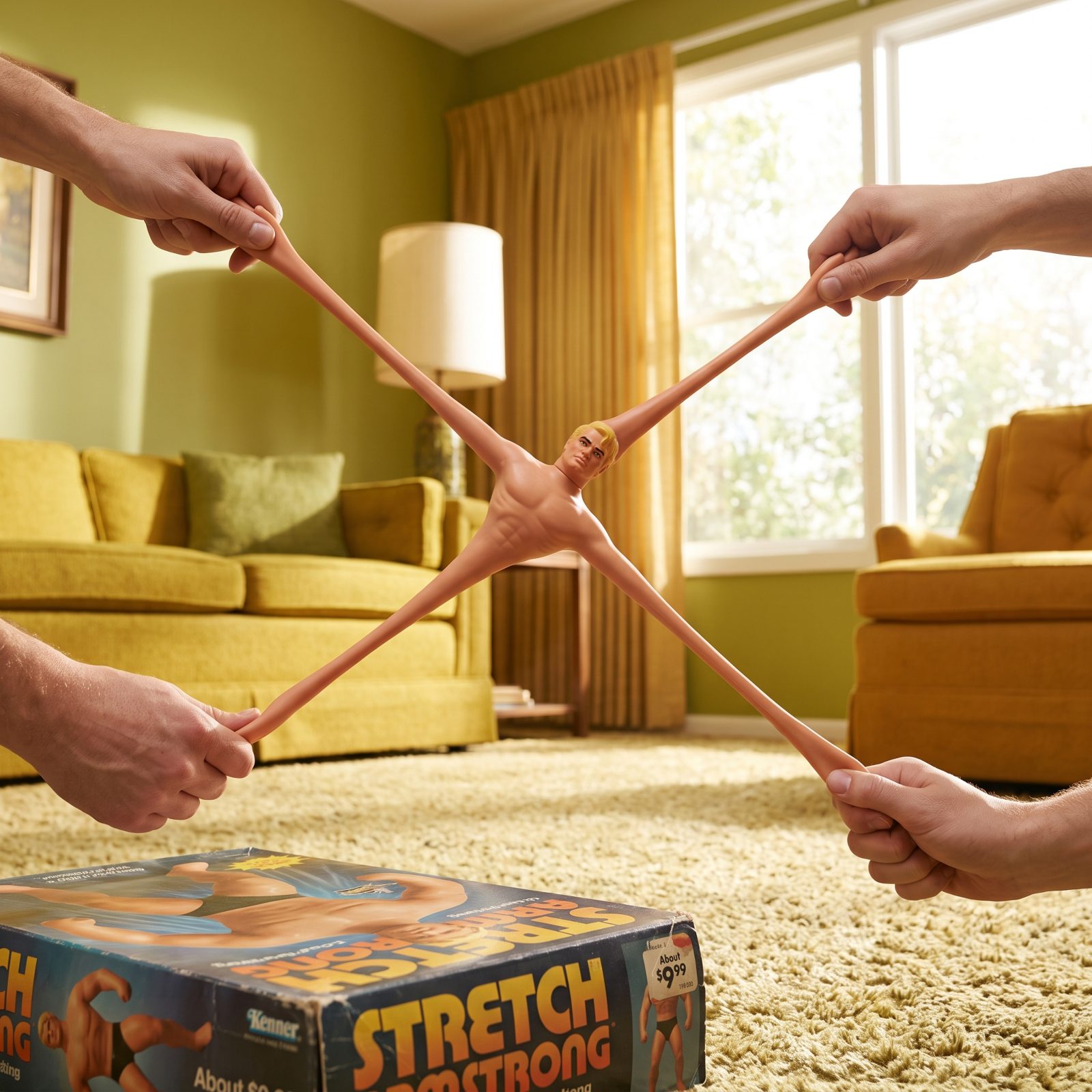
Around ten bucks got you a rubber man you could pull into a taffy pretzel. Stretch Armstrong ran about $9.99 in the 1978 season, landing somewhere near $48 in today’s money. Not nothing for a novelty figure your kid would eventually gouge with a fork just to see what bled out.
A dad earning the going wage of roughly five dollars an hour worked about two hours for this — two hours, for a toy whose entire selling point was surviving abuse. Half the neighborhood eventually learned Stretch was filled with corn syrup gel, usually the hard way.
20. Mattel Shogun Warriors: Roughly $12 to $15 for the Towering Robots
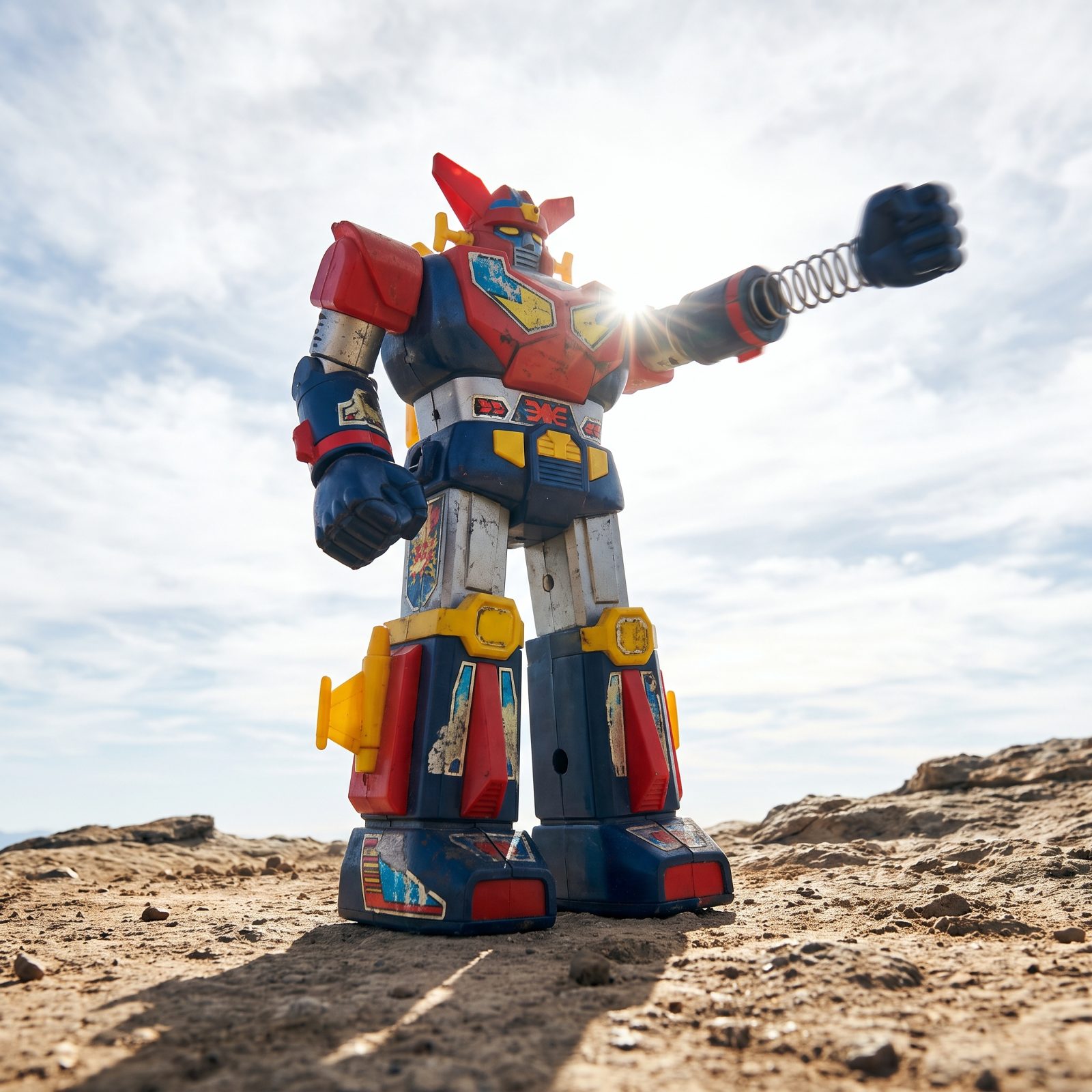
The big ones stood over two feet tall and shot their own fists across the living room. Depending on which Shogun Warrior you grabbed, the price sat somewhere between $12 and $15 in 1978. Call it $60 to $72 today.
These were early anime crossing the Pacific before most American parents had a word for it. All they knew was that the robot was enormous, the missiles vanished under the couch within the hour, and the kid was thrilled. That firing-fist gimmick eventually got recalled to a nub over safety worries — a quiet little monument to a whole different era of toy design.
19. Mego Micronauts Battle Cruiser: About $14.99 for Interstellar Firepower
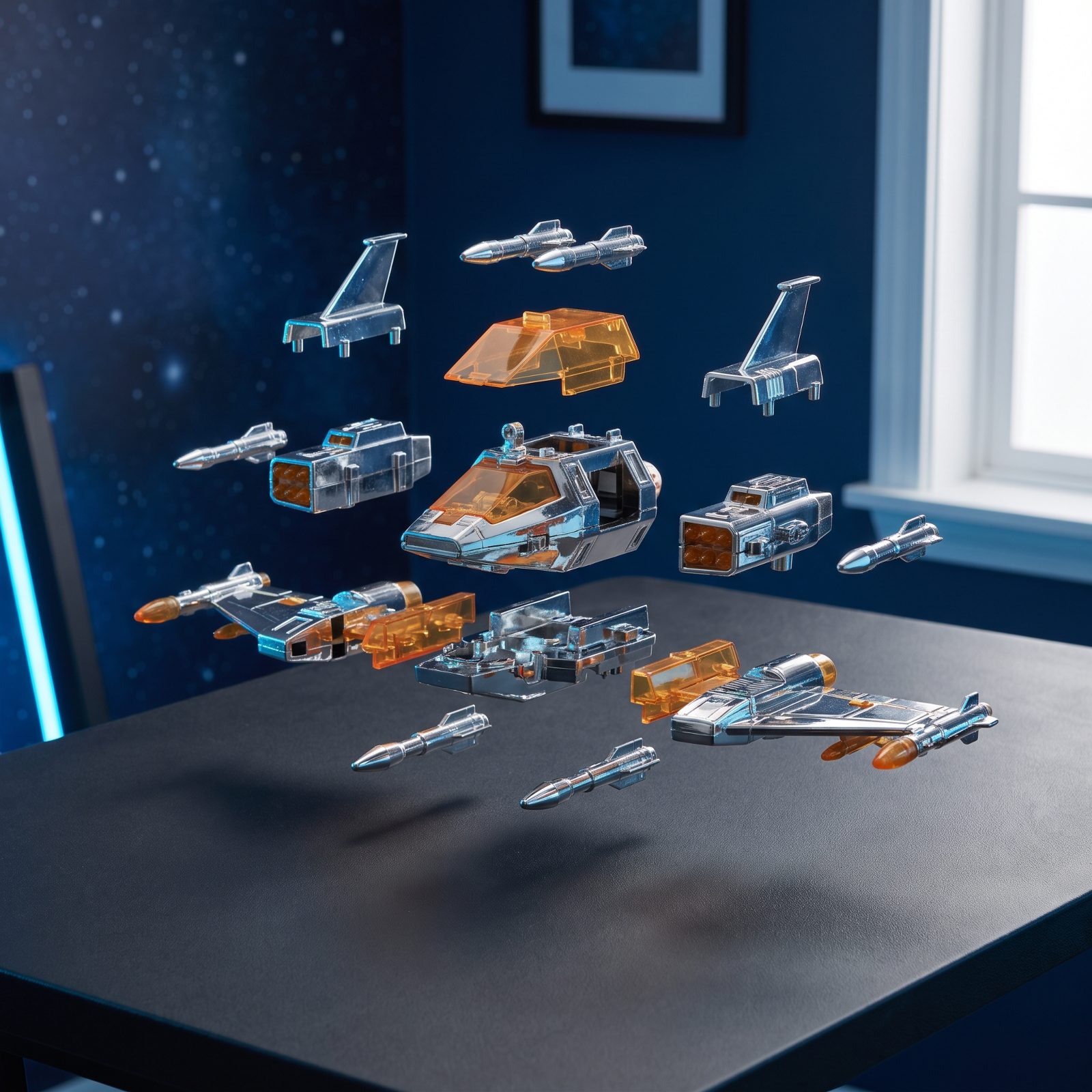
Space came in modular pieces you could snap into new ships every afternoon. The Micronauts Battle Cruiser ran close to $14.99 that Christmas, roughly $72 in current dollars. Chrome parts, clear canopies, and tiny figures with magnetic joints that fell apart if you looked at them wrong.
The interchangeability is what made these worth the money. Every Micronaut connected to every other one, so the Battle Cruiser was really an invitation to keep spending. Clever design, cleverer marketing. A parent buying one in December was signing up for a birthday purchase in March, whether they knew it yet or not.
18. Ideal Evel Knievel Stunt Cycle: Around $8.99 for a Backyard Daredevil
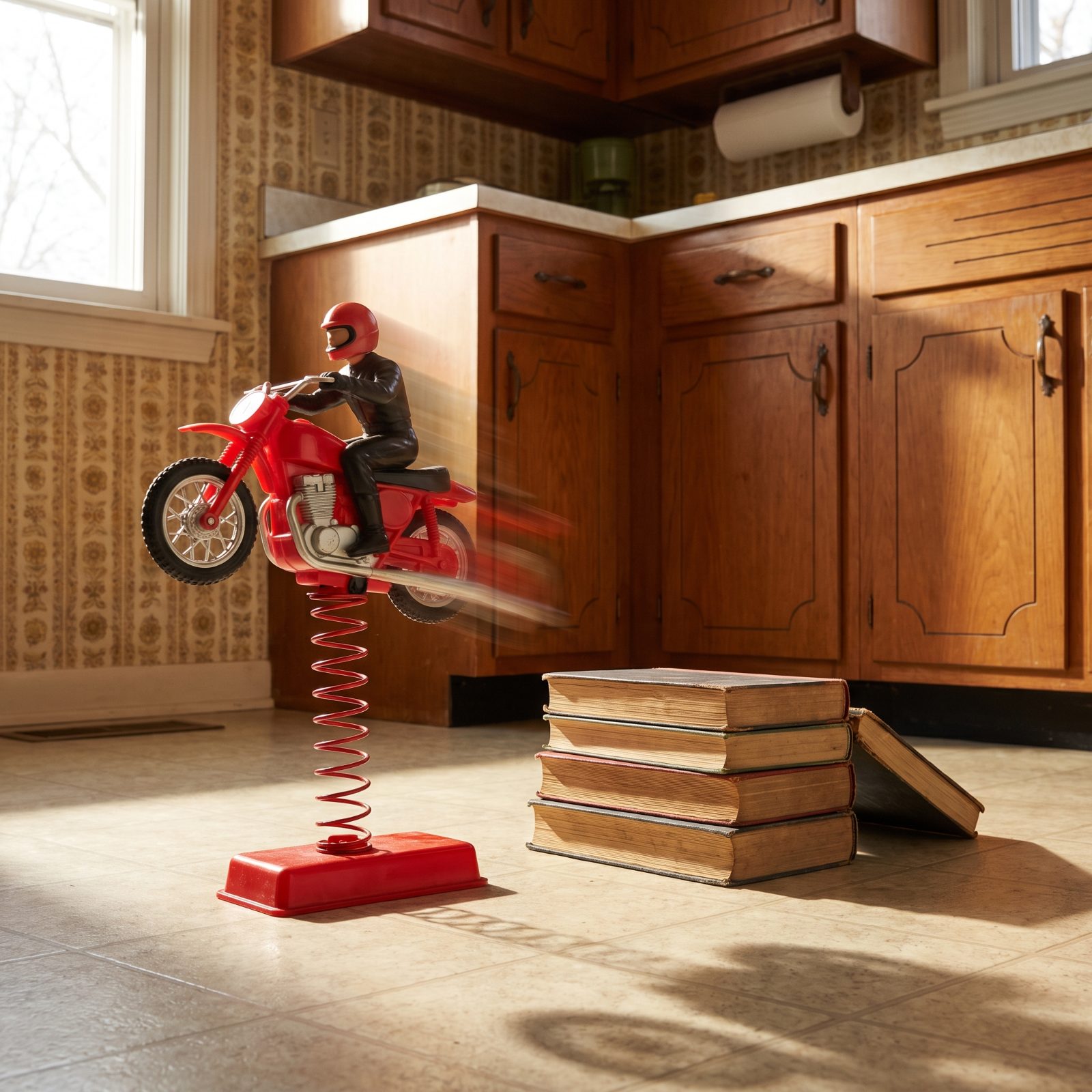
Crank the red launcher, let go, and Evel tore across the kitchen floor toward whatever ramp you’d built out of encyclopedias. The Stunt Cycle set went for about $8.99 in 1978, right around $43 today.
This one earned its money. The gyro launcher gave it real speed, the figure survived crashes into baseboards, and every kid staged the same driveway jump that ended in the same spectacular wreck. Ideal moved millions of these across the decade. And here’s the odd part: by 1978 the daredevil himself was fading from the headlines while his little plastic double kept right on flying off the coffee table.
17. Kenner SSP Smash-Up Derby Set: About $11.99 for Sanctioned Destruction
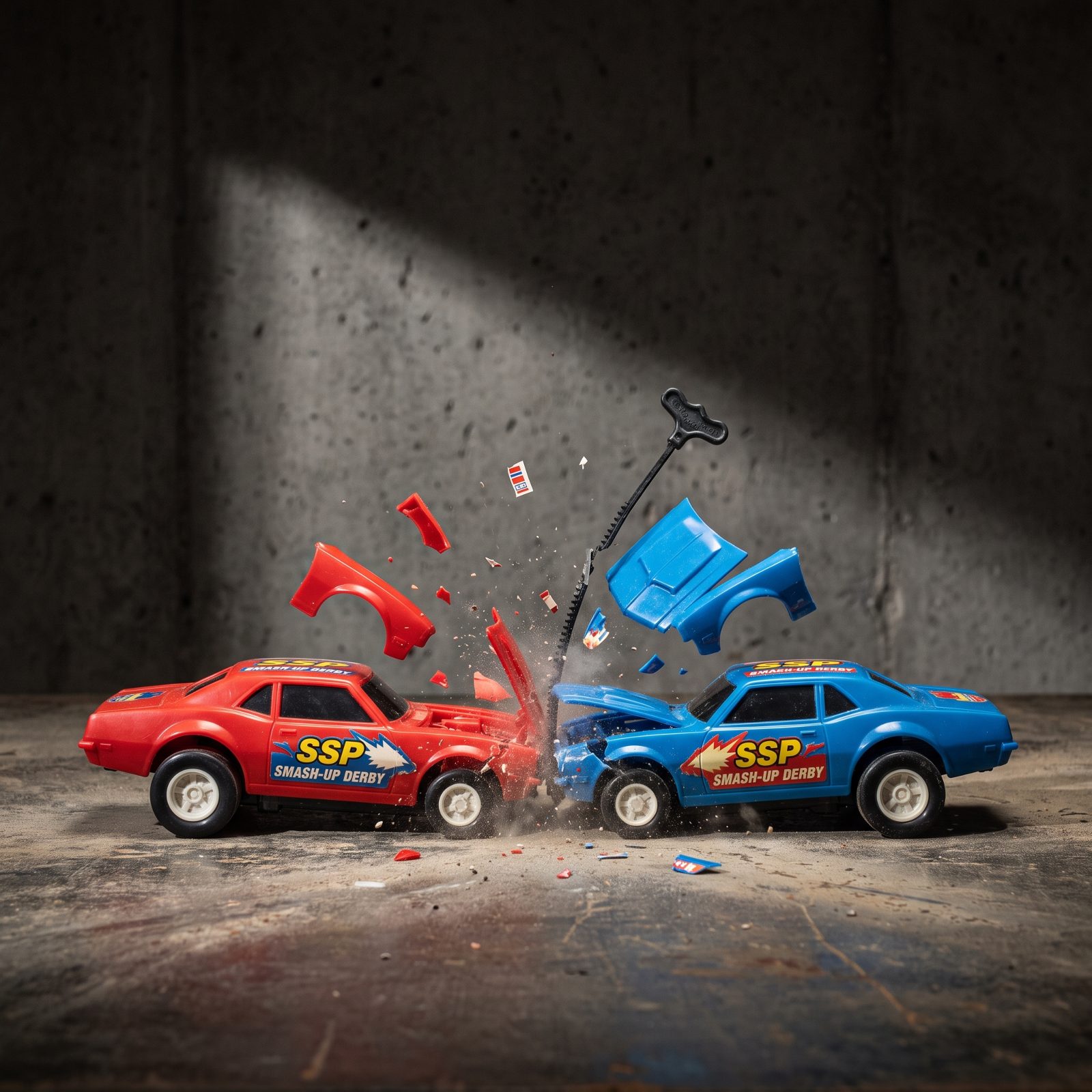
The whole appeal was the collision. Two Super Sonic Power cars, a pair of rip cords, and the promise that when they hit, the hoods and doors and fenders would explode off in every direction. The Smash-Up Derby set landed around $11.99 in 1978, near $57 now.
You reassembled the cars, ripped the cords, and crashed them right back apart. That reset-and-repeat loop was the entire toy — and honestly it held up better than half the fancier gadgets that year.
16. Mattel VertiBird Rescue Ship: Roughly $13.99 for a Flying Helicopter
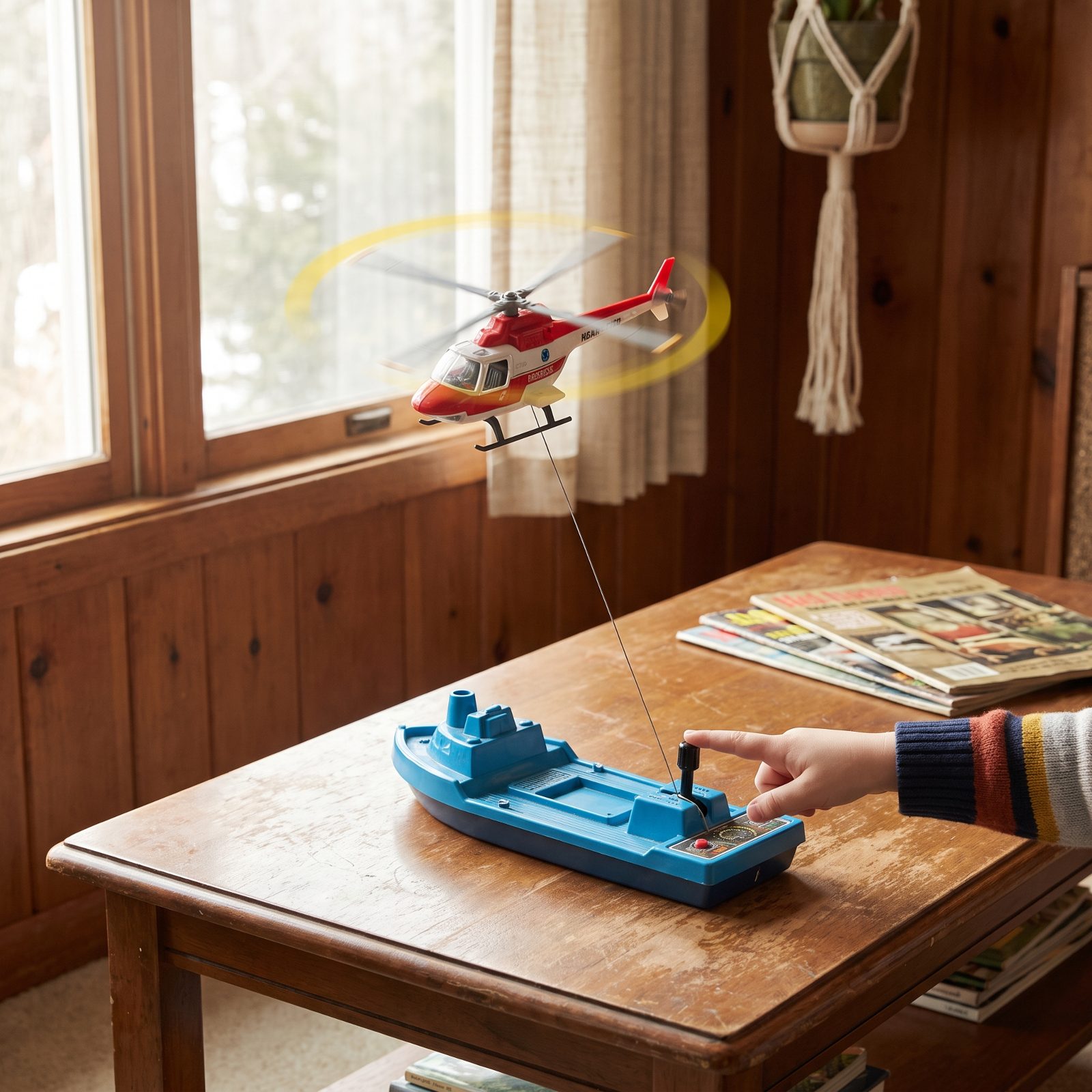
A real helicopter that actually flew, spinning in circles around a control base while you throttled it up and down. The VertiBird Rescue Ship cost about $13.99 in 1978, roughly $67 today, and it felt like magic the first time the rotor lifted it off the pad.
The tether was the trick. It never went anywhere but around, and the little motor whined like a dentist’s drill. Didn’t matter one bit. Working a joystick to snag a plastic figure with a rescue basket was as close to piloting as an eight-year-old was ever going to get.
15. Ideal Total Control Racing Set: About $24.99 for the Big Slot-Car Splurge
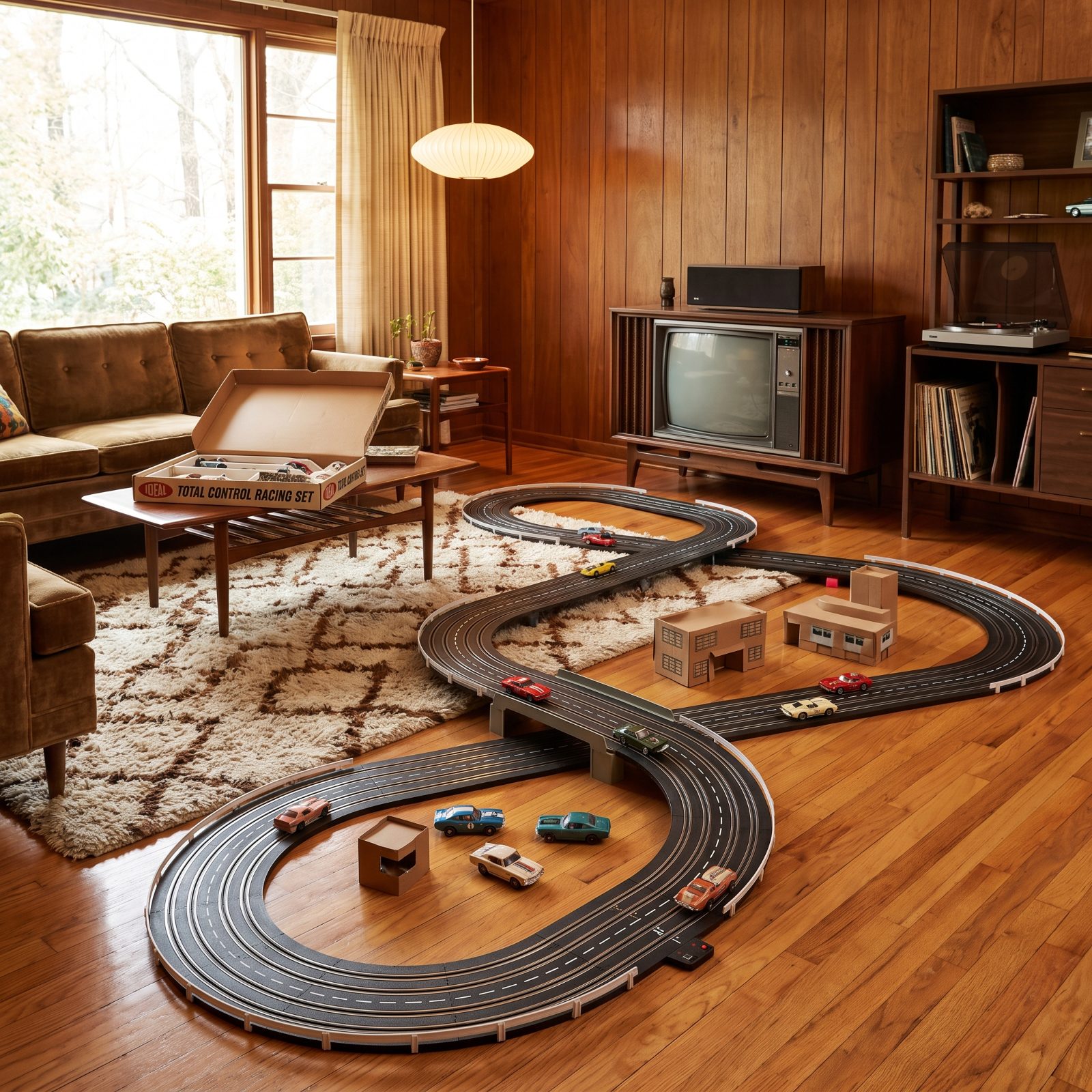
This was a real wallet-opener. The Total Control Racing set ran about $24.99 in 1978, which pushes past $120 in today’s money. For plenty of families that made it the single big gift — the one hidden in the trunk until Christmas Eve.
The slot-less track is what set TCR apart. Cars could change lanes and pass each other, so kids were actually racing instead of watching two cars orbit forever. That freedom was worth the price. At least until someone got greedy in a turn and both cars ended up under the sofa.
For a lot of families, twenty-five dollars in 1978 wasn’t a toy. It was the whole Christmas budget riding on one long box.
14. Tonka Mighty Dump Truck: Around $12.99 for Indestructible Steel

Real steel, real weight, and a bed you could genuinely fill with dirt from the yard. The Tonka Mighty Dump Truck sold for about $12.99 in 1978, near $62 today, and it was that rare toy a parent bought fully expecting it to outlast the childhood.
It usually did. These trucks got left out in sandboxes through three winters and still rolled fine. That heft is exactly why so many of them survived to end up on grandparents’ shelves, dented and faded but unbroken. They don’t make the yellow steel version anymore, and every kid who owned one can still feel how heavy it was.
13. Marx Green Machine: About $28.99 for the Three-Wheeled King of the Block
Would you like to save this?
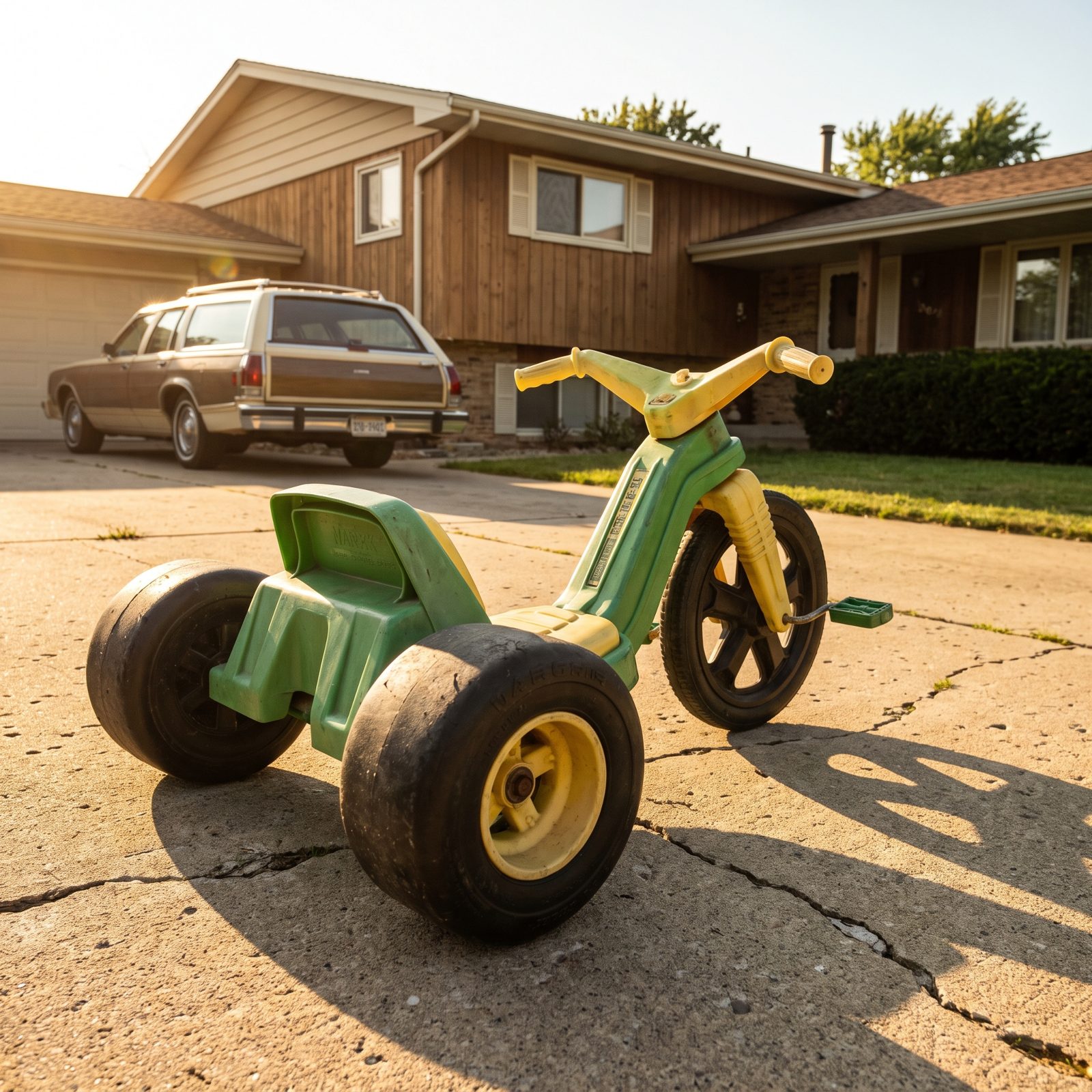
The steering levers, the low seat, the enormous back wheel that let you pull skids across the driveway. The Marx Green Machine ran roughly $28.99 in 1978, a hefty $138 or so in current dollars. This was the bicycle-tier gift, the one that made a kid the envy of the whole street.
Steering with two hand levers instead of a wheel took practice, and the learning curve produced some memorable wipeouts. Worth every scraped knee.
12. Mattel Hot Wheels Sto & Go Service Center: Roughly $9.99 for a Fold-Up Garage
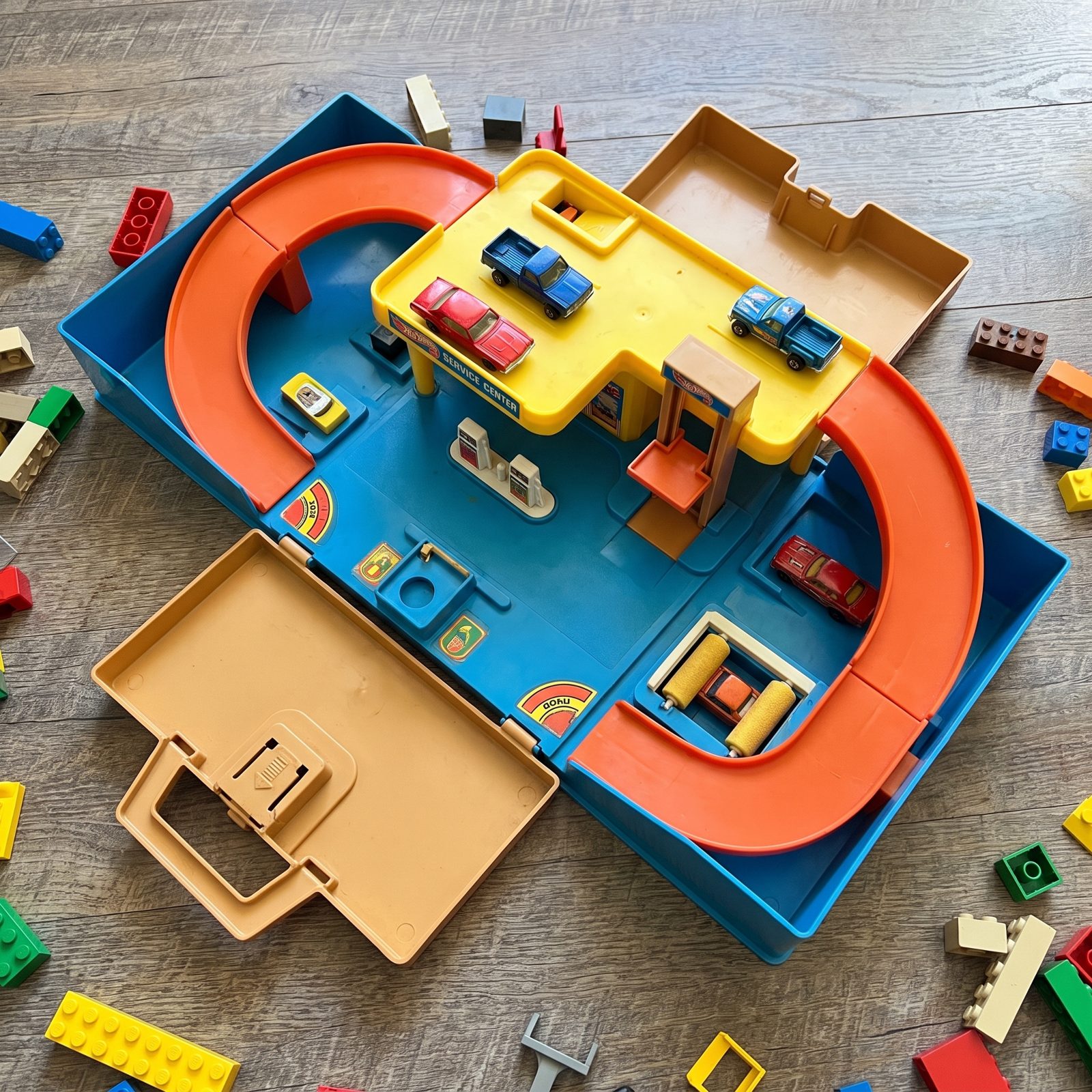
A whole garage that folded up into a carrying case — ramps, an elevator, parking bays, the works. The Hot Wheels Sto & Go ran about $9.99 in 1978, roughly $48 today, and it was the gift that quietly justified every loose car already scattered under the couch.
That was the genius of it. A parent might balk at yet another play set, but this one promised to corral the chaos, to give the cars a home you could snap shut and shove in a closet. Never quite worked that way. The cars still ended up everywhere. But the fold-flat design was a small clever thing, and kids loved parking each car in its own numbered spot before scattering them all again by dinner.
11. Fisher-Price Adventure People Sets: About $4 to $7 in 1978

Adventure People ran cheap, and that was the whole genius. A single set landed somewhere around $4 to $7 in 1978, so a parent could grab two or three and barely feel it. Scuba divers, the daredevil sports van, rescue crews — all of it chunky, sturdy, and built to survive a sandbox and, if you were unlucky, the dishwasher.
Set that against a 1978 minimum wage of $2.65 an hour and a full set cost maybe two or three hours of work. Call it $19 to $27 apiece in today’s money.
10. Fisher-Price Sesame Street Clubhouse: Roughly $12 to $15
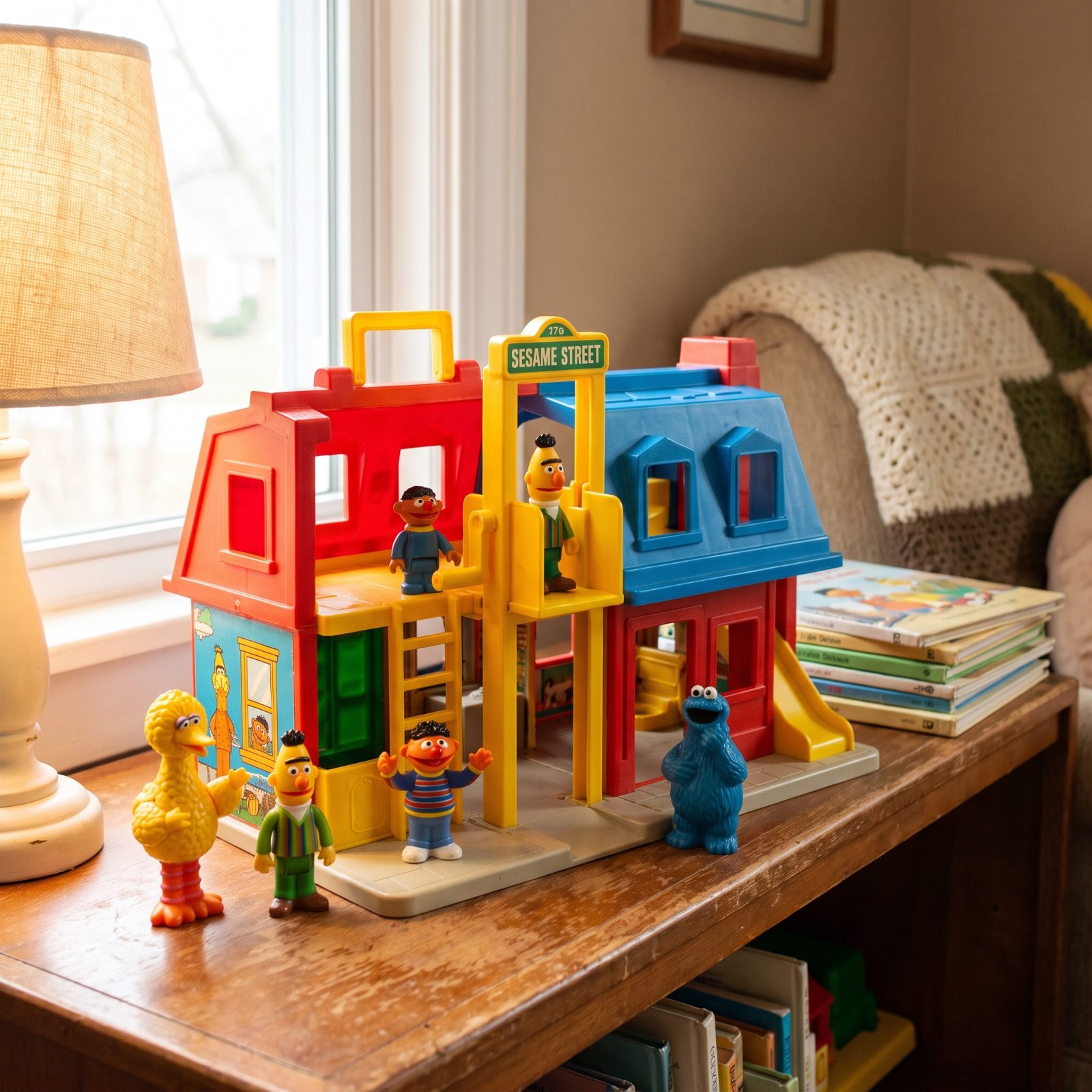
The Sesame Street Clubhouse made a preschooler feel like they lived inside the show. Big Bird, Ernie, a working elevator, a roof that swung open. At $12 to $15 it landed firmly in the main-gift-under-the-tree bracket, not the stocking.
Five or six hours of minimum-wage work bought it. Push that forward and you’re at roughly $58 to $72 today — not cheap, but the thing shrugged off years of daily abuse and almost always got handed down to a younger sibling.
What justified the price was the licensing. Sesame Street was appointment television, and slapping that name on a toy bought instant recognition the second a kid tore off the wrapping.
9. Hungry Hungry Hippos: Around $7 to $9 New
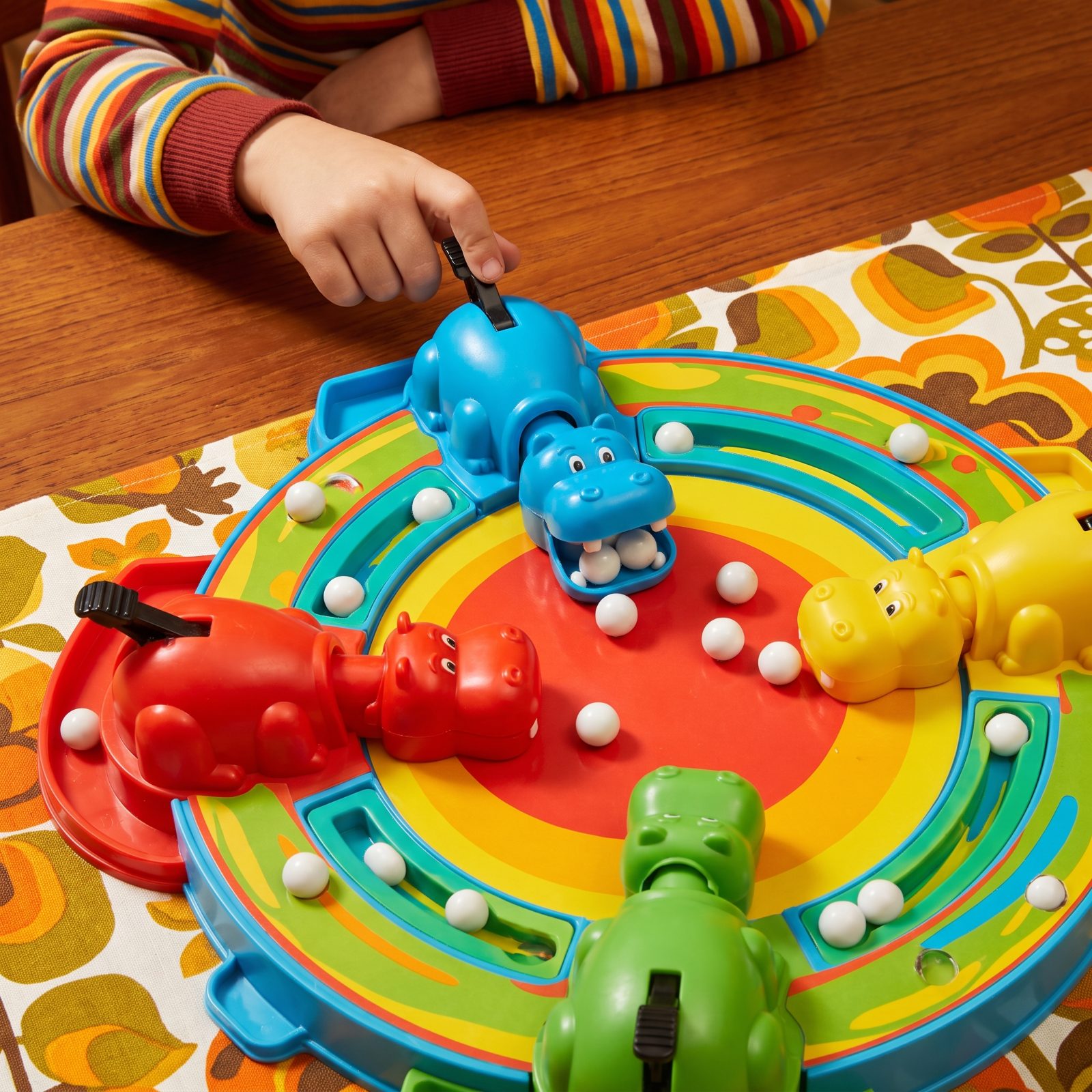
Loud, fast, and gloriously stupid in the best possible way. Hungry Hungry Hippos hit shelves in 1978, which made a 1978 Christmas box the brand-new thing every kid at the party wanted a turn at. It ran roughly $7 to $9.
Three-ish hours of minimum-wage work, or about $27 to $34 now. And the marbles vanished under the couch within a week — a tradition, honestly, that’s still going strong.
8. Play-Doh Fuzzy Pumper Barber and Beauty Shop: About $6 to $8
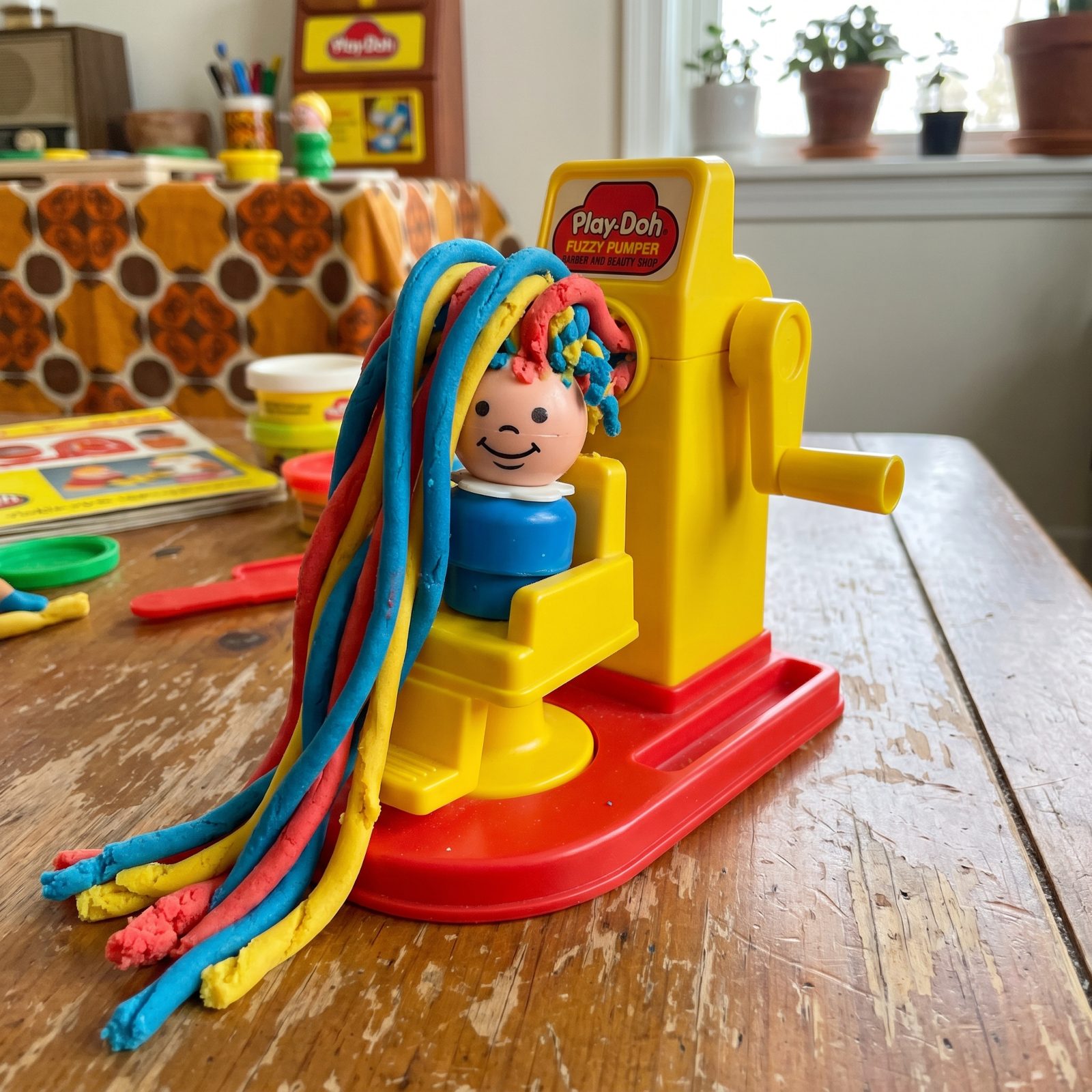
Nothing said 1970s creative chaos like squeezing dough out of a tiny plastic man’s head and calling it a haircut. The Fuzzy Pumper Barber Shop ran about $6 to $8 that Christmas.
Two to three hours of minimum-wage work, or somewhere near $23 to $30 today. Fair enough for a toy that reliably ended with dough ground into the carpet and one figure permanently bald.
The appeal was the mess. Kids loved the crank, parents loved the ten minutes of quiet, and everybody lost track of those little plastic scissors within a day.
7. Lite-Brite: Roughly $9 to $11
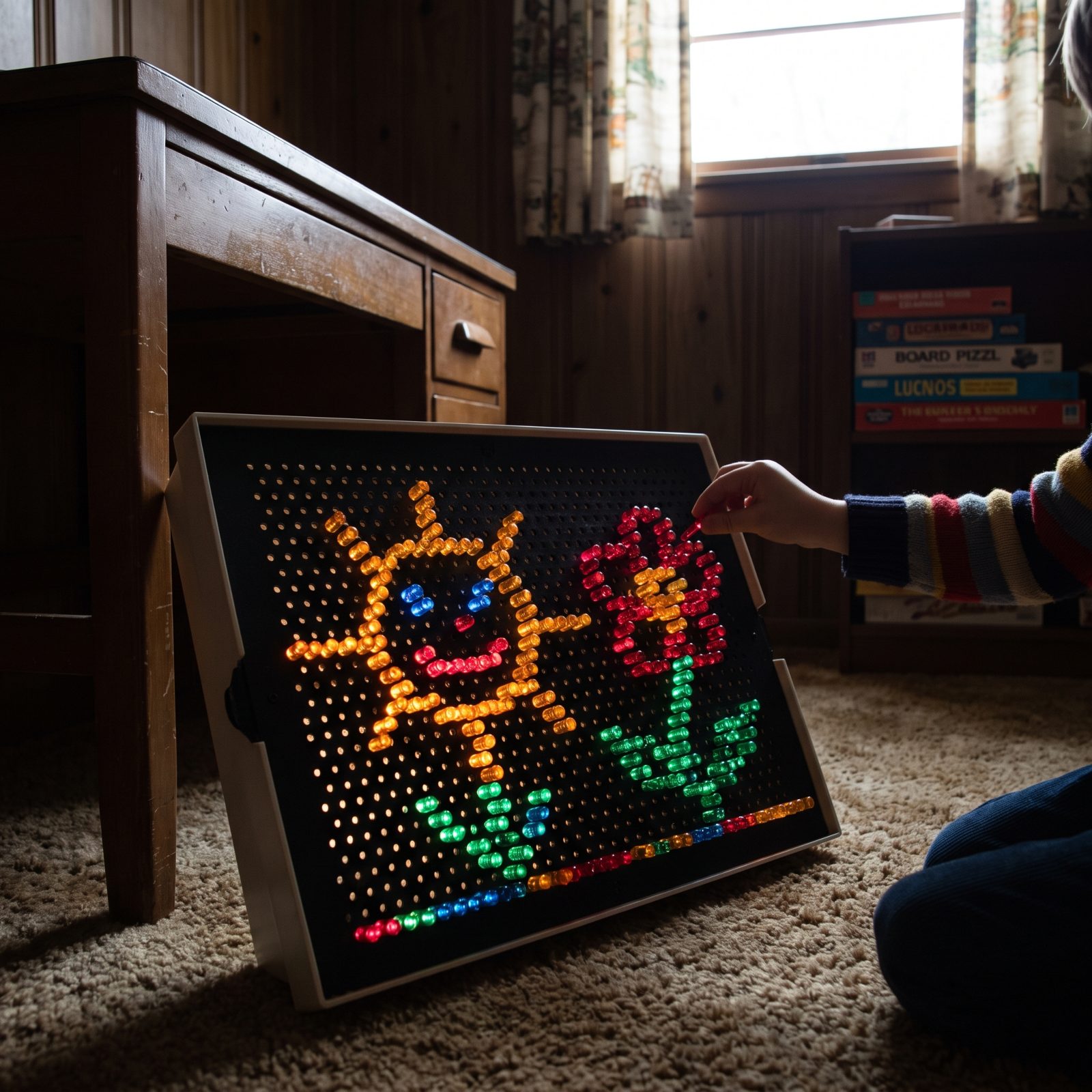
The whole magic of Lite-Brite was turning off the lights. Punch colored pegs through black paper, flip the switch, and there’s your glowing picture. In 1978 it cost somewhere around $9 to $11.
Roughly four hours of minimum-wage work, or about $34 to $42 now. The refill sheets and lost pegs were the real long-term cost — same racket as printer ink today.
6. Slime With Worms: Under $3, and Worth Every Penny of Chaos
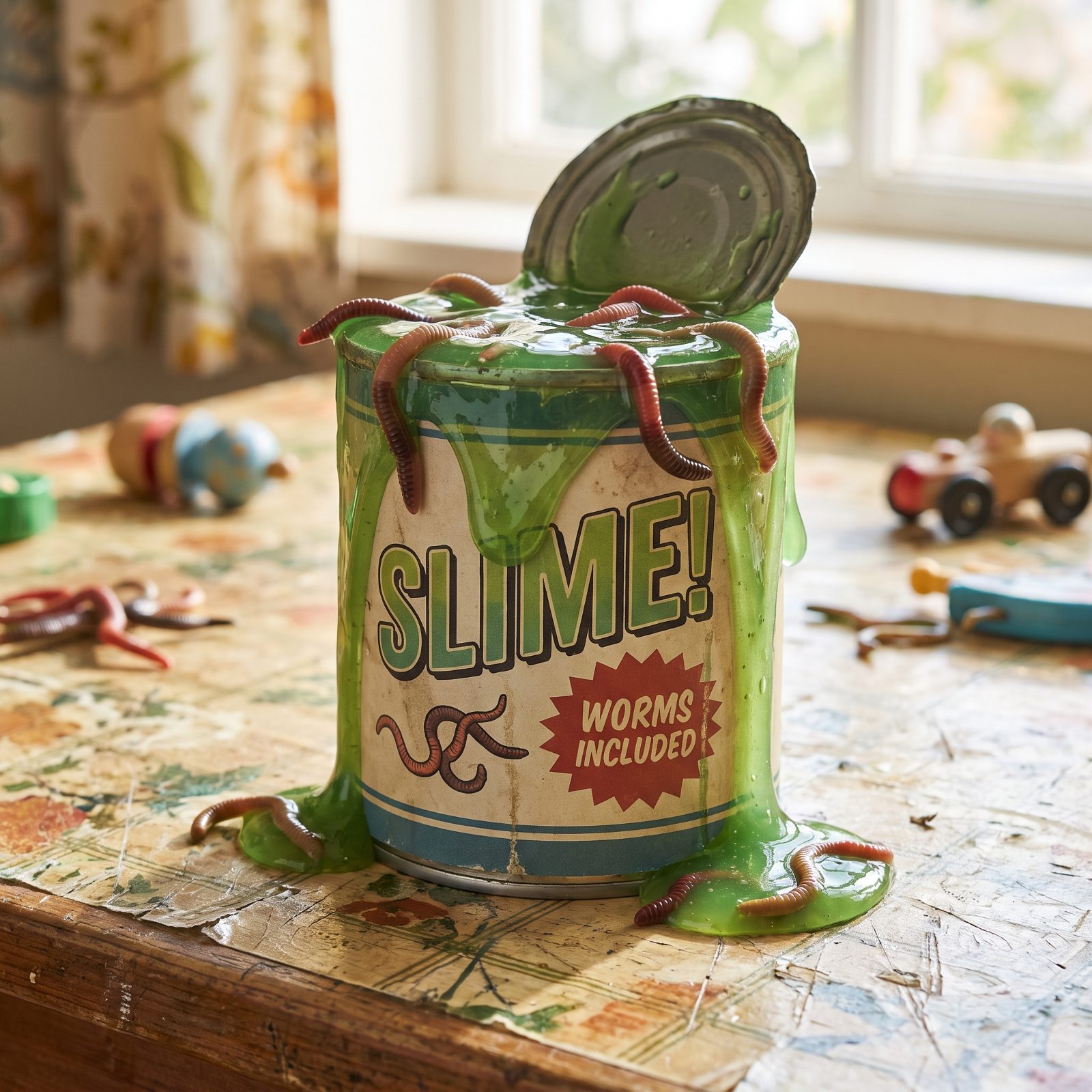
The cheapest thrill on this whole list. A can of Mattel Slime, worms and all, ran under $3 — often right around $1.99.
Barely an hour of work at 1978 wages. Maybe $8 or $9 today. This was the impulse buy, the stocking stuffer, the thing an aunt grabbed at the register because it looked disgusting and she knew exactly which nephew would lose his mind over it.
The rubber worms buried in the ooze tipped it over into pure gross-out gold. Parents dreaded finding it dried onto the upholstery months later. Kids? They filed that under features.
5. Pulsar Life Systems Center: Around $10 to $13
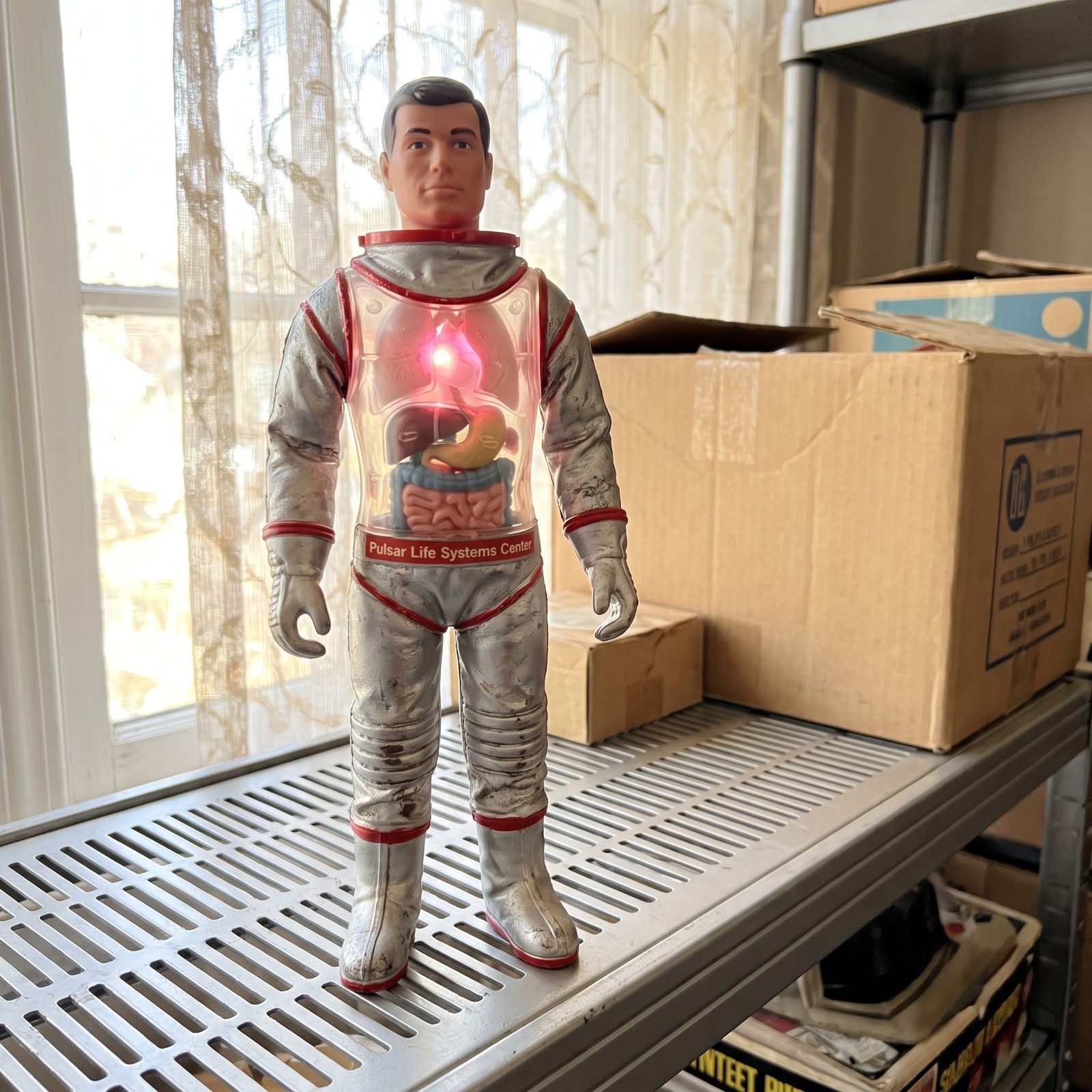
Pulsar was the fever dream of late-70s action figures. A clear chest cavity showed off his pulsing heart and lungs, and the Life Systems Center let kids play space-doctor with the accessories. The set typically ran $10 to $13.
Four to five hours of minimum-wage work, or around $38 to $50 today. It sold on pure novelty. Nothing else on the shelf let a kid watch a plastic astronaut’s guts move.
4. Kenner Star Wars X-Wing Fighter: About $8 to $11

This is the one that kicked off the shortage stories. Star Wars fever hit hard in 1978, and Kenner’s 3.75-inch line was the hottest thing in any toy aisle. The X-Wing Fighter, wings that popped open into attack position, ran roughly $8 to $11.
Three to four hours of minimum-wage work. About $30 to $42 today. Parents hunted these things down, and empty pegs were a real December problem.
The spring-loaded wings and the light-up laser cannon did most of the selling. Every kid who’d seen the trench run wanted to fly it themselves.
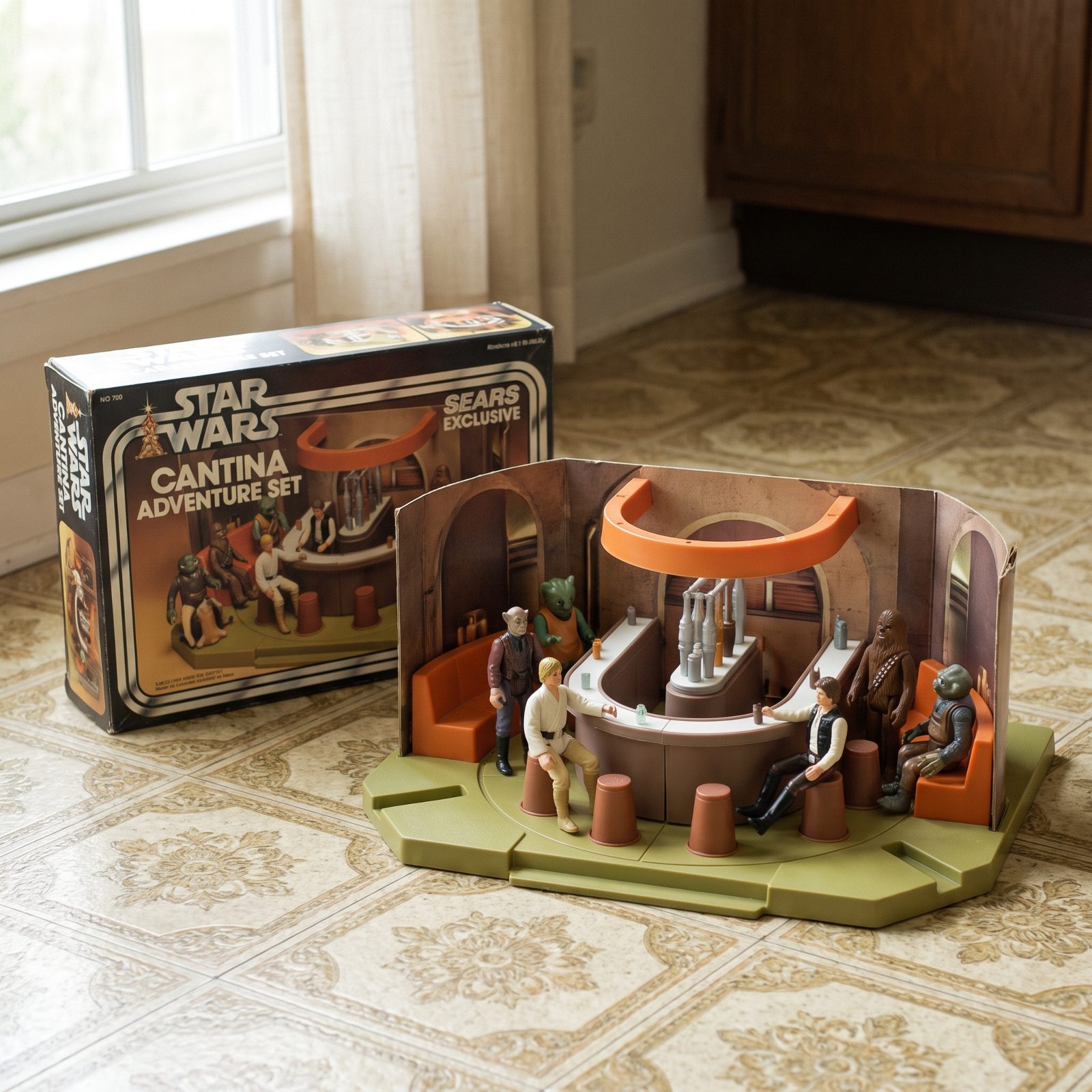
3. Sears Star Wars Cantina Adventure Set: Roughly $7 to $9, Sears Exclusive
Would you like to save this?
Here’s a strange corner of 1978 history. The Cantina Adventure Set was a Sears exclusive, sold mainly through the Wish Book, and it typically ran $7 to $9.
Roughly three hours of work at minimum wage, or about $27 to $34 today. Ordinary money for what turned out to be an extraordinary collectible.
Why do collectors chase it? One figure: the blue-suited Snaggletooth, a coloring and height that shipped only in this set and showed up nowhere else. Kenner had never gotten a clear look at the character and just guessed. That guess turned a nine-dollar Christmas gift into one of the most famous screwups in toy history.
2. Kenner Star Wars Death Star Space Station: Around $14 to $17, the Big One
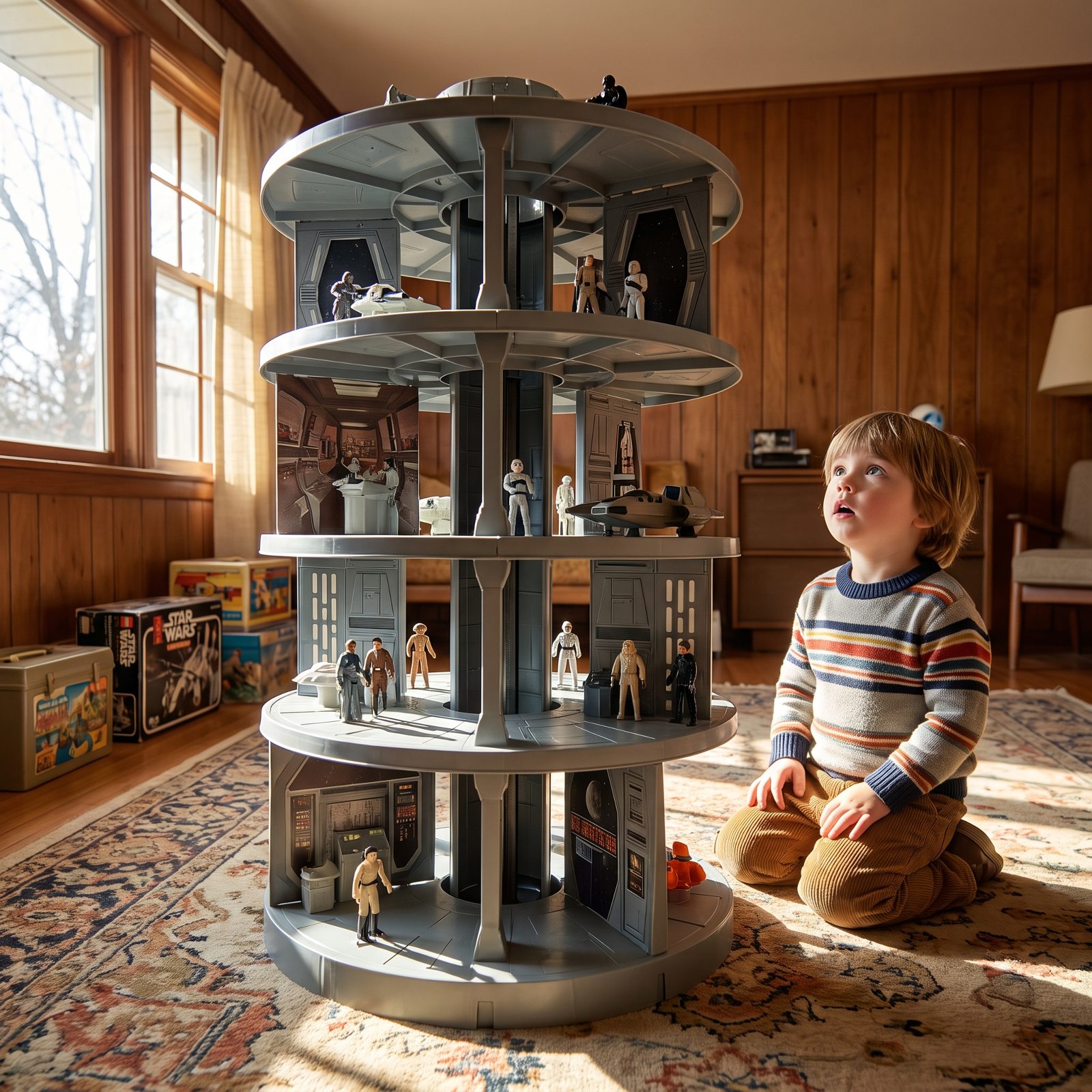
The showstopper. Kenner’s Death Star Space Station was the multi-level playset every Star Wars kid dreamed about, and it carried a price to match — roughly $14 to $17 in 1978. This was the big one, the gift that got wrapped in the largest box under the tree.
Five to six hours of minimum-wage work for a parent, or somewhere near $53 to $65 today. Plenty of families saved for it specifically.
And it had everything: a working elevator, a light bridge built for a proper Luke-and-Leia swing, a spring-loaded laser cannon up top, and that infamous foam-filled trash compactor complete with a rubber dianoga lurking in the sponge garbage. Kids played it out shot for shot.
1. Kenner Star Wars 3¾-Inch Action Figures: About $1.99 Each in 1978
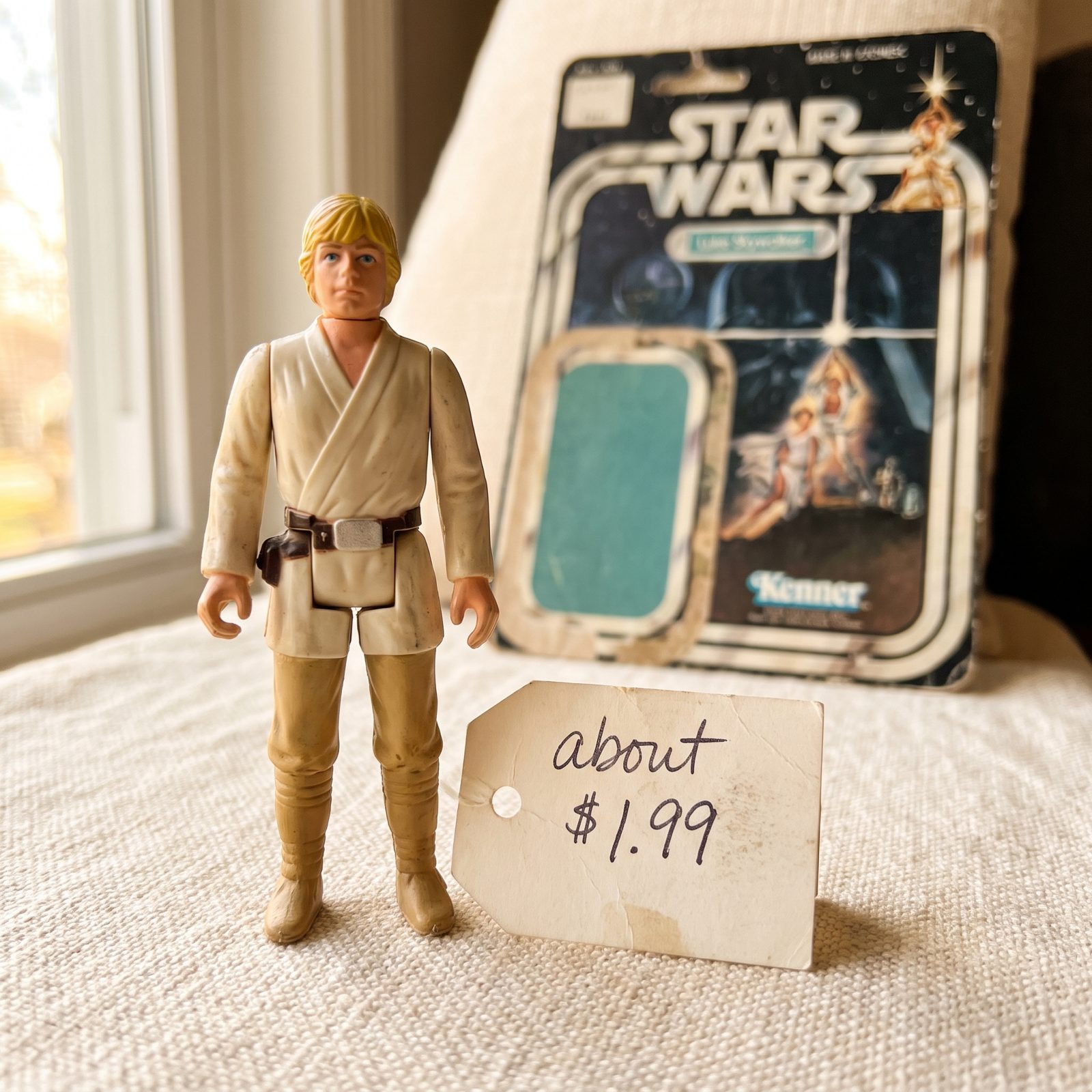
The toy that launched an entire action-figure empire cost about $1.99 each in 1978. Two bucks. Less than a paperback, and a kid could grab Luke, Leia, and a Stormtrooper for what you’d spend on a movie ticket and popcorn.
Against a paycheck it lands even softer. A factory worker pulled in roughly five dollars an hour that year, so one figure cost under half an hour of work. But here’s what the misty-eyed nostalgia crowd forgets: wages were smaller too, and $1.99 wasn’t pocket change to a parent stretching a December budget across four kids.
Then there’s the Early Bird Certificate, which is where it gets weird. Kenner blew through the license so fast they couldn’t actually manufacture figures in time for Christmas 1977. Their fix? Sell parents an empty cardboard box with a mail-away voucher tucked inside. You paid around ten dollars for a promise, and the toys showed up months later in the spring. And somehow it worked — those same figures now trade for numbers that would’ve bought a used car back in ’78.
Plenty of kids shredded every single cardback back then and would give a lot to have them back now.