
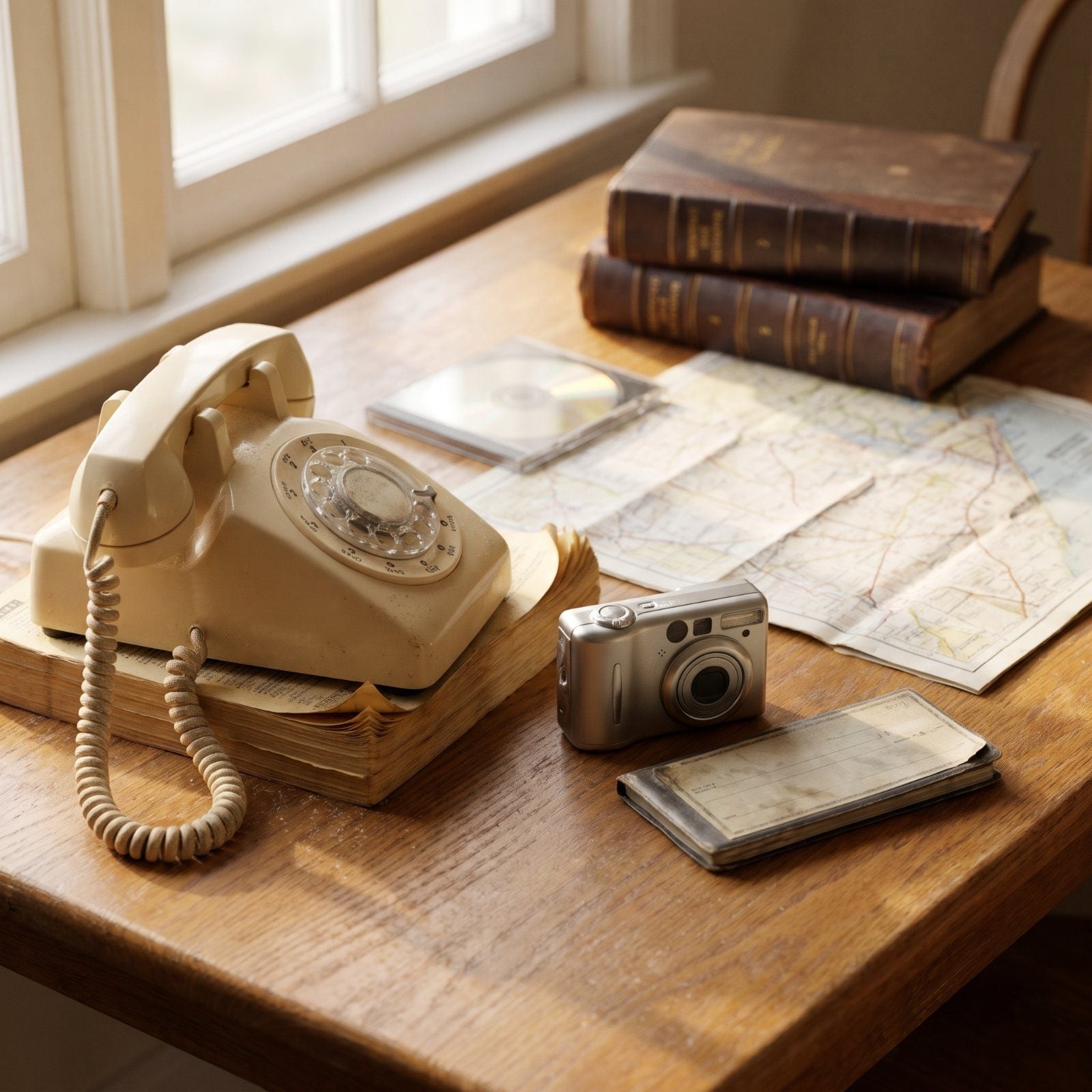
Would you like to save this?
A kitchen junk drawer tells the truth faster than any trend report. Dead AAA batteries, a coupon for a store that closed, a phone book nobody has cracked since the Clinton administration. Some things used to be non-negotiable. You bought them, replaced them, stashed a backup in the hall closet. Then phones got smart, screens got cheap, and a whole category of must-haves slid quietly into the attic. We rounded up the household staples older generations treated as permanent and the exact reasons younger shoppers stopped reaching for them. A few of these losses sting. Others? Good riddance.
Please note that some of the images in this article were created with the assistance of AI.
37. The Landline Telephone Wired to the Kitchen Wall
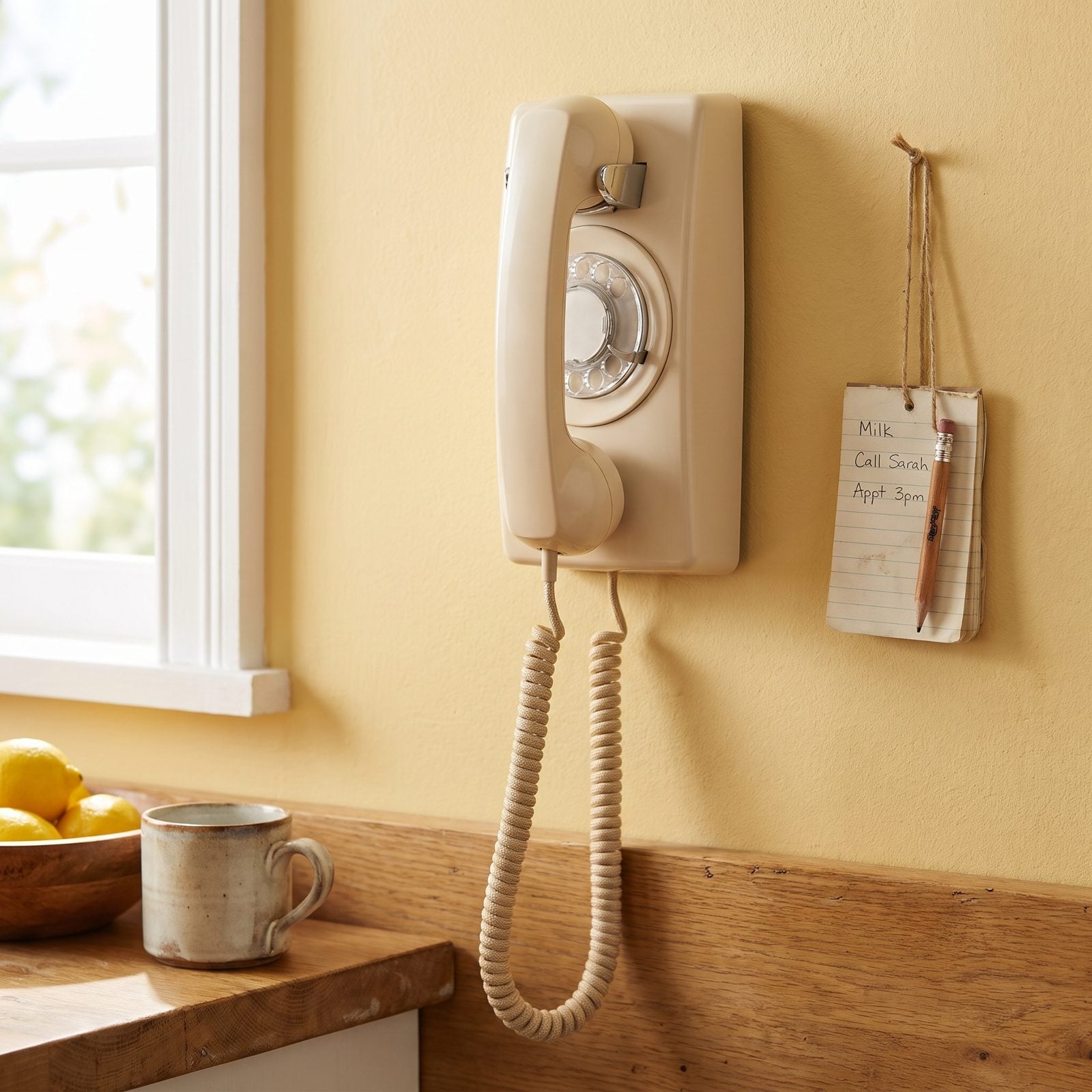
For decades the landline was the household’s nervous system. One number, everyone answered it, and you learned to recite it before you could tie your shoes. Then the cell phone made the wall jack redundant.
Younger buyers skip it for an obvious reason — they already pay for a phone that goes everywhere, so a second line bolted to the kitchen feels like paying rent on a room nobody enters. The holdouts keep one for 911 reliability or a spotty rural signal. Fair enough.
36. The Phone Book That Landed on the Porch With a Thud
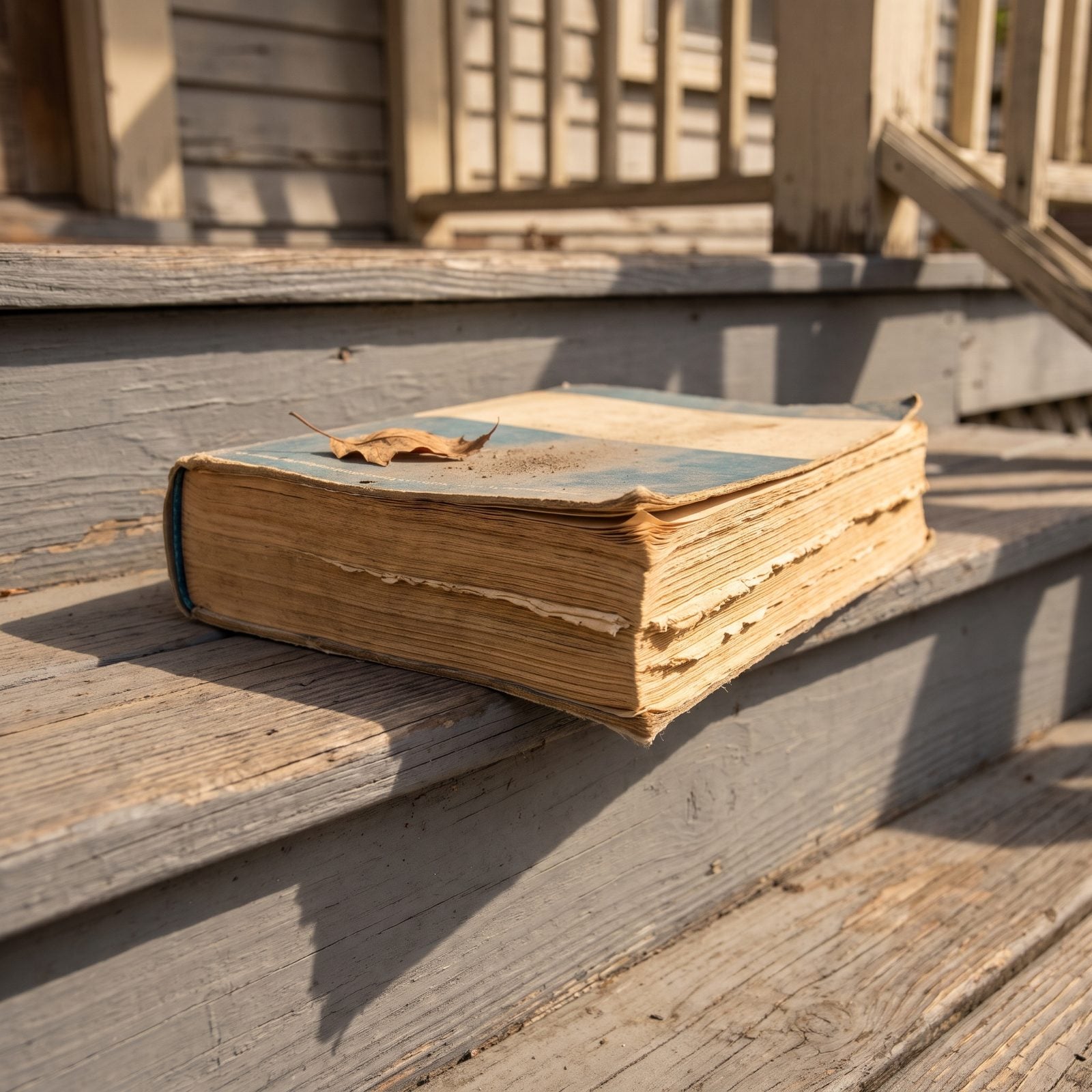
There was a ritual to it. The book thumped onto the porch once a year, last year’s went in the recycling, and the fresh one landed in the drawer under the phone — or under a small kid’s bottom at dinner, booster-seat duty.
Search engines ended it. Why thumb through microscopic Yellow Pages when a phone finds the nearest plumber, his reviews, and his hours in three seconds? A lot of cities and directory companies have stopped mass-delivering residential white pages altogether. Younger households never picked up the habit, so there’s nothing left to break.
35. The Suction-Cup GPS Stuck to the Windshield
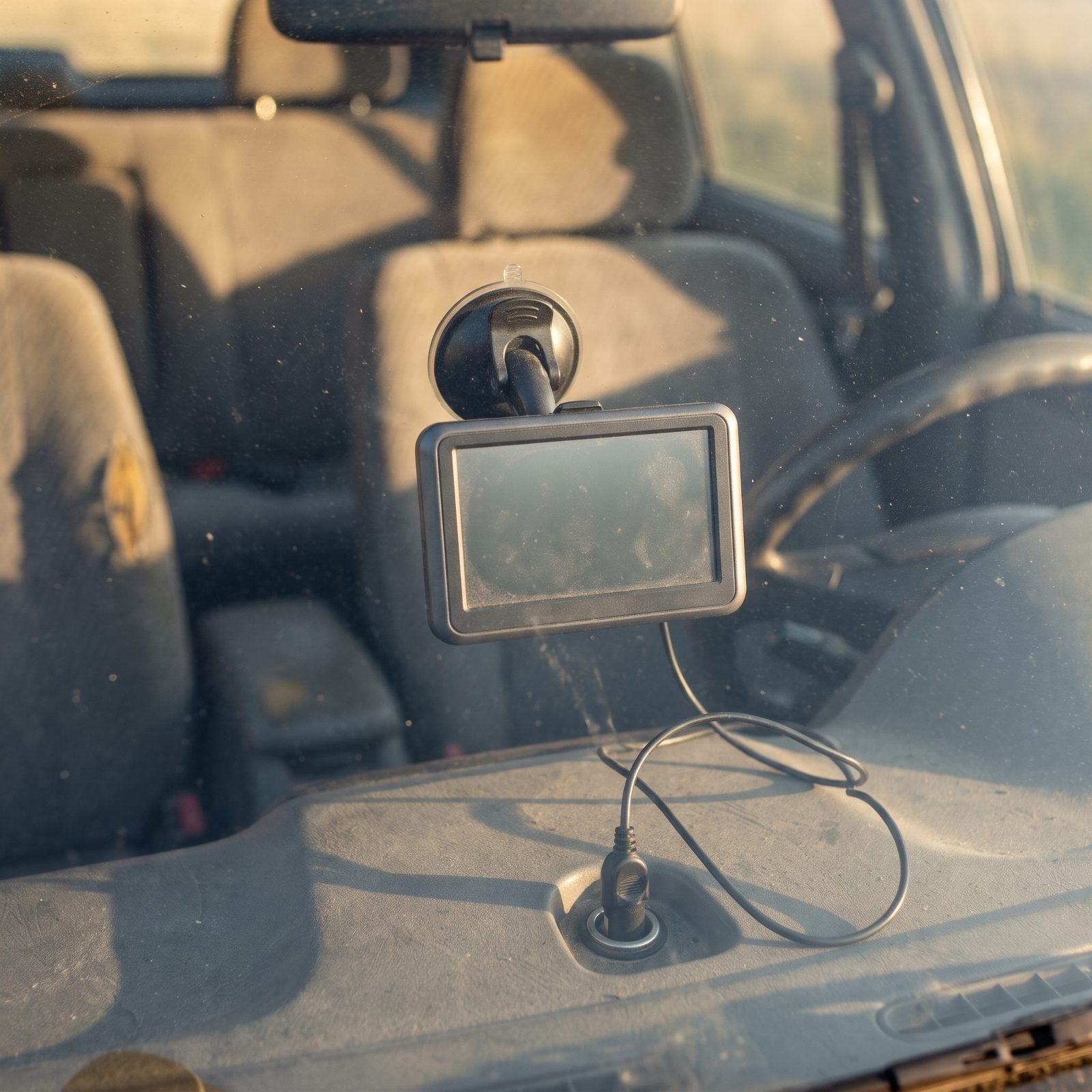
The dedicated GPS had a good run and a short one. For maybe a decade it was the gadget you bought the moment you drove a new car off the lot, fed with paid map downloads, and guarded against the smash-and-grab crowd who knew exactly what that suction ring on the glass meant.
Then free navigation showed up in everyone’s pocket — live traffic, rerouting, voice search, all baked in. Buy a standalone unit today and you’re buying a worse version of something you already carry. This category didn’t shrink. It evaporated.
34. The Point-and-Shoot Digital Camera in Its Little Case
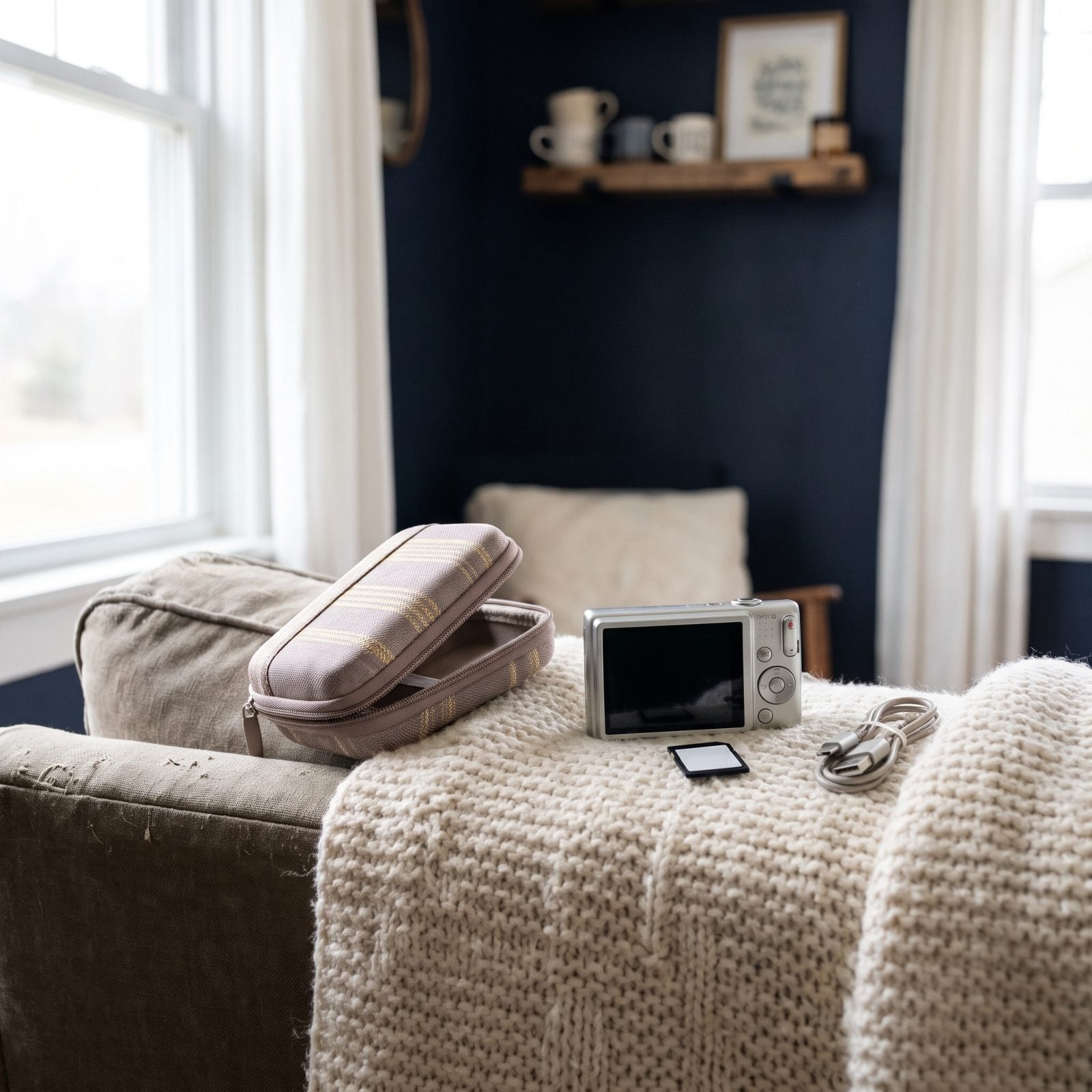
You charged it before vacation, packed a spare battery, and prayed the memory card wasn’t full when the fireworks started. For years the compact digital camera was the family archivist.
Phone cameras killed it, and not gently. The best camera is the one in your hand, and nobody hauls around a separate device for a photo their phone takes and uploads on its own. Serious hobbyists still buy mirrorless and DSLR bodies. But the cheap point-and-shoot that every household once owned has nearly vanished from carts.
33. The Encyclopedia Set That Filled an Entire Shelf

Buying the full set was an event. A salesman at the door, a payment plan, and a shelf of matching spines that announced a household took knowledge seriously. Kids copied straight out of them for book reports — sometimes word for word, which teachers somehow never noticed.
Free online reference ended the business. Britannica stopped printing its famous bound set in 2012, after more than two centuries. Younger buyers never once considered paying hundreds for information that updates itself and fits in a pocket. The set survives now as furniture.
32. The Checkbook That Lived in the Purse or Glovebox

Writing a check was a small ceremony. You balanced the register, tore along the perforation, licked the envelope. For older generations that was simply how money moved.
Tap, Venmo, Zelle, and autopay made most of it pointless. Younger folks find checks slow and a little baffling, and plenty have never written one in their lives. They haven’t fully died, though. Landlords, contractors, and the occasional wedding gift keep them limping along — which is exactly why most households no longer bother keeping a whole book around.
The last check most young adults will ever write is probably to a plumber who refuses anything else.
31. The Fine China Locked Behind the Cabinet Glass
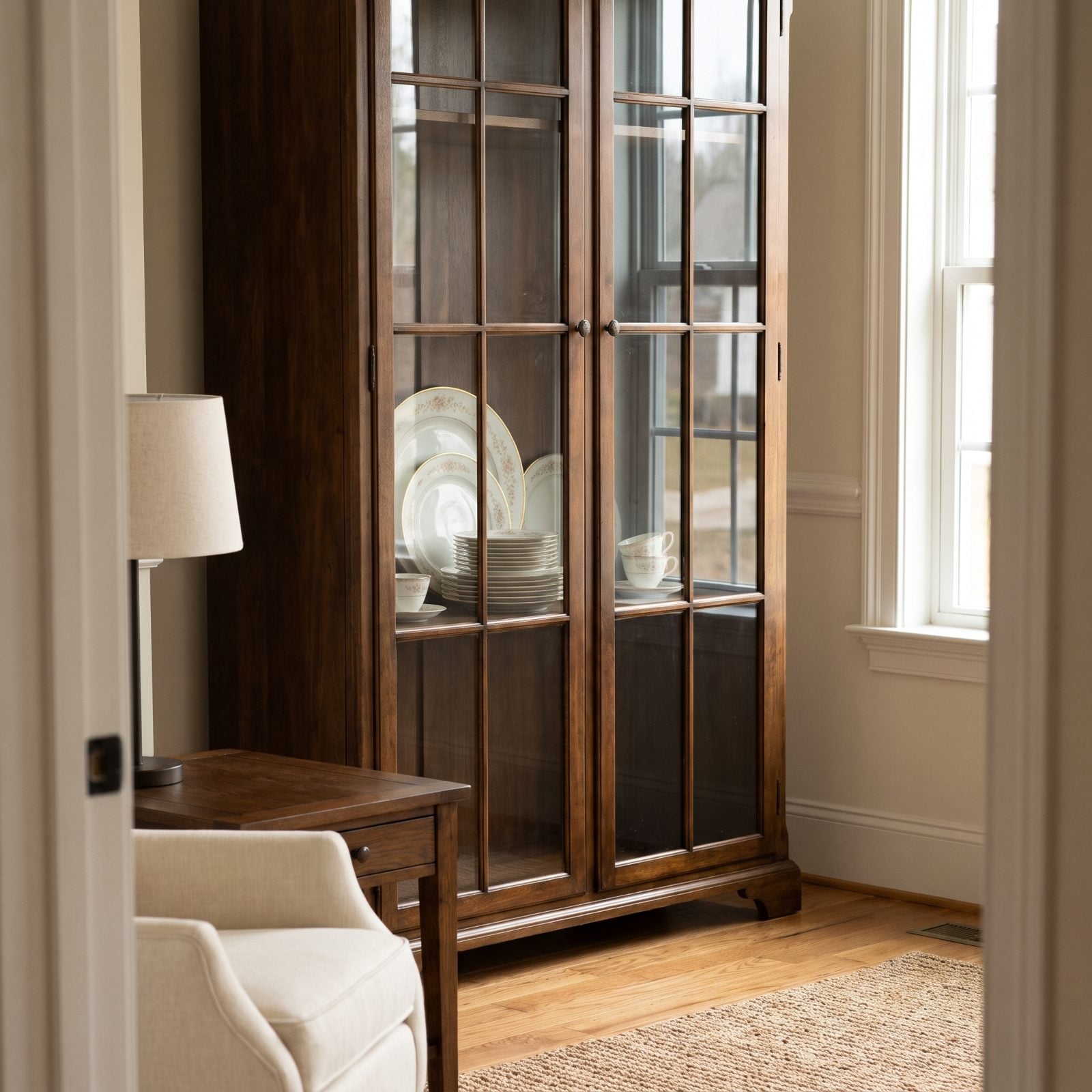
The wedding china was a milestone. Registered for, saved for, used maybe twice a year before it went back into felt sleeves. It stood for a certain idea of being a grown-up.
Younger couples largely passed. Three reasons keep surfacing:
- Smaller homes and apartments have no room for a formal dining set that lives in a box.
- Casual entertaining won. People host with mismatched stoneware they actually use.
- Hand-wash-only, gold-rimmed plates that can’t touch a microwave feel like a chore, not a treasure.
Resale values have cratered. That tells you where the demand went.
30. The Road Atlas Jammed in the Door Pocket
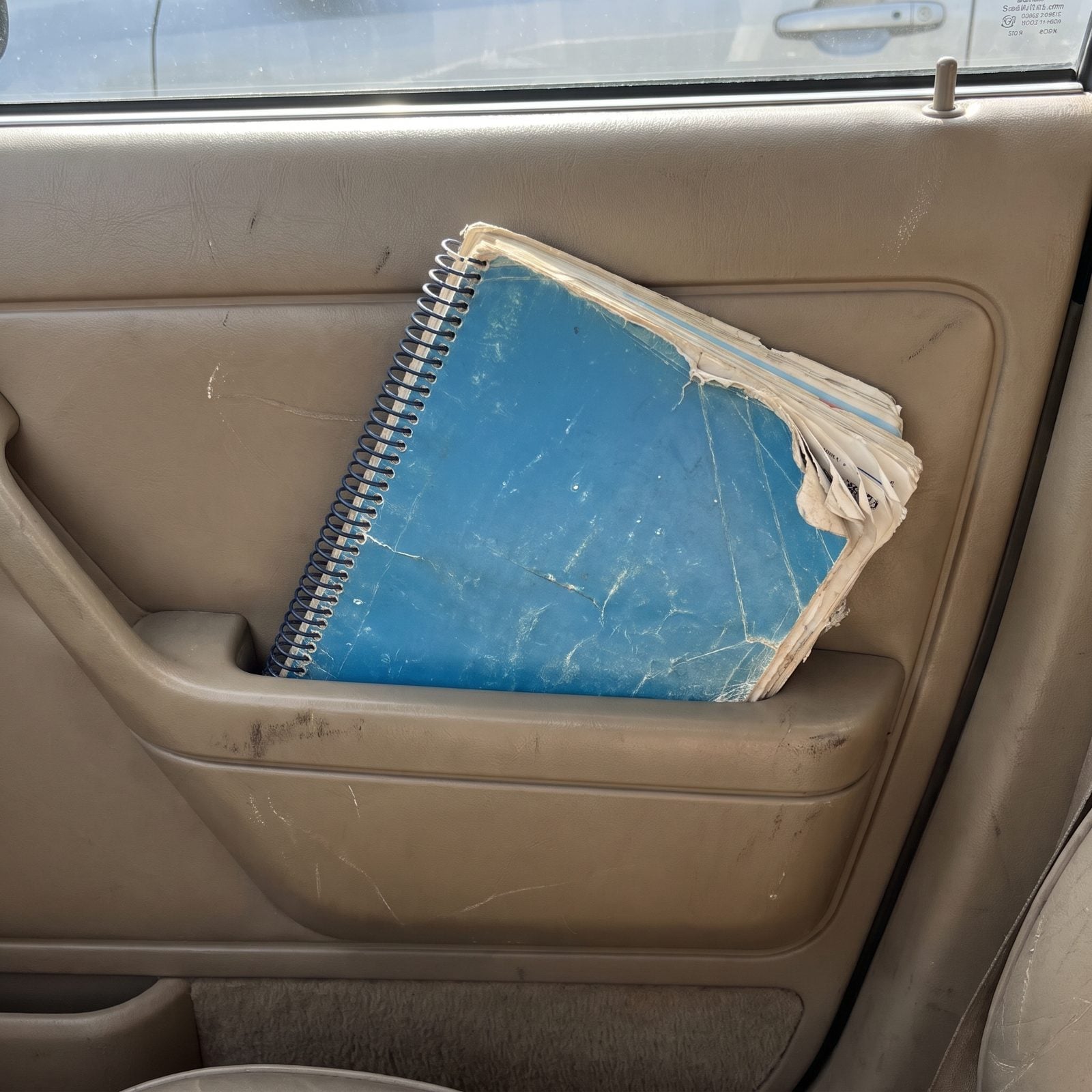
Every family car had one, and it was never once refolded the way it came. You traced the highlighter route before a trip and argued about which exit was coming up at 70 miles an hour.
Turn-by-turn navigation retired it. A phone reroutes around a wreck in real time — something a folded sheet of paper could never do. Rand McNally still prints its annual atlas, and sharp travelers keep one for the dead zones where no signal reaches. The everyday habit of buying a fresh map, though? Gone.
29. The Cable Box Blinking Under the Television
Would you like to save this?
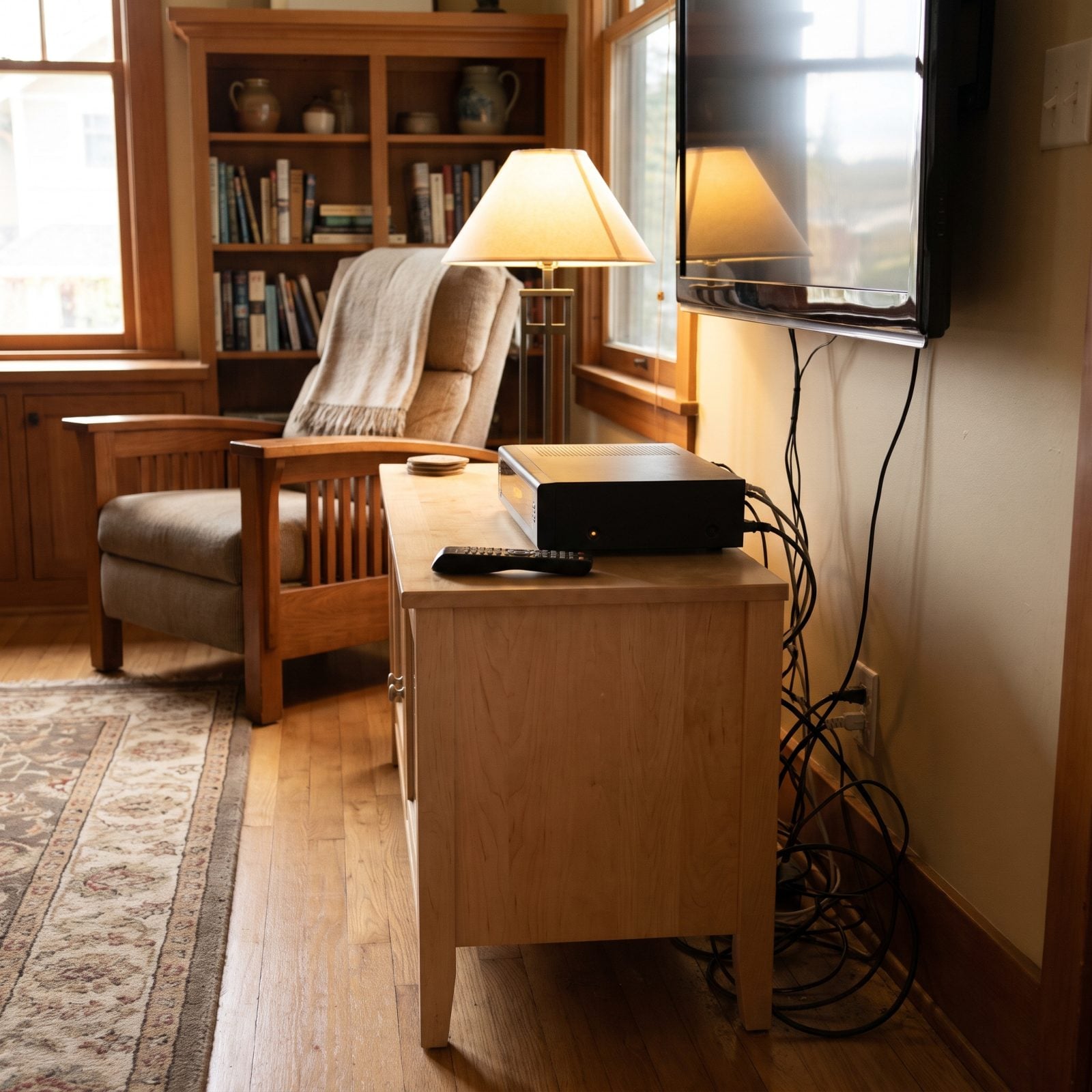
Renting the box was the part nobody noticed until they added it up. That monthly equipment fee, buried in a cable bill stuffed with a hundred channels you never watched, just felt like a fixed cost of being alive.
Streaming unraveled the whole thing. Younger consumers cut the cord and never looked back, trading the bundle and its rented hardware for a handful of apps. Traditional pay-TV subscriptions have slid for years running. The cable box ended up right next to the landline — something you paid to keep and barely used.
28. The Shelf of CDs and DVDs You Alphabetized Yourself
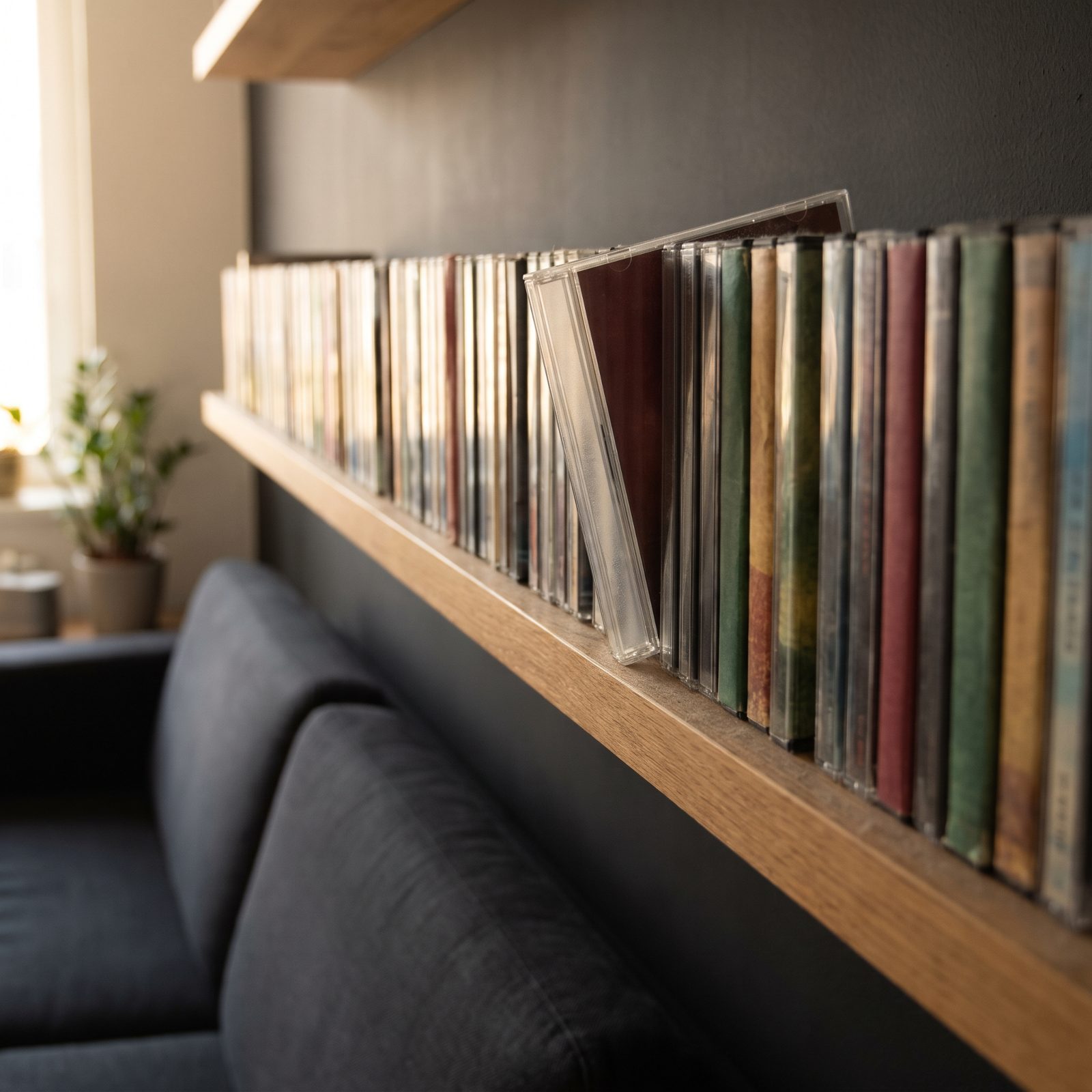
Your collection said something about you. How the spines lined up, the albums you’d owned since high school, the box set you babied like a pet. Building it took years and a hundred trips to the store.
Streaming made owning anything feel quaint. For the price of one CD a month you get nearly all recorded music, and movies stream on demand without a single disc in the house. Younger buyers skipped physical media almost completely. Vinyl came roaring back as a collectible — the CD and DVD shelf, meanwhile, became a donation-box regular.
27. Fabric Softener and Dryer Sheets
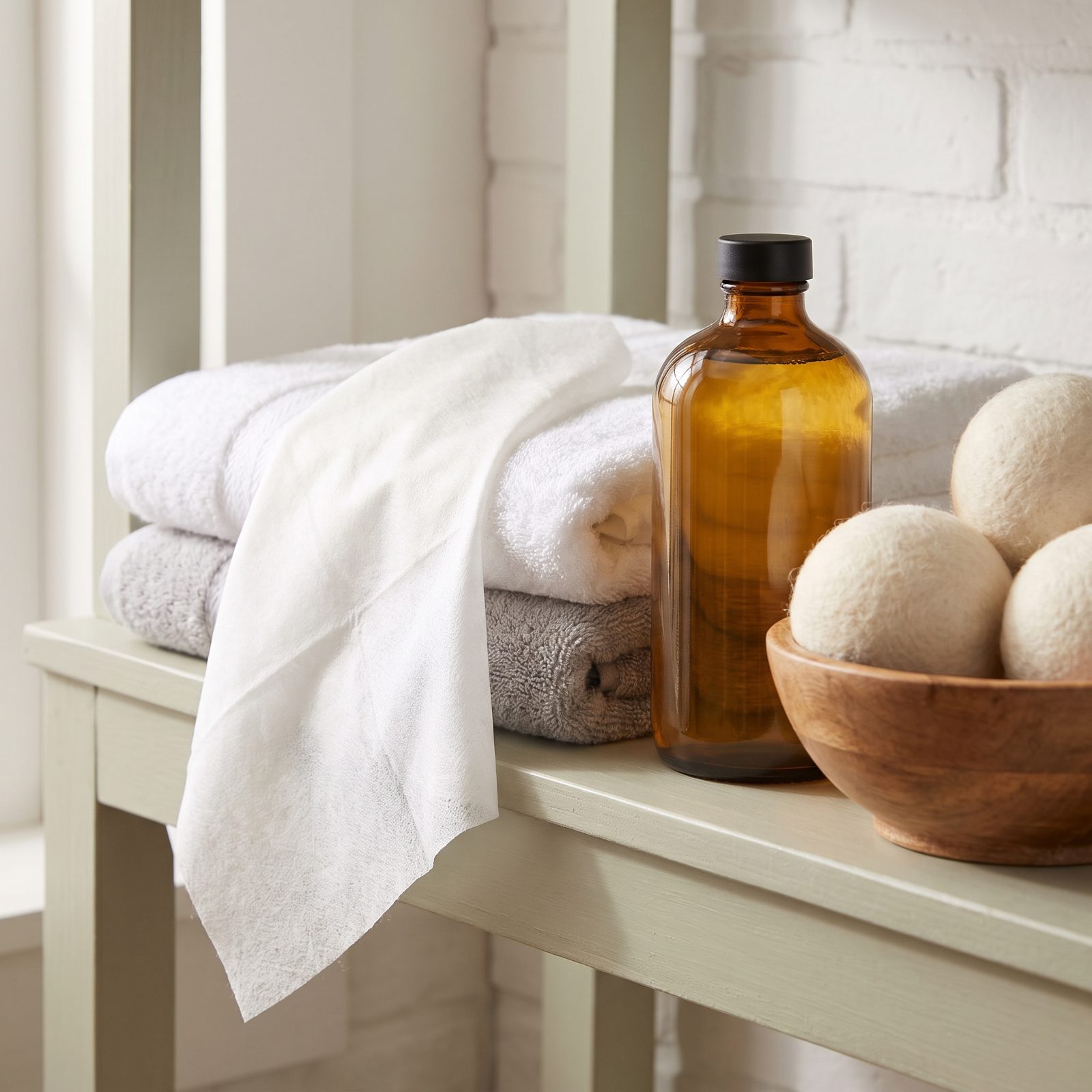
For decades a load of laundry wasn’t finished until you’d tossed in a sheet and inhaled that “spring meadow” smell. Then younger shoppers started reading the back of the box. Dryer sheets coat fabric in a waxy residue that kills the absorbency of towels and the wicking of athletic wear, and that same film builds up in your dryer’s lint trap and vent. Own one nice gym shirt that stops breathing and you’re done reaching for them.
Wool dryer balls took over the slot. One-time purchase, no chemistry, reusable for years, and cheaper over the long haul, which matters to a generation that does the math on everything.
26. The Answering Machine With the Blinking Red Light
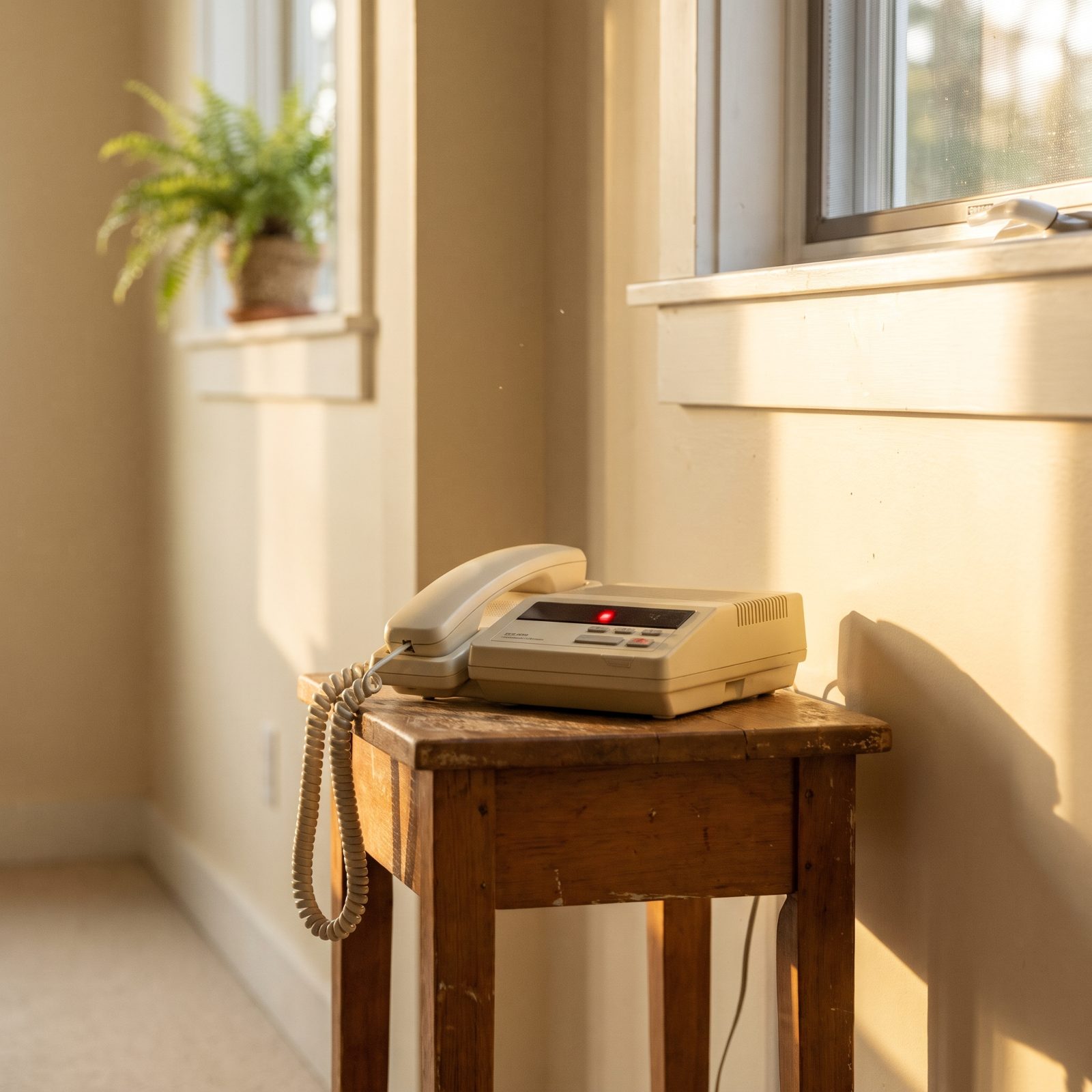
That blinking red light meant something. Somebody called while you were out, and you’d hit play standing in the hallway, coat still on, listening to the whole family’s business out loud.
Voicemail moved to the phone in your pocket, and then voicemail itself quietly died. Younger people famously don’t leave them and don’t check them. A missed call just becomes a text you can answer whenever, silently, without a stranger’s voice echoing through your kitchen. Once the message followed you everywhere, the standalone box had no reason to exist.
25. The Home Fax Machine Humming in the Spare Room
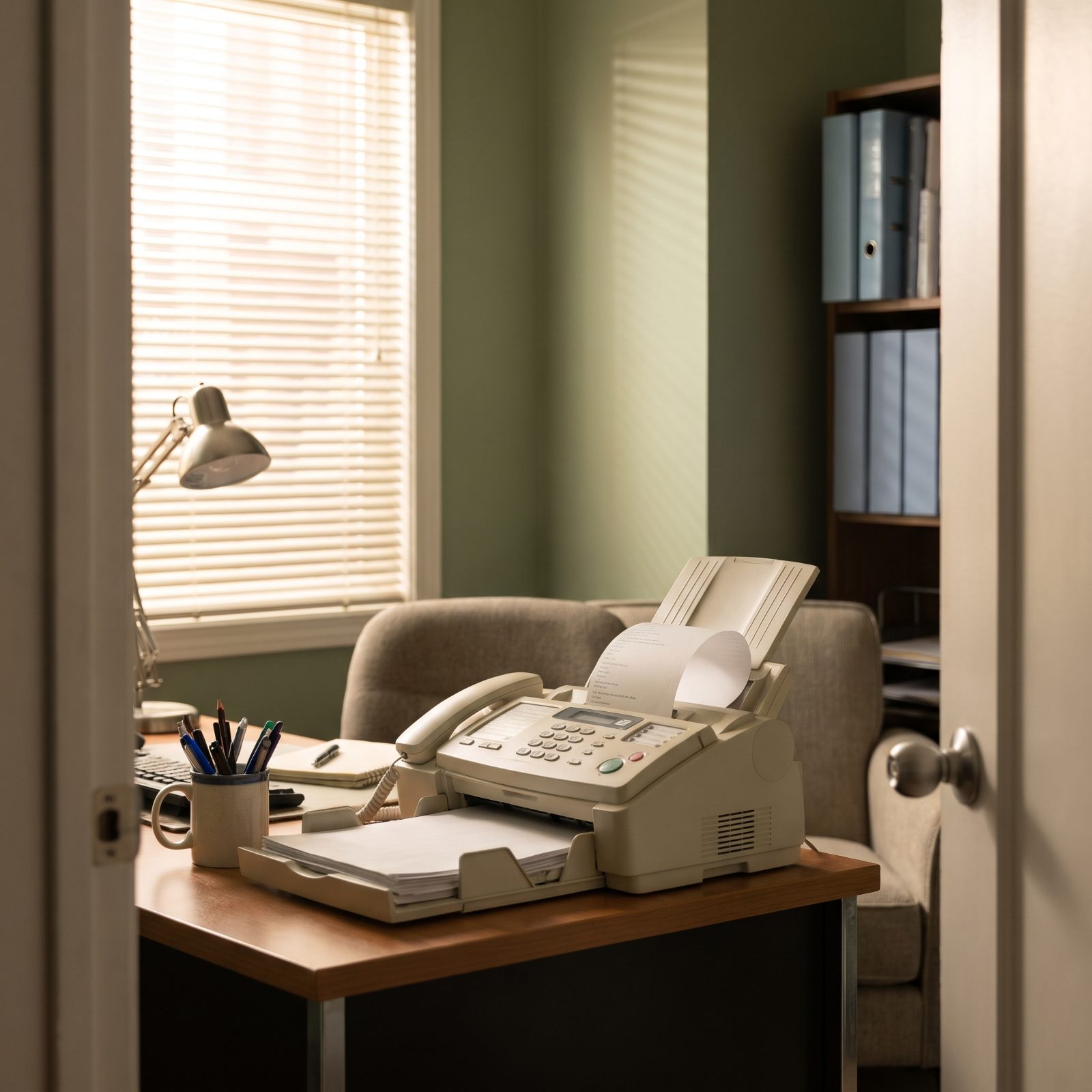
There was a stretch where a fax machine felt like proof you were serious. Mortgage paperwork, doctor’s forms, signed contracts, all of it fed through that tray on thermal paper that faded to blank within a year.
Scanning with a phone camera and emailing a PDF killed the use case completely, and younger consumers never bought one, never will. The strange part? How long faxing survived in medicine and law, dragging a dead technology into the present out of pure institutional stubbornness.
24. The Address Book and the Spinning Rolodex
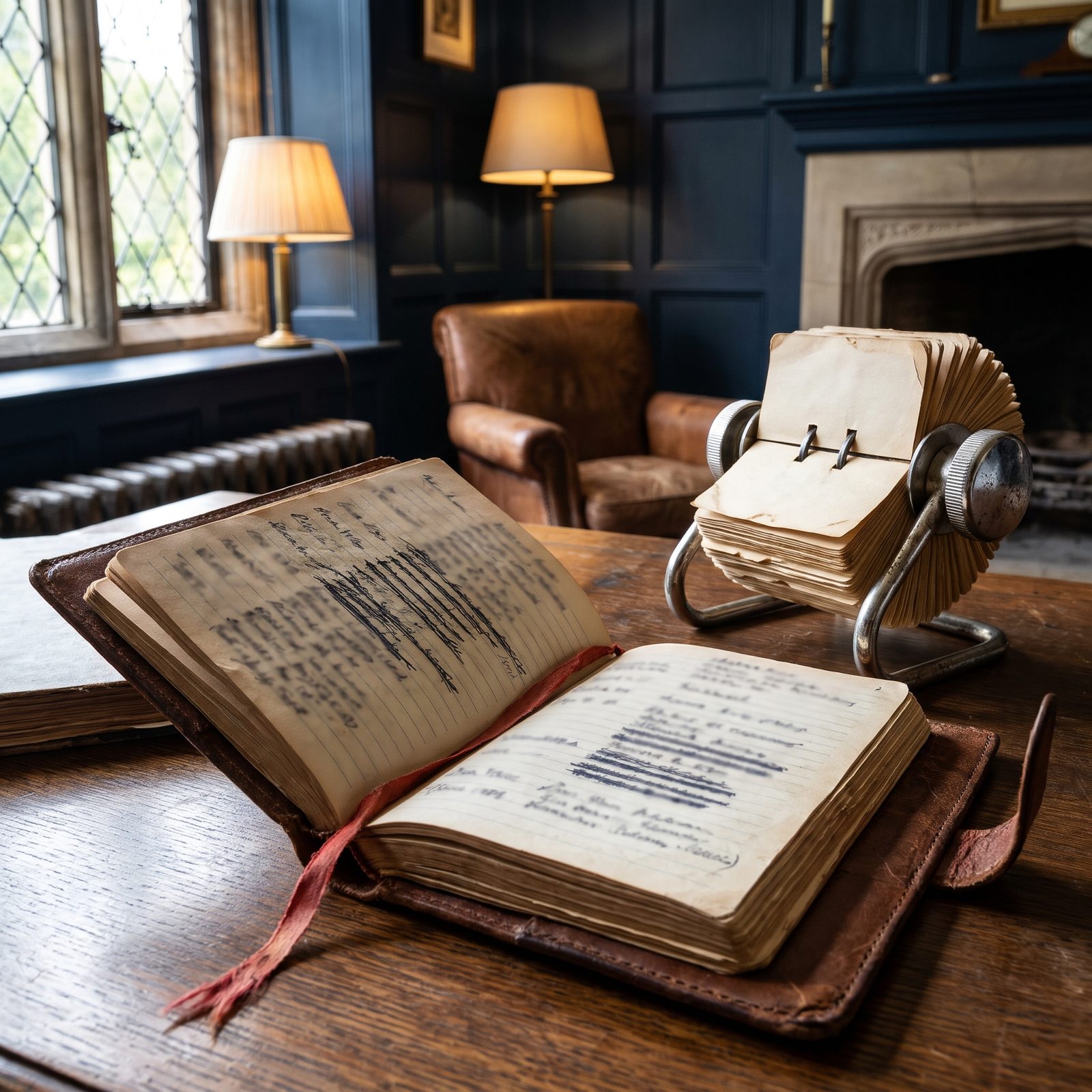
Every kitchen drawer had one. A leather book swollen with crossed-out numbers, friends who moved, relatives who passed, the pencil scrawl of three decades of a life. The Rolodex did the same job standing up, spinning cards under your thumb.
Your phone’s contacts list swallowed all of it. Syncs, backs up, never runs out of room under the letter S.
Here’s what nobody mentions, though. The handwritten book was the last place many people kept a loved one’s handwriting, and there’s no sentimental equivalent to deleting a contact. A quiet loss folded into a practical upgrade.
23. The Traditional Analog Wristwatch
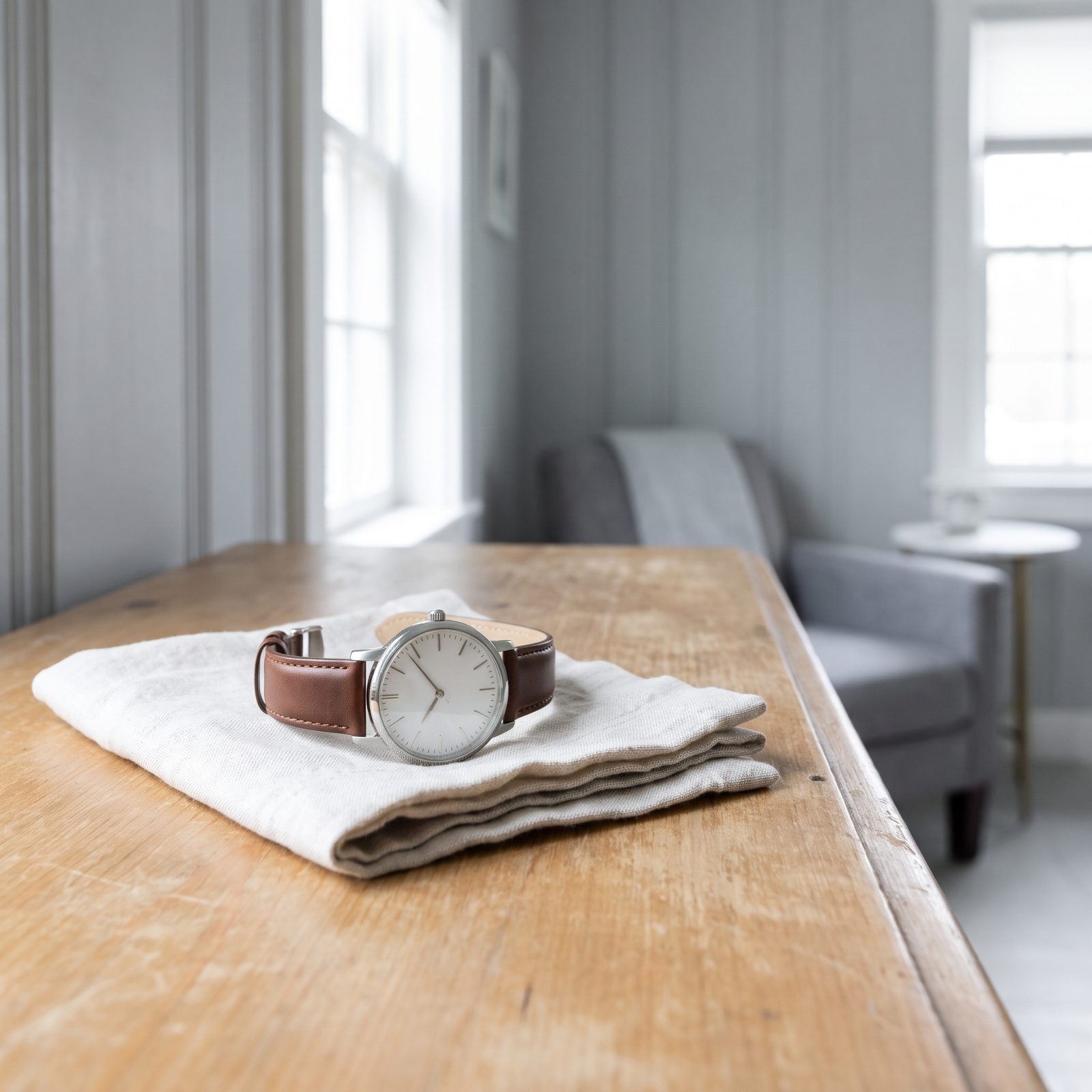
A man used to get a watch when he graduated and another when he retired. It told time, sure, but mostly it told people something about you.
The phone made the watch’s one job redundant overnight. Why strap on a second clock when there’s one in your hand? Younger buyers who do wear something usually pick a smartwatch that counts their heartbeats, not their minutes. The traditional watch survives now as jewelry and as a hobby for collectors, which is a strange retirement for a tool that once ran the whole workday.
22. The Alarm Clock on the Nightstand

The dedicated alarm clock is nearly extinct in bedrooms under 40, and the reason is dull but total. The phone does it, and the phone is already on the nightstand charging anyway. One device replaced the glowing numbers, the snooze bar, and the panicked 3 a.m. squint to check the time.
21. The Bar of Soap by the Sink
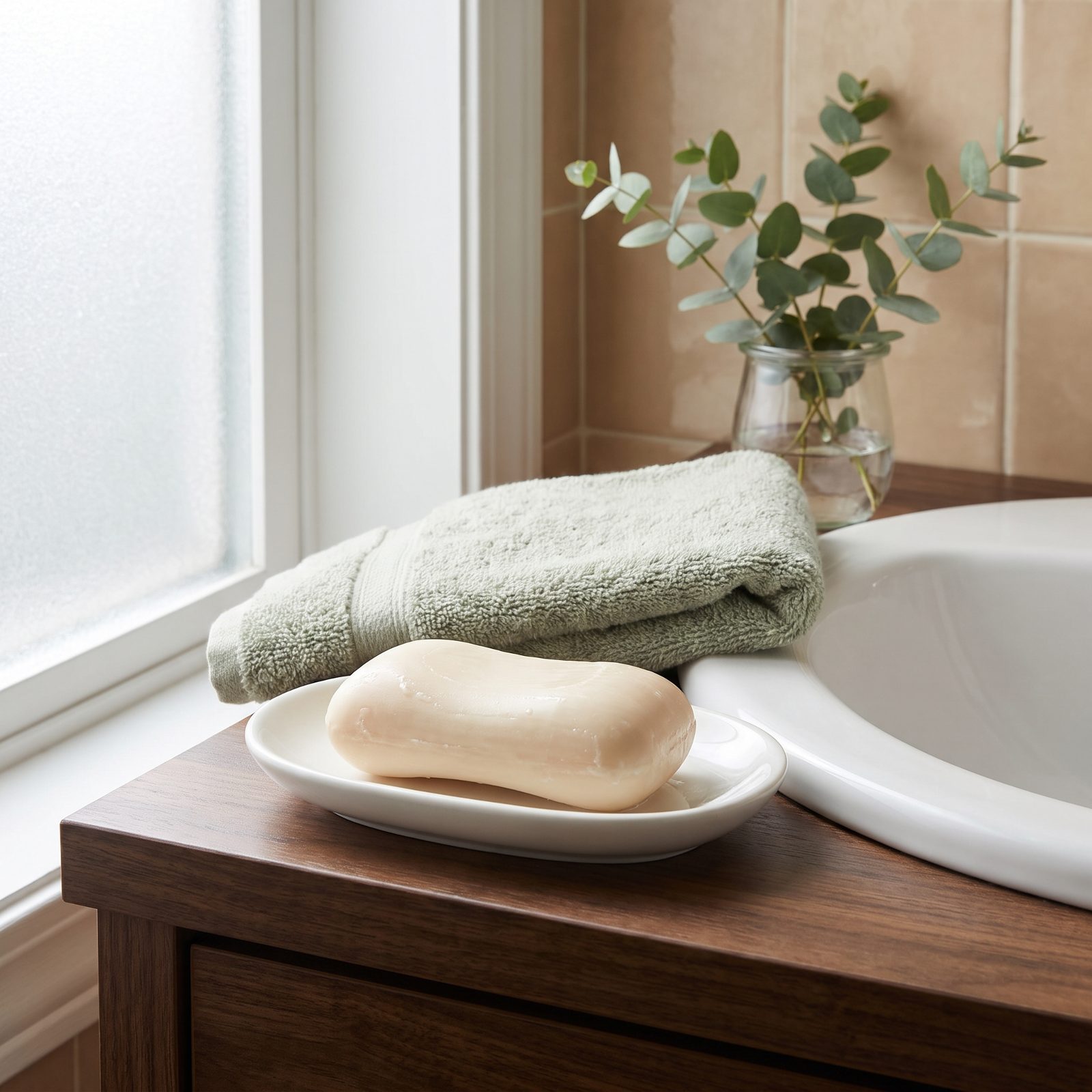
Every bathroom had a bar sweating on the edge of the tub. It got slimy, it collected hair, it shrank into a thin cracked sliver you felt vaguely guilty throwing away.
Liquid body wash in a pump bottle won the shower, marketed as more hygienic because nobody else’s hands touch it, and younger consumers largely switched without a second thought. The funny twist? The pendulum is swinging back. Plastic-bottle fatigue and refill culture are quietly rebuilding the bar-soap aisle, now sold as the low-waste choice rather than the cheap old standby.
20. The Ironing Board and the Hot Iron
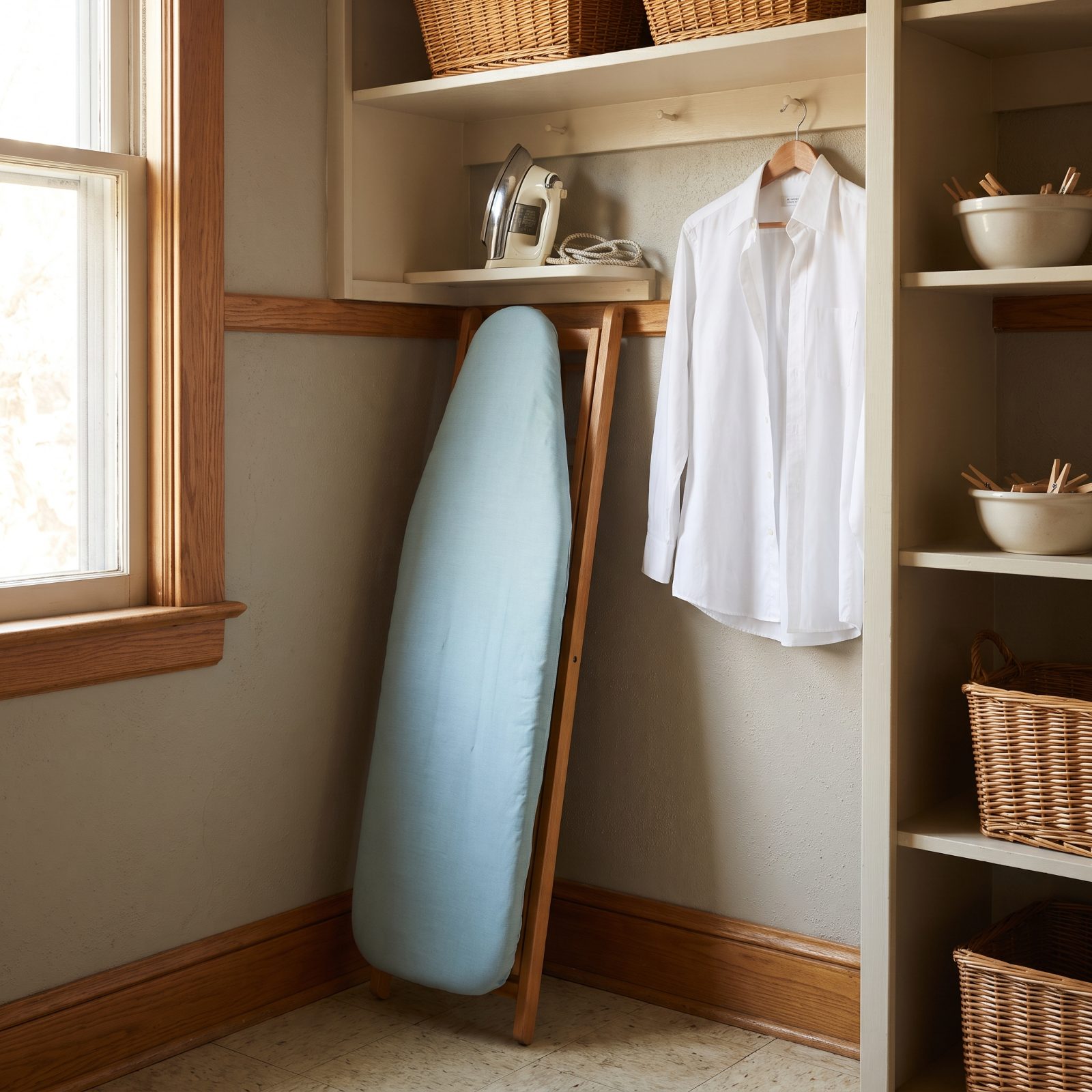
Sunday night meant the ironing board came out, the iron hissed steam, and the week’s shirts got pressed flat. A ritual with its own smell, warm cotton and water on hot metal.
Two things gutted the habit. Dress codes went casual, so fewer people need a crease in anything, and wrinkle-resistant fabrics plus the quick fix of tossing a shirt in the dryer with a damp towel cover most occasions. Then the handheld steamer finished the job, handling the touch-up without the whole bulky board taking up a corner.
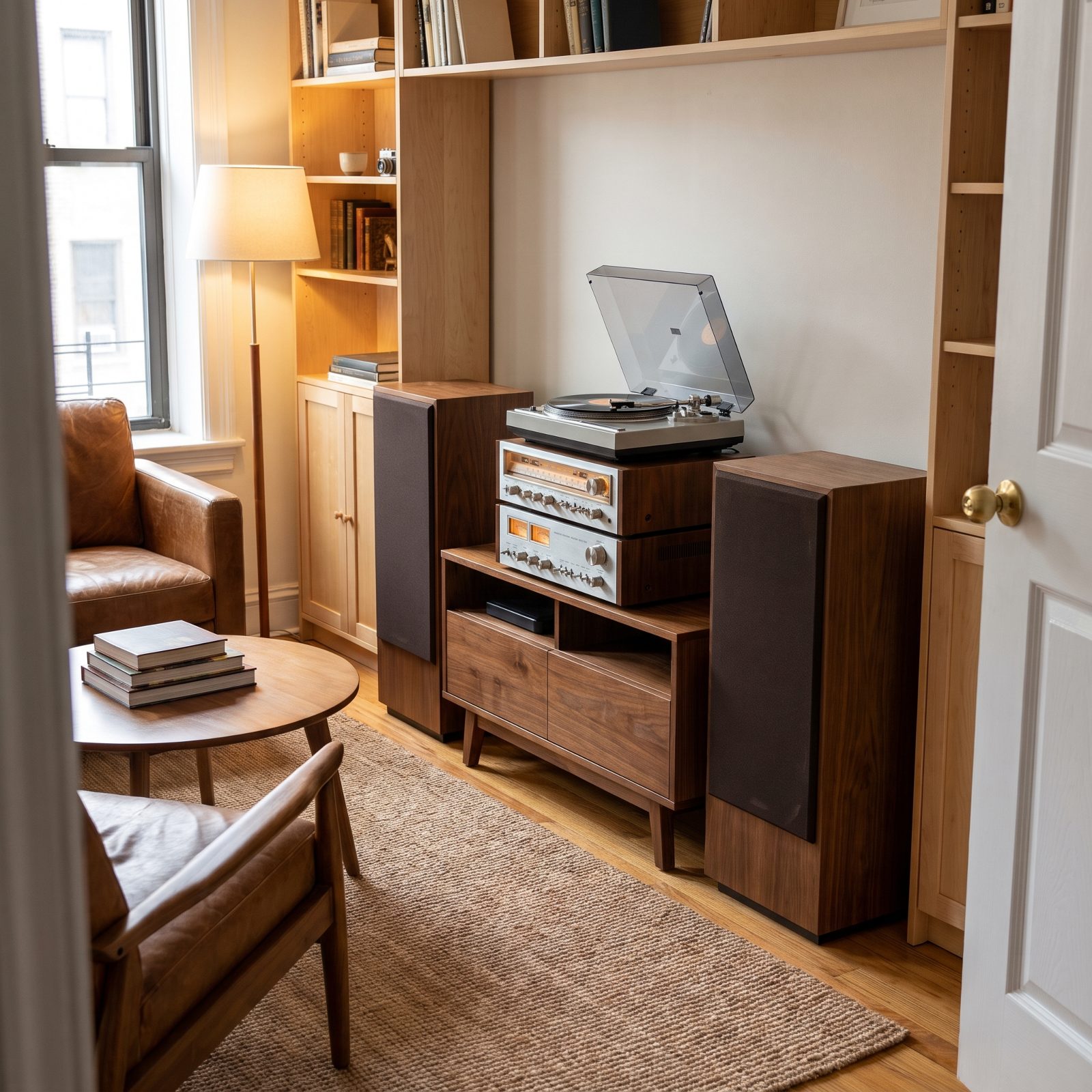
19. The Stereo System and the Hi-Fi Rack
Would you like to save this?
A proper system was furniture. Separate components stacked in a rack, speakers you positioned carefully, a receiver with knobs that clicked when you turned them. You bought it piece by piece, and then you showed it off.
Streaming from a phone to a single wireless speaker replaced the whole wall. Convenience beat fidelity for most people, and most people were honest enough to admit they couldn’t hear the difference anyway.
18. Film and the Film Camera
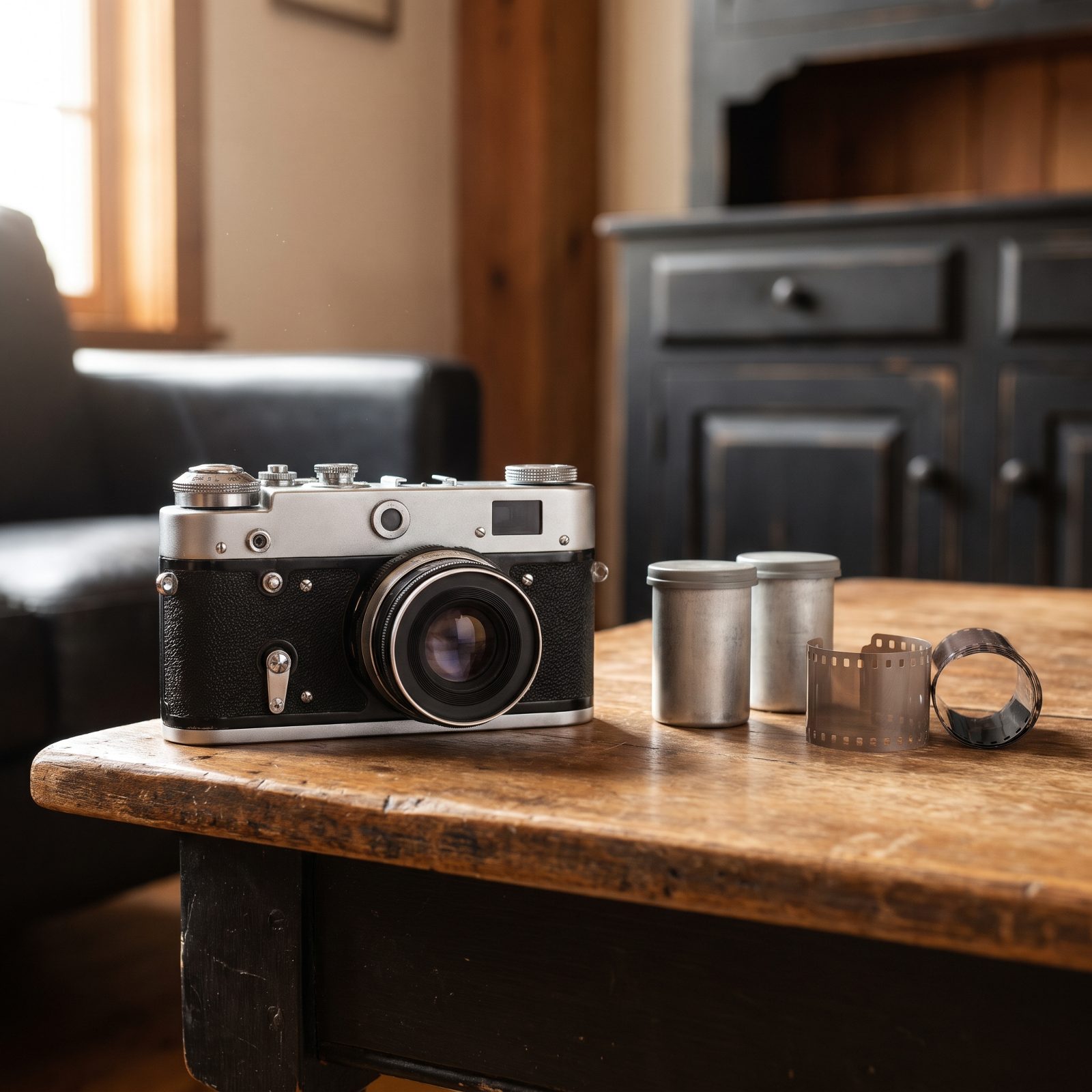
You got 24 shots, maybe 36, and you had to mean every one. Then you waited a week to find out half were blurry and your thumb was in three of them.
Phone cameras ended the entire economy of film. No buying, no developing, no waiting, infinite shots for free. This is the most obvious entry on the list, and nobody would argue it.
And yet film refused to fully die. A real revival pulled young buyers back into disposables and old 35mm bodies, chasing the grain, the surprise, the discipline of a finite roll. It’s one of the few items here that got young again precisely because it’s inconvenient. Go figure.
17. Silver Polish and the Silverware Set You Hand-Wash in Fear
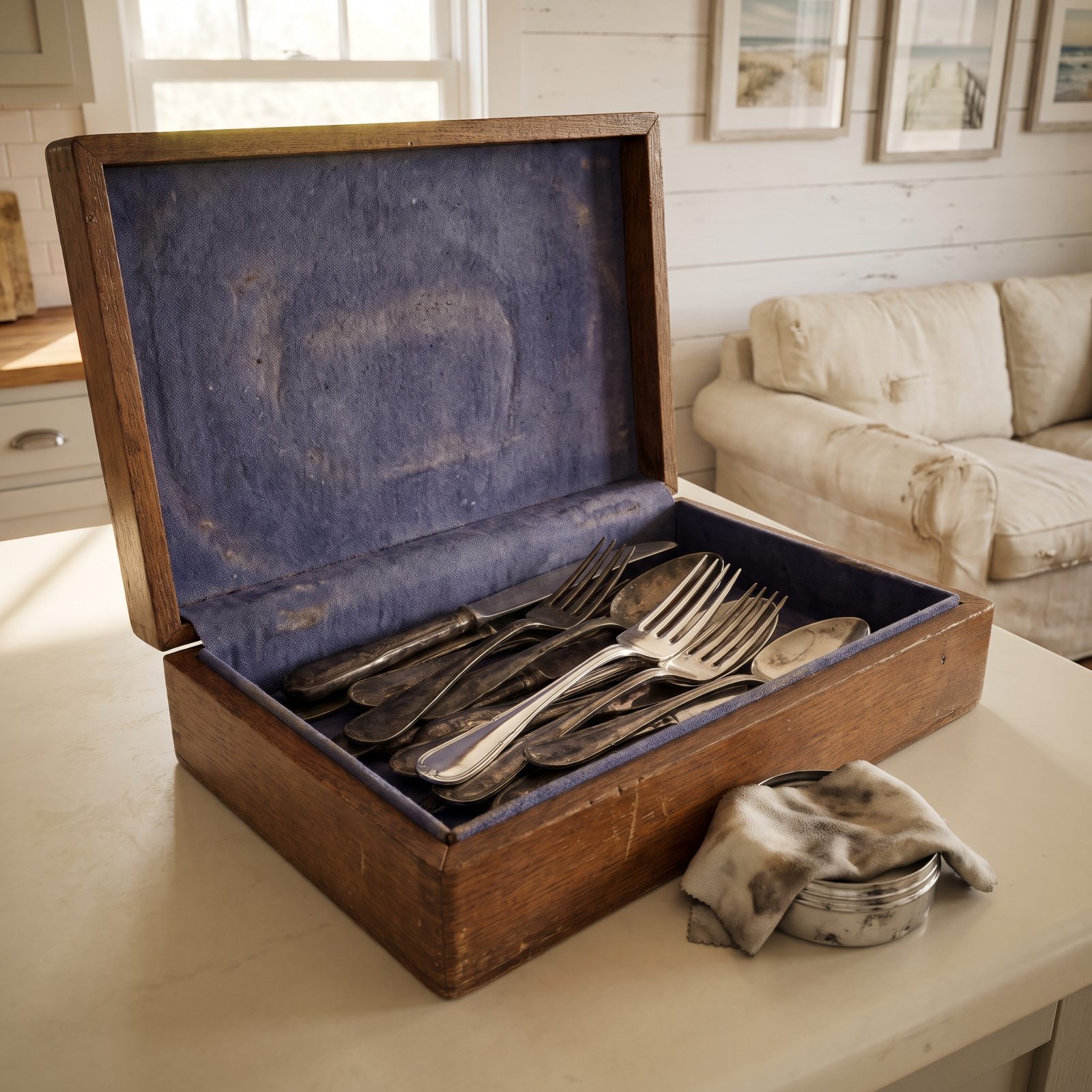
Owning real silver meant a standing obligation. It tarnished if you looked at it wrong, so a tin of polish lived under the sink and came out before every holiday, and polishing the forks ate somebody’s whole afternoon.
Nobody signs up for that now. Stainless steel is cheap, goes in the dishwasher, and never asks for anything. Maintaining your cutlery like a vintage car strikes most younger buyers as faintly absurd. We get it. Plenty of inherited sets sit in a drawer, slowly turning black, for years. Their owners keep meaning to polish them. They won’t.
16. The Box Grater, Beaten by a Bag of Pre-Shredded Cheese
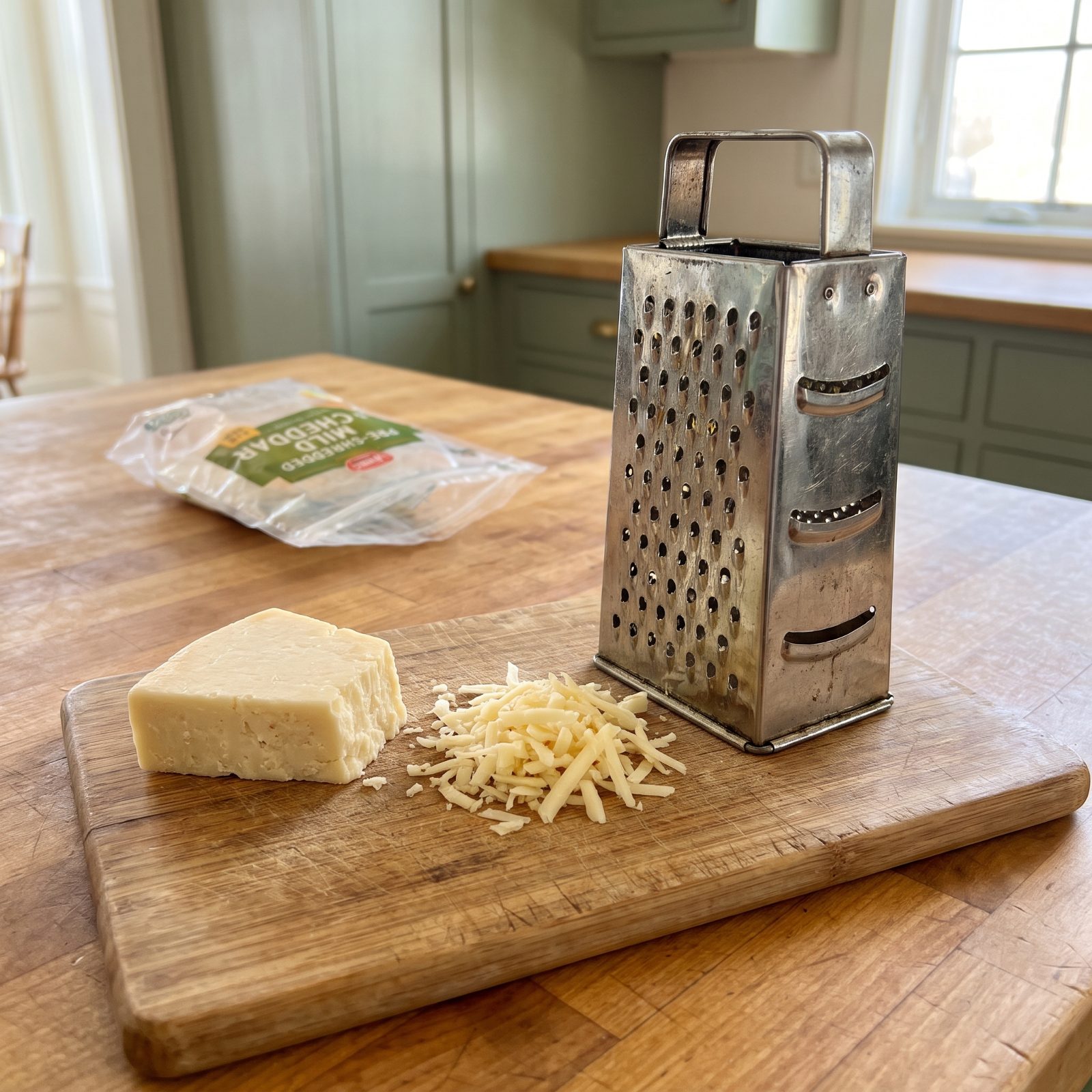
Grating your own cheese was never a skill. It was just the only option, and a knuckle sacrificed to the fine side was the cost of doing business.
Then the pre-shredded bag showed up and a lot of households never looked back. Worth knowing, though: the bagged stuff gets coated in cellulose and anti-caking powder so it won’t clump, which is also why it melts worse and tastes flatter. The grater wins on flavor every single time. Convenience just wins more often.
15. Wall Calendars and the Desk Planner That Lost to Your Phone

The kitchen calendar was command central — birthdays, dentist appointments, the trash schedule, all written in pen on a free calendar the bank handed out in December.
Phones swallowed that whole category whole. Your calendar now syncs, reminds you, and never catches a coffee ring on March. Younger buyers skip the paper version entirely, and the desk planner tumbled into the grave right behind it for the same reason. Sure, there’s a real case that writing things down helps you remember them. Most people just decided remembering wasn’t worth the wall space.
14. Clotheslines and Clothespins in the Age of the Dryer
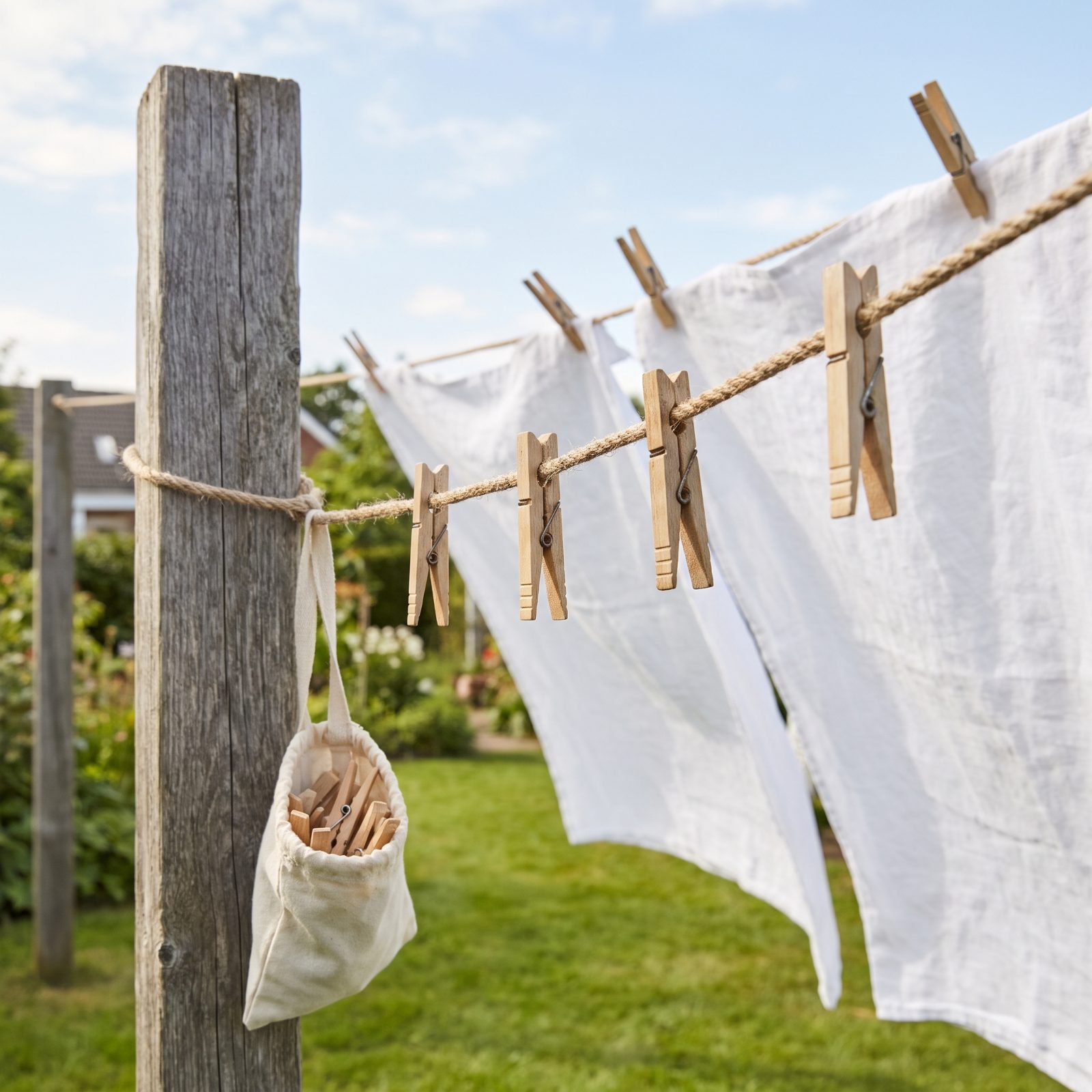
Line-dried sheets had a smell no dryer sheet has ever managed to fake. Older generations hung everything out, partly for that, mostly to shave the electric bill.
The dryer killed the habit dead. Faster, works in the rain, doesn’t need a yard — and a lot of apartment-dwellers don’t have one. Line-drying is genuinely cheaper and gentler on fabric, and a small crowd has circled back for exactly those reasons. For most people, though, standing outside pinning up socks lost to a machine that handles it in forty minutes.
13. Shoe Polish and the Dying Art of the Shine Kit
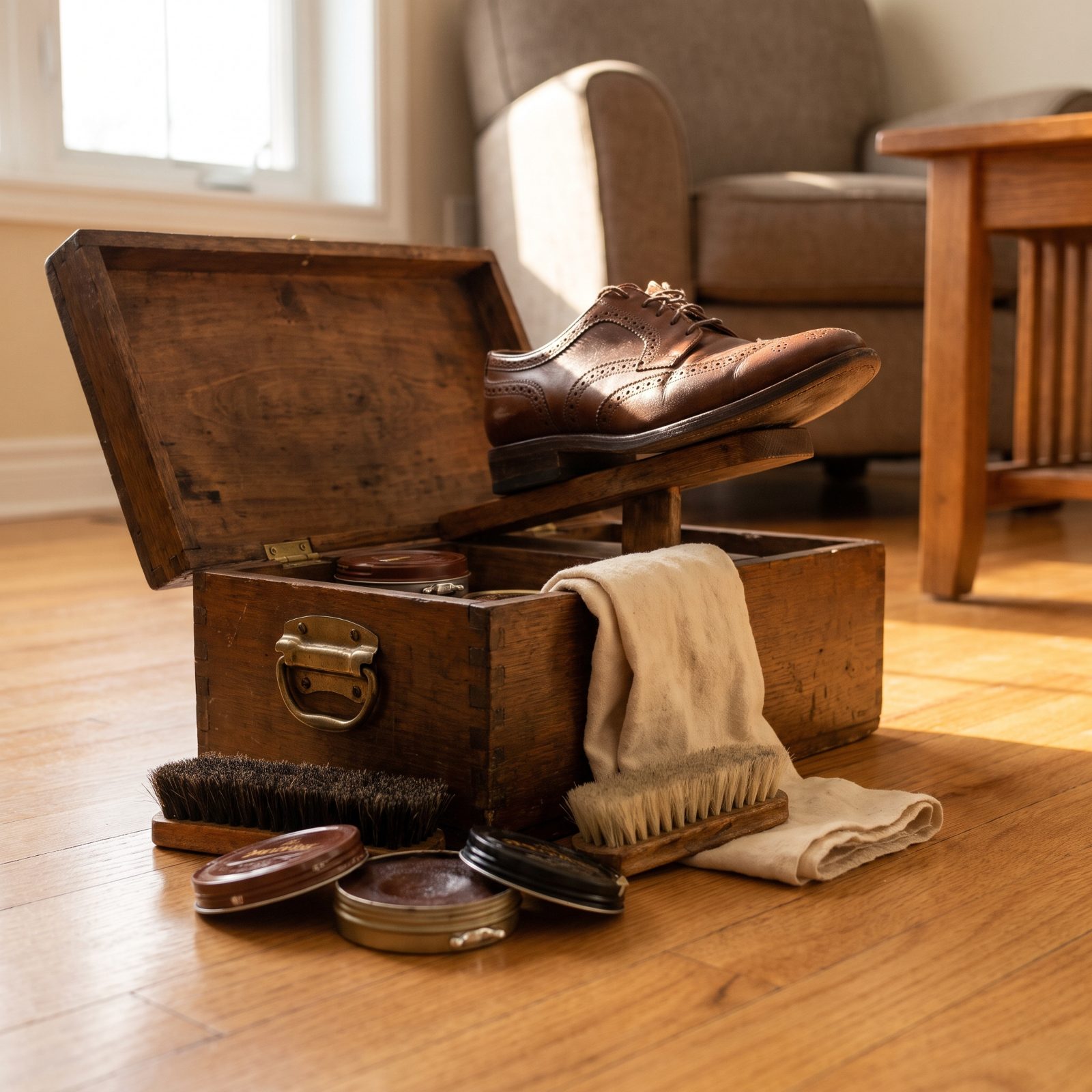
A man used to shine his shoes on Sunday night the way he brushed his teeth — automatic. The kit, the brushes, the tins, the rag gone black with use, all of it a fixture by the back door.
Leather dress shoes fell out of daily life, and the polish went with them. Younger buyers wear sneakers to work, to dinner, to weddings they probably shouldn’t. Nothing left to polish. The handful of leather shoes people still own get tossed at the first scuff instead of restored. Genuine small loss, that one. A good shine makes a cheap shoe look expensive, and almost nobody knows it anymore.
12. The Sewing Kit and Mending Basket Replaced by the Donation Bin
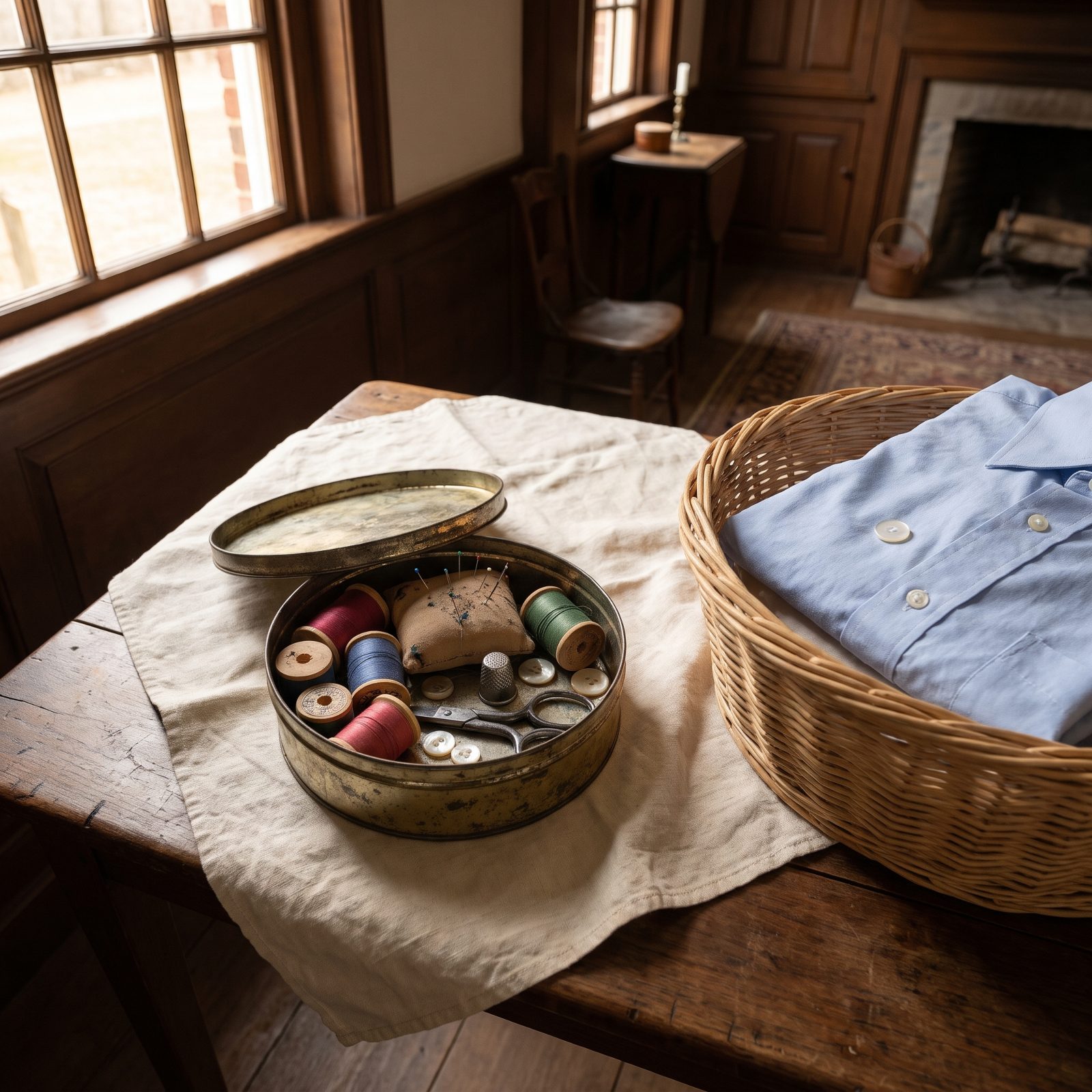
A button popped off. You sewed it back on. That was the whole thought process, and every home kept the kit to do it.
Fast fashion rewrote the math. When a shirt costs less than a spool of decent thread, mending stops making sense to a lot of people. The skill didn’t just fade — it stopped being taught. Plenty of younger adults have never threaded a needle and don’t feel the gap. Here’s the quiet irony: a two-minute button repair is cheaper and faster than buying a replacement shirt. We’ve just been trained to replace instead of fix.
11. Cloth Napkins, Paper Napkins, and the Drift Toward the Paper Towel Roll
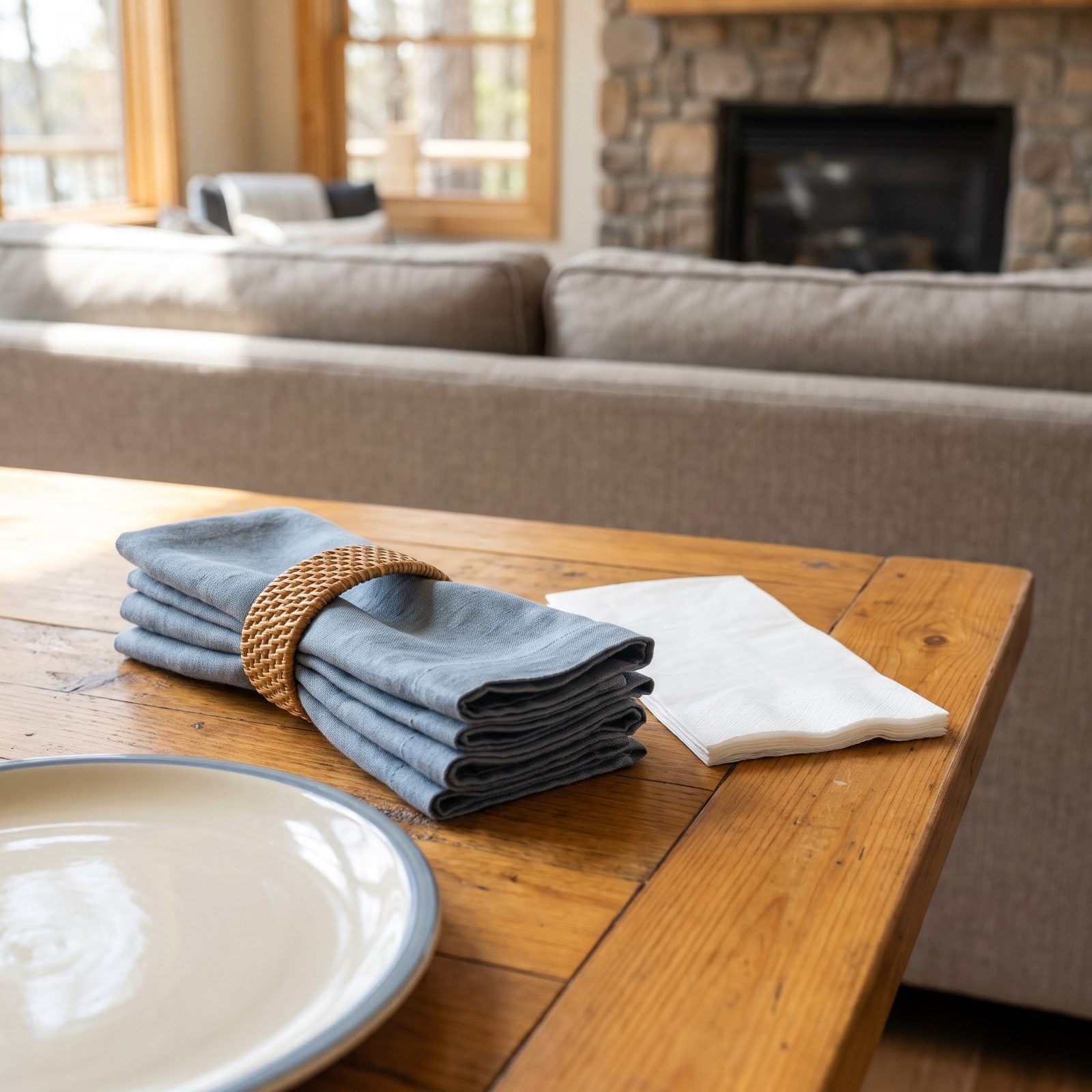
There were tiers to this. Cloth napkins for company, paper ones for everyday, and a hard line between them. Pulling out the cloth meant something mattered.
Then the paper towel undercut both. Younger households just tear off a sheet for whatever the moment needs. Cloth napkins mean more laundry nobody wants, and dedicated paper napkins feel pointless when the roll on the counter does the same job. The whole ritual of the ‘good’ napkin only makes sense if you’re hosting the kind of dinner most people stopped hosting.
10. The Formal Tablecloth Folded Away for Good
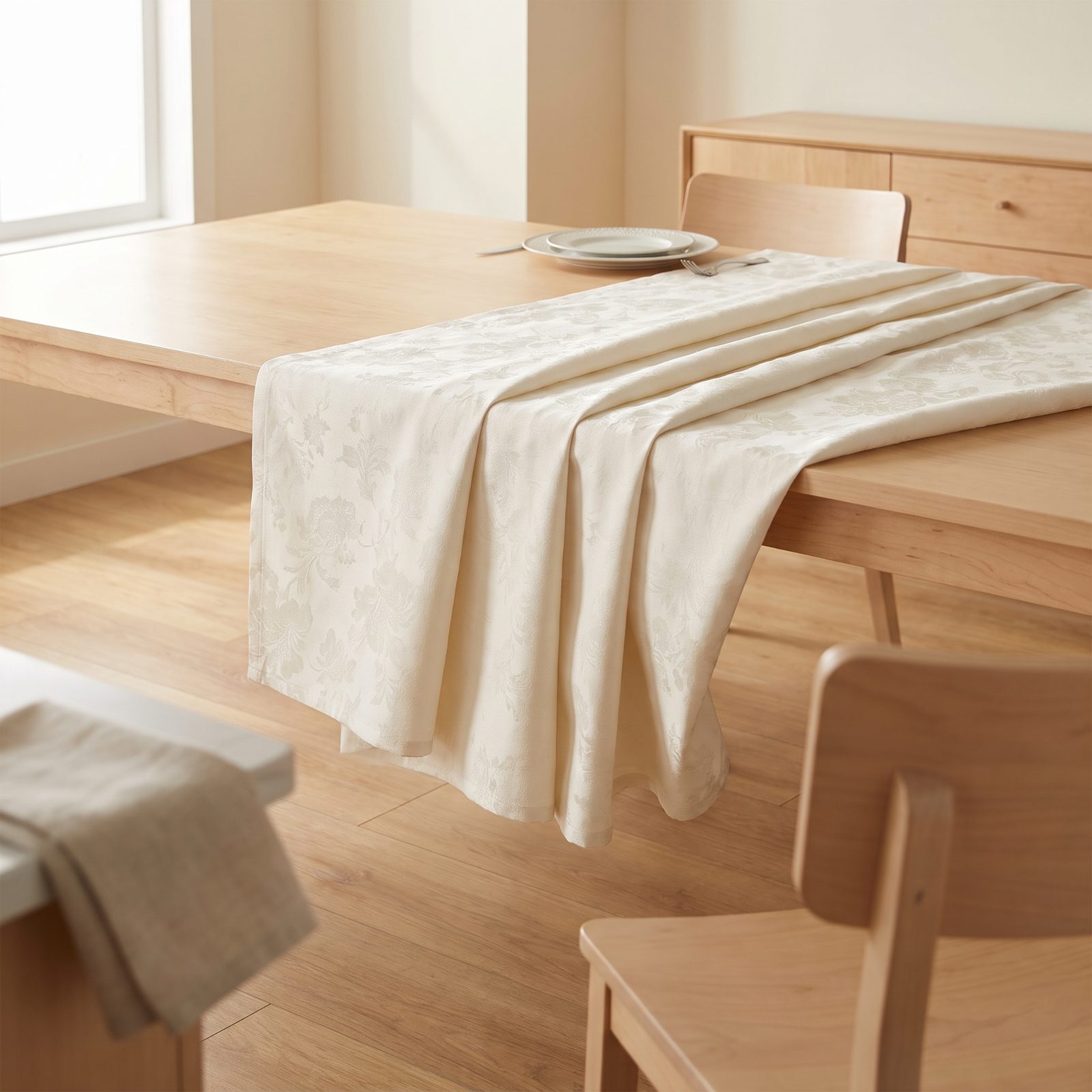
The good tablecloth lived in a drawer and came out for Thanksgiving, maybe Christmas. Ironing it was a project. Getting a cranberry stain out of it was a full-blown crisis.
Younger buyers skip it. Tables are left bare on purpose now, the wood treated as the feature rather than something to hide. A formal cloth signals a kind of dining fewer people do, and the upkeep — the pressing, the stain anxiety, the storage — outweighs the handful of occasions it ever earns. A few placemats split the difference for anyone who wants a little polish without the full production.
9. Doilies, Table Runners, and the Decorative Linens That Vanished
Would you like to save this?
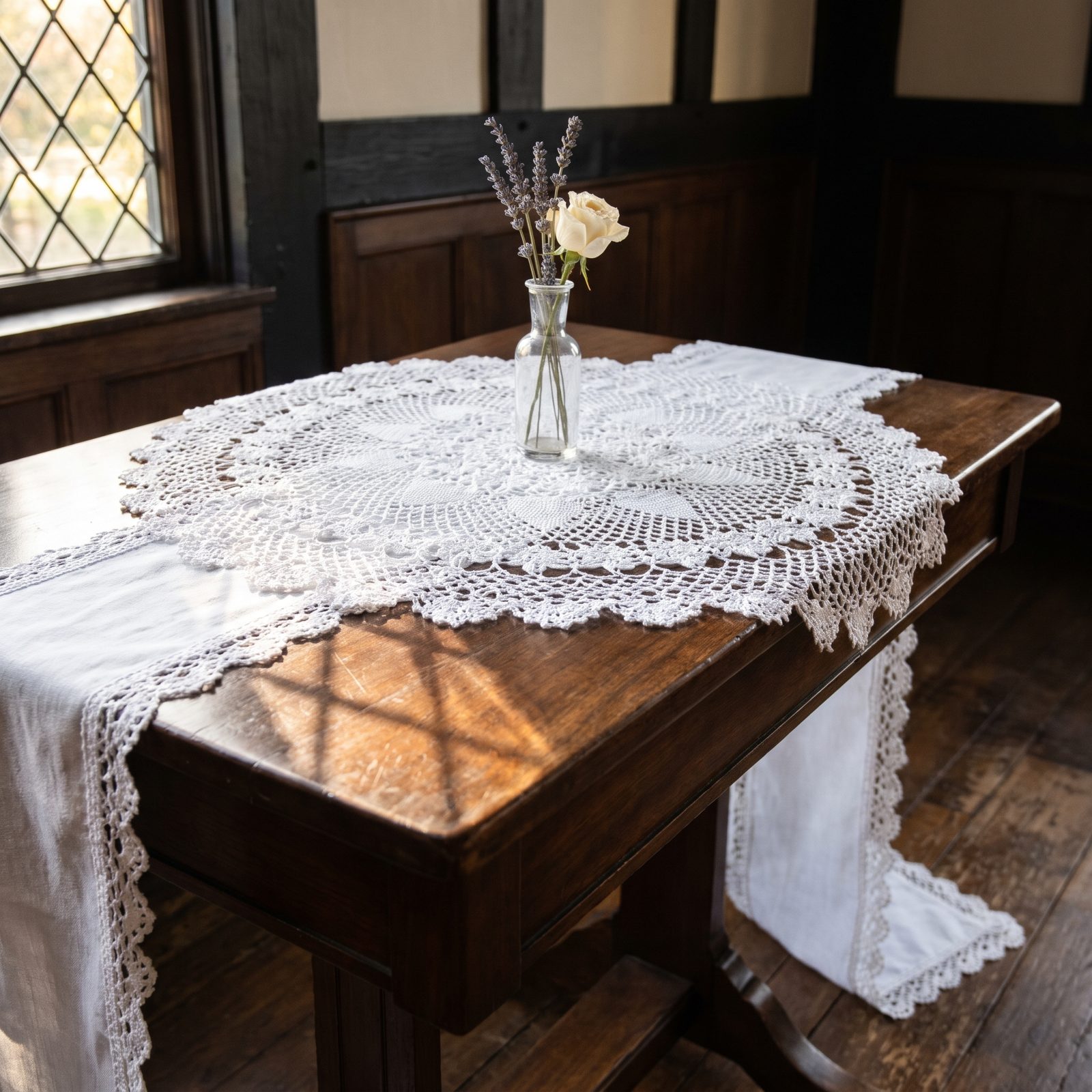
Lace under the lamp. Lace on the armrest. A crocheted doily guarding every flat surface from a water ring that was never coming. Older homes layered these linens everywhere, often handmade, often by someone whose name got lost along the way.
To a younger eye raised on clean surfaces and minimalism, they read as fussy. Dusting them is a chore, and they clash with nearly everything made after 1990. The real loss is the craft — a hand-crocheted doily took hours, and that skill is almost gone. A few are creeping back as deliberate vintage accents. But as the default dressing for a whole house? That era’s done.
8. Spray Starch and Sizing for Crisp Shirts
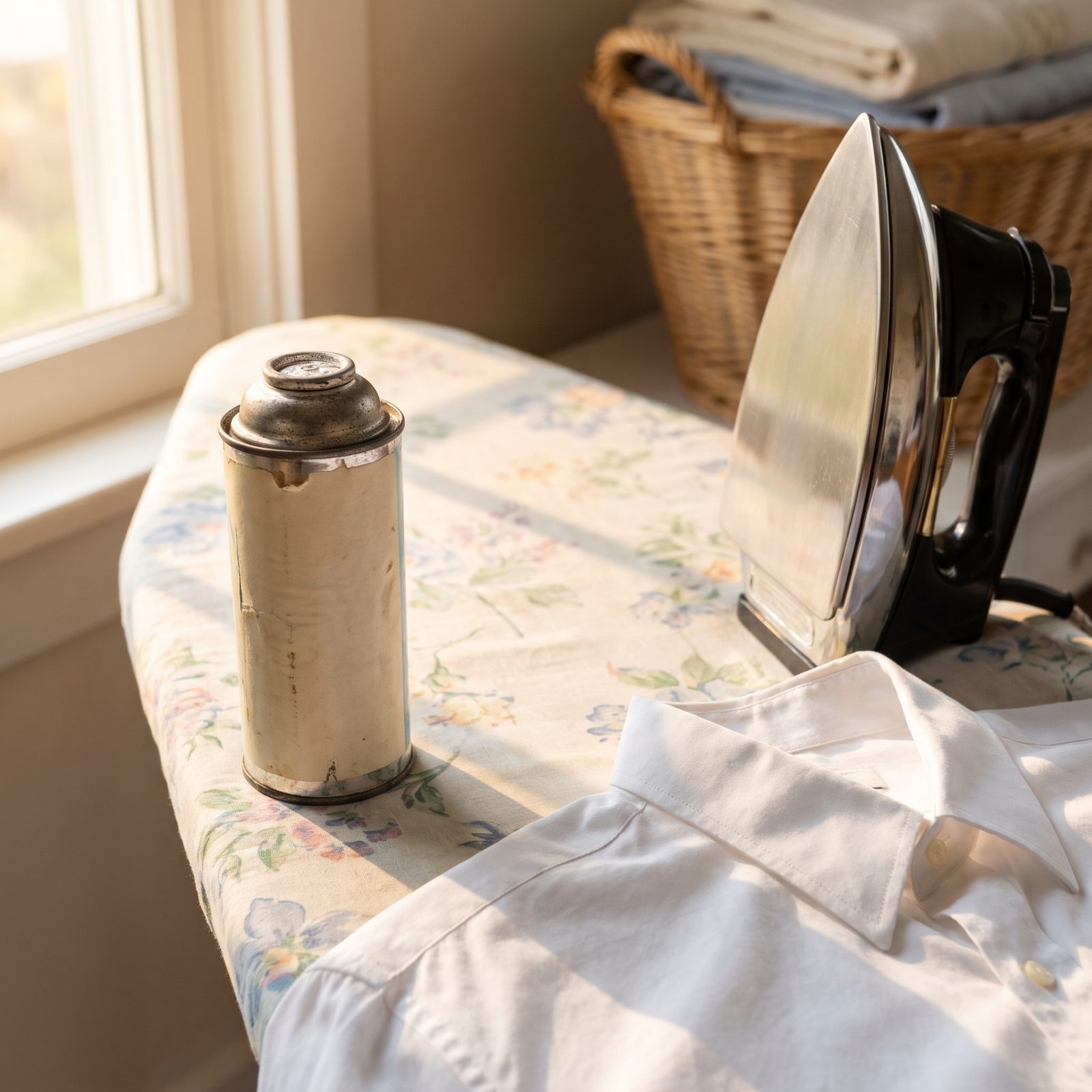
There was a time when a limp collar was a moral failing. Your grandfather’s shirts stood up on their own, and the hiss of spray starch was the Sunday-morning soundtrack before church. Crisp meant you cared.
Younger shoppers stopped buying it, and the reasons aren’t hard to guess. Wrinkle-resistant and performance fabrics do the stiffening at the factory now, most closets lean casual, and nobody’s ironing a hoodie. Who’s left? The dress-shirt-every-day crowd and the quilters, who use it to keep fabric flat under the needle.
7. Potpourri Bowls and Scented Drawer Sachets
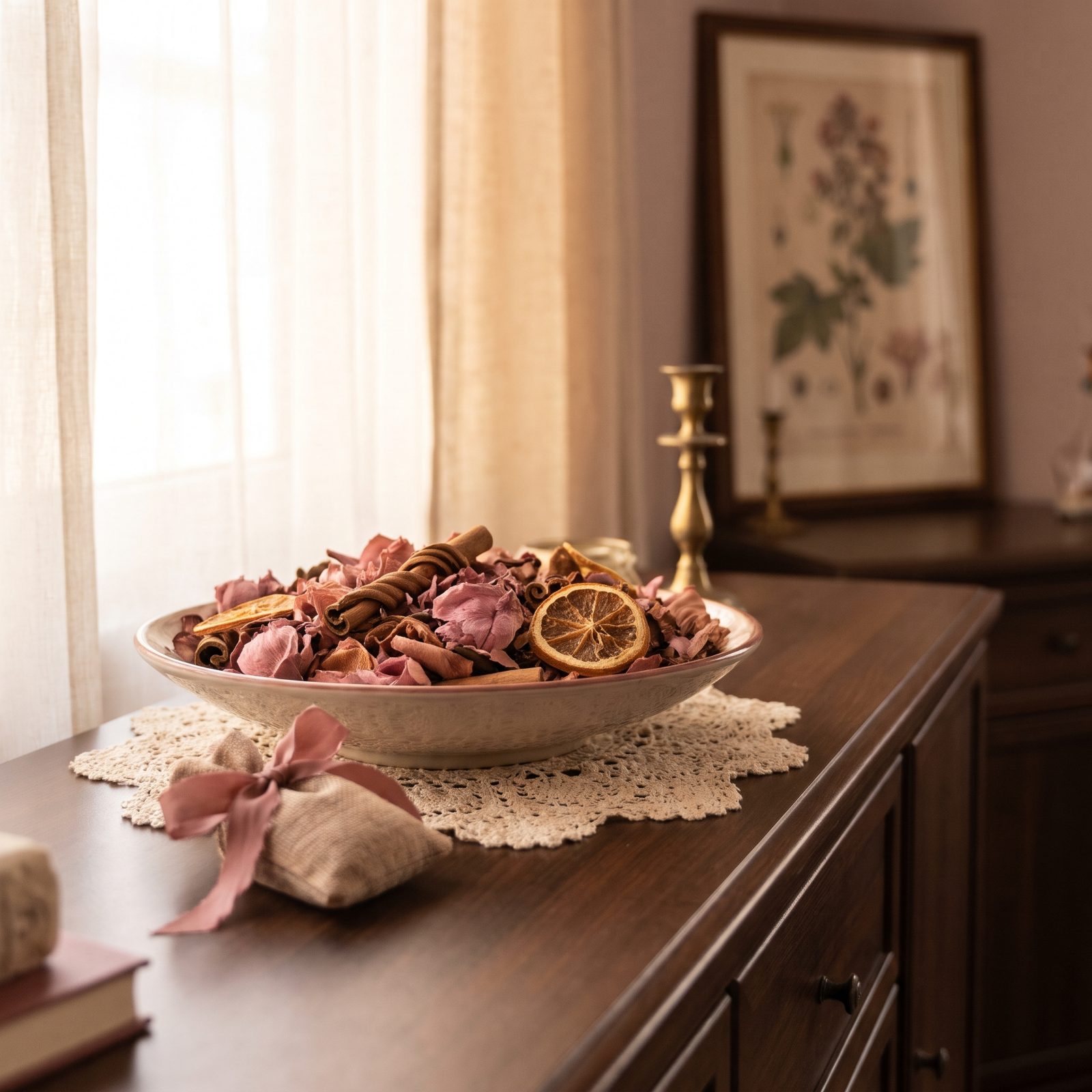
Every tidy living room in 1980 had a bowl of dried petals releasing a smell that landed somewhere between roses and a church basement. Open a grandmother’s sweater drawer and the lavender sachet hit you before the cardigan did.
The decline here is about delivery, not scent. Plug-in diffusers, reed sticks, and candles give you a cleaner fragrance you can actually dial up or down, and they don’t shed dusty bits into your silverware. There’s a wider wariness now, too, about synthetic fragrance and allergies. Potpourri stopped reading as a fresh home. It reads as a thing collecting dust in a dish.
6. The Fancy Guest Towels Nobody Was Allowed to Dry Their Hands On
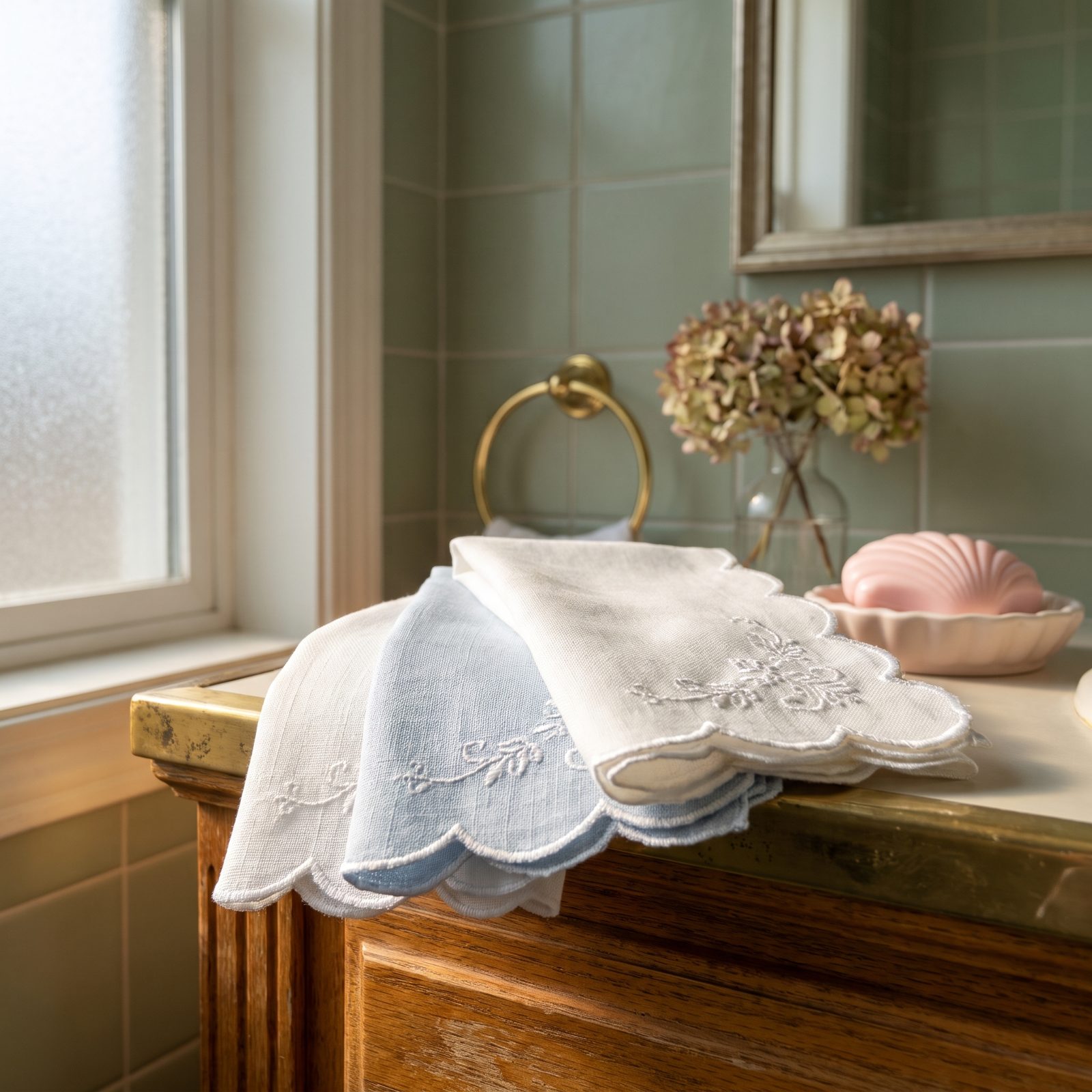
You know the ones. Hung on a little rack in the powder room, embroidered edges facing out, and if you actually used one you’d be quietly asking for trouble. Decoration pretending to be function.
Younger households find the whole concept baffling. Why buy a towel whose entire job is to not be touched? So the guest bathroom got simplified — one nice hand towel everyone uses, or a stack of folded ones, or paper hand towels for a party. The display-only linen set is a casualty of people who’d rather their stuff earn its keep.
5. The Standing Bottle of Mouthwash on the Bathroom Shelf
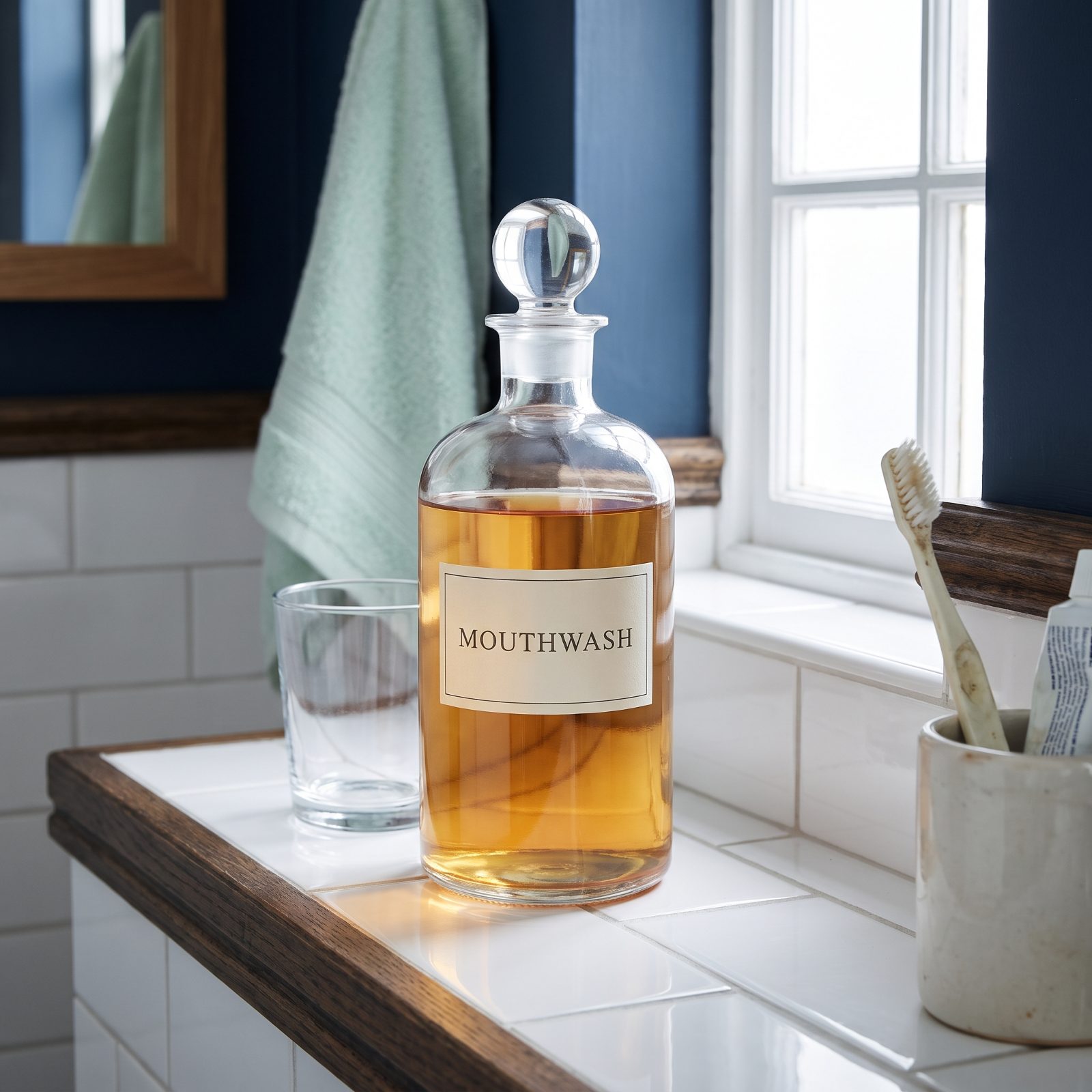
A surprising one, because plenty of people still swish. But the trend points one way: younger consumers reach for mouthwash far less than their parents did, and the category has been soft for years.
Part of it is the harsh-alcohol reputation and a growing suspicion that scorching your mouth every morning isn’t the flex it once seemed. Part of it is dentists nudging people toward better brushing and flossing instead of masking the problem. When a younger shopper does buy it, they want alcohol-free and treat it as occasional rather than sacred daily scripture. That big burning bottle on the shelf is fading out.
4. The Graded Set of Measuring Cups, Replaced by a Scale and a Phone
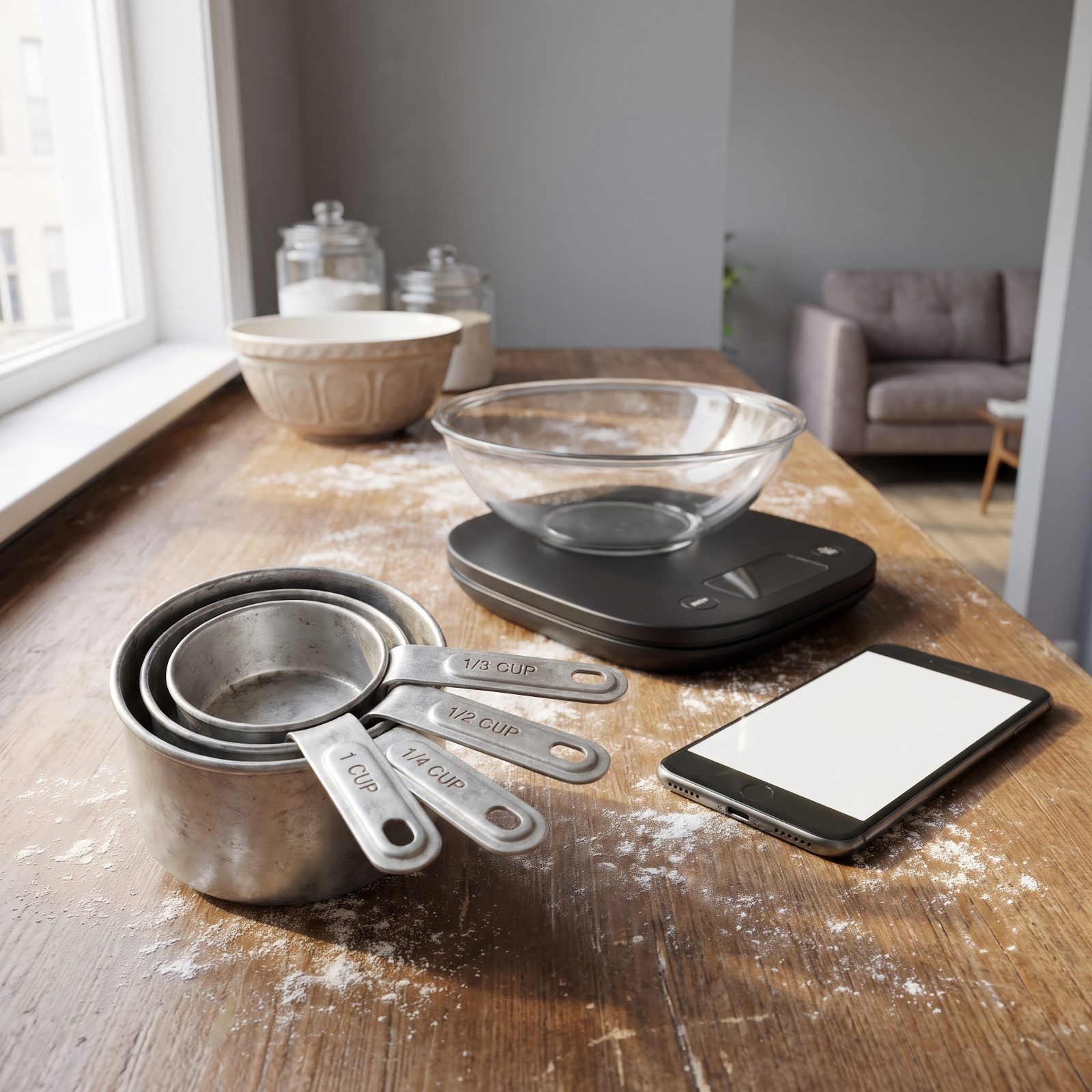
A proper kitchen used to mean the full brigade: quarter cup, third, half, full, lined up and ready for the next recipe scrawled on an index card.
Then the scale came along and wounded the measuring cup badly. Weighing flour is more accurate, uses one bowl, and skips the packing-down guesswork that ruined many a cake. Recipe apps convert measurements on the fly, and a scale with a tare button lets you dump everything into one bowl and zero it between additions.
Older bakers who learned by volume still swear by the cups, and for a splash of liquid they’re genuinely faster. But the younger kitchen trends toward a single scale doing the whole job.
3. The Complete Pot Set Graded Smallest to Largest
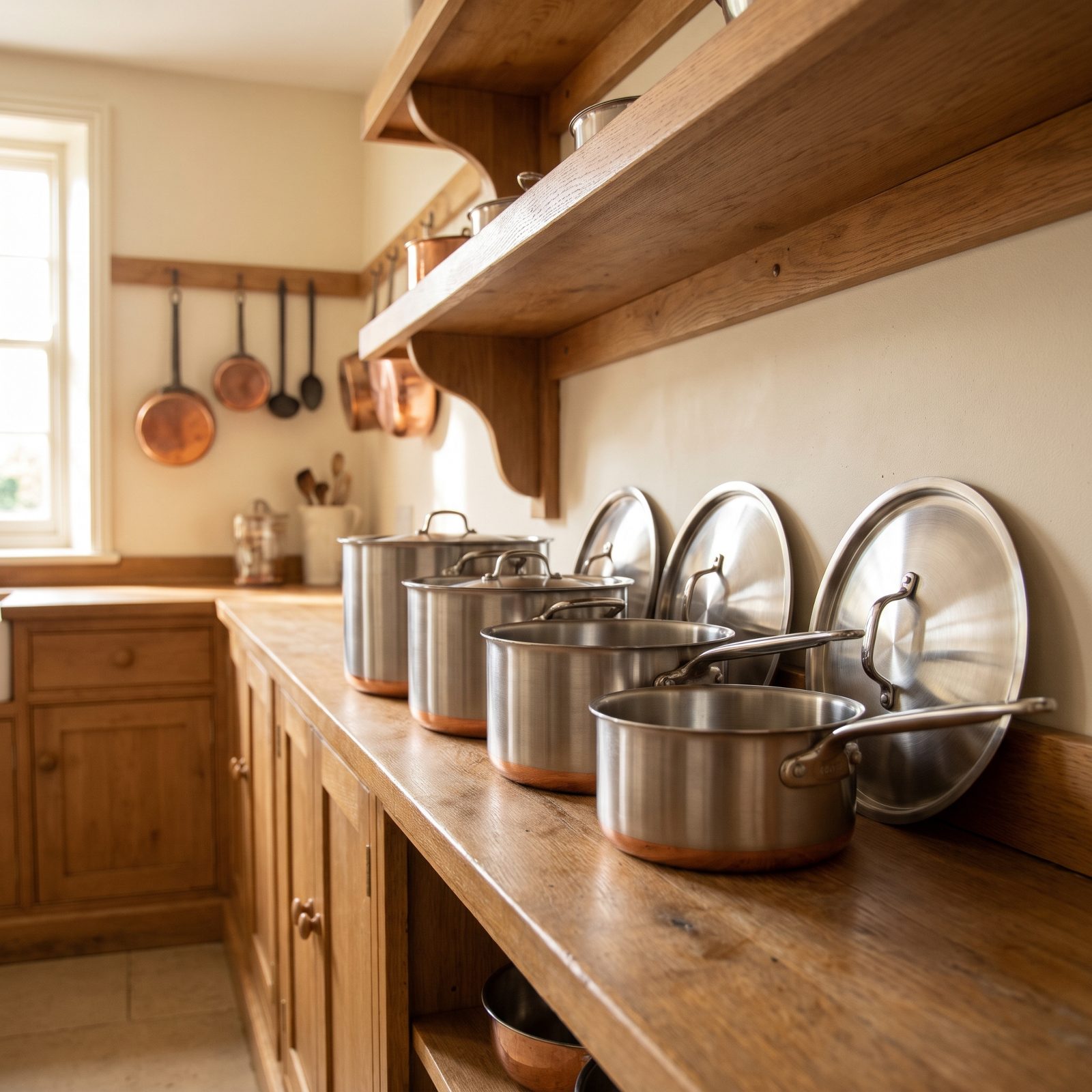
The wedding-registry classic: a boxed set of seven, eight, ten pieces, every pot a size apart, matching lids all the way up. It looked like competence on a shelf.
Younger cooks figured out they were using three of them. You reach for the same small saucepan, the same medium pot, and maybe a stockpot once a year at Thanksgiving. The in-between sizes gather dust and eat cabinet space most apartments don’t have.
2. Casserole Dishes and Lidded Serving Ware for the Covered-Dish Supper
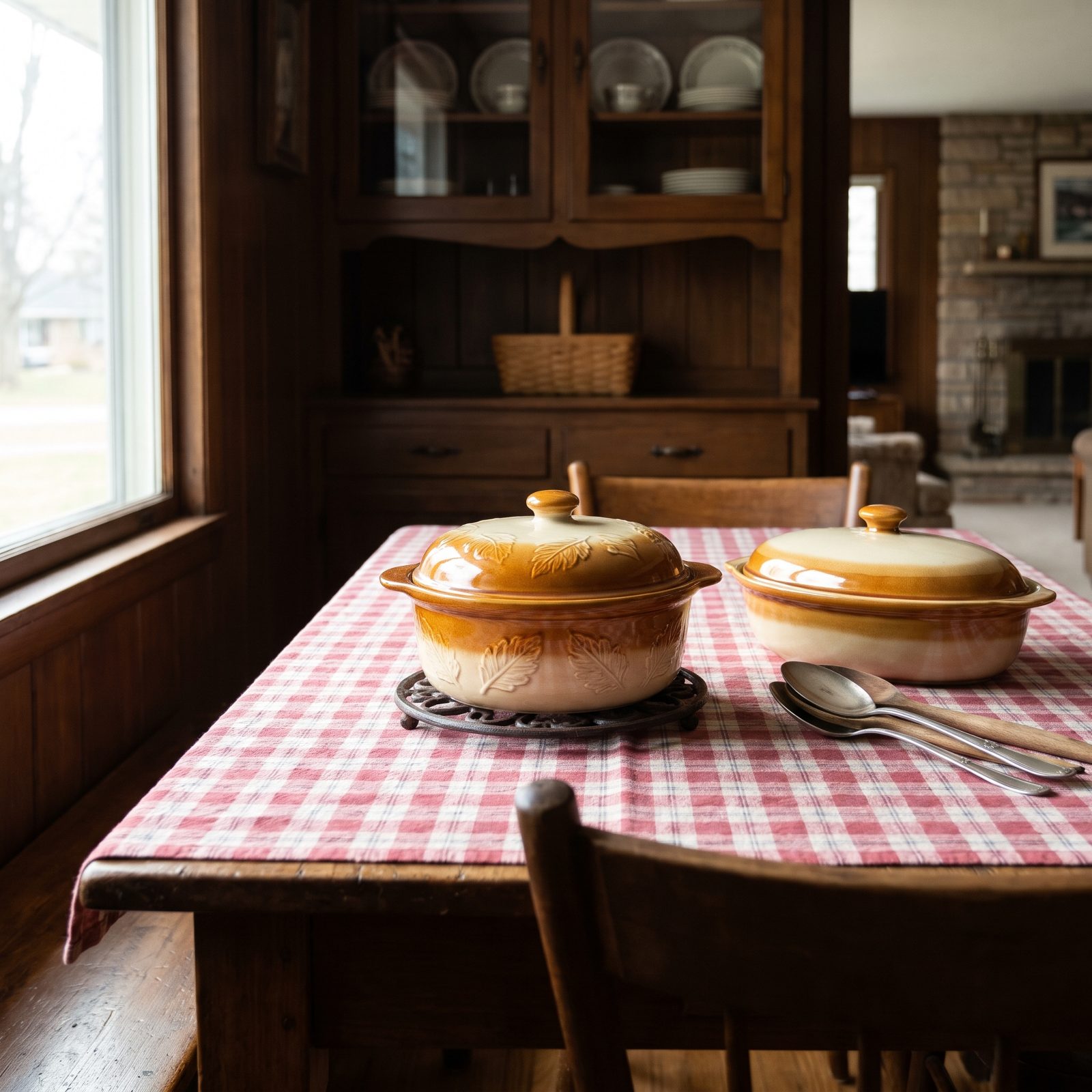
Covered serving ware had a whole social function. You carried a tuna casserole in a lidded dish to the church potluck, the bridge club, the new neighbor’s door, and you got your dish back washed.
That culture thinned out. Fewer potlucks, more takeout, smaller households where a nine-by-thirteen of hot dish makes a week of leftovers nobody wants. Younger cooks reach for a sheet pan and a single skillet, not a stack of lidded ceramics.
Who still prizes them? Entertainers, and anyone who inherited their mother’s set and can’t bear to part with it. For everyone else, the covered casserole comes out twice a year, if that.
1. Coin Purses and the Loose-Change Jar on the Dresser

Every dresser top in America once held a jar slowly filling with pennies, nickels, and the odd button that got mistaken for a dime. The coin purse snapped shut in your pocket or the bottom of a handbag.
Tap-to-pay ended it. When you haven’t handled a dollar in cash all month, there’s no change to collect, no coins to sort, no purse to carry. The jar that used to fund a pizza night now sits empty or forgotten.
Older shoppers still keep both, and plenty of people genuinely miss the heft of a full jar lugged to the Coinstar. But the daily habit that fed it is mostly gone, and the coin purse went with it.