
Would you like to save this?
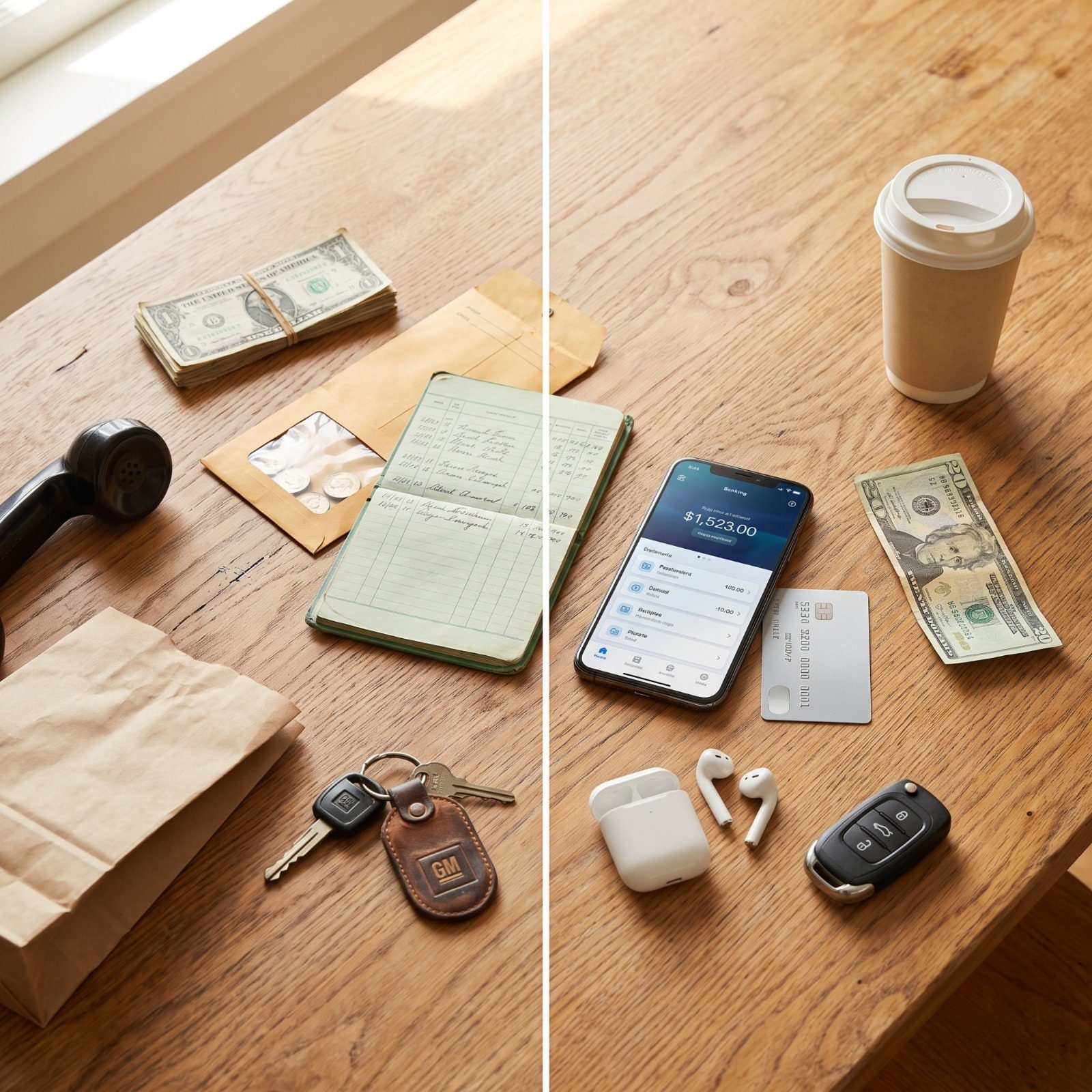
The bonus envelope came stapled shut, a little heavier than a paycheck, and somebody in accounting always slid it across the desk with a wink. Back in 1975 that couple hundred bucks felt like real money — it heated a house, it went a long way toward a car, it meant something. Today the same slip barely covers a phone bill and a grocery run. So we lined up ordinary purchases side by side to see exactly where all that buying power ran off to.
50. A New Color Television

A color console TV in a walnut cabinet ran around 500 dollars in 1975 — more than a decent Christmas bonus at a solid factory job. One purchase, whole bonus gone, and then some. The thing weighed more than a washing machine and immediately became the most important piece of furniture in the room, the altar everybody’s recliner faced.
Today your bonus clears a flat-screen smart TV with money left over, and the screen is bigger, sharper, and thinner than a magazine. Funny thing is, the math actually swings your way here. Electronics got cheaper. Almost everything else on this list went the opposite direction.
49. A Week of Groceries for a Family of Four

Thirty-five, maybe forty dollars covered a real week of eating for four. Milk in glass, a whole chicken, canned corn, a fat block of cheese, and bread that cost a quarter. A single bonus check could stock the pantry for two full months.
Now that same cart clears a hundred and eighty on a quiet week, and closer to two-fifty once you’ve got teenagers eating you out of house and home. The bonus that once fed a family through winter? It barely covers a week of the same shelves.
48. A Complete Christmas Dinner

A whole holiday spread for a full table cost under fifteen dollars. The turkey ran maybe five, the sides came from cans and boxes, and the cranberry sauce still wore the ridges of the can it slid out of — you know the sound. Your bonus could have thrown a dozen of these dinners.
Today the same meal, turkey and all the fixings for eight, lands somewhere north of eighty dollars. Still a bargain in the grand scheme, honestly. But the gap tells you everything about where a dollar went.
47. One Month of Apartment Rent
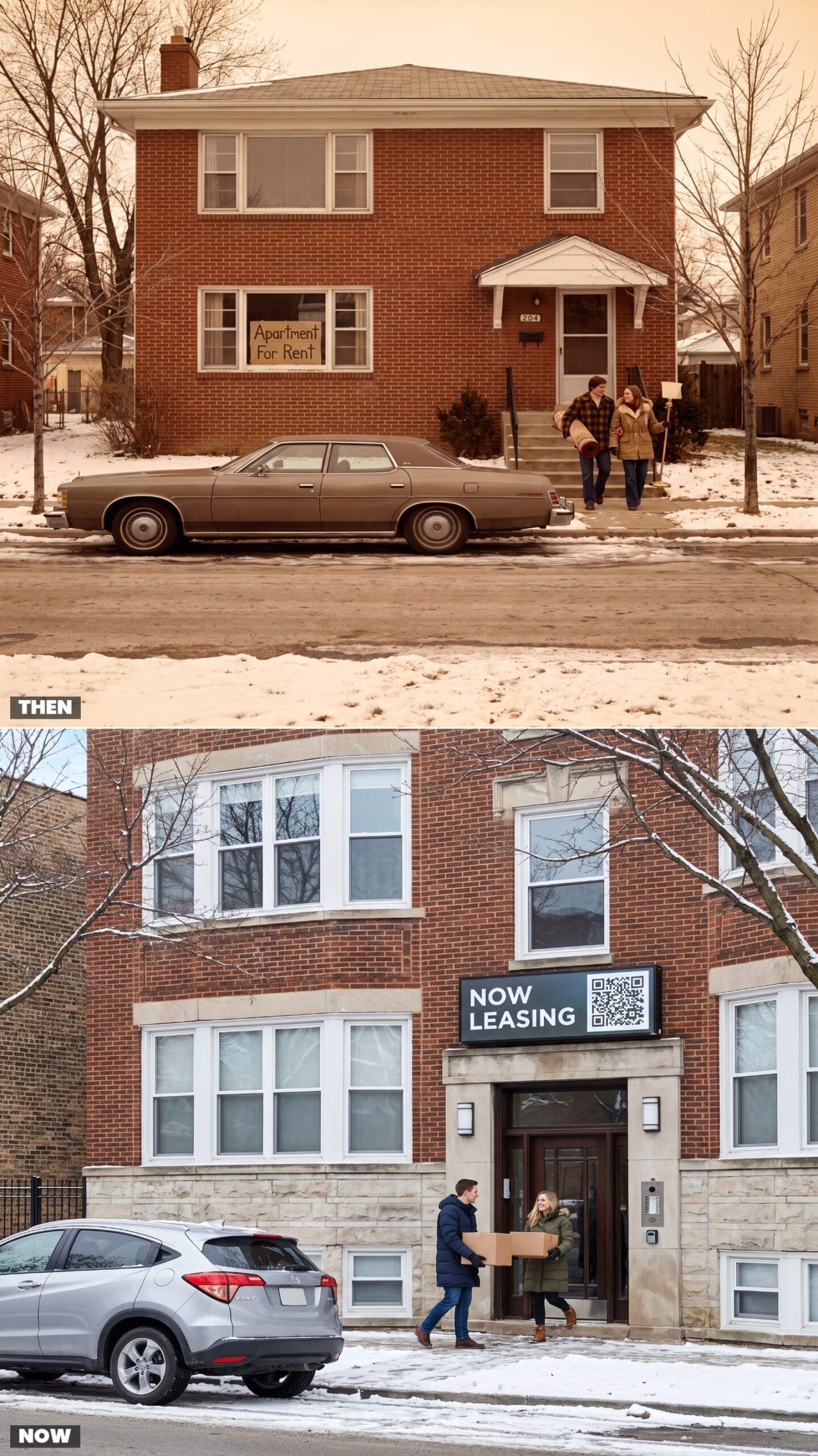
This is where the bonus really used to punch above its weight. Average apartment rent in 1975 hovered around 200 dollars a month, so a good year-end bonus covered rent outright — sometimes two months of it, with cash left over for the security deposit.
The modern version stings as badly as anything on the list. A typical one-bedroom now runs well past 1,500 a month in most metros, and the year-end bonus that once bought you a roof for two months barely dents a single one.
In 1975 a Christmas bonus could pay the rent. Today it can’t finish the first of the month.
46. A Winter’s Supply of Heating Oil

Fill the tank in 1975 and you paid maybe 35 cents a gallon. A full winter’s supply ran a couple hundred dollars, right in bonus territory, and that one envelope of cash kept the whole house warm from December clear through March.
Now a single tank fill can run 800 to 1,000 dollars depending on the winter, and a full season easily doubles that. The bonus that once heated your home all winter now buys you about six cold weeks. Bundle up.
45. A Month of Household Electricity

Keeping the lights on for a month cost around 25 dollars for an average home in 1975. Your Christmas bonus could’ve covered close to a year of electricity, back when a house had a fridge, a TV, and not much else pulling power off the wall.
The average monthly electric bill now runs closer to 140 dollars, and every gadget you own is charging off something. So the bonus that once carried you through a full year of power? It’ll cover a couple of summer months with the AC groaning.
44. A Year of Residential Telephone Service

Basic residential phone service ran about six dollars a month in 1975, so a whole year of local calling cost less than 75 dollars. Long distance was the expensive part — which is exactly why your mother watched the clock like a hawk when you called after 5 p.m.
Now a single smartphone plan runs 70 to 100 dollars a month, and that entire year of 1975 phone service is what you burn through in about a month. The upside: you carry the whole phone book, the operator, and a movie theater in your pocket.
43. A Full Tank of Gasoline
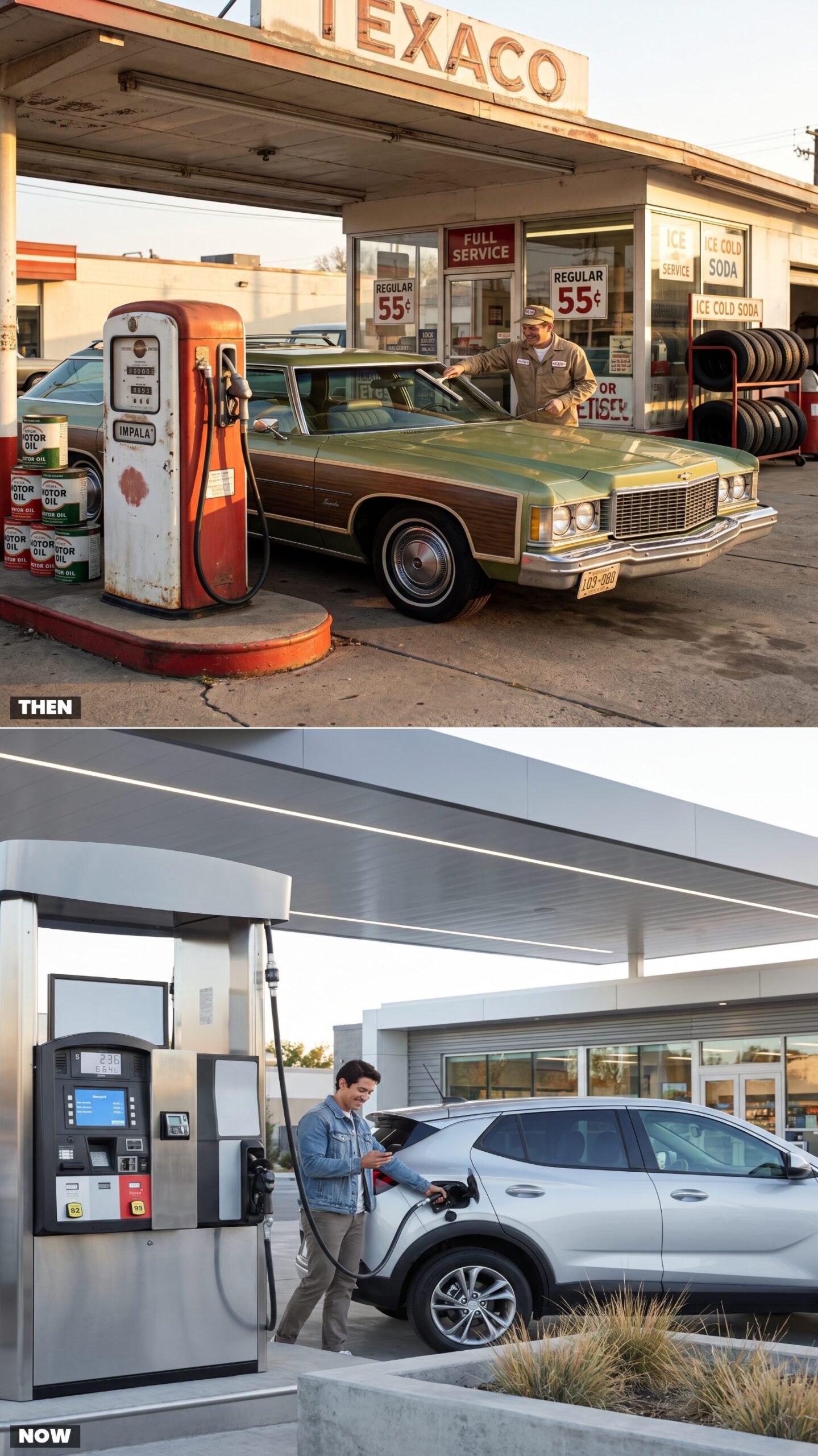
Gas ran about 57 cents a gallon in 1975, and a fella actually came out to pump it, check your oil, and wipe your windshield down for that same price. Filling a big wagon’s twenty-gallon tank cost about 11 dollars. Your bonus could top off the car every week for a good long while.
Today you pump it yourself, standing in the cold, and a full tank runs 45 to 70 dollars depending on the week and what you drive. The service walked off decades ago. The bill just kept on climbing.
42. A Reliable Used Family Car

Would you like to save this?
And now the one that really lands. A dependable used family sedan sold for around 1,500 to 2,000 dollars in 1975, and plenty of workers walked off the lot having covered a good chunk of it with a fat year-end bonus. Some paid the whole thing in cash and drove home whistling.
A reliable used family car today starts around 18,000 to 25,000 dollars. The bonus that once bought most of a car now covers about one monthly payment on the loan you’ll be feeding for the next six years.
41. A Set of Four Car Tires

A set of four new tires ran about 100 to 120 dollars installed in 1975, whitewalls and all. A decent bonus bought two or three sets — enough to keep the family car rolling for years without a second thought.
Today four quality tires mounted and balanced land between 600 and 1,000 dollars, and that’s before the shop finds something wrong with your alignment. Always something. The bonus that once bought tires for a decade now barely covers a single set.
40. A Major Automotive Repair
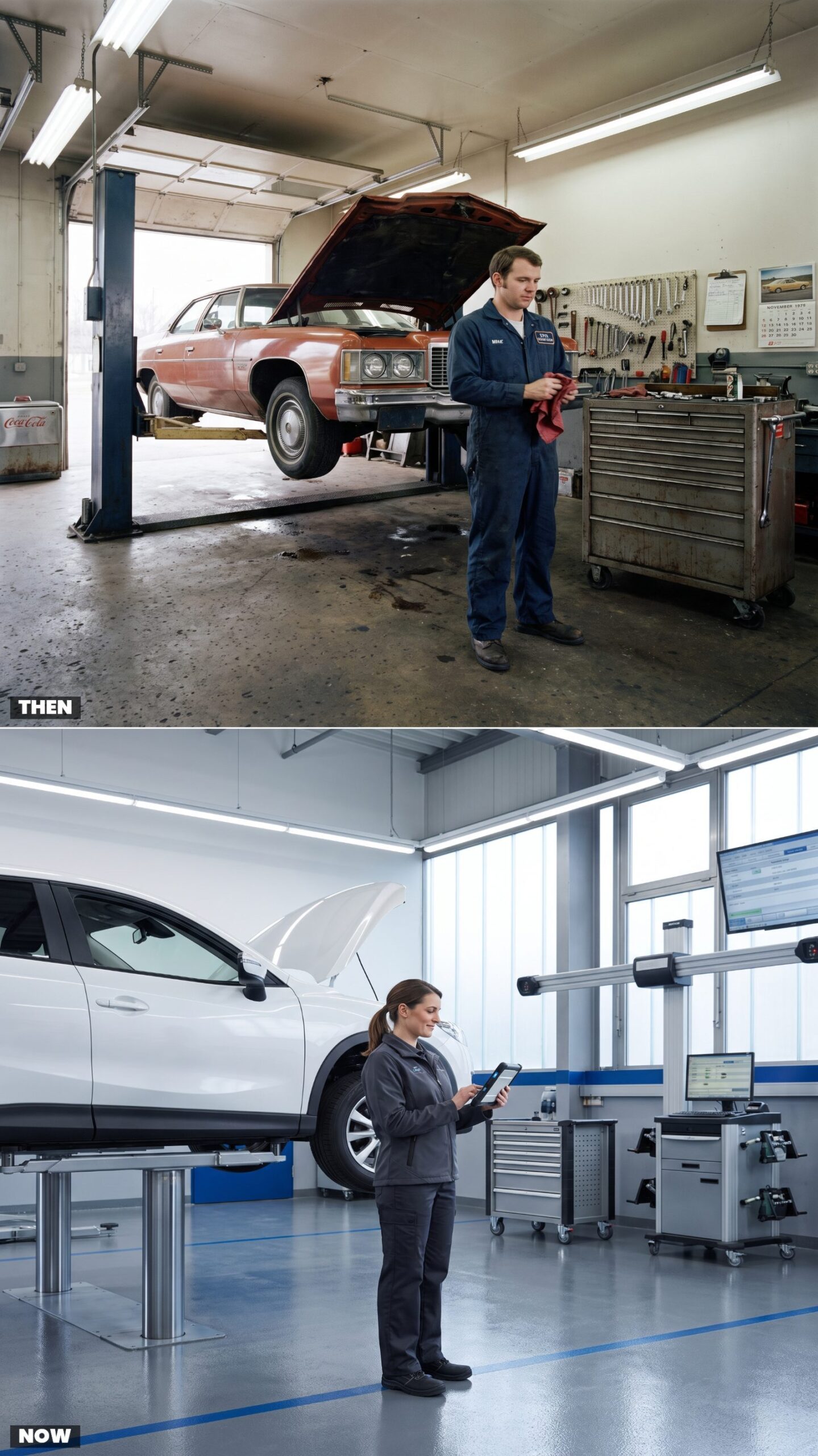
In 1975, a solid Christmas bonus, say a couple hundred dollars, could cover a real repair. A rebuilt carburetor, a new alternator, maybe a brake job with money left over for a tank of gas. The mechanic scribbled the estimate on a clipboard because parts were cheap and labor ran a few dollars an hour.
That same bonus today barely dents a modern repair ticket. Diagnostics alone run into three figures before anyone touches a wrench. A sensor cluster, a hybrid battery module, a set of ceramic brakes, and you have watched the whole envelope disappear into an invoice printed from a tablet.
39. A Living-Room Stereo System
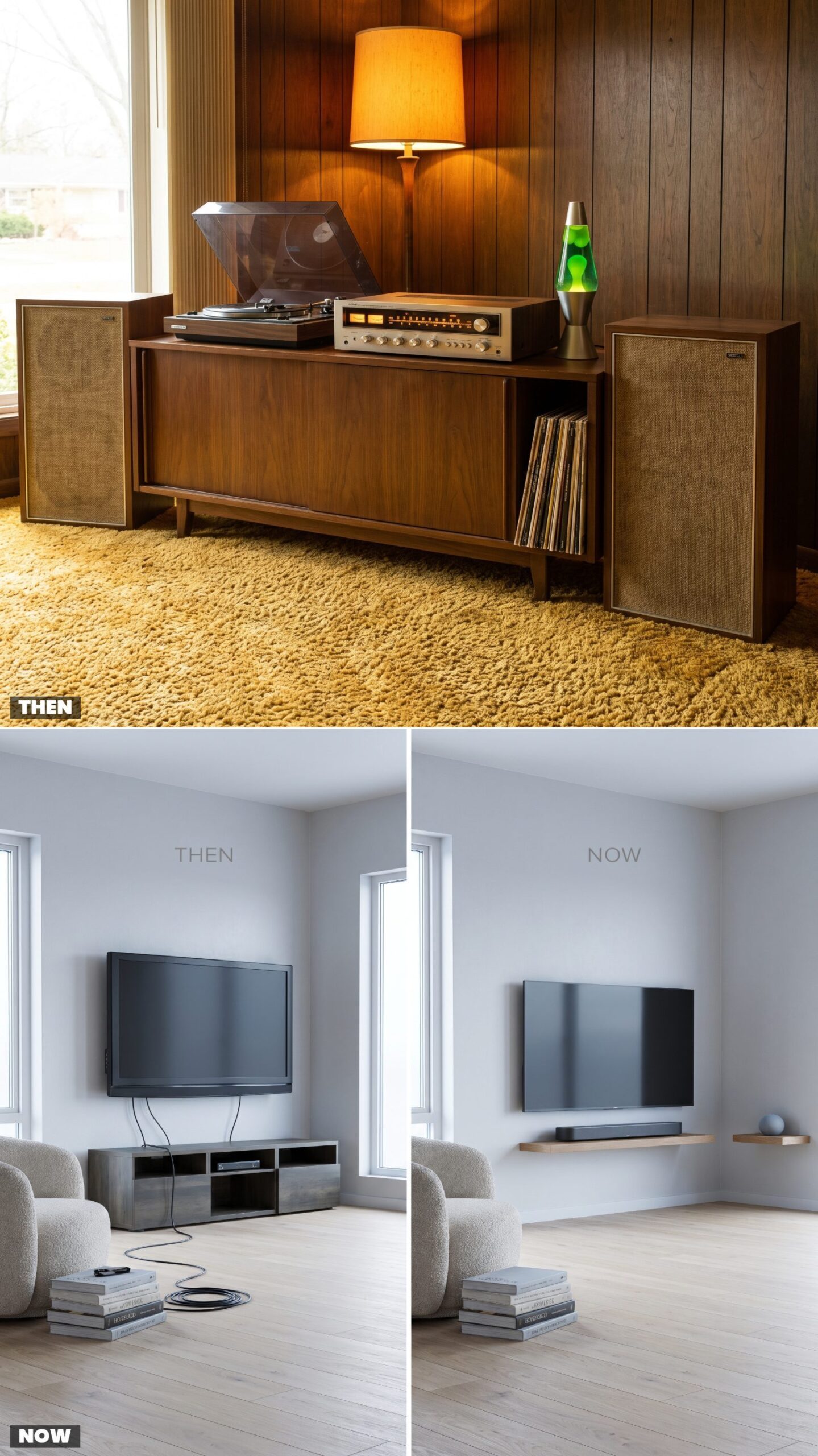
A console stereo was furniture in 1975, and a bonus could actually buy one. For a few hundred dollars you got a receiver, a turntable, and speakers wrapped in a walnut cabinet built to sit against the wall for twenty years. People dusted them like heirlooms.
Today the same money buys a smart speaker the size of a coffee can, plus a monthly streaming bill that never ends. The sound is cleaner and the catalog is infinite. But nobody polishes a Bluetooth puck, and nobody flips it over to admire the woodgrain.
38. A Portable Radio
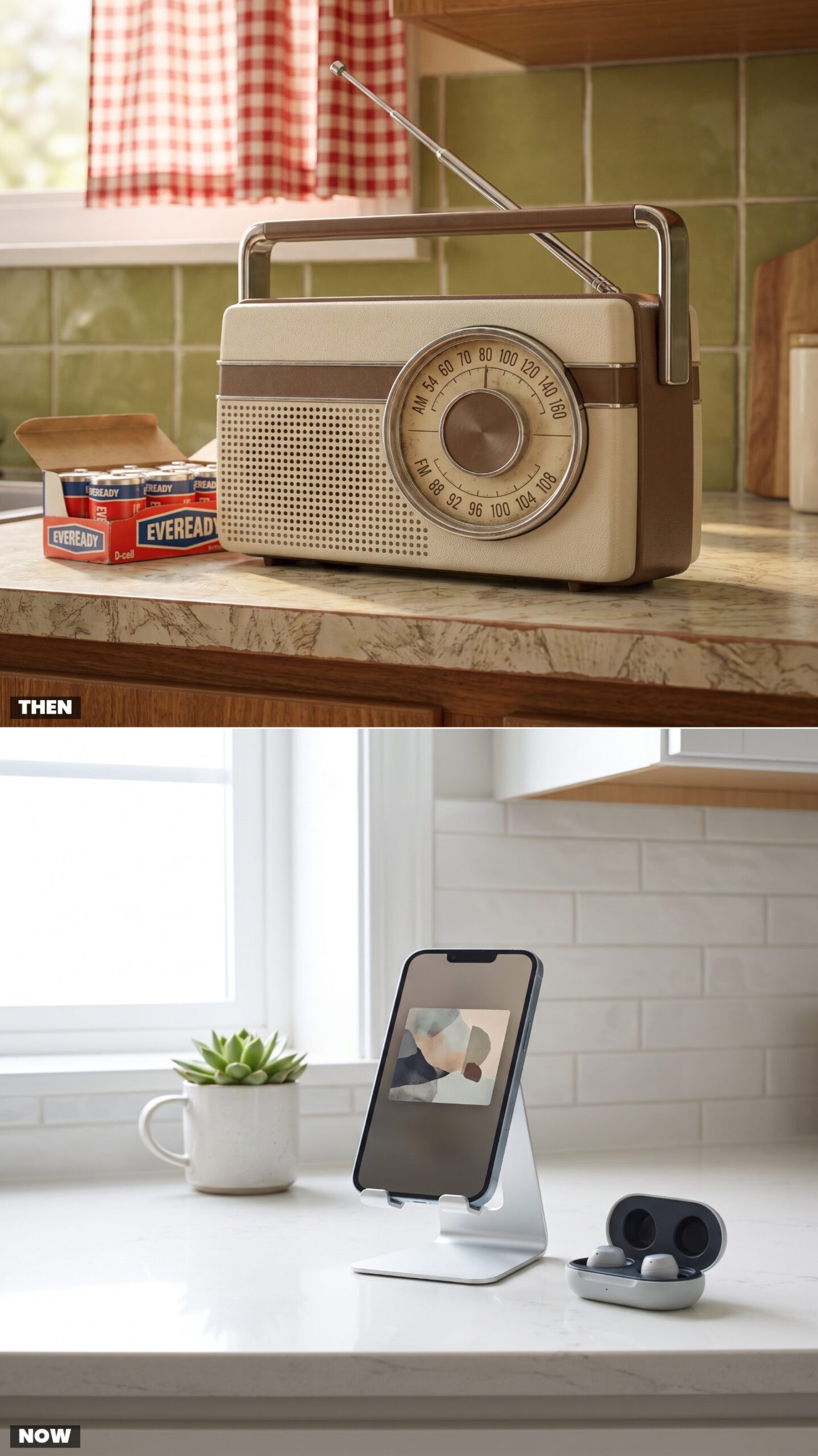
A portable radio in 1975 was a real gift. A compact plastic box with a chrome handle you carried to the beach or set on the counter for the ball game, and a modest bonus bought a good one plus a fistful of batteries to keep it going.
Now the radio lives inside the phone already in your pocket, one app among hundreds. The device costs a fortune. But the radio part rides along free on a screen that also holds every station on earth.
37. A Polaroid Instant Camera
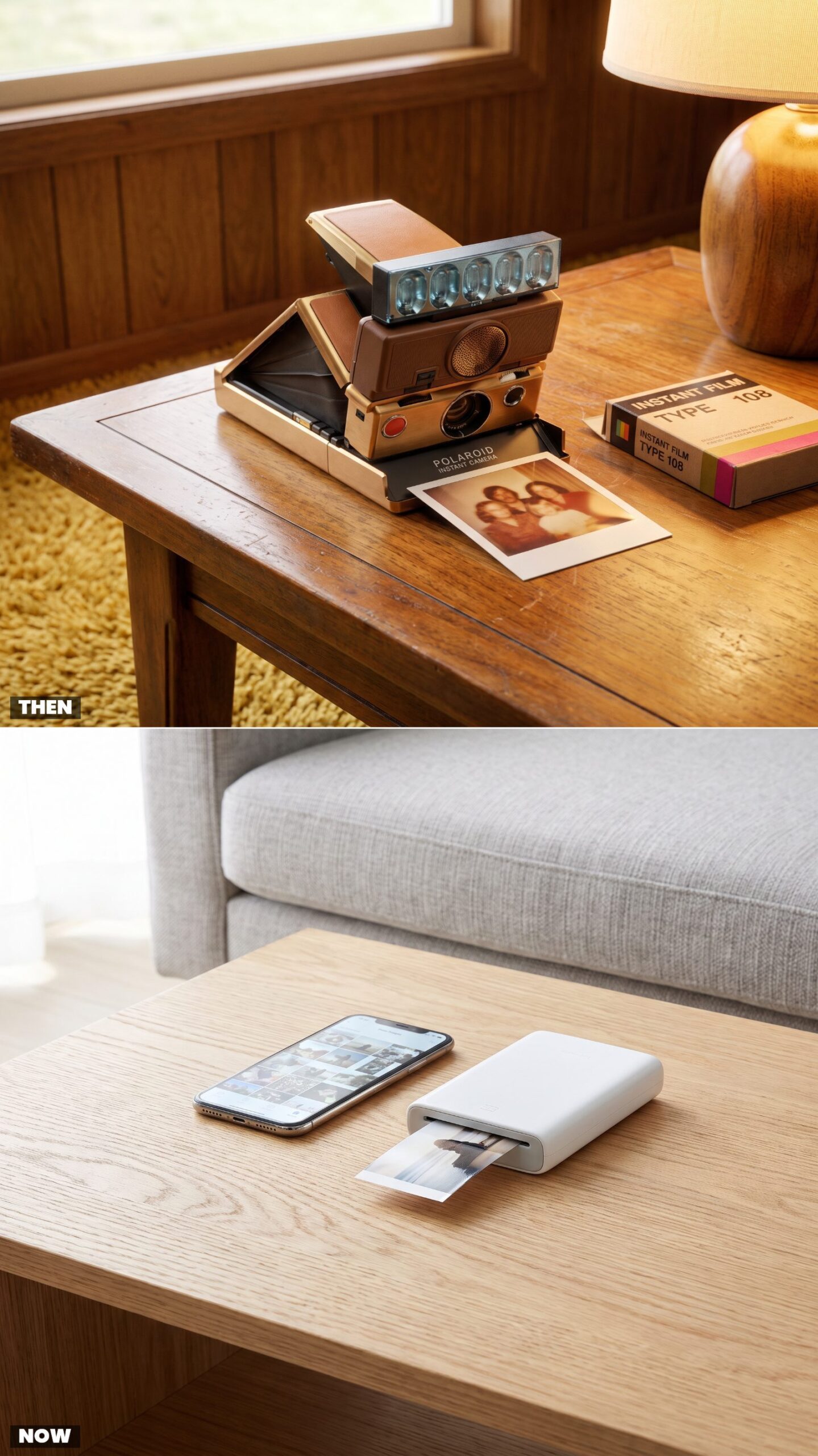
The magic of a Polaroid in 1975 was the wait. That minute of holding a gray square and watching a face swim up out of nothing. A Christmas bonus covered the camera and a stack of film packs, though the film always ran out faster than you expected.
Instant is free now, and endless. The phone shows the shot before you have even lowered it, so you can take four hundred versions and delete three hundred and ninety-nine. What you cannot do is hand someone a physical square across the table and watch them shake it, which everybody knew you weren’t supposed to do anyway.
36. A Home Movie Camera

Shooting home movies in 1975 meant a Super 8 camera, a wound-up spring or fresh batteries, and film that cost real money per cartridge, so you rationed every foot of it. A bonus bought the camera. The film, the developing, and the projector were the gifts that kept taking.
Video is basically free now, and the phone in your hand shoots hours of footage nobody will ever watch. Back then you got three minutes per cartridge and every second counted. Probably why those flickering reels of a birthday party still feel like treasure while your endless phone clips feel like clutter.
35. A Family Refrigerator
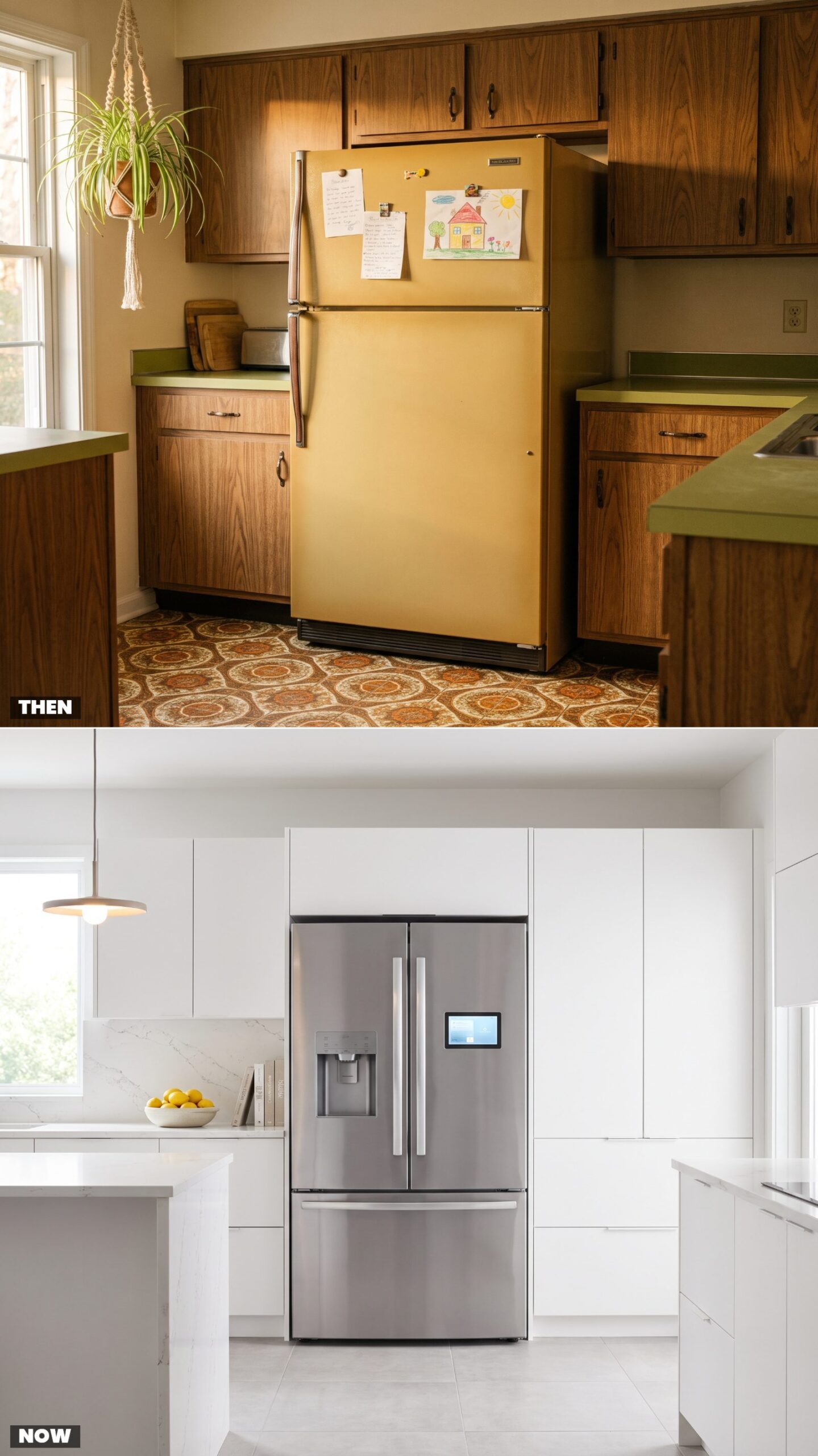
The harvest-gold refrigerator was a landmark in a 1975 kitchen, and a strong bonus, maybe stretched with a little saving, could put a new one in the house. Two doors, a chrome handle, and a lifespan measured in decades. People kept these things until the color went out of style twice.
A comparable bonus today covers a fraction of a French-door stainless model with a touchscreen and a water dispenser. Nicer? Sure. But it also gets replaced faster, and nobody expects the smart panel to outlive the marriage.
34. A Kitchen Range
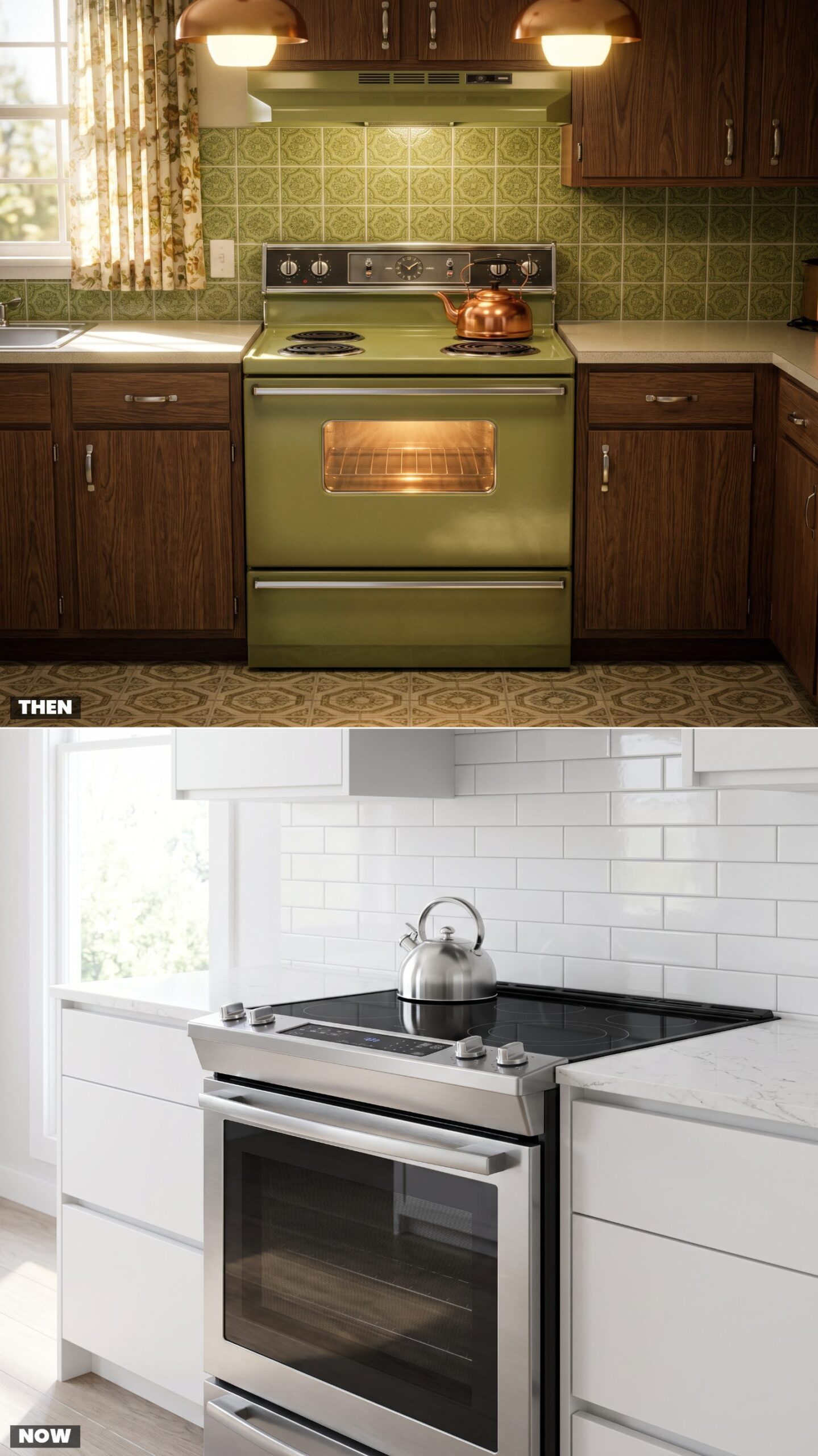
An avocado-green range with glowing coil burners was standard issue in 1975, and a holiday bonus could buy one outright. Dial controls, a mechanical clock timer, a broiler drawer that always stuck. Simple, heavy, and nearly impossible to kill.
Now a bonus of the same relative size covers maybe half a stainless induction range with a glass top and a touch panel that smudges if you look at it wrong. The cooking is faster and safer. The repair bill, when the electronics fail, is a special kind of heartbreak.
33. A Washing Machine
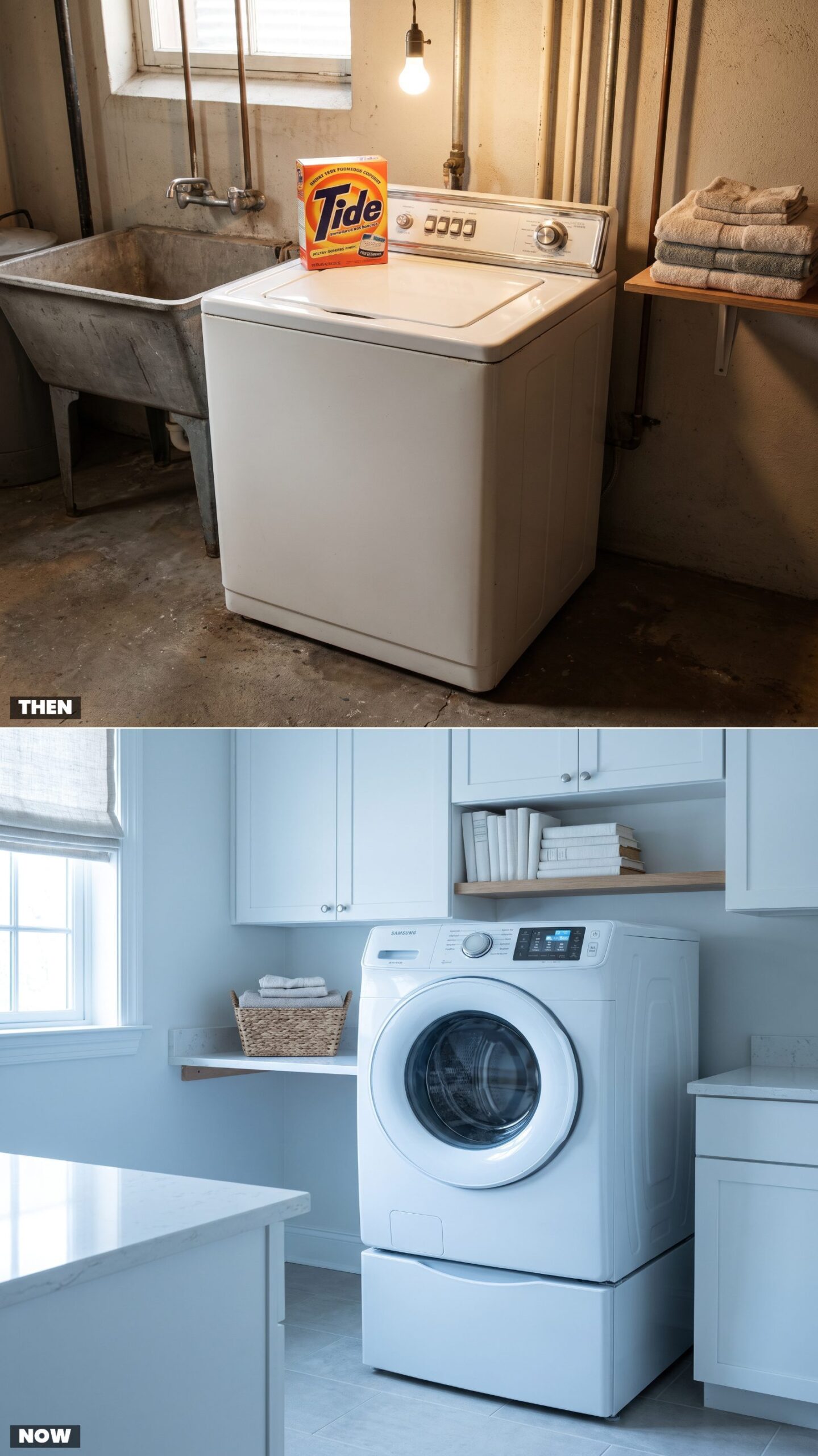
A top-loading washer in 1975 was a genuine bonus purchase, a heavy white box with a lid you slammed and a dial you cranked. It agitated, it spun, it flooded the basement occasionally, and it kept doing all three for fifteen or twenty years.
Today the same relative bonus makes a down payment on a front-loader with a touchscreen and a dozen wash cycles you will never use. It sings a little tune when it finishes. It also has a computer board that costs more than the whole 1975 machine did.
32. A Dishwasher
Would you like to save this?
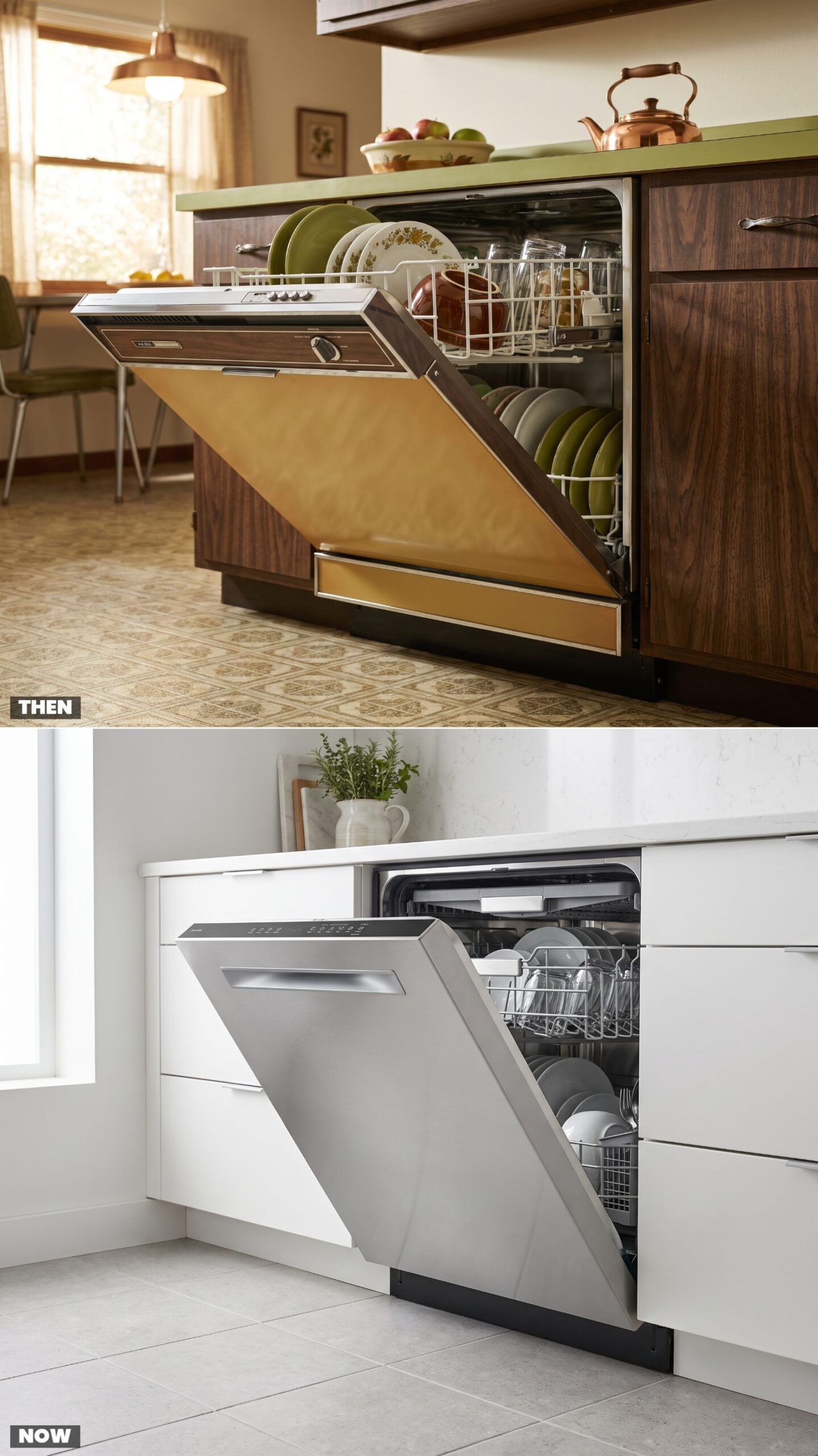
A dishwasher was still a slight luxury in 1975, harvest gold with a fake-wood front and dials you turned with a satisfying clunk. A good bonus put one under the counter and freed up an evening. Loud as a jet engine, but it worked.
Now that same money covers part of a stainless model so quiet you have to press your ear to it to know it is running. Hidden controls, a third rack, a light that projects a dot on the floor to prove it is on. Progress, mostly. Also a lot more to break.
31. A Vacuum Cleaner
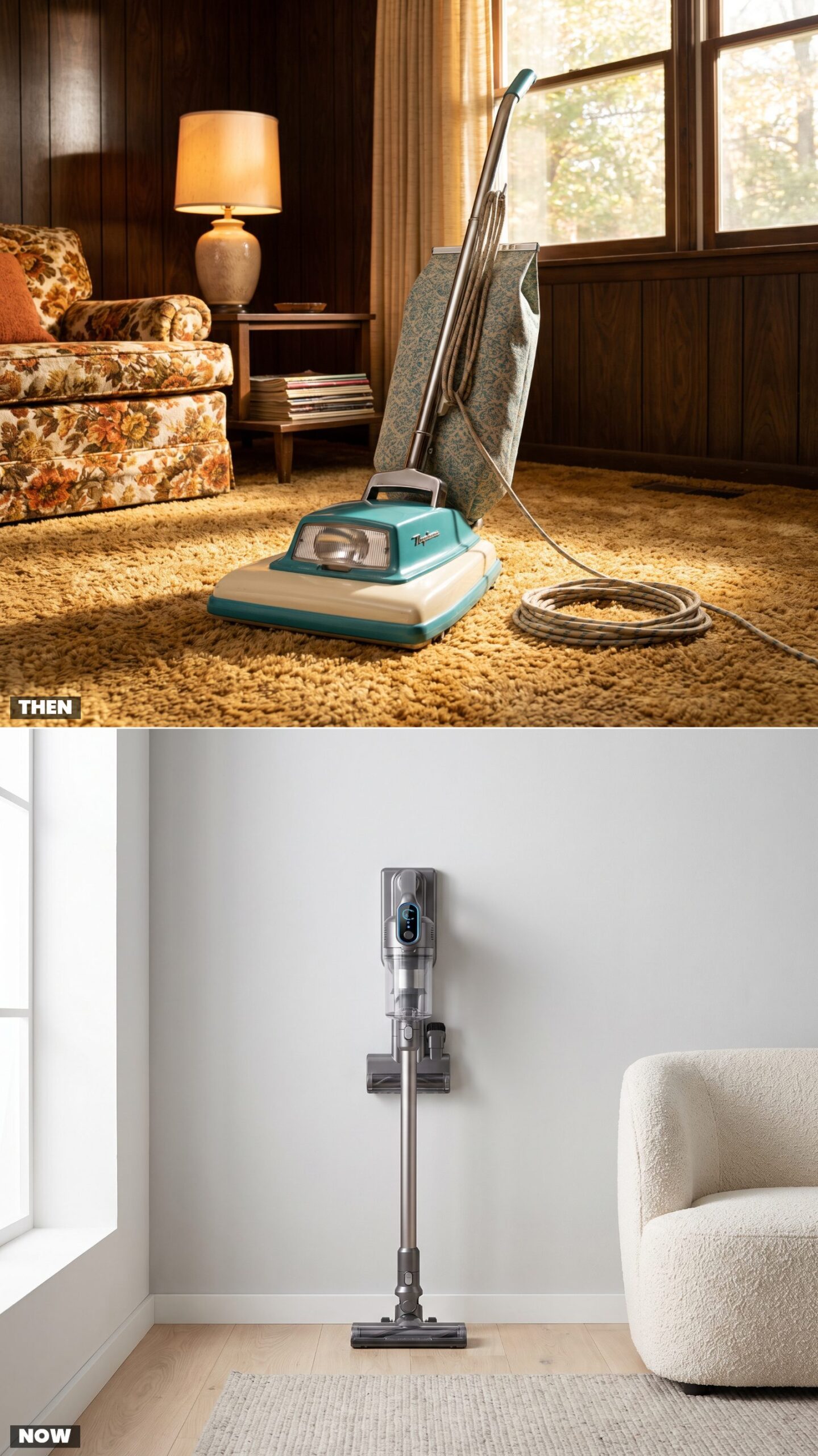
The upright vacuum of 1975 was a beast. Cloth bag, chrome handle, a headlight nobody needed, and a cord you spent half the job untangling. A modest bonus bought a good one, and it hauled itself across the shag for twenty years without complaint.
Today a bonus buys a cordless stick vac with a clear canister so you can admire exactly how filthy your floors are, a battery that dies twenty minutes in, and a price tag that would have bought three of the old machines. It is lighter. Whether it lasts is another conversation.
30. A Sewing Machine on the Bonus Envelope
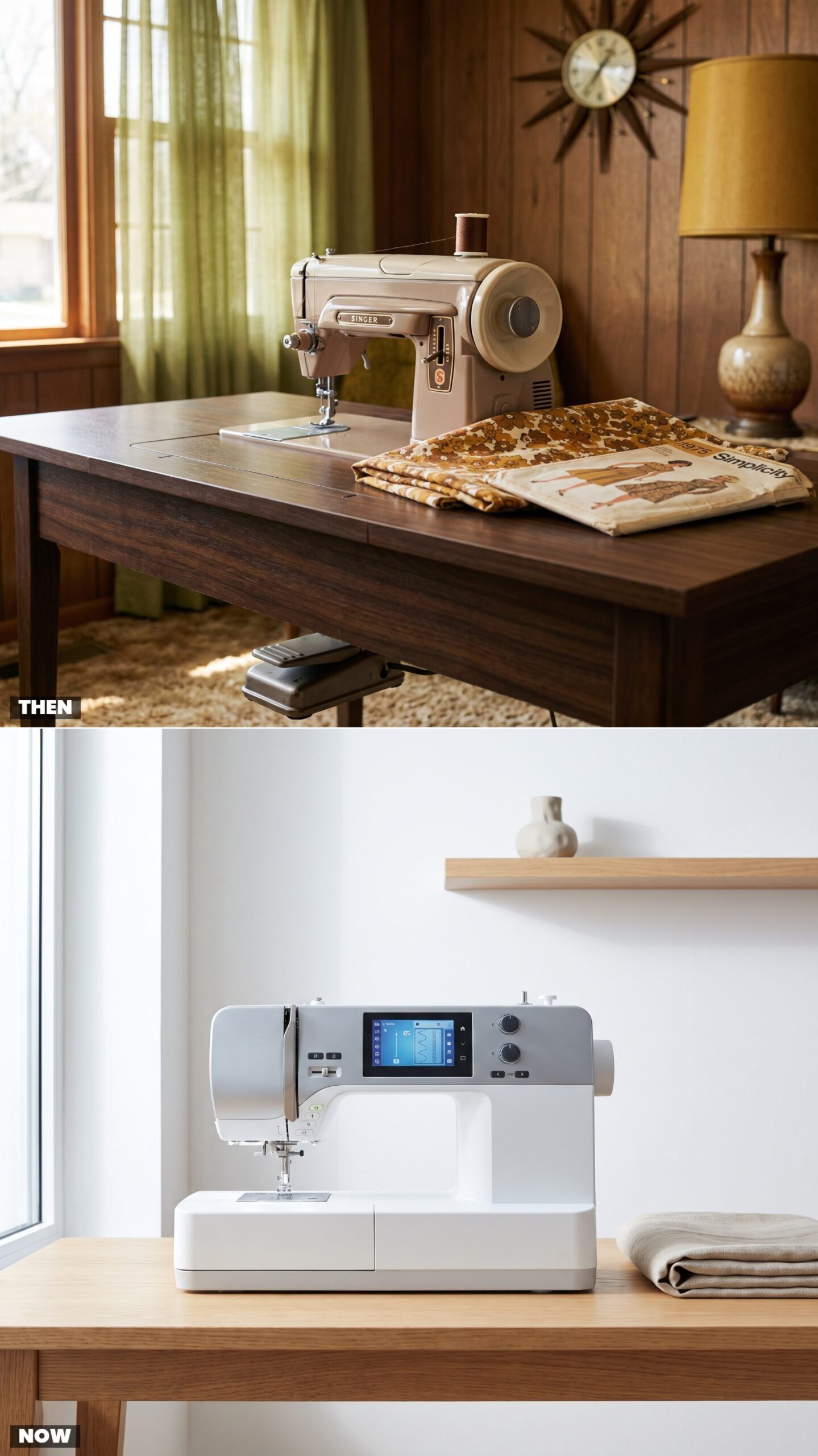
In 1975 a decent Christmas bonus, call it a couple hundred dollars for a lot of working folks, could put a real machine on the table. A basic Singer ran around a hundred dollars, so a good bonus covered one outright, and plenty of households treated that as the whole holiday. You sewed the kids’ school clothes because it beat buying them.
Today the same slice of a bonus buys a plastic starter machine off a big-box shelf, and almost nobody sews to save money anymore. The math flipped. Fabric costs more than finished shirts now, which still feels backwards every time I think about it.
29. A Complete Living-Room Suite

A full matching suite in 1975, sofa plus two chairs, ran somewhere around three to four hundred dollars at Sears or Montgomery Ward. A generous year-end bonus at a union job could nearly cover it, and families genuinely bought living-room furniture with holiday money. You picked it out from a catalog and it lasted two decades.
Now that same bonus covers maybe the sofa alone, and the chairs are a separate conversation. The suite as a concept mostly died. We buy pieces one at a time and swap them out before they wear.
28. A New Dining Table and Chairs
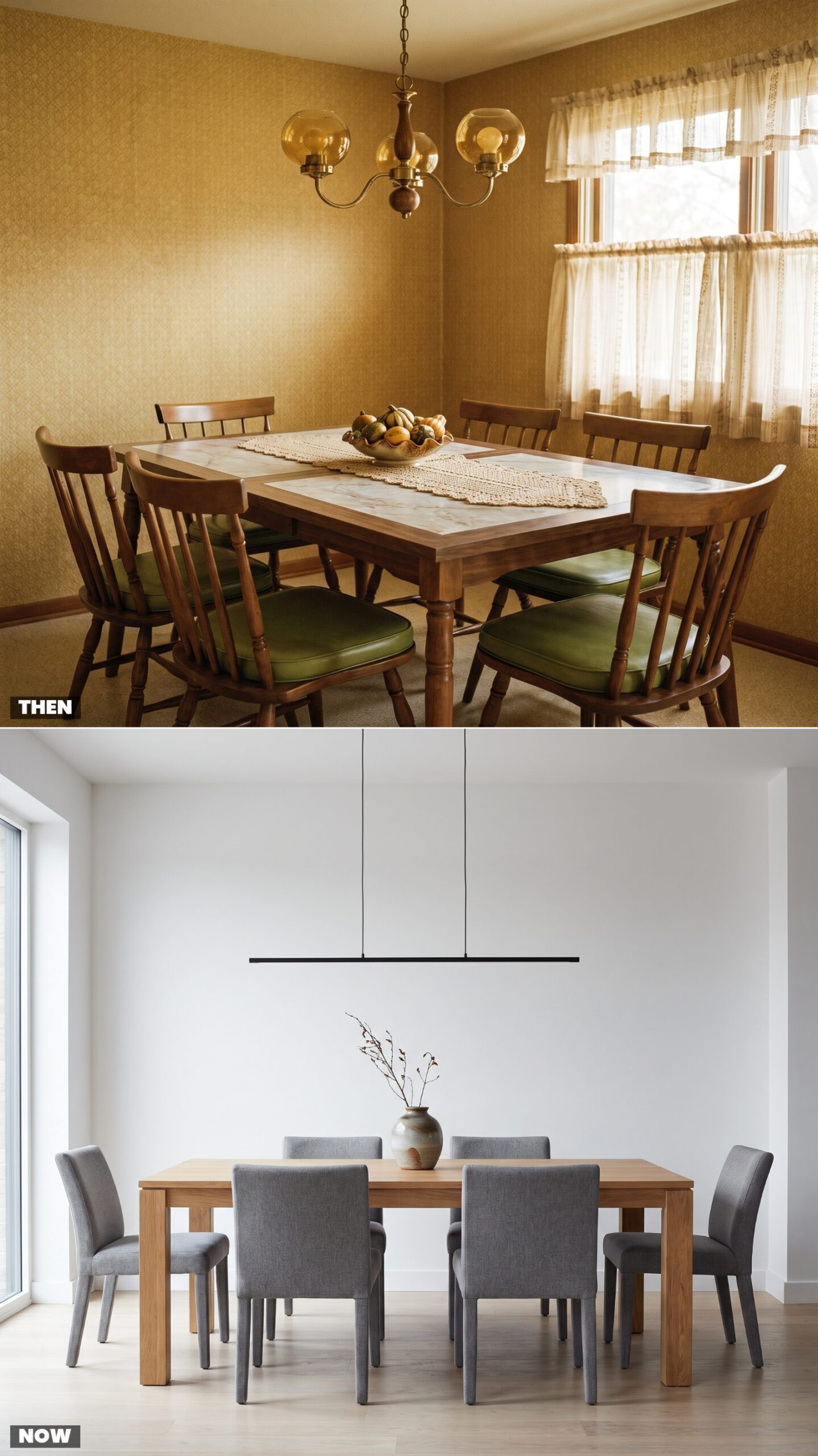
Six chairs and a table with that unmistakable faux-marble laminate top: about a hundred and fifty to two hundred dollars in 1975. A modest bonus handled the whole thing, chairs included. Families ate dinner around it every single night, and the vinyl seats wiped clean with a dishrag.
The same bonus today gets you the table or the chairs, rarely both from anyplace built to survive a decade. Solid wood has become the splurge it never used to be.
27. A Queen-Size Mattress and Box Spring
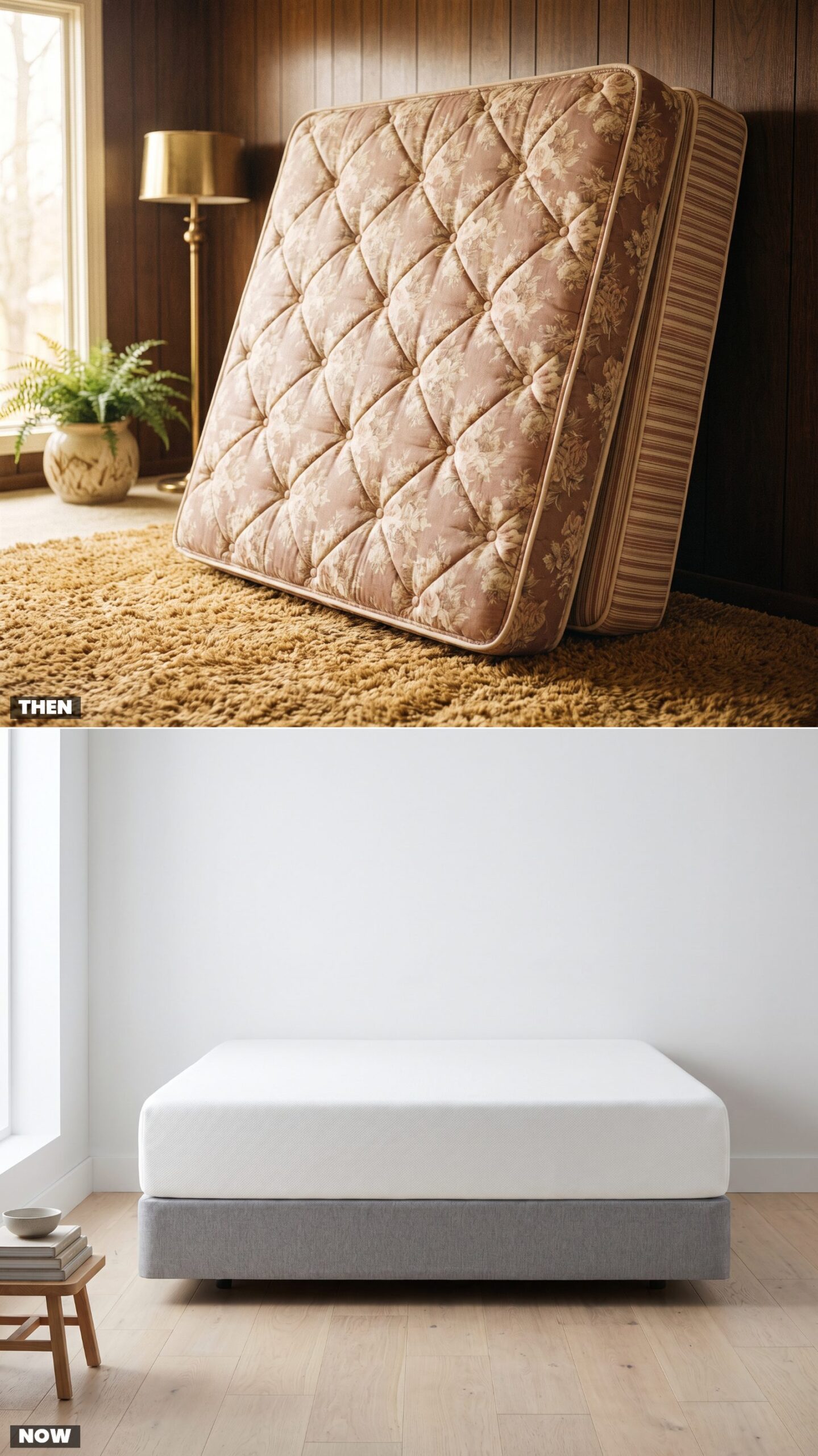
A queen set in 1975 cost roughly a hundred and twenty to a hundred and eighty dollars. A good bonus bought the mattress and the box spring, delivered, with the old set hauled away. People slept on those things for fifteen years and never thought about it once.
Now a bonus of similar relative size covers an entry-level bed-in-a-box, which is honestly not a bad deal, though the salesman-in-a-showroom experience is gone. I’ll admit the compressed foam rolled up in a box still feels like a magic trick to me.
26. Wall-to-Wall Carpet Installation

Carpeting a whole living room in 1975, materials and labor together, ran maybe two to three hundred dollars. A solid bonus covered a room, sometimes two if you’d had a good year at the plant. Shag was the status symbol, and everybody kept a rake around to fluff it back up after the vacuum flattened it.
That same money barely touches one room today once you factor in current labor rates. Flooring installers charge by the hour, and the hour costs what a whole room used to.
25. A Men’s Business Suit

A quality men’s suit in 1975 cost around eighty to a hundred and twenty dollars off the rack. A Christmas bonus could buy the whole thing, with tailoring thrown in by the shop that wanted your repeat business. A man bought one good suit and wore it to church, weddings, and funerals for a decade.
Today a comparable bonus buys a mid-tier suit, maybe with hemming extra. The bigger shift is that we stopped needing the suit at all. Half the offices that once demanded one now run on quarter-zips.
24. A Women’s Winter Coat

The camel wool coat carries this whole 1975 frame, and back then a good one cost about sixty to ninety dollars. A holiday bonus covered it and left change for a scarf. Real wool, real lining, a coat you kept for years and re-belted as fashion drifted.
A bonus of the same relative size today buys a wool blend, and the pure-wool version has quietly become a splurge. That tie belt at the waist still reads as intentional dressing. A woman who decided what she looked like before she left the house.
23. A Pair of Leather Work Boots
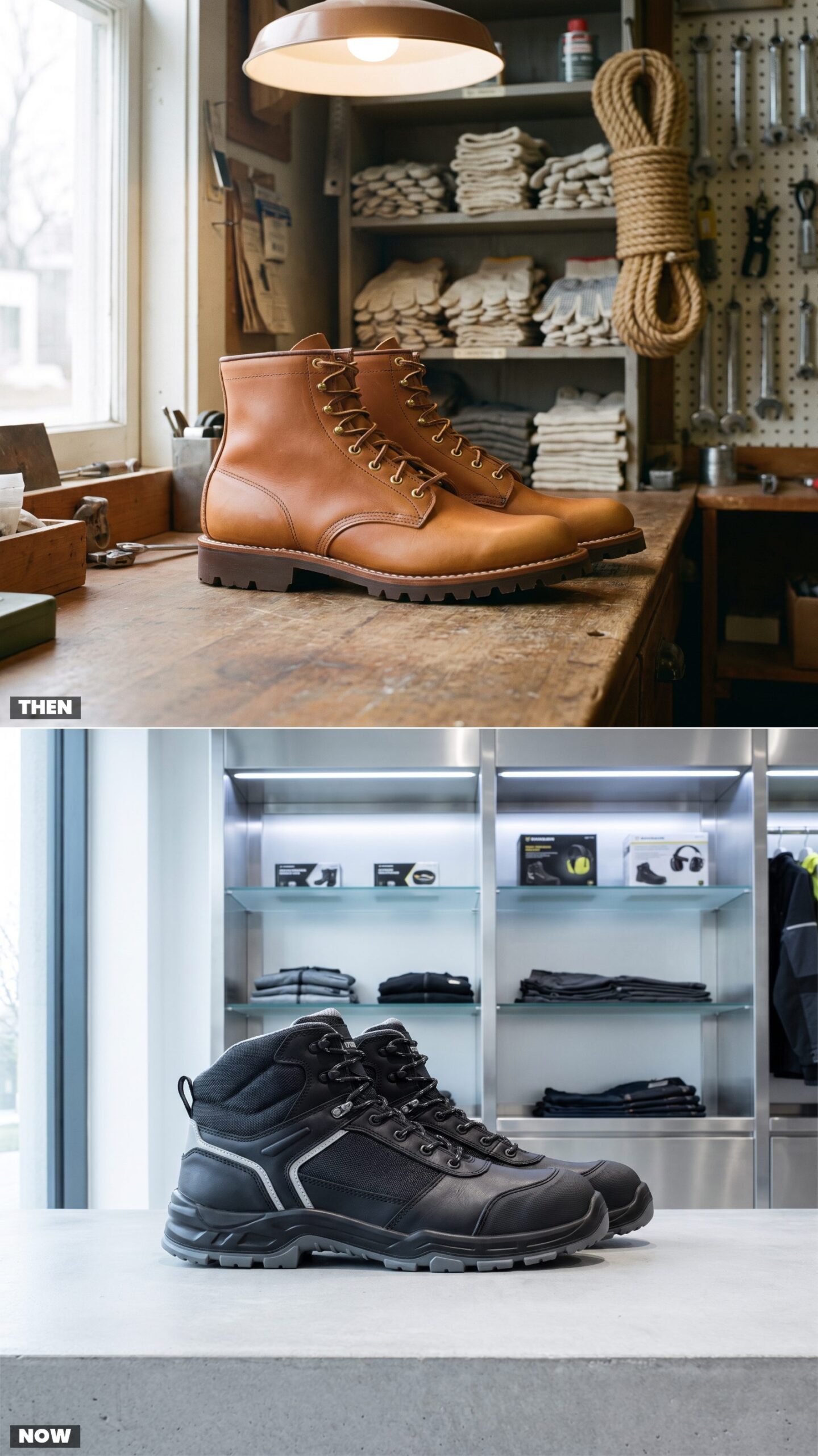
Good leather boots in 1975 ran twenty-five to forty dollars, and a bonus bought a pair with money to spare. You resoled them twice before you ever replaced them. That was the reason you bought leather in the first place.
The same relative bonus today buys a comparable pair, and honestly the modern composite-toe boots are safer and lighter. But almost nobody resoles anymore. We wear them out and toss them, which is a quiet loss I keep noticing.
22. A Gold Wristwatch
Would you like to save this?
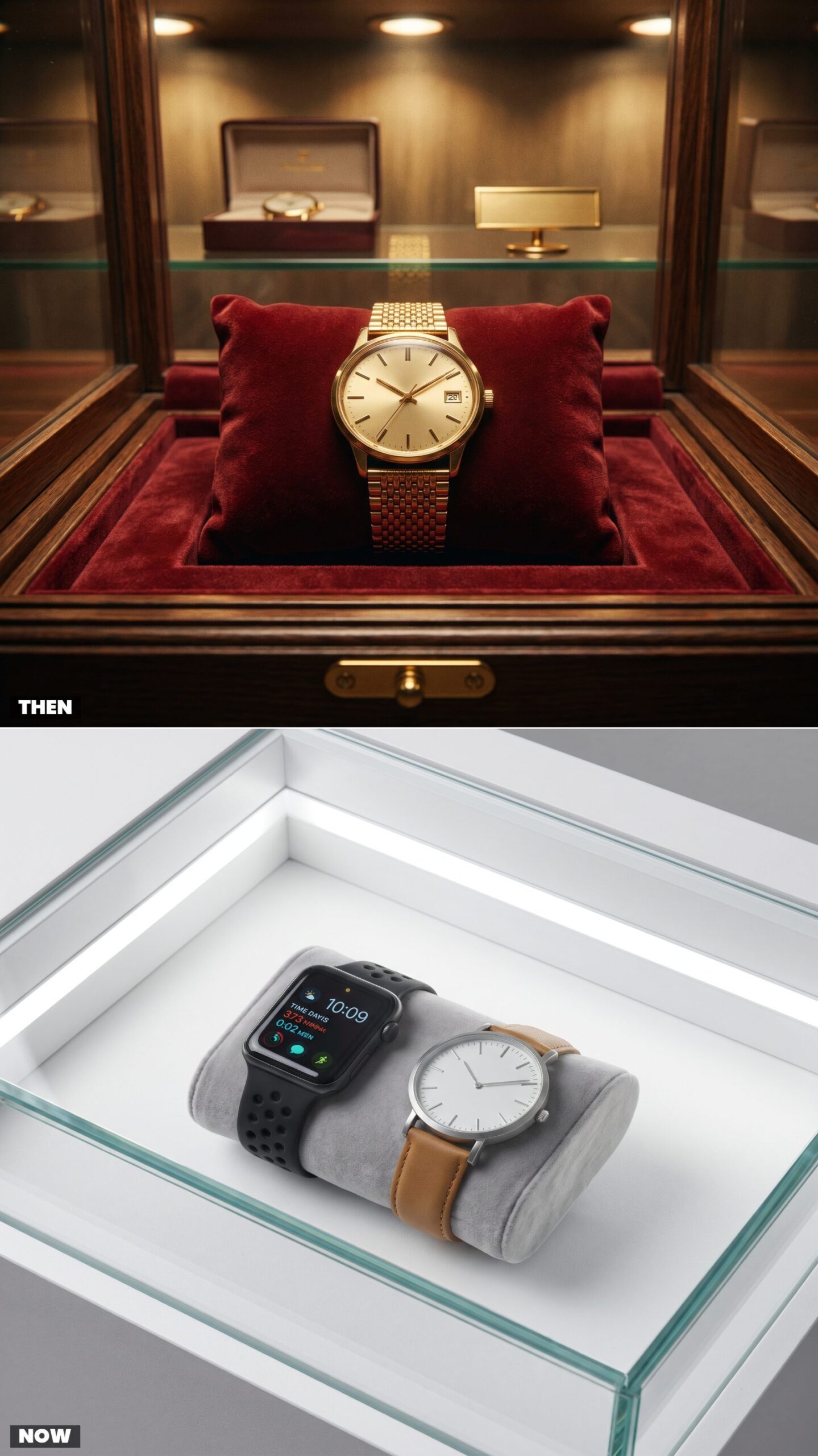
A gold-tone dress watch in 1975 cost around fifty to a hundred dollars, exactly the range a Christmas bonus lived in. It was the classic gift you gave yourself, or the one a company handed out for twenty-five years of service. You wore it until the band wore thin.
The same money today buys a smartwatch, which does a thousand things the gold watch never dreamed of, none of them romantic. The watch stopped being an heirloom and became a gadget you replace every three years. I’m not fully convinced that counts as progress.
21. A Diamond Engagement Ring
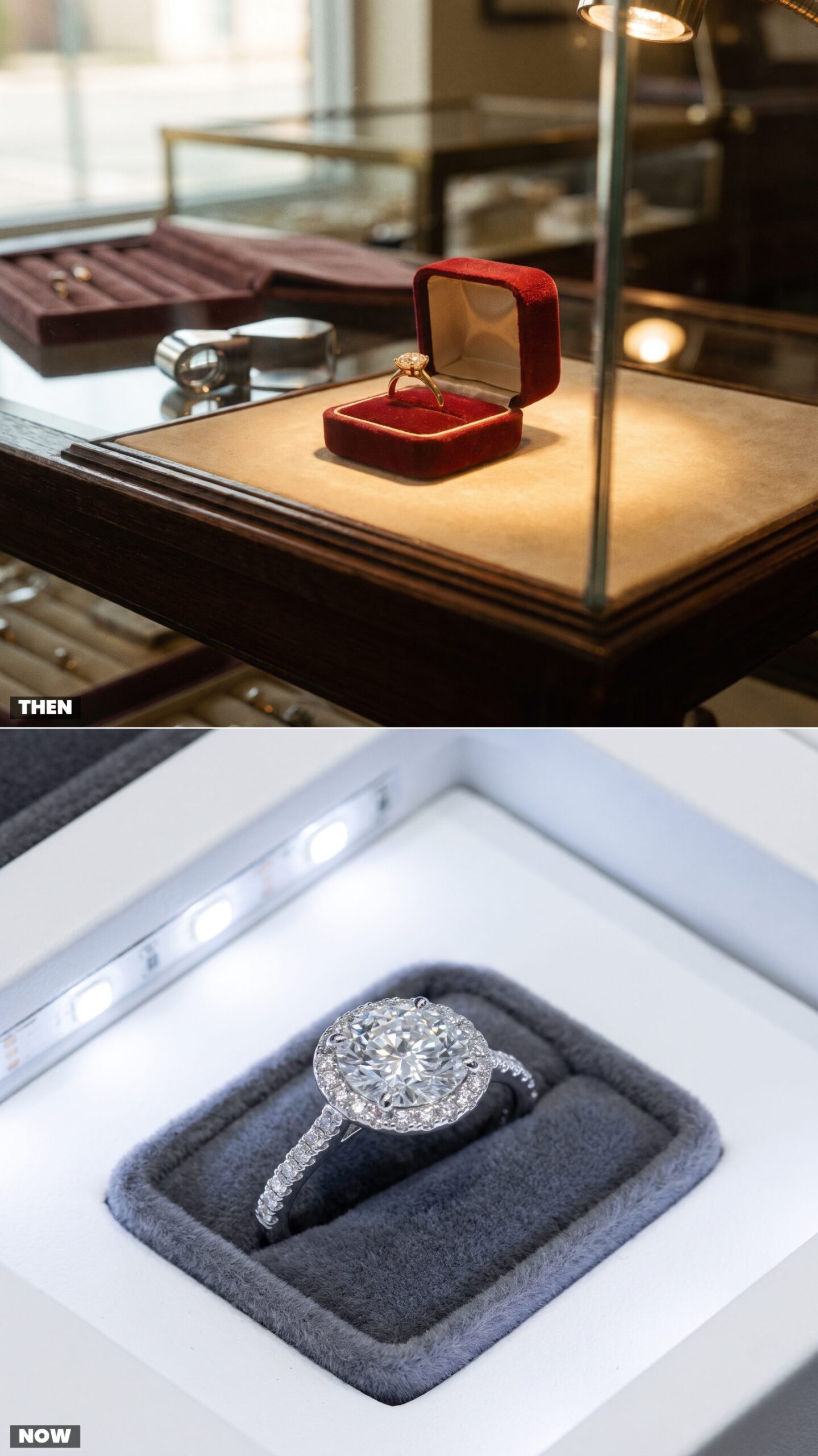
Here is where the bonus met its limit, even in 1975. A modest solitaire ran around three to five hundred dollars, so a good bonus made a real dent but rarely covered the whole thing. Men saved for months and stacked the holiday money on top. The stone was smaller, and nobody apologized for it.
Today that same bonus is a down payment on a ring, if that. The expectation ballooned right along with the marketing. That old six-prong yellow-gold solitaire, the one that meant so much, has been priced past what a single bonus can carry, and the story we tell ourselves about the stone got a lot more expensive too.
20. A Child’s Bicycle
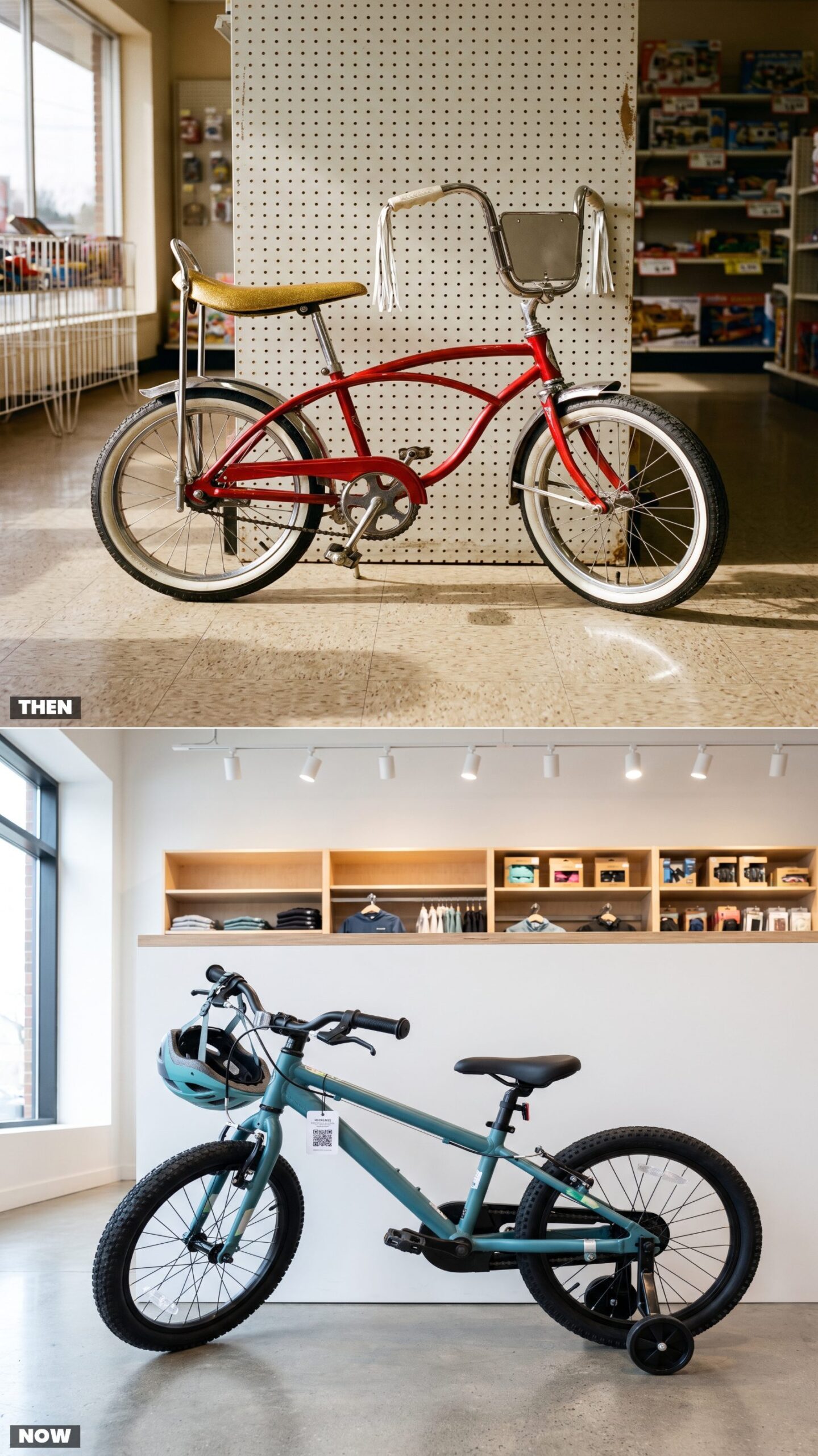
In 1975 a decent Christmas bonus — say a couple hundred dollars — could put a shiny Schwinn banana-seat cruiser under the tree with cash left over for the turkey. The bike ran somewhere around fifty bucks. A big chunk of the bonus, sure, but a chunk you could live with.
Now? That same slice of a bonus barely covers one mid-range kids’ bike from a chain store, and you can kiss the turkey money goodbye. Steel became aluminum, the coaster brake became hand brakes, and the price tag climbed faster than a kid pedaling downhill.
19. A Family Set of Camping Gear
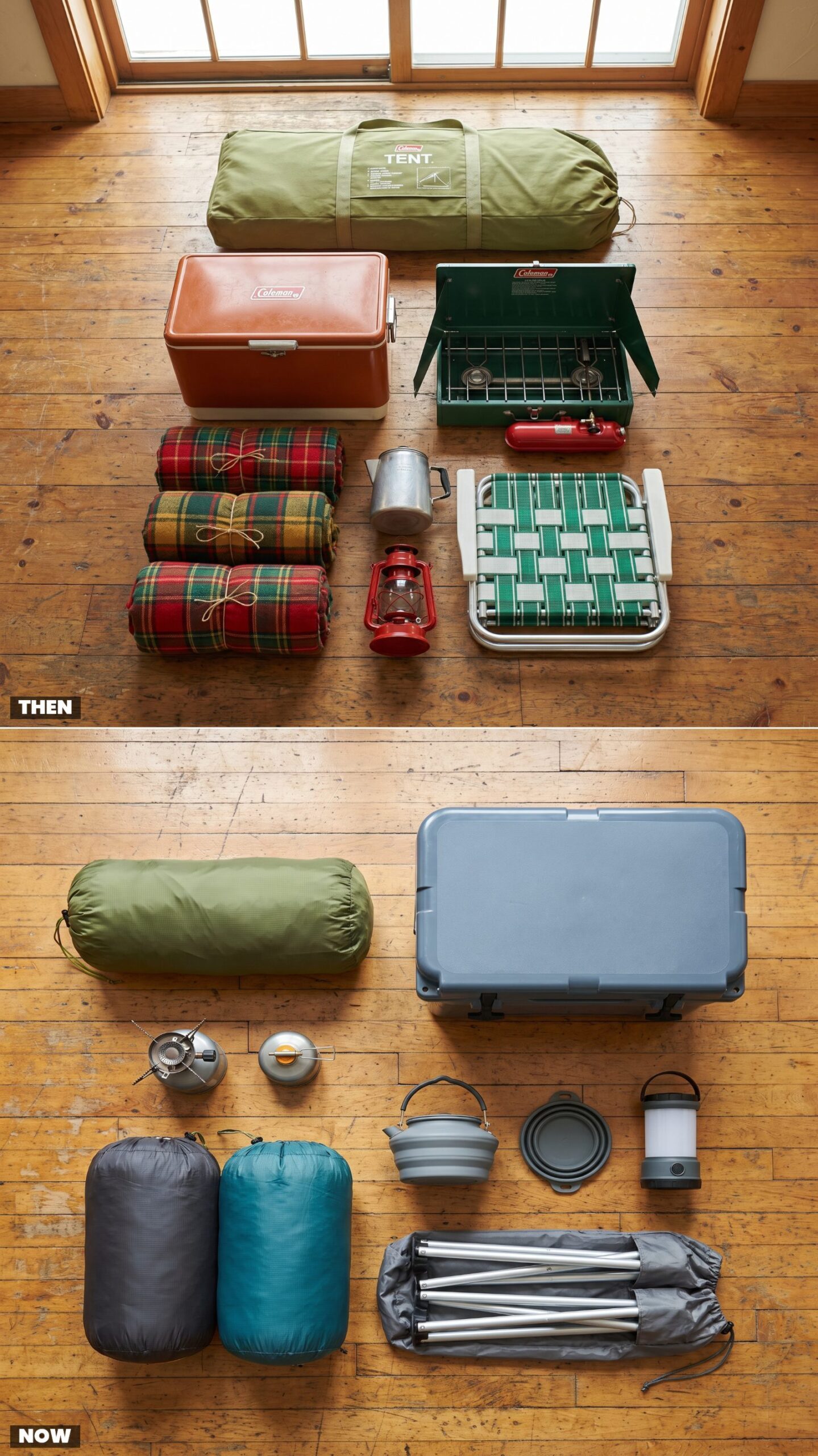
Outfitting the whole family for the woods in 1975 meant a heavy, glorious pile of canvas and enameled steel, and a holiday bonus could cover the entire kit — tent, cooler, that green Coleman stove that hissed to life on the first match, and three plaid sleeping bags that still smelled faintly of the last trip.
The modern version weighs a fraction as much and tucks into the trunk. Trouble is, the ultralight tech is also ultralight on your wallet. Titanium and ripstop nylon were never going to cost what plain old canvas did. Same bonus, noticeably fewer boxes under the tree.
18. A Power-Tool Starter Set
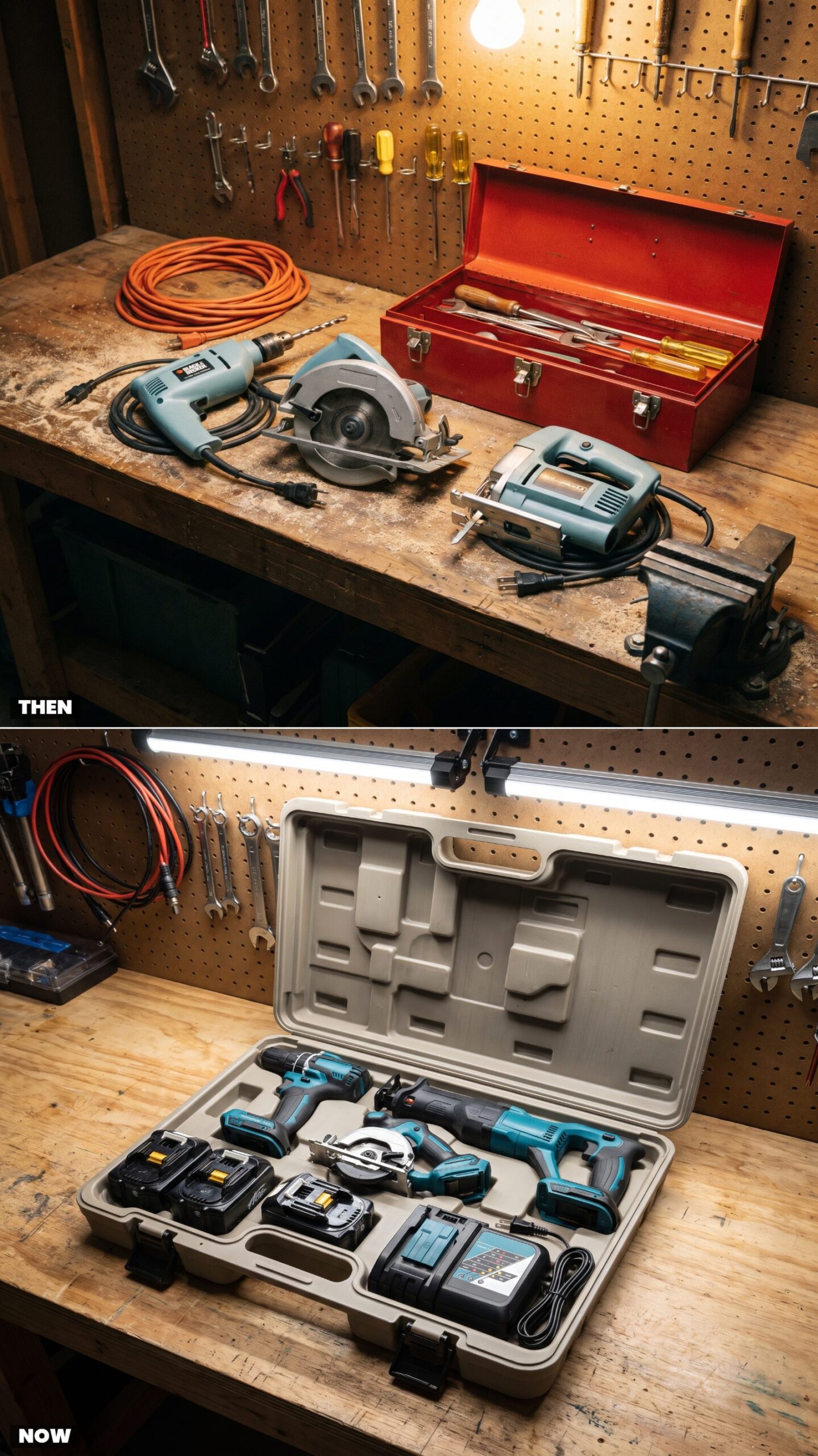
The 1975 setup plugged into the wall and stayed there. A corded drill, a circular saw, a jigsaw, a solid steel toolbox — and enough left in the bonus for a case of beer to celebrate. Everything trailed an orange extension cord, and everything lasted decades.
Now you get a cordless combo kit with lithium batteries and brushless motors. No cords to trip over. But the price of a four-tool set eats the bonus in a way that old corded drill never did. Convenience showed up, and it brought an invoice.
17. A Lawn Mower
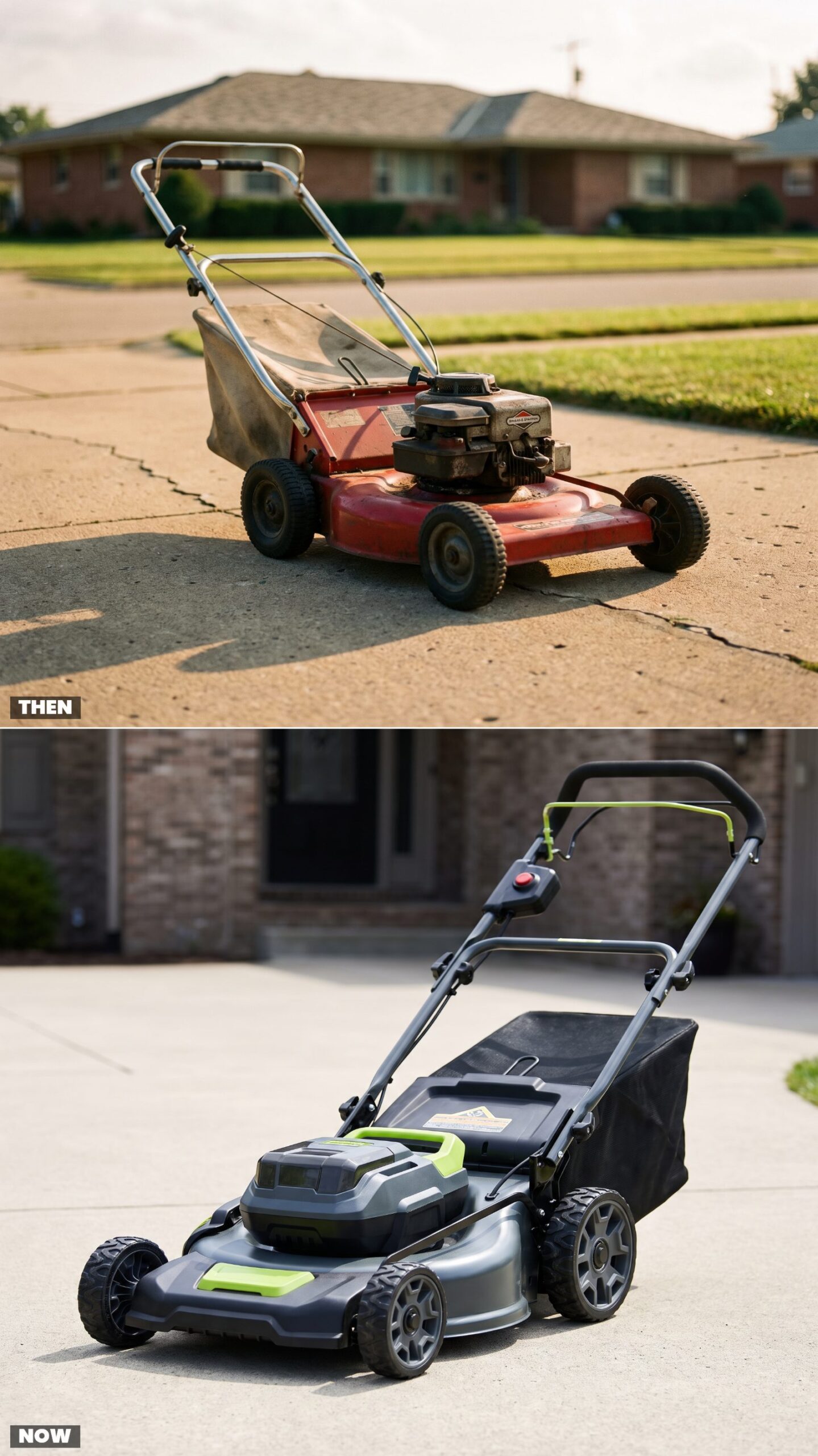
A pull-start push mower in 1975 was steel, gas, and grit. You yanked the cord a few times, breathed in a little two-stroke smoke, and then mowed the lawn for the next fifteen years with the same stubborn machine. The bonus covered it easily, with money to spare.
Today’s electric version starts with a button and doesn’t wake the neighborhood, which — no argument — is a real improvement. But a good battery mower with a decent runtime costs several times what that red steel deck did, and the same holiday bonus now stretches a lot thinner across the driveway.
16. A Snowblower

The 1975 snowblower was a simple orange beast — one stage, a pull cord, and enough throwing power to clear the driveway before the coffee got cold. A Christmas bonus handled it with room left over, and the thing chewed through two decades of bad winters.
Modern machines piled on the electric start, the headlights, the heated grips, the remote chutes. All genuinely welcome when it’s ten degrees out. All expensive. A capable two-stage blower today can swallow a whole bonus on its own, which is a lot to ask of one snowy morning’s worth of relief.
15. A Model Train Set
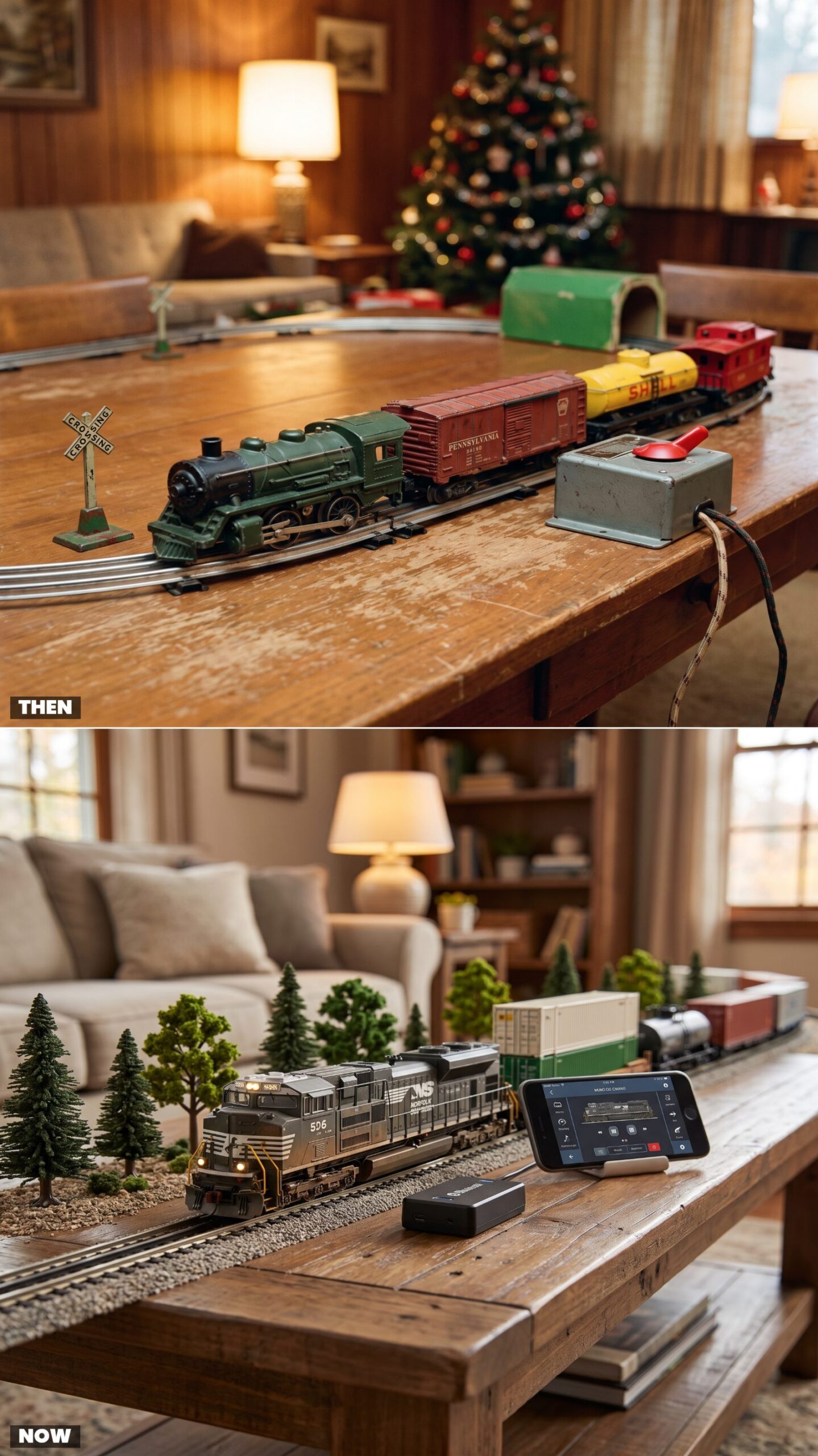
Circling the base of the tree, the 1975 Lionel set chugged and clacked on three-rail track while the transformer hummed under Dad’s hand. A full starter set — locomotive, cars, track, controller — was a real bonus purchase, but the bonus could cover it and then some.
The hobby went digital. Sets now run with realistic sound, LED lighting, and Bluetooth app control, and the entry price for anything halfway decent has climbed steeply. What was once a proud family splurge has drifted closer to a serious enthusiast’s line item. The magic of a train going in circles, though? Exactly the same as it ever was.
14. A Dollhouse with Furniture
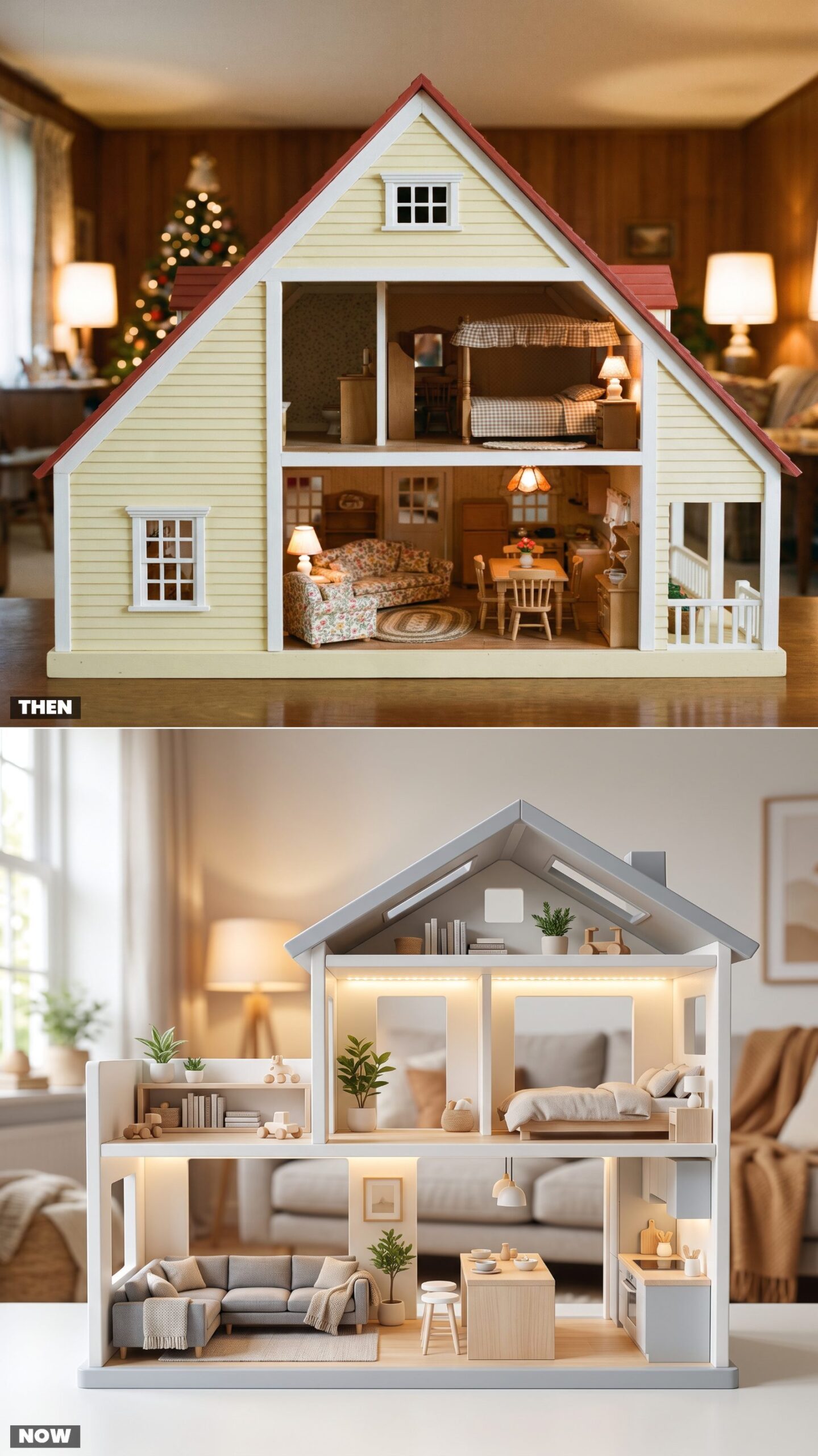
The wooden dollhouse of 1975 came furnished with tiny floral sofas, a canopy bed dressed in gingham, and lamps the size of a thimble. A holiday bonus bought the house, the furniture, and maybe a second gift to set beside it.
The current version bolts on LED lighting and a modern open floor plan, and a comparably furnished house from a name brand now takes a bigger bite of the bonus than it used to. Plastic elbowed out a lot of the wood. But the wonder of peering into a little furnished world hasn’t budged an inch.
13. A Home Pinball Machine

Owning a real pinball machine in the rec room was the ultimate 1975 flex. Electromechanical, clacking score reels, a hand-painted backglass — it turned a shag-carpeted basement into the coolest house on the block, and a generous bonus could actually make it happen.
The modern equivalent packs an LCD backbox, LED lighting, and licensed themes, and it’s a genuinely richer, deeper machine. It’s also priced like a used car. A single Christmas bonus today rarely covers a new one, and honestly, the gap between then and now here is one of the widest on this whole list.
The clack of the score reels was the sound of a good bonus year.
12. A Year’s Worth of Record Albums
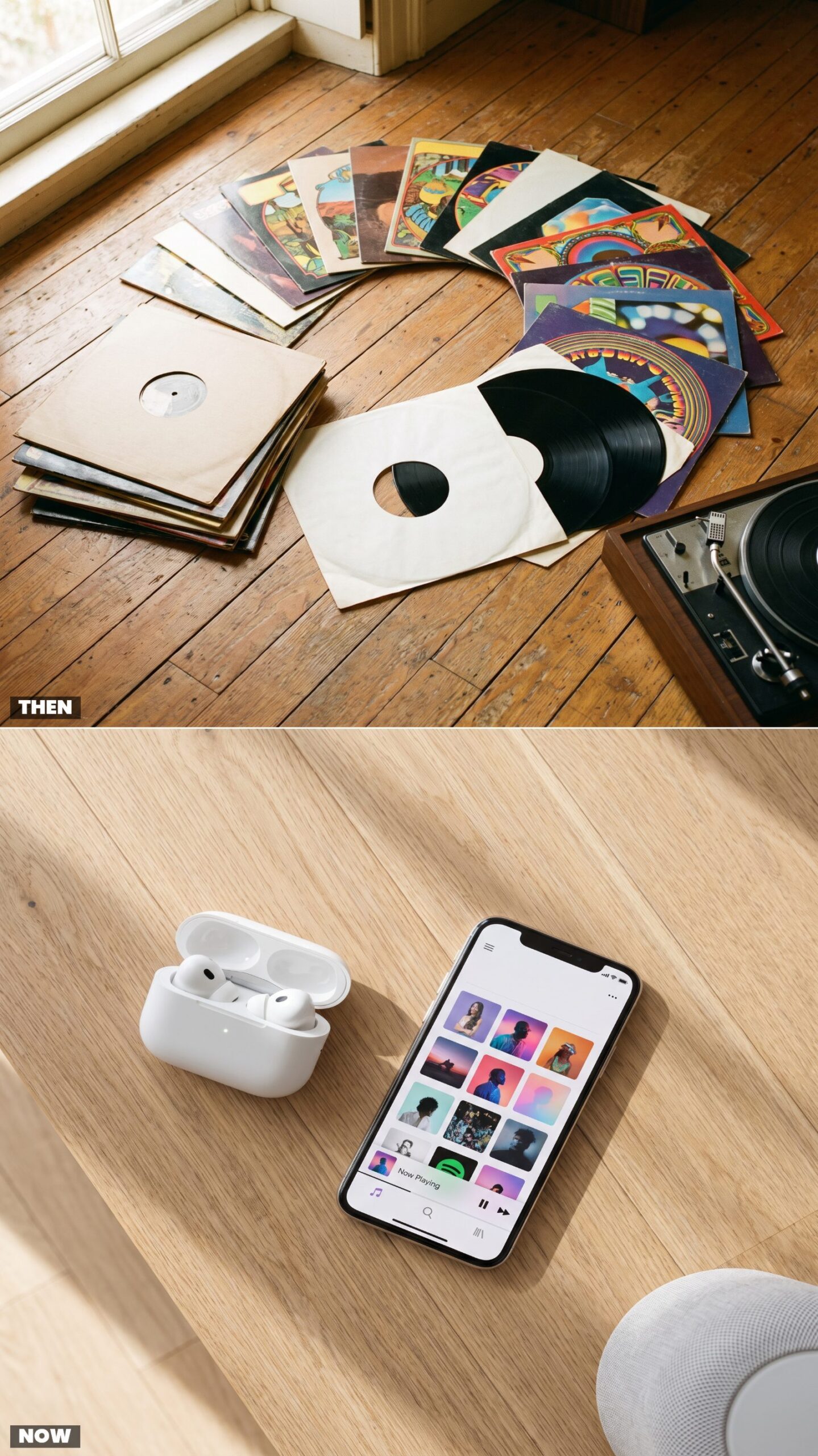
In 1975, a year of music meant a growing crate of vinyl. Albums ran maybe five or six dollars each, so a bonus might buy you a full year of new releases — the gatefold sleeves, the liner notes you read cross-legged on the floor, the little ritual of flipping the record halfway through.
Now the same music — and roughly all music ever recorded — costs around eleven dollars a month on a streaming app. This is one of the few lines on the list where today wins outright on price. You own nothing, mind you. But your bonus goes further than any record store shelf ever let it.
11. A Pair of Pro-Team Season Tickets
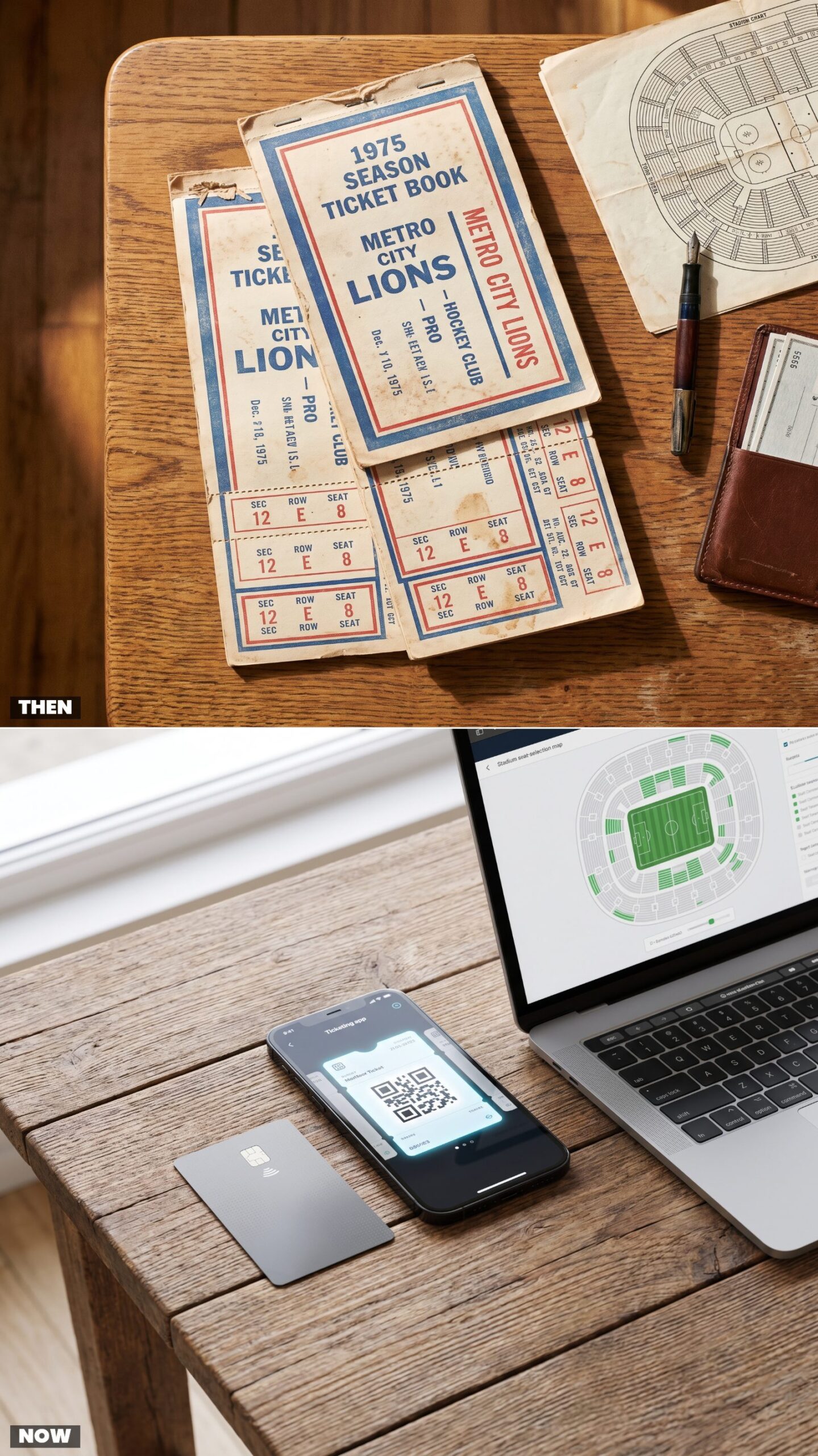
And here’s where the whole comparison snaps into painful focus. In 1975, a pair of season tickets to a pro team was a real possibility for a working family with a good bonus. Prices were measured in single-digit and low double-digit dollars per game. A season for two came out of one bonus check.
Today, two season tickets to almost any major pro team run more than most people’s entire holiday bonus — sometimes several times over. Paper stubs became QR codes, the box office became a dynamic-pricing app, and seats a factory worker could once afford now belong to a very different budget.
10. A Family Night at the Movies
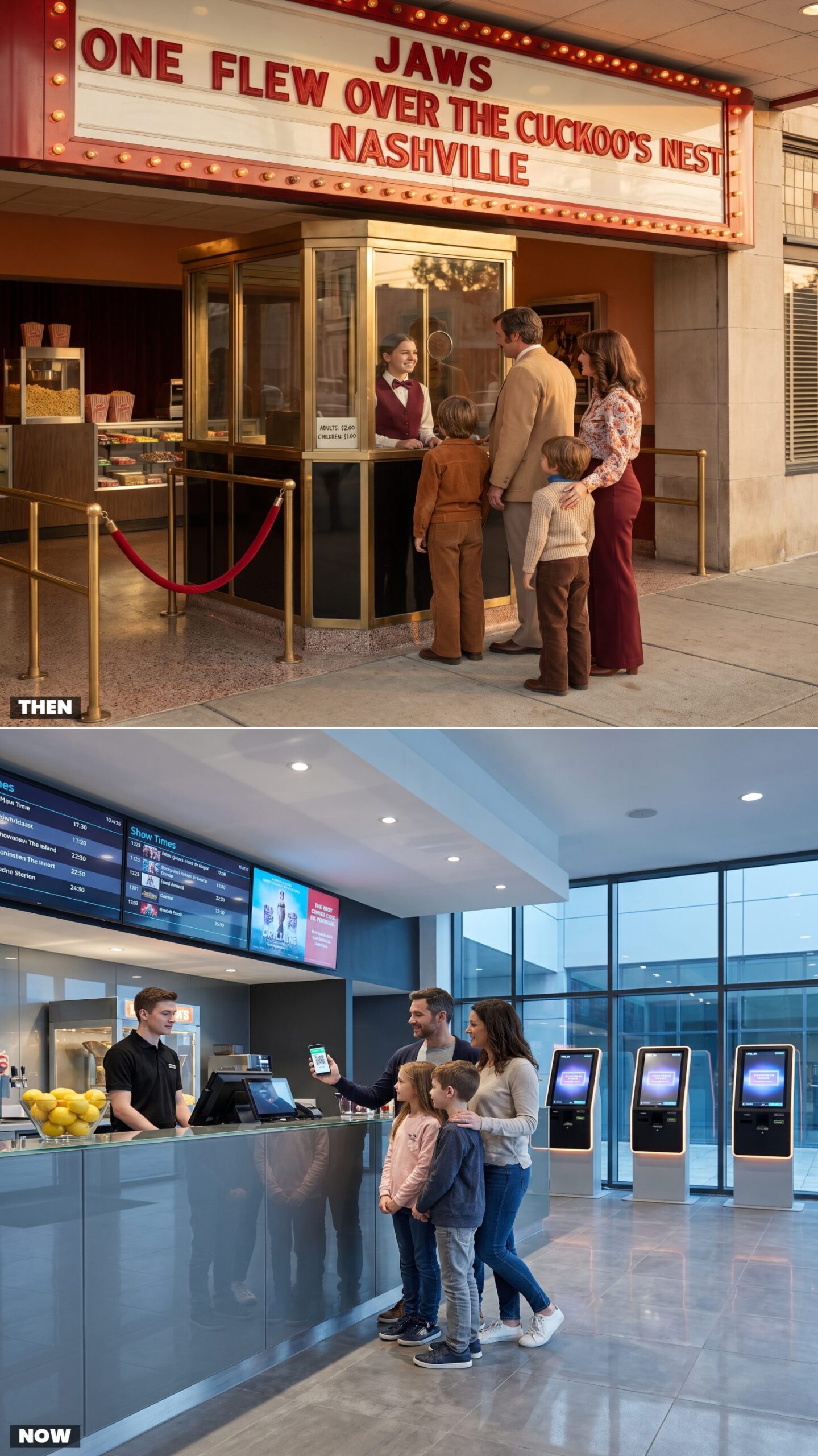
A 1975 Christmas bonus went a long way at the box office. Four tickets ran you about eight dollars, and with popcorn and sodas thrown in you still walked out with change for gas and a diner stop after. A modest bonus covered the whole evening, easy.
Today that same night out clears fifty or sixty bucks before you’ve even reached the candy counter — and the large popcorn costs more than a whole family’s admission did back then. The screen got bigger. The bonus, measured against what it actually buys, got smaller.
9. A Pair of Major Concert Tickets
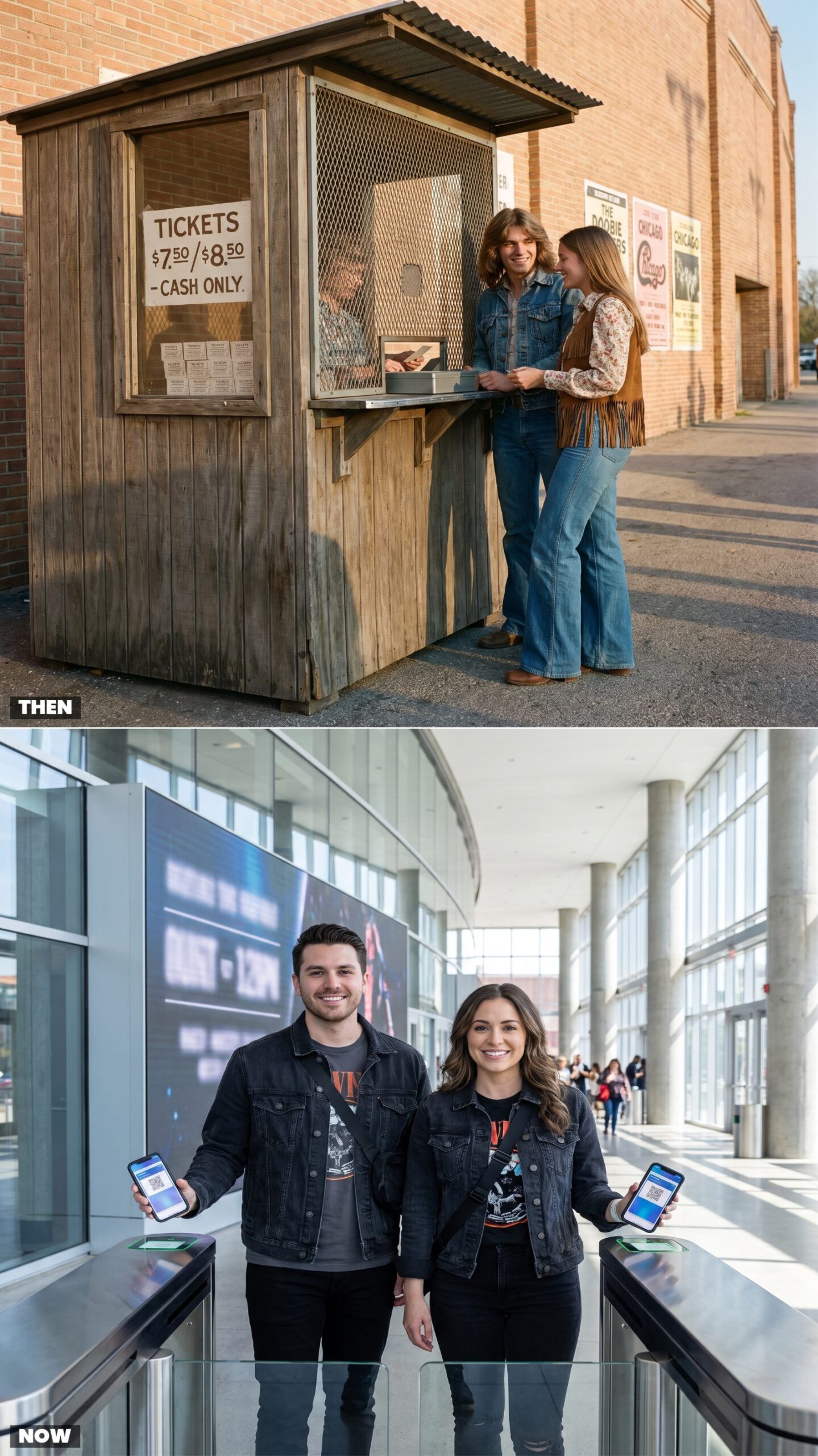
Two seats to see a headliner in 1975 might set you back fifteen or twenty dollars, all in, and your bonus could still send you and your date to the show with money left for a proper dinner. Nobody dynamically priced anything. The number on the ticket was the number you paid.
Now? A pair of decent seats for a big tour can eat a modest bonus whole, and that’s before the service fees, the facility fees, and those mysterious surcharges that show up at checkout like uninvited guests. The music’s still good. The math is not.
8. Dinner for Four at a Steakhouse
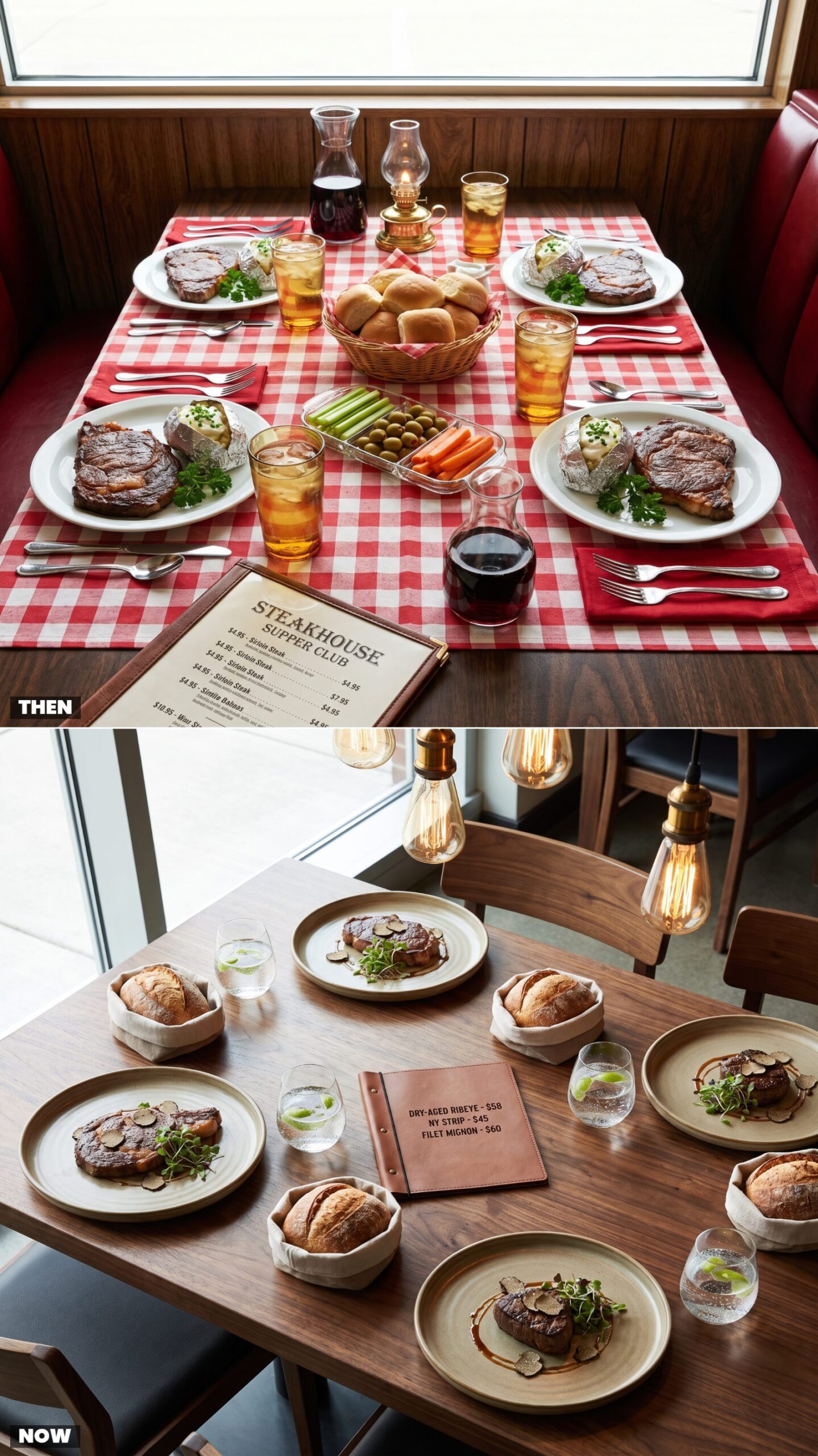
Steak night for the whole family in 1975 was a genuine treat a bonus could easily cover. Four sirloins, baked potatoes, salad from the relish cart, a basket of rolls, and drinks might land around thirty dollars with the tip. You left full and the wallet survived.
These days that same round at a good steakhouse can push past two hundred, and the potato might be listed separately as a side. The relish tray retired decades ago. Somewhere along the way the meal got fancier and the bonus stopped keeping up.
7. A Week at a Beach Motel

Seven nights at a beach motel in 1975 was the kind of thing a Christmas bonus could reasonably fund. Rooms went for around fourteen dollars a night, the pool was free, and the ocean didn’t charge admission. A hundred bucks bought a week with sand in your shoes.
Try that now. A comparable week on the coast in season can swallow a bonus and then some, plus the resort fee, the parking fee, and that mandatory something-or-other fee nobody can explain. The turquoise doors got repainted a tasteful gray. The price got a lot less charming.
6. A Family Road Trip
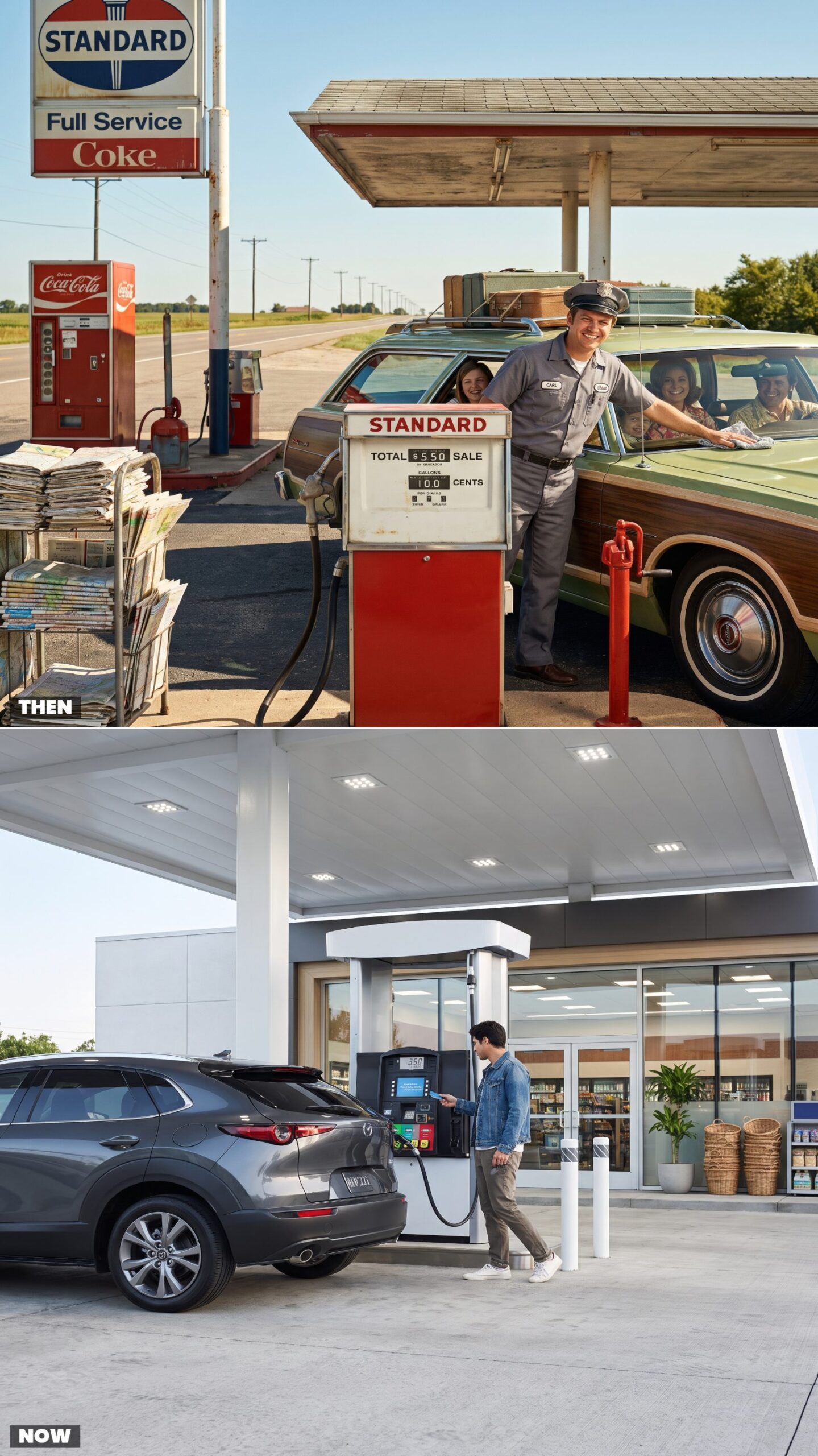
Loading the wagon and pointing it at the horizon cost almost nothing in 1975. Gas hovered around fifty-five cents a gallon, an attendant filled it and cleaned your windshield, and a bonus stretched across hundreds of miles of motels, diners, and roadside attractions.
The trip still exists. The economics don’t. Fuel costs several times as much, you pump it yourself, and the free roadmap became a subscription navigation app. What once felt nearly free now runs a real tab before you’ve even cleared the state line.
5. A Round-Trip Domestic Airline Ticket
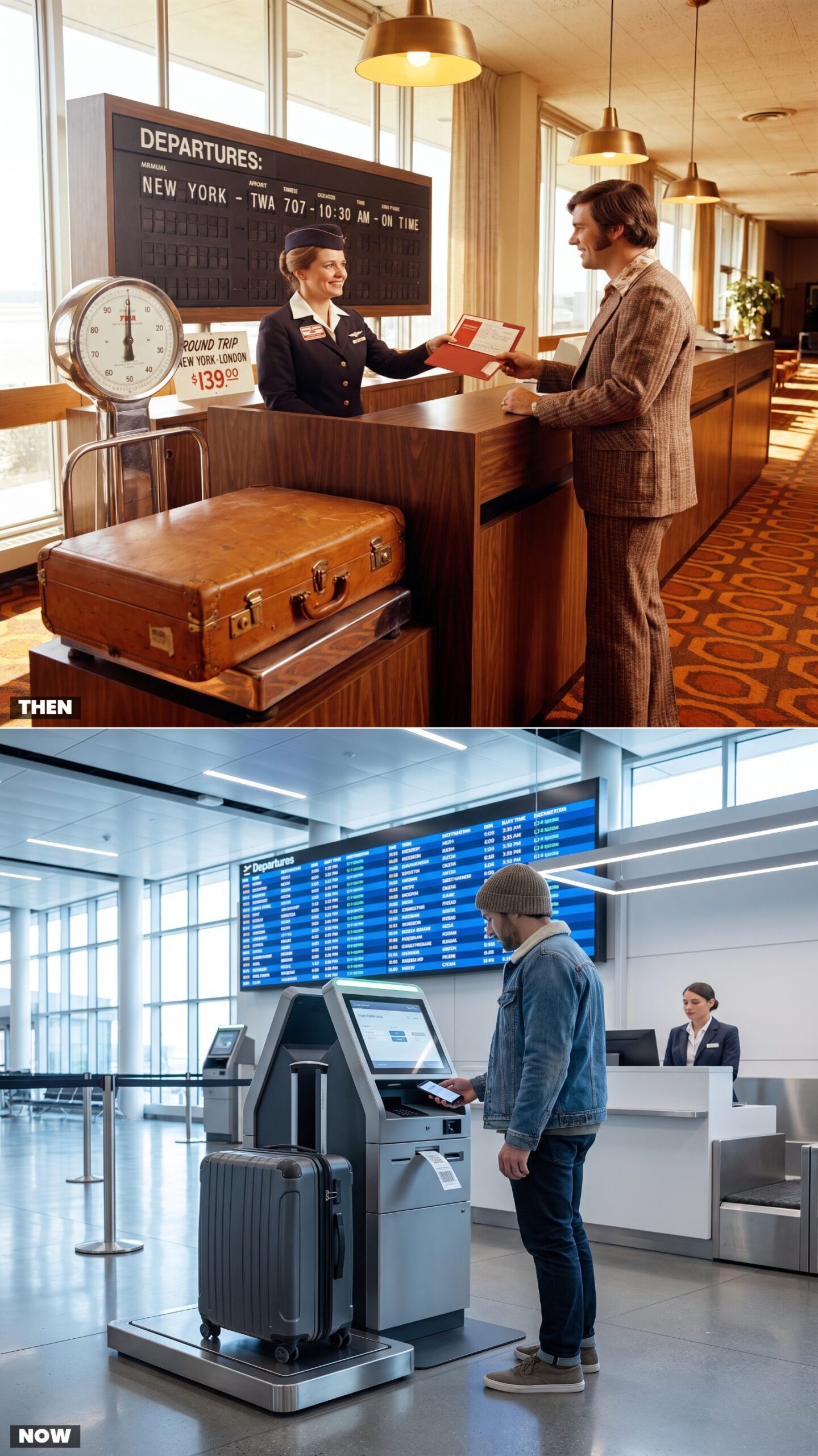
Air travel in 1975 was regulated, dressy, and expensive in a different way. A round-trip domestic fare could run well over a hundred dollars in the money of the day — a real chunk once you convert it — but the ticket came with a hot meal, generous legroom, and two checked bags nobody billed you for.
Today a bare fare might look cheap on the search screen, until the seat fee, the bag fee, the boarding-group fee, and the snack cart empty the rest of your bonus. The peanuts got smaller. The fine print got much, much longer.
4. A Theme-Park Vacation for Four
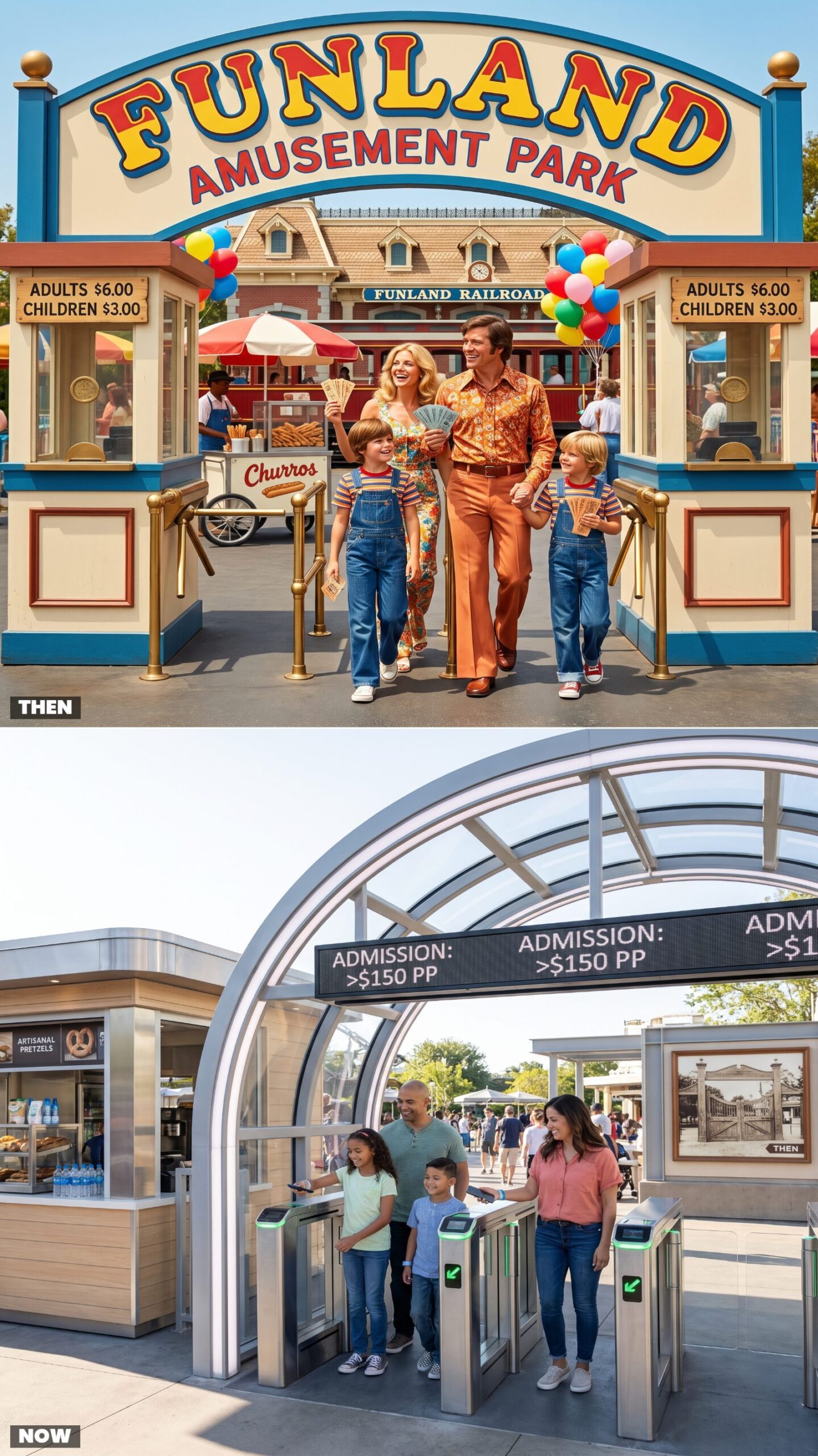
A day at the big park was a bonus-sized splurge in 1975, not a second mortgage. Admission ran a handful of dollars per person, parking was pocket change, and a family of four could ride, eat, and buy a souvenir hat without anyone doing anxious math in the parking lot.
Now single-day admission alone can run well over a hundred dollars a head, before the parking, the express passes, the twelve-dollar churros, and the hotel. A bonus that once funded the whole vacation might now cover the tickets and nothing else. The magic held up. The pricing did not.
3. One Semester of Community-College Tuition

Here’s where the comparison stops being cute. A semester of community-college tuition in 1975 could run around a hundred and fifty dollars — comfortably inside the range of a working household’s holiday bonus. You could hand your kid an envelope and cover a whole term.
That same envelope doesn’t come close now. Between tuition, fees, and a parking permit that costs more than a full semester used to, it all adds up fast. The bonus that once bought an education now barely dents one. Of everything on this list, this is the gap that should keep you up at night.
2. A Major Dental Procedure

A crown or a serious filling in 1975 was the kind of bill a bonus could absorb without a payment plan. The chair was mint-green vinyl, the equipment clunky, and the whole thing might cost less than a hundred dollars out of pocket for many families.
The chair is ergonomic now and the scanner is digital, but a single crown can run well over a thousand dollars — with insurance doing its part. The technology genuinely improved. The bonus, measured against your molars, quietly lost the fight.
1. A Starter-Home Down Payment

This is where the whole exercise lands with a thud. A starter home in 1975 might list around thirty-five thousand dollars, so a ten-percent down payment sat somewhere near a few thousand — a strong bonus, plus some disciplined saving, could realistically get a young couple to the closing table.
The math has broken. Home prices climbed into the hundreds of thousands while bonuses crept along at a fraction of that pace. The down payment a bonus once meaningfully advanced now looks like a rounding error against the number on the sign.
In 1975 a Christmas bonus helped you buy a house. Today it helps you cover the closing-cost estimate, maybe.
Same modest ranch. Same hopeful couple on the front walk. The only thing that changed is how many years of bonuses it now takes to reach the door.