
Would you like to save this?
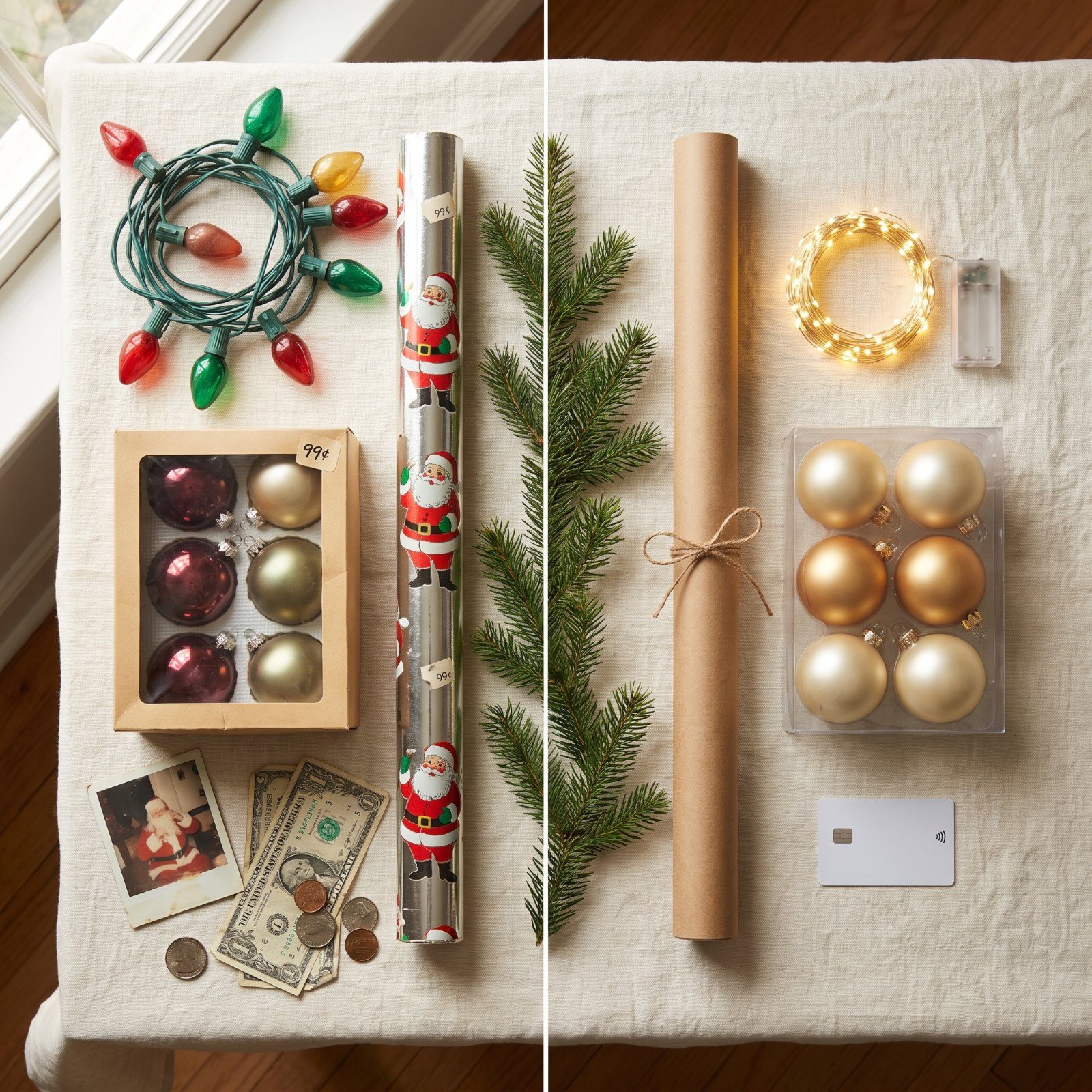
A six-foot Christmas tree ran about 15 bucks in 1985. Sounds like a steal until you remember the paycheck behind it. And that’s the trap of holiday nostalgia: everything looks cheaper until you adjust for inflation and the numbers start arguing with you. So we pulled the core holiday expenses, from the tree to the department-store Santa photo, and ran them through the math. Some things really did cost less back then. Others cost more than you’d believe. Here’s what the season actually ran a middle-class household, then and now.
49. Total Christmas Gift Spending: The Number That Stings Both Ways
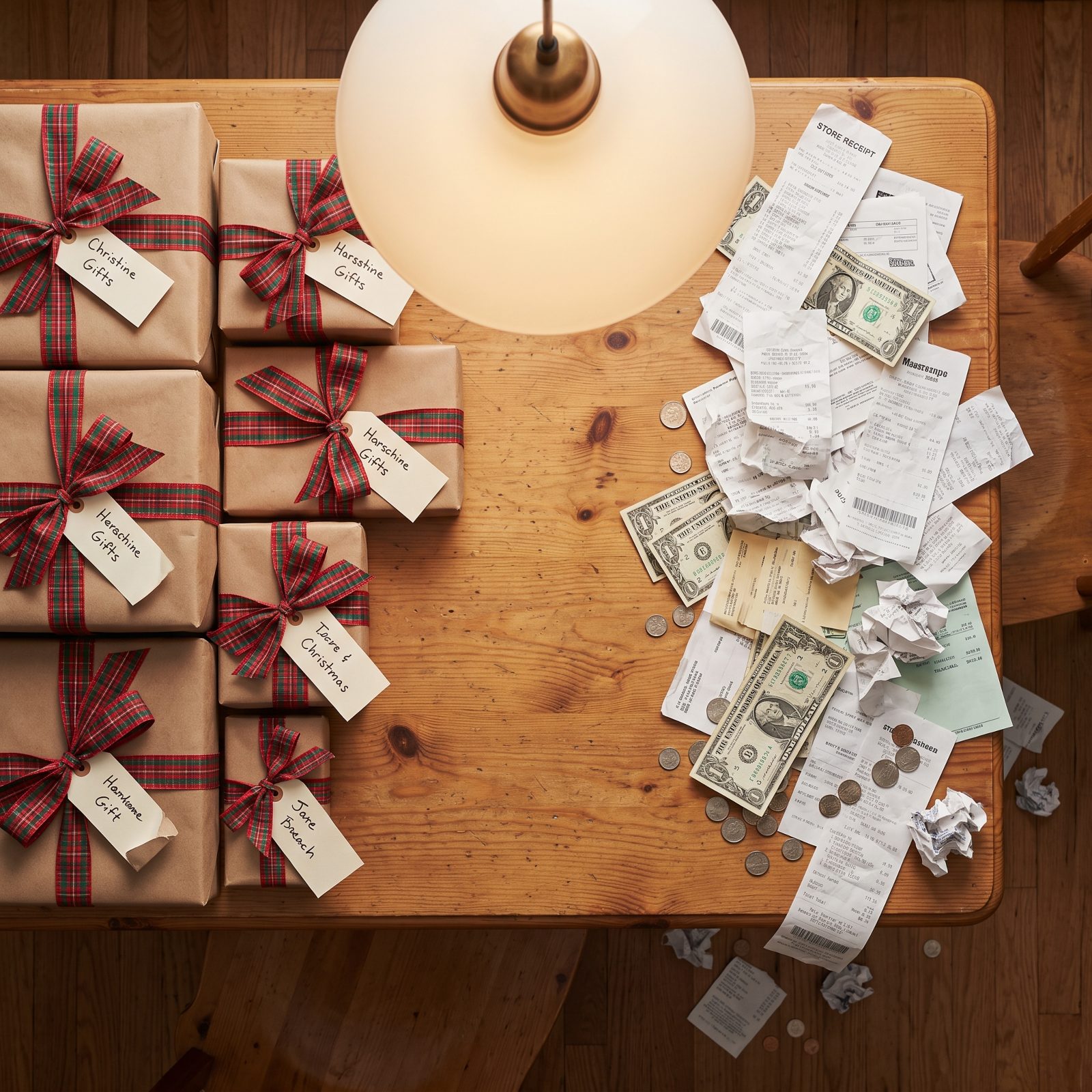
In the mid-1980s a typical household spent somewhere in the range of several hundred dollars on Christmas gifts for the season. That sounds quaint. Adjust it for inflation, though, and the modern-dollar equivalent climbs well past a thousand.
Current surveys put average holiday gift spending at roughly a thousand dollars per household. So here’s the uncomfortable twist. By the inflation-adjusted math, families in the 1980s were actually shelling out more on gifts than we do now. Credit cards were newer, catalogs were king, and the pressure to pile presents under the tree ran hot.
I assumed the opposite before I ran the numbers.
And the lesson holds for almost everything below: cheaper sticker, bigger sacrifice.
48. A Real Six-Foot Fir: $15 Then, And It Wasn’t Cheap
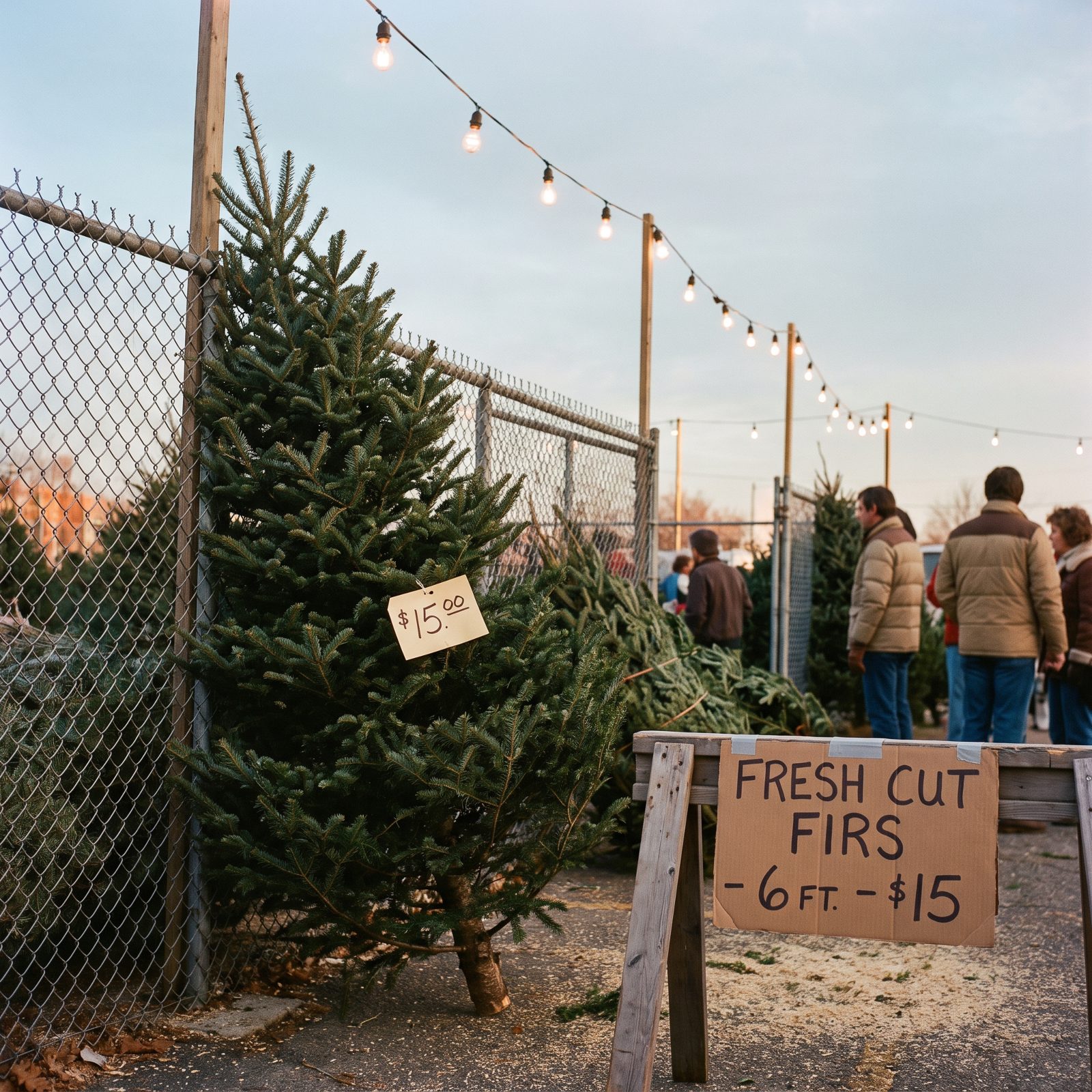
A fresh-cut six-foot tree went for about $15 to $20 off the lot in the early-to-mid 1980s. Run it through the inflation machine and you land somewhere in the $45-to-$55 range in current money.
Now that same tree runs $80 to $120, depending on your zip code and how fancy your Fraser fir is. The tree is one of the genuine losers for modern wallets. It really did get more expensive, even after adjusting.
Blame tighter growing margins, labor costs, and the fact that a good tree takes the better part of a decade to grow. A real tree was never pocket change. It just hurt a little less back then.
47. Incandescent Bulbs vs. LEDs: The One Place You Actually Win Today

A box of incandescent lights cost a few dollars in the 1980s, which works out to roughly $9 to $14 adjusted. A comparable LED set today runs about $10 to $15. Nearly a wash on the sticker.
But the real story is what happened after you plugged them in. Those fat C7 bulbs were energy hogs. A full tree’s worth could add real money to your December electric bill, and when one bulb burned out, half the strand went dark while you played detective.
LEDs sip a fraction of the power and last for years. This is one corner of Christmas where today genuinely wins. Lower running cost, no annual bulb-hunt ritual, no scorched fingers.
46. A Boxed Set of Glass Ornaments: Fragile Then, Pricier Now

A dozen blown-glass balls set you back a handful of dollars in the 1980s. Call it $12 to $17 in today’s money.
A comparable glass set now runs $15 to $30, and a lot of what’s on the shelf is shatterproof plastic dressed up to look like the real thing. True blown glass has crept into premium territory.
Here’s the quiet truth, though. You bought those ornaments once. The box in your attic with the scotch-taped lid and the half-crushed divider has survived forty Christmases, and measured per year of use, the old glass ornament might be the best deal in this entire article.
45. The Front-Door Wreath: Where Handmade Lost to Store-Bought
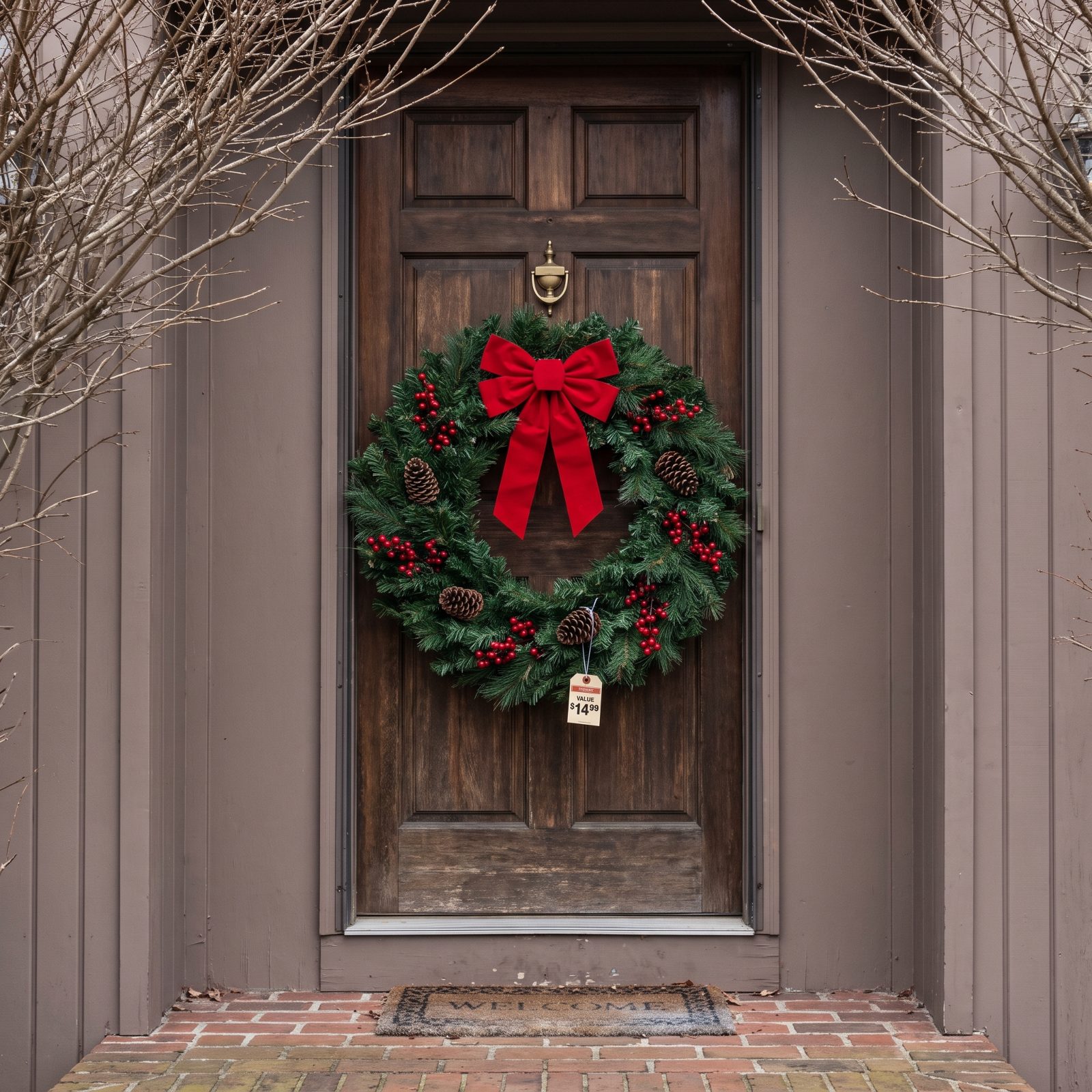
A real evergreen wreath ran roughly $24 to $34 in adjusted dollars. Plenty of families skipped buying one entirely and wired their own from leftover tree trimmings, which cost nothing but an afternoon and a few pricked fingers.
Today a fresh wreath runs $30 to $60, and a decent artificial one with built-in lights can hit $80. The DIY habit has mostly faded, which is a small shame. There was something honest about a lopsided homemade wreath.
44. A Roll of Wrapping Paper: Still One of the Cheap Thrills

A roll of wrapping paper cost about a buck or two in the 1980s. Adjusted, that’s $3 to $6, which is almost exactly what a basic roll runs today.
Wrapping paper is the great constant of Christmas economics. Cheap then, cheap now, and crumpled on the floor by 9 a.m. either way. If anything, the dollar-store roll has kept pace better than almost anything else on this list.
The one change? Quality forked. You can still grab flimsy paper that tears if you look at it wrong, or pay up for thick matte stock. Your call. Mine tears every single year.
43. A Box of Christmas Cards: The Tradition That Got Quietly Abandoned
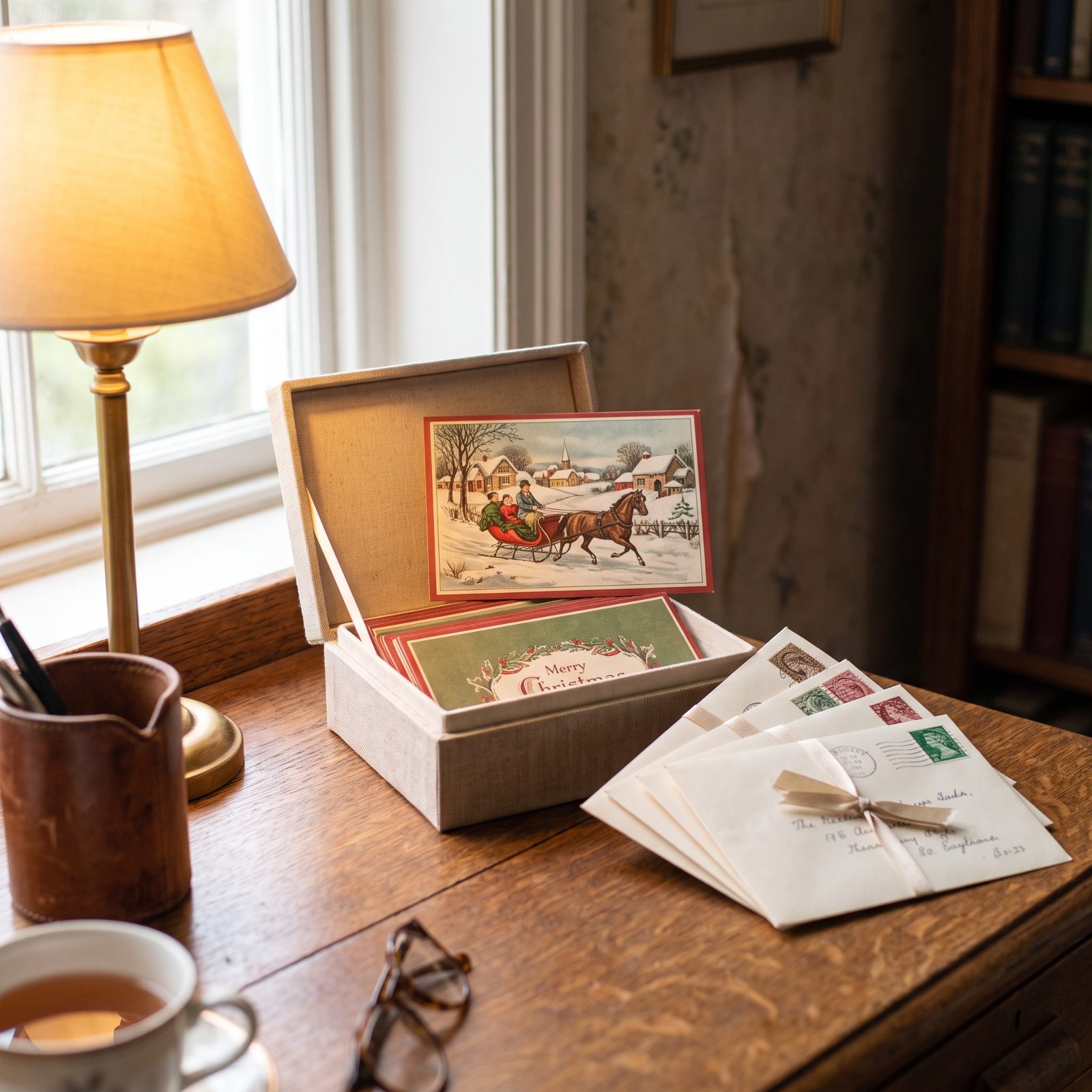
A boxed set of 25 cards ran roughly $10 to $14 adjusted. The cards themselves were affordable. The hidden cost was postage.
A first-class stamp sat in the low-twenties-of-cents range through most of the decade. Mailing a big list added up fast, and in today’s dollars a full card run could crack thirty. Now a book of stamps alone makes a big list a real expense.
Which is exactly why the tradition faded. Between rising postage and the arrival of the group text, the annual card ritual just collapsed. The box of cards was never the pricey part. The stamps were the quiet budget killer all along.
The cards were cheap. It was the stamps that ran the bill up, and nobody saw it coming.
42. The Department-Store Santa Photo: A Dollar Then, A Racket Now
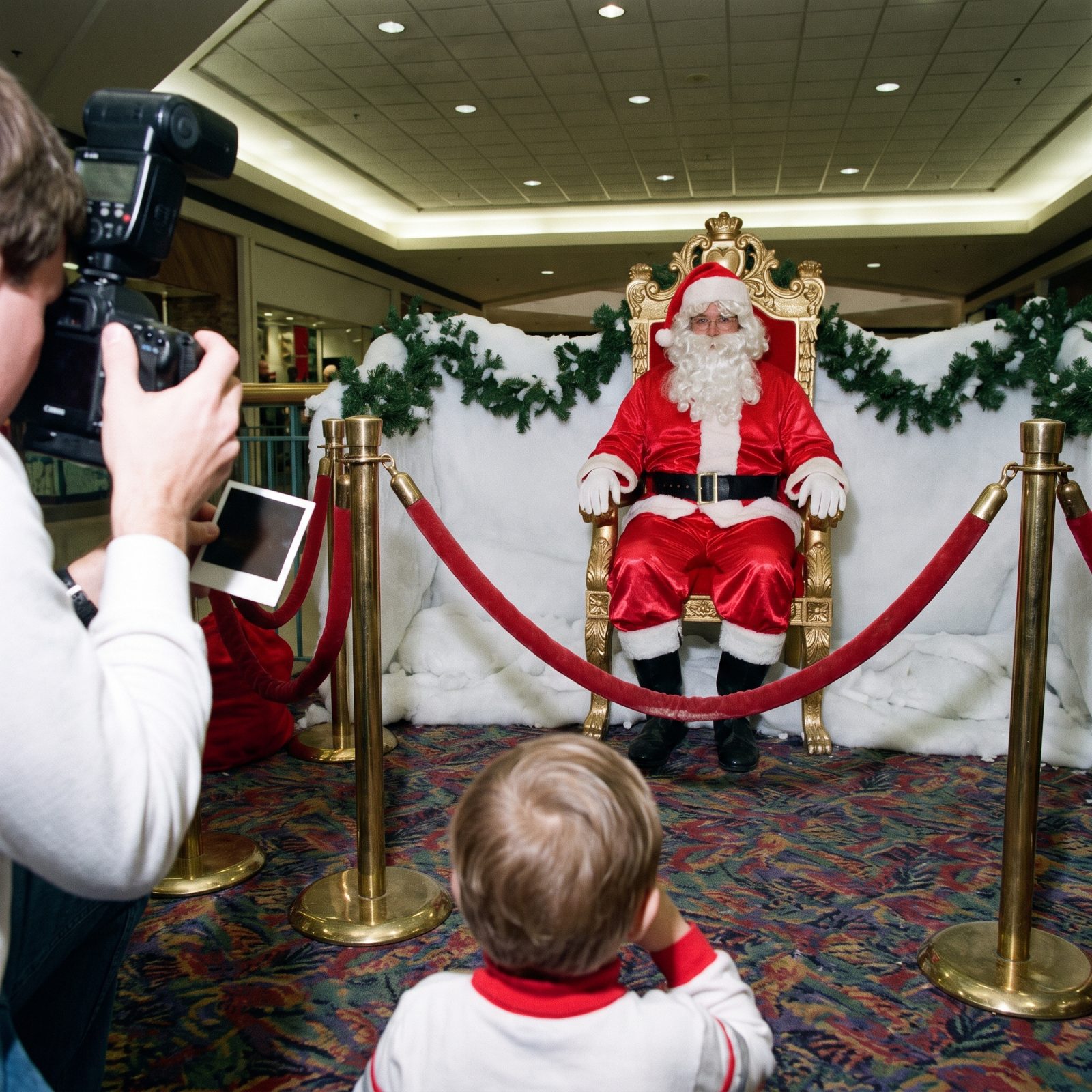
A photo with the mall Santa cost a few bucks in the 1980s, sometimes free if you were just there to visit. Adjusted, maybe $3 to $14.
Today a Santa photo package can run $30 to $50, with the base print often pushing $25 before you’ve added a single extra. The experience got professionalized, which is a polite way of saying monetized.
The kid still cries. The photo is still slightly blurry. You still frame it anyway. Some things money can’t improve.
41. A Family Portrait Package: Film Fees Then, Free Phones Now
Would you like to save this?
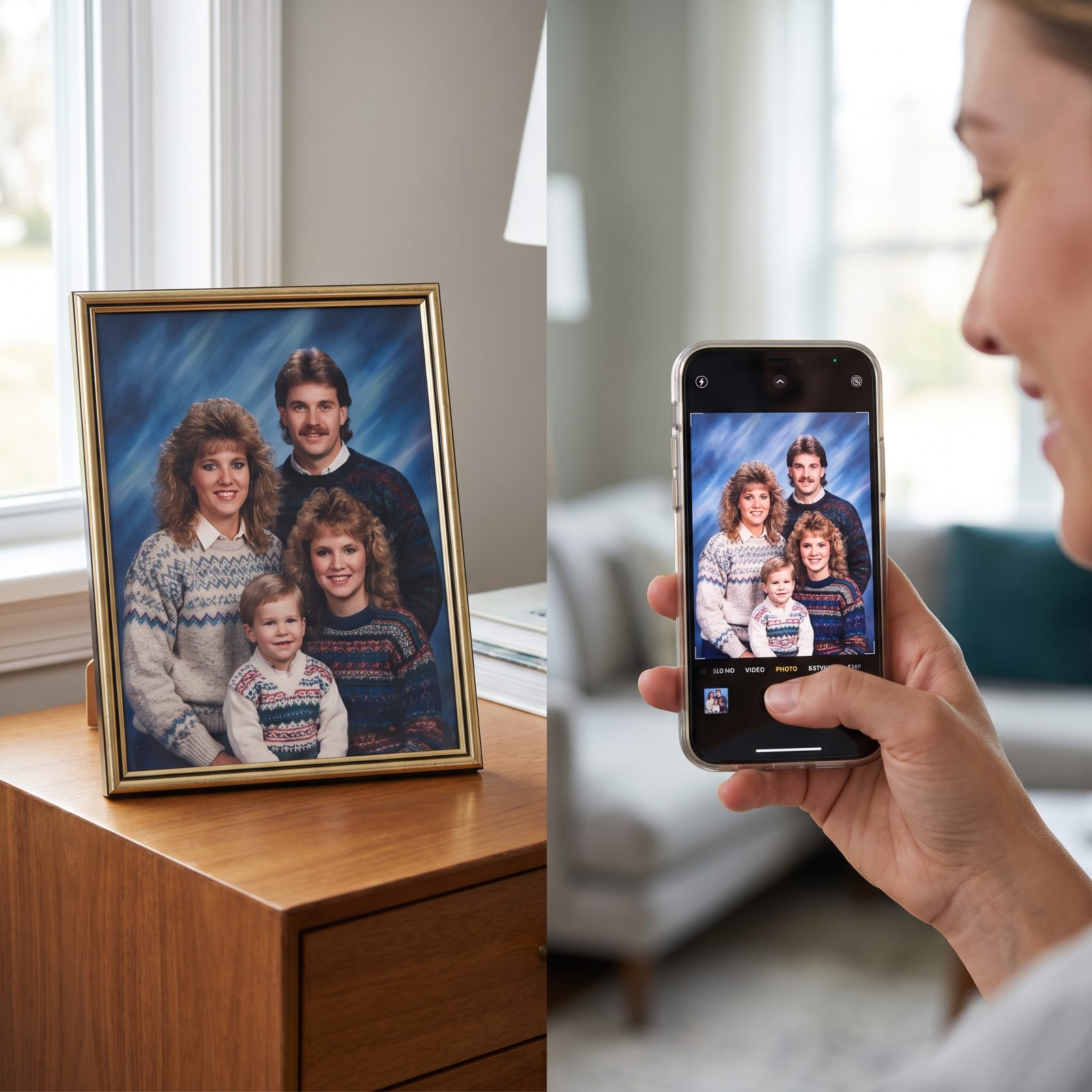
A studio portrait package in the 1980s ran roughly $60 to $115 adjusted, covering the sitting plus a set of prints. And you only got the shots the photographer took, because film cost money and nobody fired off two hundred frames hoping for one good one.
Today the smartphone in your pocket shoots unlimited family photos for free. The professional studio still exists, but it’s optional now, not the only path to a nice holiday portrait.
A clean modern win. The barrier to a decent family photo dropped to basically zero. Grandma’s framed studio portrait had real money and real scarcity baked into it. Yours cost a tap and some patience wrangling everyone to look at the lens.
40. A Child’s Bicycle: The Big-Ticket Gift That Barely Budged

A new kids’ bike ran roughly $175 to $290 in today’s dollars, the kind of gift that anchored a whole Christmas morning.
Today a comparable children’s bike runs $120 to $250. So the big-ticket gift is close to flat, and arguably a touch cheaper now in real terms, thanks to global manufacturing and competition.
What hasn’t changed is the staging. The bike with a bow on the handlebars, wheeled out when the small presents are done, the gasp, the ride around the living room that knocks over the tree. That moment is priceless in both decades, and it’s the one line on the Christmas budget inflation never touched.
39. A Popular Fashion Doll: $9 in 1984, $25 Today
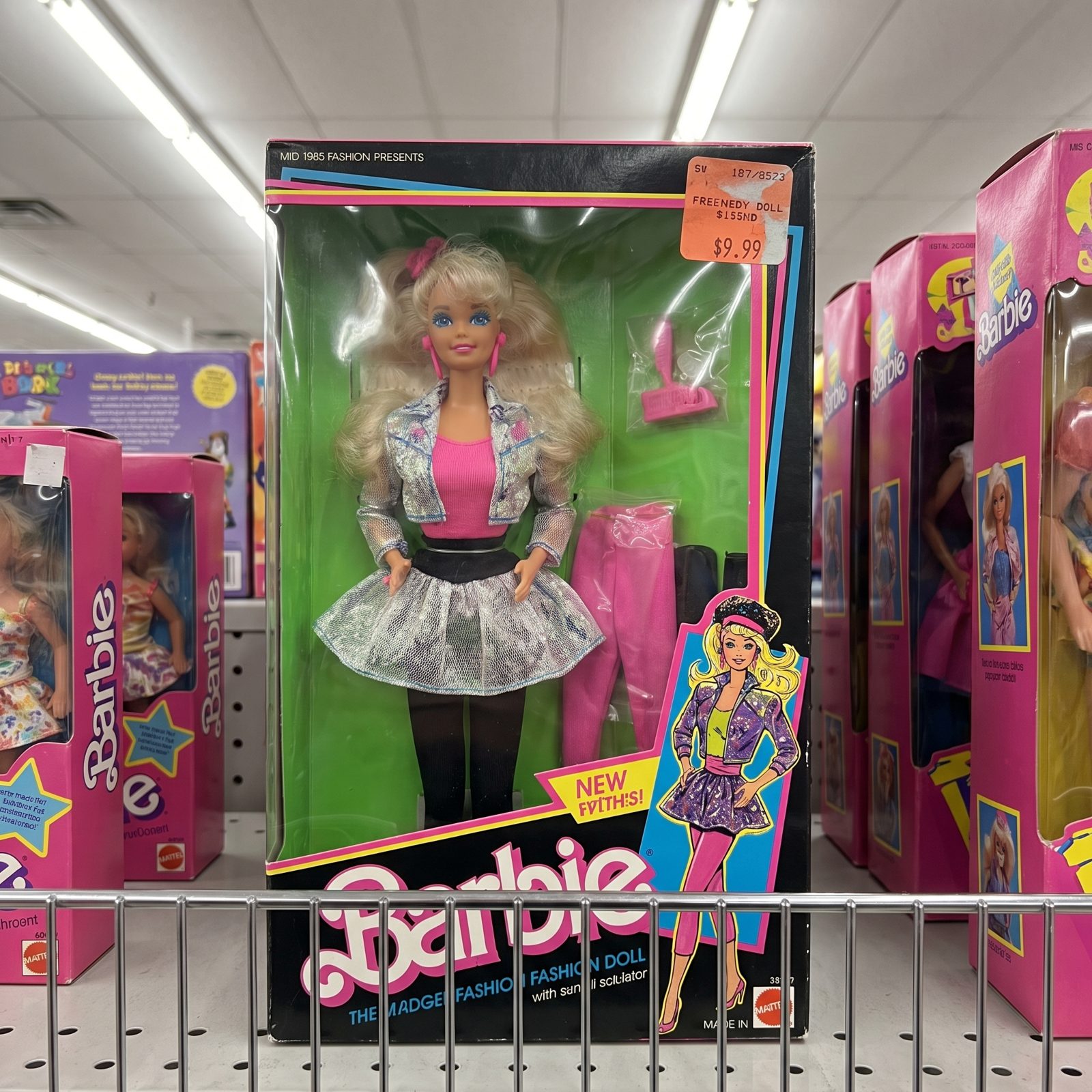
A fashion doll in 1984 ran about nine bucks. Sounds like nothing until you remember the average hourly wage then hovered somewhere around eight and a half dollars, so one doll ate a full hour of work plus a little change. Today the same category doll sits around $25 against a wage of roughly $35 an hour. The modern parent trades maybe 45 minutes for her.
So in real terms the doll got cheaper, not pricier. What changed is everything bolted onto her. The 1984 version came with one outfit and a dream. Today she arrives with a pet, a scooter, and a backstory, and the real money leaks out five dollars at a time for the next eleven months.
38. A Die-Cast Toy Car Set: $4 in 1985, $12 Today
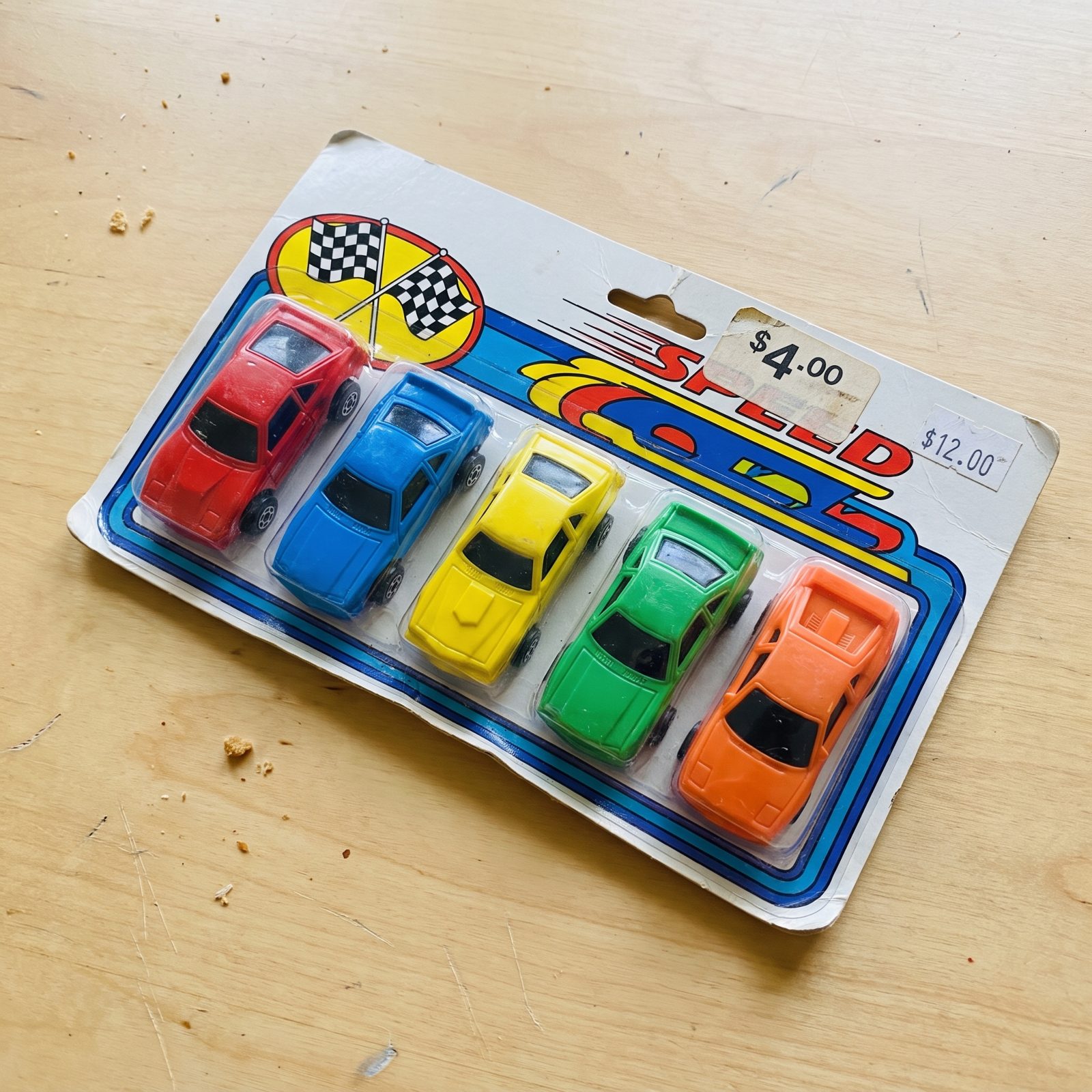
A packaged set of little metal cars cost around four dollars in the mid-80s. Pocket-money territory. A kid could bank a couple weeks of allowance and walk out with a fistful.
Today a comparable multipack lands near $12. Run that 1985 four-dollar set through inflation and you get about $11.50 now, so the price barely budged. The real difference is the metal. Older castings carried genuine heft, real zinc-alloy weight that clinked in your palm, while a lot of the cheaper modern ones feel hollow by comparison, more plastic in the mix. You pay roughly the same and get a little less tonnage for it.
37. A Board Game for the Family: $8 in 1983, $22 Today
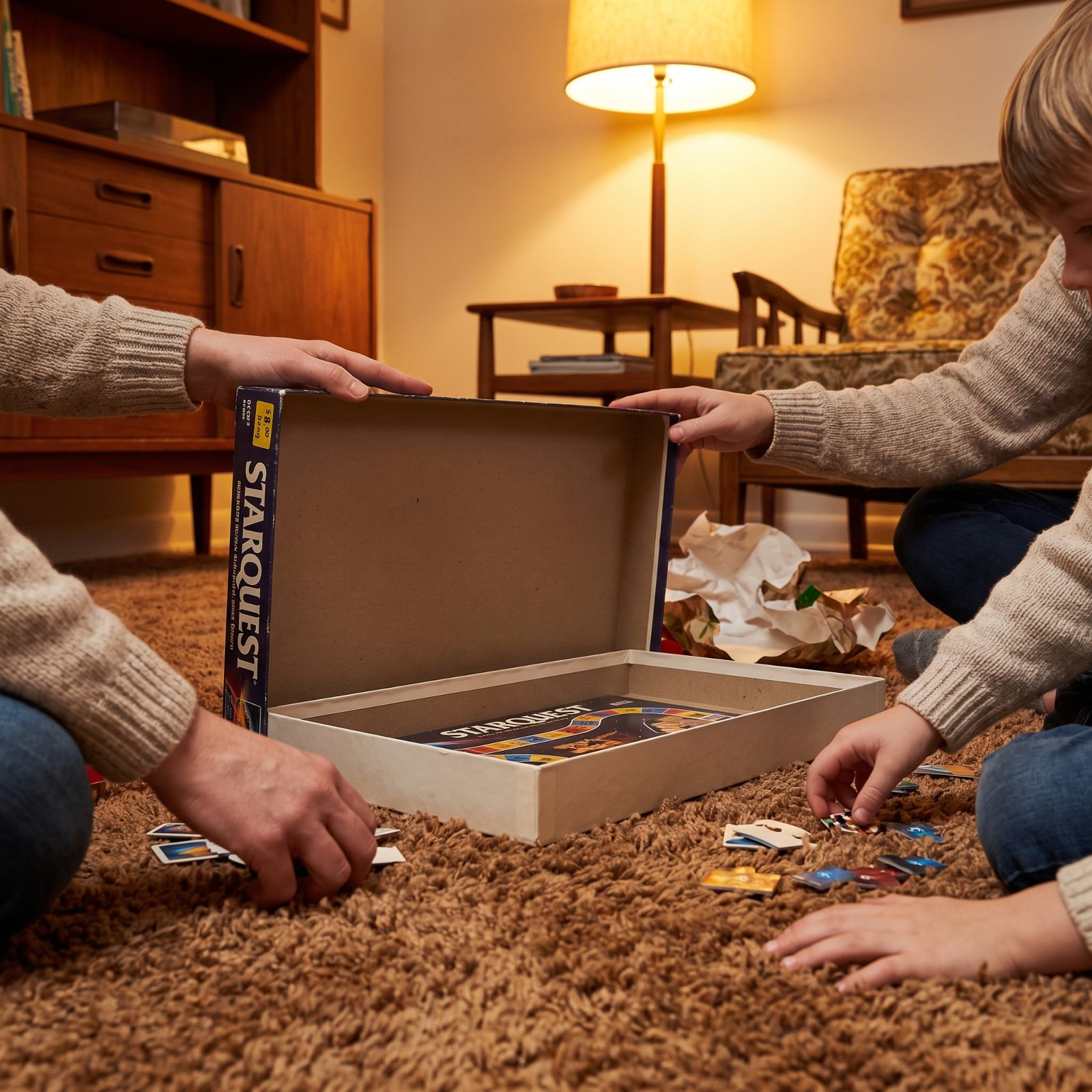
The family board game in 1983 ran about eight dollars, and that counted as a genuine gift. The kind that got wrapped and set under the tree as a main event, never a stocking filler.
Now the same-tier game runs around $22. But watch what inflation hides here: eight 1983 dollars is roughly $25 today, so the game actually got a touch cheaper in real money even as the components got nicer. More plastic pieces, better art, chunkier boards.
36. A Handheld Electronic Game: $25 in 1982, $35 Today
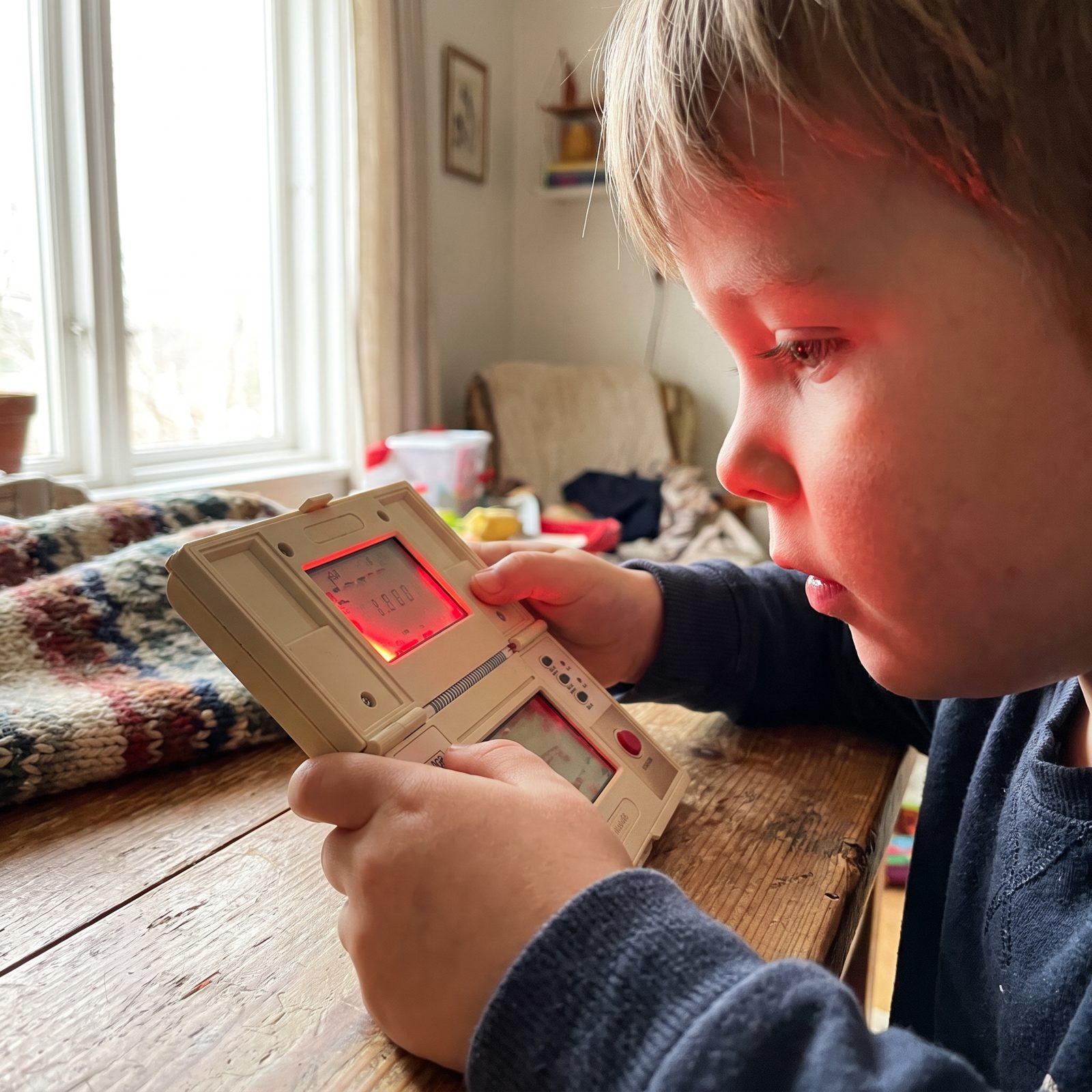
The handheld was the big-ticket toy of the early 80s. Twenty-five dollars for a single-game machine with a glowing red LED display, blinking out one function forever. You wanted the football one? You bought the football one, and that was your whole universe.
Modern handhelds, the slim retro-revival sort, sit around $35 and hold hundreds of games. That 1982 price adjusts to roughly $80 today. So the single-game brick was wildly expensive in real terms, and now you get a thousand times the content for less than half the money. Still. Nothing has quite replaced the hypnotic drag of those glowing red dots under a holiday blanket.
35. A Home Video Game Console: $200 in 1983, $300 Today
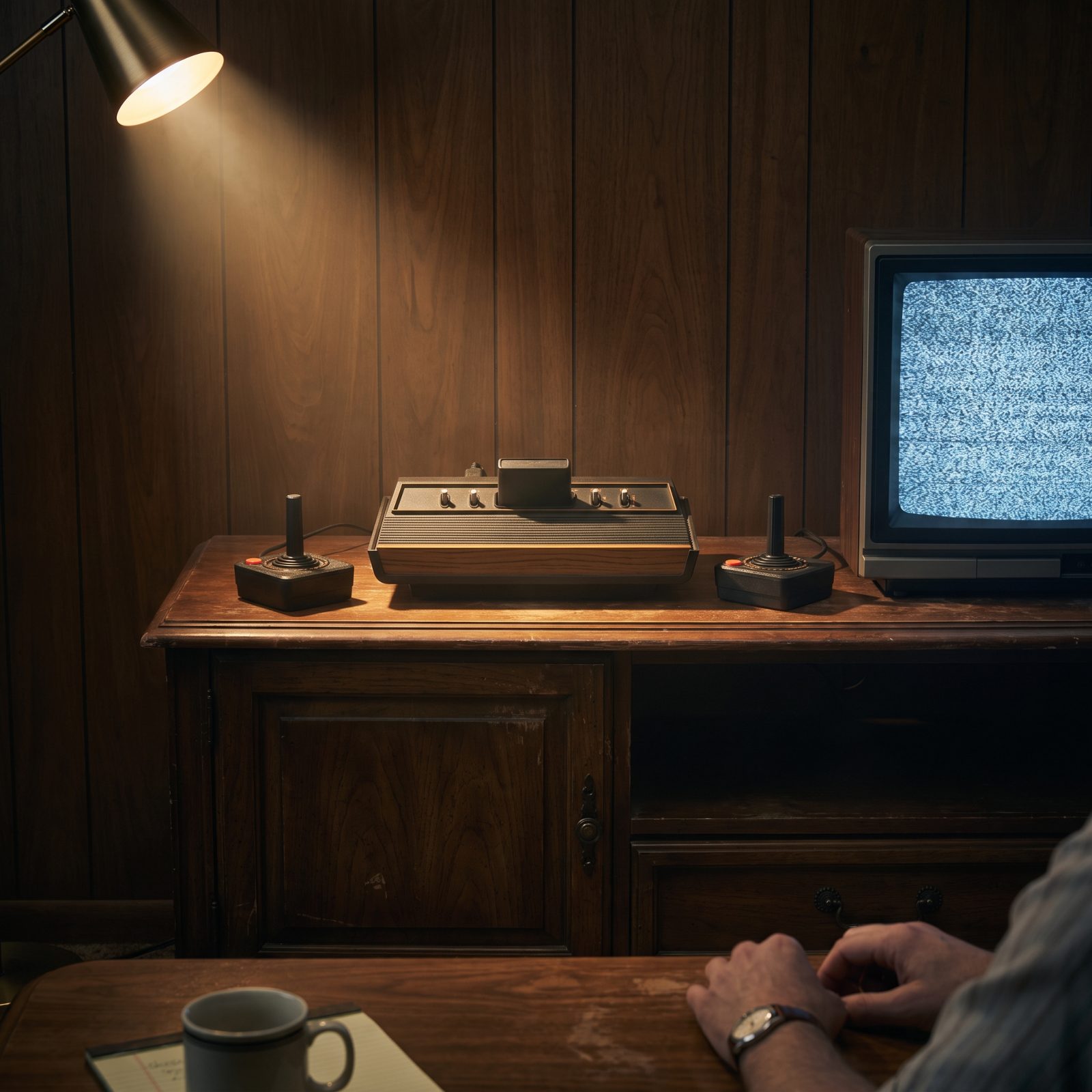
Two hundred dollars for a console in 1983 was a serious household decision, the sort of thing debated at the kitchen table over dinner. Adjust it and you are staring down roughly $640 in today’s money.
A new flagship console now sits around $300 to $500. The machine itself got dramatically cheaper in real terms, even as it jumped from blocky pixels to photorealistic worlds.
What flipped is where the money went. A 1983 cartridge cost maybe $30 and you owned it for life. Now the console is the loss leader, and the games, subscriptions, and downloadable extras form the long tail that never quite stops pulling cash out of your wallet.
34. A Remote-Control Toy: $40 in 1986, $55 Today

Remote-control cars were the premium toy of 1986, hovering near forty dollars, a real chunk of a weekly paycheck back then. They ate batteries like candy and died in the driveway inside twenty minutes, antenna wobbling.
Today a comparable RC toy or entry drone runs about $55. Adjusted, that 1986 price equals roughly $115 now, so you pay less than half in real terms and get far more: rechargeable packs, longer range, a camera, sometimes actual flight. The old ones gave you a car that turned left slightly better than it turned right. Progress, for once, actually delivered.
33. A Construction-Brick Playset: $15 in 1985, $45 Today
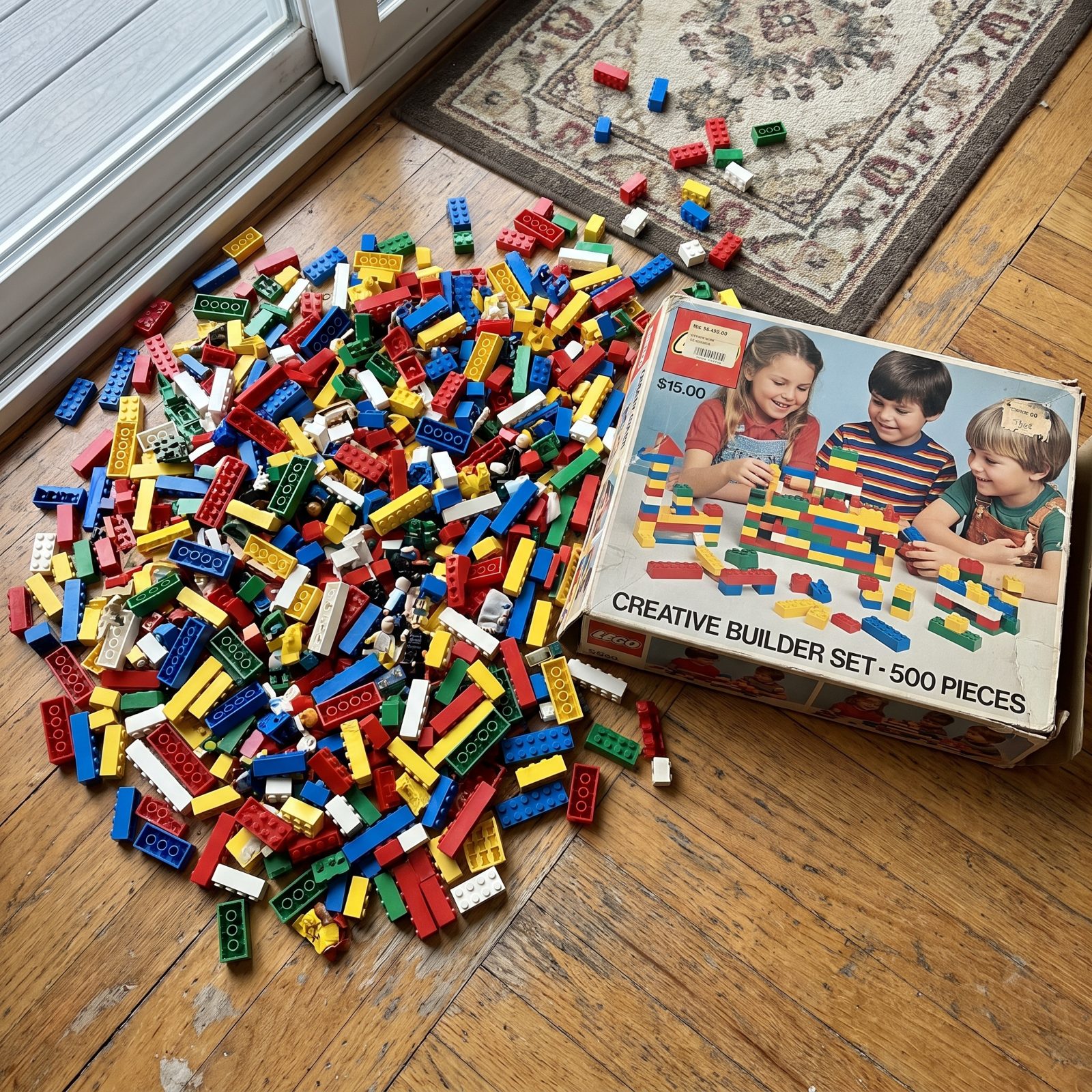
A mid-sized construction-brick set in 1985 ran about fifteen dollars, and the box art promised one thing: a pile of bricks and your imagination. You dumped them out, built a crooked spaceship, and stepped on three of them barefoot by New Year’s.
Now a comparable set runs $45 and up. That 1985 fifteen dollars adjusts to roughly $43, so the base price tracks almost exactly. What exploded is the top end. Licensed sets, thousand-piece showpieces aimed at adults, kits that cost more than the console. The humble bucket of mixed bricks got quietly edged out by the collectible.
32. A Cassette Boombox Versus a Bluetooth Speaker: $90 Then, $60 Now

A proper dual-deck boombox in 1985 cost around ninety dollars. Shoulder-mounted, chrome-grilled, heavier than a toddler. That price adjusts to about $260 today. It was a status object, the thing you lugged to the park and defended with your life.
A capable Bluetooth speaker now runs around $60 and tucks into a coat pocket. You went from $260 in real money to sixty actual dollars, and along the way the sound got better, the battery got rechargeable, and your entire music library stopped needing a shoebox of cassettes.
The one casualty: the ritual. Rewinding a mixtape with a pencil to save the batteries. Nobody misses the labor, but everybody remembers it.
31. A Record Album Versus a Music Subscription: $9 an Album Then, $11 a Month Now
Would you like to save this?
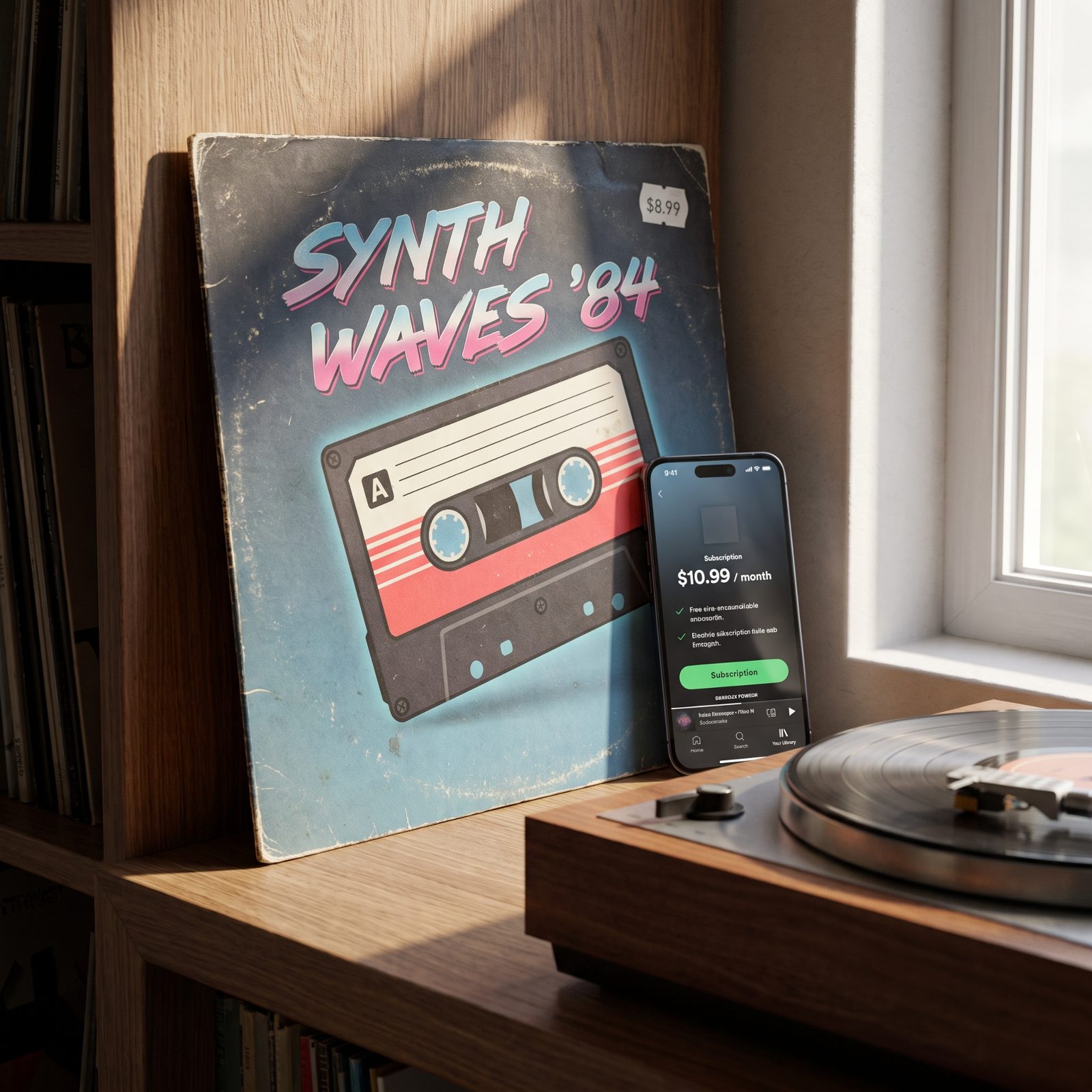
This is the comparison that breaks people’s brains. A single LP in 1984 cost around nine dollars. That is roughly $27 today, for one album. One. You saved for it, flipped it halfway through, and read the sleeve notes a hundred times because that was all you got for your money.
Now eleven dollars a month buys every album ever recorded, more or less, forever, on a device in your pocket. The math is almost offensive. A single 1984 record cost nearly three months of a modern subscription.
What you traded away is ownership and attention. You rented access to everything and lost the thing where you actually listened to one record all the way through, because it was the only one you had that week.
One 1984 album cost more in real money than a year of streaming costs per record. Abundance has a receipt, and it reads strange.
30. A VHS Movie Versus a Streaming Rental: $25 to Own Then, $4 to Rent Now
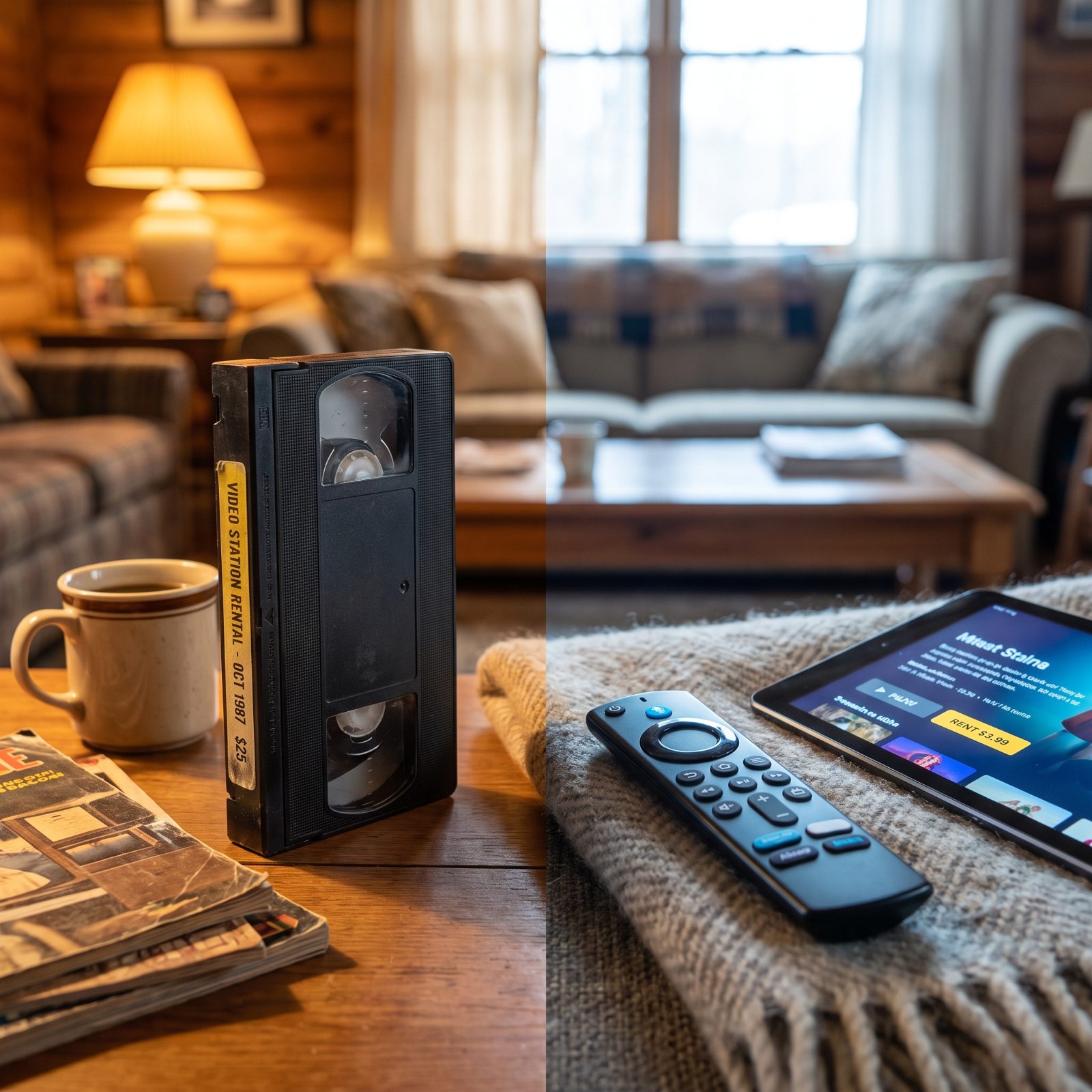
Buying a movie on VHS in 1987 could run you twenty-five dollars, sometimes more for a new release, which is why most people rented instead and paid late fees that quietly funded entire rental empires. Owning a film adjusts to roughly $70 in today’s money. Seventy dollars. To own one movie.
Today a streaming rental is about four dollars, and a monthly subscription, often less than one 1987 tape, hands you thousands of titles with no rewinding, no late fee, no be-kind-please-rewind sticker guilt.
The loss is smaller than it sounds, but it is real: the drive to the store, the browsing, the clamshell snapping shut, the whole small ceremony of choosing one film for the whole family on a Friday night. No subscription has ever managed to sell that part back to us.
29. A Men’s Dress Shirt: About $18 in the 1980s, Roughly $40 Today
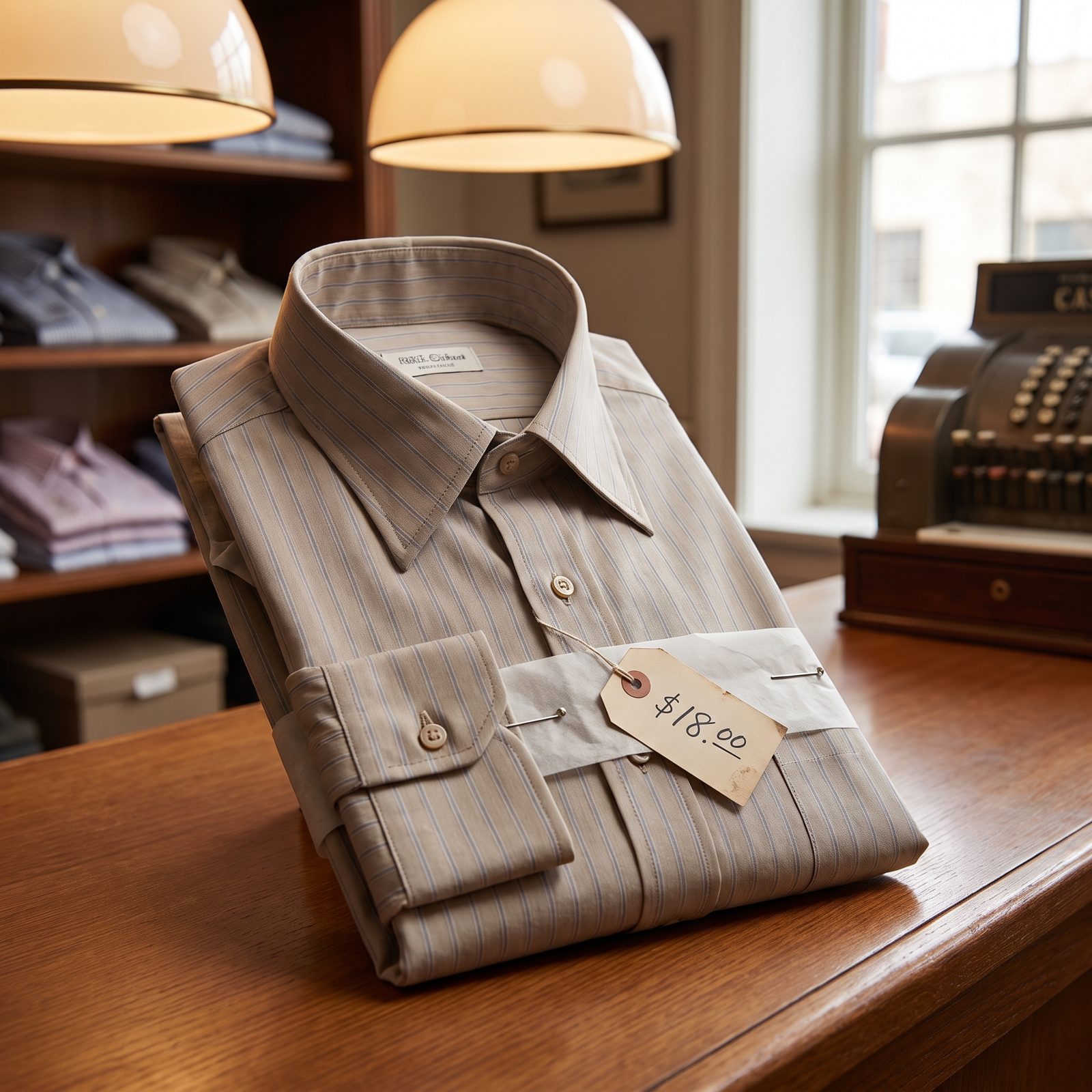
Walk into a mall department store in 1984 and a decent men’s dress shirt ran you around $18. Not a designer label — just a solid broadcloth button-down for the office or the Christmas service, pinned to cardboard and wrapped in cellophane, the kind you had to iron the fold-lines out of before church.
Run that $18 through inflation and it lands near $55 in today’s money, while a comparable mid-tier dress shirt now goes for $40 to $50. So this one barely moved. Shirts are one of the few corners of the Christmas closet where you’re paying roughly what your dad did.
28. A Women’s Winter Sweater: Around $28 in the 1980s, Now Closer to $70

A proper wool-blend winter sweater in 1985 — the fair-isle kind with snowflakes marching across the chest — set you back somewhere around $28. These were the ones that got pulled out the day after Thanksgiving and lived on heavy rotation until March.
Adjust for inflation and you’re looking at about $80 in current dollars. A similar mid-range sweater today runs $60 to $90, so the math almost shakes out even. What changed is what you actually get for the money. The 80s version was often wool or a heavy acrylic-wool blend with real heft. A lot of today’s equivalents are thin acrylic that pills by February.
27. A Child’s Pair of Sneakers: Roughly $22 in the 1980s, About $50 Now
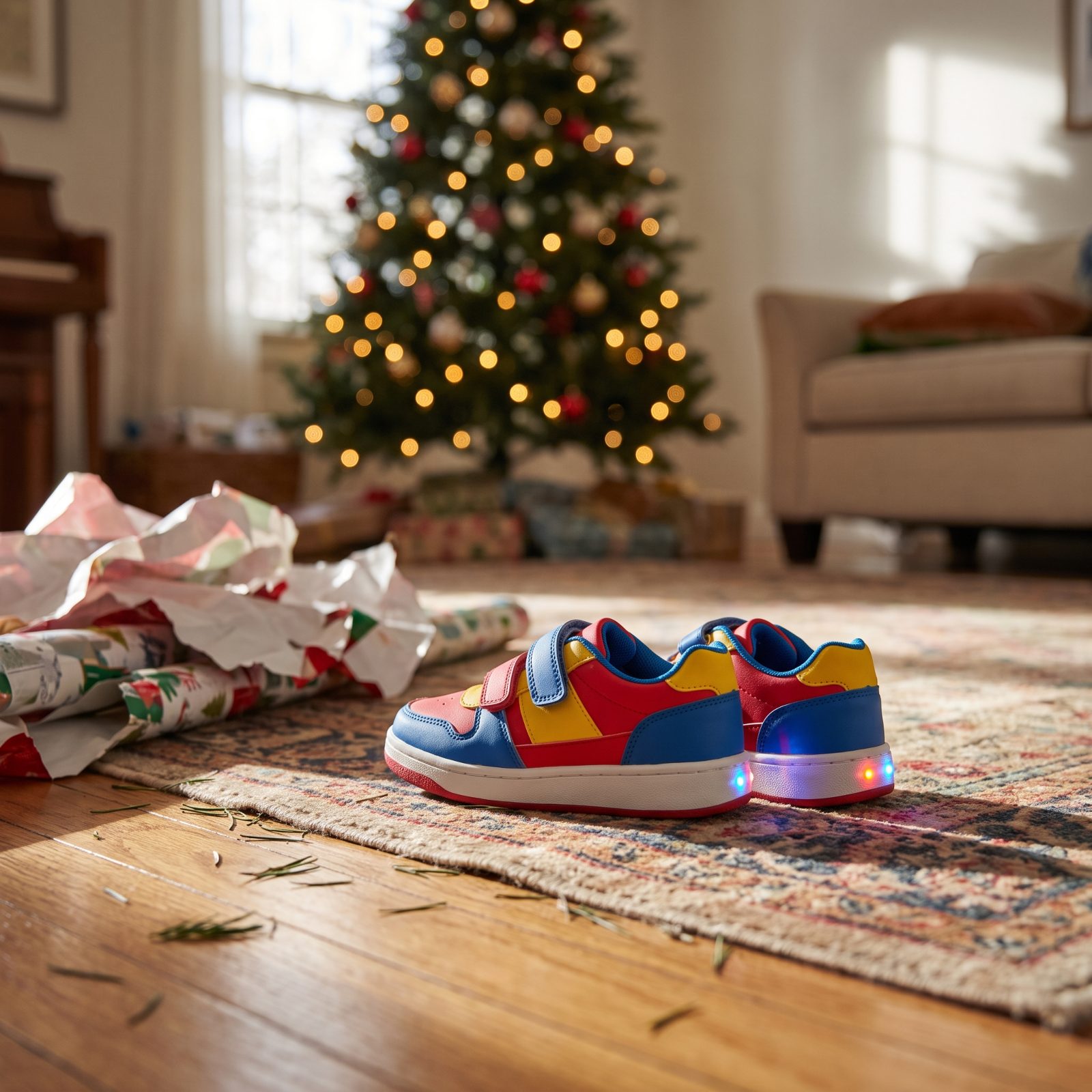
Kids’ sneakers in 1986 ran about $22 for a name-brand pair — the Velcro-strap kind that lit up a Christmas morning when they came in the right colors. Plenty of parents bought the no-name version for $12 and lived with the whining.
That $22 is around $62 adjusted, but a comparable kids’ athletic shoe today sits near $45 to $55. So this one actually got cheaper in real terms, pushed down hard by mass production and global supply chains.
26. A Bottle of Department-Store Perfume: About $35 in the 1980s, Now $90 and Up

The signature scent your mother asked for every Christmas cost around $35 in 1983. The big floral and powdery fragrances of the decade came in heavy glass bottles with sculptural caps, boxed in satin, meant to sit on a vanity for years.
Thirty-five dollars then is roughly $100 now. And here’s where perfume broke the pattern entirely. A comparable prestige fragrance today starts at $90 and climbs past $150 fast. Fragrance turned into one of the most marketed, most margin-heavy categories in all of retail.
The scent itself often got cheaper to make while the price went up. You’re paying for the celebrity face on the ad and the glass, same as your mom was — only more.
25. A Basic Wristwatch: Around $40 in the 1980s, Still About $40 Today
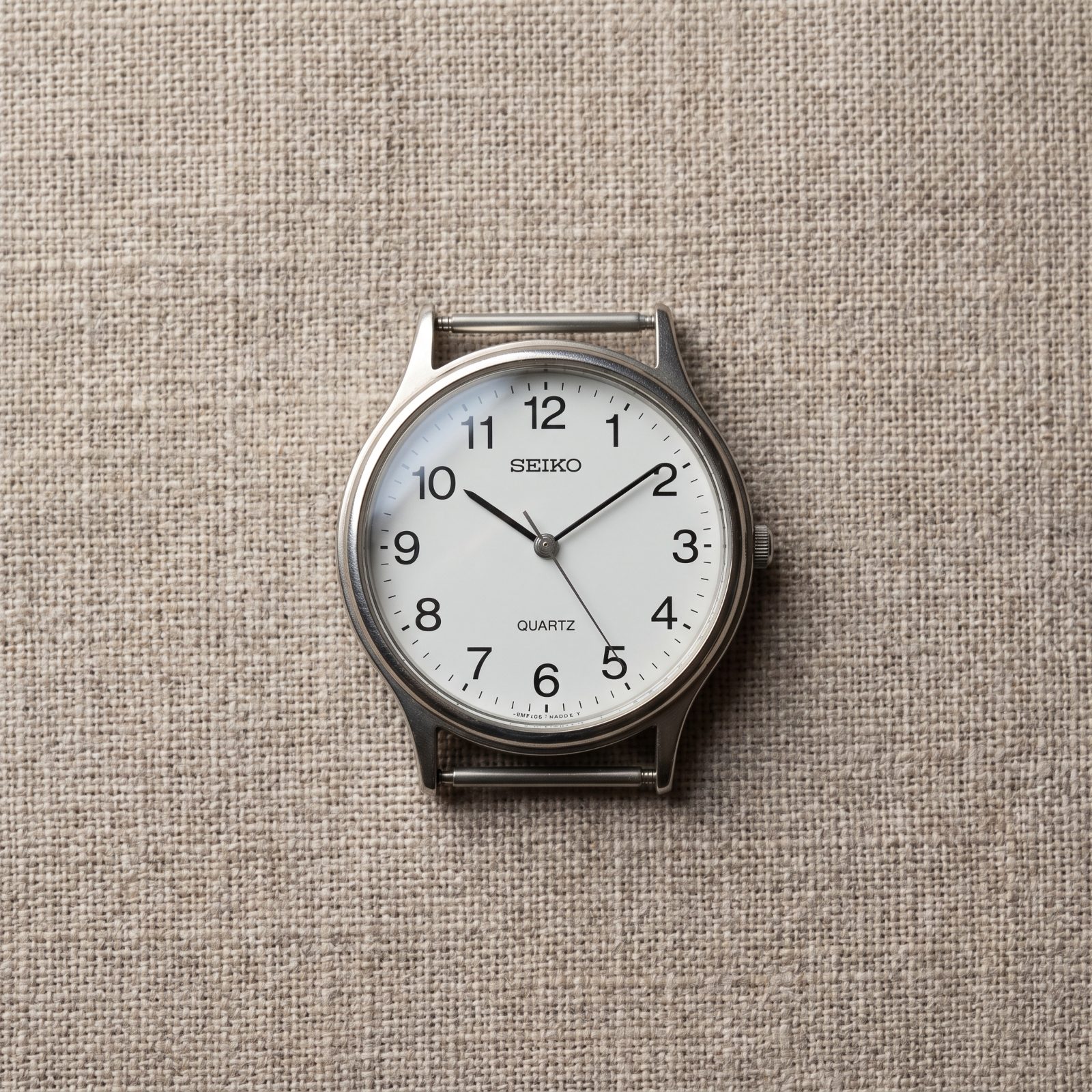
A dependable everyday wristwatch — nothing fancy — ran about $40 in 1985. Quartz movements had made accurate timekeeping cheap, so the watch under the tree was more likely a reliable gold-tone number than a family heirloom.
That $40 adjusts to around $115 today. And a basic quartz watch now? Still about $40. In real terms, watches got dramatically cheaper, and you can grab a perfectly good one for a quarter of what it cost adjusted.
The phone in your pocket killed the watch as a necessity and turned it into jewelry. Nobody needs one now, which is exactly why the nice ones got expensive and the basic ones got cheap.
24. A Holiday Turkey by the Pound: About 59 Cents in the 1980s, Now Over $1.50
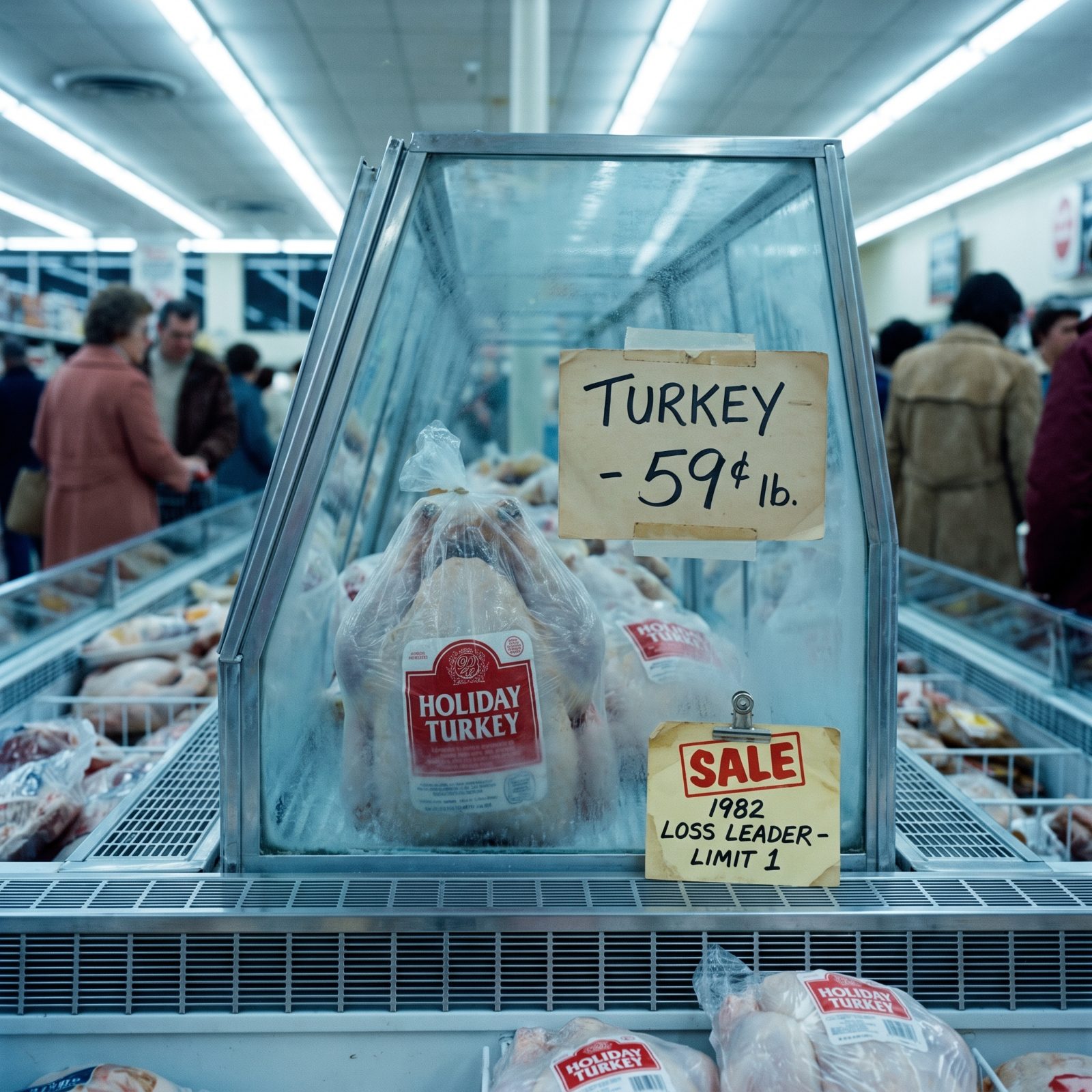
Here’s where the comparison gets interesting. A frozen holiday turkey cost about 59 cents a pound in 1982, often advertised even lower as a loss leader to get you through the door before the holiday.
Adjust that and you land near $1.70 a pound in today’s dollars. Turkey now runs about $1.50 to $2.00 a pound, higher around the holidays. So the centerpiece of Christmas dinner costs almost exactly what it always did.
23. A Spiral Ham by the Pound: Around $1.89 in the 1980s, About $4 Today
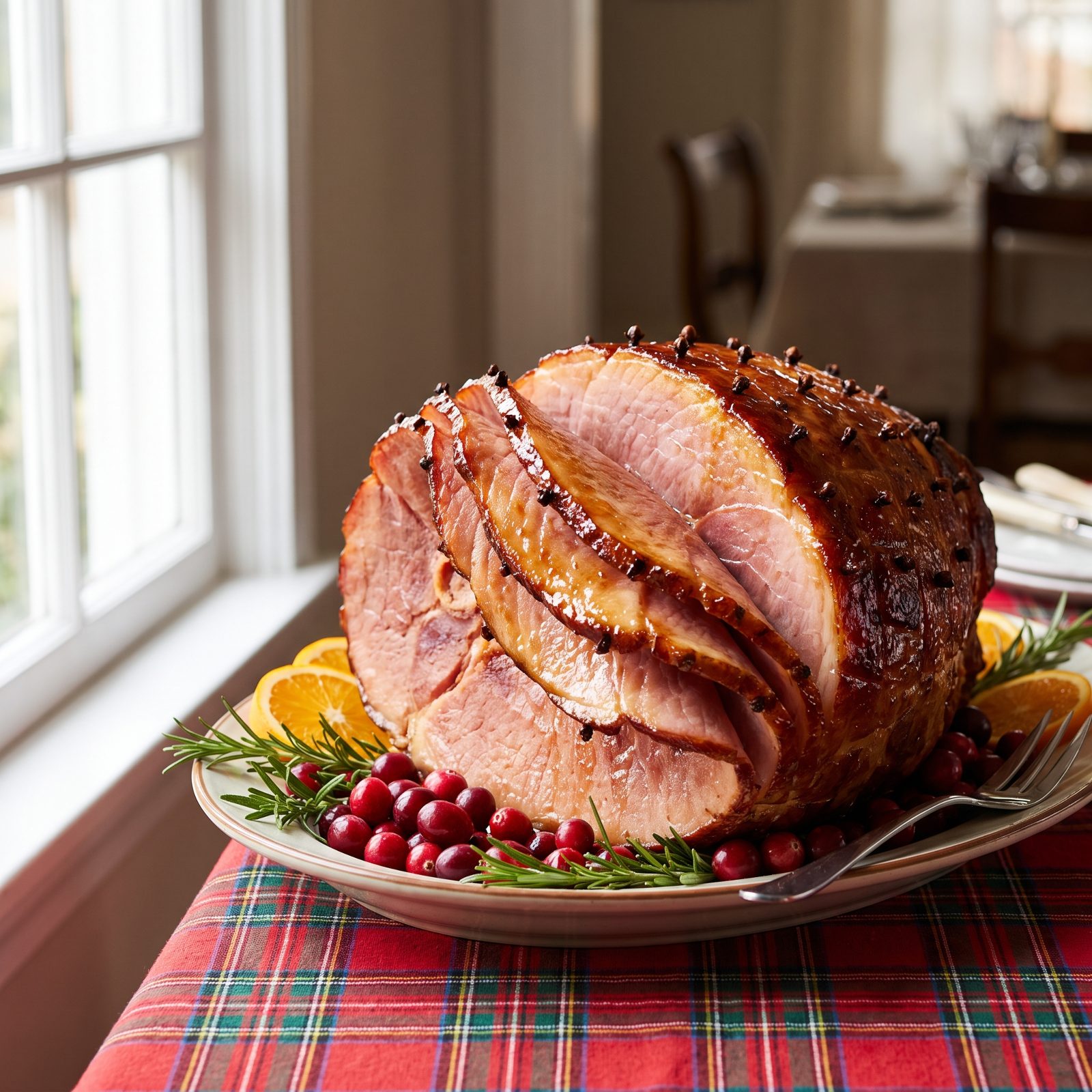
The spiral ham — that glazed holiday showpiece for families who skipped turkey — ran about $1.89 a pound in the late 1980s for the specialty brand everyone recognized from the mall kiosk.
Inflation puts that near $5.00 a pound today, and the real price now sits around $4.00 to $5.00 for the premium stuff. So this one held steady. Ham stayed in its lane. If anything, the fancy brand got a touch cheaper in real terms as more grocers rolled out their own spiral-cut versions and cracked the premium monopoly.
22. A Beef Rib Roast by the Pound: About $3.49 in the 1980s, Now $12 and Up
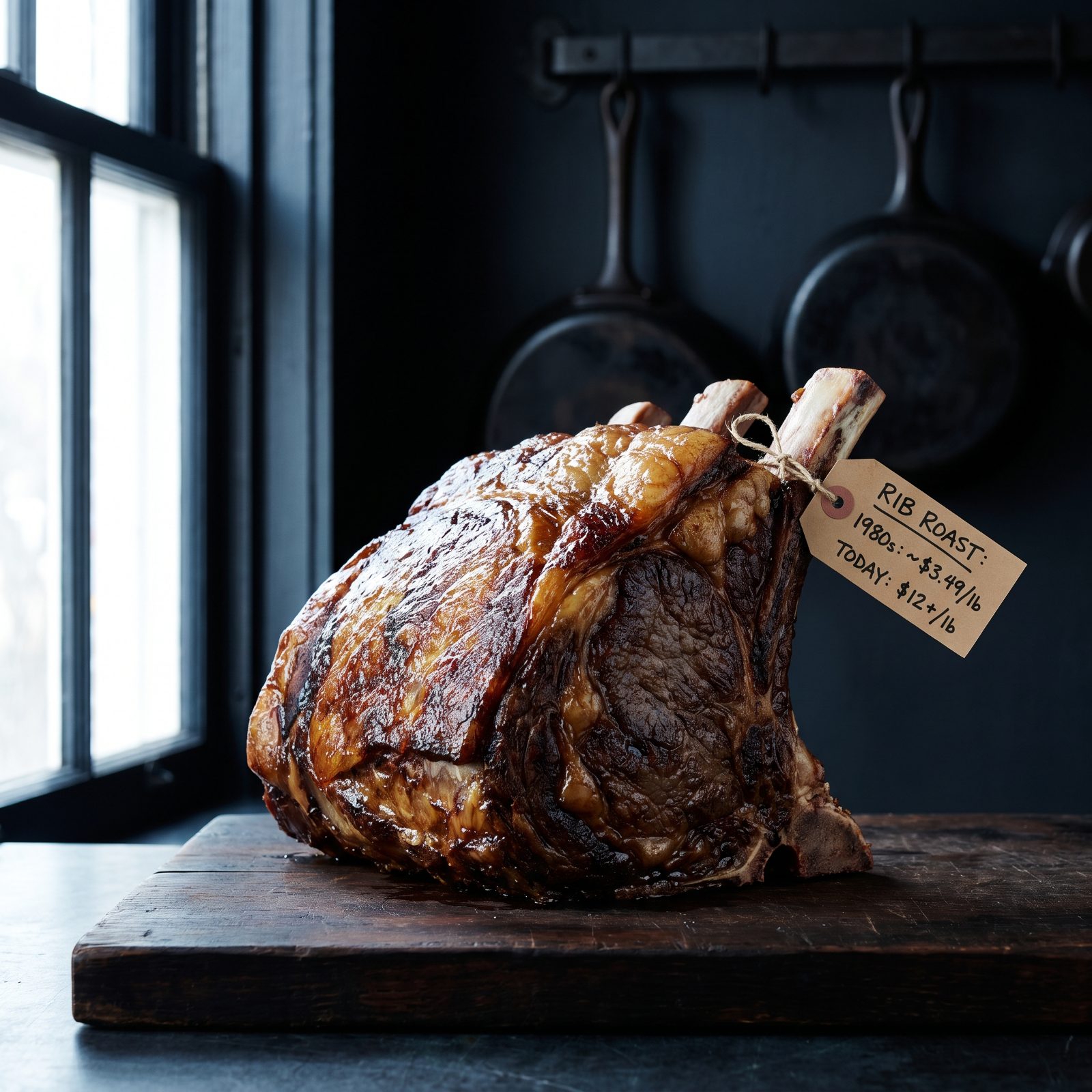
The beef rib roast was the big-spend centerpiece for a serious Christmas dinner, and it cost around $3.49 a pound in 1985. This was already the splurge cut, the one you planned the whole meal around.
Adjusted, that’s about $10 a pound today. And this is the item that actually broke bad on us. A comparable prime rib roast now runs $12, $15, sometimes $20 a pound. Beef has outrun inflation for years, especially the premium cuts — smaller herds, higher feed costs, and growing demand all stacked up at once.
21. A Dozen Eggs for Christmas Baking: Around 90 Cents in the 1980s, Now $3 to $4
Would you like to save this?
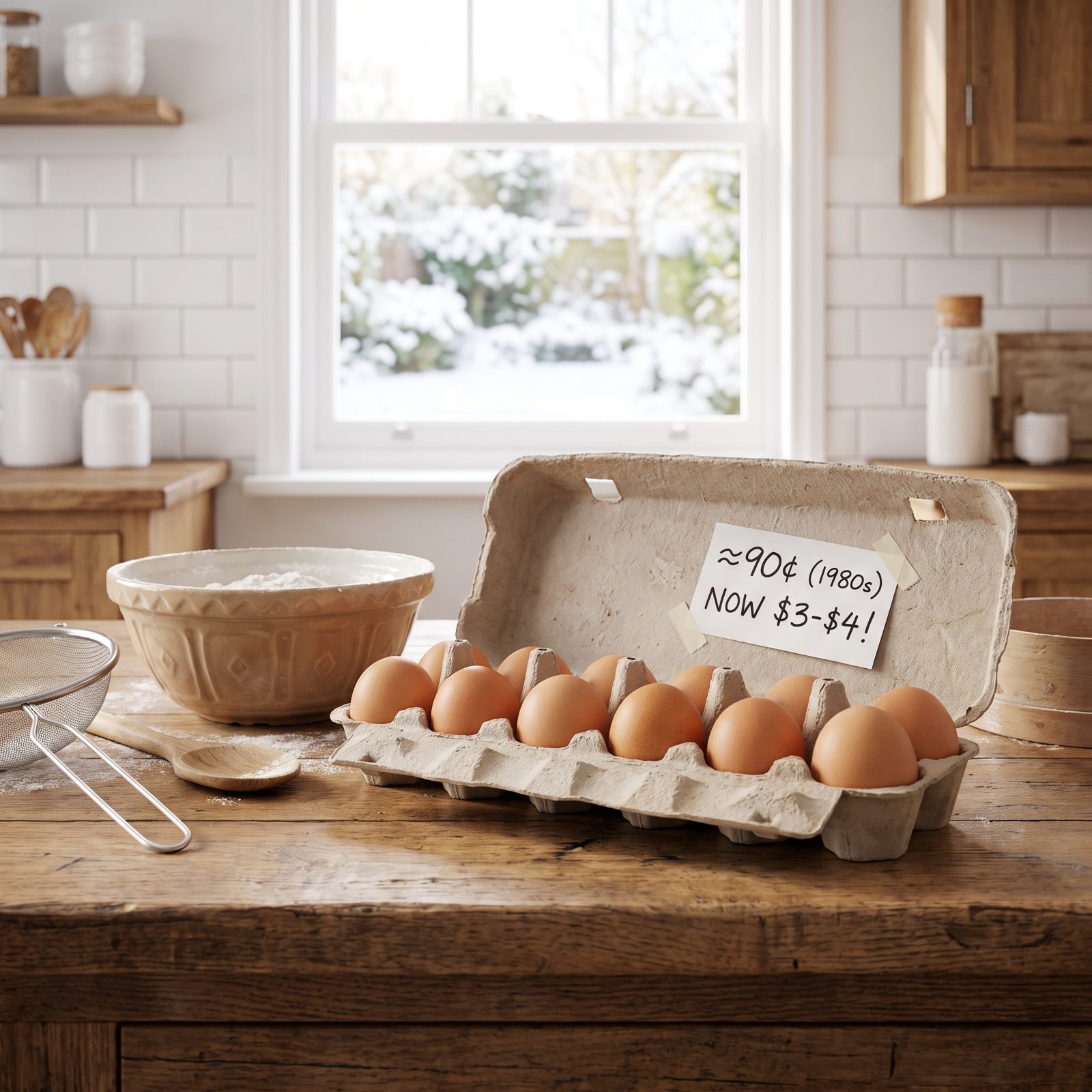
A dozen eggs ran about 90 cents in the mid-1980s, maybe a dollar at the holidays when every household in America was baking cookies, custards, and eggnog from scratch at the same time.
That 90 cents adjusts to roughly $2.60 today. Normal egg prices now sit around $3 to $4, and during the shortages of recent years they spiked far past that. So eggs crept up a bit in real terms even before the chaos.
Eggs are the quiet backbone of Christmas baking. You never notice their price until you’re buying three dozen for one weekend of cookies and realize the carton costs more than the sugar.
20. A Pound of Butter: About 99 Cents in the 1980s, Now $4 and Climbing
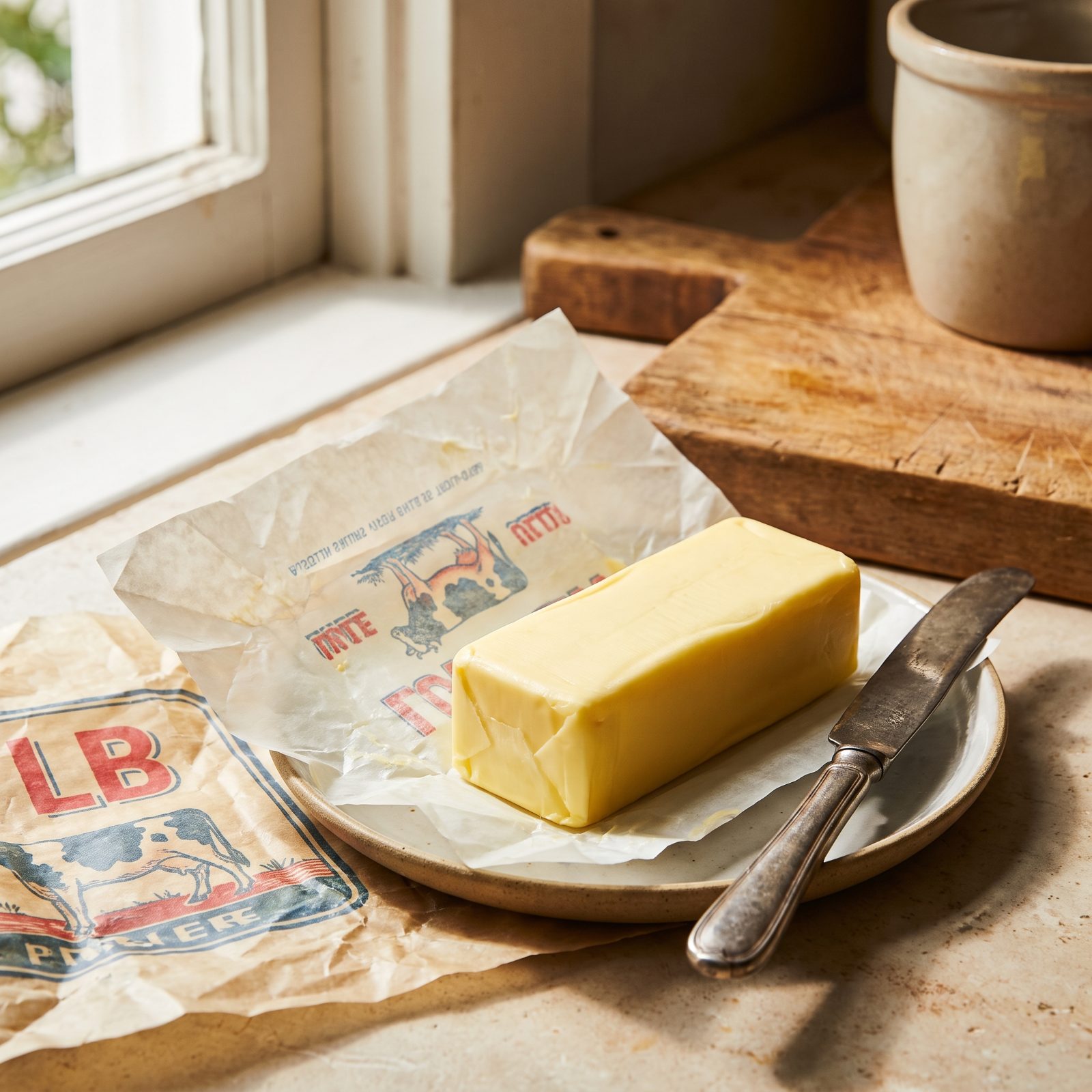
A pound of butter closed out the grocery list at about 99 cents in 1984, and nobody thought twice. You grabbed two or three boxes in December and moved on.
Adjusted, that dollar is around $2.85 today. Real butter now runs $4 to $6 a pound and jumps higher around the holidays when demand peaks. Another item that quietly outran inflation, driven by dairy costs and the slow return to real butter after the margarine years.
19. A Bag of Chocolate Chips: Roughly $1.49 in 1985
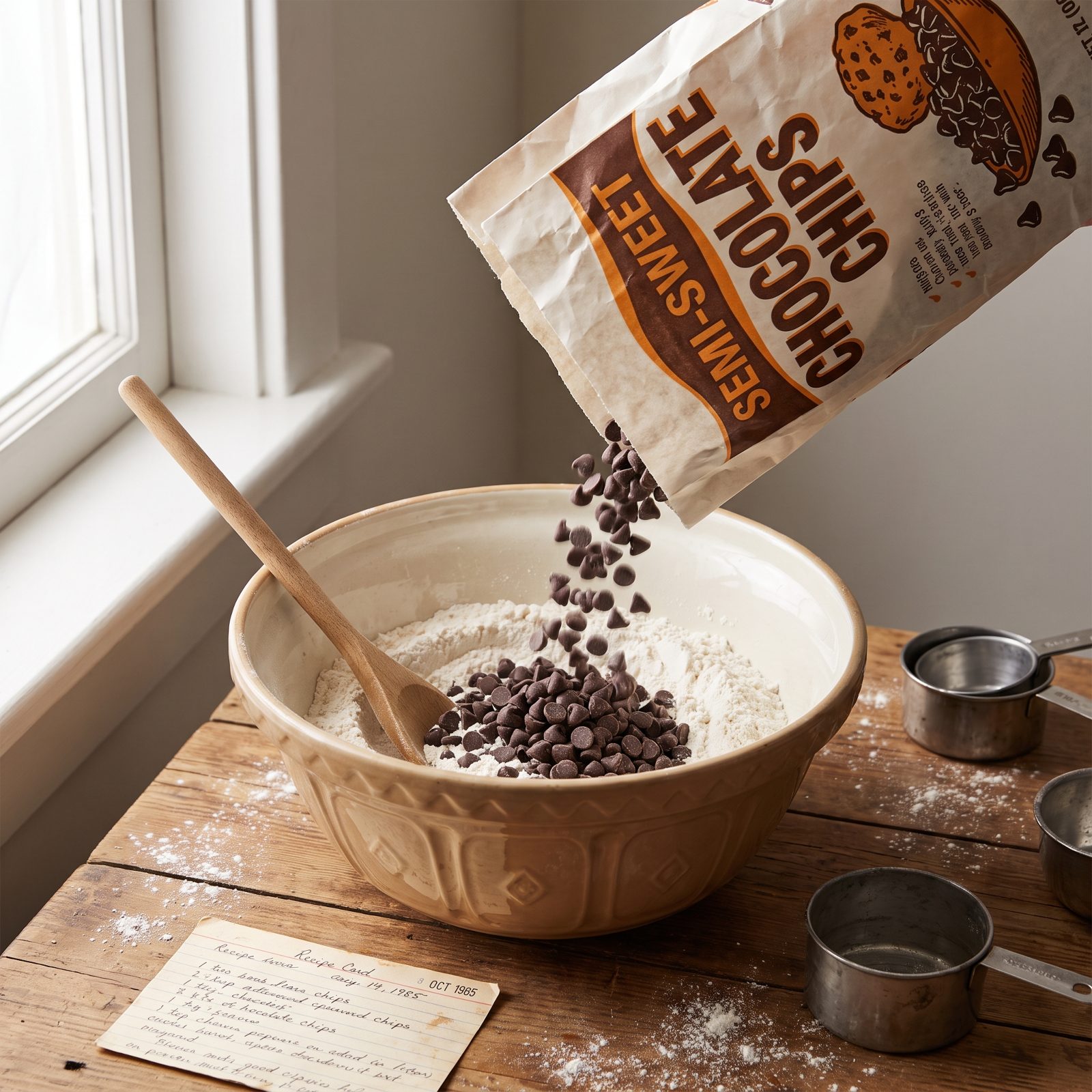
A bag of chocolate chips ran about $1.49 in the mid-80s, which sounds like nothing until you remember plenty of households were working with a weekly grocery budget that fit on an index card. In today’s money that’s maybe four and a half bucks, pretty close to what the same yellow bag costs now.
This is the item that barely moved. Chocolate chips got mass-produced, mechanized, and shipped cheap, so the price tracked inflation and then mostly sat down and stopped. You baked three batches of cookies, the kitchen smelled like a Christmas you still remember, and the bag cost less than a movie ticket.
18. A Pound of Mixed Nuts: Around $2.79 in 1983
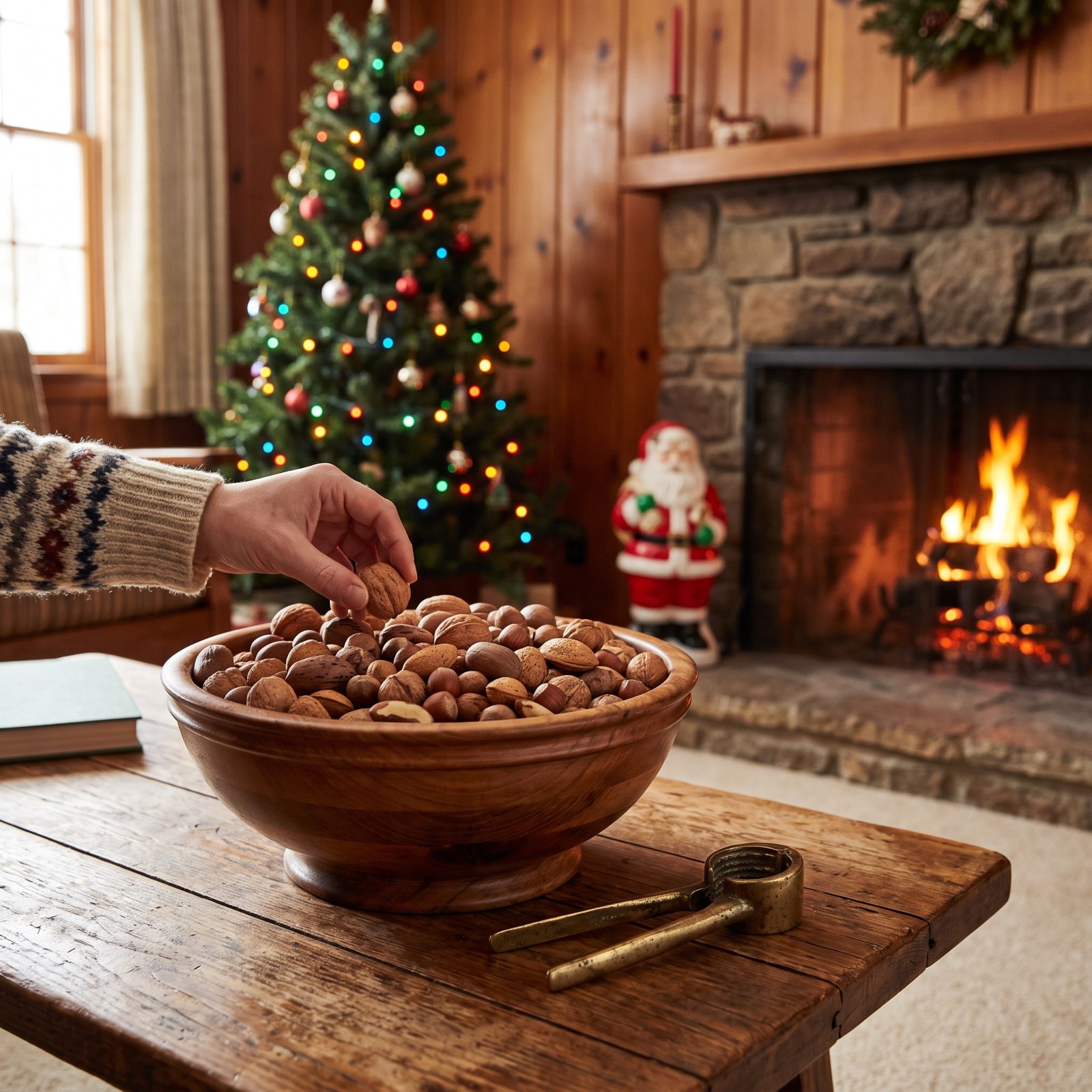
Mixed nuts in the shell went for around $2.79 a pound in the early 80s, about $8.90 adjusted. The whole ritual was the point: the cut-glass bowl, the metal nutcracker that pinched your palm, the Brazil nut nobody actually wanted.
Here’s where it gets interesting. Nuts have climbed faster than general inflation across a lot of years, thanks to drought, water pricing out west, and the almond becoming a snack-aisle celebrity. A pound of good shelled mixed nuts today can run well past that inflation-adjusted figure. The bowl got quietly more expensive while nobody was watching it.
17. A Box of Candy Canes: About 69 Cents in 1986
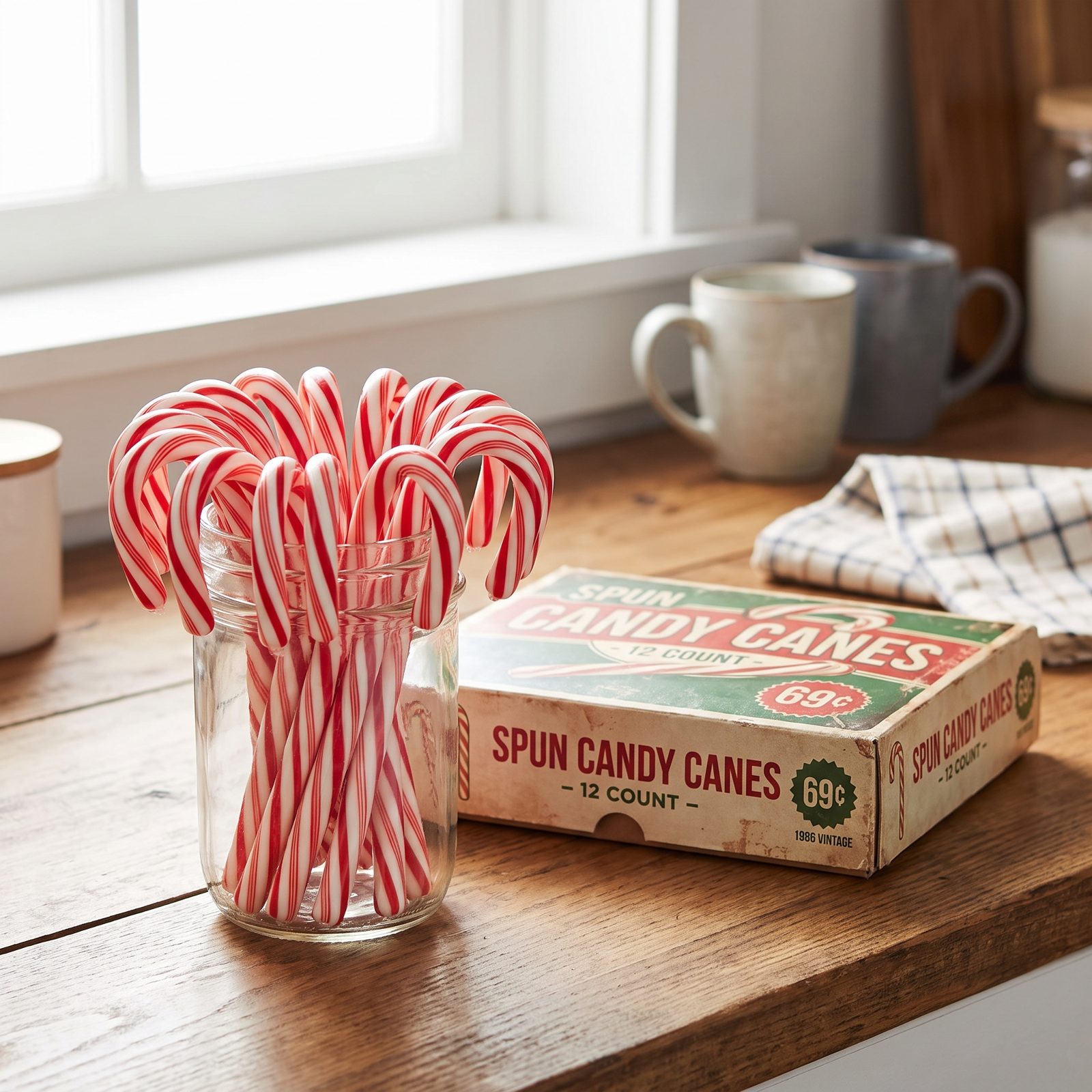
A dozen candy canes cost about 69 cents in the mid-80s. Adjusted, that’s roughly two dollars, and honestly you can still grab a box for close to that at any drugstore the first week of December.
Candy canes are almost pure sugar and corn syrup stamped out by machines that run day and night. That’s a recipe for a price that doesn’t budge. Cheap then, cheap now, and half-off by December 26th either way.
16. A Bakery Pumpkin Pie: Roughly $3.99 in 1984
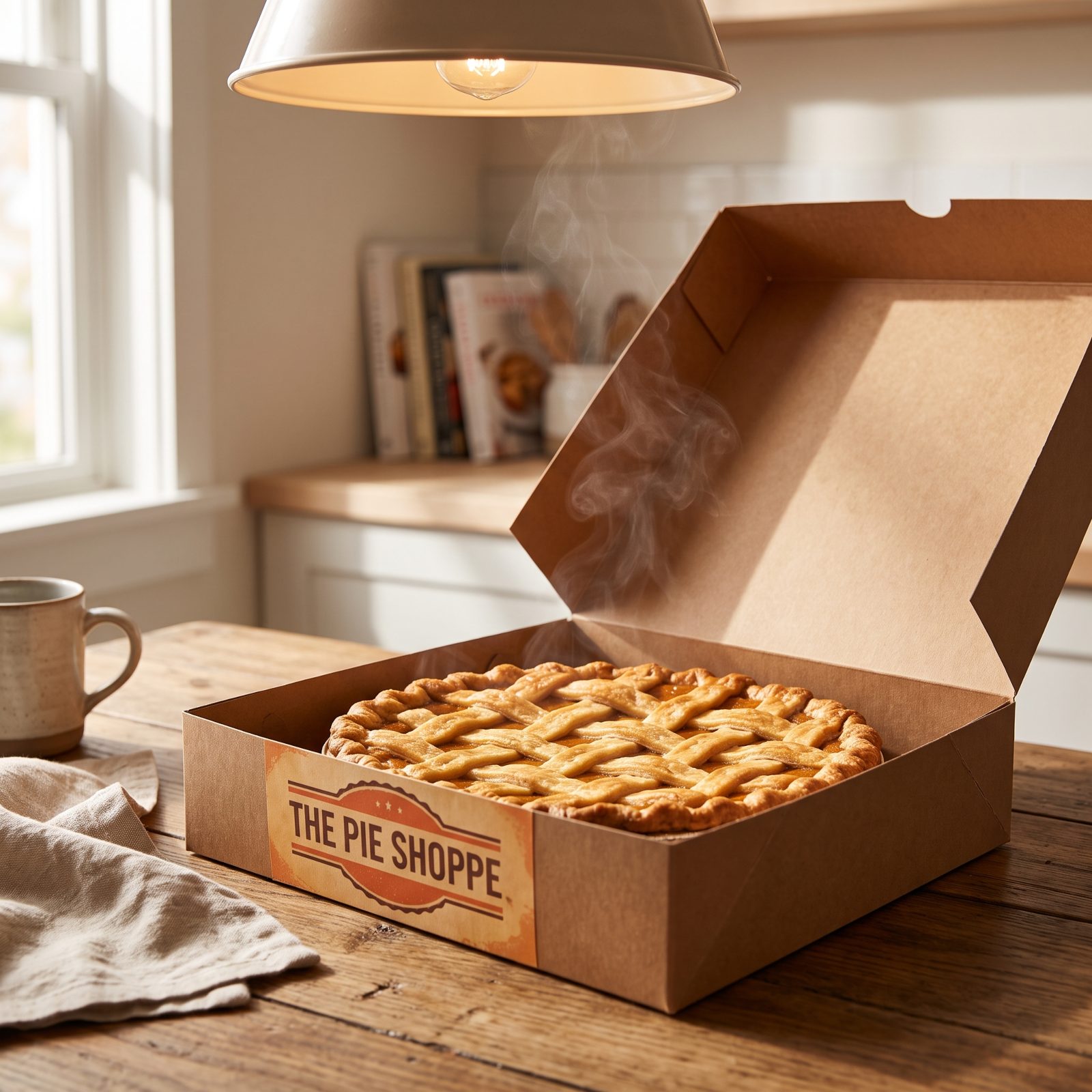
A bakery pumpkin pie set you back around $3.99 in the mid-80s, close to twelve bucks in today’s dollars. That lines up almost exactly with what a decent bakery charges now for the real thing, not the shrink-wrapped grocery version.
I used to think store pie was a scam. Then I priced out the butter, the canned pumpkin, the eggs, and the three hours of my life I’d never get back. The pie held its value because the labor did. Someone still has to roll that crust at 5 a.m.
15. A Mail-Order Fruitcake: About $12.95 in 1985
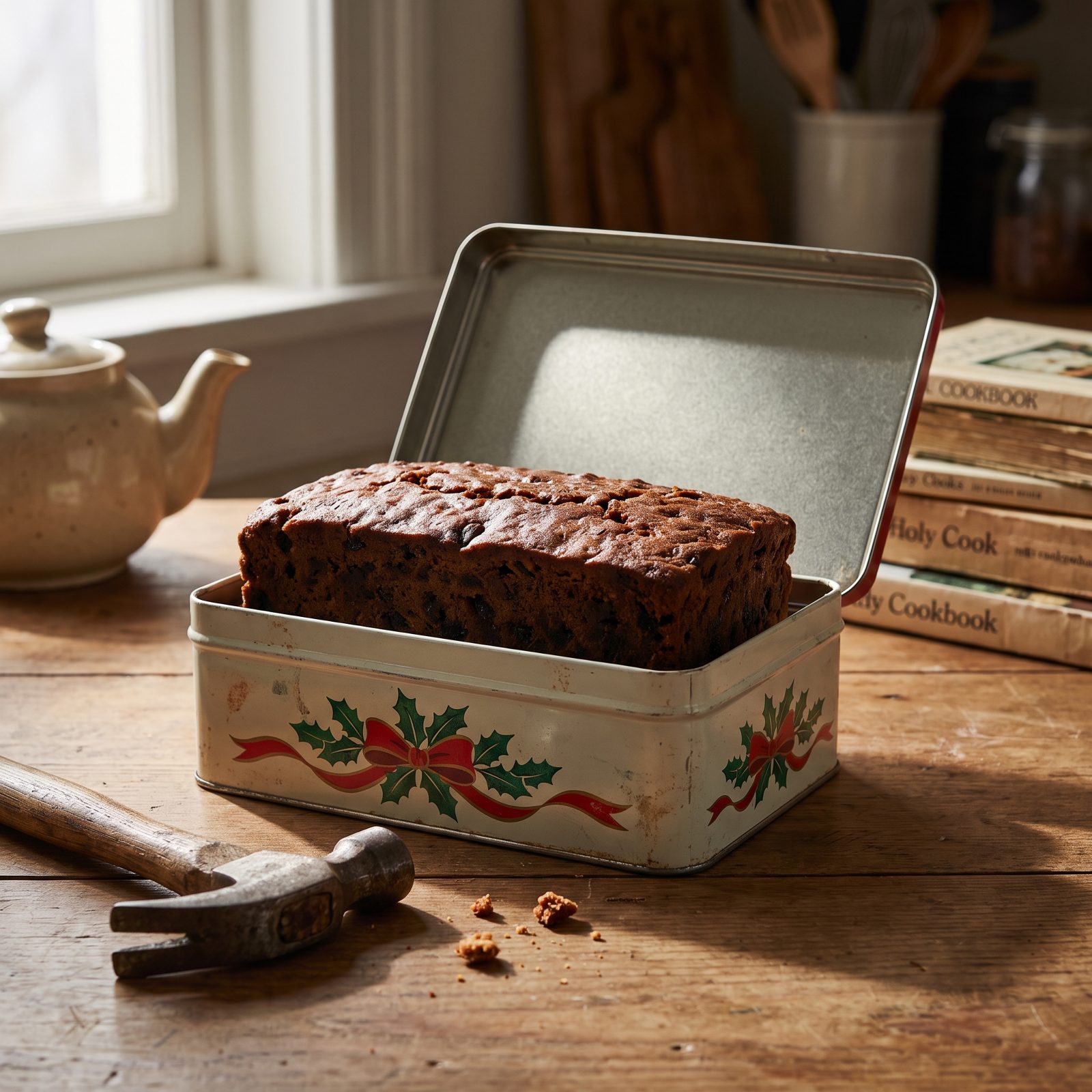
The mail-order fruitcake, that dense brick that showed up in a tin every December, ran about $12.95 in 1985. Adjusted, that’s near forty dollars, which is roughly what the famous Texas and Southern bakeries still charge for the good one today.
It barely moved against inflation, and that surprised me. The jokes write themselves, but a real fruitcake is expensive to make: candied fruit, nuts, booze, long aging, careful shipping. You’re paying for a product that genuinely hasn’t changed its recipe in fifty years.
Meanwhile the cheap grocery fruitcake got cheaper and worse. The mail-order one held the line. Two different foods wearing the same name.
14. A Box of Premium Chocolates: Around $7.50 in 1987
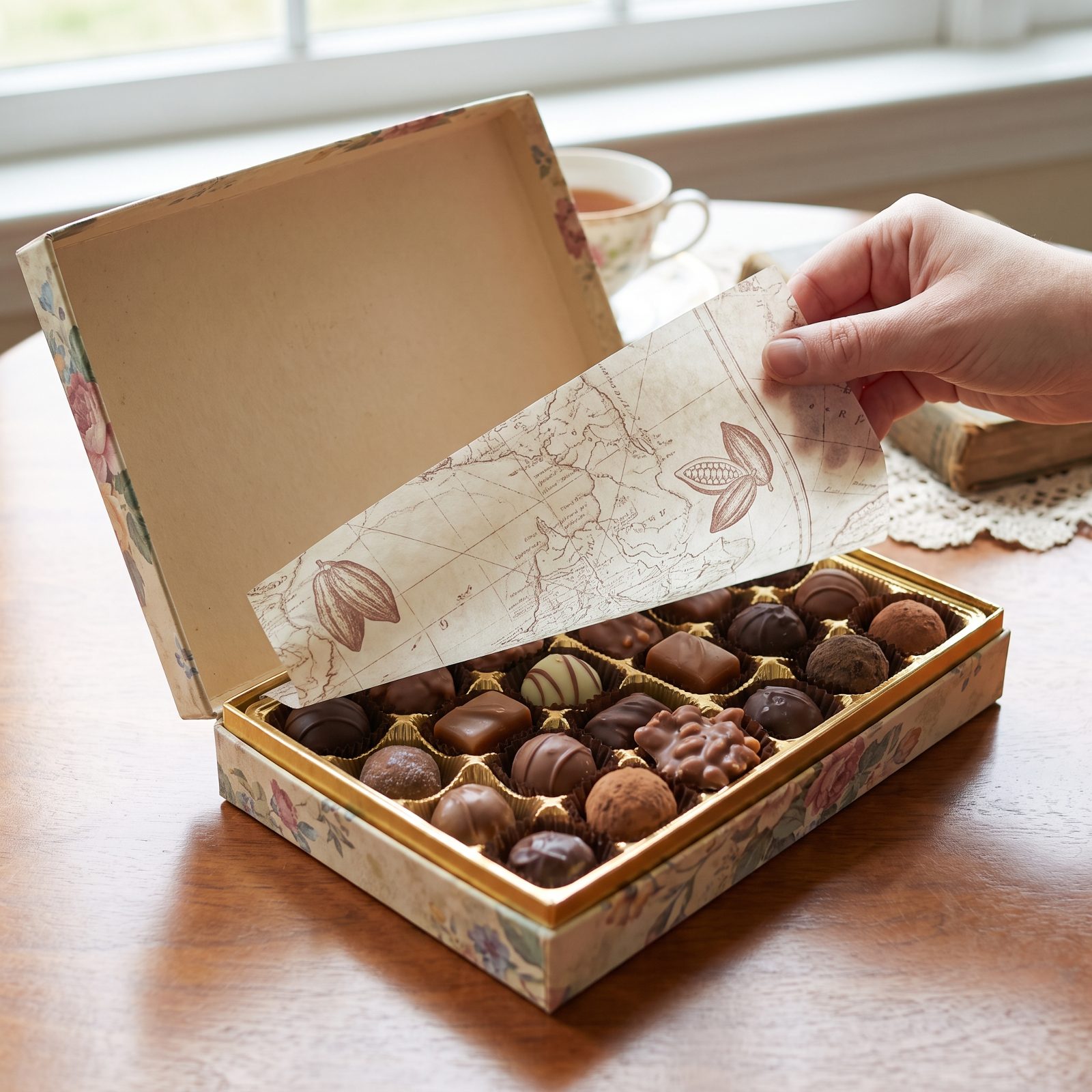
A proper box of premium assorted chocolates, the kind with the little paper map inside, cost around $7.50 in the late 80s. That’s about twenty-one dollars today, and a comparable box from a real chocolatier now sits right in that range, maybe a touch higher.
The chocolate itself tracked inflation. What changed is the floor dropped out below it. Drugstore boxes got cheaper, giftier, hollower. The gap between the $5 box and the $30 box is wider than it used to be, and your aunt can tell which one you brought the second she lifts the lid.
13. A Cheese-and-Cracker Party Tray: Roughly $9.99 in 1986

A pre-made cheese-and-cracker party tray from the deli counter ran about $9.99 in the mid-80s, roughly twenty-nine dollars adjusted. Today? The grocery deli tray starts around twenty-five and climbs fast once you want real cheese instead of orange cubes.
Cheese is the story here. Dairy prices swing, specialty cheese got trendy, and the whole category split clean in two. The sad plastic platter of waxy cubes stayed cheap. The one with a wedge of actual aged cheddar and a drizzle of honey got a lot pricier.
The 80s version was all one thing: toothpicks with cellophane frills, summer sausage, a tub of something orange and spreadable. It cost what it cost and everybody ate it.
12. A Pound of Coffee: About $2.49 in 1982
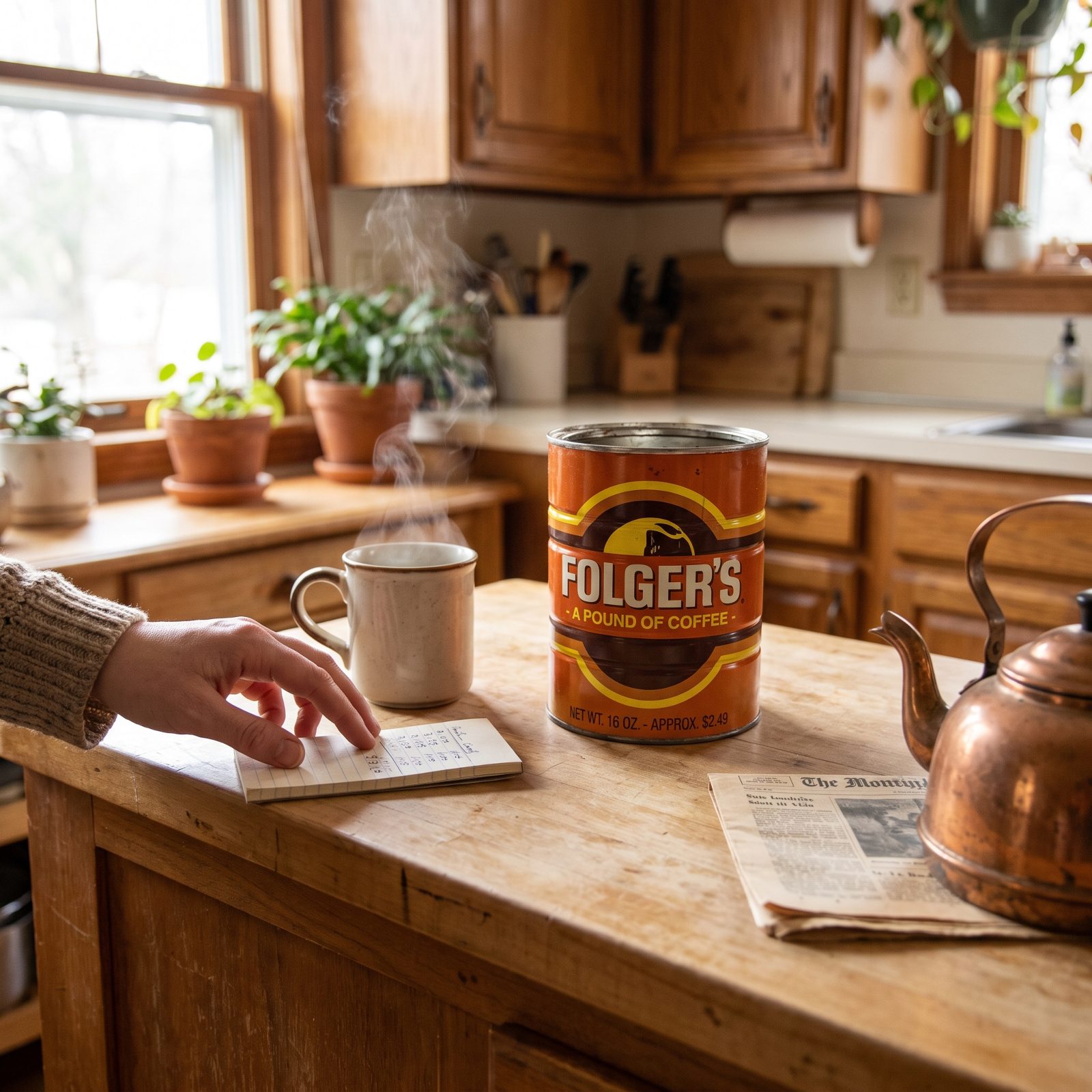
A pound of canned ground coffee cost around $2.49 in the early 80s, though prices whipsawed hard that decade thanks to frosts and crop failures in Brazil. Adjusted, that’s near eight dollars.
Now for the holiday twist. The pound of grocery coffee stayed roughly in line with inflation, but the whole idea of coffee got reinvented around it. That red can on the counter became a bag of single-origin beans, and the price per cup quietly tripled for anyone who went that direction. Christmas morning used to run on a quarter’s worth of coffee. Now it runs on whatever the espresso machine demands.
11. A Case of Domestic Beer: Roughly $8.99 in 1985
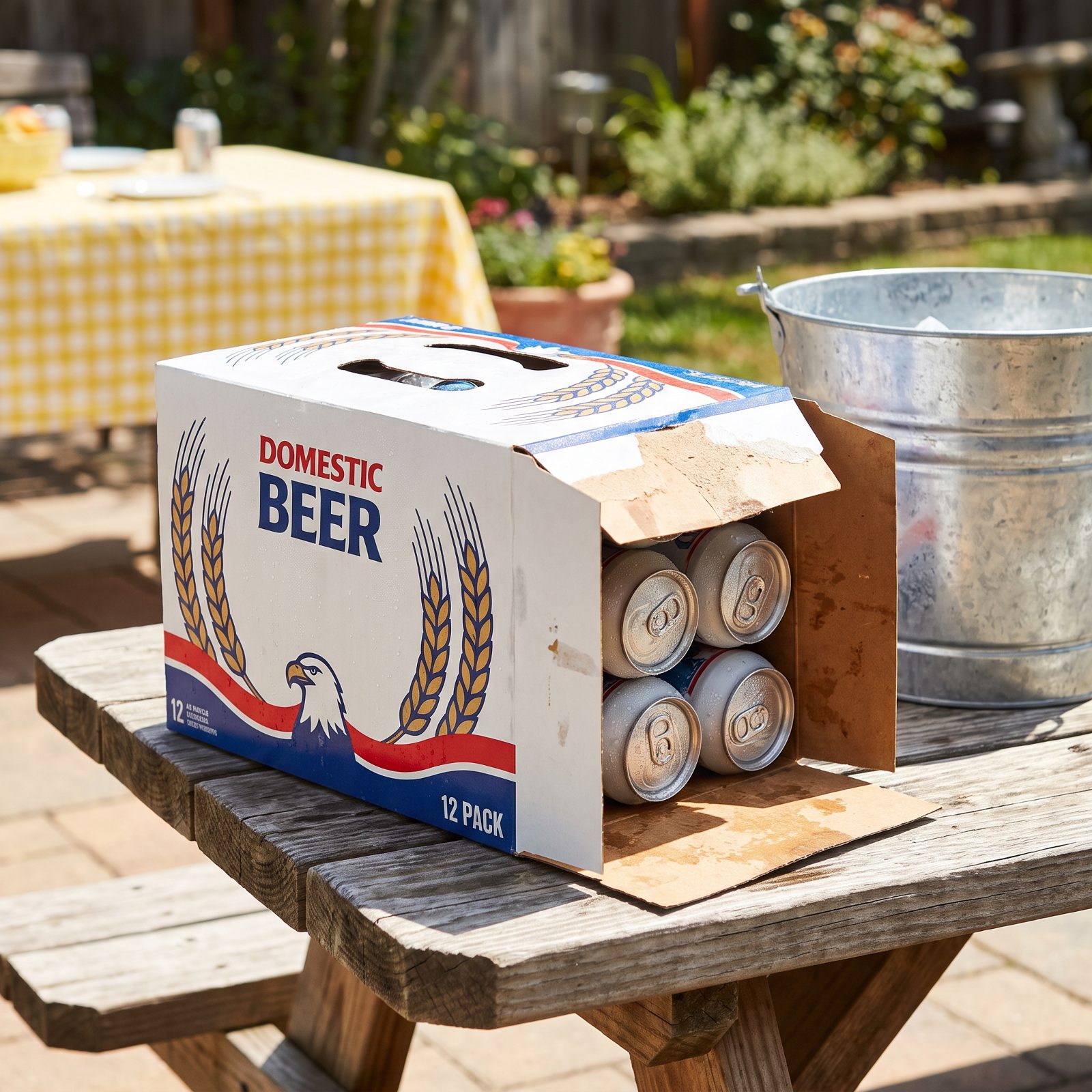
A case of domestic beer ran about $8.99 in the mid-80s, which adjusts to roughly twenty-six dollars. That’s pretty much dead-on with what a 24-pack of the same big-label domestics costs today. This one barely moved.
Mass-market beer is one of the most efficient products in the country, brewed and canned at a scale that keeps the price nailed down. What changed isn’t the cost. It’s the shelf. That case of fizzy yellow lager used to be the whole beer aisle, and now it’s one wall, with the craft six-pack beside it costing almost as much as the full case did.
The beer stayed cheap. Our taste got expensive.
10. A Bottle of Table Wine: About $3.99 in 1988
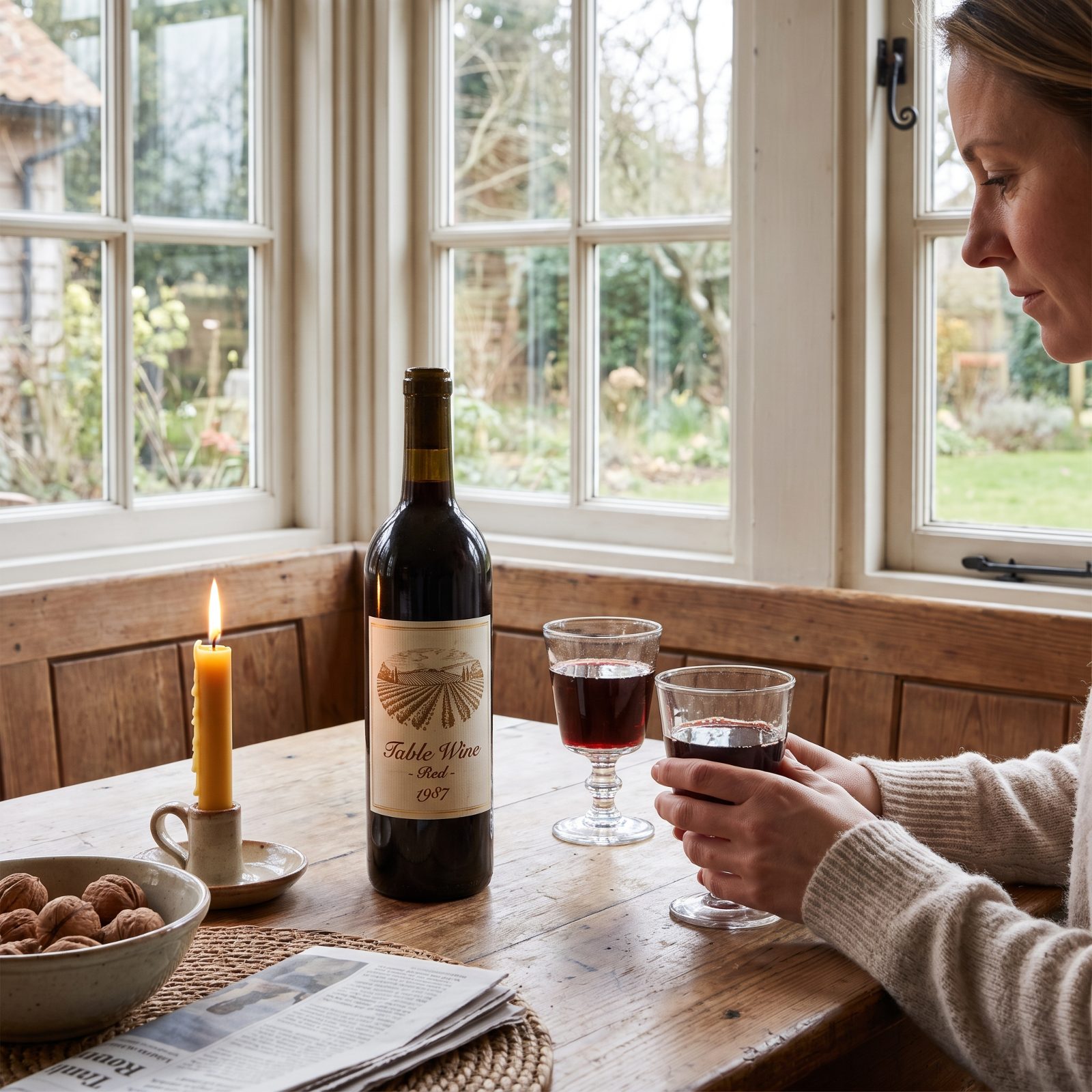
A bottle of decent table wine cost around $3.99 in the late 80s, roughly eleven dollars adjusted. And here’s a piece of genuinely good news: you can buy better wine today, at that same adjusted price, than you could then.
American wine got dramatically better and cheaper per quality point since the 80s. The $4 bottle of 1988 was often rough, sweet, forgettable. The $11 bottle of today is drinkable, varietal-labeled, and made by people who know what they’re doing. For once, the math works in your favor.
9. Dinner for Four at a Midrange Restaurant: Around $28 in 1985
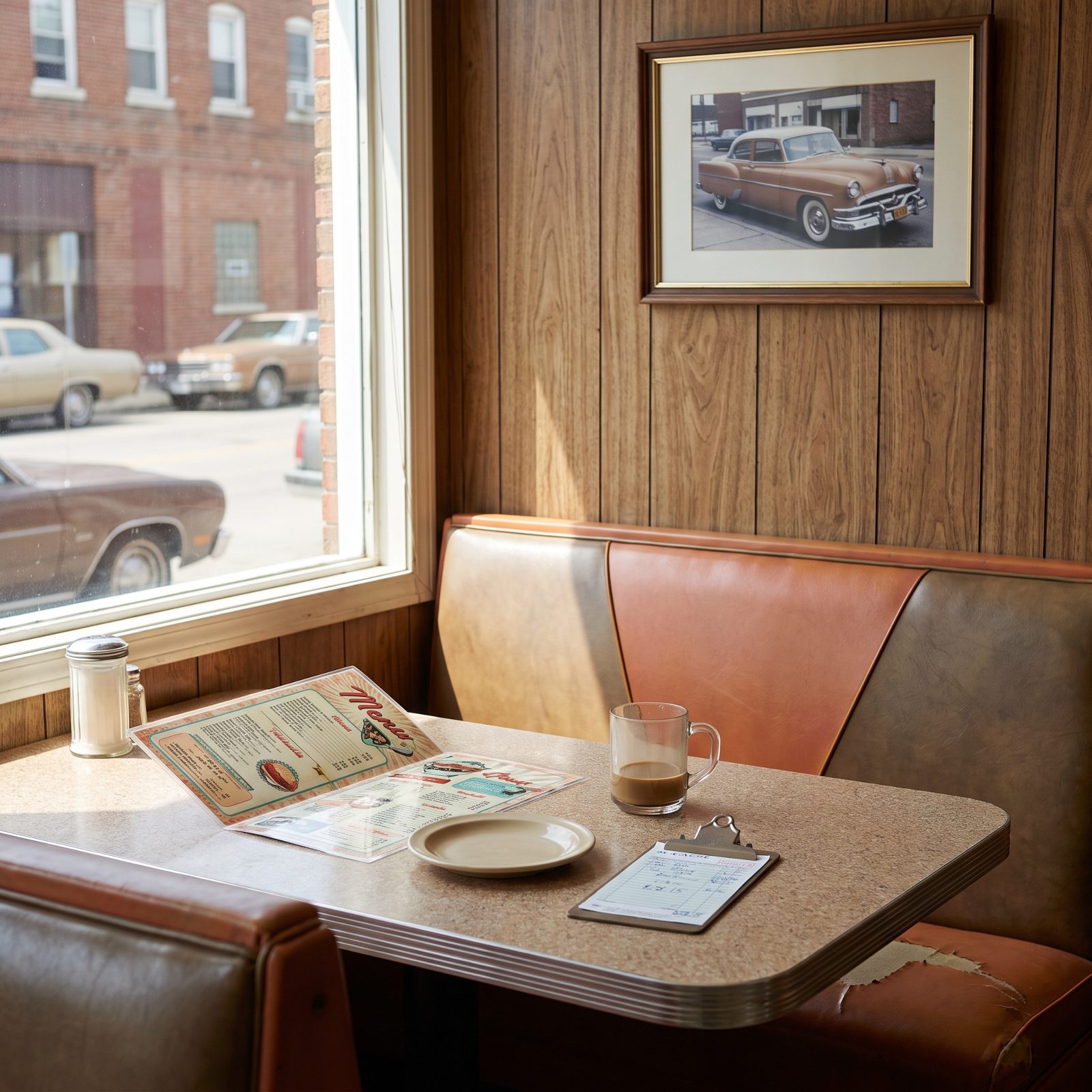
Sit-down dinner for a family of four in the mid-1980s ran somewhere near $28 before tip — burgers, a couple of chicken plates, sodas all around, and still change back from thirty bucks. Adjusted for inflation, call it $85 today.
But here’s the catch everyone forgets. The 1985 median household earned about $23,600 a year, so that $28 dinner cost real hours. And the waitress bringing your rolls? She was probably making $2.01 an hour plus tips.
Today the same outing lands closer to $90 or $120 once you factor in drinks and the tip creep that now starts at 20 percent and climbs from there. Nominally it looks like robbery. Inflation-adjusted, it’s closer to even than you’d ever guess.
8. One Night in a Midrange Hotel: About $45 in 1985

Forty-five dollars bought a clean room with two double beds in 1985. Not a fleabag — a respectable chain off the interstate, color TV bolted to the dresser, ice machine humming down the hall. In today’s dollars that’s about $135.
A comparable room now runs $130 to $180 in most markets, more if you’re traveling the week of Christmas when every rate card quietly doubles. So the real cost held fairly steady. What changed is what’s included and what isn’t. That 1985 rate came with free parking, a free local call, and a free continental spread of danishes and burnt coffee you could smell from the elevator. The modern version nickels you for the parking and the wifi while handing you a flat-screen and a decent mattress. Trade-offs all the way down.
7. A Domestic Round-Trip Airline Ticket: Roughly $300 in 1985
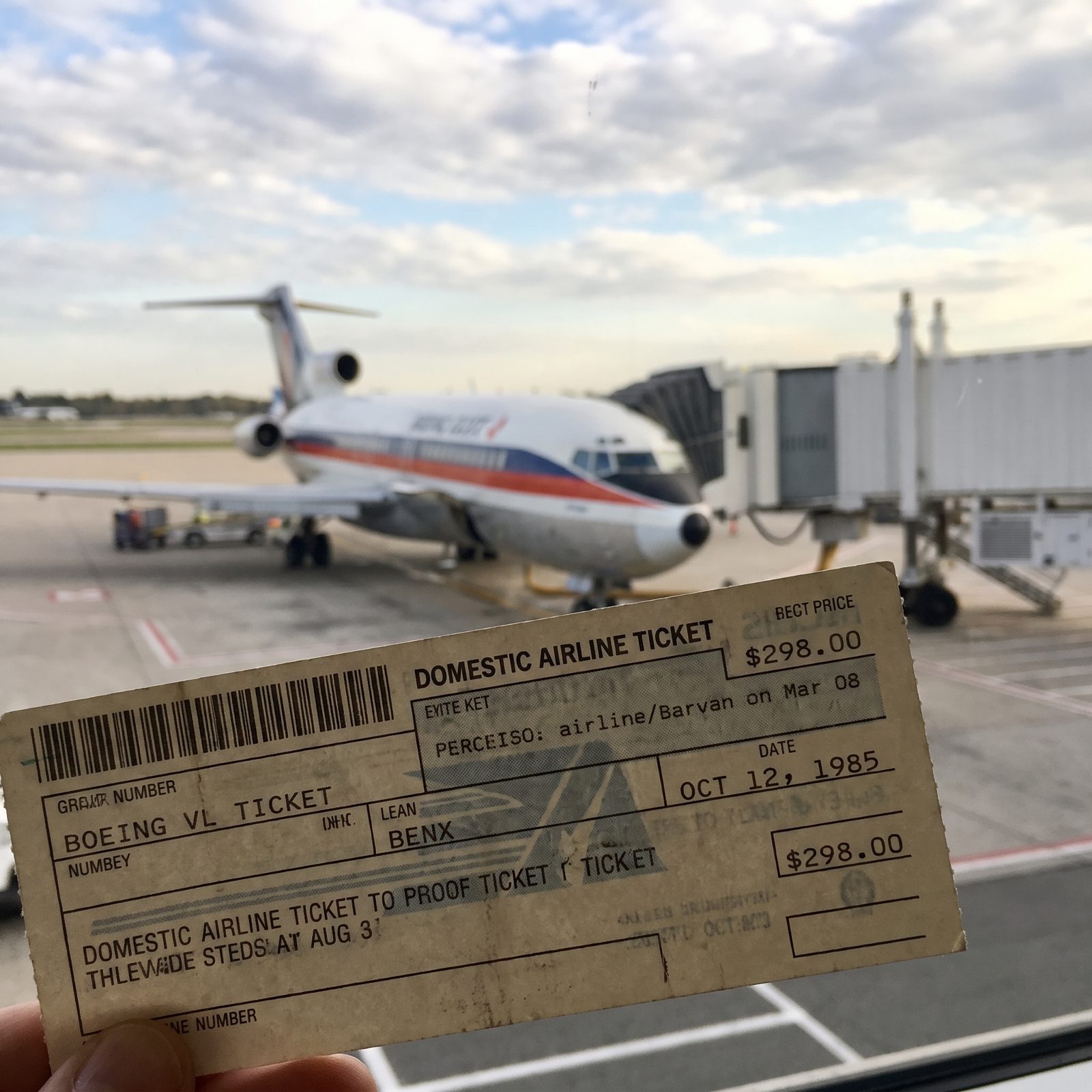
A round-trip domestic flight averaged somewhere around $300 in 1985, before deregulation fully gutted the fare structure. Fly from Chicago to see your mother in Florida and you’d spend close to $900 in today’s dollars.
Read that again. Flying was a luxury good. People drove cross-country for Christmas because the plane ticket ate a sizable chunk of a monthly paycheck.
Now that same route often lands under $250 round trip if you book early, which inflation-adjusted makes modern air travel one of the genuinely cheaper things in American life. You pay for it in legroom, baggage fees, and the slow erosion of free peanuts. But the raw cost of hauling your body across the country? It collapsed.
6. A Gallon of Gasoline for the Drive Home: About $1.20 in 1985
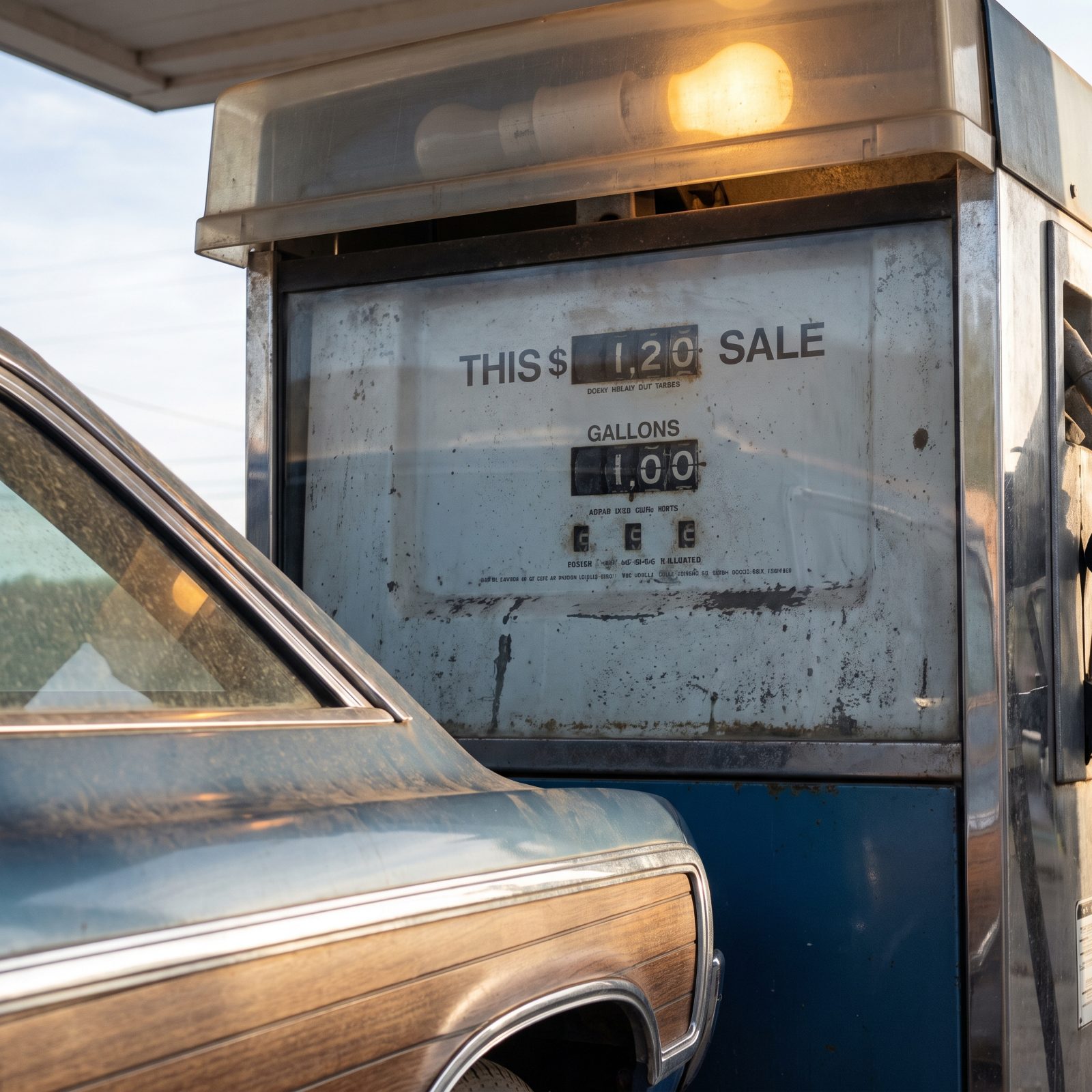
Gas hovered around $1.20 a gallon in 1985. Fill the tank of the family wagon for the drive to Grandma’s and you’d hand over maybe fifteen dollars. That $1.20 a gallon is close to $3.60 in today’s money.
Which, if you’ve pumped gas lately, sounds awfully familiar. This is a line item where the inflation-adjusted price and the modern price basically shook hands and called it even. Gas feels expensive now because the nominal number tripled. Adjust for inflation and you’re paying about what your parents paid to load up the Country Squire and point it toward the Christmas lights.
5. A Rental Car for a Holiday Weekend: Around $90 in 1985
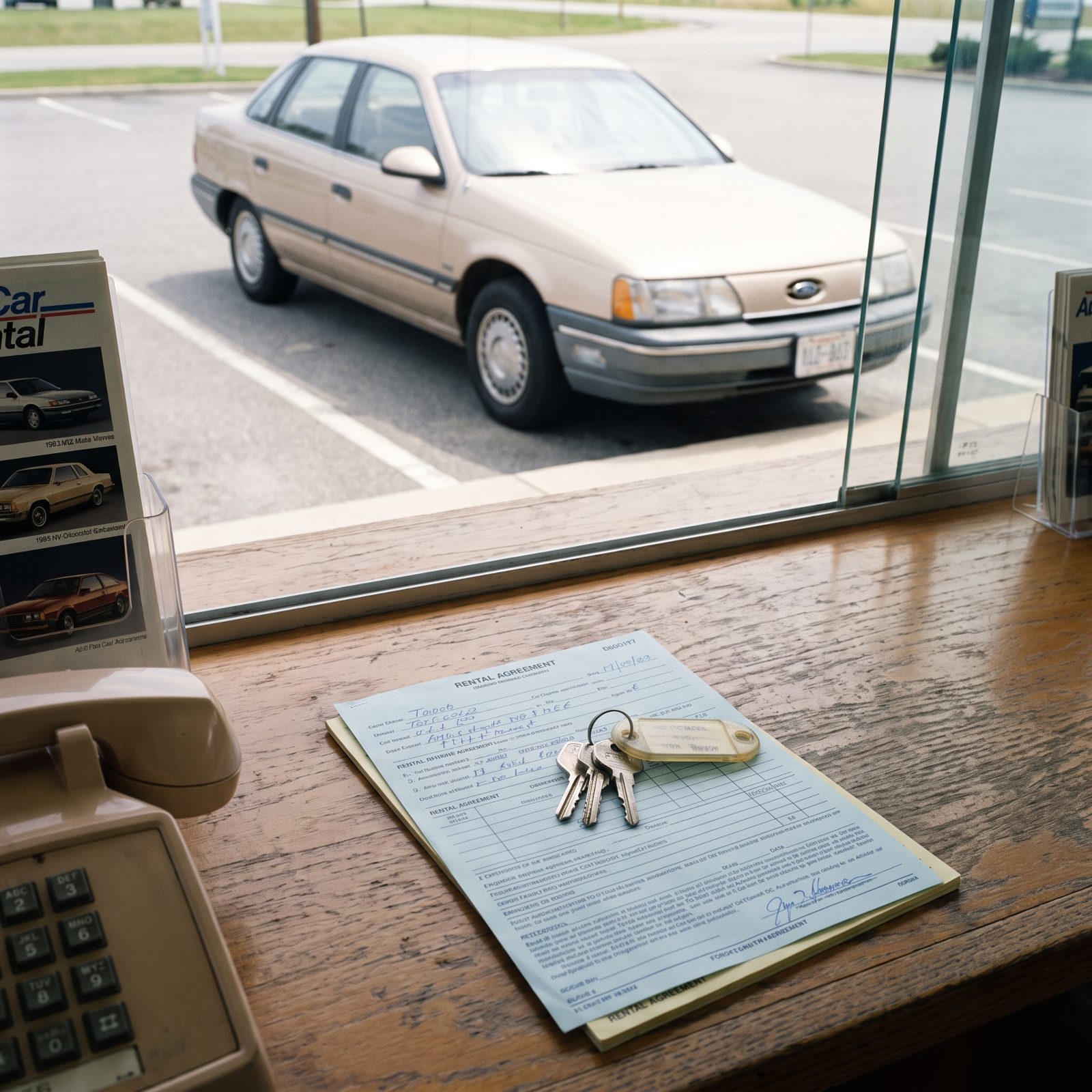
Renting a mid-size car for a long holiday weekend ran roughly $90 in 1985, all in. Adjusted, call it $270 today.
A comparable weekend rental now — especially the week of Christmas when demand spikes and lots empty out — can hit $250 to $400 without breaking a sweat. So the sticker tripled and then some, and the inflation-adjusted figure still lands in roughly the same neighborhood.
The difference is the fine print. Your 1985 rental came with a paper map from the clerk and a full tank you were trusted to return. The modern version comes with a dozen upsells, a toll transponder you didn’t ask for, and a photo audit of every door ding before you’ve left the lot. Same car. More anxiety.
4. Admission to a Holiday Movie: About $3.55 in 1985
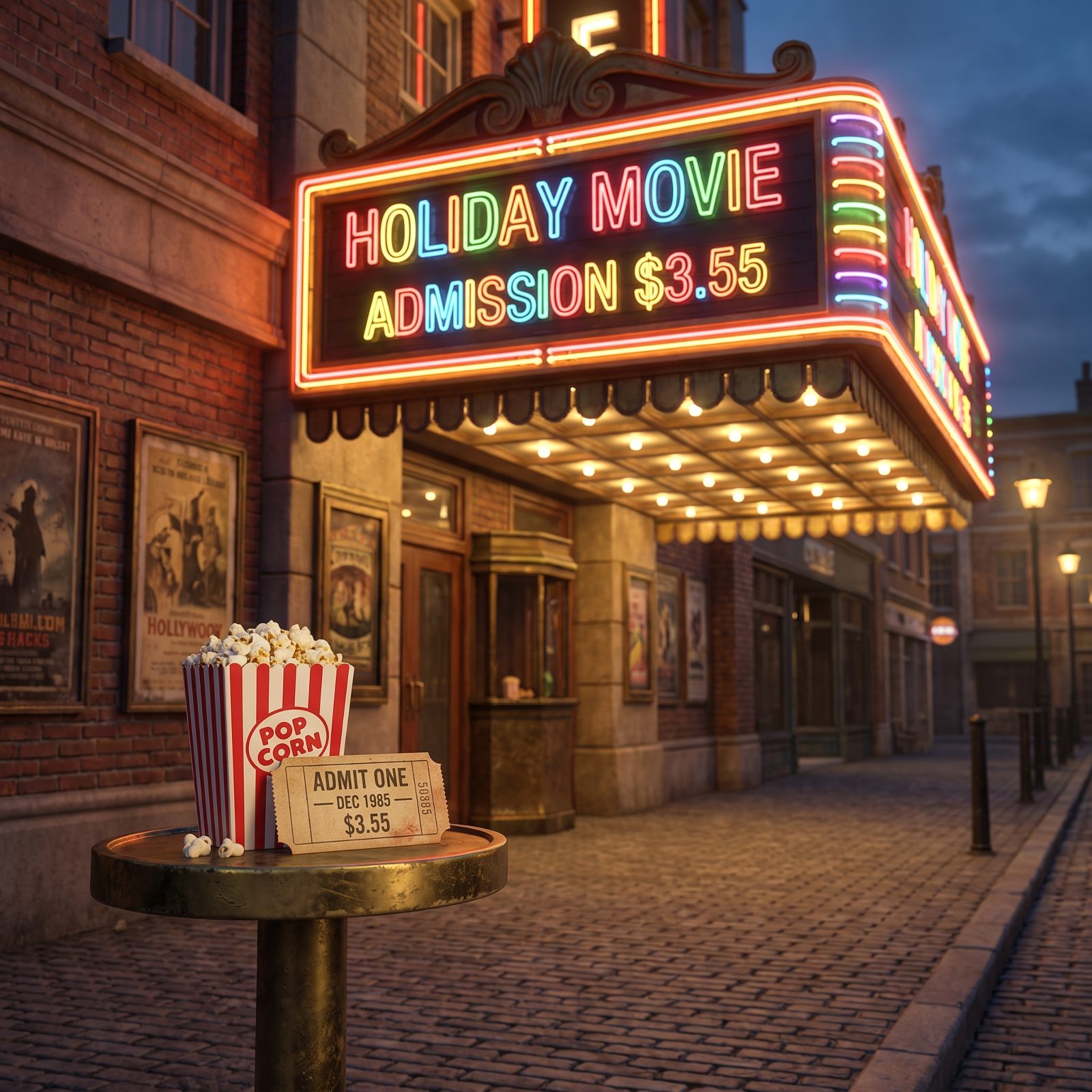
A movie ticket cost about $3.55 in 1985. Take the kids to the holiday blockbuster, buy a couple of tubs of popcorn, and the whole outing stayed under fifteen dollars. In today’s dollars that ticket is roughly $10.60.
And here’s the rare case where modern life actually holds. The average ticket now runs $10 to $14 depending on your market, which means the real price barely budged in forty years.
What tripled is the concession stand. A large popcorn and two sodas now cost more than the tickets did — a markup so brazen it belongs in a true-crime podcast. The movie held the line. The snack counter declared war.
3. Tickets to a Professional Christmas Show: Around $18 in 1985
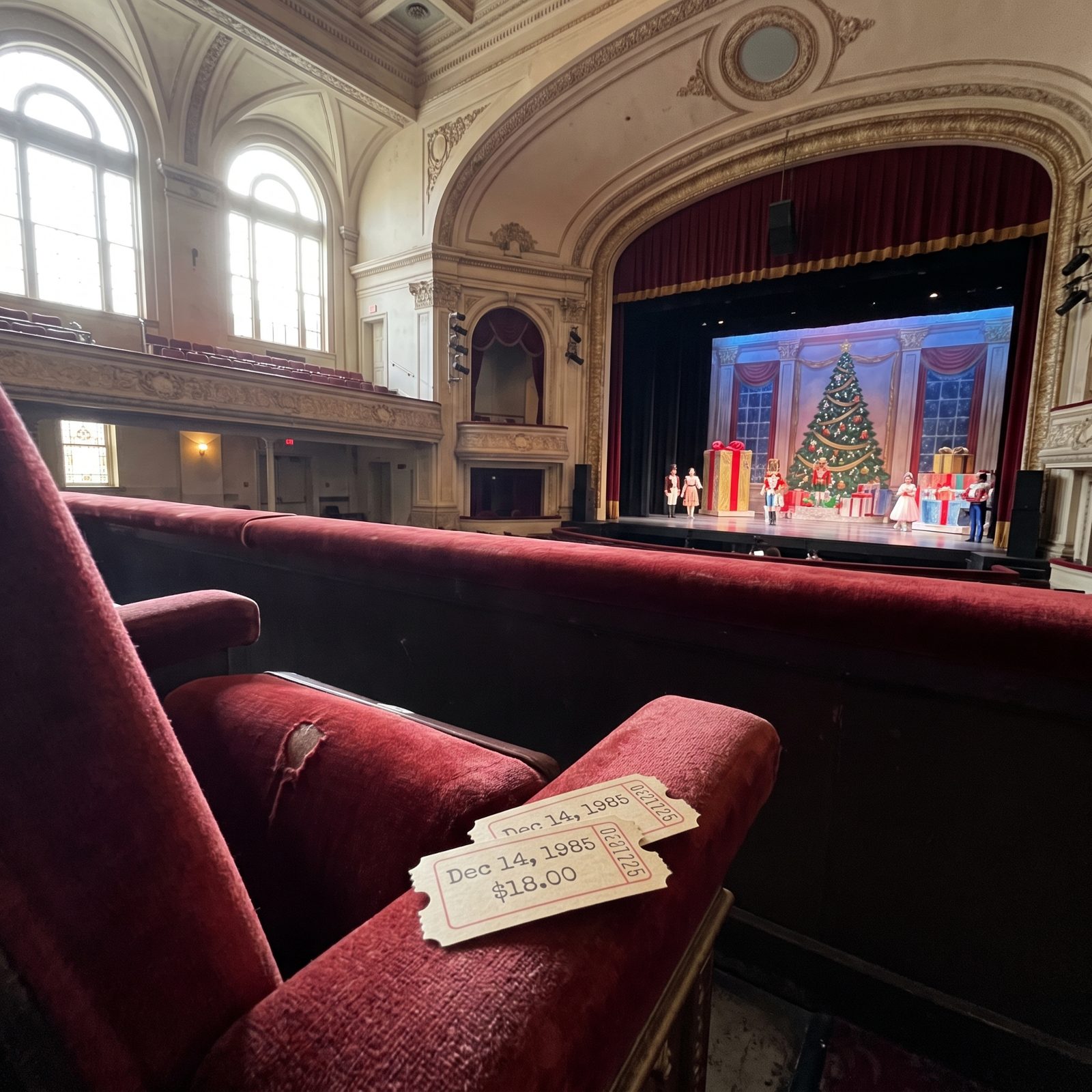
A pair of decent seats to a professional holiday production — a touring Nutcracker, say, or a Christmas spectacular — ran around $18 each in 1985. Mid-tier seats for a family of four came to maybe seventy dollars, which adjusts to roughly $215 today.
Now those same four seats, same mid-tier, easily cross $300 to $500 for a marquee holiday show. This is one of the places where the real cost genuinely climbed, not just the nominal one.
Live performance suffers from what economists call cost disease. You still need the same number of dancers, musicians, and stagehands you needed in 1985, and nobody has figured out how to automate a human doing thirty-two fouettés. The labor can’t be cheapened, so the ticket keeps climbing faster than the rest of the basket.
2. A Complete Christmas Dinner for Eight: Roughly $35 in 1985
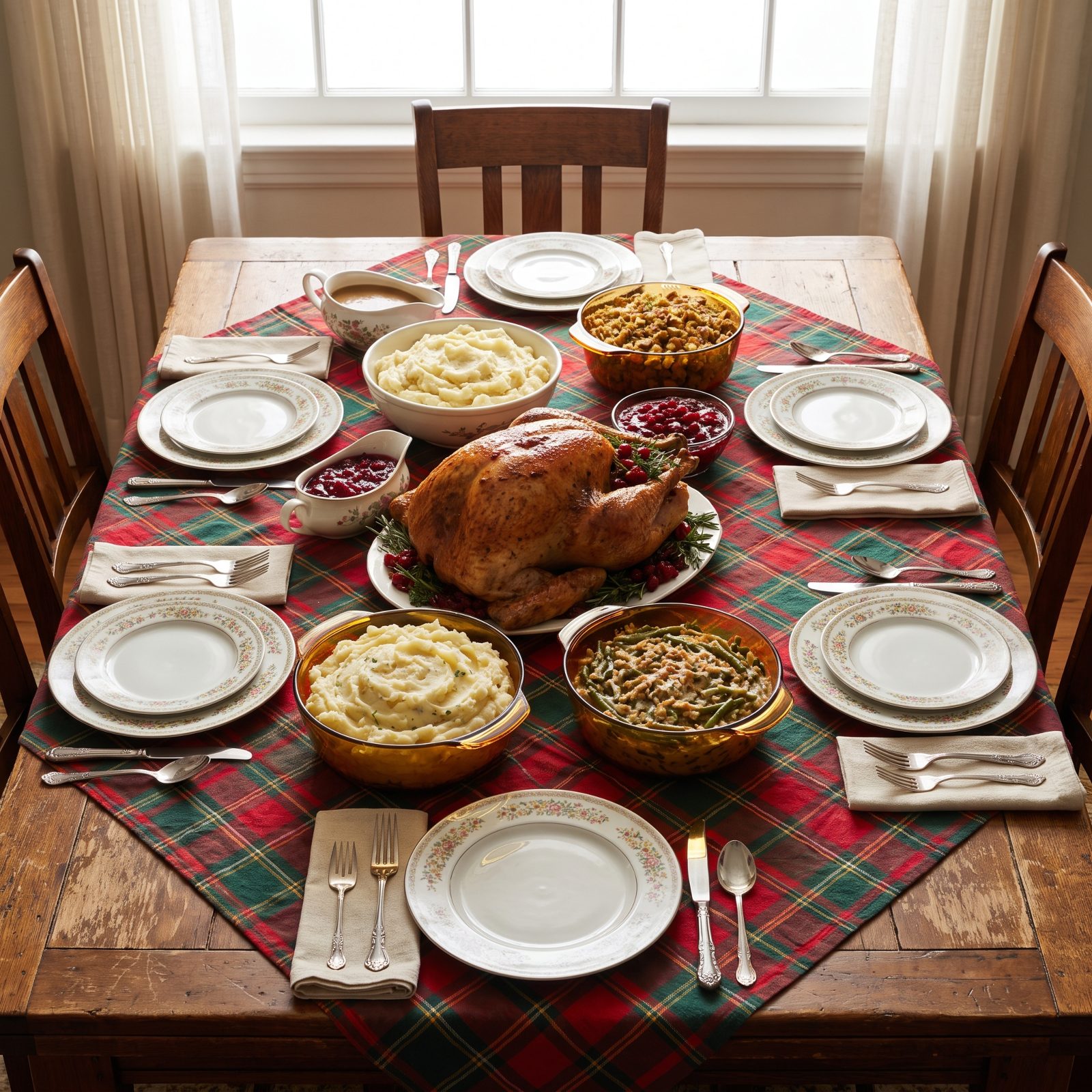
The full Christmas spread for eight — turkey, potatoes, stuffing, cranberry sauce, green beans, rolls, and a pie — could be assembled for about $35 in 1985. Adjusted, that’s around $105 today.
A comparable cart now runs $90 to $130 depending on the year and how much you fuss over the bird. So the Christmas dinner, the single most nostalgic purchase on this entire list, stayed almost exactly flat in real terms.
That turkey is the hero here. Poultry got radically cheaper to produce since the 1980s, which is why the centerpiece of the American holiday table is one of the few groceries that shrugged off inflation entirely. The sides drifted up. The bird held the line.
1. A Long-Distance Train Ticket Home for Christmas: About $90 in 1985
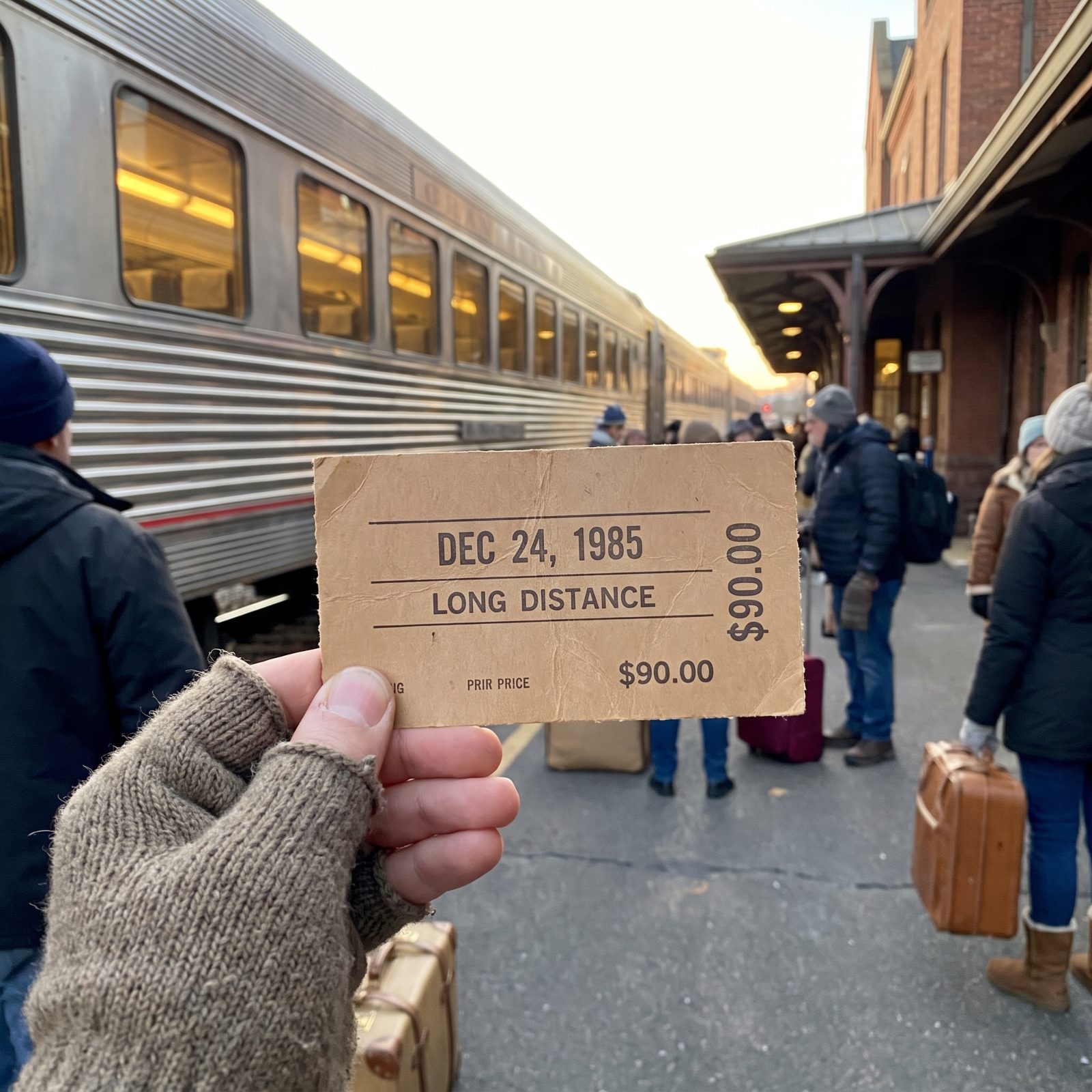
A long-distance train ticket home for the holidays ran around $90 one way in the mid-1980s. Call it $270 in today’s dollars for the trip from the city back to the small town you grew up in.
The modern equivalent often lands not far off nominally — sometimes $70 to $150 depending on route and how far ahead you book — which means rail travel quietly held steady or even improved in real terms. Not the romantic collapse air travel saw, but a win nonetheless.
The train was always the sentimental choice. Slower than flying, pricier than the bus, but there’s a reason every Christmas card painted a snowy depot and not a terminal gate. You could watch the country roll by with a paper cup of coffee and nobody barking at you to stow your tray table. Some things never show up on the receipt.