
Would you like to save this?
Nobody blows the Christmas budget in one dramatic move. It happens in twenty-dollar nudges nobody clocks until the January statement lands looking like a ransom note. You rounded up here, added a name there, grabbed the nicer version because the gap felt like nothing. We pulled apart the exact small decisions that stretch a holiday plan past its edges, and why each one feels so reasonable while you’re making it. Alone, these cost almost nothing. Stacked together, they’re how a $600 plan turns into an $1,100 reality.
49. Rounding Every Gift Budget Up to the Nicer Number

You set the number at forty. Then the forty-dollar thing looked a little thin sitting next to the fifty-dollar thing, so you rounded up. Just this once. And then once more on the next gift, because now forty felt stingy.
Here’s the quiet math that gets you. Round up ten bucks across a dozen gifts and you’ve spent an extra hundred and twenty you never budgeted, without ever once feeling like you splurged. That’s the whole trap. No single moment registered as overspending, because no single moment was.
Write your gift amounts down and total them before you shop, not after. Feel the urge to round up? Round down on a different gift to stay flat. Your budget is the whole list, not any one line sitting on it.
48. Adding Just One More Person to the List
The list was done. Then you remembered your coworker handed you something last year, and showing up empty-handed felt wrong, so you added one name. Which made you think of someone else. You know how this goes.
Each addition feels like a courtesy, practically free. But a person is never one gift. A person is a gift plus wrapping plus usually a card and sometimes shipping. Tack on three names at thirty dollars each and you’ve quietly added a hundred bucks to a budget you were sure was finished.
Cap your headcount, not just your dollars. New name goes on, an old name comes off or drops to a card. You’re allowed to love people without buying every single one of them something.
47. Upgrading From the Basic Version to the Nice One

The basic one was fine. It did the job, it fit the budget, you had it in your hand and you were done. Then the next model up had the better finish and the extra feature, and the price gap looked like pocket change. Twenty dollars more for something obviously nicer.
Upgrade framing is built to catch you. Retailers park the mid tier right beside the basic so the jump feels tiny and the basic suddenly reads as cheap. Same play that talks everyone into the large popcorn.
Pick your tier before you walk in. If you genuinely want to splurge on one special person, do it deliberately and pull the difference out of someone else’s gift.
46. Matching What You Think Someone Spent on You

You open their gift, run the quick mental appraisal, and feel it land in your gut. They spent more than you did. So now you want to even the score, which means circling back to add something to their pile.
Gift-matching turns generosity into an auction nobody agreed to enter. You’re guessing at a number you can’t actually see, guessing high nine times out of ten, and spending real money to settle a ledger that only exists in your head.
The person who gave you a generous gift did not do it to be repaid. Repaying them misses the entire point.
Lock in your amount for each person ahead of time and let it stand, no matter what turns up with your name on it. A warm thank-you closes the gap better than another twenty bucks ever could.
45. Giving Every Child the Same Number of Packages
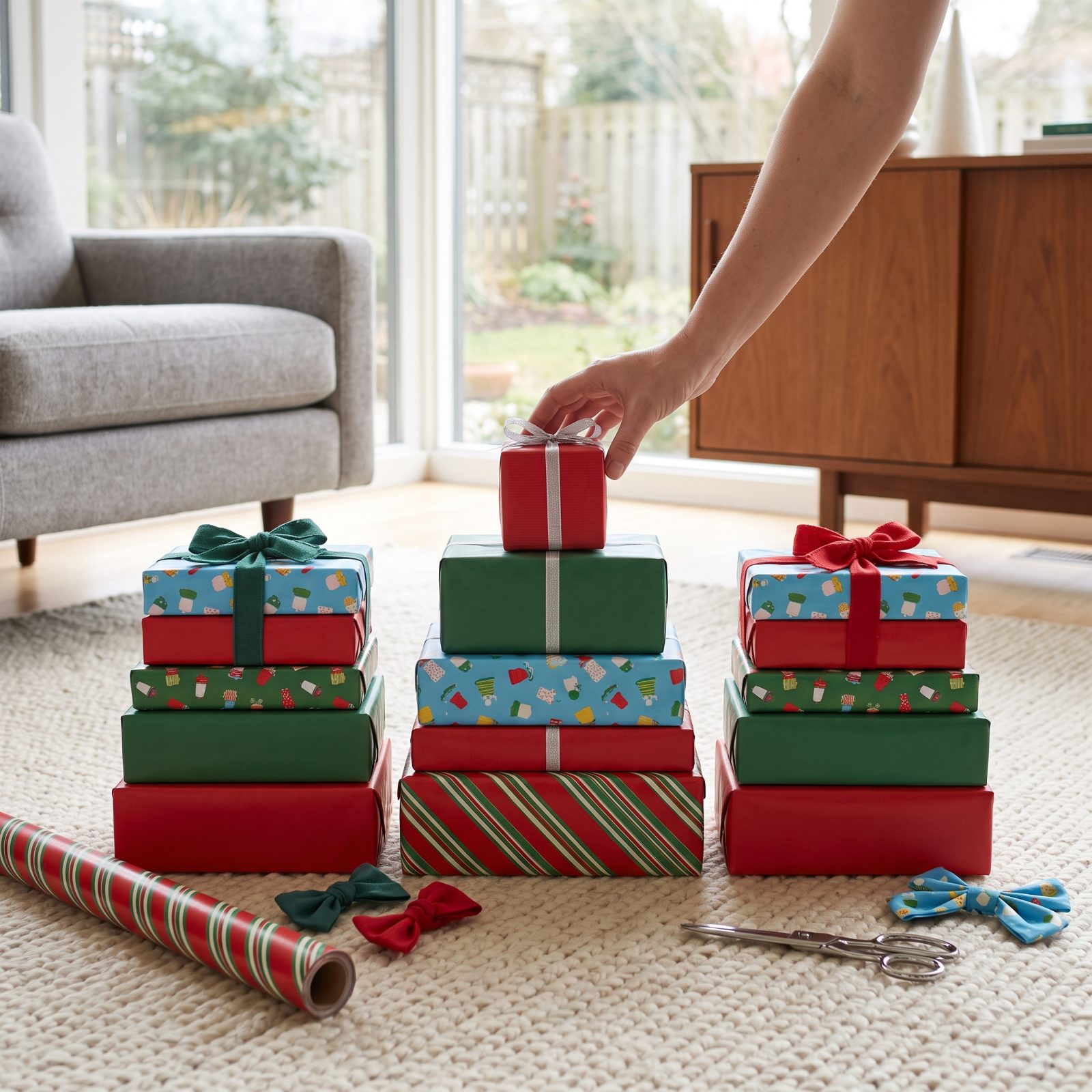
One kid’s pile came to five boxes, the other’s to three, so you grabbed filler to even the count. Christmas morning has to look fair. And somehow fairness got measured in box tops.
Nobody says this part out loud: kids count packages, not dollars. So you end up buying cheap extras purely to balance a picture. Forty dollars gone on three throwaway items, all so one pile doesn’t look shorter than the other.
Wrap smaller things individually to bump the count without bumping the cost. Three socks in three boxes beats one twenty-dollar gift for sheer morning theater, and theater is all they’re tallying anyway.
44. Turning a Modest Stocking Into a Full One

A stocking is meant to be the small stuff. An orange, some chocolate, one little thing tucked in the toe. Then you saw how empty it looked half full, and you kept dropping in another small item to fill out the shape.
Stocking stuffers are the sneakiest line in the whole holiday. Each one runs a few dollars and feels like a rounding error, so you don’t flinch. Buy a dozen per person across four stockings and you’ve spent more on the extras than on an actual main gift. Wild, when you lay it out.
Give yourself a stuffer budget per stocking and stop when you hit it, lumpy or not. A half-full stocking is traditional. A stocking that outpriced the present under the tree is just a quiet accident.
43. Buying Separate Gifts Instead of One Household Gift
You could hand the couple one nice gift to share. Instead you bought him something and bought her something, because giving two people a single box felt a little cheap.
Splitting a household into individuals doubles your count in a hurry. One couple becomes two gifts, a family of four becomes four, and a guest list of five households quietly balloons into fifteen presents.
Plenty of relationships are genuinely better off with one shared gift. A nice bottle, a board game, something for the home they both live in. It usually costs less than two separate items and reads as more thoughtful, not less.
42. Buying a Backup Gift Just in Case Someone Surprises You
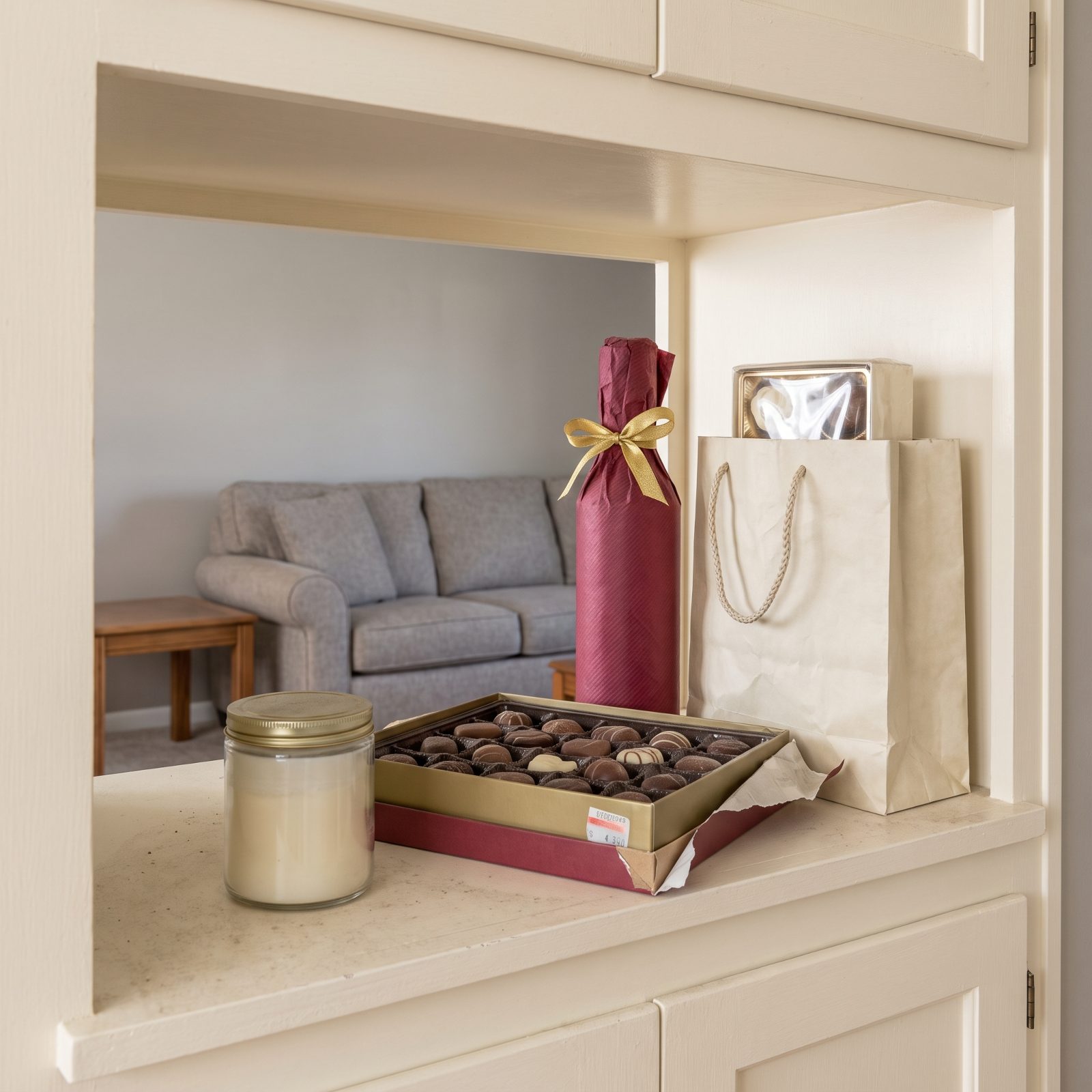
You bought a spare. A generic candle, a boxed gift set, something to hand over if a neighbor or a surprise guest turns up with a present for you. Smart, right? Prepared.
And then the surprise usually never comes. The backup sits in a closet, and next year you either regift it or buy another because you forgot the first one existed. Emergency gifts are money spent against an event that mostly doesn’t happen.
Keep the backup, but make it something you’d happily use yourself if it never gets handed over. A good candle, a decent bottle, a box of chocolates. Then it isn’t a gamble. It’s just a thing you own that happens to be gift-shaped.
41. Keeping an Impulse Purchase for Yourself Along the Way
Would you like to save this?
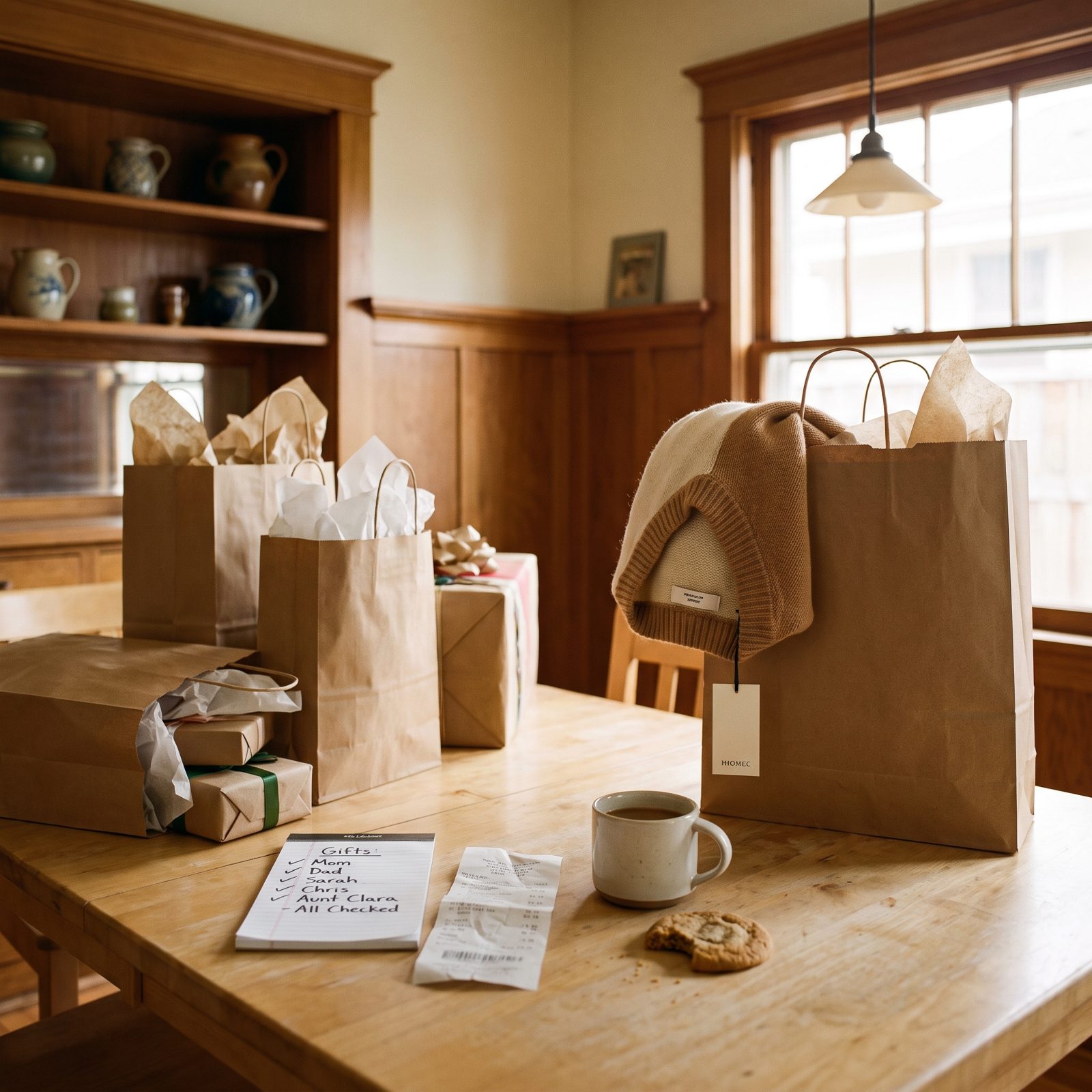
You went out to shop for everyone else, and somewhere between register runs you found something for yourself. It was right there. You earned it. It was on sale. All true, every word.
The self-gift is the most understandable overspend on this entire list, and the hardest to spot, because it never made it onto a single budget line. You planned to spend on gifts. You didn’t plan to spend on you, so it reads as free when it’s nothing of the sort.
Want to treat yourself over the season? Fine. Give it a line in the budget on purpose. A planned forty dollars for you is a gift. An unplanned forty is a leak you won’t notice until the total comes due.
40. Choosing Personalized Gifts With Extra Fees Stacked On
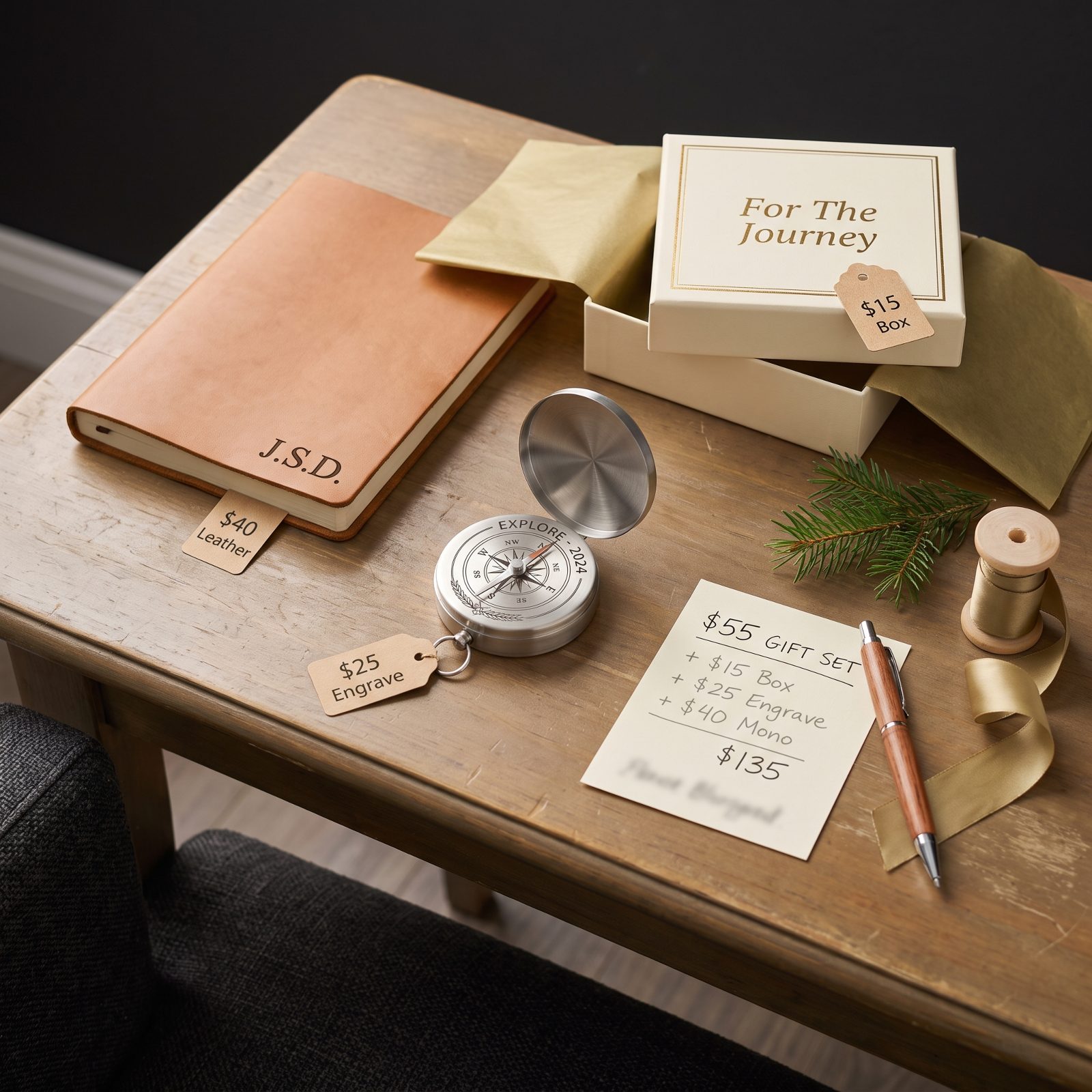
The plain version was twenty-five dollars. Then came the monogram fee, the gift-wrap upcharge, the rush option, the premium font. Each little add-on felt worth it for a gift that was supposed to mean something.
Personalization is where retailers make their margin, and they know the sentiment is already sold. Once you’ve pictured the engraved name, that extra eight dollars feels impossible to skip. Stack three of those add-ons and your twenty-five-dollar gift is pushing fifty.
Settle on your out-the-door number before you start customizing, fees and shipping included, and treat that as the real price you’re comparing. A gift doesn’t need four upsells to prove somebody cared.
39. Paying for Gift Wrapping at Checkout

That little checkbox at checkout, a few dollars per gift, feels like nothing against a fifty-dollar present. Buy for eight people, though, and you just dropped real money on paper somebody tears off in four seconds.
The trick is pricing it per item, so your brain judges it one gift at a time and never runs the total. Retailers know this cold. Same psychology as a dollar menu: small enough to wave through, repeated enough to matter.
Here’s what works. Buy one roll of decent red and gold gift wrap and a spool of gold satin ribbon, put a movie on, and wrap the whole pile in one sitting. The per-gift cost drops to pennies. And hand-wrapped looks warmer anyway.
38. Clicking a Retailer’s Suggested Add-On

“Customers also added…” Those three words have cost us all more than we’d care to total. The suggested add-on sits right under your item, already halfway into your cart in spirit, priced to feel like a rounding error on an order you’ve basically decided to make.
The mechanism is commitment momentum. You said yes to the main thing, so your brain’s in yes-mode, and a nine-dollar extra rides in on that wave without getting the scrutiny the first item got. Three add-ons across a dozen orders? That’s real money.
Ask one question before you add it: would I have searched for this on its own? If no, close the tab on it. The add-on isn’t solving a problem you had. It’s solving the retailer’s problem, which is getting a bigger order out of you.
37. Following a Social-Media Gift Recommendation

A fifteen-second clip tells you this is the gift everyone needs this year, and suddenly you believe it. The person recommending it often gets paid when you buy. That doesn’t make the product bad, but it does mean the enthusiasm isn’t free.
What’s actually happening is social proof plus urgency plus a face you’ve decided to trust, three persuasion levers yanked at once while you’re shopping at night with low resistance. We’ve fallen for this. We own a thing we once watched someone demonstrate with great confidence. Used it once.
Give it a 24-hour cooling-off window. Screenshot it, don’t buy it. If you still want it tomorrow in daylight, fine. Usually the want evaporates by breakfast, which tells you it was the video’s want, not yours.
36. Buying a Deal Because the Discount Looks Large
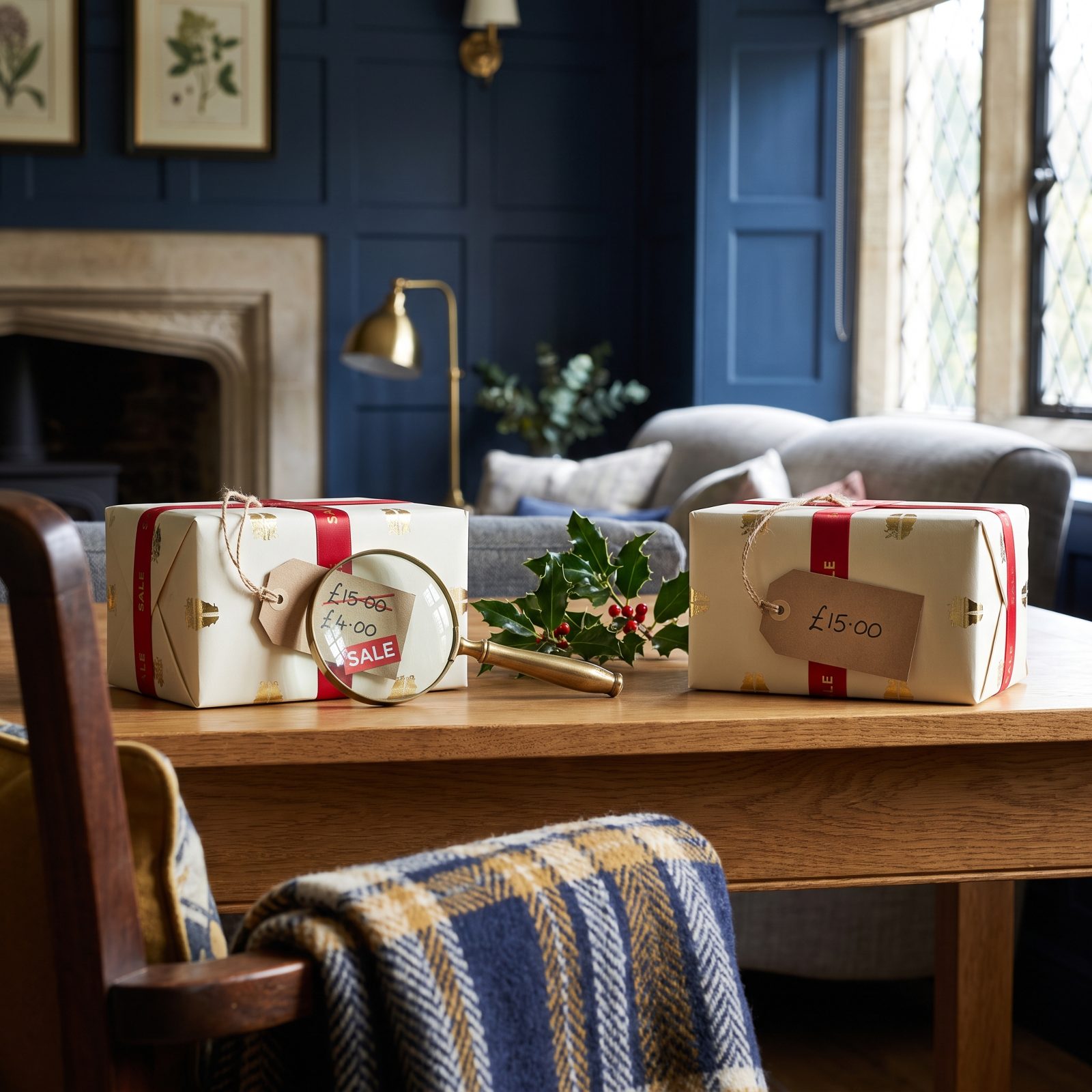
Massive discount. The number does the selling before the product gets a word in. But a steep markdown on a thing you weren’t going to buy still costs you money you weren’t going to spend.
Anchoring is the whole game here. That crossed-out “original” price sets a reference point, and everything below it reads as winning, even when the sale price is just the normal price with theater around it. Retailers pump up the before-number precisely so the after-number glows.
Two questions kill most bad deals. Would I buy this at full price? And is this person on my list even getting a gift this nice? If it only makes sense because of the markdown, it was never a deal. It was a prompt.
35. Letting a Countdown Timer Rush the Purchase

The timer says the price ends in nine minutes and your pulse agrees. Here’s the dirty secret: most of those timers reset the moment you reload the page. The scarcity is manufactured, and your judgment gets worse the faster you’re forced to move.
Urgency short-circuits comparison. When the clock is running you stop asking whether you want the thing and start asking whether you’ll lose the deal, which is a different and dumber question. Putting it there is the whole idea.
So test it. Close the tab, make your tea, come back in twenty minutes. If the “expired” offer is magically still available, now you know. The timer was only ever counting down to your patience running out.
34. Adding Filler Items to Reach Free Shipping

Free shipping is the most expensive free thing in retail. You’re thirty-two dollars into an order, shipping is seven, the threshold is thirty-five. So you add nine dollars of junk to “save” the seven. You just spent nine to avoid seven. That math never improves.
The goal-gradient effect is doing this to you. The closer you get to a finish line, the harder your brain pushes to cross it, even when crossing it costs more than stopping. And retailers set the threshold just above the average cart on purpose.
Just pay the shipping. Or, if the filler is genuinely something you’d have bought anyway, something already on your list, fine. But a keychain nobody wanted, bought to dodge a fee smaller than the keychain itself? That’s a loss wearing a win’s clothes.
33. Ignoring Return Fees When Ordering Multiple Sizes

Ordering the sweater in three sizes and keeping the one that fits used to be consequence-free. Not anymore. More retailers now charge for returns, five or six dollars a package, so if you send two back you’ve paid ten or twelve dollars for the privilege of a fitting room.
The free-returns era trained a habit that’s quietly getting taxed. We kept the behavior and stopped reading the policy. Plenty of shoppers only catch the fee when the refund comes back lighter than expected.
Before you bracket sizes, scroll to the return terms. If returns are paid, order your best single guess, size up if you’re unsure, and keep the receipt. One good guess beats three hedged bets plus a stack of return fees you never budgeted for.
32. Using Buy Now, Pay Later to Make Upgrades Feel Smaller

Four easy payments of nineteen dollars sounds so much friendlier than seventy-six. That’s the entire design. Buy now, pay later slices the number into pieces small enough that your brain stops feeling the weight, so you reach for the upgrade you’d have skipped at the sticker price.
Splitting the cost doesn’t shrink the cost. It just shoves it into January, stacked behind every other thing you split the same way. Four payments across six gifts is twenty-four little withdrawals you’ve already forgotten by the time they land.
Use the full price as your yes-or-no, every time. Picture the whole number, not the installment. If you wouldn’t pay seventy-six today, you can’t afford it in four pieces either. You’ve just delayed finding out.
31. Paying for Rush Delivery After Procrastinating
Would you like to save this?
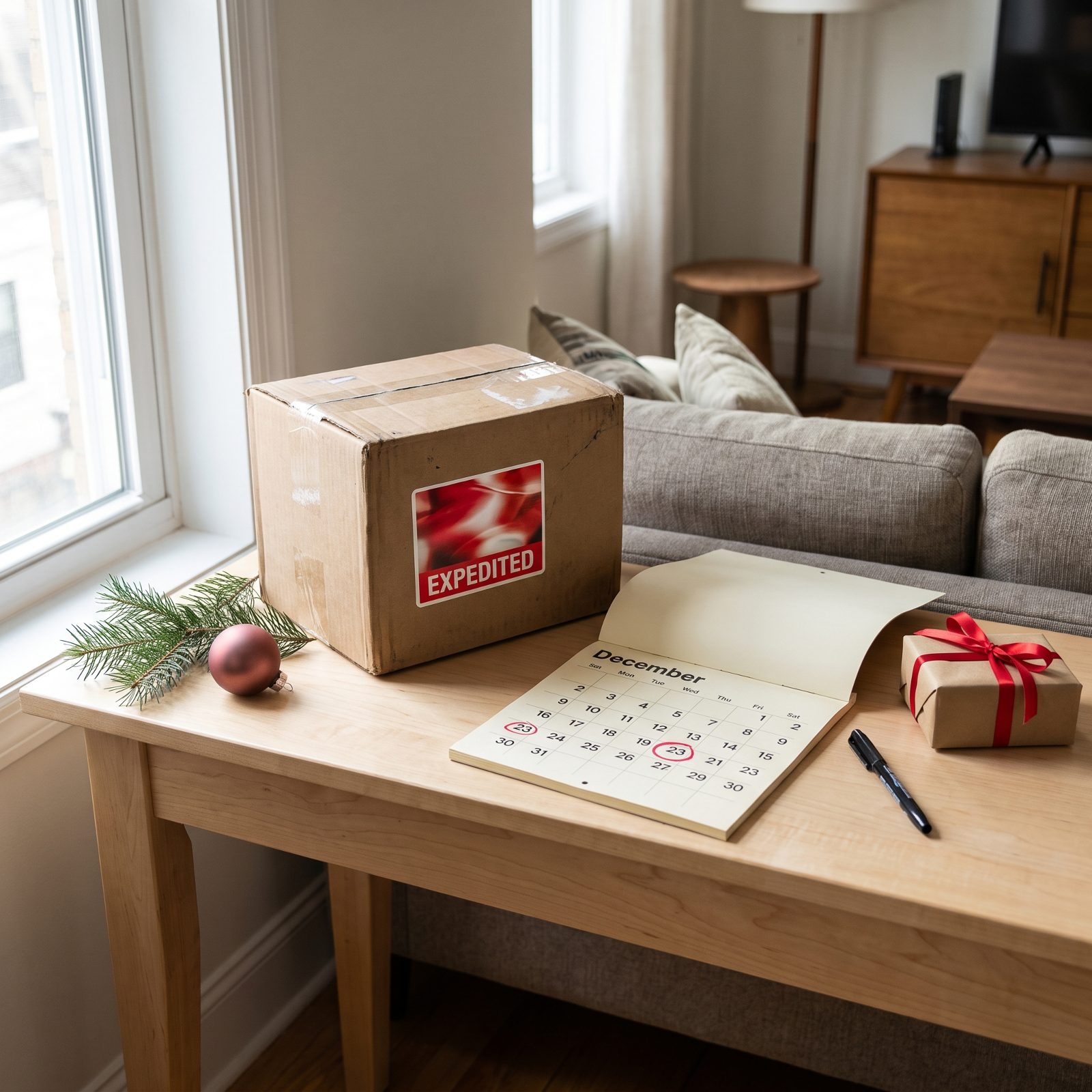
The gift costs forty. The guilt of it arriving on December 26th costs whatever two-day or overnight runs, and in the final week that climbs fast, package after package. Procrastination carries a surge price, and it’s steepest exactly when you’re most desperate.
This one’s less a trick and more a tax we charge ourselves. Order early and shipping drifts toward free. Order late and the retailer can ask whatever it wants, because now you have no leverage and a deadline breathing on your neck.
Make one list in early December and place the orders in a single sitting while standard shipping is still free. Already past that window this year? Batch your rush orders into as few shipments as possible, because you pay the fee once per box, not once per item.
30. Shopping Without Checking the Existing Gift Stash
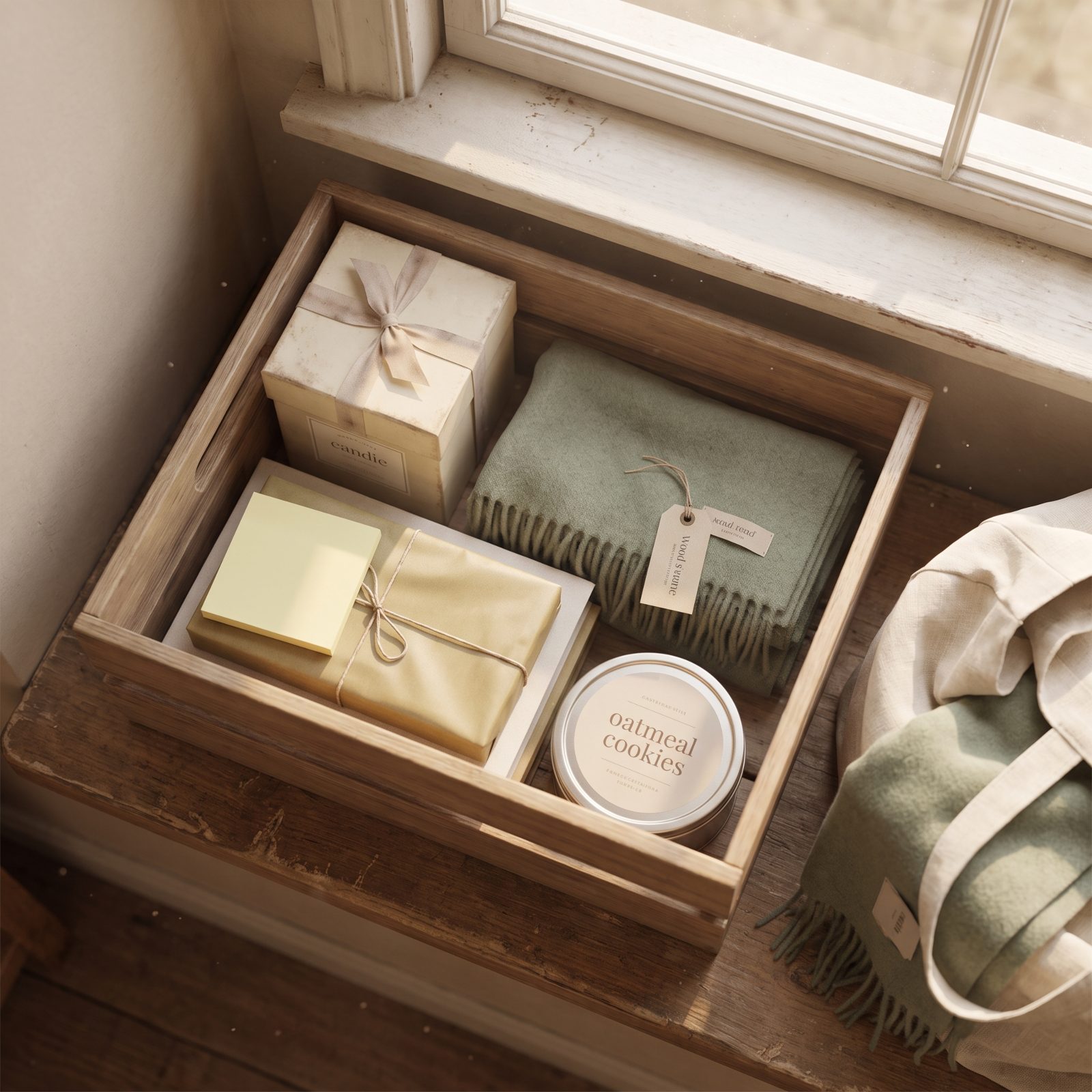
Somewhere in your house is a bag of gifts you bought on sale in July, a candle, a scarf, a tin of something, all perfectly good, all completely forgotten. Then December comes and you buy new ones for the same people, doubling a spend you’d already made.
Out of sight really is out of mind, and the holiday rush makes it worse because you’re shopping from panic instead of inventory. We have personally re-bought a present we already owned. Twice.
Do a five-minute sweep before a single December purchase. Check the closet shelf, the spare-room bin, the drawer where you hide things so well you hide them from yourself. Jot down what you already have and who it fits. That list is the cheapest shopping you’ll do all season, because the spending is done. You just forgot to collect on it.
The best gift budget hack isn’t a coupon. It’s remembering what you already bought before you buy it again.
29. Replacing Decorations That Still Work Just Fine
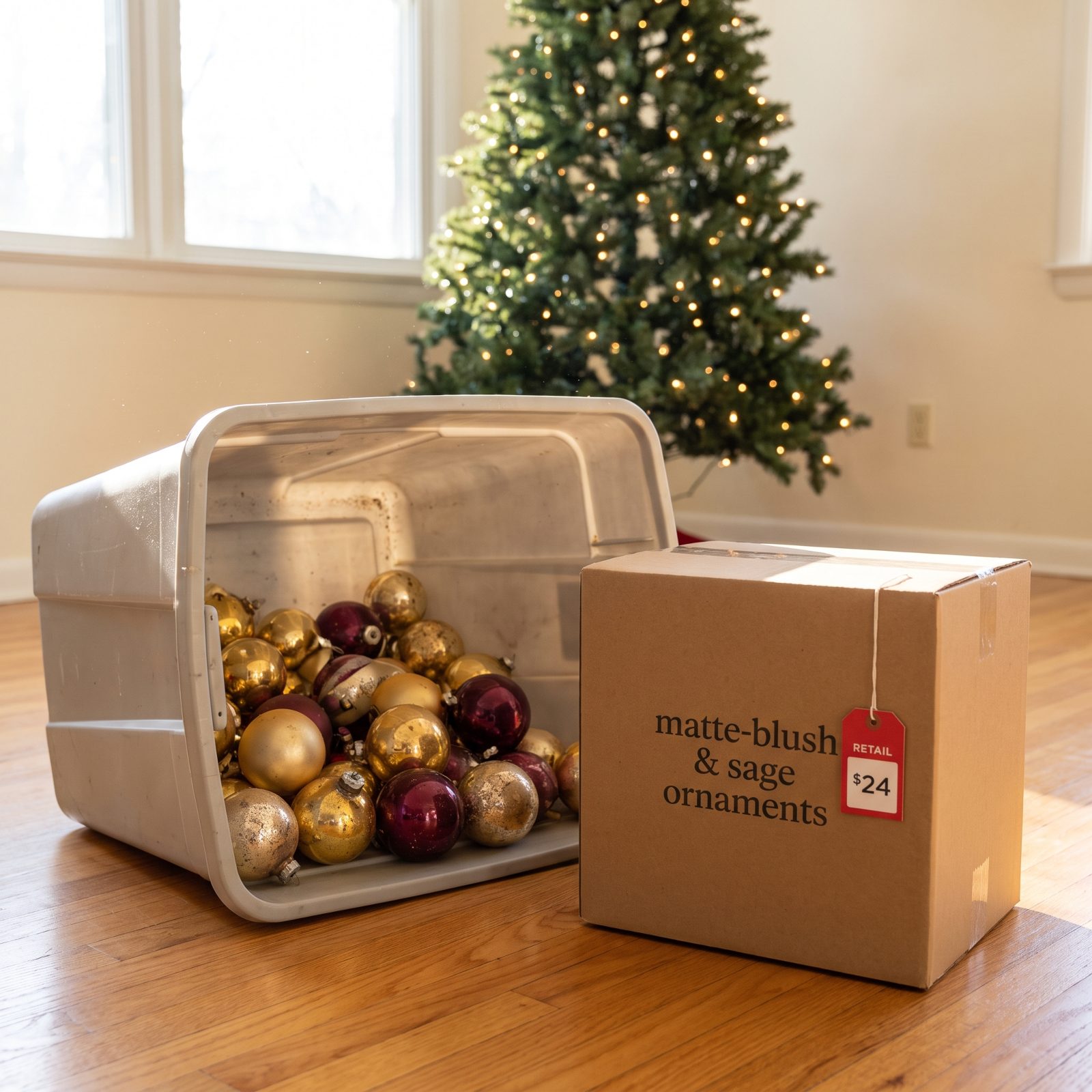
The old ornaments work. That’s the trap. They hang, they shine, they survived another year in the attic without so much as a chip. Then one new color scheme shows up on some influencer’s mantel and suddenly your gold-and-burgundy looks tired, so you buy blush and sage to match a photo you saw once and will never see again.
Here’s the quiet math. A full color swap is rarely one box — it’s ornaments, then ribbon, then a tree skirt, then stockings that now clash with the ribbon. That first $24 box drags four more behind it like a sled.
28. Adding a Second Tree in a Room That Never Had One

One tree was the tradition. Then the hallway looked bare, or the bedroom felt left out, and a second tree seemed like a small, joyful thing. It isn’t.
A second tree is never just a tree. It needs its own lights, its own ornaments — the first tree’s are all spoken for — its own topper, its own skirt. You’re not adding a decoration. You’re starting a whole second Christmas from scratch, and the starter kit for that runs well past a hundred bucks before anything even twinkles.
27. Stringing Lights on Just One More Section of the Yard

The yard is never finished. Once the roofline glows, the bare porch railing nags at you, then the walkway, then the one sad shrub by the mailbox.
Each addition is a cheap box of lights — eighteen bucks, maybe twenty. But outdoor strands burn out, clips snap, and the extra draw nudges your electric bill up through January. The lights feel free because you bought them in small bites. The year-over-year creep is where it actually lands.
26. Starting a Collectible Ornament Tradition That Never Ends

The first collectible ornament is a gift. A dated keepsake, maybe $34, meant to mark the year. Sweet idea. The problem? Collectible series are engineered to be completed.
Miss a year and the set feels broken forever. Buy one and you’ve signed up for a decades-long annual obligation with a price that climbs every release. It’s a subscription dressed as a memory — lovely, genuinely, but know what you’re starting before the second one shows up and the hook sets.
25. Buying Matching Pajamas for a Group That Keeps Growing

Matching pajamas photograph beautifully. They also multiply. Four sets becomes six when a new partner joins, then eight once there’s a baby and the in-laws who felt left out.
At roughly $28 a set, the group photo is now a $200 line item worn twice and outgrown by toddlers in a single season. The emotional pull is real. The per-wear cost is brutal. If you’re doing this anyway, size the adults in styles they’ll actually sleep in the other 364 nights.
24. Ordering Photo Cards After the Early-Bird Deadline

You meant to order early. Everyone means to order early. Then the photo took three tries, the dog wouldn’t sit still, the good deadline slid right past, and now that steep early-bird discount is gone.
Full-price cards. Rush printing. Expedited shipping to make the mail cutoff. Three surcharges stacked on a product that was deeply discounted two weeks earlier. The card costs the same to make. You’re paying purely for being late.
23. Saying Yes to One More Seasonal Event
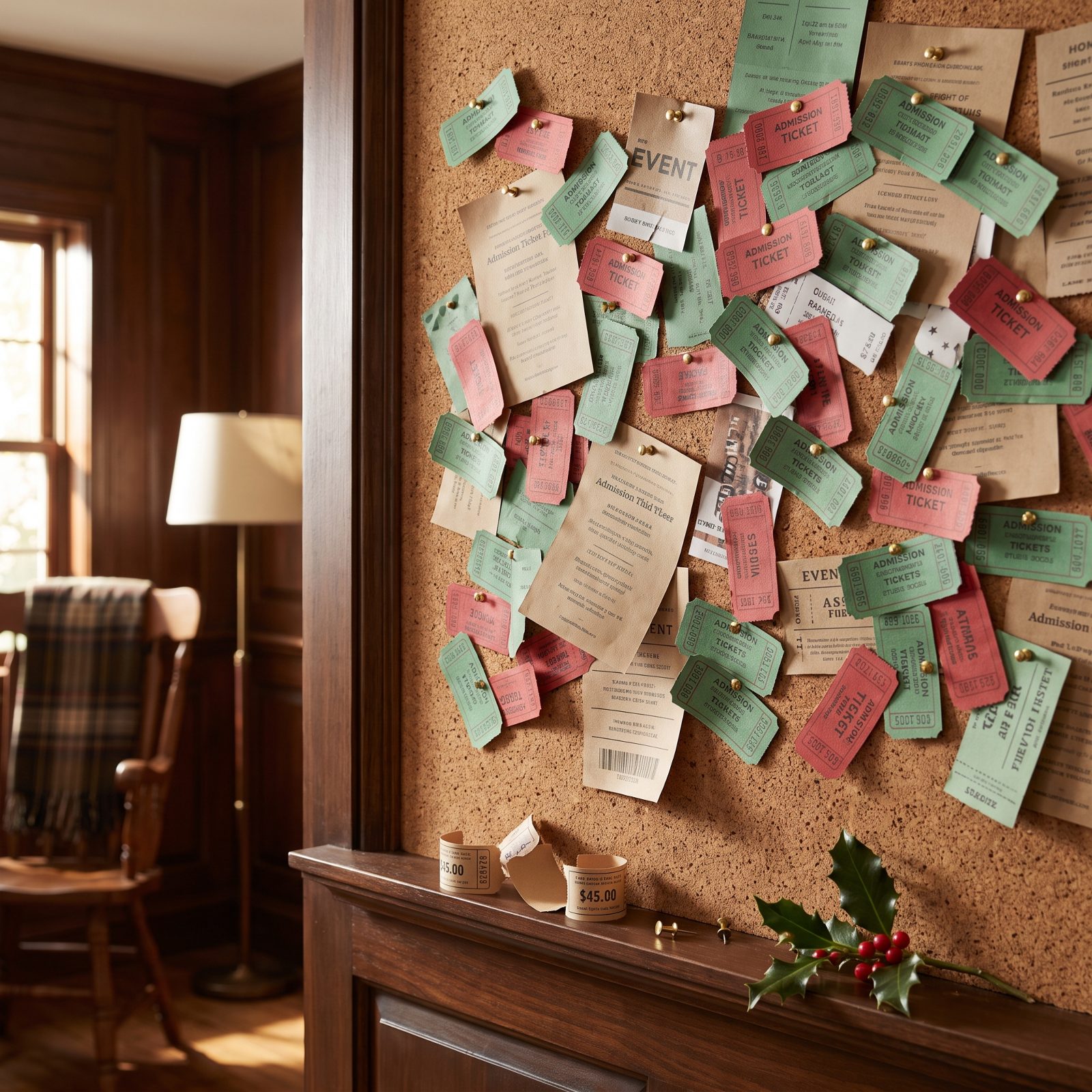
The holiday light drive-through. The pop-up market. The ticketed tree farm with the hayride. On its own, each one is a reasonable yes.
Stack them across four December weekends and they become a second gift budget. Admission at $45 a head for a family of four, times three or four outings, and you’ve quietly spent what a nice present would’ve cost — on experiences you’ll half-remember by February. The events are lovely. The total is the ambush.
22. Buying Food at Every Single Holiday Attraction

Nobody leaves the holiday market hungry, and nobody leaves with money. The cocoa is $7. The kettle corn is $9. Then the pretzel, the cider, the glittery thing the kid spotted and absolutely had to have.
Captive-venue pricing exists because you’re hungry, it’s cold, and walking off to eat elsewhere feels like quitting. A family can drop $50 on snacks at an event they already paid to enter. Eat before you go. It’s the easiest cut on this whole list — and the one people fight the hardest.
21. Paying for the Convenient Parking Spot by the Door
Would you like to save this?
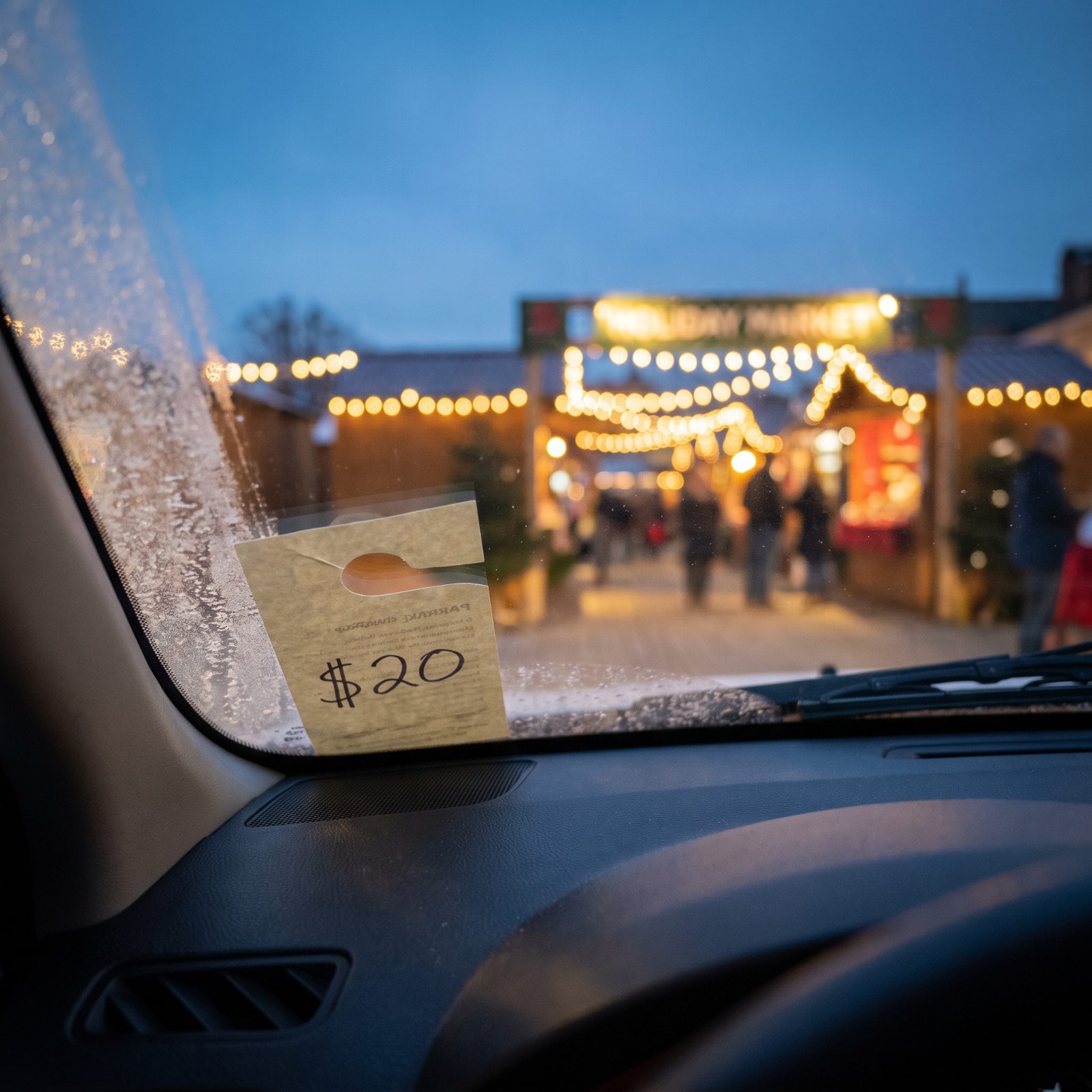
Twenty dollars to park near the entrance instead of the free lot a six-minute walk away. In the cold, with tired kids whining, it feels like mercy rather than spending.
Do it at three events and that’s a line item nobody budgets for. Convenience fees get priced to feel trivial in the moment and to vanish from memory by the time the statement arrives. And honestly? The walk is usually shorter than it looks from the warm car.
20. Inviting a Few Extra Guests to Christmas Dinner

Someone has nowhere to go for Christmas, so you say come over, of course, the more the merrier. You mean every word. It’s the best impulse on this entire list.
It also quietly redraws the whole meal. Two more guests means a bigger roast, more sides, more wine, maybe a second table, extra chairs, more serving dishes. A warm yes at the doorway turns into a second grocery run and a bigger bill — the kind nobody regrets but nobody planned for either.
19. Serving Two Main Courses Instead of One
18. Buying Too Much Alcohol So You Never Run Dry

17. Ordering Dessert Even Though You Planned to Bake
16. Making Four Grocery Runs Because You Never Made a List

15. Buying a Whole Jar of Something for One Teaspoon
14. Grabbing Takeout on the Night You’re Already Cooking

13. Volunteering to Host Because Nobody Else Raised a Hand

12. Buying a New Outfit for Every Single December Party
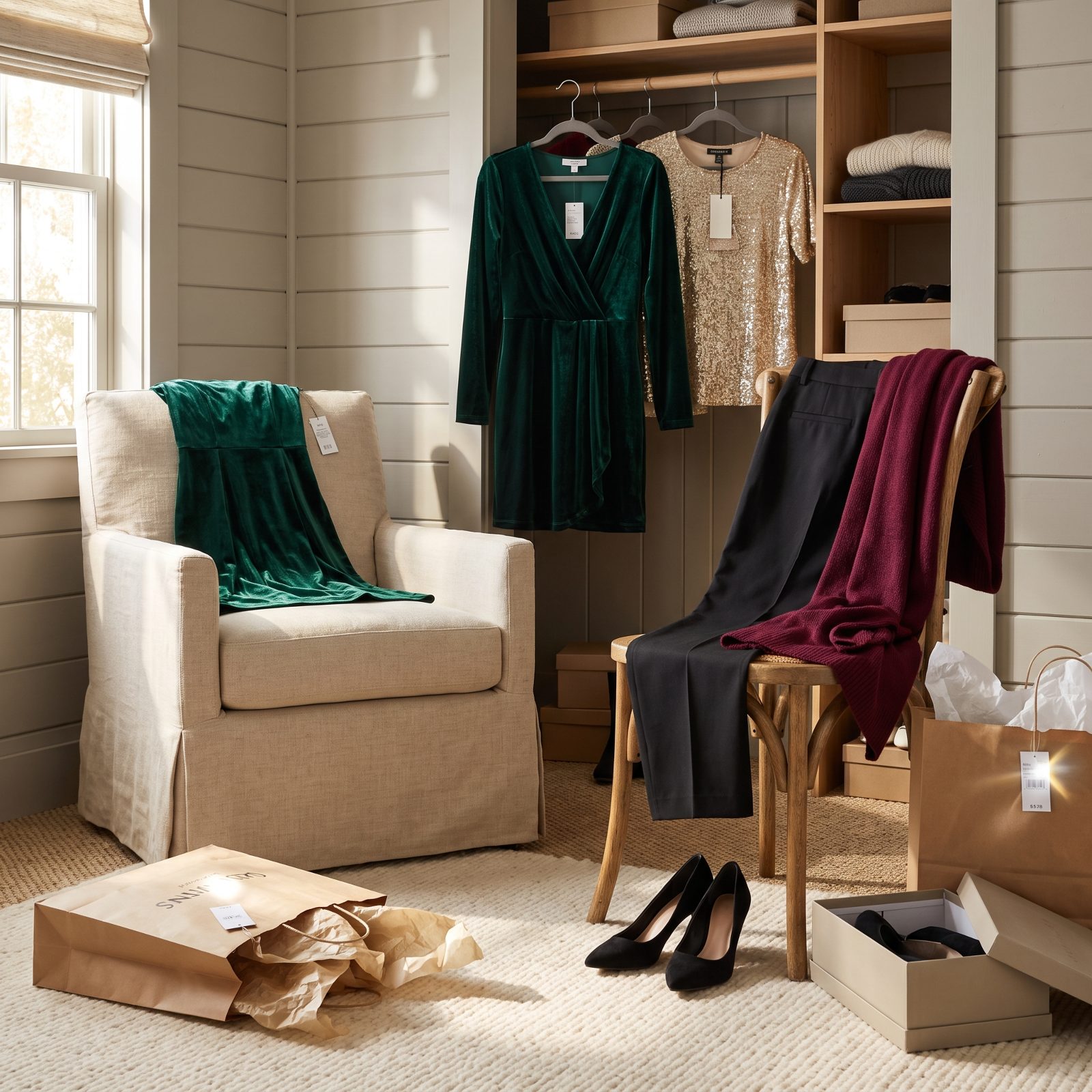
11. Bringing a Hostess Gift to Every Gathering

10. Joining the Office Gift Exchange Out of Pure Obligation

The sign-up sheet comes around with a pen already clipped to it. Saying no feels louder than saying yes, so you scribble your name, and just like that you owe a stranger from accounting a twenty-dollar gift they’ll pretend to like.
Office swaps run on one quiet fear: looking like the single person who sat it out. That’s the engine, the whole thing. A White Elephant with a spending cap sounds harmless enough — until you clock that you also bought wrapping paper, a bag for the commute, and a backup gift because the first one felt a little cheap. So set a hard number before you shop. Cap included. And if the whole ritual makes your eye twitch, a plate of homemade cookies for the break room costs less and nobody’s keeping score on it.
9. Donating at Every Checkout Prompt
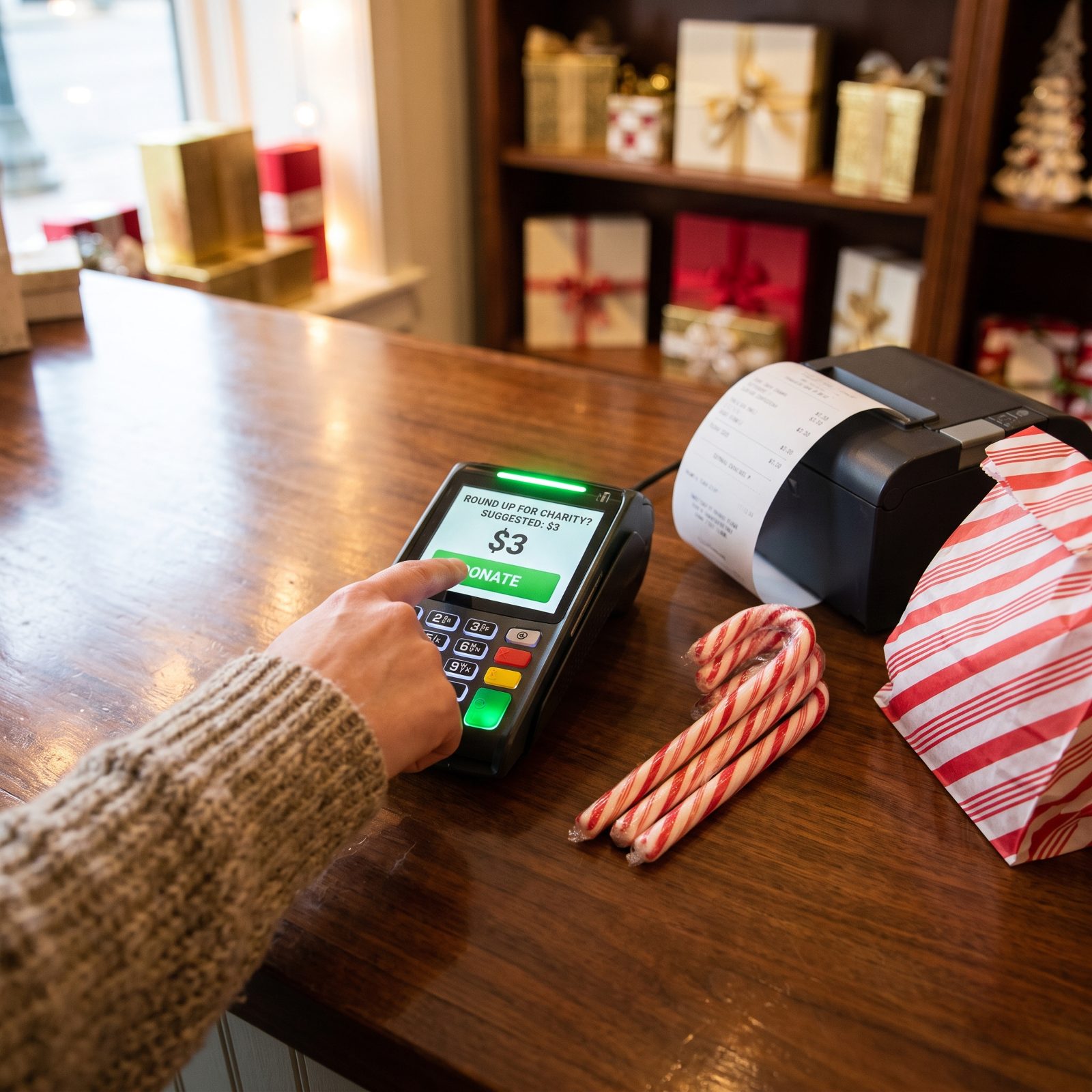
The cashier asks if you want to round up for a good cause, and you tap yes before your brain catches up. Harmless, right? Add up a dozen of those taps across a single December and you’ve quietly donated an amount you’d never have handed over on purpose. Nobody tracks the rounding-up. That’s exactly why it works on you.
We’re not saying stop giving. Give. But pick one charity you actually care about and send it a real chunk of money, instead of scattering three bucks a hundred times at registers you’ll never remember. The scattered version feels generous but adds up to money you never actually decided to give.
8. Tipping Every Regular at the Top Suggested Level
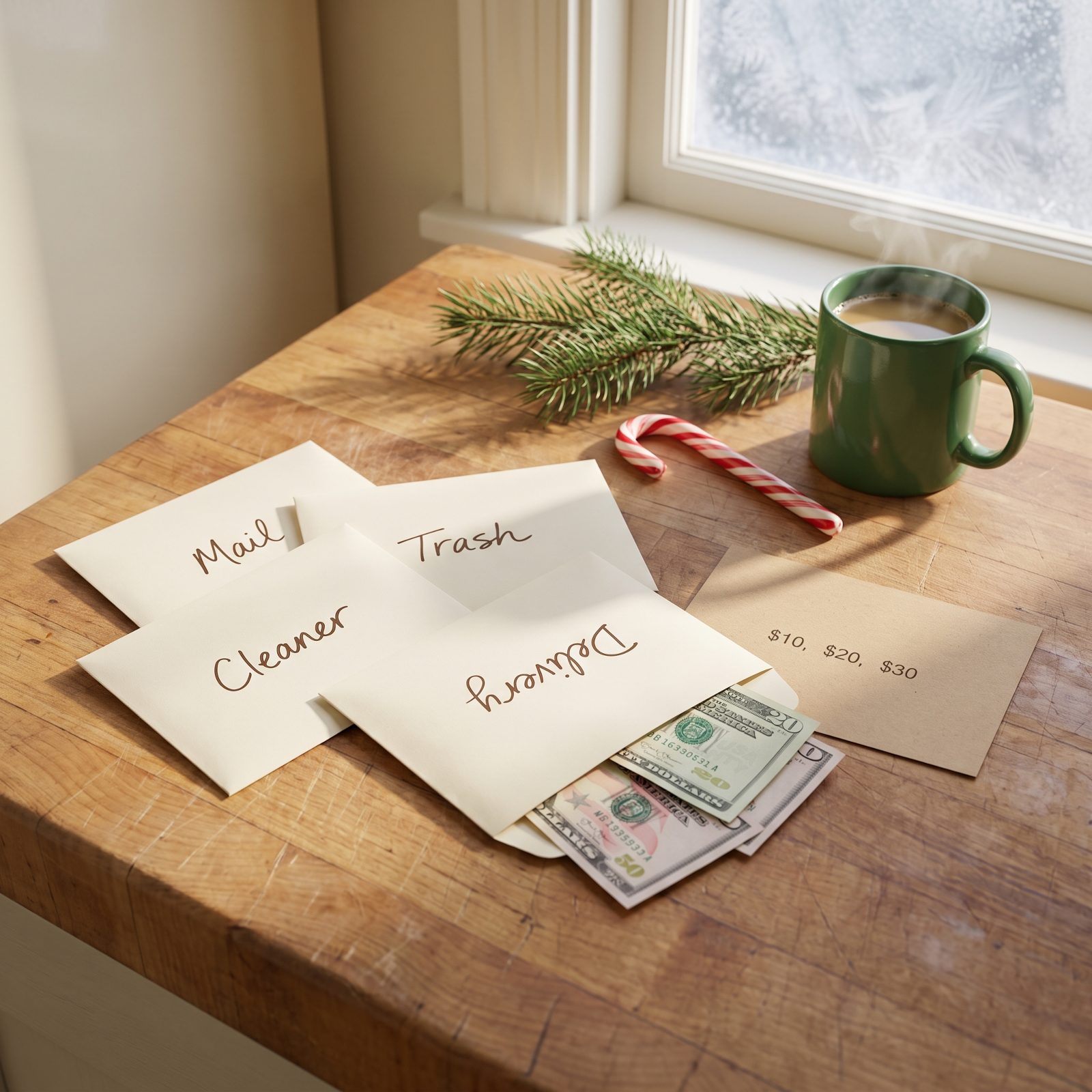
Holiday tipping is good manners and the apps know it, which is why every delivery screen in December nudges you toward the fattest preset button. The mail carrier, the barista, the dog walker, the kid who shovels the walk. All deserving. All also a line item you never wrote down.
Here’s where it gets you. Tip everyone at the top suggested level and the total creeps past what you’d have chosen cold, because each tip felt small on its own. So choose first. Decide who gets a holiday thank-you and roughly how much, then let the preset buttons do nothing but remind you what you already planned.
7. Paying Holiday Rates for Babysitting

December sitters charge more, and fairly so. A party night when every other parent needs the same help is worth a premium, and you’re not going to haggle on your way out the door.
But watch how often you go out in December. The holiday rate stops being a one-off and turns into your default for six straight weeks of parties, dinners, and shopping runs. Two or three extra nights at the premium rate and you’ve spent a tidy sum you never flagged as a holiday cost at all. Pay the sitter well. Just notice how many nights there are.
6. Choosing Peak Travel Dates for Convenience
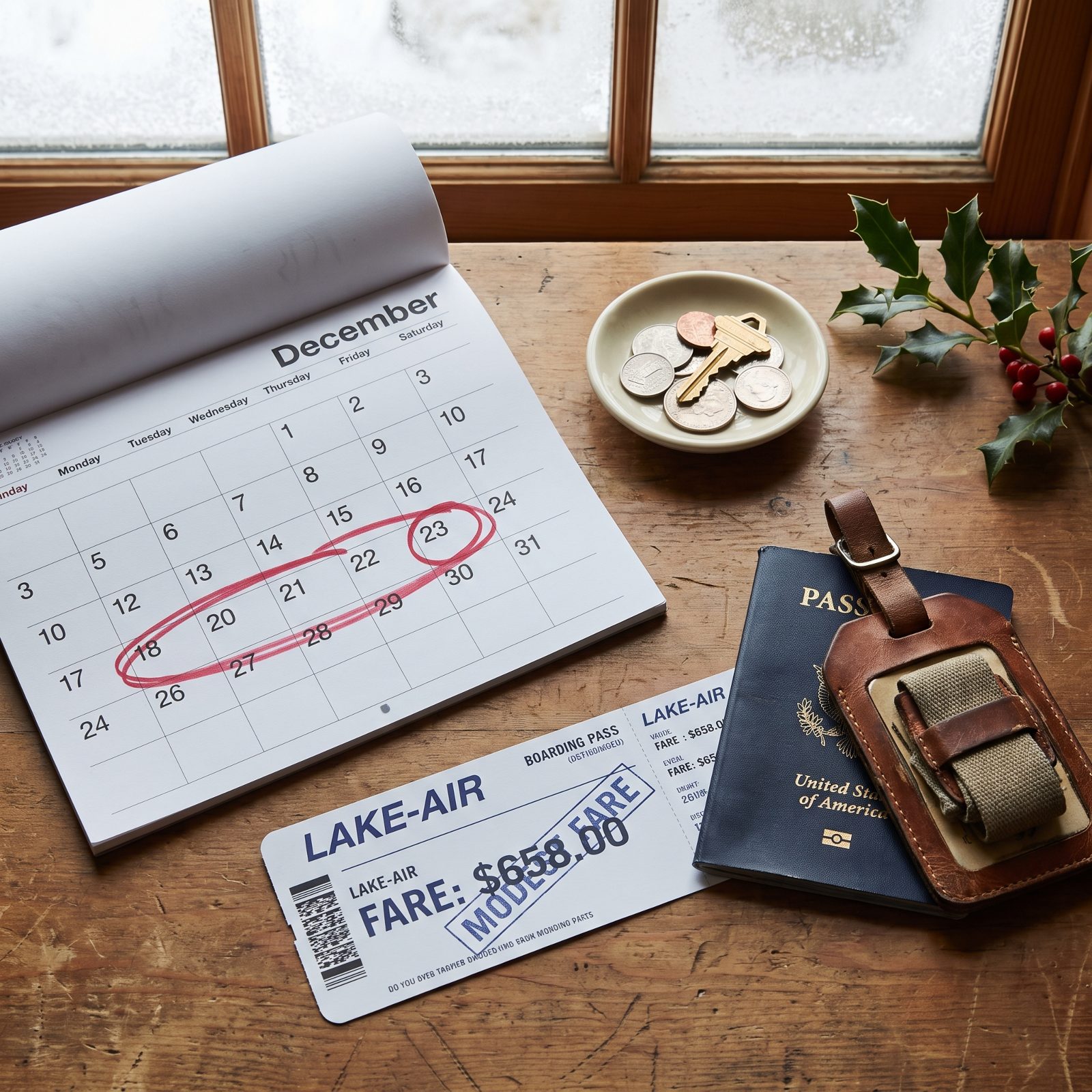
Flying the few days right before Christmas costs a small fortune. Everyone knows this. Everyone does it anyway, because the alternative is leaving on the 20th and burning vacation days you’d rather spend at home in pajamas.
Convenience has a price tag, and around the holidays it’s a steep one. A departure shifted even a day or two off the peak can knock a chunk off the fare. Flying out Christmas morning itself is often the cheapest slot of all, if you can stomach the airport on the big day. Do the easy date if you want it. Just name what the easy date costs before you circle it in red.
5. Turning a Day Trip Into an Overnight Stay

You planned to drive over, have dinner, and drive back the same night. Then someone pours a second glass of wine and says, why not just stay? Suddenly you’re booking a room.
One overnight doesn’t sound like much until you count the pieces. There’s the room, the second restaurant meal, the gas, maybe the forgotten toothbrush you buy at a gas station for triple what it’s worth. A trip you’d budgeted as free can balloon fast. Staying over might genuinely be worth it, and sometimes it is. Decide that on purpose, though, rather than drifting into it because leaving the party felt like a chore.
4. Ordering Replacements Before Looking for Lost Decorations
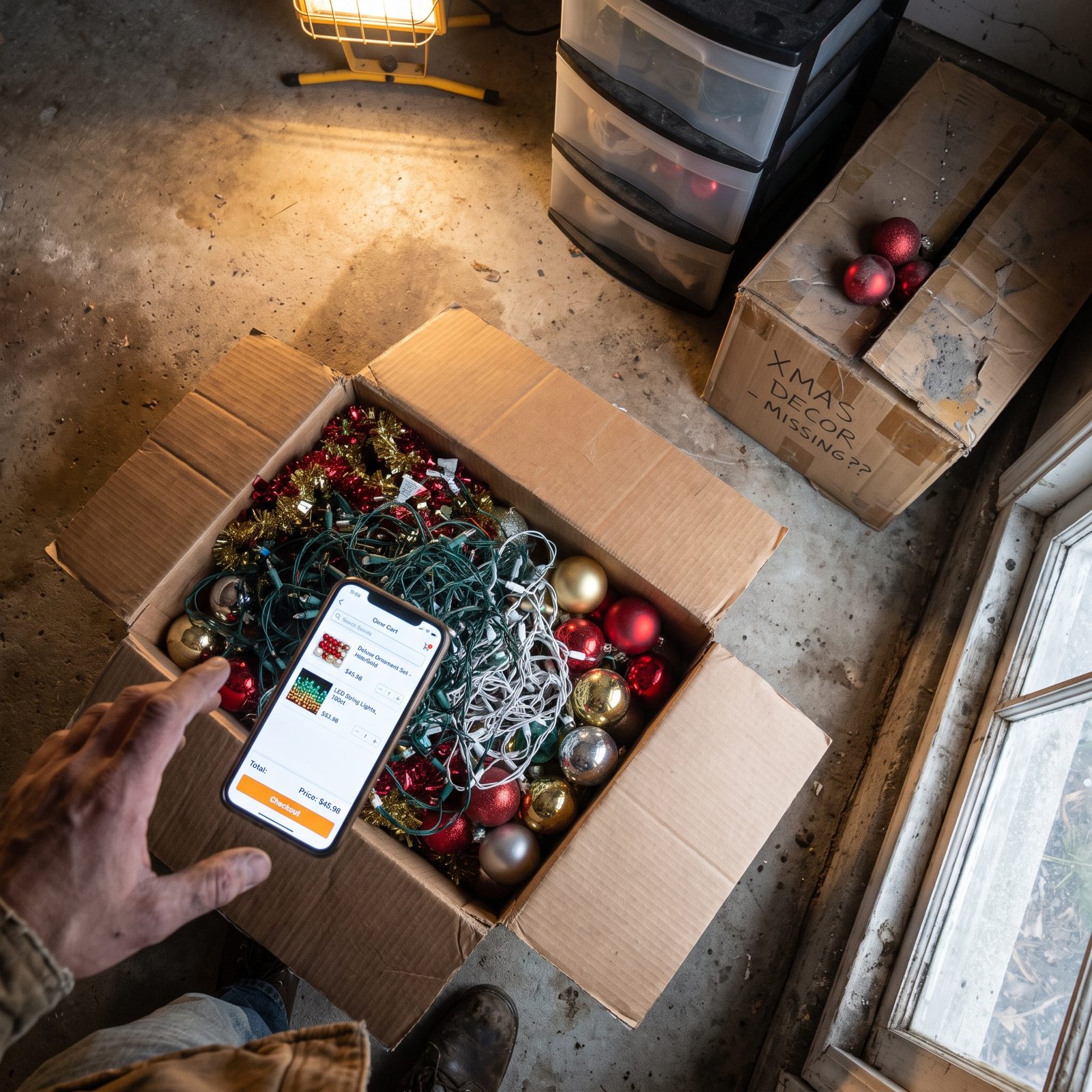
The lights aren’t where you left them. Rather than dig through the garage, you order a fresh set with two-day shipping and move on with your afternoon. Done.
Except the old ones were behind the second row of bins the whole time, which you discover in January while putting everything away. Now you own two sets of lights, two boxes of the same ornaments, maybe a backup tree topper you’ll never need. Spend fifteen minutes actually searching before you spend money replacing. The box you’re looking for is usually right there, sulking behind the wrapping paper.
3. Throwing Away Leftovers Instead of Planning a Second Meal
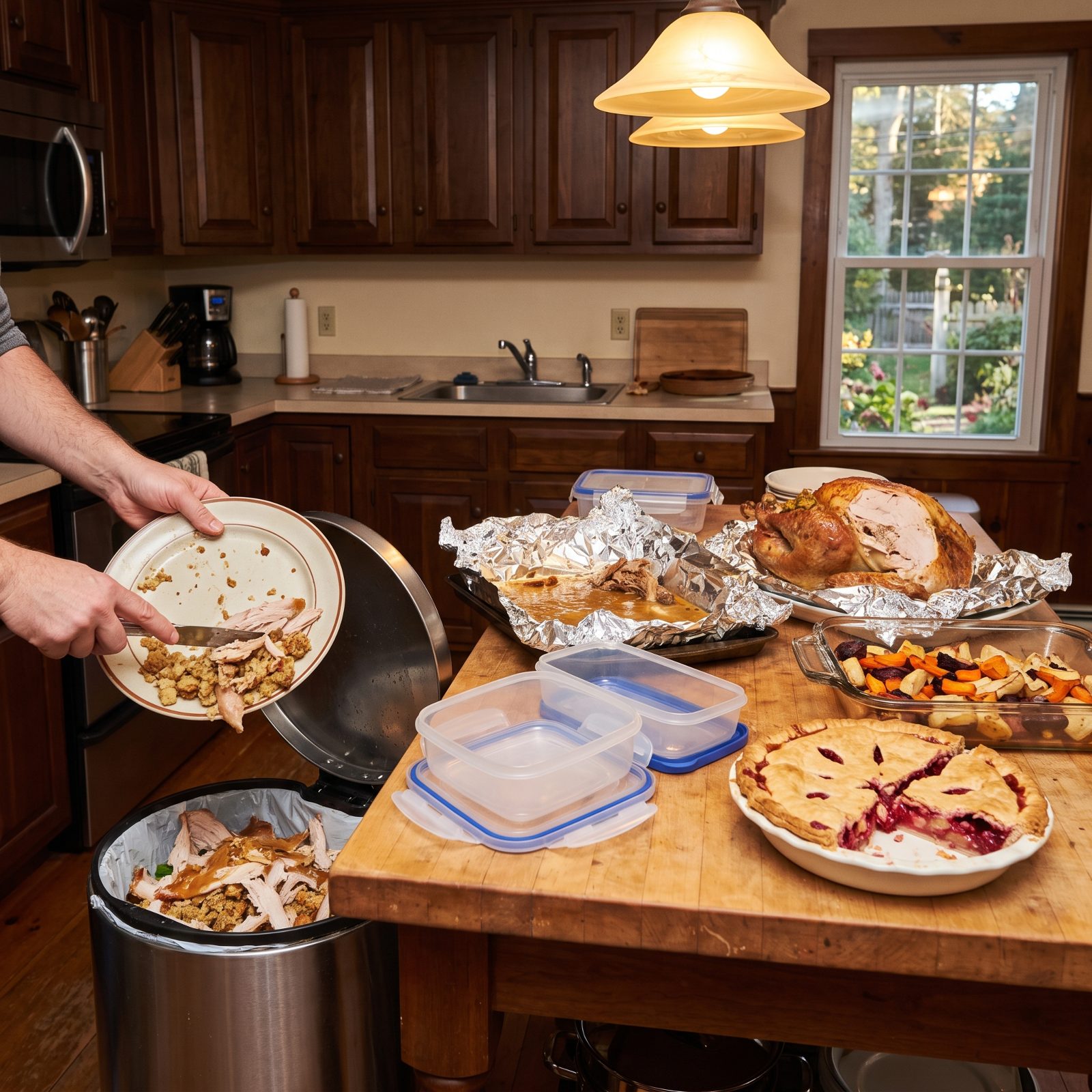
You cooked for a crowd and the crowd went home, leaving half a turkey and a mountain of sides. Exhausted, you scrape plates into the trash because the thought of wrangling containers is more than you can bear tonight.
That turkey is three lunches and a soup. The vegetables are a frittata. You already paid for all of it at full holiday grocery prices, and food costs real money right now, so pitching it is money straight into the bin. Ten minutes of packing containers tonight buys you a week of not thinking about meals. Future you will be deeply grateful, and present you gets to skip cooking for days.
2. Keeping Unwanted Purchases Rather Than Returning Them

The sweater’s the wrong color. The gadget turned out to be a duplicate. You meant to return both, honest. The bags are still sitting by the dresser with the tags on in mid-February.
Even extended holiday return windows close eventually, and that’s the trap. The longer the stuff sits, the more a return feels like a hassle, until the deadline quietly passes and the decision gets made for you. Now you own things you didn’t want and paid for twice over in the sense that you could’ve had the cash back. Do returns in one dreaded batch. Pick a Saturday, haul it all in, be done. The relief is worth the inconvenience.
1. Folding New Year’s Eve Into Christmas Without a New Limit

Christmas wraps up and New Year’s is six days later, so the two just blur into one long stretch of spending. The gifts barely cleared out before the champagne and party snacks rolled in. Same wallet, no pause.
And that’s the whole problem with December’s tail end. You set a Christmas budget, maybe even stuck to it, then treated the last week of the year like a free encore. The party supplies, the fancy bottle, the going-out plans, the matching outfit nobody’ll remember. None of it landed on any list. New Year’s deserves its own number, however small. Give it one, even if it’s twenty bucks and a bag of chips, so the year doesn’t end on an open tab you never saw coming.