

Would you like to save this?
The people who build real money rarely talk about it. They just stop buying certain things, and nobody notices for years. Here’s the short version: they trade status purchases and convenience fees for freedom, one line item at a time. None of this is deprivation. It’s about where your dollars quietly leak out while you’re busy living your life — the slow drip you stop noticing because it never feels big enough to flag. Below are the purchases that tend to go first once long-term wealth climbs to the top of the list.
26. Trading the New-Car-Every-Three-Years Habit for One You Actually Keep

A new car sheds a big chunk of its value the second you drive it off the lot, and trading up every few years means you ride that slide forever. The people building wealth do the math and get a little queasy. A monthly payment that never ends is money that could be compounding instead, year after year, while you keep handing it to a lender.
The fix isn’t buying a clunker. Buy a solid car, pay it off, then drive it another five, eight, ten years with no payment at all. Those payment-free years are where the money lives.
Start here: once your current car is paid off, keep making the same payment — to yourself. Route it to a separate savings account automatically. When you do need the next one, you buy a gently used car with cash and skip the whole cycle.
25. Walking Away From Furniture Bought on 36-Month Payment Plans

Zero-percent-for-36-months furniture sounds free until you read the fine print, where deferred interest waits to pounce the moment you miss the payoff window by a single day. And even when it’s genuinely interest-free? It trains you to buy more than you’d ever pay for in cash.
People serious about wealth tend to buy furniture the slow way. They save for one good piece, pay for it outright, and let the empty corner stay empty a few months longer. A sturdy secondhand sofa off a resale site beats a brand-new one you’re still paying off in year three.
Today’s move: if you want something, price it, set a monthly transfer to a sinking fund, and buy it when the fund hits the number. No financing. No fine print.
24. Emptying the Storage Unit That Costs More Than the Stuff Inside It

Here’s the uncomfortable math. A storage unit running a hundred-plus a month costs well over a thousand dollars a year, and most are packed with things worth less than a single year’s rent. You’re renting a room to babysit stuff you’d never buy again.
The wealth-building move is brutal and freeing: go in, open every box, and sort hard. Sell, donate, or keep. If you haven’t touched it in a year and it isn’t genuinely sentimental or valuable, out it goes.
Do this today. Pull up what you pay for storage, multiply by twelve, and write that number on a sticky note — that’s your motivation. Book a Saturday, bring a car, and plan to come home with the unit empty.
23. Skipping the Seasonal Décor Refresh Every Few Months
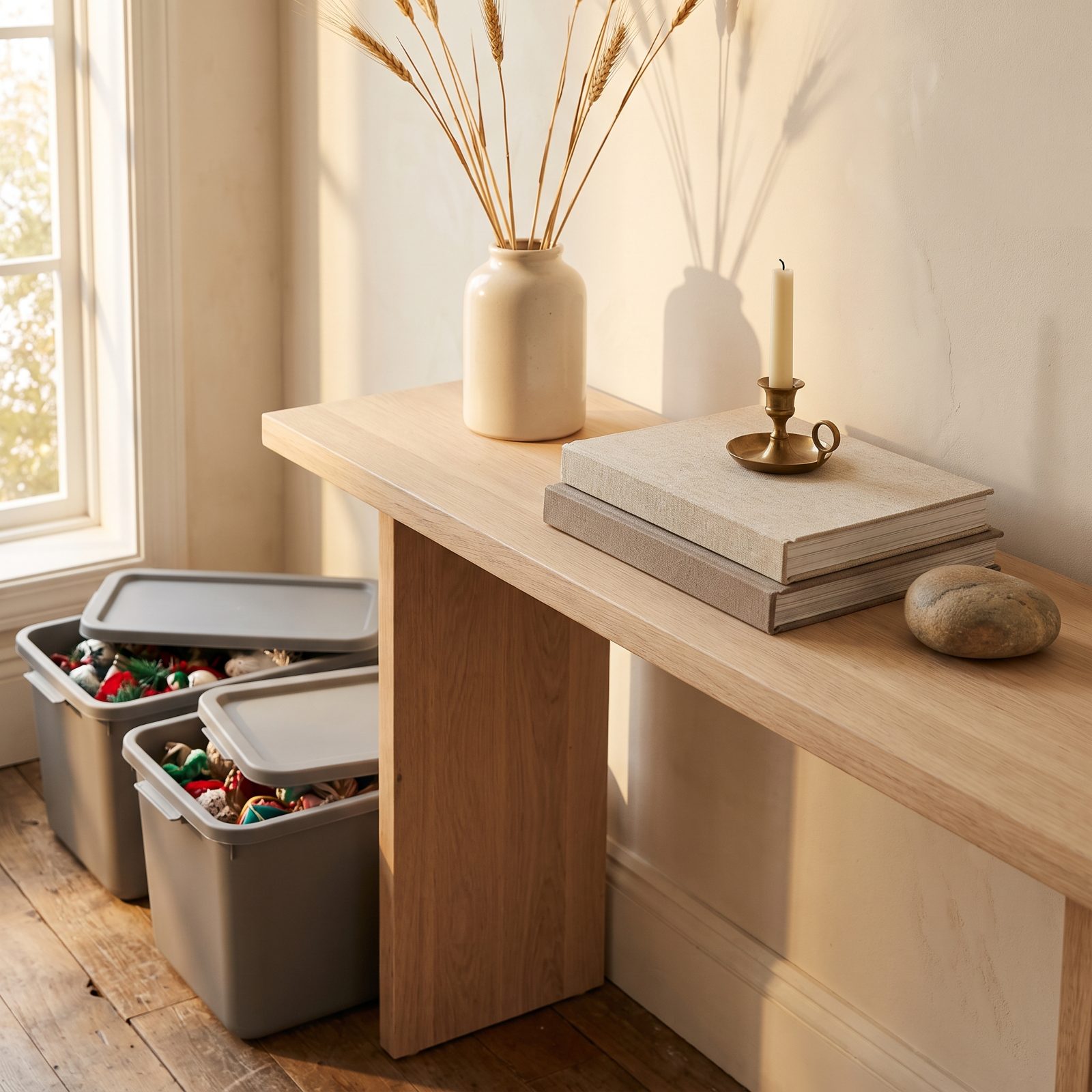
The décor industry runs on a simple trick. Every holiday and every season supposedly needs a whole new look, and last round’s haul goes to the garage or the trash. Fake pumpkins in October, plastic snowflakes in December, pastel eggs in April — real money, for things used six weeks a year.
People focused on the long game decorate once, well, with pieces that work all year round. A few good neutral objects they actually love will outlast a revolving closet of seasonal junk every time.
Try this instead: pick a small handful of lasting pieces you genuinely like, then let one or two cheap natural swaps mark the season. A bowl of real pinecones in winter. Fresh branches in spring. Nearly free, and nothing to store.
22. Renting or Borrowing the Appliance You’d Use Once a Year
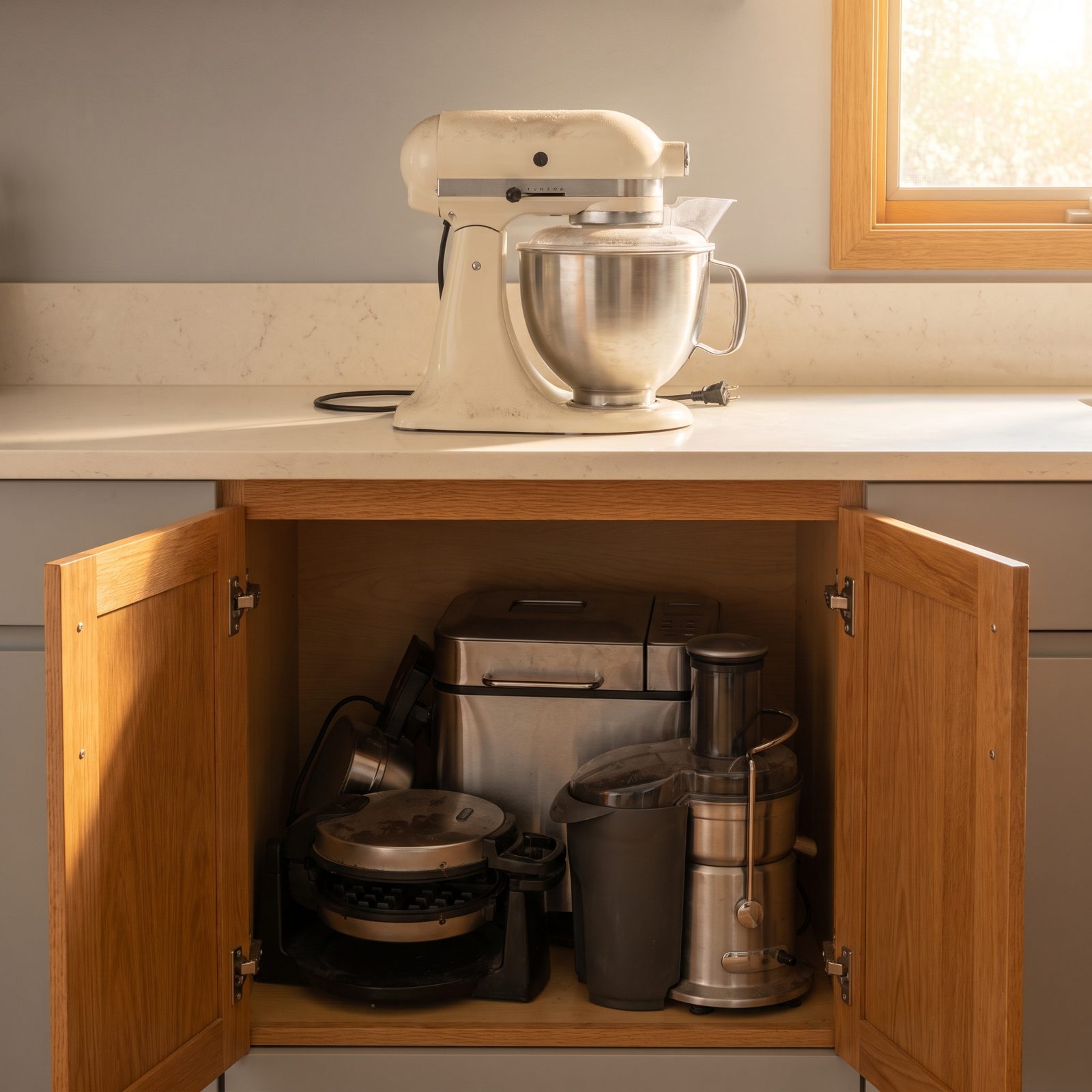
The turkey fryer. The ice cream maker. The dehydrator you bought with big plans. Single-purpose appliances promise one magical dish and then sit in a cabinet nearly every day of the year, slowly becoming expensive dust collectors.
The quiet wealth move is to question every bulky gadget before it comes home. If you’ll use it once or twice a year, borrowing from a neighbor or renting it for a day costs almost nothing — and saves you the cash plus the cabinet space.
First step today: before buying any appliance, ask how many times you’ll realistically use it this year. If the honest answer is under five, borrow it, rent it, or just make the dish without it.
21. Dropping the $7 Coffee-Shop Breakfast on Ordinary Workdays

Nobody’s telling you to never enjoy a coffee out. But the routine stop — the one you make five mornings a week without thinking — is where it bites. A $7 breakfast habit on workdays runs close to two thousand dollars a year, and you barely register each swipe.
People building wealth don’t white-knuckle this one. They move the ritual home for regular days and keep the coffee shop for weekends or treats. The at-home version costs a fraction and tastes nearly as good.
Today’s move: stock the kitchen for exactly the breakfast you’d buy out, and make the first one tonight so it’s grab-and-go. Keep the café trips as the special thing they used to be.
The small daily swipe is the one that hides best. It never feels big enough to matter, which is exactly why it adds up.
20. Cutting Food Delivery Once You See the Stacked Fees
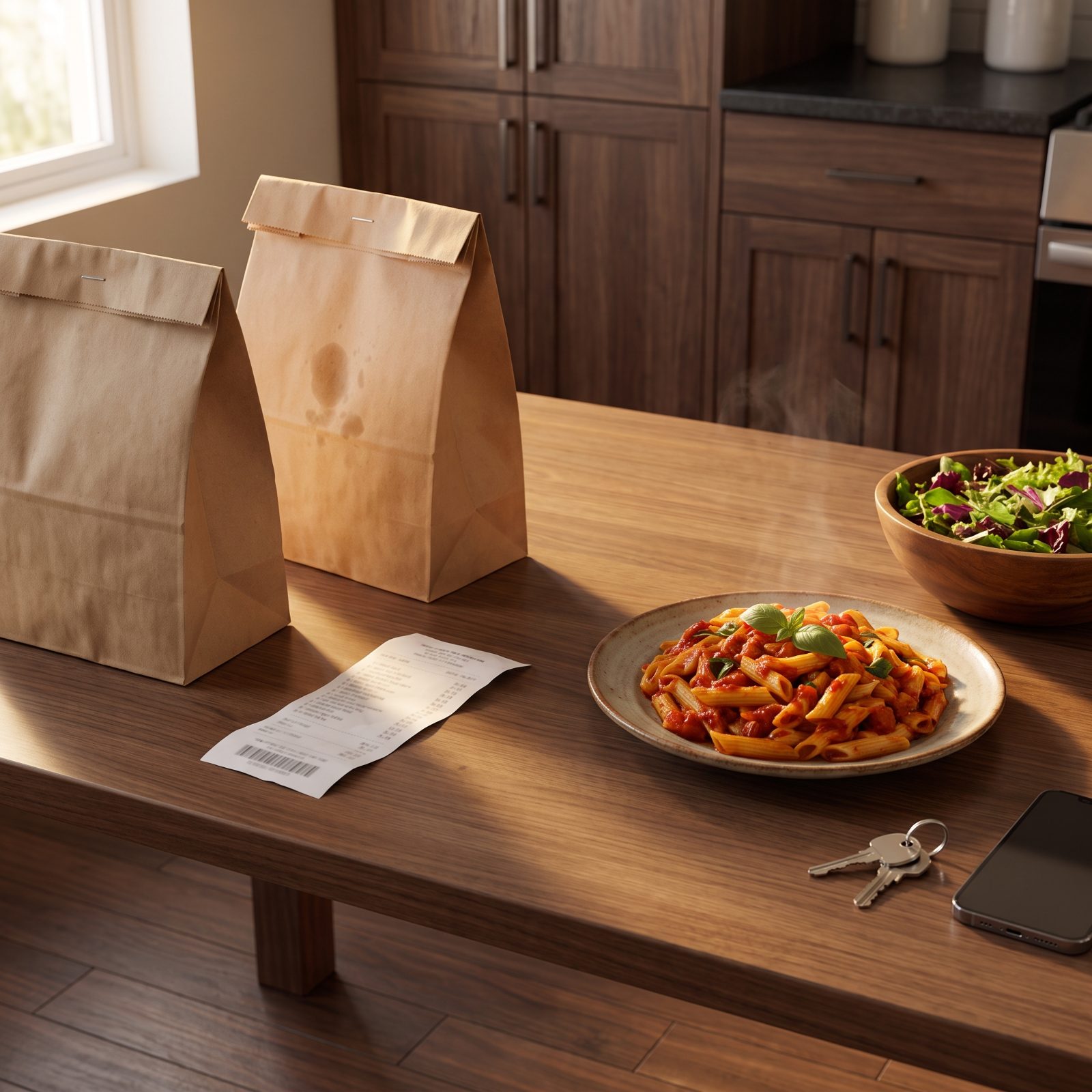
Delivery is a clinic in hidden costs. The food’s marked up, then there’s a delivery fee, a service fee, a small-order fee, and a tip — and suddenly a $14 dinner is $32. Order it twice a week and you’re spending something close to a mortgage payment a year on the convenience of not driving.
The wealth-minded response isn’t swearing off takeout forever. Make delivery the exception and pickup or home-cooked the default. Picking it up yourself skips most of the fees entirely.
Start now. Next time you reach for the app, scroll to the total before you order and read every fee out loud. That one habit kills more impulse deliveries than any amount of willpower.
19. Rethinking Warehouse-Club Hauls That Rot Before You Finish Them
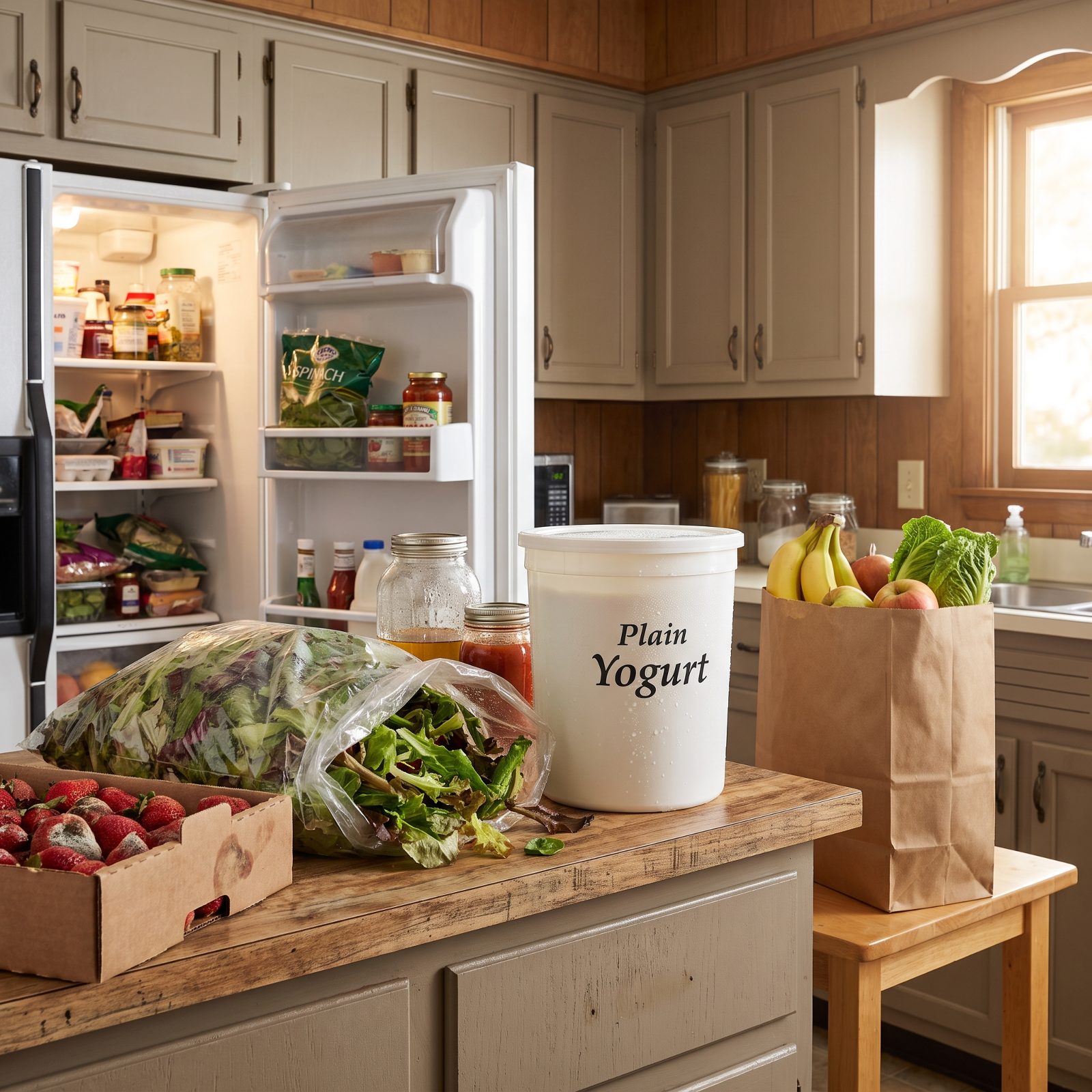
Bulk buying feels like winning right up until you’re scraping half a giant tub of spinach into the trash. A lower unit price isn’t a deal if a third of it spoils before you can eat it. For small households especially, warehouse-club produce and dairy often end up costing more per bite you actually swallow.
People who track their money get picky about what’s worth buying big. Shelf-stable stuff you burn through, sure. Perishables you can’t finish? No.
Today’s move: before the next big haul, check what you threw out last month. Buy pantry staples and paper goods in bulk, and keep fresh food at the amount you’ll actually eat before it turns.
18. Cutting Alcohol From the Automatic Weekly Grocery List

Would you like to save this?
Alcohol has a way of quietly becoming a line item you never question — the automatic wine or case that lands in the cart every week without a decision. At even forty dollars a week, that’s a couple thousand a year on something you buy on autopilot.
This isn’t a lecture about drinking. Plenty of wealth-minded people still enjoy a drink. They just stop treating it as a default household staple and start treating it as an occasional choice they actually make.
A simple shift: take it off the standing grocery list. When you want it, buy it on purpose for a specific occasion. Keeping it out of the weekly autopilot is usually all it takes to cut the spend in half.
17. Quitting the Lottery and Gambling-App Habit That Masquerades as Hope

Lottery tickets and betting apps sell the same thing: a few seconds of hope for a dollar. The odds are brutal, the small bets feel invisible, and the apps are built to keep you tapping long after the fun is gone.
People who get serious about wealth often notice this one first, because the swap is so clean. The money going to scratch tickets each week goes into an index fund instead, and now the odds are working for you rather than against you.
Do this today. Add up what you spent last month on tickets or in-app bets, then open an automatic transfer for that same amount into a savings or brokerage account. Same hope, better math, and the money’s still yours.
16. Fast-Fashion Hauls That Fall Apart by Spring
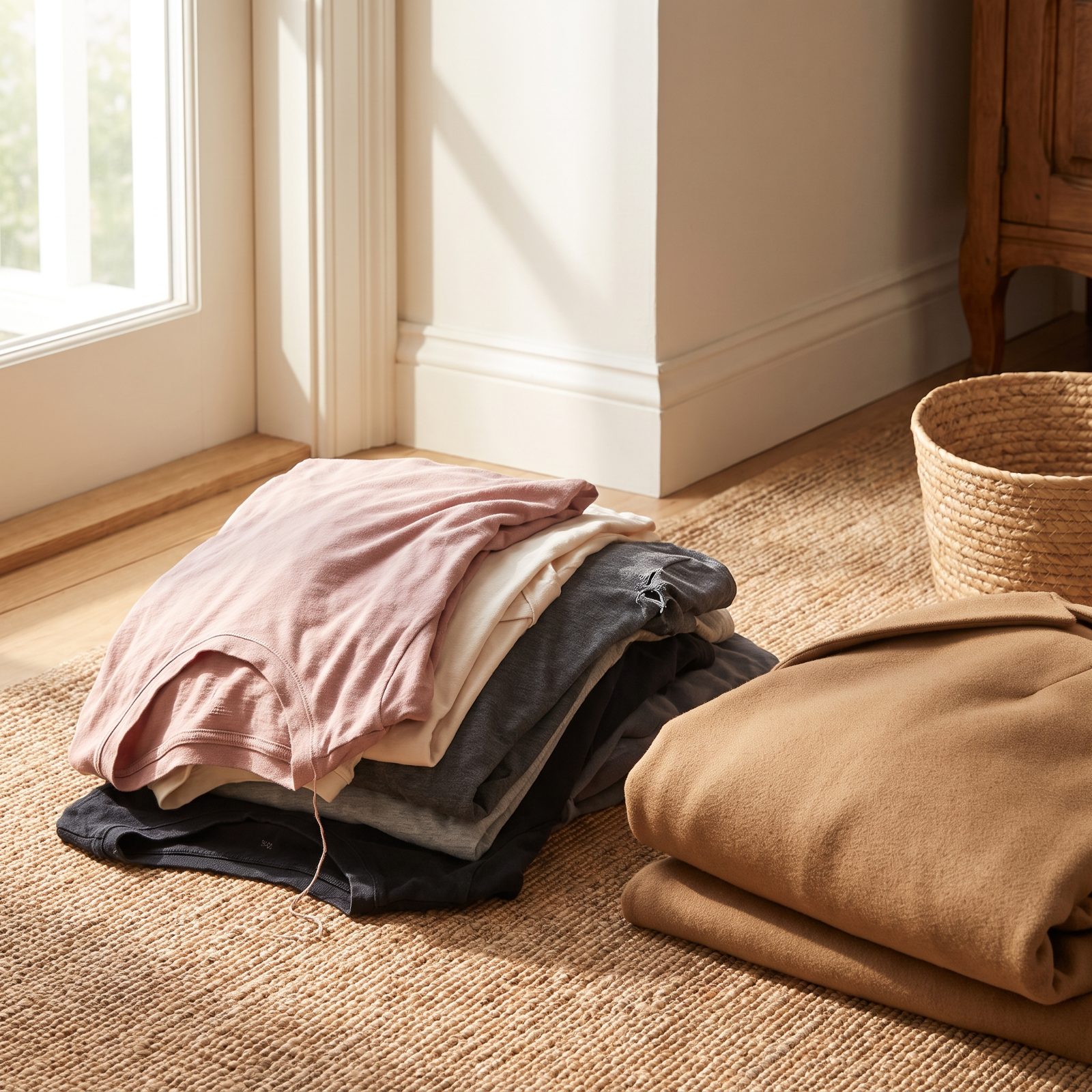
The arithmetic of cheap clothes is sneaky. You buy five shirts for the price of one good one, feel clever about it, and then three of them pill or warp after a dozen washes. The savings evaporate because you’re rebuying the same category every season.
Serious wealth builders quit treating clothing as disposable entertainment. This isn’t deprivation. It’s buying fewer, sturdier pieces that survive the washing machine and still look right two years on, and a well-cut camel wool coat will outlast a whole drawer of trend tops.
Try the one-in, one-out rule for a month. Nothing new enters the closet unless something leaves. You’ll notice fast how much you were buying just for the little jolt of a new bag landing on the doorstep.
15. Beauty Products That Duplicate the Half-Used Ones in Your Drawer

Open the drawer. Count the serums. There’s a decent chance two of them do nearly the same thing, and one is still three-quarters full while you reached for the shiny new one instead.
Beauty marketing runs on novelty, and a fresh launch always feels more promising than the half-empty bottle that’s already doing its job. The money leaks out in five- and twelve-dollar dribbles that never register as a real expense.
The move isn’t swearing off makeup. It’s one rule: use a product up before replacing it with anything in the same category. Pick one open glass serum bottle and commit to emptying it first. Suddenly the must-have launch can wait — which, honestly, it almost always can.
14. The Newest Phone on Release Day

The phone in your pocket still works. That’s the uncomfortable truth release-day hype is built to make you forget. The jump from one model to the next is usually marginal — a slightly better camera, a faster chip you’ll never actually push.
People who are serious about building wealth tend to stretch a phone to three or four years, and when they do upgrade, they buy a generation behind. Last year’s model drops hard in price. The difference? Invisible in daily use.
Here’s the number worth sitting with. Skipping a couple of upgrade cycles keeps real money in your pocket per phone, and invested instead, it compounds quietly in the background while your “old” phone keeps doing everything you need it to do.
13. Overlapping Streaming Services You Forgot You Pay For

Count the remotes. Now count the monthly charges hitting your card for services you haven’t opened since who knows when. Most households are paying for three or four and watching maybe one.
Streaming prices creep up so quietly you barely clock it, and because each one is “only” twelve or fifteen bucks, none of them ever feels worth canceling. Stacked together, though, they add up to the old cable bill you supposedly escaped.
The fix takes ten minutes. Pull up your statement, list every subscription, keep one or two at a time. Then rotate — watch what you want on one service, cancel it, pick up the next. The shows aren’t going anywhere. You pocket the rest.
12. The Gym Membership You’re Paying for Guilt, Not Workouts

Be honest about how many times you actually went last month. If the membership mostly buys you the intention of exercising, it’s costing you twice — once at the register and again as that low hum of guilt every time the charge pops up.
Wealth builders don’t stop moving. They just match the spending to the actual habit. Go three times a week? Keep it. Go three times a quarter? A sage yoga mat and a set of adjustable dumbbells at home cover the reality for a one-time cost and no monthly shame.
Cancel first, then rejoin if you genuinely miss it. Most people don’t. The guilt was never proof you’d show up. It was just the membership doing its job.
11. Same-Day Shipping on Things You Don’t Actually Need Today

Rush shipping is a tax on impatience. For genuinely urgent stuff, pay it gladly. But for most of what you order, that little speed upgrade buys you a package one day sooner that you’ll unwrap and forget by dinner.
And here’s the quieter payoff of plain old standard shipping: the wait turns into a cooling-off period. A surprising number of must-haves lose their shine before they even arrive, and some carts never make it past checkout at all.
Switch your default to the slowest free option and let the delay do the deciding for you. You’ll be amazed how rarely that extra day ever actually mattered.
10. Extended Warranties on Cheap Electronics

The clerk asks if you want to protect your forty-dollar earbuds for another twelve. Say no.
Extended warranties are priced to turn a profit for the seller, which means on average they cost you more than they ever pay back. On cheap electronics the math gets ugly fast — the warranty can run a third of the item’s price, and if the thing dies, you’d just replace it anyway.
So self-insure. The money you’d blow on warranties across all your little gadgets, parked in savings, more than covers the rare replacement. Keep a tiny “stuff breaks” buffer and decline the coverage every single time.
9. Retail Credit Cards Opened for the 20% Off

Twenty percent off today, twenty-nine percent interest forever. That’s the deal retail cards are offering, and it only pencils out if you clear the balance in full every month — which most people signing up at the register do not.
The discount is bait. These cards carry some of the steepest rates in the business, and opening one dings your credit twice over: a hard inquiry up front, plus a brand-new account that drags down your average age.
Want the one-time savings and you’ll genuinely pay it off the day the statement lands? Fine — eyes open, go for it. Otherwise, decline and hand over cash. One impulse card at a boutique isn’t worth the rate you’ll end up carrying when life gets busy and a balance quietly lingers.
8. Buy Now, Pay Later on Wants You Can’t Afford Yet

Would you like to save this?
Splitting a purchase into four easy payments is engineered to make the price feel smaller than it is. The jacket isn’t eighty dollars anymore. It’s “just twenty.” And that quiet little reframe gets people buying things they’d never have touched at the full sticker.
On wants, this is where budgets bleed out. Three or four installment plans overlap, each one small, and before you’ve even earned next month’s paycheck a chunk of it is already spoken for.
The rule that actually sticks: if you can’t buy it outright today, you can’t afford it yet. Save for the want in a dedicated sinking fund, then pay once, in full. The waiting does double duty too — it tells you whether you wanted the thing or just wanted to buy something.
7. Credit Card Interest on Ordinary, Everyday Spending

This is the big one. Paying interest on groceries, gas, and dinners out means you’re buying ordinary life at a markup — often twenty-plus percent slapped on top of the sticker. You’re basically renting money to cover things that are already long gone by the time the bill shows up.
Anyone serious about wealth treats a revolving balance as a four-alarm fire. No investment reliably beats what that interest is costing you, which is exactly why paying it off is the best guaranteed return you’ll ever find. Full stop.
Start today. List every card, its balance, its rate. Throw every spare dollar at the highest rate first and pay minimums on the rest. Then use the card like a debit card, balance cleared every month, so you keep the rewards and quit paying rent on your own money.
6. Whole-Life Policies Dressed Up as Investments

Somebody in a good suit will tell you whole-life insurance builds cash value, grows tax-deferred, and protects your family all at once. It sounds like a three-for-one deal. It mostly isn’t.
Here’s what actually happens: a big chunk of your early premiums goes to fees and commissions, and the investment growth inside the policy tends to crawl along at returns a plain index fund would laugh at. The pitch leans on that word investment, but you’re really buying expensive insurance with a slow-moving savings account bolted on the side.
For most people, the cleaner move is boring and it works: buy term life to cover the years your family actually depends on your income, then take the hundreds of dollars a month you saved and invest it yourself. Term is cheap because it does one job. The suit won’t love hearing that, because there’s no fat commission in a term policy — which, funny enough, tells you most of what you need to know about who the whole-life pitch is really for.
5. The Hot Stock You Buy Right After Everyone Else Did

You know the feeling. A stock is all anyone talks about, it’s up a wild amount already, your cousin made money on it, and some itch in your brain whispers that you’d be a fool to miss the rest of the ride.
That whisper has cost ordinary people a lot of money. By the time a stock has gone fully viral — trending on social feeds, front-page news, the guy at the gym has opinions — the easy gains usually already happened. The crowd that showed up early got them. You’re arriving at the party as the band packs up, buying shares from exactly the people who are quietly selling to lock in their profit.
None of this means markets are rigged against you. It means chasing the thing everyone’s already chasing is a terrible entry point. The folks who do well over decades tend to be allergic to hype: they buy steadily, they buy boring, and they mostly ignore whatever’s lighting up the headlines this week. Not thrilling. Just effective, which beats thrilling every single time your money is on the line.
4. Expensive Gifts Bought to Keep Up Appearances

There’s a particular kind of gift that isn’t really a gift. It’s a performance aimed at the room, not the person unwrapping it.
You’ve probably bought one. The too-expensive present chosen because of what it’ll signal — to your in-laws, to the friend group, to whoever’s watching — rather than because the recipient actually wanted it. And the strange part is that the people you’re trying to impress rarely remember what you spent. They remember whether the gift felt like it came from someone who knows them.
Overspending to keep up appearances drains your wallet and, weirdly, undersells you. A thoughtful small thing — the book they mentioned once, the specific coffee they’re obsessed with — lands harder than the showy box with the giant bow, because it proves you were paying attention. Attention is the rare currency here. Nobody’s impressed by a price tag they’ll forget by February, so stop buying for the audience and start buying for the person.
3. The Blowout Party You Finance on Credit

The milestone birthday. The wedding that has to outshine the last one. The baby shower with a dessert table that could feed a small town. These moments deserve celebration — nobody’s arguing against cake.
The trouble starts when the celebration outruns the bank account and you reach for a credit card to close the gap. A party is over in a night. The balance you charged to throw it can hang around for months, sometimes years, quietly collecting interest the whole time. You end up paying for one evening long after everyone’s forgotten the playlist.
And here’s the cruel joke of it: a celebration funded by debt comes with a hangover that lasts well past the cleanup. Your guests had a lovely time and went home. You’re the one left staring at a statement, wondering if the open bar was really worth six months of regret. A modest party you can actually afford beats a lavish one that follows you around like a bad credit report — because, technically, that’s exactly what it becomes.
2. Cheap Throwaways When the Original Just Needs Fixing

The boot sole flaps loose, so you buy new boots. The knife goes dull, so a cheap replacement lands in the cart. The jacket pops a zipper and off to the donation pile it goes. We’ve gotten trained to toss and rebuy instead of patch and keep.
Half the time the fix costs a fraction of the replacement and takes an afternoon. A cobbler can re-sole good boots for less than a new pair, and those boots were already broken in to your feet. A whetstone brings a quality knife back from the dead. A tailor fixes a zipper while you wait. The stuff worth repairing announces itself — solid construction, real materials, something made to last that just hit a snag.
Chasing the cheap new version is often the expensive choice dressed up as the frugal one, because the flimsy replacement wears out fast and you’re back at the store in a year. Keeping a well-made thing in service saves money and, honestly, feels good in a way buying more never quite does.
1. The Biggest House the Bank Will Hand You

When a lender tells you what you qualify for, it feels like a compliment. Look how much they trust you! Resist that feeling. The number the bank approves is the maximum you can technically carry — it is not the amount you should actually borrow.
Max out that approval and the mortgage swallows a brutal share of every paycheck. Then the furnace dies, or the car needs a transmission, or a job wobbles, and suddenly there’s no cushion left because it all went into square footage. People call this being house-poor: you own an impressive home and can barely afford to live inside it.
Buying under your limit buys you something the big house can’t — breathing room. Money for emergencies, for retirement, for a vacation that doesn’t require a payment plan. A smaller home with a mortgage you barely notice beats a showpiece that keeps you up at night doing mental math. The bank measures what you can survive. You should be aiming for what lets you actually live.