

Would you like to save this?
The highest-earning month of the year has nothing to do with summer bonuses. For a lot of workers, it’s December. The reason is boring and real: deadlines stack up, quotas expire, corporate budgets reset, and shoppers spend like the stores are about to board up the windows. Overtime piles on, commissions balloon, and year-end quotas turn ordinary salespeople into people chasing one last deal in a freezing parking lot at 9pm. Below are the jobs and pay structures where December does the heavy lifting, and what actually drives the money in each one.
44. Retail Workers Stack Holiday Shifts and Overtime
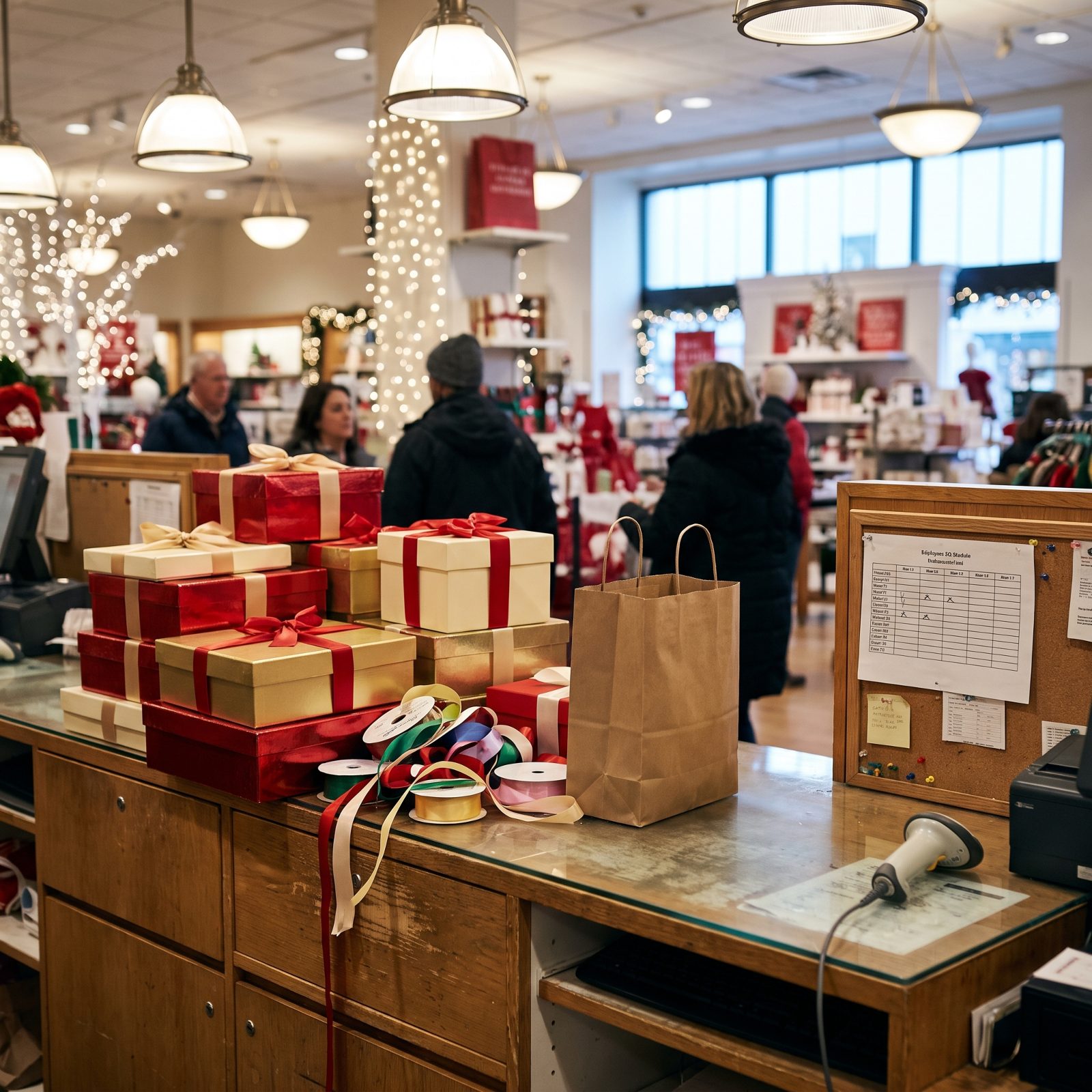
December is the one month retail pays you to stay longer and acts grateful about it. Hourly workers who normally fight tooth and nail for 25 hours suddenly get offered 40 plus whatever closing shifts nobody else wants to touch. Time-and-a-half kicks in past 40, and the hours right around the holiday itself can carry a premium on top of that.
Here’s what nobody tells you: the money hides in the ugly shifts. Black Friday open. The 23rd close. The day-after returns chaos. Take those and your December check can double a normal month — take only the pretty midday hours and you barely edge past October.
43. Delivery Drivers Run Peak-Season Routes

Peak season is a different job than the rest of the year. Routes that hold 120 stops in July swell past 200. Drivers work six days, sometimes seven, and the overtime past 40 hours is where the real money lives.
Some carriers throw in stop bonuses and daily incentives during the crunch. Seasonal hires get picked up fast and dropped fast, but the ones who grind through the brutal mid-December weeks walk away with checks that look nothing like their starting rate. The body pays for it. So does the back. The number at the bottom, though — that part’s real.
42. Warehouse Crews Earn Overtime on Holiday Order Volume

The warehouse is where all that holiday spending actually turns into labor. Every gift bought online has to be picked, packed, and shoved out a door, and the volume does not care one bit that it’s cold outside.
Mandatory overtime becomes the default through December. Some operations run voluntary extra shifts with pay bumps stacked on top of the time-and-a-half, plus attendance bonuses for anyone who clocks in every single day through the surge. The honest trade: your paycheck climbs, your feet go numb, and you get home late enough that you’re buying your own gifts at 11pm online — same as everyone else.
41. Software Sales Teams Close Before Budgets Reset

In software sales, December is a scoreboard with a hard buzzer. Fiscal years end, corporate budgets expire, and clients who’ve been stalling since September finally have a reason to sign: spend it or lose it.
Reps with uncapped commission and accelerators — higher payout rates once you clear quota — can out-earn the previous three months in the last three weeks. One enterprise deal dragged across the line on December 30th can outweigh an entire ordinary quarter.
The pressure is its own tax. You spend the holidays glued to a phone, chasing a signature from a buyer who’s already elbow-deep in mashed potatoes at his in-laws’. But that commission check landing in January? That’s the whole reason people stay in this job.
40. Luxury Salespeople Collect Fatter Holiday Commissions

Commission on a handbag is nice. Commission on four handbags, two watches, and a diamond in one afternoon? That’s a December afternoon.
Luxury retail runs on percentage-of-sale pay, so the gift-buying surge drops straight into the associate’s pocket. The regulars roll in to knock out their entire list in one sweep, and a relationship built patiently over the year cashes in during a single December visit. Clienteling — the quiet art of texting your best customers before they even walk in — is the whole game here. The associate who kept a client’s wishlist updated all year isn’t selling in December. They’re collecting.
39. Car Salespeople Chase the Year-End Quota

December on a car lot is manufacturer math. Automakers dangle volume bonuses in front of dealers for hitting monthly and year-end targets, and those bonuses roll downhill to the people writing the deals.
A salesperson one unit short of a tier isn’t trying to squeeze a profit out of that last car. They’re trying to unlock the kicker sitting behind it, which is exactly why end-of-year deals get genuinely aggressive. The customer who strolls in on December 31st holds more leverage than they’ll have all year. The smart salesperson knows it and closes anyway. The commission on the unit matters less than the bonus the unit trips.
38. Freelancers Burn Through Use-It-or-Lose-It Budgets

Corporate budgets that don’t get spent by December 31st simply vanish, and managers despise watching that happen. So freelancers suddenly get buried in projects that were “maybe next quarter” a month ago.
It’s the one stretch of the year a freelancer can quote a rush rate without flinching and hear a yes — the client cares far more about spending the money than haggling over it. Invoices that arrive before year-end get bumped to the front of the line by clients scrambling to clear their books. If you can stomach a chaotic December, it can quietly turn into your richest month. We’ve watched writers and designers pull a sizable slice of their annual income in the final three weeks, just by being available when everyone else had already mentally clocked out.
37. Recruiters Collect Fees on Year-End Placements

Recruiters don’t get paid for the search. They get paid when the candidate says yes. And plenty of hiring managers want their roles filled before the new year, so the headcount and budget don’t reset out from under them.
Placement fees — often a chunk of the hire’s first-year salary — land the moment the offer is accepted. Push two or three across the line in December and the commission swallows a slow summer whole. The quiet trick? Time the start date into early January while locking the acceptance in December, so the fee counts now and the candidate still gets their holidays.
36. Insurance Agents Hit Their Annual Sales Targets

Would you like to save this?
Insurance runs on annual contests and carrier bonuses, and December is when the leaderboard locks. Agents sitting just under a production tier spend the month cold-calling, closing renewals, and writing one last policy to clear the threshold.
The threshold is everything. The bonus for hitting a volume tier often matters more than the commission on any single policy, so agents will write business at the margin purely to trip the next level. Open enrollment overlapping the calendar year-end only pours more fuel on it. Unglamorous, phone-heavy work in the cold — but the agent who hits their number in December is funding a very different January.
35. Tax Professionals Bill for Year-End Planning Sessions

Most people picture tax pros as a spring-only species. The sharp ones earn a second payday in December.
Year-end planning is advisory work billed at advisory rates: harvesting losses, timing income, maxing retirement contributions, squeezing in charitable moves before the clock runs out. Every one of those decisions has to happen before December 31st, which hands the professional a short, lucrative window to charge for strategy instead of just grinding through filings.
Clients who’d never pay for a meeting in July fork it over happily in December, because the deadline makes the value impossible to ignore. Rare case where the calendar does the selling for you. And it sets up the busy season that follows, so the December hour quietly pays twice.
34. Bookkeepers Clean Up Business Accounts Before Year-End

December is when every small business owner suddenly remembers they have books. The shoebox of receipts, the uncategorized card charges, the invoices nobody’s logged since September. Guess who they call.
This work pays because it’s urgent and nobody wants to touch it themselves. Catch-up bookkeeping — rebuilding months of neglected records before tax season — can run several hundred to a few thousand dollars per client, depending on how bad the shoebox gets. And it’s always worse than they admit on the phone. Always.
What makes it lucrative is that it’s not flat-rate monthly work. It’s project pricing on a deadline, so you charge for the chaos.
33. Payroll Specialists Process Bonuses and Year-End Adjustments

Everyone wants their bonus in the right check, taxed correctly, before the 31st. The deadline doesn’t budge, and the volume triples.
Year-end payroll is bonus runs, final tax reconciliations, fringe-benefit adjustments, and the W-2 crunch waiting right behind it in January. Specialists who nail it pick up overtime, contract gigs, or whole temporary clients from firms that are drowning. And the pressure is no joke — one wrong withholding calculation on a bonus run and somebody’s holiday gets a lot less merry.
Steady work, steady pay, zero glamour. Do it right in December and you’re quietly the most popular person in the building.
32. Rideshare Drivers Catch the Holiday-Party Surge

The money is in the timing, not the hours. December surge pricing clusters around predictable spikes — the 6 p.m. office-party drop-offs, the 10 p.m. restaurant exodus, the 2 a.m. New Year’s crawl home.
Drivers who chase those windows, especially the late shifts nobody else wants, pull multiples of a normal fare. People have had a few drinks. They’re generous. They tip. The downside’s obvious, though: you’re working while everyone else celebrates, stone sober in a car full of people who are extremely not.
31. Restaurant Servers Ride the Holiday-Party Rush

Big tables are good tables, and December is nothing but big tables. A private party of twenty with a pre-set menu and automatic gratuity beats fifty walk-in deuces every time.
Work the holiday-party season and you stack tips on volume and on sheer generosity. People ordering on the company card tip like it’s not their money — because it isn’t. Add the regulars coming in for their own celebrations, feeling flush, and your best shifts of the year all land in one three-week blur.
You’ll be wrecked by the 23rd. You’ll also have made rent and then some.
30. Bartenders Work Corporate Events and New Year’s Eve

A good event bartender in December doesn’t work a shift. They run a sprint.
Private corporate parties pay a flat rate plus tips, and the jar on a hosted-bar event — where the drinks are free — fills faster than you’d ever guess. New Year’s Eve is the single biggest earning night of the hospitality year, and bars pay premiums to staff it because everyone wants it off. Speed is the whole game. Three hundred people, a two-hour window, and a cocktail list you’d better have memorized cold.
29. Caterers Fill the Busiest Calendar of the Year

December is where catering businesses earn the margin that carries the slow months. Office luncheons, family gatherings, open houses, the client-appreciation dinner — all crammed into a few packed weeks.
The money comes from booking density, not from charging more per head. A caterer running back-to-back events on a single Saturday spreads fixed costs — kitchen, staff, delivery van — across far more revenue than a quiet weekend ever delivers. And the thing that makes it profitable is exactly the thing that can sink you: one double-booking, or a van that won’t turn over in the cold, and suddenly you’ve got two furious hosts and no backup.
28. Bakers Sell Holiday Cookies and Dessert Trays

Cookie season is short and fierce. From the first week of December through Christmas Eve, a home baker can book out completely on custom orders, cookie boxes, and dessert trays for parties.
The economics are better than people assume. Decorated sugar cookies sell by the dozen at a markup that would look insane in any other context, because they’re bought as gifts and nobody price-shops a gift. The real prize is corporate: fifty boxes for client thank-yous, paid up front, one delivery.
Your only limit is oven time and two hands. The smart bakers cap orders early and stop taking them — which feels wrong and is exactly right.
27. Christmas Tree Farmers Sell Straight to the Shopper

A tree farmer spends the better part of a decade growing a Fraser fir and sells the whole crop in about three weeks. The entire year’s income lands in December.
Selling direct — cut-your-own or straight from the farm lot — cuts out the wholesaler and keeps the full retail price. That’s the line between a hobby and a living. But the catch is brutal. Your product peaks on exactly one weekend, you can’t restock faster than nature allows, and a warm snap or an early sellout decides the whole season.
Everything rides on three weekends. No pressure.
26. Florists Build Wreaths and Holiday Centerpieces

Would you like to save this?
Flowers die. Wreaths and centerpieces hold for weeks, which is why December is a florist’s favorite kind of problem.
Fresh evergreen wreaths, garlands, and table centerpieces carry fat margins because the material is cheap and the labor is skilled. Corporate accounts order in bulk for lobbies and reception desks, and hosts order centerpieces by the dozen for parties. The clever move is workshops — teaching people to build their own wreath, charging for the privilege and the supplies — which opens a whole revenue line that has nothing to do with selling the finished thing.
25. Event Planners Run the Corporate Party Circuit

The corporate holiday party looks effortless to the guests. That’s the whole product. Behind it sits a planner who booked the venue back in August, negotiated the caterer, built the timeline minute by minute, and is already wearing a headset by the time anyone walks in.
December is peak season and planners price it hard — a project fee, or a percentage of the total event budget. One large party can be a serious slice of annual income. The work is relentless and compressed. Every client wants the same three Saturdays, and something always goes sideways around 5 p.m. The planner’s job is to make sure the guests never find out what it was.
24. Party-Rental Companies Stay Booked Solid Through December

December books itself. Corporate holiday parties, church banquets, private dinners, and New Year’s bashes all cram into the same four-week window, and every single one needs chairs, tables, linens, heaters, and tents. A rental outfit that spends November wiped down and inventoried can run deliveries seven days straight through the holidays without a breather.
The real money hides in the turnaround. One set of 200 chairs can get rented, returned, cleaned, and rented out again several times in a single week — then sit dead in a corner all February.
23. DJs Name Their Price for Christmas and New Year’s Eve

New Year’s Eve is the single most valuable date on a wedding DJ’s calendar, and most working DJs charge double or triple their normal rate for it. There’s exactly one December 31st. Demand wildly outruns supply, and clients know it, which is why nobody argues about the markup.
Here’s how the pros play it. They lock in holiday corporate gigs by late summer, so when December lands their calendar is a wall of back-to-back bookings. Work the office-party circuit through the first three weeks, then cash the big NYE check, and a DJ can bank a huge slice of the year’s income in thirty days flat.
22. Photographers Shoot Family Portraits at a Holiday Premium

The holiday card drives the whole thing. Families want one good photo before the cards go in the mail, and that single want creates a stampede into November and early December that portrait photographers build their entire year around.
Smart shooters run mini-sessions. A themed backdrop, a fifteen-minute slot, a flat fee, and twelve families cycled through on one Saturday. By the third booking the setup cost is already covered. Everything after that is pure margin.
21. Santa Performers Get Paid by the Appearance

A good Santa is a specialist, and specialists set their own rates. Mall gigs, corporate parties, private home visits, tree-lighting ceremonies, hospital rounds. The best performers — real beard, actual resume — command strong hourly fees and book out weeks ahead.
The season is brutally short and front-loaded. Thanksgiving to Christmas Eve is the whole window, and that last week is a dead sprint. A seasoned Santa can knock out several appearances in a single day during the final stretch.
20. Holiday Decorators Install Residential Light Displays

Hanging your own Christmas lights means a cold afternoon up a ladder wrestling with last year’s knotted strands. Plenty of folks would rather pay someone to make the whole headache vanish — and there’s your business.
Residential decorators sell a package: design, professional-grade lights, installation, a mid-season fix if a strand dies, and takedown come January. From early November through mid-December the install crews run flat out, often working dawn to dark to beat the first hard freeze.
The quiet genius of it is recurring revenue. Lock in one neighbor this year and they’ll be calling you every December after that.
19. Snowplow Operators Cash In on December Storms

Snow is the one business where your best revenue rides entirely on the weather, and December up north usually obliges. A single serious storm can mean an eighteen-hour shift and a pile of commercial contracts all screaming for clear lots before their doors open.
But the money isn’t really in the plowing. It’s in the seasonal contract. Businesses pay a flat fee for the whole winter so their lot is guaranteed clear, which means the operator gets paid whether it dumps an inch or a foot. A heavy December just means those contracts earn out faster.
18. House Cleaners Stack Pre- and Post-Party Jobs

December hands house cleaners two paydays per party. First the frantic deep clean before the in-laws show up, then the morning-after rescue when the kitchen looks like a crime scene and nobody has the strength to face it.
Hosts who’d never dream of paying for cleaning cave in December. The house has to look right for guests, there’s no time to do it yourself, and the budget guilt just melts away around the holidays. A cleaner who pitches their existing clients in late November can often double the month’s bookings.
17. Pet Sitters Charge Holiday Rates While Everyone Travels

The stretch between Christmas and New Year’s is the busiest travel week of the year, and every traveler with a pet needs someone covering the feedings, the walks, the mid-day check-ins. Demand spikes right when supply dries up, because sitters have families and travel plans of their own.
That squeeze is exactly why holiday surcharges are standard and nobody blinks at them. Stay in town over the holidays and you can charge premium rates on a calendar packed wall to wall. Overnight stays in a client’s home pull the richest fees of the whole year.
16. Babysitters Command Premium Pay on Party Nights

Would you like to save this?
For babysitters, New Year’s Eve is what it is for DJs — the highest-paying night going, by a mile. Parents headed to parties, staying out past midnight, all fighting over a shrinking pool of available sitters, will happily pay well above the usual rate.
And the whole month runs hot. Office parties, couples’ dinners, shopping trips — suddenly there are weeknight bookings that barely exist the rest of the year. A sitter who’s reliable and already trusted by a few families can fill nearly every December evening, if they feel like it.
15. Hotel Employees Grab the Premium Holiday Shifts

Hotels run near capacity through the holidays, and somebody has to work Christmas Day and New Year’s Eve. Those shifts often pay holiday differentials, time-and-a-half, or bonus incentives, because management is desperate for bodies when half the staff wants the day off.
For front desk, housekeeping, and banquet crews, December is a tip surge stacked on top of premium pay. Guests feel generous. Parties and weddings jam the event calendar. Room service runs all night on the 31st.
Working the holidays stinks when everyone else is home. But the paycheck that lands in early January has a way of softening the resentment.
14. Ski Instructors Begin Their Peak Season

December is when the lift tickets start selling and the private lessons book out. A certified instructor’s pay jumps the moment the resort opens, and holiday weeks pack the schedule back to back — morning group clinics, afternoon privates, the occasional bump to supervisor rate on the busiest days.
The quiet earner here is private lessons. Families shelling out for one-on-one instruction over the break tip well and rebook, and an instructor who builds a repeat client list over a few seasons eventually stops relying on walk-up assignments at all.
13. Tour Guides Lead Christmas Market Trips

Peak season for guides runs late November through Christmas, and the market circuit is the gold mine. Day trips, multi-stop coach runs, river cruise excursions threading through the German and Austrian markets. Guides working the busy routes often pull doubles — a daytime historic walk, then an evening lantern tour of the same square lit up completely differently.
And the pay stacks because tips fatten in December. People get generous with a cup of glühwein in hand. A guide who knows which stall sells the real hand-carved ornaments versus the imported junk? That person earns gratuities that leave the base rate in the dust.
12. Church Musicians Take Paid Seasonal Engagements

A good organist or vocalist can turn December into a run of paid gigs that dwarfs the rest of the year. Christmas Eve alone might mean three separate services across different congregations, each one cutting a check for the night. Then stack on cantatas, Lessons and Carols, wedding-season leftovers, and the private holiday parties hunting for a pianist.
Scarcity is the whole game. Every church wants music on the same two weekends, and there are only so many people who can sight-read a descant on command.
Freelance string players and brass quartets ride the same wave. Churches, hotels, corporate events — all of them fighting over one small pool of players during the exact same fortnight.
11. Actors Work in Christmas Productions

Regional theaters run their big earner in December, and it’s almost always some version of A Christmas Carol. A long run means steady paychecks across the whole month instead of a one-off gig. Actors who land a recurring holiday role get rebooked year after year like clockwork.
Beyond the mainstage sits a whole side economy: costumed character work at malls and events, murder-mystery dinner theater, radio-play recordings of holiday classics. That December stretch pays an actor more consistently than most of the leaner months combined — and honestly, for a lot of working performers it’s the only reliable money on the calendar.
10. Online Sellers Benefit From Holiday Gift Searches

For anyone running an online storefront, December is the month that makes the year. Gift searches surge, the browsers who lurked all autumn finally pull the trigger, and the pressure of shipping cutoffs means people pay full price without blinking.
The sellers who clean up prepped their inventory back in October. You can’t restock a handmade item on December 18th — the ones scrambling to source product mid-month just watch the window slam shut while their listings sit out of stock.
9. Craft Vendors Sell at Christmas Markets

A single busy weekend at the right craft fair can out-earn a whole slow month of online orders. Here the foot traffic is a buyer, not a browser. People show up to a Christmas market with cash and a gift list, and they want to hold the thing before they hand over money.
Table fees bite into the margin. The days are long and cold. But vendors who come back to the same market year after year build a following that shows up looking specifically for their stall, and that repeat crowd is worth more than any amount of random walk-up traffic.
8. Toy Resellers Profit From Scarce Holiday Releases

Every December produces a toy or two that sells out everywhere, and then the resale market goes feral. A reseller who grabbed stock in the fall can flip it at a brutal markup during the two frantic weeks when a parent will pay almost anything to avoid an empty spot under the tree.
It’s a gamble, not a guarantee. Guess wrong on which release goes hot and you’re sitting on a pile of inventory nobody wants come January. The ones who actually profit track pre-order patterns and supply news obsessively, treating it less like luck and more like reading a tide chart.
7. Gift Wrappers Charge by the Package

Gift wrapping is pure December money with almost no overhead. A folding table, good paper, sharp scissors, a steady hand — that’s the whole kit. Charge per package at a mall kiosk, a charity station, or a pop-up inside a boutique, and the volume on a Saturday before Christmas is relentless.
The skill ceiling is real, too. Someone who can wrap a cylinder, a book, and an awkward toy box cleanly and fast earns far more per hour than the beginner fumbling with the tape dispenser.
6. Personal Shoppers Serve Time-Pressed Gift Buyers

December breeds a very specific desperate customer: someone with money, a long gift list, and zero time. Personal shoppers charge by the hour or take a flat fee per list, and the holiday rush is their Super Bowl.
The value isn’t just the shopping. It’s the decision-making. A client hands over names, budgets, and a vague sense of taste, then gets back a pile of wrapped, thoughtful gifts without torching a single lunch break. The shoppers who charge the most are selling relief, not errands.
5. Affiliate Publishers Earn From Holiday Shopping Traffic

Content publishers who spent the year building gift guides and product roundups cash in during December. Holiday shopping traffic floods search results, commission rates often bump for the season, and one well-ranked guide can out-earn months of ordinary traffic in a few short weeks.
The work is front-loaded and brutal on timing. A gift guide published in December is already too late. The winning pages went up in September and October, long before anyone was searching, so the article is sitting pretty at the top of results right when the shopping frenzy hits.
4. Content Creators Cash In on Holiday Sponsorships

December is when the brand emails stack up. Toy companies, skincare lines, kitchen-gadget makers — they all want their product in a gift guide before the shopping window slams shut, and they’ll pay a premium to jump the queue. A creator who charges a few hundred for a sponsored post in March can quietly double that rate the first week of December. The clock does the negotiating.
Here’s the part nobody mentions: the work front-loads. Brands want content live by early December, so filming, editing, and approvals all pile into a frantic November crunch. You earn the December money by burning your November weekends.
3. Social-Media Managers Run the December Promotion Machine

Every store with a web page wants a December blitz, and someone has to build the thing. Managers running freelance or agency contracts stack client retainers on top of ad-management fees that scale with holiday ad spend, so when a client triples the budget from Black Friday through New Year’s, the percentage cut triples right along with it.
And the workload? Relentless. You’re scheduling flash sales at odd hours, rewriting captions when inventory sells out mid-promo, and fielding the panicked midnight message about why a post didn’t go live. The pay reflects the chaos, not the glamour.
2. Healthcare Staff Pocket Holiday Differential Pay

Working Christmas Day is a paycheck decision for plenty of nurses, techs, and aides. Holiday differential usually means time-and-a-half or double time, and when you stack that with a night or weekend differential, one December 25th shift can earn what a regular Tuesday earns across two or three days.
Here’s the math people miss. Picking up a cluster of holiday shifts in a single month can swing your whole quarter. The folks who volunteer for December 24th, 25th, and New Year’s aren’t all martyrs — some did the arithmetic and figured the differential beats the family dinner by a country mile.
1. Managers Collect Year-End Performance Bonuses

Year-end bonuses are the quiet reason December salaries look nothing like June’s. Lots of companies tie annual payouts to the Q4 close, so the deposit lands in late December or early January, often as a slice of base pay that climbs with seniority.
Worth understanding, though: how discretionary these can be. A bonus that feels guaranteed still hinges on the number the business hit and the mood in the room during review season. Managers who treat it as a done deal and spend it in November are the ones who get burned.
The bonus you count on before it clears is the one that teaches you not to count on bonuses.
Build your December budget on the paycheck, not the projection. When the bonus arrives, it’s a windfall. When it shrinks, you haven’t already spent it.