

Would you like to save this?
Here’s the part nobody posts about: most financially comfortable people you know don’t out-earn you by much. They out-habit you. The paid-off car, the calm face at tax time, the dinner that nobody stressed about — that all comes from a handful of boring moves repeated for years. We pulled together the habits that keep showing up in households that feel secure on a normal salary. None of them require a windfall, and every one is something you could set up this week. So let’s get into the ones that actually move the needle.
34. They Keep Housing Costs Well Below What a Lender Approves

The bank will tell you what you can borrow. It will not tell you what you can live with. Lenders approve you for a payment that eats roughly a third of your gross income, which sounds reasonable right up until property tax, insurance, and a water heater that dies in February all show up during the same week.
People who feel secure on normal pay quietly ignore the top of that number. They aim for a housing payment closer to a quarter of take-home, not gross. And that gap — the room between approved and actual — is where everything else lives. Savings. A decent car. Dinners out that nobody frets over.
Do this today: write down your monthly take-home pay, multiply by 0.25, and compare it to your rent or mortgage. House-hunting? That number is your ceiling, not the lender’s.
33. They Drive Reliable Used Cars Long After the Loan Is Paid Off

The most expensive thing about a car isn’t the sticker. It’s the habit of swapping it out every five years.
Secure households buy a reliable used car, finance it conservatively or pay cash, then keep driving it long after the last payment clears. Those payment-free years are where the real money gets made. You’re still getting to work, the car still runs, and the few hundred a month that used to vanish into a loan now goes somewhere useful instead.
Start here: once your current car loan ends, don’t rush to the dealership. Keep paying that same amount — but to a savings account. In a few years you’ll have the next car in cash and skip financing entirely.
32. They Almost Never Carry a Credit Card Balance

Credit card interest is the quiet tax on people who are otherwise doing fine. Carry a balance at twenty-plus percent and you’re handing the bank money every month for the privilege of groceries you already ate.
The comfortable-looking crowd uses cards the way most of us wish we did: for convenience and points, paid in full every statement, no interest ever touching them. The card becomes a tool instead of a trap.
Carrying a balance right now? Don’t shame-spiral. Pick the card with the highest interest rate and throw every spare dollar at it while paying minimums on the rest — the avalanche method, which saves you the most in interest. Then set autopay to the full statement balance the day it hits zero so you never slide back.
31. They Automate Saving on Payday So It Never Hits Their Hands

Willpower is a terrible savings plan. Automation beats it every time.
The trick that turns up in nearly every secure household is embarrassingly simple: money moves to savings automatically the day after payday, before it can get spent. You never see it, so you never miss it, and the account you “forgot about” quietly fills up while you live your life.
Set it up this week. Log in to your bank, create a recurring transfer from checking to a separate savings account, and time it for the day after your paycheck lands. Start with whatever doesn’t scare you — even fifty bucks. You can raise it later. The amount matters less than the fact that it happens without you thinking about it.
30. They Bump Up Contributions Every Time Their Pay Goes Up

Raises have a way of evaporating. The money arrives, your spending quietly rises to meet it, and a year later you feel exactly as stretched as before. That’s lifestyle creep, and it’s the reason plenty of high earners still feel broke.
People who build security intercept the raise before it disappears. The month it hits, they send half of it straight to savings or retirement and let the other half improve daily life. Your paycheck still grows. Your spending just doesn’t grow as fast.
Next bump, do the math right away: take the increase, split it down the middle, and raise your automatic transfer by half the new amount. You never adjusted to the full raise, so you won’t miss what you skimmed off.
29. They Grab the Full Employer Retirement Match, No Exceptions

If your employer matches retirement contributions and you’re not getting the full match, you’re declining a raise. That’s the plainest way to say it.
A common setup is a dollar-for-dollar match up to, say, a few percent of your pay. Put in enough to grab all of it and your money effectively doubles the moment it lands, before a cent of growth. Nothing else in investing offers a guaranteed instant return like that.
Go check your contribution rate today. Find the exact match formula in your benefits portal or just ask HR. Then set your contribution high enough to hit the full match. If money’s tight, start low and climb a percent each year — but don’t leave the match on the table. It’s the one thing in this whole list that’s genuinely free.
28. They Keep Emergency Cash Where It Actually Earns Something

An emergency fund sitting in a regular checking account earning basically nothing isn’t wrong. It’s just leaving money on the table for no reason.
High-yield savings accounts, usually from online banks, pay many times what a big-bank savings account offers, and the cash stays every bit as accessible. You keep three to six months of essential expenses there — rent or mortgage, food, utilities, minimum payments. Not invested, not locked up, just earning a respectable rate while it waits.
This weekend, look up a reputable high-yield savings account and open one online. Move your rainy-day money over. Same safety, same access, with interest that doesn’t insult you. Fifteen minutes, start to finish.
27. They Keep Separate Sinking Funds for the Big Bills They Know Are Coming

Your car insurance isn’t a surprise. Neither is Christmas, or the property tax bill, or the fact that your roof will eventually need attention. Yet these utterly predictable costs wreck budgets constantly, because people keep treating them like emergencies when they’re really just arrivals you can see coming from a mile off.
Sinking funds fix this. Take an annual expense, divide it by twelve, and tuck that amount away every month into its own little pot. When the bill lands, the money’s already there. No scramble. No card. No stress.
Pick your most annoying irregular bill — the one that always catches you. Figure out what it costs per year, divide by twelve, and start setting that aside each month in a named savings sub-account. Most banks let you create several. Add another category once the first one feels easy.
26. They Shop Their Insurance Rates Before Blindly Renewing

Would you like to save this?
Insurance companies count on your inertia. They know most people renew without looking, so loyal customers quietly drift into higher premiums year after year while new customers get the deals. Funny how that works.
The secure crowd refuses to play along. Every year or two, before the auto and home policies renew, they pull a few fresh quotes and bundle where it makes sense. The savings can run into hundreds a year for the exact same coverage. Same house, same car, same you, lower price.
Block out one hour before your next renewal. Pull your current coverage details, then get quotes from a handful of competitors or lean on an independent agent who shops multiple carriers for you. If someone beats your price, switch — or call your current company and ask them to match it.
25. They Negotiate the Internet, Phone, and Streaming Bills Instead of Accepting Them

Your internet bill isn’t fixed. It just looks that way.
Providers run promotional rates that quietly expire, then let the number creep up, betting you won’t notice or won’t bother. People who hold onto their money call once a year and ask for the current promo rate, or mention a competitor’s offer, or just say they’re thinking of canceling. Retention departments exist precisely to keep you, and they’re sitting on real discounts they only hand out when asked.
Make the call this month. Have a competitor’s advertised price ready. Be friendly but direct: “I’ve been a customer a while, my bill’s gotten high, what can you do?” Then shut up and let them offer. Do the same with your phone plan, and cancel any streaming service you haven’t opened in two months.
24. They Use a Simple Meal Rotation on Busy Weeknights

Pick five or six meals you can cook half-asleep and rotate them. Tacos, a sheet-pan chicken, pasta with whatever’s in the fridge, a big pot of chili. Boring on paper, quietly powerful in practice.
Here’s the mechanism. Decision fatigue is what sends you to the drive-thru at 6:15 on a Tuesday, and a rotation removes the decision entirely. You already know what’s for dinner, which means you already bought what you need, which means you’re not blowing forty bucks on a panic grocery run or fifty-five on delivery. People who look comfortable? They eat at home far more than you’d guess.
Start tonight. Write down six meals you actually like and can make from pantry staples, then stick the list on the fridge. That scrap of paper is a budget tool wearing an apron.
23. They Reserve Restaurants for Meals They Truly Value

Eating out stops being a leak when it becomes a choice. The comfortable-looking crowd doesn’t dine out more than you — they do it less, and better.
The math is plain. Grab-and-go lunches, mediocre takeout, the “we’re too tired to cook” dinners add up to hundreds a month, and none of it is memorable. Cut those to near zero and suddenly there’s room for the anniversary dinner you’ll actually remember. Same money, wildly different return on joy.
So split it. Cook the routine meals, and save restaurants for things worth celebrating or a place you’ve genuinely wanted to try. You’ll spend less overall and enjoy the meals out more, because they stopped being a shrug and started being an event.
22. They Host Friends at Home Instead of Always Going Out

A dinner party at home costs a fraction of the same night out. Four people at a decent restaurant with drinks can run a couple hundred bucks before anyone’s even glanced at dessert. The same four at your kitchen table? Maybe forty in groceries and a bottle you already had sitting around.
And the night is usually better. Nobody’s hustling you off the table, the music is yours, and the conversation runs long. Hosting reads as generous and settled — which is exactly the easy confidence people chase at restaurants and rarely find.
Keep it low-stakes. A big pot of something, bread, a salad, everyone brings a bottle. You want people around a table, not a performance.
21. They Travel During Shoulder Seasons

The same trip costs dramatically less in late September than in July — and it’s better. Fewer crowds, mild weather, locals who aren’t yet fried by peak-season chaos.
Flights and hotels price on demand, and demand collapses the week school starts or the week after a holiday. That’s your window. Same beach, same museum, same old town, often at a fraction of the airfare and a cheaper room, with shorter lines everywhere you go.
Build your trips around the calendar, not the other way around. Look at the two or three weeks on either side of peak for your destination. Set a fare alert, keep your dates flexible, book when the price dips. Comfortable travelers aren’t richer. They’re just going in October.
20. They Redeem Travel Rewards Without Overspending to Earn Them

Travel points are only free if you’d have spent the money anyway. The trap is buying things you don’t need just to clear a bonus. That’s not earning a trip — that’s paying for one in installments you won’t notice until the statement lands.
Done right, it’s simple. Put the spending you already do — groceries, gas, the utility bill — on a rewards card, pay it in full every month, and let the points stack. Carry a balance even once and the interest eats every point you earned, plus some.
Pick one card that matches your real spending, set it to autopay the full statement, and forget about it. The flight you booked with points you never chased is one of the best feelings in personal finance.
19. They Borrow or Rent Rarely Used Equipment
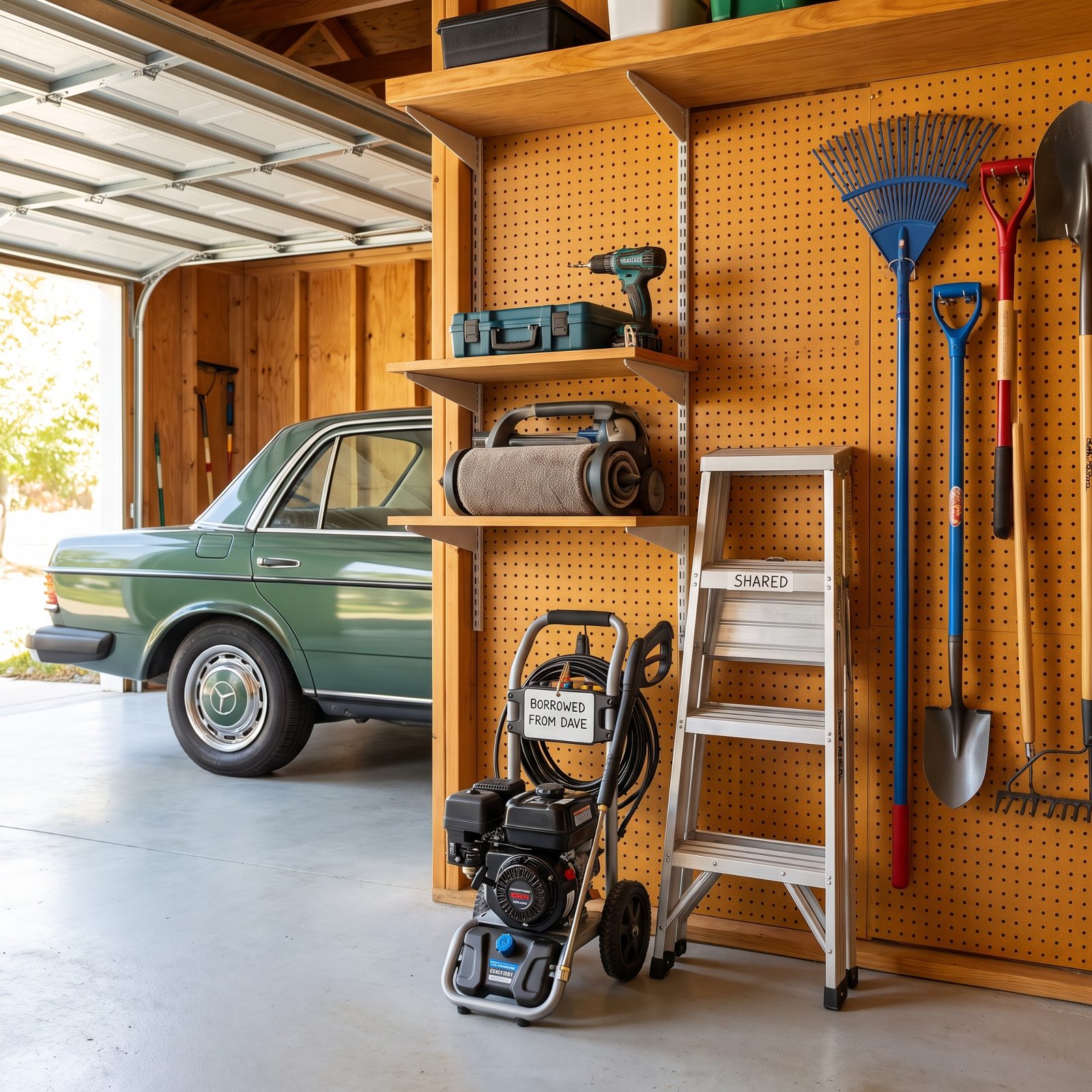
You don’t need to own the tile saw you’ll use once. Or the carpet cleaner, the pressure washer, the extension ladder, the post-hole digger. Owning them means buying them, storing them, and watching them collect dust between the rare times they’re actually useful.
Renting a tool for a weekend costs a sliver of buying it, and borrowing from a neighbor costs a six-pack and a thank-you. Plenty of libraries lend tools now, too. The savings compound because you’re also not surrendering garage space to stuff you touch once a year.
Before you buy any pricey occasional-use item, ask yourself one thing: how many times will I really use this? If the honest answer is “twice,” rent it or borrow it. Buy the drill. Borrow the saw.
18. They Buy Quality Secondhand Furniture

Old furniture was often built better than new. A solid-wood dresser from an estate sale will outlive three flat-pack versions, and it usually costs less than one. Real wood, dovetail joints, frames that don’t wobble when you lean on them.
The economics are lopsided. Furniture loses value the second it leaves the store, so you’re buying real quality at a secondhand discount while sidestepping the “new” markup entirely. A walnut credenza or a cognac leather armchair that’s held up for forty years will hold up for forty more.
Check estate sales, marketplace listings, and consignment shops. Look for solid wood (knock on it), tight joints, metal hardware. A little wax or a reupholster turns a sixty-dollar chair into something people assume cost ten times that.
17. They Maintain Homes and Cars Before Problems Become Emergencies

A cheap oil change prevents a ruinous engine replacement. New gutters prevent a rotted roofline. The comfortable-looking life isn’t about having no problems — it’s about catching them while they’re still cheap.
Deferred maintenance doesn’t vanish. It compounds like debt, except the interest gets paid in catastrophic repair bills and ruined weekends. The furnace you skipped servicing dies in January. The brakes you ignored take the rotors down with them.
Build a simple maintenance calendar. Oil and tire rotation on schedule, HVAC serviced twice a year, gutters cleaned every fall, water heater flushed annually. An afternoon and a little money now buys you years of boring, uneventful ownership. And boring is exactly what you want.
16. They Use the Library for Books, Media, and Activities

Would you like to save this?
The library might be the most underused deal in America. Books, obviously. But also audiobooks and e-books on your phone, streaming movies, museum passes, classes, printing, tool lending, even seed libraries and Wi-Fi hotspots you can check out like a paperback.
And all of it is funded by taxes you already pay. Skipping the library to buy the same things twice is the quiet way middle budgets leak. A family that reads a lot can save hundreds a year just by borrowing instead of buying.
Get a card this week — it’s free — and download your library’s app. Most let you borrow digital books and audiobooks straight to your phone, no trip required. Then check the events calendar. That “expensive hobby” might be a free Tuesday workshop.
15. They Cancel Subscriptions as Soon as Use Drops

Subscriptions are designed to be forgotten. That’s the whole business model. The streaming service you kept for one show, the app you opened twice, the gym membership you’ve been paying since a January you’d rather not discuss.
Each one is small, which is precisely why they work. A handful of forgotten charges at a dozen bucks each quietly bleeds hundreds a year out of your account while you’re looking elsewhere. Companies are betting you never do the math.
So do it. Pull your last bank statement, list every recurring charge, and kill anything you didn’t deliberately use in the last month. You can always resubscribe. Then drop a reminder on your calendar to run this again every few months. The habit isn’t deprivation — it’s just paying for what you actually use.
14. They Wait Before Making Nonessential Purchases

The 48-hour pause is the cheapest money trick that actually works. You see something, you want it, you drop it in the cart — then you close the tab and let it sit for two days. Usually the wanting just fades, which tells you it was never the item you were after so much as the little hit of buying.
Impulse spending runs on urgency, and waiting kills urgency dead. The mechanism is behavioral, not financial. Put a delay between the urge and the swipe, and the rational part of your brain finally gets a chance to show up.
Start today. Make a running list in your notes app called “maybe later.” Anything under a hundred bucks goes there for 48 hours; anything bigger, give it a week. You’ll be surprised how much still looks worth it after the wait. And how much doesn’t.
13. They Keep a Short List of Things Worth Splurging On

Splurging isn’t the enemy. Mindless splurging is. People who stay comfortable on ordinary paychecks tend to know exactly what they happily spend real money on, and they let everything else stay cheap.
Maybe it’s good coffee. Maybe it’s shoes that last a decade, or one annual trip. The list is short and deeply personal. Because they’ve already decided where the money goes, they don’t feel guilt when they spend there, and they don’t bleed cash on a hundred small things that never mattered to them in the first place.
Write your own list tonight — three to five categories, no more. These are your yes columns, and everything outside them gets the frugal treatment. A good leather bag or a stainless steel watch you wear daily for fifteen years beats a closet full of impulse grabs.
12. They Ignore Upgrades That Other People Barely Notice
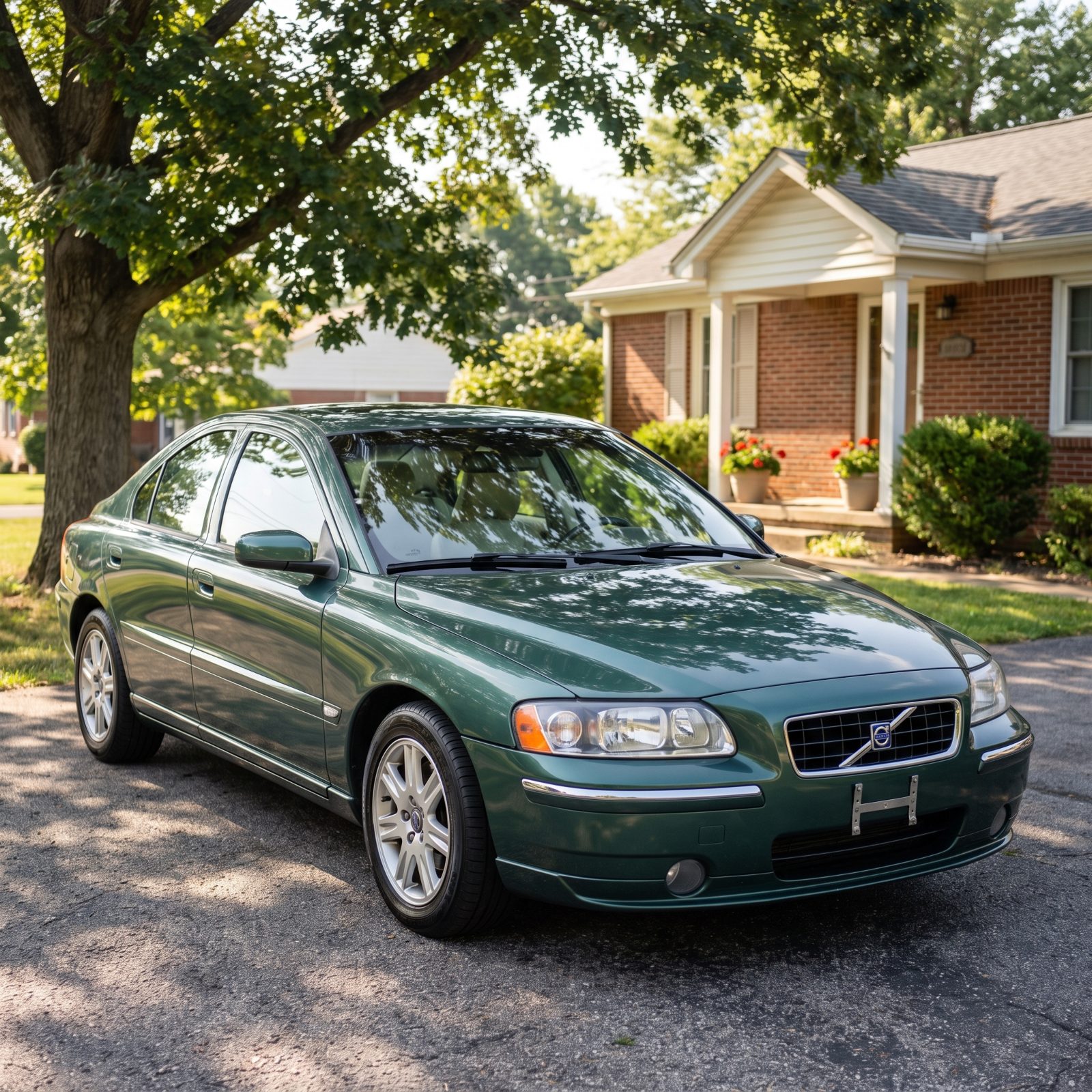
Nobody is studying your phone, your car, or your kitchen counters as closely as you think. The pressure to upgrade usually comes from inside your own head, not from anyone actually keeping score.
A paid-off car that runs great. A three-year-old phone that still works fine. A kitchen that cooks dinner perfectly well without the renovation. Skip those upgrades and you keep thousands, precisely because the upgrade buys almost nothing you’d notice day to day. The newest model year depreciates the second you drive it off the lot, and the gap between “newest” and “current” is mostly marketing anyway.
So ask one question before any upgrade: would I even notice this a week from now? If the honest answer is no, the money is better off quietly flowing into savings.
11. They Tailor Affordable Clothes for a Better Fit

A twenty-dollar tailoring job on a sixty-dollar blazer beats an untouched three-hundred-dollar one. Fit is what makes clothing look expensive, and fit is the one thing money alone can’t buy off the rack.
People who look pulled together on a normal budget know a good tailor by name. A hemmed trouser, a taken-in waist, a shortened sleeve — small, cheap adjustments that make affordable clothes read as considered rather than thrown on.
Find the drab little alterations shop near you and start with one item that almost fits. A navy wool blazer brought in at the shoulder, or trousers hemmed to your actual length, changes how the whole outfit sits. You can clock a tailored garment from across the room even if you can’t say why.
10. They Plan Gifts Throughout the Year

December wrecks budgets because it arrives all at once. Birthdays, holidays, weddings — all crammed into a panic of last-minute, full-price buying. The fix is almost embarrassingly simple. Buy gifts whenever you spot the right thing at the right price, year round.
When you’re not shopping against a deadline, you catch the sales, dodge the shipping scramble, and buy from a calm place instead of a desperate one. A good gift found in March costs less and lands better than something grabbed in a late-December frenzy.
Keep a small drawer or shelf as your stash and a running note of who you buy for. Next time you spot a scarf, a book, or a candle that fits someone you love, grab it. Future you will feel downright smug come the holidays.
9. They Use Cashback and Discounts Only on Planned Purchases

Cashback and coupons are tools, not reasons. The trap is spending forty dollars to “save” ten, which happens every single time a discount talks you into something you were never going to buy.
The disciplined move: decide what you need first, then hunt the deal. Cashback on groceries you’d buy anyway is free money. A twenty percent coupon on a jacket you didn’t want is still an eighty percent waste.
Here’s the sequence that keeps you honest. Write the purchase down because you need it. Only then open the cashback app or search the promo code. The order matters more than you’d think — reverse it and the discount starts making your decisions for you, which is exactly what the marketing was built to do.
8. They Know the Monthly Cost of Their Lifestyle

You can’t feel secure about a number you’ve never actually calculated. Most people run on a vague sense of their spending punctuated by a sharp spike of dread whenever a bill lands. The fix is one honest afternoon.
Add up what your life truly costs each month — housing, food, transport, insurance, subscriptions, all the recurring stuff that barely moves. That single figure is the foundation of every other money decision you’ll ever make. It tells you how big your emergency fund should be, how much a raise actually matters, and how long your savings would carry you if the paychecks stopped.
Pull three months of statements and total them by category. Do it once and you’ll never be quite as scared of a bad month again. You’ll know the real shape of it.
7. They Save Windfalls Before Spending Any Portion

A tax refund. A bonus. A gift check. Windfalls feel like free money, which is exactly why they vanish so fast. The habit that builds real security is counterintuitive: move the whole thing into savings the day it arrives, then decide what to do with it later.
This works because of plain behavior. Money sitting in checking gets spent by default, while money moved out of sight loses its urgency. After a week, the itch to blow it usually passes on its own.
Next windfall, transfer it straight into your high-yield savings account before you’ve mentally spent a dollar of it. Give yourself permission to claw a little back for a treat after a few days if you still want to. Most of the time you won’t, and the money just quietly becomes part of your cushion.
6. They Invest Automatically Through Market Ups and Downs

Would you like to save this?
The boring strategy wins, and it wins by a mile. Set up an automatic monthly contribution into a low-cost index fund inside your 401(k) or Roth IRA, then stop touching it. Don’t speed up when the market’s hot. Don’t bail when it drops.
Two forces do the heavy lifting here. Compound growth turns small, steady contributions into real wealth over decades, and automatic investing means you buy in during the highs and the lows alike without ever having to guess the timing — which almost nobody does well anyway.
Once you’re already capturing any employer match, automate a monthly transfer and let time do the quiet, unglamorous work.
5. They Keep Investment Fees Low

A one percent fee sounds like nothing. Over thirty years of investing, it can quietly swallow a huge chunk of what you’d otherwise have. Fees compound against you the same way returns compound for you, and that’s why people who end up comfortable actually watch the small percentages everyone else shrugs off.
The move is simple. Favor low-cost index funds, and check the expense ratio on anything you own. Plenty of broad index funds charge a tiny fraction of a percent. Some actively managed funds charge many times that for results that often don’t beat the cheap option anyway — go figure.
Look up the expense ratio on your current funds this week. If something’s charging well over half a percent, ask whether a cheaper, comparable index fund exists. It usually does. Low fees are one of the few guaranteed edges an ordinary investor actually gets to keep.
4. They Build a Second Income Stream One Small Piece at a Time

3. They Cut the Commute Instead of Chasing the Raise

2. They Add Up the Whole Cost Before Falling for the Sticker Price

1. They Measure Net Worth, Not the Neighbors’ Opinions

Net worth is the only scoreboard that tells the truth. It’s plain subtraction: everything you own minus everything you owe. Cars, closets, vacation posts? None of it makes the list. A leased luxury SUV and a maxed-out credit line can look like success from the curb and still read as a negative number on paper.
Watch it monthly and your whole relationship with spending shifts. A new gadget stops feeling like a treat and starts looking like a line that drags the total down, while paying off a card nudges it back up. That climb gets oddly addictive.
So open a free spreadsheet tonight. Dump your account balances, retirement funds, and the rough value of your home into one column, your debts into another, and subtract. Update it on the first of every month. Then ignore the single number and watch where the trend is headed — that’s the part nobody tells you matters more.