
Would you like to save this?
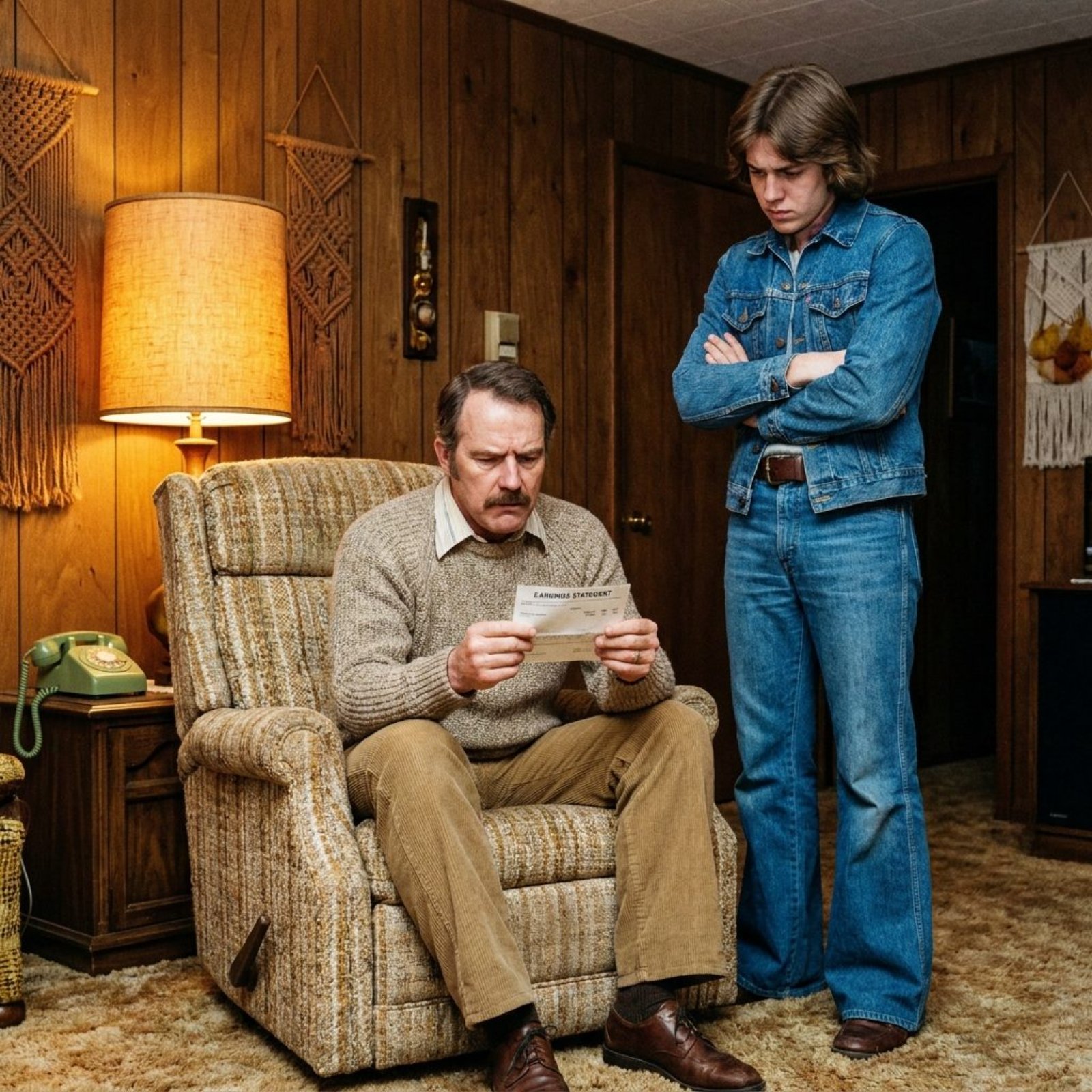
Friday at 4:55pm, the foreman walked the floor with a metal box. Your name got called. You signed something. He handed you an envelope, and the weight of it, that specific, satisfying weight, was your whole week made physical. You counted it standing right there, which everyone did and nobody pretended otherwise. Direct deposit is fine. It is efficient and safe and completely bloodless. These are the things it took from us.
27. The Coworker Who Told You Exactly What to Do With It Before You’d Walked Twenty Feet From the Window
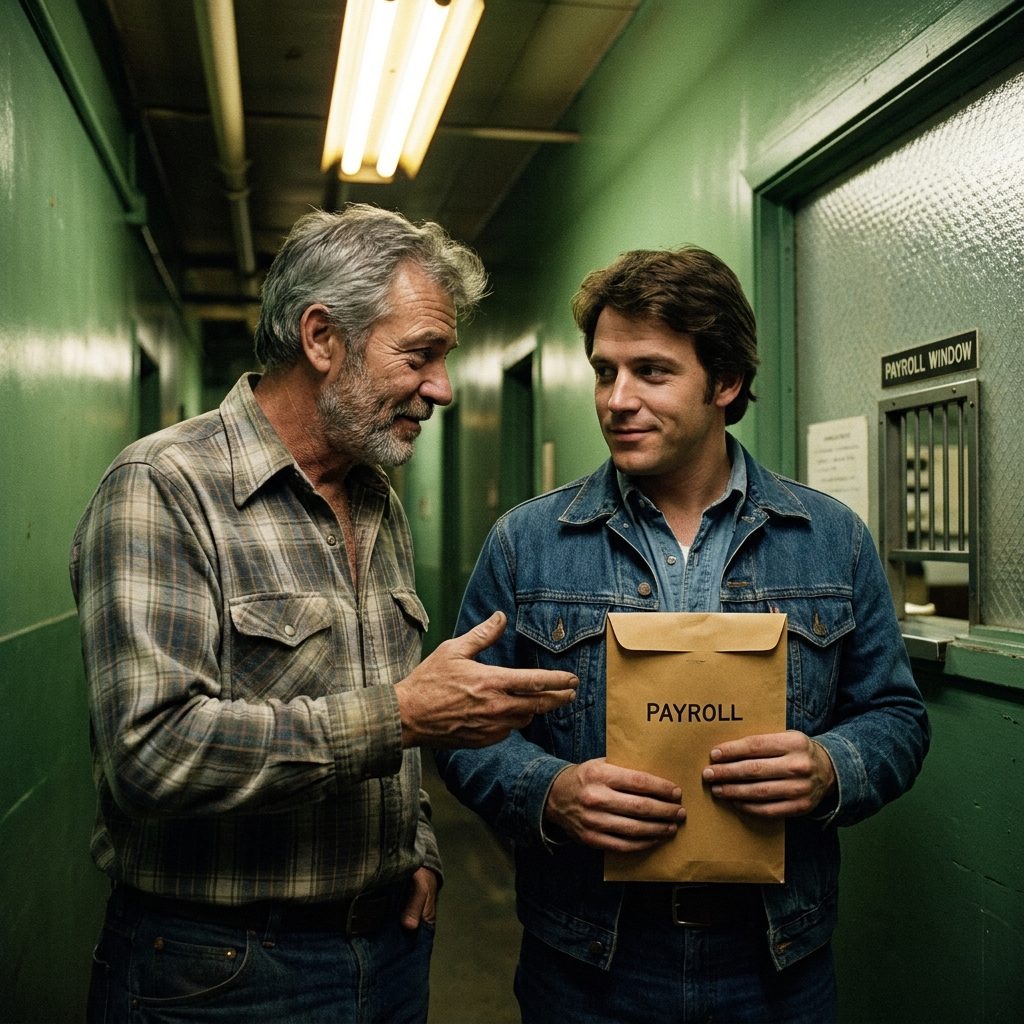
There was always one. The guy with twelve years in who’d been waiting for your first payday the way some people wait for a teaching moment. Before you’d folded the envelope he was already explaining how much to put toward rent, why you shouldn’t touch the bottom twenty, and what the guys in his neighborhood did with the rest. You didn’t ask. He told you anyway. And the strange part is, you actually listened, standing there in the hallway with cash in your hand for the first time, nodding like he was a priest.
26. How the Envelope Itself Looked After a Week in the Junk Drawer, Emptied but Not Thrown Away
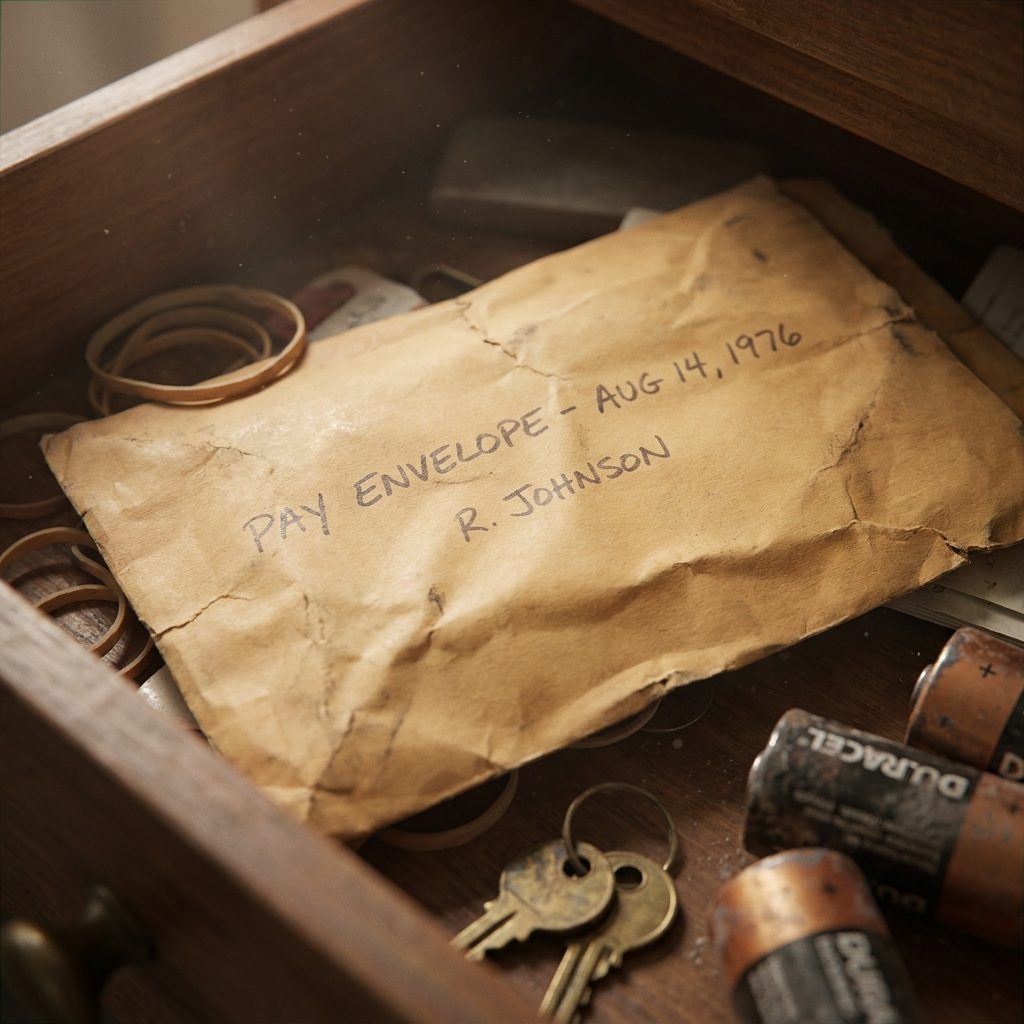
You kept it. You don’t know why exactly. It was empty, it was just paper, but there was something about the handwriting on the front, your name in someone else’s pen, that made it hard to throw in the trash on the first day. So it sat in the junk drawer with the rubber bands and the spare key, getting softer at the creases every week. Some people kept three or four of them before they finally let go. Some people still have one somewhere.
25. The Ride to Work on Payday Morning Already Knowing the Day Would End Better Than It Started

Friday started different when you knew the envelope was coming. The bus ride, the carpool, the walk from the parking lot, all of it had a low hum underneath it that Monday didn’t have. You weren’t rich. You weren’t even comfortable yet. But for one morning every two weeks, the arithmetic of the day was going to work out in your favor, and you knew it before you got there, and that knowing was its own kind of money.
24. The Way You Talked About Money Differently When It Was Physical, What the Bills Actually Said Out Loud
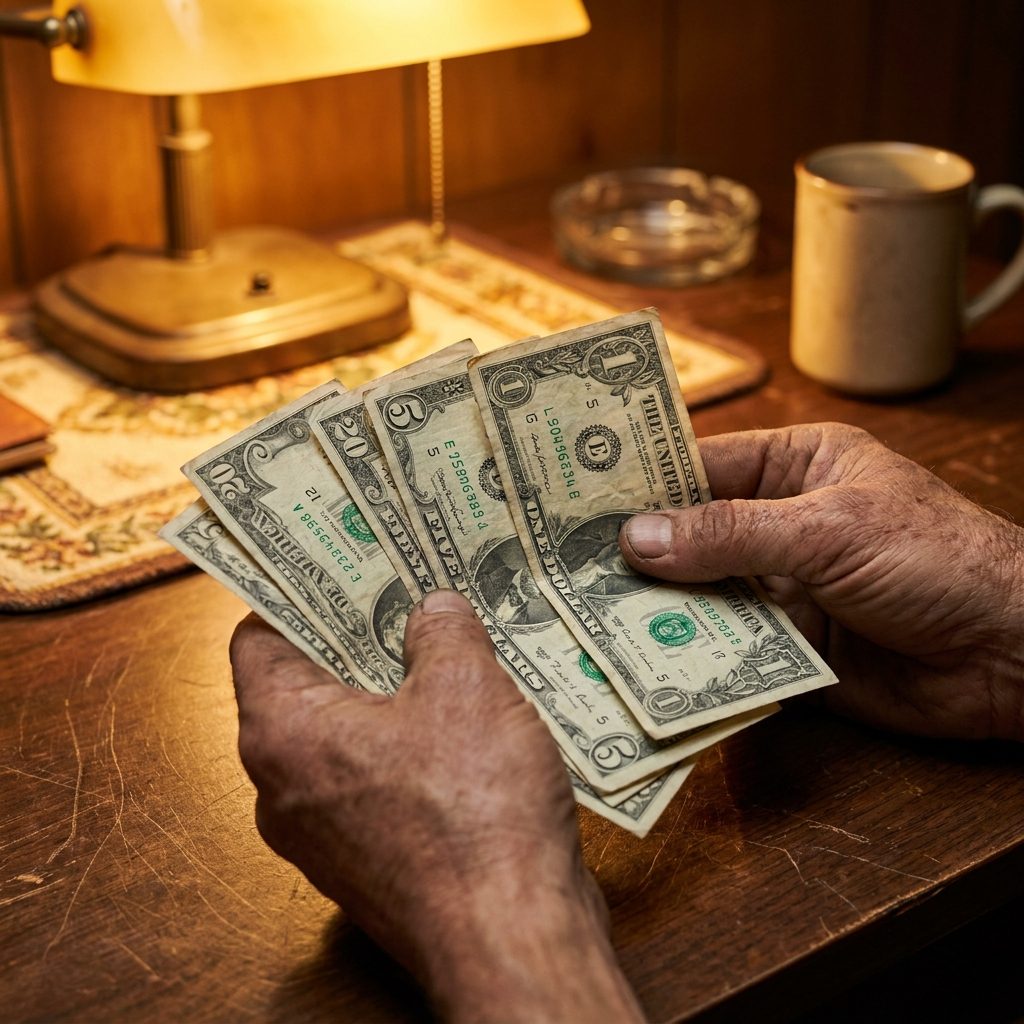
When the money was in your hand, you talked about it differently. Not in percentages or account balances. In specific bills. “I’ve got a twenty and some ones.” “I kept back a five.” “There’s a ten left after the landlord.” Cash gave money a texture that numbers on a statement never did. You could point at it. You could hold the actual amount of your rent in your hand and feel how heavy it wasn’t. That physicality changed every conversation about it, even the ones you had only with yourself.
23. What You Did in the Ten Minutes Before the Window Opened on Payday Friday
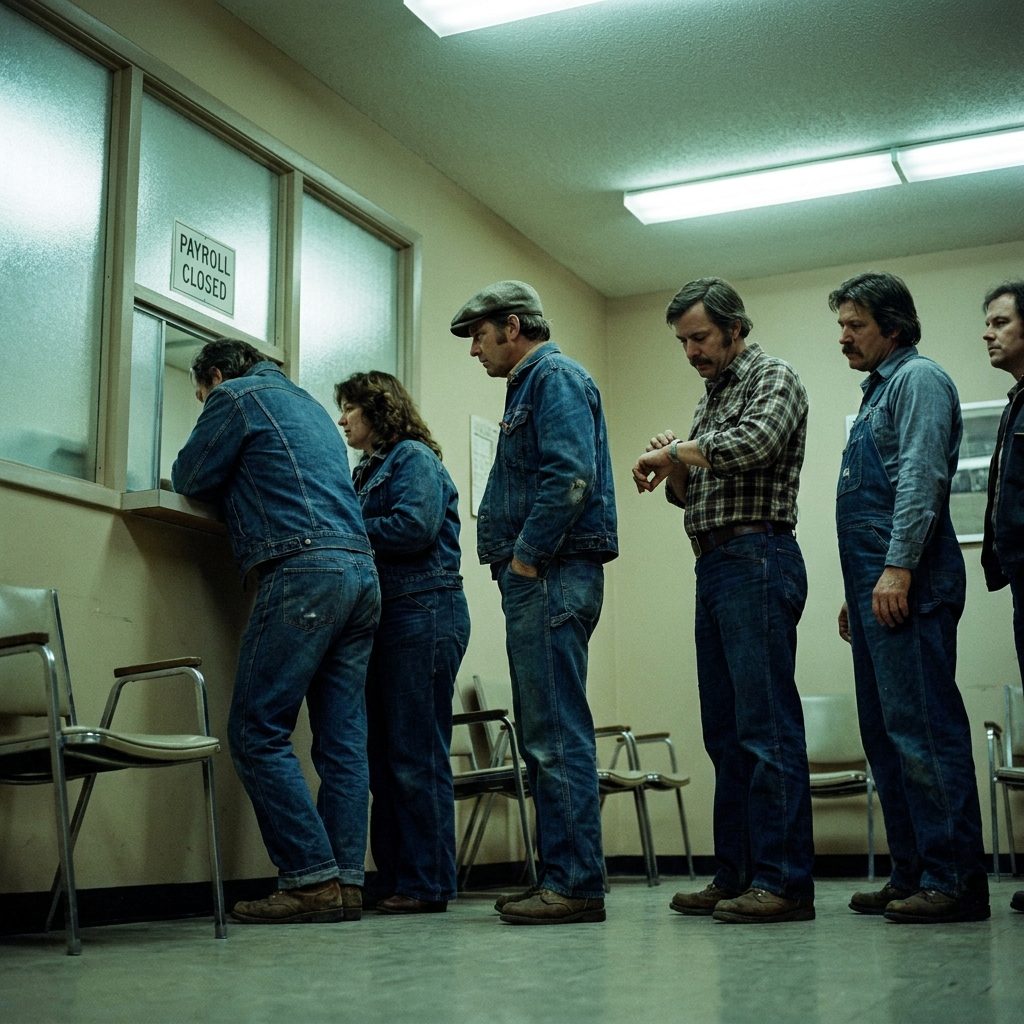
Nobody talked much in that line. You stood there, weight shifting foot to foot, and you thought about the number. You already knew what it was supposed to be, you’d done the math on Tuesday, probably, but the ten minutes before the window opened had their own specific quality. Part anticipation, part low-grade anxiety, part the satisfying knowledge that whatever happened next, you had earned it with your body and your time and they owed it to you. The window opening was never just a window opening.
22. Buying Groceries That Same Evening With Cash You Could Actually Count Out at the Register
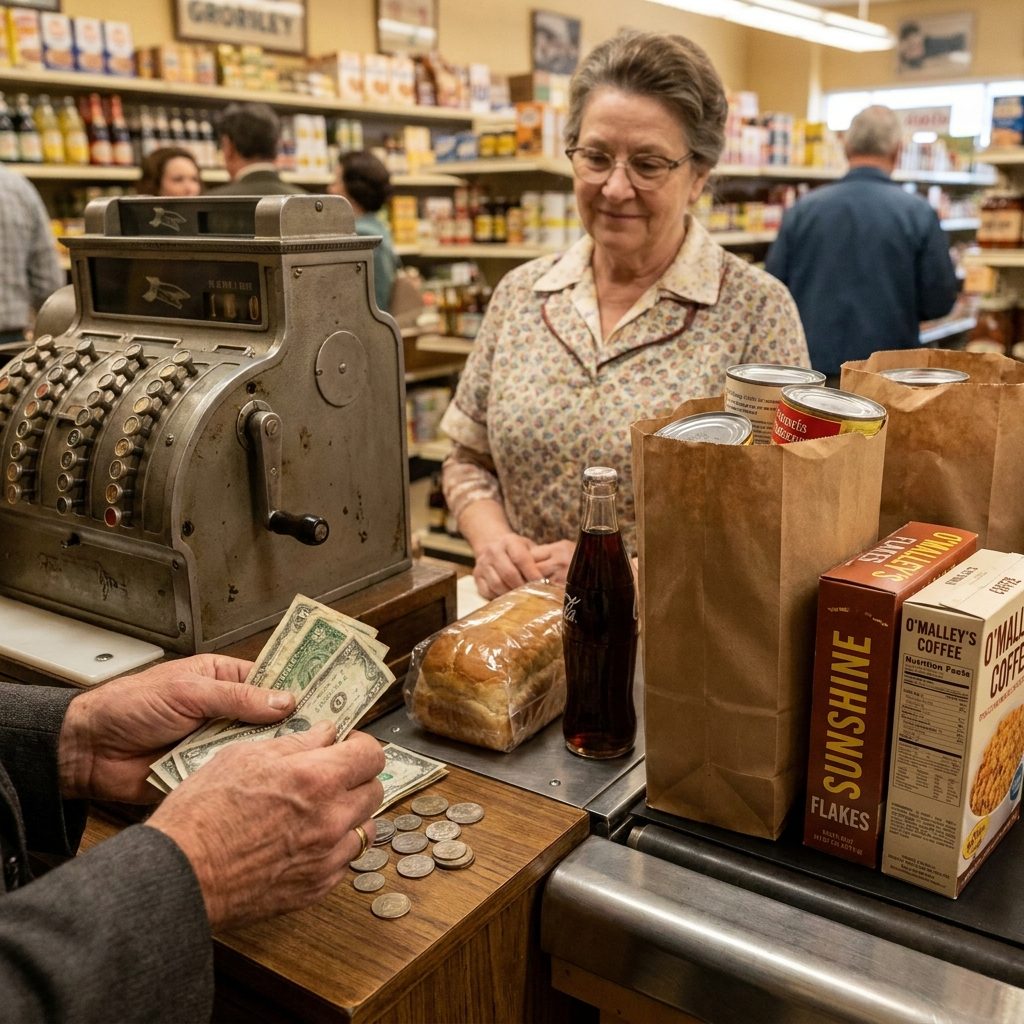
There’s something that gets lost in the translation to card swipes and auto-pay, and it’s this: standing at the register on a Friday night with actual bills in your hand, counting out eleven dollars and change for a week of groceries, and knowing you had enough because you could see that you had enough. The cashier gave you coins back. You put them in your pocket. The transaction was complete and visible and true. Nothing pending, nothing processing. Done.
21. The Specific Way You Walked Out of Work on the First Real Payday, Slower, Somehow
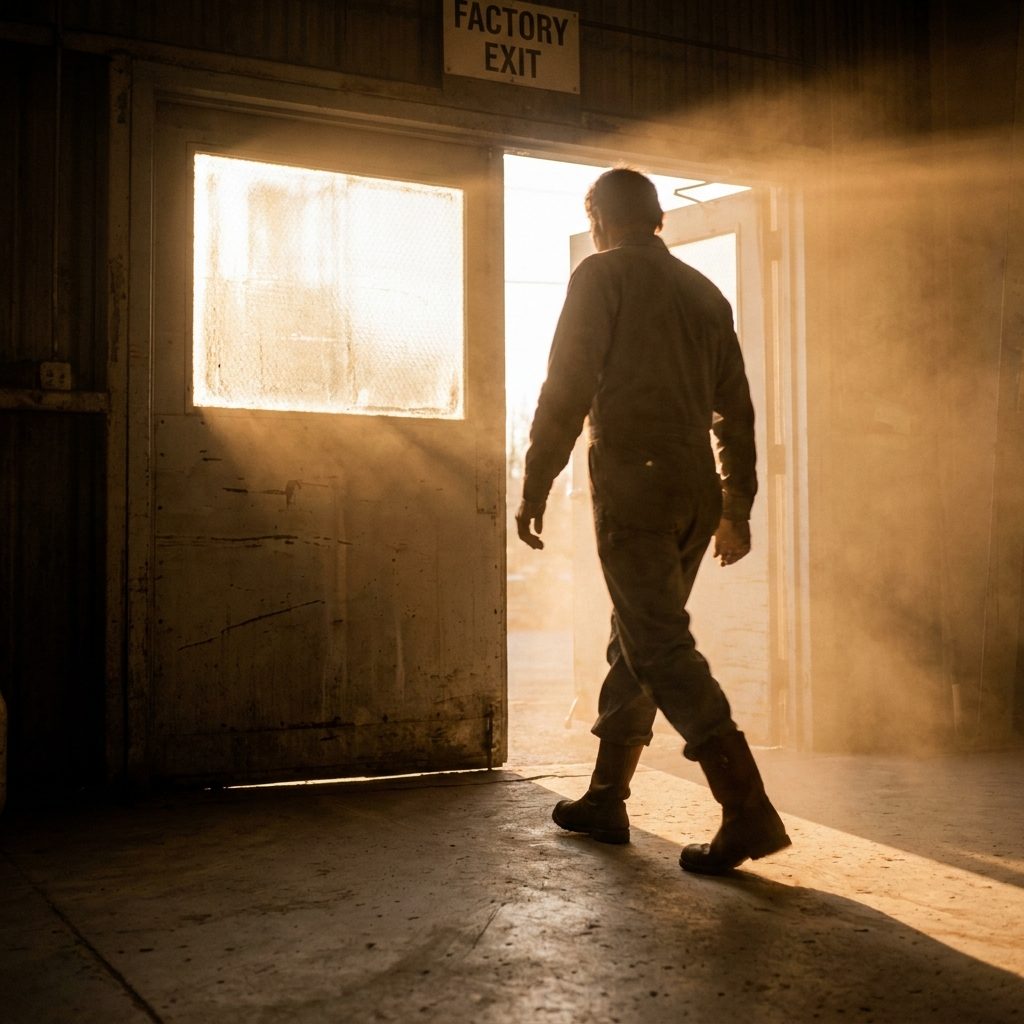
It was measurable. You walked out slower. Not dramatically, not consciously, just slower, like the weight in your pocket had adjusted your center of gravity by a fraction. People who’ve only ever had direct deposit don’t know what it felt like to push through that exit door with something real in your front pocket that hadn’t been there when you walked in eight hours ago. The parking lot looked the same. The bus stop looked the same. You were the thing that was different.
20. The Part Where You Realized the Cash Was Already Allocated Before You’d Spent a Dime
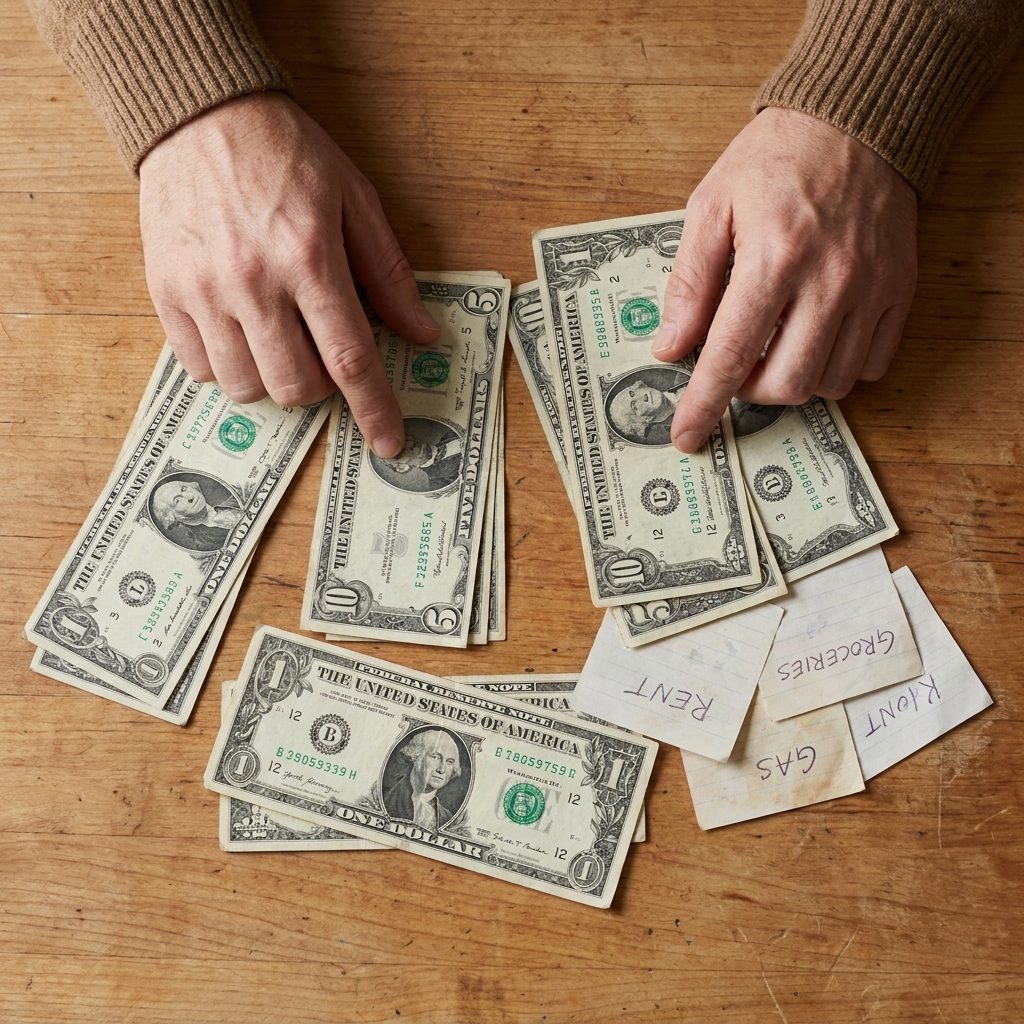
You spread it out and the math hit immediately. Rent was already gone in your head before a single bill moved. The electric was gone. The thing you owed your brother-in-law from two weeks ago was gone. What you were actually left with, the part that was actually yours, for anything you chose, was a smaller number than the one in the envelope, and you’d known that going in, but seeing it in bills made it concrete in a way no pay stub ever did. The envelope was the fantasy. The table was the truth.
19. The Way You Held the Envelope Up to the Light Before You Even Opened It

Would you like to save this?
Before the flap was even broken, the envelope went up. You tilted it toward whatever light was nearby, a bare bulb in the break room, the fluorescent strip above the locker bay, and squinted at the shadow of bills inside. You were counting them through the paper. Not because you didn’t trust payroll. Because you needed to know right now and ripping it open in front of everyone felt like showing your hand at the wrong poker table.
No direct deposit notification has ever come close to that 15 seconds of translucent arithmetic.
18. The Specific Smell of Ink and Slightly Damp Paper That Clung to Every Bill
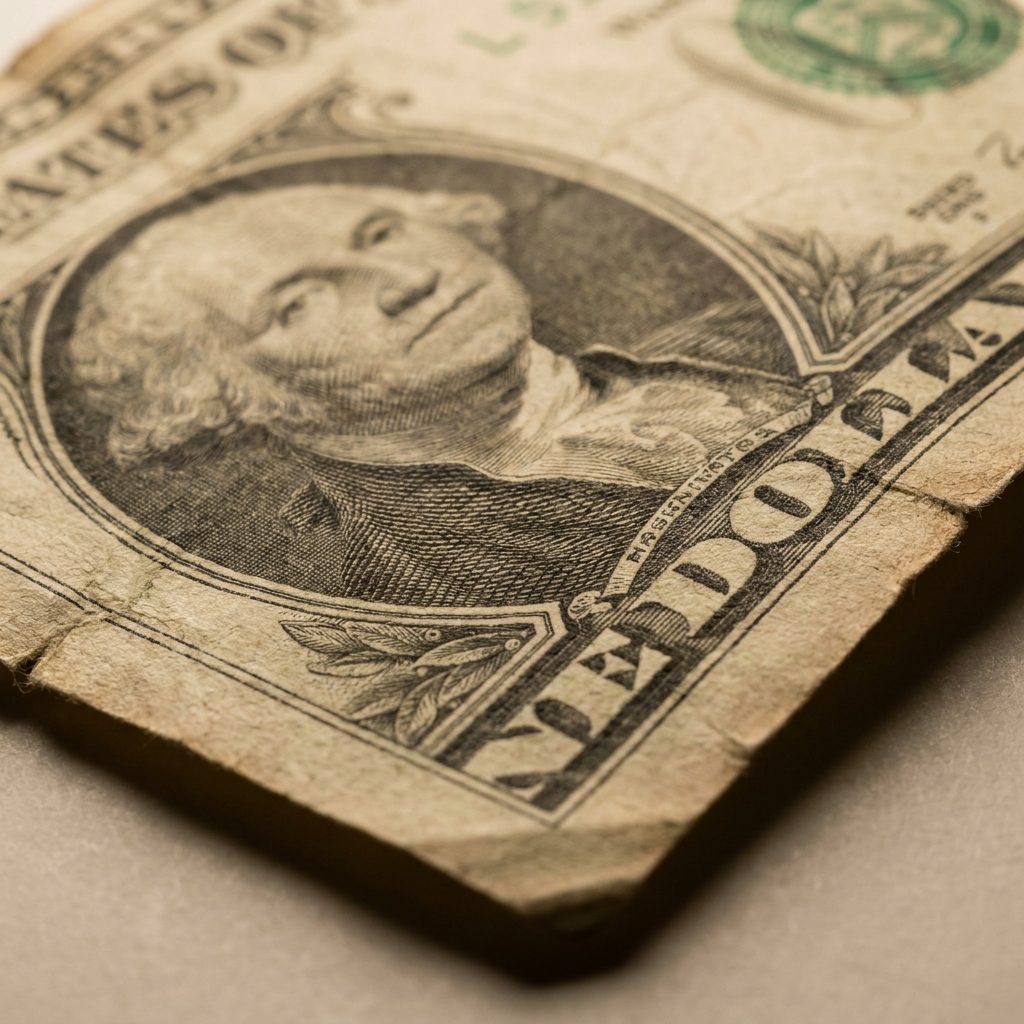
Cash in the 1970s had a smell. Ink, old cotton, whatever the previous owner’s pocket contributed. New bills from payroll had their own version, fresher, almost chemical, like the money had been somewhere important before landing in your hands. Used bills were earthier. You always knew which you were holding without looking.
A push notification from your bank app is odorless. Just saying.
17. Counting It Once, Then Counting It Again in Case Payroll Made a Mistake in Your Favor
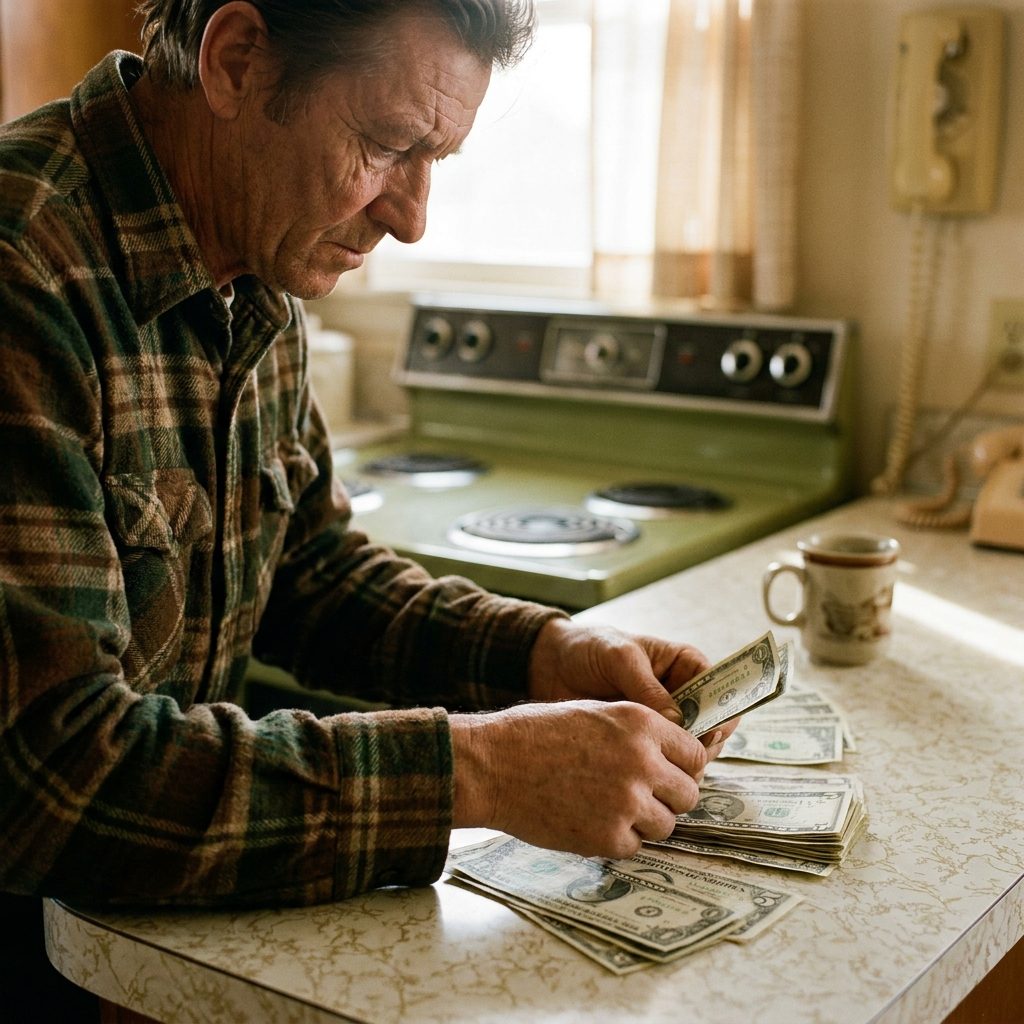
The first count was fast. The second count was methodical, bill by bill, face-up, laid flat on whatever surface was nearby. You were absolutely hoping payroll had miscounted in your direction. They almost never had. But that second count took on a quality of pure optimism that no amount of refreshing a banking app has ever replicated.
16. The Paycheck Stub You Kept Even Though You Didn’t Fully Understand What Half of It Said
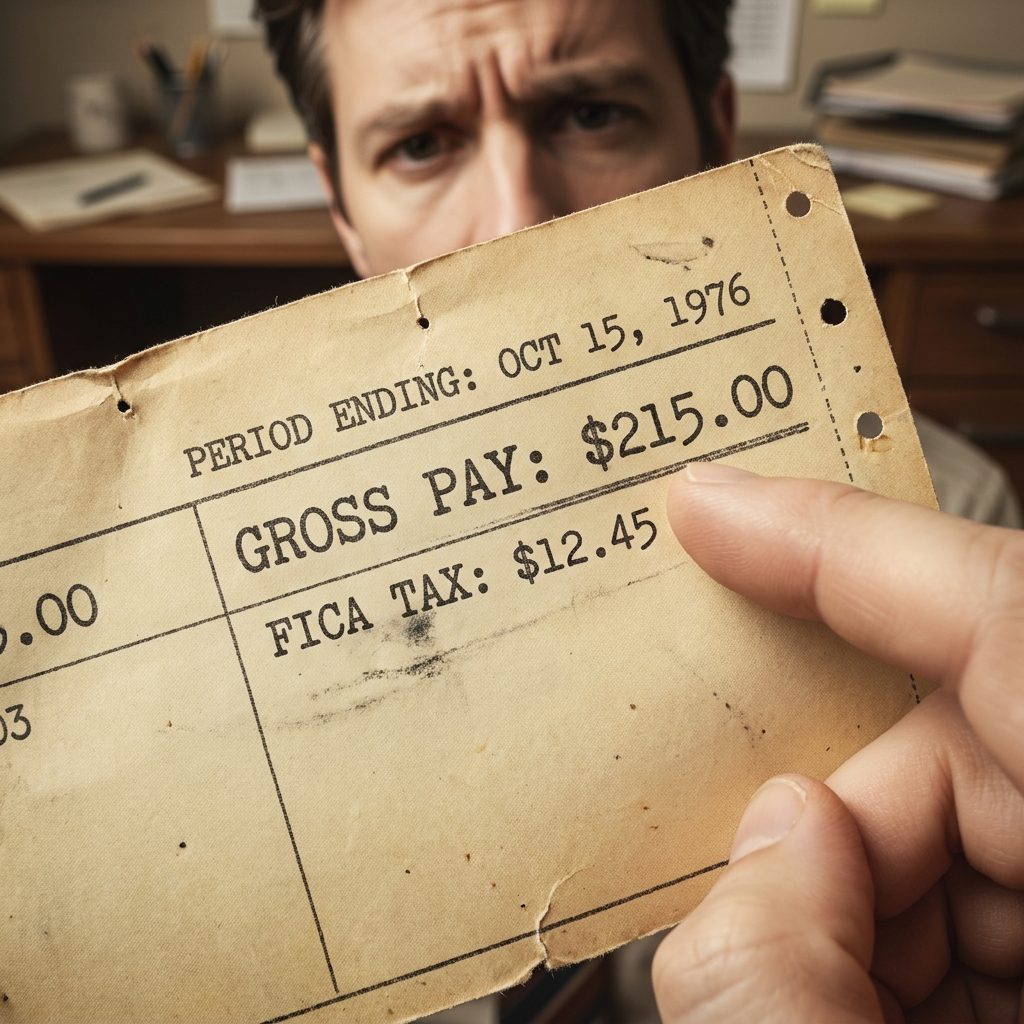
FICA. Federal withholding. State withholding. The stub had all these lines and some of them made sense and some of them were just numbers leaving your life without explanation. Most people folded the stub and put it in a drawer. Some people circled the FICA line and meant to look it up. Nobody looked it up. Years later you’d ask someone what FICA actually was and they’d give you a half-answer and you’d both move on.
The stub was still important, though. You kept it. You weren’t sure why, but you kept it.
15. Deciding Exactly What the Twenty Would Cover Before You Even Got Home
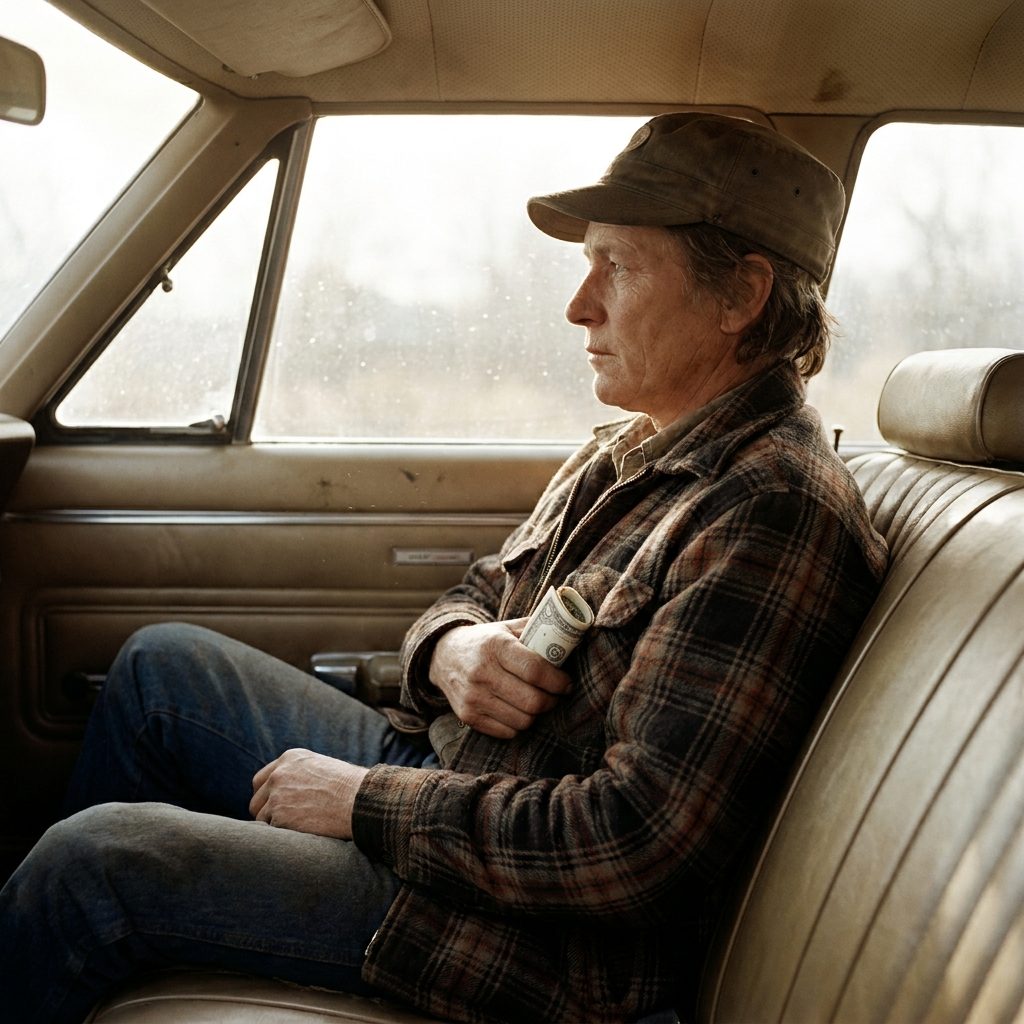
The ride home was a planning session. Rent took the big bills. Groceries took the next tier. Then there was whatever was left, which you were already dividing in your head before the bus hit your stop. The twenty in your pocket had three destinations lined up before you walked through your front door. That mental math, specific, immediate, urgent, was its own kind of relationship with money that automatic transfers have made nearly unrecognizable.
14. The Foreman or the Office Manager Who Handed the Envelopes Out Like They Were Doing You a Personal Favor

There was always one. The person who distributed envelopes acted like each one represented a personal sacrifice on their part. They’d hold yours for half a second longer than necessary. Make eye contact. Nod slightly, as if approving you. You’d say thank you with a sincerity you didn’t entirely feel. The whole exchange took eleven seconds and left you mildly irritated in a way you couldn’t explain at dinner.
The envelope changed hands with the weight of a ceremony nobody had officially named.
13. Splitting the Cash Into Piles on the Bed Because That Was the Budget System
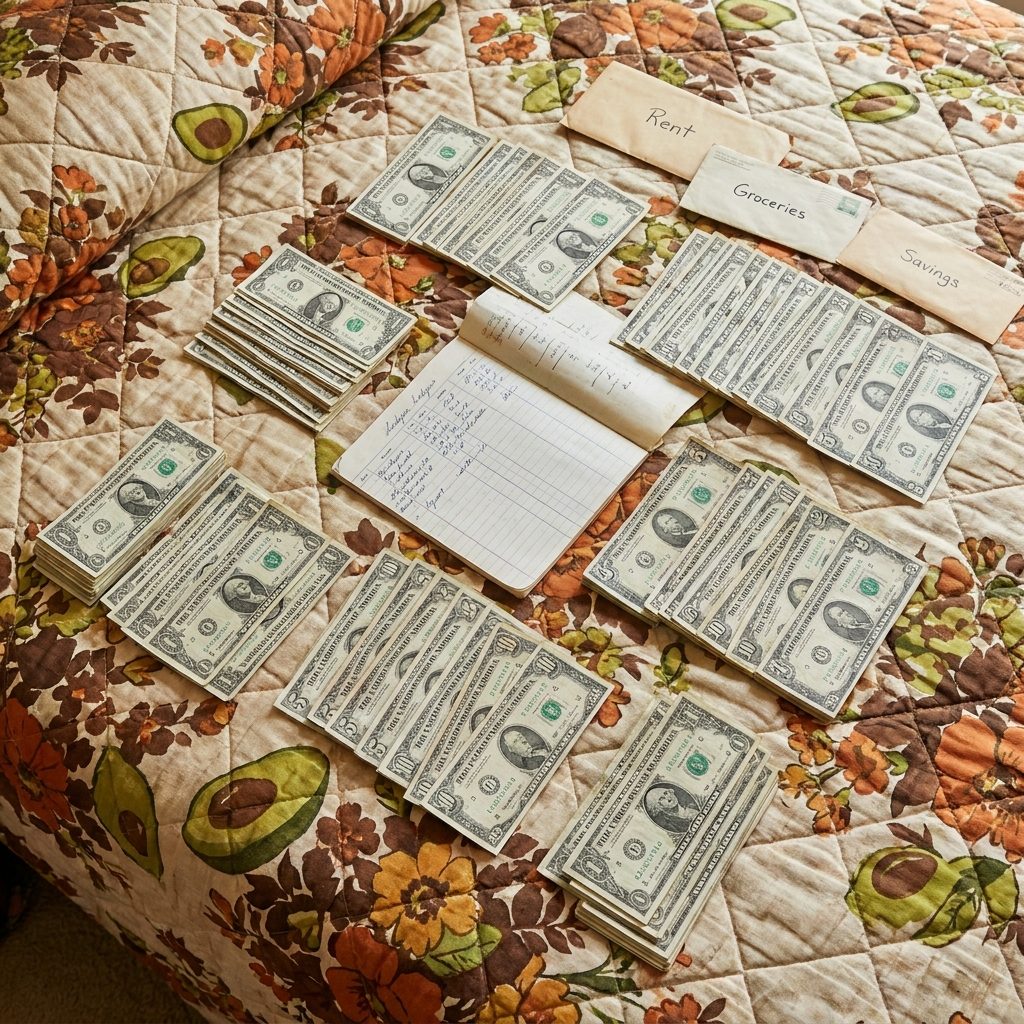
The envelope system before anyone called it the envelope system. You emptied everything onto the bed, sorted it into piles, and tore off corners of paper to label each one. Rent. Gas. Food. The small pile you weren’t labeling but everyone had. The bed became a balance sheet. It worked, mostly, until the car needed something it hadn’t told you about yet.
12. Buying One Good Thing on Payday, Just Because You Could, Just Because It Was Friday
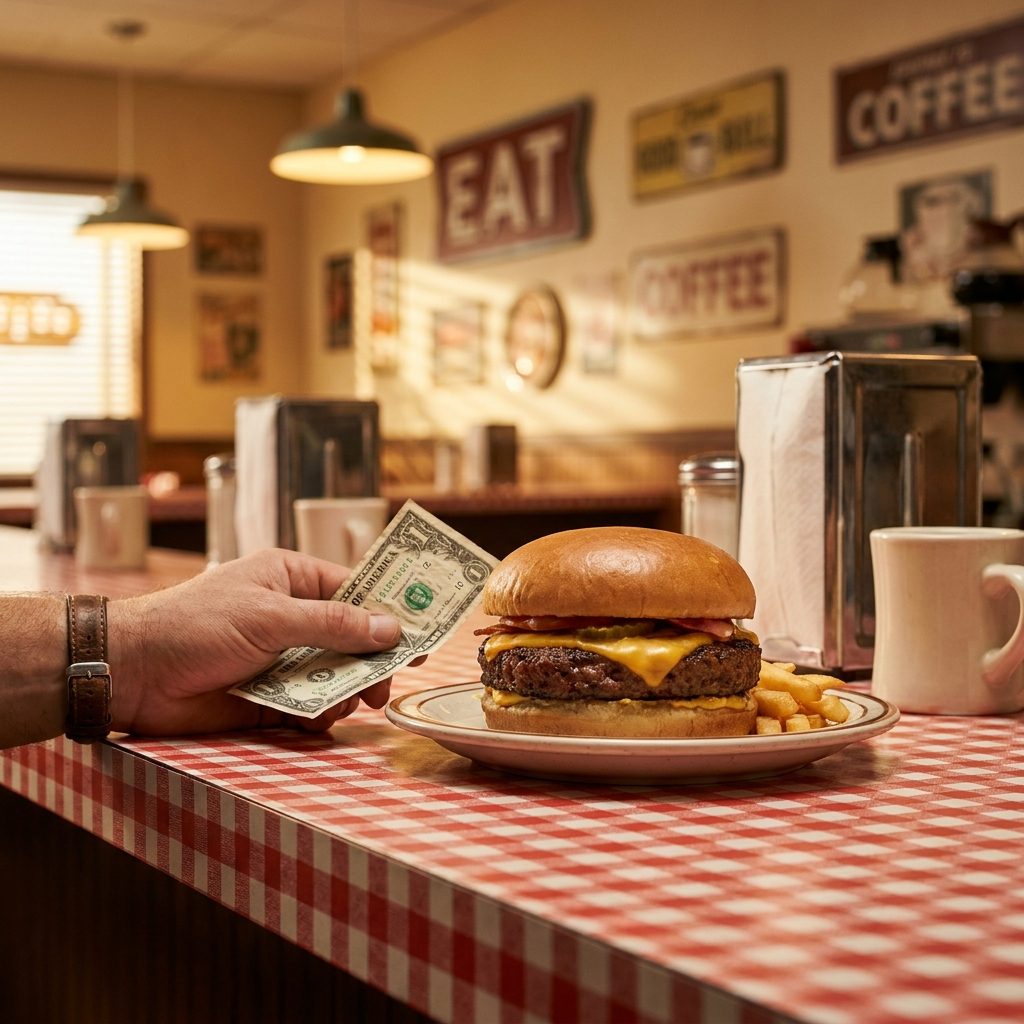
Not a splurge. Not even close to a splurge by any modern definition. A sit-down burger instead of eating at home. A record you’d been looking at for three weeks. A six-pack that wasn’t the cheapest option. Payday had a small ritual purchase attached to it, and the purchase wasn’t really about the thing, it was about the proof that you had earned something and could choose what to do with a piece of it. That feeling is almost impossible to replicate when money moves invisibly between accounts at 12:01am Thursday.
11. The Clerk in the Cage Who Actually Knew Your Name
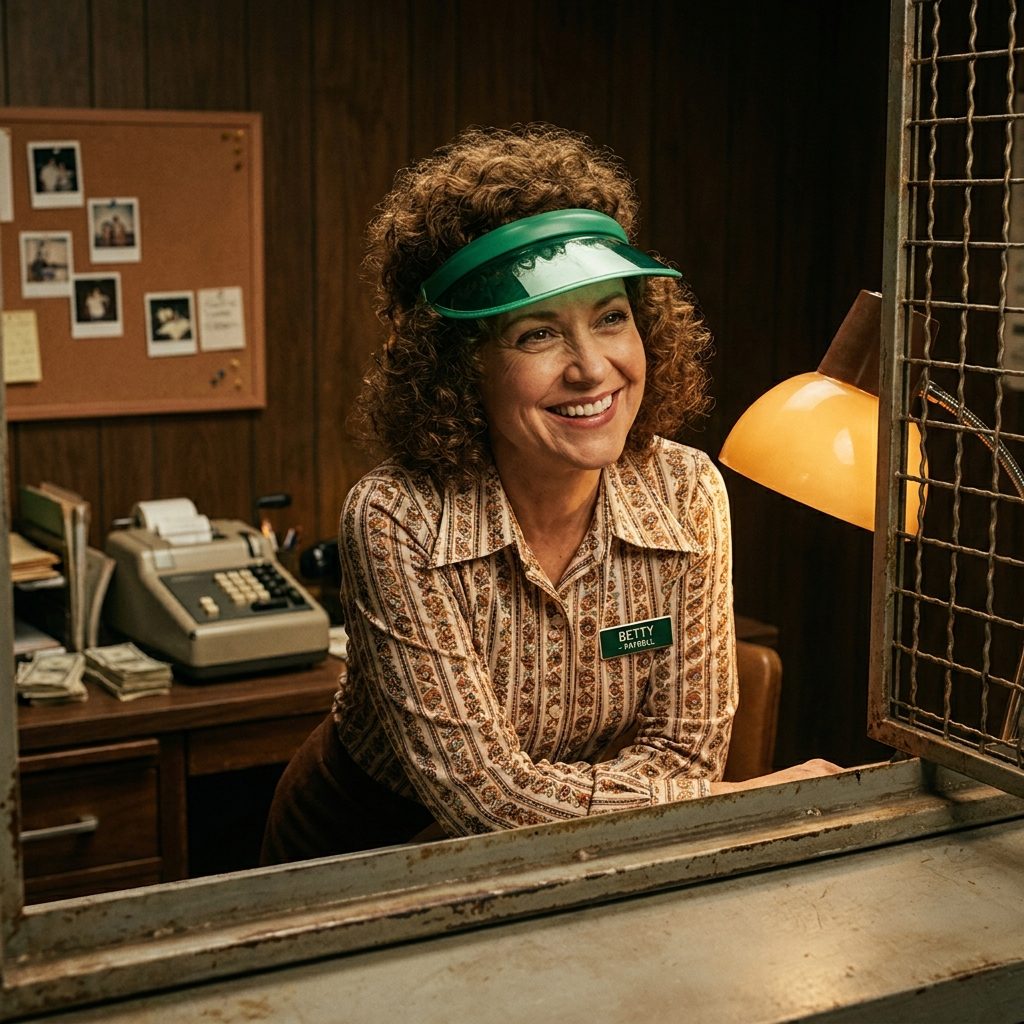
The payroll window at some companies wasn’t a window at all. It was a cage, literally, with someone inside who had worked there since the Eisenhower administration and who remembered your last name without looking at the list. They’d already pulled your envelope before you finished signing. That small act of being known, not by an algorithm but by a person who simply paid attention, is something no pay stub notification on your phone will ever replicate.
10. Counting It Twice Before You Left the Building
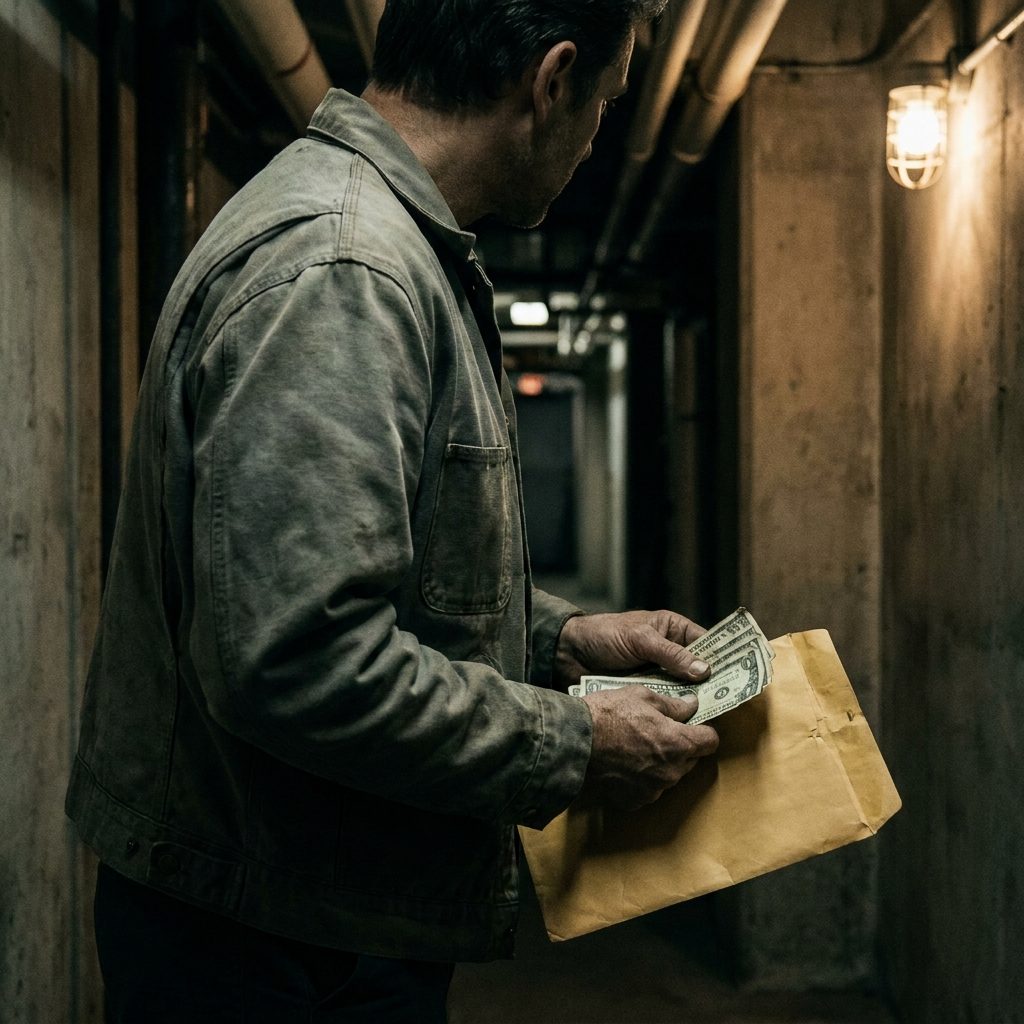
You counted it once inside the envelope, holding the bills against the paper so they didn’t show. Then you counted again. Not because you didn’t trust anyone. Because you were the kind of person who counted twice.
If the amount was wrong, you went back. If it was right, which it almost always was, you folded the bills lengthwise the way your father folded his, tucked them in your front pocket, and walked out feeling like someone who had earned something specific.
9. The Stub With All the Numbers That Didn’t Add Up at First
Would you like to save this?
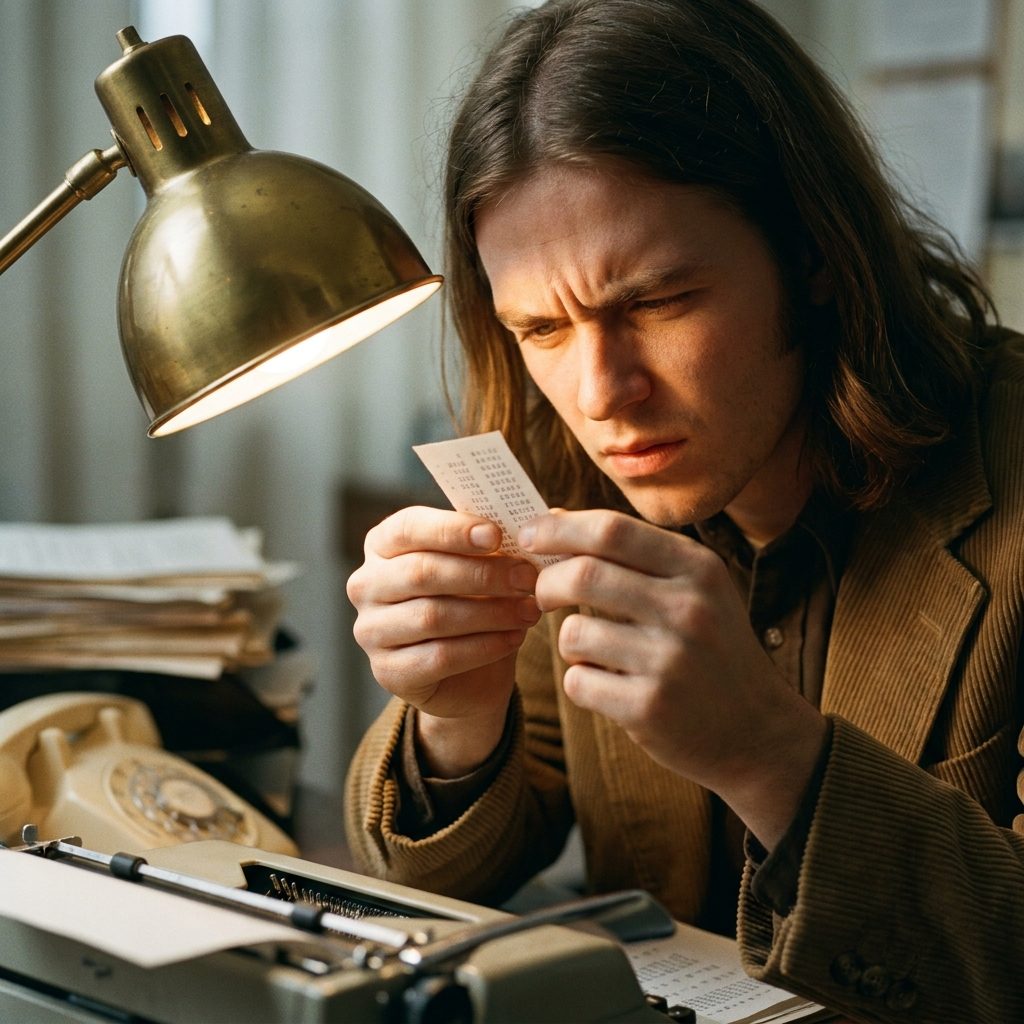
FICA. Federal withholding. State tax. The stub listed every deduction in tiny typewriter print and if you were seventeen and this was your first summer job, you stared at those numbers like they were in a foreign language.
Someone older eventually explained it. Or didn’t, and you just accepted that the government was quietly taking something every week and that this was simply how being an adult worked. That moment of confusion, that first encounter with the distance between what you earned and what you got, was a financial education that no online calculator has ever matched for impact.
8. Friday at 4:30 and the Whole Factory Smelled Like the Weekend
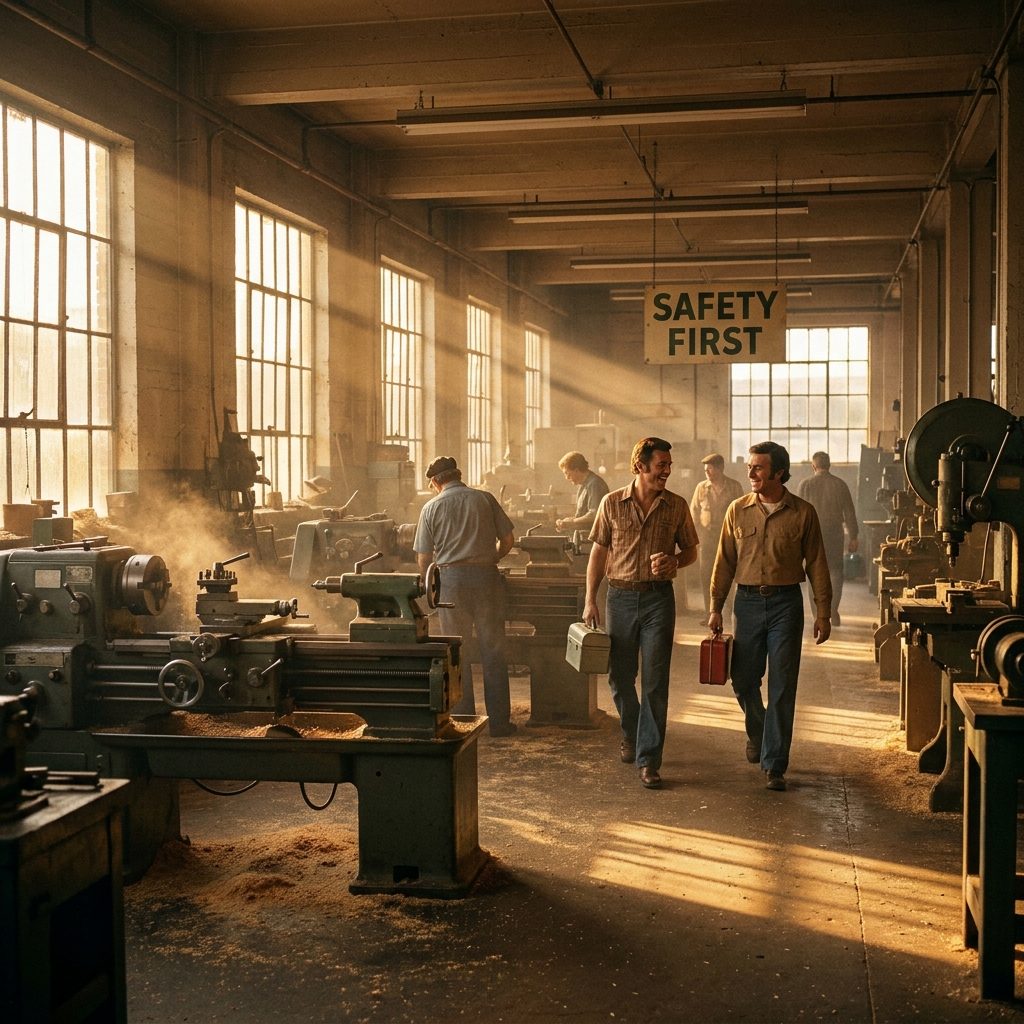
There was a specific smell to a factory floor on a Friday afternoon at the end of the last shift. Machine oil, sawdust if it was that kind of plant, the lingering coffee from the break room two floors up, and underneath all of it something harder to name, something close to relief. The pay envelope sat in a wire rack by the foreman’s office. You grabbed yours and the weekend started right there, at the rack, before you’d even punched out.
7. The Moment You Realized You Could Actually Buy the Thing
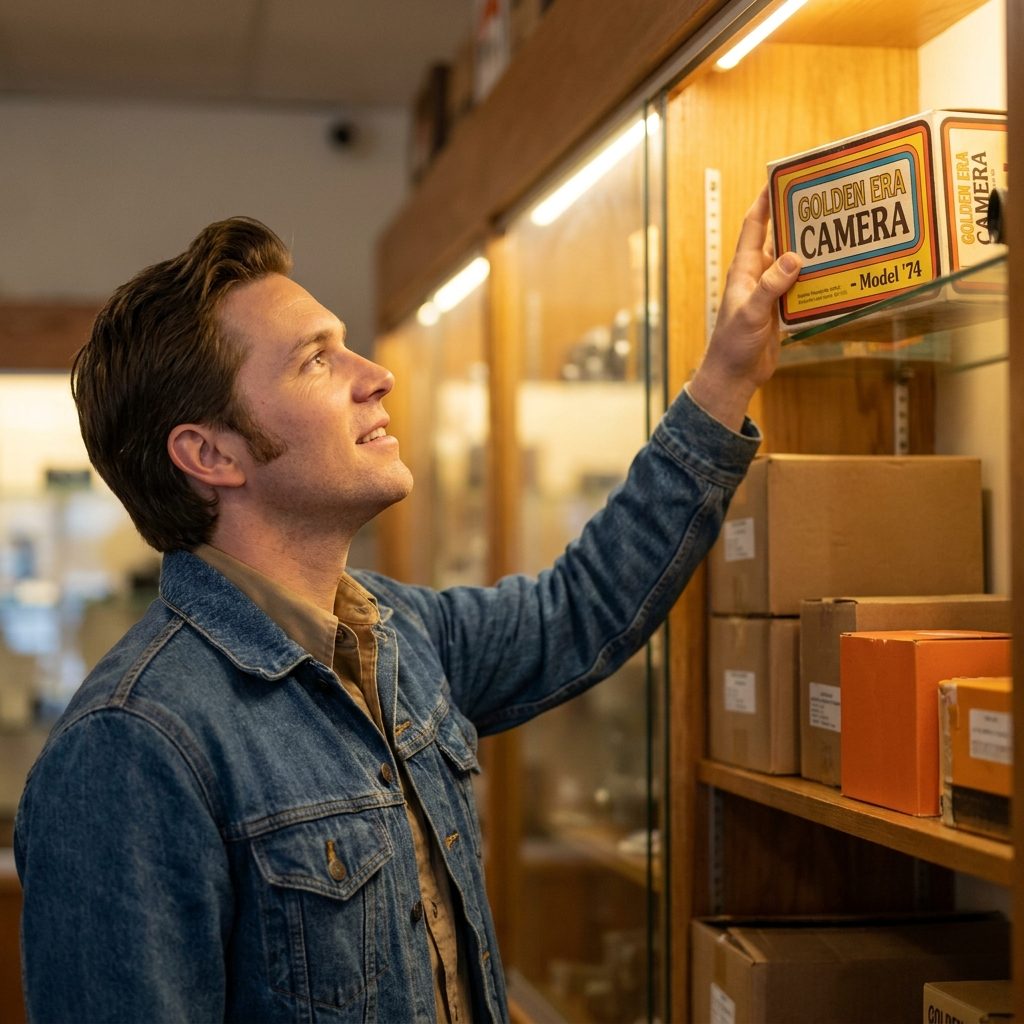
You’d been looking at it for three weeks. A specific thing in a specific store. You knew exactly which shelf it was on and you’d done the math, embarrassingly, more than once, counting forward to the Friday you’d finally have enough.
Walking in with the envelope still in your pocket was different from walking in without it. You touched the bills through the fabric before you asked to see it. When the guy behind the counter said yes, that price, you paid cash and walked out with the bag and felt a satisfaction that had a weight and a temperature to it. That’s not metaphor. It actually felt like something.
6. What Your Father Said When You Handed Him the Stub
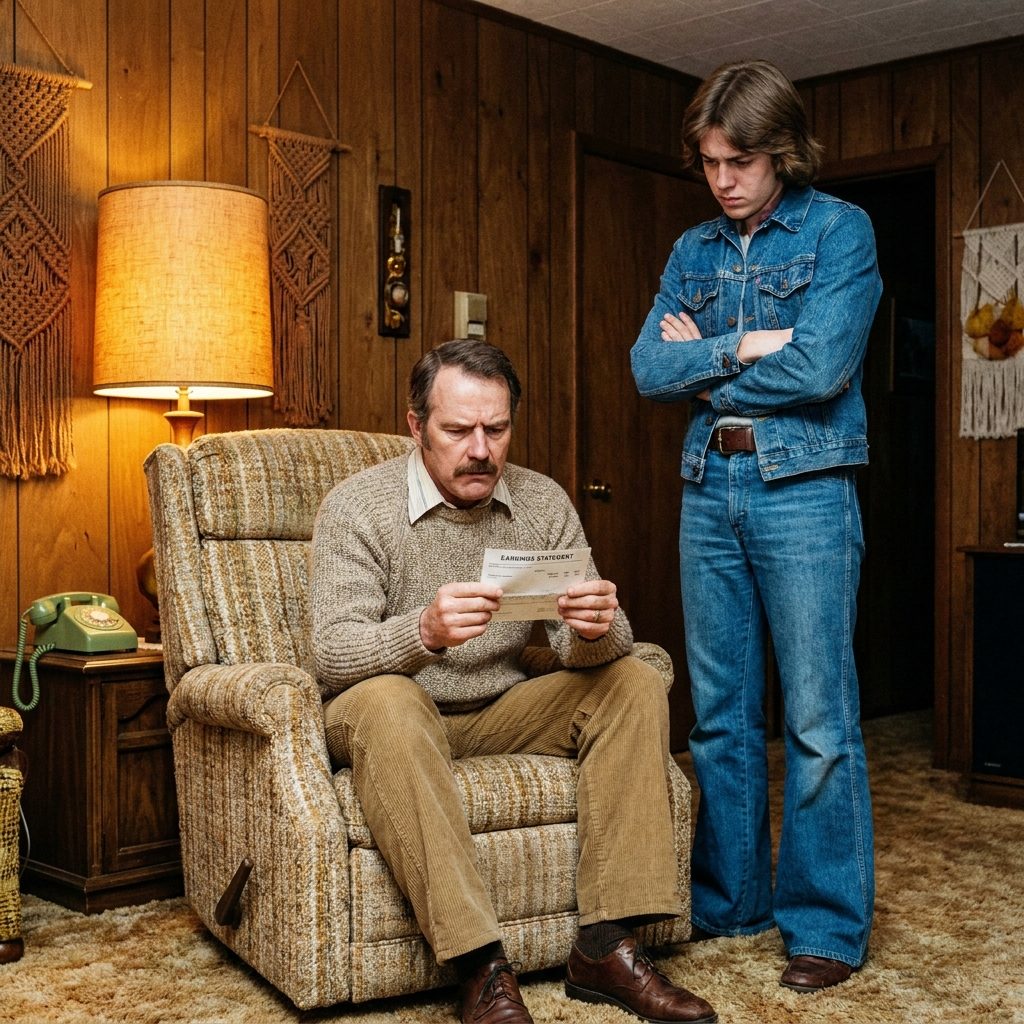
He looked at the gross first. Then the net. Ran a finger down the deductions without saying anything. You waited. Finally he nodded, not elaborately, just once, the way men in the 1970s confirmed that something was real and correct and worth acknowledging.
‘That’s how it works’ was the whole lesson, and somehow it was enough.
Nobody told you it was a rite. You only understood that later, when someone younger handed you their first stub and you caught yourself doing exactly the same thing.
5. Keeping a Twenty Back From Yourself Before You Got Home
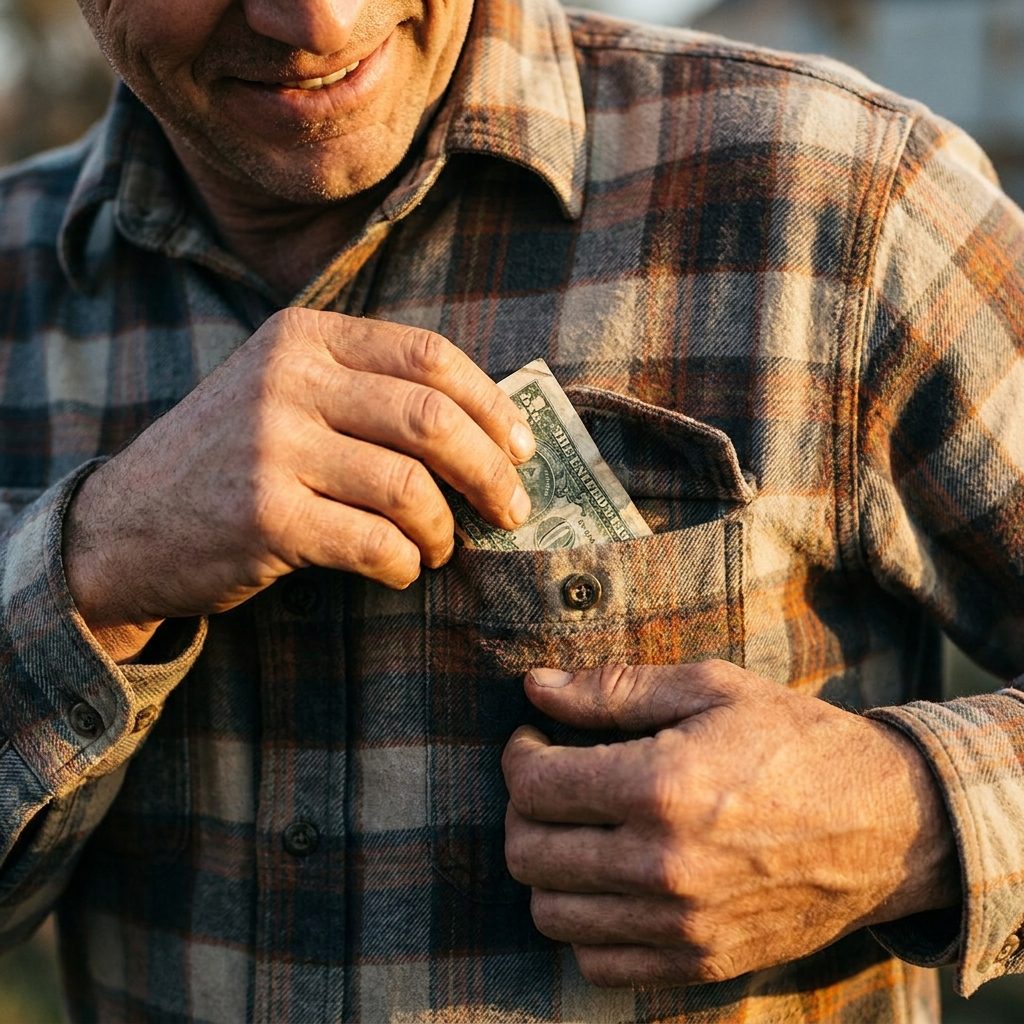
Before you were a budgeter you were a self-negotiator, and the first tool you invented was keeping one bill separate from the rest so it wouldn’t feel like spending when you spent it.
The logic made no sense and worked perfectly. The twenty in the jacket pocket was somehow not real money, which meant you could use it without guilt. Every finance app in the world is trying to replicate this psychological trick with round-up savings and envelope categories. None of them have quite nailed the particular freedom of a folded bill in a separate pocket that you pretended you’d forgotten about.
4. Putting Something in the Envelope Before You Spent the Rest
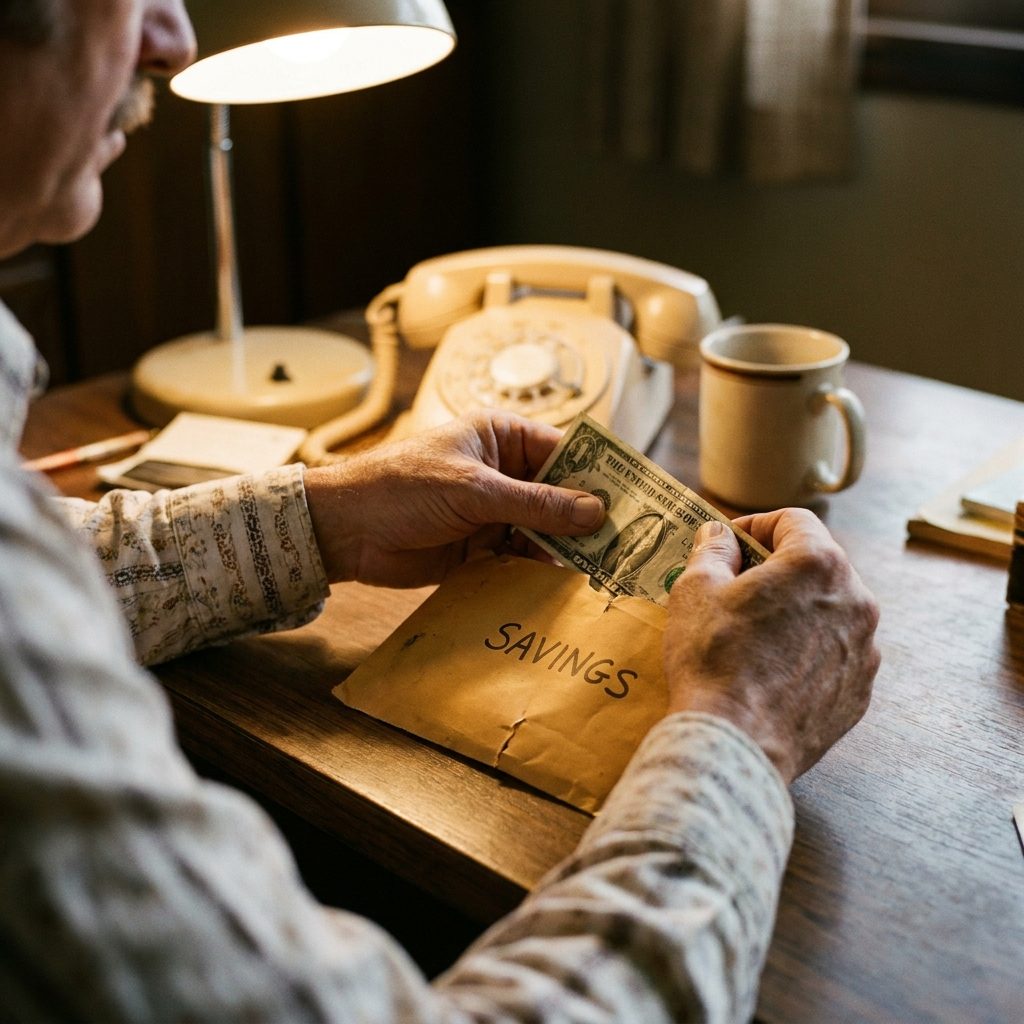
Before you knew the word ‘savings’ as a verb, before any bank told you to pay yourself first, you just did it. You put something in an envelope, sealed it or didn’t, and hid it in the drawer under the t-shirts. Not because anyone told you. Because holding all of it felt dangerous in a way you couldn’t quite name.
That instinct, unglamorous and slightly anxious and completely self-taught, was the whole foundation. The envelope under the shirts was the original emergency fund. It didn’t earn interest. It didn’t matter.
3. The Moment You Realized the Number on the Check and the Number in Your Hand Were Two Different Numbers
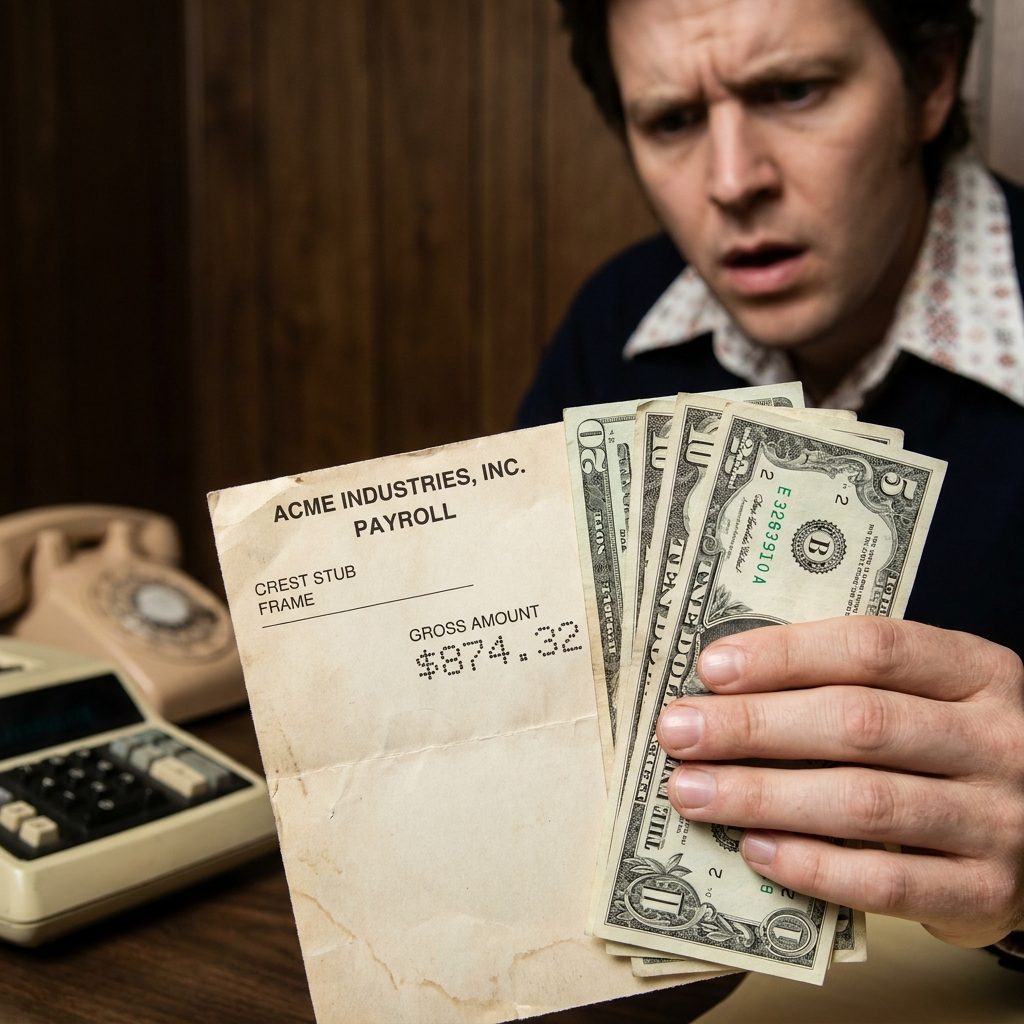
You’d been doing the math in your head all week. Hours times rate, over and over, like a ritual. You knew the number. You were sure of the number. And then you opened the envelope and met a completely different number, smaller by a painful margin, with a little printed stub attached explaining exactly who had taken what and why.
FICA. Federal withholding. State tax. Words that meant nothing to you three seconds ago and now felt deeply personal. Nobody had warned you that getting paid also meant meeting your first real argument with the government, right there in a break room that smelled like burnt coffee and machine oil.
2. Folding the Bills Before Putting Them in Your Wallet, Because That Was the Whole Point
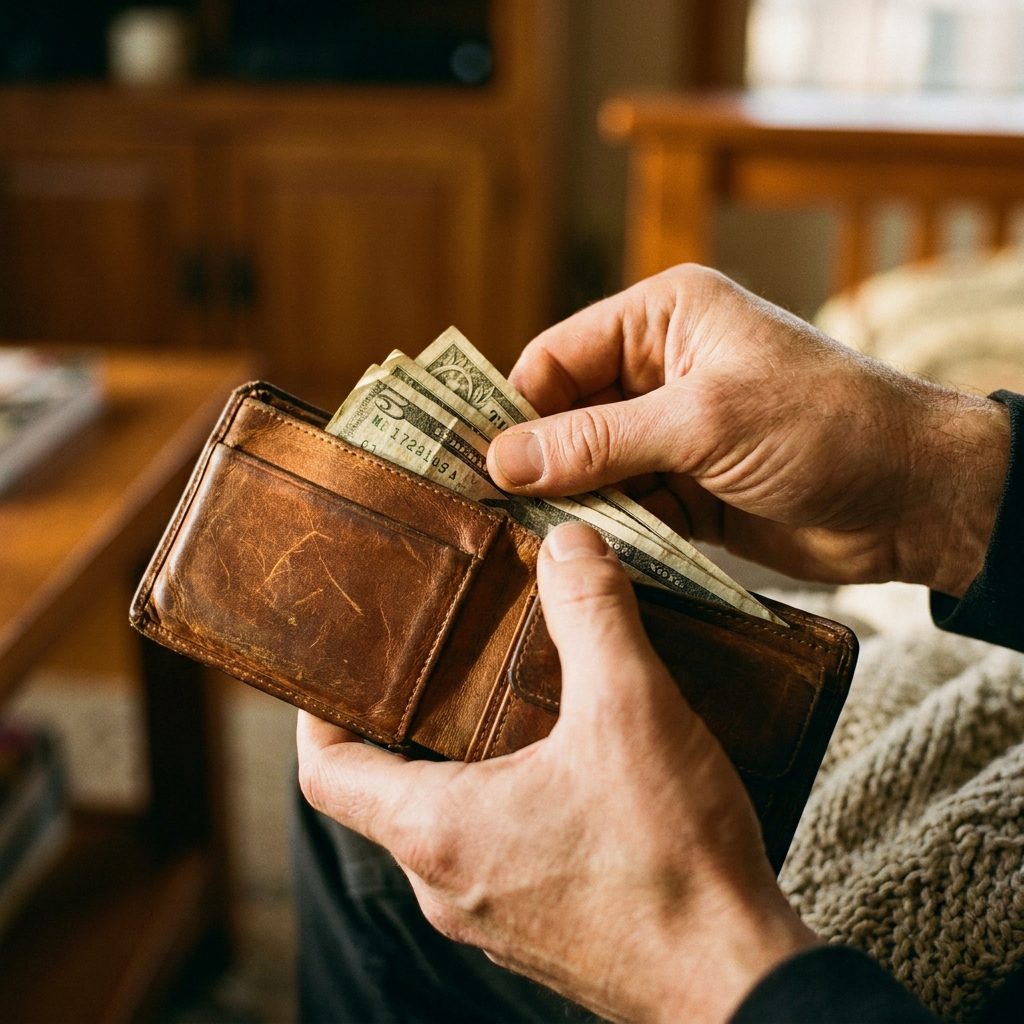
There is no digital equivalent to folding actual money and putting it in your wallet. The act itself meant something. You were not looking at a number on a screen. You were counting, organizing, folding, and then physically closing a leather flap over the proof that the week had been worth it.
You probably organized them by denomination without thinking about it, largest in back, ones up front. A habit nobody taught you. It arrived on its own, the same day the money did.
1. The Walk Home With Cash in Your Pocket That Felt Like Carrying a Secret

Cash in your pocket changes how you walk. There’s no rational explanation for it. A number in a bank account doesn’t do this. But folded bills in your front pocket, earned that week with your actual hands, made a particular Friday evening feel charged in a way that’s hard to explain to someone who grew up on direct deposit.
You were aware of it the whole walk home. Not paranoid. Just aware. Like carrying something real.