
Would you like to save this?
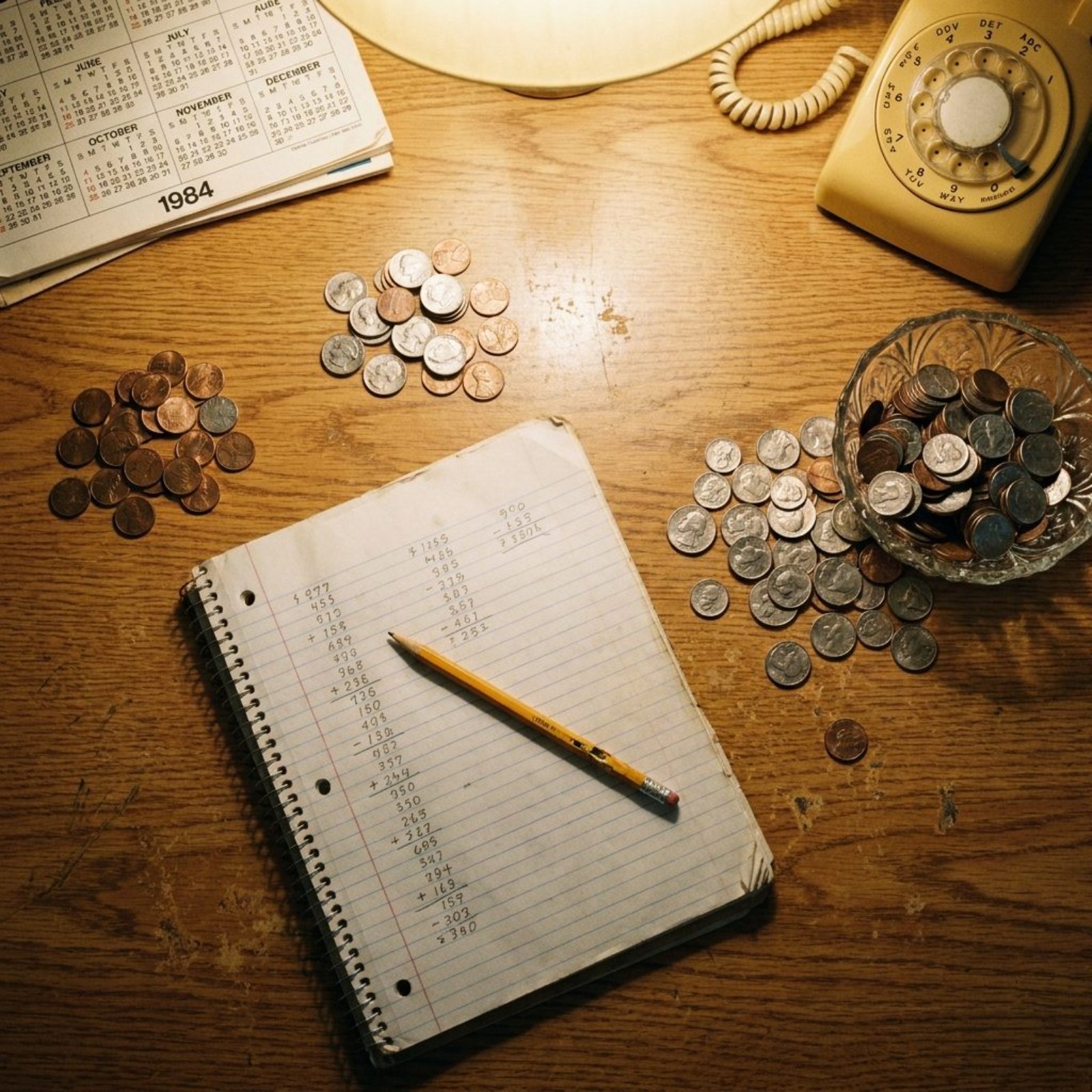
The key was under the mat. The note was on the fridge. Dinner was whatever you could figure out before 6pm, and the $5 your mom left was both your budget and your safety net. Latchkey kids of the 1980s didn’t get allowance lectures or financial literacy classes. They got a mostly empty house, a can of SpaghettiOs, and a crash course in making things stretch. Turns out, that after-school resourcefulness stuck.
30. The $5 Bill That Had to Last Until Friday
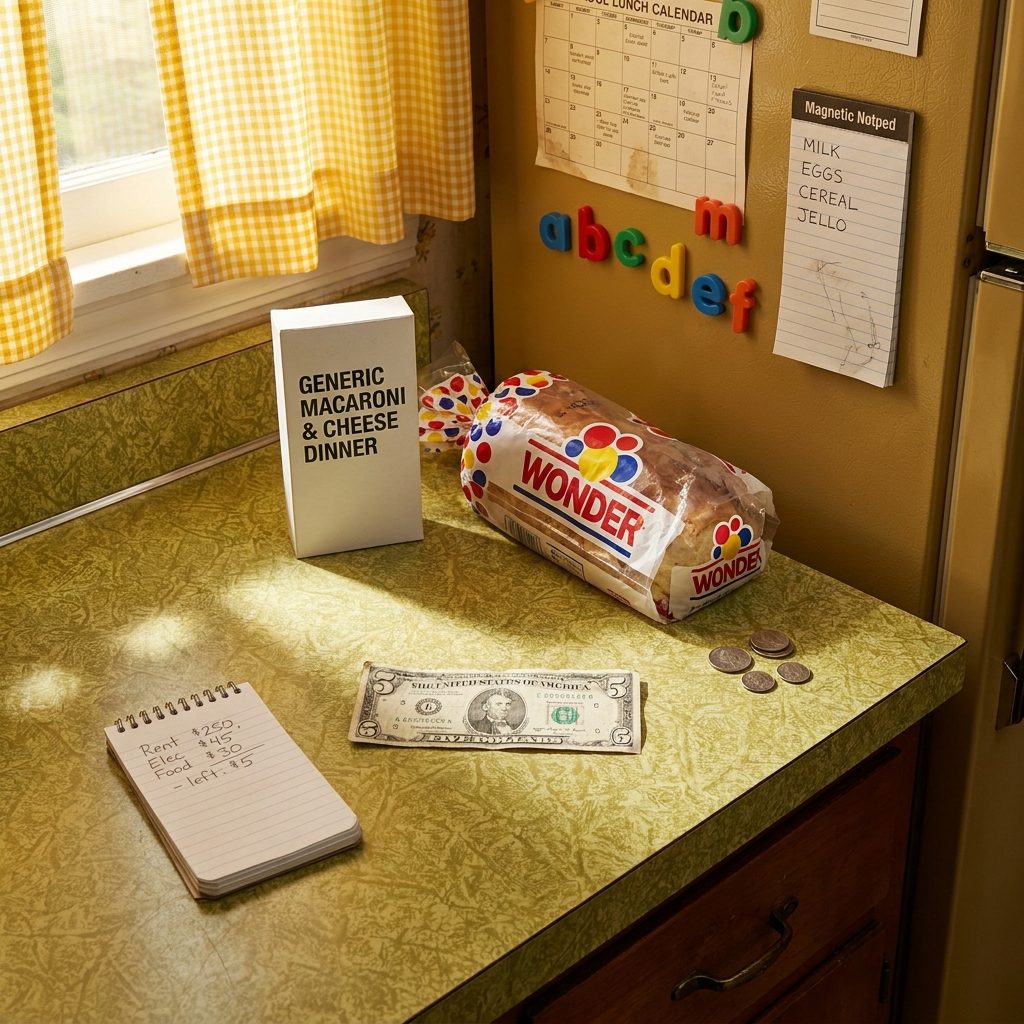
Five dollars in 1984 felt like a lot until you started counting. Lunch, an after-school snack, maybe bus fare if something went sideways. The math had to work out. So it got written down, on the back of an envelope or in a little spiral notebook, in handwriting that was still learning how to be neat. Latchkey kids learned arithmetic not from worksheets but from necessity, counting change, comparing prices on cans, deciding whether a 59-cent bag of chips was worth blowing a third of the budget before Tuesday.
That five dollars taught patience. You didn’t spend what you didn’t have because there was nothing behind it.
29. Generic Brand Grocery Shopping: The White Box Economy
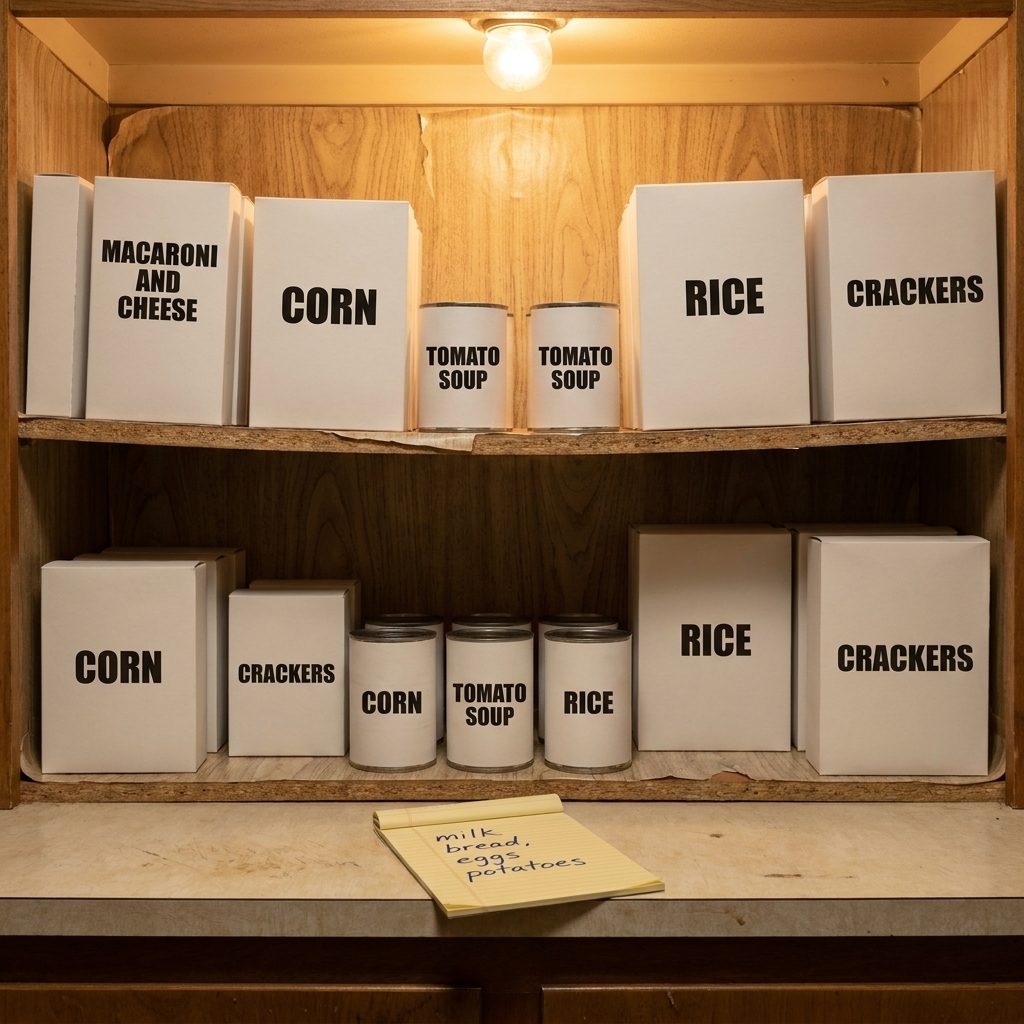
The generic aisle had no mascots. No cartoon tigers, no friendly chefs, no red-and-white script you’d recognize from across the store. Just white packaging and black block letters. CORN. SOUP. PEANUT BUTTER. It looked institutional. It tasted fine.
Latchkey kids who did the family grocery run on a budget found it fast: the white box was always cheaper, usually by a lot. That lesson stuck. Paying for the label is paying for the commercial, and the commercial doesn’t fill your stomach.
28. The Freezer Inventory You Memorized So Nothing Got Wasted
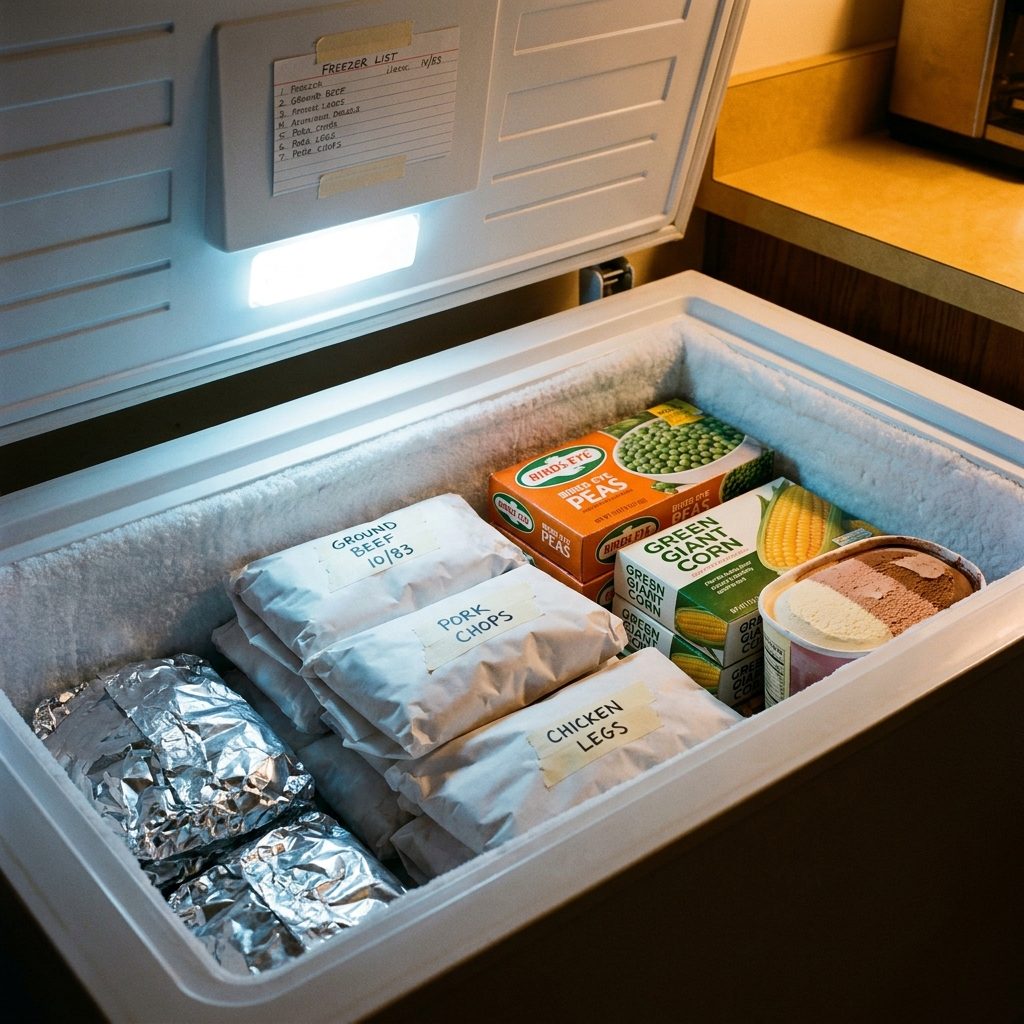
There was a list. Sometimes it was taped to the inside of the freezer lid, sometimes it lived on the refrigerator door, sometimes it existed only in the head of whoever did the cooking. The rule was the same either way: nothing comes out unless you know what’s going in. Wasting food wasn’t a moral failing, it was a budget crisis. Freezer-burned chicken that got forgotten behind the peas was money gone.
Kids who managed the household while parents worked learned to rotate stock before they knew the term for it. First in, first out. Every grocery clerk knows this now. These kids figured it out at twelve.
27. Stretching One Box of Mac and Cheese Into Two Meals
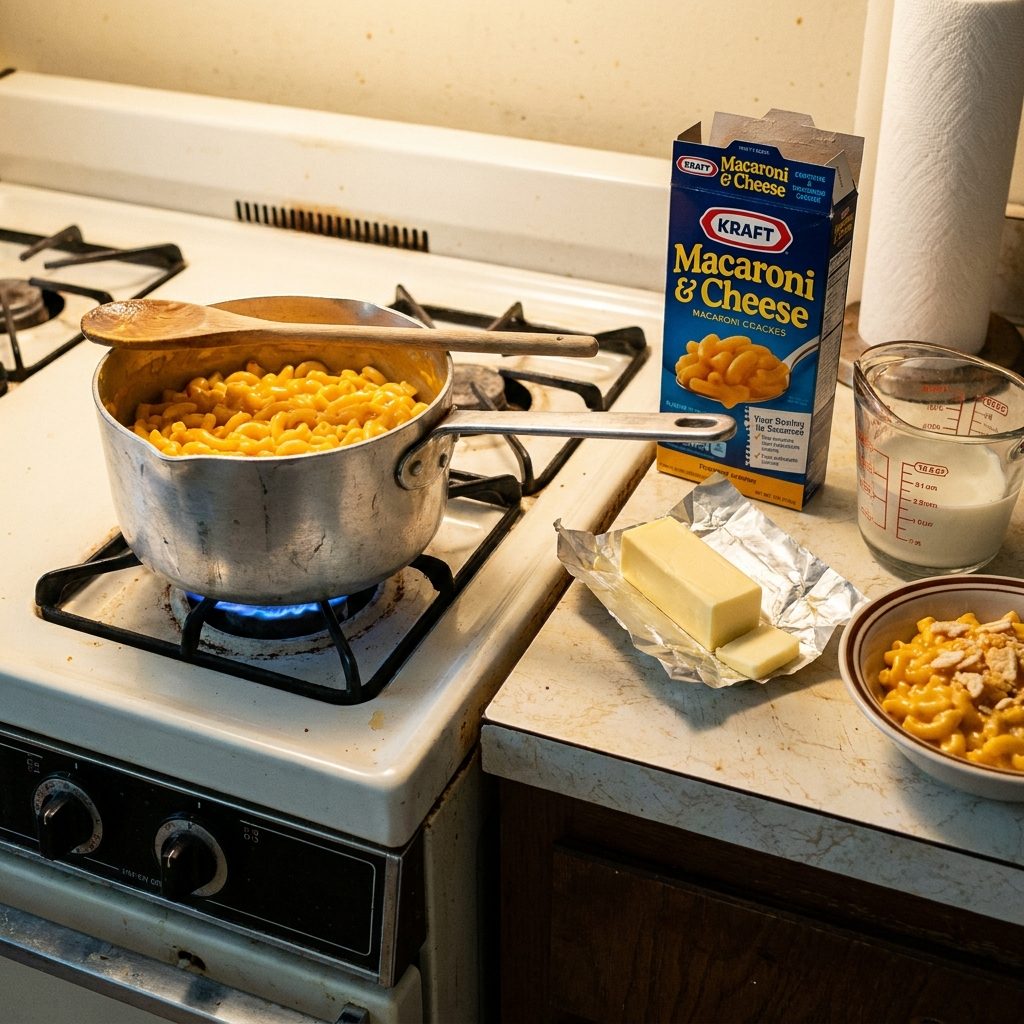
One box said it served two. That was optimistic. But with a little discipline, and a lot of crushed crackers stirred in to add bulk, a single box of Kraft could stretch to two smaller bowls, one for now and one reheated tomorrow with a splash of milk to loosen it back up.
This wasn’t deprivation. It was math with a wooden spoon. Latchkey kids figured out early that making things stretch was a skill, not a compromise. The crackers helped. The hunger helped too.
26. Rationing the Good Cereal So It Lasted the Week
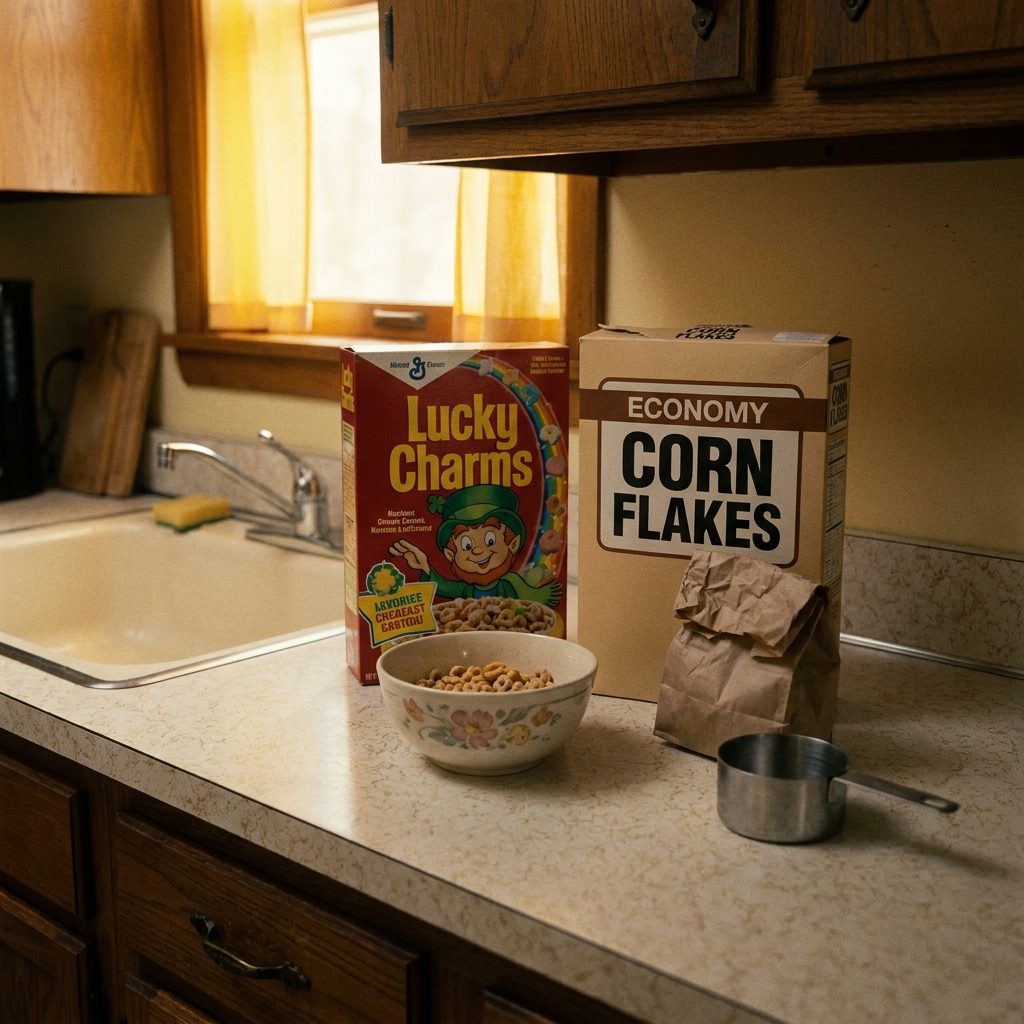
The good cereal was a finite resource and it had to be managed. Pour too much on Monday and you’d be eating plain corn flakes by Wednesday, staring at an empty box while the cartoon mascot grinned at you from the recycling pile.
The system varied by household. Some kids used a coffee cup as a scoop and allowed themselves exactly one. Some mixed the good stuff with plain puffed rice to make it last. None of them called it portion control. They called it making it to the weekend.
25. The Library as Free Air Conditioning and Free Entertainment
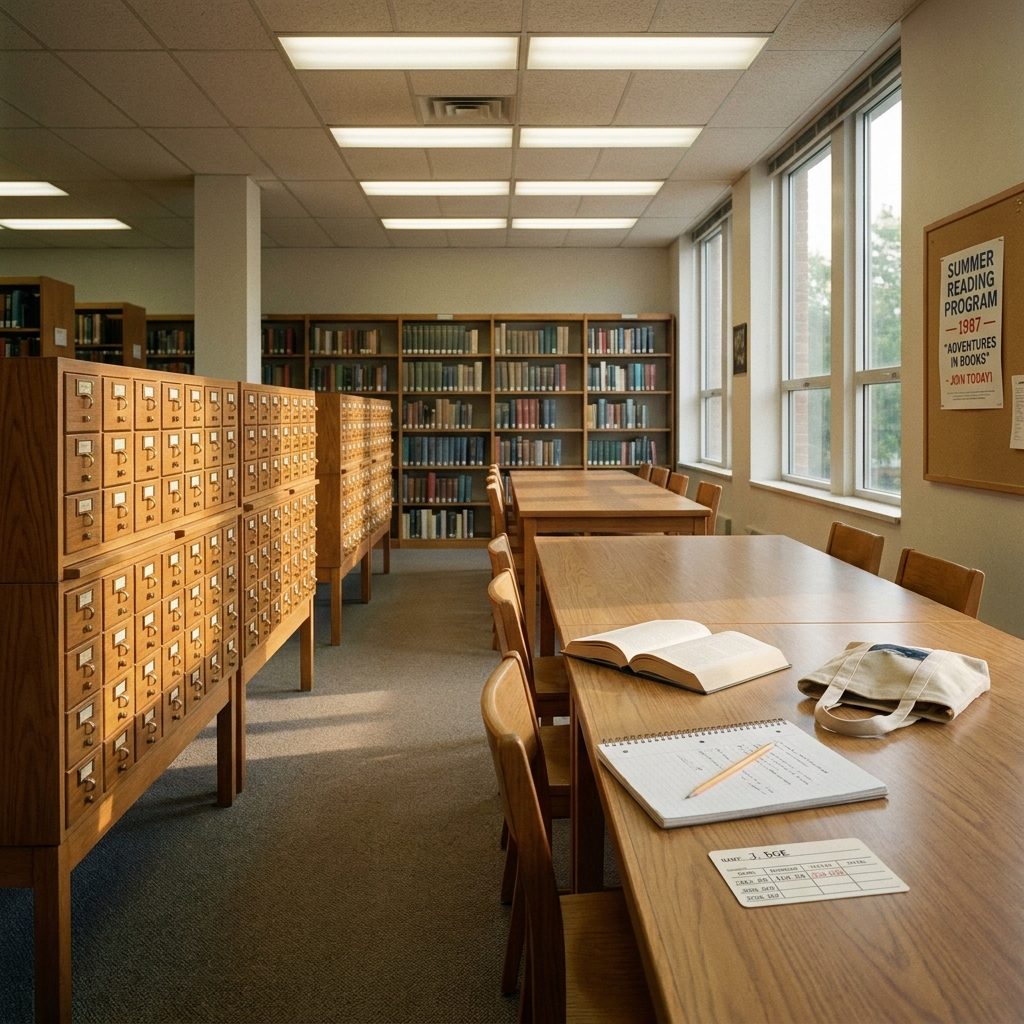
The public library was free. It was also air conditioned, which mattered enormously in August when you’d been in a hot apartment since noon and the window fan wasn’t cutting it.
Going to the library cost nothing. Books, magazines, encyclopedias you could pretend to read while you cooled off, all free. Some kids worked through the whole summer reading program and came home with a paper certificate and a coupon for a free personal pan pizza, which was also excellent economics. The library didn’t feel like frugality. It felt like the best afternoon you’d had all week.
24. Making Your Own After-School Snack Instead of Buying One
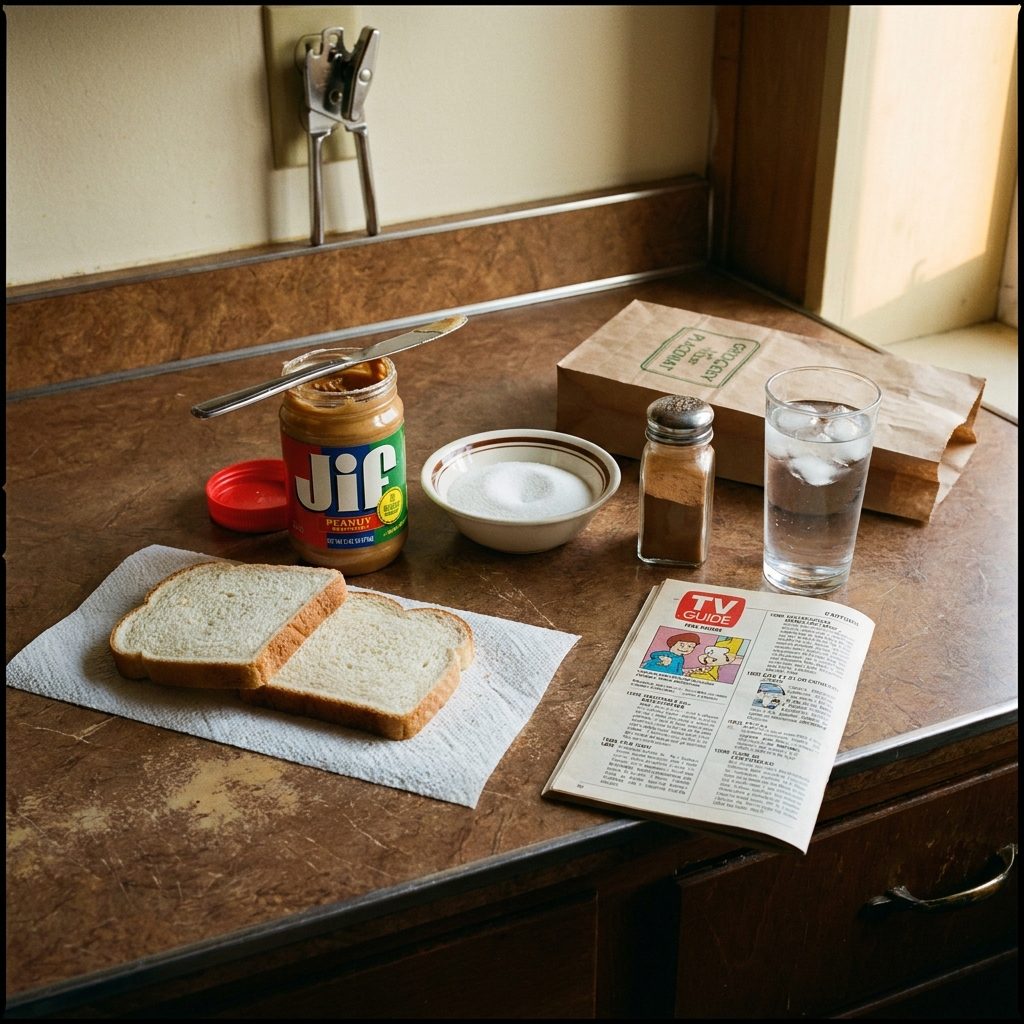
Vending machines at the corner store cost money. Making cinnamon toast at home cost almost nothing, and it was better anyway, thick slices, butter melted all the way to the edges, sugar that actually stuck.
The repertoire was specific to what the pantry held. Peanut butter on crackers. Apple slices with a little salt. A bowl of cereal at 3:30 in the afternoon because there was no rule against it. These were not recipes. They were solutions.
Frugality learned young doesn’t always look like sacrifice. Sometimes it looks like cinnamon toast in front of the TV at 4pm, and nobody’s complaining.
23. The Handwritten List of Everything You Were Not Allowed to Buy
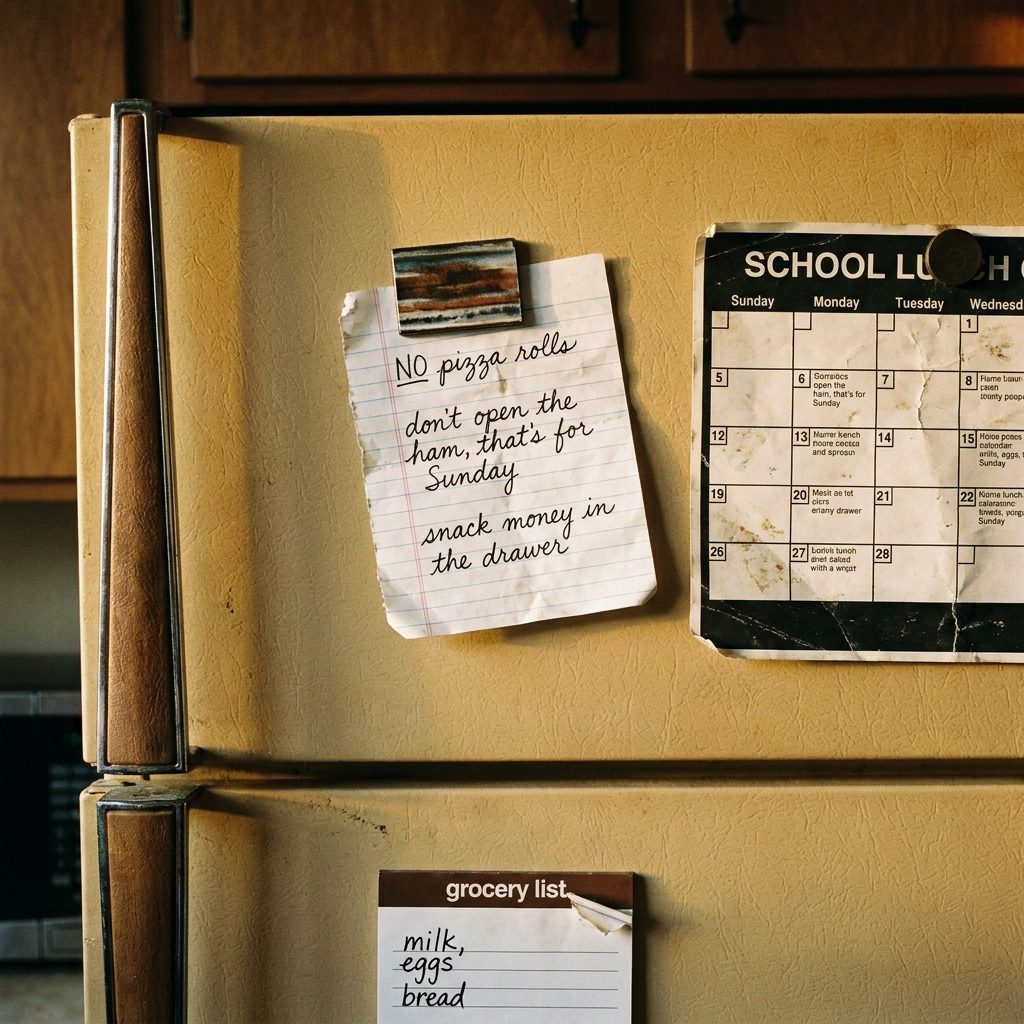
The note on the refrigerator was specific. Don’t touch the leftover chicken, that’s dinner. The frozen pizza is for Friday. Snack money is in the junk drawer, take a dollar and leave the rest. These were not suggestions.
Kids who grew up reading those notes learned something useful: a budget has rules, and the rules are not negotiable just because nobody’s watching. The supervision was a piece of paper held up by a magnet shaped like a pineapple. It worked. Most of the time it worked.
22. The Art of Making One Box of Mac and Cheese Feed Three People
Would you like to save this?
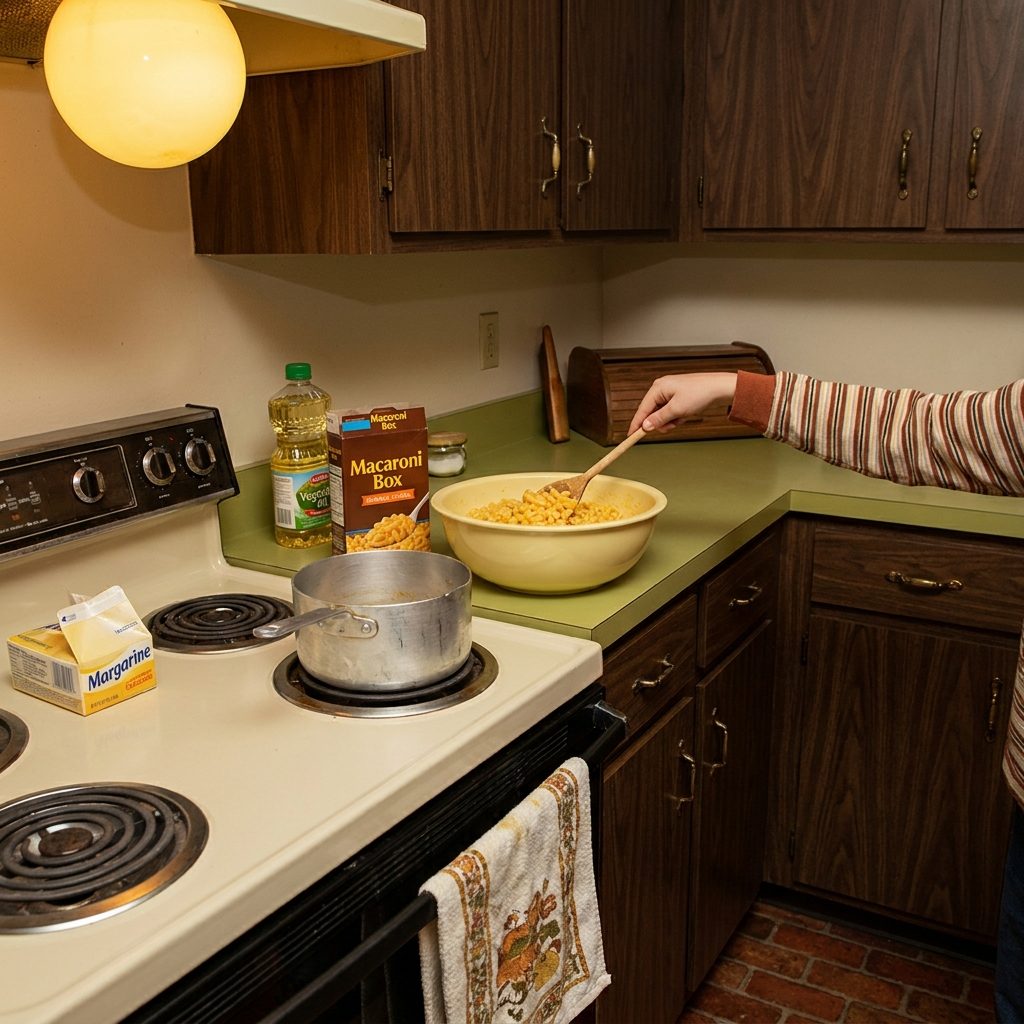
One box said it served two. That was a lie we all knew and ignored. The real move was stretching it: add a little extra margarine, thin the cheese powder sauce with a splash more milk, and serve it in the widest bowls you owned so each portion looked generous. If there were three of you, someone got a hot dog sliced into theirs and felt like they’d won. It wasn’t deprivation. It was just math, and we all got very good at the math.
21. Keeping the Thermostat at 68 Because Mom Left a Note That Said So
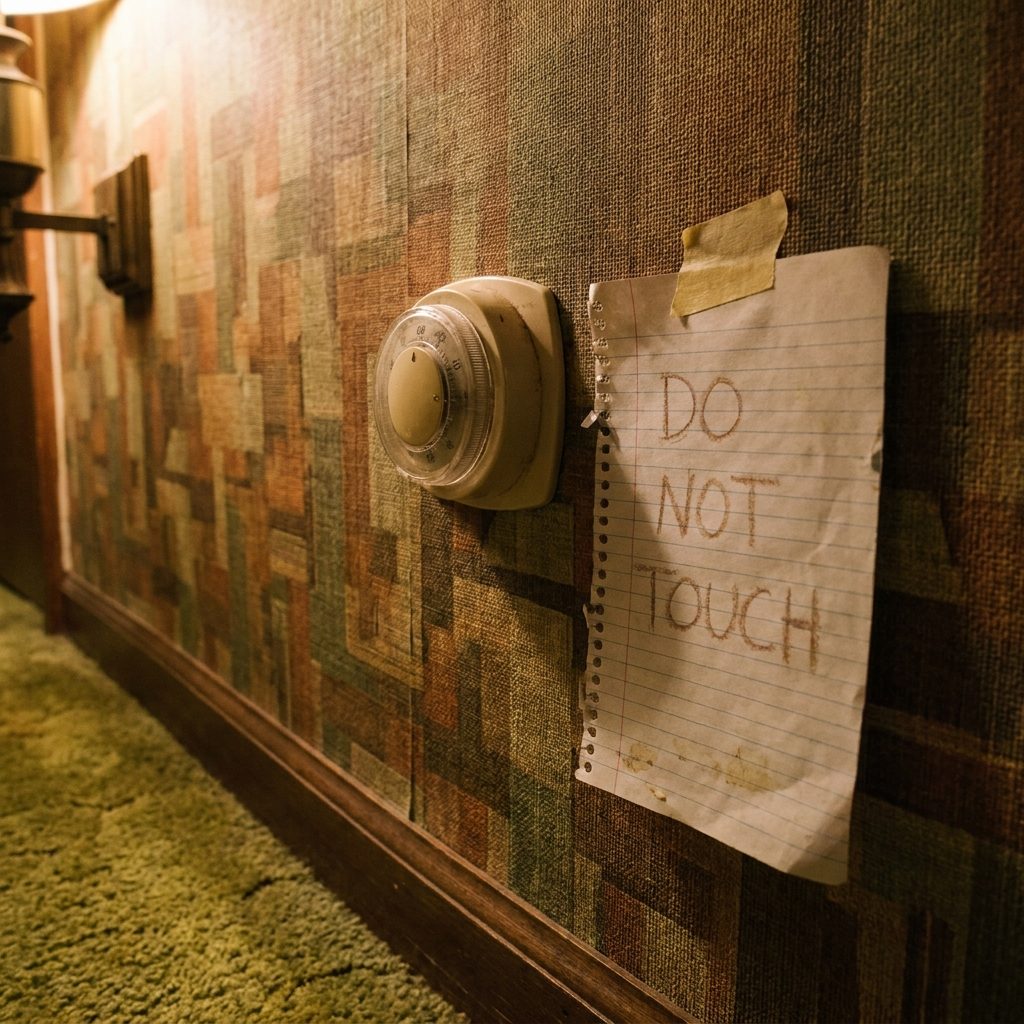
The note was always there. Sometimes it said 68. Sometimes it said 70. Sometimes it just said DO NOT TOUCH in capital letters underlined twice, which was basically the same thing. Touching the thermostat was the one rule that somehow carried more weight than all the others, even though nobody explained why until years later when we understood what a heating bill actually cost. We wore our hoodies indoors. We wrapped ourselves in the couch blanket. We did not touch the thermostat.
20. The Trick of Making a Dollar Stretch at the Corner Store Without Blowing It All at Once
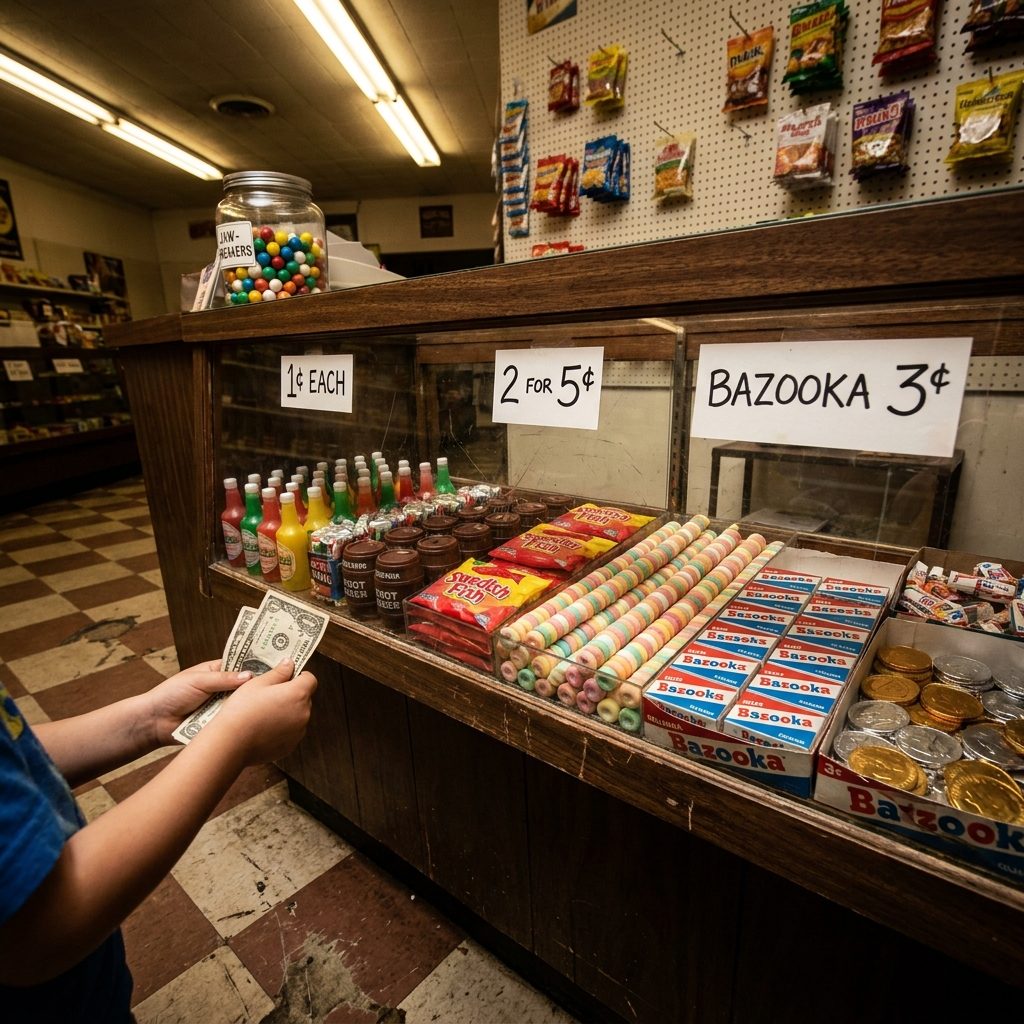
A dollar was not just a dollar. It was a negotiation. Do you blow it on one big candy bar and feel rich for three minutes, or do you spend forty-five cents on a mix of penny candy and still have change left over? Every latchkey kid learned pretty quickly that volume beat quality at the corner store. Twelve pieces of penny candy was twelve decisions, twelve small pleasures, twelve chances to trade with your brother. One Snickers was over in ninety seconds and you had nothing left to show for it.
19. Reusing Bread Bags as Everything, Sandwich Bags, Lunch Bags, Wet Shoe Covers
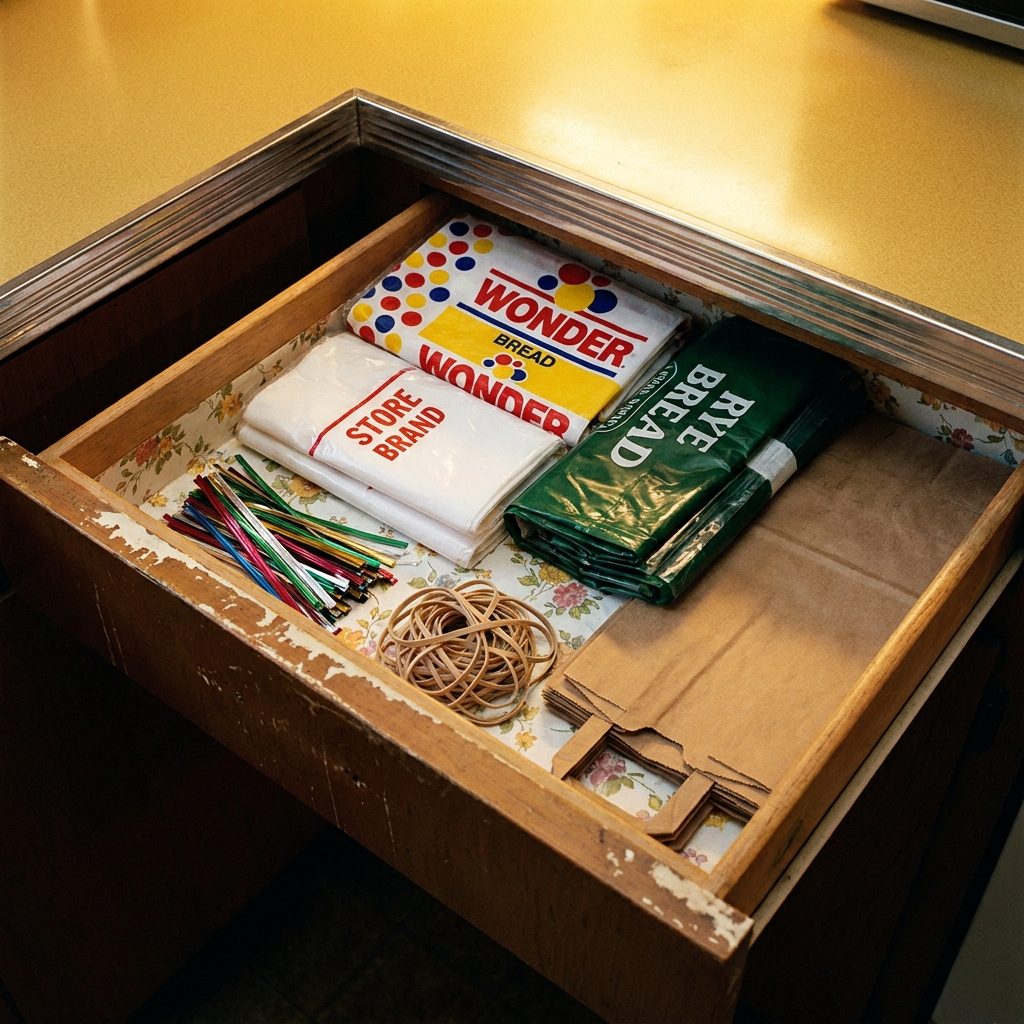
Every 1980s household had a drawer. Not a junk drawer exactly, more of a second-life drawer. Bread bags lived there after the bread was gone, rinsed, dried, folded, and saved for the next use. Sandwich bag. Wet swimsuit bag on the way home from the pool. The trick your grandmother swore by of pulling them over your socks before putting on rain boots.
It looked like clutter. It was actually inventory. Nothing left that drawer until it had been useful at least two more times.
18. Watching the Clock Until 5:30 So You Could Switch From Cartoons to the News Before Mom Got Home
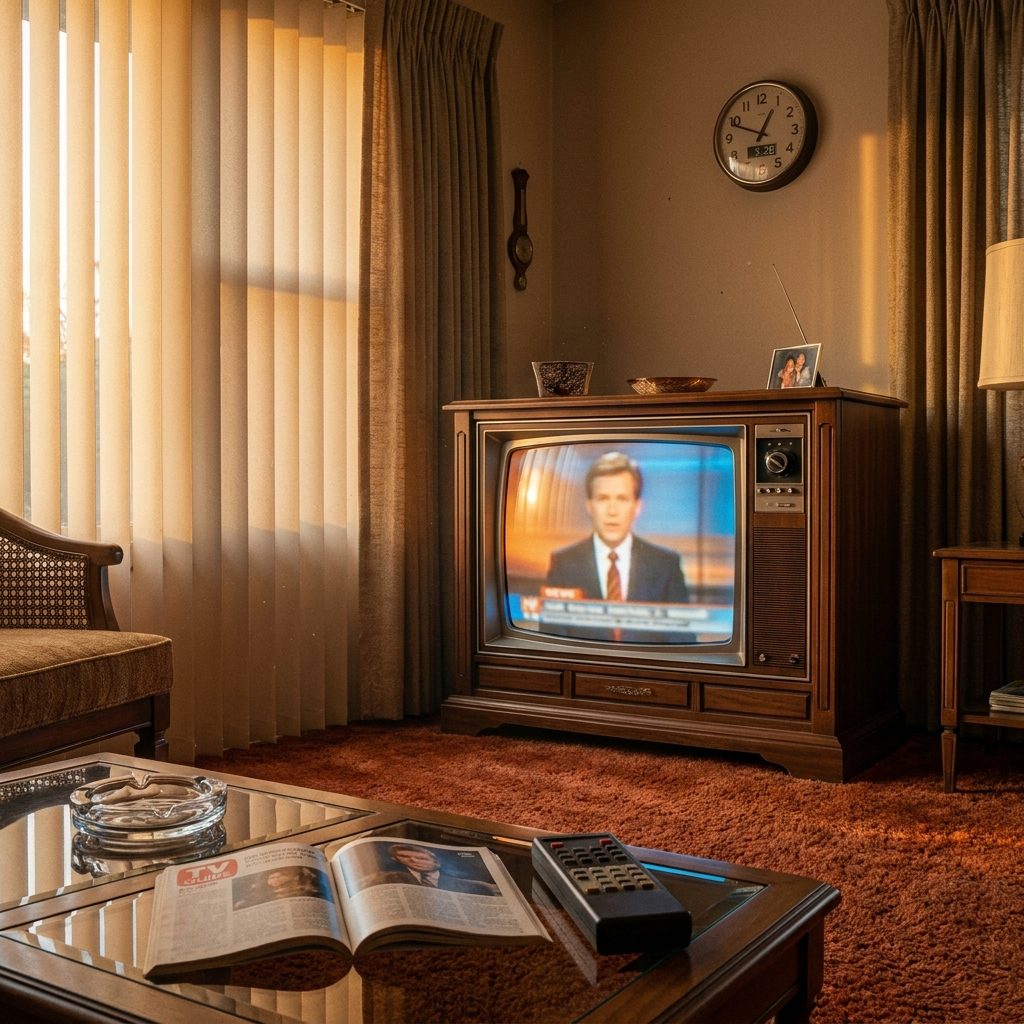
The wall clock was the whole operation. You had a window, and you knew it. Cartoons until 5:15, then the slow pivot: turn down the volume, switch the channel, have the news on by 5:28 so when she walked in at 5:30 it looked like you’d been responsible all afternoon. Nobody was fooled. But the performance mattered. It was the beginning of understanding that appearances have their own economy.
17. The Half-Price Snack Strategy: Everything Marked Down After 4 PM at the Bakery Next Door
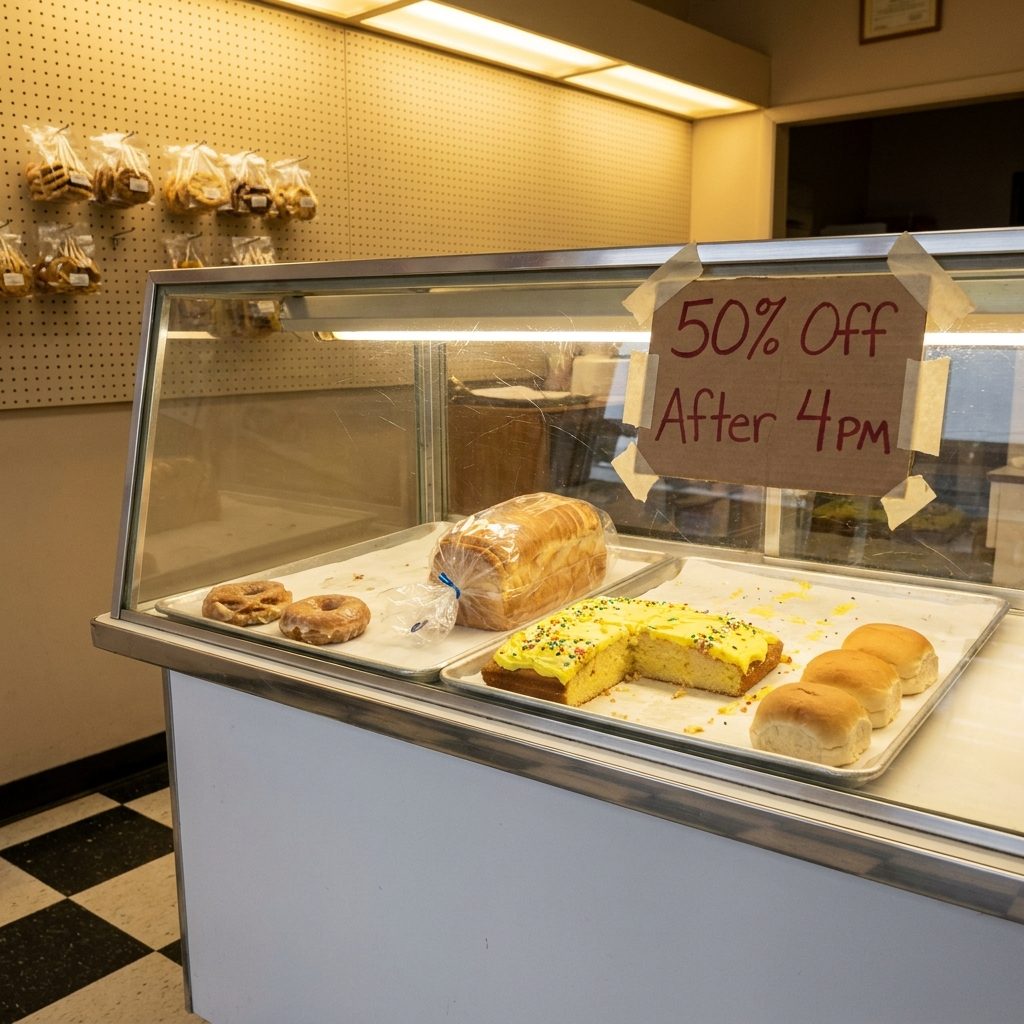
Some kids had this figured out with surgical precision. The bakery two blocks over marked everything down after four o’clock. Day-old doughnuts, the last few dinner rolls, whatever was left of the morning’s sheet cake. Fifty cents could get you a paper bag with two doughnuts and a roll in it, which was dinner if your standards were flexible and hunger had been building since noon. This was not embarrassing. This was efficiency. The doughnuts tasted exactly the same as the full-price ones.
16. The Weekly Allowance Ledger Kept in a Spiral Notebook to Prove You Hadn’t Spent It Yet
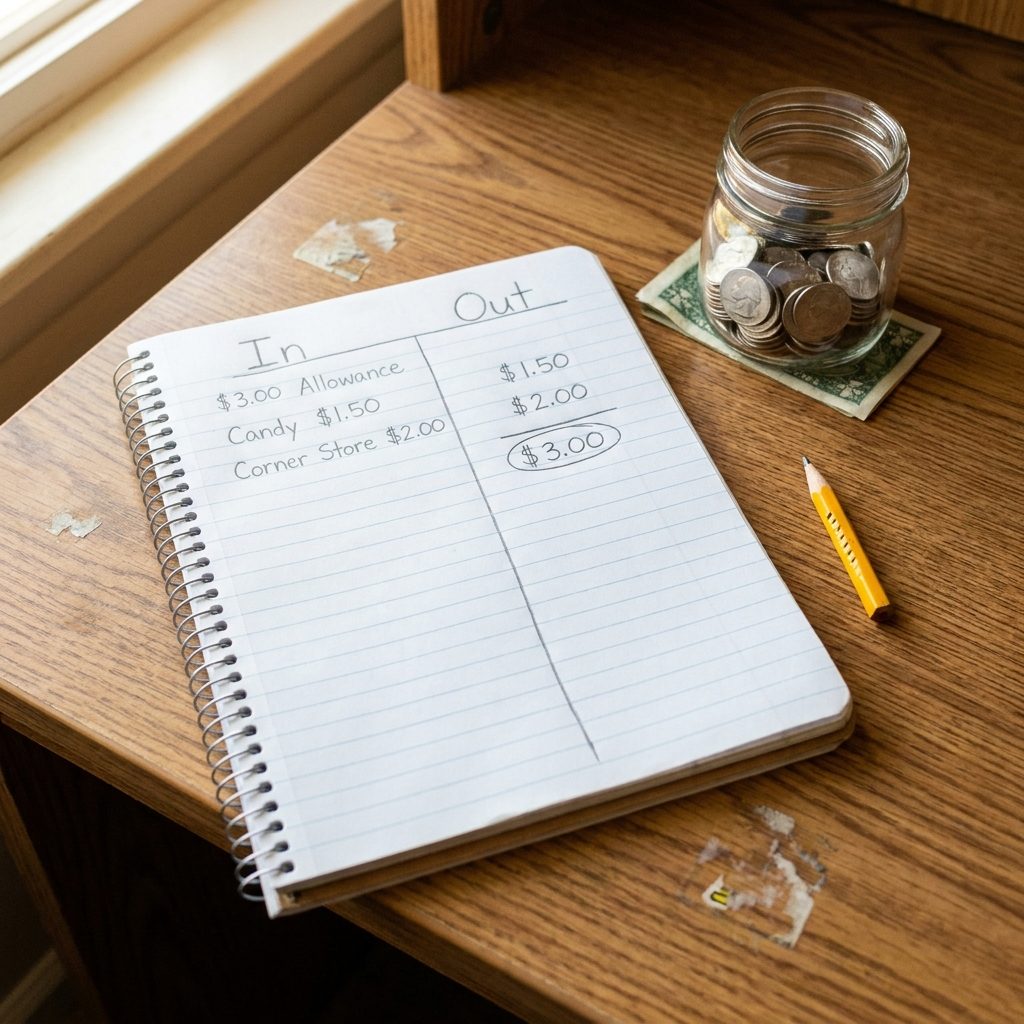
Some kids kept a notebook. Not because anyone told them to. Because allowance was $3 a week and it had a way of disappearing faster than seemed physically possible, and the notebook was the only way to catch it happening in real time. Income on the left. Expenditures on the right. A running total that had to stay above zero until Friday or the whole week collapsed.
This was budgeting. Nobody called it that. It was just survival arithmetic in a spiral notebook with a cartoon cover.
15. Freezing the Last Inch of Every Juice Bottle to Make It Last One More Day
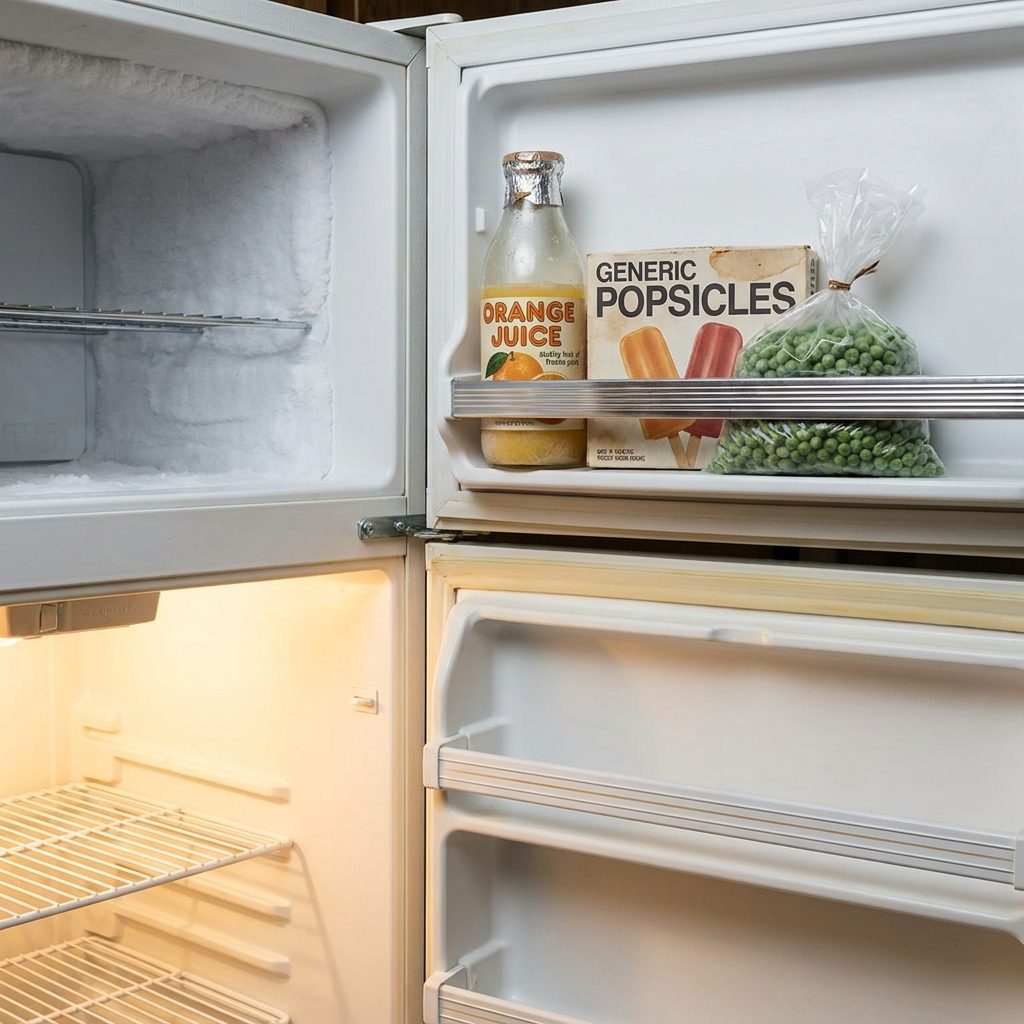
The last inch of the juice bottle was a contested resource. You couldn’t pour it into a glass because it wasn’t enough to be worth it, but you weren’t supposed to just drink from the bottle either, and throwing it away felt wrong in a way you couldn’t fully articulate at age ten. The solution some households landed on: put it in the freezer. Tomorrow it became a slush. A small cold reward for not wasting it, which was also somehow a treat, which was also somehow thrifty. The refrigerator was full of small negotiations like this.
14. The Rotary Phone Call You Rehearsed Before Dialing So You Didn’t Run Up the Bill
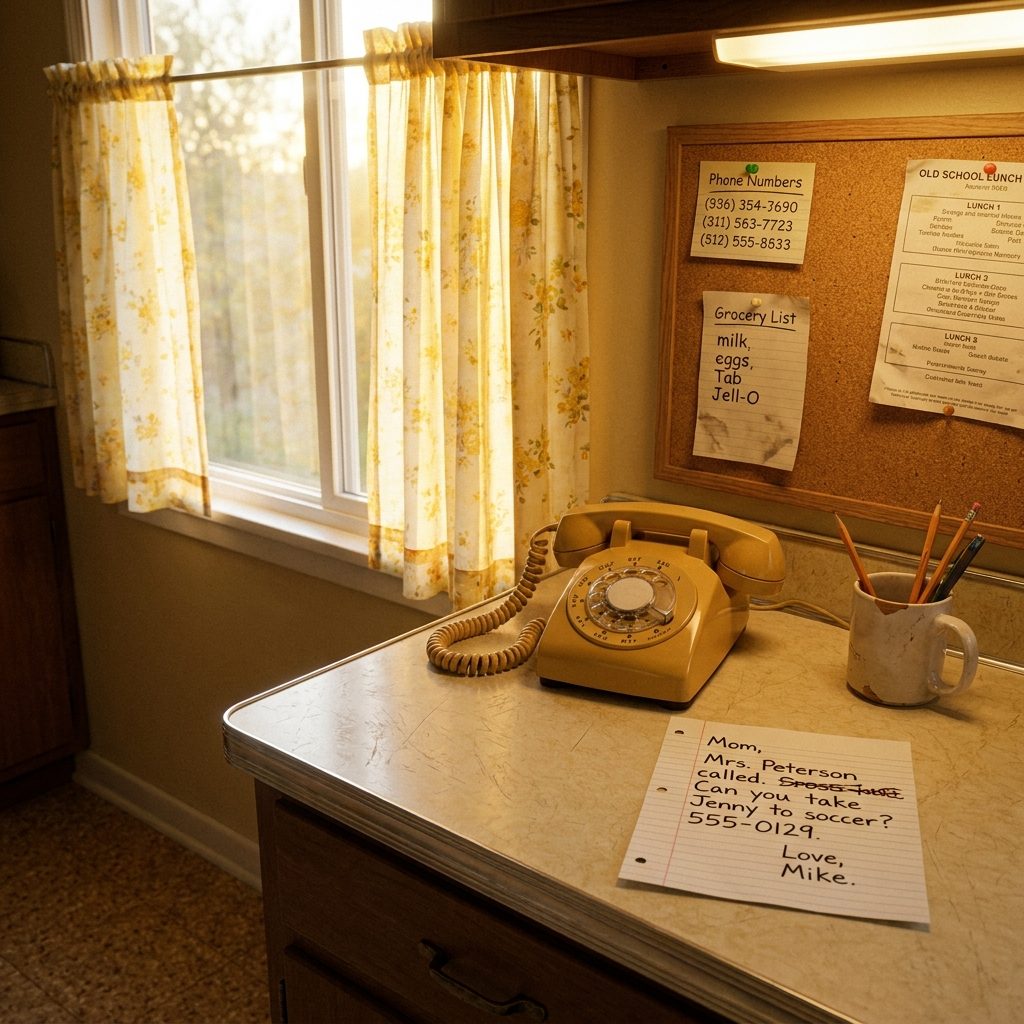
Every latchkey kid knew the rule: local calls only, and keep it short. Before picking up the receiver, you rehearsed what you were going to say. Not because you were nervous. Because if you stumbled through it and the call ran long, you’d hear about it when Mom got home. Some kids actually wrote out a script on notebook paper. “Hi, it’s [name]. I’m home. Call me back if you want.” Twelve words. Hang up. Job done.
13. Watering Down the Dish Soap So the Bottle Lasted Until the Next Shopping Trip
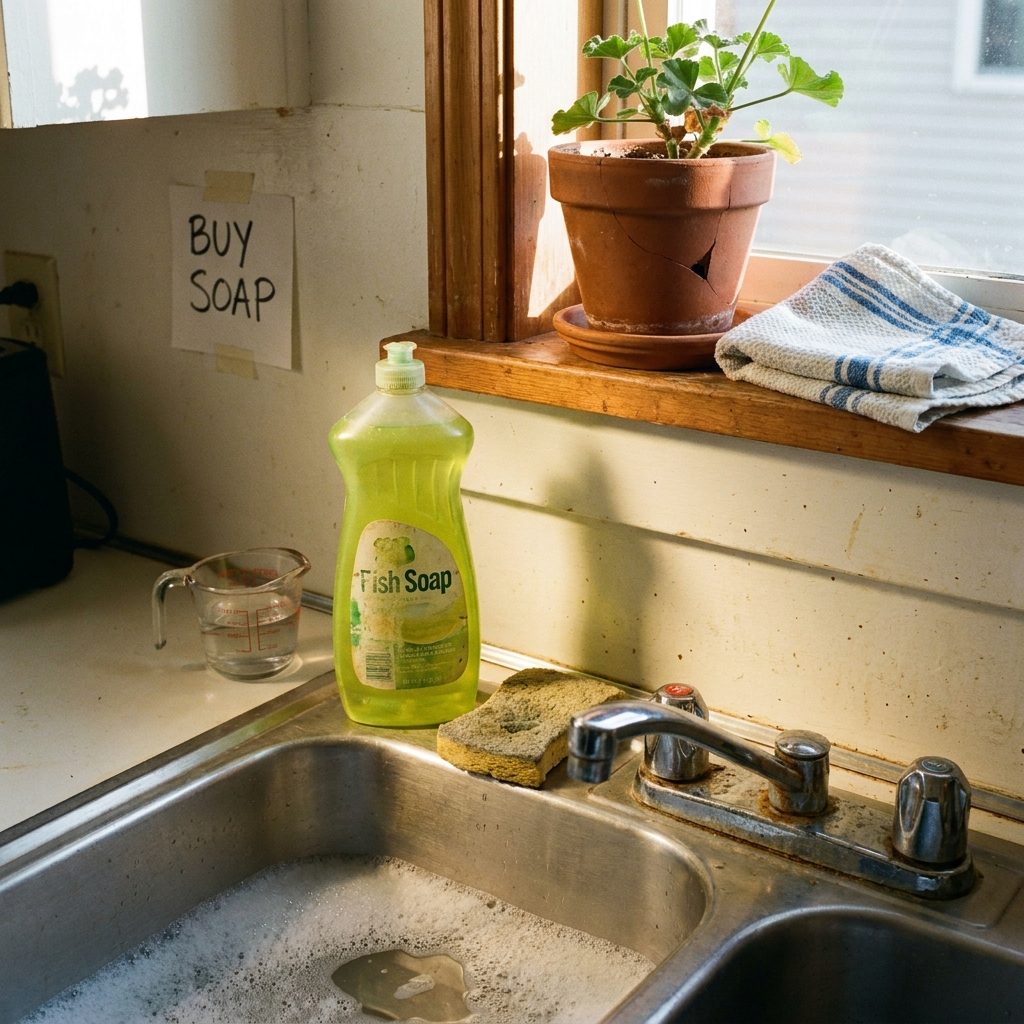
The bottle was almost empty and the next shopping trip was four days away. Solution: add a little water, shake it, keep going. The soap got thinner every day until you were essentially washing dishes with warm water and wishful thinking. It still worked, mostly. And it stretched. That was the whole point.
Nobody taught you this. You figured it out by watching what happened when you didn’t do it.
12. Clipping Coupons from the Sunday Paper Before Mom Woke Up to Show You Were Helpful
Would you like to save this?
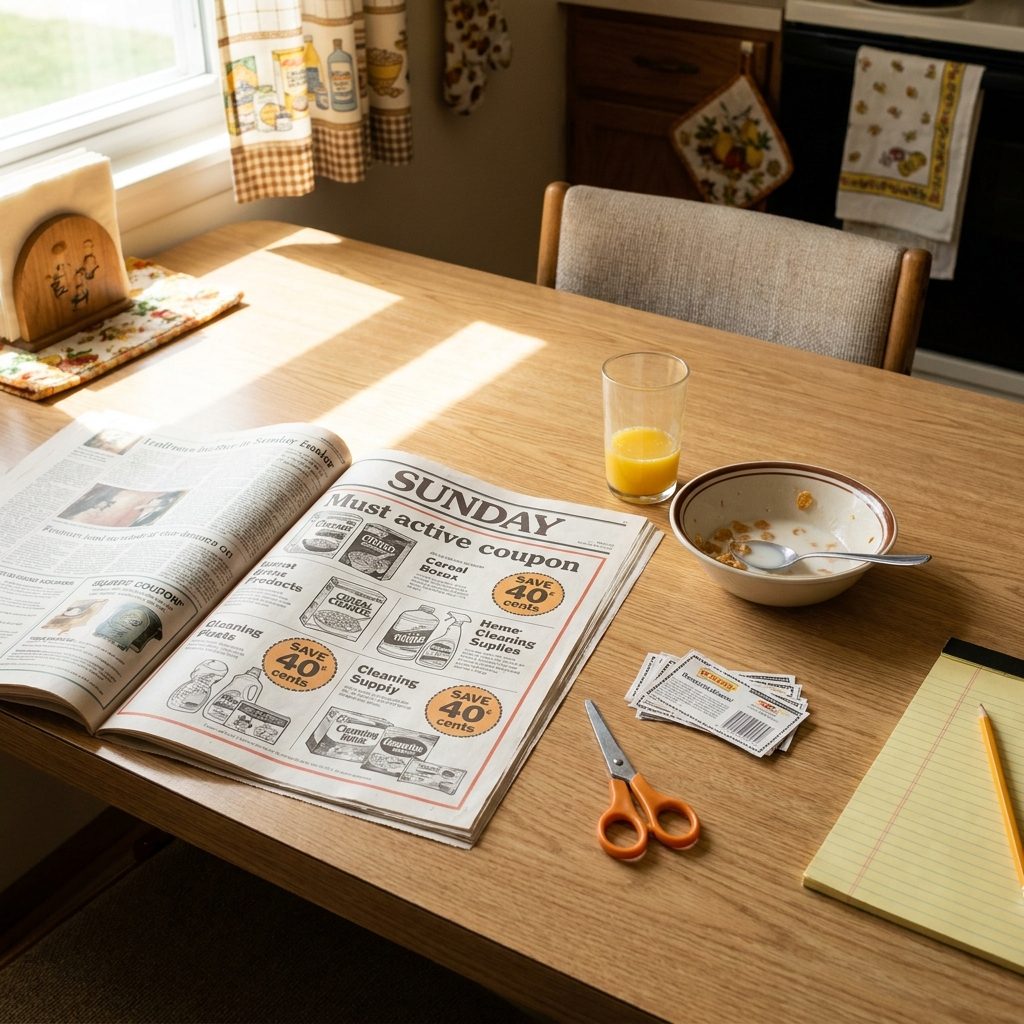
Sunday afternoon meant the coupon section. You’d pull it out, find the scissors, and clip every single one whether you needed it or not. Fifty cents off Hamburger Helper. Thirty cents off a two-liter. A full dollar off Bounce dryer sheets, which felt enormous. You’d stack them neatly and leave them on the counter where Mom would see them the second she walked in.
Whether she used them or not almost didn’t matter. You’d done something useful with the afternoon, and that was its own small economy.
11. Turning the Ketchup Bottle Upside Down and Leaving It There for Two Days to Get the Last of It
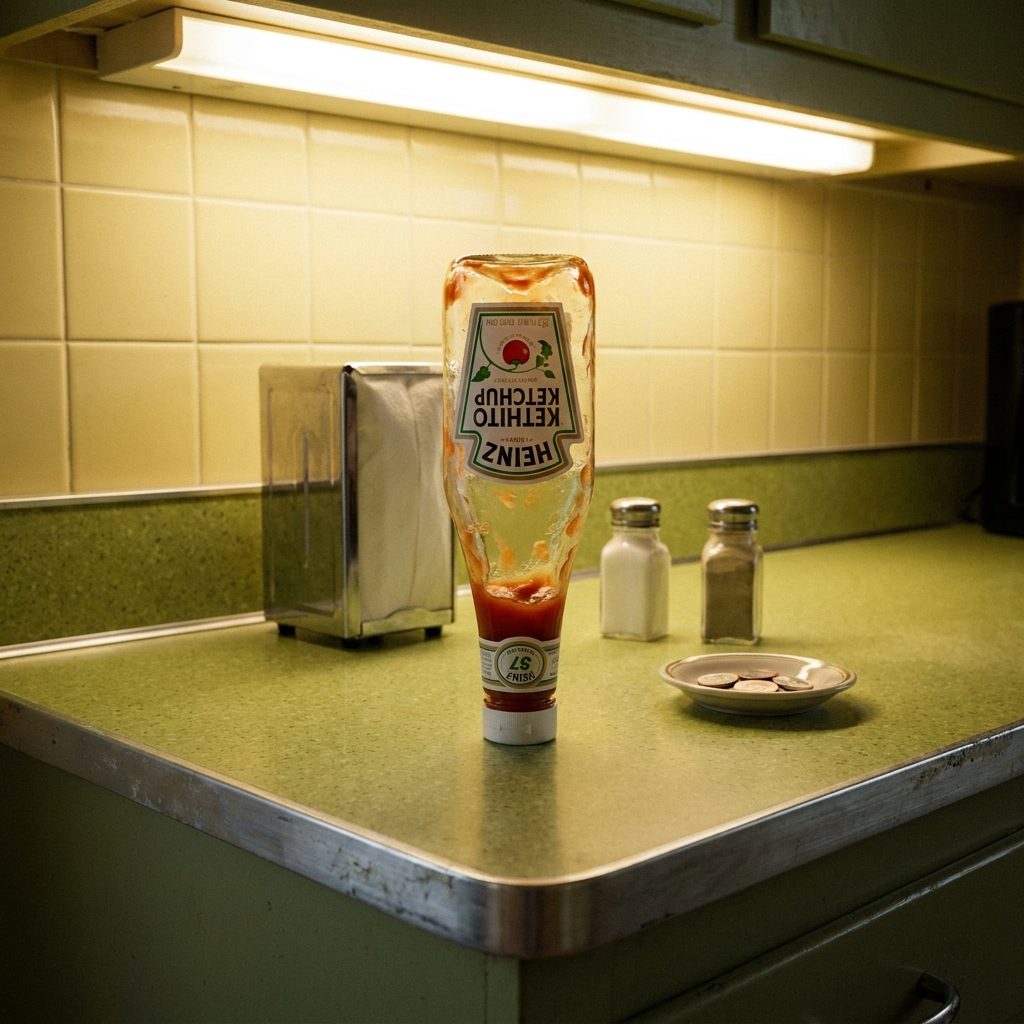
You flipped it upside down. You left it that way. Two days later you shook it over your hot dog and got exactly enough ketchup to matter. This was not waste. This was patience converted into condiment. The glass bottle made it feel almost ceremonial, the thin red tide slowly creeping toward the cap over the course of an afternoon.
10. The “Good” Snack Locked in Mom’s Cabinet That You Knew About and Did Not Touch
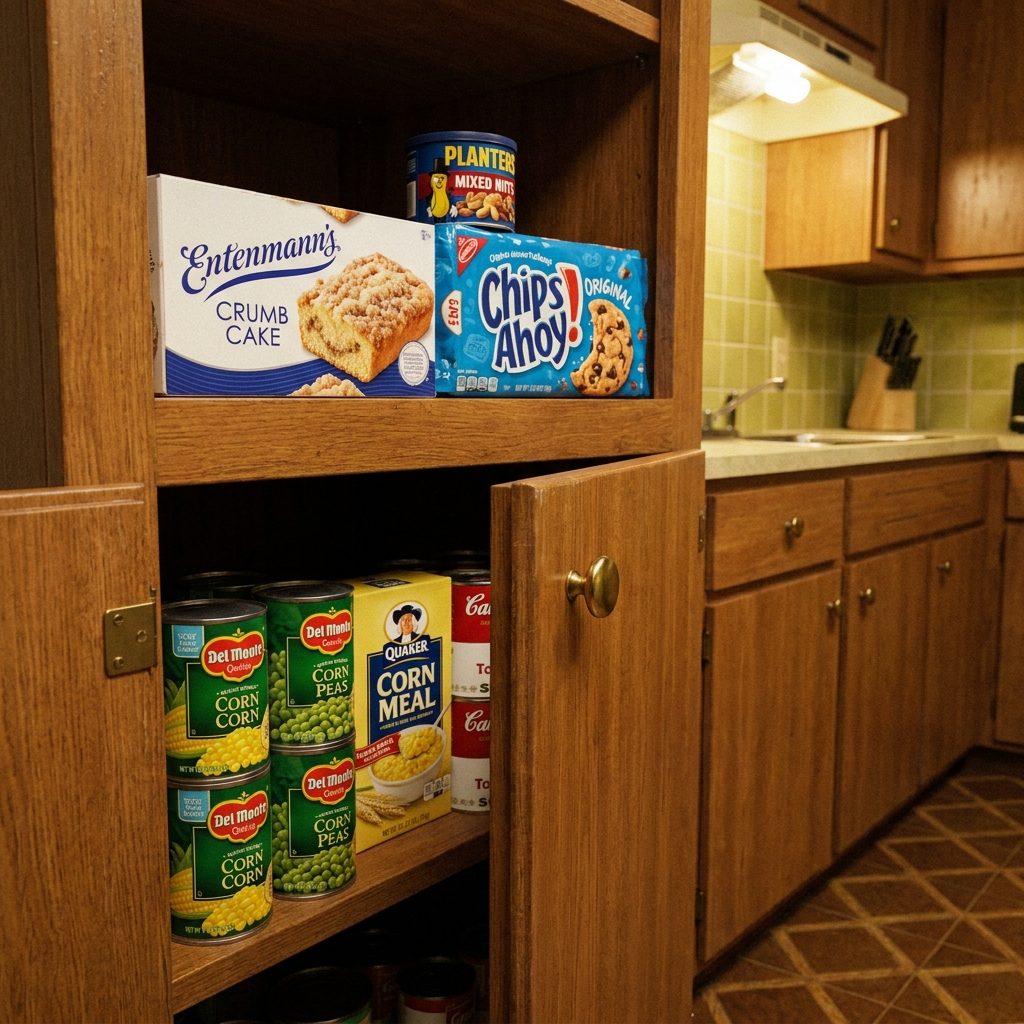
There was always a shelf. Not the regular shelf with the generic soup cans and the cornmeal. The other one, slightly higher, slightly harder to reach. The good snacks lived there. The Chips Ahoy. The mixed nuts in the tin. The crumb cake in the white and brown box.
You knew exactly what was up there. You did not touch it. Not because you’d been punished before (though maybe you had), but because some agreements didn’t need to be spoken out loud. That shelf belonged to the household budget and to company, in that order. You were neither.
9. Reading the Back of Every Cereal Box Three Times Because You’d Already Watched Everything Worth Watching
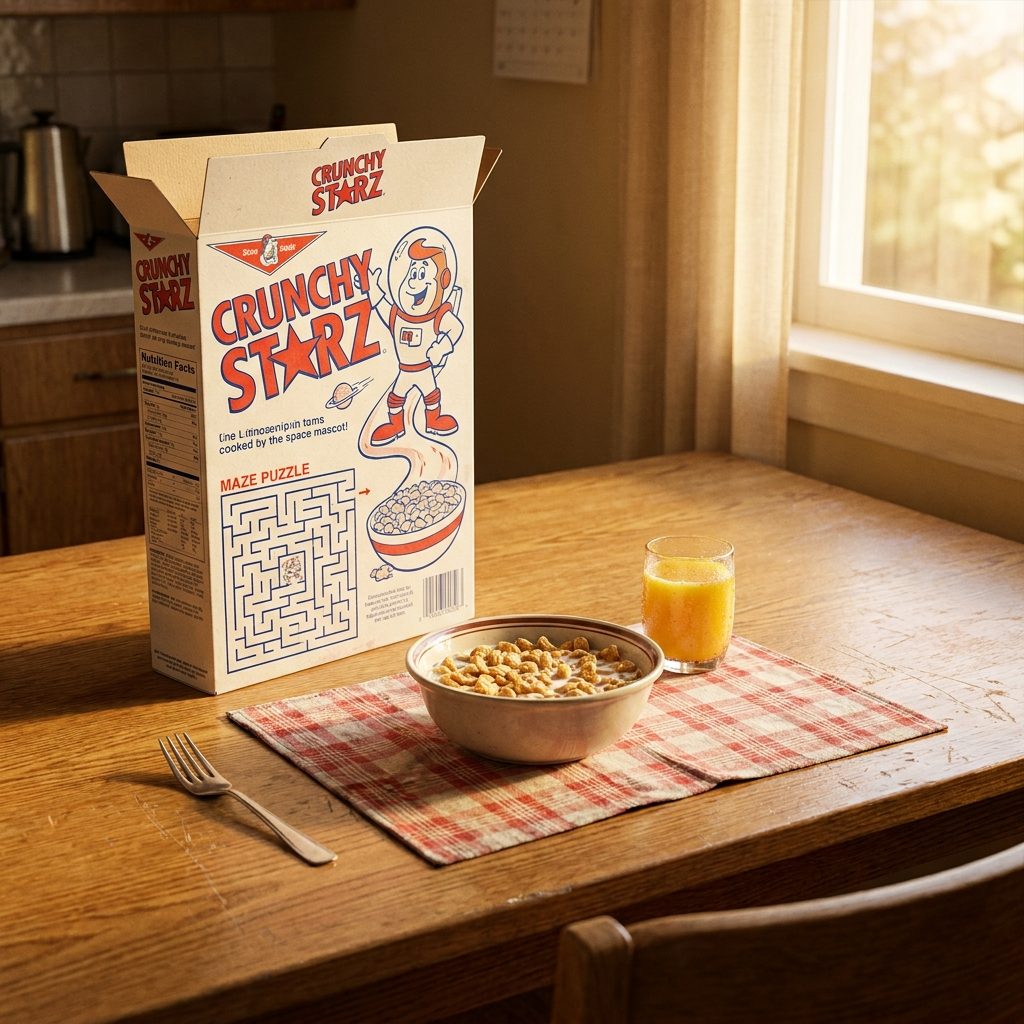
Saturday morning TV ran out by noon. After that you were on your own. The cereal box was right there, and it had a maze on the back, plus a word search, plus a mail-in offer for a free decoder ring if you sent three proofs of purchase and waited six to eight weeks. You read the nutrition label. You read the address of the cereal company in Battle Creek, Michigan. You read it all again.
It was free entertainment that came with breakfast, and in 1984 that was a completely reasonable way to spend forty-five minutes.
8. The Trick of Filling Up on Water Before Dinner So You Didn’t Look Like You Were Starving
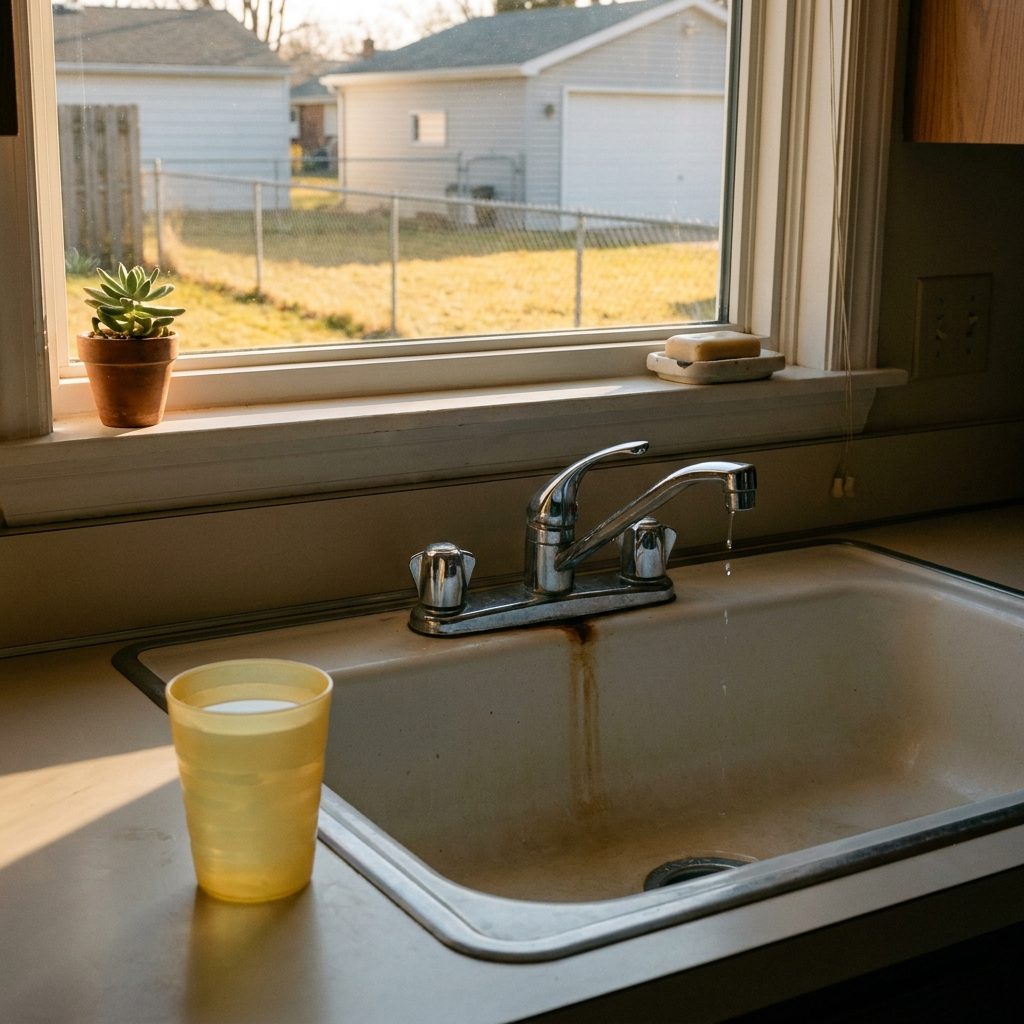
Dinner was at six. It was four-thirty. You were hungry enough to eat the furniture but fully aware that raiding the kitchen now meant less for later, and also possibly a look from Mom when she saw what was gone. So you drank a glass of water. Sometimes two. It took the edge off just enough to make it to the table without catastrophe.
7. Recording Your Favorite Song Off the Radio Instead of Buying the 45
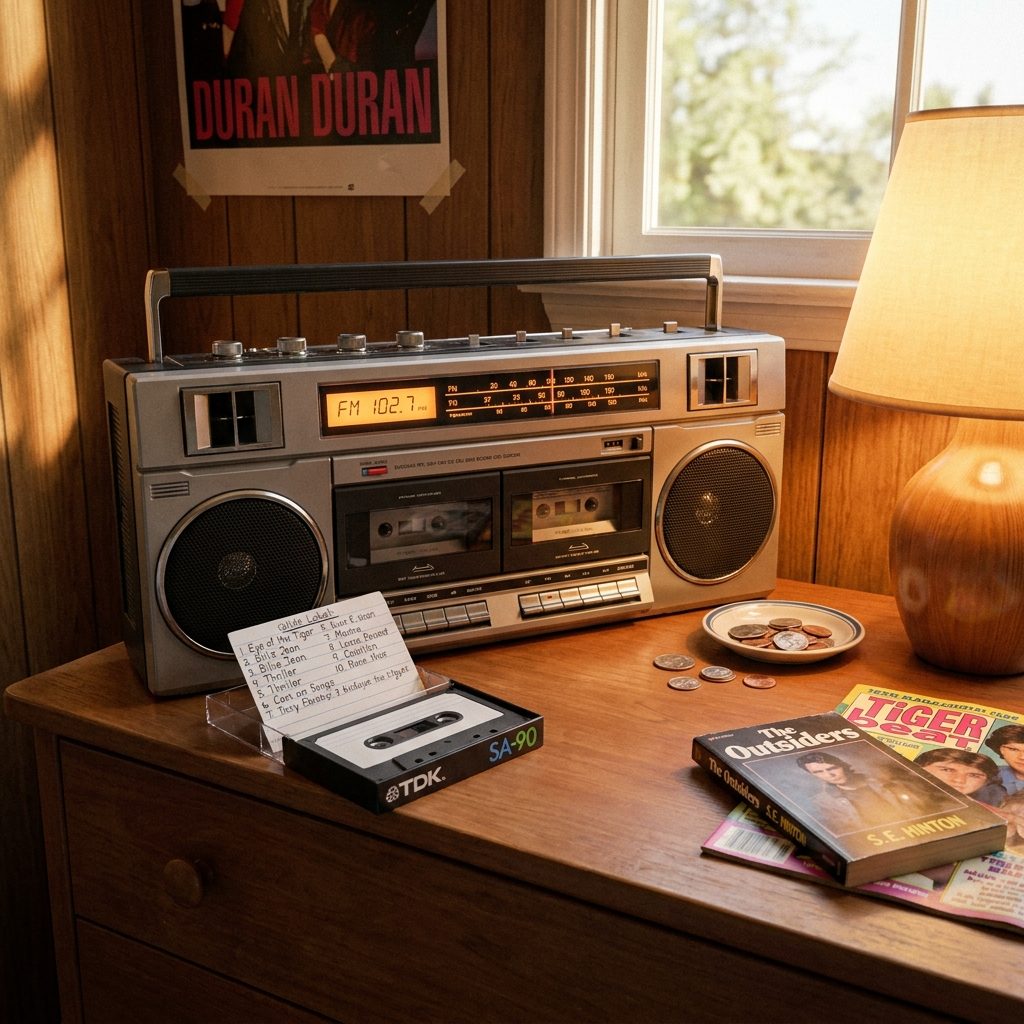
A 45 cost about a dollar and a half. A blank cassette cost less if you bought them in a three-pack, and it held a lot more than one song. The move was simple: you sat by the boombox with your finger on Record/Play, waited for the DJ to stop talking, and hit the button the second the song started. Sometimes you caught the first note clean. Sometimes you got two seconds of DJ voice at the front. Either way, the song was yours, free, forever.
The music industry hated it. You were eleven and had $2.75 to your name. The math was not complicated.
6. The Freezer Inventory You Memorized Before Mom Left for Her Shift
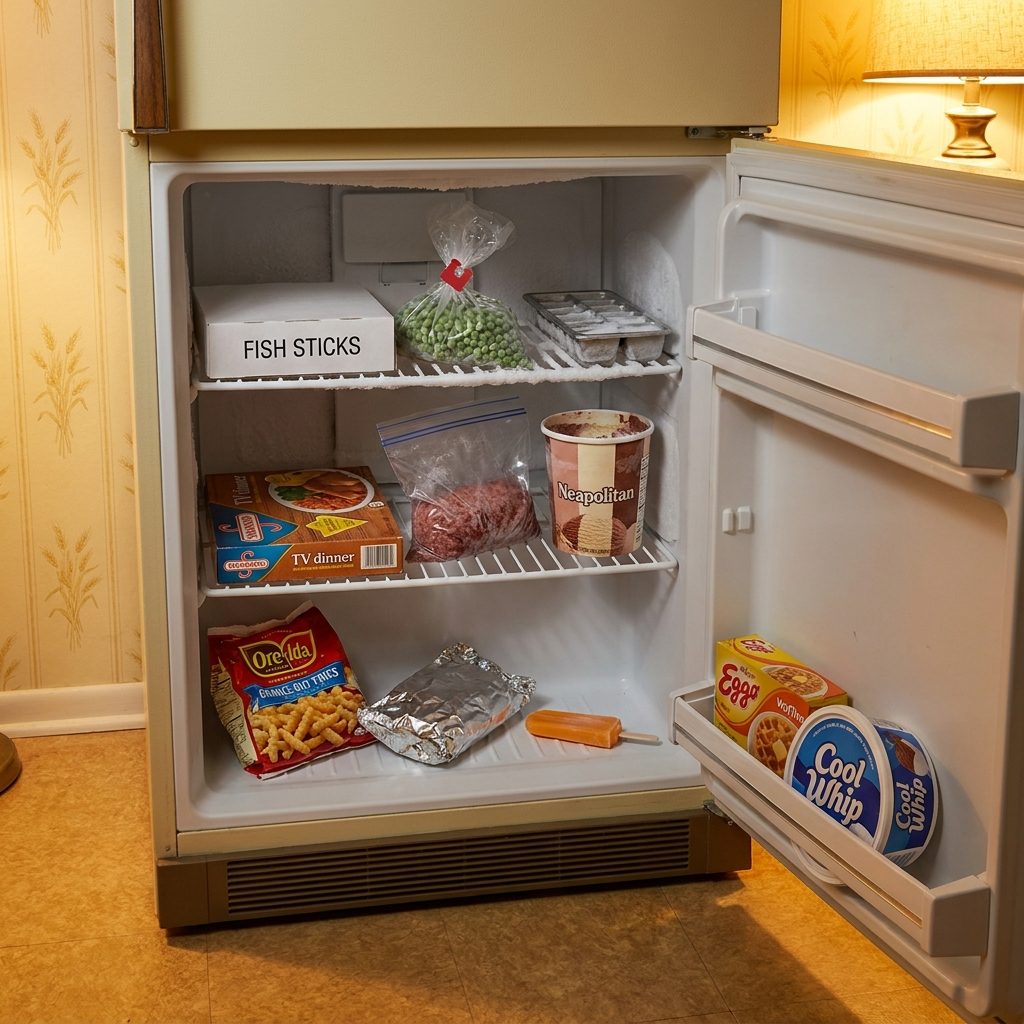
Before she backed the station wagon out of the driveway, you already knew what was in that freezer. Not because she told you to look. Because you’d been cataloguing it since Tuesday. The fish sticks were for emergencies. The Swanson was for the night she worked a double. The crinkle fries were yours if you didn’t touch the hamburger meat, which was spoken for.
That silent inventory was real resource management, learned before anyone called it that. You knew what you had, what it cost in effort to make, and exactly when to spend it.
5. Splitting a Two-Liter Three Ways and Making the Math Work
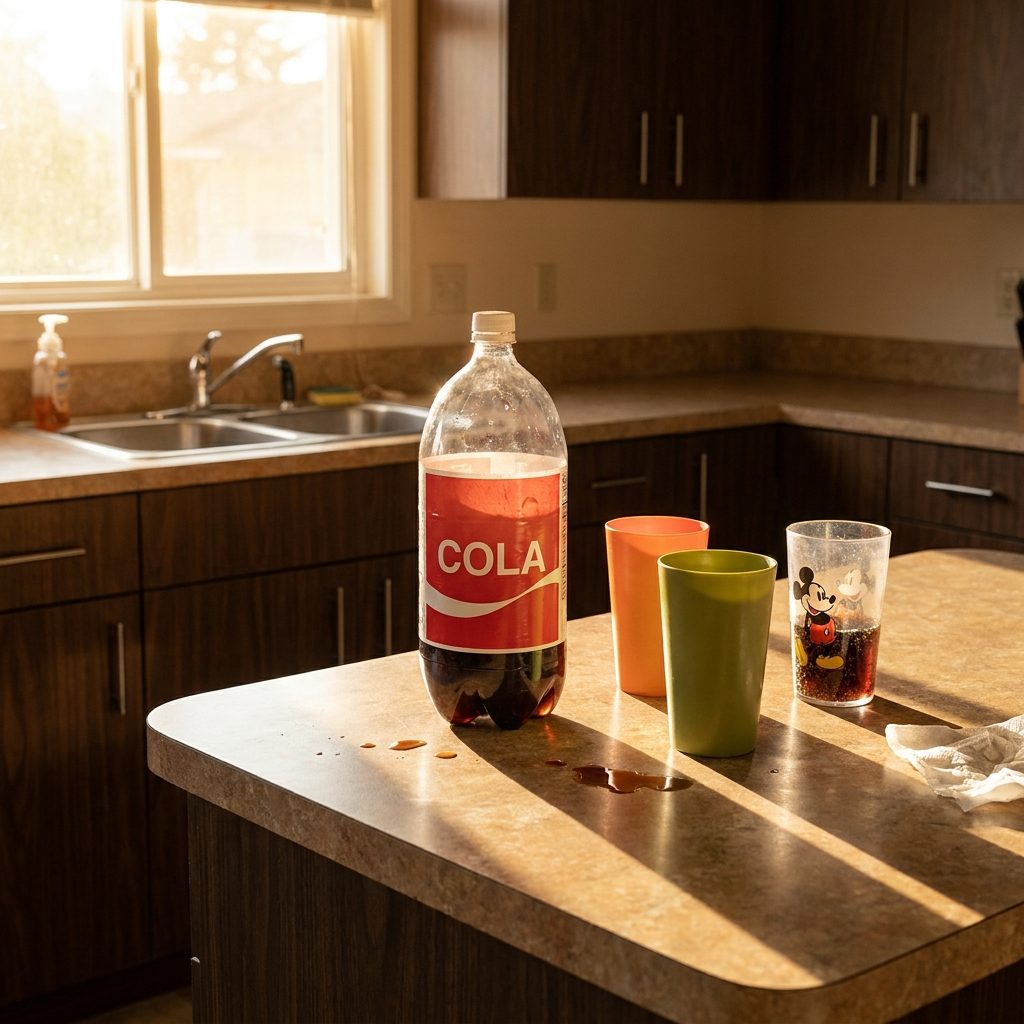
Store-brand cola in a two-liter that had to last three kids through the afternoon. Pouring it yourself meant knowing the rules without anyone writing them down: equal thirds, don’t shake it first, and whoever poured theirs last got the flat dregs at the bottom.
You learned volume and fairness and the very real consequences of greed, all before dinner. No parent in the room. Just three cups, one bottle, and a silent understanding that taking too much was a social crime.
4. Counting Change on the Kitchen Table Like a Tiny Accountant
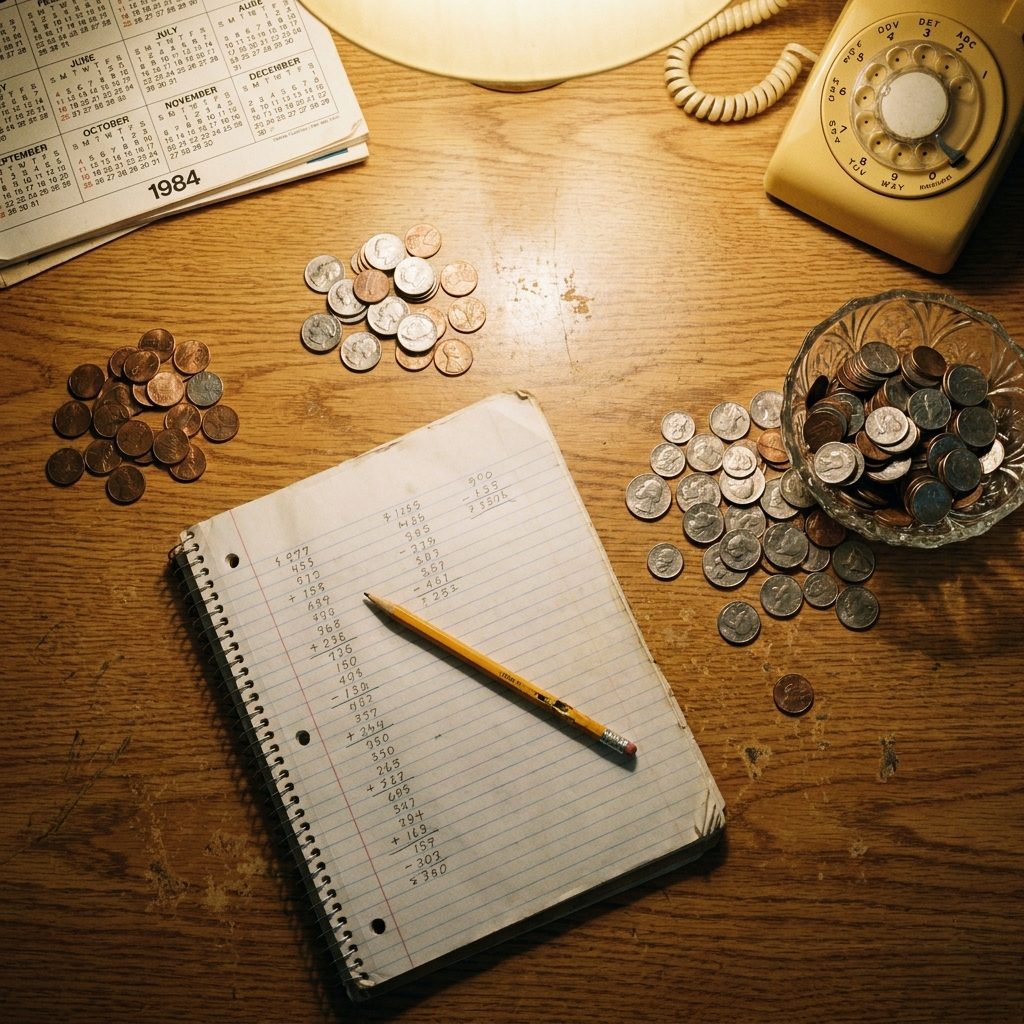
Five dollars handed over at the door, and you sorted it before she even pulled out of the lot. Quarters for the laundromat, if needed. Dimes and nickels in the bowl by the phone. Pennies in a pile you’d deal with later, which meant never.
You weren’t playing store. You were rationing. Figuring out if the quarters could cover a candy bar without breaking into emergency territory. That kitchen table was a counting house, and you were its smallest CFO.
3. The Art of Making Peanut Butter Last the Whole Week
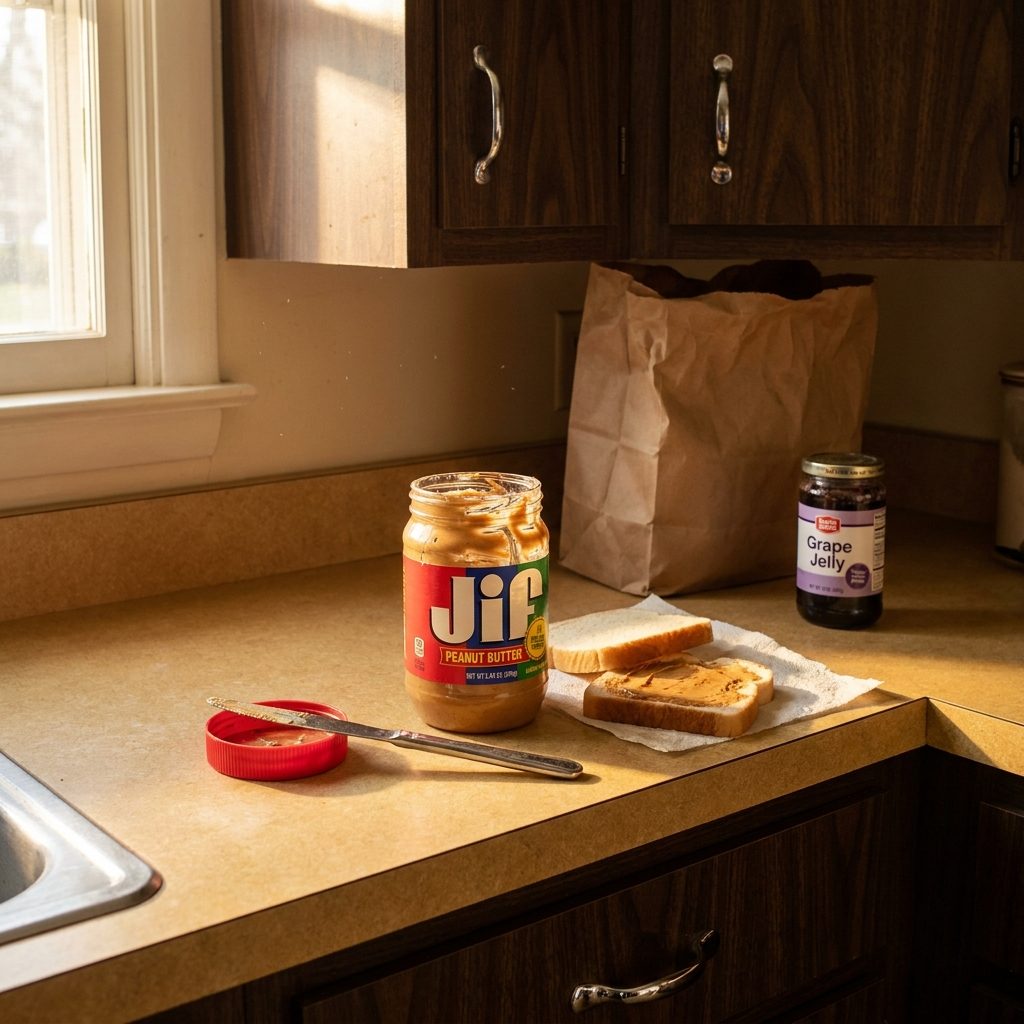
A near-empty jar of Jif was not an empty jar. Not even close. There were at least three more sandwiches in there if you used the knife right, tilting the jar, catching the sides, going around the rim twice. You learned to make a thin layer work. You learned that ‘scraping the jar’ was a genuine skill, not desperation.
The bread was always white. The jelly was always store-brand. And that sandwich, assembled with full concentration and a butter knife, tasted better than anything that came easy.
2. Negotiating With Your Siblings Over the Last Hot Pocket Like a Union Rep
Would you like to save this?
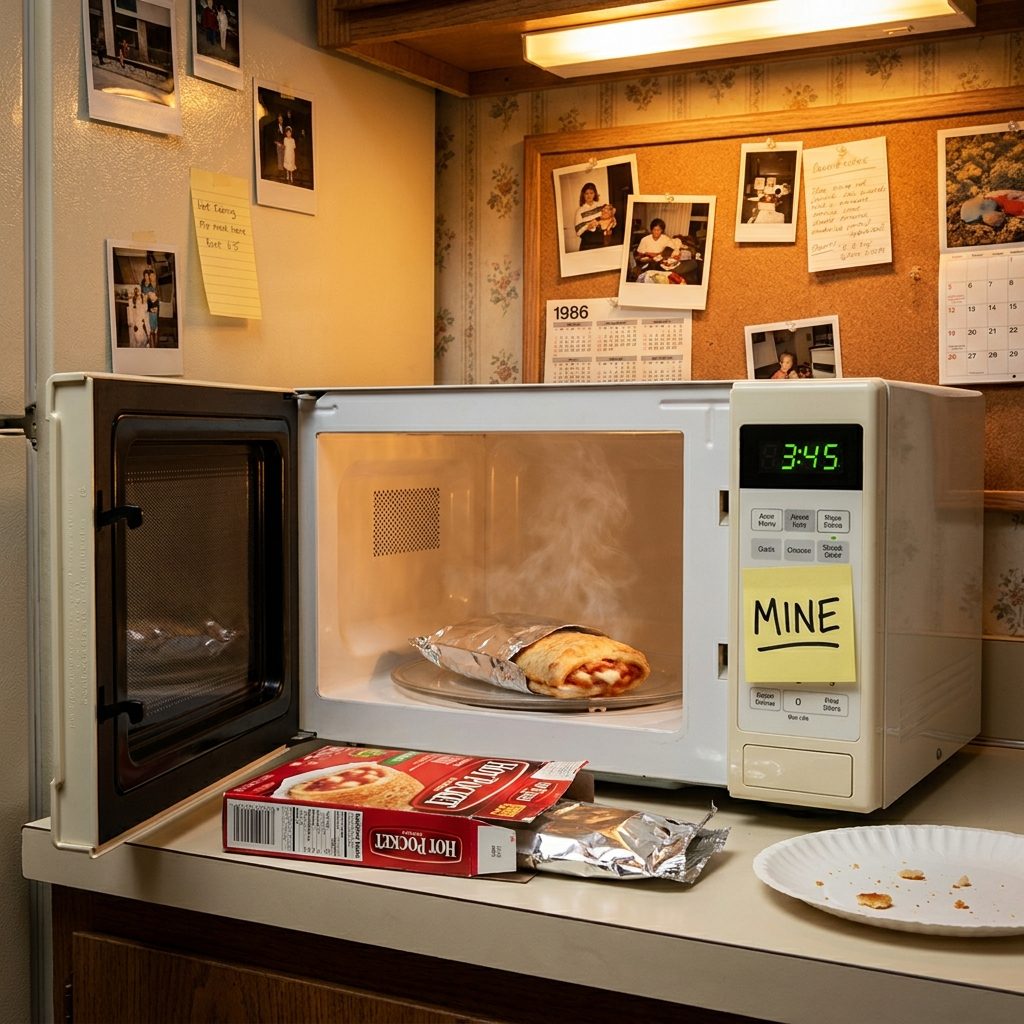
One Hot Pocket left. Three people who wanted it. The negotiation that followed was completely serious and involved at least two accusations of unfairness, one threat to tell Mom, and a proposed compromise involving who got to control the TV for the next hour. Property rights, labor exchange, leverage. You worked it all out before the microwave beeped.
1. Turning Off Every Light in the House Because the Electric Bill Was Not a Joke
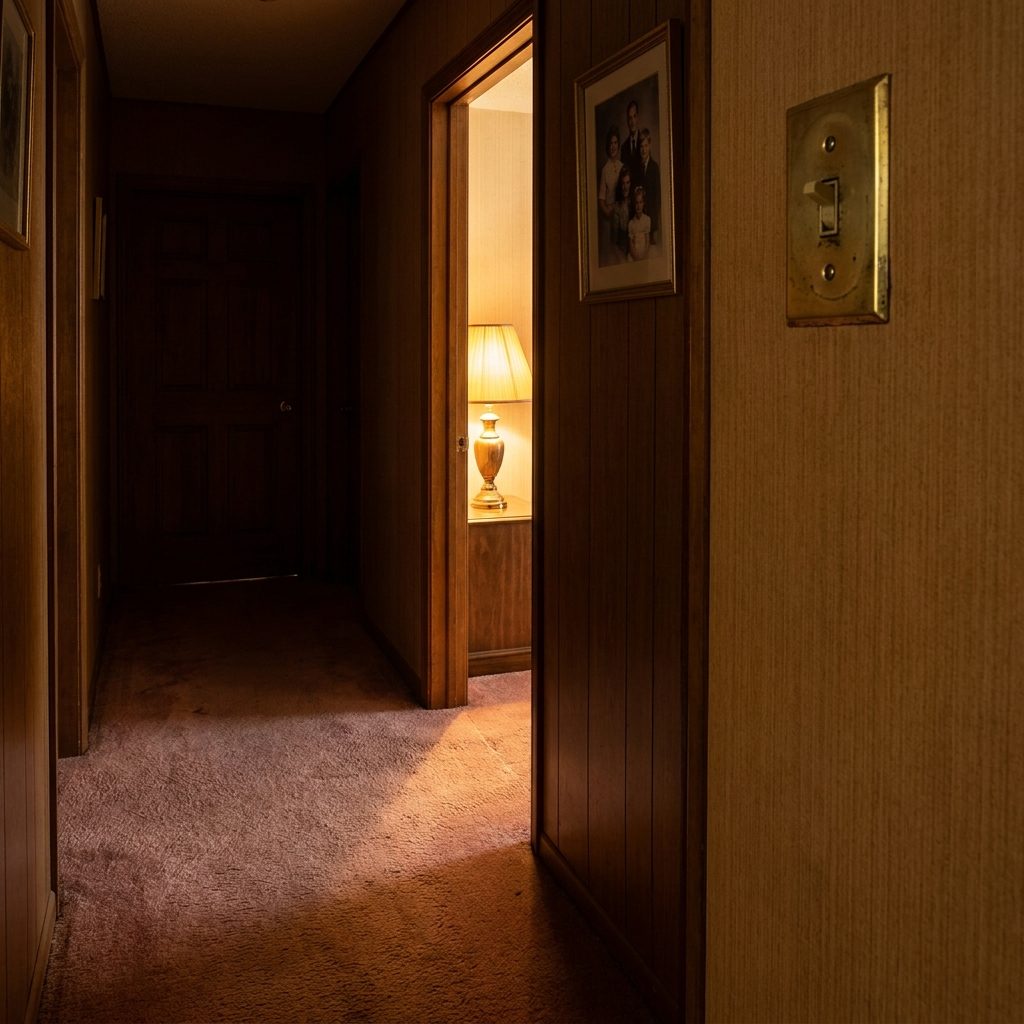
She left a list sometimes, but the light rule didn’t need writing down. You knew it. You internalized it. Every room you left, you hit the switch. Not because you were responsible. Because the electric bill showed up on the kitchen table once and the number on it was circled in pen, and that circle communicated everything without a single word.
You lived in one lit room at a time. It felt normal. It was, it turns out, exactly correct.