
Your grandmother walked out of the store with a full cart and half the bill, and she did it without an app, a loyalty barcode, or a single notification. She had a list. She knew what a can of green beans was supposed to cost, and she refused to pay more. Somewhere along the way we decided that kind of shopping was fussy, slow, old-fashioned. It wasn’t. It was sharp as a tack. Here are the habits worth dusting off, the ones that still trim the bill, cut the waste, and put better food on the table.
Please note that some of the images in this article were created with the assistance of AI.
20. Shopping With a Handwritten List

The phone list feels modern right up until it buzzes with a text, you lose your place, and you end up home without the one thing you came for. Paper doesn’t do that. It sits in your hand, the whole plan visible at once, every item either crossed off or not.
That visual completeness is the trick. You see the gaps. You see when you’ve drifted, and the small satisfaction of crossing something out keeps you moving instead of wandering. A written list is a decision you already made at home, calm, before the store started whispering at you.
19. Planning Meals Around the Weekly Circular
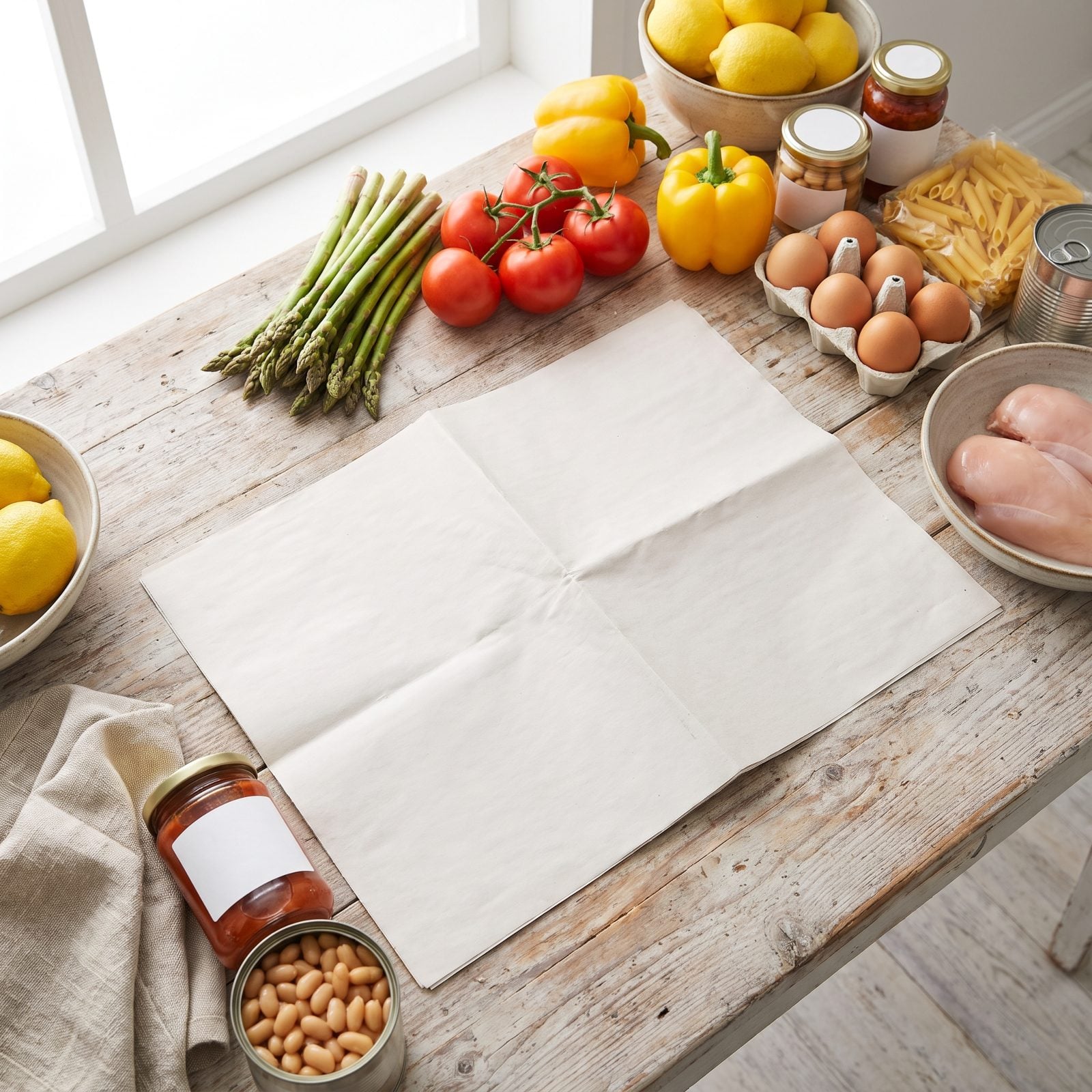
This runs backwards from how most people cook now. You don’t decide on pot roast and then pay whatever pot roast costs that week. You open the circular, see what’s cheap because it’s in season or overstocked, and build the week around that.
Chicken thighs on sale become the plan. Cabbage going for a song earns a spot on the table. You eat with the rhythm of the store instead of fighting it, and the fighting is exactly where the money goes.
18. Checking the Pantry Before Leaving Home
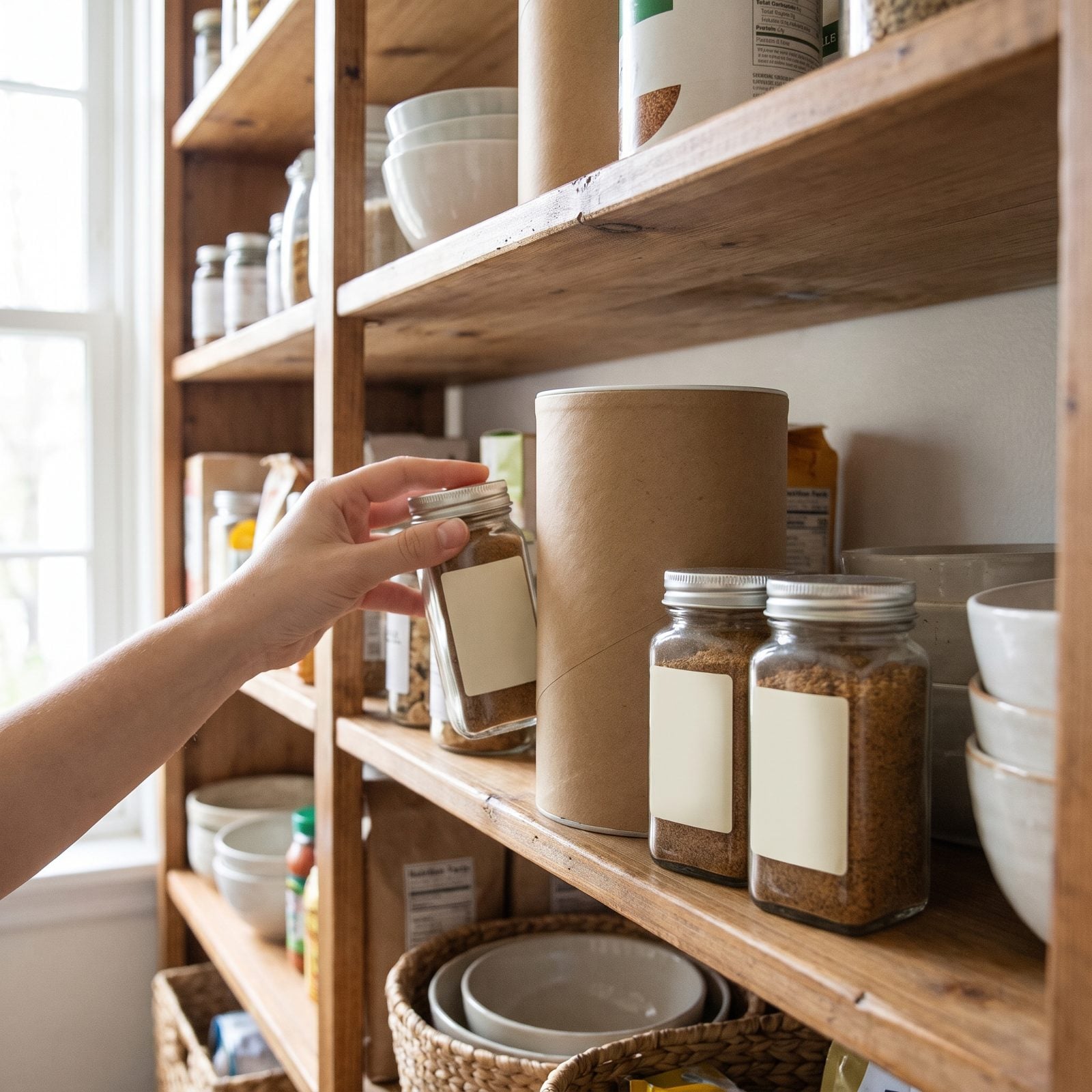
You buy the third jar of cumin because you forgot about the first two hiding behind the oatmeal. Everyone does it. Those two minutes you spend actually looking in your own cupboard before you leave? Cheapest audit you’ll ever run.
A lot of grocery waste starts at home, not the store. You already own the stuff, you just can’t see it. Open the doors and look to the back. The pantry has been trying to tell you what you need all along.
17. Avoiding Grocery Shopping While Hungry

Shop at five o’clock on an empty stomach and the cart fills itself with things that smell good right now. The hot deli case wins, the chips win, and you buy a dinner’s worth of nothing on your way to buying groceries.
Hunger is a lousy negotiator. Eat something first, even an apple in the car, and the whole trip gets quieter and cheaper. Your appetite stops doing the shopping and your plan takes back over.
16. Keeping a Running Price Book

This one’s almost a lost art, and it’s the sharpest of the bunch. A price book is nothing more than a little notebook where you jot what things actually cost over time. Milk this month. Ground beef last month. The price of coffee across three different stores.
After a few weeks you just know. You know the real price of everything you buy, which means you instantly know whether a “sale” is a sale or a shrug. The stores count on you forgetting. The price book remembers for you.
A sale only means something if you know what the thing normally costs. Most of us are guessing. The price book stops the guessing.
15. Waiting for the Predictable Sale Cycle
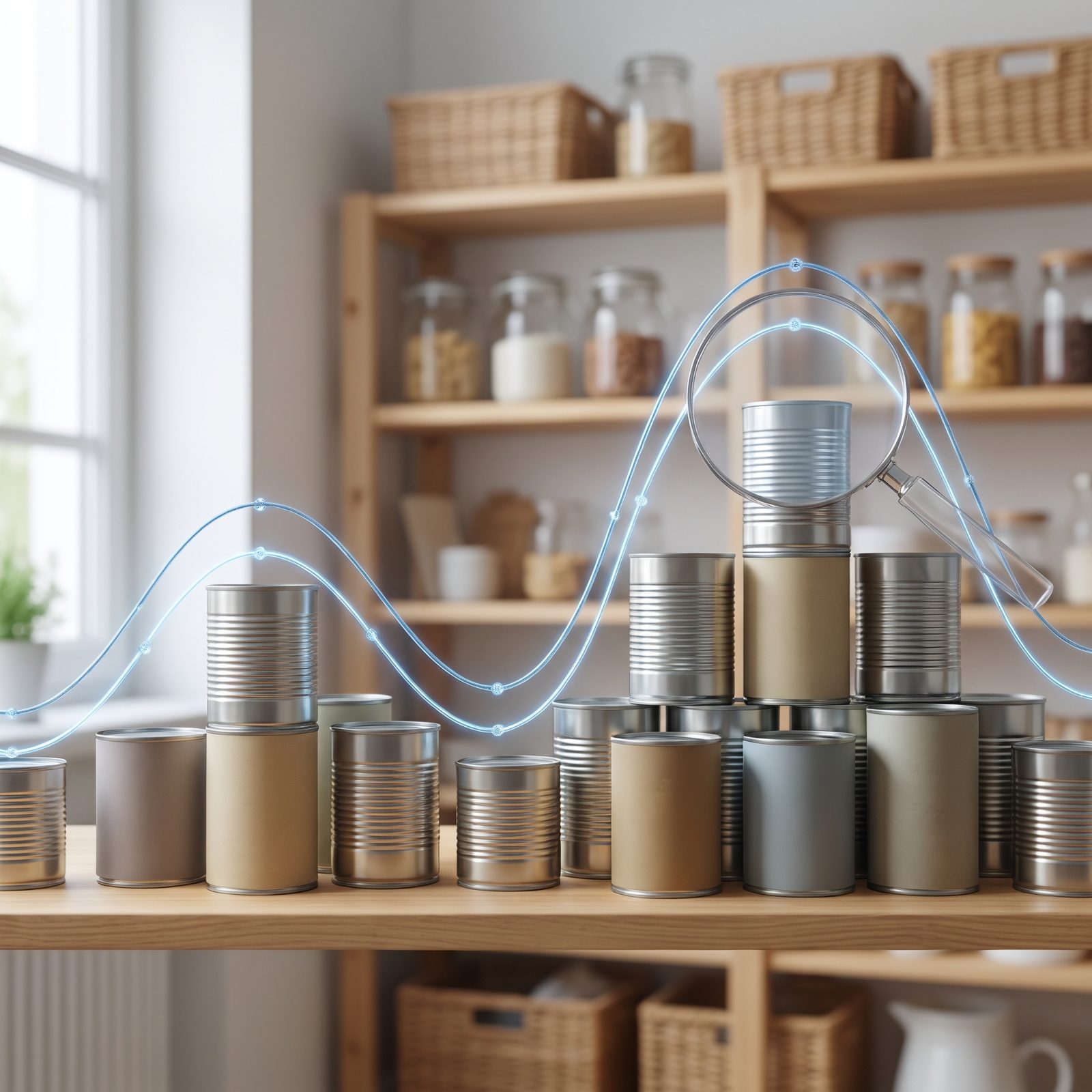
Prices on most staples run in cycles, where an item drops to its low point over a couple of months and then drifts back up. Butter does it. Canned goods do it. Pasta does it.
The old move is to quit buying week to week and start buying at the bottom. When your staple hits its low, you grab enough to carry you to the next low, then ignore the full price for a while because your shelf is already stocked. You stop being the person who pays whatever today happens to charge. That person is funding somebody’s quarterly report.
14. Buying the Store Brand Without Apology
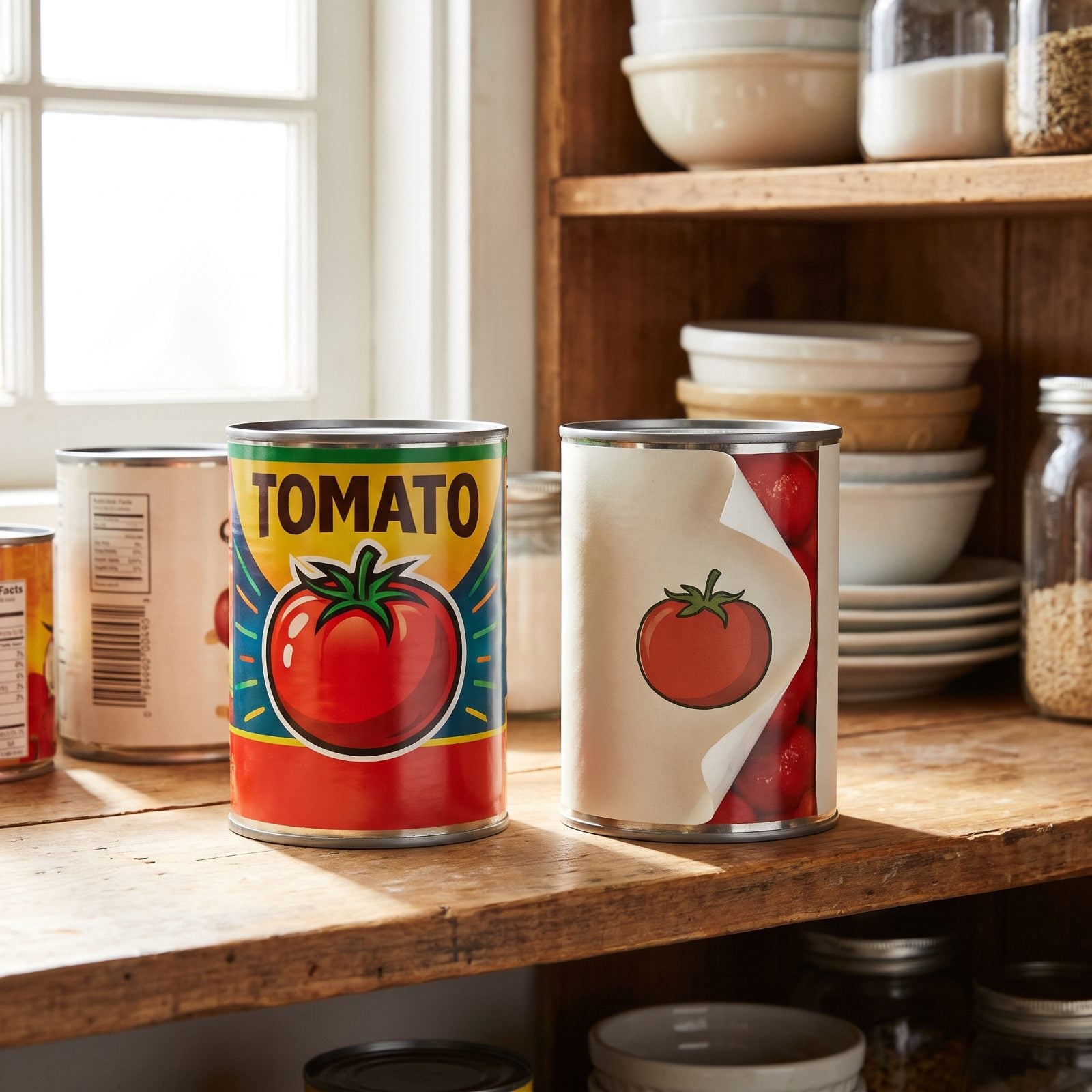
Here’s the part nobody wants to admit at the dinner table. A good chunk of store-brand food comes off the same production lines as the name brand, in the same plants, to the same spec. You’re often paying that extra dollar for the packaging and the ad budget.
Not always, and not for everything. Some generics genuinely aren’t as good, and you’ll find your own line pretty fast. But reaching for the familiar label just because it’s familiar is a tax you’re volunteering to pay.
13. Paying With a Grocery Cash Envelope
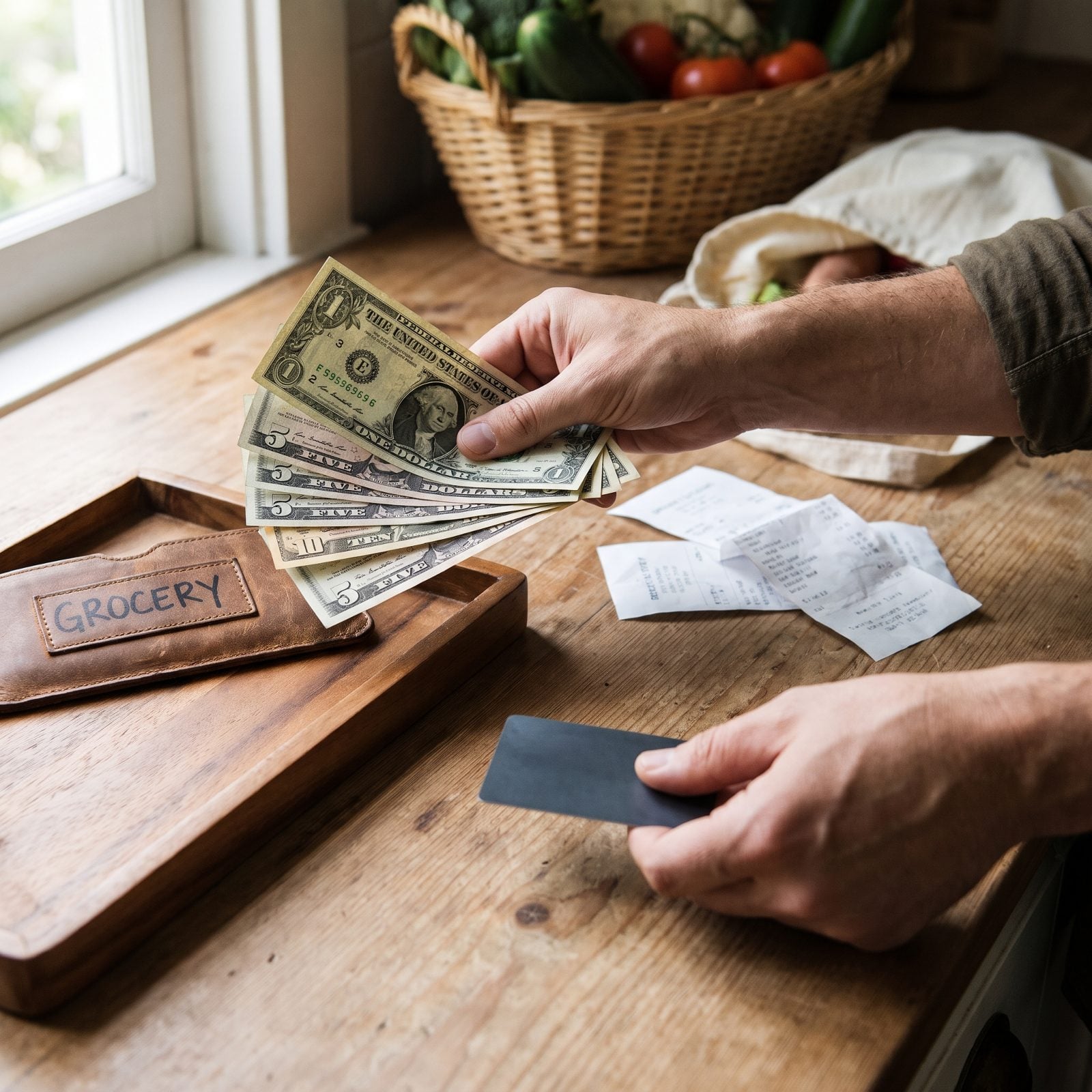
Cash runs out. That’s the whole genius of it. Swipe a card and the number stays abstract until the statement lands two weeks later, but hand over actual bills and you feel the stack get thinner at the deli counter — which is exactly why you put the fancy crackers back on your own.
People spend less when they pay with bills than when they tap. Your brain registers the parting. Set the week’s food money in an envelope and you’ve built yourself a fence you can actually see.
12. Bringing Coupons Only for Products Already Used
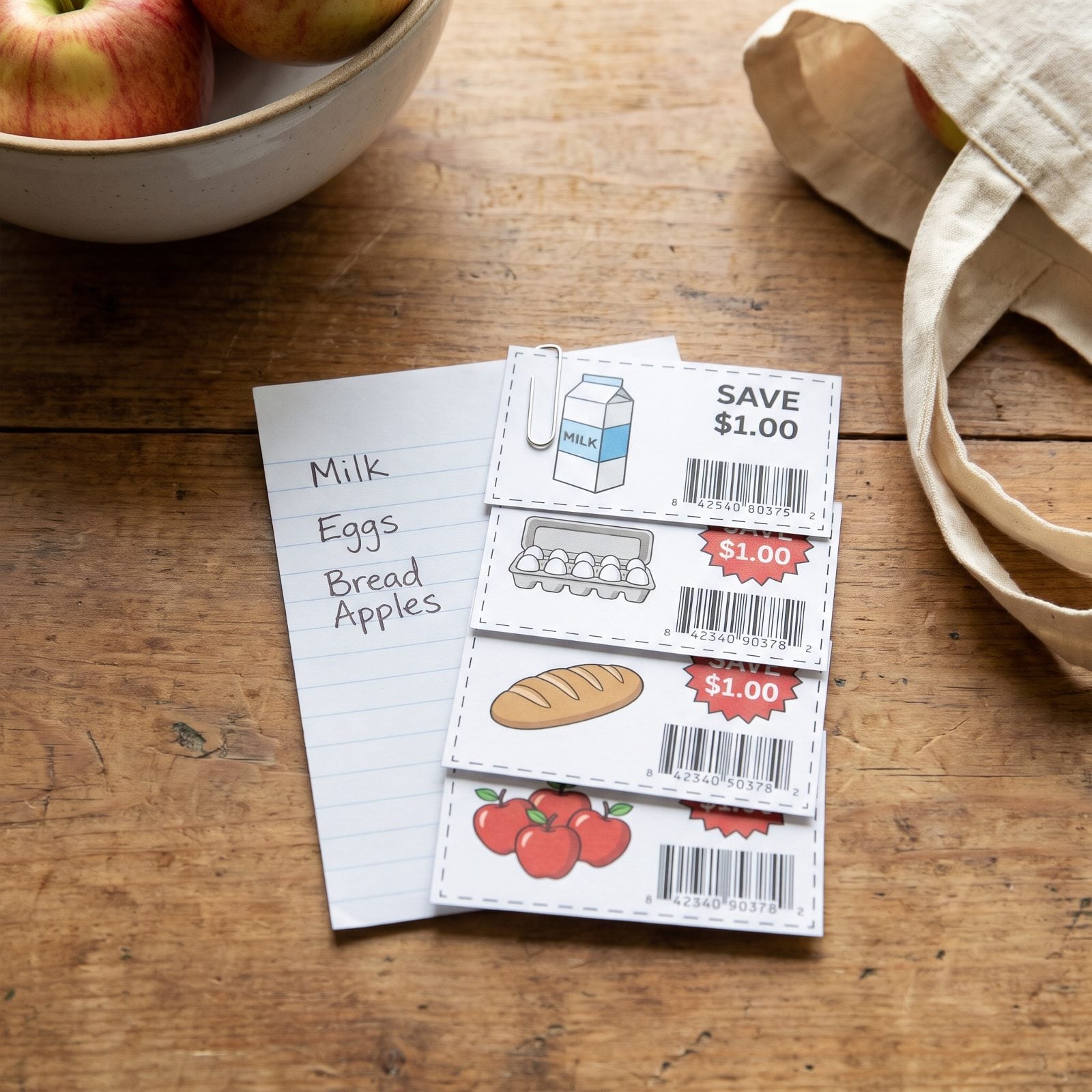
A coupon for something you’d never buy isn’t a deal. It’s a company renting space in your cart. The old rule was simple, and nobody ever said it out loud: clip the coupon only if the product’s already on your list.
Everybody’s fallen for the other version. Fifty cents off a sauce you don’t use, and now there’s a jar of it going sticky in the door of the fridge. You didn’t save fifty cents — you spent two dollars you were never going to spend.
11. Choosing Ingredients Instead of Convenience Foods
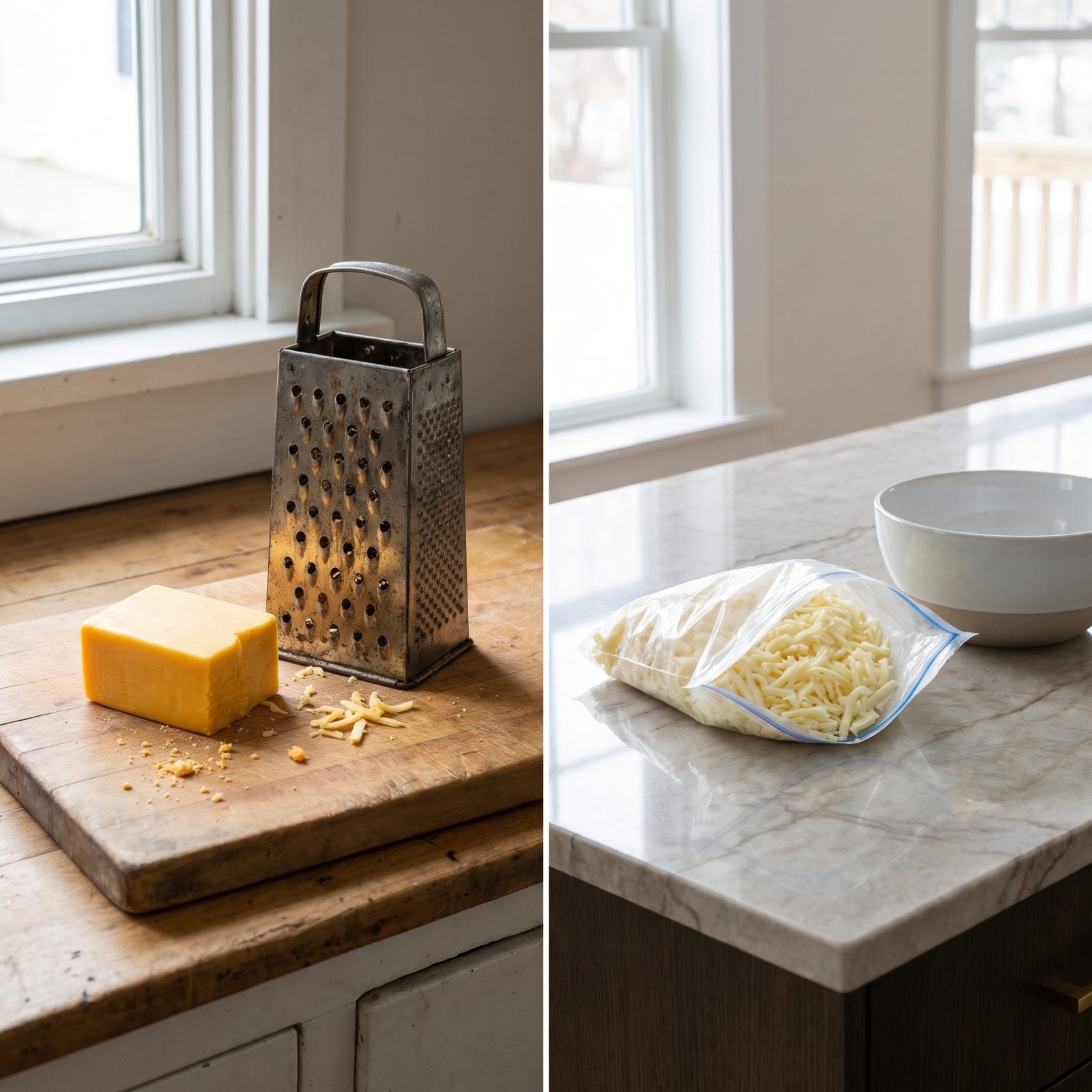
The shredded cheese costs more than the block and comes dusted with cornstarch so it won’t clump. The pre-cut melon runs triple the price of the whole one and it’s already losing its juice. You’re paying a premium for a knife you already own.
Whole ingredients are cheaper per pound, they last longer, and they taste better than their assembled cousins. A bag of dried beans costs less than a single can and makes six times as much. The work is minutes. The savings is real, and the food is genuinely better.
As a food science professor puts it, “Pre-shredded cheese contains anti-caking agents like cellulose and corn starch, tapioca starch or potato starch. While these additions keep the shred from clumping in the bag, they prevent the cheese from fully melting under heat”
10. Choosing Whole Produce One Piece at a Time
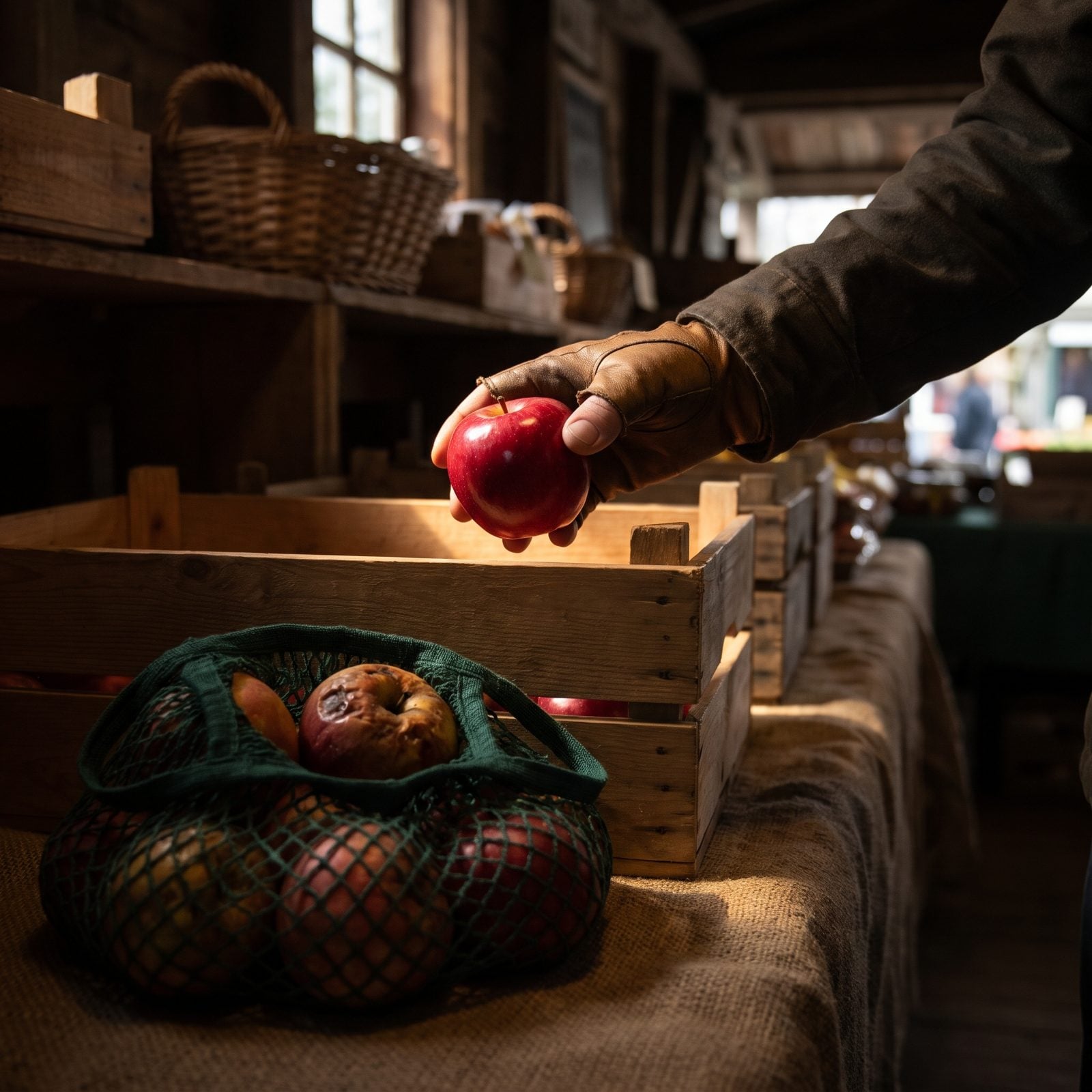
Pre-bagged apples hide a rotten one in the middle. Every single time. The bag’s sold by weight and sealed so you can’t rotate it, and that is no accident.
Pick your own, one at a time, and it costs the same or less while letting you leave the soft ones behind. You feel for firmness, you check the stem end where the mold starts. Old habit, two extra minutes, and nothing goes slimy in the crisper drawer three days later.
9. Checking Dates and Reaching Behind for Fresher Stock
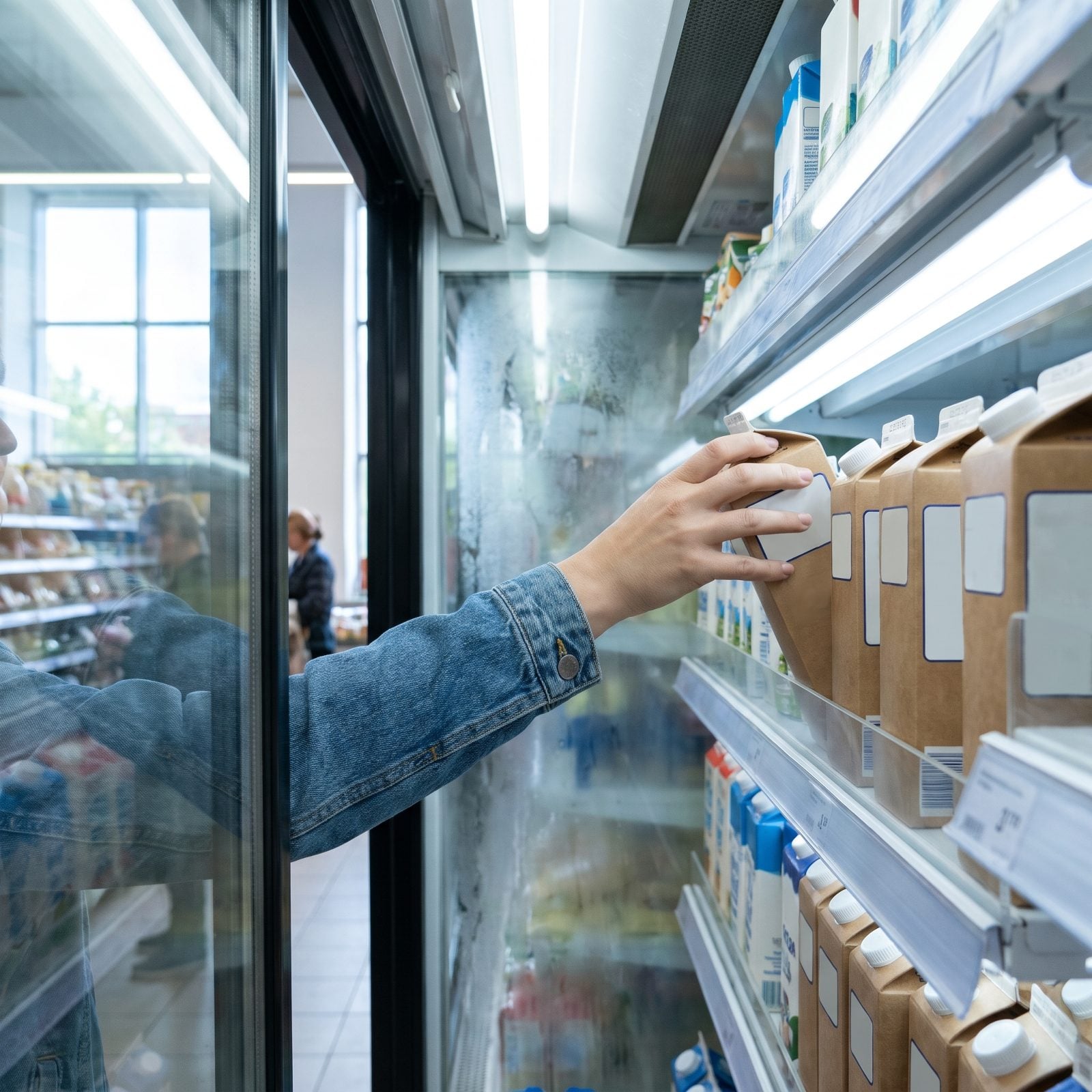
Stores stock the oldest product up front on purpose. It’s called FIFO — first in, first out — and the whole point is to move whatever’s about to expire. The fresher cartons sit in the back, just out of easy reach.
Reach past that front row. Check the date on whatever your hand lands on. Three extra days of shelf life means fewer half-finished containers tossed because they turned before you ever got to them.
8. Choosing Meat From the Manager’s Special Section
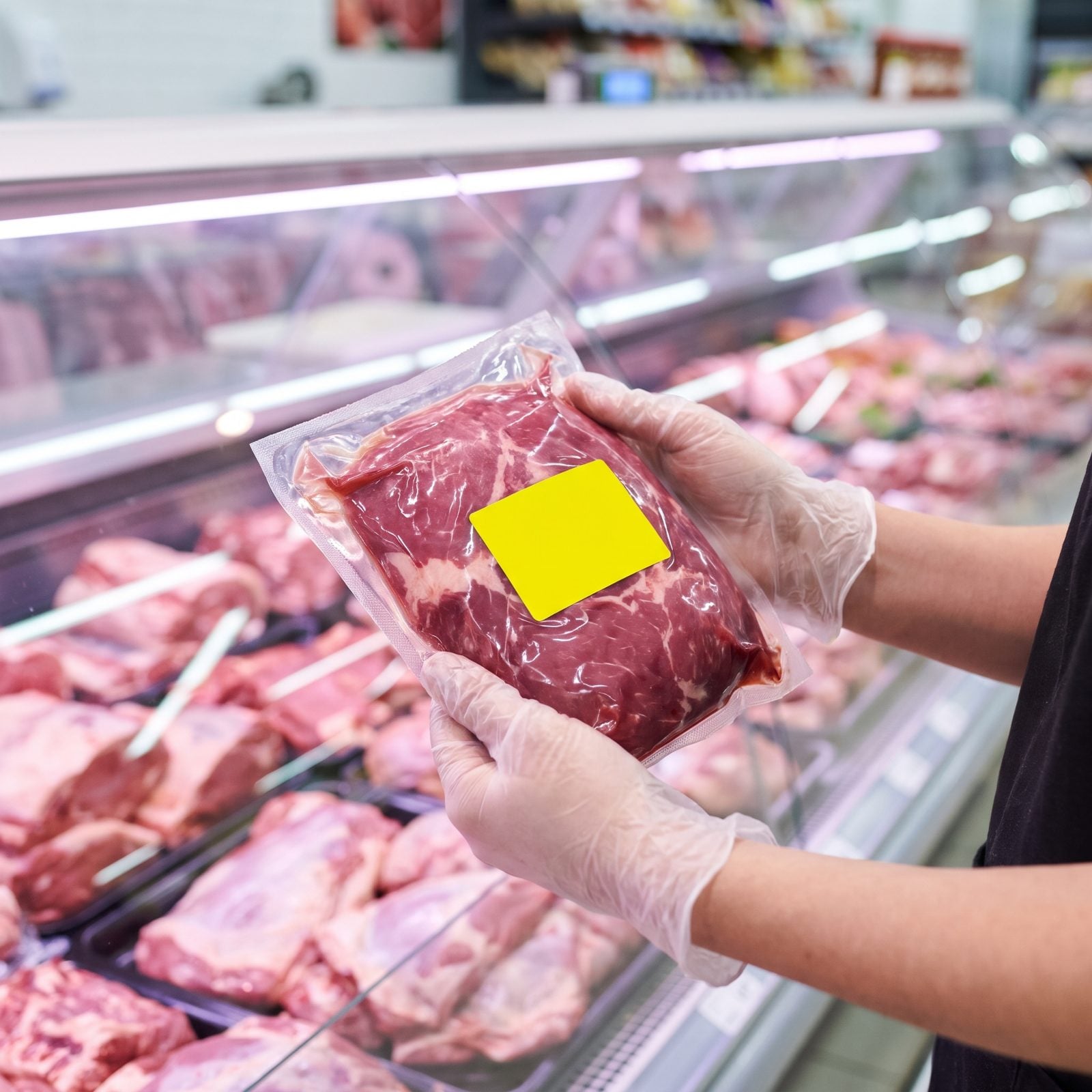
The yellow-stickered meat near the back of the case isn’t bad. It’s meat that hits its sell-by date tomorrow, marked way down to move before it does. Cook it that night or freeze it the minute you walk in the door, and it’s identical to the full-price stuff at a fraction of the cost.
Shop that section first. Protein is the single most expensive line in most carts, and the savings there outrun every coupon you’ll ever clip.
7. Asking the Butcher for a Less Expensive Cut
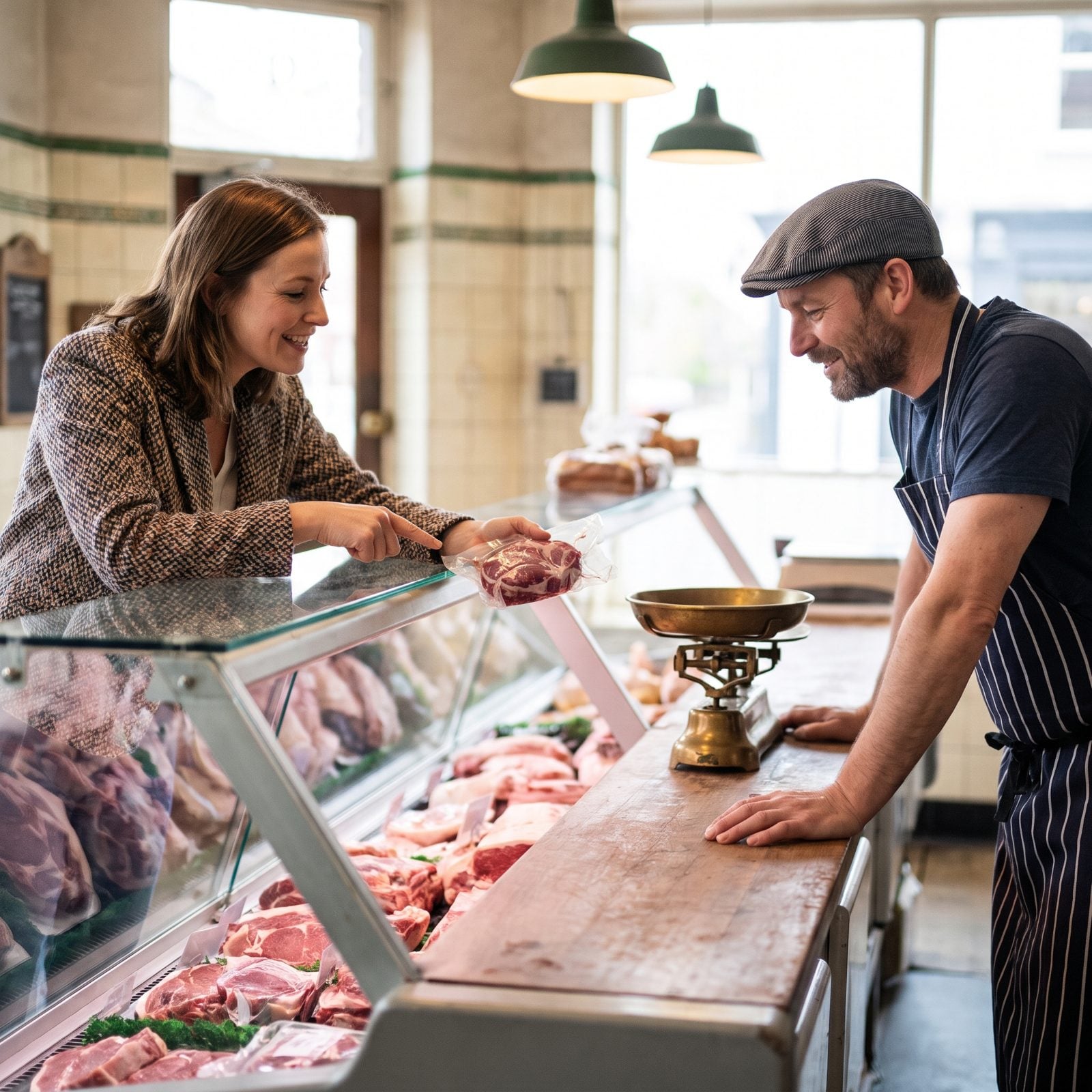
The butcher counter still has a human behind it, and almost nobody talks to them anymore. Big mistake. Tell them what you’re cooking and what you want to spend, and a good one steers you toward the chuck instead of the ribeye, the thighs instead of the breast.
They’ll grind it fresh, trim it, portion it out, or crack a bone for your stock — no charge for any of it. And the cheaper cuts often taste better slow-cooked anyway. The only cost is the few seconds it takes to open your mouth and ask.
As one butcher puts it, “Why are you so wedded to the cut of beef your recipe calls for? Save $1.50 to $2 a pound on boneless pork chops.”
6. Buying a Whole Chicken Instead of the Pre-Cut Parts
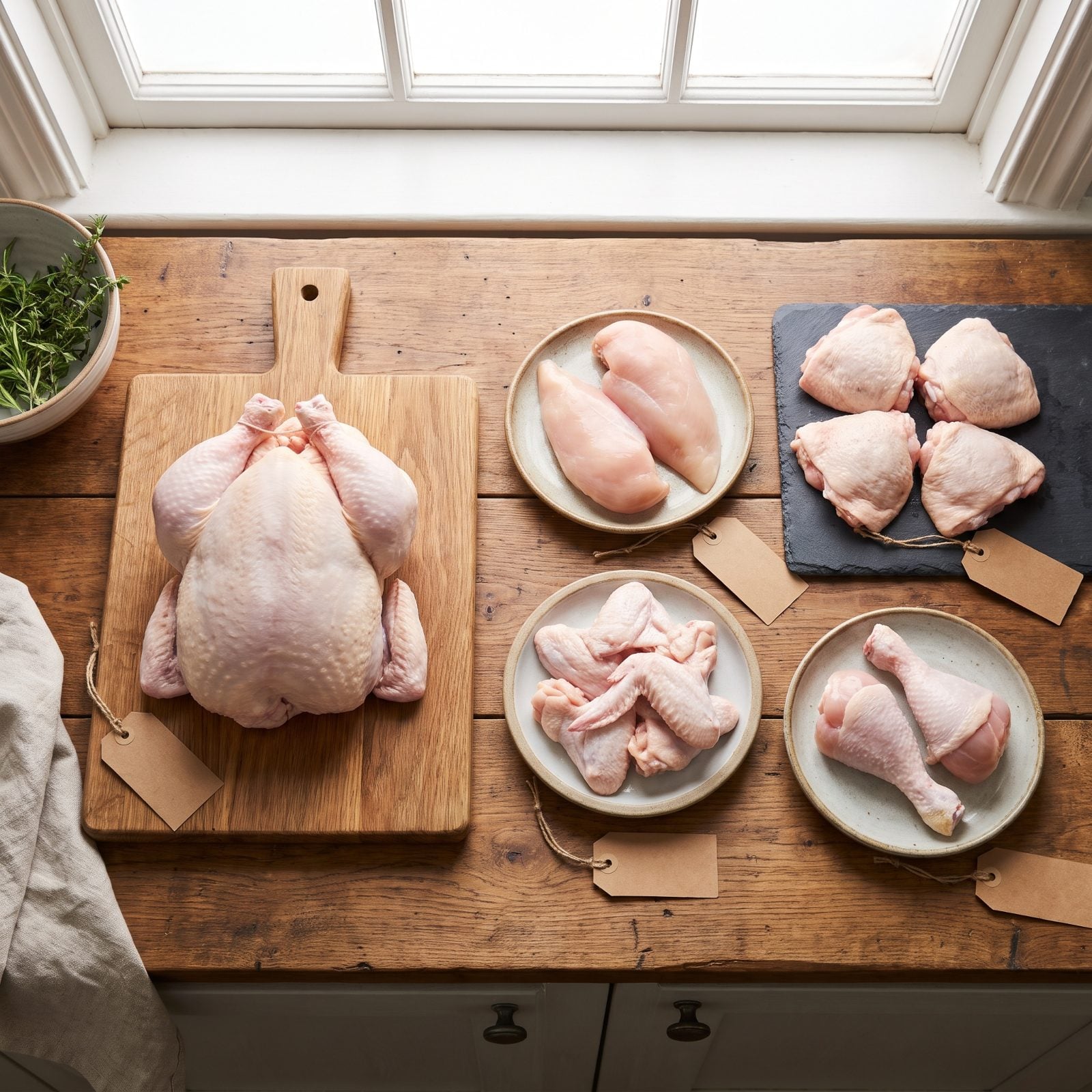
The whole bird’s price tag can look steep next to a single plate of breasts, but count what’s under that tag and it’s the better buy, and it has been for decades. Pre-cut parts carry a labor tax, because somebody broke that chicken down and you’re paying them for it.
Here’s the part nobody mentions. One bird gives you dinner, then leftovers, then a third round from the carcass — the back and the bones make a stock that leaves anything in a carton for dead. You bought one thing and got three meals out of it.
5. Loading Frozen Foods into the Cart Dead Last
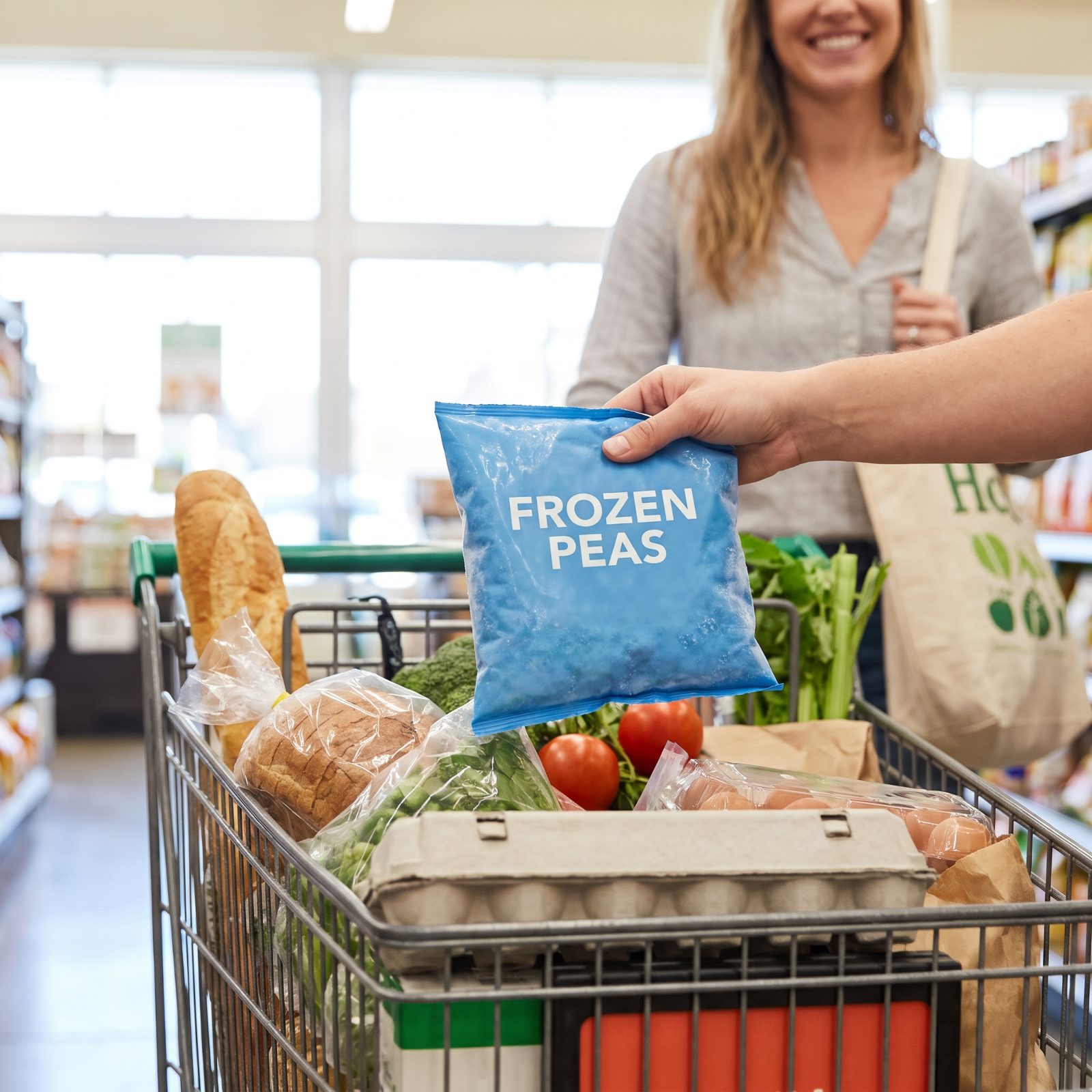
Simple sequencing, real payoff. Frozen and cold items go in the cart at the very end of the trip, so they spend the least time thawing before they hit your freezer at home.
A half-melted-then-refrozen pint of ice cream develops those gritty ice crystals, and frozen vegetables that soften and refreeze turn to mush. You already paid for them, so keeping them cold is just protecting what you bought.
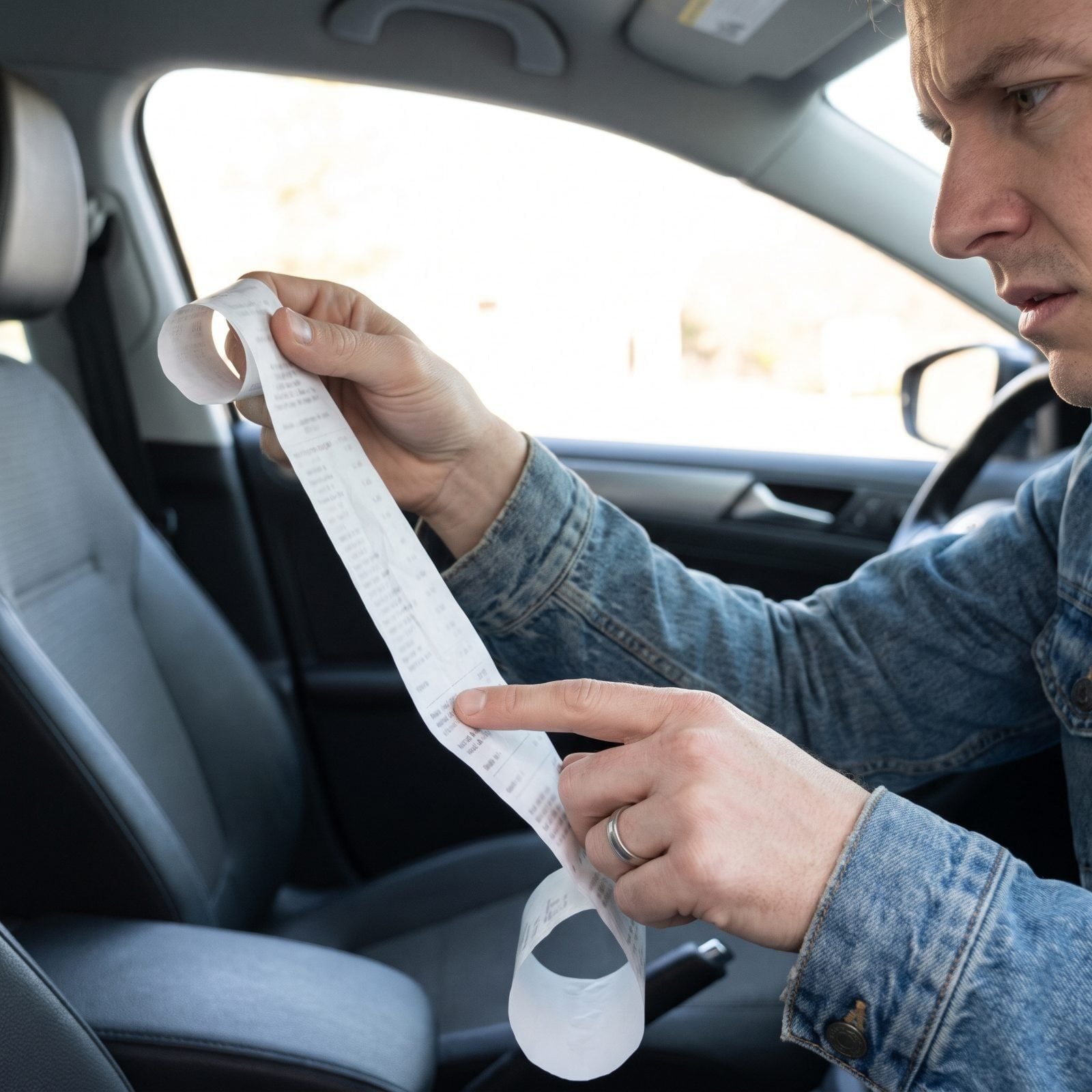
4. Reading the Receipt Before You Leave the Parking Lot
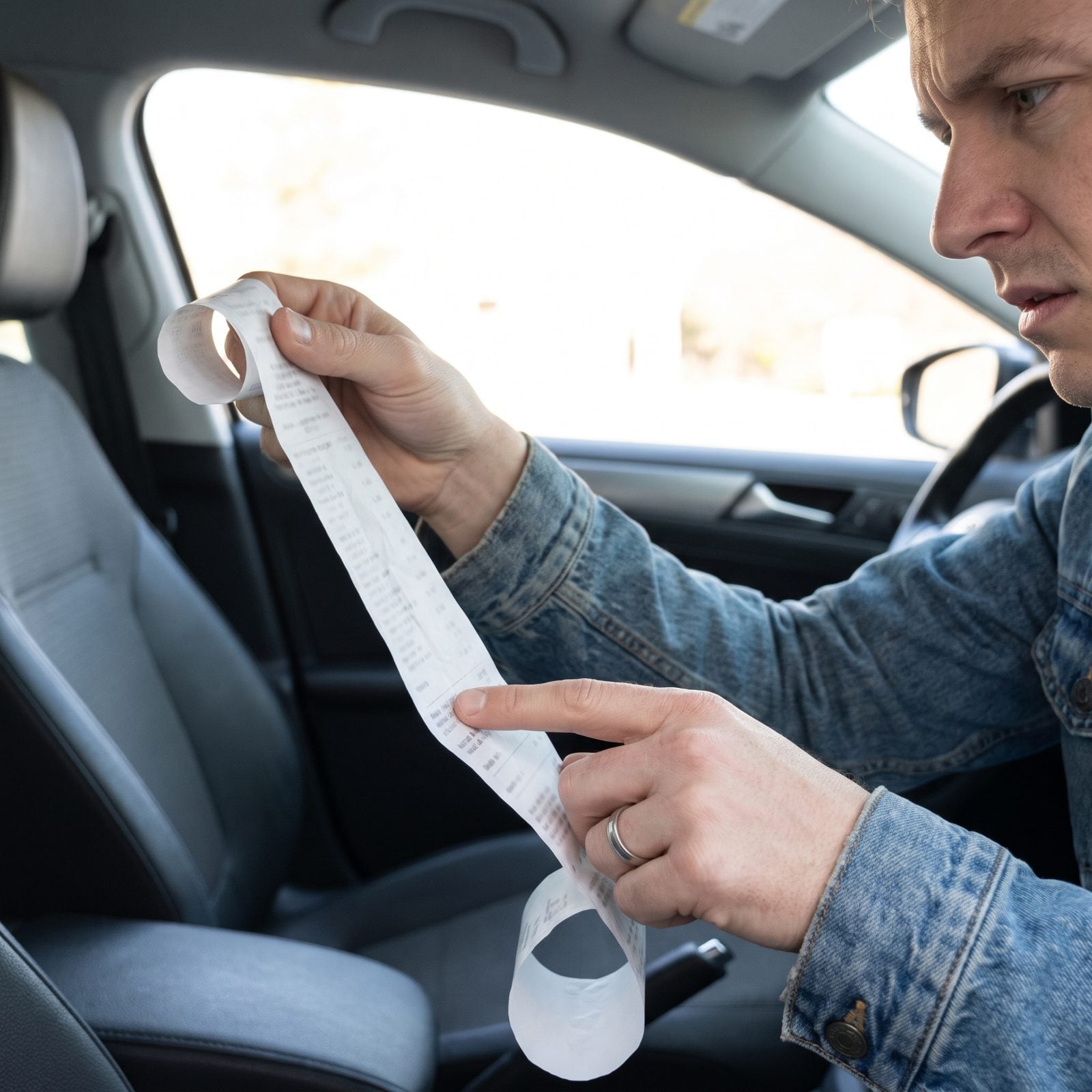
Scanners make mistakes. The shelf tag says one price, the register rings another, and the difference almost always lands in the store’s favor.
Sale items are the usual culprits — the discount didn’t load into the system, or it expired a day early and nobody updated the tag. Two or three dollars here, a dollar there, every single week.
Check it in the lot while you’ve still got the car loaded and the proof in hand. Most stores fix an error on the spot, and some have a policy that hands you the item free when they overcharge. You can’t claim what you never noticed.
In San Diego County, weights and measures inspectors found overcharge errors at nearly one in five local businesses they checked between January and August 2025.
3. Taking Spoiled or Mispriced Food Right Back to the Store
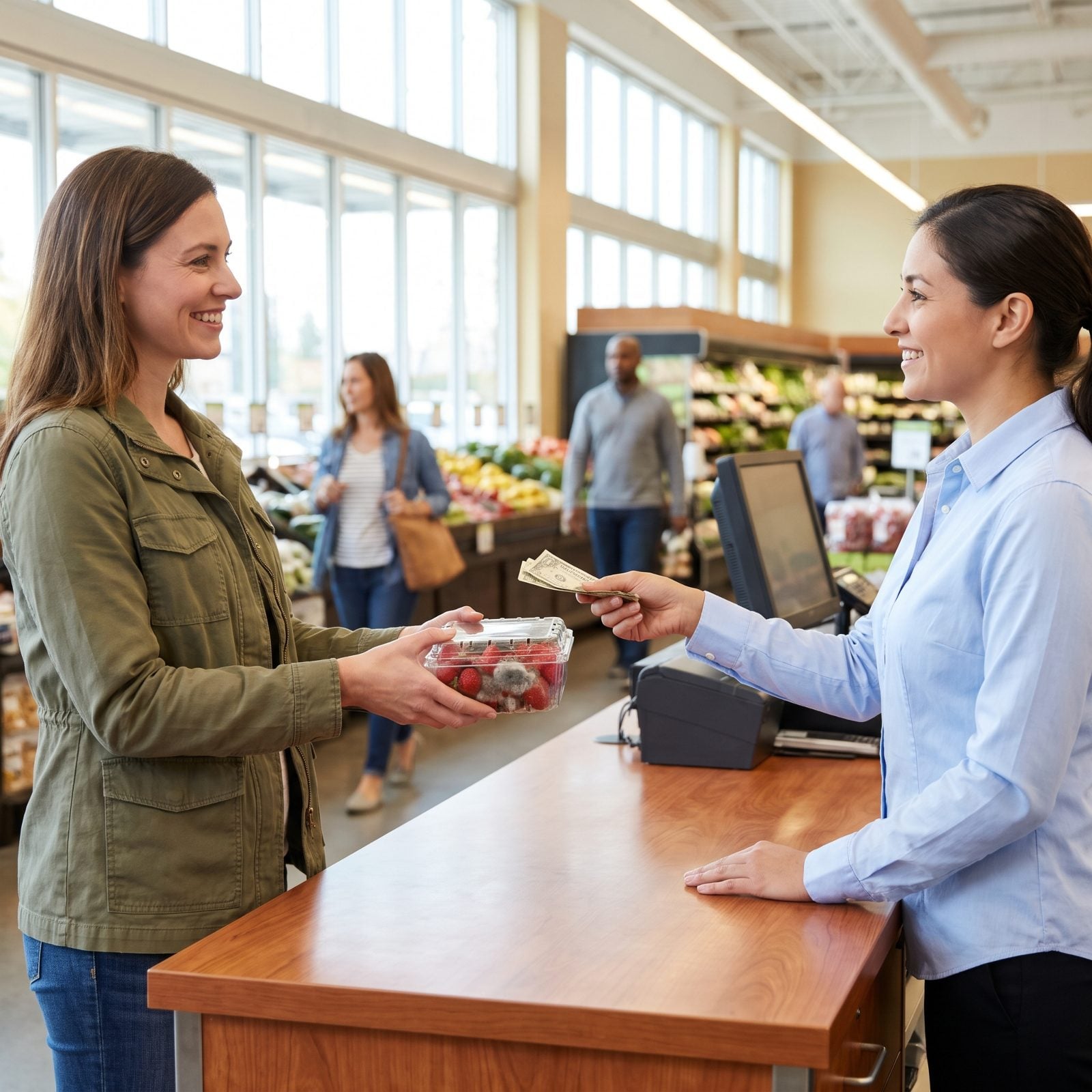
Berries moldy by day two. Milk sour before the date. Meat that smells wrong the second you tear the package open. That’s not your bad luck to eat — it’s the store’s problem to fix.
Bring the item and the receipt back, and skip the whole apology act. Most grocers refund or replace without blinking, because they’d rather keep you than argue over a package of raspberries.
Honestly, the mindset matters more than the three dollars. Food that fails shouldn’t quietly become your loss. Return it, and the store starts paying closer attention to what it’s putting on the shelf in the first place.
2. Splitting Bulk Packages Before They Hit the Freezer
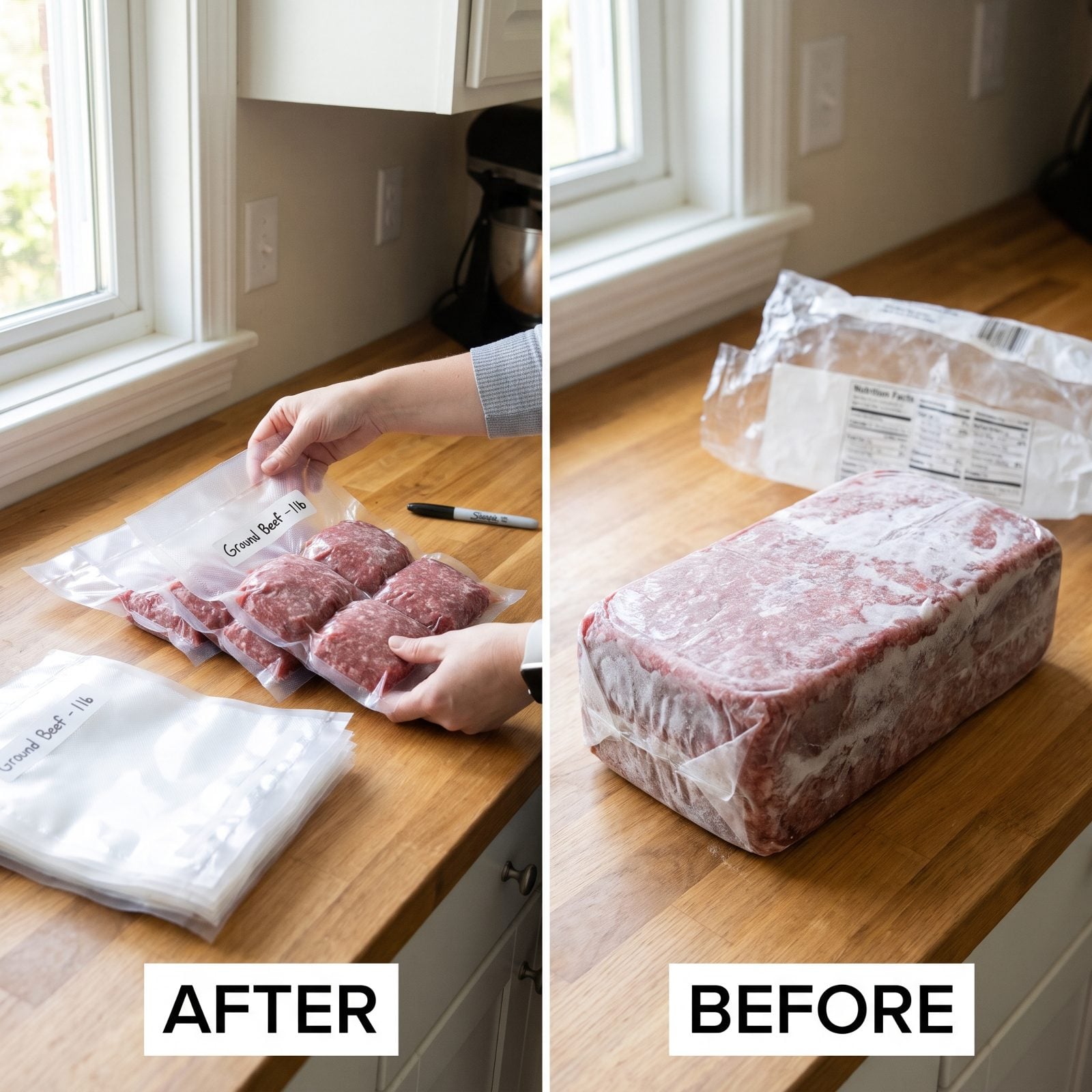
The family pack is cheaper per pound. Then half of it freezes into one solid brick you can never use just a little of, and the whole bargain goes sideways.
So split it the day you get home. Ground meat into its own labeled bags, chicken thighs into pairs, berries spread on a tray before they clump into a frozen boulder.
Smaller freezes faster and thaws faster. Portioned means you pull exactly what you need and leave the rest frozen hard. The savings only count if the food actually gets eaten instead of buried in the back.
1. Freezing Bread the Day You Buy It, Not When It Turns
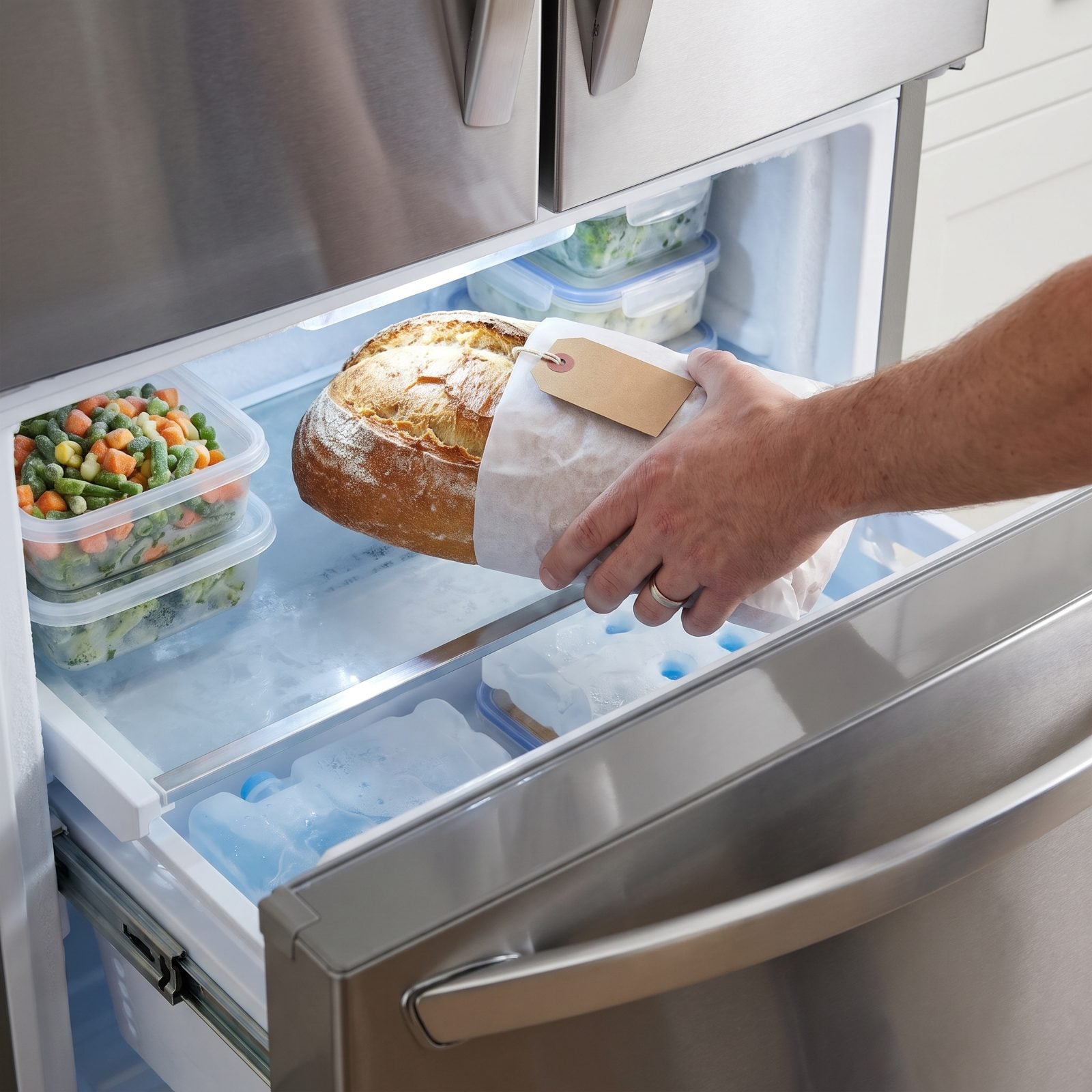
Bread goes stale faster in the fridge than on the counter, and that surprises people every time. The cold actually speeds the staling up. The freezer does the opposite and basically stops the clock.
Freeze the loaf while it’s still fresh, before the mold clock even starts. Then pull slices as you want them and toast straight from frozen — no thawing, and it tastes like the day you brought it home.
A loaf you forget on the counter is a loaf you throw out. A loaf in the freezer is bread you’ll still be eating in a month.