
Would you like to save this?
The half-gallon of ice cream in your freezer isn’t a half-gallon anymore. It’s 48 ounces, sometimes less, and the carton doesn’t even call it ice cream on the front. You squeezed it into the same spot on the shelf and never read the fine print. That’s the whole trick. Shrinkflation works because the box stays the same width while the contents quietly back away — cheaper oils swap in, cocoa becomes ‘chocolatey,’ and nobody sends you a memo. The stuff below is the stuff you suspected. Your memory was fine. The products changed.
Please note that some of the images in this article were created with the assistance of AI.
31. The ‘Ice Cream’ That’s Now Legally a ‘Frozen Dairy Dessert’

Check the front of the carton. If it says frozen dairy dessert instead of ice cream, the recipe changed, and not in your favor. Real ice cream has to hit a minimum milkfat percentage under federal standard — drop below it, or pump in more air and cheaper oils, and the FDA won’t let you print the words ‘ice cream’ anymore. So the labels got creative.
You taste the difference before you read the box. It melts into a thin puddle instead of a slow cream, and it coats your tongue with something waxier. The scoop feels light because it’s half air, which is also why the container got taller and emptier at the same time.
30. Orange Juice That Tastes Like It Walked Past an Orange
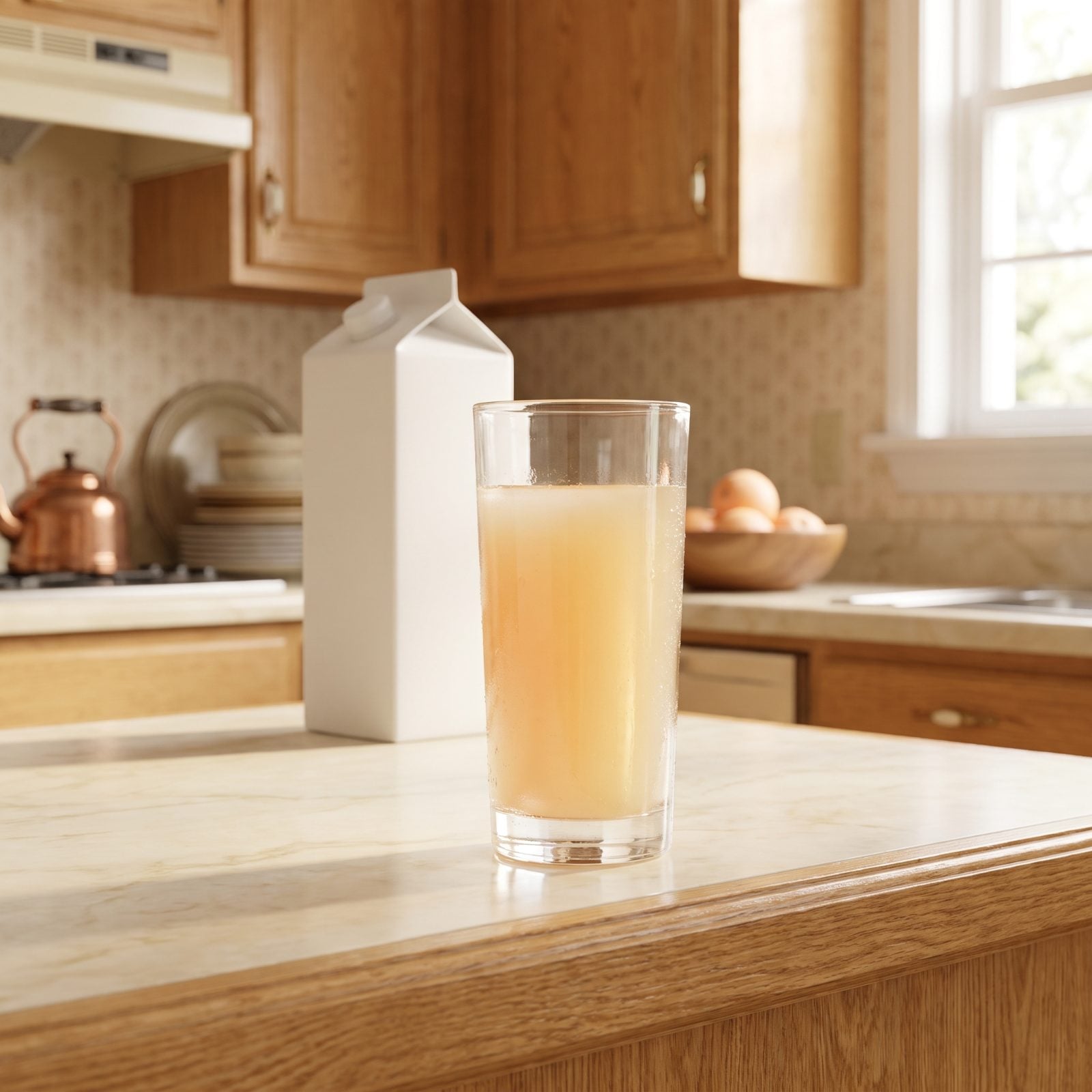
The carton shrank from the old 64-ounce half gallon to 52 ounces at many brands, and that part you can measure with your own eyes. The flavor change is harder to prove and much easier to taste.
Here’s the mechanics of it. Not-from-concentrate juice sits in giant deaerated tanks for months before packaging, stripped of oxygen so it won’t spoil, which also strips the flavor right out. So companies dose it back with ‘flavor packs’ engineered from orange-peel oils, making July juice taste like it’s always July. When costs climb, the blend thins. You’re not imagining the weaker, flatter glass.
29. Potato Chip Bags Selling You Mostly Nitrogen
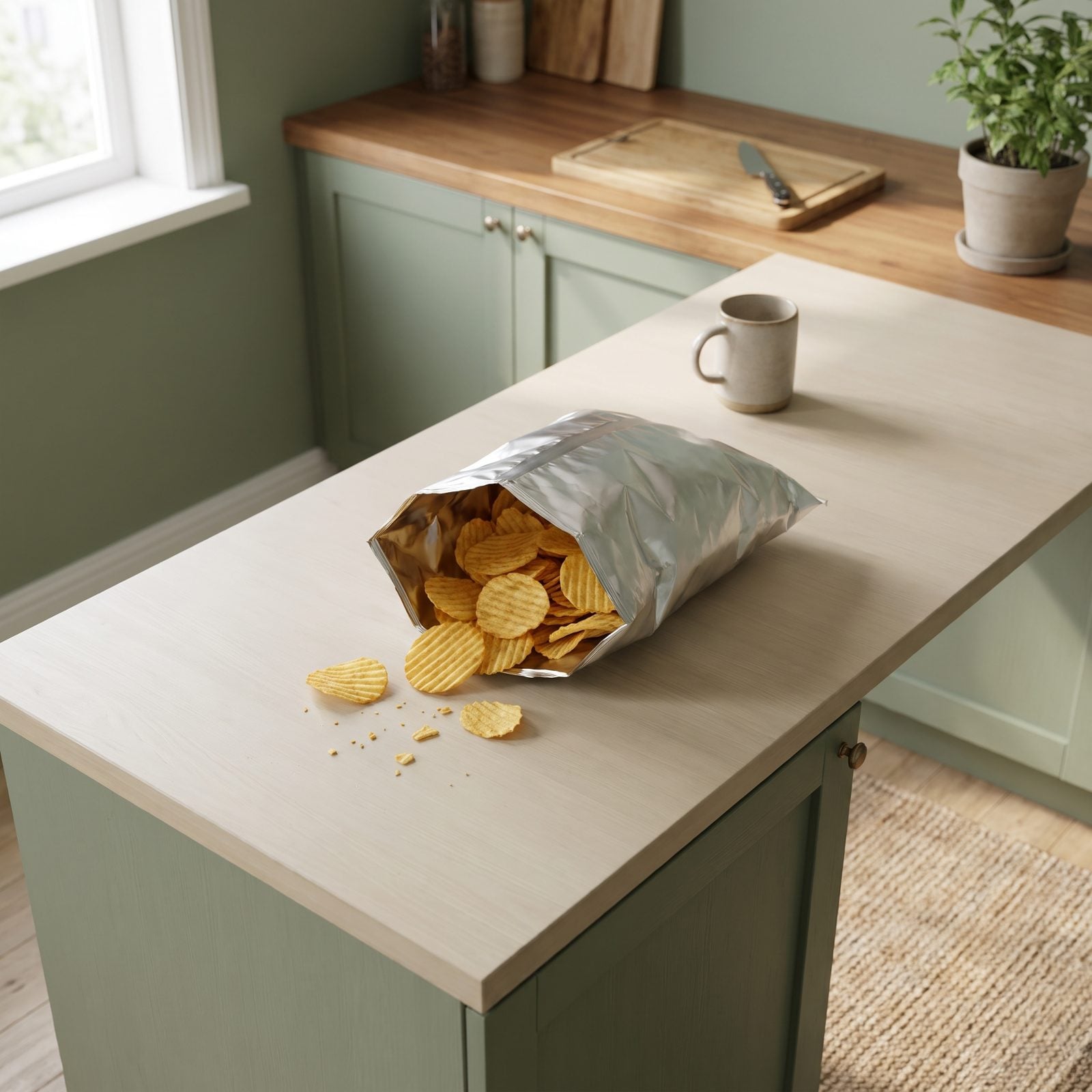
You buy the bag, you squeeze it, it’s a pillow. Open it and the chips fill maybe a third of the space.
Some of that air is honest — nitrogen keeps chips from going stale and cushions them against getting pulverized in shipping. But slack fill has crept well past what freshness actually needs. The bag footprint stayed big on the shelf so your brain still reads it as a lot. Your hand, reaching in and hitting nothing, knows better.
28. Candy Bars That Fit in Your Palm Now Cost a Fortune
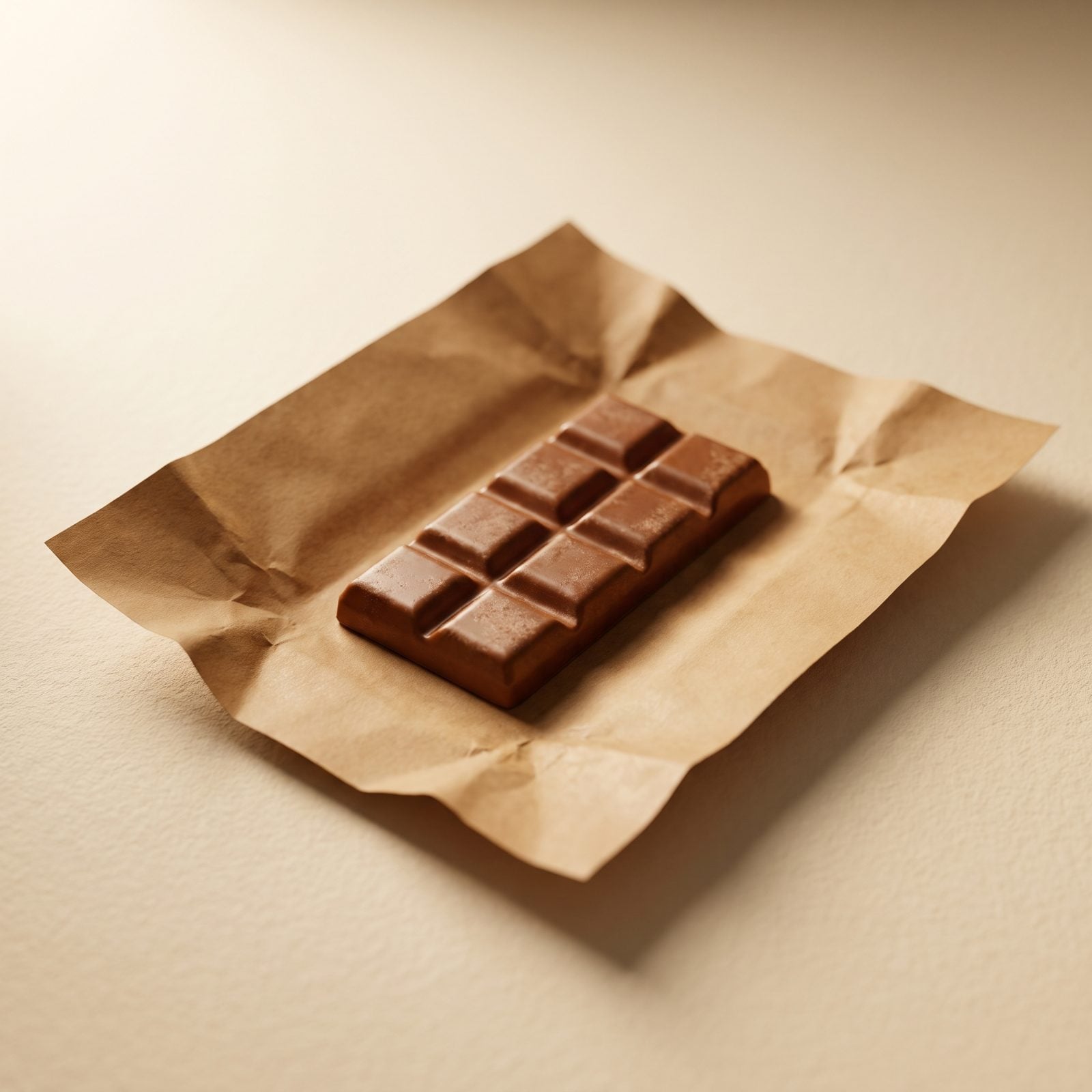
The ‘king size’ bar you remember keeps getting demoted to ‘regular.’ Standard chocolate bars have shed grams repeatedly over the past couple decades, sometimes a sliver at a time so nobody clocks any single cut.
The price goes up. The bar goes down. The wrapper stays exactly the same size so your hand doesn’t argue.
Cocoa prices hit record highs in 2024, so brace for more of this, not less. A smaller wrapper would give the game away on the shelf, and they know it.
27. Peanut Butter Jars With a Crater in the Bottom

Flip the jar. See that dome pushing up into the base? Not a quirk of manufacturing. That dimple is where the ounces went.
Jars that held 18 ounces slid to 16, then some to 15 or less, with the dimpled bottom doing the quiet work so the thing still stands tall on the shelf. Lid diameter: unchanged. Height: unchanged. The hollow just got a little deeper, year after year, while you weren’t looking.
26. Yogurt Cups That Quietly Dropped to 5.3 Ounces
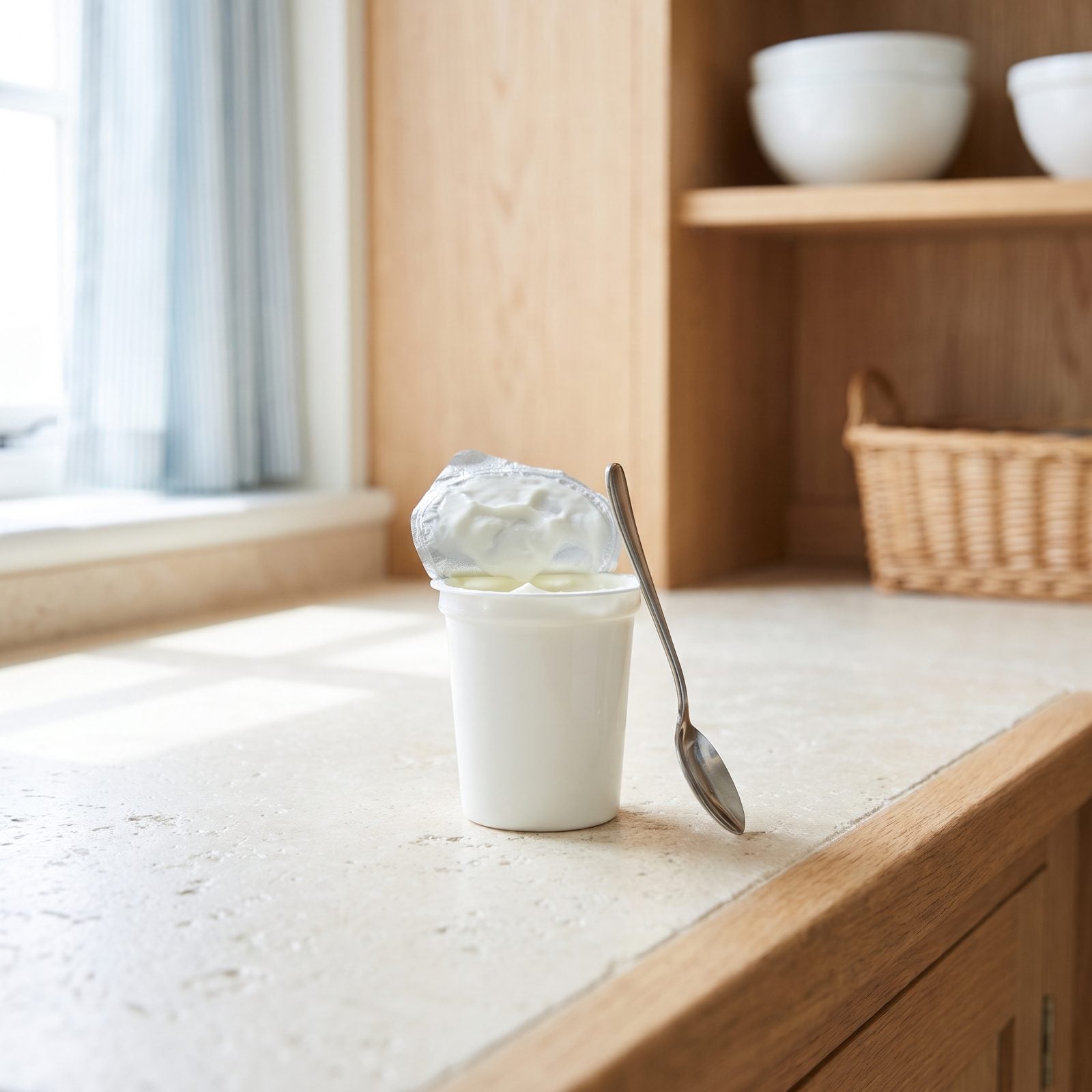
The individual yogurt cup used to be a solid 8 ounces. Somewhere along the way it became 6, and then the Greek-yogurt wave settled the standard at 5.3 ounces and never looked back.
The 5.3 number isn’t random. It’s 150 grams dressed up in American units, and it became the default so completely that most people forgot the cup ever held more. Your snack got a third smaller and the price stayed put or crept up. Same spoon, less to scoop.
25. Toilet Paper Rolls That Got Shorter, Narrower, and Thinner

This is shrinkflation with three dials, and companies have cranked every one.
- The sheets got shorter top to bottom.
- The rolls got narrower side to side, so some no longer span the width of an older holder.
- The sheet count dropped while ‘mega’ and ‘double’ claims got louder.
A roll can lose length, lose width, and still get marketed as bigger — because the comparison is to a shrunken ‘regular’ roll that barely exists anymore. Got a tape measure? Pit a sheet against one from ten years ago. The square went rectangular.
24. Coffee Cans That Stopped Being a Full Pound
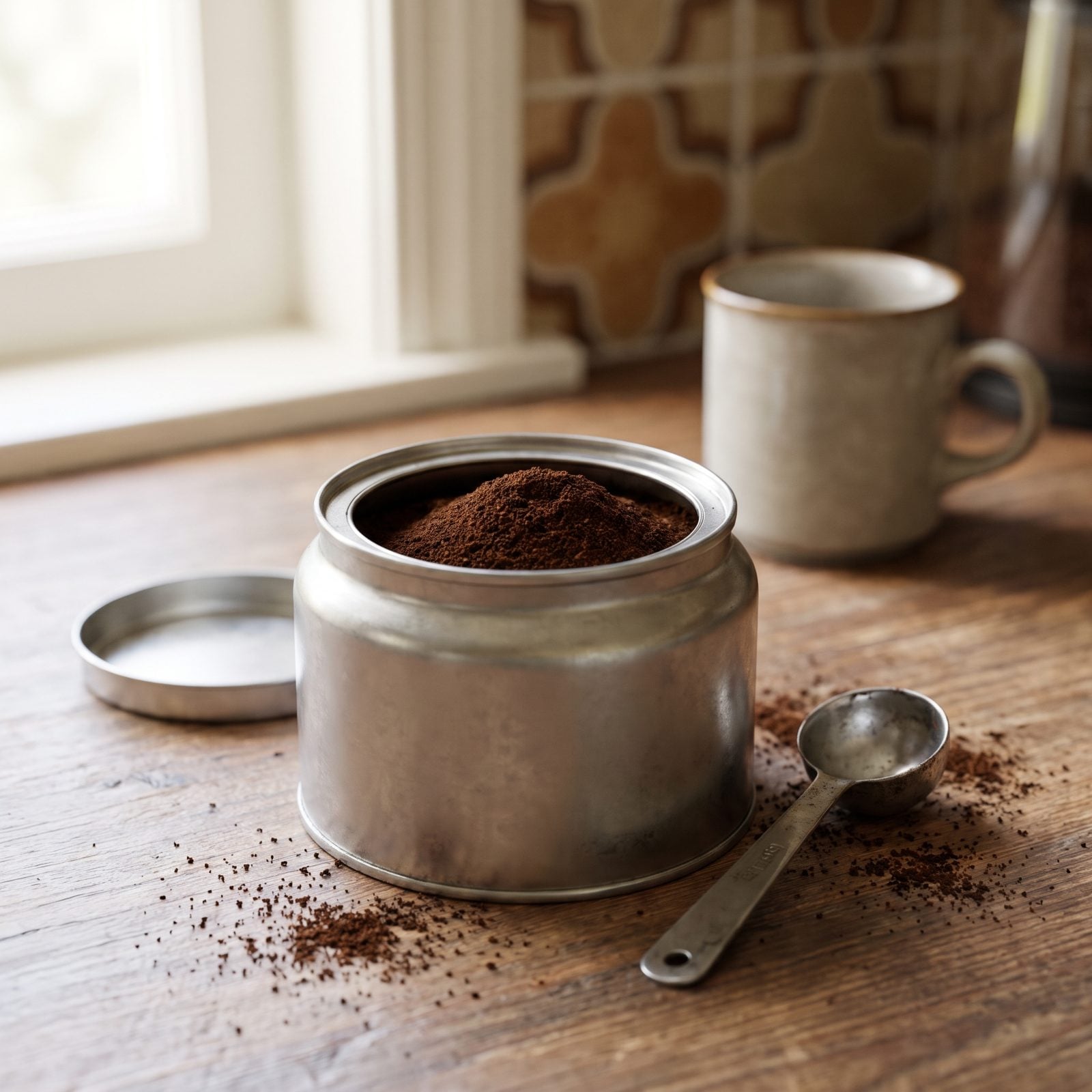
A coffee can used to mean a pound. Sixteen ounces, flat — that was the deal for generations.
Now the ‘big’ can hovers somewhere around 10.5, 11, or 12 ounces depending on the brand, and the can body barely budged. And here’s the part that really stings. The label still tells you how many cups it makes, because the brewing instructions got stretched to use less coffee per pot. Same number of cups from less coffee, they insist. You can believe that, or you can taste the thinner brew. Your call.
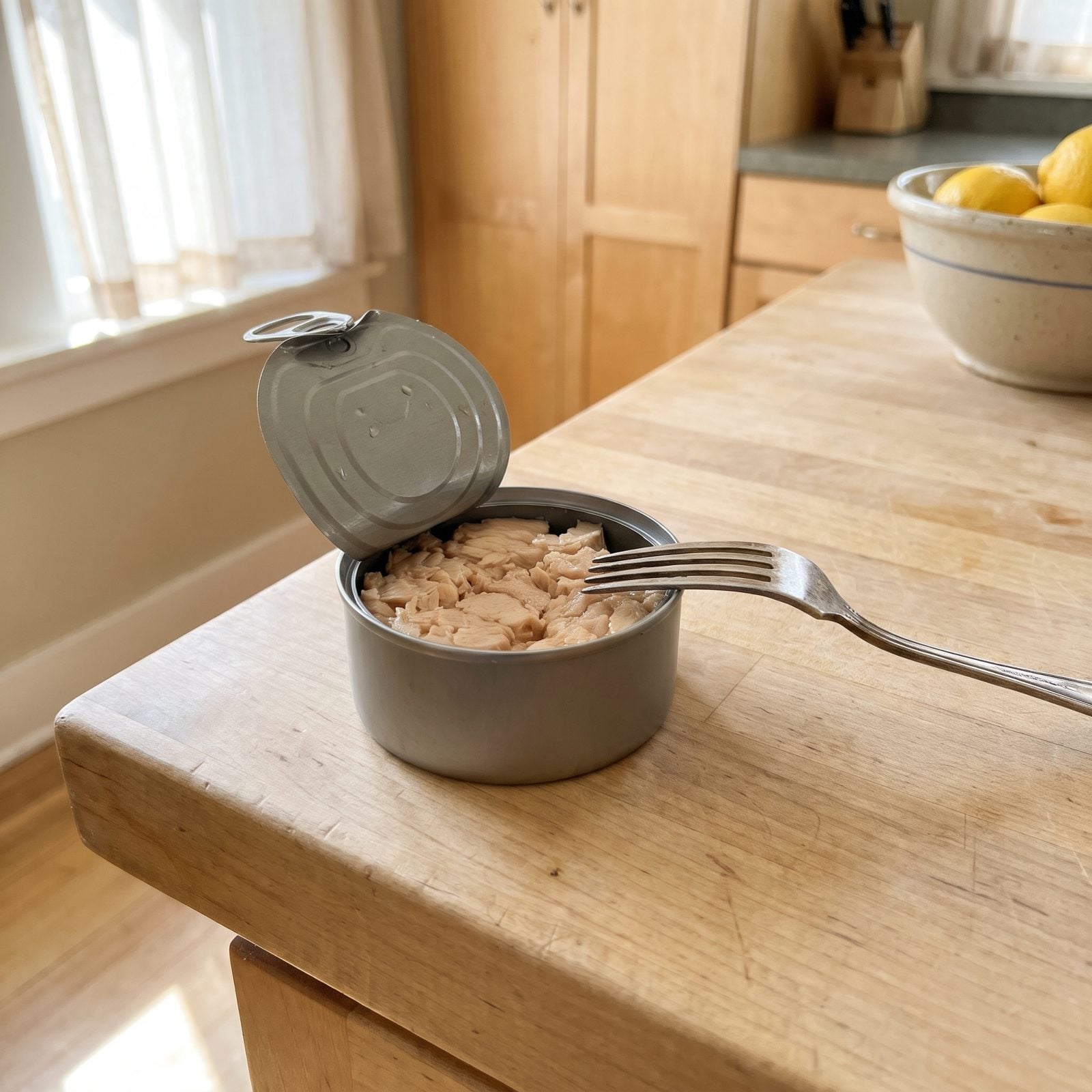
23. Canned Tuna That Lost an Ounce Without Telling You
Would you like to save this?
The standard tuna can quietly went from 6 ounces to 5 back in the 2000s, and almost nobody caught it because the diameter stayed identical. Only the depth shrank. And who on earth measures the depth of a tuna can?
Drain it and the difference shows up in the sandwich. Every recipe written before the change now runs a little short, which is exactly why your tuna salad suddenly needs an extra can it never used to. One ounce sounds like nothing. Stretch it across a pantry and a year, though, and that’s a real pile of fish you paid for and didn’t get.
22. Chocolate Bars Where ‘Chocolatey’ Replaced the Cocoa
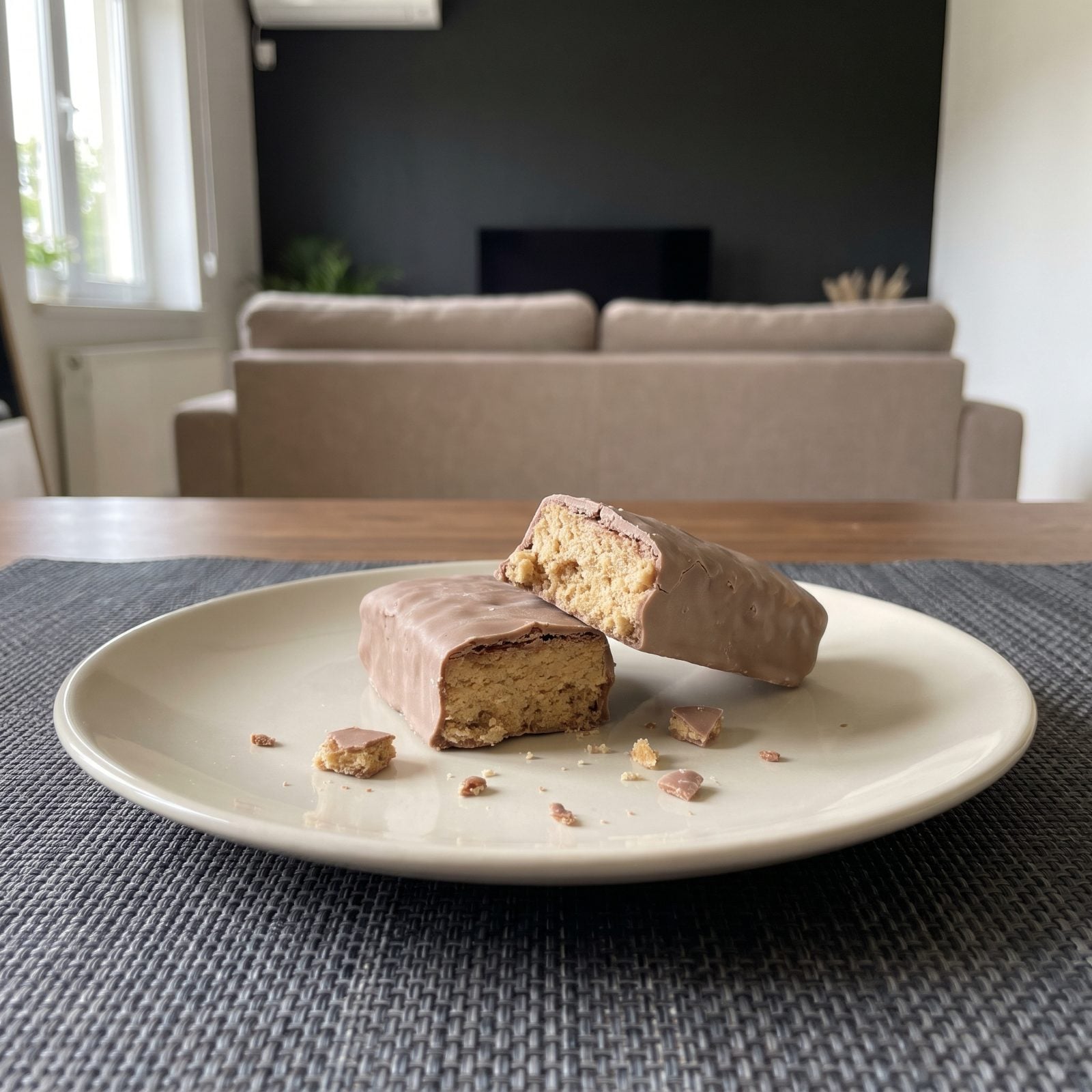
Read the front panel closely. If it says chocolatey or chocolate flavored instead of plain old chocolate, that’s a confession.
Real chocolate has to contain cocoa butter and chocolate liquor to earn the name under FDA standards. Swap the pricey cocoa butter for palm oil or other vegetable fats and you’ve legally forfeited the word. So the coating becomes ‘chocolatey,’ a ‘confectionery coating,’ a ‘compound coating’ — anything but the real thing.
And you can taste the dodge. Real chocolate snaps and melts at body temperature into something smooth, while the cheap coating stays a touch waxy on your tongue and sets with a duller sheen. With cocoa at record prices, that weasel word is turning up on more labels every year.
21. Deli Meat Packs That Shrank From 16 Ounces to 9
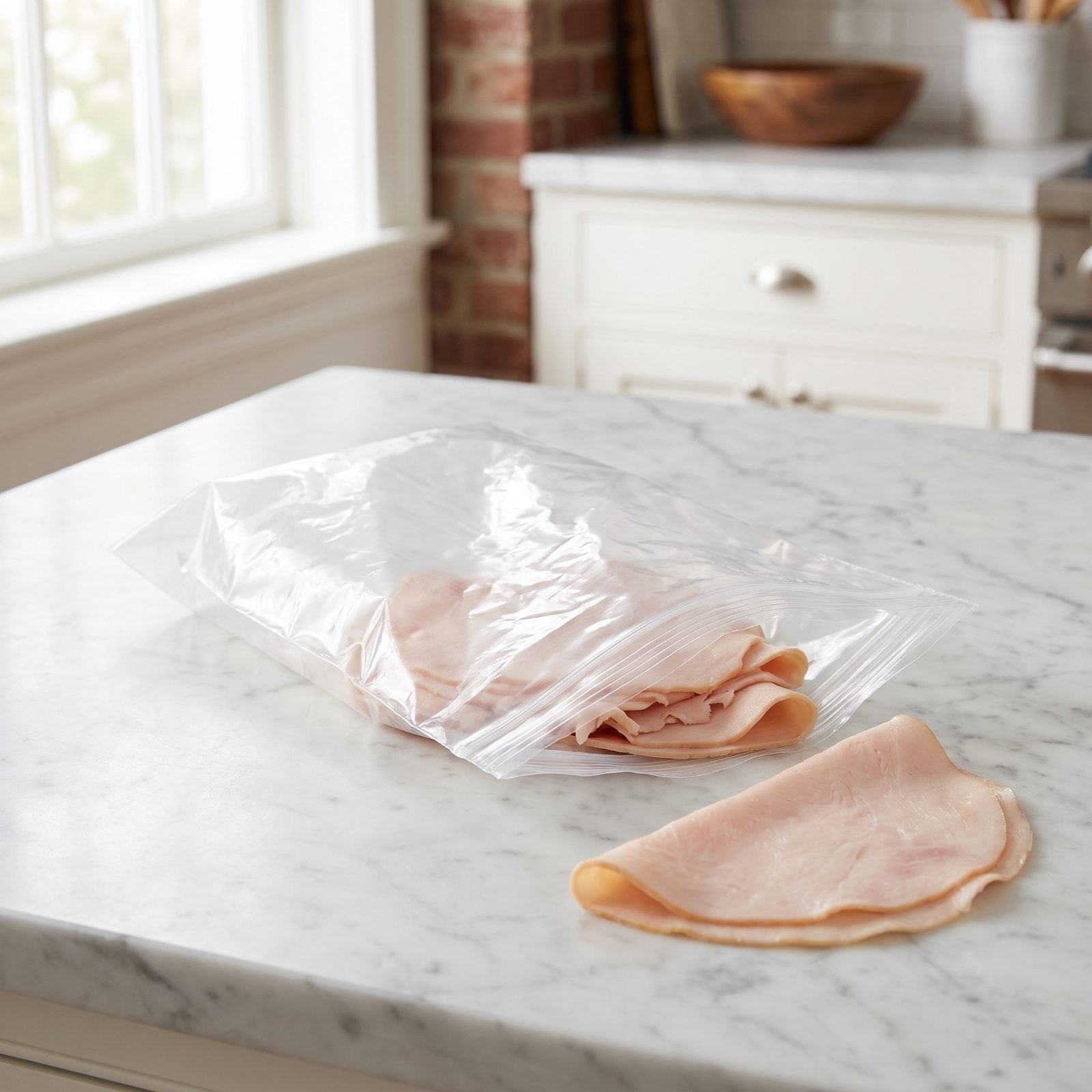
The classic sliced turkey and ham packs used to be an even pound. Sixteen ounces, enough to carry a family through a week of lunches. Then they slid to 14, then 12, and plenty of brands now land somewhere around 9 — same footprint on the shelf, same price tag or higher, a lot more air inside.
You feel it mid-week, when the pack’s empty and payday still isn’t here. Per-ounce math is the only honest number on that label, and nobody’s putting it in big print.
20. Boxed Mac and Cheese With a Skimpier Cheese Pouch
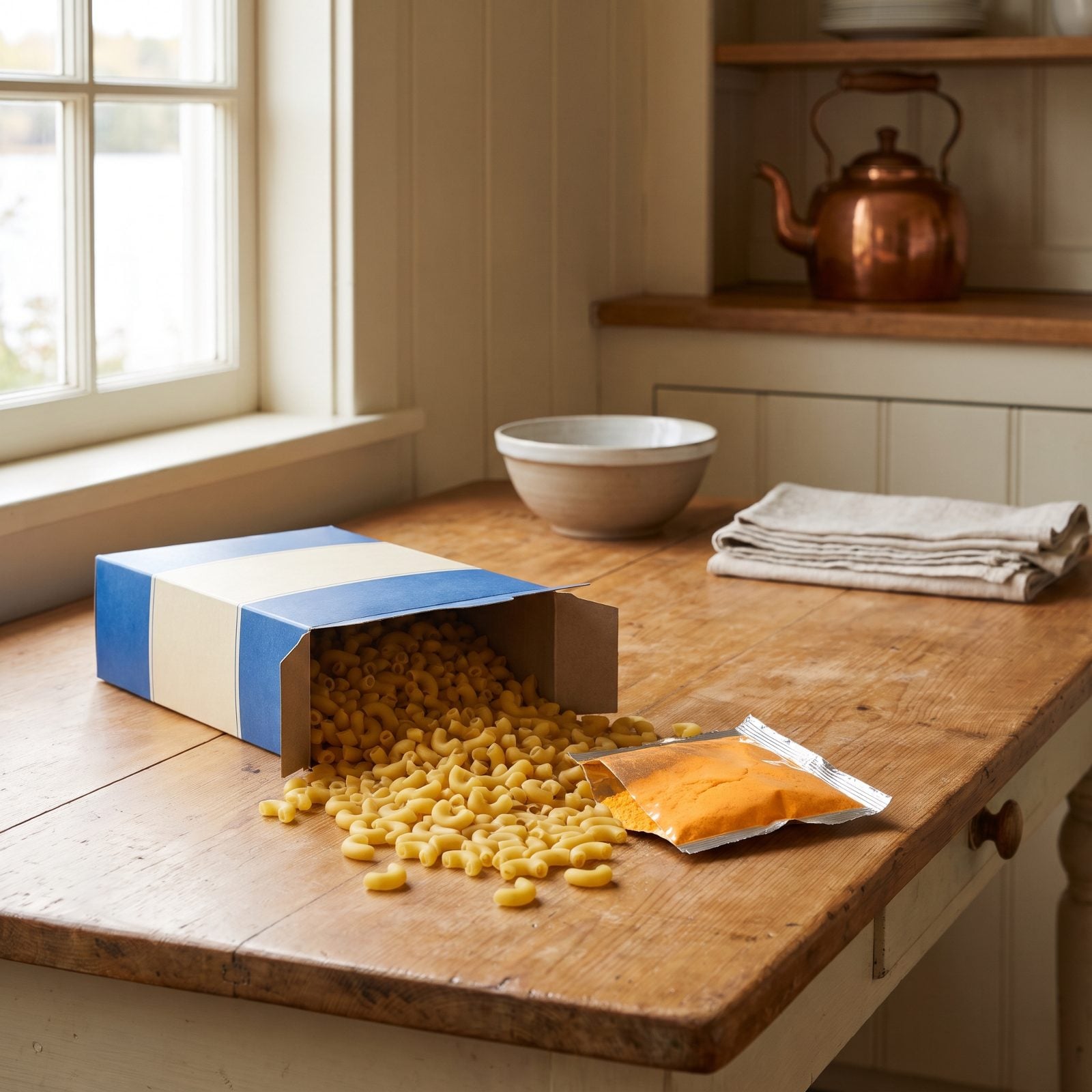
You can taste a shorter pour of cheese powder. The pasta volume holds. The foil pouch does not. Longtime fans swear the orange isn’t as deep and the sauce comes out thinner, and reviewers who’ve compared old and new formulations tend to agree the cheese-to-noodle ratio drifted the wrong way.
Plenty of us grew up eating this stuff by the saucepan, so we notice. An extra splash of milk and a knob of butter will fake the old richness — but why should you have to patch a product back up to where it started?
19. Cereal Boxes That Got Taller, Thinner, and Lighter

Pick up the box you grew up with and it feels like a stage prop. The cardboard grew taller to keep its shelf presence, the width got shaved down, and the weight inside quietly dropped. Shake it. The bag rattles around in a cavern of air.
Family-size used to mean family-size. Now the number that matters is printed small, in ounces, down near the barcode where nobody checks before the register.
18. Ketchup Reformulated Around High-Fructose Corn Syrup
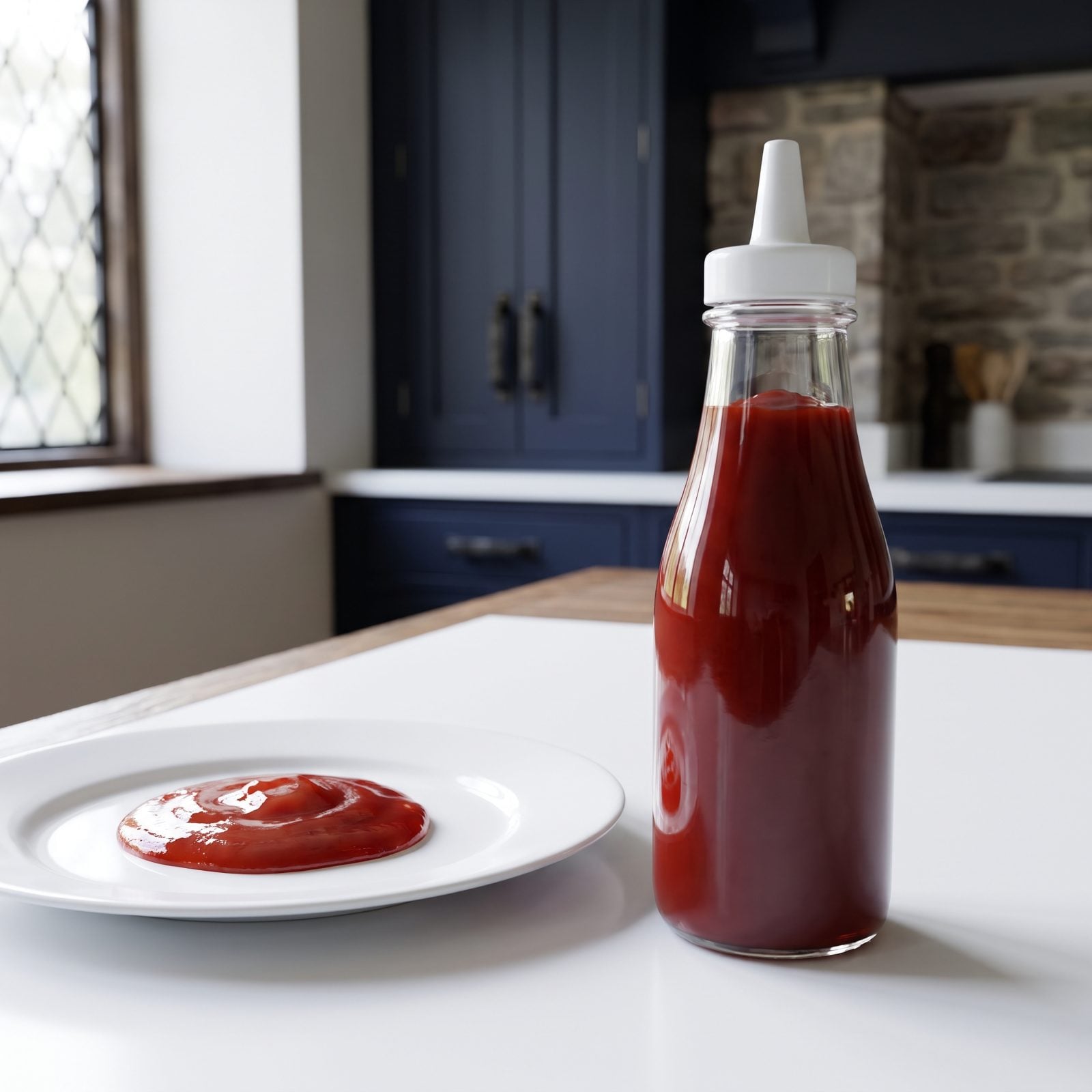
Somewhere along the way, cheaper sweetener crept into the recipe. Plenty of mainstream ketchups switched from cane sugar to high-fructose corn syrup back when corn syrup was the cheaper bet, and the taste edged toward flat and candy-sweet instead of bright and tomato-forward.
The giveaway is at the backyard table. The old stuff clung. Some reformulated versions run thin and slide right off the burger before you take a bite. Want the sharper tang? The cane-sugar and organic bottles still exist. They just cost more.
17. “Maple” Syrup That’s Mostly Corn Syrup
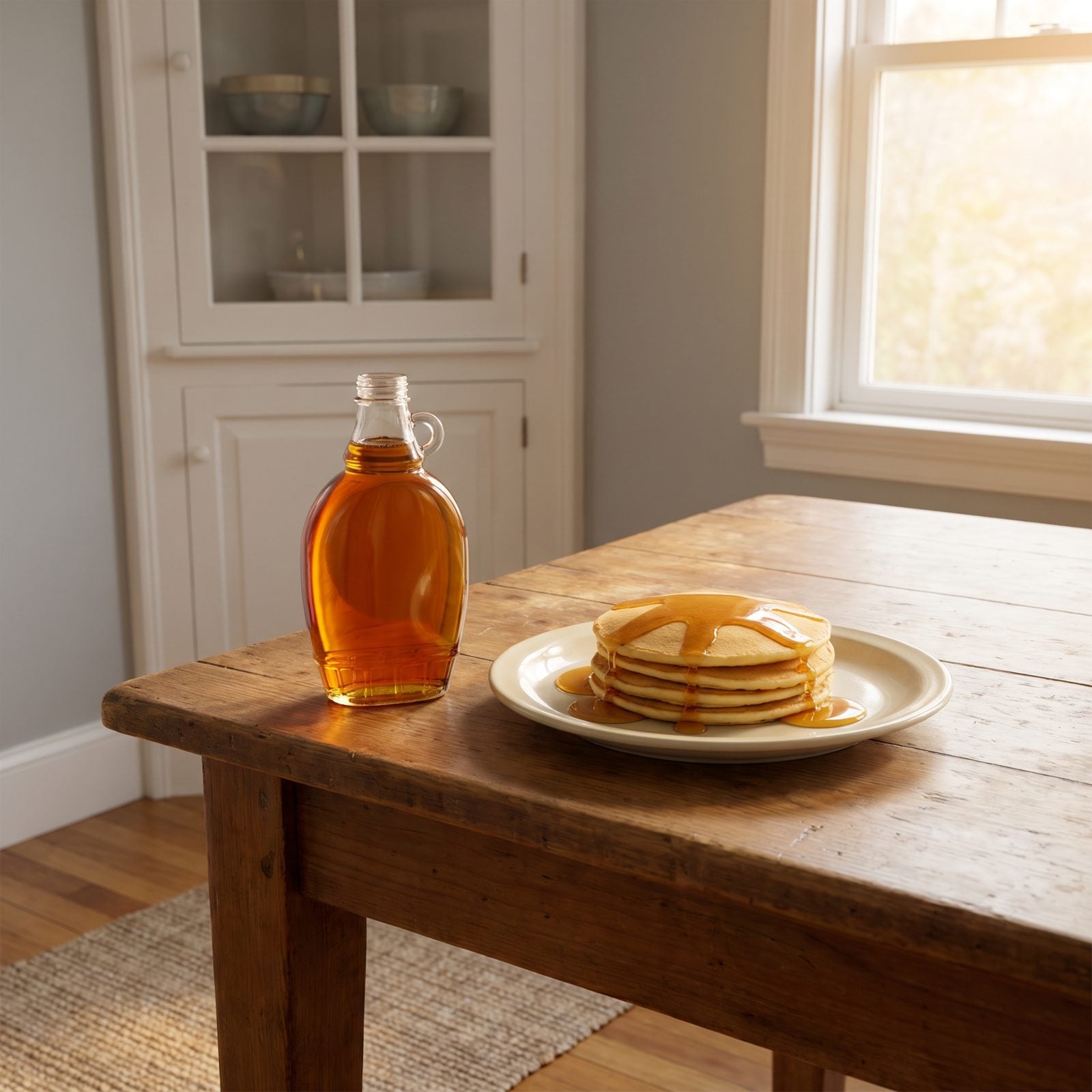
Read the front of the bottle. If the word “maple” is in quotes or buried under “syrup,” the first ingredient is almost always corn syrup, with real maple showing up in trace amounts — or not at all.
Here’s the part that stings. The breakfast-table bottle you remember was the same deal, and we just never flipped it over. Real maple syrup comes from boiled-down tree sap and costs what it costs. The amber stuff in the big jug is flavored sugar water doing an impression.
Real maple is a tree’s work for a year. The cheap bottle is a factory’s work for an afternoon.
16. Hot Dogs Packed With More Filler, Less Meat

The cheap end of the hot dog aisle stretched the meat with more water, more starch, and more mechanically separated poultry. The texture gives it away — too soft, too uniform, snapping with a hollow give instead of a clean bite.
Price per link looks friendly until you grill one and it shrinks to a pencil. The all-beef franks with a short ingredient list still eat like the ones from the ballpark of memory. Budget packs? Mostly binder and bounce.
15. Paper Towel Rolls With Fewer, Smaller Sheets
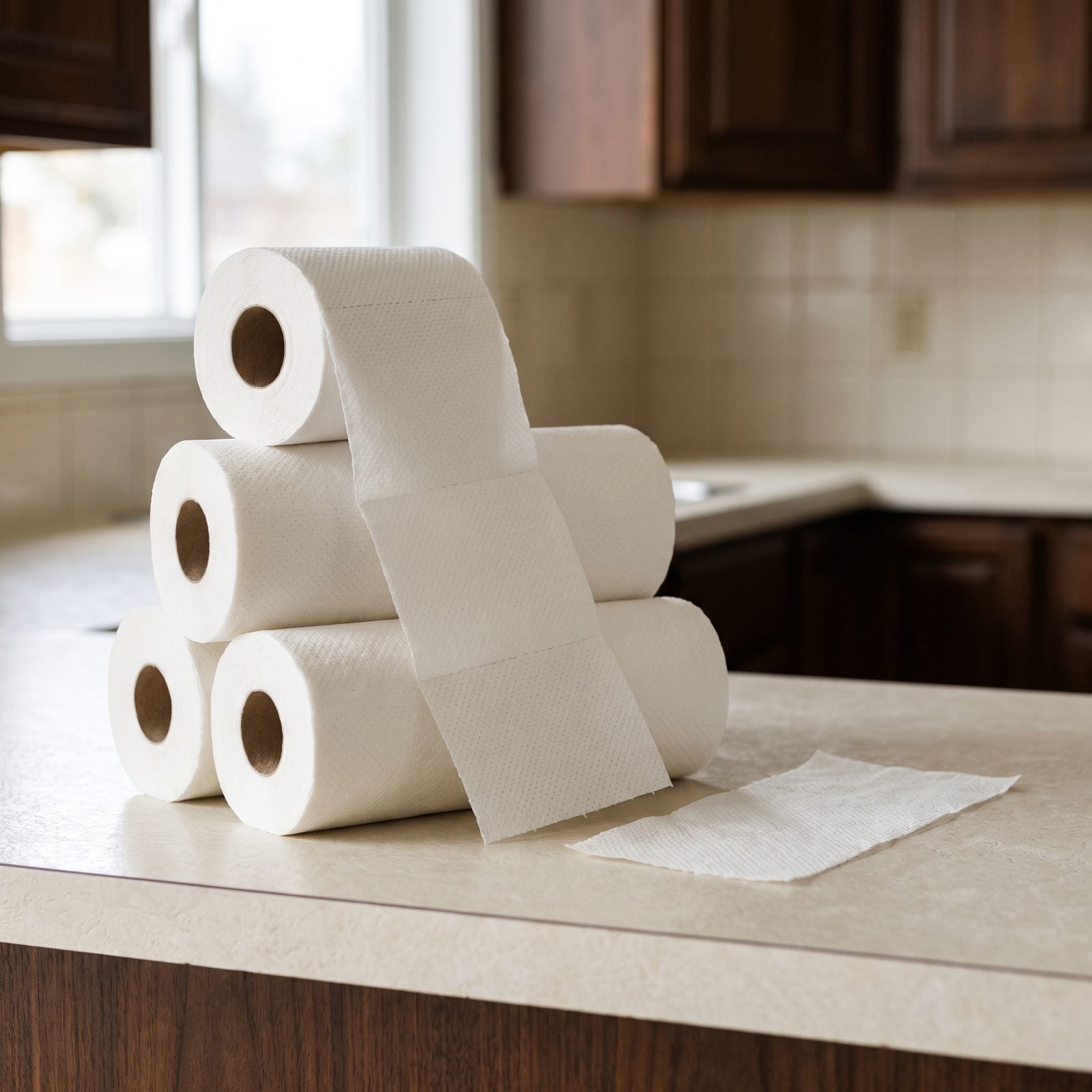
The sheet count on the front is doing gymnastics. A “big roll” gets redefined, sheets get narrower, the number stays bold, and the square inches quietly vanish. You wind up pulling two where one used to do the job.
We stopped trusting roll count years ago and started reading total square feet — the one figure they can’t dress up. Near the bottom in small print, naturally. A spill on the kitchen floor doesn’t care how many perforations you’ve got, only how much surface each one covers.
14. Bacon Packs That Quietly Slipped Below a Pound
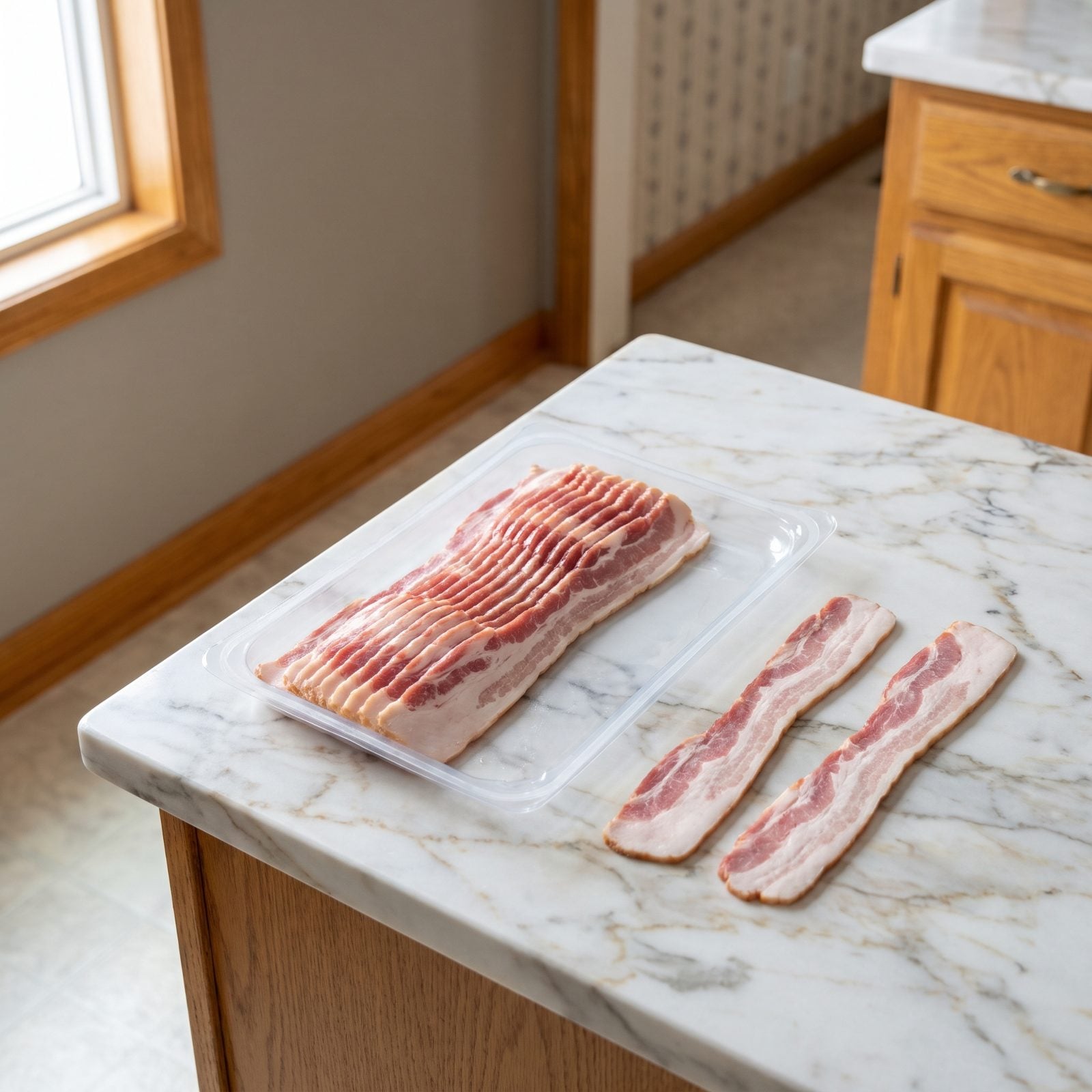
A pack of bacon was a pound for generations. Then the 12-ounce pack showed up right next to it — same size box, same shelf slot, same-ish price, three fewer slices by the time you’d fried a batch.
Watch the weight, not the width of the package. Sixteen ounces and twelve ounces take up nearly identical space in the cooler, so the box tells you nothing. Sunday breakfast is where the shortfall announces itself, when the pan empties out a strip or two before everyone’s fed.
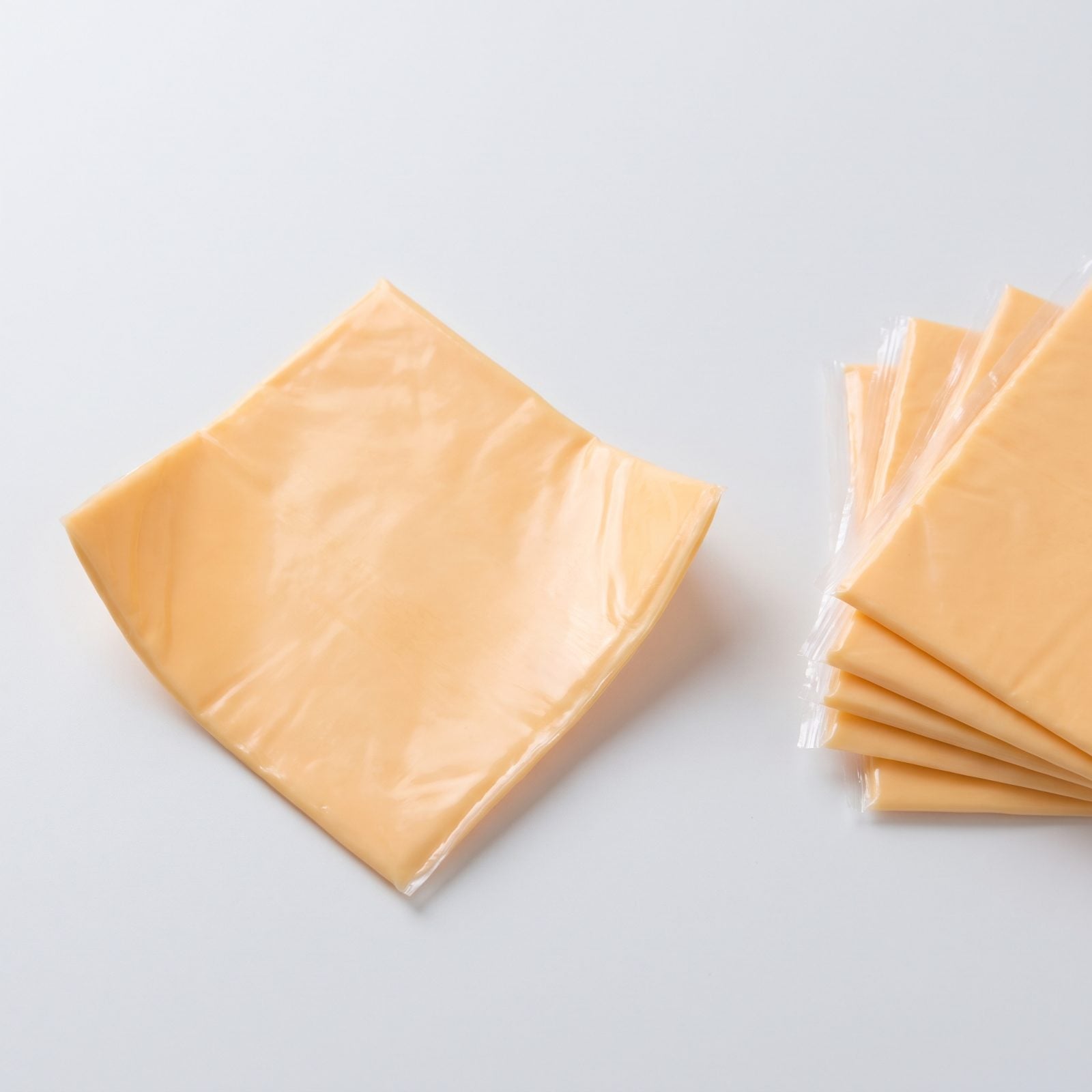
13. American Cheese Slices Gone Thinner and More Plastic
Would you like to save this?
The slice got thinner and the label quietly changed. Watch for “cheese product” or “pasteurized prepared cheese product” where it used to just say “cheese.” That wording lets in more oils, starches, and emulsifiers and less actual dairy, which is why some slices melt into a slick, uniform ooze rather than the pull you remember from a grilled sandwich.
As people who will defend good melted cheese to the grave, we notice when a slice behaves more like warm plastic than dairy. The real deluxe ones — the slices still labeled “cheese” — melt like they mean it. They’re also two aisles and a dollar away.
12. Chocolate Chip Cookies With Fewer Chips, More Filler
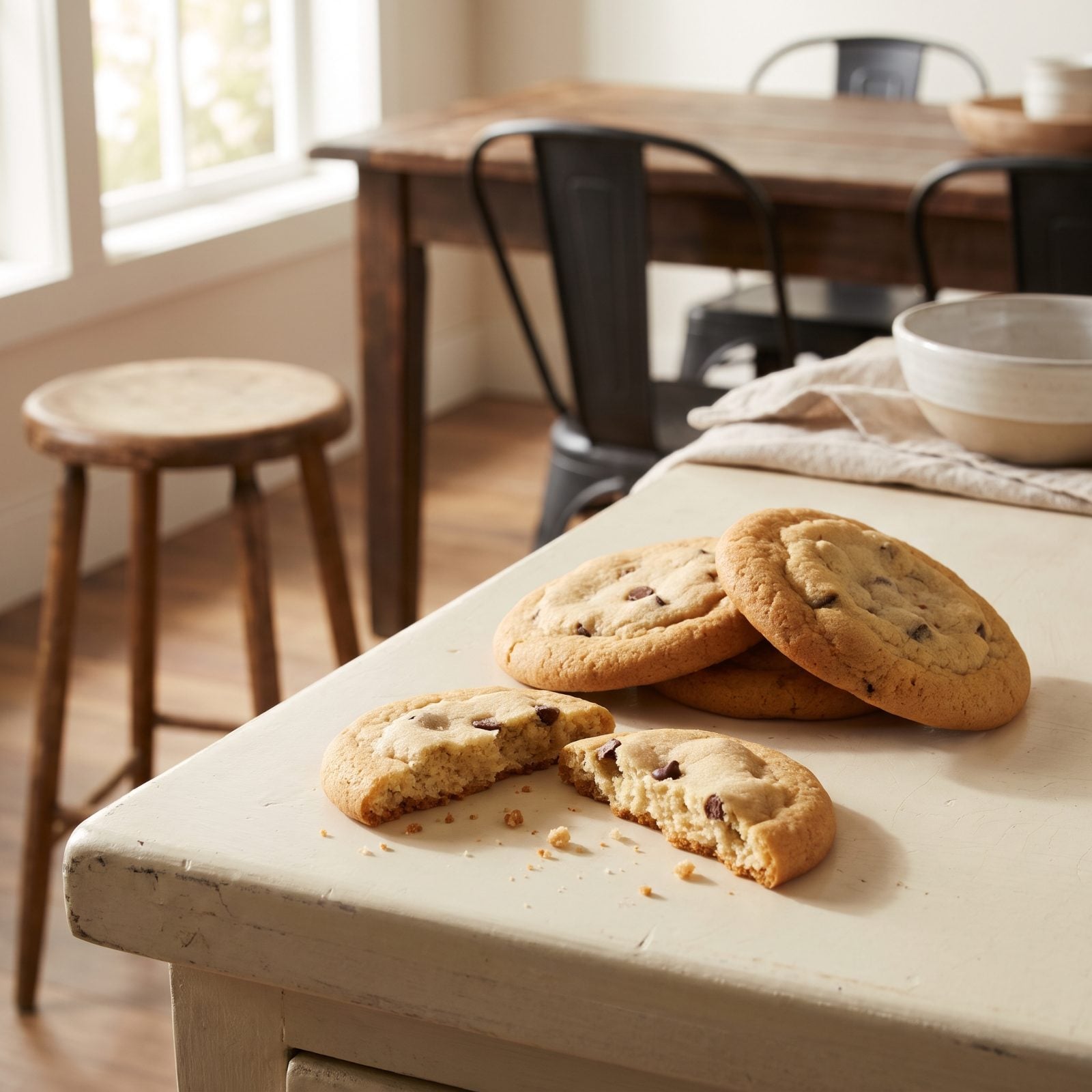
Snap one in half and count. The chips got smaller, got fewer, and in some lines shifted to “chocolatey” chips — the kind made with cheaper fats instead of cocoa butter, so they don’t melt the same and taste faintly waxy.
You know the disappointment. The cookie looks right across the plate, then you bite into a dough pocket where chocolate should be. More flour, more sugar, less of the one thing it’s named after. The old recipe put chips in every bite because chips were the whole point.
11. Bread Loaves With Fewer, Thinner Slices
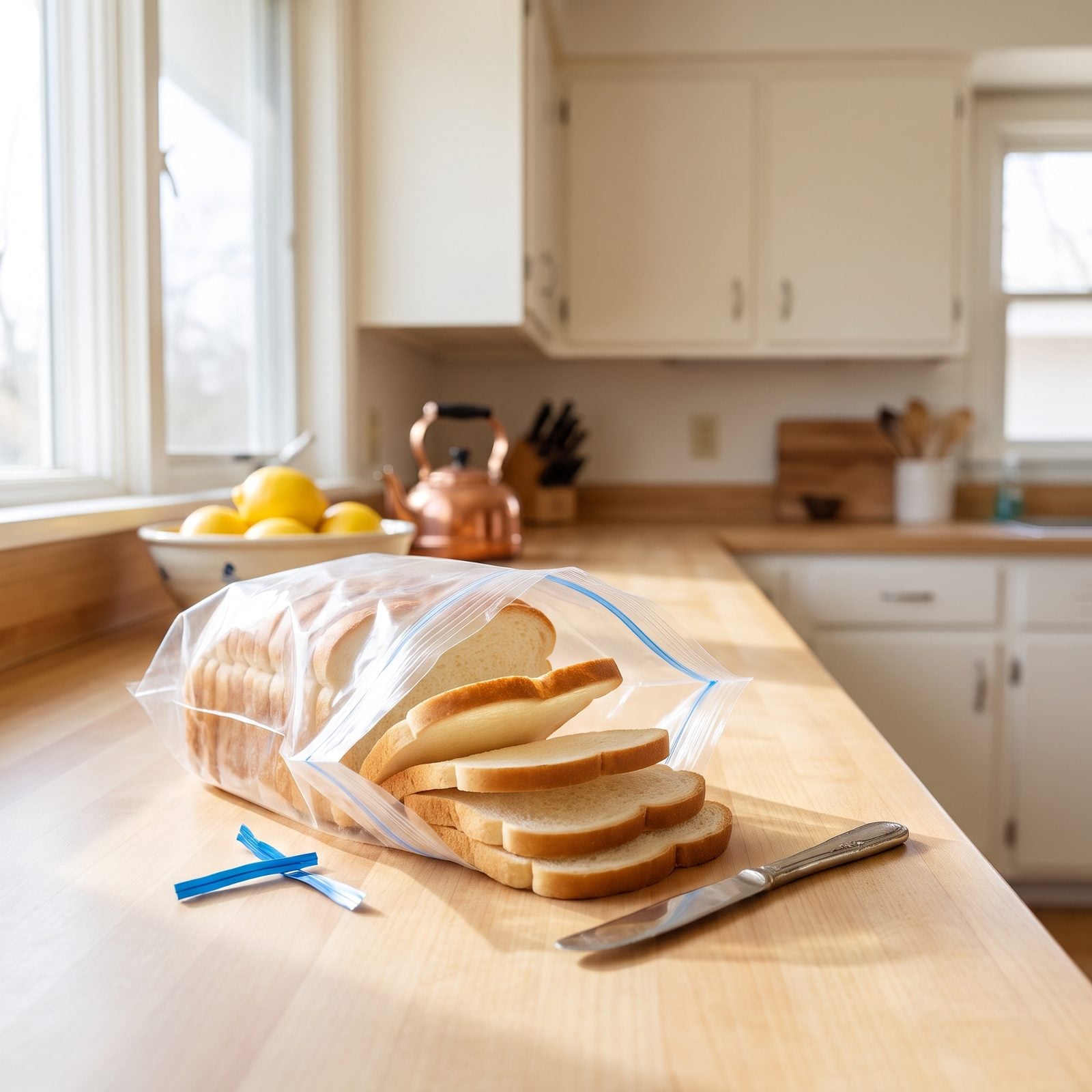
Hold a slice up to the window and you can almost read a newspaper through some of them now.
The loaf looks the same length on the shelf, but the slices got thinner and sometimes the count dropped from the old standard. You notice it when a sandwich falls apart, or when two slices of toast vanish in one sitting. The bag price held steady. That’s the whole trick: same shelf presence, less bread.
10. Frozen Pizzas With Sparser Toppings
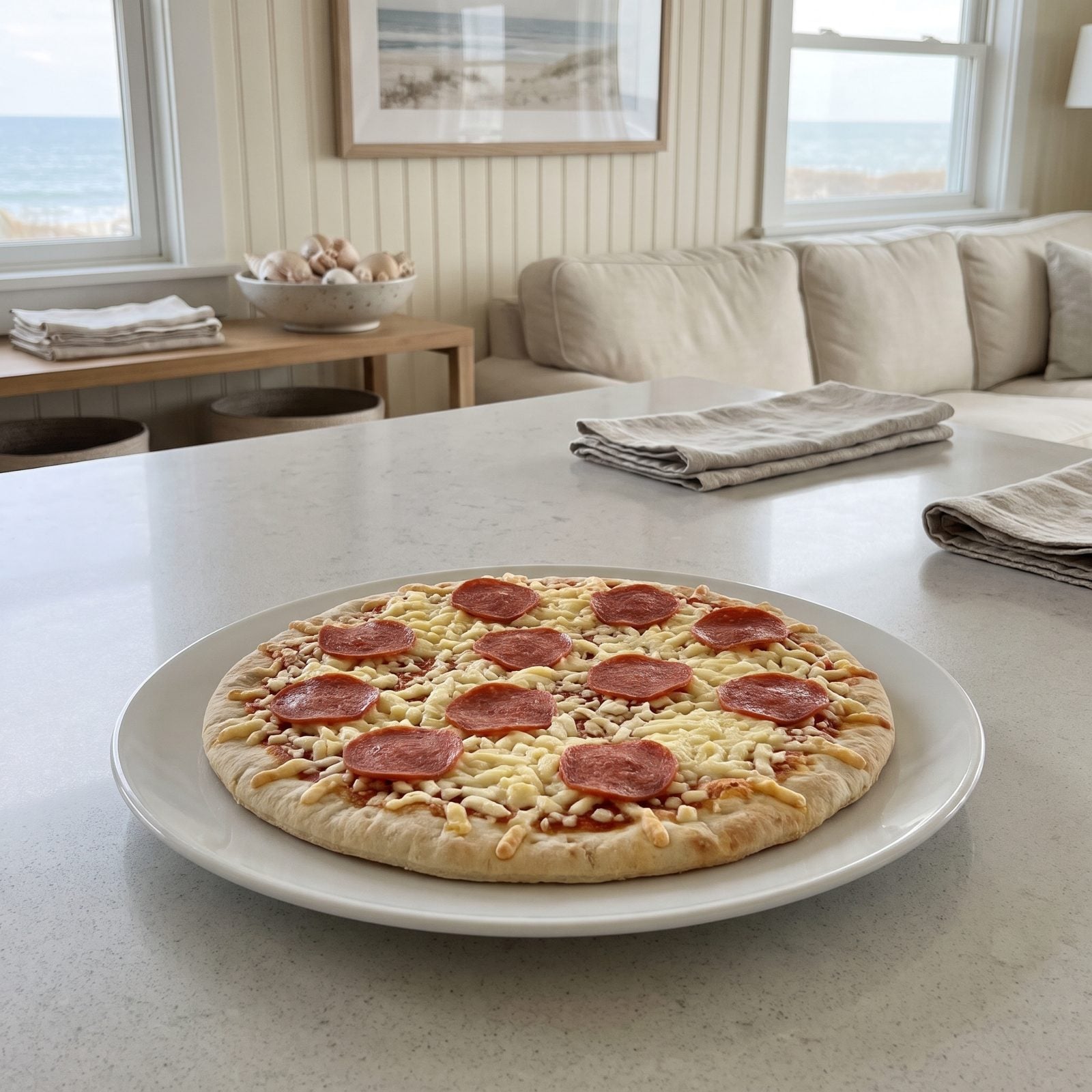
Remember when a frozen pepperoni pizza looked like it had pepperoni? Now you count them.
Topping density is the easiest thing to cut without changing the box. The cheese thins out, the pepperoni spreads around, and the crust creeps toward the edge to eat up more real estate. Diameter stays the same so nobody flinches at the shelf. Then you pull it out of the oven and there’s bare dough winking back at you.
9. Soup Cans Condensed With More Water, Less Substance

The chunks got smaller and fewer, and now you have to hunt for the actual vegetables.
Condensed soup was always a water-and-concentrate game. But the ratio of substance to liquid has drifted hard toward the liquid: more broth, fewer solids, thinner body. Tilt the can and most of it pours out before a single chicken shred or noodle shows up. Can sizes have crept down over the years in several categories too, so you’re paying similar money for a lighter can.
8. Juice ‘Cocktails’ and ‘Drinks’ Instead of 100% Juice

Read the front of the bottle. If it says “cocktail,” “drink,” “beverage,” or “from concentrate blend,” you’re mostly buying water and sweetener with a splash of the fruit on the label.
This is reformulation hiding in plain sight. The word “juice” is regulated, so marketing swapped to softer words that promise less. A cranberry “cocktail” might be a small fraction real juice. You get the color and a vague fruit idea. The rest is corn syrup or added water doing the heavy lifting.
7. Mayonnaise Jars Downsized With a False Bottom
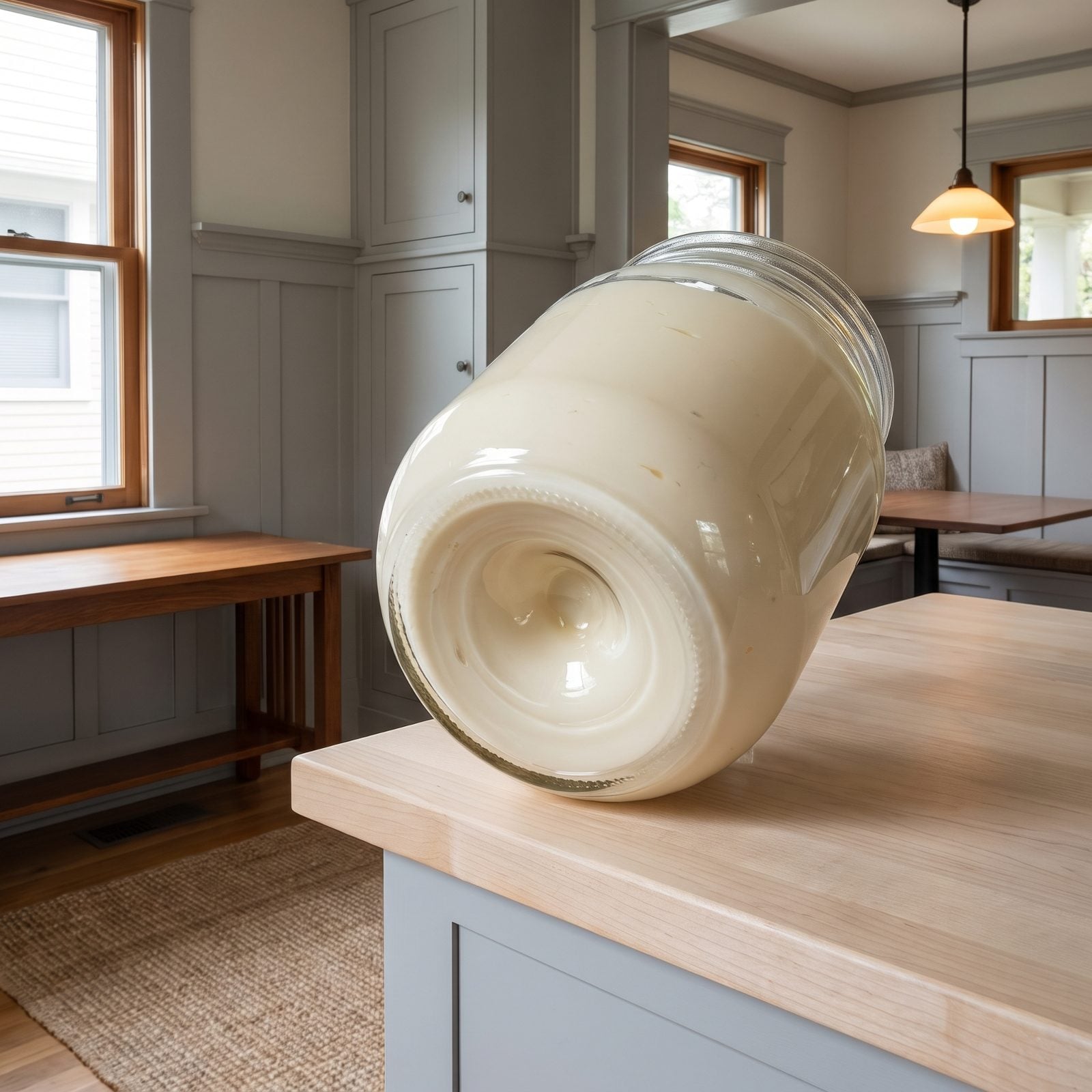
Flip the jar over. See that deep dimple pushing up into the bottom? That’s volume you’re not getting.
Jar sizes in the condiment aisle have shuffled downward over the years, drifting from old round-number fills to odd weights like 30 ounces where 32 used to live. Sometimes the glass gets a bigger concave base so the jar still stands tall on the shelf. Same height, less mayo. Honestly one of the most visible dodges in the whole supermarket, and once you clock a dimpled bottom you can’t unsee it.
6. Butter-Flavored Spreads Swapping Real Cream for Oils
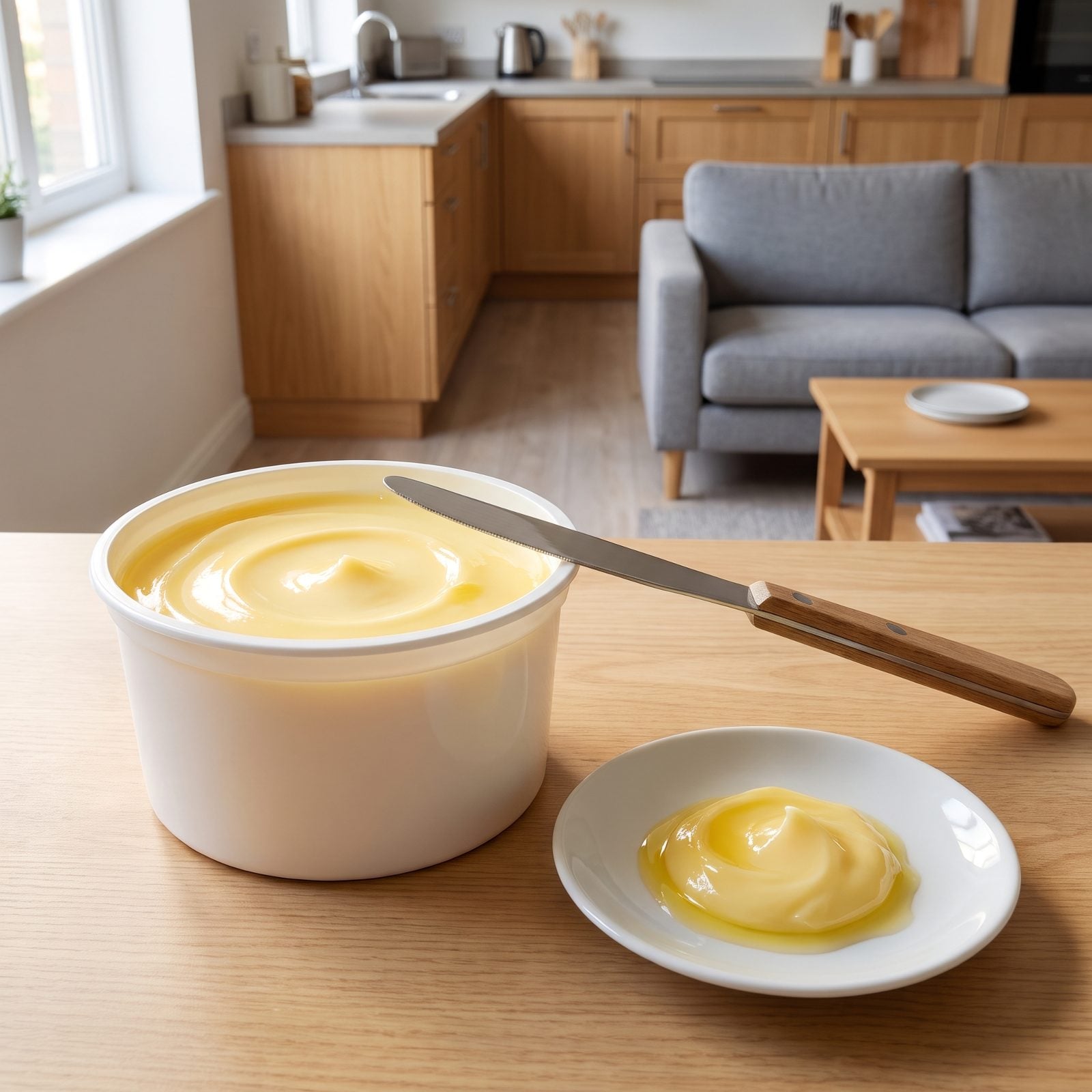
It looks like butter. It spreads like butter. Check the ingredients and the cream is long gone.
Tub “spreads” rebuilt the recipe around vegetable oils, water, emulsifiers, and butter flavoring. Cheaper to make, and they’re built to glide straight from the fridge. Nothing wrong with that if it’s what you want. The trouble is how close the packaging sits to real butter in look and name, so plenty of shoppers grab one thinking they bought the other.
5. Frozen Vegetables With More Ice and Smaller Portions
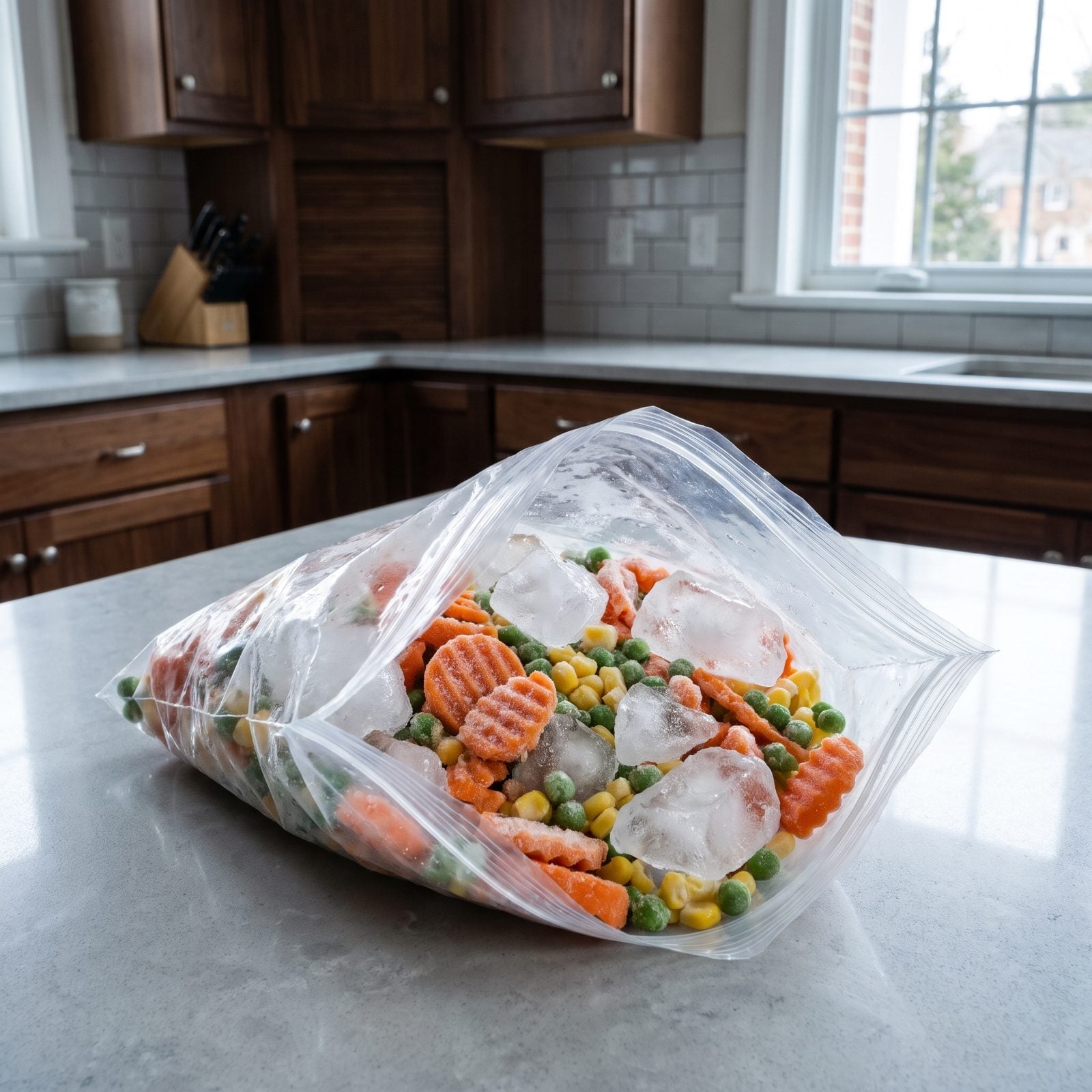
Dump the bag in a pan and watch half of it melt into a puddle. That was the ice you paid for.
Bag weights crept down from the old pound standard to lighter fills. Glazing, that thin coat of ice meant to prevent freezer burn, can tip into padding when it gets heavy. You tear open a bag expecting dinner for four and get dinner for two once the water cooks off. The tell is a bag that feels heftier than the vegetables actually inside it.
4. Cheese Crackers With Less Real Cheese
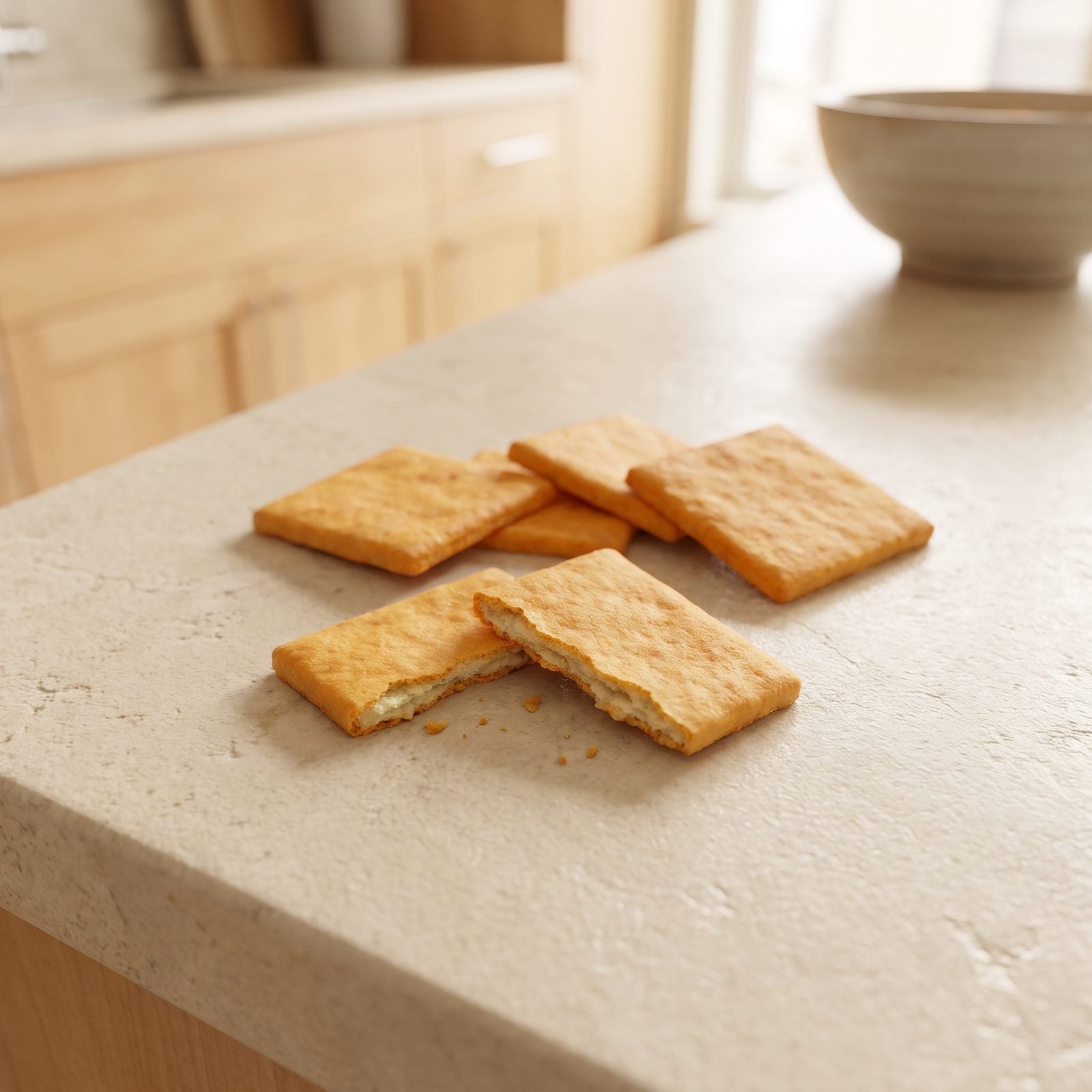
The orange is still there. The cheese behind it, less so.
Reformulations over the years have trimmed how much actual cheese goes into snack crackers, leaning on flavorings, whey, and color to do the work the dairy used to do. The flavor flattens in a way longtime snackers notice even if they can’t quite name it. Watch the ingredient order, too. Once “cheese” slides down below starches and oils, the recipe changed under you and nobody sent a memo.
3. Cake Mixes Requiring You to Add What Used to Be Included
Would you like to save this?
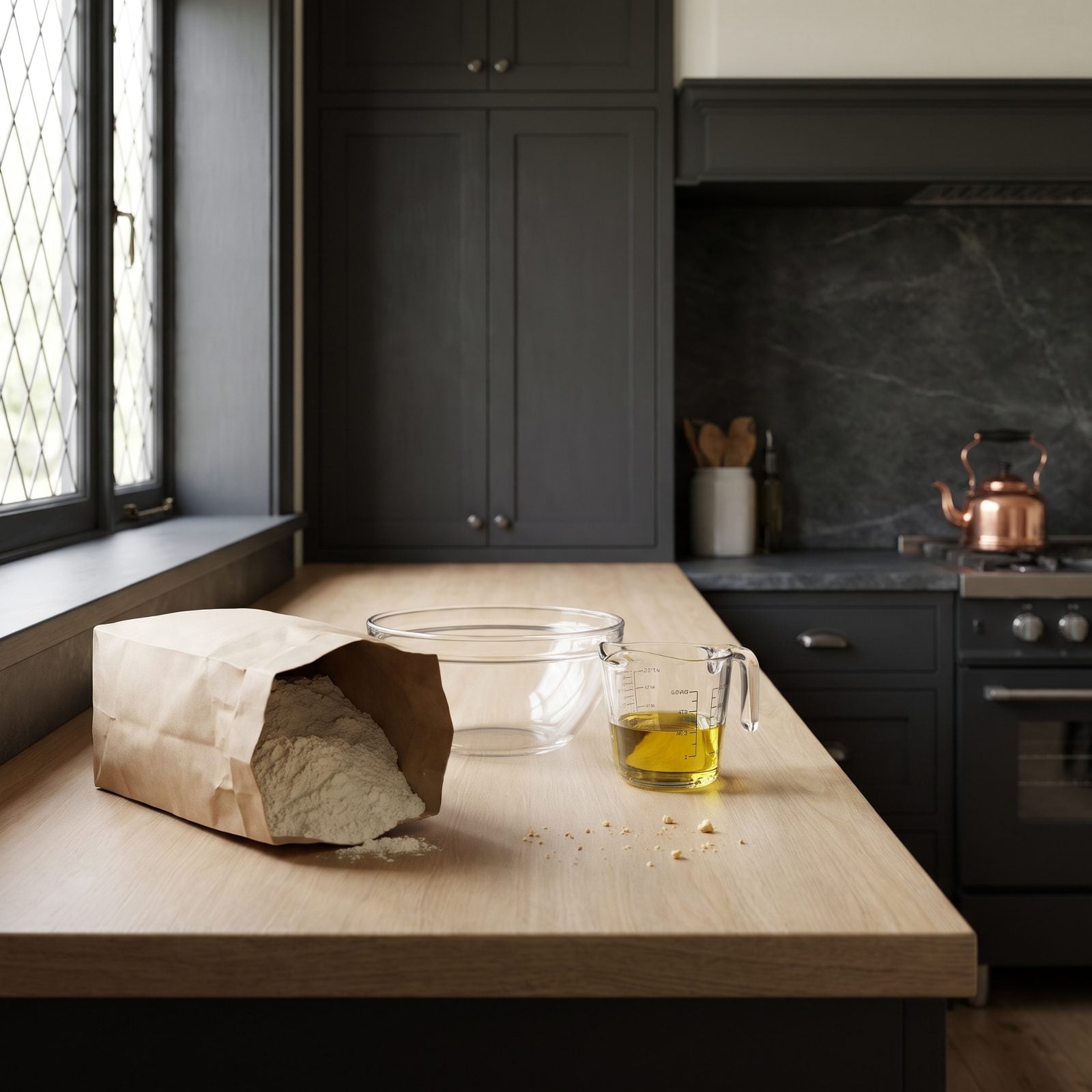
Read the back of the bag and count how many things you now supply.
Cake mixes once did more of the work in the bag. Over the decades, package weights shrank and the recipe leaned harder on whatever you bring to the table: more oil, more water, sometimes a separate pudding mix to get the richness the powder used to carry on its own. The bag looks familiar on the shelf. The cake only shows up if you keep feeding it from your own pantry.
2. Gum Packs That Quietly Dropped From 17 Sticks to 10
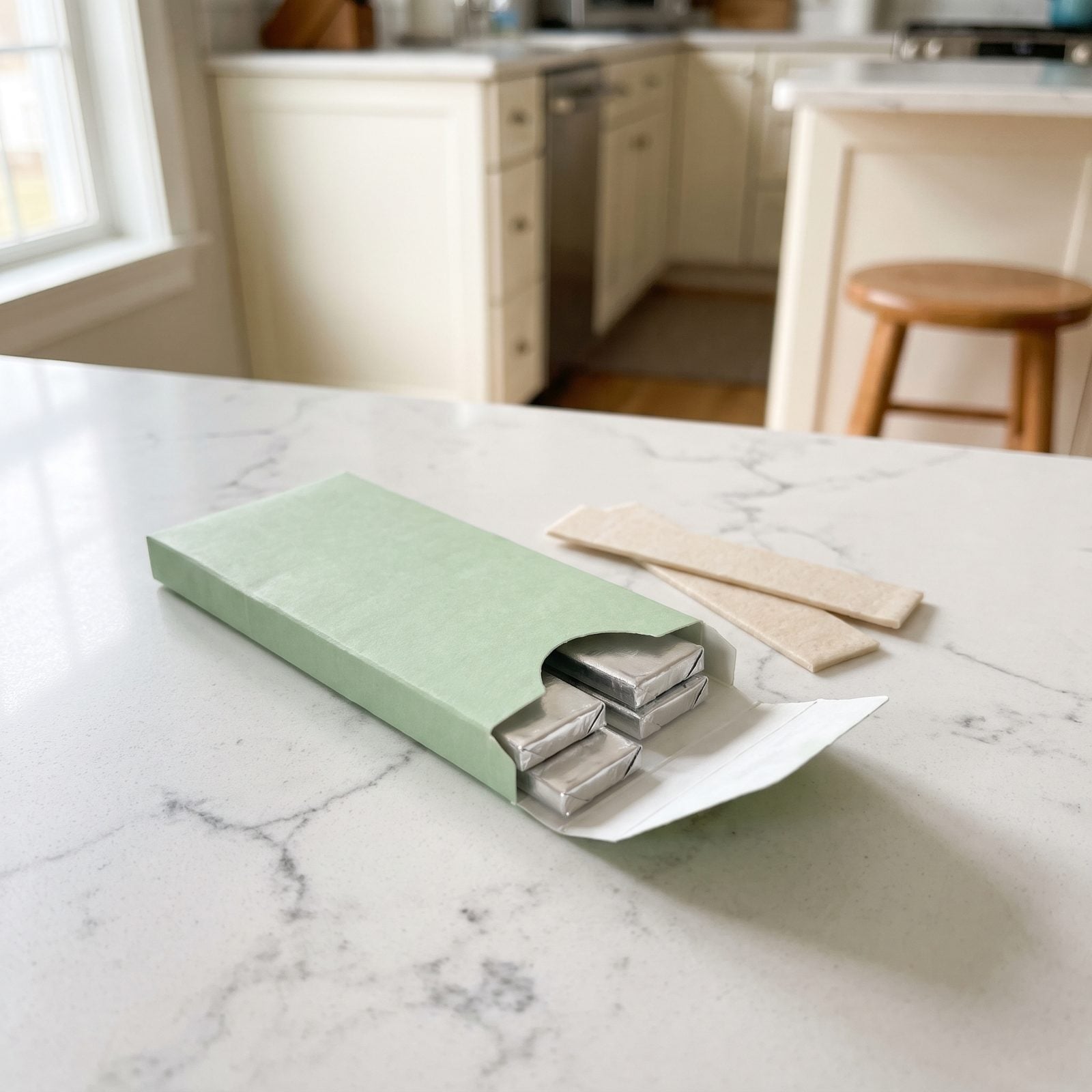
Pull an old pack of gum out of memory and actually count what’s inside. The classic packs carried 17 pieces. Those slim paper sleeves kept slimming down over the years, and plenty now hold 10, 12, or 15 for a price that never budged.
It works because nobody counts gum. You grab it at the register, half-distracted, toss it in the bag, and move on. The sleeve looks the same size hanging on the hook. Then you reach for the last foil-wrapped piece way sooner than you expected, and the math finally lands.
1. Store-Brand Cola That Went Flat and Thin Between Reformulations
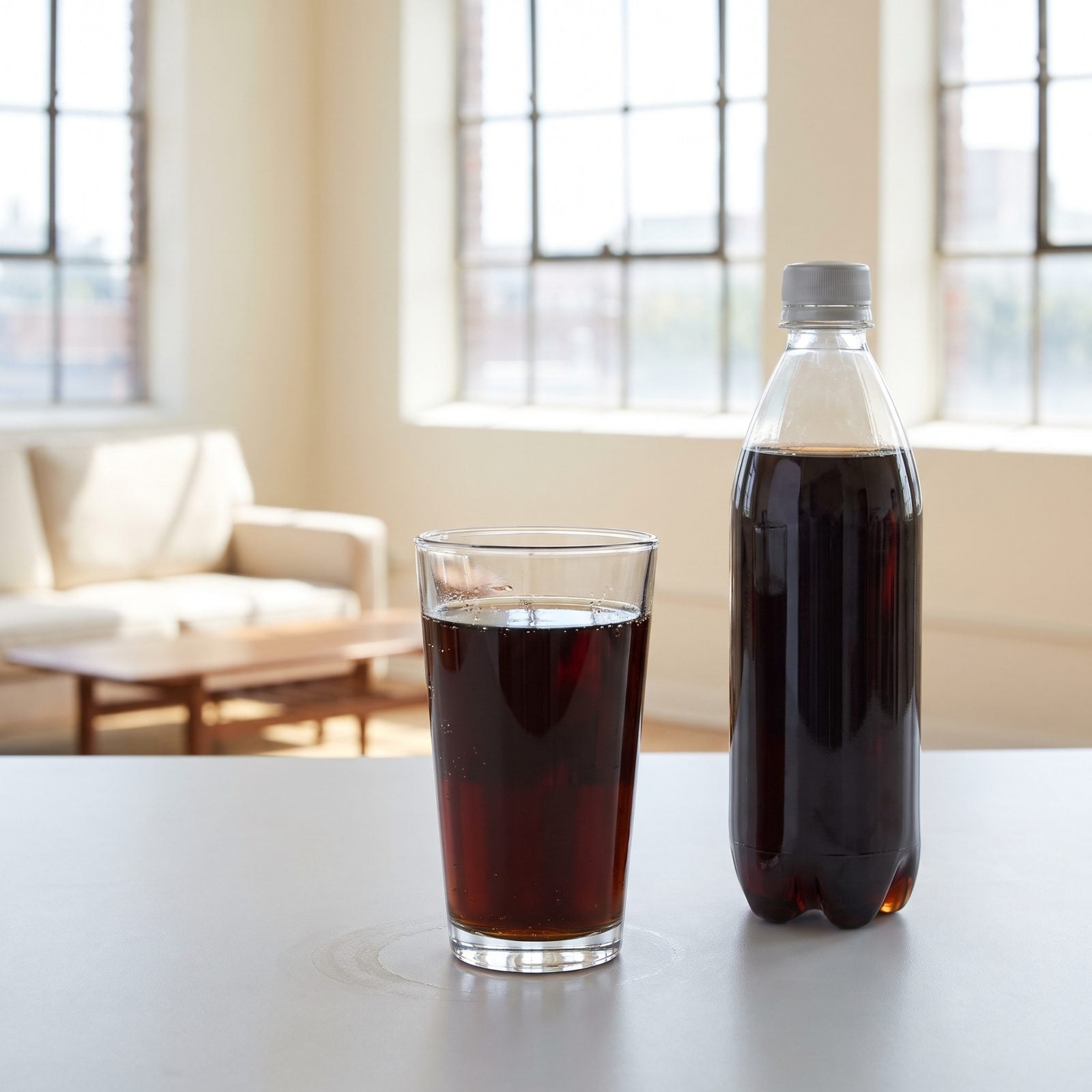
Pour a store-brand cola next to a name brand and the gap shows up fast. The color’s right and the fizz looks close, but that first sip lands watery and flat — like someone topped off the real thing with a splash of water somewhere on the way to the bottling line.
So what’s actually going on? Budget colas lean harder on high-fructose corn syrup, dial back the phosphoric-acid bite that gives cola its sharpness, and run lighter on carbonation to save money and keep longer on the shelf. None of it is a secret, and none of it breaks any rule. It just adds up to a drink doing an impression of cola instead of being the thing itself.
Credit where it’s due, though. Some house brands have gotten genuinely good, and a cold one over ice in July fools just about anybody. The thin ones give themselves away the second the ice starts melting. That watery edge isn’t in your head — it’s a recipe built to hit a price, and the price wins.