
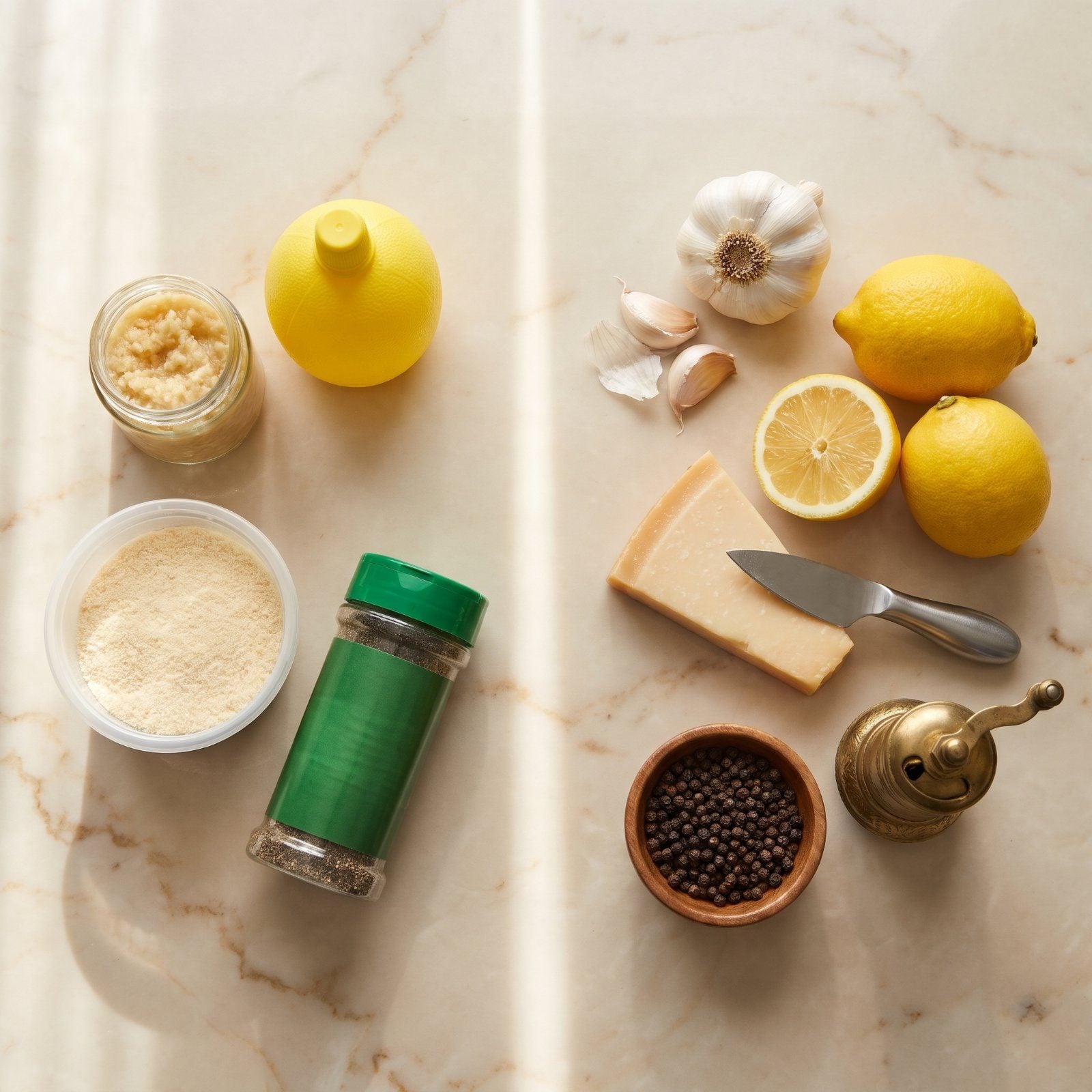
Watch a line cook shop for their own kitchen and you’ll notice something: the cart stays half empty down whole aisles. Not because they’re cheap. Because they know which jars and bottles promise convenience and hand you a faint, tired version of the real thing. The products below sit at eye level, dressed up and priced like they’re doing you a favor, and a chef’s eye slides right over them. Here’s what they skip, why, and the plainer, cheaper, better thing they grab instead. None of it takes talent. It takes knowing where the shortcut costs you more than it saves.
Please note that some of the images in this article were created with the assistance of AI.
23. Pre-Minced Garlic in a Jar
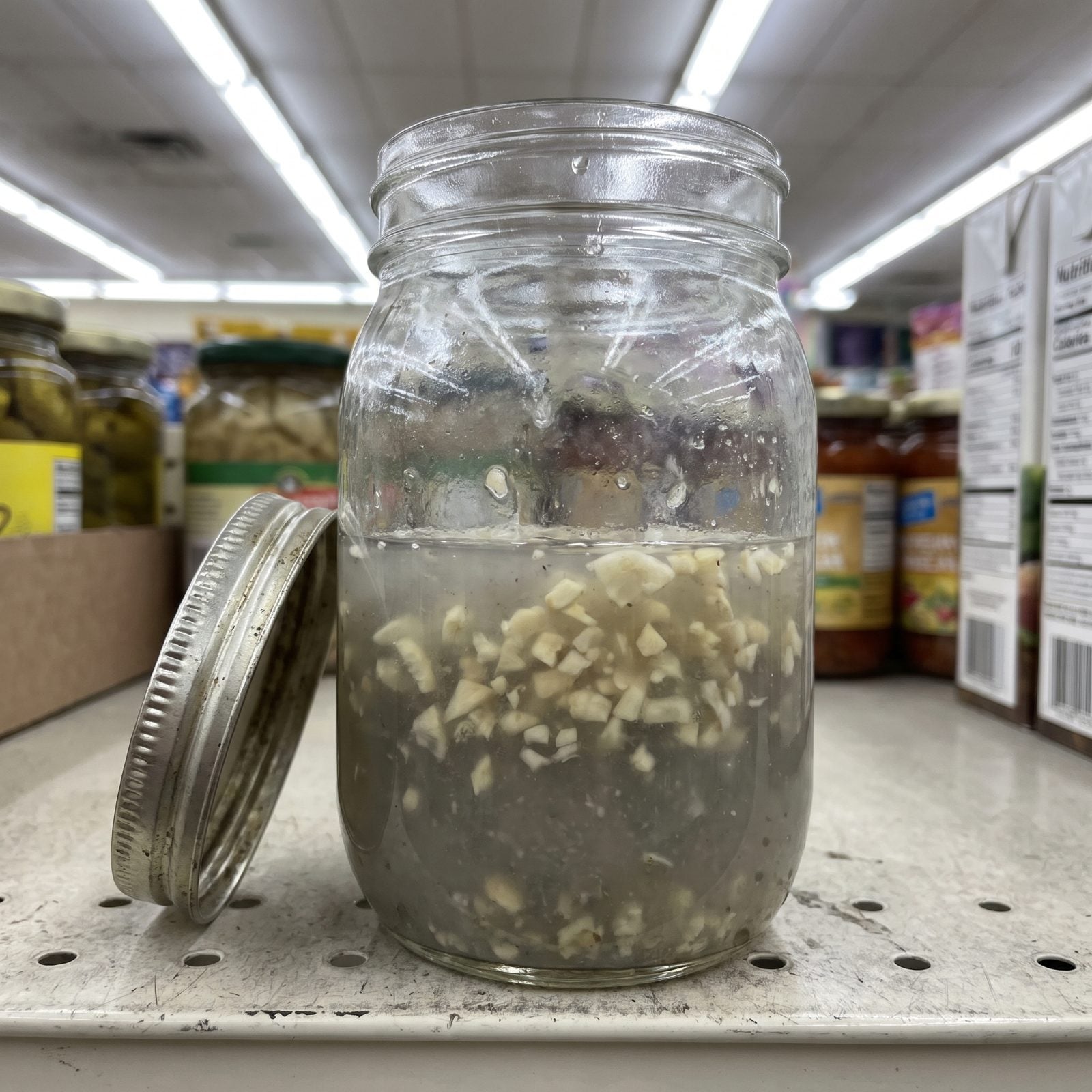
Pop the lid and smell it. That sour, slightly chemical tang is the citric acid they add to keep it shelf-stable. Fresh garlic smells sharp and green; jarred smells like garlic’s memory.
A whole bulb costs less than a dollar and gives you that clean, pungent bite that vanishes the second garlic sits in brine. You lose a few seconds peeling and you gain the actual flavor you were paying for.
As one celebrity chef puts it, “It changes the flavor. There’s a chemical they put in the jar. It doesn’t even look like garlic anymore.”
22. Bottled Lemon Juice
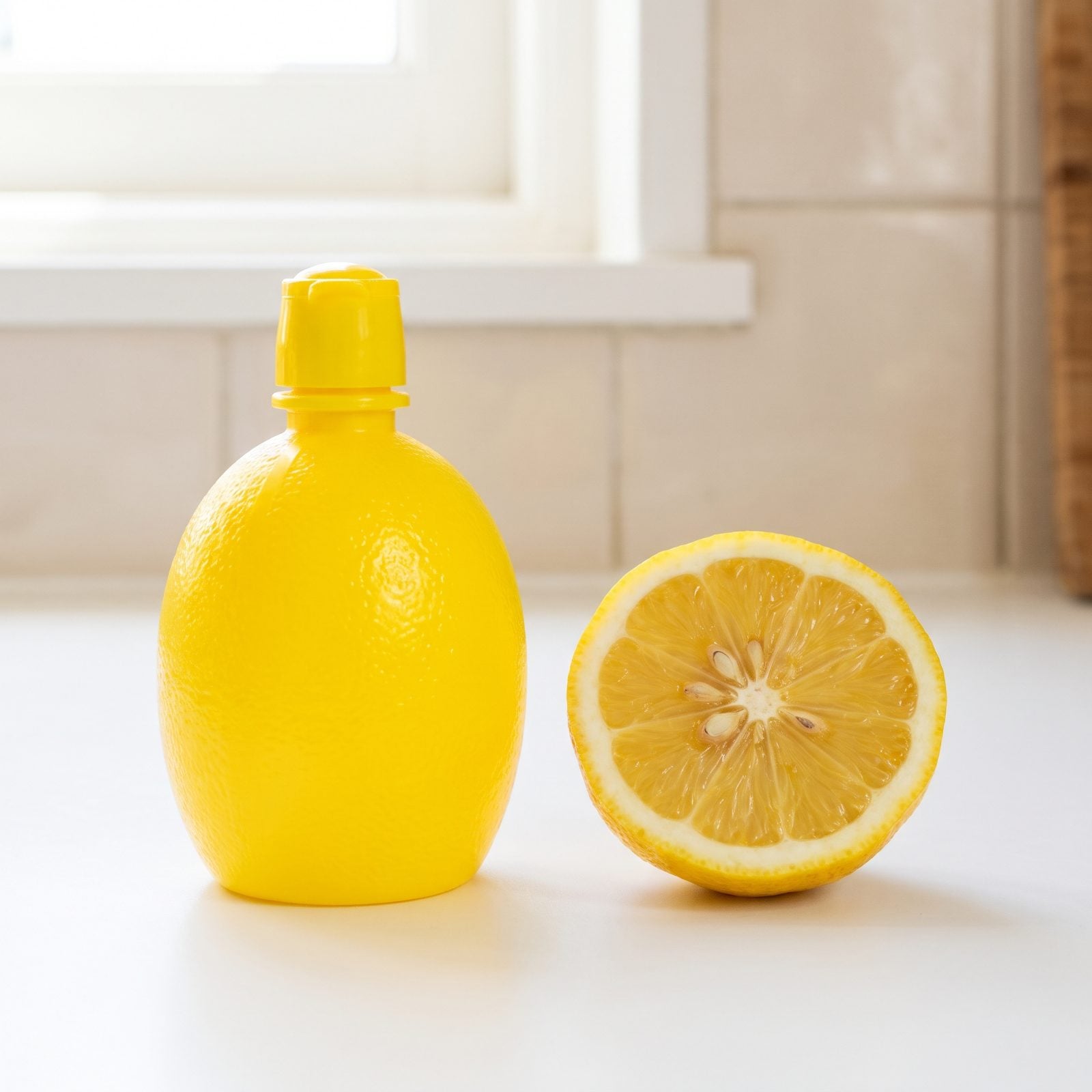
That little plastic lemon has been sitting on the shelf since who knows when, and it tastes like it: flat, slightly bitter, a preservative dullness where the brightness should be.
Fresh lemon juice does something bottled never will. It wakes a dish up. That high, clean acidity is the whole reason you reach for lemon, and it starts fading the moment it’s squeezed out. A real lemon runs you pocket change and throws in the zest for free.
21. Pre-Ground Black Pepper
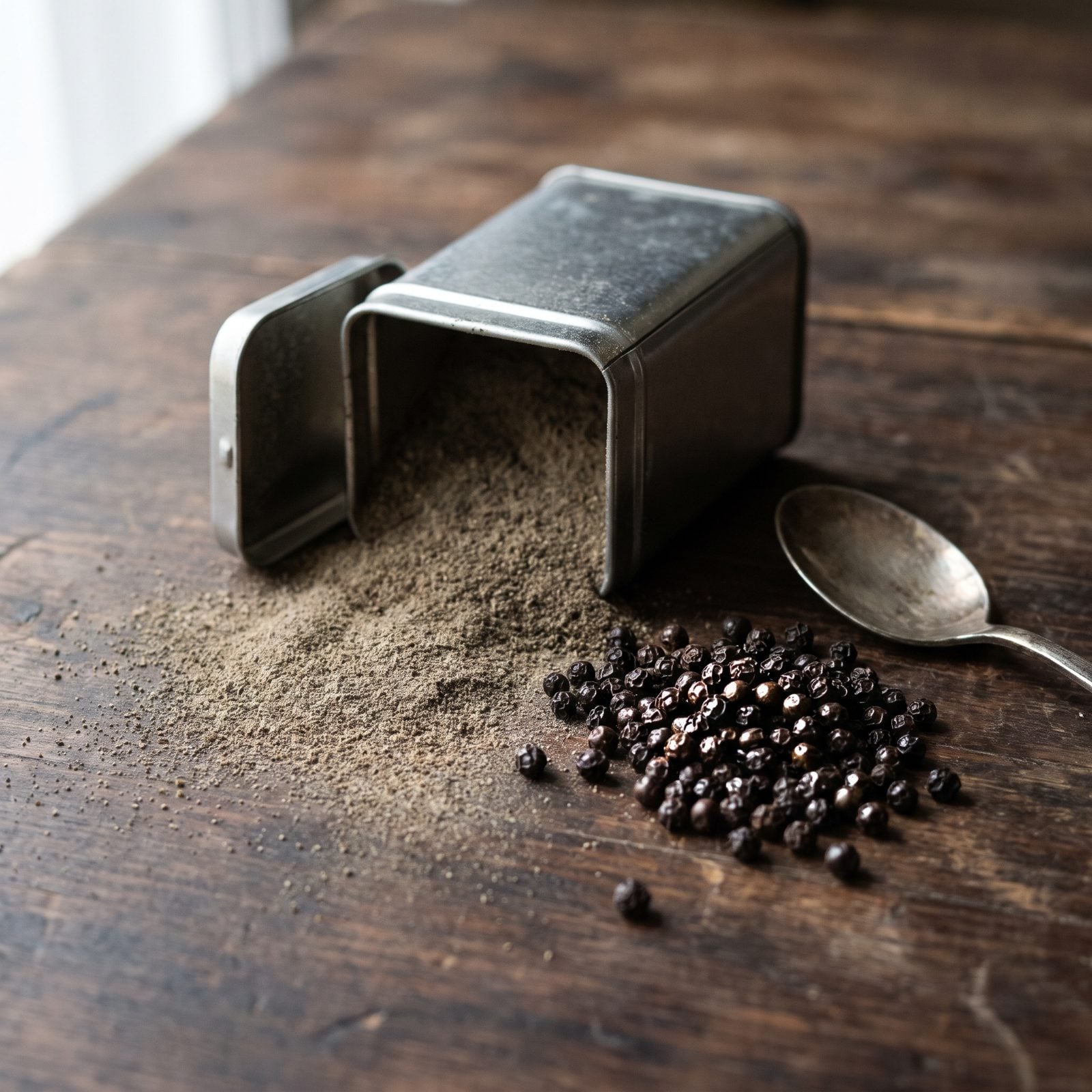
Pepper is a volatile thing. The oils that make it taste like pepper — piney, floral, a little hot — start evaporating the instant it’s cracked, so that tin of pre-ground dust is mostly gone before you open it.
Pre-ground pepper is to fresh-cracked what a photocopy is to the painting.
A grinder of whole peppercorns costs a few dollars and lasts a year. Every twist releases pepper that actually bites. Once you switch, the gray dust tastes like nothing, because it mostly is.
20. Shelf-Stable Grated Parmesan
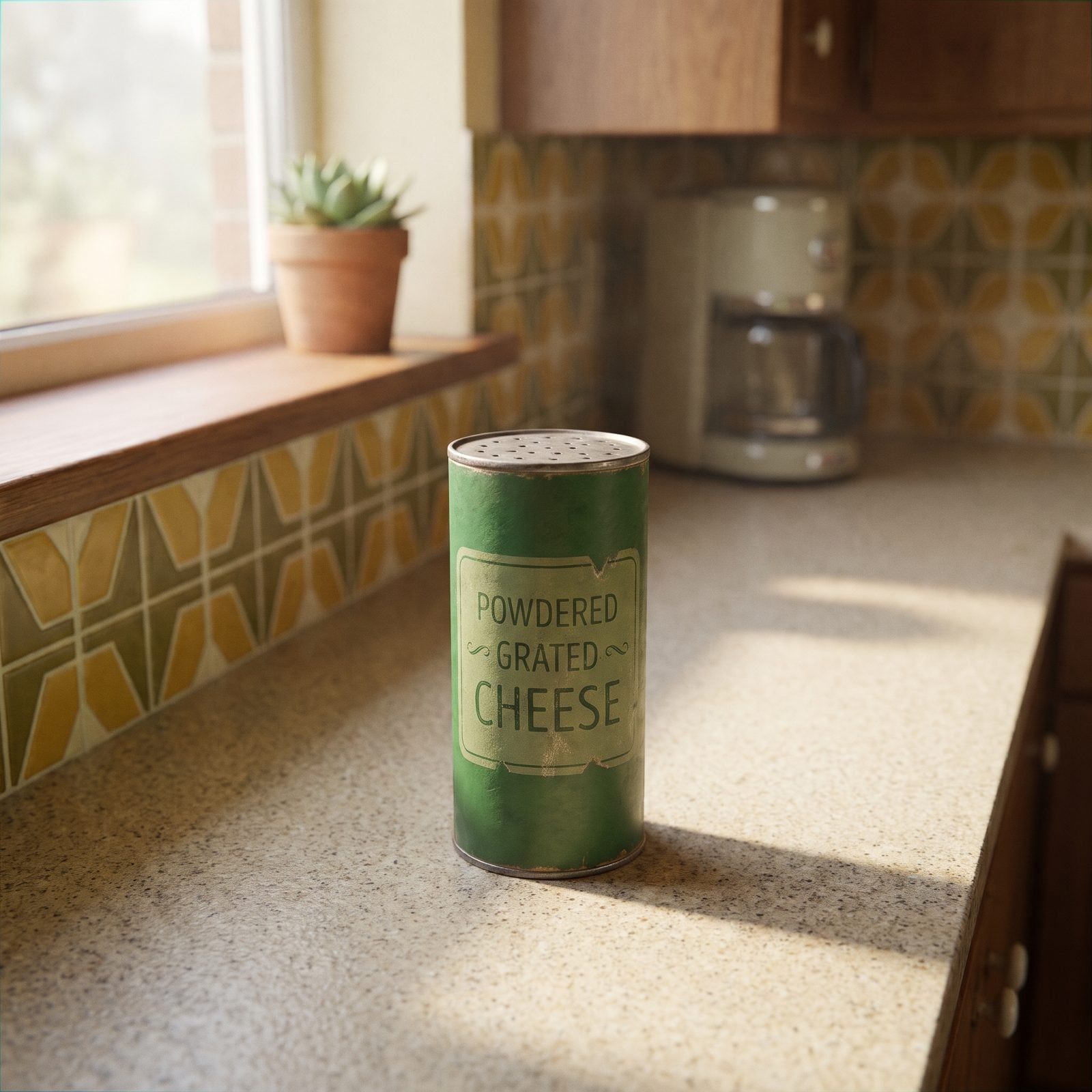
The powder in the shaker barely melts, and there’s a reason. It’s loaded with anti-caking agents and often cut with cheaper cheese. Real aged Parmesan doesn’t behave that way.
Buy a wedge and grate it yourself. It melts into sauce, tastes nutty and sharp instead of salty and dusty, and the rind goes into a pot of soup for free flavor. More per ounce up front, sure. But it outlasts the shaker three times over and never once tastes like sawdust.
19. Cooking Wine From the Condiment Aisle

Flip the bottle and read it. Cooking wine is loaded with salt — enough to let it sit on an unrefrigerated shelf without going off. That salt wrecks you later, when you can’t season a sauce without it tipping into briny.
Here’s the rule chefs actually use: if you wouldn’t drink it, don’t cook with it. The cheapest decent bottle of real wine runs a few dollars, tastes like something, and doesn’t smuggle a fistful of salt into your pan. The condiment-aisle stuff exists for people who’ve never tried the alternative.
As one chef and restaurant owner puts it, “I don’t ever recommend using cooking wine as they often have additives and preservatives.”
18. Pre-Marinated Meat in Opaque Packaging
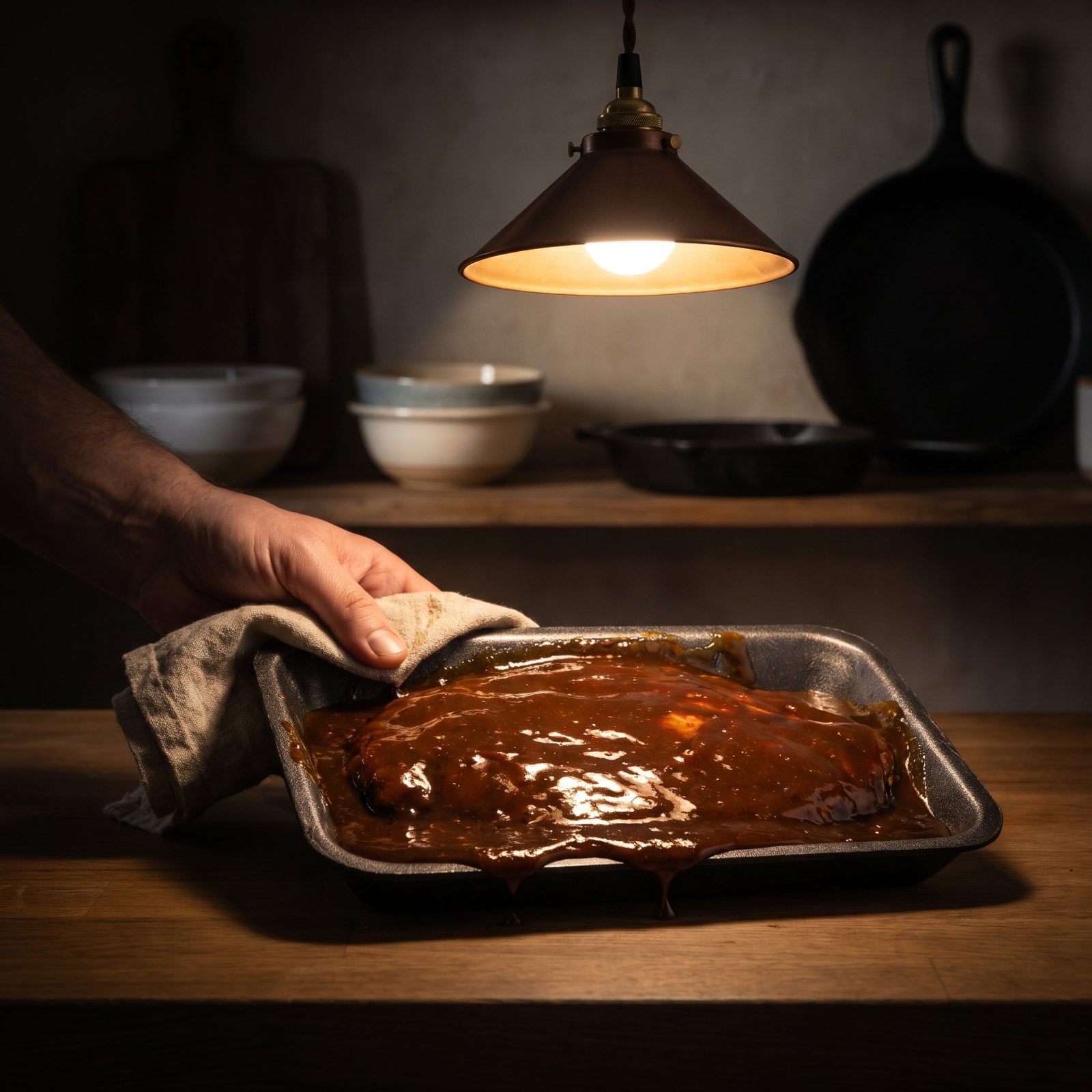
That heavy sauce is a magician’s cloak. You can’t see the meat under it, which is exactly the idea. Opaque marinade hides the color, the marbling, the little edges of fat gone wrong. It’s where the butcher counter quietly sends cuts that didn’t sell on looks alone.
Buy the plain cut you can actually inspect. A splash of oil, acid, and whatever’s in your spice rack does the same job in a bowl, costs less, and lets you see exactly what you’re cooking.
As one butcher puts it, “Mostly what is being hidden is ‘oxidization’ and ‘little bit of colorization.’”
17. Truffle-Flavored Oil Made Without Truffles

Read the back of most truffle oils and you’ll find a synthetic lab-made aroma compound doing all the heavy lifting. No truffle ever touched the bottle. It’s a single synthetic note cranked to a roar.
Chefs dropped it ages ago because it tastes the same no matter where you use it — loud, oily, fake. A tiny bit of real truffle does more. So does good olive oil and a mushroom with some actual depth. If you want truffle flavor, the bottle isn’t where it lives.
As one chef and food entrepreneur puts it, “Using real truffles like the wild Perigord or the white Alba gives chefs an opportunity to play and shine, which cannot be done using less-than ingredients or fake chemicals like dithiapentane”
16. Sugary Jarred Pasta Sauce
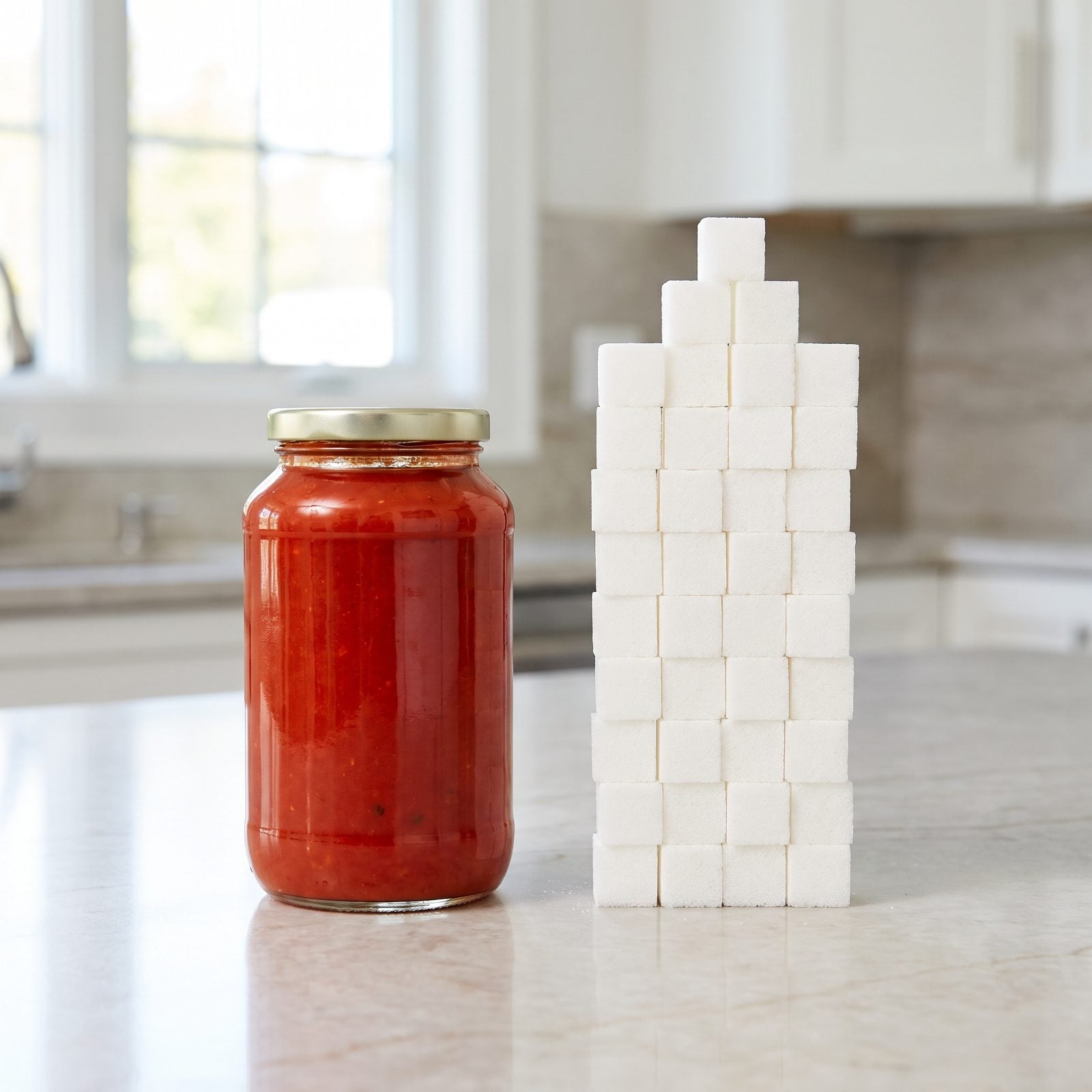
Check the sugar line on a popular jarred sauce. There’s often far more than you’d expect in anything made of tomatoes. That syrupy sweetness is covering for cheap, underripe fruit.
A can of good whole tomatoes costs a fraction of the fancy jar and tastes brighter, cleaner, more like tomato. You control the seasoning instead of the factory controlling it for you. The jar isn’t convenience so much as sugar wearing a tomato costume.
15. Imitation Vanilla Extract

Imitation vanilla is mostly vanillin, a single flavor compound often made from wood pulp or petroleum byproducts. It hits one note and holds it, flat as a dial tone.
Real vanilla has hundreds of aromatic compounds doing a slow, warm, complicated thing in the background. Put it in something where vanilla is the star — a custard, a plain cream — and you taste the gap instantly. Pure extract costs more, but you use it by the drop and a bottle lasts years. This is one place where the cheap version actively tastes cheaper.
14. Pre-Shredded Mozzarella Coated With Cellulose
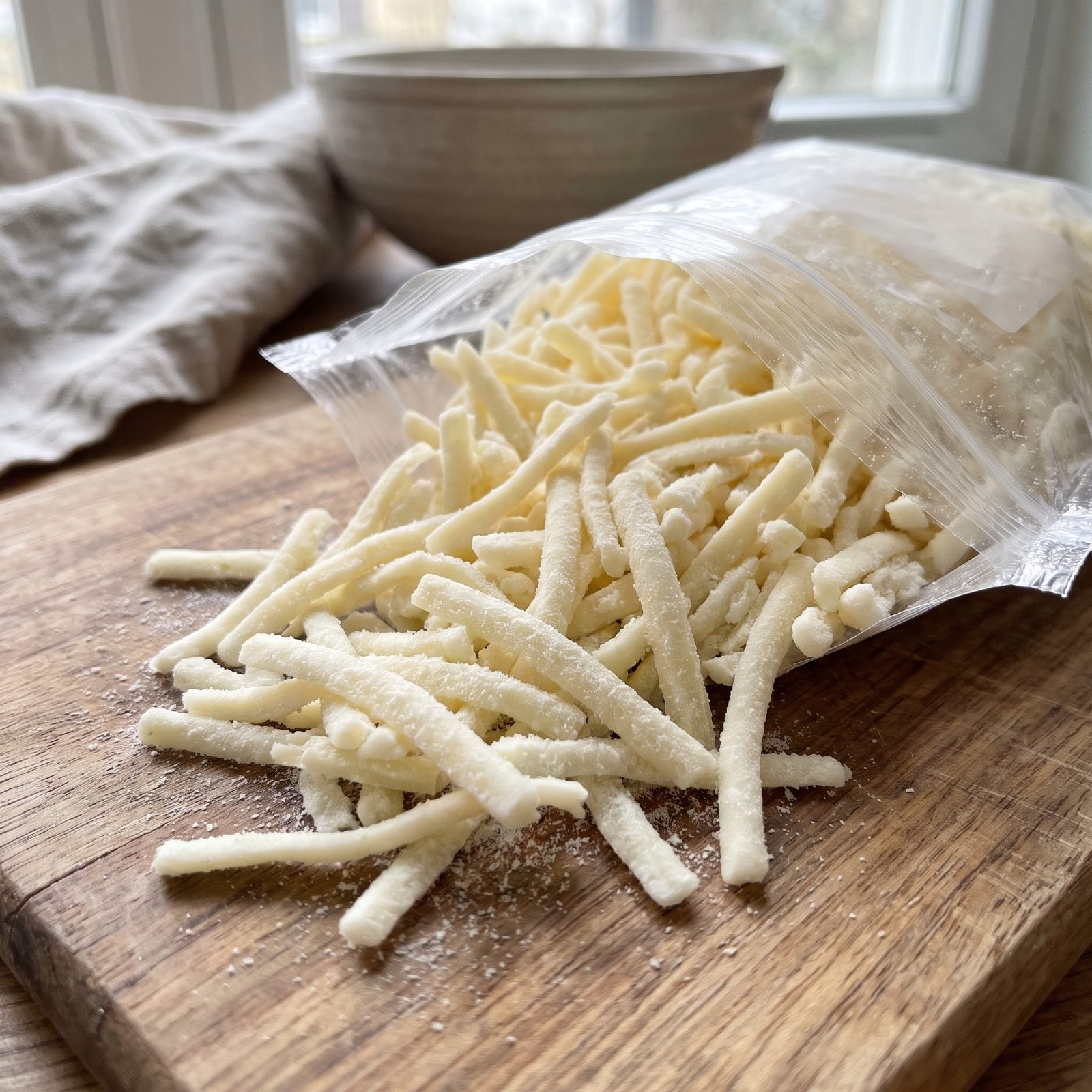
Those pre-shredded strands don’t clump in the bag because they’re dusted with powdered cellulose, which is wood fiber. It keeps them separate — and it also keeps them from melting into the smooth, stretchy pull you actually want.
Grate a block yourself and it melts the way cheese is supposed to. No powdery film, no dry edges. A minute with a box grater does it, and a low-moisture block costs less per ounce than the bag anyway. The premium buys you sawdust and worse melting.
As one farm-to-table bistro chef puts it, “When you heat cheese, you want proteins and fats to bind together into a smooth, unified melt. But anti-caking agents create a barrier.”
13. The Mechanically Tenderized Steak That Was Already Stabbed
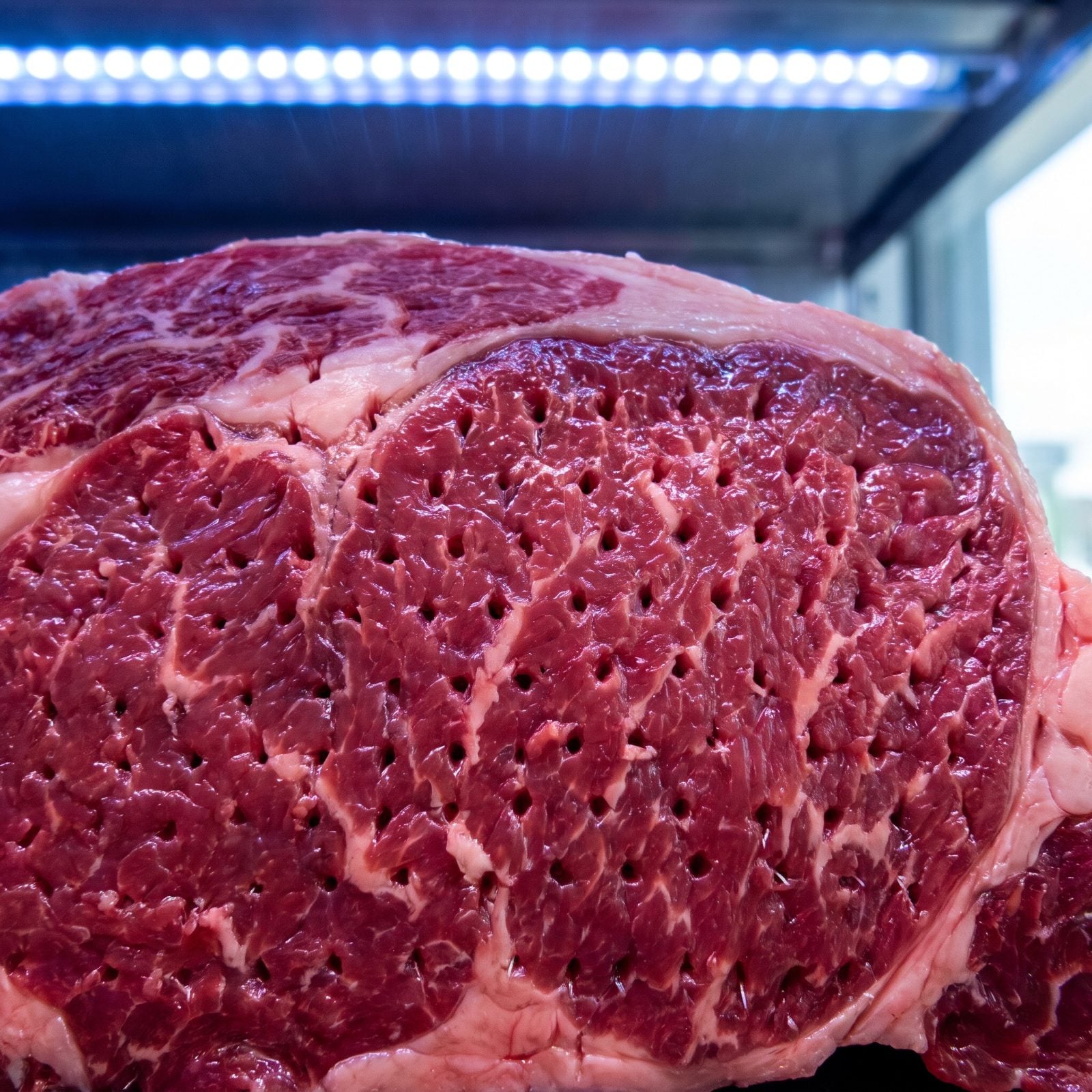
Mechanically tenderized means the meat got run through a bank of needles or blades before it ever hit the case. Tenderness, bought cheap. The trade-off is real, though — those punctures drive surface bacteria deep into the center, which is why these cuts carry a cook-to-temperature warning that defeats the entire reason you wanted a steak.
Chefs want a whole, intact cut they can sear rare and still eat safely. Read the label, find the word, put it back. A real ribeye tenderizes itself with marbling and a hot pan.
12. Frozen Hamburger Patties Padded With Filler
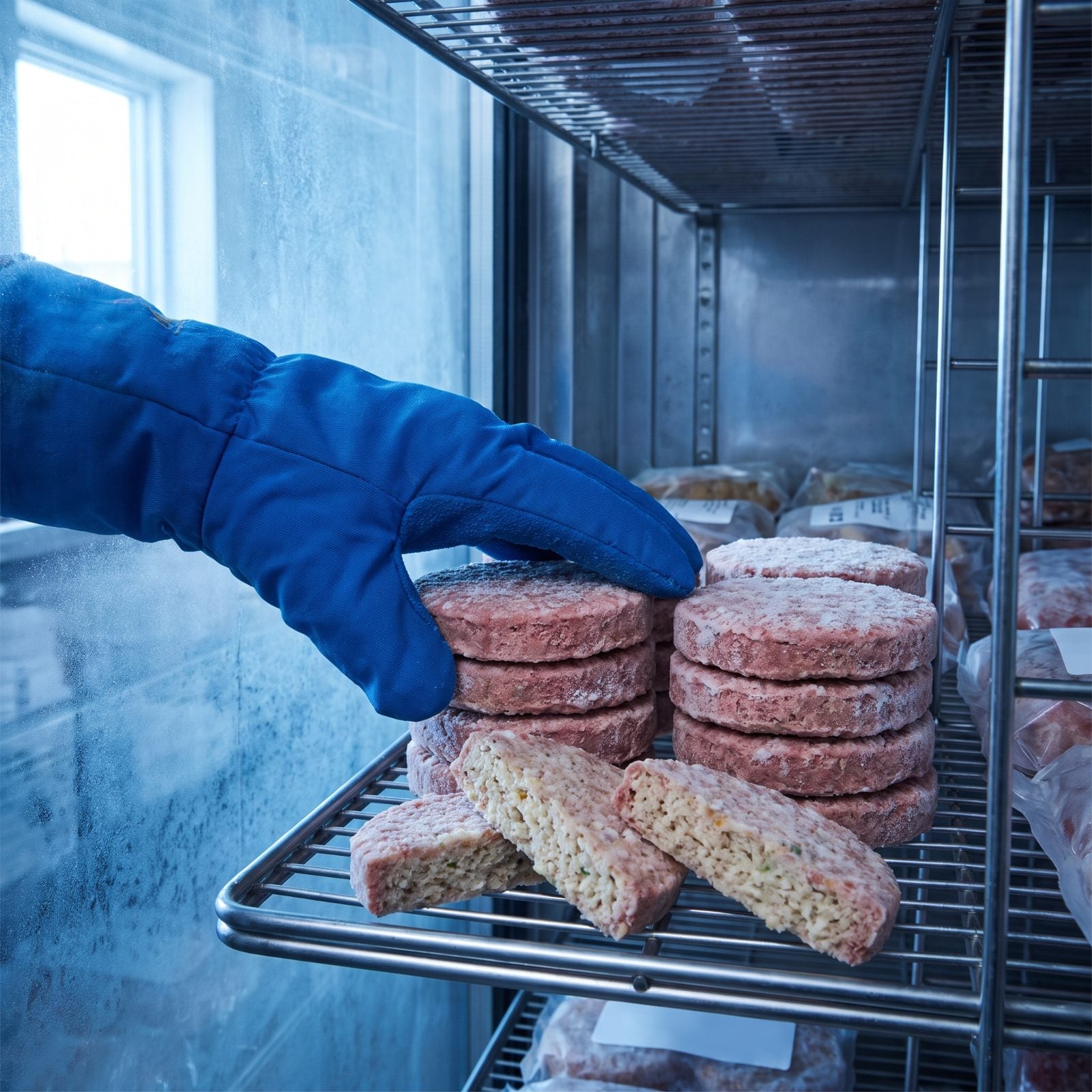
Those perfectly round frozen pucks are suspiciously uniform for a reason. Read the label and you’ll often find soy protein, textured vegetable protein, or water added as a binder. You’re paying beef prices for extenders.
A chef buys ground chuck, eyeballs the fat ratio — around 80/20 is the sweet spot for juice — and shapes it loose. Fresh grind costs less per pound than the boxed patties and tastes like actual meat. The uniform shape was never the thing holding a good burger together.
11. Bagged Mashed Potatoes From the Refrigerated Aisle
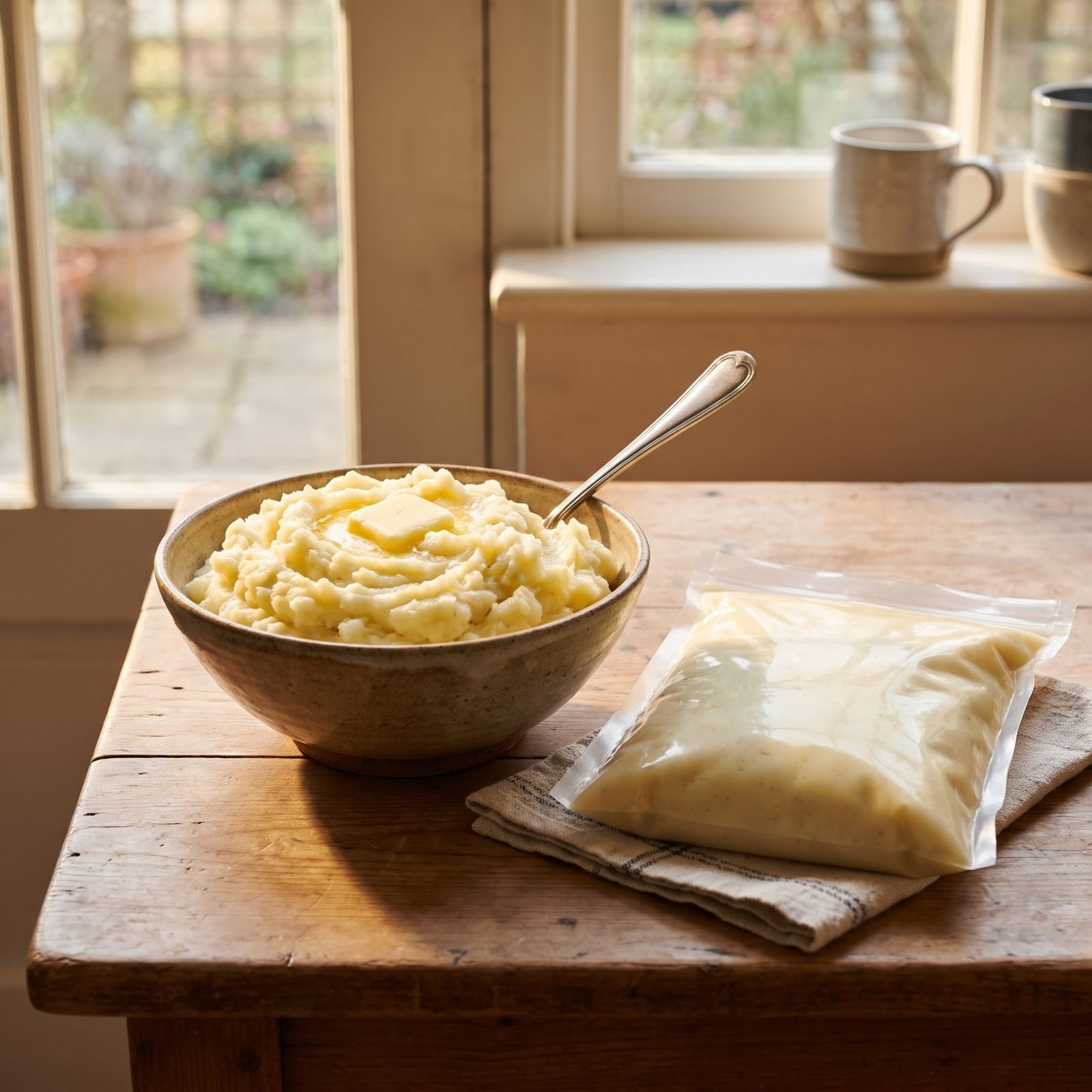
Mashed potatoes might be the cheapest comfort food on earth, which makes paying four dollars for a bag of them a little heartbreaking. A five-pound sack of russets costs about the same and feeds a crowd.
The bagged stuff leans on emulsifiers and a lot of added salt to survive the fridge, and it turns a strange gluey texture when reheated. Chefs grab a starchy potato — the kind that falls apart when boiled — and let butter do the real work. Nobody at your table ever complained that the mashed potatoes were made from scratch.
10. Powdered Hollandaise Sauce Mix in a Packet
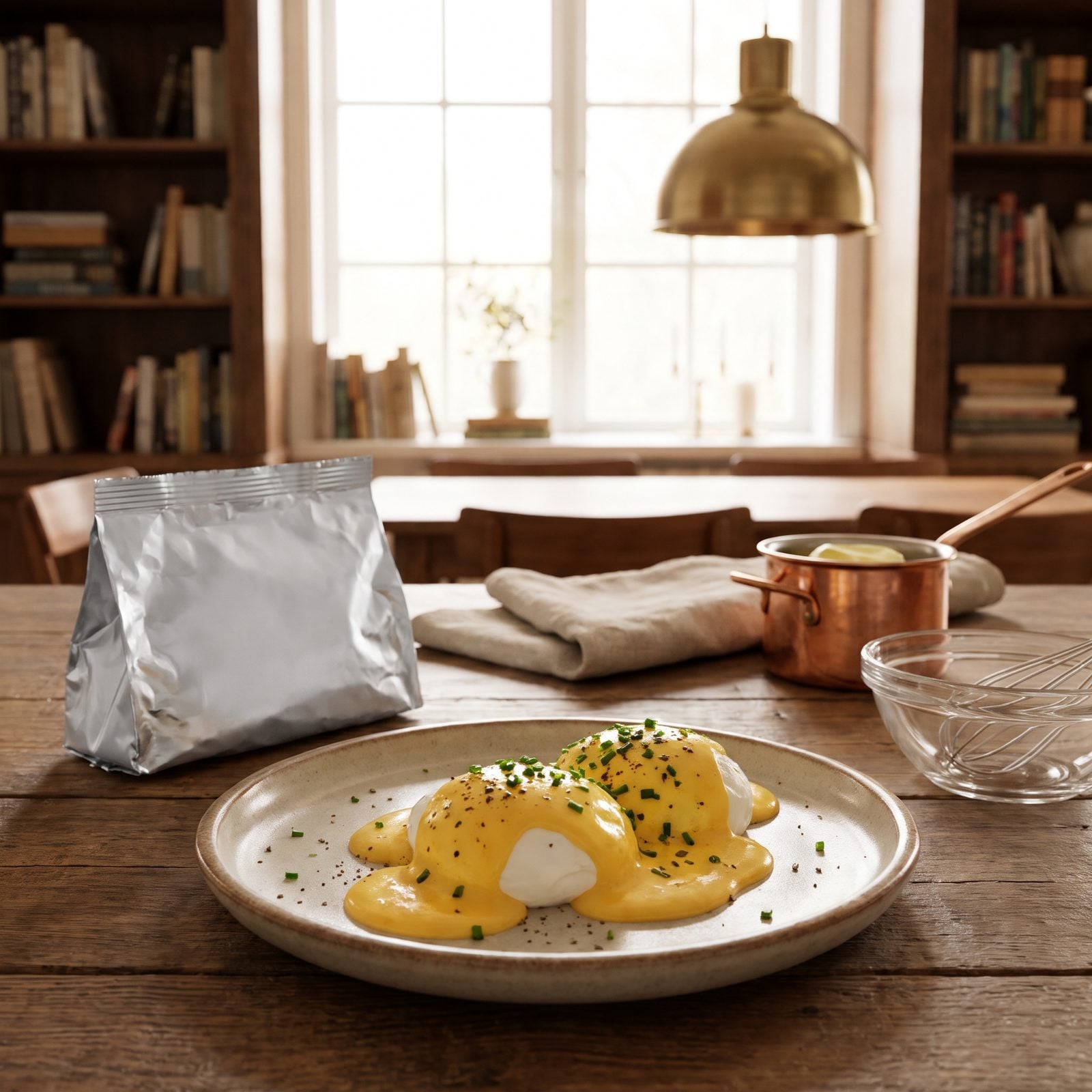
Hollandaise intimidates home cooks, so the powdered packet sells well. Here’s the part the box won’t tell you: the mix is mostly modified food starch, dried glucose syrup, and artificial flavor — and it still breaks or clumps the second you rush it.
Real hollandaise is egg yolk, butter, lemon. A sauce you can make for pennies with whatever’s already in your fridge.
9. Pre-Cooked Bacon Sealed in a Box
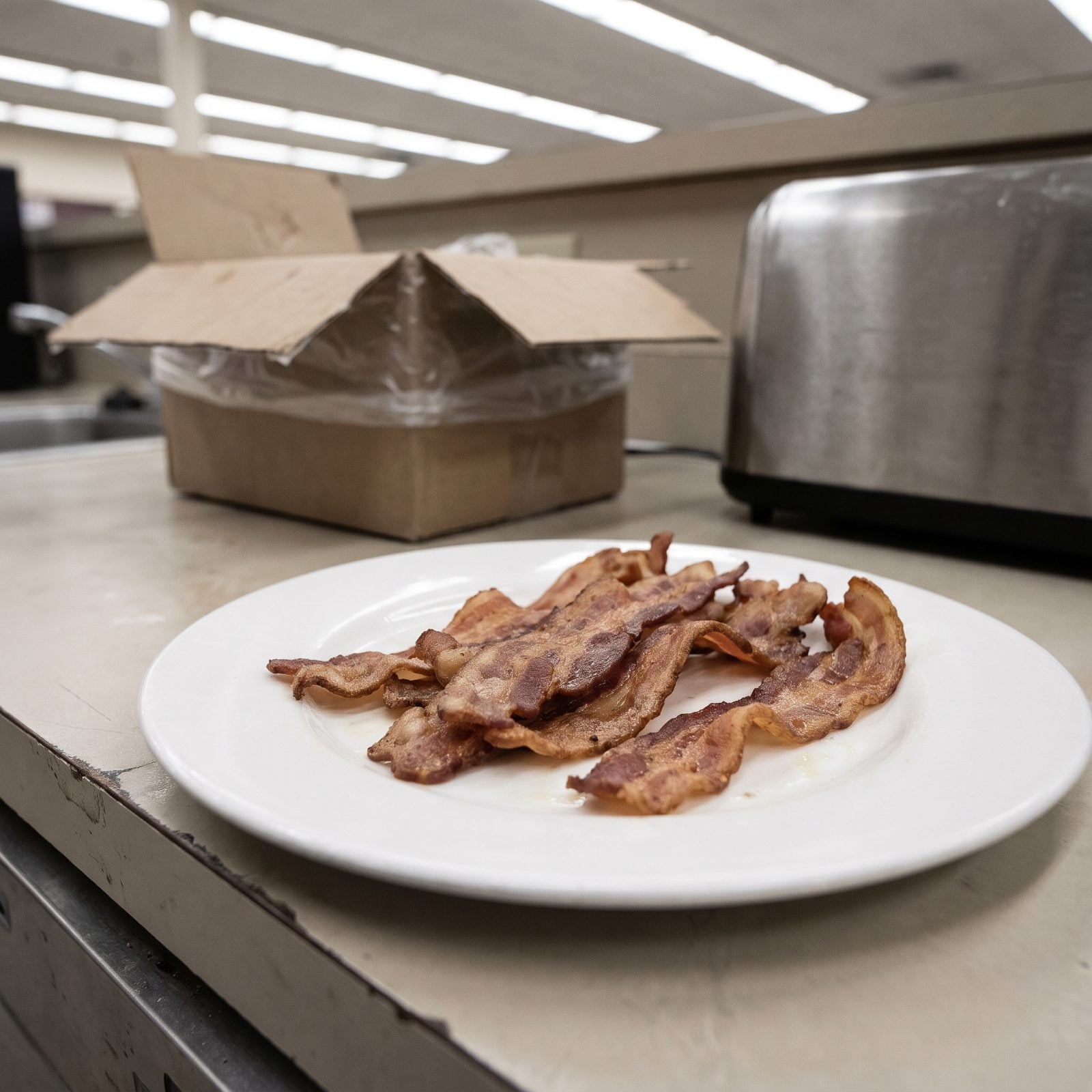
You’re paying a steep premium for someone else to have cooked your bacon and then shipped you the shriveled result. Pound for pound, pre-cooked bacon can run several times the price of raw, even after you account for the fat that cooks off.
Raw thick-cut bacon crisps up in ten minutes and fills the kitchen with the smell that makes everyone wander in. Chefs cook off a big batch, keep the rendered fat for later, and never once reach for the box. The convenience costs more than it saves.
8. Microwaveable Scrambled-Egg Cups
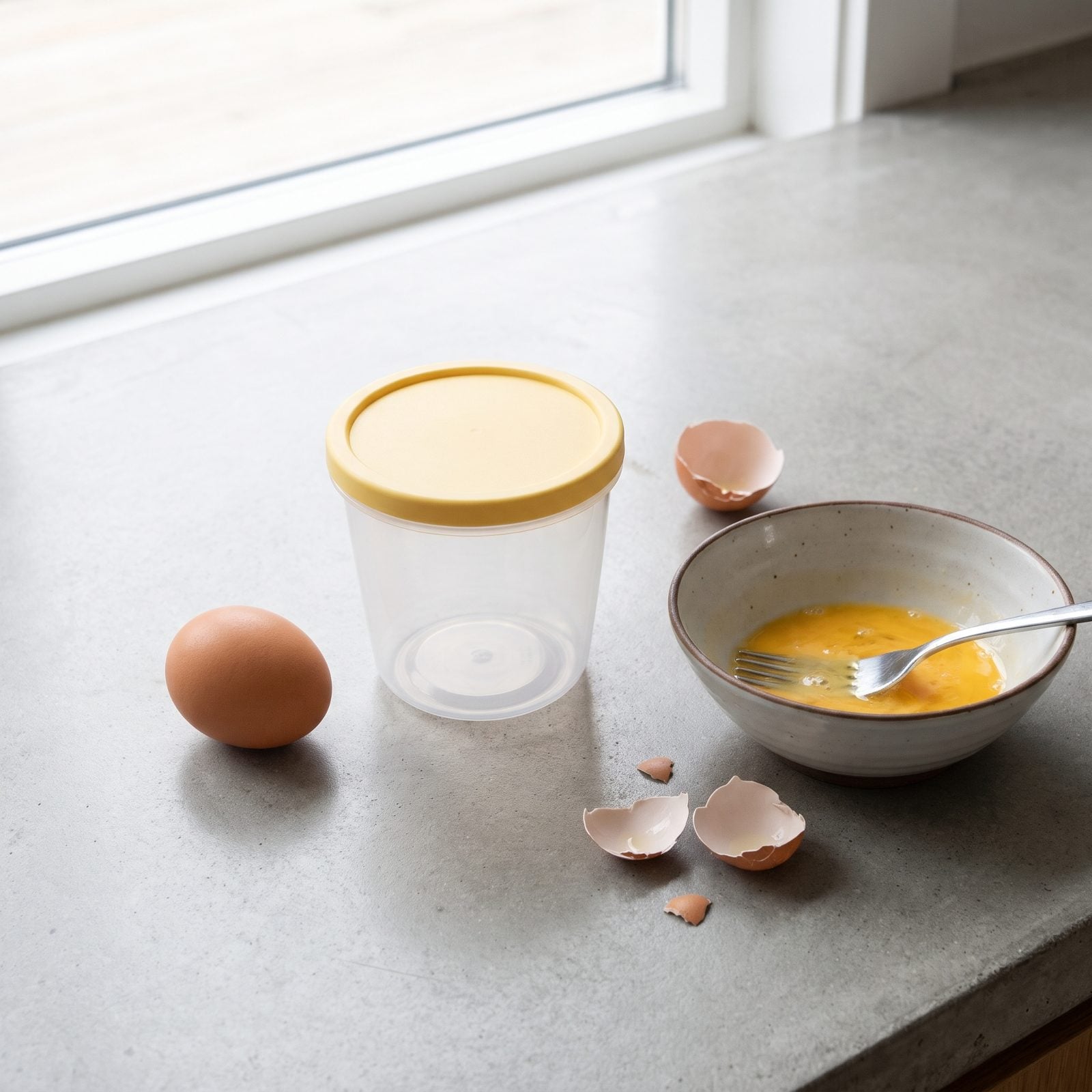
An egg already comes in its own single-serve container. It’s called a shell. Paying extra for liquid egg in a plastic cup — often cut with gums and citric acid to stay pourable — is the kind of thing that makes a chef quietly shake their head in the aisle.
A dozen real eggs costs less than a few of these cups and scrambles in the time it takes to butter toast. Freshness you can’t fake, and the yolk color alone gives it away.
7. Premade Deviled Eggs From the Deli Case
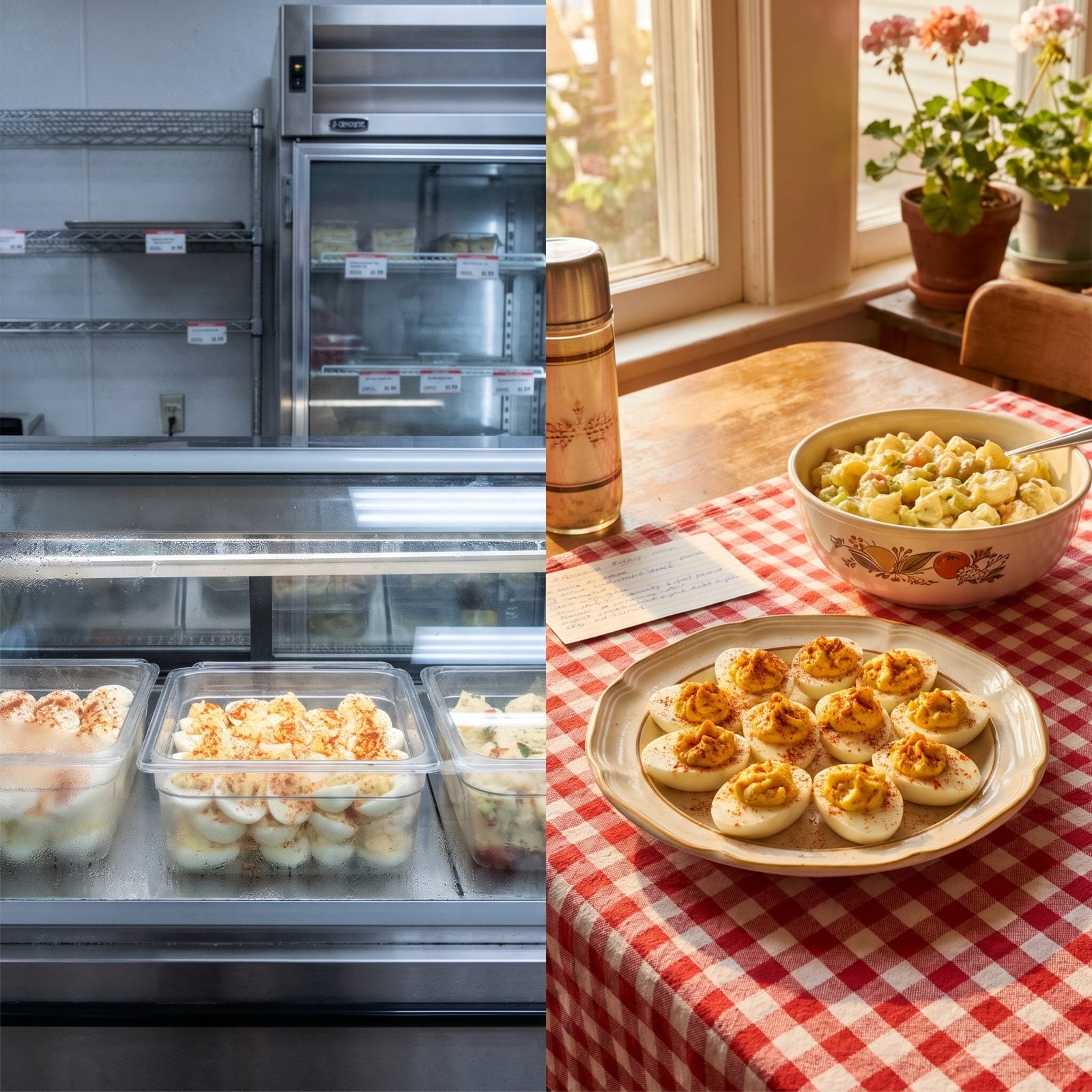
Deviled eggs are a potluck staple that somehow ended up in the deli case at a markup that would make your grandmother faint. The premade version has a watery filling full of preservatives and a day-old chill that no amount of paprika can hide.
And they’re the easiest thing in the world to assemble ahead for a party. Costs almost nothing. Tastes a hundred times better the hour you make them.
6. Pre-Sliced Mushrooms Already Browning in the Package
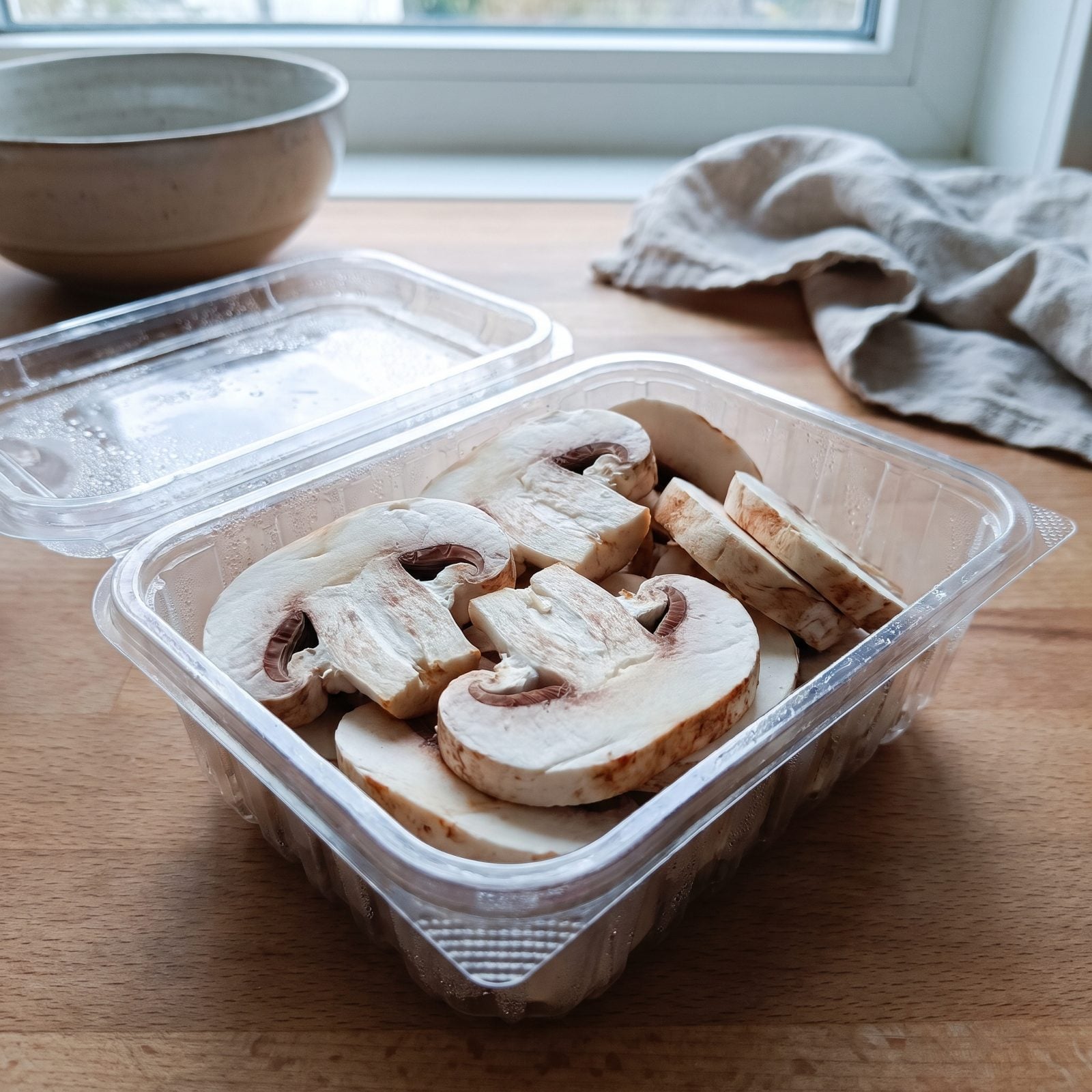
The moment a mushroom is sliced, the cut surface starts oxidizing and drying out. Those pre-sliced packages are often the mushrooms that were about to turn, carved up to stretch their last days. You pay more per pound and get less life.
Whole mushrooms keep for days in a paper bag and slice in seconds. Chefs buy them loose, firm, with closed caps, and they never trust a mushroom they can’t inspect from every side.
5. Tiny Bottles of Dried Parsley

Smell the dried parsley in your cabinet. Nothing, right? That’s the whole problem — the stuff gives up almost everything that made it parsley somewhere between the field and the jar, which is why chefs skip it. It brings color and not much else, and you can buy real color for less.
A fresh bunch costs about a dollar and gives you actual green, grassy flavor. Meanwhile the dusty jar costs more per usable pinch and sits there fading for two years before you throw it out half-full. Want the look without the leaf? A spoon of frozen chopped parsley beats the jar every time.
4. Vacuum-Sealed Cooked Pasta
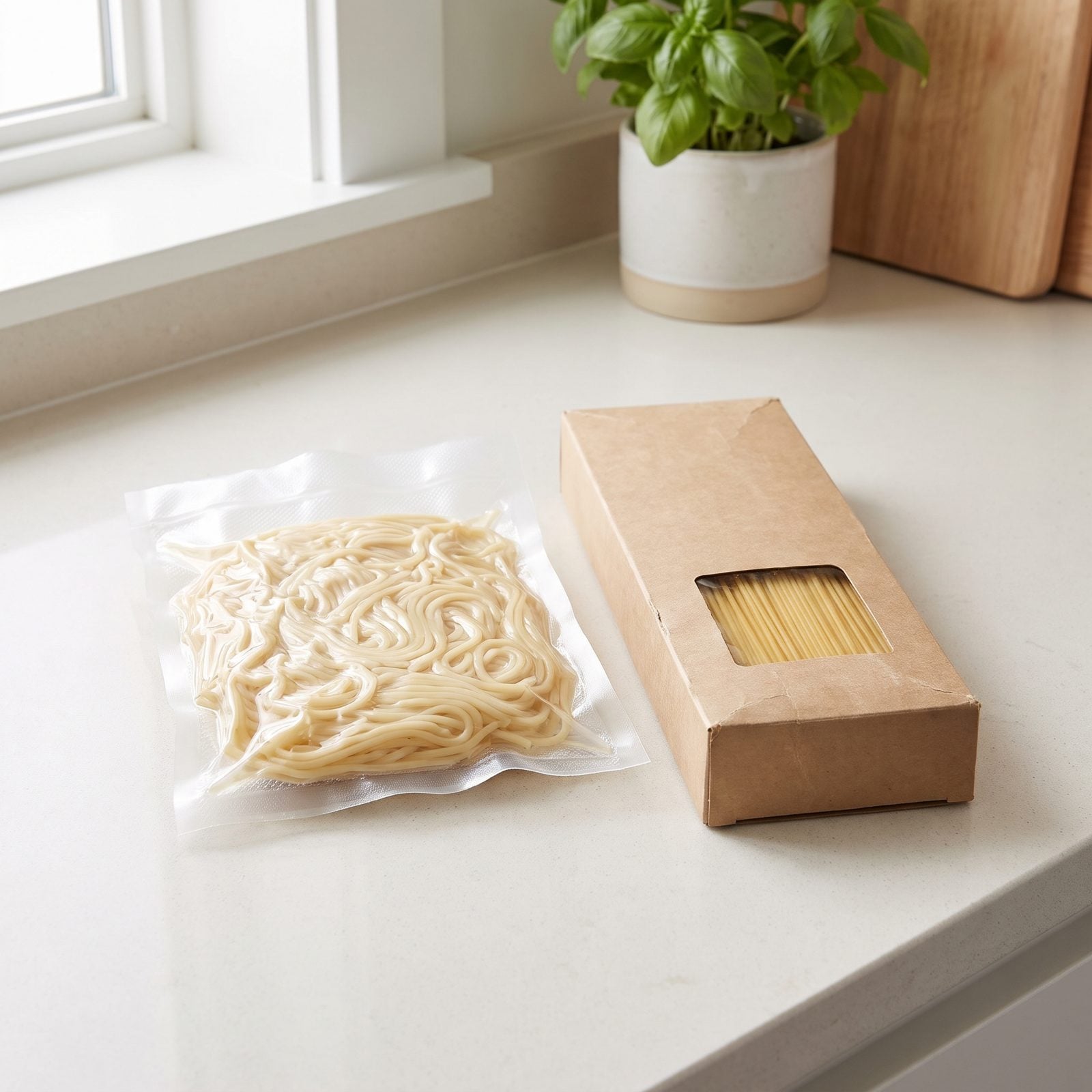
Dry pasta is one of the great grocery bargains. Costs almost nothing, keeps for years, cooks in ten minutes. So the pre-cooked vacuum pouch is out here solving a problem that never existed.
What you’re buying is pasta somebody else boiled, sealed, and shipped — at several times the price. It comes out softer, a little gummy, and never gets anywhere near that firm bite you’d get doing it yourself. Chefs won’t go near the stuff. And the time you supposedly save? The ten minutes it takes water to boil, which you can spend doing literally anything else in the kitchen.
3. Frozen Baked Potatoes
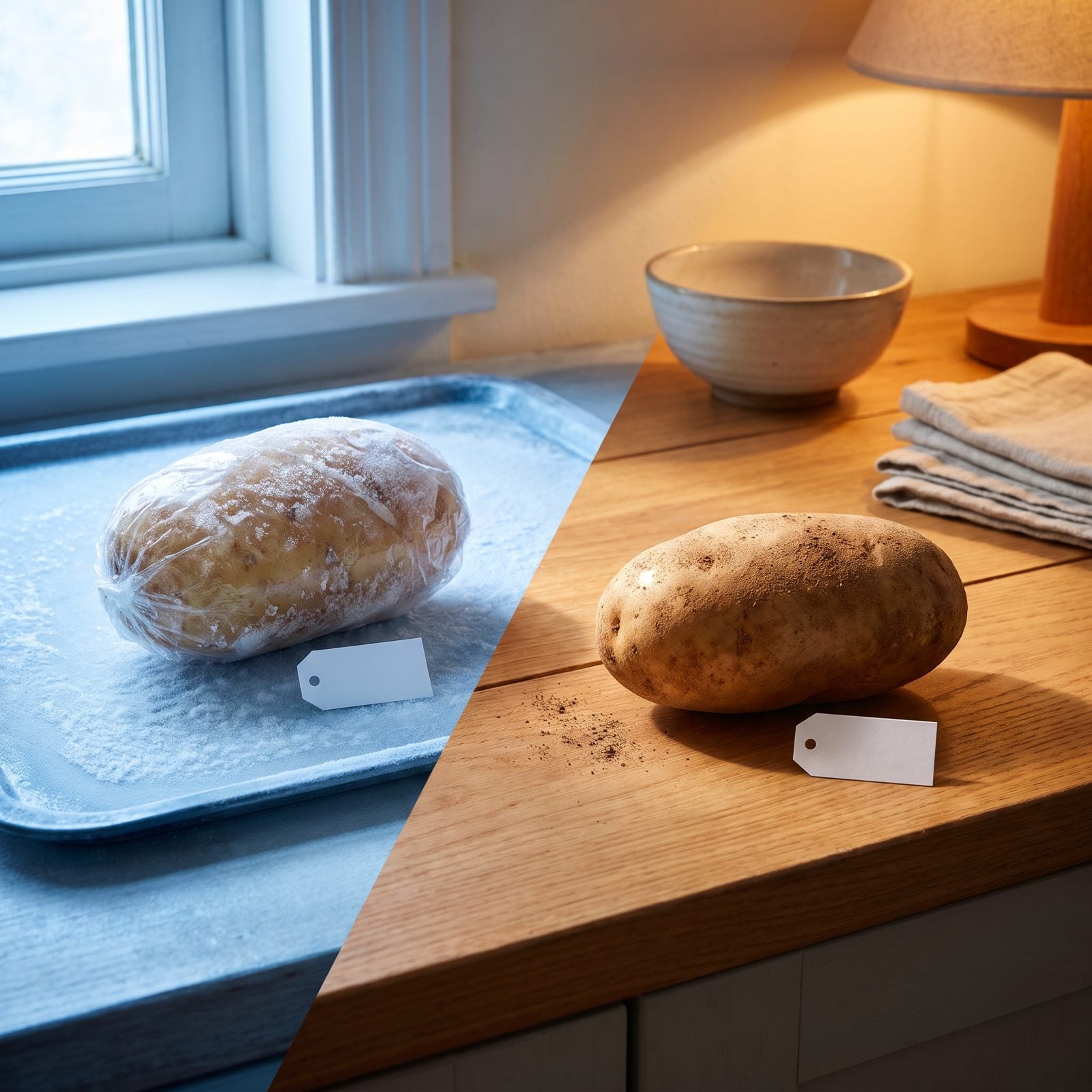
A raw potato is maybe fifty cents and keeps in a cool cabinet for weeks. The frozen “baked” version runs a few dollars for two, hogs freezer space, and never delivers that crackly, salt-rubbed skin a real oven gives you.
The pitch is convenience. What you actually get is a potato that steams instead of bakes, going soft where it should go crisp. You’re trading texture and money to skip an oven you were going to heat up anyway. Keep the fresh ones in a paper bag and dinner’s side dish costs you about the same as a candy bar.
2. Overpriced Cubes of Cut Melon
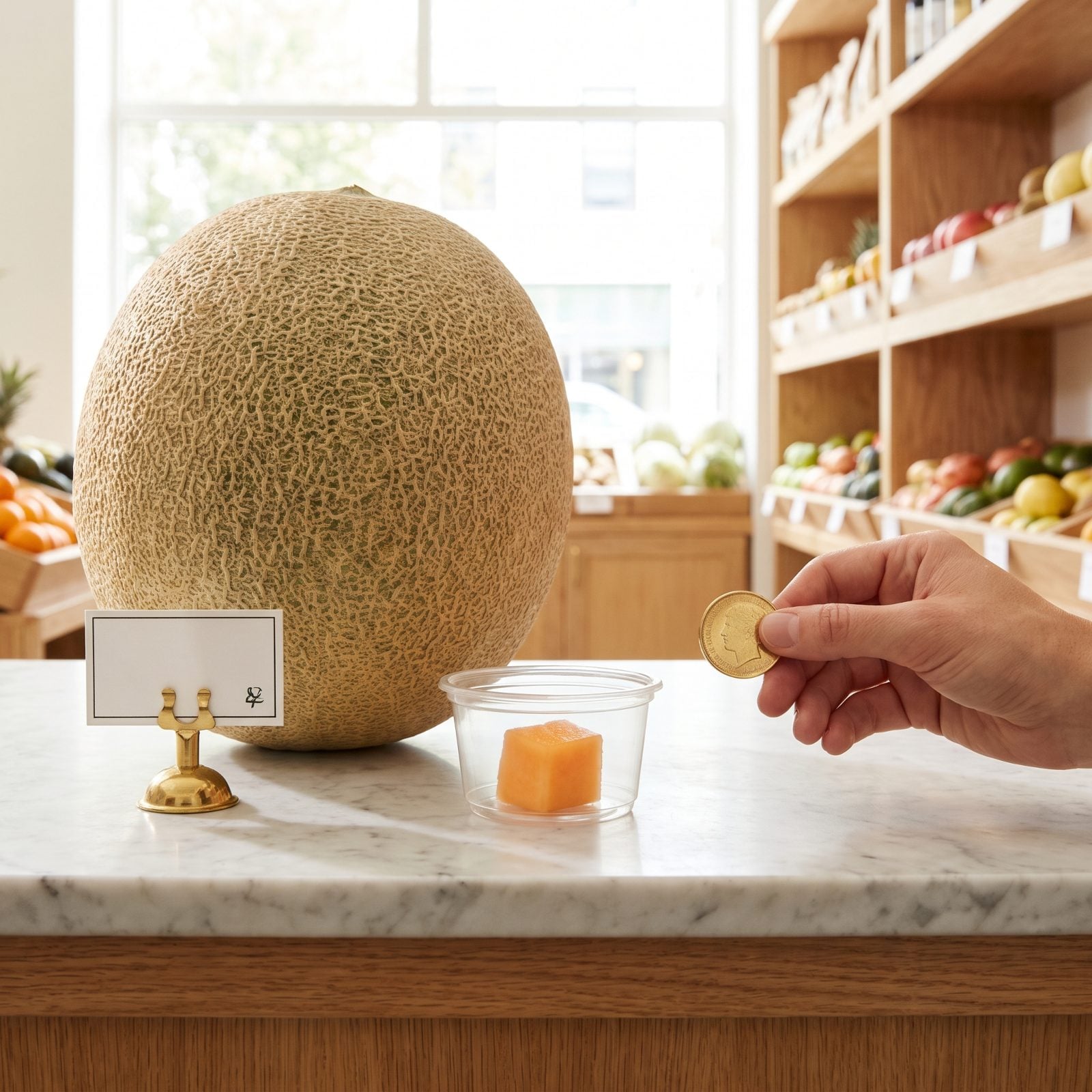
Nobody does the math at the produce case, so let’s do it. A whole cantaloupe might run three dollars. The little tub of cubes cut from that same melon? Often five or six, for maybe a third of the fruit. You’re paying a fat premium per pound for the service of a knife.
Worse, melon starts dying the second it’s cut. The exposed flesh goes watery and loses its aroma within a day or two, which means the clamshell is already past its best by the time it hits the shelf. A whole one keeps on the counter, smells sweeter near the stem when it’s ripe, and hands you more fruit for less money.
1. Squeezable Butter Blends

That bottle you squeeze over popcorn is mostly water, oil, and a yellow that butter never managed on its own. The word “butter” on the front is carrying an awful lot of weight for a product that’s largely something else entirely.
Real butter is cream, and sometimes salt. It browns, it foams, it tastes like dairy because it is dairy. The blend pulls off none of that, and once you check the per-ounce price it costs more than a plain stick anyway. The one thing it does better is squeeze. And if squeezing really is your make-or-break kitchen requirement, well — a soft stick and ten seconds of patience will get you there for less.