
Would you like to save this?
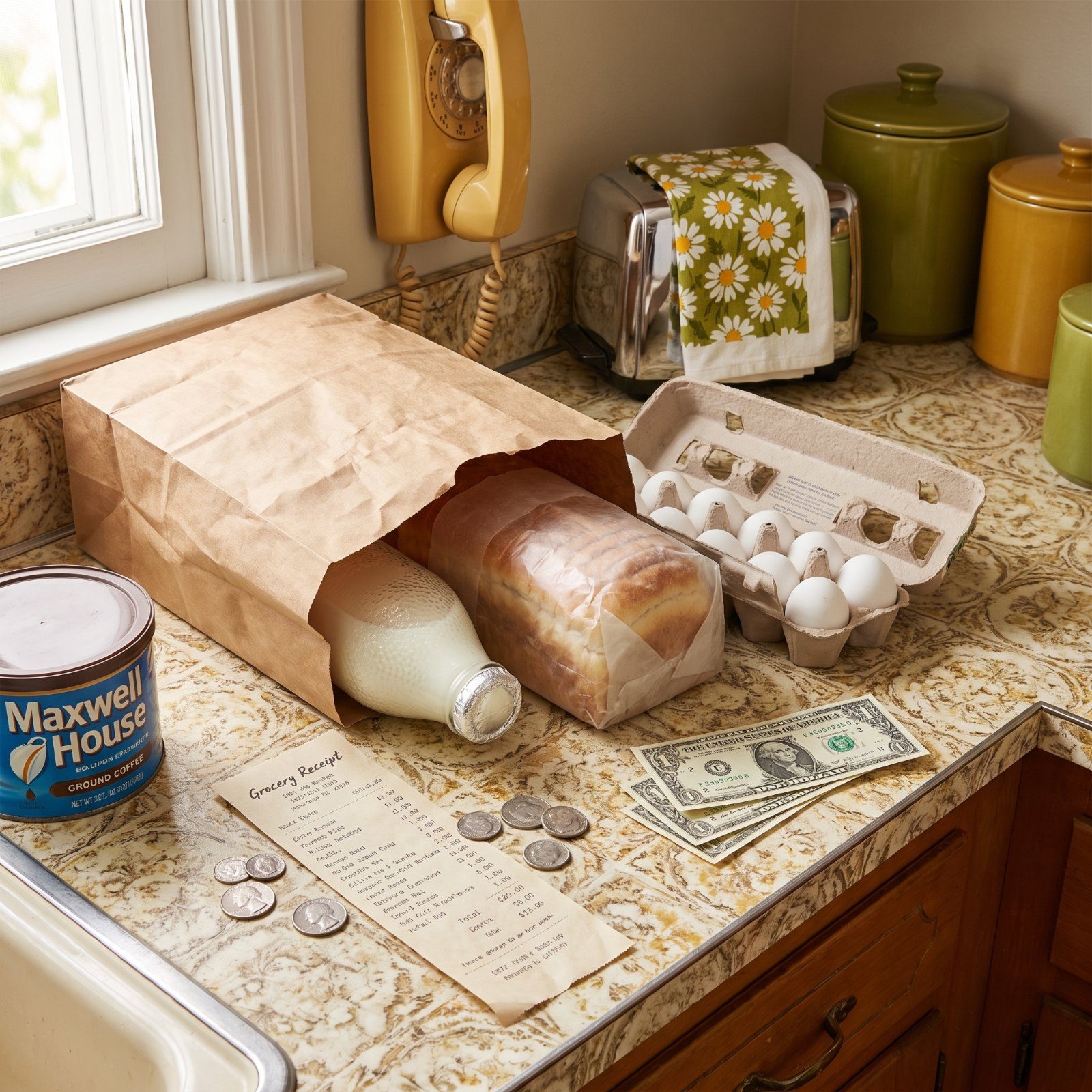
A gallon of gas, a gallon of milk, and a dozen eggs each cost less than a single dollar in 1972. Every one of them, under a buck. Say that out loud at a store today and someone will think you misheard.
Now the honest part. The average worker earned around $7,000 a year, and a new house ran about $27,600, which means prices were low but so were the paychecks. The list below shows both sides of that bargain.
50. The Median New House: About $27,600
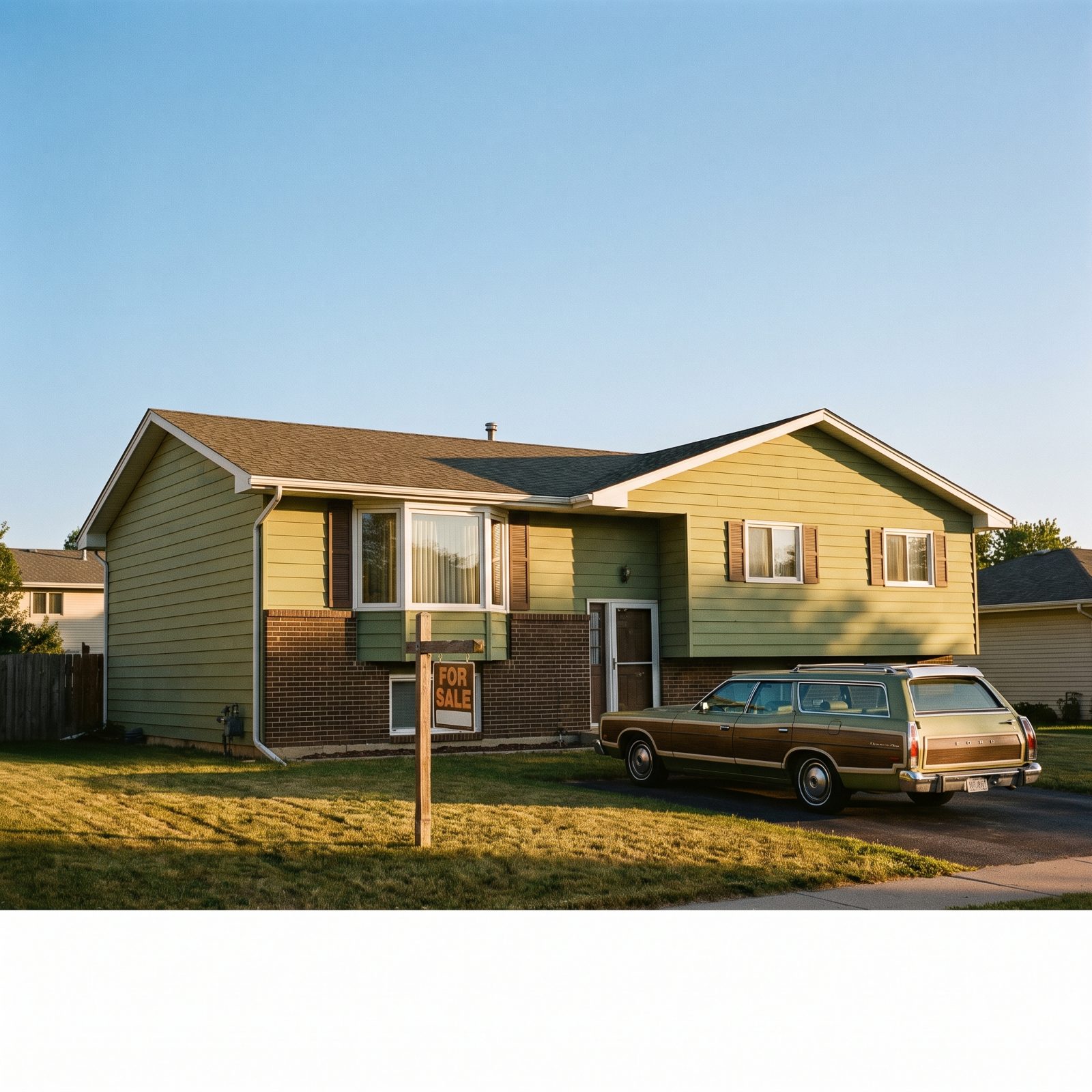
The median new home sold for roughly $27,600 in 1972. Not a down payment. The whole house.
Here’s the catch that keeps it honest. A typical family income hovered around $11,000 that year, so the house still cost about two and a half times what a household earned, and that ratio is the thing to hold onto. The number sounds like pocket change now, but nobody was buying a home with couch-cushion money.
Mortgage rates sat around 7.4 percent. A buyer needed real savings and a steady job. Low price, modest paycheck — same squeeze, smaller numbers.
49. A Loaf of White Bread: Around 25 Cents
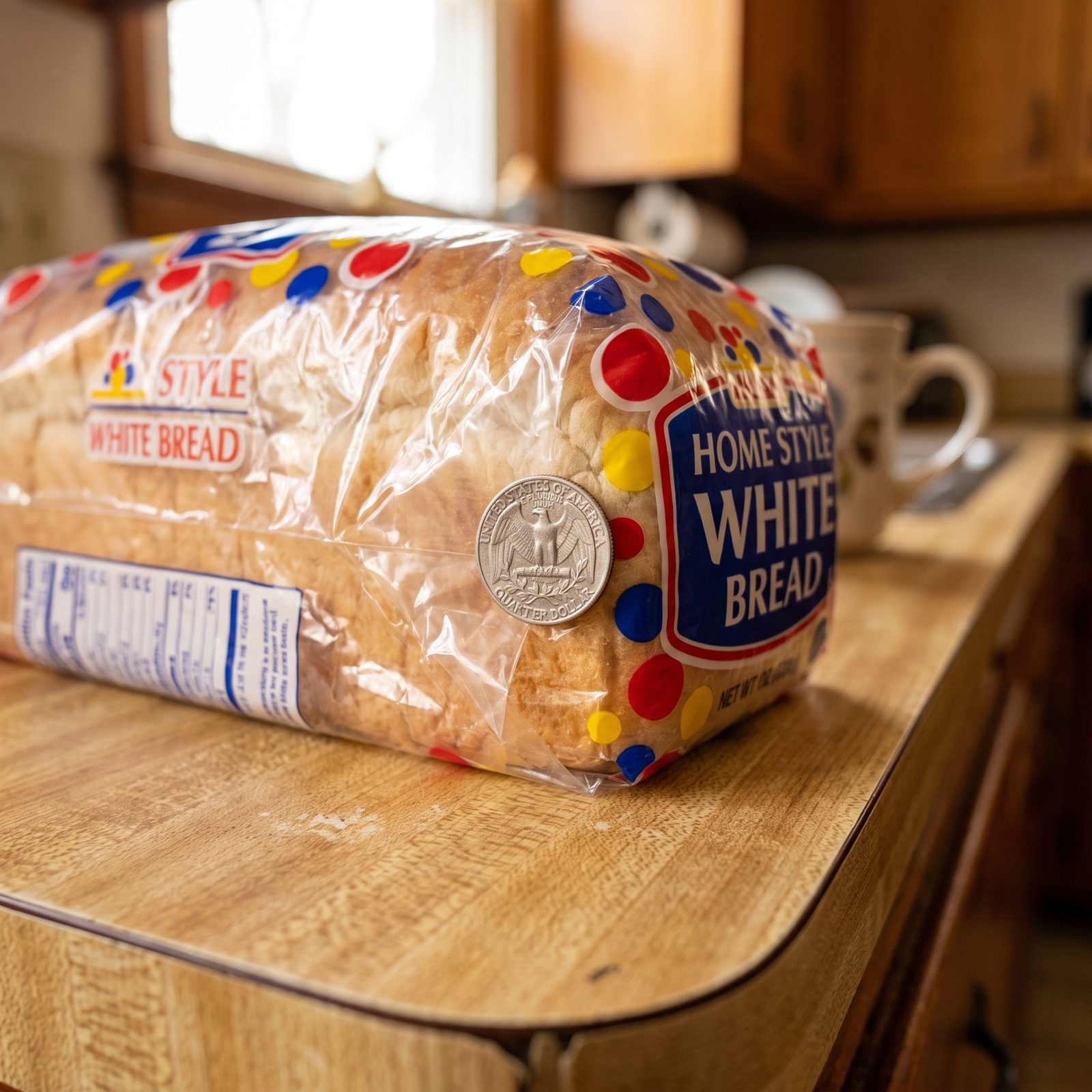
A loaf of white bread ran about a quarter in 1972.
Do the math on an hourly wage and it practically disappears. The average factory worker earned a little over $3.80 an hour, so bread cost roughly four minutes of work. Four minutes. Today the same loaf eats a bigger chunk of your time at the register than most people realize.
White sandwich bread was the undisputed king of the bread aisle back then, and nobody was apologizing for it.
48. A Gallon of Regular Gasoline: About 36 Cents
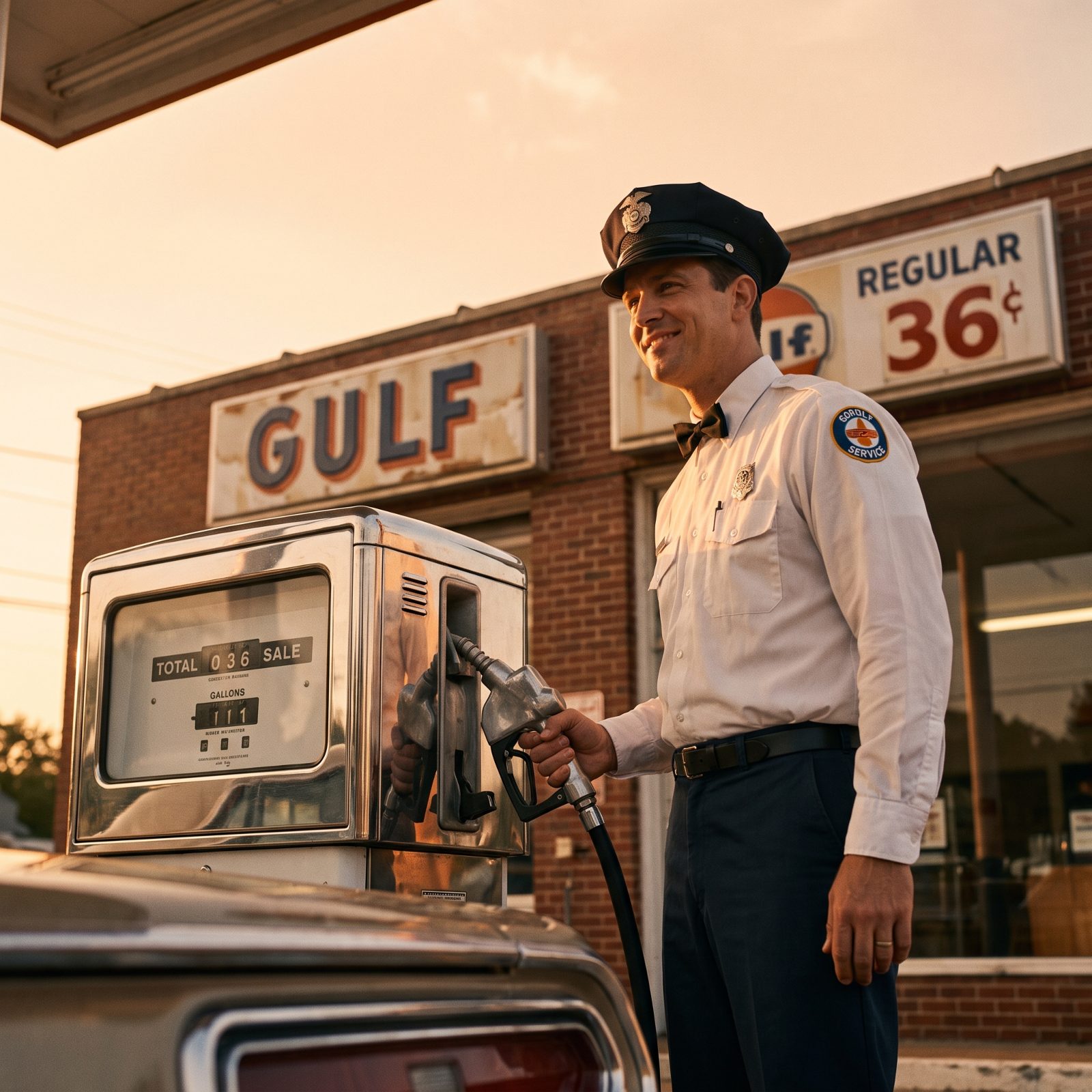
Regular gas sold for about 36 cents a gallon in 1972, and an attendant usually pumped it for you while checking your oil.
Fill a 20-gallon tank and you’d hand over roughly seven dollars. Real money against a $3.80 hourly wage, sure, but gas felt like background noise in the family budget. The cheap-fuel era had one year left before it ended hard.
47. A New Family Sedan: Roughly $3,500
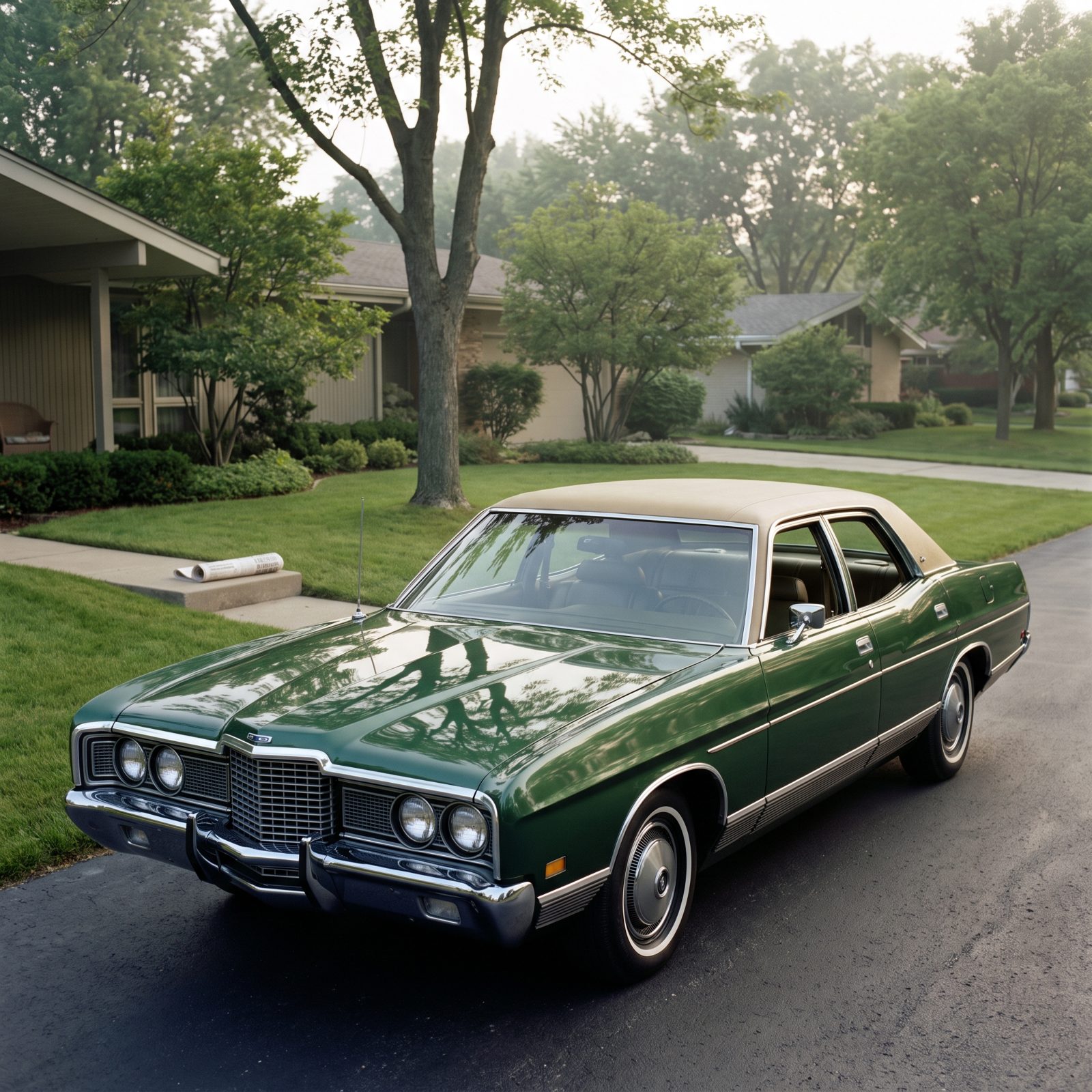
A new family sedan landed around $3,500 in 1972, give or take depending on options.
Put that next to the $11,000 a typical household earned and you get a cleaner picture than the house numbers do. A new car cost about a third of a year’s income — doable, but it meant financing, haggling, and probably keeping the thing for a decade.
Chrome bumpers, bench seats, no airbags, and gas mileage that would make a modern driver wince. You got a lot of steel for your money.
46. Monthly Apartment Rent: About $165

Median monthly rent sat near $165 in 1972.
That’s for an apartment, not a closet. Against a weekly paycheck, rent still took a meaningful bite, but it left room for a car payment, groceries, and a little saved on the side. The old rule of thumb — a week’s pay covers a month’s rent — actually held for a lot of households back then.
Shag carpet and wood-paneled TVs not included, though they usually came with the territory.
45. A Gallon of Whole Milk: Around 60 Cents
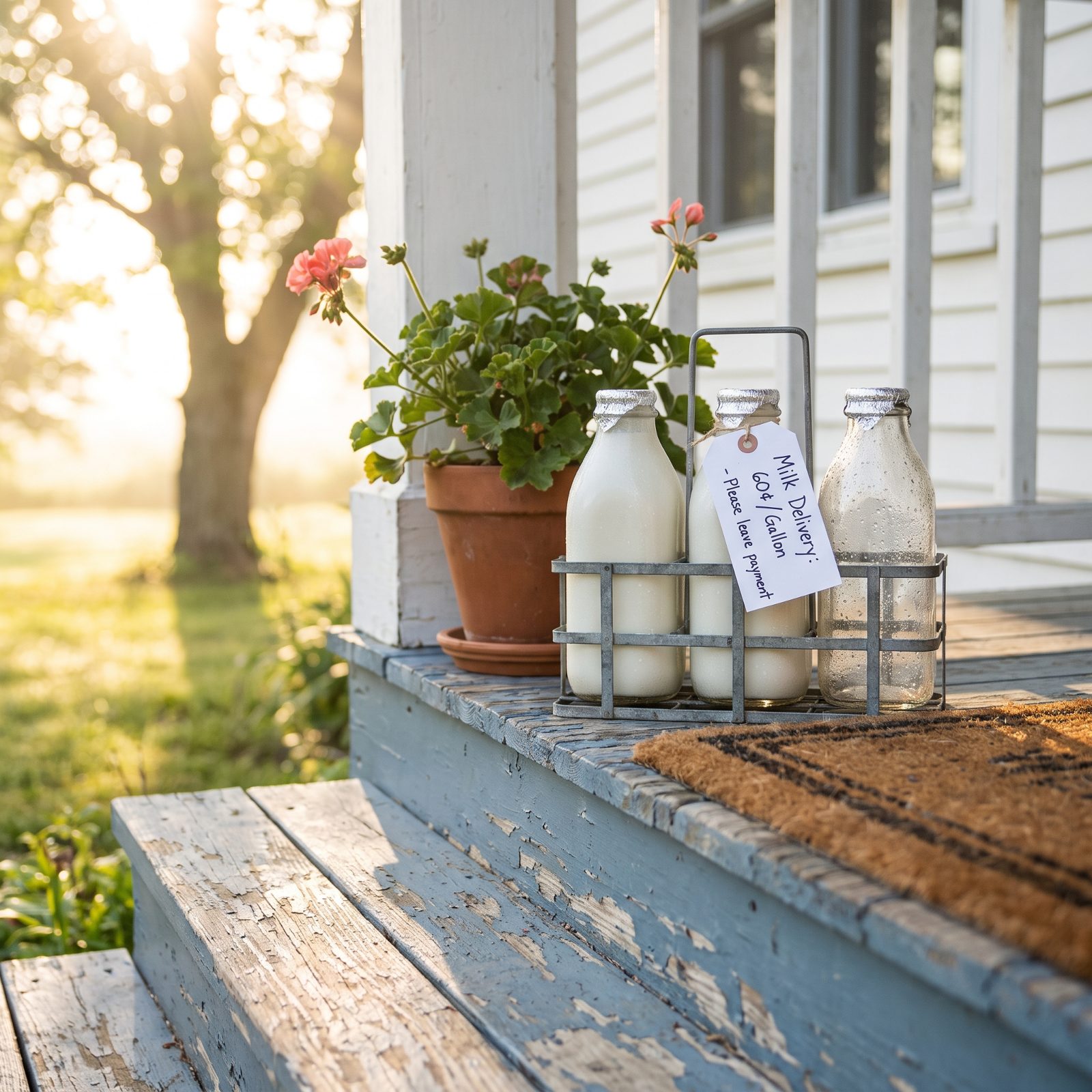
A gallon of whole milk cost around 60 cents in 1972, and plenty of families still had it delivered to the doorstep in glass bottles.
At that price, milk ran under 10 minutes of work for the average wage earner. The bottles came back washed and returned, the cream rose to the top, and nobody counted almond, oat, or soy as milk at all.
44. A Dozen Large Eggs: About 52 Cents
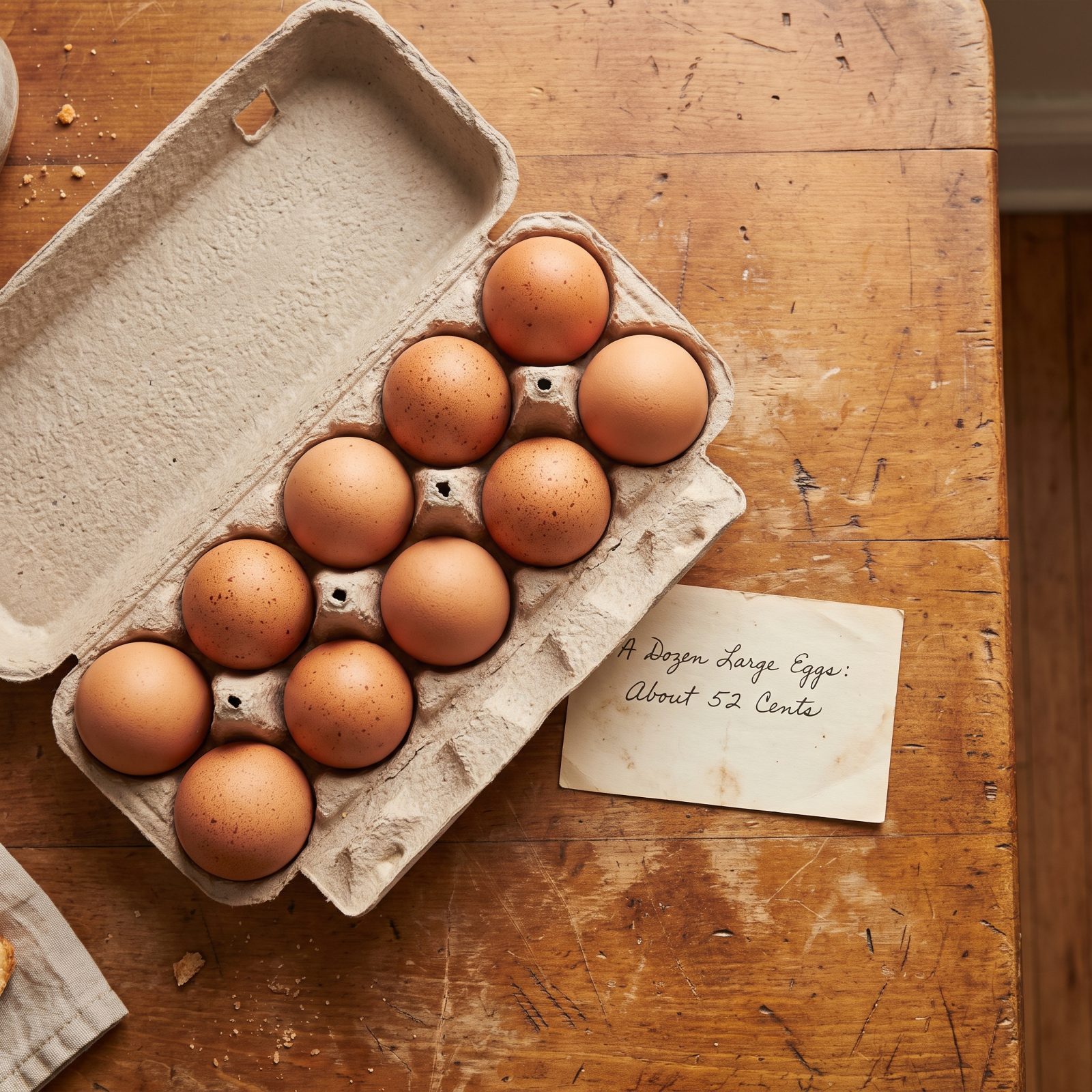
A dozen large eggs went for about 52 cents in 1972.
Eggs were the quiet workhorse of the budget — cheap protein, breakfast for a week, the base of a dozen recipes. At roughly four cents an egg, they barely registered on the grocery receipt.
I’ll admit I got this wrong for years, assuming eggs were always the volatile, headline-grabbing item they’ve become lately. In 1972 they were boring in the best way. Steady, plentiful, forgettable.
43. A Pound of Ground Beef: Around 70 Cents
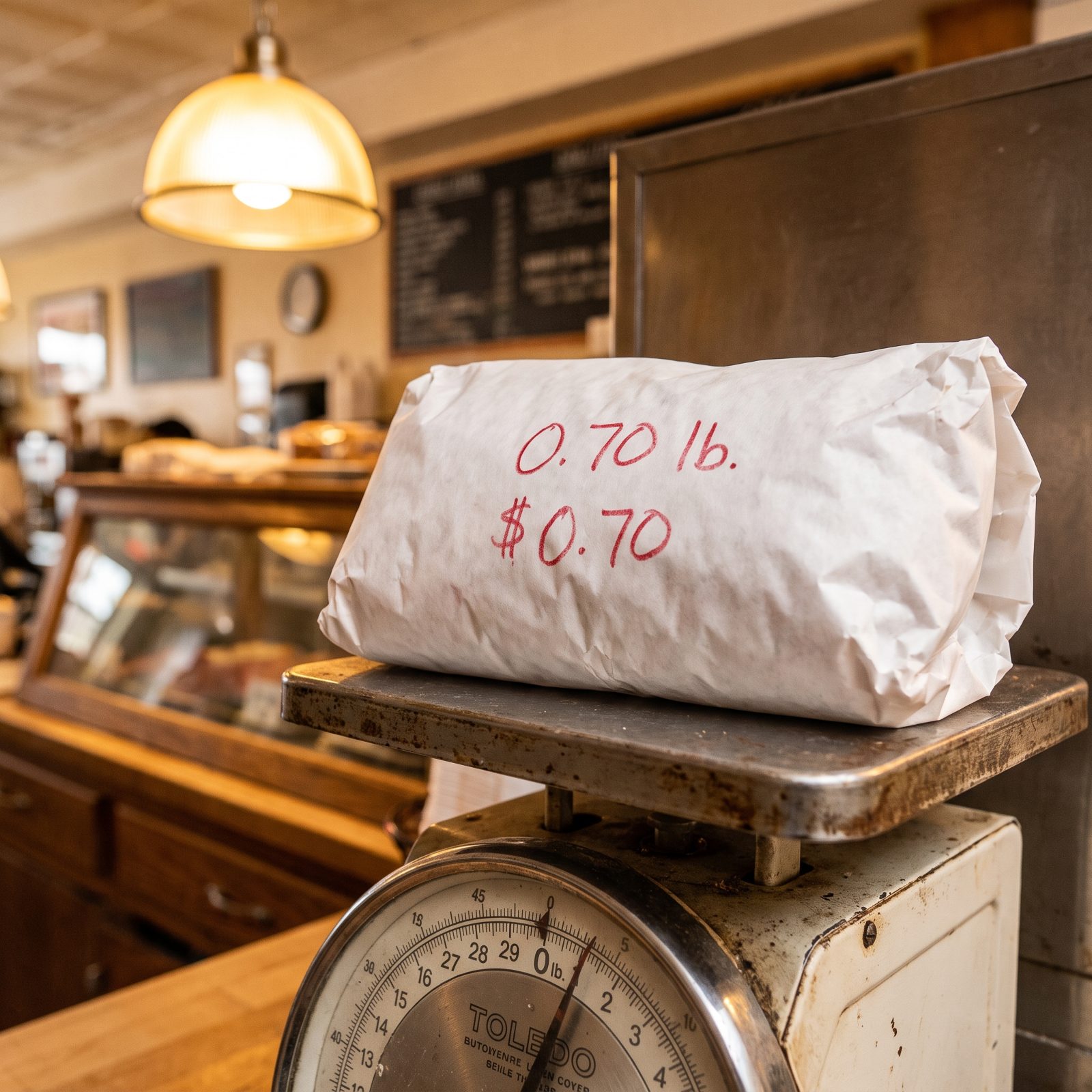
Ground beef ran about 70 cents a pound in 1972.
That price fed a lot of meatloaf, a lot of Tuesday-night tacos, a lot of hamburger casseroles stretched with noodles and a can of soup. Ground beef was the backbone of the American family dinner, and at 70 cents a cook could feed four without flinching.
42. A Pound of Coffee: About 90 Cents
Would you like to save this?
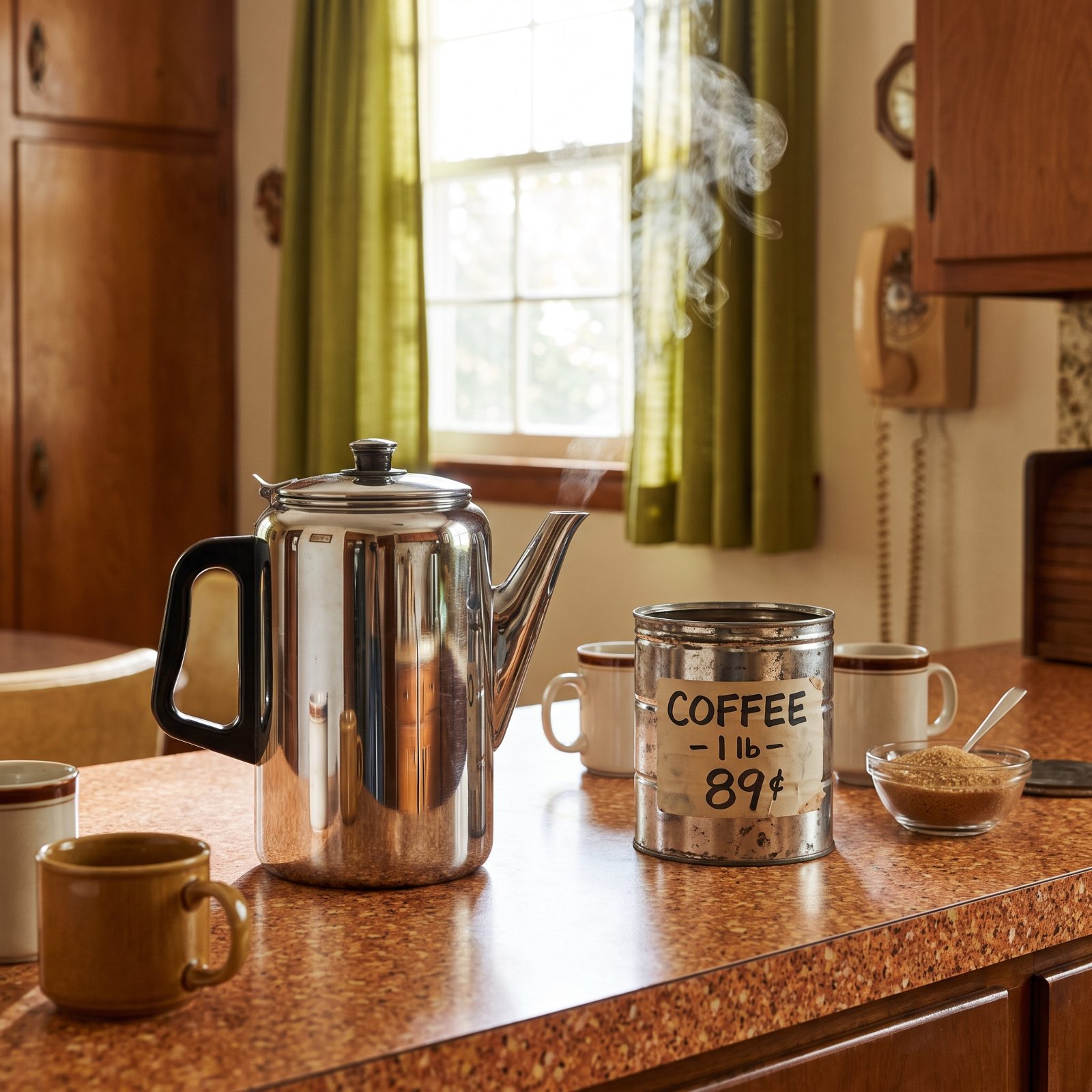
A pound of ground coffee cost roughly 90 cents in 1972.
This was percolator country. No pods, no twelve-dollar lattes, no ordering a drink with seven adjectives in the name. You bought a can, snapped the plastic lid, and the whole kitchen smelled like Saturday.
Coffee was about to get interesting, though. A brutal frost in Brazil later in the decade would send prices soaring, and this 90-cent pound would start looking like a memory.
41. A Pound of Butter: Around 87 Cents
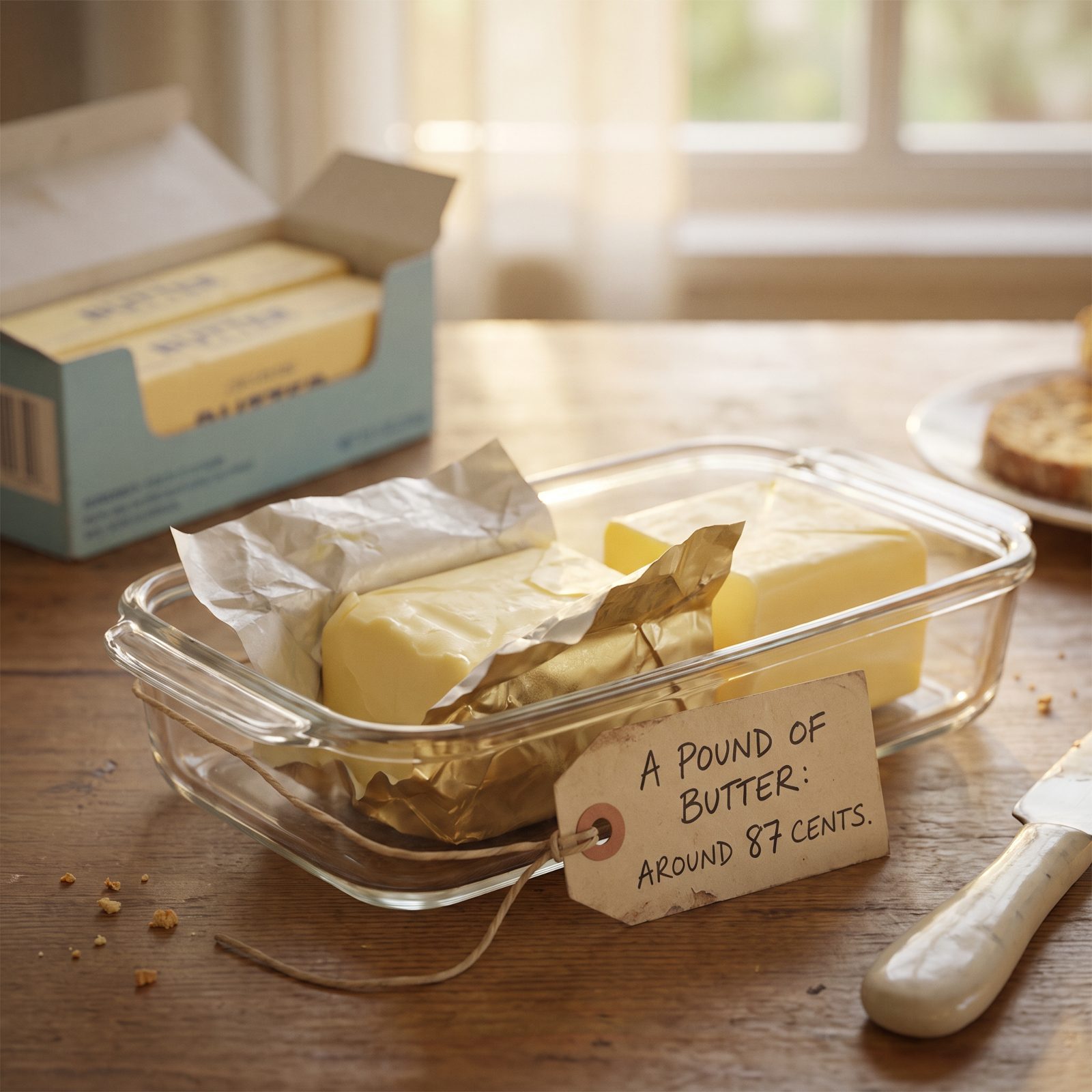
Butter cost about 87 cents a pound in 1972.
Real butter, salted, in the familiar four-stick box. Margarine was cheaper and spent the decade elbowing its way into American refrigerators, but butter held its ground on the baking shelf and the breakfast table.
Line up the whole list and the picture sharpens. Bread a quarter. Milk and eggs under a dollar. Gas pennies to the gallon. Cheap, yes — but the paycheck buying it all was cheap too, and that’s the trade nobody mentions when they sigh at the old prices. Lower numbers on both sides of the receipt.
40. Whole Frying Chicken: About 39 Cents a Pound in 1972
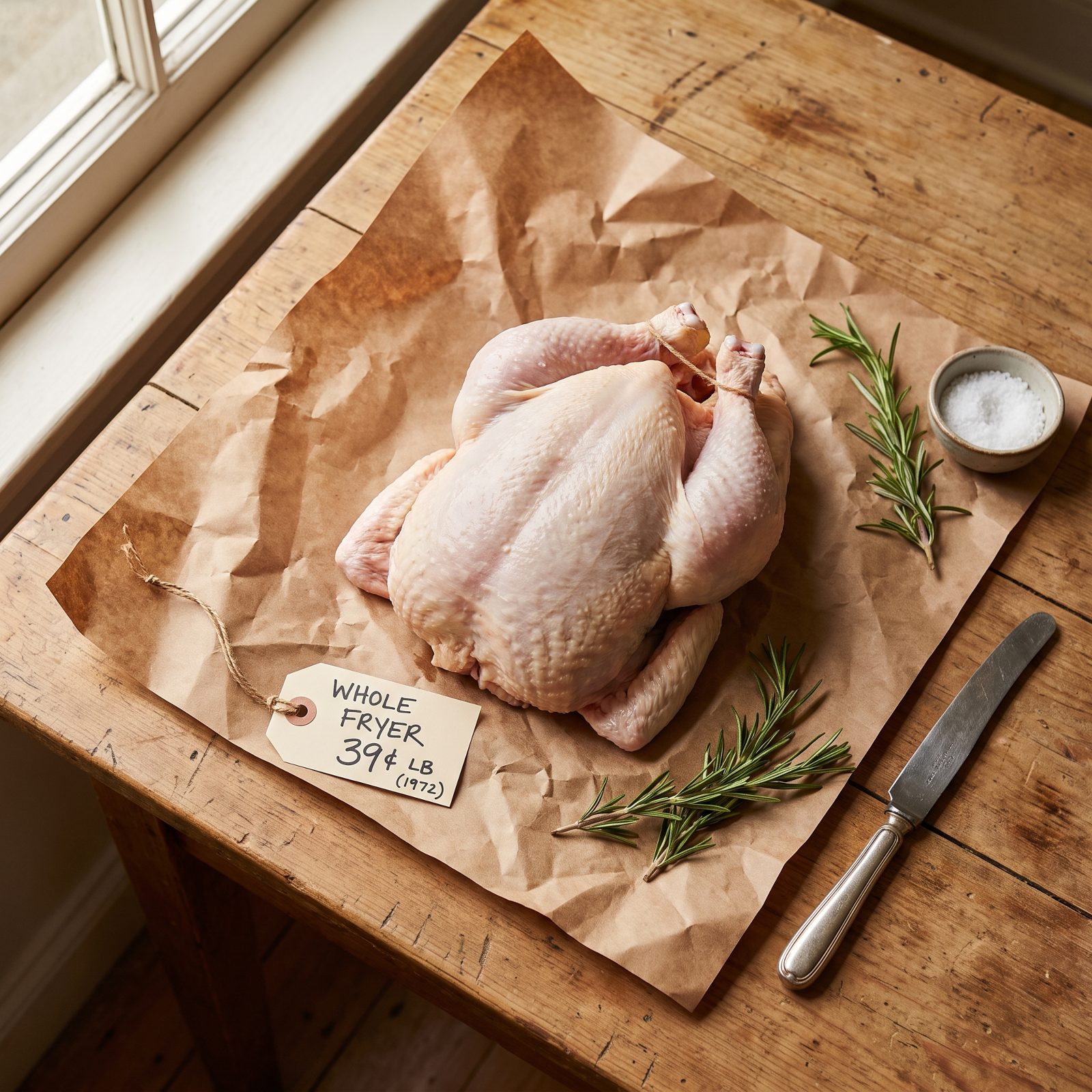
A whole frying chicken ran about 39 cents a pound in 1972, which put a decent-sized bird on the table for well under two dollars. Chicken was the thrifty cook’s friend — cheaper than beef and endlessly stretchable into soup, dumplings, and a Sunday worth of leftovers.
Measure it against the paycheck and it softens even further. The average factory wage sat near $3.90 an hour, so twenty minutes of work bought dinner for the whole family with gravy to spare. Try reproducing that ratio today and you’ll laugh, then possibly cry.
39. A Pound of Bacon for Roughly 85 Cents in 1972
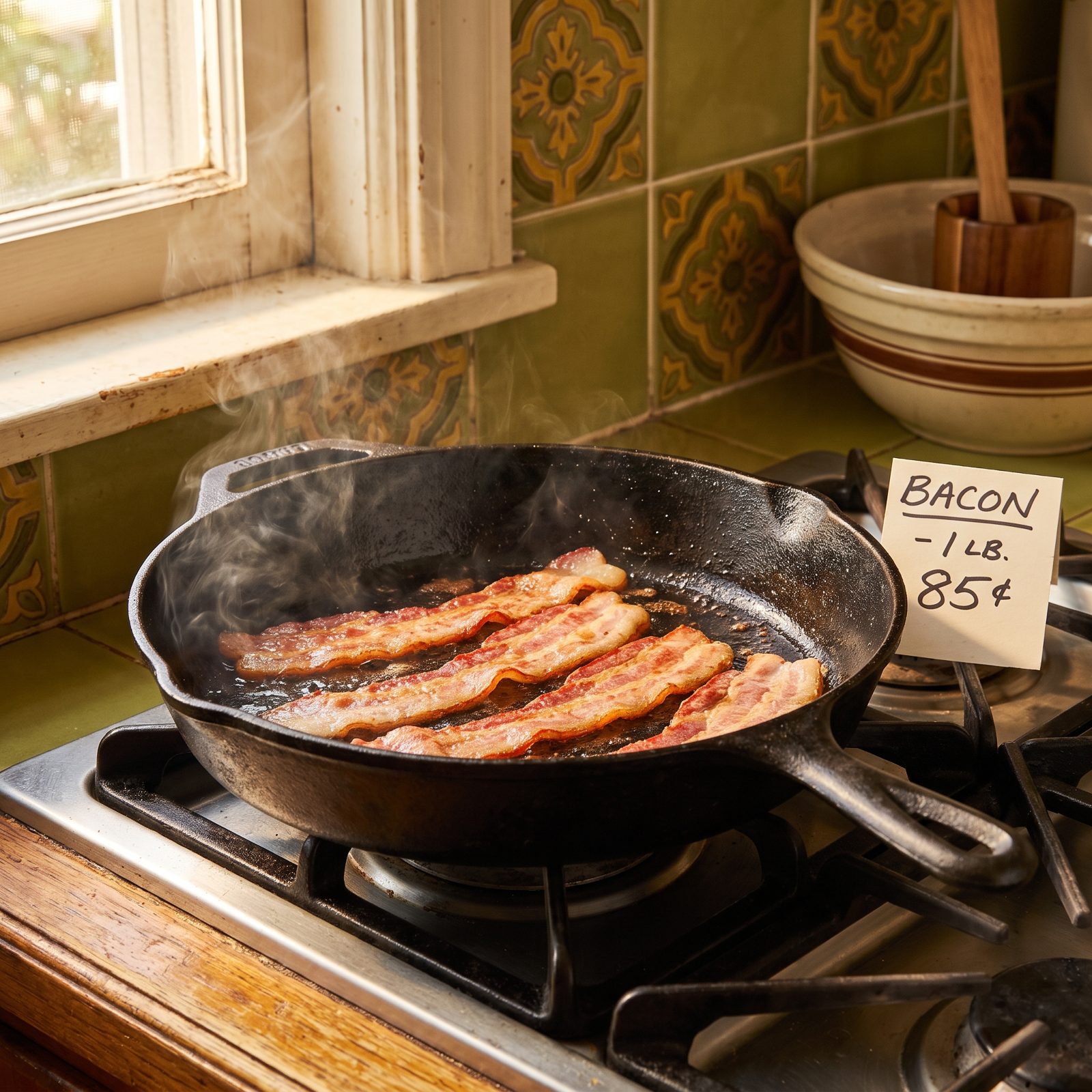
Bacon cost around 85 cents a pound in 1972, back when a Sunday breakfast of eggs and bacon was a small ritual rather than a splurge. The strips came wrapped flat in waxed paper, with that little oval window letting you check the marbling before you bought.
Against a near-$3.90 hourly wage, a pound of bacon cost about thirteen minutes of work. Nobody called it a luxury. Strange to picture now, isn’t it?
38. A Pound of Sirloin Steak: Close to $1.30 in 1972
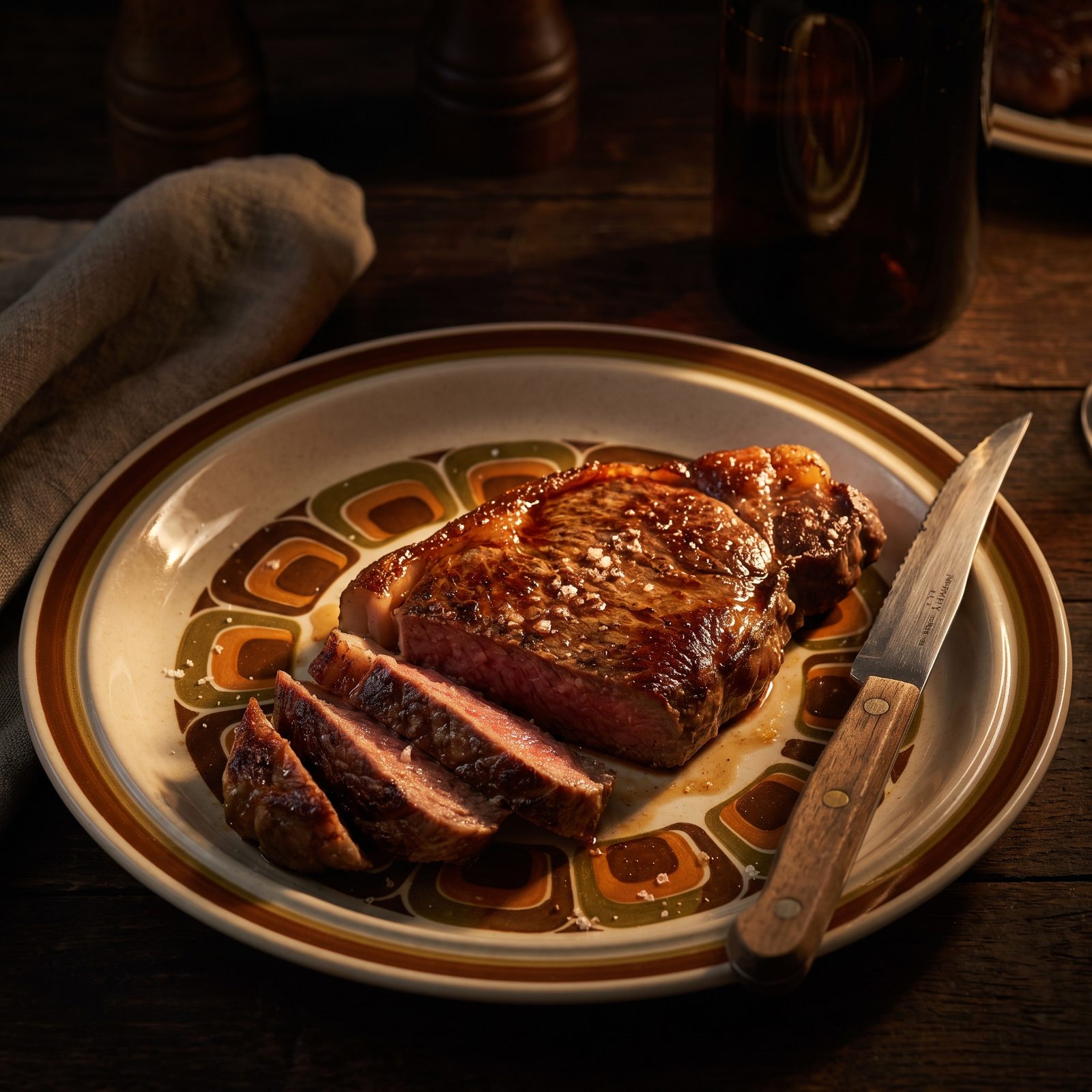
Sirloin steak hovered around $1.30 a pound in 1972 — the kind of centerpiece a family saved for a weekend or a visiting guest. Beef prices were already climbing that year and would spike hard in 1973, so 1972 was the last calm moment before the real sticker shock hit.
At the going wage, a pound of sirloin ran about twenty minutes of work. Not nothing. But a steak dinner was still within reach on an ordinary paycheck, which is more than most folks can say these days.
37. Five-Pound Bag of Sugar for About 65 Cents in 1972
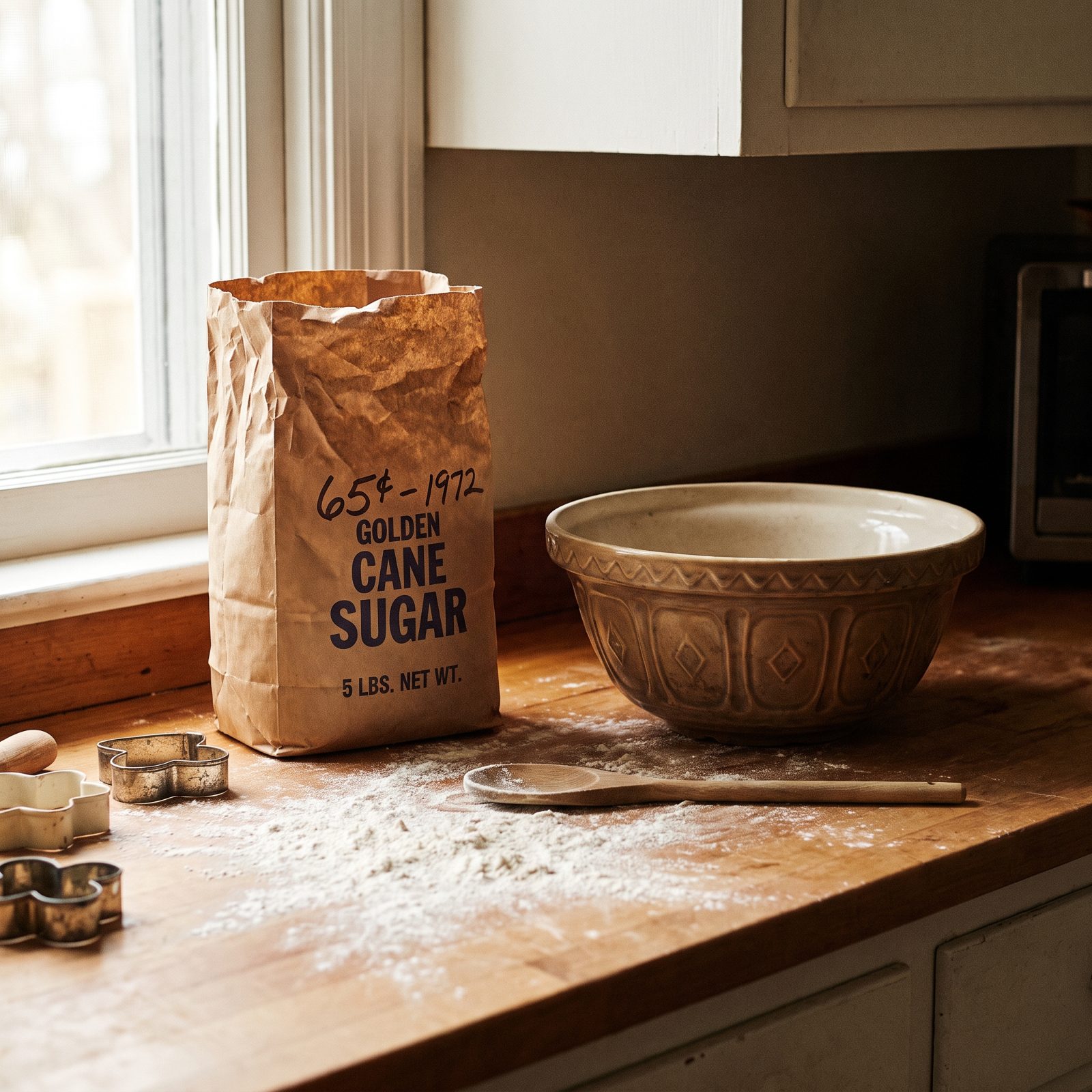
A five-pound bag of sugar cost roughly 65 cents in 1972. Home baking was still a weekly habit in plenty of kitchens, and sugar moved in bulk because people actually made the cakes and cookies instead of buying them off a bakery shelf.
Thirteen cents a pound, give or take. At the typical wage that bag was about ten minutes of work, and it sweetened a month of coffee with a Saturday of baking left over.
36. Ten-Pound Bag of Potatoes: Around 75 Cents in 1972

Ten pounds of potatoes cost about 75 cents in 1972 — the workhorse starch that padded out every tight-budget dinner. Mashed, fried, baked, or scalloped, potatoes stretched a small roast into a full meal and asked almost nothing in return.
That bag was roughly twelve minutes of a factory worker’s time, and it fed a family for the better part of a week.
35. A Pound of Bananas for About 15 Cents in 1972
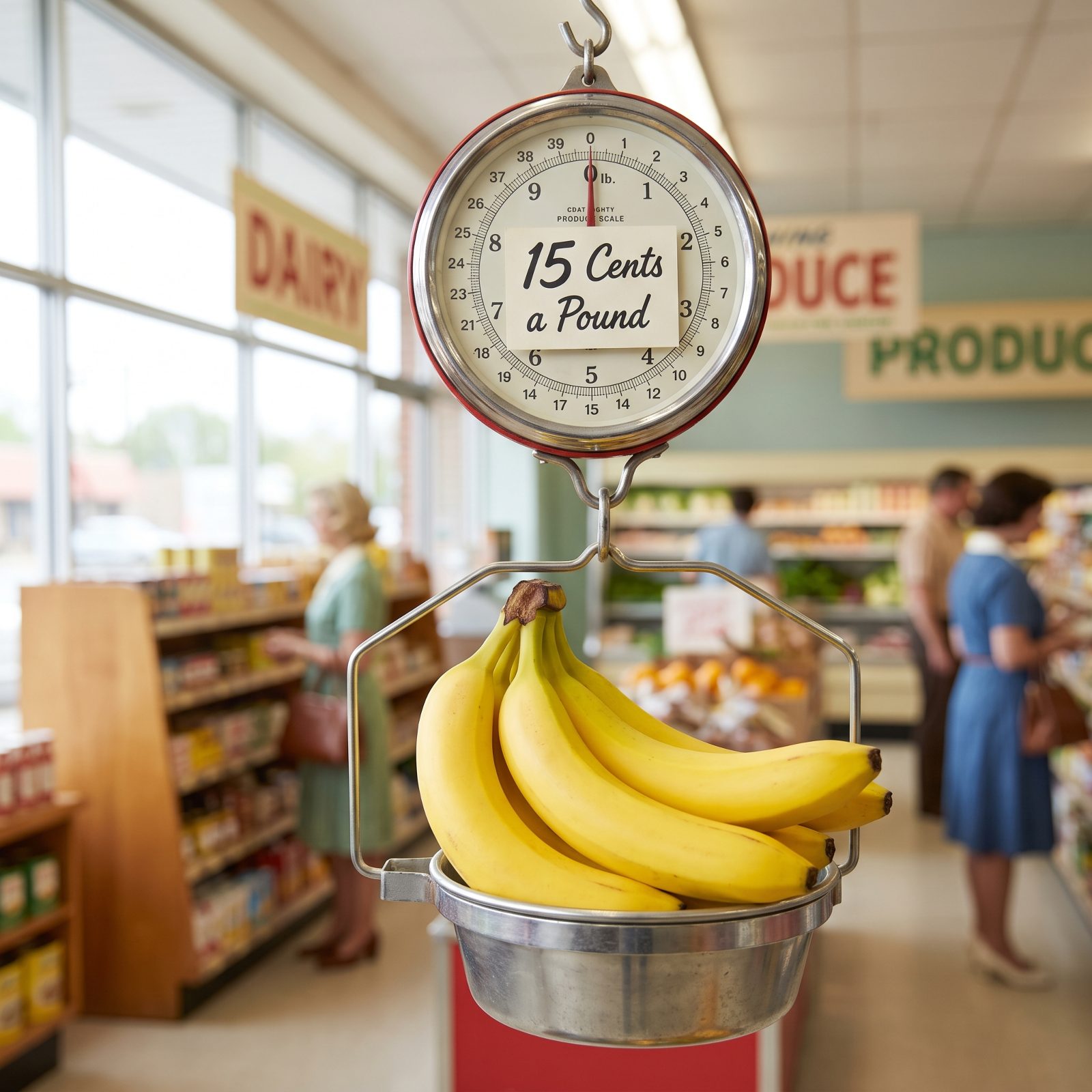
Bananas sold for around 15 cents a pound in 1972, the cheapest fruit in the store and the one that filled every lunchbox. They came in by the boatload from Central America, and the price barely budged from one year to the next.
A dime and a nickel bought a pound. Hard to think of anything you could put in a kid’s hand for less.
34. A Pound of Apples: Roughly 20 Cents in 1972
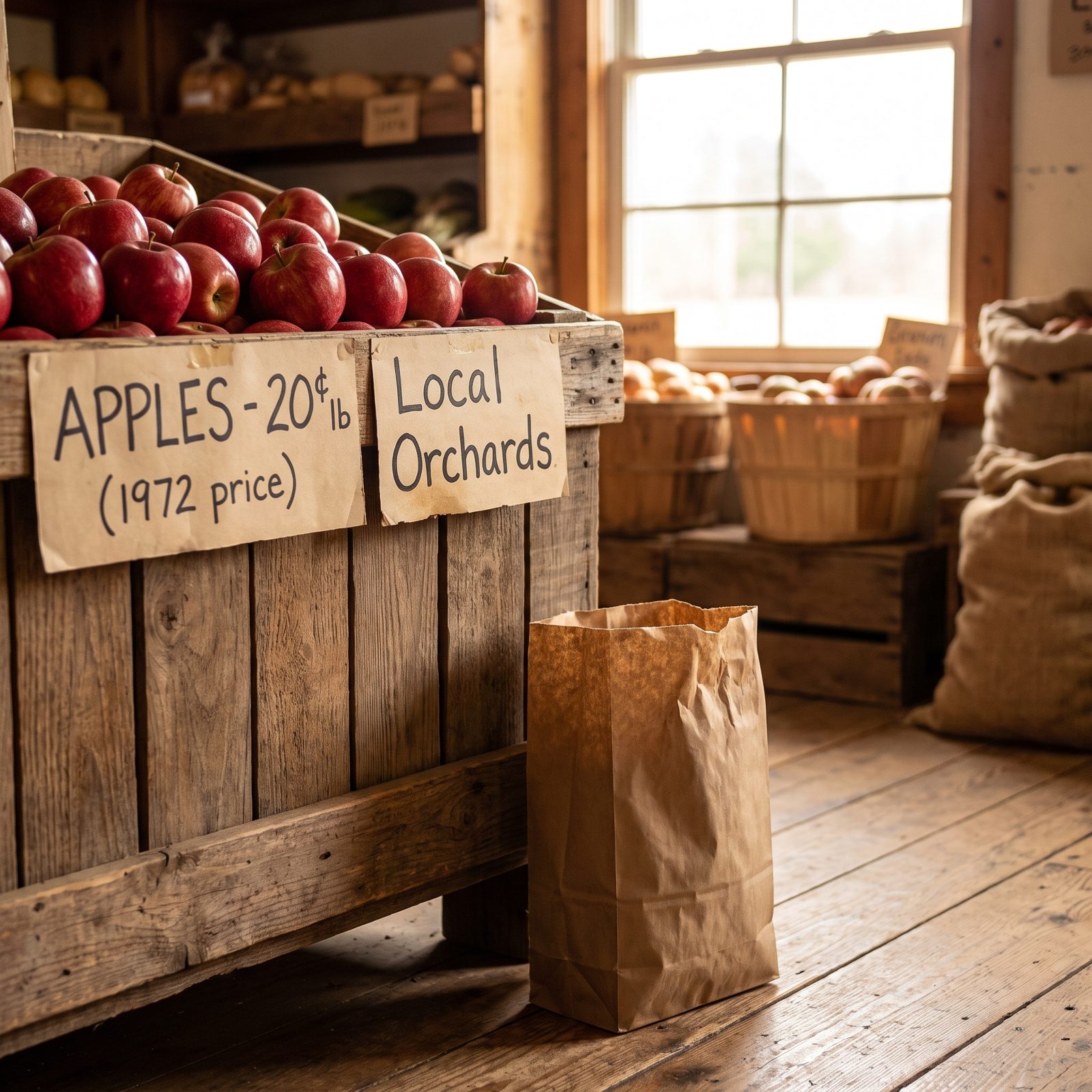
Apples ran about 20 cents a pound in 1972, a staple of both the fruit bowl and the lunch sack. You bought them loose, filled a paper bag, and had them weighed on the hanging dial scale at the produce counter.
At that price, a pound was barely three minutes of work. A bowl of apples on the kitchen table was simply a given — nobody treated it as an indulgence.
33. A Head of Lettuce for About 25 Cents in 1972
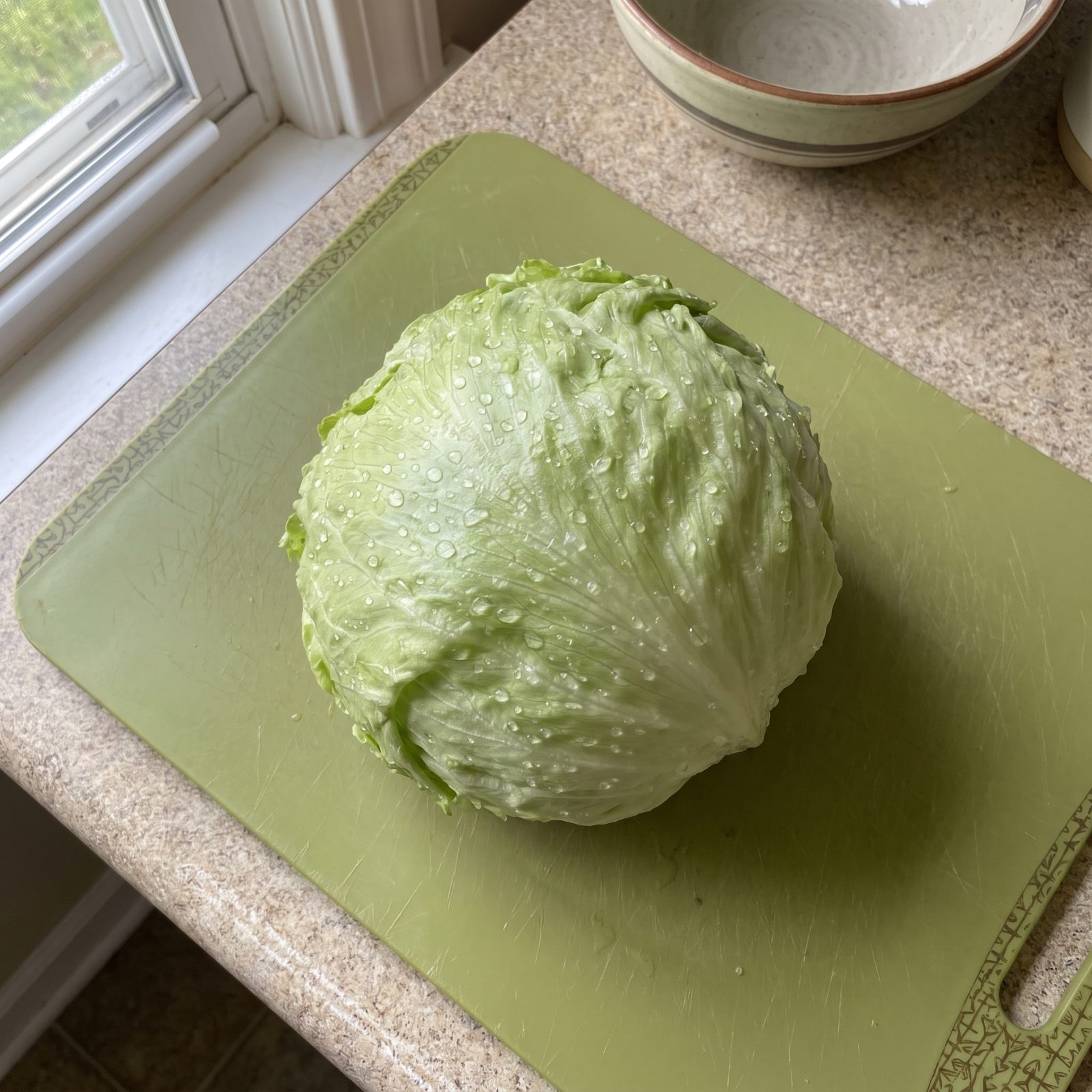
A head of iceberg lettuce cost around 25 cents in 1972. Iceberg ruled the salad bowl then — crisp, cheap, and in charge long before anyone started fussing over arugula or a bag of spring mix.
Priced per head rather than per pound, it was an easy toss into the cart. The wedge salad drowning in blue cheese dressing was a diner standard, built on a vegetable that cost about four minutes of a day’s wage.
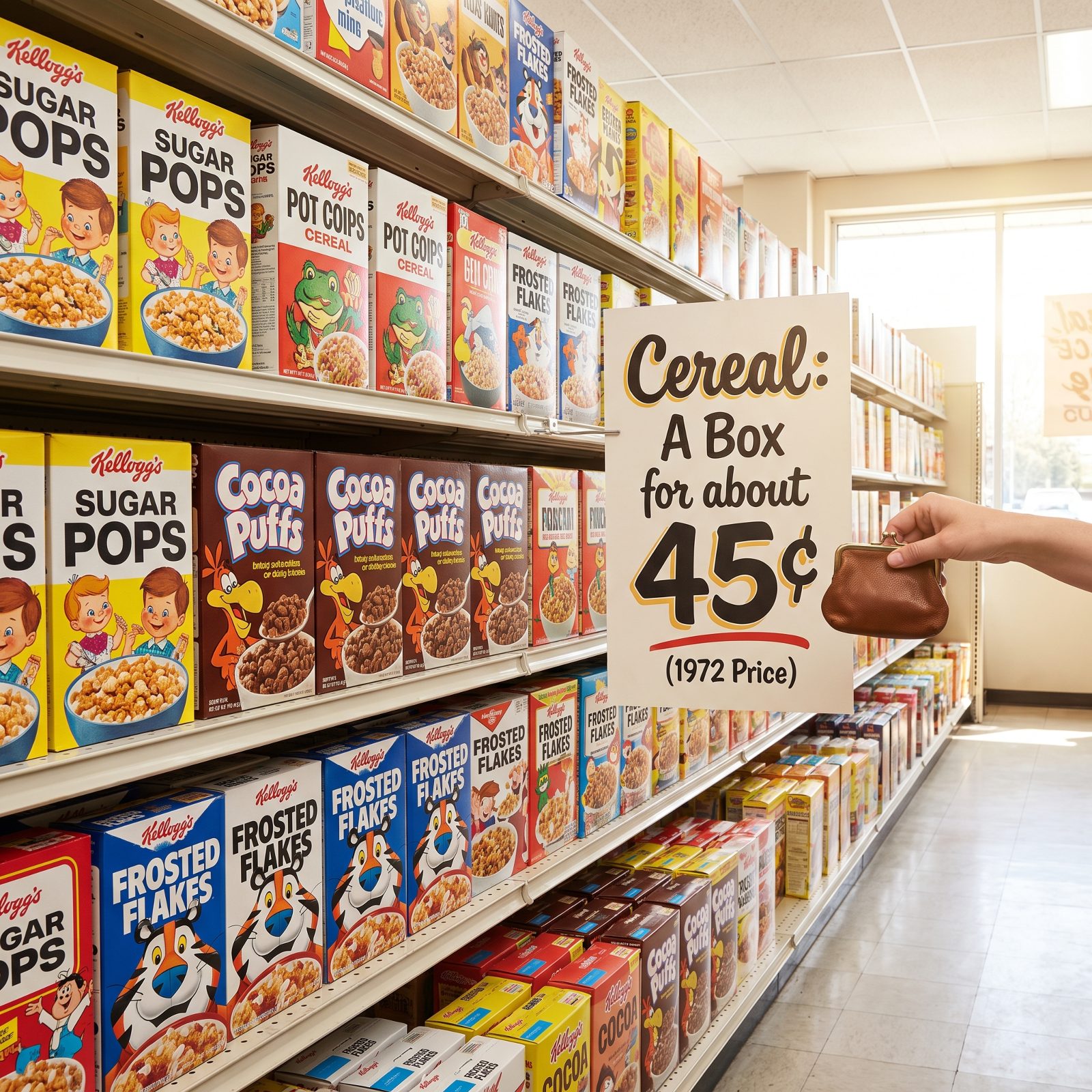
32. A Box of Breakfast Cereal: Close to 45 Cents in 1972
Would you like to save this?
A box of breakfast cereal cost about 45 cents in 1972, and the cereal aisle was already a riot of color and cartoon mascots aimed squarely at kids on Saturday mornings.
Sweet cereals. Sugar-frosted flakes. A plastic prize buried at the bottom of the box. The whole thing ran about seven minutes of a day’s wage and covered a week of hurried school-morning breakfasts.
31. A Jar of Peanut Butter for Around 55 Cents in 1972
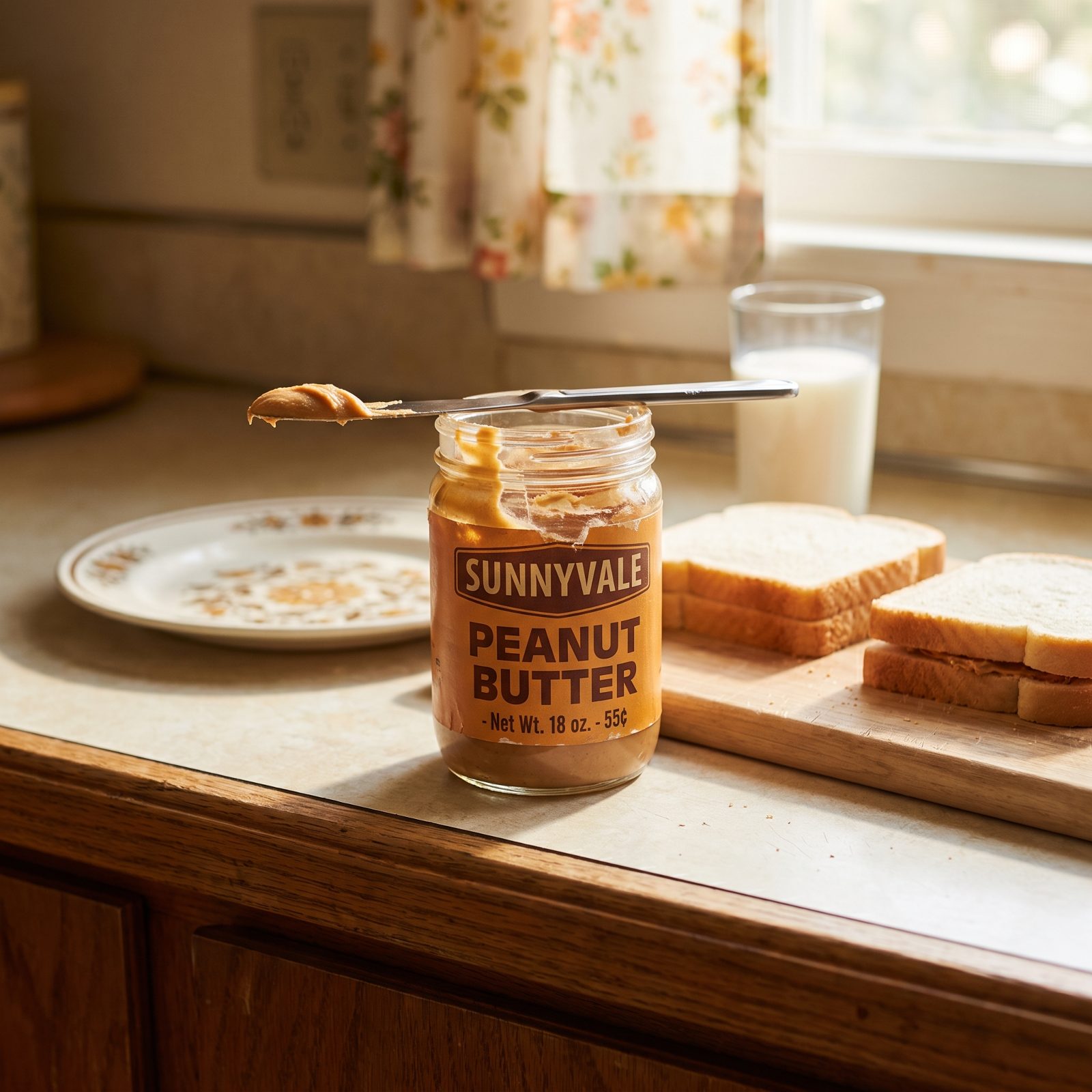
Peanut butter ran about 55 cents a jar in 1972, the foundation of countless school lunches and the cheapest protein a parent could pack. Paired with grape jelly on white bread, it fed a kid for pennies a sandwich.
Ten minutes of work bought a jar that lasted a couple of weeks. The quiet hero of the lunchbox, really — and when you do the math on cost against meals served, nothing else came close.
30. A Can of Tomato Soup: Around 15 Cents
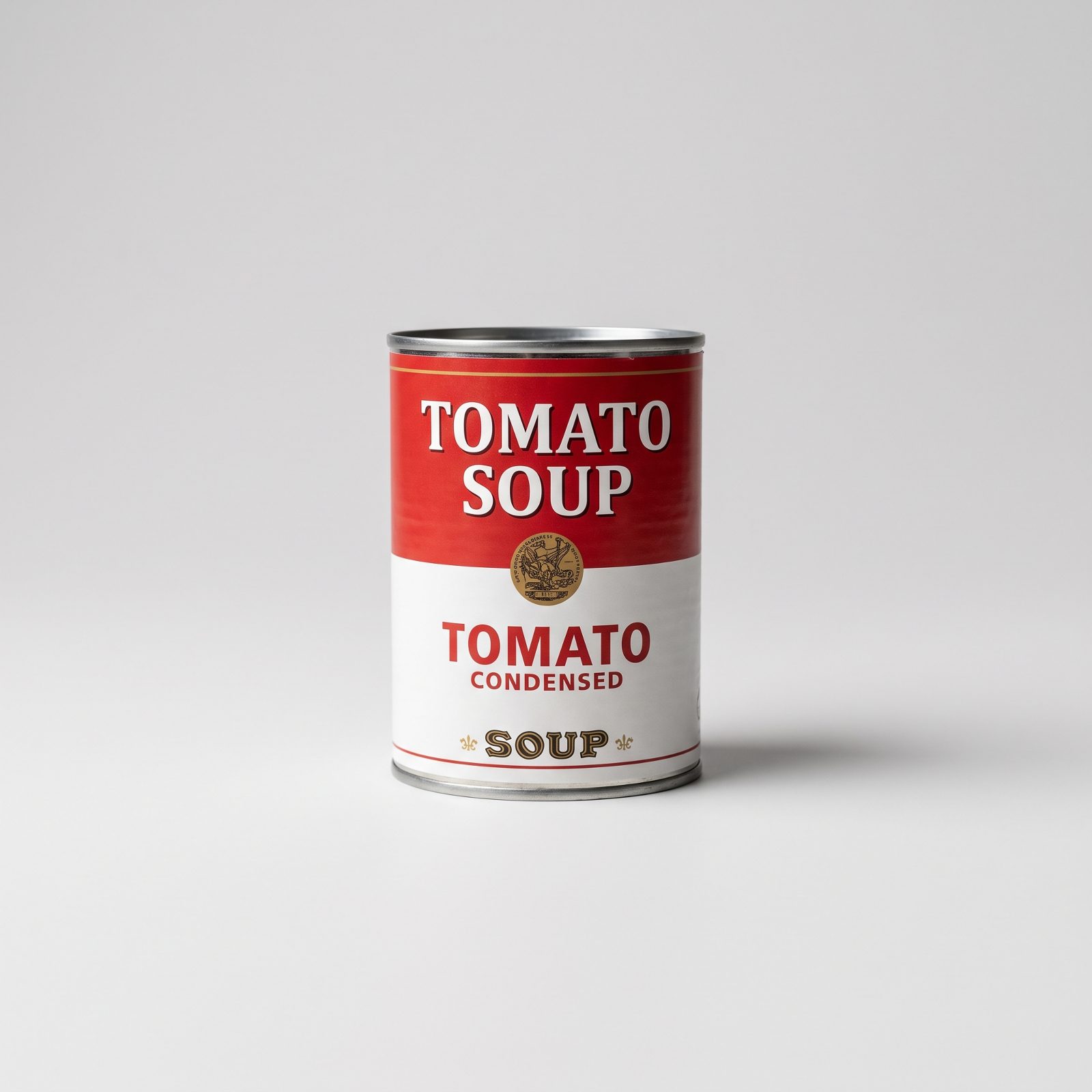
Fifteen cents. Sometimes a dime if the store ran a loss-leader special and you bought it by the armful. Condensed tomato soup was the backstop of the 1972 pantry, the thing you reached for when payday was still three days off.
At the $1.60 minimum wage, that can cost you about six minutes of work. Splash in some milk, slap a grilled cheese on the side, and you fed a kid lunch for under a quarter. Nobody called it frugal. They called it Tuesday.
29. A Frozen TV Dinner: Roughly 50 to 69 Cents
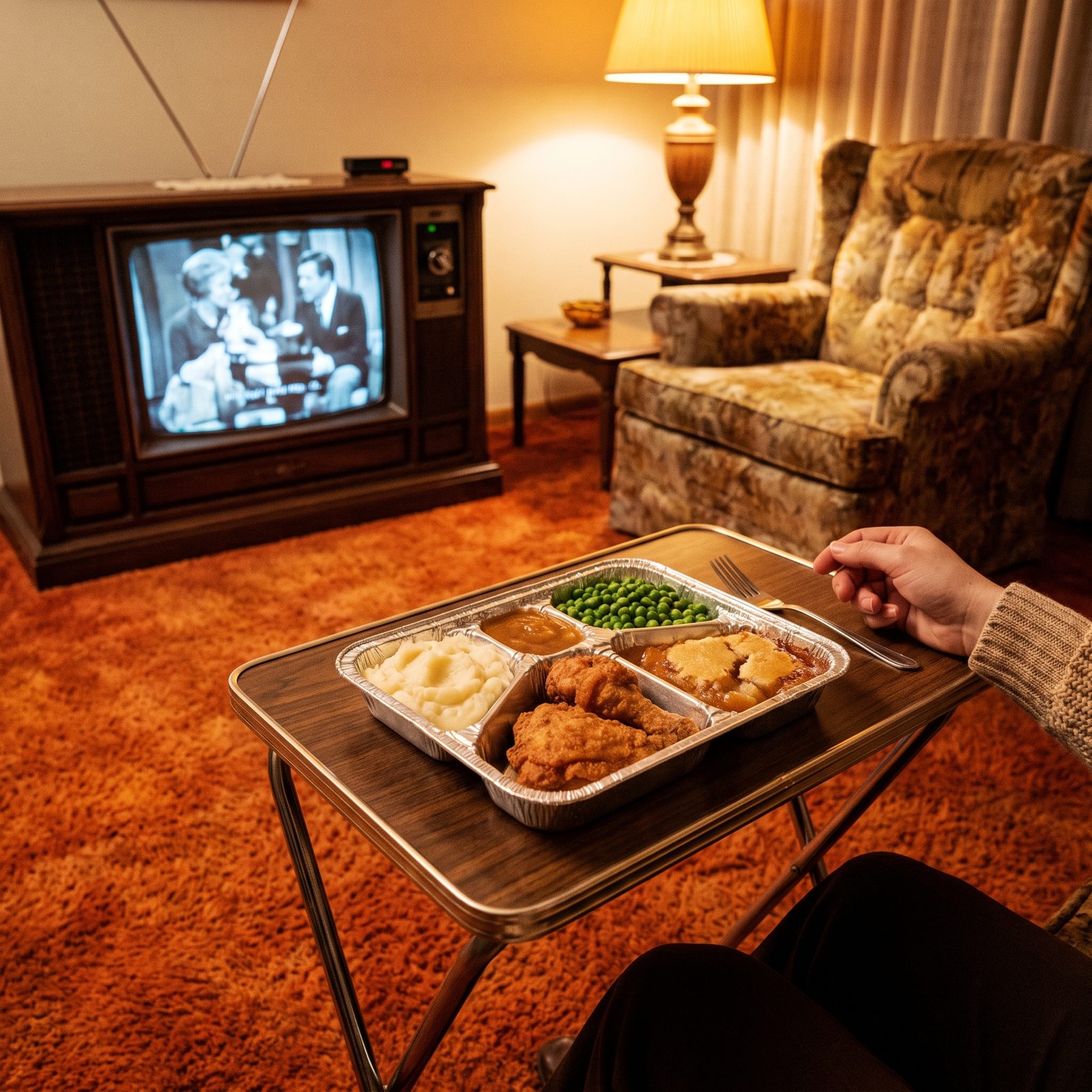
The frozen TV dinner was the future on a foil tray, and in 1972 the future cost between a half-dollar and about 69 cents. Salisbury steak, a scoop of potatoes, peas rattling around their own little compartment, and if you were lucky, a bubbling pocket of cobbler.
You slid the whole aluminum rig into the oven for 25 minutes — most families didn’t have a microwave yet. The appeal was never the flavor. It was that dinner required exactly zero dishes and let you eat in front of the television without apology.
28. A Gallon of Ice Cream: About $1.00 to $1.20

A gallon of ice cream ran right around a dollar, give or take a dime depending on brand and sale. Store brands dipped below it. The good stuff with the real vanilla flecks nudged higher.
That price tells you something about 1972: ice cream was still a genuine treat, but it had stopped being a luxury. A dollar bought enough to feed a backyard full of kids after a Little League game, which is why the half-gallon carton lived permanently in the back of the freezer, behind the frozen peas, slowly growing a crust of ice crystals.
27. A Six-Pack of Soft Drinks: Around 59 to 89 Cents
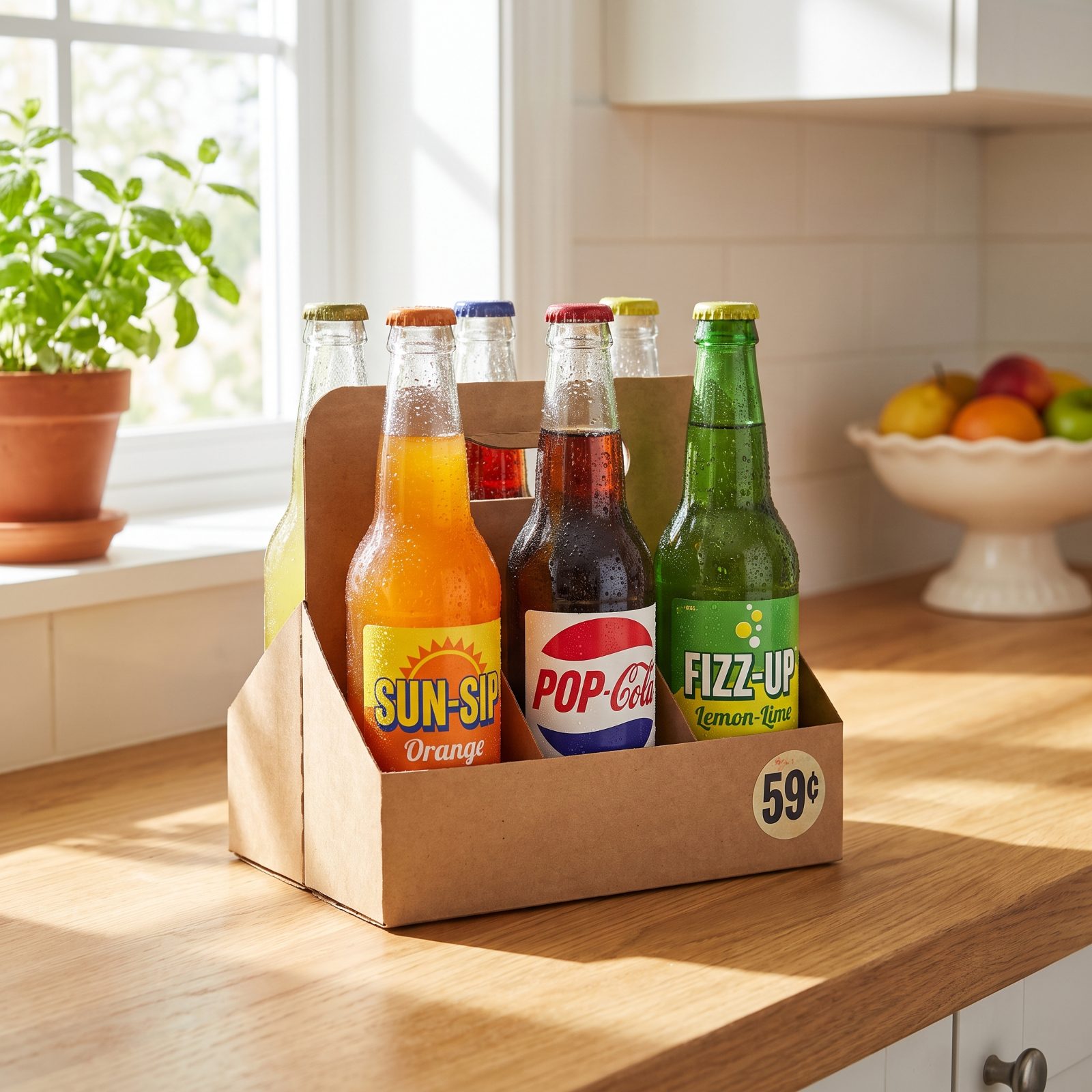
A six-pack of soda came home for well under a dollar, often somewhere between 59 and 89 cents depending on whether you brought the bottles back. And you did bring the bottles back, because the deposit was real money to a kid.
That nickel or two per empty funded candy runs across the country. Returnable glass was still the norm. The cans were steel with pull-tabs that ended up in a thousand backyard lawns, and nobody had yet decided that two liters of plastic was the smarter buy.
26. A Six-Pack of Beer: Roughly $1.00 to $1.50
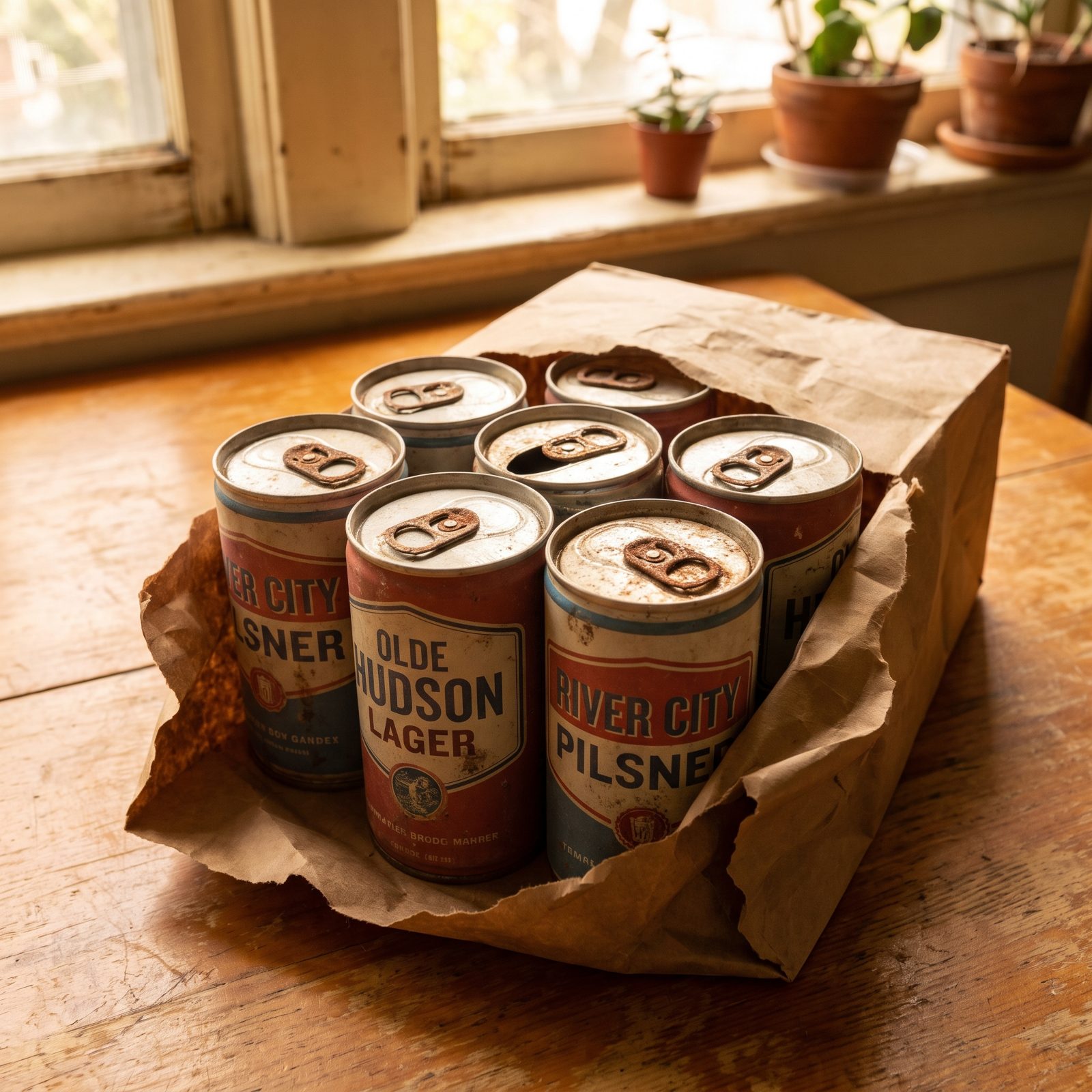
A six-pack of domestic beer set you back a dollar to a dollar and a half in 1972. Steel cans, pull tabs, the kind of label your dad swore by for reasons he could never quite explain.
Beer was the backyard-barbecue workhorse, cheap enough to be an afternoon’s casual decision rather than a budget line. For the price of a tank of gas you could stock the cooler for the whole block. The pull tabs, famously, went everywhere but the trash.
25. A Restaurant Hamburger: About 30 to 50 Cents
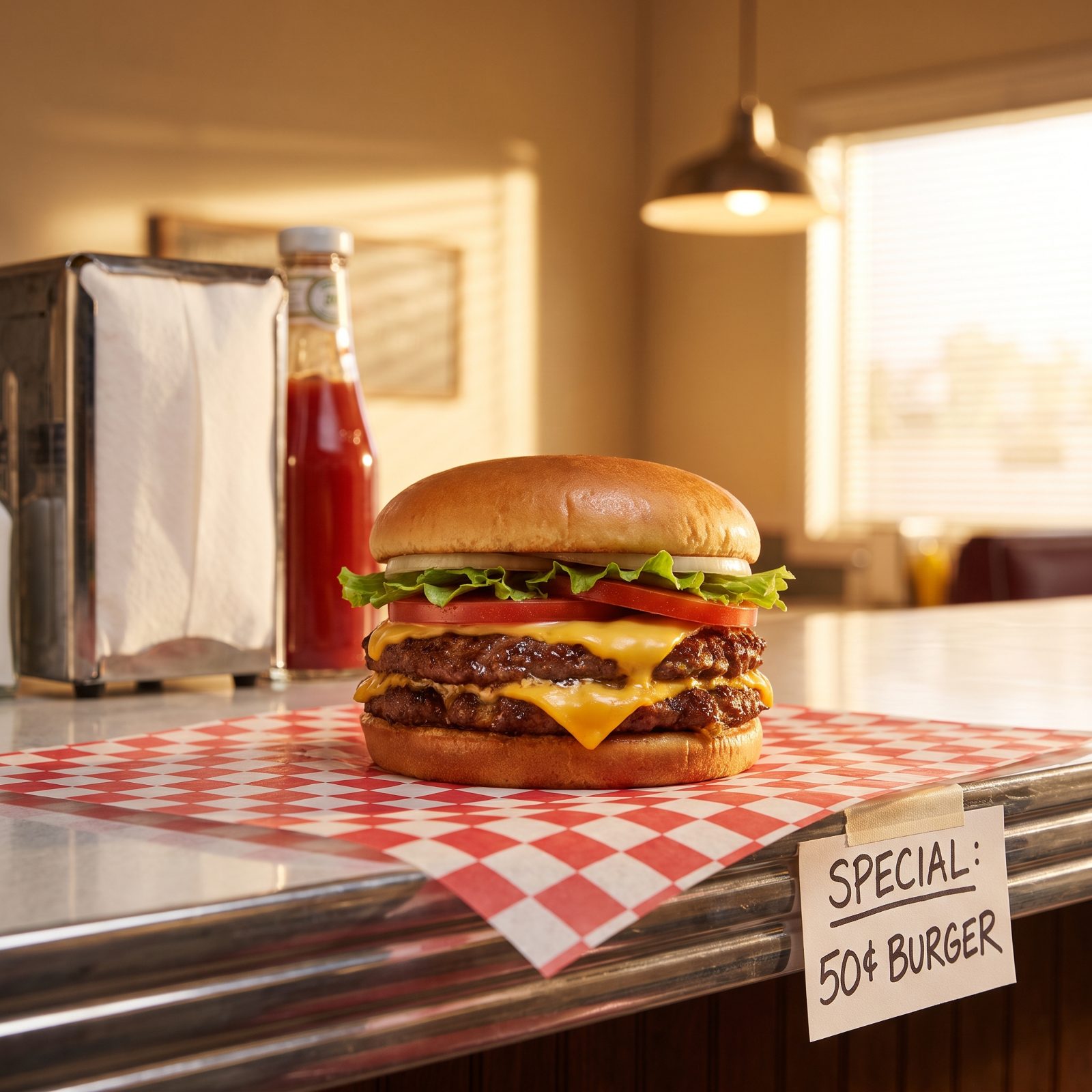
At the counter in 1972, a hamburger ran somewhere between 30 and 50 cents. The fast-food chains went lower. At a proper diner with a real griddle and a cook who’d been there twenty years, you paid a bit more and it was worth every penny.
Fifty cents for a burger meant a minimum-wage worker traded under 20 minutes of labor for lunch. It was the everyman meal, no occasion required, the thing you ate standing up at a counter with a newspaper folded under your elbow.
24. A Diner Breakfast: Around 85 Cents to $1.25
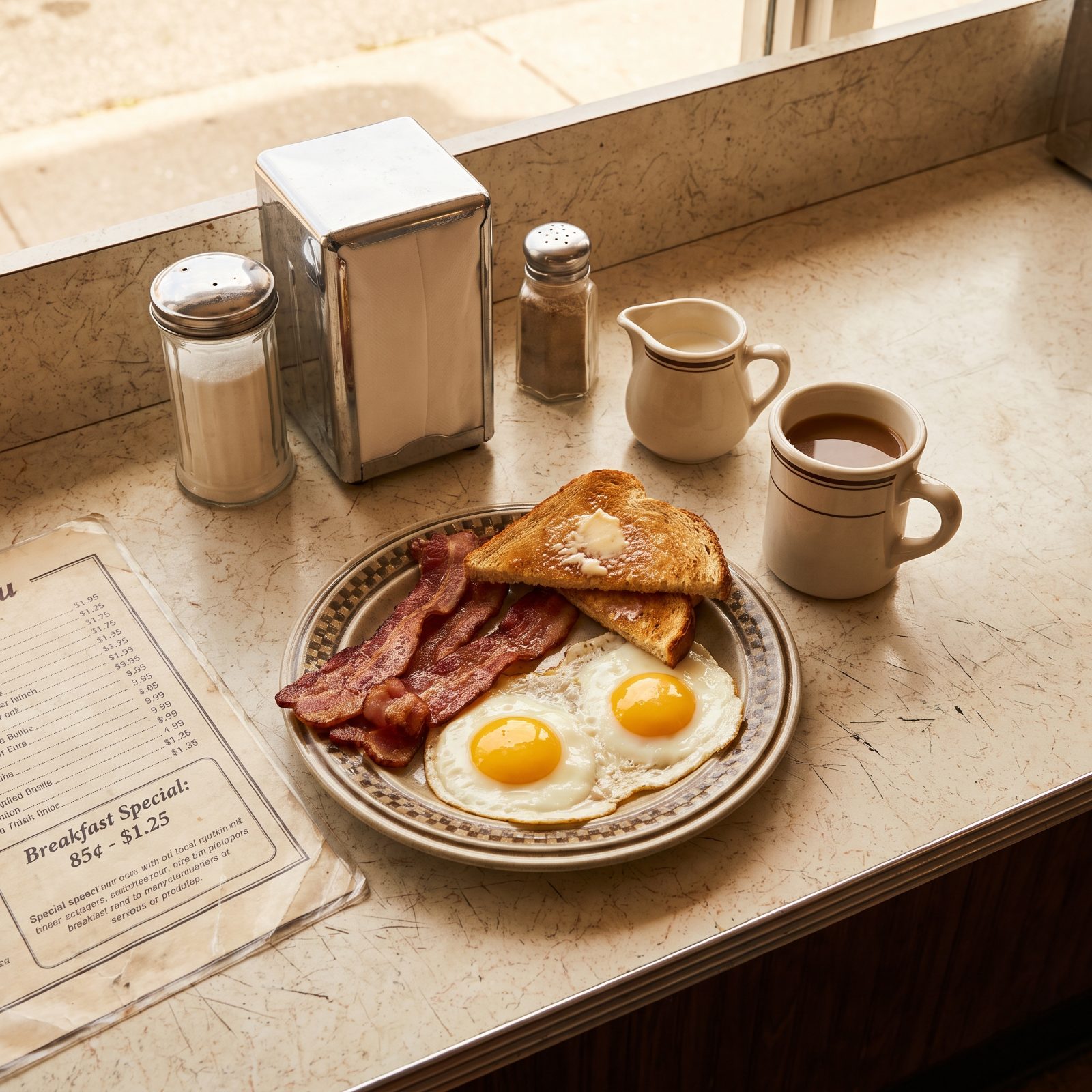
The full diner breakfast — two eggs, bacon, toast, hash browns, and coffee — landed under a dollar and a quarter in 1972. Add pancakes and you might crack a dollar fifty, but that was a splurge.
This was the meal the whole economy ran on. Truckers, factory workers, the guy who opened the hardware store at seven. For roughly a dollar you got a plate that would carry you until mid-afternoon, served hot by someone who called you “hon” and never let your coffee cup hit empty.
A dollar bought a breakfast that filled you until supper. The coffee refills were the part nobody charged for.
23. A Cup of Coffee at a Diner: Just 10 to 15 Cents
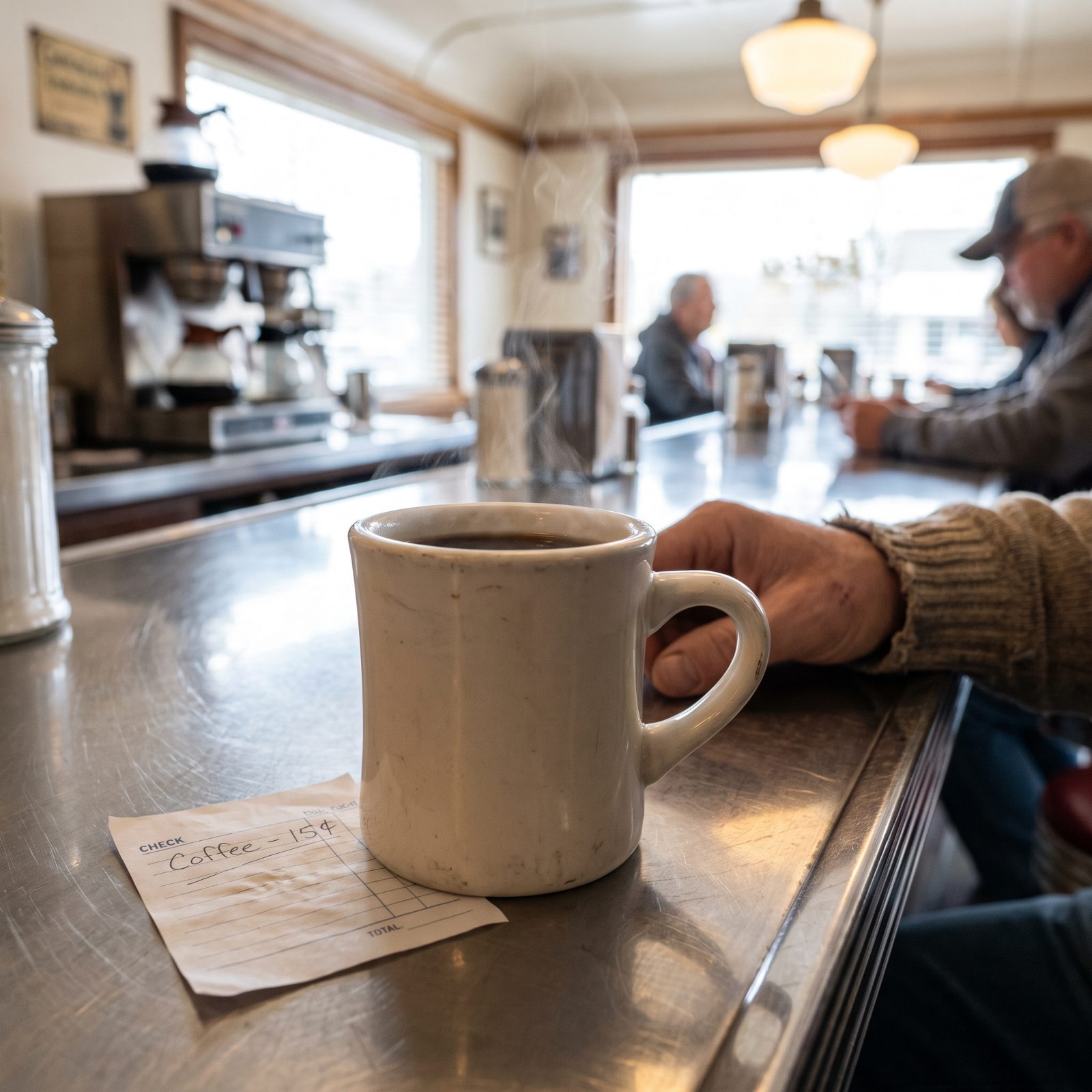
A dime. Maybe fifteen cents if the place had pretensions. And the refills kept coming for free until you waved the waitress off.
Bottomless coffee for a dime was the small daily luxury nobody thought twice about. You could nurse a cup, read the whole paper, and the only cost was the tip you left on the saucer. That same ritual now runs several dollars a cup, and the refill — if it exists at all — comes with a raised eyebrow.
22. A Restaurant Steak Dinner: Roughly $3.50 to $6.00
Would you like to save this?
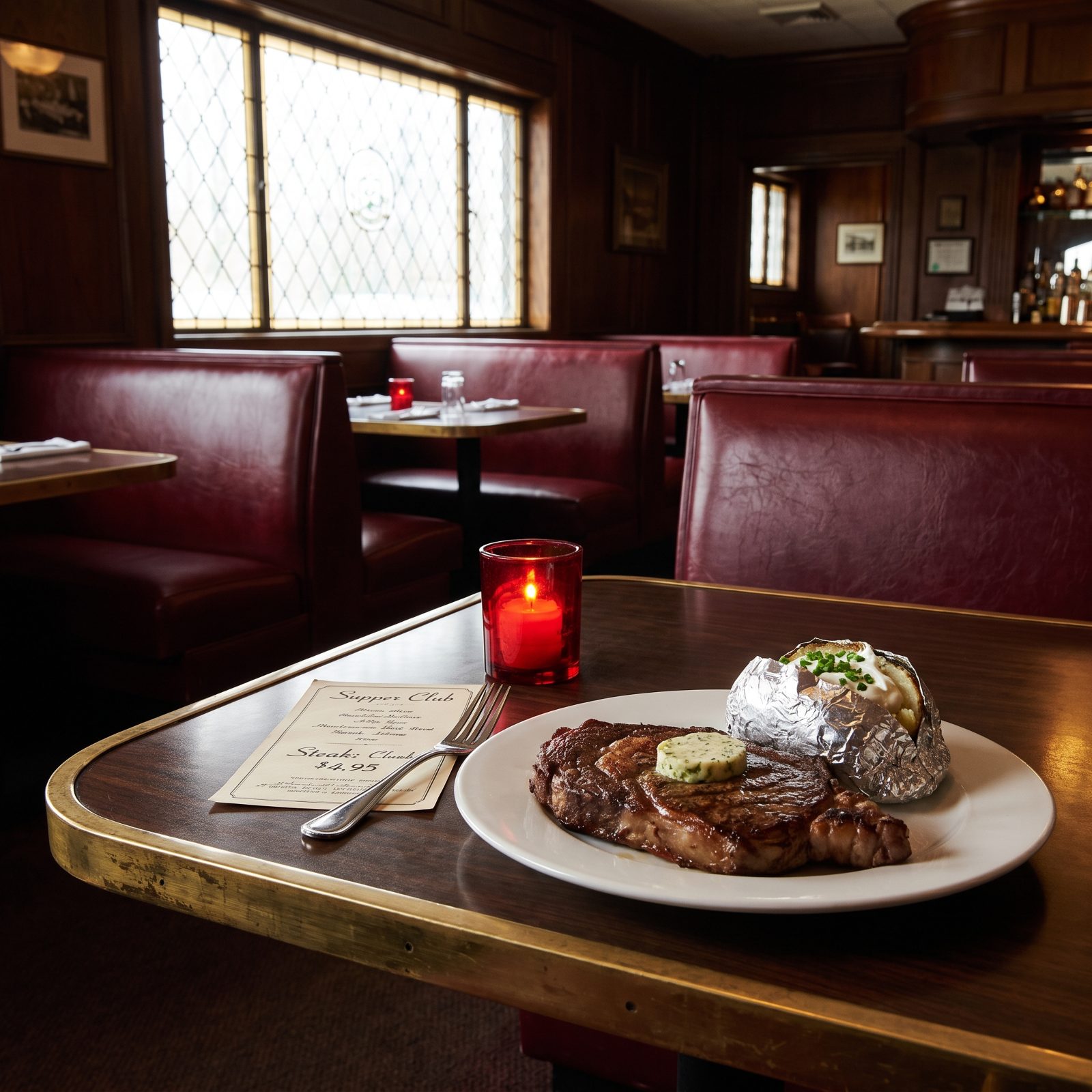
A steak dinner — the real out-to-eat kind, baked potato and a dinner roll and all — ran somewhere between $3.50 and $6.00 in 1972. The supper club with the dim lighting and the relish tray charged toward the top of that.
This was anniversary food. Promotion food. The meal you put on when the boss came over, or celebrated when you’d earned it. Six dollars was close to half a day’s pay for a minimum-wage worker, so nobody treated a steak dinner casually. You dressed for it.
21. A Large Pizza: About $2.50 to $4.00
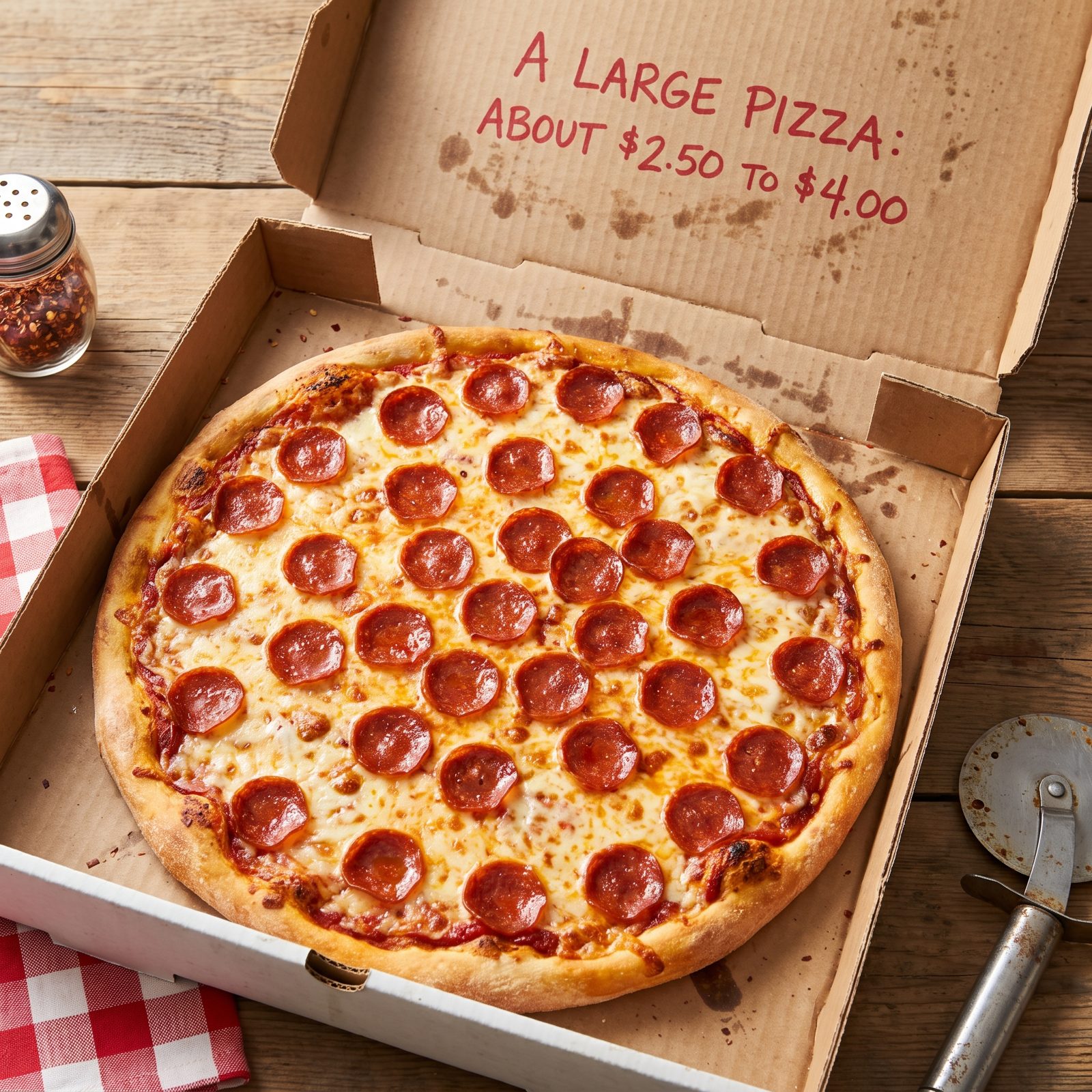
A large pizza closed out the week for around $2.50 to $4.00 in 1972. Pepperoni and a cola, picked up on the way home Friday, and dinner was handled.
Pizza was still working its way from a regional Italian-American specialty into the national Friday-night ritual it would become. Four bucks felt like a reasonable splurge for feeding the whole family without anyone touching the stove, and that cardboard box on the table meant the week was officially over. That part hasn’t changed. The price sure has.
20. City Bus Fare: About 35 Cents to Get Across Town in 1972
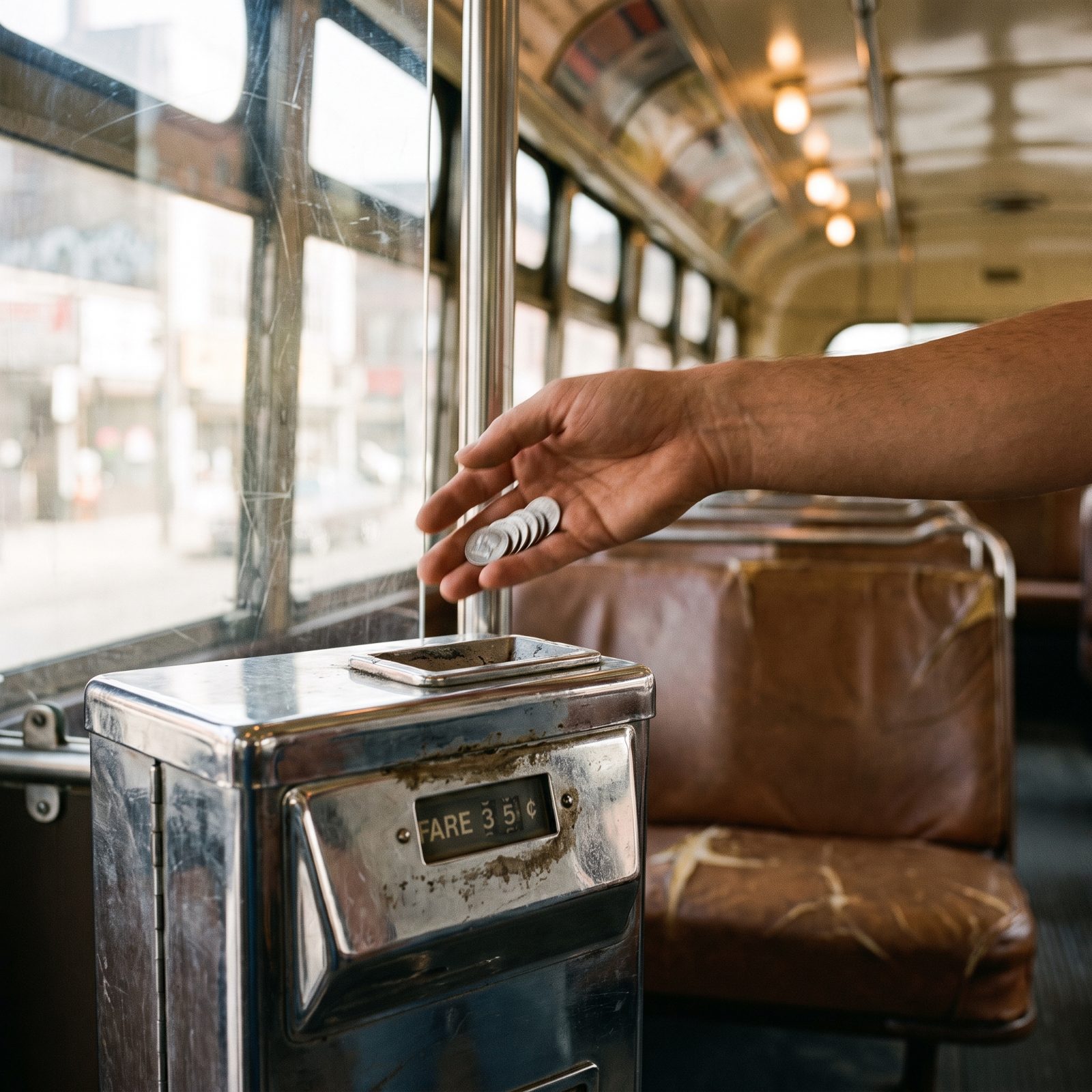
Thirty-five cents. That’s what it took to ride across town in 1972, dropped into a chrome fare box with a satisfying clink. No tap cards, no apps, no fumbling for your phone — just a handful of coins and a seat on the green-and-cream fishbowl bus. For a lot of working folks, that fare was the daily commute, the grocery run, and the only way to reach a job on the far side of the city all rolled into one. Cheap enough that nobody thought twice about it, which is probably the point. You paid, you sat down, you got where you were going.
19. Taxi Base Fare: The Flag Dropped for Around 60 Cents
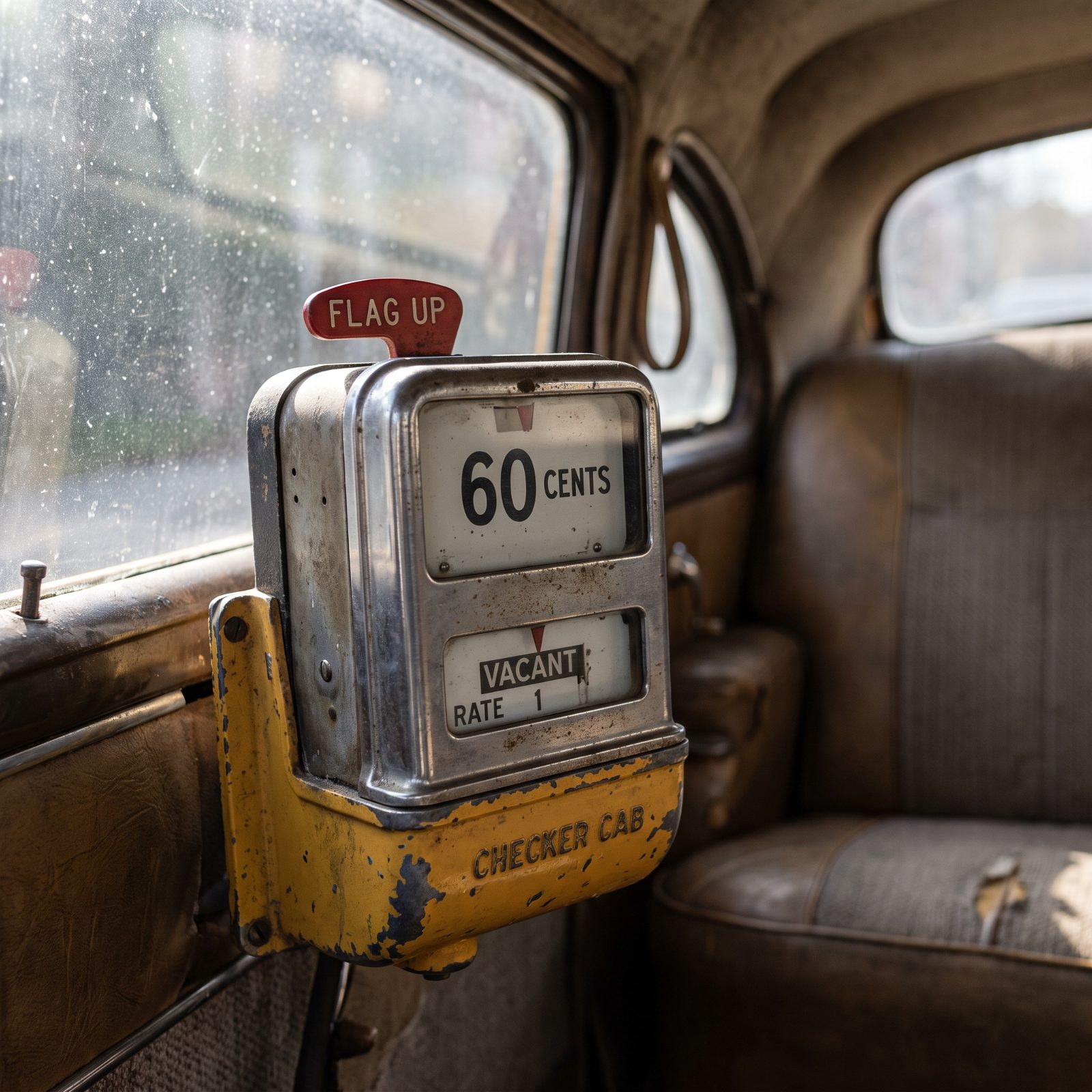
The driver flipped the flag, the mechanical meter clicked over to sixty cents, and you were officially on the clock. Back then a cab was a boxy Checker Marathon with a vinyl bench wide enough for four, a cardboard air freshener swinging from the mirror, and a meter that ticked up in satisfying little jumps. Sixty cents just to climb in, more as the city rolled by. It wasn’t luxury — it was how you got home when the buses stopped or the rain wouldn’t quit. And honestly, that swinging air freshener did almost nothing.
18. Domestic Airline Ticket: Cross-Country Flights Ran Well Over $150
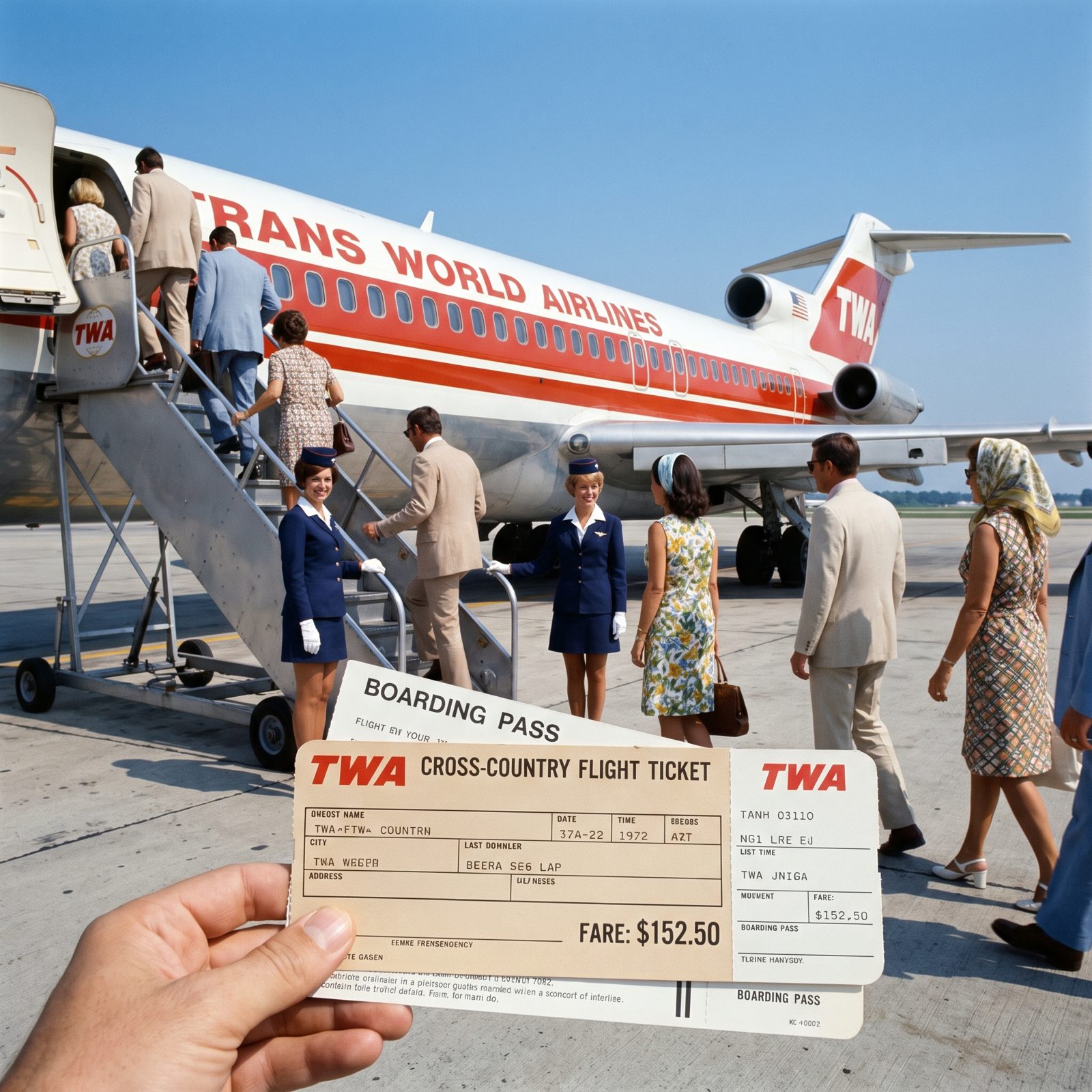
Flying coast to coast wasn’t cheap in 1972. A cross-country ticket could run well past $150, and when you consider what $150 meant to a household back then, you understand why air travel still carried a whiff of occasion. People dressed for it. The ticket itself was a booklet of carbon-copy coupons, torn out one leg at a time by an agent who wrote your fare by hand. Compare that to today, where a transcontinental fare sometimes costs less in actual dollars than it did fifty years ago — before you even adjust for inflation. Strange math, but true. The glamour’s gone and the legroom went with it, though.
17. Used Car: A Solid Second-Hand Sedan for Roughly $1,200
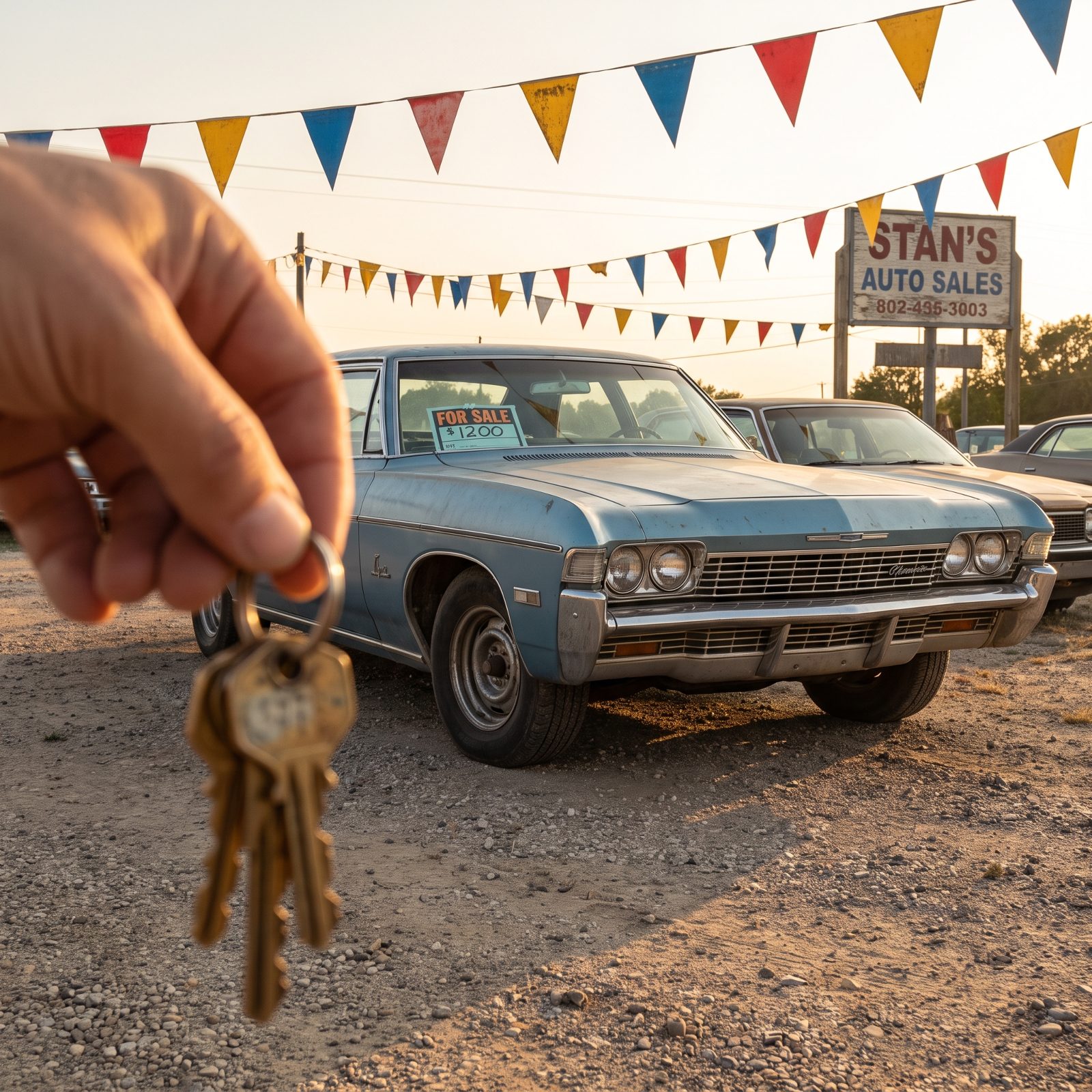
Roughly $1,200 and the keys to a solid used sedan were yours — something like a late-’60s Galaxie with chrome bumpers, whitewalls, and a windshield price soaped on in the dealer’s own hand. Pennant flags snapping overhead, a hand-lettered sign on the hood promising CLEAN – RUNS GREAT. You didn’t finance a used car over six years back then. You saved, you haggled, you paid, you drove off. A grand and change bought you real steel, enough of it to survive a fender-bender that’d total a modern econobox. Whether it actually ran great was between you and the engine.
16. Annual Car Insurance: Covering the Family Car for Around $200 a Year
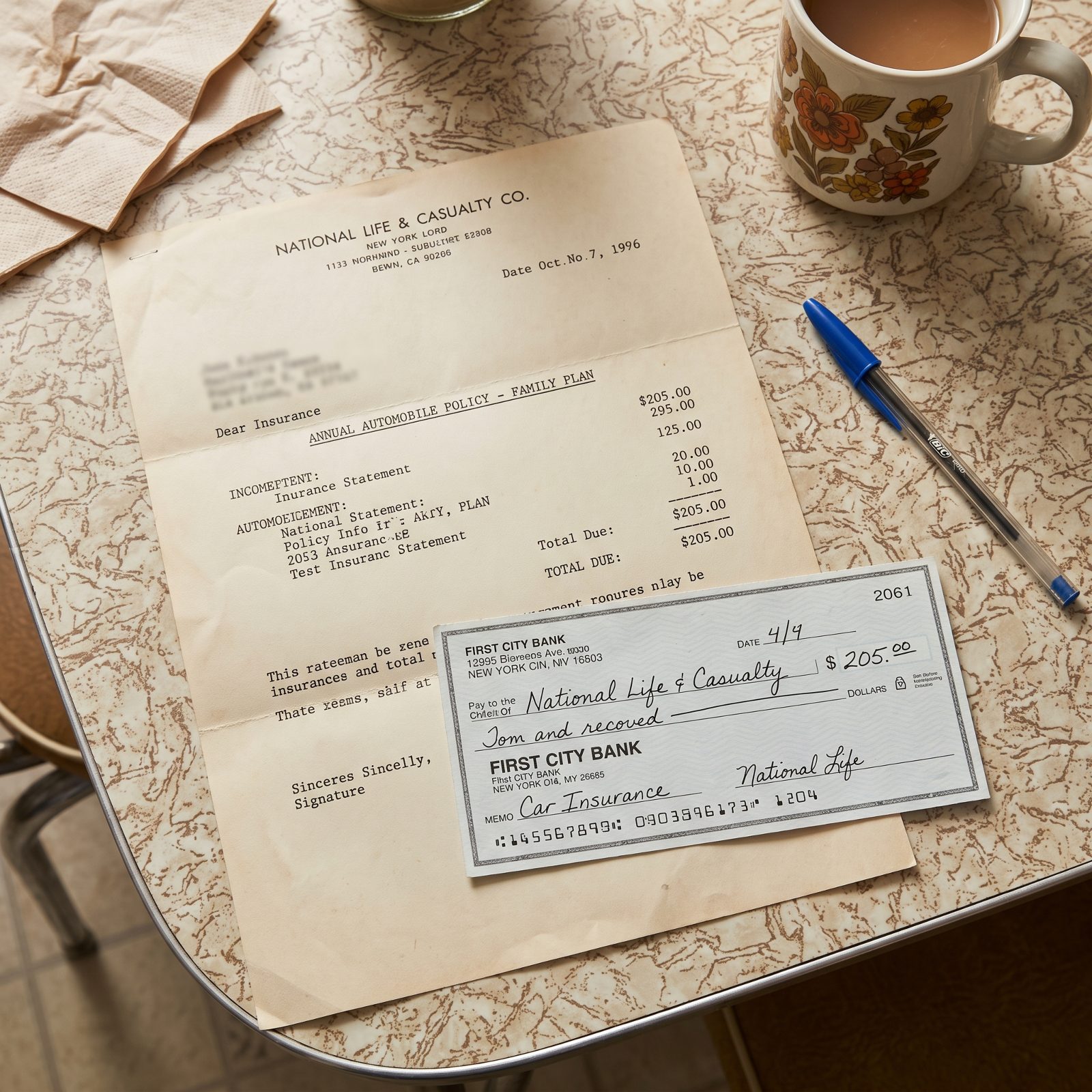
Around $200 covered the family car for a whole year. One typed statement, one check written at the Formica kitchen table, and you were done thinking about it until the next renewal landed in the mailbox. No quote-comparison apps, no telematics gadget phoning home about your braking habits — just a policy folded into an envelope. The premium was something a household could absorb without flinching, which feels almost quaint now. Anyone who’s opened their insurance bill lately knows exactly what I mean.
15. Oil Change: Draining and Refilling for Under $8
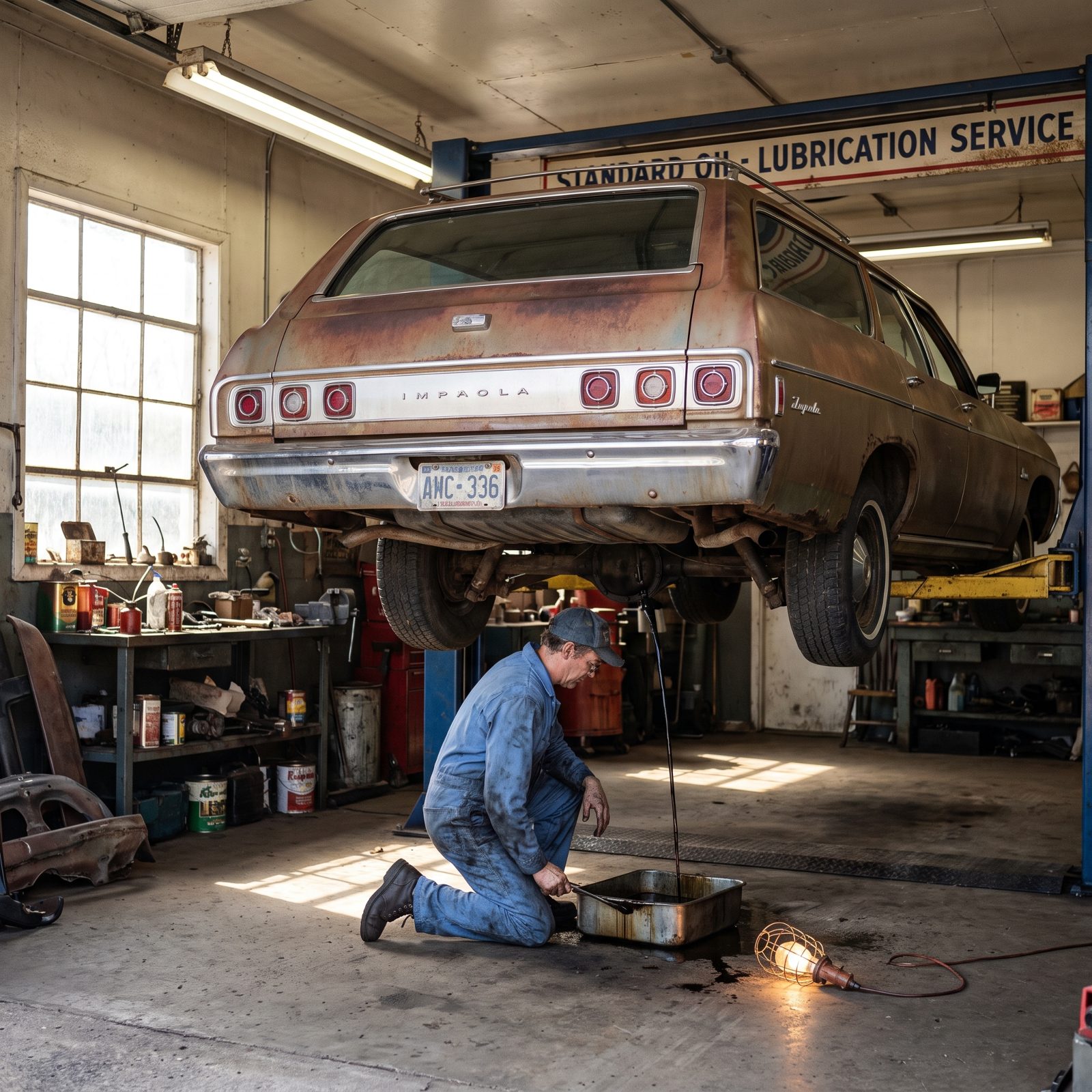
Under eight bucks got your oil drained and refilled, usually while an attendant in blue coveralls also checked your tires and wiped down the windshield because that’s just what service stations did. Quart cans with pull-tab tops, a funnel, a handwritten ticket pinned to a clipboard. The whole thing took maybe twenty minutes and you didn’t even leave the car. Try finding that now. These days the quick-lube place upsells you three times before the hood’s back down, and nobody’s touching your windshield.
14. Concert Ticket: Seeing a Headliner Live for About $6
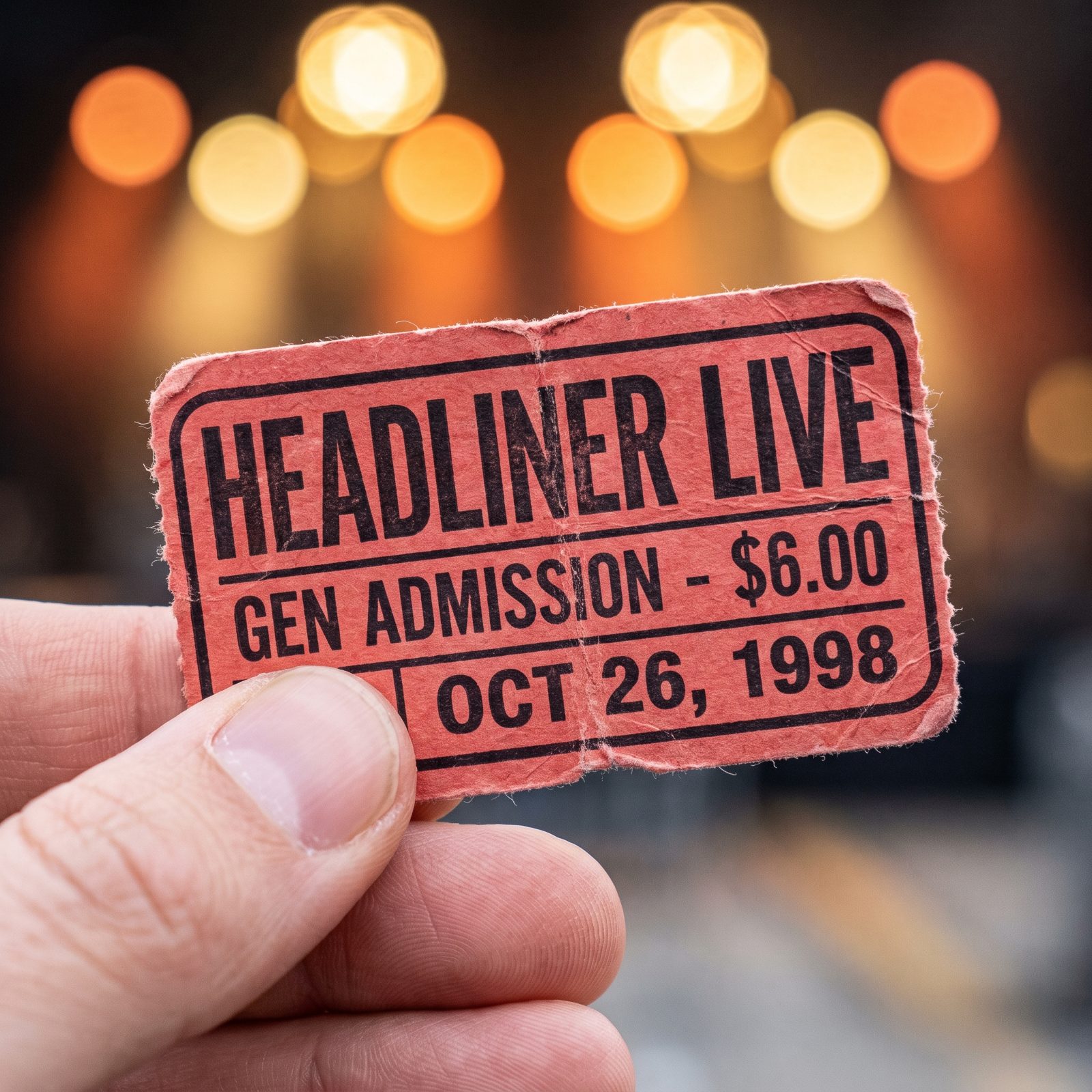
Six dollars. That was the face value, printed right there in red and black on a letterpress stub with rounded corners, to watch a headliner play live in 1972. No service fee, no convenience fee, no dynamic pricing algorithm deciding you’d pay more because demand spiked at 10:04 a.m. You walked up to the box office or bought from the newspaper ad, handed over your money, and got a physical ticket you’d keep in a drawer for decades. Six bucks for a night you’d talk about for years. The stub alone was worth keeping.
13. Major-League Baseball Ticket: A Day at the Ballpark for Around $3.50
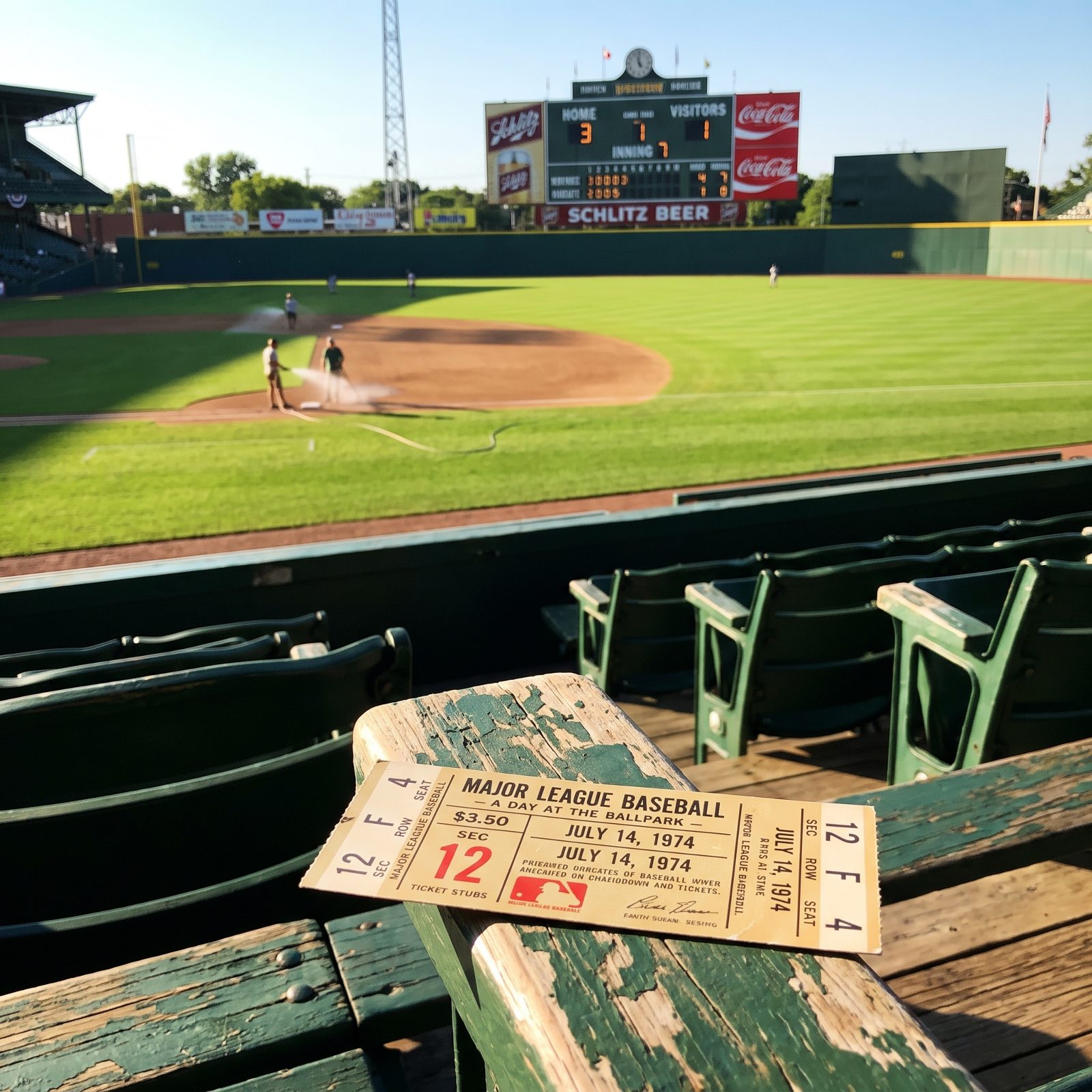
Three-fifty got you a good seat at a ballgame without anyone doing budget math on the drive over. You walked up to the booth, slid your bills across the chrome tray, took your stub, and pushed through the turnstile into an afternoon of baseball. A hot dog and a soda might run you another dollar, and that was the whole day. Compare it to a modern lower-bowl seat and you’ll want to lie down. Cheap tickets, cheap concessions, sunshine — the kind of afternoon that didn’t require a second mortgage.
12. Bowling: A Single Game for Roughly 60 Cents
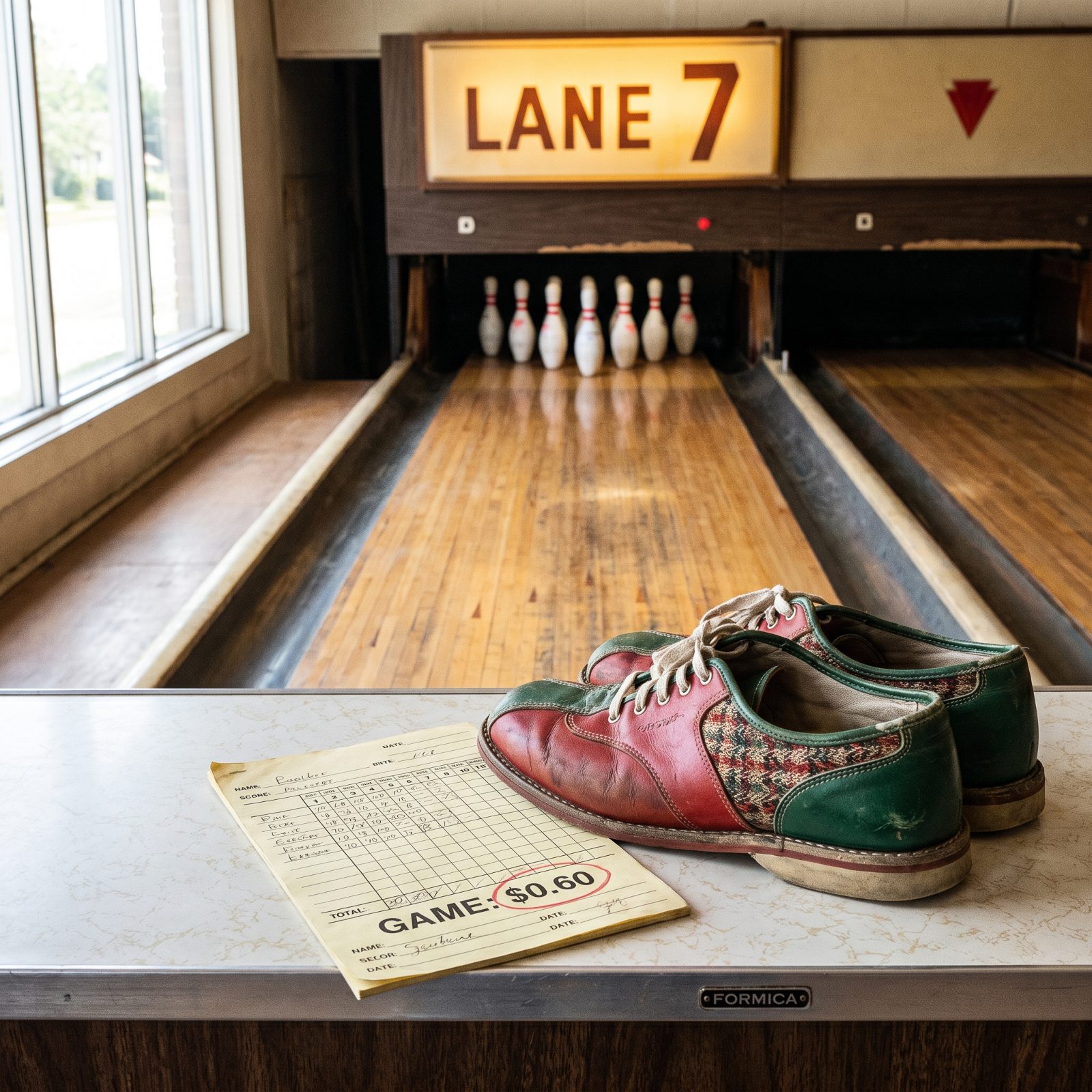
Sixty cents a game, shoe rental extra. For the price of a couple of games you got a whole evening out — the clatter of pins, the hum of the ball return, a pencil and a paper scorecard you filled out yourself because the lanes didn’t do the math for you. Bowling alleys were the social hub, cheap enough that leagues thrived and teenagers could afford a Friday night without begging their folks for cash. Geometric carpet, orange plastic seats, marbled balls the color of hard candy. Sixty cents. You kept your own score, and you argued about it too.
11. Paperback Book: A Pocket Novel for About 95 Cents
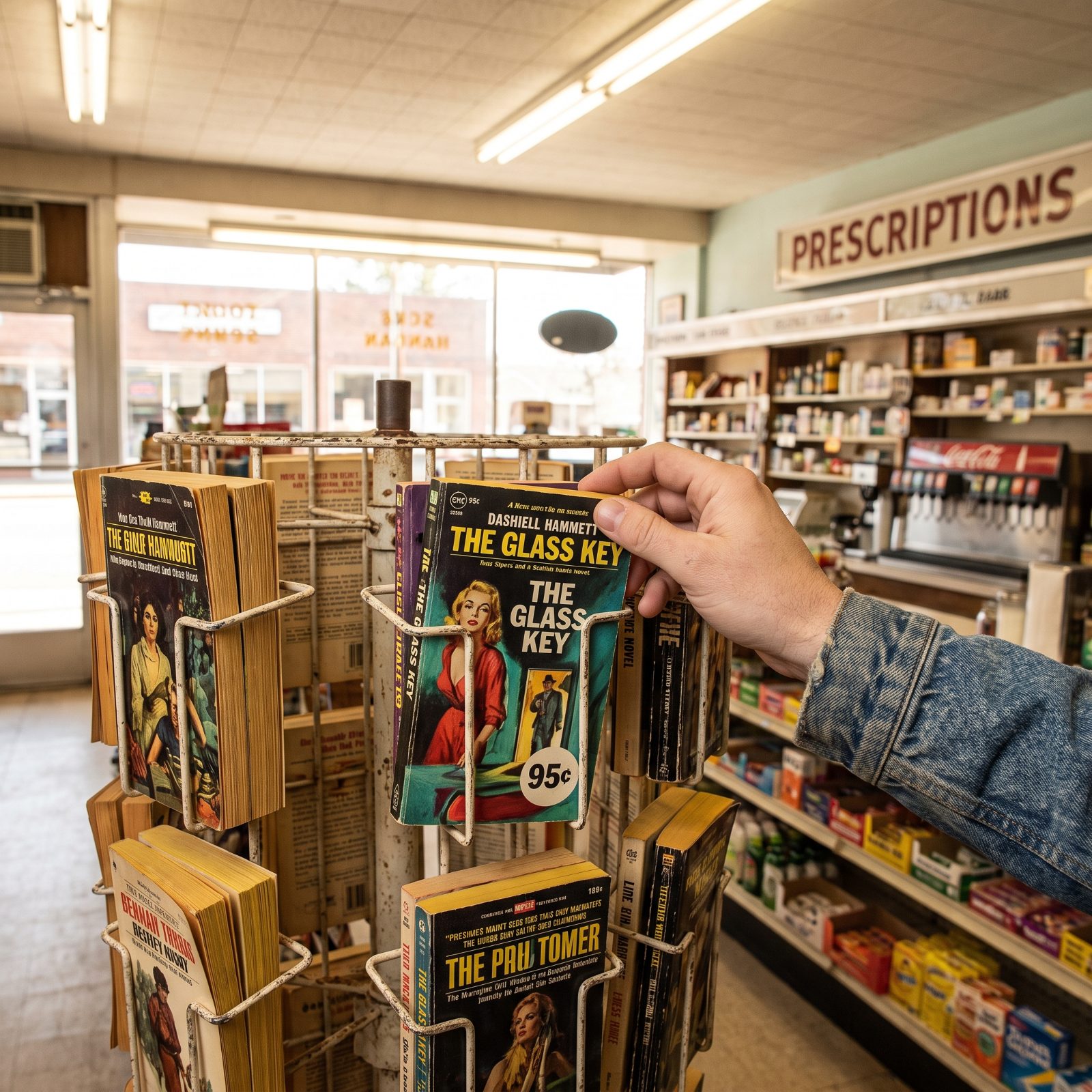
Under a dollar and you walked out of the drugstore with a whole novel in your back pocket. The wire spinner rack squeaked when you turned it, glossy painted covers facing out — lurid reds, bold yellows, a round sticker reading 95¢. You could blow through a thriller on a weekend and feel like you’d barely spent a thing. That price point is what put reading in everybody’s hands, not just the folks who could afford hardcovers. Cheap paper, pulpy pages, a cracked spine by chapter three. And somehow those beat-up paperbacks are the ones people still have on the shelf fifty years later.
10. The Daily Newspaper: A Dime on the Corner
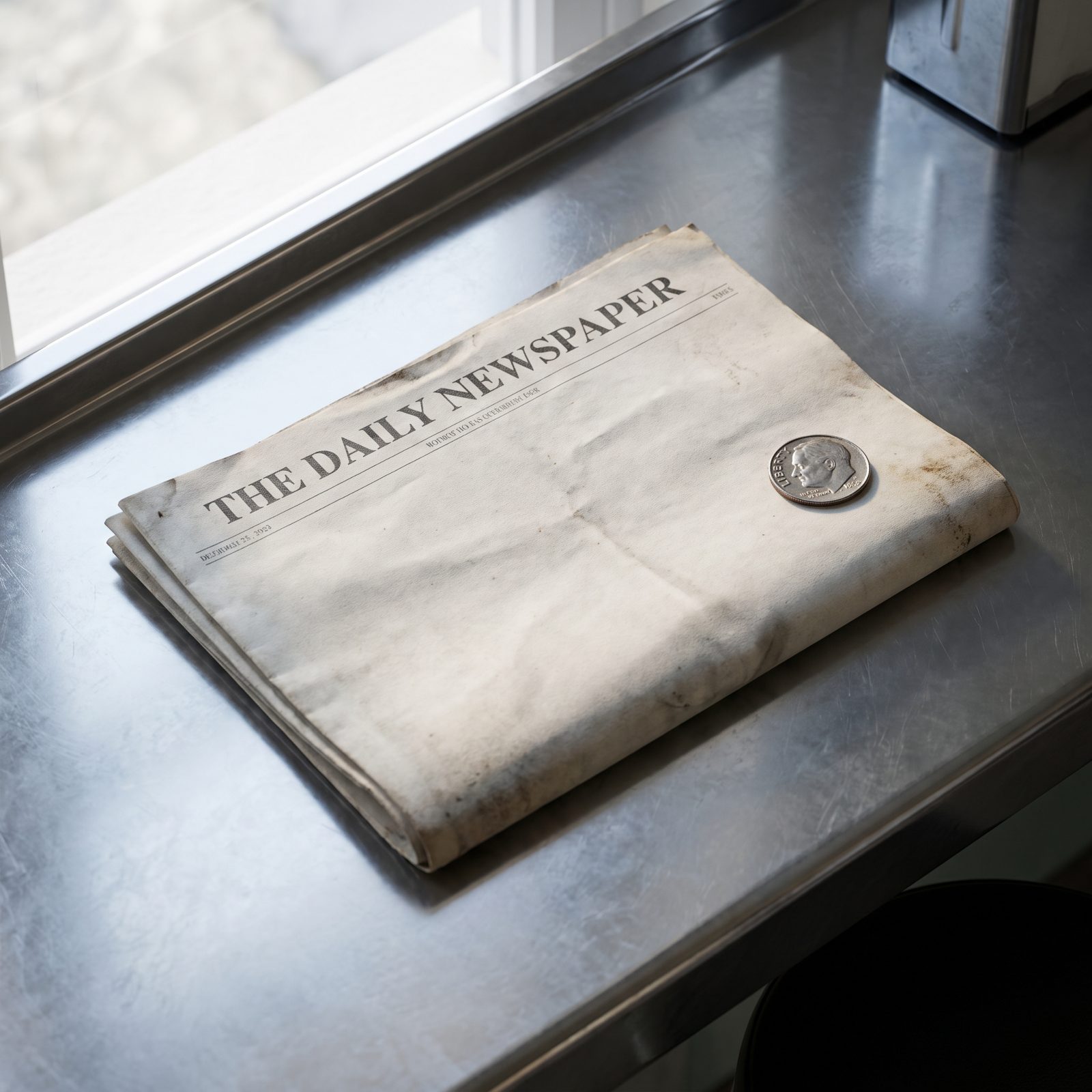
A dime. That’s what you dropped on the counter for a full broadsheet newspaper in 1972, with most big-city dailies hovering right around a dime or a bit more. Nobody thought twice about it.
And a dime was pocket lint. The average factory worker pulled in a few dollars an hour back then, so a paper cost a couple minutes of work. You bought one every single day and the whole week barely dented a dollar.
What you got for that dime was heavy. Full classifieds, box scores, the funny pages, and a crossword you actually had to sit with — the paper was your internet, your job board, and your obituary wall all folded into one.
9. A Vinyl Record Album: Around $4 for the Whole Thing
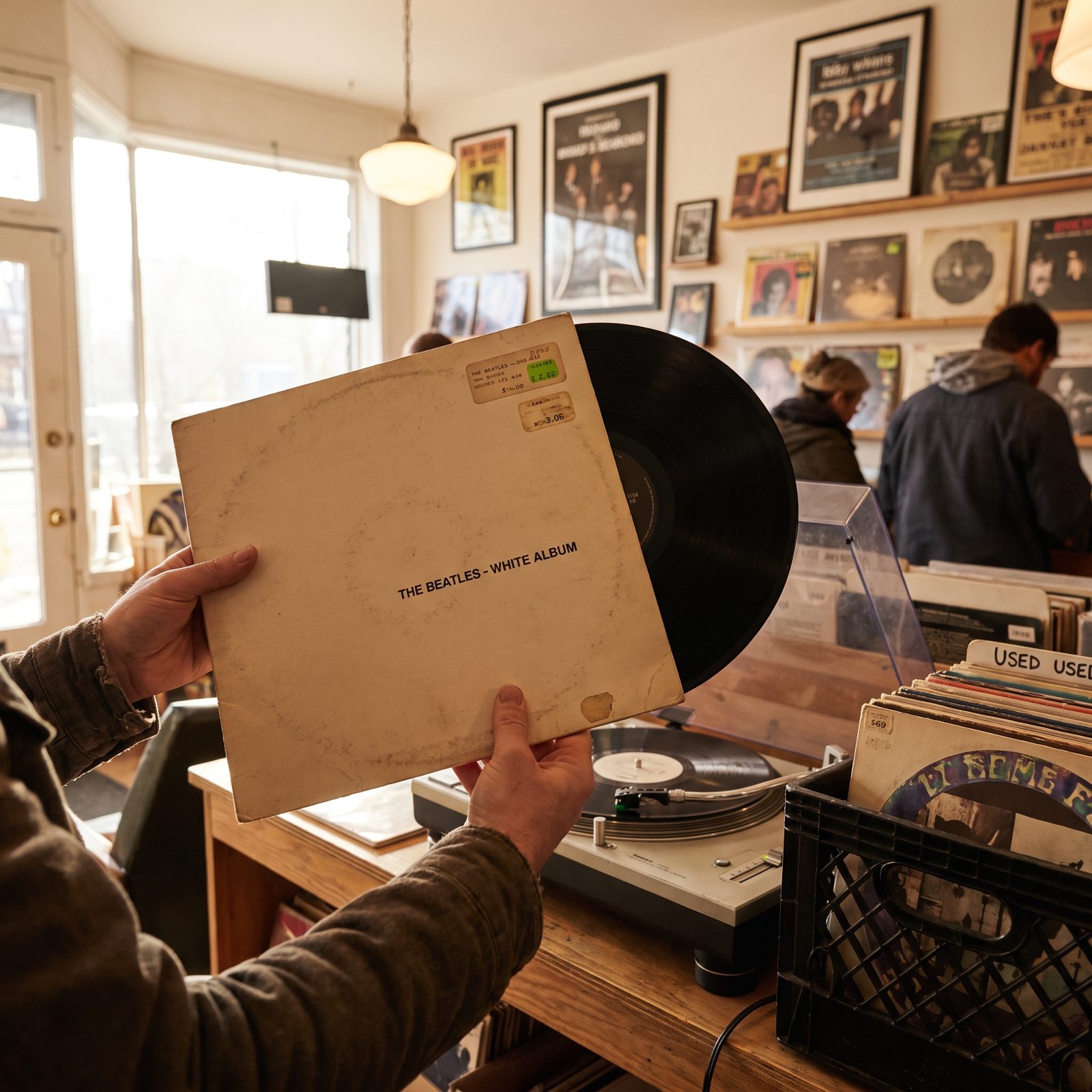
Four bucks, give or take. A new vinyl LP in 1972 ran somewhere between four and six dollars, with budget reissues cheaper and the deluxe gatefolds nudging higher.
Run the math on a working wage and that album cost roughly an hour of labor. One hour for a record you’d flip a hundred times, memorize, scratch, and lend to a friend who never gave it back. Music wasn’t disposable, because it wasn’t cheap enough to be.
You carried it home flat so it wouldn’t warp, and you read the liner notes on the bus. The whole ritual was baked into the price.
8. A Color Television Set: The $400 Centerpiece of the Living Room
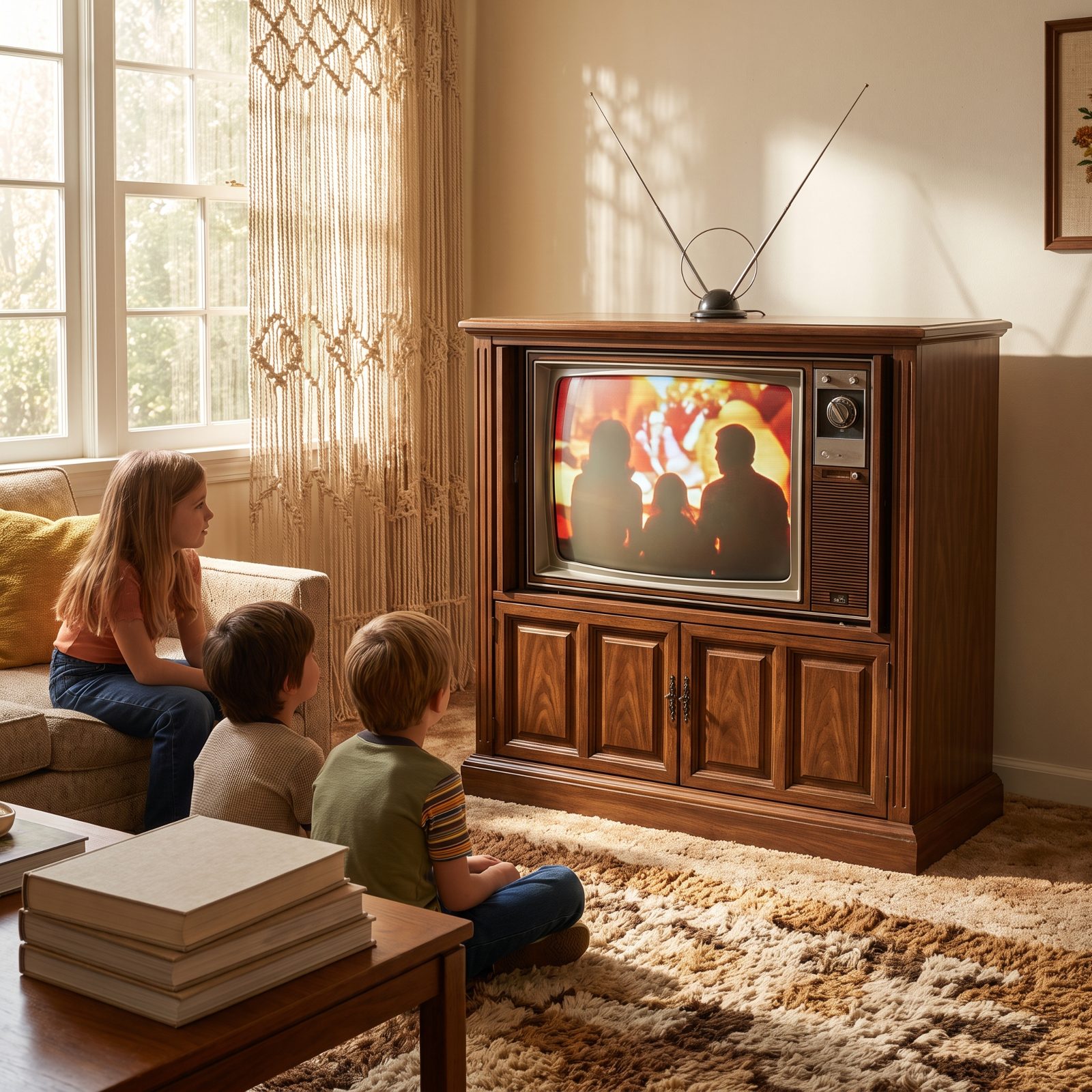
A color TV was a commitment, not an impulse buy. A decent console set in 1972 cost a few hundred dollars, and the fancier models wrapped in wood cabinetry sailed well past that.
Picture the weight of it. At a factory wage of a few dollars an hour, that television meant well over a hundred hours of work — nearly three full weeks of pay for one appliance. You didn’t toss it when it flickered. You smacked the side of it and called the repair guy.
This was furniture. It had legs, a cabinet, and a place of honor, and the whole family planned their evening around whatever those three or four channels decided to show.
7. The Polaroid Camera: Instant Magic for About $50
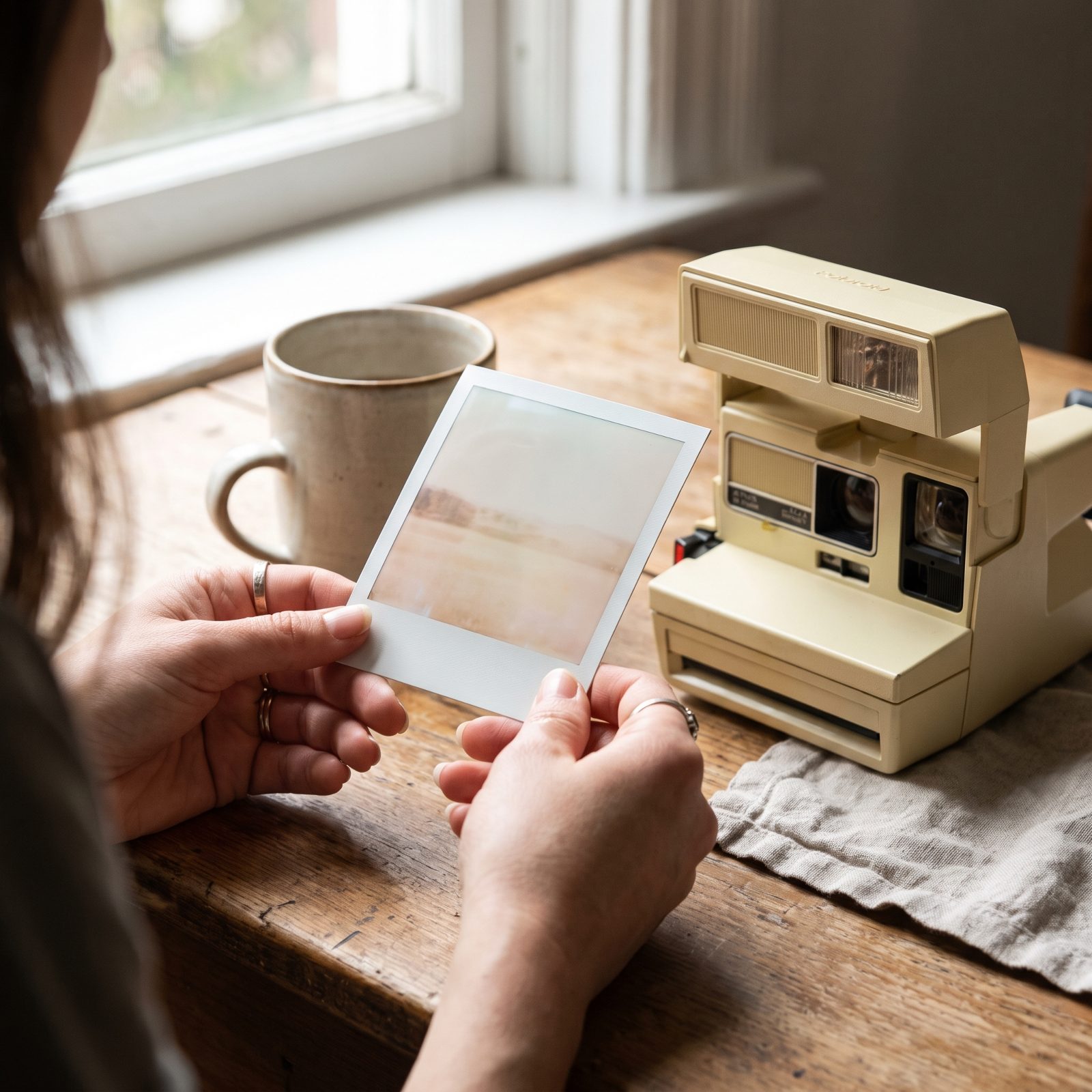
Fifty dollars got you something close to witchcraft. A popular Polaroid instant camera in 1972 landed around that mark, and the photo appeared in your hand while everyone leaned in to watch it bloom.
But the camera was only the opening cost. The film did the real damage — each pack ran a few dollars for a handful of shots, which meant every click of the shutter cost real money. You didn’t fire off forty photos of your lunch. You waited for the moment worth a dollar.
That scarcity is what makes those faded square prints feel so weighted now. Each one was chosen.
6. A First-Class Postage Stamp: Eight Cents to Mail a Letter
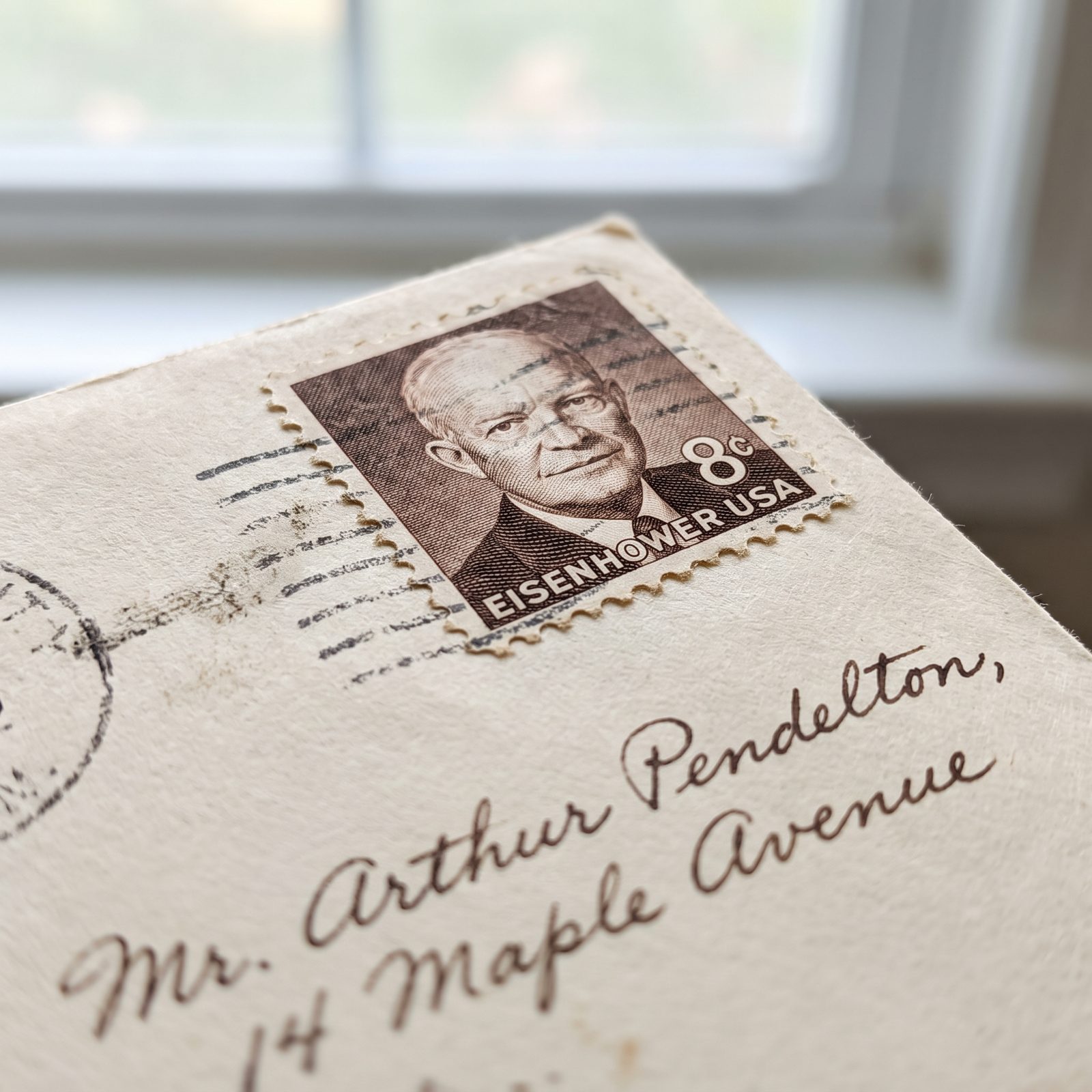
Eight cents. That’s all it cost to mail a first-class letter in 1972, a price that had crept up from six cents only the year before and felt almost offensive to people who remembered three-cent stamps.
Think about what eight cents moved — a birthday card crossing three states, a love letter, a job application, the water bill. All of it rode on a single stamp for less than a dime.
Mail was how you stayed in touch. A long-distance phone call cost real money by the minute, so you wrote instead. That stamp was the cheapest bridge between two people living far apart.
5. Monthly Home Telephone Service: Around $7 for the Landline
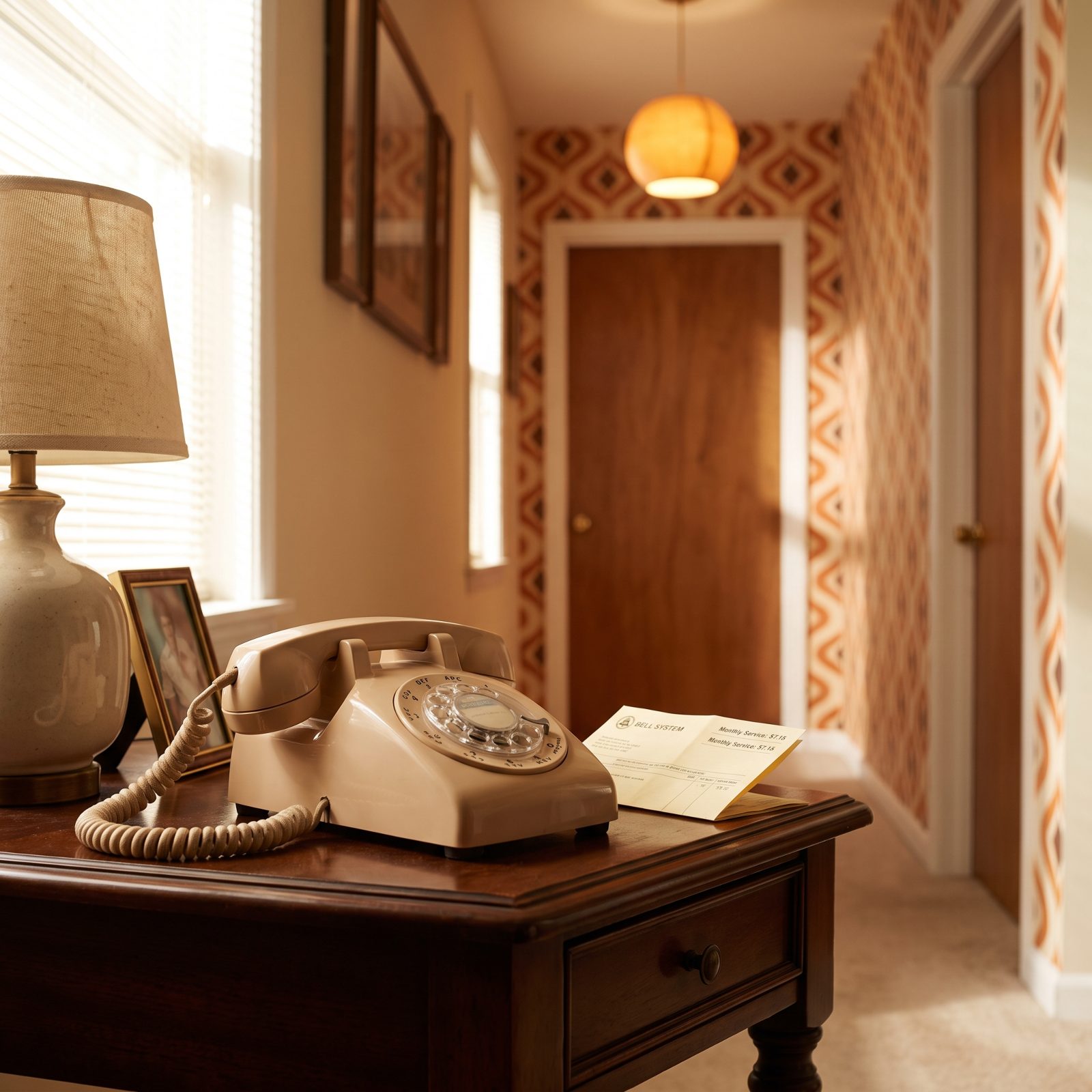
Basic home phone service ran a handful of dollars a month in 1972, and that got you one line and unlimited local calls. The catch lived in the long-distance column.
Calling another state meant watching the clock. Rates ran by the minute, often steepest during daytime hours, so families waited until late at night for the cheap rate to kick in, then talked fast. A long chat with relatives three states away could add several dollars to that modest monthly bill.
And you didn’t even own the phone. You rented it from the company. The gold rotary on the kitchen wall belonged to Ma Bell, and you paid for the privilege of dialing on it.
4. The Monthly Electric Bill: About $20 to Keep the Lights On

Twenty dollars, maybe a little more, covered a month of electricity for a typical American household in 1972. Power was cheap, and nobody obsessed over leaving a light on.
That changed fast. The oil shock of 1973 was right around the corner, and energy prices were about to climb in a way that would have people unplugging things and guarding the thermostat. For now, though, the bill was an afterthought.
Central air was still a luxury in a lot of homes, which kept bills low in a way we forget. Most families made do with a window unit in one room and open windows everywhere else.
3. A Men’s Haircut: Two Dollars in the Barber’s Chair
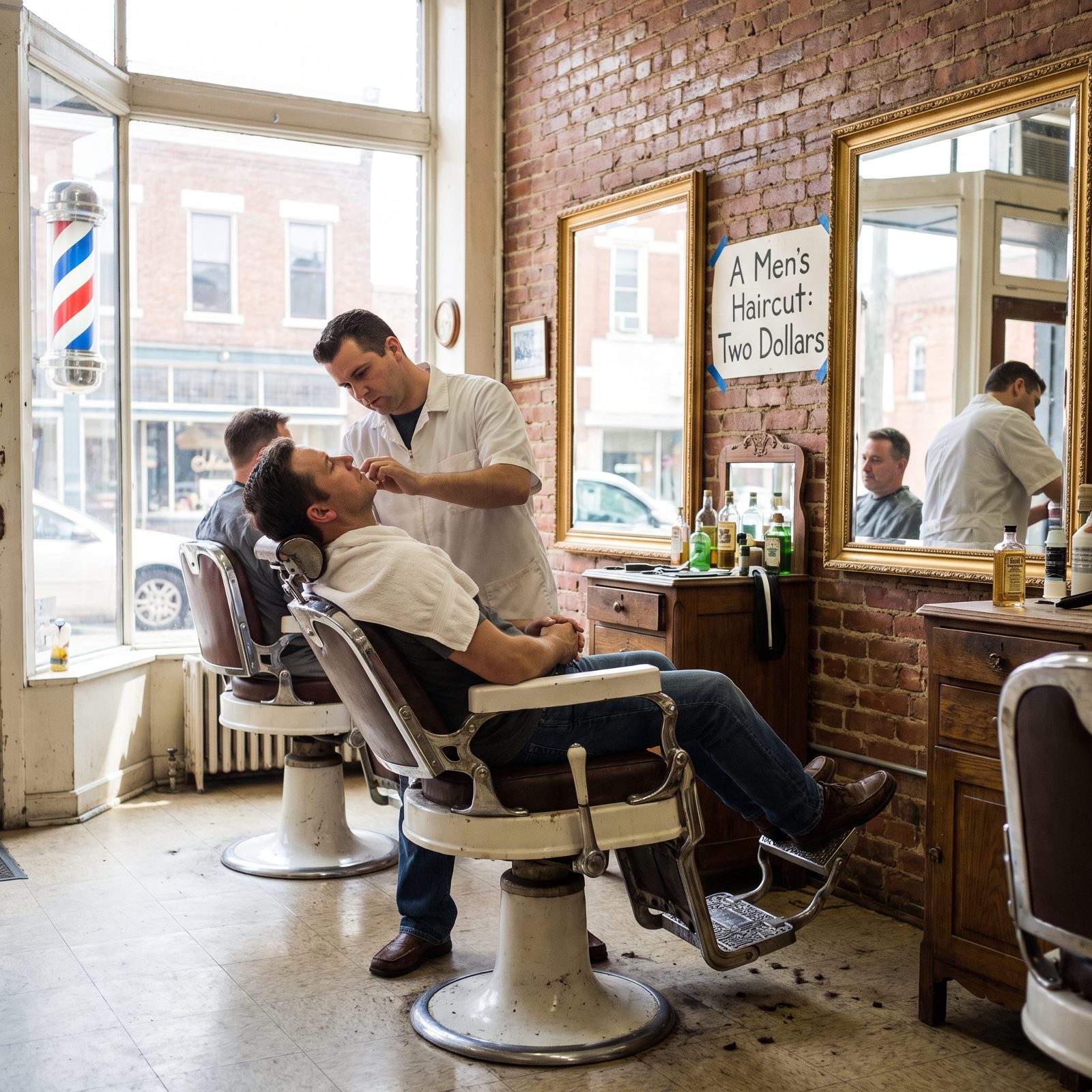
Two bucks. A standard men’s haircut at the neighborhood barbershop in 1972 cost a couple of dollars, and that included the hot-towel finish and whatever gossip the barber was serving that day.
The barbershop was a social institution, not a quick stop. You waited your turn reading a worn magazine, listened to the men ahead of you argue about the ballgame, and came out trimmed and caught up on everything.
Longer styles were coming into fashion and some guys skipped the chair entirely, which is partly why the old-school barber trade thinned out through the decade. But in 1972, the striped pole still meant something.
2. A Doctor’s Office Visit: Roughly $10 to See the Doc
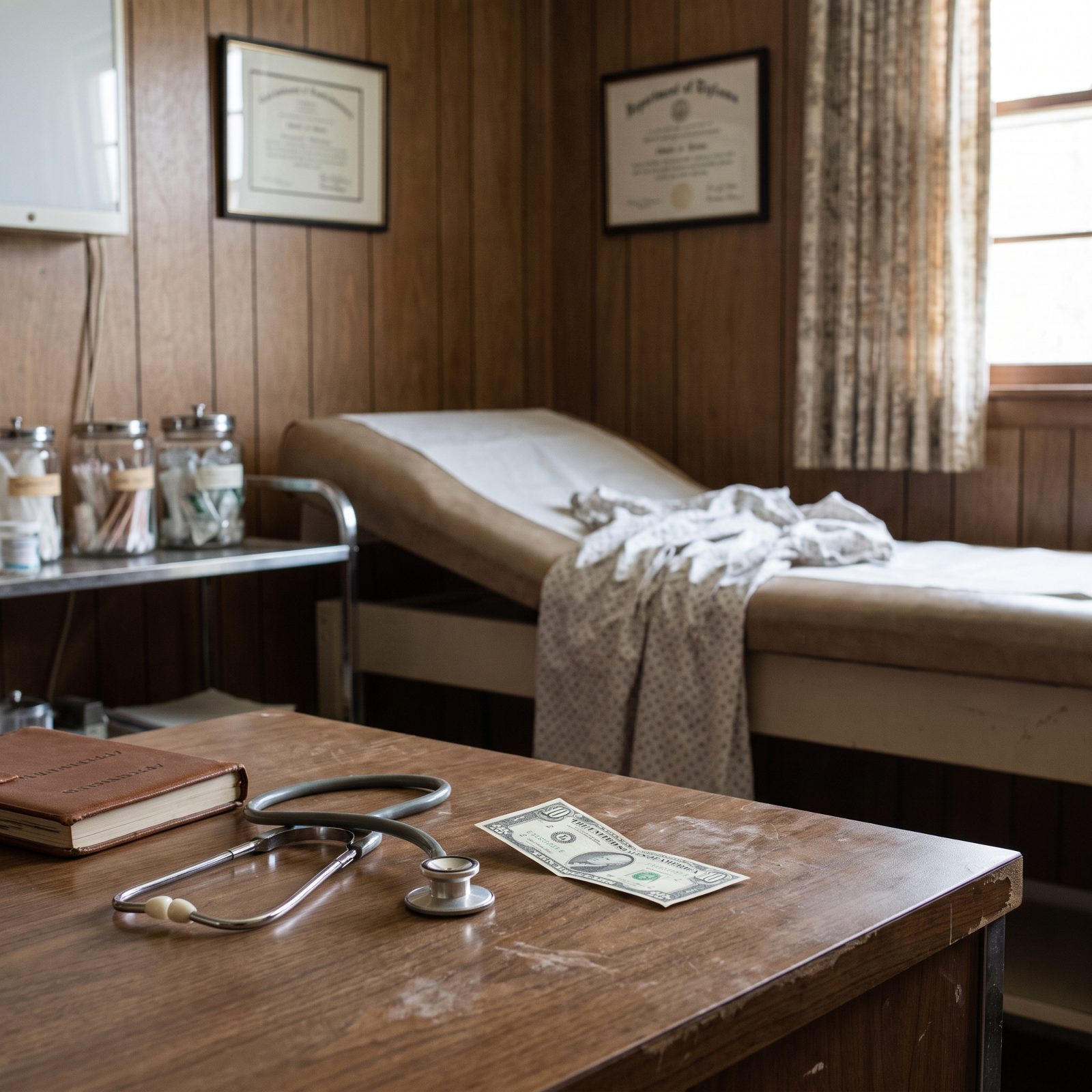
A routine visit to the family doctor in 1972 cost around ten dollars or so, often settled on the spot. House calls were fading but not gone, and plenty of doctors still knew your whole family by name.
Here’s the part that stings a little. Health insurance existed, but out-of-pocket for a basic visit was low enough that people just paid cash and skipped the paperwork. The billing machine we know now hadn’t fully taken over.
A ten-dollar visit against a working wage of a few dollars an hour meant a couple hours of pay for a checkup. Not nothing. But a far cry from what a simple visit runs today.
1. A Movie Ticket: A Buck and a Half at the Theater
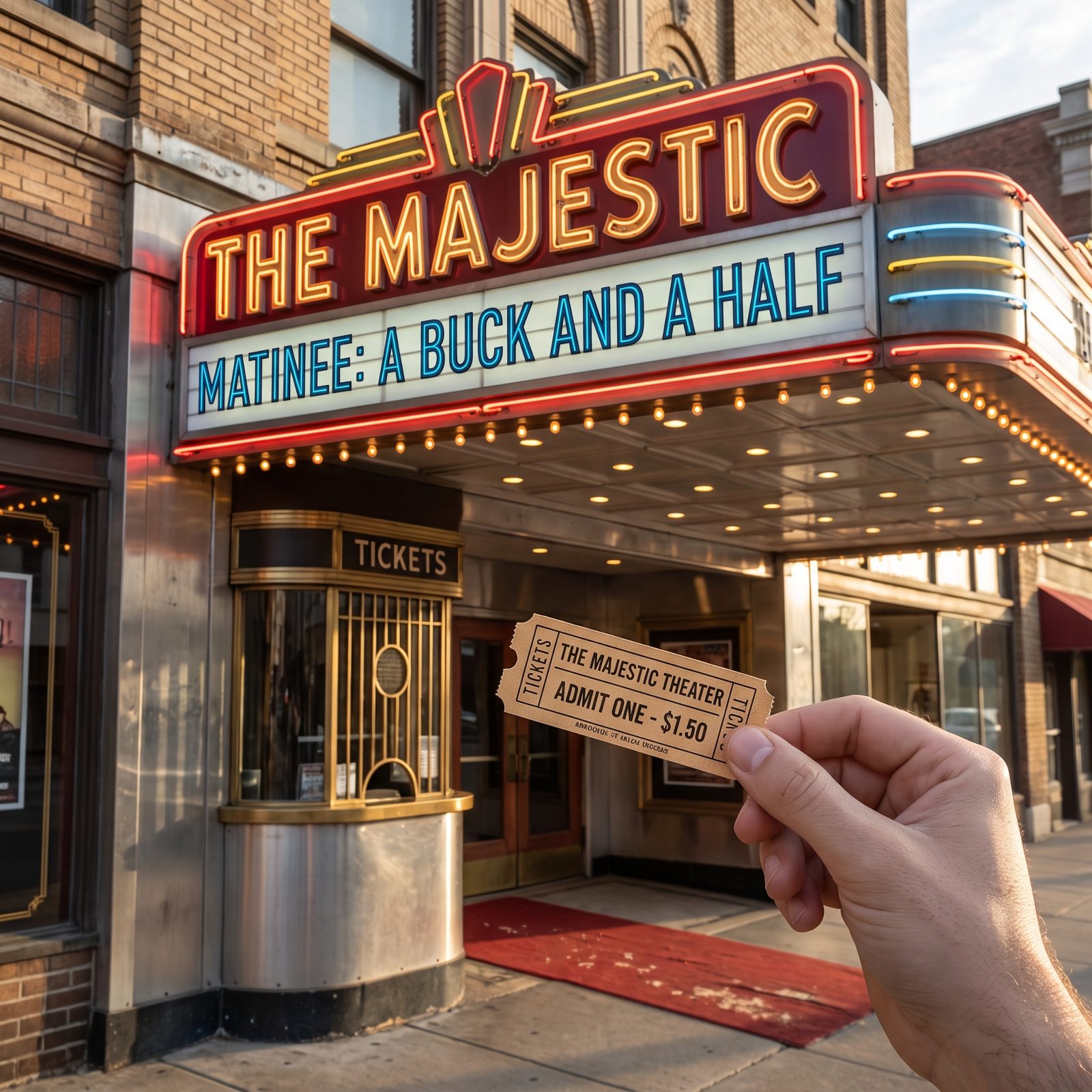
A dollar fifty, more or less. A movie ticket in 1972 ran a buck or two, and a family of four could catch a show for the price of a tank of gas.
The concession stand is where they made their money, same as always. A tub of popcorn and a soda could run as much as the ticket itself, and you paid it gladly because the smell got you the second you walked in.
Going to the movies was an event you dressed for a little. The theater had a single big screen, a balcony, and velvet seats that had seen better decades. You showed up, you sat down, and the lights came up on something you couldn’t pause or rewind.