
Would you like to save this?
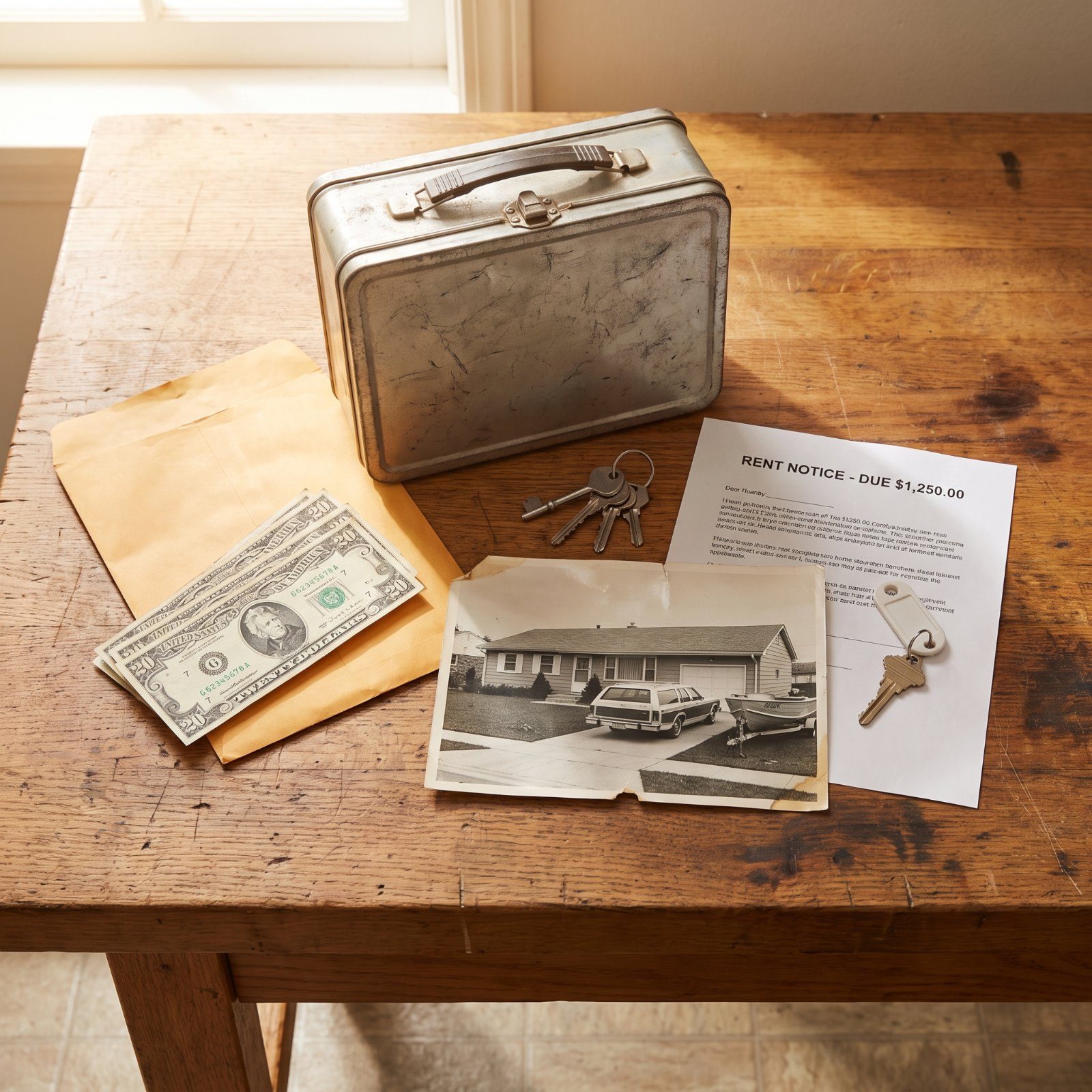
One paycheck. A modest ranch house with a two-car driveway, a station wagon, a second car for weekends, and a little aluminum runabout on a trailer beside the garage — all of it on a single factory wage in 1968, and nobody thought twice. The man clocked out, cashed his check, and the money reached. We pulled a long list of solid trades from that era and set their old buying power against what the same work covers today. The gap is the whole story.
33. The Automobile Assembly-Line Worker Who Owned the Driveway He Built Cars For
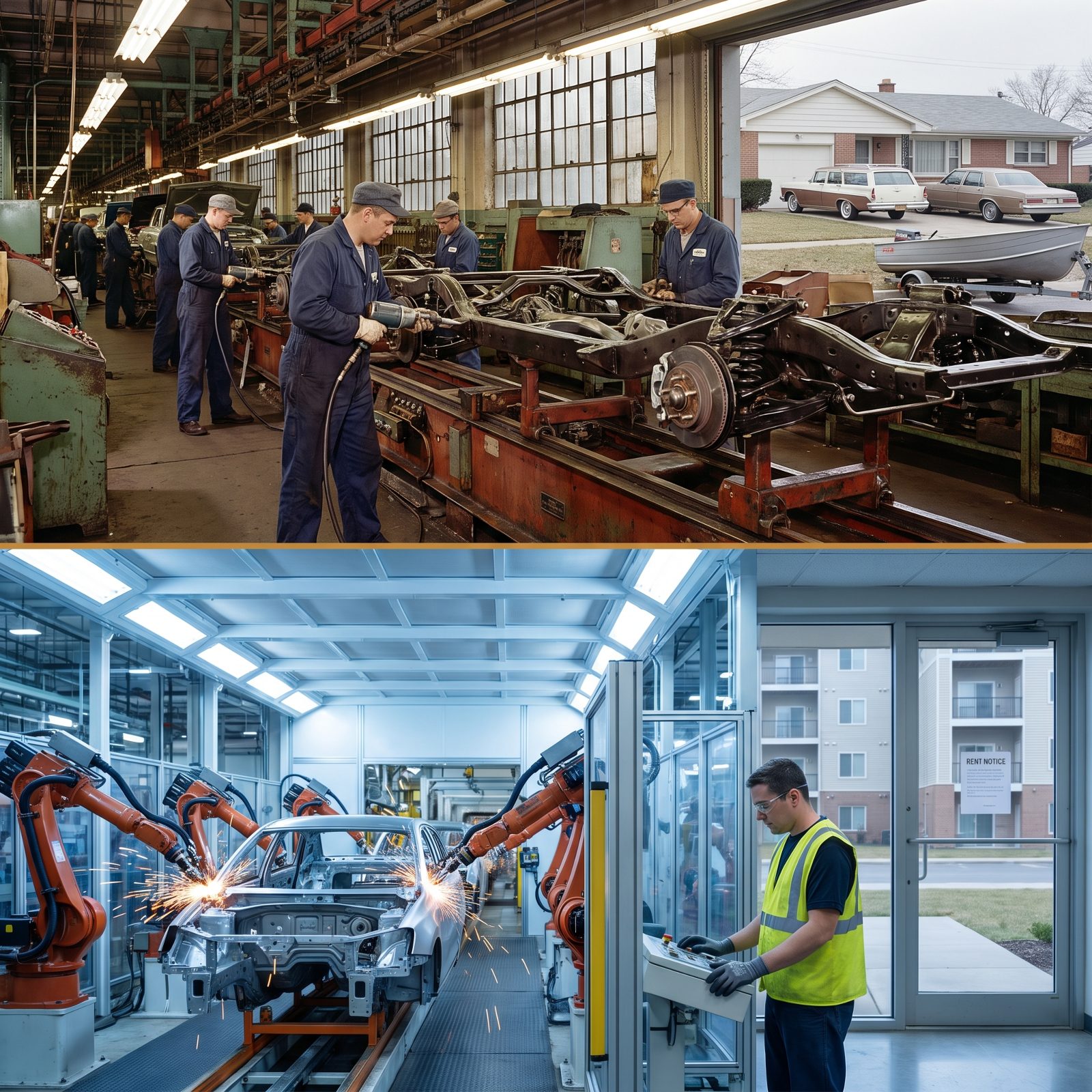
A line job in Detroit meant a mortgage, not a roommate. The 1968 assembly worker pulled union scale that did real work, and a new house ran only a few years of that pay. A new car cost less than a used one asks today. A man on the line could carry both and still put a boat on a trailer by July.
Today the same line work exists, mostly running robots instead of racing them. The pay looks bigger on paper. Then rent takes its cut, the health premium takes its cut, and the boat becomes a thing other people own.
32. The Steel Mill Worker and the House That Came With the Heat
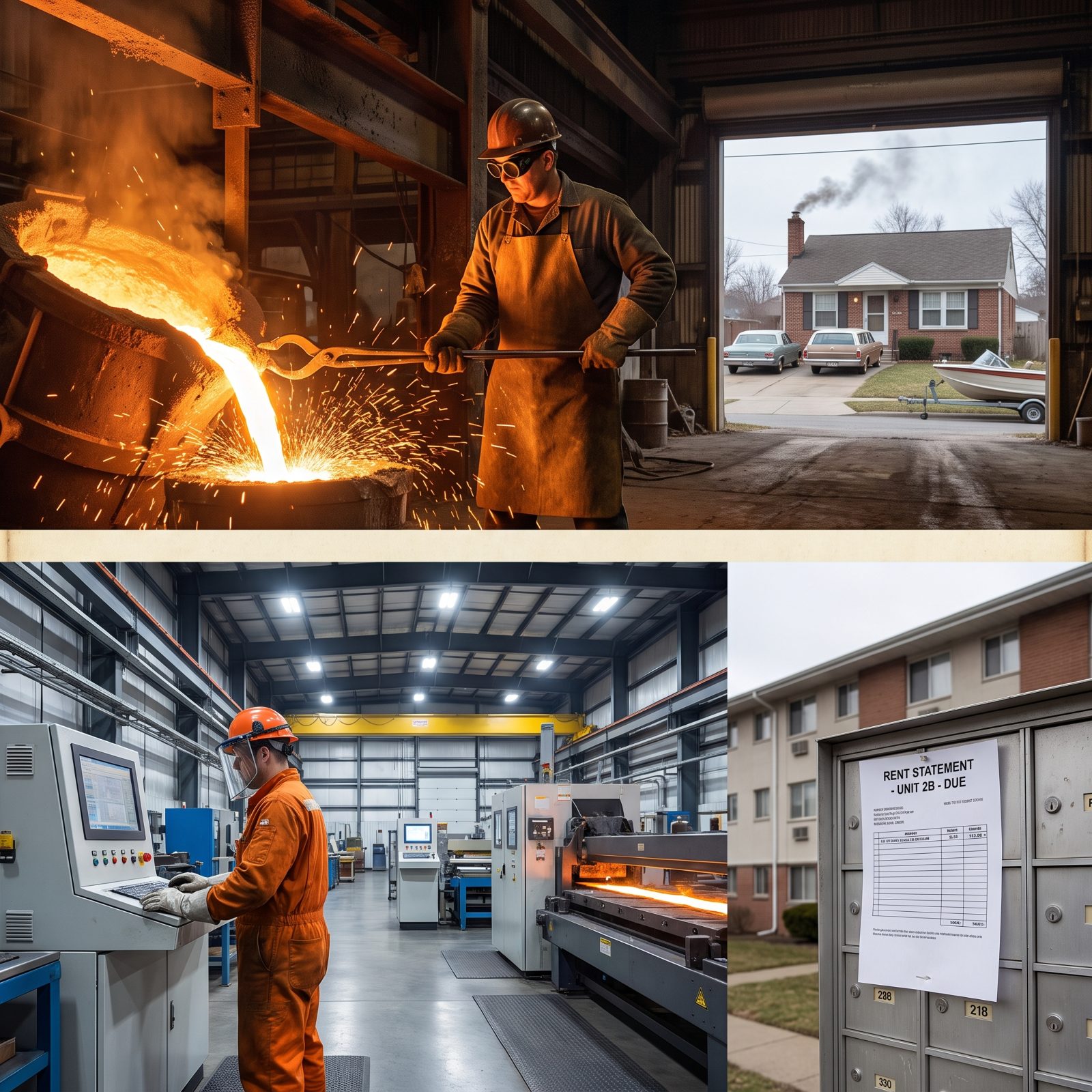
The mill was brutal and loud and hot enough to warp your sense of a normal afternoon. It also paid. Steelworkers in 1968 sat comfortably in the middle class on one income, and the union contract meant the raise came whether the foreman liked you or not.
A mill town then was full of paid-off porches and second cars nobody financed. The men who ran that fire bought a house near the plant and a fishing boat for the weekend, no second job required.
The steel jobs that survived pay well, and there are far fewer of them. That house two blocks from the gate? It now costs more than a mill wage was ever meant to cover.
31. The Coal Miner Who Went Underground So the Family Could Come Up
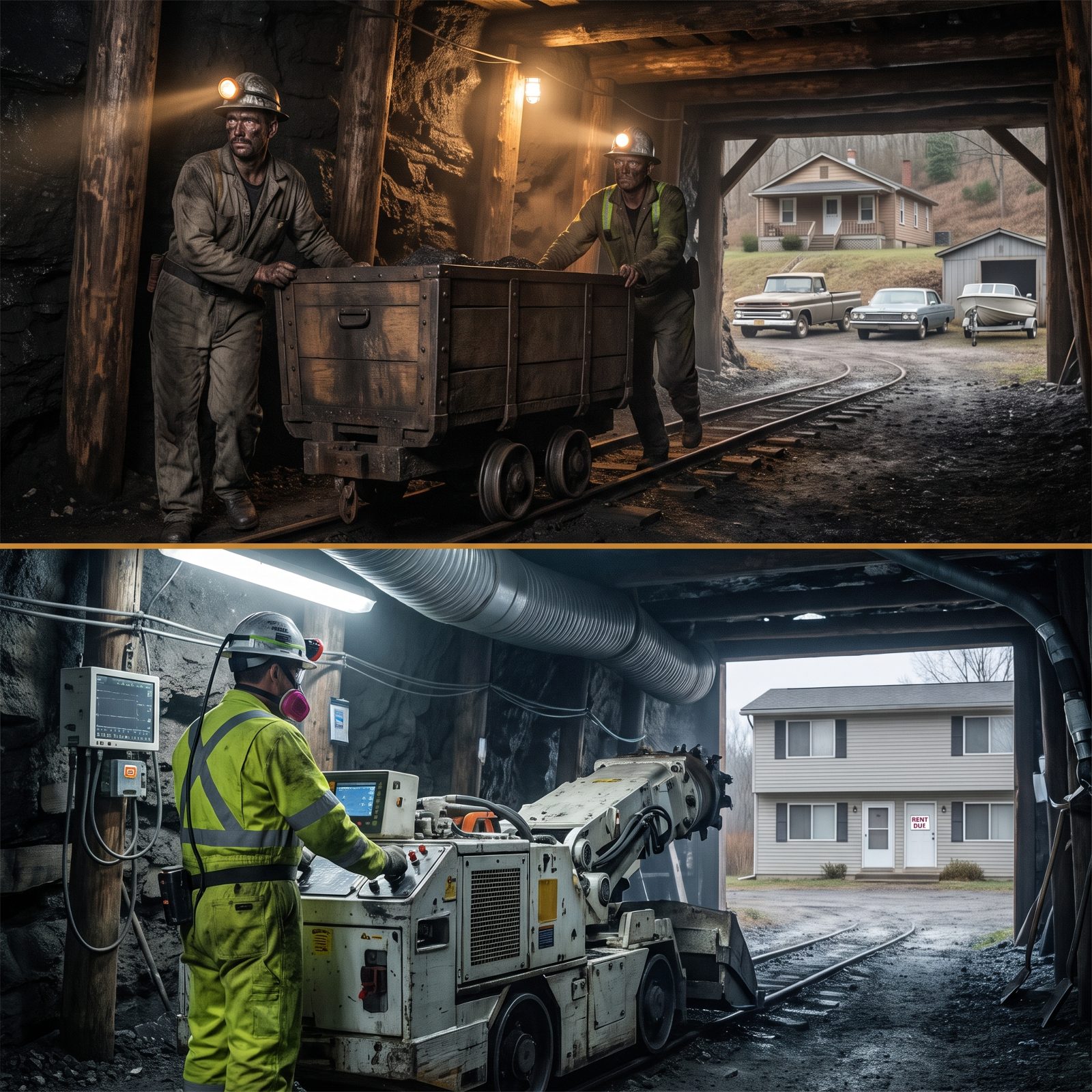
Nobody romanticizes the mine, and they shouldn’t. The dust in the lungs was real, and it collected the debt slowly. But the trade of that danger was a paycheck that held a household up — a house on the hill, a truck, a second car, and the kids out on a little boat when the weather turned.
Fewer miners now, better safety gear, and a wage that too often gets eaten by the same housing crunch as everyone else.
30. The Meatpacking Worker Who Cut a Middle-Class Life Out of a Cold Floor
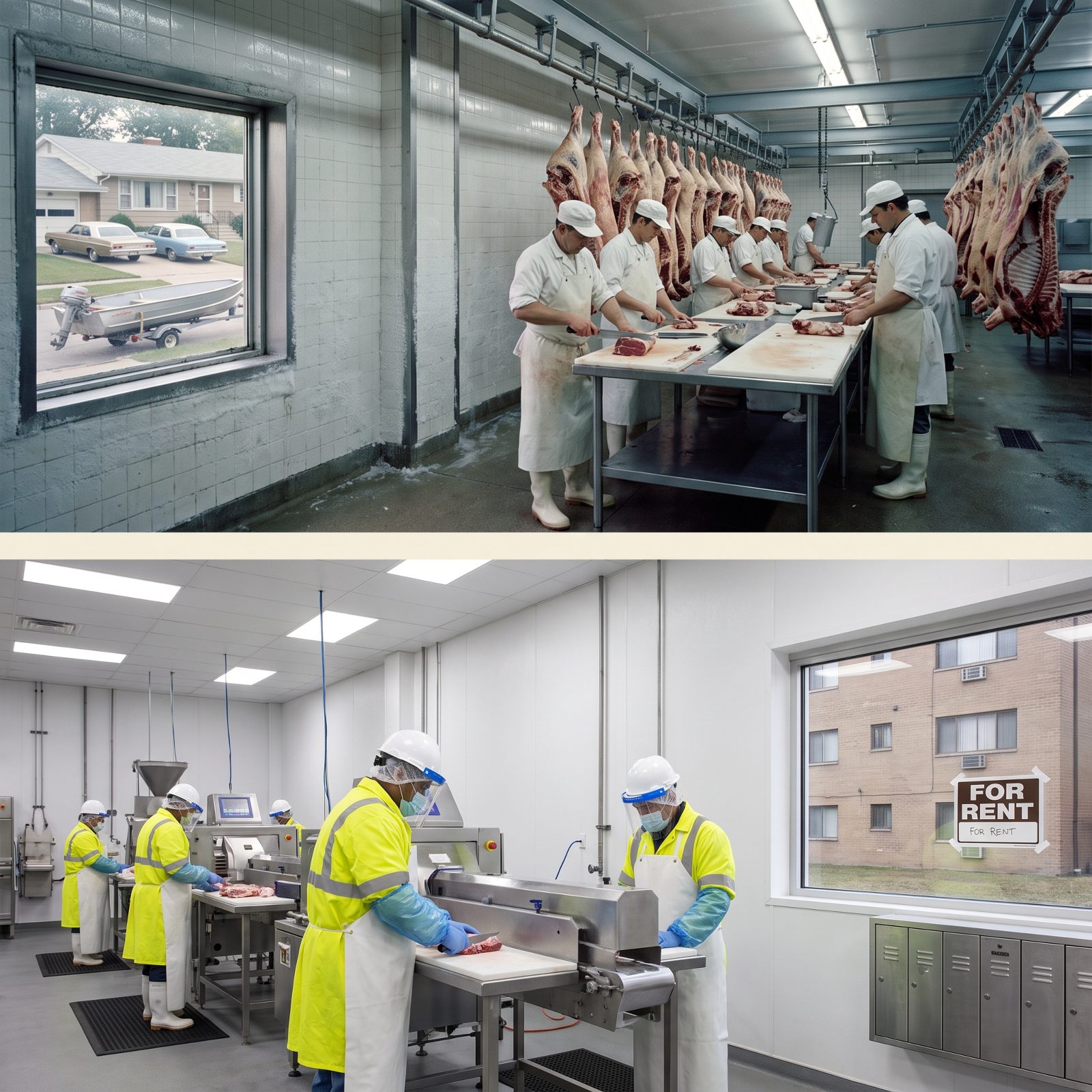
The packinghouse floor was cold, wet, and unionized. That last part is the one people forget. In 1968, a meatpacking job in a big Midwestern plant was a genuine middle-class wage — strong enough for a modest house and a family car with a second one for weekends.
The work itself didn’t get easier. What changed was the deal around it. The union scale eroded, the plants moved, and the same knife on the same line now pays a wage that housing swallows whole.
29. The Tool-and-Die Maker Whose Precision Bought a Whole Life
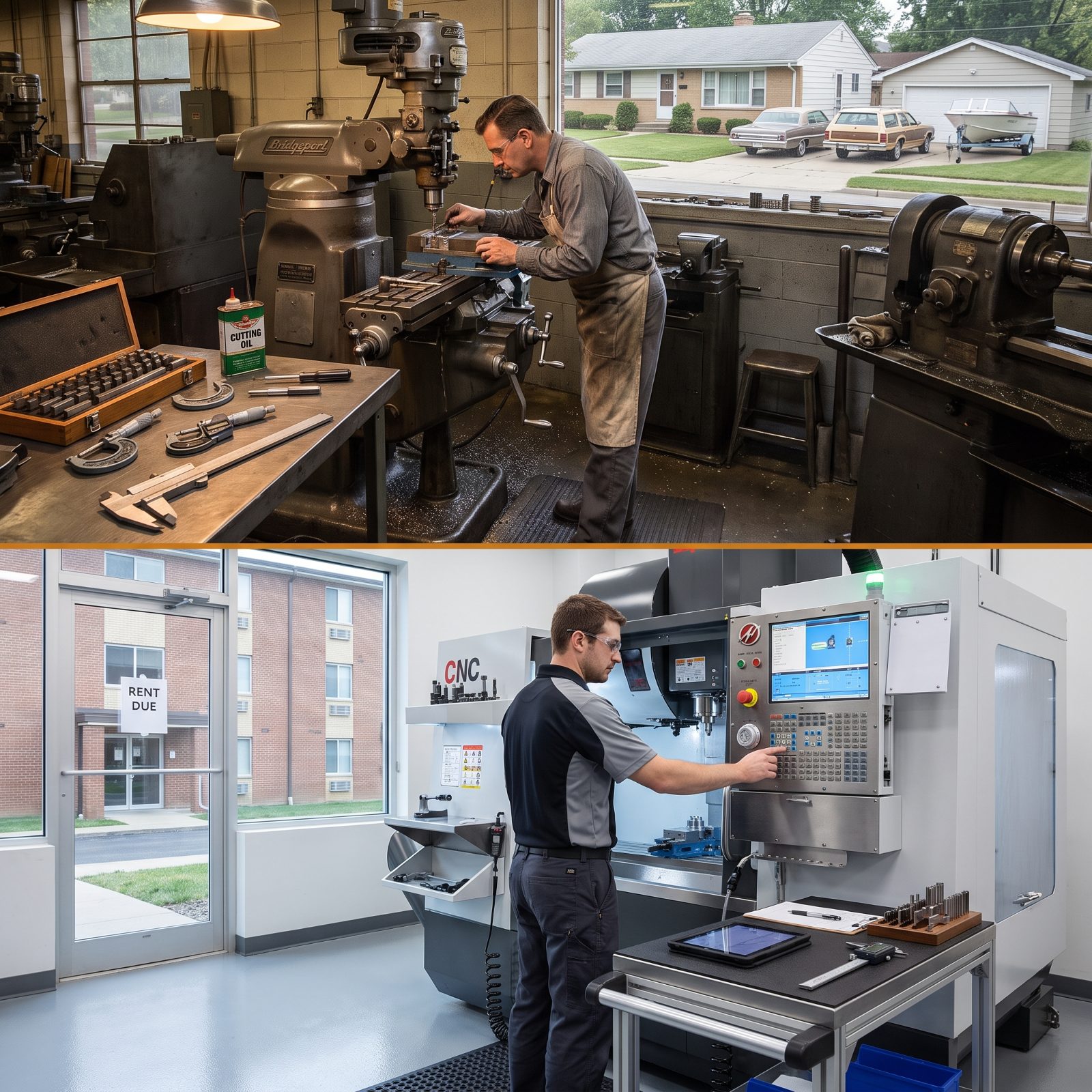
This was the aristocracy of the shop floor. Tool-and-die makers held years of apprenticeship in their hands, and the pay respected it. A skilled diemaker in 1968 was firmly middle-class on his own — house and cars and a boat included, without anyone raising an eyebrow.
The craft still commands respect and decent money. But even a good modern shop wage runs into the same wall everyone else hits, where the mortgage math that used to be routine now takes two incomes and a deep breath.
28. The Production Welder Who Laid Beads and Paid Off Land
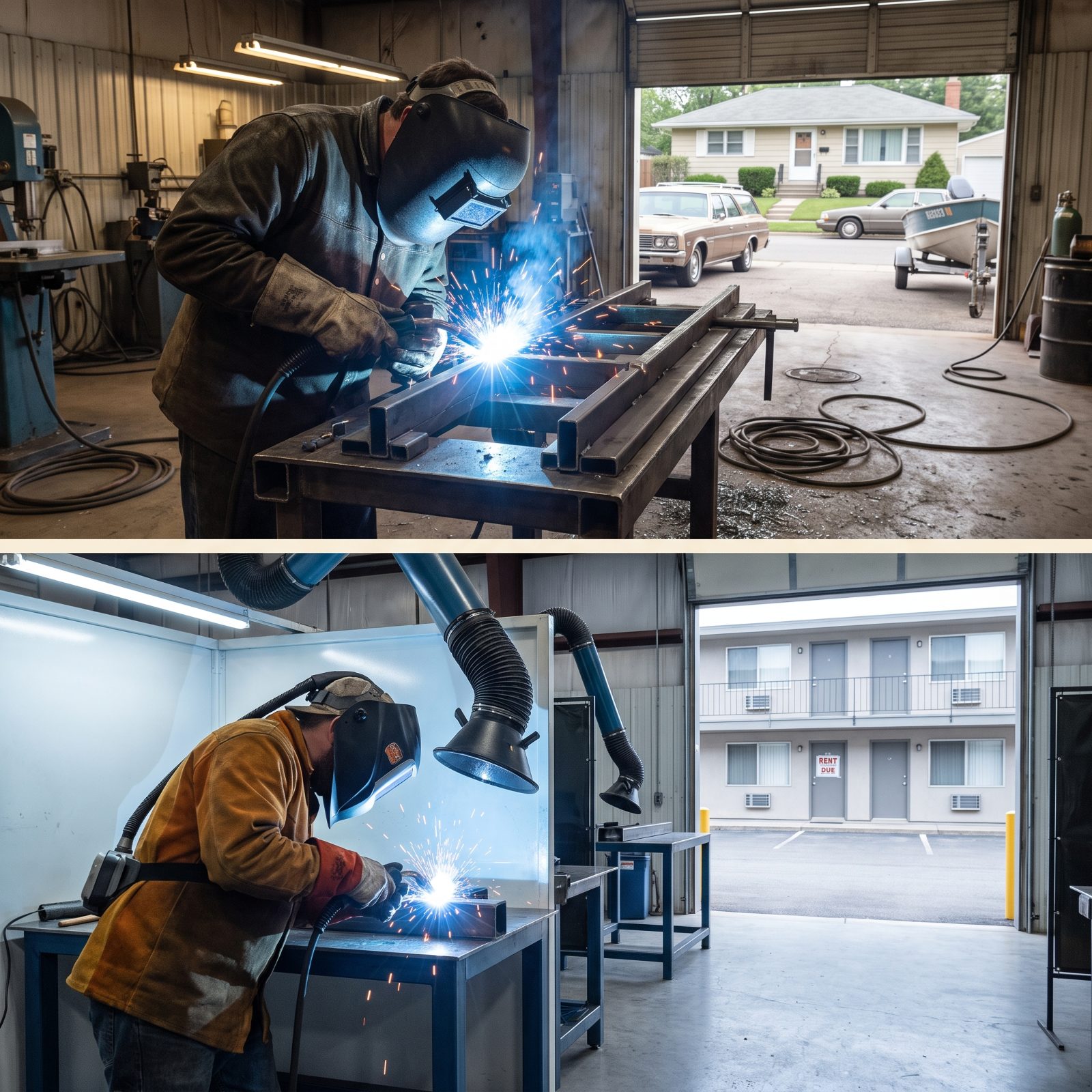
Steady hands, steady work, steady pay. A production welder in 1968 could count on a wage that carried a family, and the good ones never wanted for work. The house wasn’t big. The boat wasn’t fancy. Both were paid for.
The catch is the same catch. A trade that once bought the whole picture on its own now covers the rent and asks you to figure the rest out.
27. The Industrial Electrician Who Wired a Plant and Owned a Home
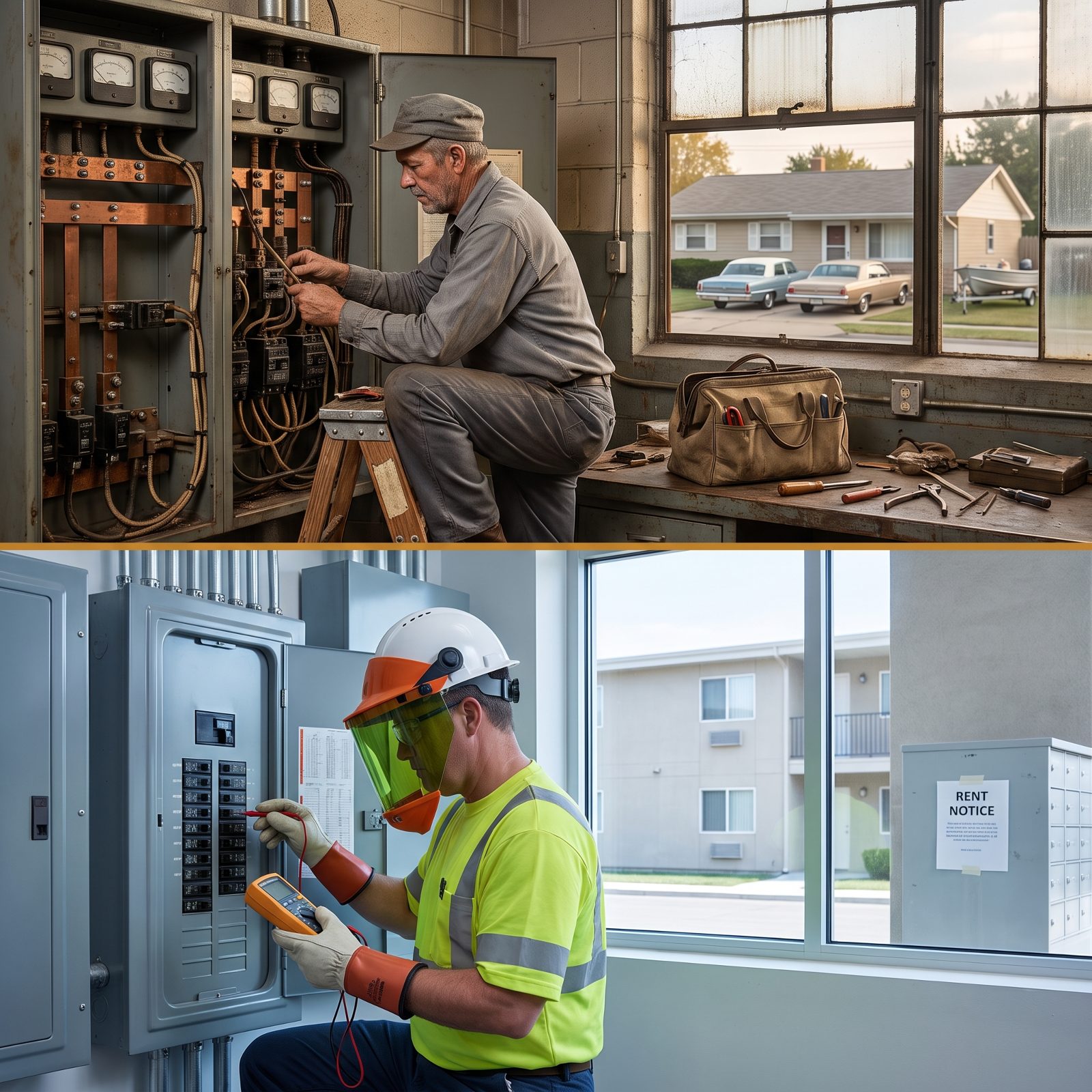
The plant electrician kept the whole operation breathing, and the pay reflected how much depended on him. In 1968 that skill translated cleanly into a modest house, a couple of ordinary cars, and enough left to keep a small boat on the water.
Say you took that same trade today. You’d earn a respectable hourly rate, better than most — and then watch a big slice of it vanish into rent before you got to anything the 1968 electrician took for granted.
The skill got more complex. The buying power got smaller. That trade never balances out in the worker’s favor.
26. The Pipefitter Who Threaded a Middle-Class Life Together
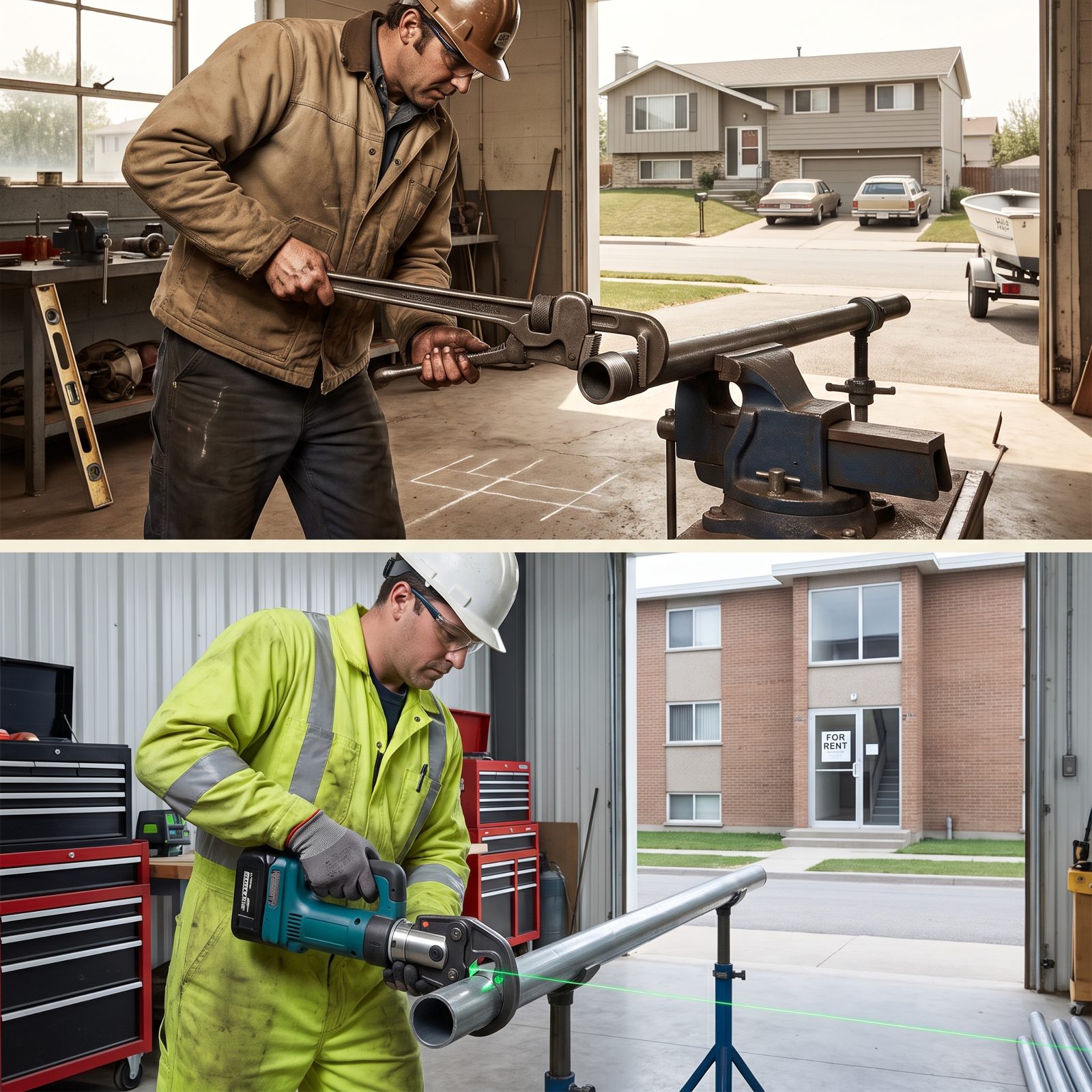
Pipefitting was a union card and a ticket to the middle. The 1968 fitter ran good scale, and the work came with the kind of security that let a man buy a house without a second thought about whether the payments would keep coming.
Modern fitters do fine, better than a lot of trades here. But the ground moved under the whole idea of a factory wage. The house that used to sit comfortably inside one paycheck now needs the paycheck plus something else, every month.
25. The Oil Refinery Operator Who Ran the Towers and the Household Budget

Would you like to save this?
Refinery work paid well and it paid steady, and that combination built a lot of stable homes in refinery towns. The 1968 operator watched the gauges, kept the process safe, and went home to a house he owned outright before he hit fifty.
Even here, though, the boat-and-house-on-one-income ease of 1968 has slipped toward two incomes and careful math.
24. The Power Plant Operator Who Kept the Lights On and the Mortgage Down
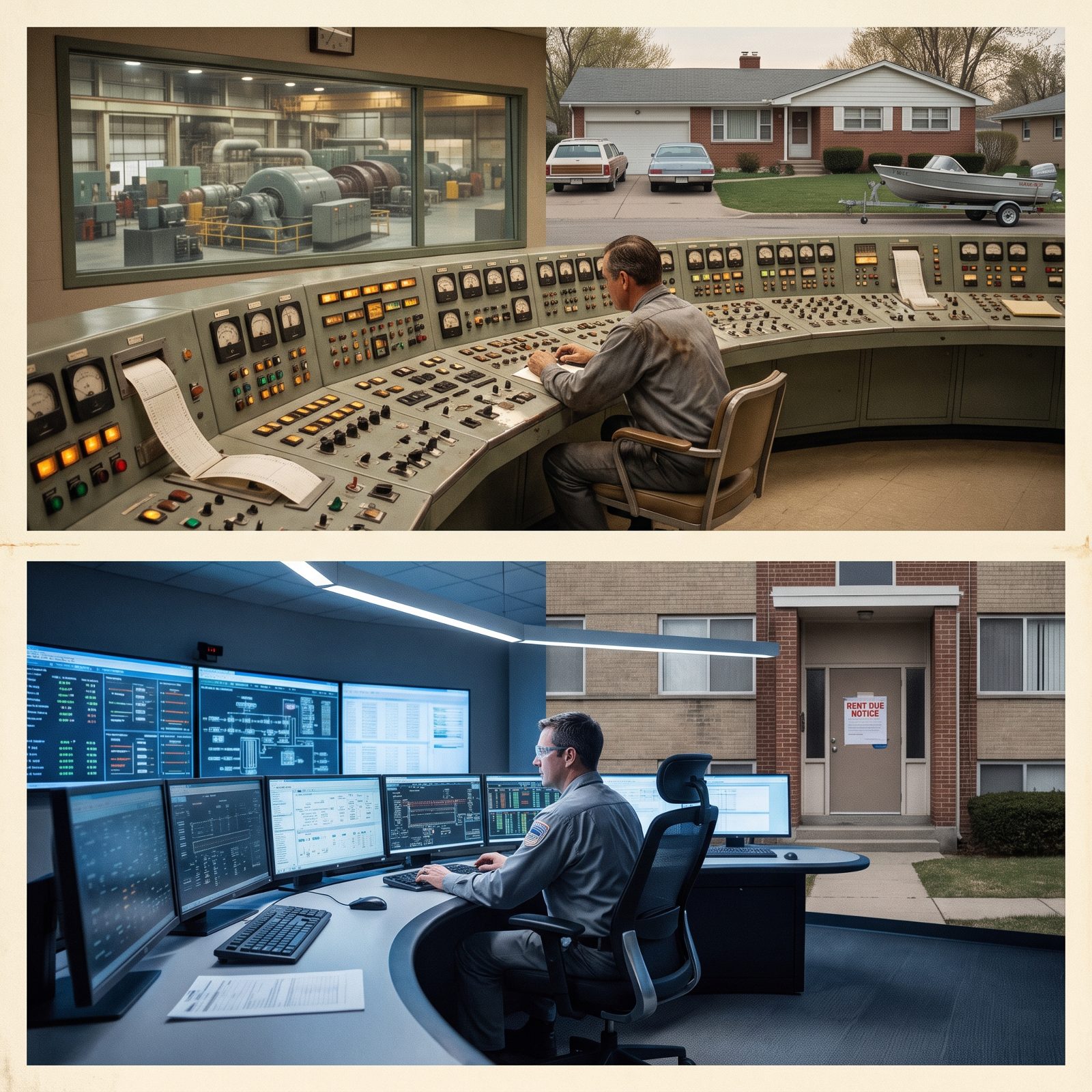
One of the quietest on the list. The power plant operator sat in front of a wall of dials and made sure the city stayed lit. Not loud like the mill or the mine — but it paid just as well.
That steady, unglamorous work carried a whole family in 1968. Modest house, two ordinary cars, a small boat for the lake, all on one wage that never gave anyone reason to worry.
Then the dials went digital. The pay stayed decent. But the plain, unremarkable middle-class life that used to come standard with the job now comes with a rent notice and a second income attached. And that’s the shift running underneath every job here. The work still matters. The math stopped adding up the way it did.
23. The Paper Mill Machine Operator Who Bought the Boat With a Single Season’s Overtime
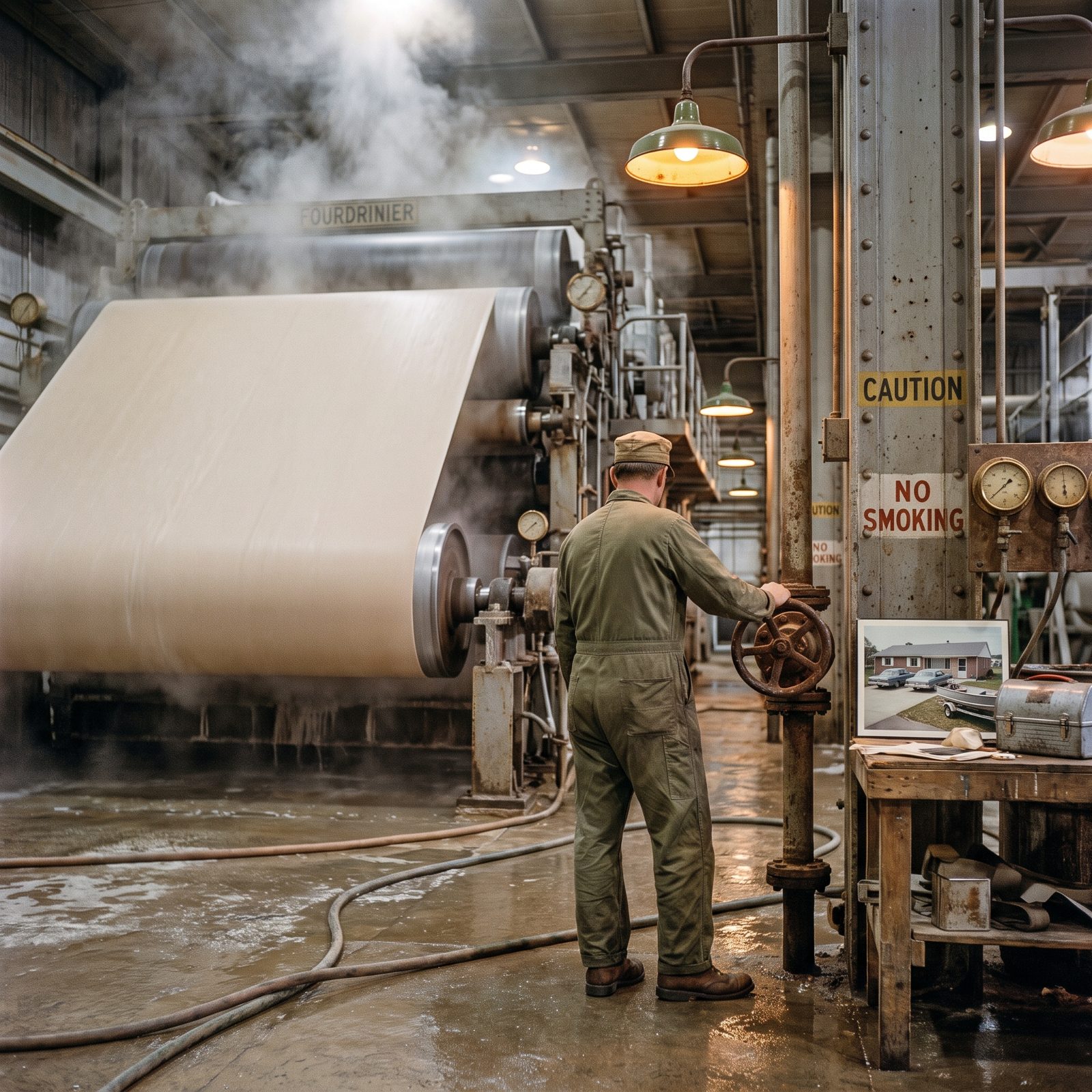
Forty hours ran the machine. The overtime ran the household. A paper mill operator in 1968 pulled shifts long enough that a single hot summer of double-time could put a fishing boat on a trailer in the driveway by fall.
The work was loud and hot and steady, with rotating shifts and a smell that followed you home. But the pay held a mortgage on a three-bedroom ranch, kept two sedans running, and left enough for a week at the lake. Nobody called that rich. They called it a job that added up.
22. The Oilfield Derrick Operator and the House That Came Before the Crash
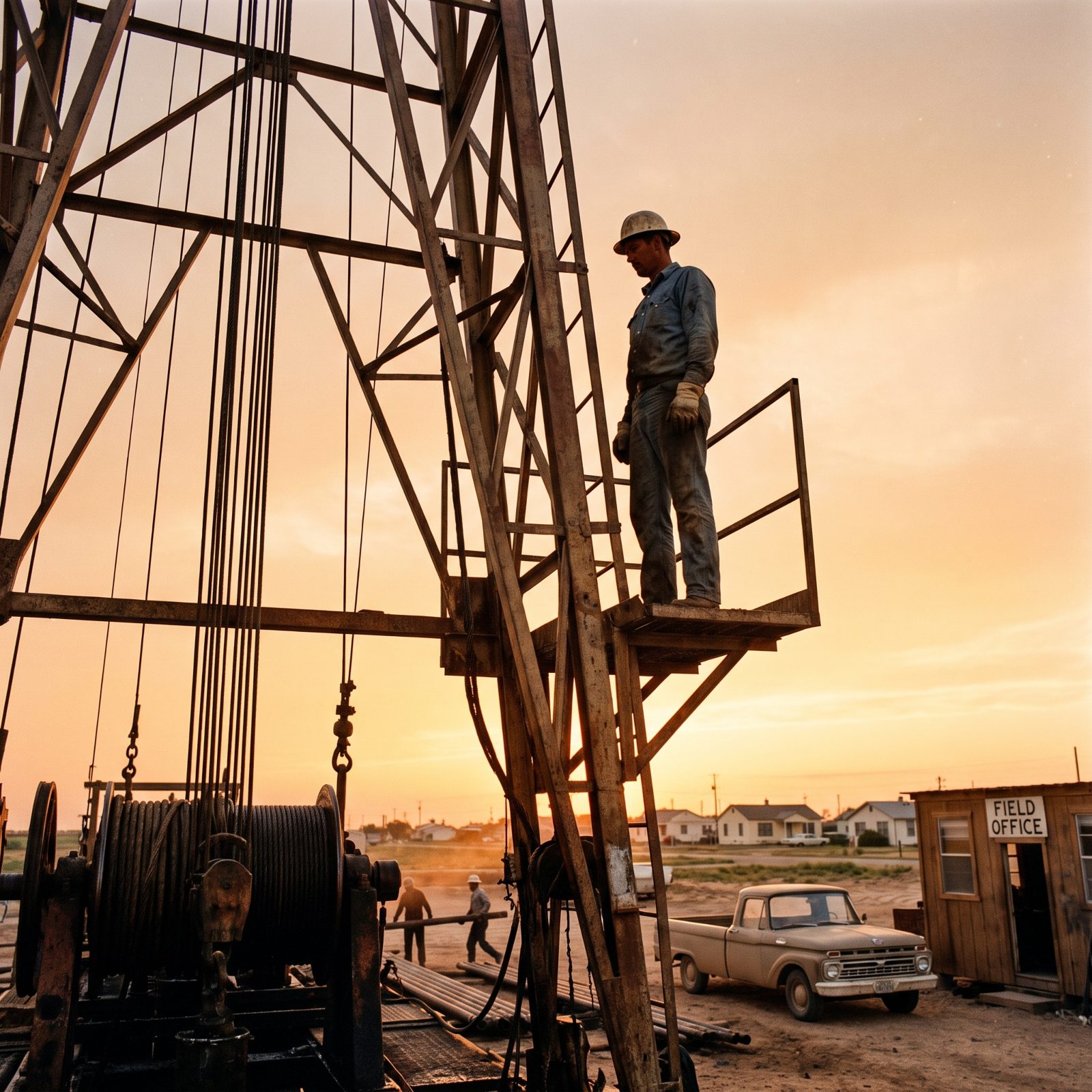
Up on the monkeyboard, sixty feet in the wind, the derrick operator racked pipe by hand for hazard pay. Dangerous work, no argument. But in 1968 that danger bought a paid-off frame house on a quiet street and a truck that started every morning.
The trade was plain: you gave the oilfield your back and your nerve, and it gave you enough to own something. A modern rig hand does the same brutal work, and a good stretch of it now disappears into a rent check that resets every twelve months.
21. The Crane Operator Who Ran the Skyline and Still Made the Lake by Saturday
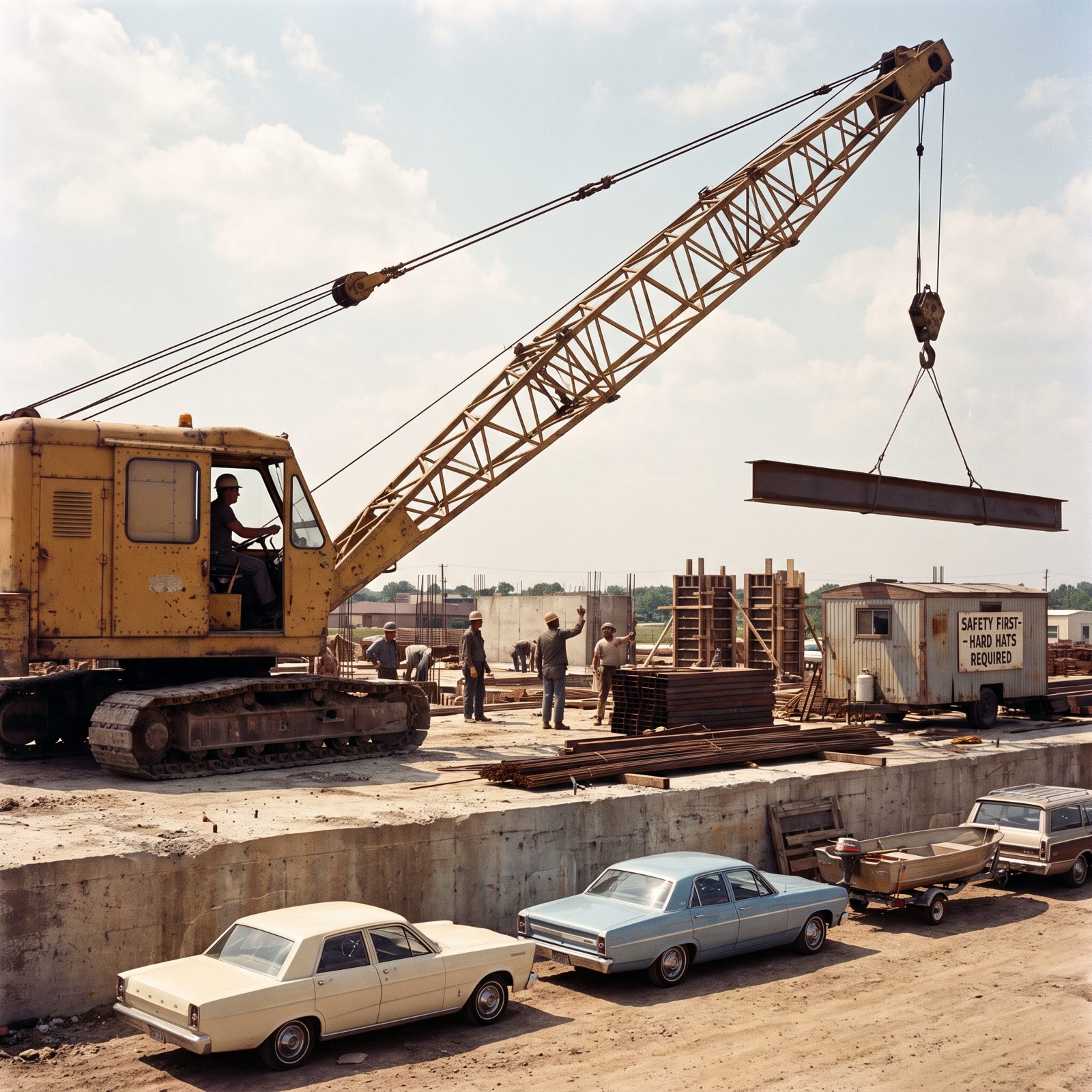
Levers, not joysticks. Seat-of-the-pants feel, not load computers.
A 1968 crane operator read the wind and the swing by instinct, and the skilled ones were paid like the whole job waited on them, because it did. That wage covered a suburban house, two family cars, and a small runabout parked in the side yard for Saturday mornings on the lake.
The trade still pays well by the hour. What changed is where the hours go. Back then the paycheck bought assets. Now a bigger slice covers rent that climbs faster than the raises.
20. The Union Carpenter Whose Paycheck Framed His Own Home
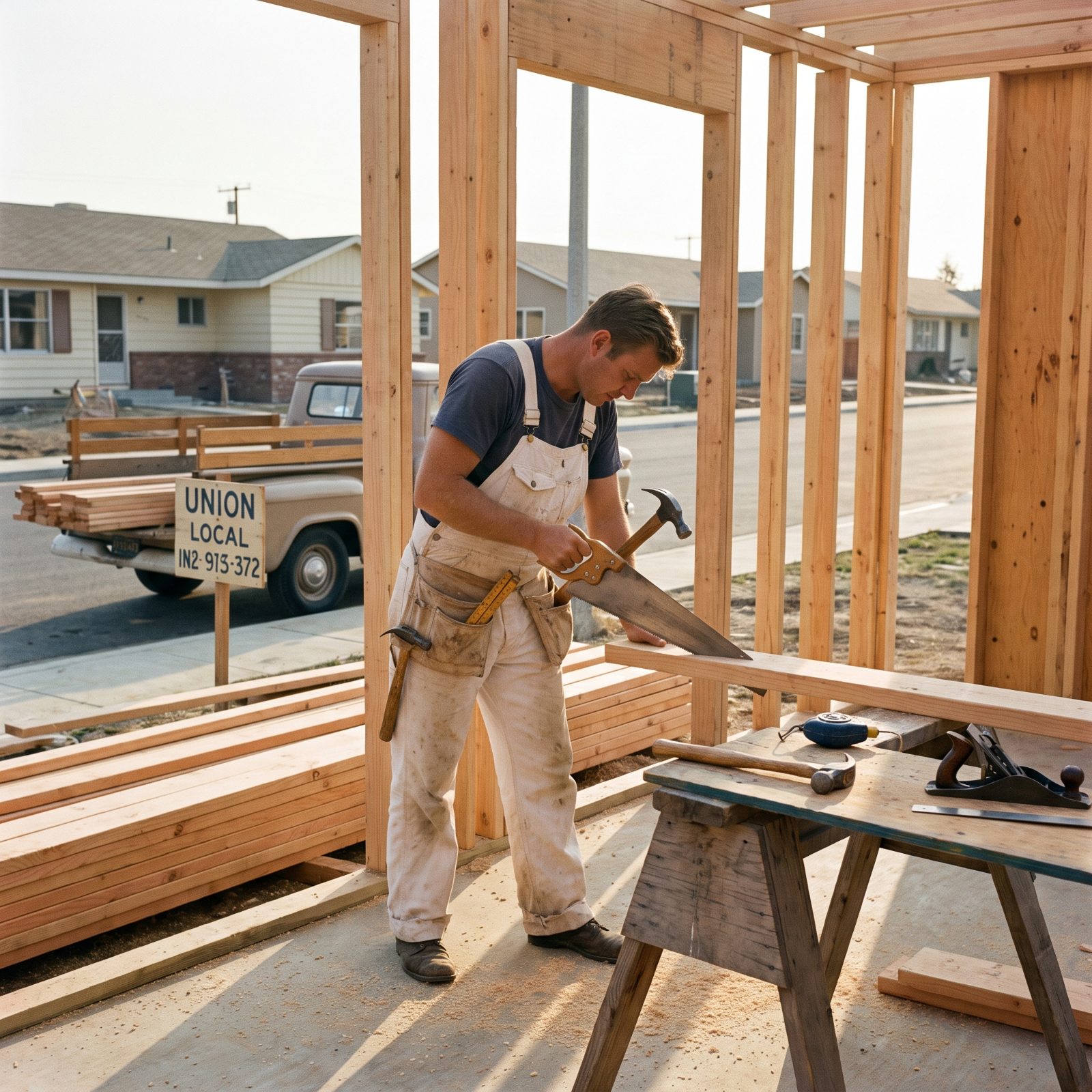
Hand saw, folding rule, a nail apron worn soft. The union carpenter of 1968 built other people’s houses all week, and the wage was solid enough that he owned one himself, no gymnastics required.
Union scale plus cheap land made the math work. A journeyman could carry a mortgage, keep a truck and a family car, and still tuck a little away. Same trade today, same skill in the hands, but a good part of the check now answers to a landlord instead of a lender.
19. The Journeyman Plumber and the Standard of Living That Came Standard
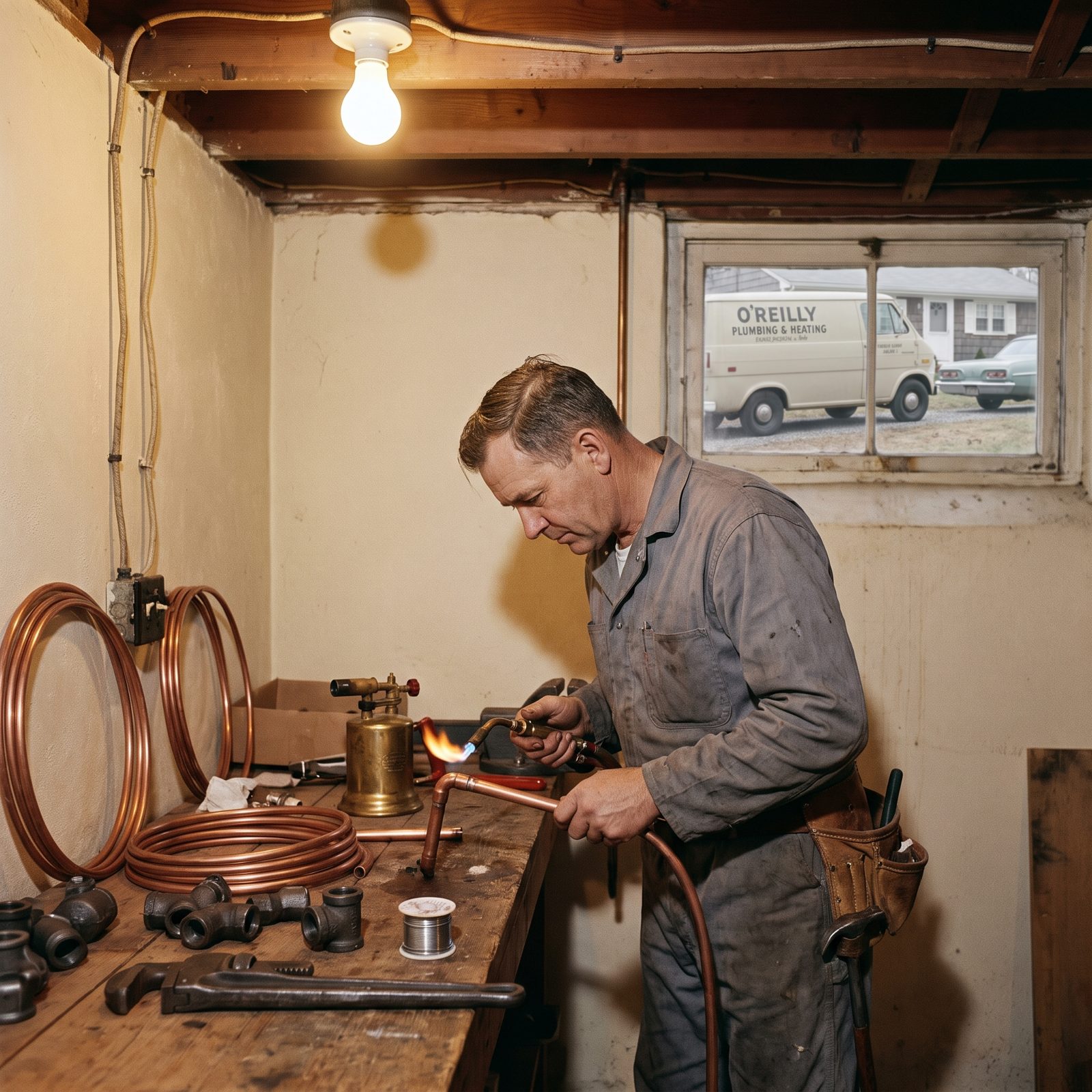
The trade that never went out of style still doesn’t.
A journeyman plumber in 1968 soldered copper by torchlight and earned a wage that came with a whole life attached: the house, the cars in the driveway, the week off in summer. Not luxury. Just the ordinary package a skilled tradesman expected.
Plumbers still do fine, and we’d argue it’s one of the smartest trades a young person can pick. But that ordinary package got expensive faster than the wage did. The house that once came bundled in now sits on the far side of a rent payment nobody in 1968 would have believed.
18. The Bricklayer Who Laid the Wall and Owned One Too
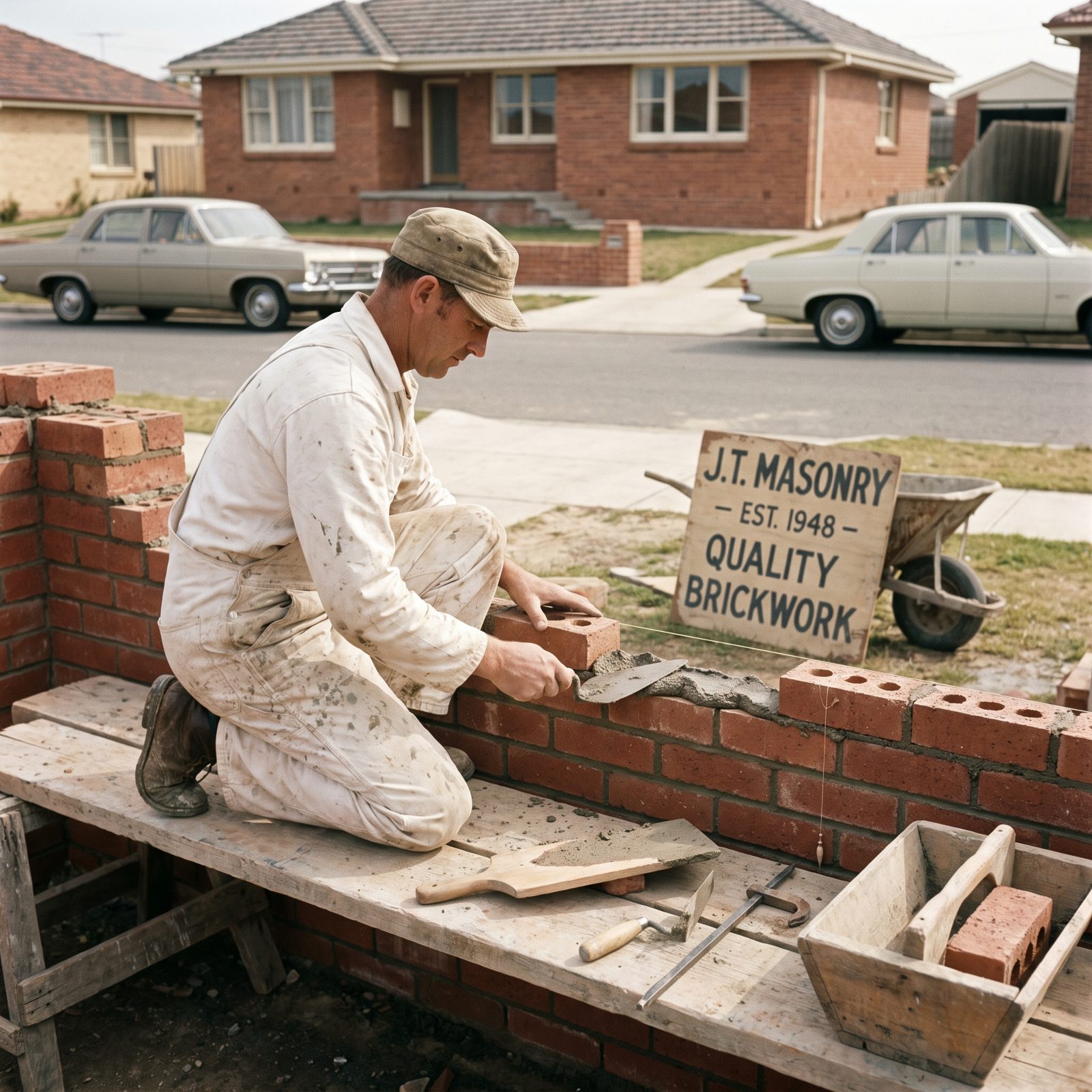
Trowel, level, a plumb line, and a rhythm you could hear from the street. The bricklayer of 1968 built walls that outlived him, and the wage bought a life that held together just as well.
Piecework and skilled scale meant a fast, clean mason earned real money. Enough for a modest house, a couple of family cars, a summer trip. The craft is just as demanding now. The difference shows up on the first of the month, when a chunk of the same skilled wage goes to rent instead of equity.
17. The Elevator Mechanic Whose Quiet Trade Bought a Loud Standard of Living
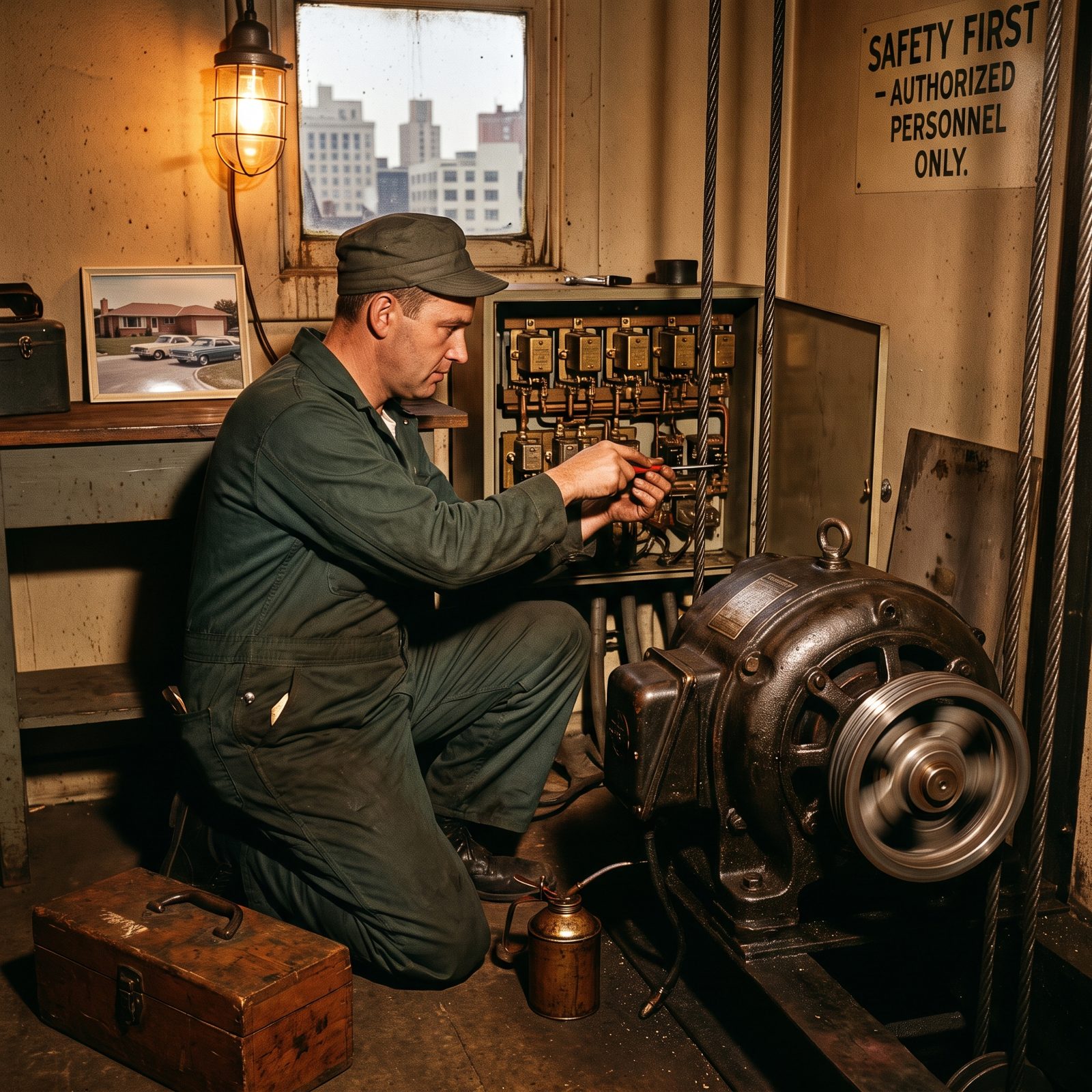
Nobody saw the elevator mechanic. He worked in a hot machine room above the top floor, keeping cables and relays honest, skilled and licensed and quietly essential. And in 1968 that quiet trade paid loud enough for a house, two cars, and a settled middle-class life.
It remains one of the best-paid trades in the building world. Even so, in a lot of cities the same expertise now covers a rent notice with less left over. The wage held. The cost of a roof didn’t stay put.
16. The Automobile Mechanic and the Two Cars His Wrench Kept Running
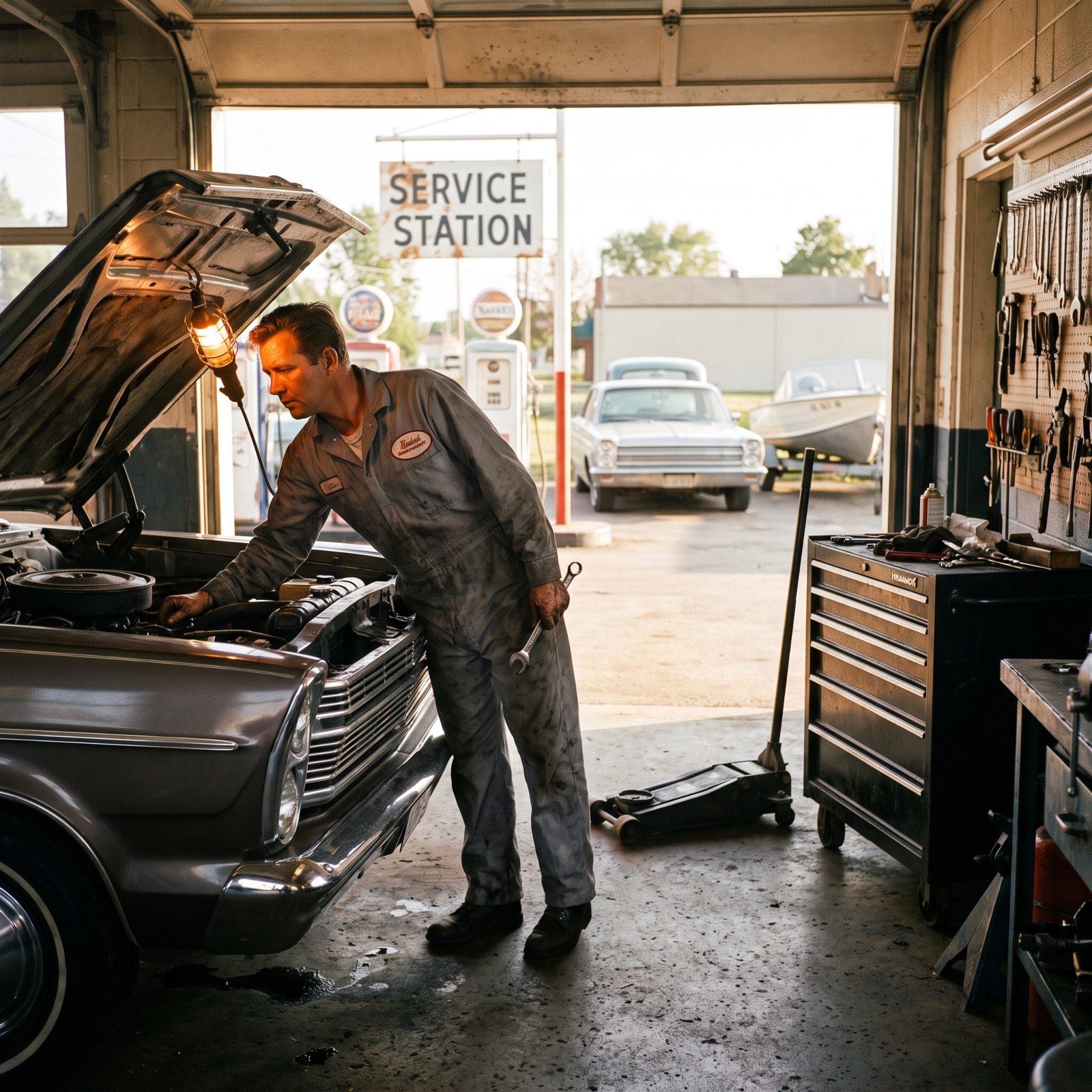
A points-and-carburetor era, when a good ear diagnosed half the job.
The neighborhood mechanic in 1968 knew engines cold, and the pay reflected it. Enough to keep two family cars in the driveway, a small boat for weekends, and a modest house behind it all. He fixed cars for a living and lived like it counted.
Cars got more complicated and so did the training. Yet the modern mechanic often watches a larger share of the check vanish into housing before the boat, or even the second car, becomes a serious thought.
15. The TV and Radio Repairman Whose Vanished Trade Once Bought a House
Would you like to save this?
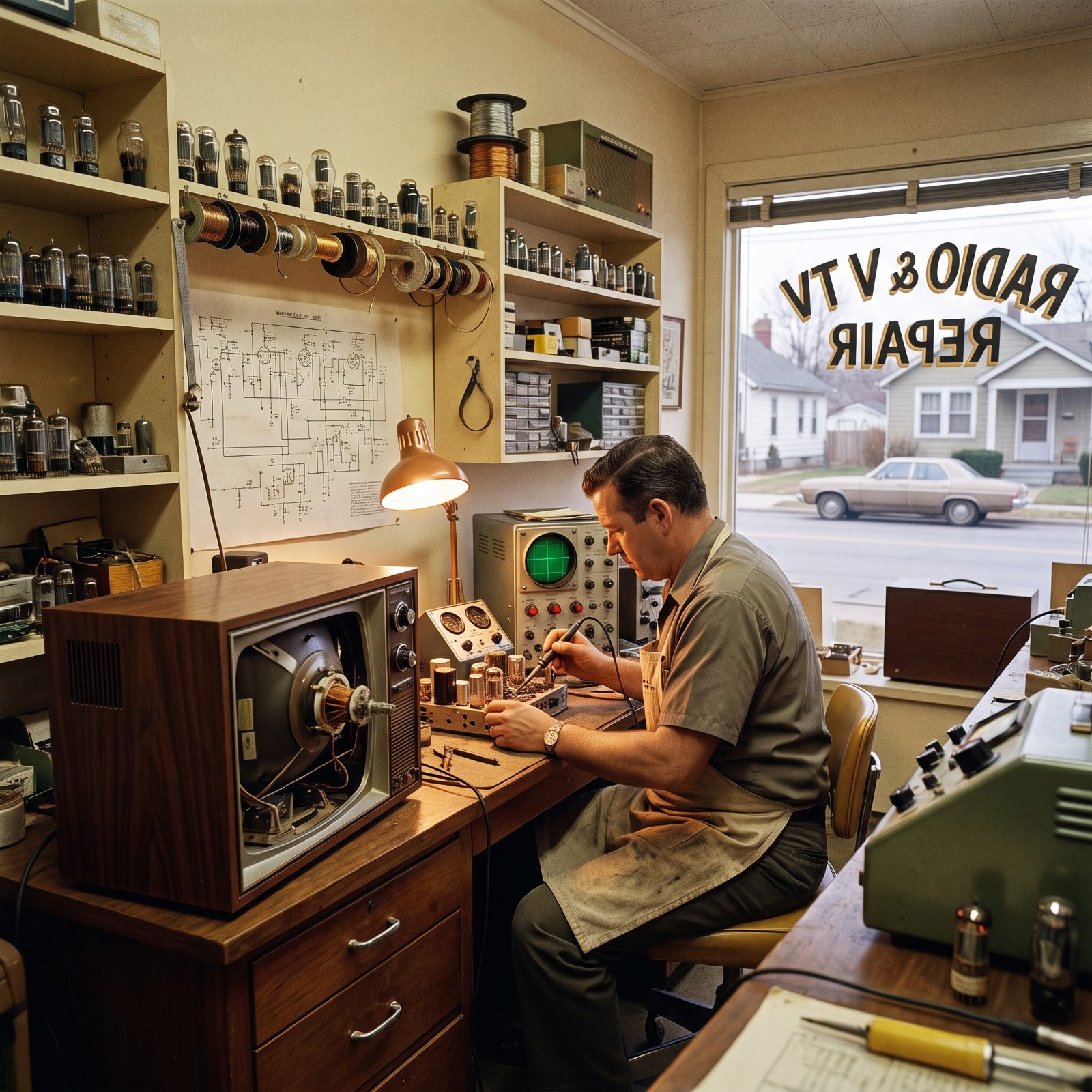
Vacuum tubes, a tube tester, a soldering iron, and a shop window with a hand-painted sign. The TV and radio repairman ran a trade that barely exists now, but in 1968 it was steady and skilled and paid enough to own a small house and a car and call it a decent living.
The trade disappeared when sets got cheap enough to throw away. Its lesson didn’t. A modest skilled wage once covered a mortgage. The modern equivalent of that skill, whatever it happens to be, more often covers rent with the ownership part quietly gone.
14. The Electrical Utility Lineworker and the Life That Hung on the Wire
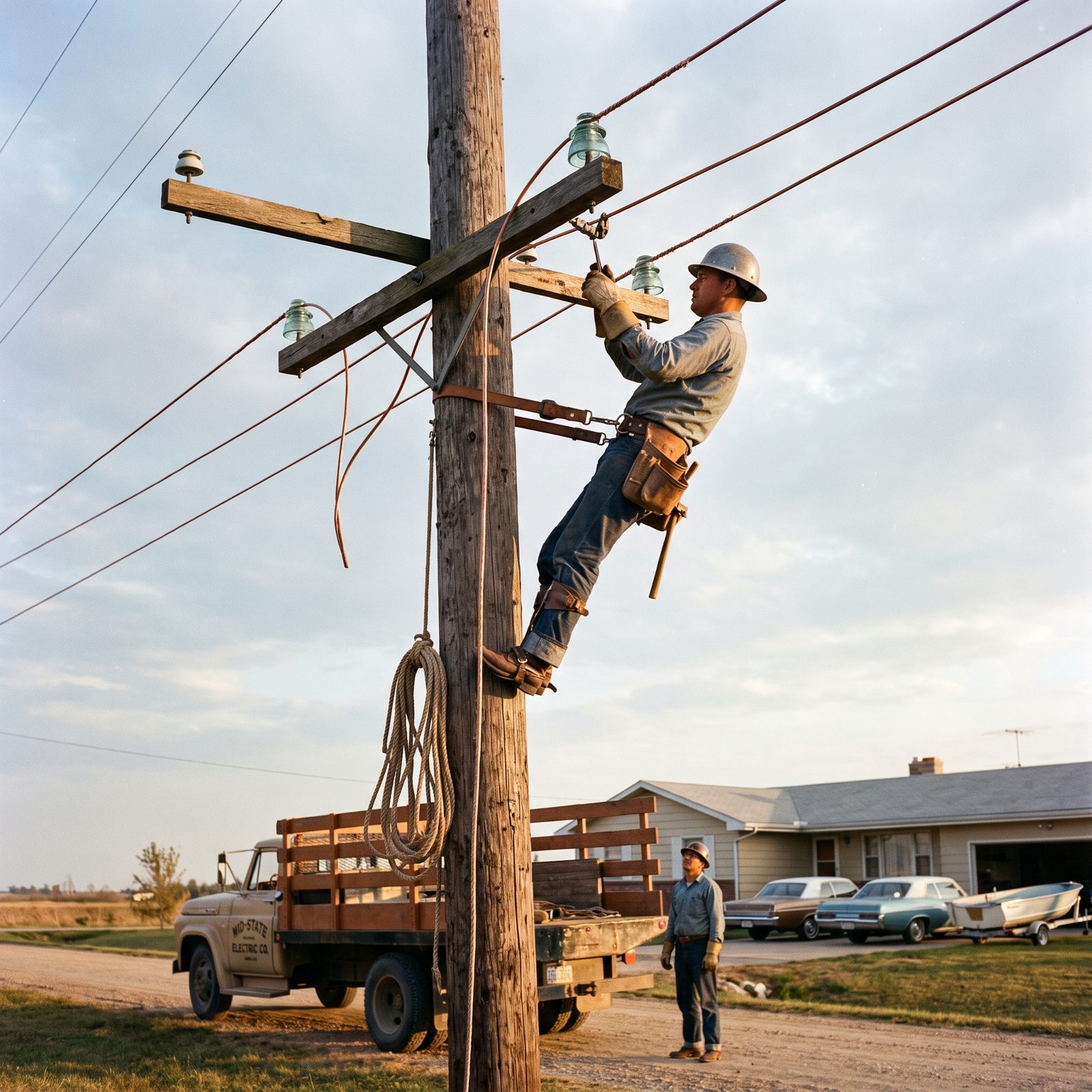
Climbing spurs, a leather strap, and a lot of trust in your own hands. The utility lineman of 1968 went up wooden poles in weather nobody else wanted, and the hazard and skill paid a full middle-class life: house, two cars, a small boat, a pension coming.
The work is still hard and still respected, and in plenty of regions the wage still holds strong, which is worth saying plainly. But even here, in a lot of housing markets, more of the check now goes to keeping a roof than to owning one. The wire held up. The ratio didn’t.
13. The Aircraft Mechanic Who Bought the House on One Paycheck
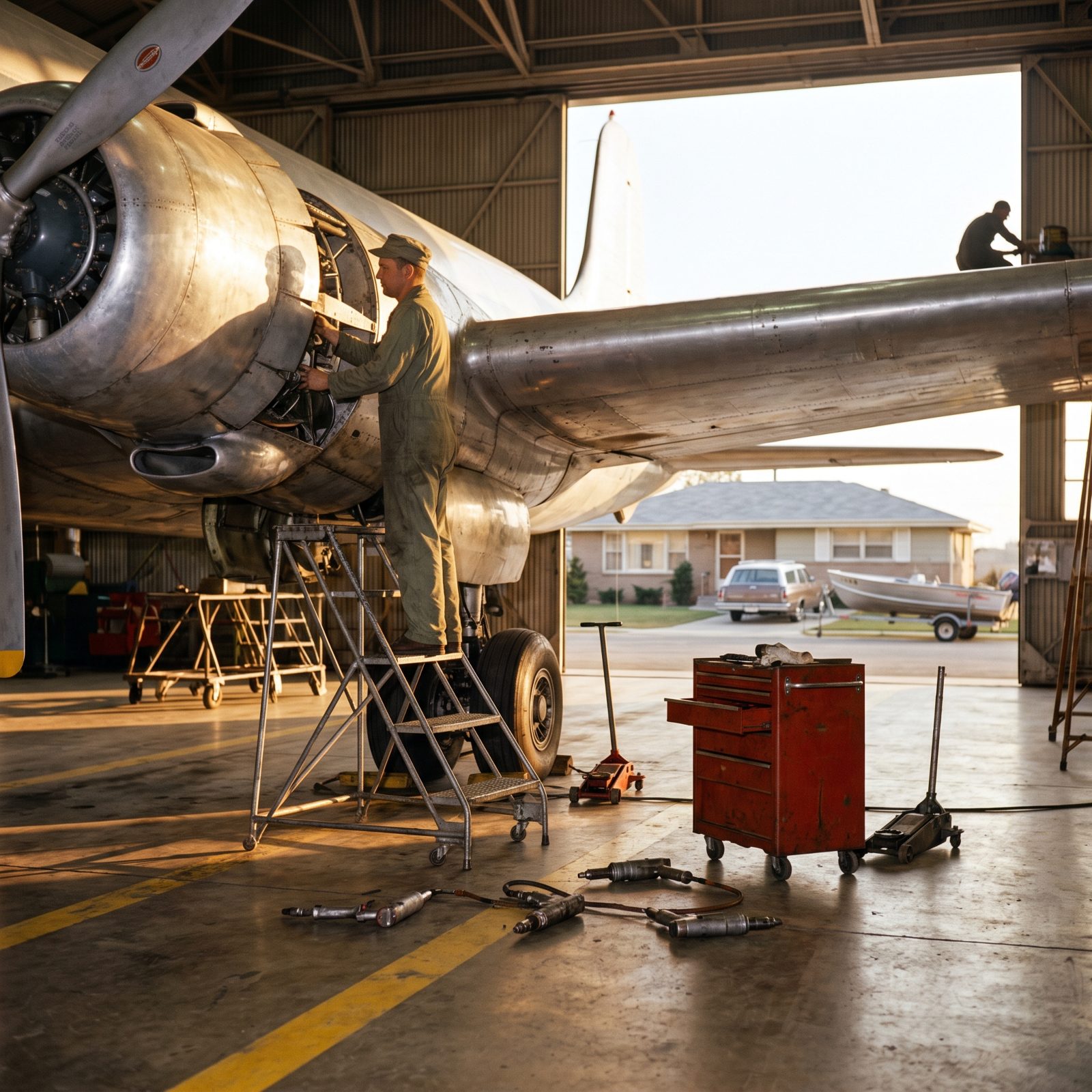
In 1968, an aircraft mechanic’s wrench could buy a house. Not a mansion — a three-bedroom ranch with a carport, a fishing boat on a trailer, and a second car that mostly ran. The pay was solid because the skill was scarce and the work punished mistakes.
That same certification still keeps a good living today, but the math bent somewhere along the way. Rent eats first, and what’s left won’t stretch to a down payment like it used to. The skill is every bit as scarce as it ever was. Scarcity just doesn’t buy the same thing anymore.
12. The Printing Press Operator and His Ink-Stained Certainty
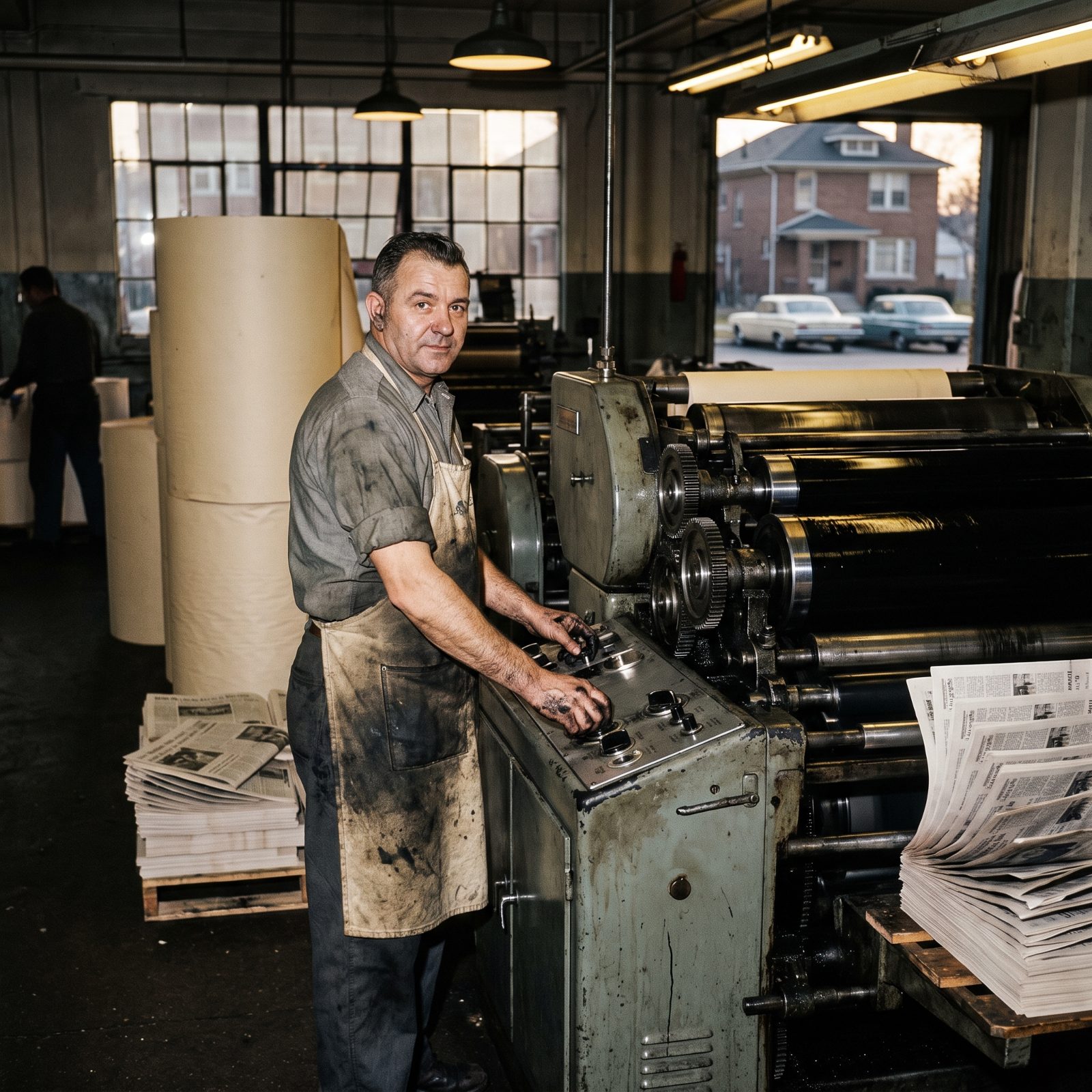
Ink under the fingernails that soap wouldn’t touch. That was the tell of a press operator in 1968, and it came with a paycheck that anchored a whole household.
The trade had a punch-clock rhythm and a union standing behind it. A man ran the press for years, bought the house, put two kids through school, and retired on a pension nobody questioned. The presses are quieter now — mostly digital, mostly gone. What survived still pays. The certainty didn’t survive with it.
11. The Longshore Worker Who Unloaded Ships and Loaded a Future
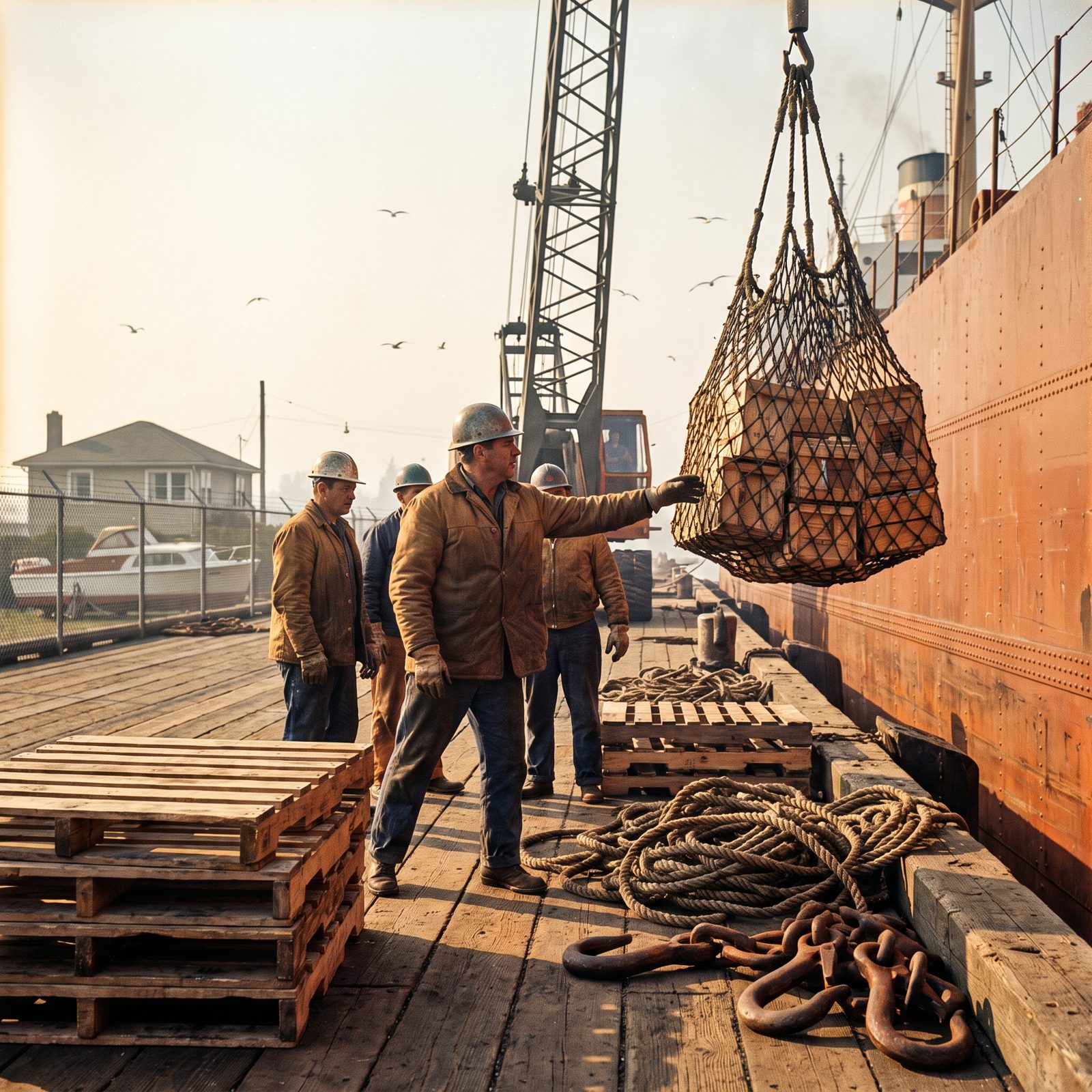
Before containers, cargo moved by hand and hook. Longshore work in 1968 was brutal and dangerous, and it paid like it. A strong back and a union card bought a bungalow near the water plus a boat to take out on Sundays.
Then containerization rewrote the pier. Fewer hands, more cranes, a whole new economy on the waterfront. The wages that stuck around still beat plenty of other jobs. But the reliable path from a day’s labor to a paid-off house shut slowly, one steel box at a time.
10. The Locomotive Engineer at the Throttle of a Good Life
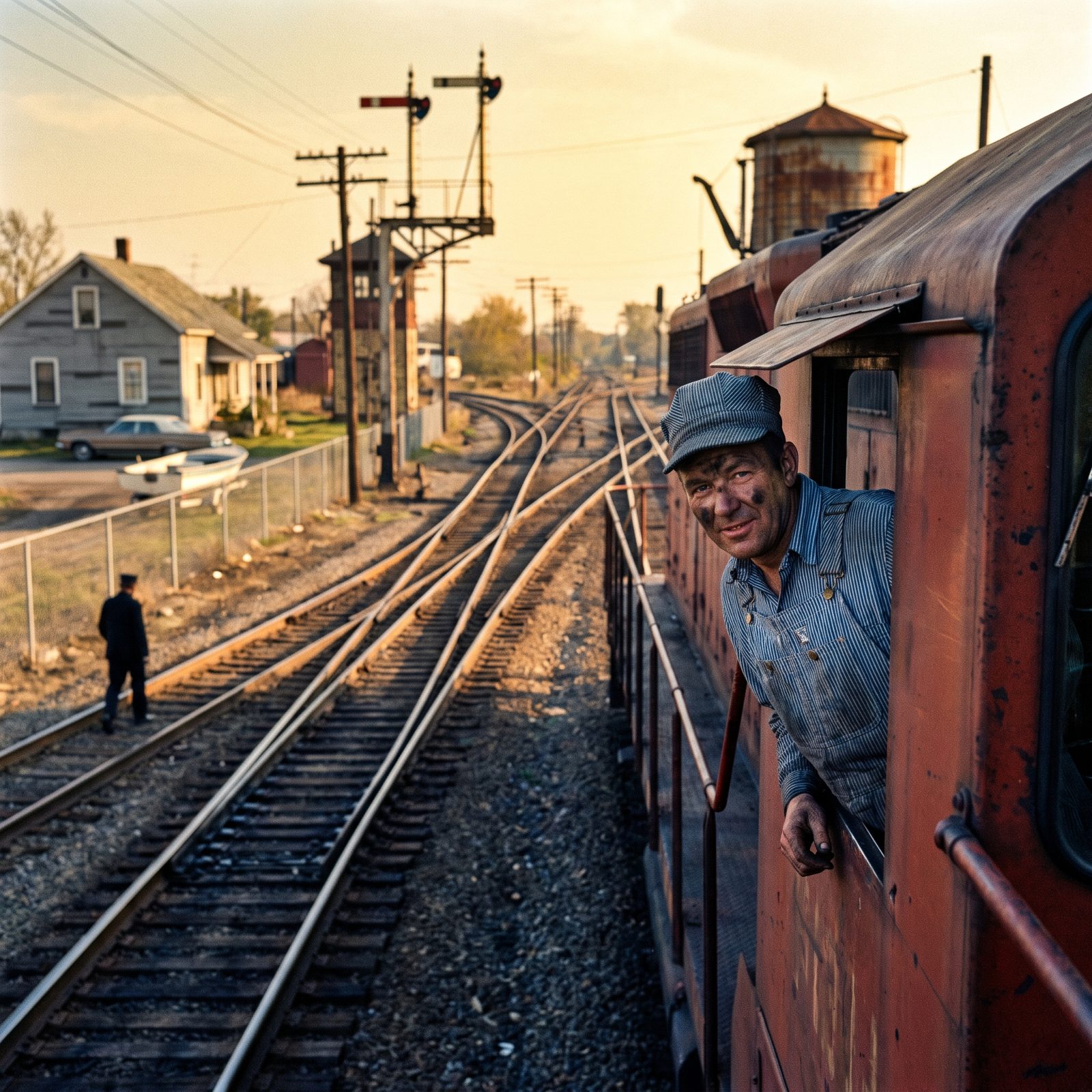
Seniority ran the railroad, and seniority paid. A locomotive engineer in 1968 sat at the top of a ladder he’d spent years climbing, and the reward was a wage that carried a family without a second income.
Railroads still pay engineers well — one of the last blue-collar jobs where the old math almost holds. Almost. The house is harder to reach now, and the pension isn’t the sure thing it was back when a man could count decades ahead in the same seat.
9. The Intercity Truck Driver Who Owned the Road and the Mortgage
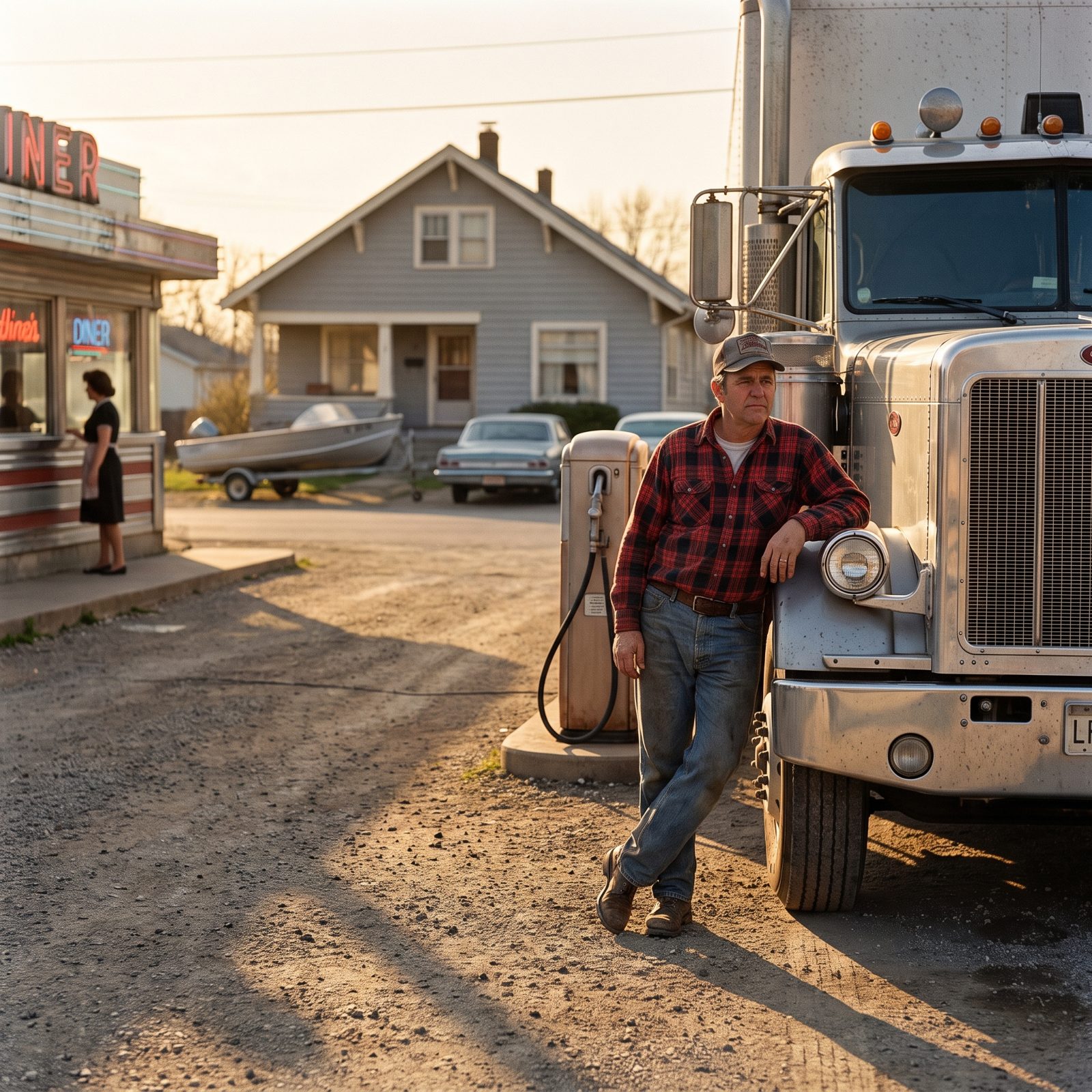
A cab-over rig, a thermos of bad coffee, and a route across three states. The intercity driver in 1968 pulled hard hours, but the pay bought a house in the suburbs and left enough over for a boat.
Deregulation reshaped the whole trade in the years that followed. Rates dropped, competition climbed, and the reliable middle-class trucking wage started to fray. Plenty of drivers still make a living. Fewer make the down payment.
8. The City Bus Driver Whose Route Ran Straight to a Paid-Off Home
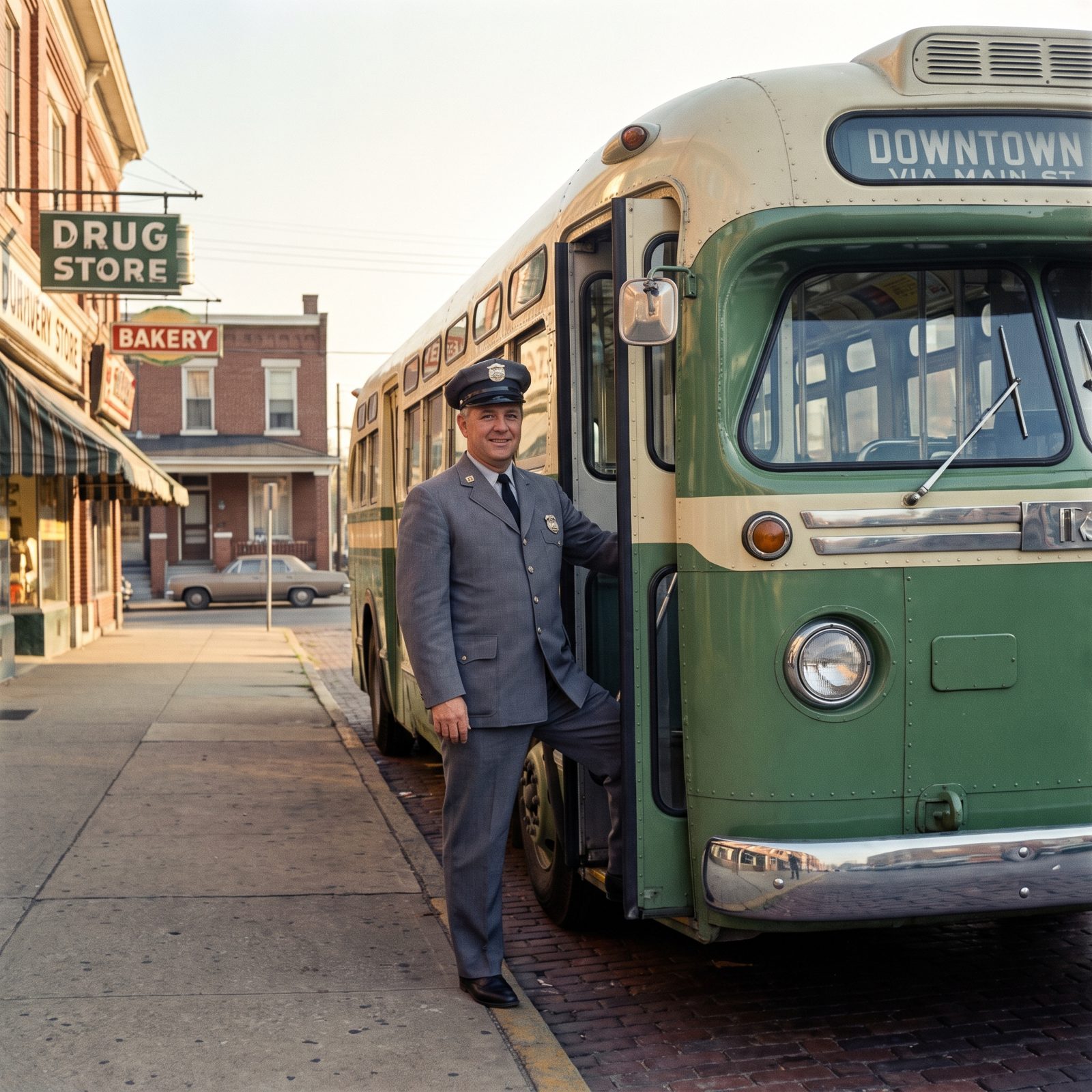
Steady wasn’t glamorous, but steady bought the house. A city bus driver in 1968 clocked a predictable shift with a municipal pension waiting at the end, and the wage stretched far enough for a modest home and a sedan that ran a decade.
The job still pays a living and still comes with benefits worth having. What changed is the housing math around it — a driver’s salary that once meant ownership now often means a rent check that resets every single month.
7. The Postal Letter Carrier With a Government Wage and a Front Lawn
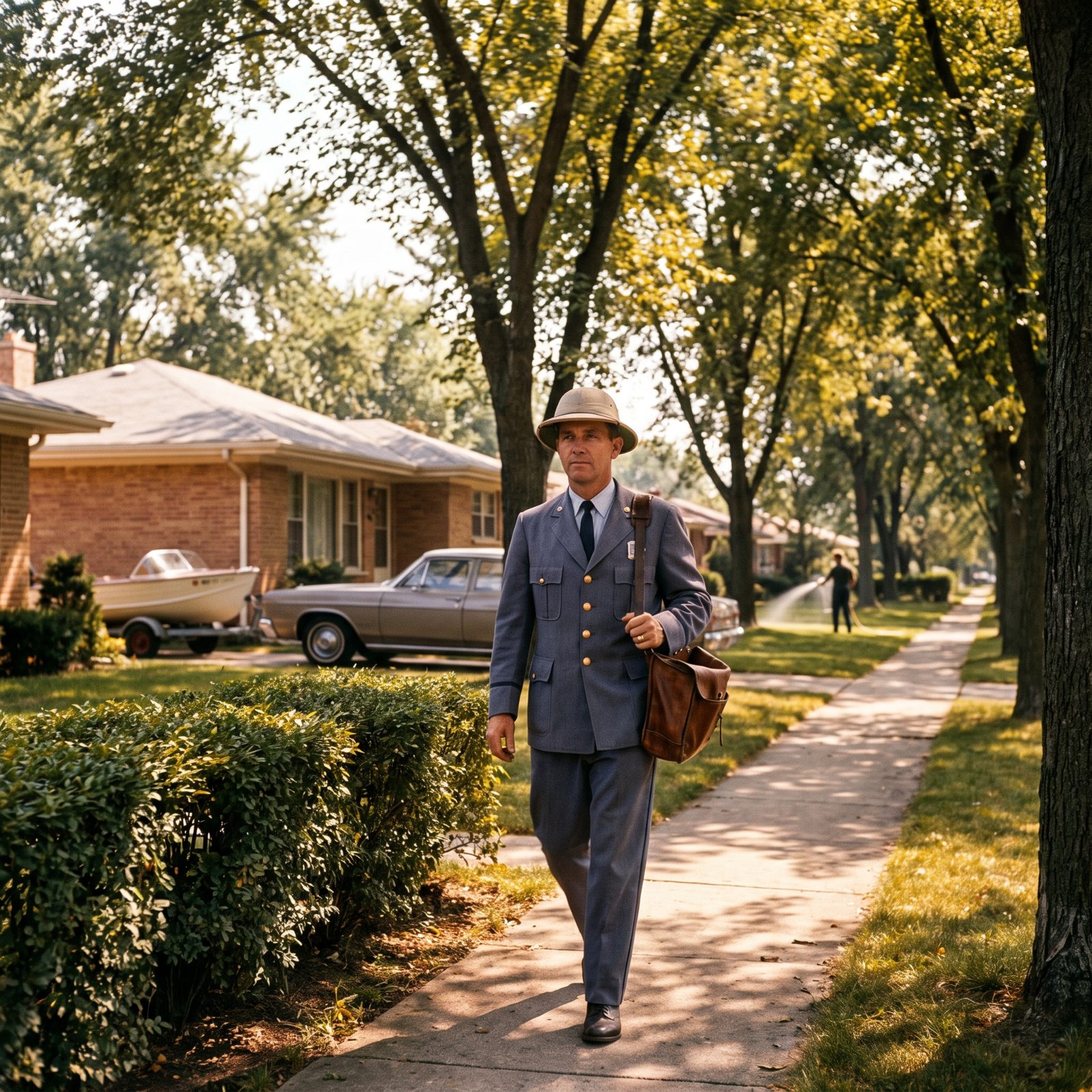
Rain, snow, a leather satchel that grew heavier by the block. The letter carrier in 1968 walked the same streets he lived on, and a federal wage plus benefits meant he could own a house on one of them.
Postal work is still a solid job with real benefits. But that reliable arc from a carrier’s salary to a homeowner’s deed has stretched painfully thin. The route hasn’t changed much. The distance from paycheck to front door has.
6. The Sanitation Worker Who Hauled Trash and Built a Household
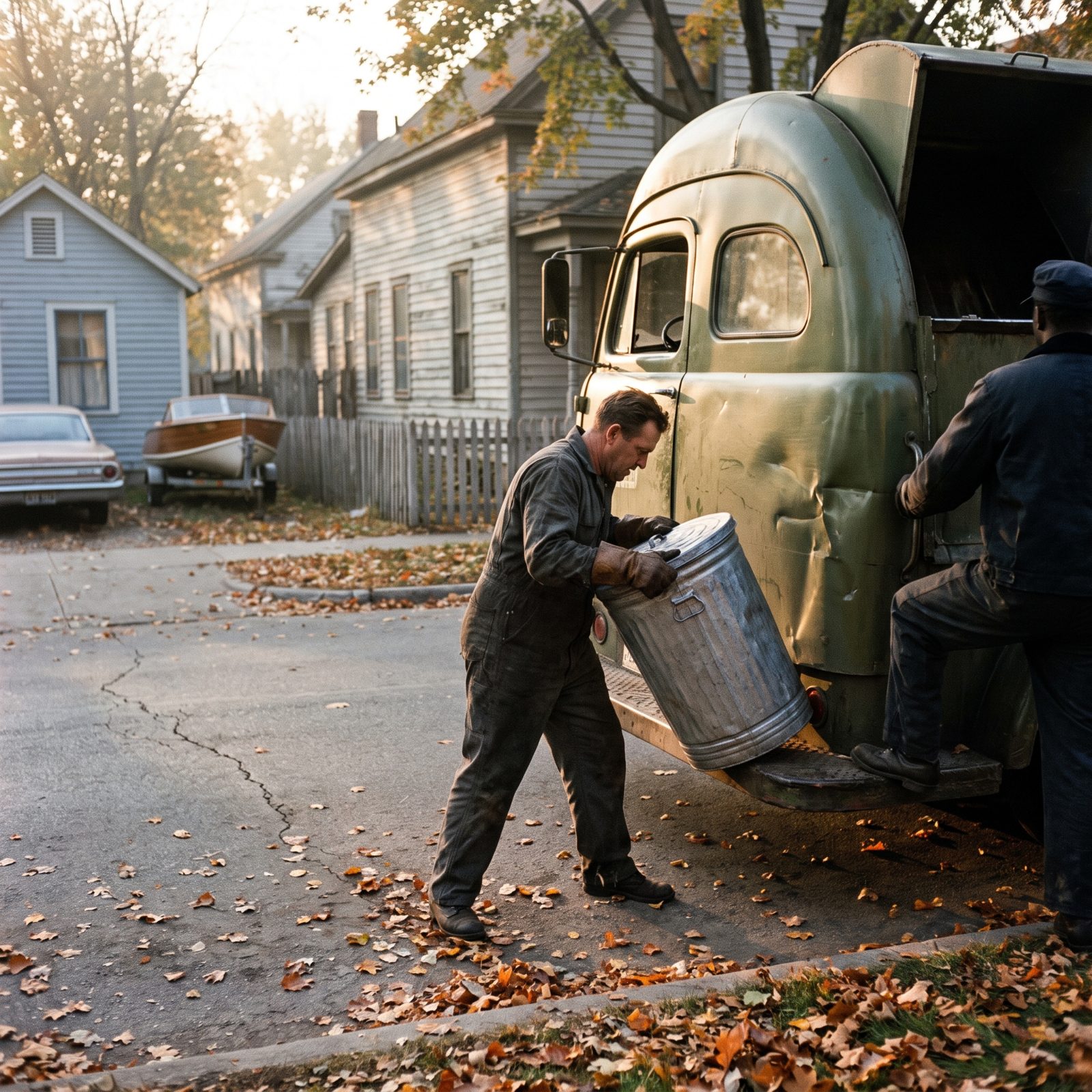
Nobody dreams of hauling trash. But in 1968 the job carried a secret: it paid. Municipal sanitation work came with a wage and a pension that put a house within reach for a man willing to be up before dawn and covered in the city’s leftovers by breakfast.
The work is still hard, still respected in the paycheck. The wage held its shape better than most, honestly. Yet the same salary that once bought a modest home now goes head to head with rent that climbs faster than any raise chases it.
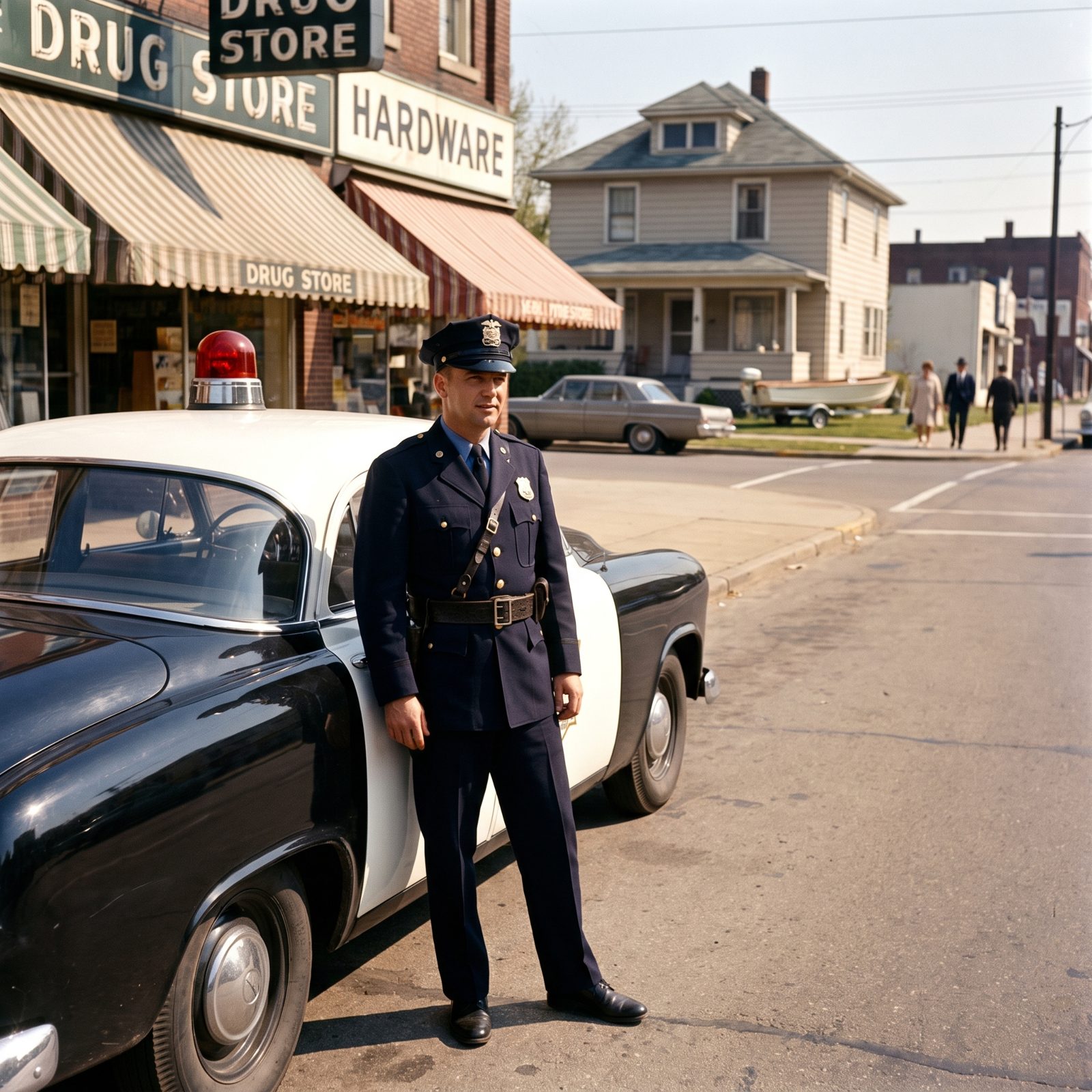
5. The Municipal Police Officer on the Beat and on the Deed
Would you like to save this?
A beat cop in 1968 walked a neighborhood he could afford to live in. The municipal wage wasn’t rich, but paired with a pension and real job security, it carried a mortgage and a family with room to spare.
Policing still comes with benefits and a pension in a lot of cities. On paper, the paycheck holds up fine. The house it buys sits further away now, and more of that check vanishes into rent before the down payment ever gets a chance to grow.
4. The Career Firefighter Who Ran Into Fires and Owned His Home
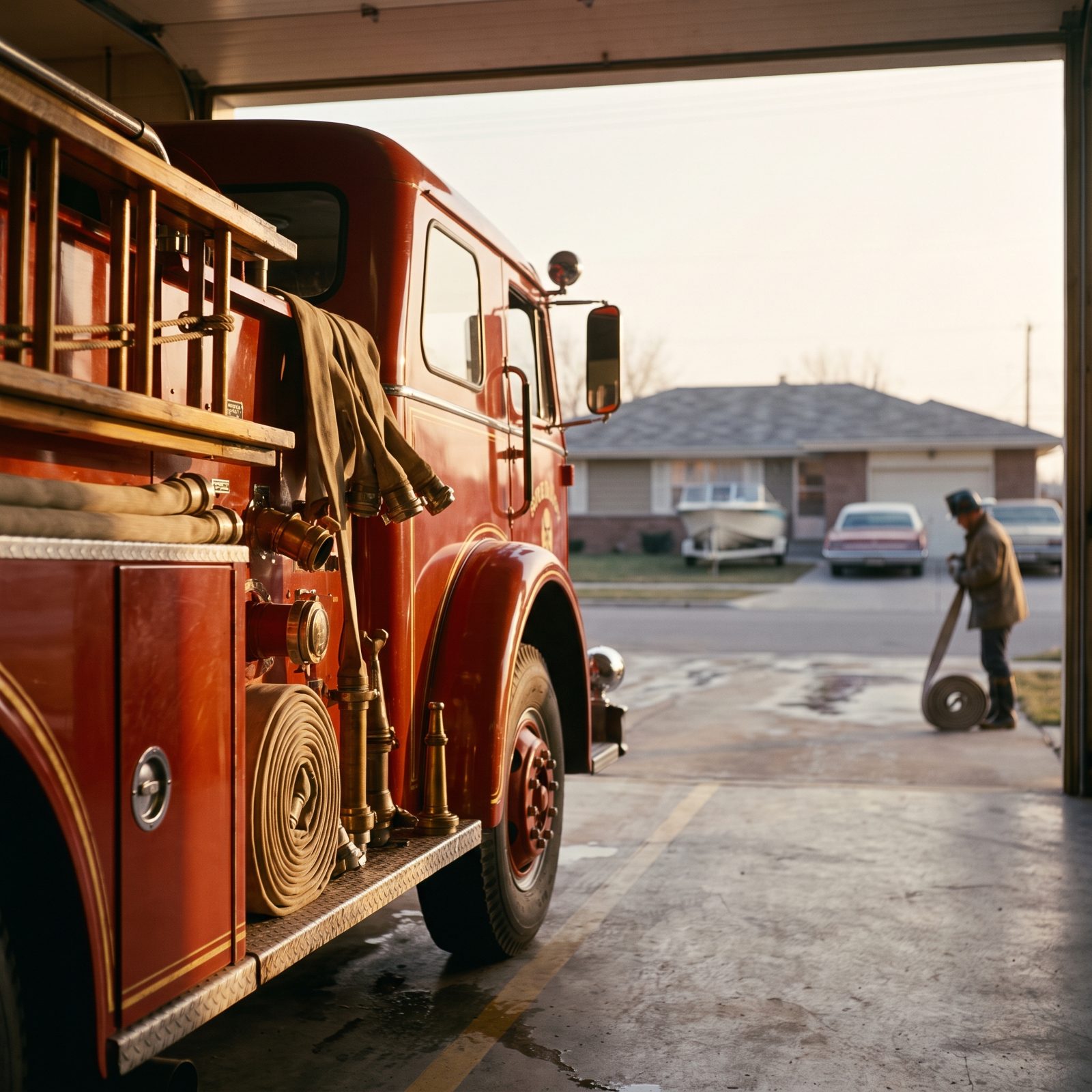
The job risked everything and rewarded steadily. A career firefighter in 1968 pulled long shifts and ran toward the danger everyone else fled, and in return the wage plus pension bought a ranch house, kept two cars running, and paid for the boat parked out beside it.
Firefighting still carries a pension and the respect it earns. The salary is honest. But the paycheck that once meant a paid-off home now leans hard against rising rents, and the boat in the driveway has become more memory than plan.
3. The Registered Nurse Who Bought a House on One Salary
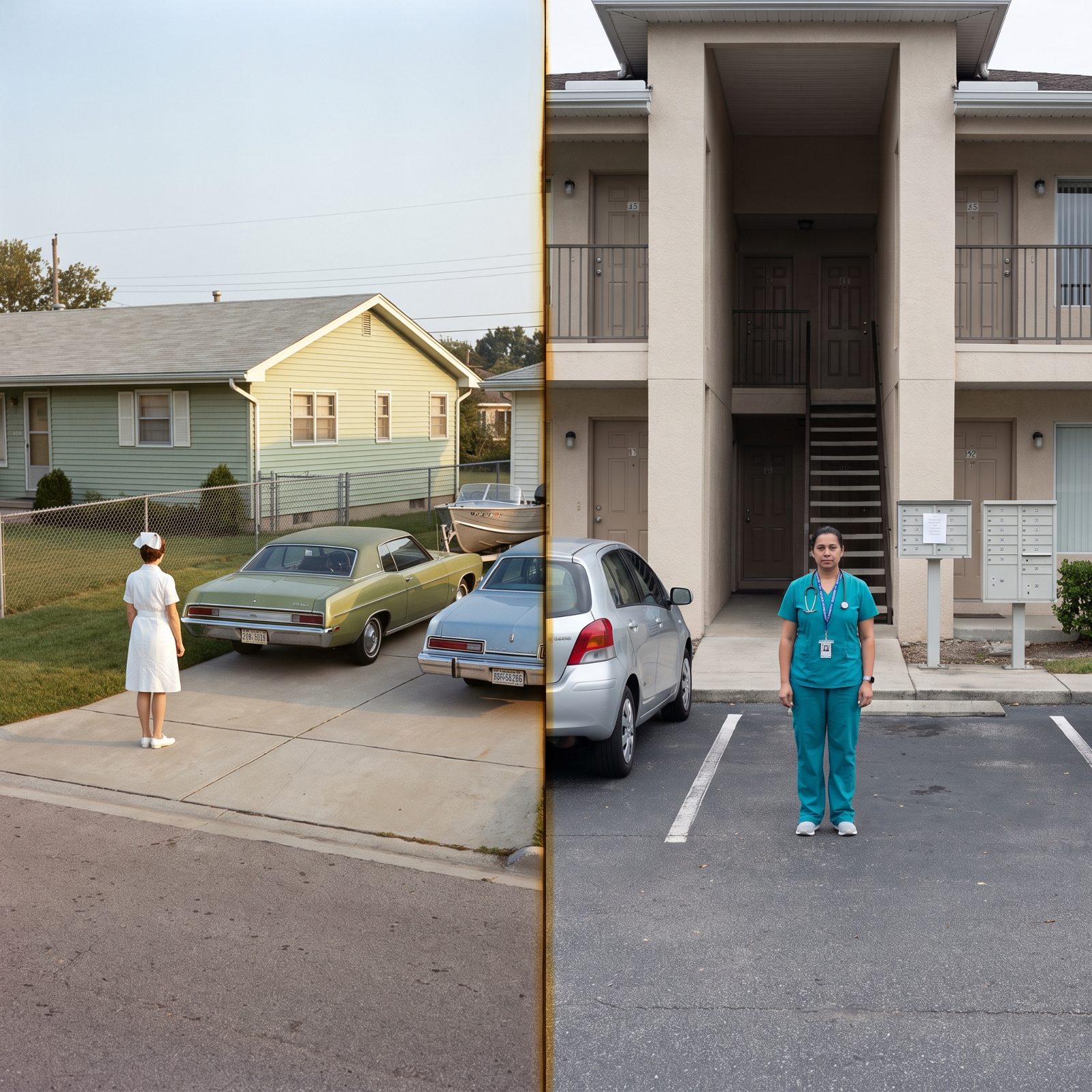
In 1968, a hospital nurse on a steady salary could carry a mortgage on a small ranch house without a second income doing the heavy lifting. Picture it: the white cap, the starched dress, the duty shoes squeaking down a waxed corridor. That single job bought a driveway, two used family cars, and maybe a little fishing boat that only ran half the summers before something rattled loose. Nobody called it luxury. It was just what a solid job did.
The work was hard then and it’s harder now, and yes, the pay has climbed in real dollars. But the price of the front door outran all of it. We looked at what that same paycheck reaches today, and the answer is usually a rent notice taped near the mailboxes — not a deed with your name on it.
2. The Grocery Department Manager With a Boat in the Driveway
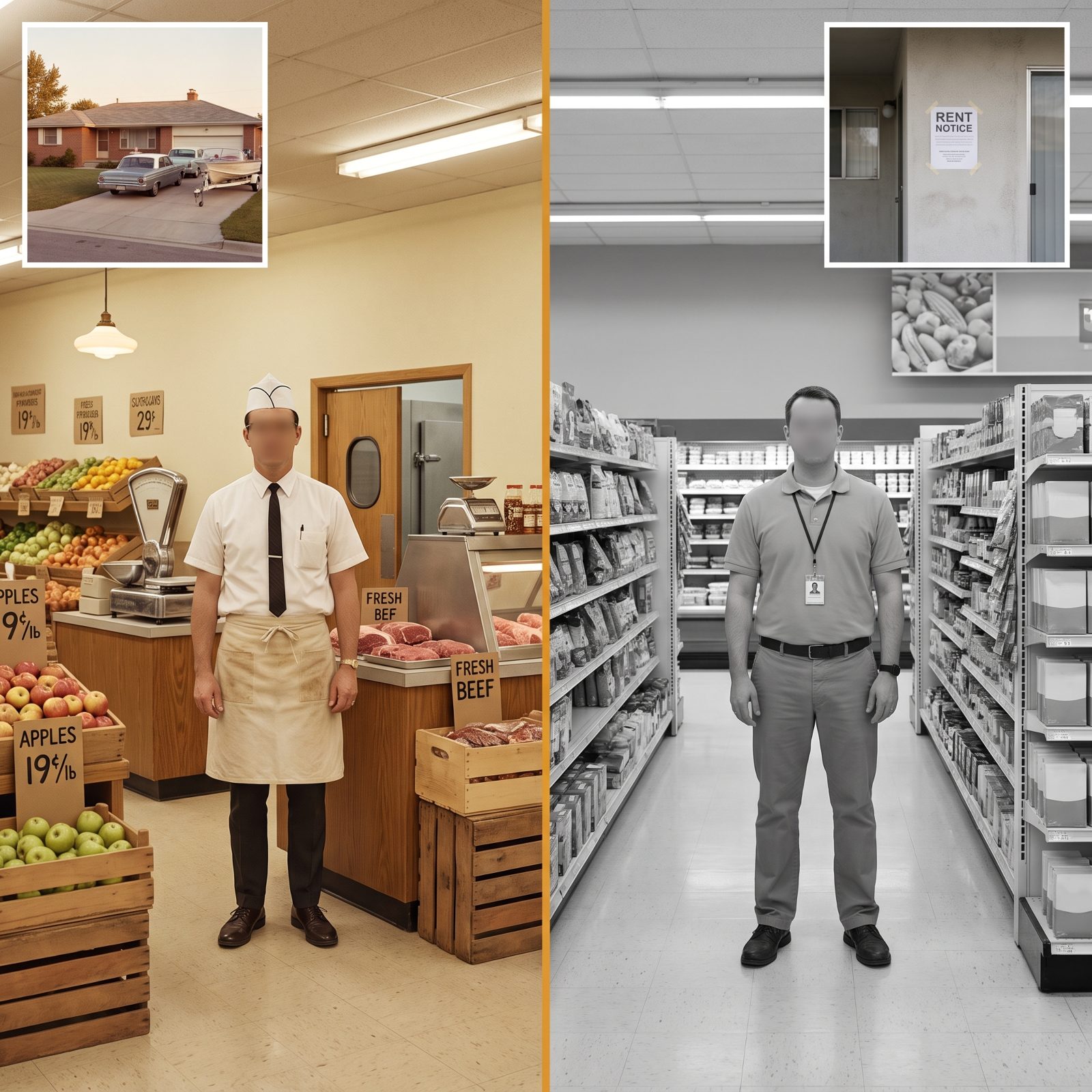
Run the produce or meat department at a supermarket in 1968 and you were somebody. White shirt, skinny tie, paper cap, a grease pencil tucked behind the ear for the cardboard signs you lettered by hand. This was a career, not a stopgap you took while waiting for something better, and it paid a full-time wage a family could actually plan around.
That plan usually stretched to a small brick ranch, a couple of used cars, and one of those modest boats that logs more hours on the trailer than in the lake. Solidly middle class. Not rich — never rich — just steady enough to sleep at night.
So we put the modern version of that job up against the modern cost of a roof. The roof won. The department’s bigger now, the shifts run longer, and the paycheck mostly walks straight out the door toward rent before you’ve even cashed it.
1. The Public-School Teacher Who Raised a Family on Chalk Dust
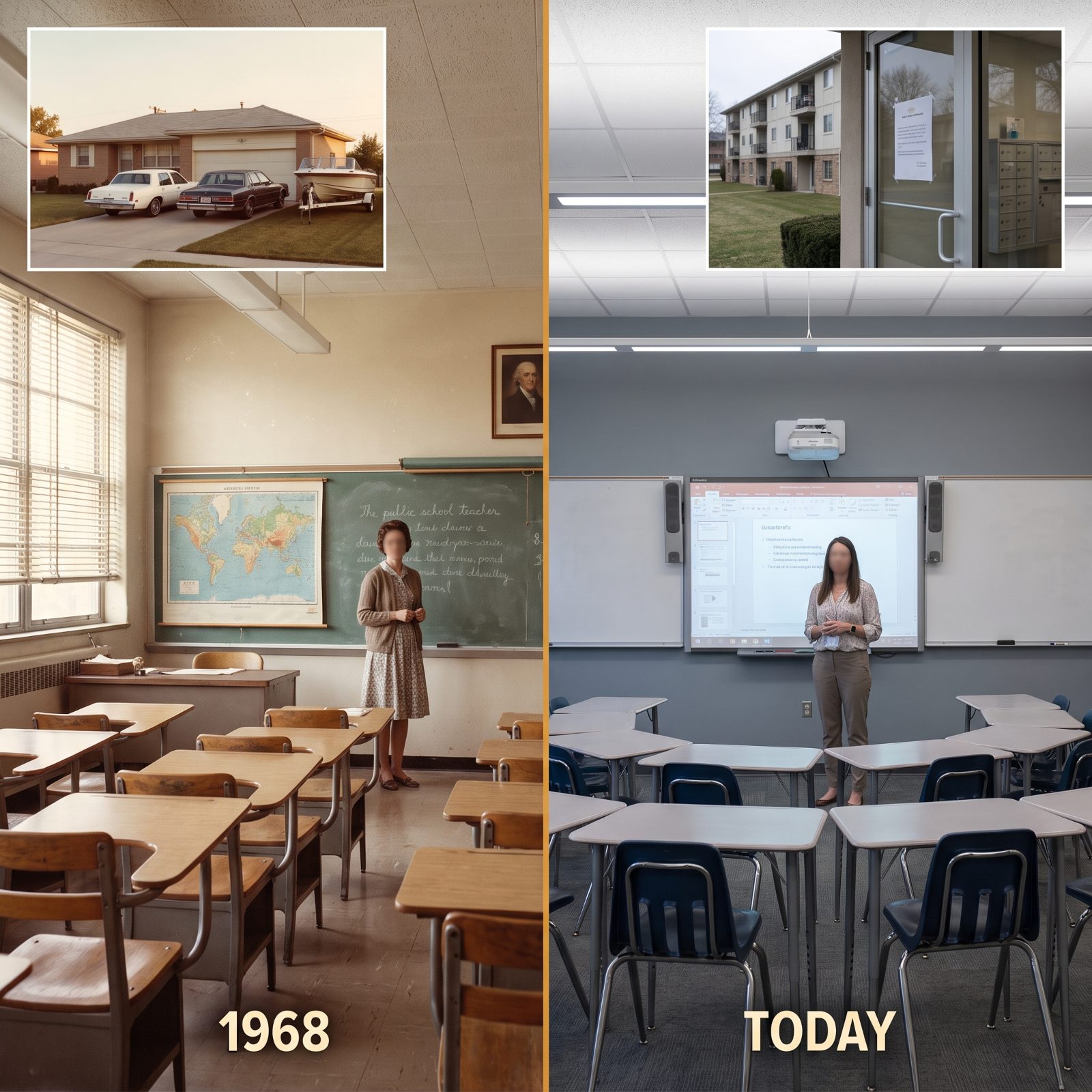
Chalk dust on the cuff, a pull-down map of a world with borders that don’t exist anymore, and a green board you wiped down with a wet sponge every Friday afternoon. Teaching in 1968 never made anyone wealthy. But it made a household work, and that mattered more.
A single teacher’s salary could anchor a small suburban home, two used cars in the driveway, and a summer with that modest boat. Waiting at the far end was the pension, a promise nobody thought to question back then. Respectable, and enough — and enough was the whole idea.
Now? The pay has crept up on paper while the front door sprinted ahead. We stacked a current teacher’s salary against current rent and watched the leftover shrink to almost nothing. Same chalk. Same devotion. A completely different ledger at the end of the month.
The job asked the same of you in 1968 as it does now. The difference is what the paycheck could carry home.