

Would you like to save this?
In 1950, a postal worker bought a brand-new house on one paycheck. Not a mansion. A small ranch with a lawn and a mortgage his wife never had to help cover. That math is dead now, and the story of how it died is written into decades of price tags. We pulled representative middle-class homes from 1950 through the 2020s, matched them to the jobs that could realistically buy them, and adjusted the dollars honestly. The gap between then and now will bother you. It bothered us.
1950s: The Postal Worker’s Family and the $8,000 Levittown Ranch
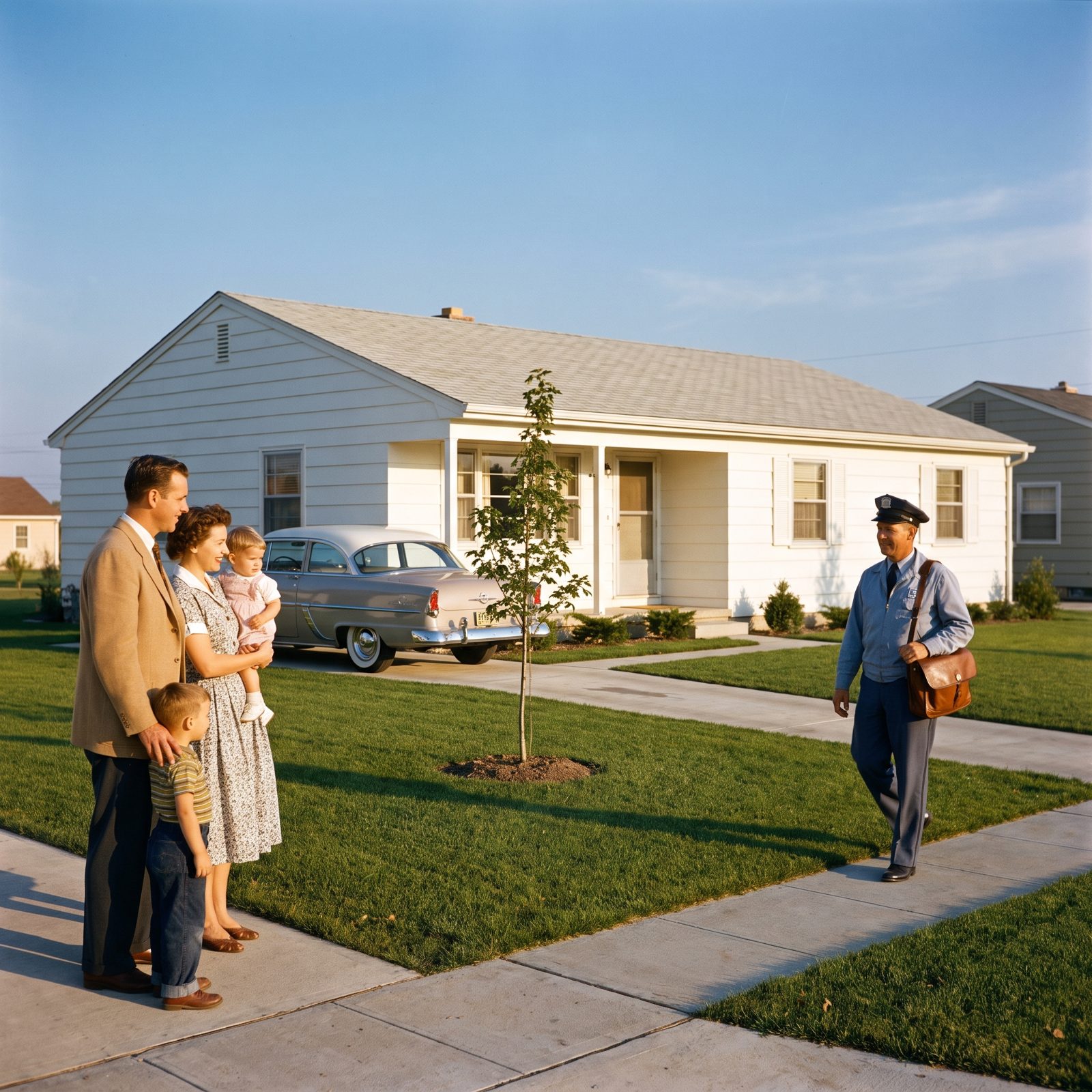
Around $8,000 bought a brand-new Levittown ranch in the early 1950s. Two bedrooms, a kitchen with a built-in stove, and a lawn that came with the deal. Later models nudged toward $10,000 once they tacked on an extra bedroom.
Here’s the part that lands hardest. A postal carrier earned roughly $3,000 to $3,500 a year, so the house cost between two and three times one worker’s annual pay. One worker. That’s the whole story, no second income assumed. The mortgage, backed by GI Bill and FHA terms, often ran under $60 a month.
Adjusted for inflation, that $8,000 is around $95,000 today. Try finding a new-construction starter home for that. You can’t, and everybody knows it.
1960s: A Teacher and a Telephone Lineman Split the Cost of a Split-Level
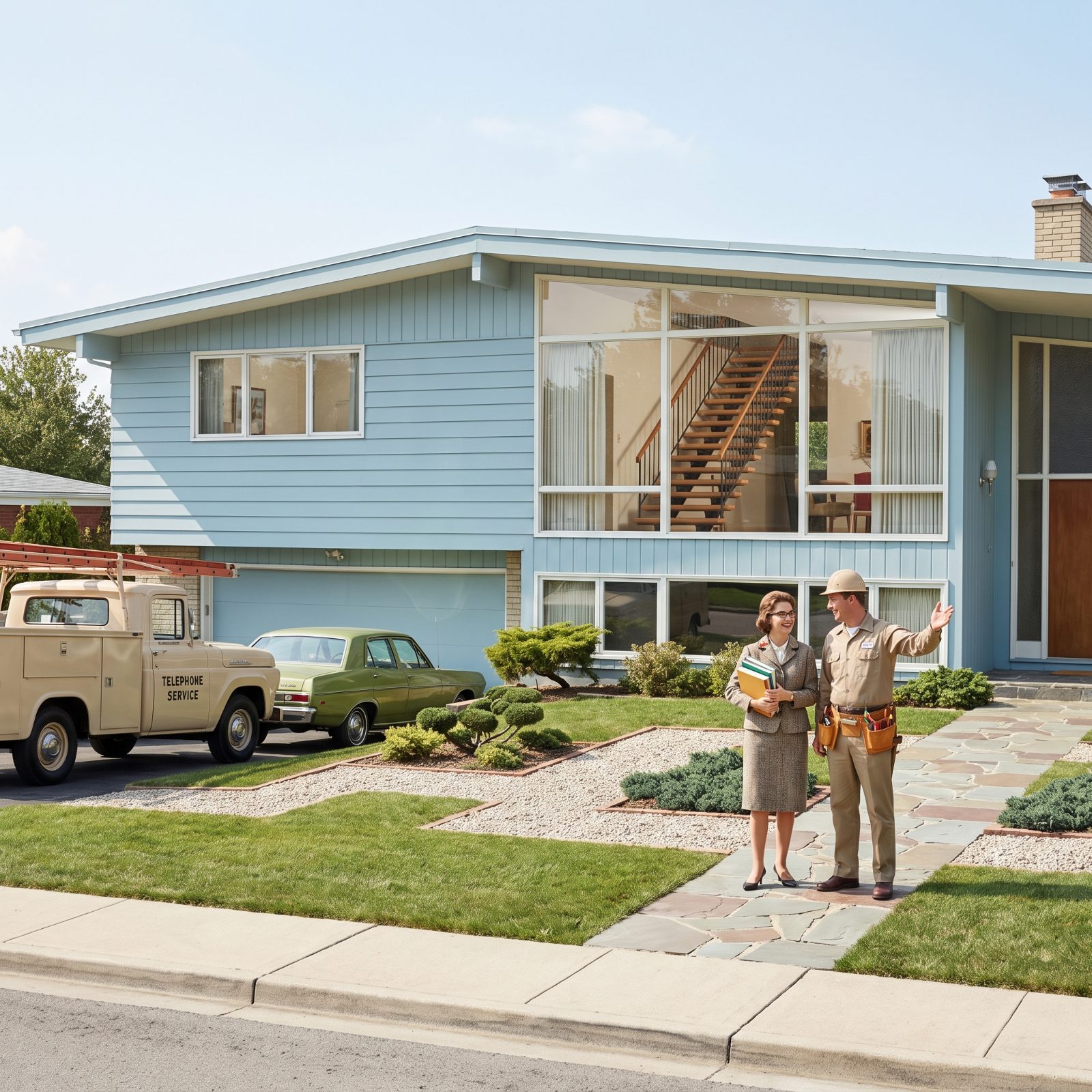
A split-level in a growing 1960s suburb ran about $15,000 to $18,000. Three bedrooms, a rec room down half a flight, and that picture window everyone wanted.
Now the math starts to shift. A teacher pulled in around $5,000 a year, a telephone lineman about the same. On one income the house sat near three times annual pay, comfortable but tightening. Two incomes made it easy, and more couples were quietly running both. In today’s dollars that home lands around $150,000.
What changed wasn’t just the price. It was the assumption. The 1950s expected one earner. The next decade started expecting two, even when nobody said so out loud.
1970s: The Machinist and Secretary and the $27,000 Brick Ranch
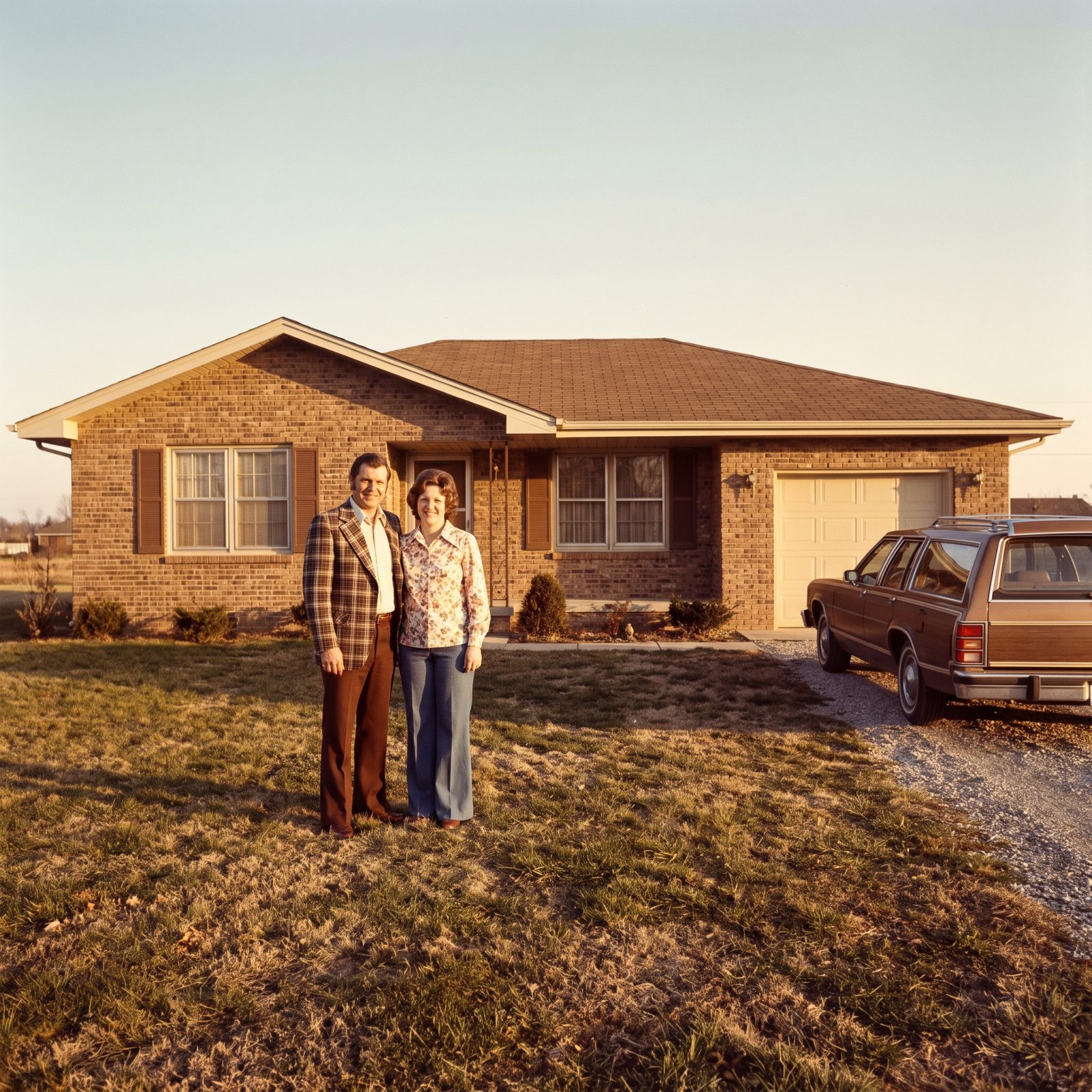
By the mid-1970s that brick ranch cost around $27,000 to $35,000, depending on the metro. Solid, boxy, built to outlast its owners, and plenty did.
A machinist earned roughly $10,000 to $12,000 a year and a secretary maybe $7,000, so together they cleared the mortgage without drama, even as inflation gnawed at everything, groceries especially. The house sat at under twice their combined income.
Adjusted forward, $30,000 in 1975 is about $175,000 now. Still cheaper than most real starter homes today. And two working adults could carry it with room to spare, which is the detail that keeps stinging.
1980s: A Nurse and an Auto Worker Meet the 18% Mortgage
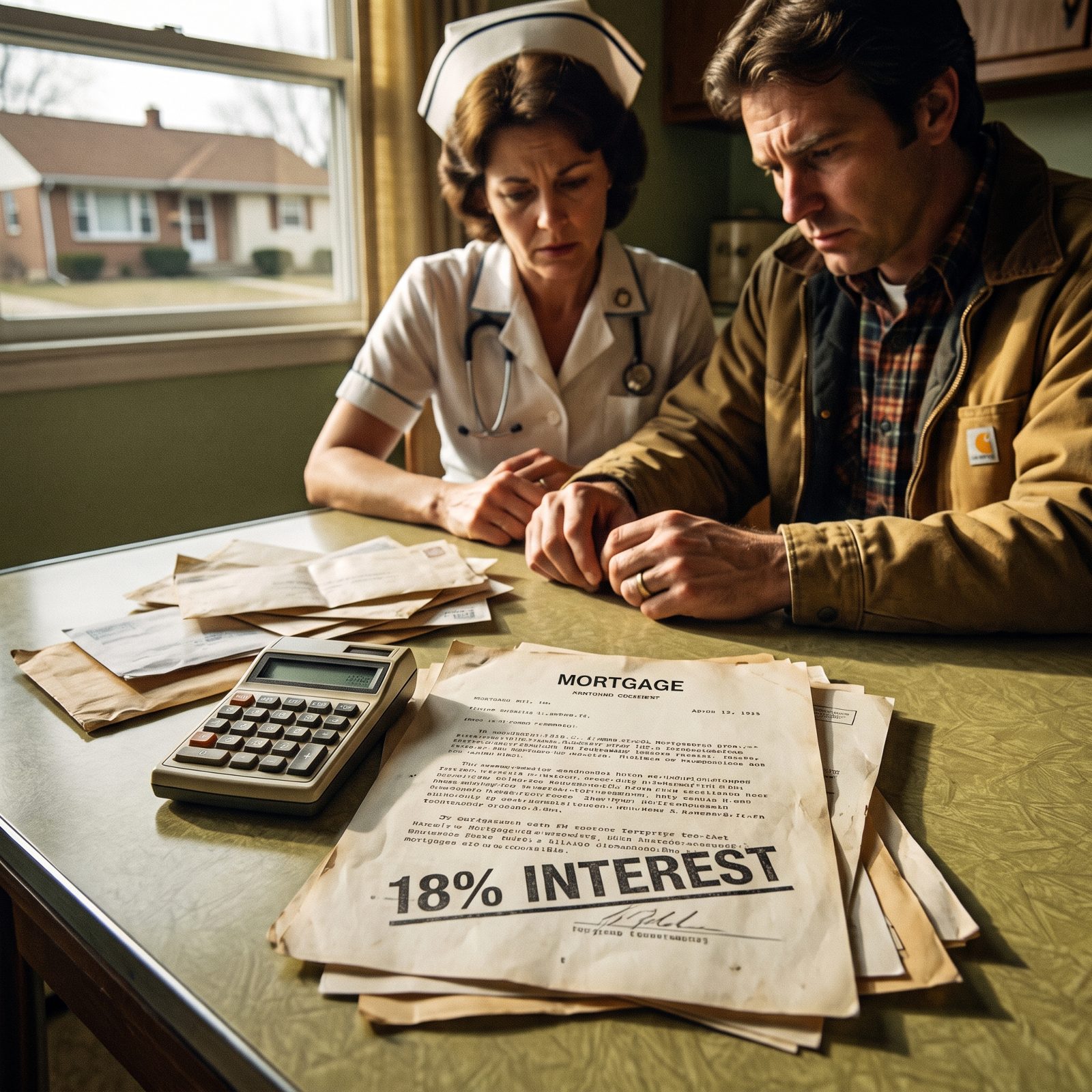
The house was almost the easy part. A middle-class home in the early 1980s ran roughly $70,000. The nightmare was the interest rate.
Mortgage rates hit 16, 17, even 18 percent around 1981. A nurse and an auto worker earning a combined $40,000 or so could technically afford the price, but the monthly payment ballooned because most of it vanished into interest. Buyers signed anyway and prayed they could refinance later. Many did, years down the road.
This is the decade that breaks the tidy “houses used to be cheap” story. The sticker was reasonable. The financing was brutal. Sound familiar?
A $70,000 house at 18 percent cost more per month than a $200,000 house at 4 percent would decades later. The rate is the tax nobody sees until they sign.
1990s: An Accountant and Retail Manager Buy the Four-Bedroom Dream
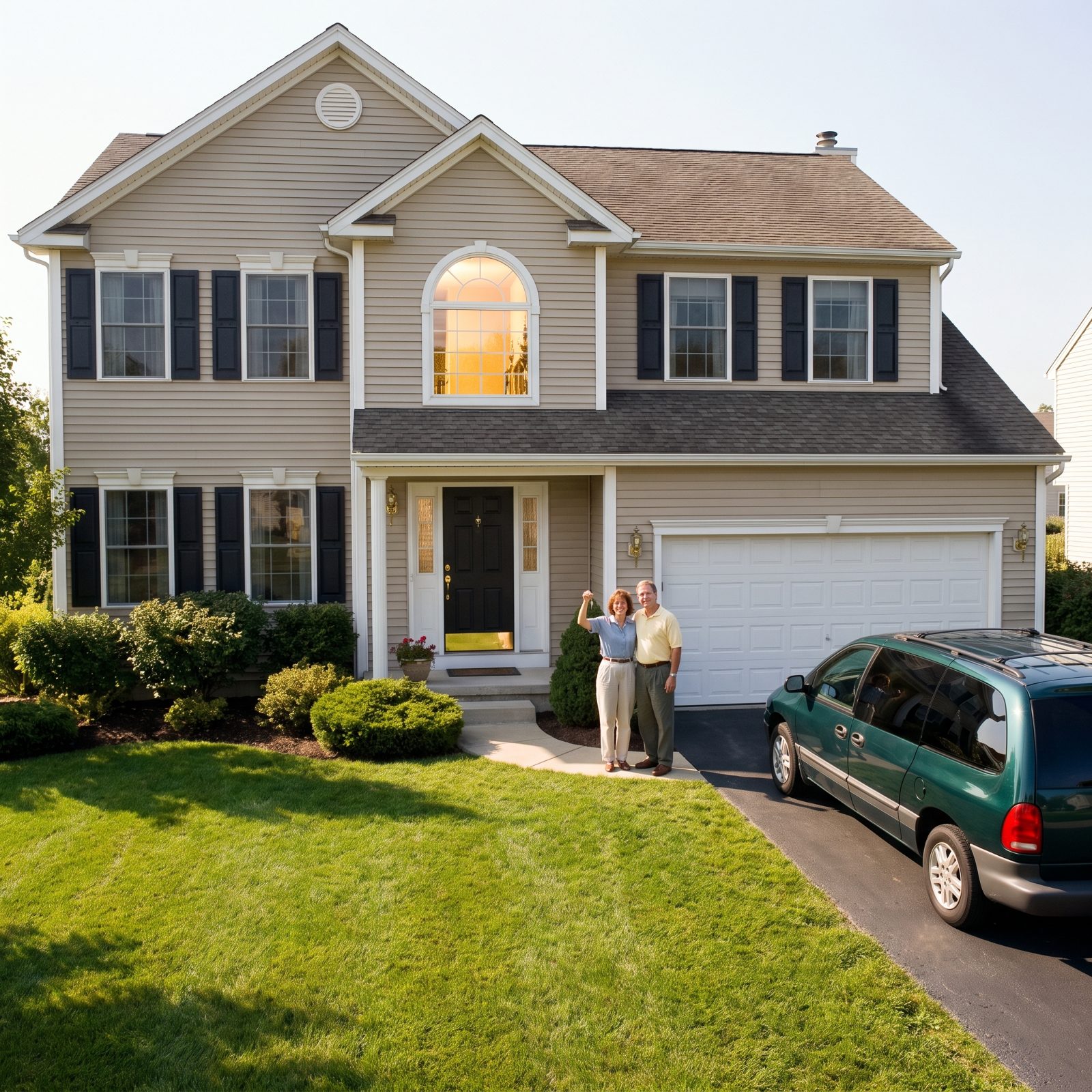
The four-bedroom suburban house, two-car garage, cathedral ceiling in the entry, cost around $120,000 to $150,000 in the mid-1990s. Bigger than anything the earlier decades ever expected a middle-class family to want.
An accountant earning $40,000 and a retail manager earning $35,000 cleared it easily. Combined income near $75,000, house around twice that, rates parked in the friendly 7 to 8 percent range. This was the comfortable stretch. The last decade where the standard middle-class career pair could reasonably buy the upgraded house, not just the starter.
Then square footage kept ballooning while wages didn’t. The 1990s house got everyone hooked on more room. The paycheck never got the memo.
2000s: An IT Specialist and Teacher Buy at the Top of the Boom

At the 2005 to 2006 peak, that same tier of suburban house had jumped to $220,000 to $280,000, more in hot markets. Prices climbed faster than in any decade before, fueled by easy credit and the belief that housing only went up.
An IT specialist and a teacher, combined income around $90,000, bought in anyway. Often with low or no down payment, sometimes on loans that adjusted upward later. The house was now closer to three times income again, and the financing was shakier than the payment let on.
We all know how this chapter ends. Some of these buyers were underwater inside two years, owing more than the house was worth, through no failure of their own.
2010s: A Healthcare Couple Buys in the Rubble of the Foreclosure Crisis
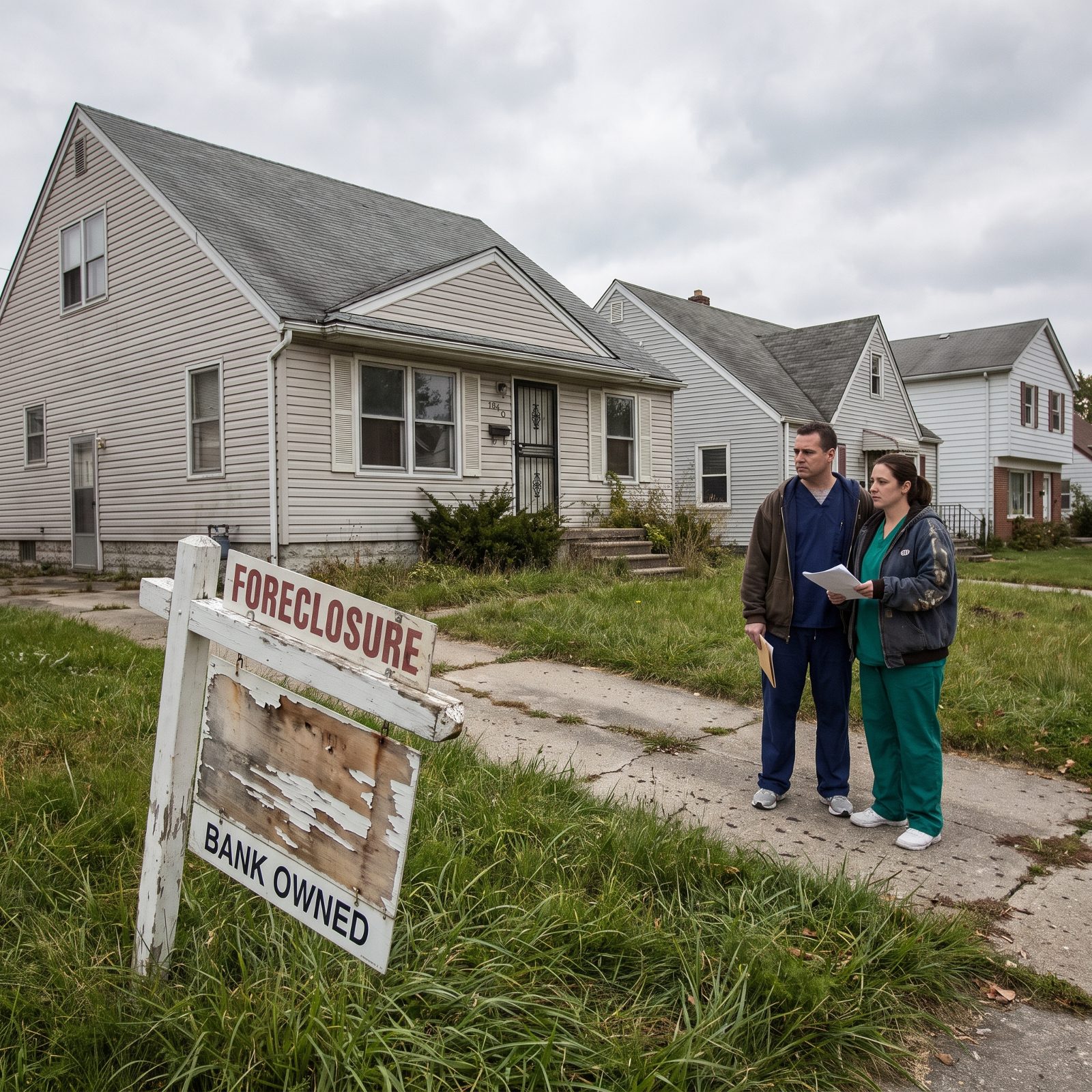
After the crash, prices bottomed out early in the 2010s and then climbed steadily. By mid-decade the middle-class house ran $200,000 to $260,000. But here’s the gift of that era: mortgage rates dropped to somewhere near 3.5 to 4 percent, among the lowest most Americans will ever see in their lives.
A healthcare couple, say a nurse and a medical technician earning a combined $110,000, could buy at a home-to-income ratio near two and a half, with a shockingly cheap monthly payment thanks to those rates. The buyers who moved during this window and locked those loans pulled off something their kids may never manage.
Cheap money made an expensive house feel affordable. That was the trick of the 2010s, and it worked beautifully while it lasted.
2020s: The Remote-Work Household Buys the Same House for Double the Payment
Same house. Double the payment. That’s the 2020s in one sentence. By 2023 the middle-class suburban home hit $400,000 to $450,000 nationally, and mortgage rates snapped back near 7 percent after two years hovering at record lows.
A remote-work professional household earning $130,000 combined now faces a house priced at over three times income, financed at a rate that piles interest onto every single month. The buyer who purchased the identical home back in 2015 pays hundreds less for the exact same walls.
Run the full arc and the pattern is plain. In the early 1950s the postal worker bought at 2.5x income on one salary. The 2020s household needs two strong incomes to buy at 3x, and the interest does the rest of the damage.
Lower prices came with lower wages in every earlier decade, and that’s the honest caveat. But the ratio of home price to what people actually earn has drifted the wrong way, and no amount of remote-work flexibility closes that gap. The keys still turn the lock. They just cost a lot more to hold.