

Would you like to save this?
Nobody raises an eyebrow when you finance a couch, order delivery on a Wednesday, or trade up your phone the second the carrier lets you. That’s the trap. The habits that keep most people stuck aren’t reckless, they’re ordinary. They blend in because everyone around you does the same thing, which makes them feel less like decisions and more like weather.
We pulled apart the ones that cost the most while drawing the least attention. Each is fixable, and none require a budget spreadsheet the size of a phone book. Here’s what’s quietly draining the tank.
32. Treating Every Raise as Permission to Upgrade
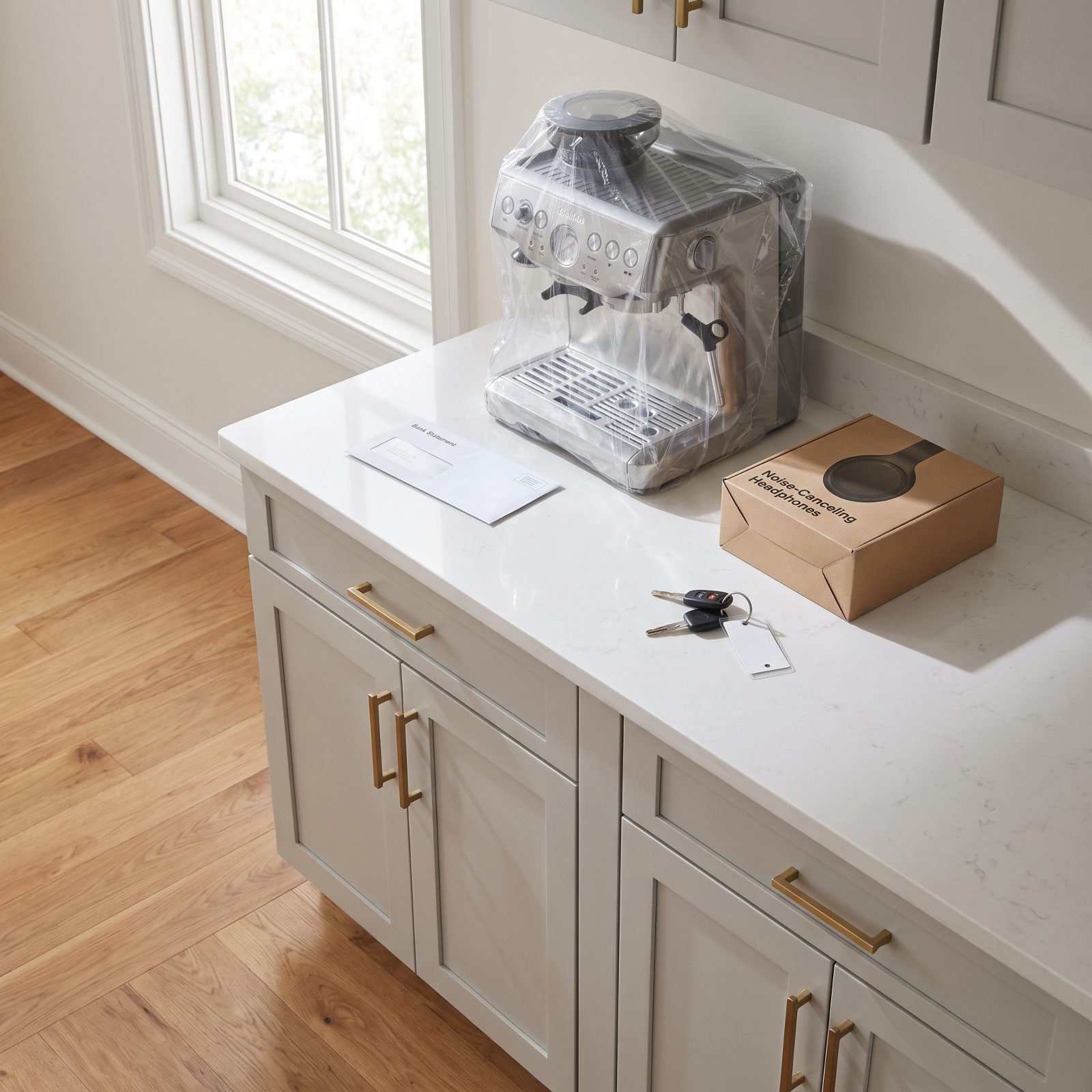
You get a bump in pay, and within a month the extra is already spoken for. Bigger apartment, nicer car, the better streaming tier. The money arrives and the lifestyle quietly expands to swallow it whole. Economists call it lifestyle creep. You’ll recognize it as the reason a raise never seems to make you feel richer.
The mechanism is simple and brutal. When spending rises in lockstep with income, your savings rate never moves, so your freedom never grows. You just run a more expensive version of the same treadmill.
Catch the next raise before it lands. The day it hits your paycheck, send half of the increase straight into a high-yield savings account or your 401(k). You never adjusted to having it, so you won’t miss it.
31. Paying Only the Credit Card Minimum
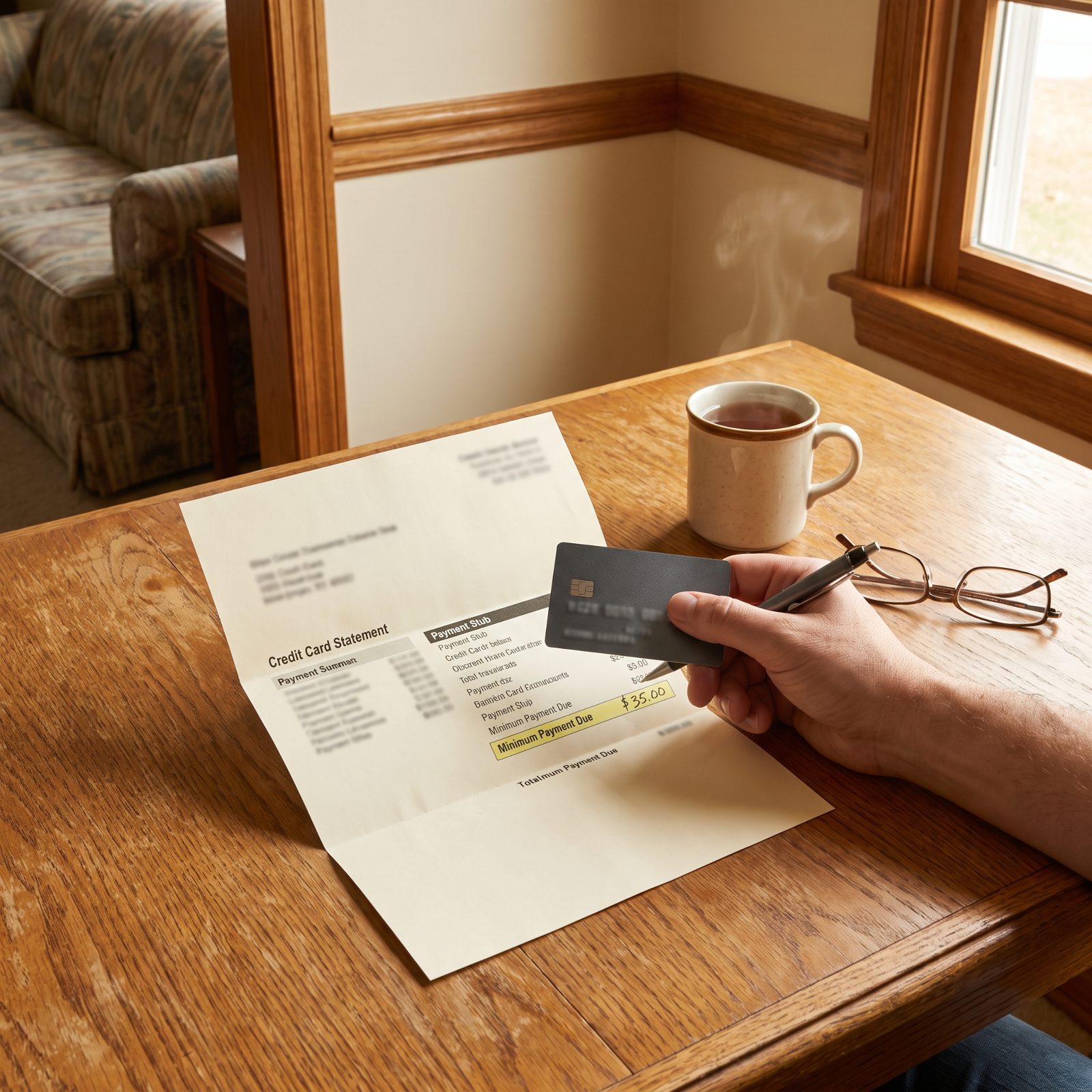
The minimum payment is designed to keep you paying forever. It feels responsible. You sent money, the account is current, nobody’s calling. But on a card charging around 20 percent, paying only the minimum on a few thousand dollars can stretch the payoff past a decade and nearly double what you owe in interest.
That’s not a glitch. It’s the business model. The minimum is the slowest possible exit the issuer will allow you.
Pick one card. Pay the minimum on everything else, then throw every extra dollar at that one until it’s gone. Even an extra fifty bucks a month shortens the timeline dramatically. Watch the balance drop, then roll that payment onto the next card.
30. Keeping a Car Payment Forever

Pay off one car loan, roll straight into the next. The payment never disappears, it just changes vehicles. For a lot of households, a car payment feels as permanent as the electric bill.
Here’s the quiet cost. A car payment kept up forever is a few thousand dollars a year that never builds anything. Cars depreciate. You’re renting a melting ice cube on installments.
Break the cycle once. When your current loan ends, keep driving the paid-off car and send that same payment into savings every month. Do that for three years and you’ve got a serious down payment, or enough to buy your next car outright and never have the payment again.
29. Saving Whatever Happens to Be Left at Month’s End

The plan is honest enough. Cover the bills, enjoy the month, save the leftovers. The problem is there are never any leftovers. Spending is a gas. It fills whatever container you give it, so the end of the month always arrives with the tank at zero.
So flip the order. Pay yourself first means the savings comes out before you’ve had a chance to spend it, which makes the leftover money the thing you live on, not the thing you save.
Set up an automatic transfer for the day after payday. Start small if money’s tight. The amount matters less than the fact that it leaves your checking account before your spending can reach it.
28. Choosing a Home by the Maximum Mortgage Approval

The bank tells you what you can borrow. That number is not a recommendation. It’s the ceiling, calculated on your income alone, and it assumes nothing goes wrong, no job loss, no new roof, no kid who suddenly needs braces.
Buying at the top of your approval means being house-poor: a gorgeous address with nothing left over for savings, repairs, or a bad month. The mortgage fits, but your life doesn’t.
A steadier guideline keeps your total housing cost, taxes and insurance included, at or under 28 percent of your gross monthly income. Run that number yourself before you ever talk to a lender. Then shop for a house the budget loves, not the one the approval permits.
27. Using Credit Cards as an Emergency Fund

No cash cushion, but there’s an open credit line, so that counts, right? When the water heater dies, the card catches it. Feels like a safety net right up until the moment you need it twice.
The trouble is that a credit card isn’t savings. It’s a bill with a timer. One real emergency turns into months of interest payments north of 20 percent, which leaves you even less able to absorb the next one. A net made of rope that charges you to hold it.
Start a true emergency fund in a separate high-yield savings account, aimed first at $1,000. Small enough to actually hit, big enough to keep most everyday disasters off the credit card. Build it to three months of expenses over time.
26. Using Buy Now, Pay Later for Routine Purchases

Splitting a purchase into four easy payments feels harmless, and for a planned big expense, it can be. The trouble starts when “four easy payments” becomes the default way you buy sneakers, concert tickets, and groceries.
Each installment plan is small. Stack five or six of them and you’ve quietly committed future paychecks to past impulses, with no single statement showing the total damage. The spread-out structure hides how much you actually spent.
Before you tap the pay-later button, ask one question. Could I buy this outright today? If the answer is no, that’s a signal the purchase is too big for right now, not a reason to finance a sweater over six weeks.
25. Financing Furniture That Will Wear Out Before It Is Paid Off

A long payment plan on a sofa that starts sagging halfway through is a math problem disguised as comfort. Store financing often rides at punishing rates, and furniture is one of the fastest-depreciating things you can buy. You end up making payments on a couch you’ve already stopped liking.
Worse are the “no interest if paid in full” deals. Miss the deadline by a day and deferred interest can hit the entire original balance retroactively. One late payment can cost you real money.
Save up and buy the piece outright, even if it means a secondhand sofa for six months while you do. A solid used couch today beats years of payments on a new one that wears out first. Cranky as it sounds, your future self will thank you for the lumpy loaner.
24. Ordering Delivery Several Nights a Week

Would you like to save this?
It’s a Tuesday, you’re wiped, nobody wants to cook. Delivery it is. The food looks reasonable until you count the delivery fee, the service fee, the tip, and the quiet markup on every item. A cheap meal nearly doubles by the time it reaches your door.
Do that four nights a week and you’re spending more on convenience fees than some people spend on groceries. The cost hides in the fact that each order feels small and reasonable.
You don’t have to quit cold. Pick two delivery nights and cap them. Keep three fast, stupid-easy meals in the house for the other nights, the kind you can make in ten minutes without thinking. The savings is real, and it adds up fast.
23. Replacing a Phone Whenever the Contract Allows

The upgrade window opens, so you upgrade. The old phone worked perfectly, but the deal was “only” another forty bucks a month, and that’s basically free, right? Spread across the plan, a new phone every two years feels like it costs nothing.
It doesn’t. That extra per month runs into hundreds a year, invisibly bolted onto your phone bill, for a device barely different from the one you already owned.
Skip one cycle. Keep your current phone an extra two years, which most handle fine with a fresh battery. Take the upgrade money you didn’t spend and route it into a Roth IRA or your 401(k). Money invested consistently grows into something a shinier screen never will.
22. Letting Free Trials Turn Into Forgotten Subscriptions

The free month was real. The habit of canceling it was not. Streaming services, cloud storage, meal apps, that one meditation thing you tried once — they wander into your life as a trial and settle in as a line item you stopped noticing months ago.
The mechanism is sneaky. A charge small enough to ignore and automatic enough to forget. A few bucks doesn’t register, but a few bucks across six services, month after month, is real money slipping out through a door you forgot was open.
So here’s today’s move. Open your phone’s subscription settings (Settings, then your name, then Subscriptions on iPhone), read the list out loud, and cancel anything you can’t remember using in the last month. You can always re-subscribe. You rarely will.
21. Paying Bank Fees Without Switching Accounts

Monthly maintenance fees, minimum-balance penalties, out-of-network ATM charges — they feel like the weather, something that just happens to you. They’re not. They’re a choice you keep making by not making a different one.
Fee-free checking accounts are everywhere at online banks and credit unions. Same deposits, same debit card, no monthly bite. People don’t switch out of inertia, not loyalty, because rerouting a direct deposit feels like a chore, so a small bleed goes on for years.
Start here: call your current bank and ask them to waive the monthly fee. Sometimes they just do it, no argument. If they won’t, spend twenty minutes opening a free account elsewhere and move your direct deposit over. One afternoon of annoyance, then it pays you back every month afterward.
20. Carrying Expensive Insurance Add-Ons Without Reviewing Them

Roadside assistance you already get through your credit card. A collision waiver on a car you’ve owned for eight years. Life insurance riders nobody ever explained. Add-ons pile up because they’re easy to say yes to at signup and nearly impossible to remember afterward.
Here’s why they drain you. These extras get bundled into one premium, so the individual cost vanishes into the total. You never decided to pay for duplicate roadside coverage — you just never un-decided.
Pull your auto and home policies and read the declarations page, the one listing what you’re actually paying for. Cross off anything you already have elsewhere. Then call and ask what dropping each piece saves. And raising a deductible you’ll rarely hit? That often cuts the premium by more than the deductible ever costs you.
19. Spending the Entire Tax Refund

The refund feels like free money. It isn’t. It’s your own money, handed back after the government sat on it interest-free all year. Which is exactly why blowing all of it in a single weekend stings more than it should.
The trap is emotional. A lump sum lands, it feels detached from your real budget, so it gets treated like a prize instead of a paycheck. By March it’s gone and nothing in your life actually changed.
Try splitting it before the money arrives. Decide now — half toward something that moves you forward, like a debt payment, an emergency fund, or a Roth IRA contribution, and half for pure fun. You still get the good stuff. You also get a version of yourself in June who’s glad you didn’t torch the whole thing.
18. Treating a Bonus as Fun Money Before It Arrives

You mentally spend the bonus three weeks before payroll processes it. The new TV, the weekend away, the thing you’ve been eyeing in a browser tab since last Tuesday. By the time it hits, it’s already assigned to pleasure — and often to more pleasure than the bonus actually covers.
Pre-spending is what quietly sets you back, because it removes the choice entirely. You never weigh the bonus against your debt or your future, since in your head it was spent weeks ago. The daydream does the damage before a dollar even moves.
When a bonus is coming, write down one financial goal it could serve before you let yourself picture the fun version. Send even half of it straight to savings or a credit-card balance the day it lands, and the rest stays guilt-free. Funny thing — you enjoy it more when it isn’t secretly undoing your progress.
17. Using Savings to Cover Predictable Annual Bills

Car registration. The holiday season. Property taxes. That annual insurance premium. None of it is a surprise, yet every year these bills ambush your savings account like they materialized out of thin air.
The problem isn’t the bill — it’s the timing. When a known expense isn’t funded gradually, it arrives as one painful lump, and the only place to grab the cash is the emergency fund you worked so hard to build. So your cushion keeps getting flattened by things you saw coming months ago.
The fix is a sinking fund. Add up your predictable annual bills, divide by twelve, and automate that amount into a separate savings account each month. When the registration notice shows up, the money’s already there, bored and waiting. Your emergency fund gets to stay what it’s for.
16. Ignoring Employer Retirement Matching

If your employer matches retirement contributions and you’re not putting in enough to grab the full match, you are turning down a raise. Not a metaphorical one. An actual, guaranteed, free raise, and you’re waving it off.
Here’s the math people skip. Say the match is 50 cents on the dollar up to 6 percent of your pay. Put in that 6 percent and your employer hands you an instant 3 percent of salary on top, before the market lifts a finger. Name another return that reliable. You can’t.
Log into your retirement plan today and check your current contribution rate. If it’s below the match threshold, raise it until you hit the full match. Tight on cash? Bump it one percent at a time every few months — you’ll barely feel it, and future-you will quietly thank present-you for decades.
15. Cashing Out a Retirement Account Between Jobs

You leave a job, there’s a few thousand dollars sitting in the old 401(k), and cashing it out feels harmless. It isn’t. That modest little balance is one of the most expensive things you can grab early.
The damage arrives in three bites. You owe income tax on it, you usually pay a 10 percent early-withdrawal penalty if you’re under 59½, and you forfeit every future dollar that money would have earned over the years. A small balance today can become a serious chunk of retirement later — and you’re trading all of it for a one-time payout that shrinks before it even reaches your account.
Roll it over instead. Move the old balance into your new employer’s plan or into an IRA. It’s a form, maybe a phone call. No taxes, no penalty, no interruption, and the money keeps growing like you never changed jobs at all.
14. Avoiding Account Balances After Overspending

Would you like to save this?
You had a loose week. You already know the number isn’t good, so you quietly stop opening the banking app, because not seeing it feels better than seeing it. We’ve all done the look-away.
Avoidance costs real money, though. When you don’t check, overdraft fees pile up, autopayments bounce, and small overspends snowball into a bigger hole than the one you were scared of to begin with. The anxiety grows precisely because you’re starving it of information.
So flip it. Open the app right now, bad week and all, and look at the actual number. It’s almost always less frightening than whatever your imagination built. Facing it early is the difference between a $40 correction and a $200 cascade. Checking when it’s bad — that’s the whole skill. Anyone can check when it’s good.
13. Budgeting From Memory Instead of Transactions

You figure you spend maybe sixty bucks a week on takeout. The transactions tell a different story, closer to a hundred and forty. That gap — between the budget in your head and the one on your statement — is exactly where money quietly disappears.
Memory flatters us. We remember the big, responsible purchases and conveniently forget the eleven small ones. So the mental budget always runs rosier than the real one, and the difference never gets saved or invested because you never knew it was there.
Pull up last month’s actual transactions, in your banking app or a free tracker, and total three categories: food out, subscriptions, and that vague “shopping” pile. The real numbers usually land harder than any lecture could. You don’t need a perfect system. You need to budget from what happened, not from what you meant to do.
12. Stockpiling Bargains That Never Get Used
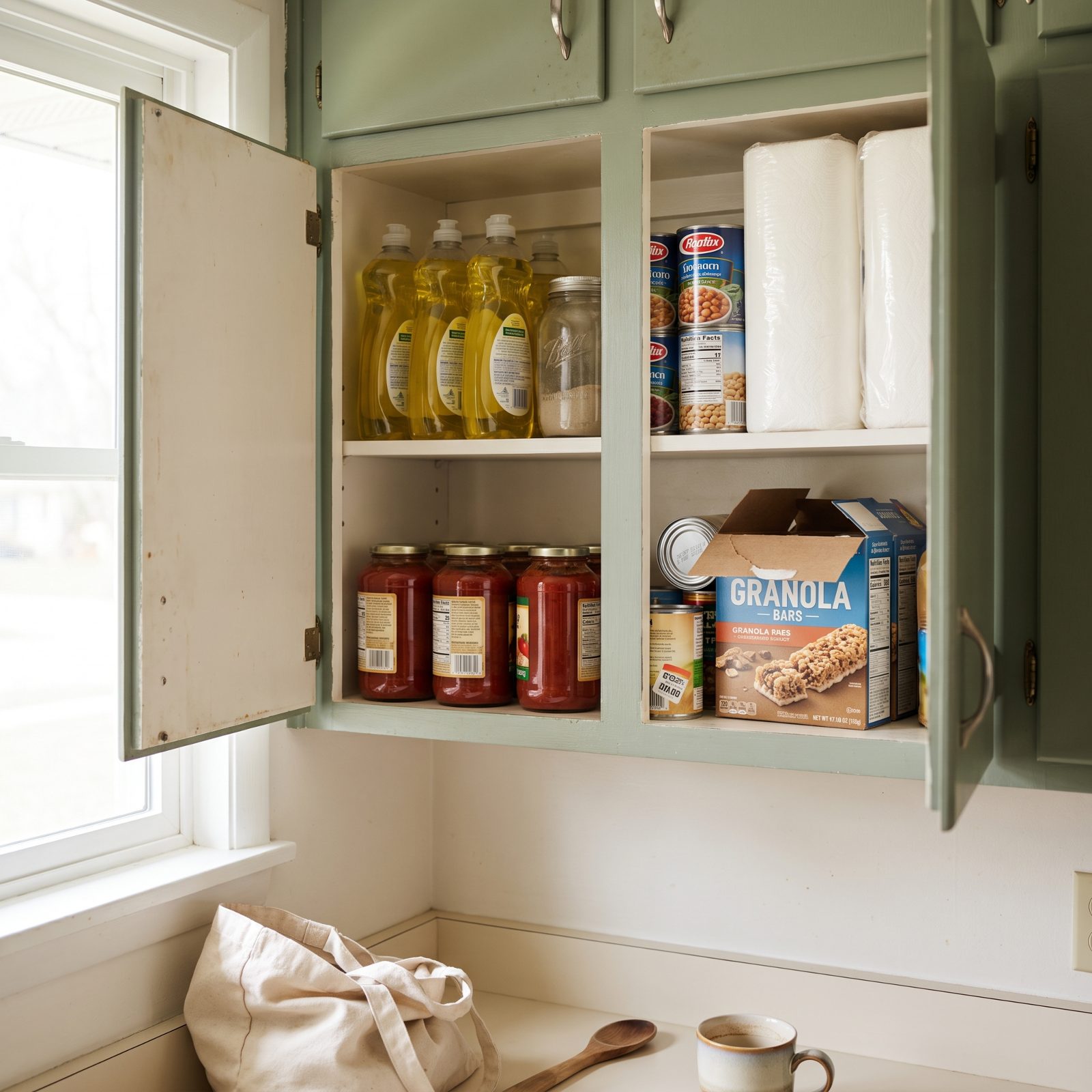
Twelve rolls of paper towels on sale felt like winning. Then there are the ten tubes of toothpaste you forgot about, the salad dressing that turned, the three identical jars of coconut oil hardening in the back of the cabinet. A deal is only a deal if you were going to buy the thing anyway.
Bulk buying runs on a quiet trick: the discount makes spending feel like saving, so your brain files it under virtue instead of expense. You still handed over real money for product that sits unused, expires, or gets tossed when you move.
Pause a week before any bulk purchase. If you can’t name exactly when you’ll use the second, third, and fourth of something? Buy one.
11. Using Shopping as a Reward After a Hard Week

The week was brutal, so you earned something. Maybe a cart full of candles, a new jacket, a cheerful pile of things at checkout that felt like a hug. The dopamine hit is real — and so is the charge on the card three days later, once the glow has faded and the jacket is still in the bag.
Retail therapy isn’t a character flaw. It’s your brain grabbing a fast reward after stress. The catch is that the reward wears off in hours while the cost compounds for months, and you’re paying a premium for a mood that a walk or a nap gives you for free.
Build a cheap reward menu before you need it: a bath, a long show, takeout under fifteen dollars, a call with the friend who makes you laugh until you snort. When the hard week hits, pick from that list first.
10. Trying to Match Friends’ Vacations and Celebrations

Their anniversary trip looked incredible. So did the destination birthday and the group ski weekend. Now you’re half-committed to a vacation you can’t quite afford, because sitting it out feels like falling behind.
Social media turned everyone’s best three days a year into a constant feed. You’re comparing your whole financial reality to their curated highlights, which is a game you can only lose. Chasing other people’s celebrations is one of the fastest ways to spend money on a life you didn’t actually choose.
Set your travel and celebration budget for the year in advance, park it in a separate savings account, and let that number answer the invitations. “We’re sitting this one out, next time” is a complete sentence.
9. Buying Status Brands for Ordinary Basics

A plain white t-shirt is a plain white t-shirt. Somehow one of yours cost sixty dollars and the other cost eight, and after a few washes you honestly can’t tell them apart in the drawer.
Status branding charges a premium where the quality gap is tiny or flat-out invisible — basic tees, phone chargers, water bottles, everyday sunglasses, the sneakers you only wear to the gym. You’re paying for a logo and a feeling, not performance. Your call to make. Just make it on purpose, not by default.
Split your wardrobe and gear into two buckets. One: things you’ll keep and use hard for years, like a good coat, work shoes, a mattress, where quality earns its keep. Two: stuff that wears out, gets lost, or doesn’t visibly differ. Spend up on the first. Go cheap and unbothered on the second.
8. Covering Adult Children’s Recurring Lifestyle Costs

It started as helping out. The phone plan stayed on your account, then the car insurance, the streaming logins, a little toward rent some months. None of it felt like much on its own.
Add it up, though, and recurring support for grown kids becomes one of the most common and least discussed drains on retirement savings. It’s hard to spot because it’s wrapped in love, and because each piece is small. The total is not.
You don’t have to cut everything off cold. List every recurring cost you cover for an adult child, put a dollar figure on the monthly total, and hand back one line this quarter with a kind, clear heads-up. The phone plan is a good first move. Your retirement can’t be refinanced.
7. Maintaining Costly Traditions Out of Guilt

You host the big holiday every year. You buy everyone’s birthday gift at a level nobody asked for. You keep the annual trip going because your family always has, and dropping it would feel like letting people down.
Traditions are worth something. But some get kept alive purely by guilt and momentum, long after they stopped bringing any joy to the people performing them. And you’re the only one convinced the whole thing collapses the moment you scale it back.
Pick one expensive tradition and try a lighter version this year. A potluck instead of catering the whole spread. A gift exchange with one name each instead of presents all around. A backyard celebration instead of the rented venue. Watch how fast everyone adapts. They usually care more about showing up than about your production budget.
6. Paying for Multiple Versions of the Same Entertainment

Go count them. The streaming services, the music apps, the news subscriptions, the audiobook membership, the second music app somebody in the house signed up for and forgot. Odds are you’re paying for several platforms that do nearly the same job, and watching maybe two.
Subscriptions are built to be invisible. Small monthly charges don’t trigger the “should I buy this?” flinch that a big purchase does, so they ride along for years. Forty dollars a month in overlapping services is nearly five hundred a year, gone without a sound.
Pull up last month’s statement, write down every recurring entertainment charge, and cancel anything you haven’t opened in thirty days. Then rotate instead of stacking: one service at a time, binge it, cancel, move on.
5. Commuting Farther to Afford a Bigger House

The bigger house was a steal compared to prices closer in. The catch showed up with the first month of driving: an extra hour each way, two tanks of gas a week, more wear on the car, and a chunk of your day you’ll never get back.
Mortgage savings are real and easy to see. Commute costs are real and easy to ignore. Gas, tolls, maintenance, higher insurance, and the hours you can’t work, rest, or spend with anyone — they all quietly eat the discount. Sometimes all of it.
Before any move that adds distance, run the real number: miles times days times what your car costs per mile, plus the dollar value you’d put on the extra hours. Stack that annual total against what you’re saving on the house. Sometimes the smaller place ten minutes away is the actual bargain.
4. Skipping Preventive Maintenance to Save Money Today
Would you like to save this?
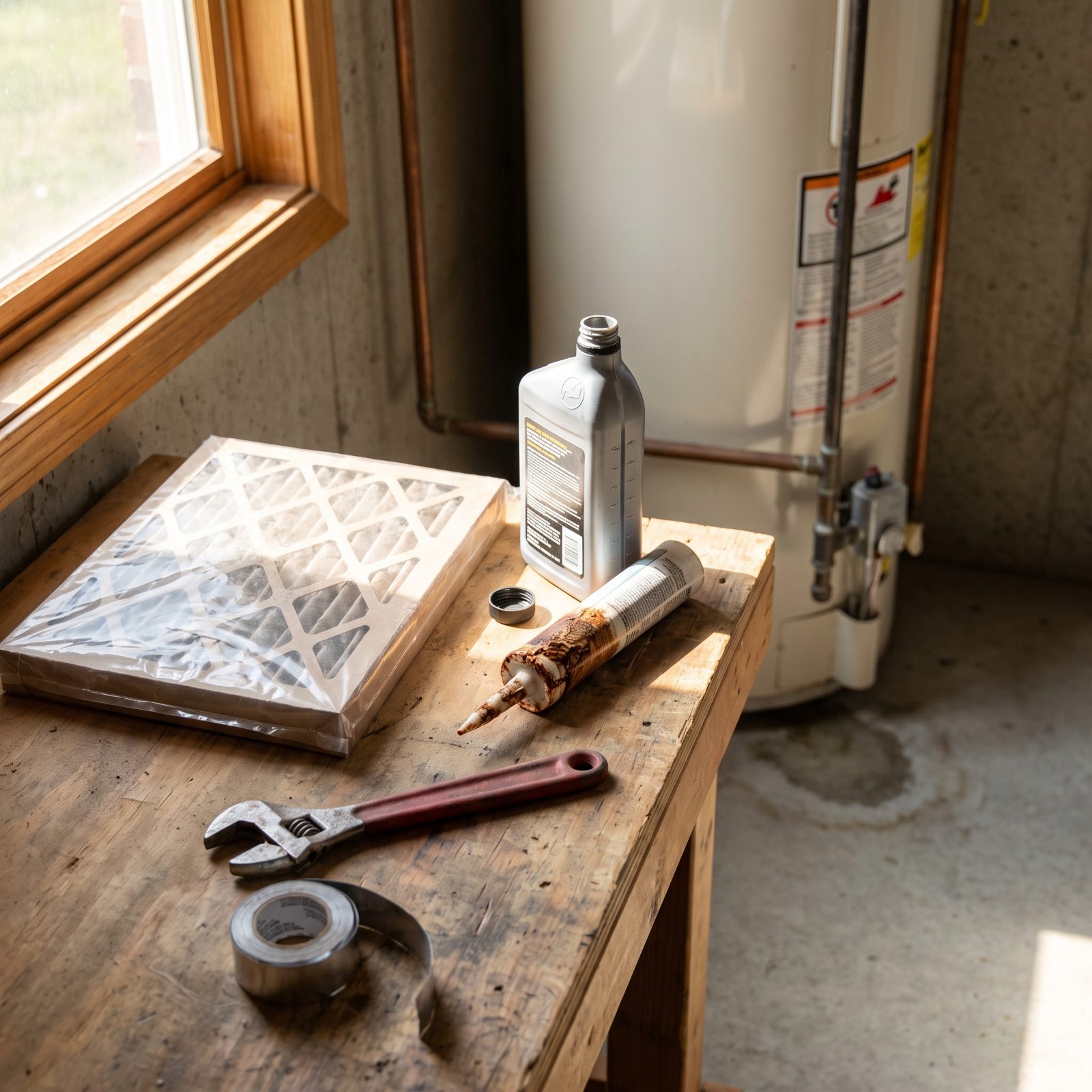
Skipping the oil change saves fifty bucks. The dentist visit you put off, the furnace filter you never changed, the small roof leak you keep an eye on — all of it saves money today while quietly building toward a bill that dwarfs what prevention would have cost.
This is about the most expensive false economy there is. Deferred maintenance doesn’t disappear. It compounds. A thirty-dollar fix becomes a three-thousand-dollar repair, and the interest comes due in catastrophe instead of cash.
Make a one-page maintenance calendar for the things that fail expensively: car, teeth, HVAC, roof, gutters, appliances. Put the cheap recurring stuff on autopilot. Future you, staring at a bill that never had to exist, will thank you.
3. Refusing to Negotiate Pay, Bills, or Renewal Rates

You take the salary offer as printed. You let the insurance renew at the higher rate because switching is a hassle. You never call the cable company, the credit card, or the phone carrier to ask for a better deal. It feels pushy, and it feels like it won’t work anyway.
It works far more often than people believe, and the silence is costing you thousands a year. Companies price in the fact that most customers won’t ask. Employers budget a range and offer the low end expecting a counter. Ask, and you capture money that was sitting there the whole time.
Start with one call this week. “I’ve been a customer for years and I’m looking at my options — what can you do on my rate?” Then do the same at your next review: name a number, go quiet, let them respond.
The most expensive two words in personal finance are “never mind.” The cheapest are “what else can you do?”
Negotiating isn’t a personality trait. It’s a five-minute habit with a return most investments would envy.
2. Buying Cheap Replacements on Repeat Instead of One Thing That Lasts
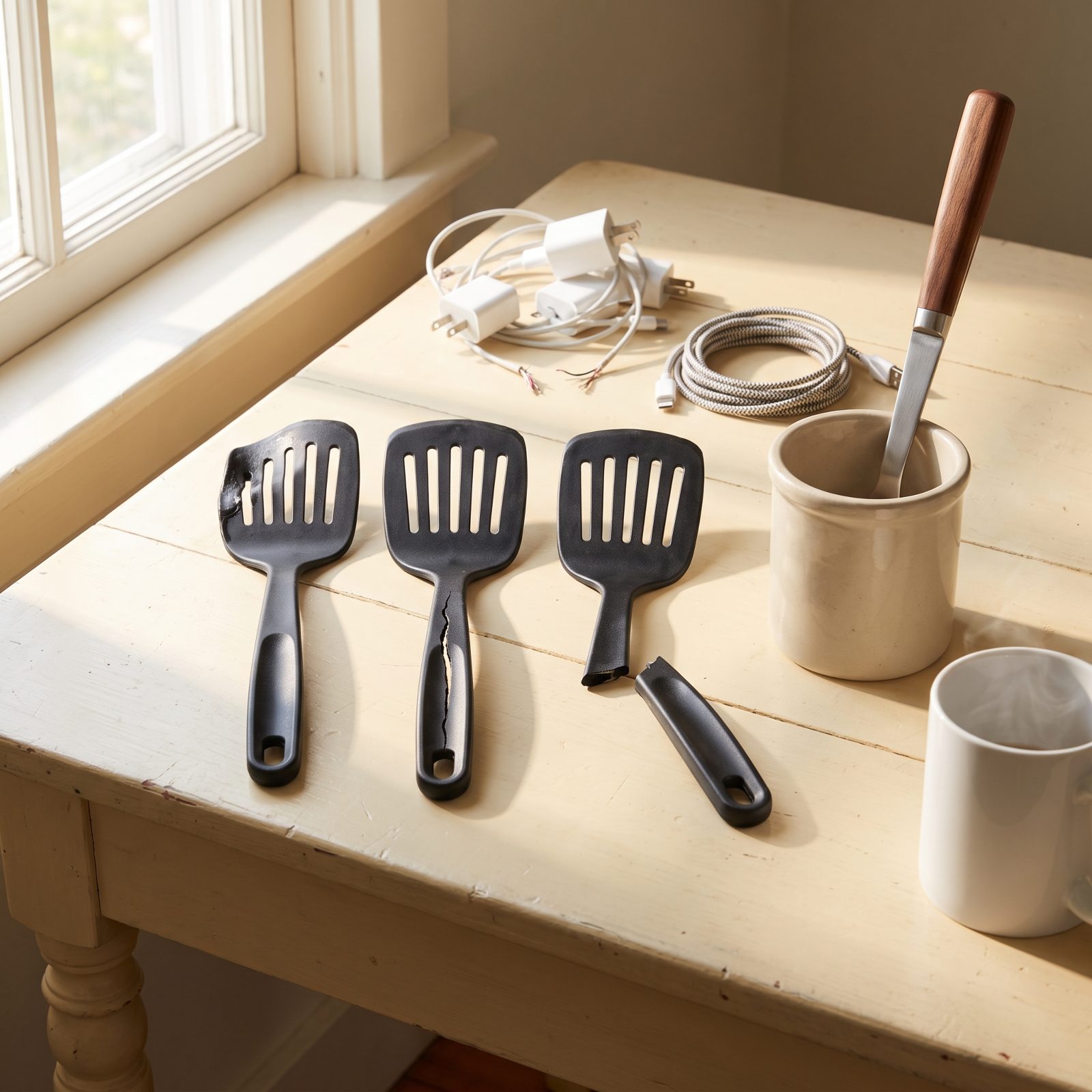
Cheap stuff costs more. Not in the moment, but across the three or four purchases it takes to replace the thing you keep breaking. The $12 kitchen knife that dulls by spring, the budget shoes that blow out in one winter, the charger with a cord that frays right at the plug. You buy it, it dies, you buy it again, and you never sit down to add up the damage.
Here’s the mechanism that gets you. Each replacement feels small, so none of them register as a real expense. But four $12 knives is a $48 knife that cut like garbage the whole time. The item that costs five times more upfront often costs less per year of actual use — and it works better every single day you own it.
Try this today: pick the one thing you’ve rebought three times. Boots, a backpack, a pan, earbuds — whatever it is. Next time it dies, buy the version you’d keep for a decade. One good purchase, then done.
1. Cosigning a Loan Because Saying No Felt Too Awkward

Cosigning isn’t a favor. It’s a loan you took out and handed to someone else. When you sign, that debt lands on your credit report as if you borrowed the money yourself — except you don’t get the car or the apartment or the tuition. You just get the liability.
The trap is social, not financial. Someone you love asks, you don’t want the conversation to go sideways, so you sign to make the awkwardness stop. It works for about thirty seconds. Then the account sits on your credit for years, raising your debt-to-income ratio and quietly shrinking what you can borrow for your own house or car.
Here’s the part people miss. If they fall behind, you may not hear about it until the late mark is already on your report. You’re on the hook for the full balance the day they stop paying, and lenders come knocking on whoever’s easiest to collect from.
One script worth keeping handy: “I can’t put my name on a loan, but let’s figure out what I can actually do.” It’s warmer than it sounds, and it keeps your credit yours.