
Would you like to save this?
The gold watch. A break-room party, sheet cake with a piped rosette, coworkers signing a card while the fluorescent lights buzzed overhead. In 1975, the retirement ideal was easy to picture: leave work at 65, collect a company pension and Social Security, and settle into a house nearing its final payment.
Not everyone lived that version. Plenty of workers had no pension, little savings, and years of financial uncertainty ahead. But the basic promise was simpler than the one handed to workers now. Somewhere along the way, the machinery came apart, and retirement returned as a box of pieces marked “some assembly required.” Here is what the same milestones look like today.
29. Retiring at 65 vs. Working Well Past It
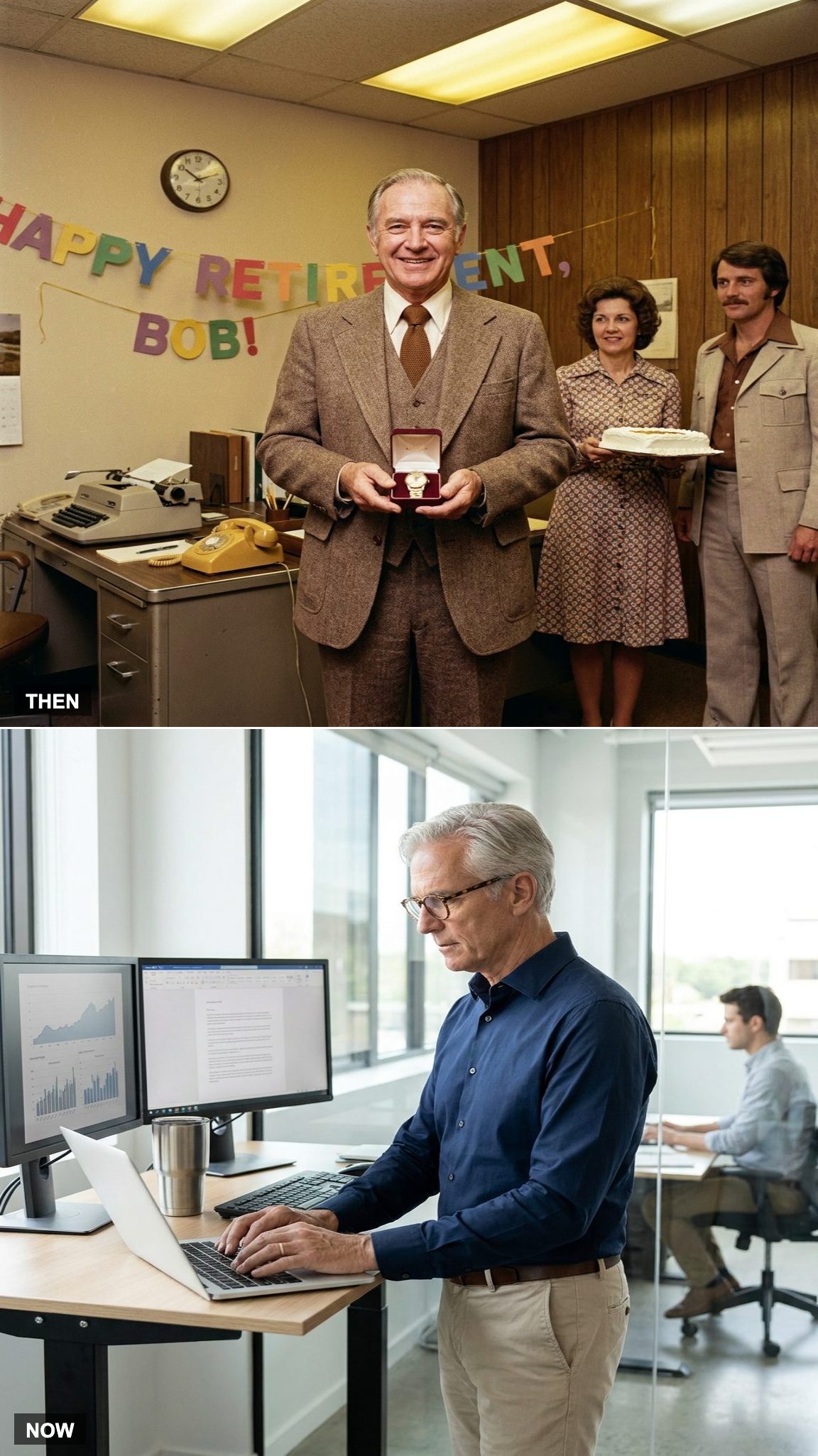
In 1975, age 65 was the number printed on the cultural calendar. It was Social Security’s full retirement age, a common pension benchmark, and the point when the gold watch, cake, and final handshake were supposed to arrive.
Today, 65 often feels more like a checkpoint. Full Social Security retirement benefits begin at 67 for people born in 1960 or later, and many workers remain on the job because the numbers improve if they wait. The old finish line did not disappear, exactly. Someone just moved it farther down the track.
28. The Guaranteed Pension vs. the Do-It-Yourself 401(k)

For workers covered by a traditional pension, the arrangement was straightforward. Put in the required years and the plan calculated a predictable monthly benefit, often payable for life under the plan’s rules. The company, union, or public employer handled the investing and carried most of the market risk.
The 401(k) shifted much of that responsibility to the worker. You decide how much to contribute, which funds to choose, when to rebalance, and how much risk you can stand. The company match is useful. The guarantee is not part of the package.
A pension asked you to work. A 401(k) asks you to work and become a part-time investor.
27. One Social Security Check vs. a Stack of Income Streams

For retirees without a company pension, Social Security could supply most or even nearly all of the household income. The check arrived, the monthly budget formed around it, and there was not much room for improvisation when the furnace quit or the car needed replacing.
Modern retirement planning usually pushes people toward several sources: Social Security, workplace accounts, IRAs, personal savings, and perhaps part-time income or other assets. That can provide flexibility, but it also requires more money, more decisions, and considerably more attention than waiting for one envelope in the mail.
26. A Modest Nest Egg vs. Chasing a Million Dollars

A retiree with a pension, Social Security, and a paid-off or nearly paid-off house did not necessarily need a towering investment balance. Personal savings could serve as the emergency fund rather than the machine expected to produce most of the monthly income.
Without a pension, savings have to do far more. They must generate income, absorb inflation, survive market downturns, and last through an uncertain number of years. That is why modern retirement targets can climb toward seven figures, although the right number depends on spending, taxes, investment returns, housing, health, and longevity.
25. The Company Managed It vs. You Manage It
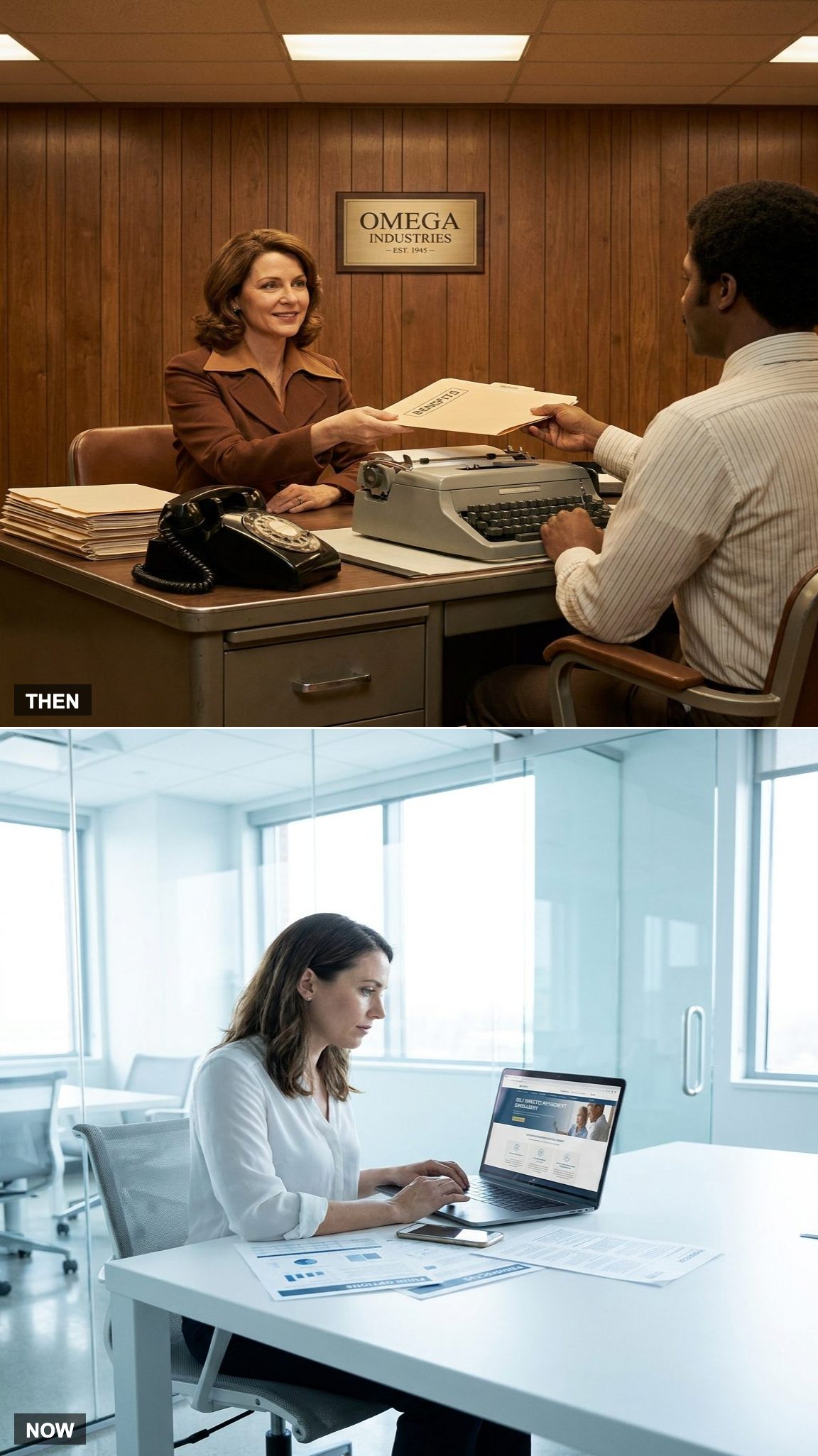
In the traditional pension model, the employer or pension fund hired the professionals, set the contribution rules, invested the assets, and calculated the benefit. The worker’s main responsibility was meeting the plan’s service requirements.
Now employees may have to enroll, choose a contribution rate, understand matching rules, select investments, name beneficiaries, and remember to adjust the plan as life changes. Automatic enrollment has helped, but plenty of people still leave matching money unused because the decision arrives buried inside an onboarding portal.
24. Long Tenure at One Employer vs. Retirement Accounts Scattered Across Five Jobs

Long careers with one employer were never universal, but they fit the traditional pension system beautifully. The longer you stayed, the more valuable the benefit became, and leaving before vesting could mean walking away with far less than expected.
Modern workers may carry retirement accounts from one company to the next. Each move can produce a new plan, a new match, another vesting schedule, and an old account waiting to be rolled over, transferred, or deliberately left where it is. Portability improved. The paperwork multiplied.
23. A Shorter Retirement Runway vs. Planning for Decades

Retiring at 65 in 1975 could already mean well over a decade without a paycheck. Women, on average, could expect an even longer stretch than men. The pension system was not built around people dropping dead immediately after the cake was cut, no matter how the darker jokes remember it.
Today the average runway is several years longer, and a substantial number of retirees will live into their nineties. Thirty years is not the average for everyone, but it is no longer an absurd planning horizon. Your savings may need to survive several presidents, multiple market cycles, and more replacement appliances than anyone wants to contemplate.
22. Cheaper Medical Care vs. the Retirement Health-Cost Avalanche

Medical care consumed a much smaller share of the American economy in 1975. The system was hardly free or painless, but hospital charges, insurance premiums, prescription costs, and specialist bills had not yet grown into the financial maze retirees face now.
Health care can consume hundreds of thousands of dollars over a couple’s retirement, even before adding the possible cost of long-term care. That is not one bill. It is a second retirement budget running alongside the first.
21. Medicare You Could Explain vs. the Alphabet Soup

Would you like to save this?
In 1975, Medicare largely meant Parts A and B. The coverage still had gaps, but the basic structure could be explained without a legal pad, three comparison websites, and a nephew on speakerphone.
Now there are Parts A, B, C, and D, plus Medigap policies, Medicare Advantage plans, provider networks, drug formularies, enrollment windows, and regional differences. The coverage is broader in important ways, but selecting it has become a yearly exercise in reading the fine print without blinking.
20. A 1975 Dollar vs. Fifty Years of Inflation

A dollar bought far more in 1975, but prices were hardly standing still. The country was already wrestling with serious inflation, and retirees on fixed pensions could feel each increase in groceries, fuel, utilities, and property taxes.
What changed is the accumulated loss of buying power. Something that cost one dollar in 1975 can cost several times that amount now. A pension without a cost-of-living adjustment may still send the same check, even as the world around it charges entirely different prices.
19. Paper Stock Certificates vs. Invisible Index Funds

A retiree’s investment drawer might contain savings passbooks, savings bonds, and paper certificates from familiar companies. The approach felt tangible. You knew the name on the certificate, watched for the dividend, and hoped the company remained as dependable as its logo suggested.
Modern retirement money often lives inside index funds and exchange-traded funds spread across hundreds or thousands of companies. The diversification is broader and the fees can be lower, but the ownership feels abstract. No engraved certificate, no branch visit—just a number moving on a screen.
18. Regulated Bank Rates in 1975 vs. Shopping for Yield Today
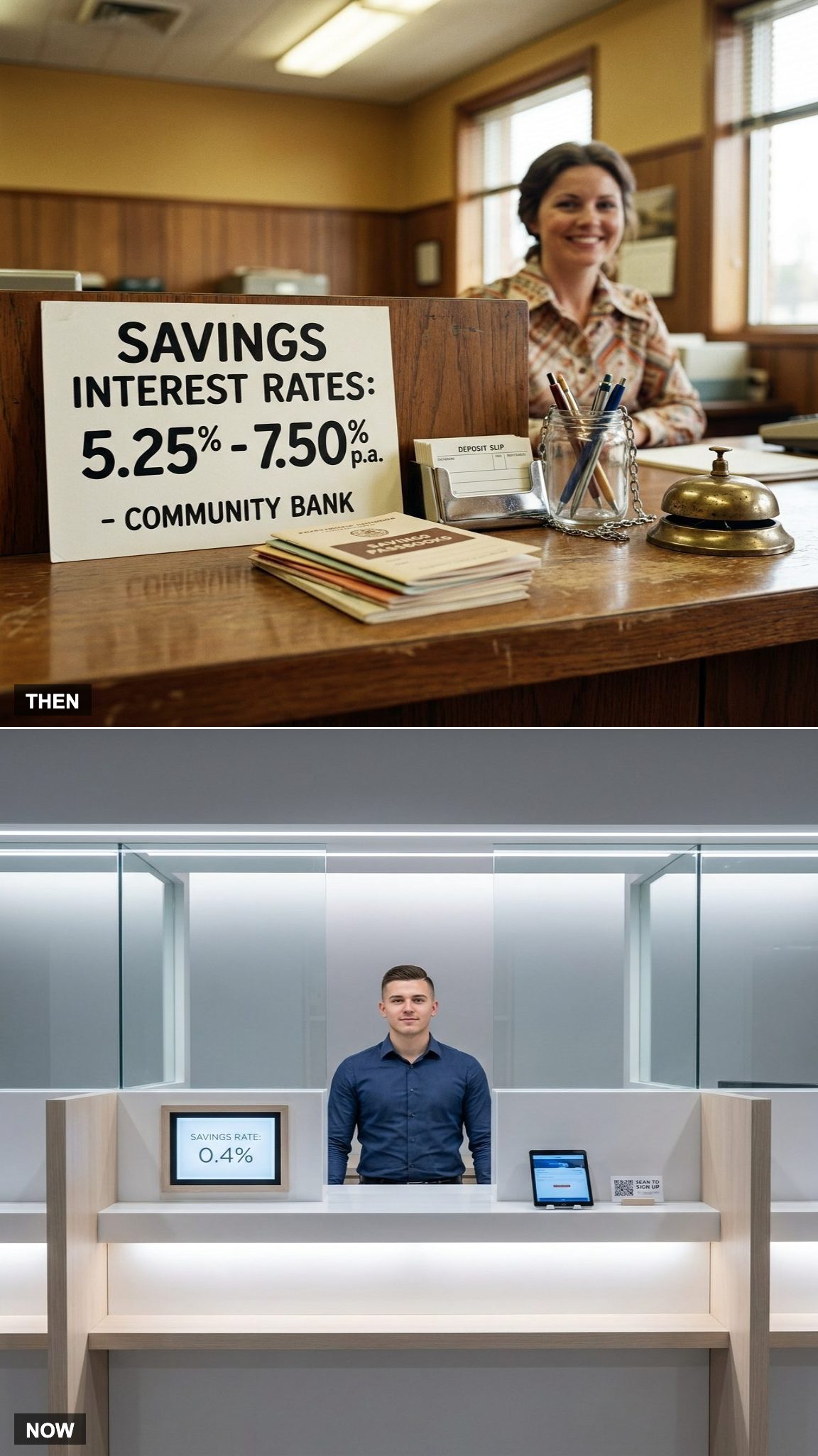
Bank deposits in 1975 could pay noticeable interest, but regulatory ceilings limited what many institutions could offer, and high inflation often swallowed much of the return. The passbook balance went up. Its purchasing power did not always follow.
Today the spread is enormous. Some large banks pay almost nothing on ordinary savings, while online banks, money-market accounts, and short-term government securities may offer far more. The difference is that earning a competitive rate now requires shopping around instead of assuming the neighborhood branch has handled it for you.
17. Burning the Mortgage vs. Retiring With One

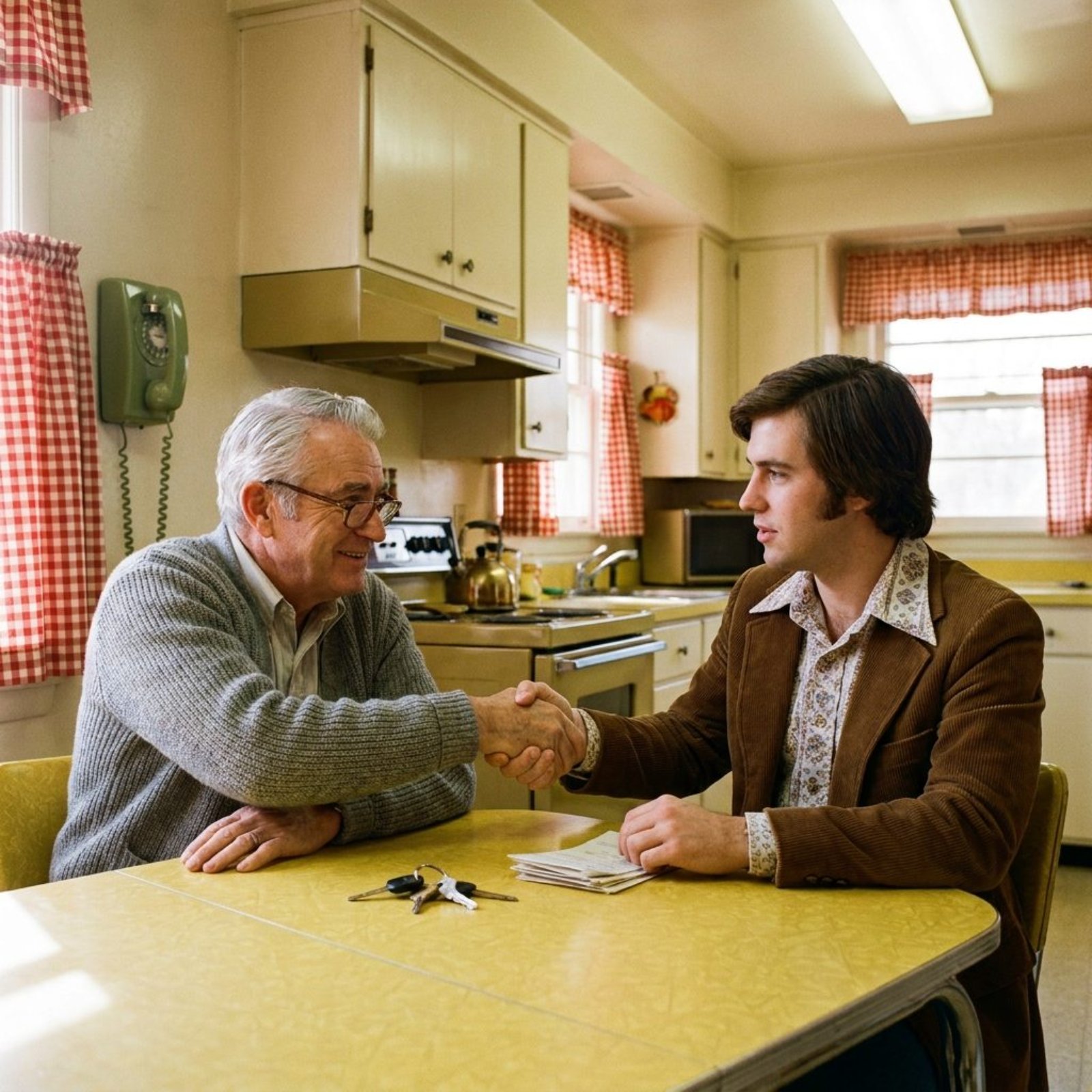
Paying off the mortgage before retirement was a powerful and widely shared goal. Buy young, make the payments, and reach the final working years with the house nearly or completely yours. Some families even held mortgage-burning parties, a celebration that now sounds like folklore from a civilization with affordable real estate.
More older homeowners now enter retirement with mortgage debt. Later home purchases, refinancing, higher prices, cash-out borrowing, and longer loan terms can keep payments alive after the paycheck stops. The house may be worth more than anyone imagined. The monthly bill knows it.
16. A Manageable Tax Bill vs. Being House-Rich and Cash-Poor

Property taxes varied enormously in 1975, just as they do now. Still, lower home values often meant smaller nominal bills, and a longtime owner could sometimes carry the house comfortably on a pension and Social Security.
Today an older homeowner may be sitting in a property worth ten times the original purchase price while living on a monthly income that never made the same leap. Assessment rules, exemptions, tax caps, and senior deferrals differ by location, but the basic tension is familiar: wealthy on paper, short on cash, and facing another envelope from the county.
15. Less Consumer Debt vs. Bringing Balances Into Retirement

Credit cards were already common by 1975, but revolving balances played a smaller role in household borrowing than they do today. The retirement ideal still called for clearing the mortgage, paying off the car, and entering the final chapter without monthly debts chasing the pension check.
Modern retirees may arrive with credit-card balances, auto loans, a mortgage, medical bills, or education debt taken on for themselves or family members. Retirement did not suddenly become more expensive on the first day. The old expenses simply followed everyone through the door.
14. Leaving Work for Good vs. Keeping a Part-Time Job
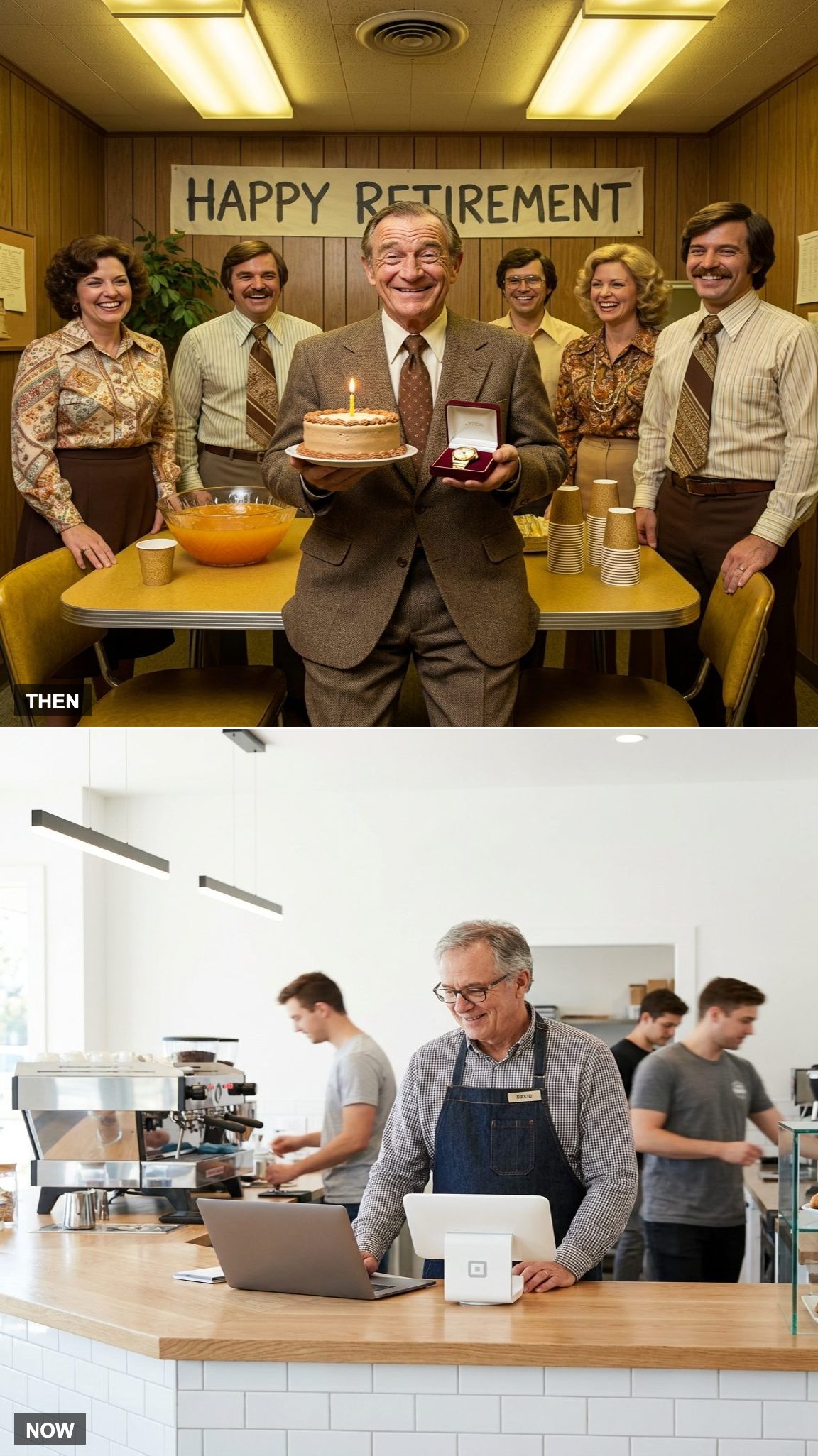
The gold watch was supposed to close the door. You finished the last shift, ate the cake, shook hands, and stopped working. For retirees with adequate pension income and Social Security, that clean break could be real.
Now formal retirement may be followed by a smaller job. Some people consult, drive, greet customers, work seasonally, or take a few shifts each week. Money is often part of the reason. So are structure, companionship, and the unnerving discovery that Tuesday morning can last a very long time when nobody expects you anywhere.
13. Family Caregiving vs. Coordinating an Entire Care System

In 1975, much elder care happened inside the family. Daughters, daughters-in-law, spouses, and other relatives provided unpaid help with meals, bathing, transportation, medication, and supervision. The work was exhausting, essential, and often treated as though it had appeared by magic.
Families still provide much of that care today, but the job has grown well beyond what one household can easily handle. Home-care agencies, adult day programs, assisted living, nursing facilities, medical appointments, insurance, and long-term-care bills require coordination on top of the caregiving itself. Family members have become unpaid case managers as well as caregivers.
12. Simple Pension Checks vs. Managing Retirement Withdrawals

A traditional pension determined the monthly payment for you. The check arrived on schedule, and the plan carried the responsibility for converting a pool of assets into lifelong income.
The 401(k) world makes the retiree decide how much to withdraw, from which account, in what order, and with what tax consequences. Pull too much and the money may run short. Pull too little and you may spend retirement guarding a balance you were afraid to use.
The pension plan once did the math. Now the retiree is the actuary, and the stakes are personal.
11. Basic Wills vs. Comprehensive Estate Planning

Would you like to save this?
For many households in 1975, estate planning meant a will typed by a lawyer, signed, witnessed, and tucked into a drawer or safe-deposit box. Who gets the house, who gets the car, who handles the estate—done.
Now the folder may include powers of attorney, health care directives, trusts, beneficiary forms, digital accounts, tax planning, and instructions for assets that never pass through the will at all. The added layers can provide more control, but they also create more places for an outdated name or missing signature to cause trouble.
10. One Indivisible Family Asset vs. Accounts That Split Automatically

For many families, the house was the largest thing the parents left behind. It carried the history, the equity, the repairs nobody had finished, and one unavoidable problem: three children could not all move into the same bedroom.
Retirement and brokerage accounts divide more cleanly. Beneficiary percentages can send equal shares in different directions without anyone arguing over the dining-room set. Money is colder than a family home, but it rarely insists that one sibling mow the lawn while the others debate whether to sell.
9. Aging in the Family Home vs. an Entire Menu of Retirement Living
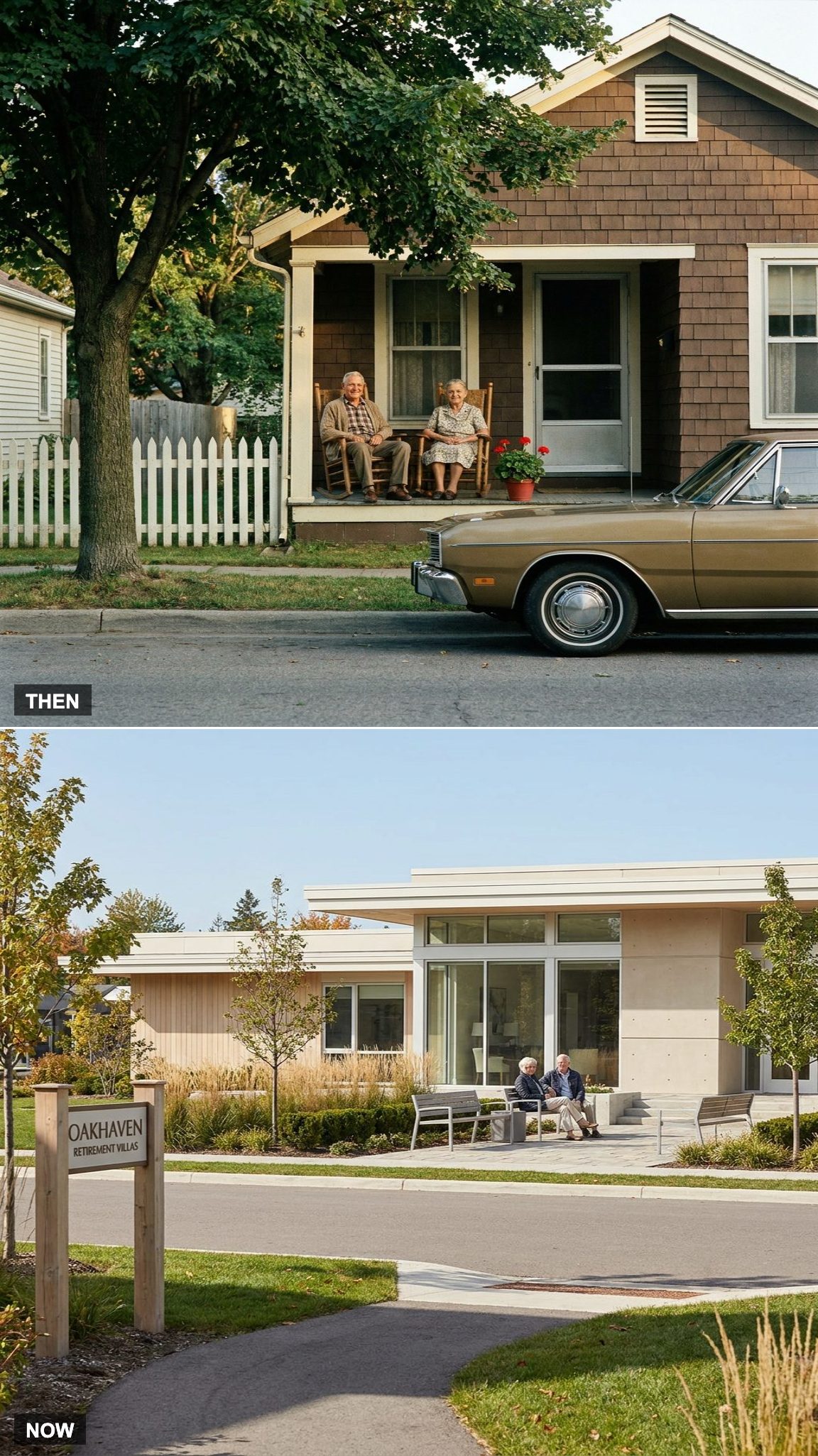
Many retirees in 1975 expected to remain in the same house for as long as possible. Retirement communities, nursing homes, and senior apartments already existed, but the family home remained the emotional default: same street, same neighbors, same porch, increasingly difficult stairs.
Today the menu is broader. Active-adult developments, independent-living apartments, assisted living, continuing-care campuses, cooperative housing, and modified homes all compete with staying put. More choice does not make the decision easy. It mostly gives families more brochures to spread across the kitchen table.
8. Domestic Road Trips vs. Global Bucket Lists

The retirement road trip fit the 1970s perfectly. Load the wagon, unfold the map, choose a national park, and measure the vacation in state lines crossed. Air travel was already common, but driving remained flexible, familiar, and easier to fit around a modest budget.
Today retirees can book a river cruise, reserve a rental apartment abroad, compare flights, and translate a menu from the same phone. The road trip never disappeared. It simply gained competition from a world that became easier to search, price, and reach.
7. Living Near Family vs. Shopping the Country for a Retirement Address

Plenty of older Americans lived near children and grandchildren in 1975, particularly when generations had remained in the same town for work. Others had already moved to Florida, Arizona, California, or wherever the weather and housing looked friendlier. Retirement migration is not a new invention.
What changed is the scale of choice. Retirees now compare taxes, health care, climate, airport access, home prices, and community amenities across the country before choosing a destination. The family may appear nightly on a screen instead of weekly at the front door, and every holiday reveals exactly what that convenience costs.
6. Earlier Financial Independence vs. Supporting Adult Children Longer

Many young adults in 1975 married earlier, entered full-time work sooner, and moved into independent households at younger ages than young adults generally do now. That did not mean every twenty-eight-year-old owned a house or survived without parental help, but the handoff often happened earlier.
Today parents may help with rent, groceries, education, phone plans, child care, or a down payment well into their own retirement years. High housing costs and delayed household formation keep the family budget connected longer than expected. The empty nest picked up a Venmo habit.
5. Paying Bills by Mail vs. Managing Money Online

The first of the month had a ritual. Sit at the desk, write each check by hand, enter the amount in the register, lick the stamps, and walk the envelopes to the mailbox. Payments took days to clear, and every outgoing dollar had passed through your fingers first.
Now bills can pay themselves at midnight on a schedule set months earlier. The ledger lives in an app, the confirmation arrives by email, and the entire household budget can move without a pen touching paper. Faster, certainly. Easier to ignore, too.
4. The Local Bank Manager vs. a Team of Financial Specialists
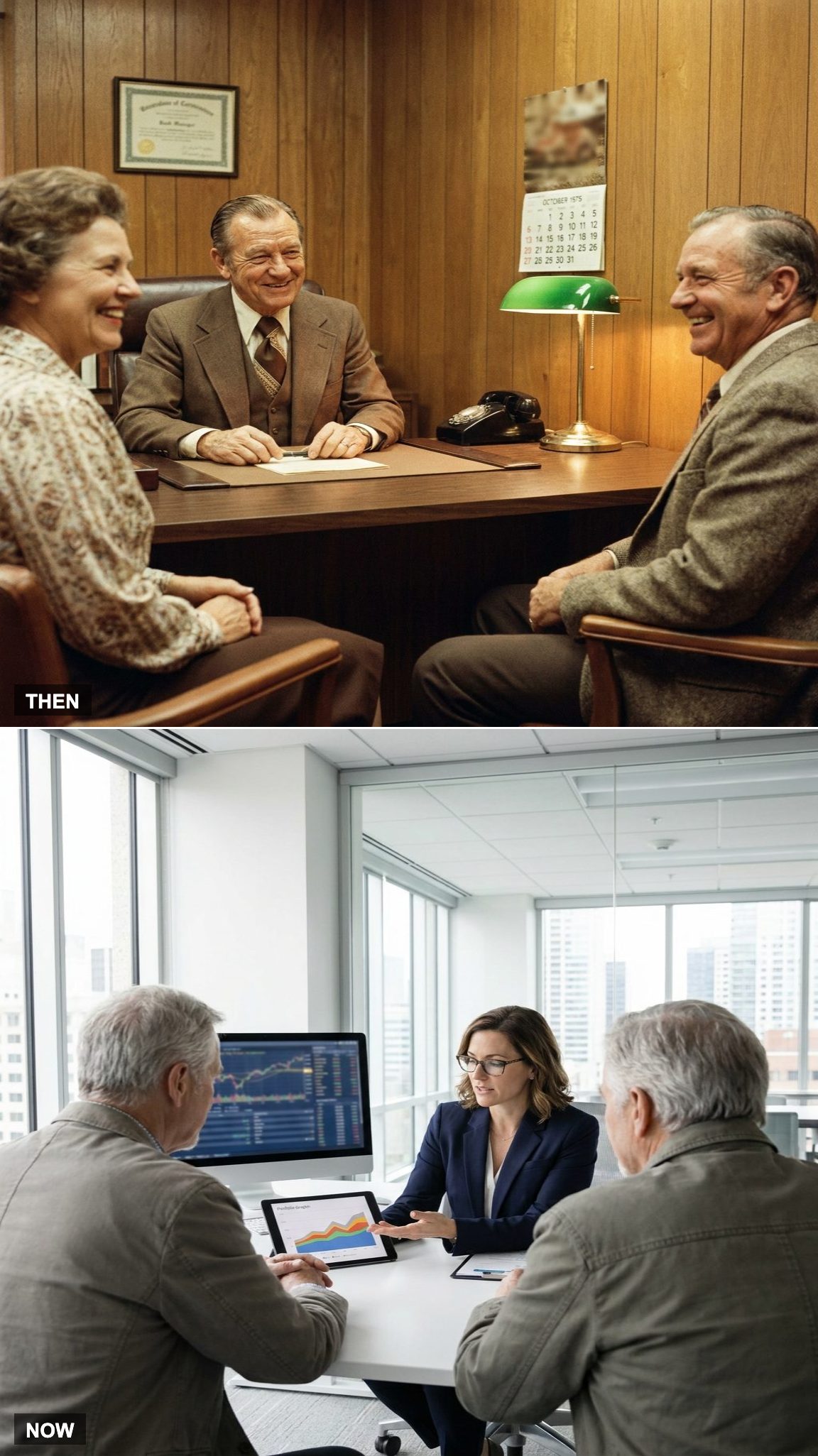
The local bank manager might know your name, your employer, and how long your family had been in town. Lending still involved applications, income, collateral, and formal rules, but repeated face-to-face contact made the institution feel personal.
Today financial roles are more specialized. A banker handles deposits and loans, while an adviser may discuss investments, taxes, withdrawal strategies, insurance, and estate planning. The expertise can be deeper. The odds of meeting the same person at the grocery store are considerably lower.
3. Passbooks vs. Mobile Banking Apps

The passbook was a small booklet handed across the counter while the teller stamped in the new balance with a satisfying thunk. Every deposit became a line of ink. Every withdrawal left a subtraction you could watch happen.
That booklet became a glowing rectangle. Balances update in real time, transfers happen before the phone returns to your pocket, and a thousand dollars can move without anyone standing up. Convenient beyond argument. The stamp had better sound effects.
2. Envelope Budgets vs. Retirement Planning Software

A retirement budget in 1975 could fit on one sheet of paper. Pension and Social Security came in. The money was divided among groceries, utilities, housing, transportation, and a little room for emergencies. Inflation complicated the exercise, but the household did not need to model investment returns, withdrawal sequencing, or tax brackets across three account types.
Modern retirement planning runs scenarios. What if one spouse lives to 96? What if the market drops during the first five years? Which account gets spent first? How much goes to taxes? The envelope system tracked the month. Today’s software tries to predict the next thirty years without laughing.
1. A Quiet Retirement vs. an Active Retirement Lifestyle

Would you like to save this?
The 1975 retirement ideal moved at a slower rhythm: a porch glider, a newspaper, a garden, a fishing trip, and the quiet satisfaction of having nothing left to prove. Rest was not treated as a failure of ambition. It was the reward.
Today retirement advertising arrives with trekking poles, pickleball paddles, cycling groups, volunteer calendars, and step counters. Plenty of people still want the porch. They simply want it after the morning hike, before the committee meeting, and within walking distance of the gym.