

Would you like to save this?
The gap between what a side job advertises and what actually lands in your pocket? That’s where most people get burned. A gig that promises “earn per task” rarely mentions the gas, the unpaid setup hours, or the app cut that shaves the number down before you ever cash out. So we pulled together typical gross hourly pay for common side jobs and read the fine print hard: what you spend to do it, what you need to qualify, how many unpaid hours you sink in before dollar one. Here’s the honest ranking.
40. Online Survey Respondent: The Floor of the Whole List

Surveys are the entry drug of side income, and they pay like it. Realistic gross rate lands somewhere in the low single digits per hour once you count the screen-outs, those surveys that boot you three questions in after you’ve already burned five minutes. Nobody quotes that dead time. It’s most of the job.
Expenses are basically zero, qualifications are a pulse and a wifi connection, and setup means signing up for a whole pile of platforms because no single one has enough volume to matter. Coffee money. Not rent money.
39. Microtask Platform Worker: Pennies That Sometimes Add Up

Microtasks are surveys with slightly more dignity. You transcribe snippets, tag images, verify data — all in tiny increments priced in cents. Skilled, fast workers can push gross pay into the mid single digits per hour, but most people don’t, because finding the well-paying batches is its own unpaid scavenger hunt.
No real expenses. No qualifications beyond a computer and a tolerance for tedium. The catch is inconsistency: high-value tasks vanish fast, and you’ll bleed uncounted minutes refreshing queues. Filler for dead moments, not a shift you clock into.
38. Election Poll Worker: One Great Day, Then Nothing

Poll work is a genuine paycheck. It just comes once or twice a year. Pay varies wildly by county, usually quoted as a flat day rate that pencils out to a modest hourly figure across a very long stretch — sometimes 5am to well past dinner.
No expenses. The catch is qualification and setup: you apply through your local election office, sit through a mandatory training that may or may not be paid, then wait for a call. Not scalable. But real money, and honest work.
Less a side job than a civic day that happens to pay.
37. Event Usher: Standing Room Wages With a Free Show

Ushering pays around minimum wage to a bit above, depending on the venue and city. The trade is your feet. You’re upright for hours, scanning tickets and pointing people toward section C. But here’s the perk nobody puts in the listing: you often catch the event for free once doors close and everyone’s seated.
Expenses run to comfortable black shoes and sometimes a specific shirt you buy yourself. Low bar to qualify. Setup is an application and a short orientation, and that’s it.
36. Restaurant Delivery Driver: The Number Lies Until You Subtract the Car
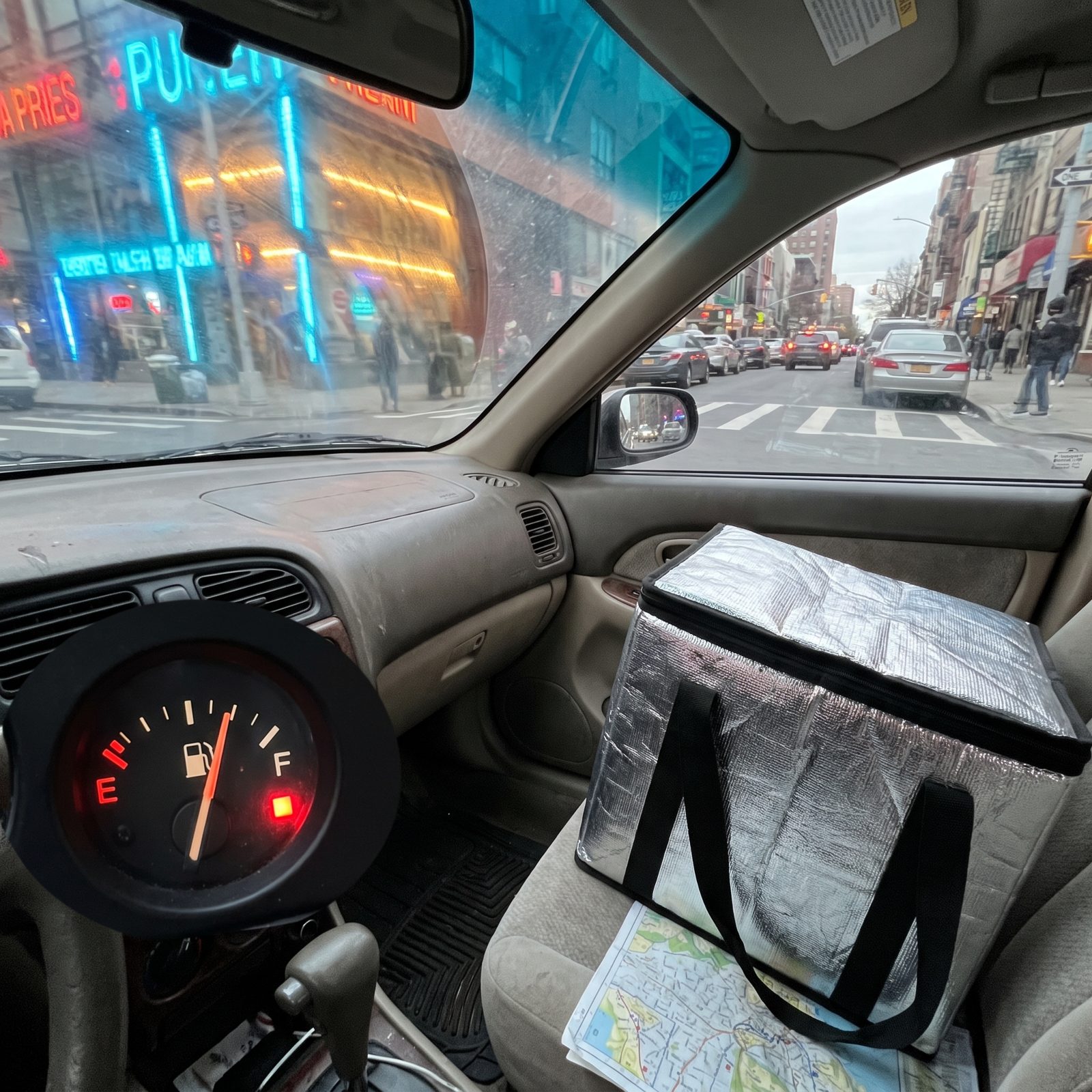
Delivery apps advertise a gross number that feels great until your car sends the invoice. Gas, insurance, maintenance, and the brutal slow bleed of depreciation all come out of that figure — the standard mileage deduction exists precisely because driving your own car for money quietly eats the thing alive.
Realistic take-home after real vehicle costs is often a third to half below the app’s headline, clustering higher during meal rushes and dropping to dead air between them. Qualification is a car, a license, insurance. Setup is a background check and app onboarding.
35. Babysitter: Cash, Trust, and a Rate That Rises With Your Reputation

Babysitting is one of the better-paying entries at this end of the list, and it climbs the moment families trust you. Rates run well above minimum wage in most areas, often paid in cash the same night, with no platform skimming its cut off the top.
Expenses are essentially nil. The real qualification is reputation — references, and sometimes a CPR certification that a few families quietly prefer. Setup is unpaid: meeting families, building word of mouth, becoming the name that gets passed between neighbors.
Once you’re the person three families fight over on a Friday, you set the rate. Good luck finding that anywhere else on this list.
34. Seasonal Yard-Cleanup Worker: Sweat Equity With a Short Window

Fall cleanup and spring prep pay solidly per hour, often negotiated as a flat yard price that rewards speed — blast through a big lawn quickly and your effective rate jumps. The season is the whole catch. A few busy weeks, then nothing until next year.
Expenses hinge on whether you own a rake, a blower, and bags, or borrow them. Qualification is a working body. Setup means knocking on doors or posting locally, all unpaid until someone says yes.
Physical, honest, weather-dependent. A rainy weekend is a canceled paycheck, no appeal, no refund.
33. House Cleaner: The Quiet Earner Once You Have Regulars

Independent house cleaning posts a surprisingly solid hourly figure, especially once you ditch the agency that pockets half. Regulars book you weekly or biweekly, pay is often cash or direct, and a tight route means back-to-back homes with no dead time in the gaps.
Supplies are the only expense, and they’re cheap and reusable. Qualification is trustworthiness and a thorough eye. The unpaid setup is the grind — your first clients, your first references, learning how long each home really takes so you stop underquoting yourself into the ground.
The people who win here run it like a small business, not a chore. That mindset is everything.
32. Moving Helper: Hard Money for Harder Work

Would you like to save this?
Moving help pays well per hour because the work is brutal and demand spikes hard. On-demand platforms let people book you for a couple of hours of loading and lifting, and tips run generous when you don’t scratch the walls or drop the TV down a flight of stairs.
Expenses are minimal — maybe gloves and a back belt. Qualification is strength and reliability. Setup is a profile, a background check, and the slow build of ratings that shove you up the search results.
Your body is the equipment here, full stop. Pace yourself, lift with your legs, and it’s some of the fastest cash on this list.
31. Brand Ambassador: Good Day Rate, But Read the Fine Print

Ambassador gigs quote a tempting hourly or day rate. You hand out samples, demo a product, work a festival booth, and the number on the posting looks great. Then reality sets in: shifts are short and sporadic, the work is feast or famine, and staffing agencies book you at their convenience, never yours.
Expenses can include a specific outfit or your own travel to the venue. Qualification is being personable and presentable. The hidden cost is unpaid — the check-in calls, the training briefs, the drive to some parking lot across town, none of which is on the clock.
The rate is real. Just run the math across the entire day, not the hours you’re actually paid for. That gap is where most of these jobs bury their truth, and once you start subtracting for it, the honest ranking looks nothing like the ads.
30. Rideshare Driver: The One Everyone Tries, Ranked Lower Than You’d Guess

Rideshare is the default side gig because the bar to entry is a car and a pulse. That’s also why the money sits lower than the headline. Gross fares look fine until the platform takes its cut, gas eats a chunk, and your car quietly depreciates with every unreimbursed mile.
The real killer is deadhead time — the unpaid minutes driving to a pickup, waiting between rides, circling for surge that never comes. Net all that out and your true hourly can drop by a third or more.
29. AI Data Annotator: Sit Down, Label Things, Get Paid From Your Couch

This is the sleeper on the list. AI companies need mountains of labeled data, so they pay real people to draw boxes, rate responses, and flag bad outputs. The work is dull. The pay is steadier than gig driving, and your only expenses are electricity and a decent internet connection.
Setup time is mostly unpaid, though. Qualification tests, calibration rounds, sometimes a trial project you finish before anyone confirms you’re hired — budget a few unpaid hours upfront.
Weirdly, the field that’s supposed to replace human work is currently one of the better-paying human side jobs, because the machines still can’t check their own homework. Start with a reputable annotation platform and take the qualifiers seriously.
28. Flat-Pack Furniture Assembler: Getting Paid to Read the Instructions Nobody Else Will

People will pay handsomely to avoid a Sunday spent cursing at a picture of a smiling cartoon person holding an Allen wrench. That’s the whole business.
Overhead is almost nothing — a cordless drill, a rubber mallet, a small bit set, maybe a level. Your qualification is patience and the ability to keep tiny screws in one place. The gross hourly runs strong because clients are paying to buy back their weekend, and there’s no product cost eating your margin.
The unpaid part is travel and the occasional missing-part disaster that stalls a job. Price by the piece, not the hour, once you know your speed.
27. Freelance Proofreader: Good Money If You Can Actually Spot the Errors

Proofreading pays decently per hour, but the real number depends on how fast you read without missing anything. That skill takes years to sharpen, which is exactly why it’s harder to undercut than driving or hauling.
Expenses are basically zero: a laptop, a style guide, and a working knowledge of when a comma is doing its job. Your setup cost is reputation, which starts at nothing and grows one clean project at a time.
The clients who need proofreading most are the ones who can’t tell whether you’re any good, which cuts both ways.
Charge per word or per project once you know your reading speed. Hourly billing punishes you for being fast, and being fast is what you’re selling.
26. Freelance Bartender: Cash, Tips, and a Skill You Only Learn Behind the Bar

The pay here is lumpy, which is the point. A wedding or corporate event can hand you a flat rate plus a tip pool that turns a five-hour shift into a very good night. But the good gigs cluster around weekends and holidays, so it’s feast or nothing.
Qualification matters. Many gigs want a bartending certificate and an alcohol-service card, and those cost money and an afternoon of your time upfront. Call that your unpaid setup.
Expenses stay low once you’re certified. You show up, you pour, you clean, you go home with cash. And unlike an app that owns your customer, event bartending runs on referrals, so every good night books the next one.
25. Residential Snow Remover: Seasonal, Grueling, and Quietly Lucrative

Snow removal pays a premium precisely because nobody wants to do it. It’s cold, early, and physically brutal. It also comes with pricing power, because when six inches fall overnight your neighbor will pay almost anything to get out of their driveway before work.
Gear is the barrier. A good snowblower is a real upfront cost, though a shovel and some grit gets you started on smaller jobs. The unpaid part is the waiting — you can’t earn a dime until the weather cooperates.
24. Mobile Car Detailer: You Bring the Shine to Them

Detailing is where hourly pay climbs fast, because you’re selling a visible before-and-after and clients feel every dollar of value in the reveal. A full interior-and-exterior job commands real money, and repeat customers rebook like clockwork.
Startup cost is the honest hurdle: a decent kit, a portable water tank, a vacuum, quality products. That’s a few hundred dollars before your first paid job, plus the unpaid hours spent learning not to swirl-mark someone’s clear coat.
The mobile angle is your whole edge. People will pay extra for you to show up in their driveway instead of losing a Saturday at a wash. Convenience is the product. The shine is just the receipt.
23. Residential Pressure-Washing Operator: One Loud Machine, Very Satisfying Results

Nothing sells itself like a pressure washer. That dirty-versus-clean line down a driveway is its own advertisement, and clients book the moment they see a neighbor’s transformation.
The gross hourly is solid and the work moves faster than detailing, so you cover more jobs in a day. But the machine is a genuine expense, and so is water and the occasional broken nozzle. Factor in gas for the unit and travel between sites.
The unpaid setup is real. Learning which pressure strips paint off siding versus which just cleans it? Better learned on your own concrete than a paying customer’s deck. Practice at home first, then charge by the square foot.
22. Junk-Removal Hauler: Somebody Has to Take It Away, and It Might As Well Be You

Would you like to save this?
This one rewards a truck and a strong back. Junk removal pays well per job because you’re solving a problem most people physically can’t. They can’t lift the old sofa, they don’t own a truck, and they don’t want to know where the dump is. You do all three.
Expenses are the catch — dump fees, gas, and the wear on your vehicle add up, so quote with those baked in or you’ll spend all day working for the landfill’s benefit.
21. Freelance Bookkeeper: The Highest Ceiling on This List, and the Longest Runway

Bookkeeping has a high pay ceiling, and it also demands the most before you earn a cent. You need real skill with accounting software, an understanding of how small-business books actually work, and enough credibility that a stranger will trust you with their money.
Once you’re established, the math flips hard in your favor. Ongoing clients on monthly retainers give you predictable income with near-zero expenses — just software and your time. No gas. No gear. No dump fees.
The unpaid runway is long: courses, a certification, maybe a few underpriced early clients to build a track record. But of everything here, this is the one that grows into a career instead of staying a side gig. Hauling keeps you fit. Bookkeeping lets you eventually stop hauling.
20. Seasonal Tax Preparer: Great Money for Ten Weeks, Then Silence

This one lives and dies by the calendar. From late January to mid-April, a seasonal preparer at a storefront office can pull a solid gross hourly rate, sometimes juiced by per-return bonuses. Then tax day arrives, everyone goes home, and the money evaporates until next winter.
The catch is the front end. Most chains want you through a training course before you touch a single return, and if you plan to represent clients or e-file on your own, you’ll need a PTIN and ideally the IRS Annual Filing Season Program credential. Once you’re in, expenses stay low. Coffee and gas, mostly. The unpaid part is the tax code itself, which reinvents itself every year and never once asks how you feel about it.
19. Freelance Graphic Designer: The Rate Looks High Until You Count the Revisions

The posted rate is a mirage, and every designer learns this the expensive way. You quote an hourly figure that sounds respectable, the client asks for “just one more version,” and what you actually take home slides downhill with every unpaid round of tweaks.
Barriers to entry are low. You need software (a monthly subscription that quietly gnaws at your margin), a decent computer, and a portfolio, which for a beginner means unpaid spec work. But here’s the earning trick, and it isn’t hourly at all: flat-rate project pricing with a hard cap on revisions written into the agreement. Bill by the hour and you’re subsidizing indecisive clients. Bill by the project and you’re getting paid for the value instead of the dithering.
18. Freelance Video Editor: You’ll Bill Ten Hours and Work Twenty

Editing pays well per billed hour. The problem is the chasm between billed hours and real ones. Rendering, exporting, backing up footage, and the client note that says “can we try it faster-paced?” all eat time you rarely charge for.
Startup runs heavier than people expect: a fast computer, gobs of storage, a monthly software subscription, and a portfolio built on projects that paid you nothing. Once you’re established the money is decent. The clever editors stop selling hours altogether and price per finished minute of video, which forces the client to feel the cost of every extra request.
17. Portrait Photographer: Two Hours of Shooting, Eight Hours of Editing

Here’s what nobody tells the aspiring portrait shooter: the session is the fun part, and also the smallest part. A shoot of an hour or two spins off hours of culling, retouching, and delivering galleries. Spread the fee across all of it and the hourly reality shrinks fast.
Gear is the big upfront hit. A capable camera body, a couple of lenses, lighting, and editing software pile up before your first paying client. Then comes the unpaid grind of building a portfolio, a website, and a name people trust.
The shooters who actually earn a real rate charge for the product, not the clock. Print packages, digital collections, and licensing turn two hours behind the camera into money that reflects the whole workflow, not just the shutter clicks.
16. SAT or ACT Tutor: Quiet, High-Margin, and Almost No Overhead

Of everything here, tutoring has the cleanest math. Barely any expenses, minimal gear, and once you know the tests cold, an hour of prep serves dozens of students. That’s why the effective hourly rate ranks so high.
The qualification isn’t a certificate. It’s a genuinely strong score on the exact test you’re teaching, plus the patience to explain the same wrong answer four different ways without your voice changing. The unpaid setup is real, though. You take practice tests yourself, learn the trick-question patterns, and build a system, and that can chew through weeks before your first paid session.
The best tutors don’t teach the material. They teach the test, which is a different and more lucrative skill.
15. Personal Fitness Trainer: The Gym Takes a Cut and Your Knees Take the Rest

That advertised hourly rate for personal training looks great until you learn where it actually goes. Work through a commercial gym and they can keep a large slice of every session, sometimes close to half. That’s what you pay them for handing you clients.
You’ll need a certification, which costs money and study time, plus liability insurance. Go independent and you keep more per session. But now you’re the one hunting clients, booking around their chaotic schedules, and swallowing the no-shows. Toss in the physical toll of demonstrating movements all day, and the honest hourly picture comes in below the sticker.
14. Licensed Massage Therapist: High Session Rate, Hard Ceiling on Hours

Per session, massage therapy pays handsomely. The trap is your own body. Nobody performs back-to-back deep-tissue work for eight hours a day without wrecking their hands and shoulders, so the real weekly cap on billable hours sits lower than in almost any other job on this list.
Getting licensed is the big investment. Hundreds of hours of accredited schooling, an exam, state licensing fees, and continuing education that never really ends. Then a table, oils, linens, and endless laundry. This is a career commitment, not a weekend side hustle you spin up in a month.
Worth it if you love the work. But price it knowing your hands are a finite resource.
13. Mobile Notary Signing Agent: Fast Money in the Driveway, If You Beat the Traffic

This one flies under the radar. A mobile notary signing agent earns a flat fee to witness and stamp document packages, usually mortgage closings, at the client’s location. Divide that per-signing fee by the actual signing time and the number can look excellent.
Then you factor in the drive. Mileage, gas, wear on the car, the appointment across town that ran long, all of it quietly shaving the real hourly figure. Startup, though, is refreshingly cheap. Notary commission fees, a stamp and journal, a signing-agent certification and background check, and errors-and-omissions insurance, and you’re in business.
12. Mobile DJ: The Gig Fee Is Big, the Hauling Is Bigger

Would you like to save this?
A wedding or party DJ commands a real fee for the evening, and if you counted only the hours behind the decks, the rate would be superb. But the booth time is the tip of the iceberg.
Add the client consultation, the playlist building, the loading and hauling of speakers and lighting, the setup, the midnight teardown, and the driving both ways. Suddenly a four-hour gig is a ten-hour day. The gear investment stings too: controllers, speakers, lights, cables, and backups, because equipment failure at a wedding is not a survivable mistake.
The upside? Experienced DJs charge premium rates for the events people refuse to leave to chance. Nobody haggles over the music at their daughter’s wedding.
11. Wedding Officiant: The Highest Hourly Rate Here, and the Fewest Hours to Get It

On pure ceremony minutes, officiating tops the whole list. A wedding runs maybe twenty to thirty minutes, and the fee for it can be substantial. Divide one by the other and the number is almost silly.
The real work, of course, hides outside the ceremony. You meet with the couple, write and personalize the script, sometimes run the rehearsal, and travel to the venue. Getting ordained is usually quick and cheap. But some states make you register with the county before you can legally sign the license, so read the rules wherever you’ll be marrying people.
Low overhead, meaningful work, and you’re standing there for the best day of strangers’ lives. Of every hustle here, it’s the one people cry happy tears about. Not a bad way to earn.
10. Certified Home Inspector: Good Money That Costs You a Year Up Front

Home inspection sits in that comfortable middle band. Solid gross pay per job, but the honesty comes out in the setup: before you inspect a single crawlspace, you owe money for training, plus state licensing, plus errors-and-omissions insurance that renews every year whether you work or not.
The mechanism is simple. Each inspection runs two to four hours on site, but you’re also billing for the report you write that night. Once you’re licensed and have a few agent referrals, the hourly holds up well. The front end is what pays nothing — the studying, the shadowing, the long slog before anyone hands you a check.
9. Commercial Drone Pilot: The Job That Looks Better Than It Pays

Everyone wants to fly the drone. That’s exactly why the pay is thinner than the Instagram footage suggests. Getting your FAA Part 107 certificate is cheap and quick, which floods the market with weekend pilots willing to shoot a roof for pocket change.
The pilots who actually earn a real hourly picked a lane — agriculture mapping, construction progress reports, cell tower inspection, insurance claims. Those clients pay for the data processing, not just the flight. Your unpaid time goes into learning the software that turns raw footage into something a client will pay real money for.
8. Freelance Web Developer: Where Your Rate Depends Entirely on Who You Say No To

Web development has the widest pay spread on this list. A beginner cobbling together template sites competes with the entire internet and earns like it. Meanwhile, a developer who fixes an actual business problem — say, an e-commerce checkout that keeps leaking sales — quietly charges several times more for the same hours.
Setup is cheap in dollars and brutal in time. Nobody pays you to learn. You’ll spend months building skills and a portfolio before a single client trusts you with anything.
The rate lever isn’t your typing speed. It’s positioning. Charge by the project value, not the hour, and stop taking the $500 brochure sites that eat your weekends. That’s the whole game.
7. No-Code Automation Specialist: The Quiet Earner Nobody’s Bragging About Yet

This is the sleeper. You connect apps that businesses already pay for so data moves on its own, no coding required. A form fills a spreadsheet, which fires an email, which updates a CRM. Small businesses have dozens of these tasks bleeding hours every week and no clue any of it can be automated.
The pay works because you’re selling time saved, not effort spent. A workflow that takes you two hours to build might save a client many hours every month, forever. Price it against their savings and the hourly gets absurd.
Setup is genuinely cheap — free trials, a few tutorials, a couple of practice builds. The unpaid part is learning to spot which manual task in a business is actually worth automating in the first place.
6. Weekend Electrician: Licensed Hands, Premium Rates, Real Risk

Here’s the number that surprises people. A licensed electrician doing side jobs on weekends often out-earns half the white-collar workers on this list per hour. Skilled trades are short-staffed everywhere, and homeowners will pay a premium for someone who won’t burn their house down.
The catch is the license, and you can’t shortcut it. Years of apprenticeship and exams stand between you and legal work, and the liability if you cut corners is real. This isn’t a hustle you start next Tuesday.
But if you already hold the license from a day job in the trade, the weekend rate is one of the cleanest hourlies here. Low overhead, high demand, cash jobs that book themselves through word of mouth.
5. Mobile Mechanic: You Bring the Shop to the Driveway

The whole pitch of the mobile mechanic is convenience. You come to the customer, fix their car in the driveway, and skip the tow, the waiting room, and the shop’s overhead markup. People pay gladly for that, so the gross rate looks great.
Then the expenses show up: your vehicle, your fuel, your tools, and the jobs you turn down because you can’t drop an engine in someone’s carport. The realistic hourly drops noticeably once you subtract all that driving between calls that nobody pays you for.
Best fit? Brakes, batteries, diagnostics, pre-purchase inspections. Fast, high-margin work you can finish before lunch and drive straight to the next one.
4. Per-Diem Registered Nurse: The Highest Baseline Rate on This List

If you already hold an active RN license, per-diem shifts are the quiet powerhouse of this ranking. Hospitals and agencies pay a premium for nurses who fill gaps on short notice, because a floor short a nurse is a crisis and they know it.
The barrier is the whole reason it pays: years of nursing school, licensing, clinical experience. You don’t acquire this side job. You already qualify for it or you don’t.
Once you’re in, there’s almost no setup cost and no unpaid ramp. Pick up shifts, clock in, clock out. Few things here offer a higher, more reliable hourly with so little overhead attached to it.
3. Emergency Plumber: The 2 A.M. Call That Pays for the Whole Weekend

Nobody negotiates with an emergency plumber at 2 a.m. while water pours through the ceiling. That’s the whole economics right there. After-hours plumbing commands the fattest premiums in the trades because desperation and timing are both on your side.
Like the electrician, the licensing wall is high and non-negotiable. But if you’ve already got the credential, the on-call work pays like almost nothing else per hour.
The trade-off is your sleep. The calls come when everyone else is unavailable, which is precisely why they pay so well. You’re selling scarcity at the worst possible moment for the customer — the best possible moment for your rate.
2. Cybersecurity Consultant: High Ceiling, Steep Climb, No Shortcuts

Top of the pay range, top of the difficulty range. Cybersecurity consultants command some of the highest hourly rates on this entire list, because a single breach can cost a company a fortune and they’ll pay handsomely to avoid it.
The setup cost is where reality bites. Years of experience, certifications that cost real money, and a track record no client will skip verifying. You don’t wander into this from a weekend course.
What makes the hourly hold is that clients aren’t paying for your time. They’re paying for the disaster that didn’t happen. Price your engagements against the risk you’re removing, not the hours you log, and the number stops looking like an hourly at all.
1. Fractional CFO: The Side Job That Pays Like a Full-Time Salary

The fractional CFO earns the crown for realistic hourly on this list, and it isn’t close. Small companies that can’t afford a full-time finance chief will pay serious money for a few days a month of someone who actually understands cash flow, forecasting, and how to survive a lean quarter.
This is the ultimate you-have-it-or-you-don’t role. Decades of finance leadership, ideally a CPA or MBA, and the scar tissue of having steered real companies through real trouble. No bootcamp version exists.
Once you’re established, the setup cost drops to nearly zero and the hourly turns extraordinary. You’re not selling hours — you’re selling judgment a founder can’t buy anywhere else.
The highest hourly on this list belongs to the person who spent twenty years earning the right to charge it. That’s the honest ranking. Skill compounds, and the paycheck follows it.