
Would you like to save this?
There’s a certain kind of quiet in a hospital corridor at 6 a.m. on December 25th. Half the lights dimmed, a plate of homemade cookies someone’s mother sent in, the pager slower than usual. Plenty of people assume working Christmas is a punishment handed down by a cruel schedule. For a surprising number of employees, it’s a choice they’d make again. The reasons run from the obvious (money) to the tender — grief, solitude, a quiet escape from a dinner table that always ends in a shouting match. Here are the real reasons some people genuinely want to be at work when everyone else is home.
26. Holiday Premium Pay Makes the Shift Financially Worthwhile

Time-and-a-half, double time, holiday differentials. For a lot of hourly workers, December 25th is the single most lucrative shift of the year, and they plan around it like a tax refund they can actually predict.
A nurse, a line cook, a dispatcher, a factory operator — one holiday shift can cover a car repair or knock a dent in a credit card balance that’s been nagging since summer. The math doesn’t care how you feel about tinsel. The money shows up in January, and January is a cold month for a bank account.
25. Working Christmas Earns a Better Day Off Later

Smart workers make a trade. Swap the crowded, overpriced, everyone-is-traveling holiday for a quiet week in mid-January when flights are cheap and the beach is empty.
Working Christmas often banks a comp day you can spend when it actually feels like a break — no airport chaos, no inflated hotel rates, no relatives sleeping on your couch. Just a Tuesday off in a world that’s back at work. Some people genuinely prefer their holiday in the off-season, and the Christmas shift is how they pay for it.
24. The Commute Is Quieter Than on an Ordinary Workday

No gridlock. No white-knuckle merge. No circling the lot for twenty minutes.
On Christmas morning the roads belong to the few people actually heading somewhere, and a drive that normally eats forty-five minutes of your life can shrink to fifteen. The train car is half empty. The parking garage practically begs you to pick a spot. For anyone who spends a chunk of every week stewing in traffic, a frictionless commute is its own small gift — and plenty of workers notice it the second they pull out of the driveway into a world that forgot to show up.
23. A Smaller Crew Gets More Freedom to Run the Shift

Skeleton crews run differently. Fewer managers hovering, fewer meetings, fewer people needing a sign-off before anyone moves.
On a holiday shift you often get to do your actual job without the usual committee weighing in. A warehouse team sets its own pace. An ER crew makes calls without three layers of approval. The pettiness that clogs an ordinary Tuesday simply isn’t staffed that day. For people who love working and loathe bureaucracy, that autonomy is reason enough to raise a hand.
22. Holiday Teams Often Develop Unusual Camaraderie
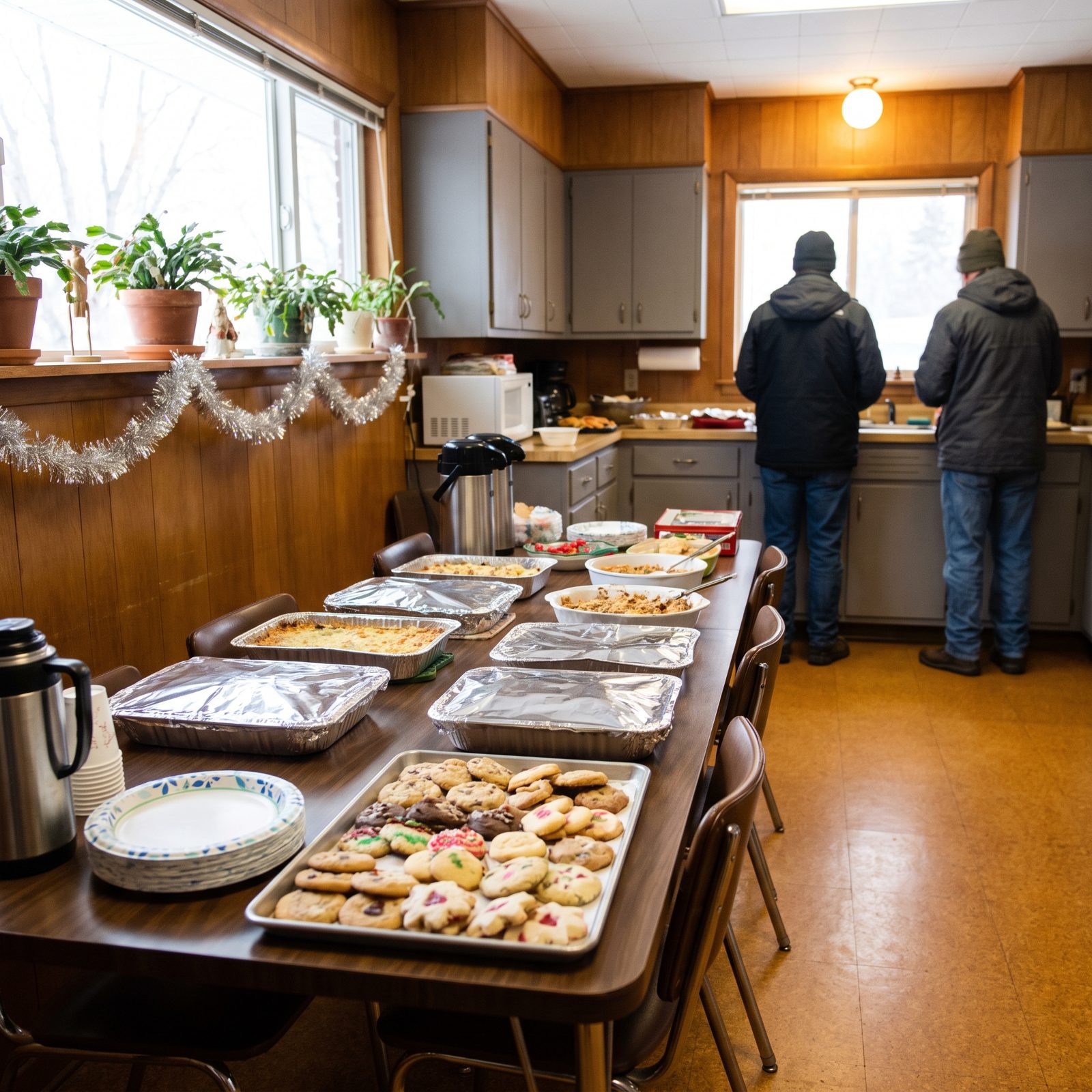
Something happens when a small group gets stuck together on a day everyone else is home. The usual hierarchy softens, people bring food, and the stories come out.
Potluck dinners crammed onto a break-room table, the night-shift manager wearing a paper crown, the same three volunteers finding each other year after year. That kind of bond only forms when you’ve worked a holiday shoulder to shoulder with someone.
The people who work Christmas remember who else worked Christmas. That’s a club you join once and belong to forever.
21. The Workday Provides Welcome Structure

Not everyone finds an empty, unstructured holiday relaxing. For some people, a long day with nothing to do and nowhere to be feels less like rest and more like drifting through fog.
A shift gives the day a shape. Clock in, do the work, clock out. Tasks to finish, a schedule to follow, a reason to get dressed and show up — the hours actually move, and there’s purpose in them. If idle time makes you restless, the familiar rhythm of a workday beats a sofa and a marathon of movies you’ve already seen twice.
20. Staying Busy Can Ease Holiday Grief

The first Christmas after a loss can be unbearable at home. The empty chair. The traditions that now ache. A whole day built around a person who isn’t there anymore.
For someone carrying that weight, work can be mercy. A shift fills the hours that would otherwise sit heavy on the chest. There are patients to care for, problems to solve, coworkers who don’t expect you to perform happiness. It won’t erase the loss. It just gives you somewhere to put yourself until the hardest day of the year is behind you.
19. Work Provides Social Contact for People Living by Themselves
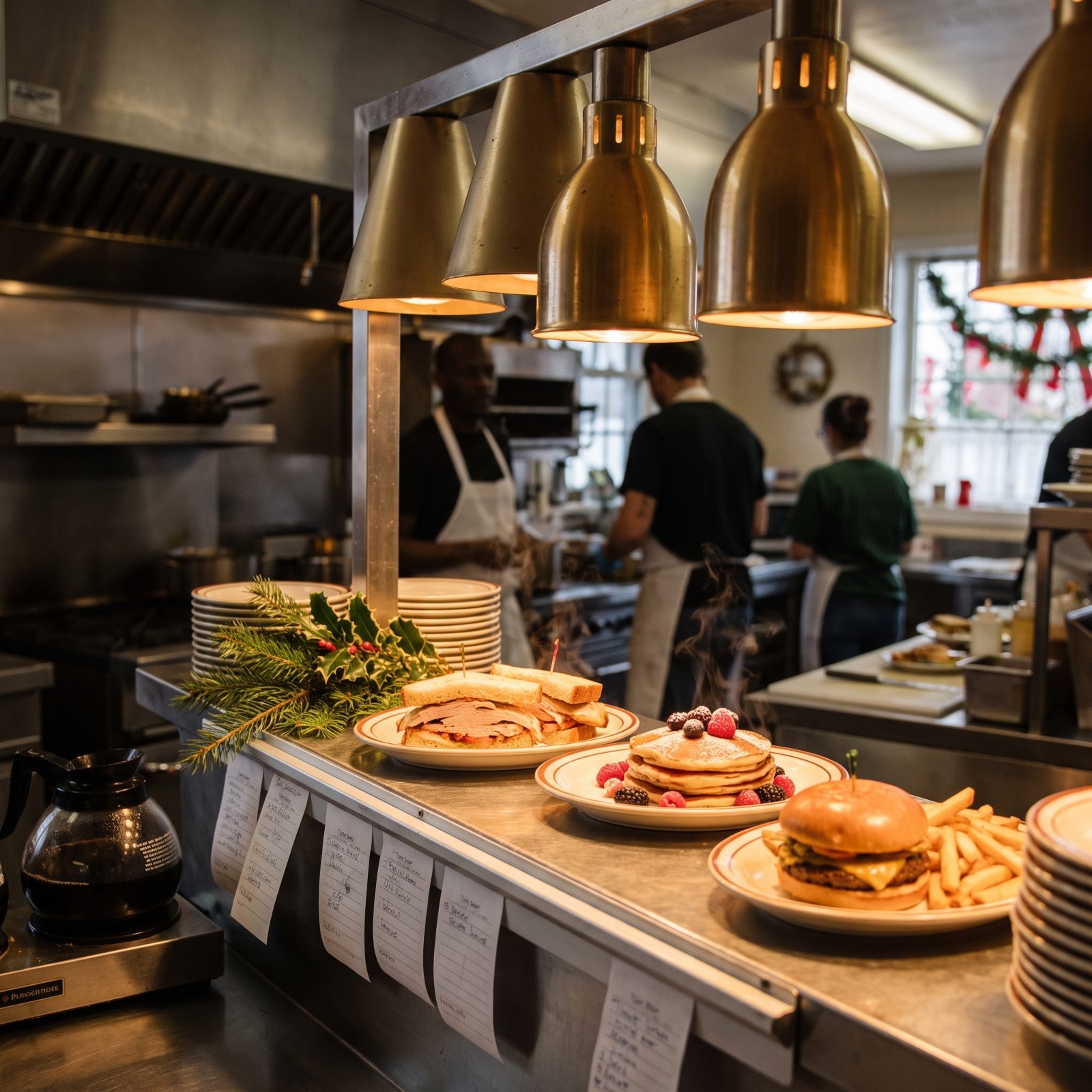
For people who live alone, the hardest part of Christmas isn’t the work everyone else gets to skip. It’s the silence of a day when the whole world is gathered somewhere and you’re not.
A shift means coworkers to talk to, customers to serve, a reason to be around other humans. The transit operator keeping the city moving. The hotel clerk at the front desk. The convenience store cashier who nods at every regular who wanders in. They trade an empty apartment for a day of faces and small talk and shared coffee, and that contact matters more than most people realize.
18. A Scheduled Shift Offers an Exit From Family Conflict

Would you like to save this?
Some family tables are tense. The same old arguments, the drinking, the relative who corners you by the dessert. For those households, Christmas isn’t cozy — it’s a landmine with a bow on it.
“Sorry, I’m scheduled to work” is the most socially acceptable exit there is. Nobody argues with a shift. It ends the conversation before it starts, and it lets a person opt out of a painful gathering without the guilt of flat-out refusing. For more people than will ever admit it, the schedule is a lifeline.
17. Some Employees Do Not Personally Celebrate Christmas
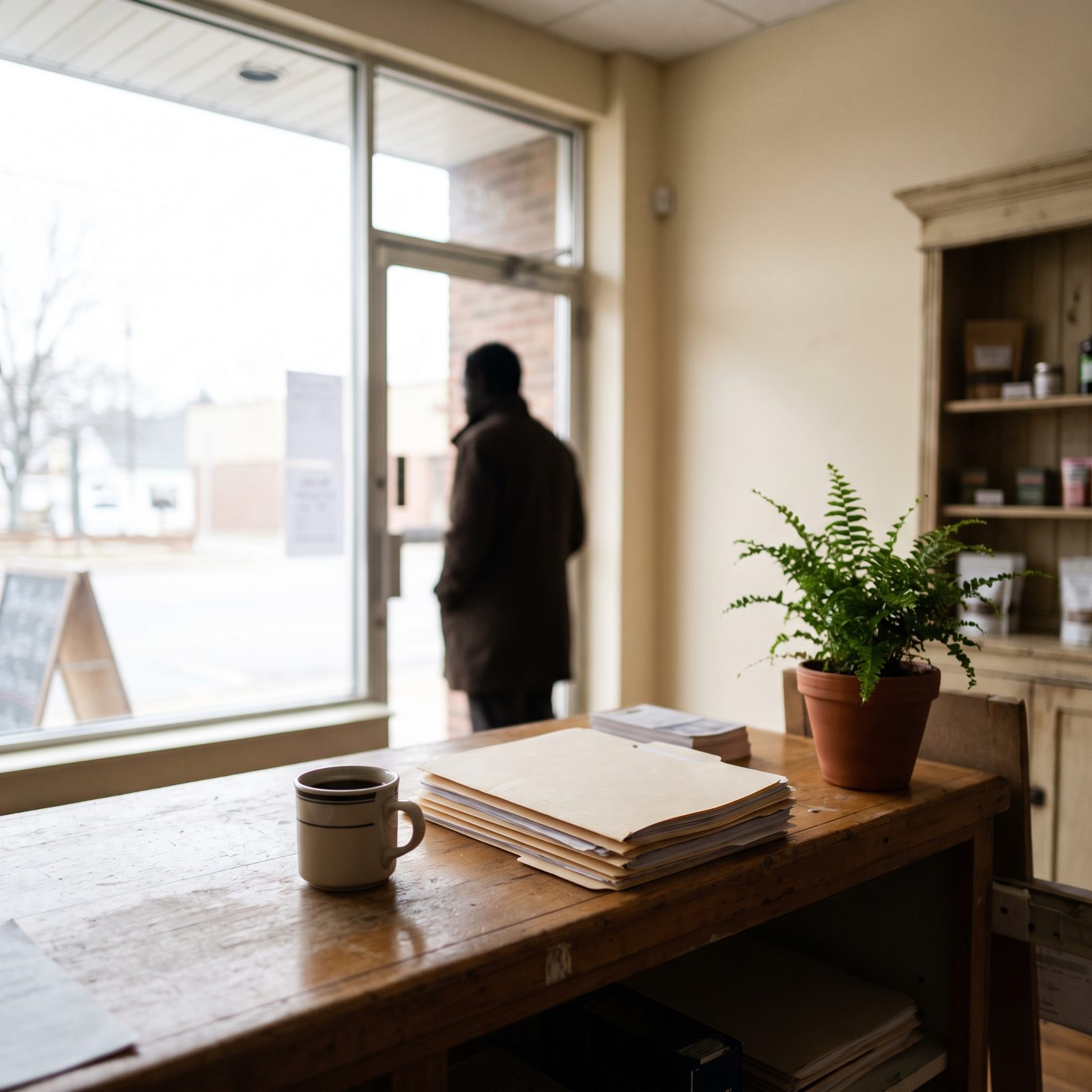
For a sizable slice of the workforce, December 25th is just another workday. They don’t observe the holiday, and handing the shift to a coworker who does feels like the obvious call.
A worker who celebrates a different faith, or none at all, often volunteers to cover so a colleague can be home with their kids. It’s practical and generous at once. They pick up the holiday shift, then take their own time off when it actually means something. One person’s ordinary workday is another person’s whole year — and good teams quietly sort that out among themselves, no drama required.
16. Saving Annual Leave for a Celebration You Actually Care About
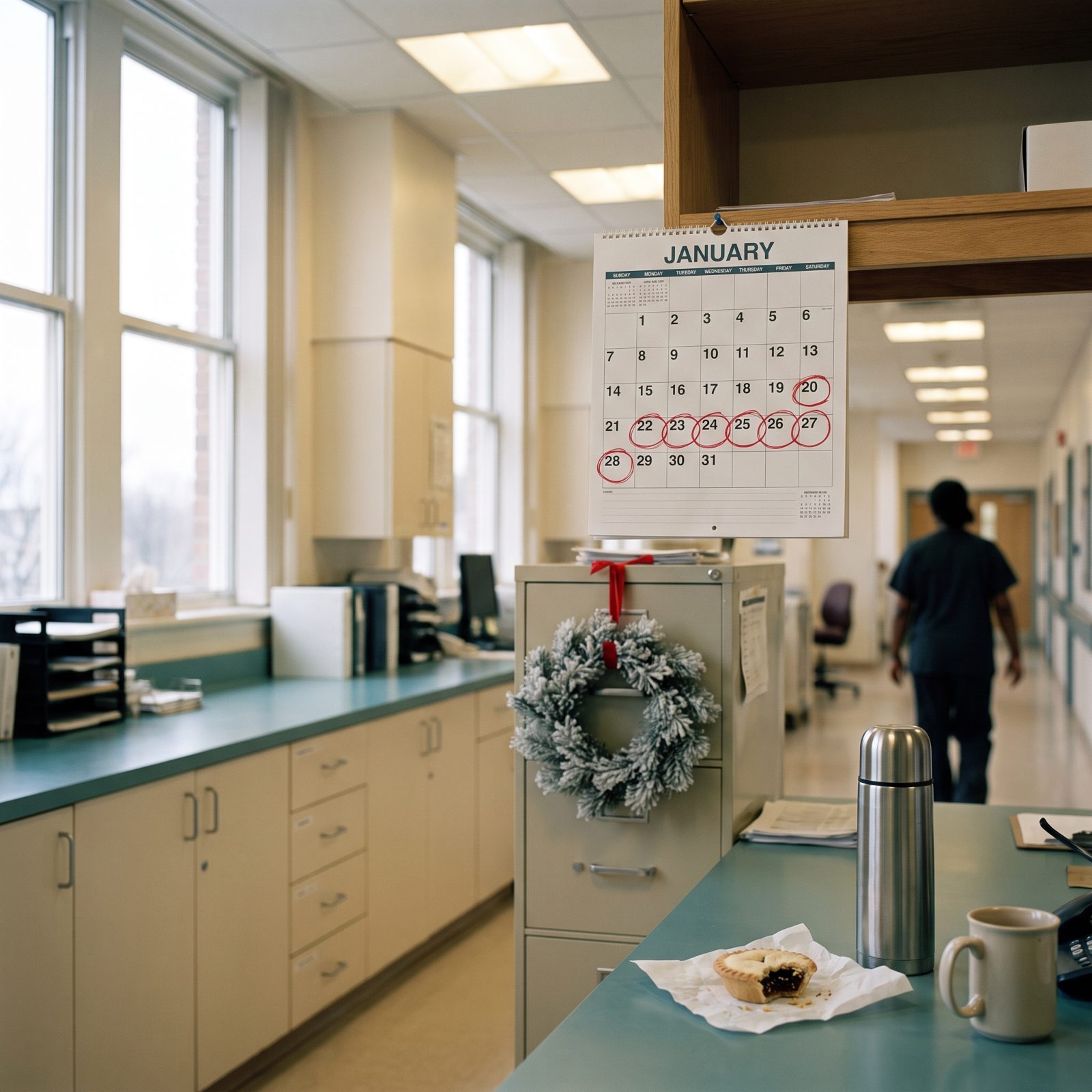
Not everyone counts December 25th as their big day. If your family does its real gathering on New Year’s, or waits until mid-January when relatives fly in, then working the Christmas shift keeps your precious leave in the bank for the celebration that actually matters.
We’ve watched shift workers treat this like strategy — trade the crowded, expensive, over-hyped day for quieter time off when flights are cheaper and the house isn’t chaos. Your paid leave is a limited pot, and spending it on a day you’d mostly nap through is a waste.
15. A Near-Empty Office Is Where Real Focus Finally Happens

No meetings. Nobody drifting over to your desk, no reply-all threads multiplying by the minute. For a certain kind of worker, the Christmas Day shift is the single most productive day of the year.
Here’s what nobody mentions: deep concentration needs an absence of interruption far more than it needs motivation. A skeleton crew hands you hours of uninterrupted runway, and people regularly knock out in one quiet shift what would otherwise take a scattered, meeting-choked week.
14. The Shared Staff Meal That Turns a Shift Into a Gathering
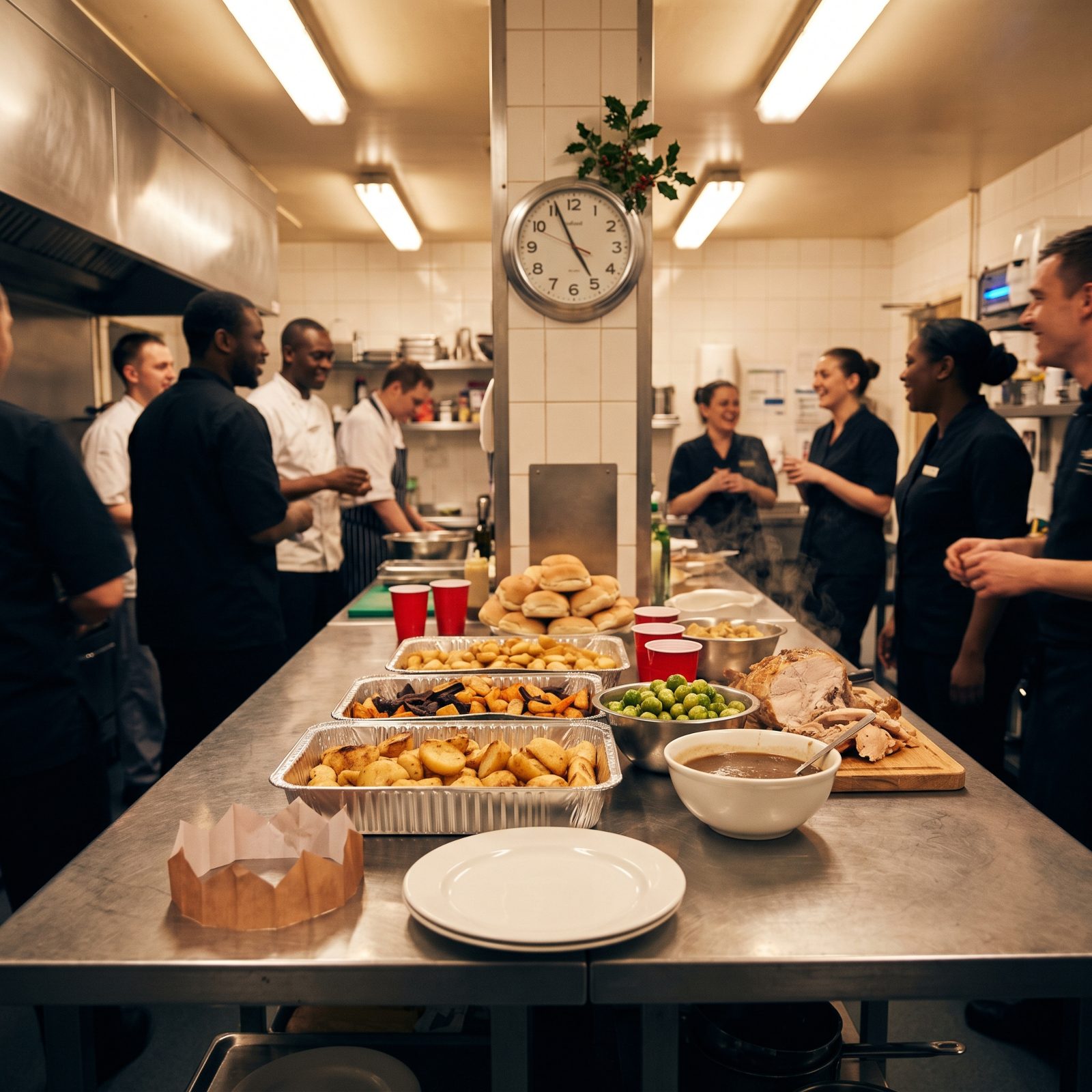
Free food hits different on Christmas. Hotels, hospitals and restaurants often lay on a proper meal for the crew working the day, and a specific kind of camaraderie forms around a borrowed table and foil trays of roast potatoes.
You eat with people who chose, like you, to be there. Nobody’s performing for in-laws. The paper hats come out of the crackers, someone tells the same terrible joke they told last year, and suddenly the shift stops feeling like a sacrifice at all.
13. When Customers Show Up With Gifts, Food and Oversized Tips

People soften on Christmas. The ones who do turn up — at a diner, a petrol station, an airport desk — tend to arrive grateful rather than entitled.
So the tips run heavier. Regulars bring tins of homemade treats, someone hands over a card and actually means it, and families press chocolates into the hands of nurses and transport staff because they know exactly what it took for you to be standing there. The goodwill is real, and for workers in tipped roles the day can be one of the best earners on the whole calendar.
12. Coworkers Who Build Their Own, More Inclusive Traditions
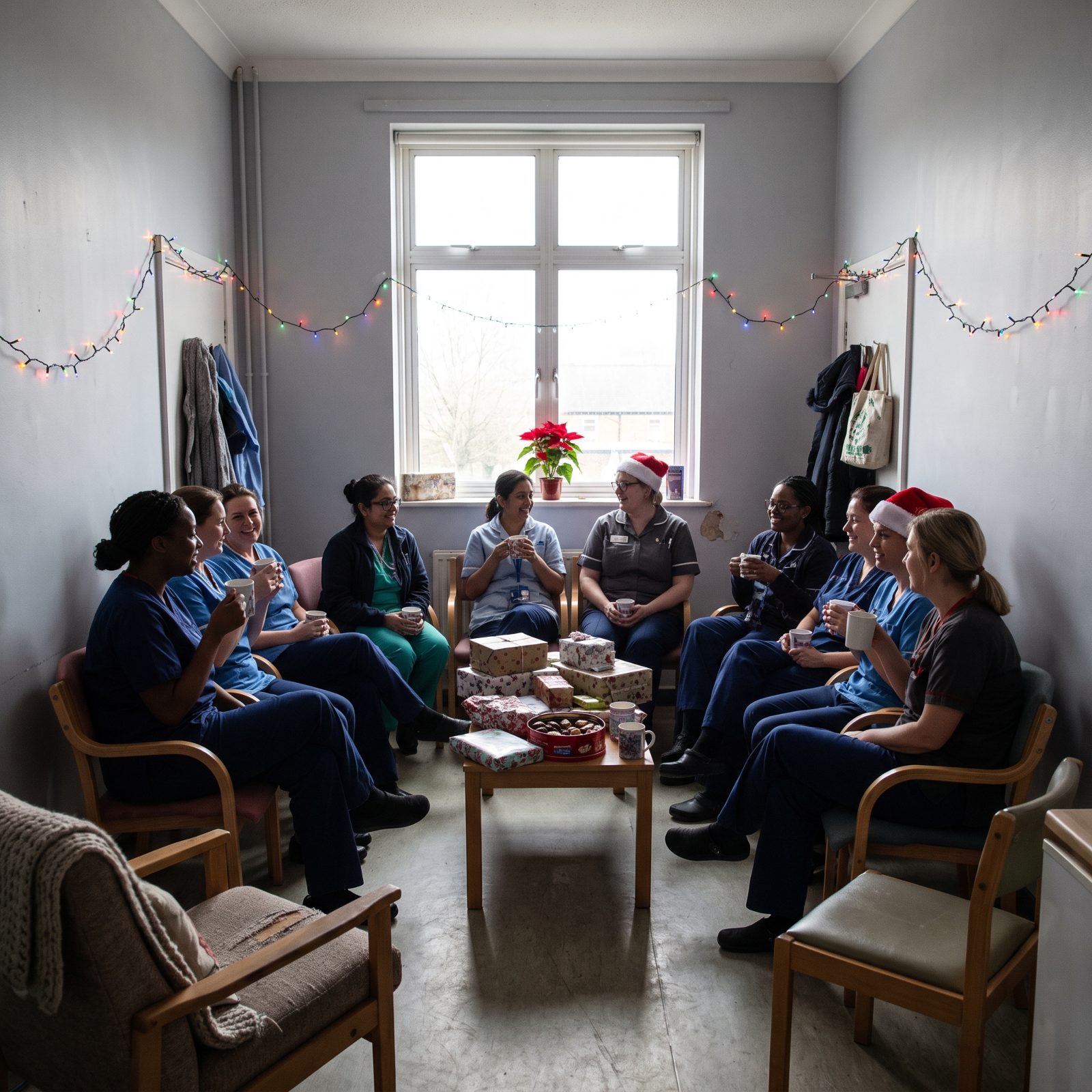
Something lovely about a holiday crew: it’s rarely homogenous. The people on shift come from every background, celebrate different things, or nothing at all — and that mix tends to produce traditions that belong to everyone instead of one dominant script.
A low-key gift swap. Food from five different kitchens landing on one table. A playlist that wanders from carols to whatever someone’s grandmother used to play on a Sunday. Nobody has to pretend Christmas carries the same weight for them, and that freedom is exactly what makes the workplace version warmer than the pressured family one for a surprising number of people.
11. Taking the Shift So a Colleague With Kids Can Be Home
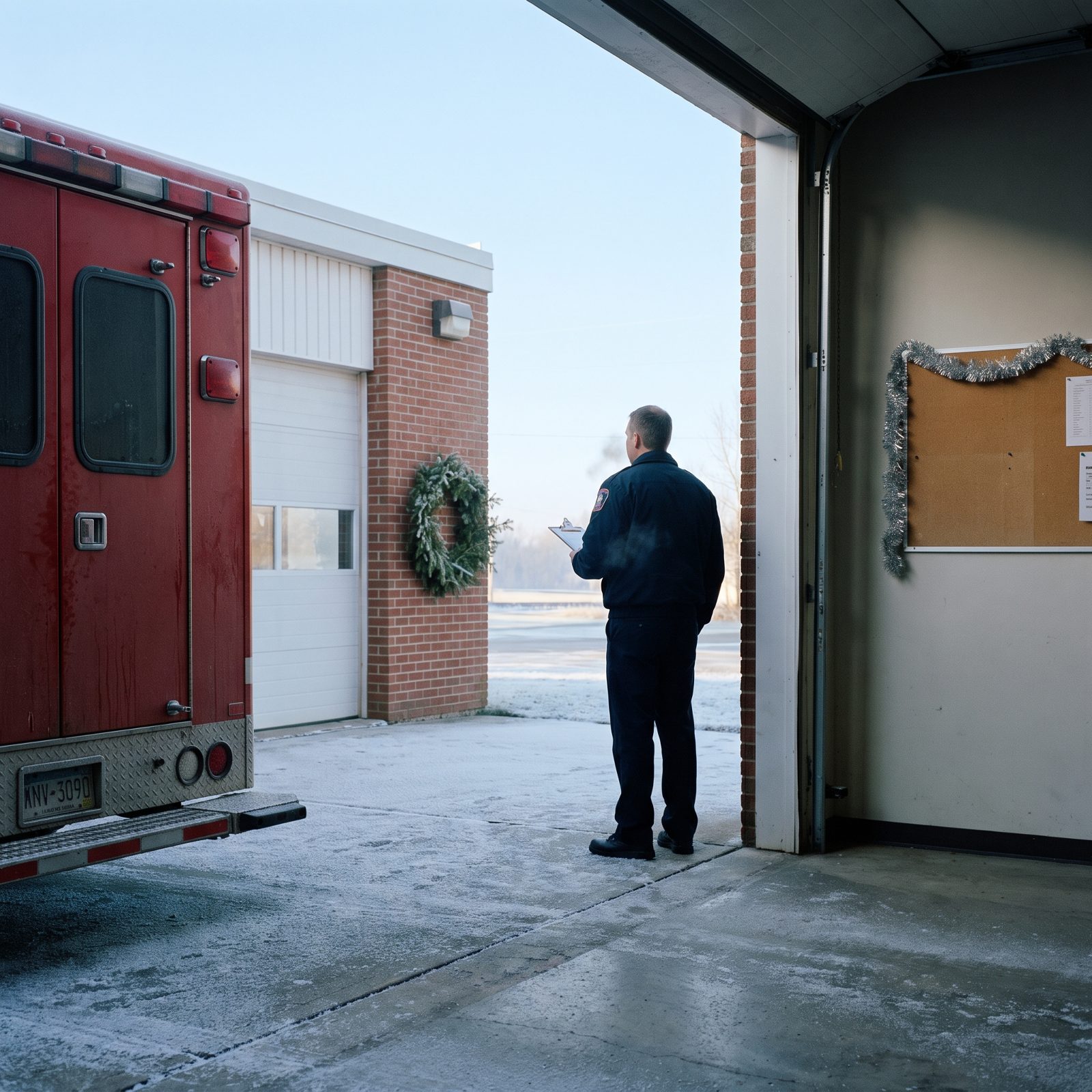
Plenty of people volunteer for Christmas Day purely so a coworker with young children doesn’t have to miss the morning. One of the quietest acts of generosity in any workplace, and it almost always goes unspoken.
If your own kids are grown, or you don’t have any, or your family does its thing on another date entirely, giving up your Christmas so someone else keeps theirs costs you little and means everything to them. That kind of trade builds a loyalty no bonus scheme ever manages to buy.
10. The Strange Appeal of a Workday That Looks Like No Other

The city goes quiet and the roads empty out, and the whole rhythm of the day drops into something you only glimpse once a year. Some people find that genuinely fascinating.
A Christmas shift lets you watch the world in a mode it almost never enters. Empty platforms. Still streets. A hospital or hotel ticking along on a skeleton hum. And if routine bores you stiff, the sheer oddness of an abnormal workday becomes its own small reward.
9. The Satisfying Flow of a Relentlessly Busy Holiday Shift

For some workers the pull runs the other way — the appeal is the chaos. A packed restaurant, a full A&E, a rammed airport. The day blurs past, and that relentless pace produces a strange sort of calm.
Psychologists call it flow: the state where time vanishes because you’re swallowed whole by a demanding task. A heaving holiday shift delivers it in spades. You clock out wrecked but oddly content, nothing like the way a slow day of clock-watching leaves you.
A busy shift that swallows the clock whole beats eight hours of watching it tick.
8. When the Rest of the Family Is on Shift Too

Would you like to save this?
In households full of nurses, police, hospitality and transport workers, somebody’s always on the roster. If your partner, your sibling or your grown kids are all clocked in anyway, there’s little point sitting home alone waiting for them to walk back through the door.
Work alongside them, or just know you’re all in it together, and the sting disappears. Families like this tend to shunt their own celebration to whenever everyone’s finally off at the same time, treating December 25th as one more shared square on the calendar.
7. Celebrating on a Different Date Because It’s Simply Easier
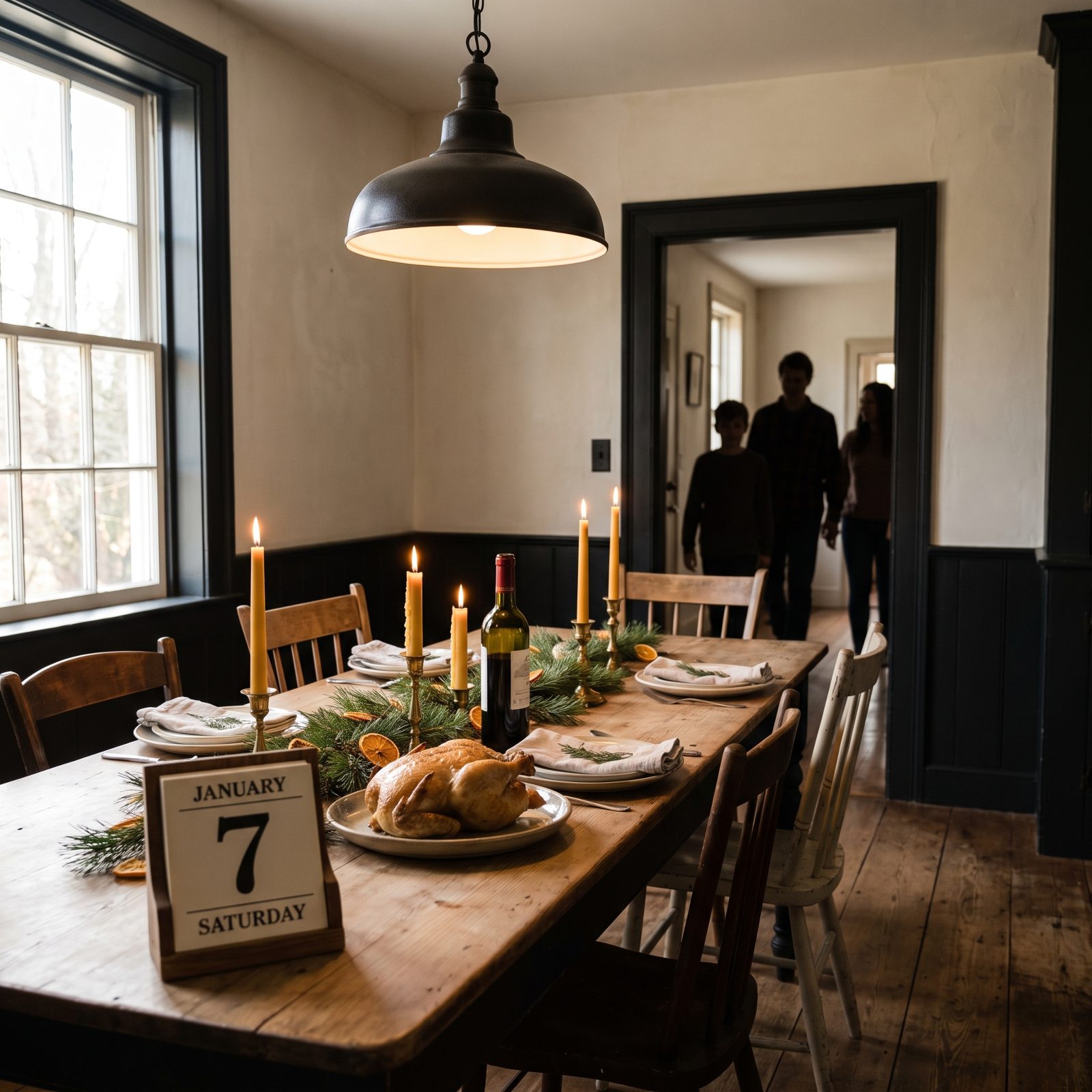
The quietly radical realization: Christmas dinner tastes exactly the same on the 27th. Shift your celebration to a day you’re actually off and you strip out the stress that wrecks so many real December 25ths.
No rushing the meal to make a shift, no splitting the day between two sets of relatives, no over-tired toddlers melting down at 6pm. Supermarkets slash prices the day after, the restaurants have breathing room, and everyone turns up relaxed instead of frazzled. Working the day and feasting later isn’t a consolation prize — honestly, for a lot of people it’s the better deal.
6. Working Can Lift the Pressure to Build a Flawless Christmas

Some people spend December dreading the performance — the matching tablescape, the gifts that have to land, the extended family all under one roof measuring the gravy. A scheduled shift quietly cancels every bit of it.
When you’re clocked in, nobody expects you to host. No tree to overdecorate, no in-laws to seat strategically, no dawn panic over whether the turkey will dry out. You show up, do a job you already know cold, and the holiday happens to you instead of being run by you.
5. A Defined Role Beats a Crowded Living Room for Introverts

A loud family gathering drains some people faster than any shift ever could. The constant small talk, the obligation to look delighted, the nowhere-to-hide of a packed house. For an introvert, a structured workplace can feel like relief instead of sacrifice.
At work there’s a task, a rhythm, and permission to just focus. You engage when the role calls for it, then you step back. The office on Christmas runs skeleton-quiet, the phones barely ring, and whoever’s in tends to be the easy company. Beats three hours of forced charades and a cousin asking what you make.
4. The Shift That Quietly Became a Yearly Ritual
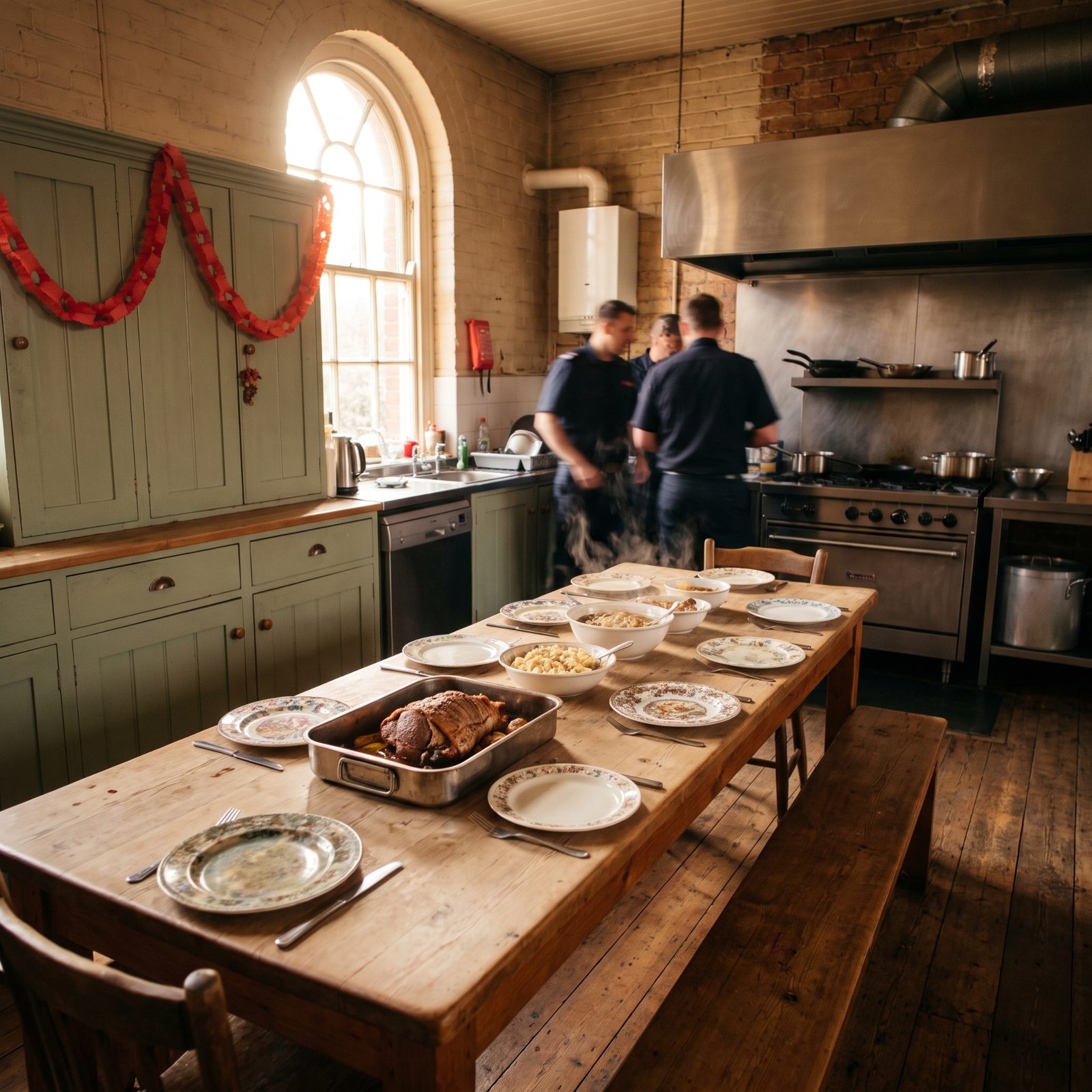
Ask anyone who’s worked a decade of holiday shifts and you’ll hear the same thing: the crew becomes its own kind of family.
There’s the potluck nobody organizes but everybody feeds. The one person who always brings the good ham. The running joke that only lands if you were there that one disastrous night years back. These workplaces grow traditions that belong entirely to the people clocked in, and they can mean as much as anything happening at home.
Some of the warmest Christmas memories people carry aren’t from a living room at all. They’re from a break room at 2 a.m. with strangers who became regulars.
For folks living far from family, or without much family to speak of, that standing date on the schedule is the celebration. They’d miss it if it disappeared.
3. A Calm Christmas Shift Can Beat the Chaos of the Days Around It
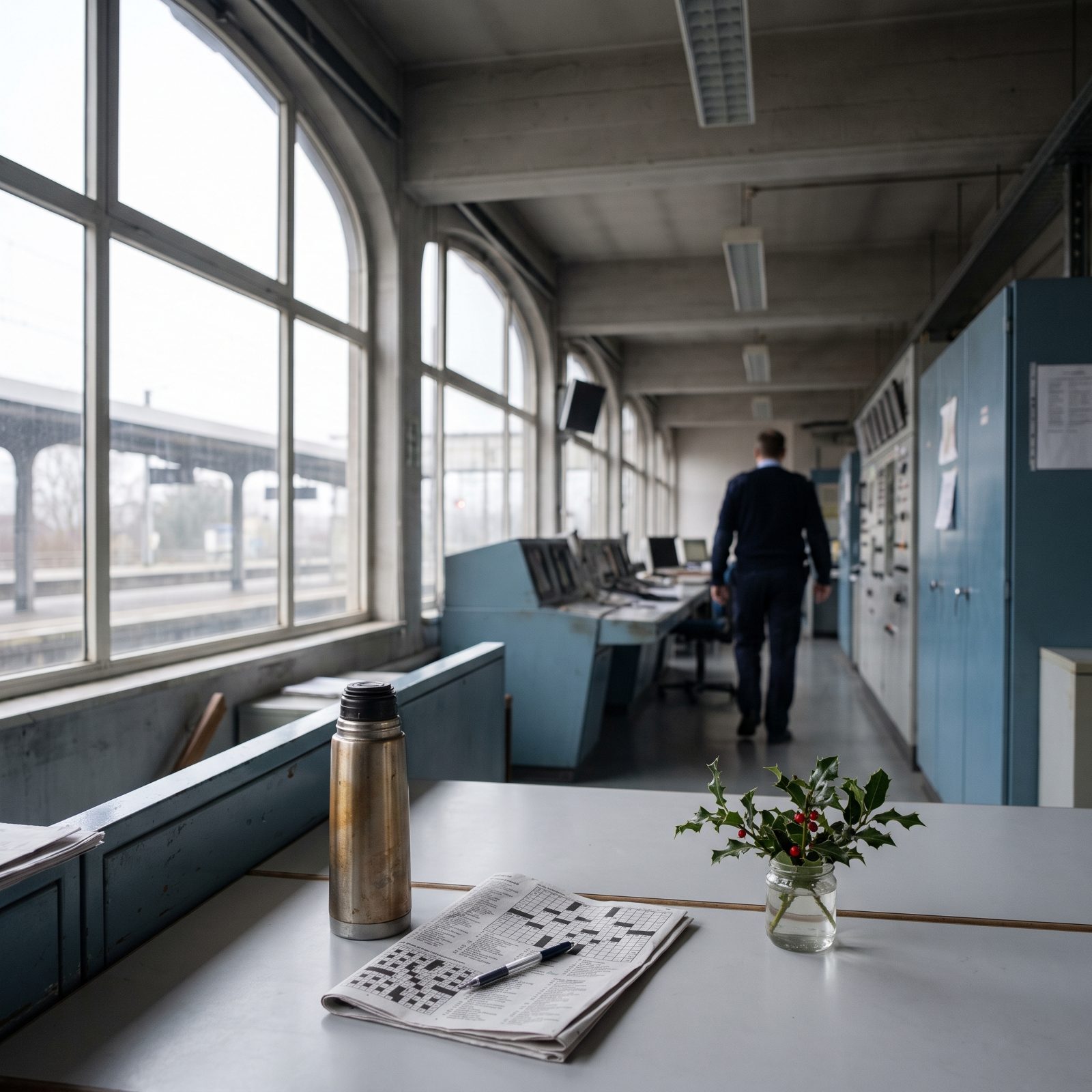
Christmas Eve is bedlam. The 26th is bedlam too. That whole stretch of sale-chasing, travel, and overstuffed shifts bracketing the holiday can be brutal in a lot of jobs.
And then the day itself arrives as the eye of the storm — fewer customers, lighter traffic, a slower pace that finally lets you breathe. For transit workers, call centers, and plenty of service roles, the 25th is the easiest day on the calendar. Work it and you skip the madness, then take your day off later, once the roads and the stores have stopped trying to kill you.
2. Helping in an Emergency Resets What the Day Is Really About

Nothing recalibrates a person faster than being useful when it actually counts.
Paramedics, ER staff, police, crisis-line workers — they describe the same shift in perspective. A Christmas spent walking someone through their worst hour makes your own worries look tiny. The argument about whose house to visit, the gift that didn’t arrive, the overcooked roast: none of it registers next to steadying a frightened stranger and knowing you made the night bearable.
That’s not grim. It’s grounding. The people drawn to these jobs often want to be there on the hardest days, because that’s precisely when the work means something.
1. Serving Others Gives the Day a Weight a Day Off Can’t
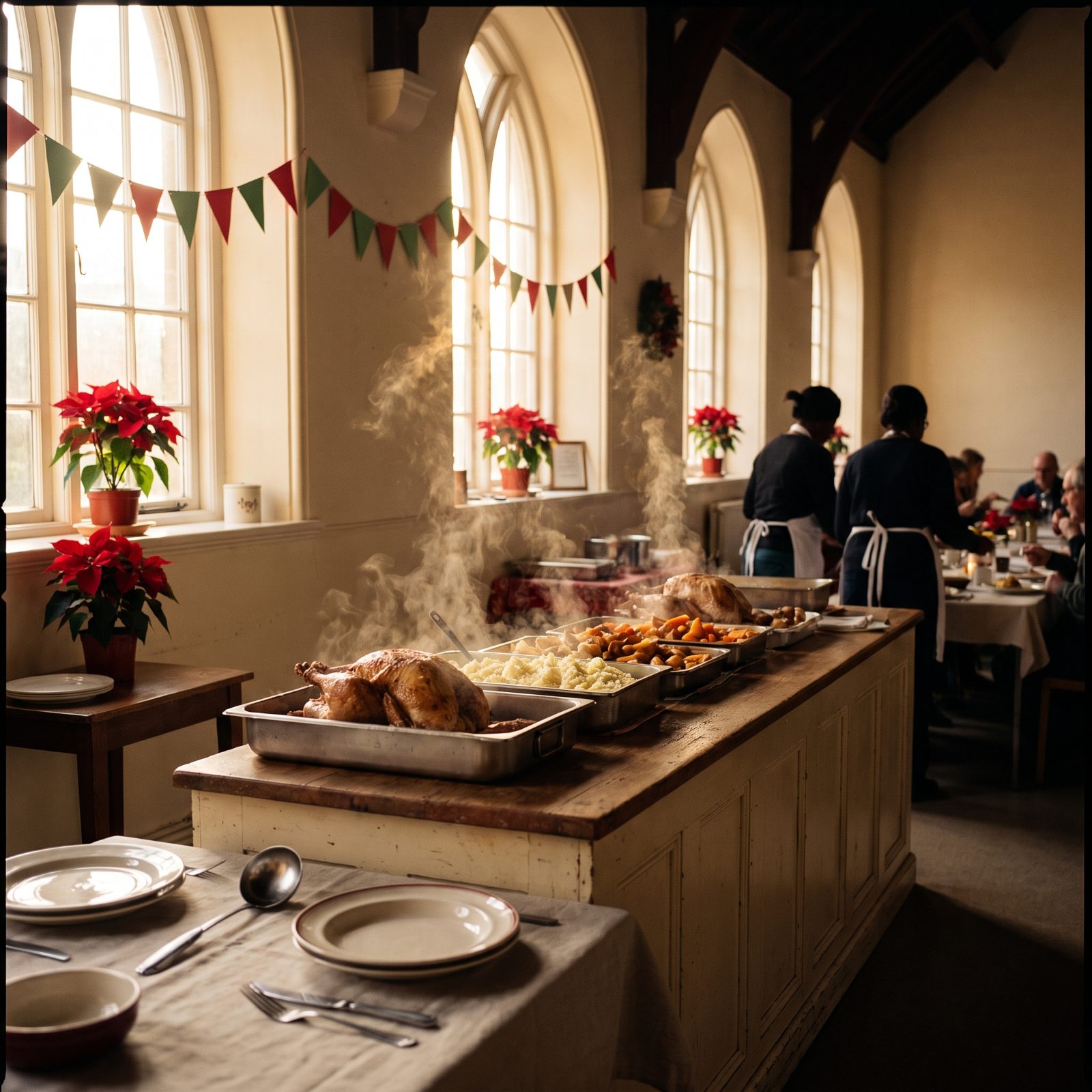
A day off can feel hollow if nothing in it matters to anyone. A shift spent serving others almost never does.
Shelter staff plating a hot meal. Chefs cooking for people who have nowhere else to go. Caregivers sitting with someone who’d otherwise be alone. These workers go home tired in the good way, knowing the day counted. Purpose is a steady source of contentment, and holidays sharpen it — which is why, for a lot of people, giving the day to someone who needs it beats any amount of lounging in pajamas.