
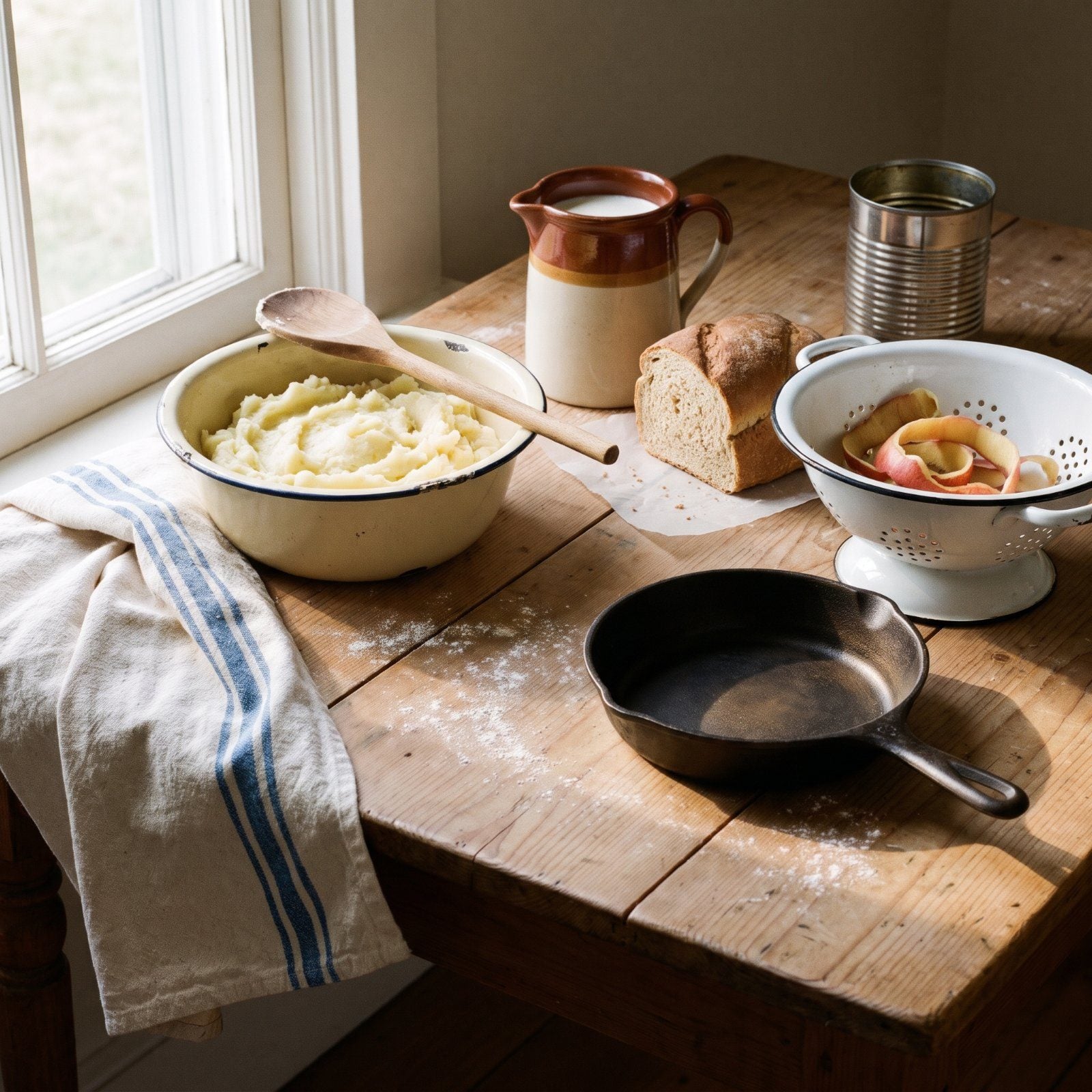
Nobody in that kitchen threw out a cup of cold mashed potatoes. They looked at it and saw tomorrow’s supper. A hard heel of bread wasn’t trash — it was pudding waiting to happen.
Please note that some of the images in this article were created with the assistance of AI.
These were cooks who stretched a Sunday roast across three days and seasoned a whole pot of greens with a spoonful of bacon fat saved in a coffee can. What follows wasn’t grim survival. It was good food, made on purpose, from the bits most of us now scrape straight into the bin without a second thought.
28. Mashed Potatoes Became Crisp Supper Cakes
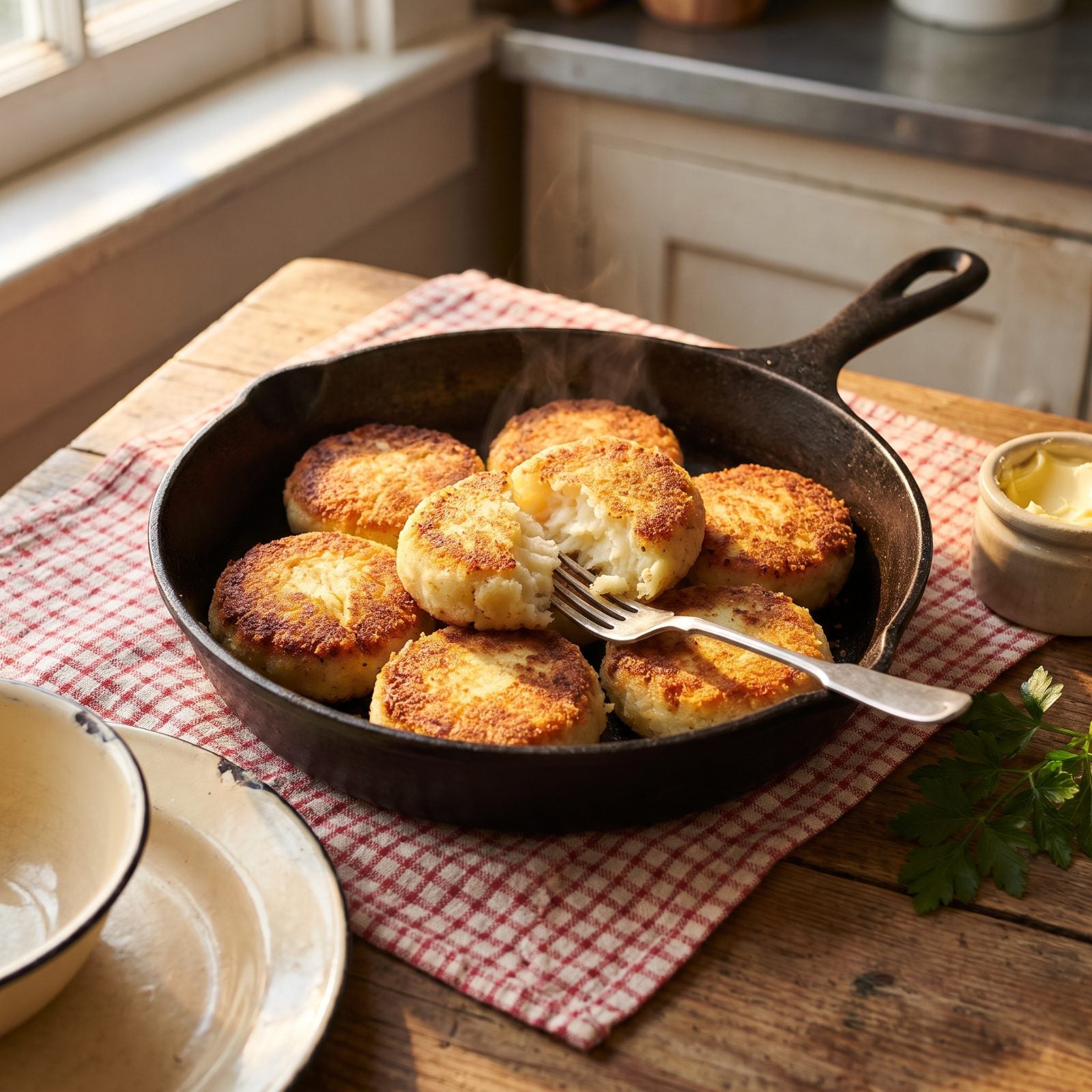
Cold mashed potatoes set up overnight into something firm enough to shape by hand. A spoonful of flour, maybe an egg if the hens were cooperating, a little chopped onion, and you had patties ready for the skillet.
They went into bacon fat already warm in the cast iron and came out crisp outside, soft in the middle. A plate of these with whatever was coming up in the garden counted as supper, no apology needed.
27. Watermelon Rind Became Tangy Pickles
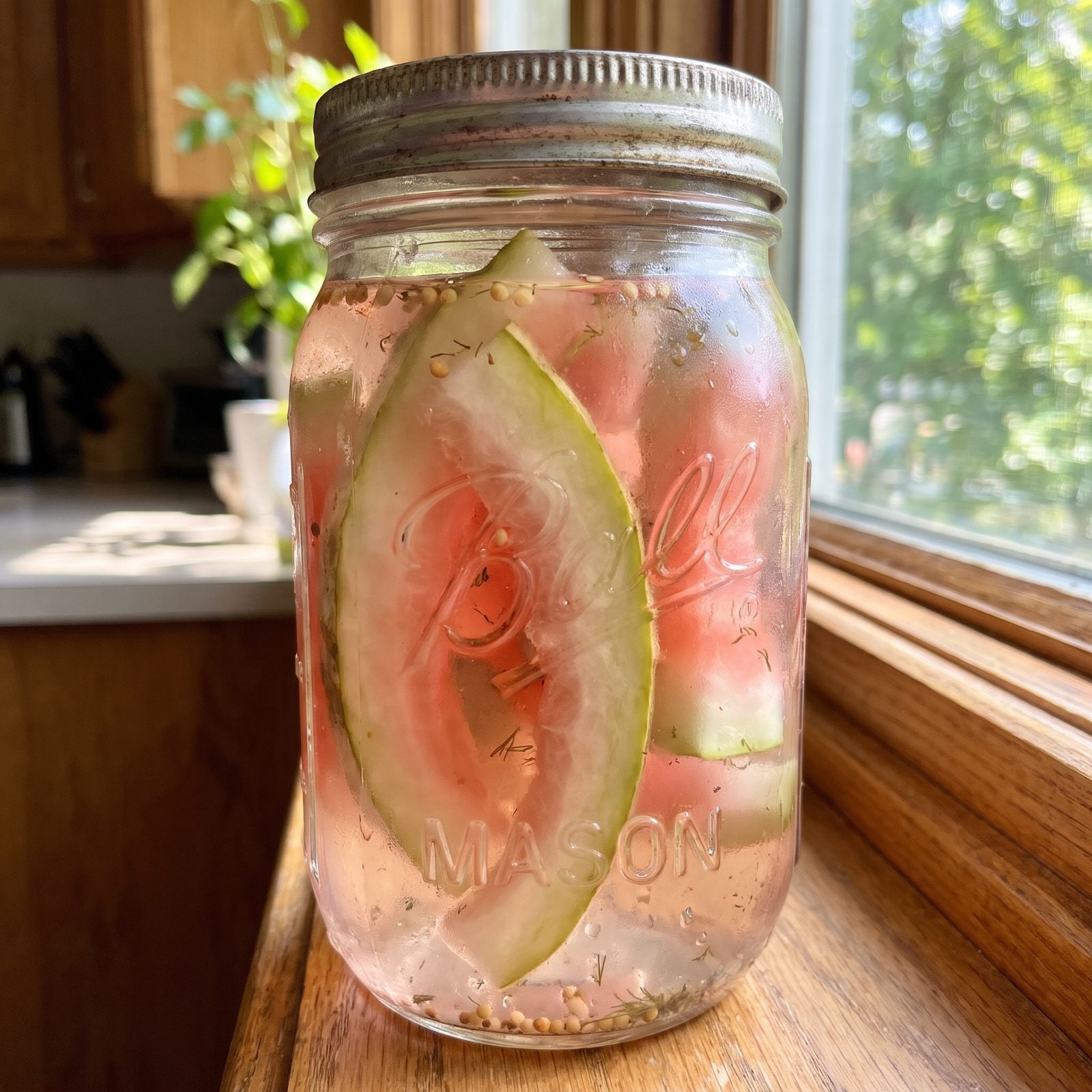
This one still surprises people: the part everyone throws away made the tangiest pickle on the table. After the kids ate down to the rind, the rind got saved.
The cook left a thin strip of red flesh, pared off the tough green skin, cut the rind into long wedges, then packed them raw in a sour dill brine with mustard seeds until the pink tinted the liquid. Jarred up, they lasted through winter and turned up next to the ham at holiday dinners — tangy, a little mysterious, and nobody could quite name what they were eating.
Writing in a university extension newsletter, an extension food scientist notes “When making watermelon pickles, just the pale green rind is used. Remove the watermelon flesh and the outside dark green skin.”
26. Stale Bread Became Golden Bread Pudding
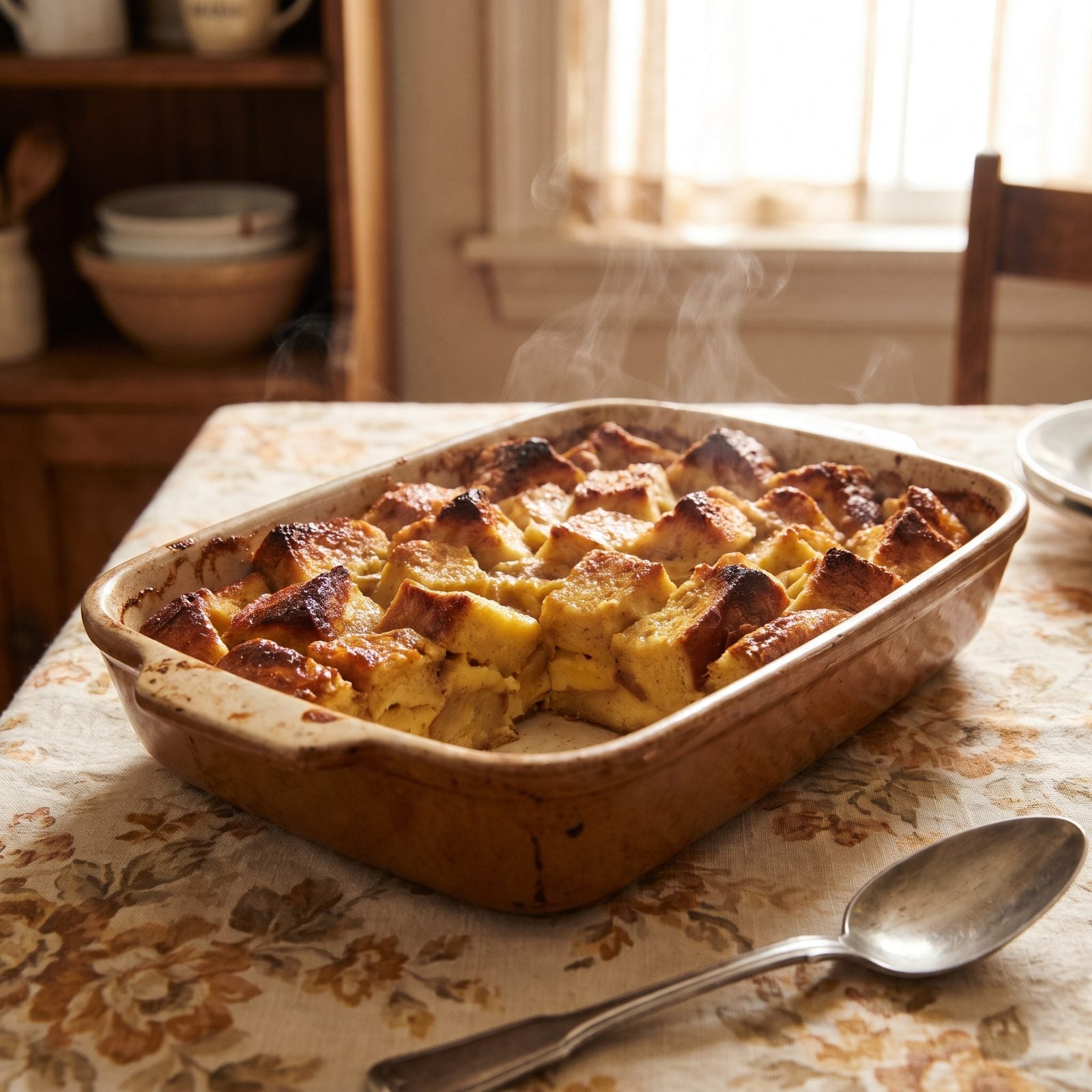
A hard heel of bread wasn’t a failure. It was the main ingredient, waiting for its moment.
Cubed up and soaked in milk, egg, a little sugar, and cinnamon, then baked until the top set golden and the inside turned to custard. A handful of raisins if you had them. Dessert that cost almost nothing and tasted like you’d planned it all week.
Explaining why the leftover loaf beats a fresh one, an artisan bread baker writes “No matter what type of bread you choose, be sure to use day-old or slightly stale bread for optimal results. Fresh bread can become too soggy, while stale bread soaks up the custard beautifully without falling apart.”
25. Sunday Roast Became Cottage Pie
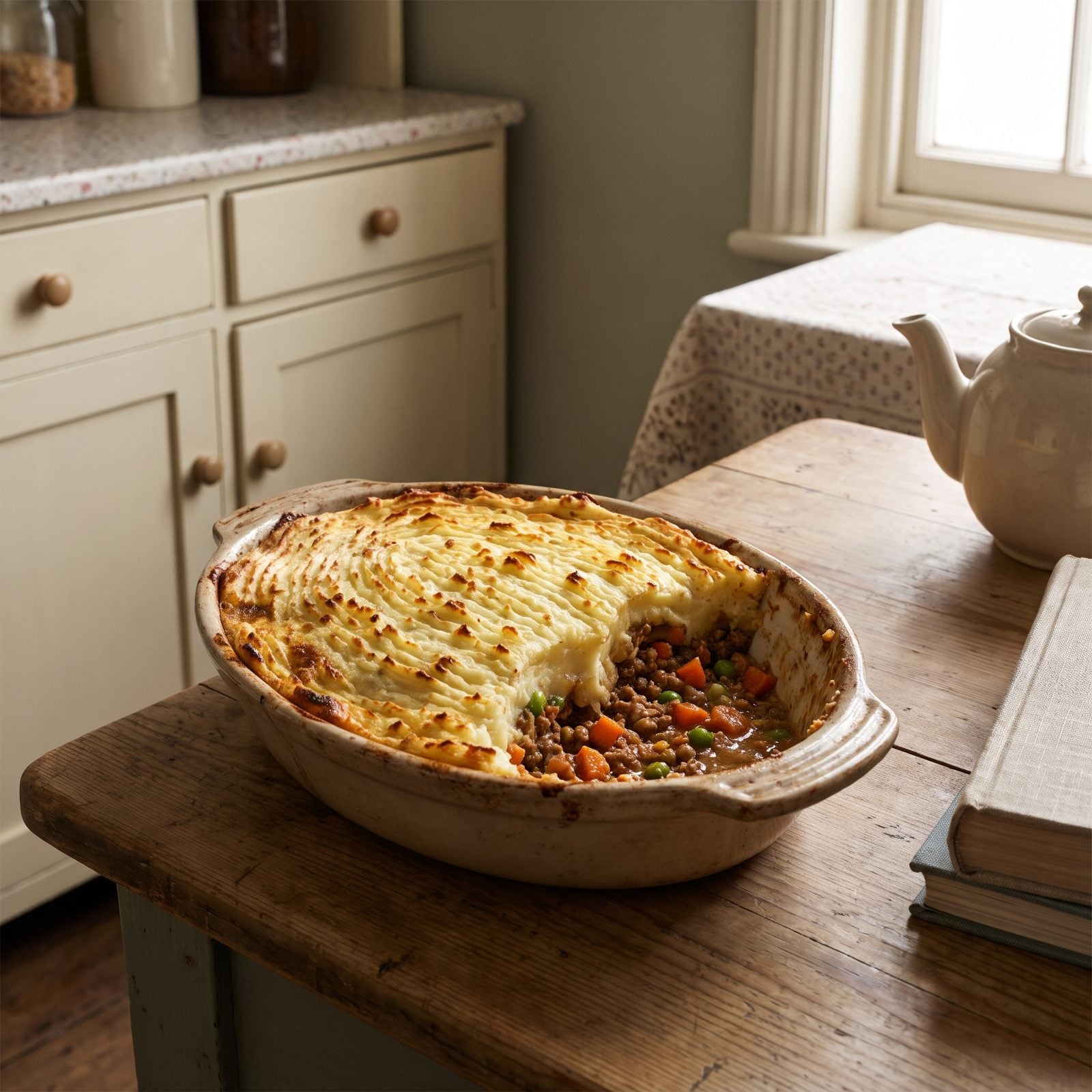
The roast fed the family on Sunday. The leftovers fed them again on Tuesday, and nobody felt shortchanged.
Cold beef got chopped fine, stretched with onion, carrots, and whatever gravy was left, then packed into a dish and crowned with a layer of mashed potato. Into the oven until the top browned in peaks and the edges bubbled over. One small roast became two full dinners, and the second one tasted like comfort.
A good cook didn’t ask how far a roast would go. She already knew it had to go three days.
24. Sour Milk Went Into Biscuits and Quick Breads
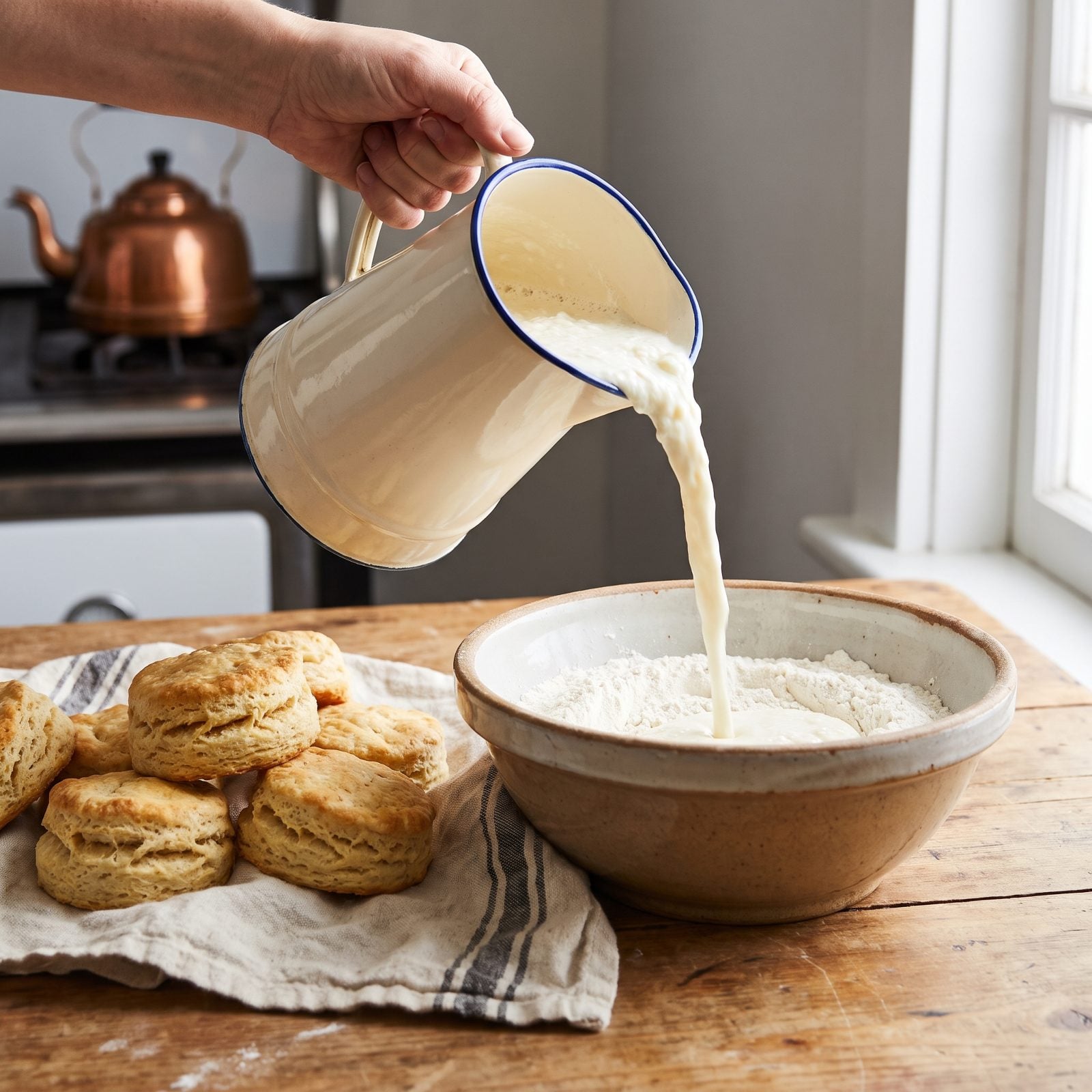
Milk turned before you could drink it, and that wasn’t a loss. That was biscuit insurance.
The acid in soured milk reacted with baking soda to lift biscuits, pancakes, and quick breads higher and lighter than fresh milk ever could. Some cooks let milk go a little sour on purpose. It gave cornbread tang and made a plain loaf tender.
23. Apple Peels Became Fragrant Jelly
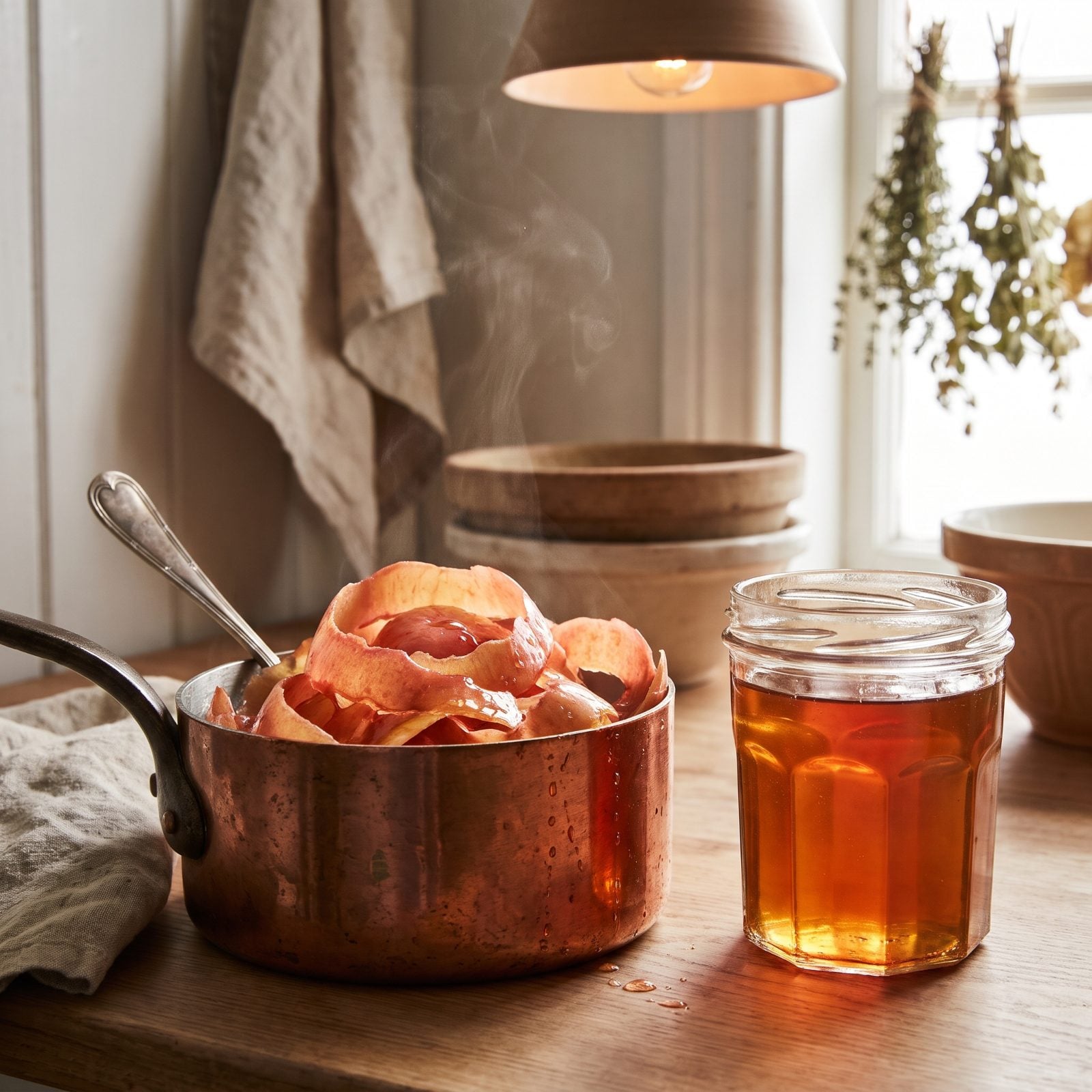
You peeled the apples for the pie and then, instead of pitching the peels and cores, you made jelly out of them.
Apple skins and cores are loaded with natural pectin, the stuff that makes jelly set. Simmered with water and strained, they gave a clear pink-amber liquid that firmed up with sugar into something that caught the light in the jar. A spoonful on morning toast, made entirely from what most of us toss in the compost now.
Writing for a local paper, a master food preserver advises “Use your peels and cores from your applesauce or pie-making endeavors. If your projects are small, freeze your peels and cores until you have a gallon freezer bag stuffed full.”
22. Cooked Chicken Became Creamed Chicken on Toast
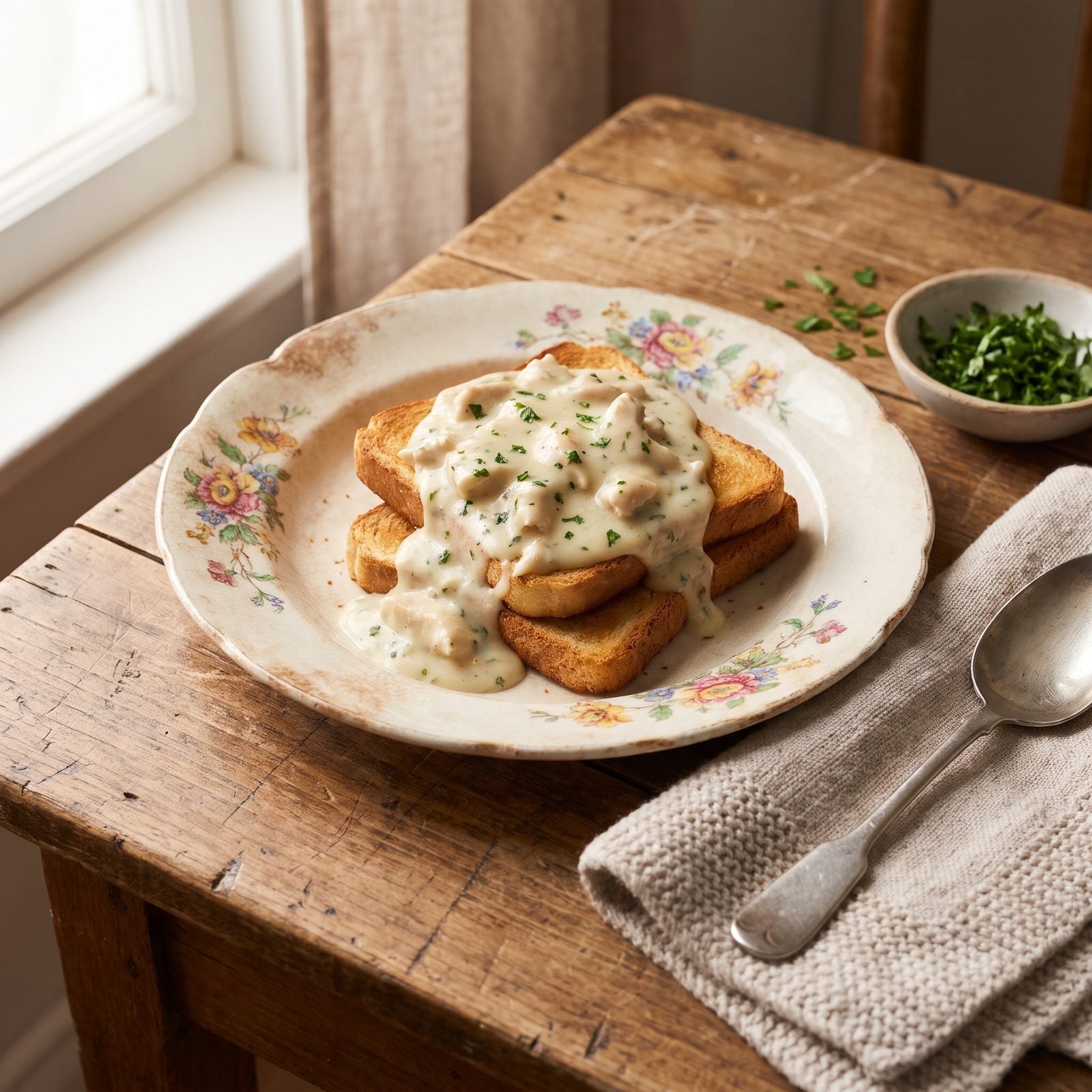
A few shreds of chicken left on the carcass wasn’t enough for a meal. Set in a cream sauce and spooned over toast, it fed the whole table.
The sauce did the heavy lifting here. Flour, a little fat, milk whisked smooth, then the chicken folded in and poured over toasted bread until a scrap felt almost fancy. This exact dish ran through church suppers and cafeteria lines for decades for the same reason it ran through home kitchens — it stretched the meat.
21. Cold Oatmeal Became Griddle Cakes
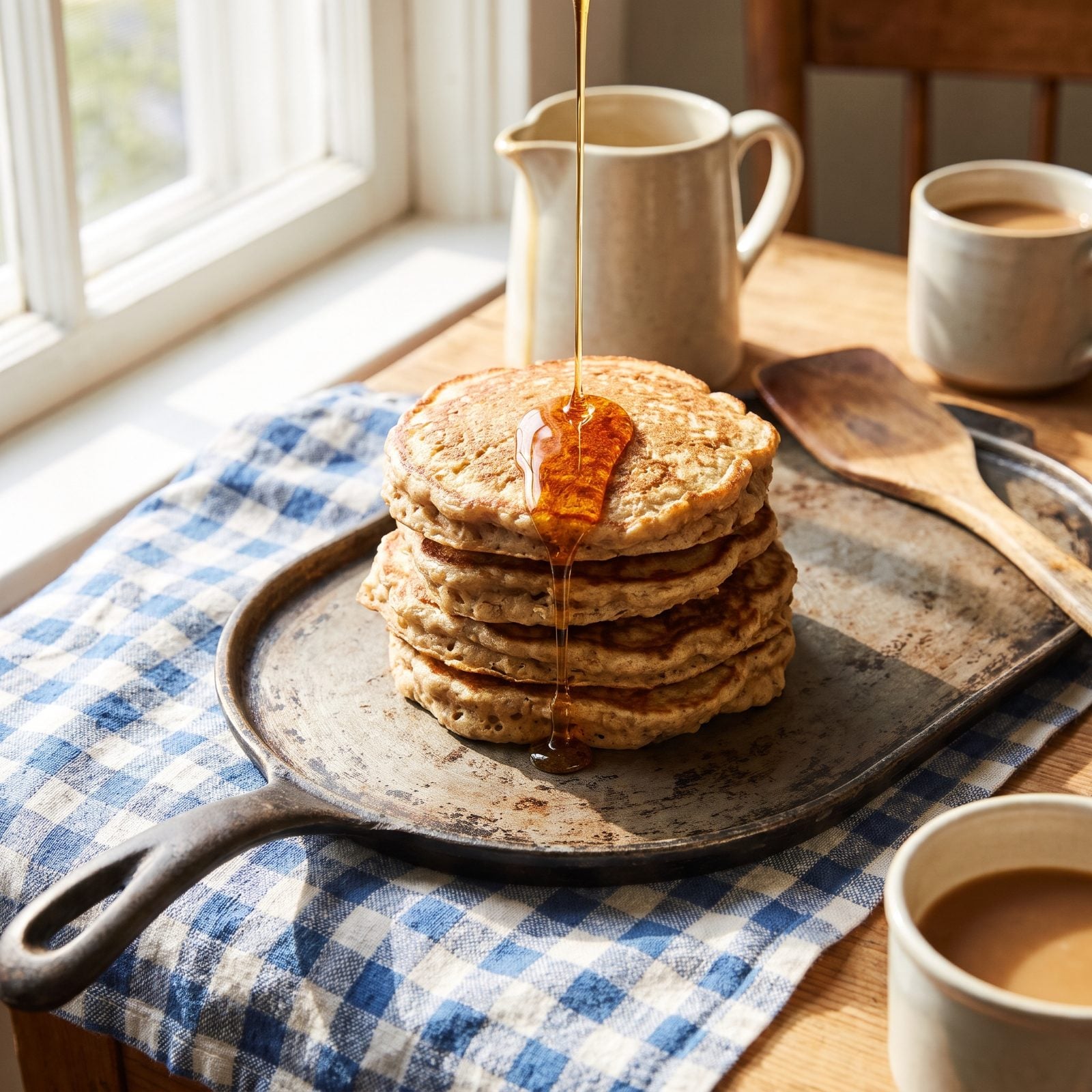
Yesterday’s oatmeal congealed in the pot into a solid block, and that was the starting point, not the end.
Thinned with a little milk and egg and a spoonful of flour, that cold porridge dropped onto a hot greased griddle and cooked up into hearty little cakes. Butter and syrup on top and the kids never knew they were eating breakfast twice. Nothing in that pot went to waste — and honestly, these had more body than a plain flour pancake.
20. Bacon Fat Seasoned Otherwise Plain Greens
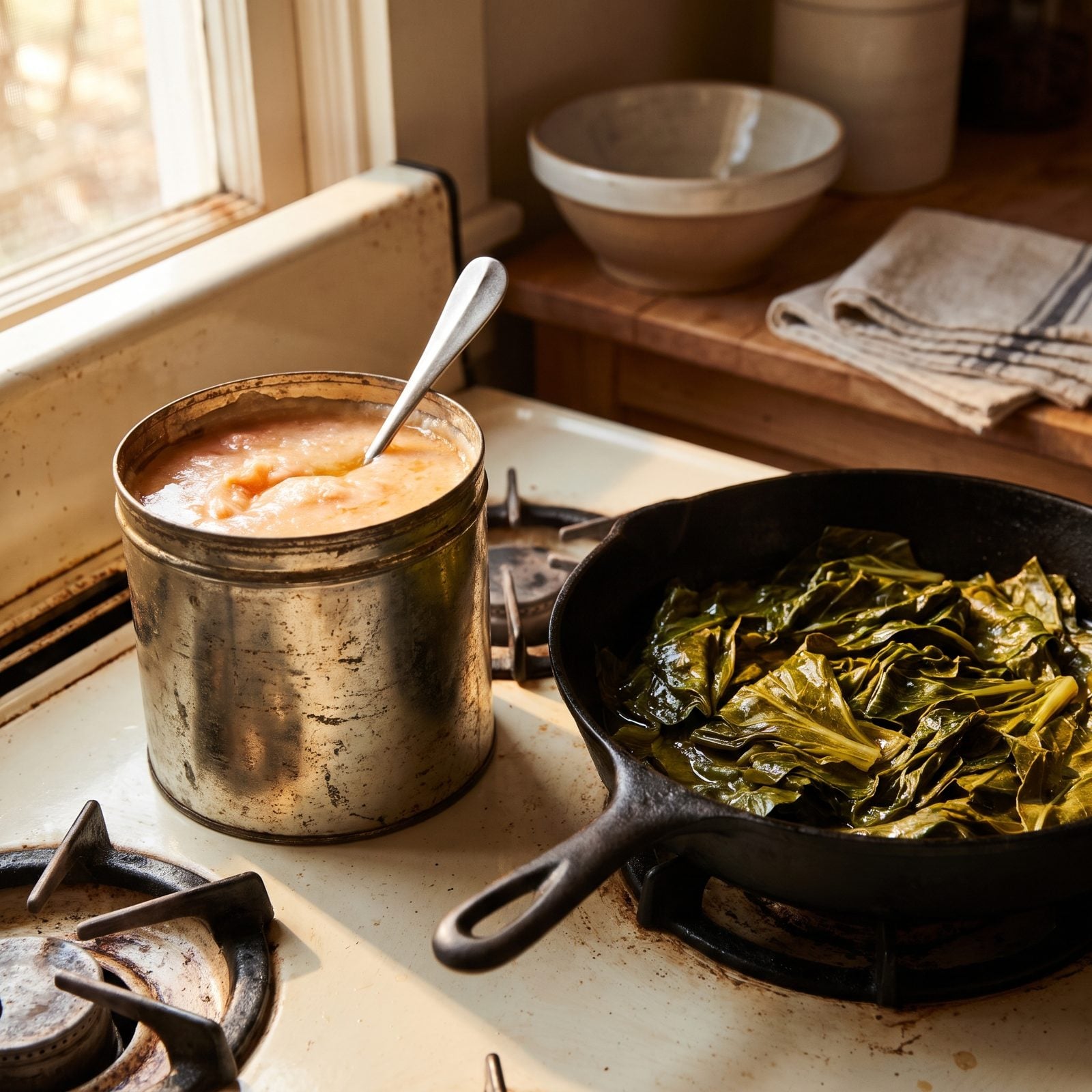
The coffee can of brown pan juices and bacon scraps by the stove did more work than almost anything else in the kitchen.
A single spoonful stirred into a pot of plain greens turned something bland and cheap into a dish people actually asked for. Nothing else in the pantry carried flavor quite like it, which is why every cook hoarded it. Greens, beans, cornbread, the first swipe in a skillet before the eggs went in — one strip of bacon seasoned a week of meals.
19. Dry Cake Became a Layered Trifle
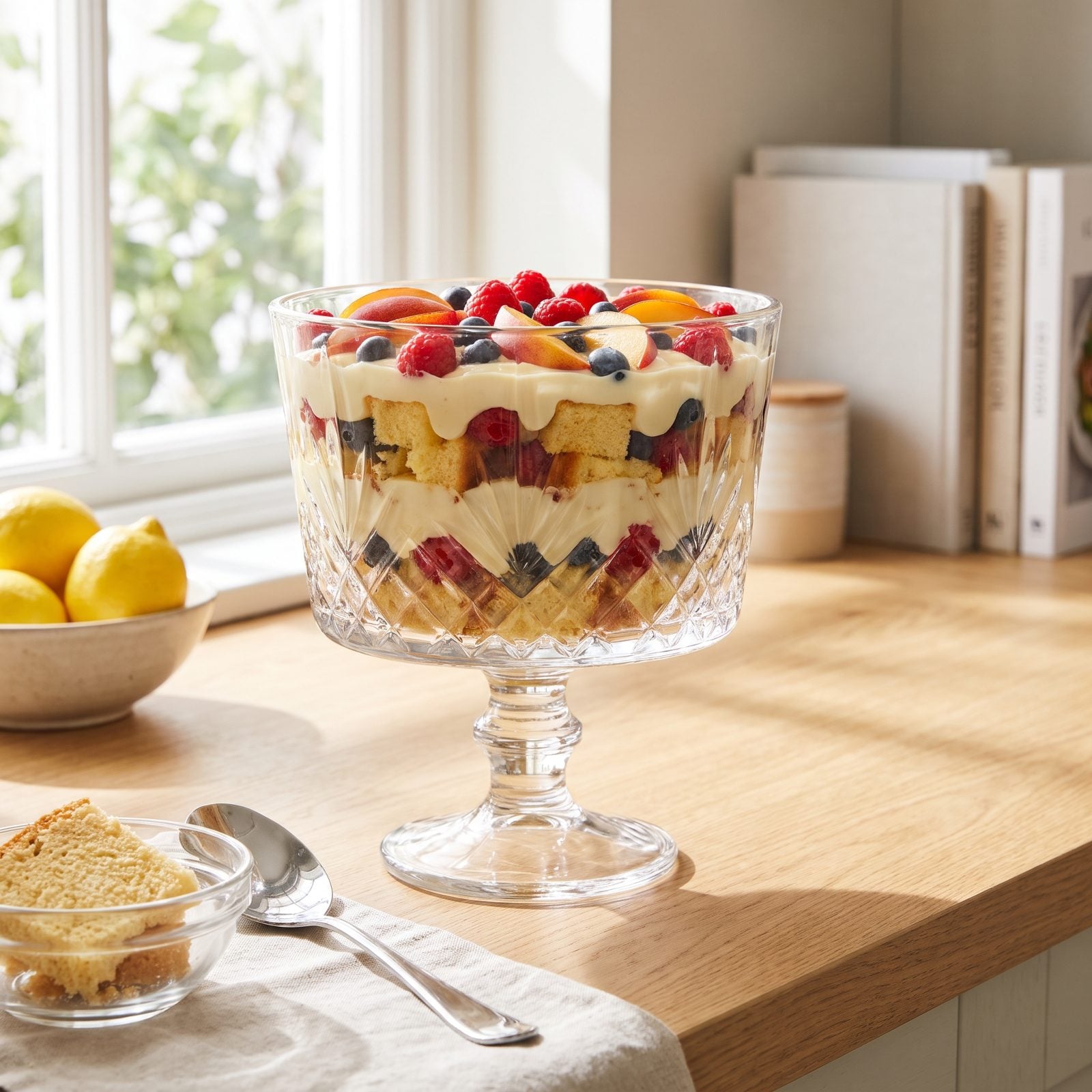
Cake went dry, nobody wanted it plain, and then it got a second life layered in a glass bowl — suddenly a company dessert.
Cubed up, moistened with a little juice or a splash of something stronger, then layered with custard and a spoonful of fruit or preserves. The dry crumb drank it all up and went soft again. Served in a clear bowl so the layers showed, it looked like you’d fussed, and the guests never suspected it started as the cake nobody finished. A thrifty ending that felt like a celebration.
18. Pickle Brine Brightened Potato Salad
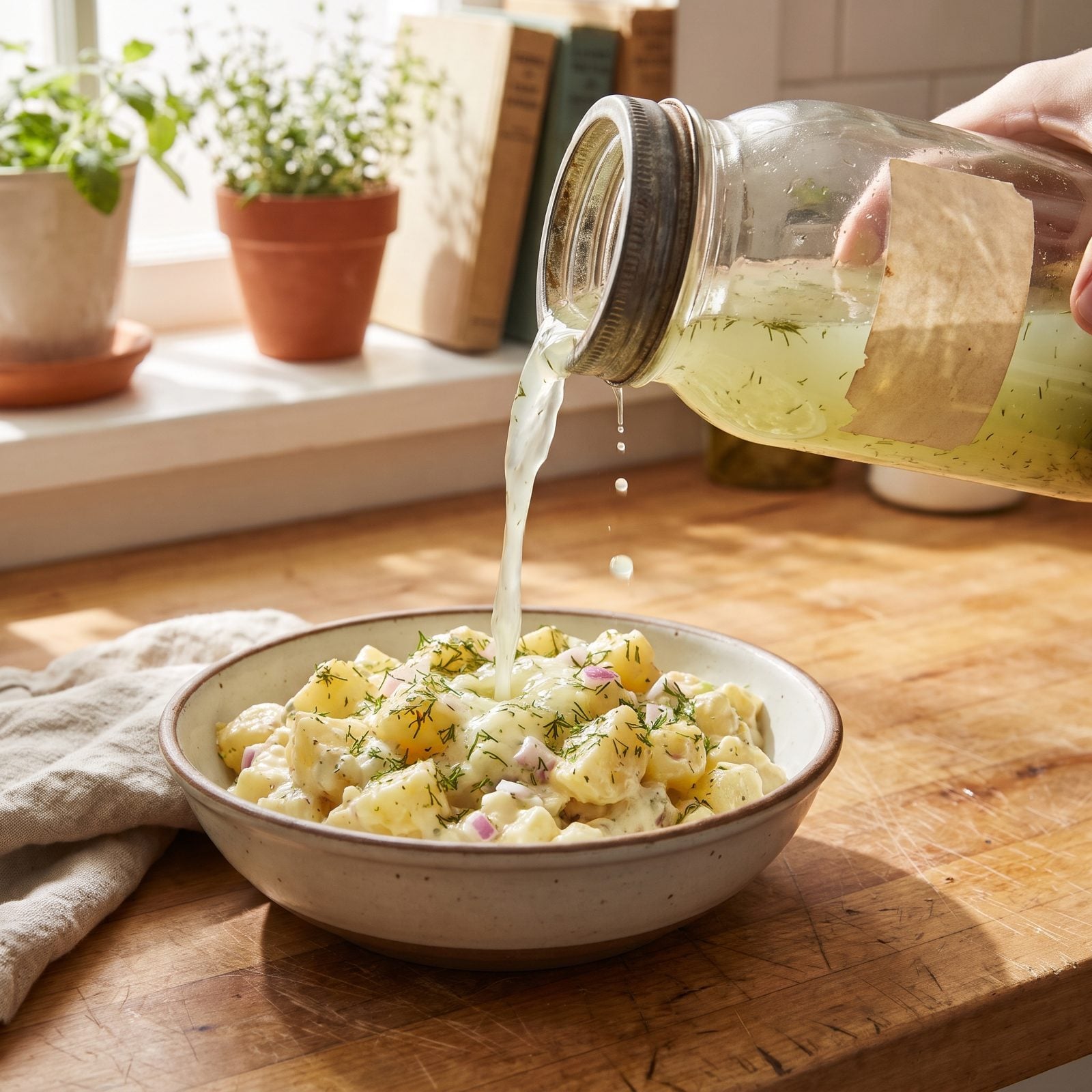
The secret was never more mayonnaise. It was the leftover juice at the bottom of the pickle jar, that cloudy brine nobody thought to pour down the drain.
A splash of it loosened a stiff bowl of potato salad and woke the whole thing up. Potatoes drink up salt and vinegar while they’re still warm, so a spoonful of brine over just-boiled spuds did more than any shaker ever could. It stretched a little dressing across a whole lot of potato — which mattered in a kitchen where nothing got wasted.
Calling pickle juice his secret ingredient, a retired dentist turned chef writes “The brine left over from a jar of good-quality dill pickles provides both salt and acidity. When sprinkled over still-warm, steaming potatoes, the pickle juice will seep into their centers, making them flavorful all the way through.”
17. Bits of Ham Seasoned a Pot of Beans
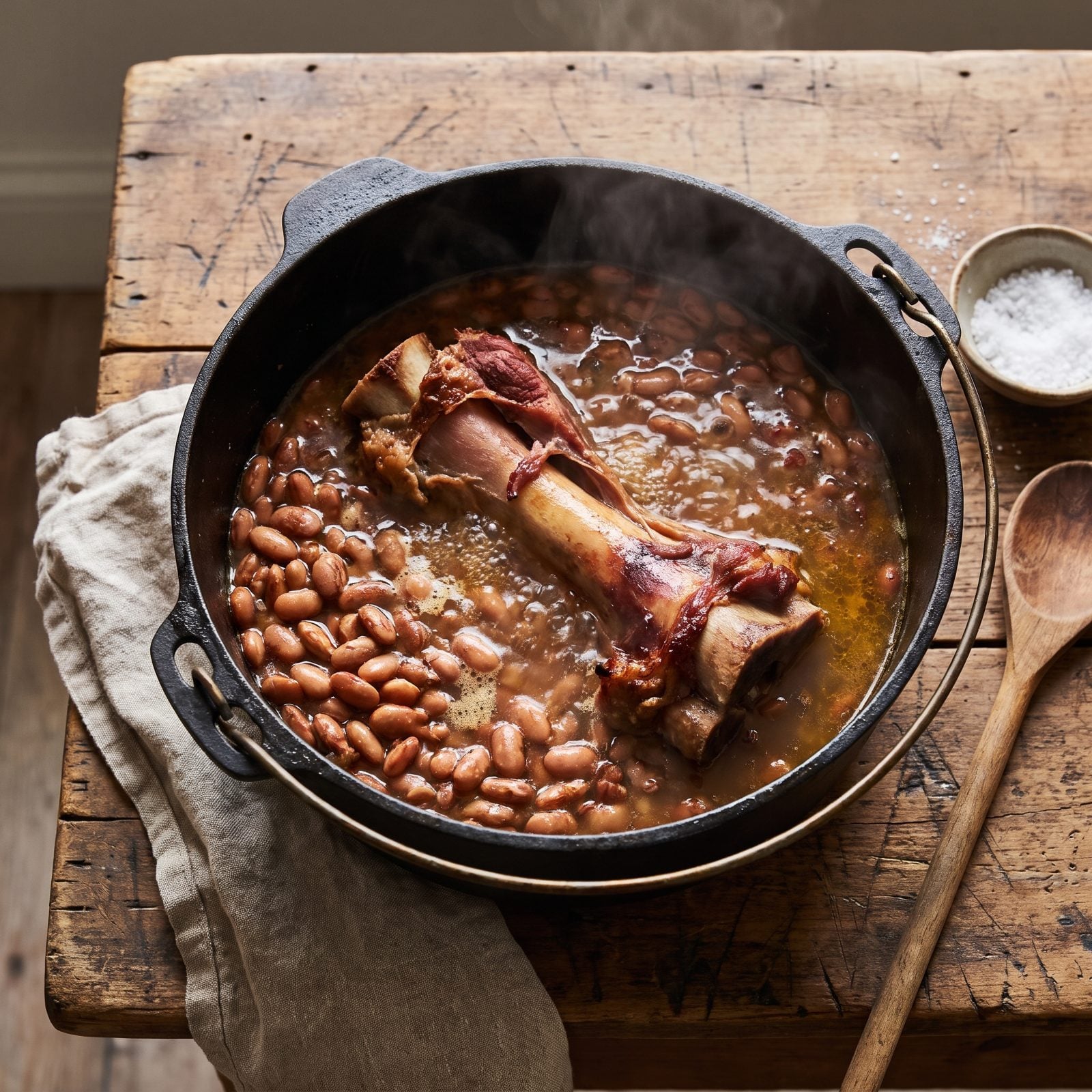
A ham bone with barely a scrap of meat left on it got treated like treasure. You simmered it low in a pot of dried beans, and it gave back everything — smoke, salt, and a richness no amount of plain water ever managed.
By the time the beans went soft, the little clinging bits of ham had fallen off and scattered through the pot. One Sunday ham could carry three or four weekday suppers that way, the bone doing the heavy lifting long after the roast was a memory.
16. Dry Biscuits Became Fruit Cobbler Topping
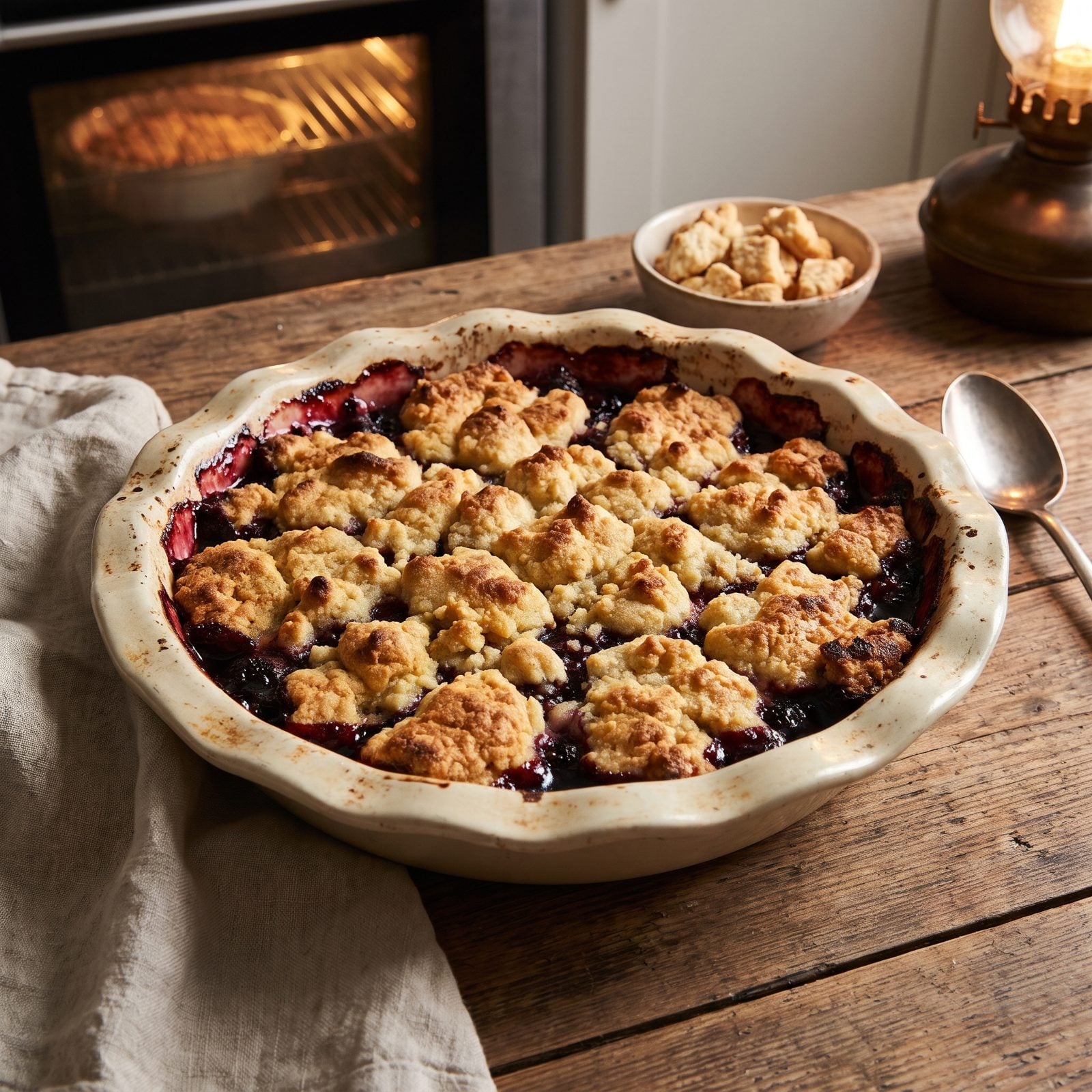
Nobody throws away a biscuit in a Depression kitchen. Even the ones that went rock-hard by the second morning had a job waiting.
You broke them into rough chunks and pressed them over a dish of stewed fruit — whatever was going soft in the bowl or coming cheap at the tail end of market day. Into the oven it went, and the dry biscuit drank up the hot syrup and turned golden on top. A dessert out of a dead loaf and a handful of bruised fruit. That’s thrift you can taste.
15. Cooked Fish Became Potato Fish Cakes
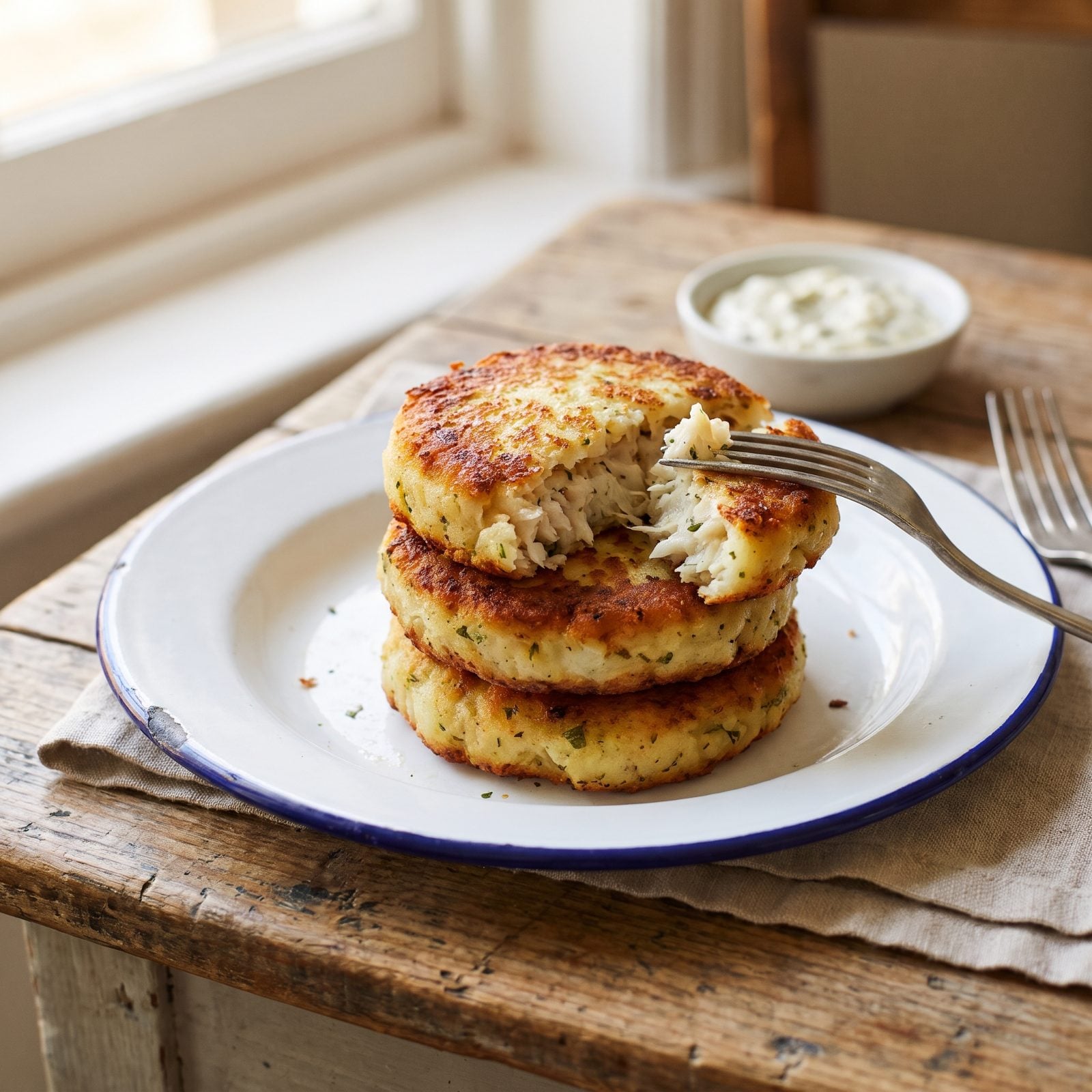
A little cooked fish left from last night — maybe not even a full serving — folded into cold mashed potato and bound with an egg. Shape it into patties, dust them, fry them till the outside crackled.
The potato stretched a scrap of fish into a proper plate of food. Fried crisp and golden, nobody at the table counted how little fish actually went in. A squeeze of whatever was around, a bit of chopped green on top, and a Monday supper came together out of Sunday’s leftovers.
14. Cornbread Crumbs Became Poultry Dressing
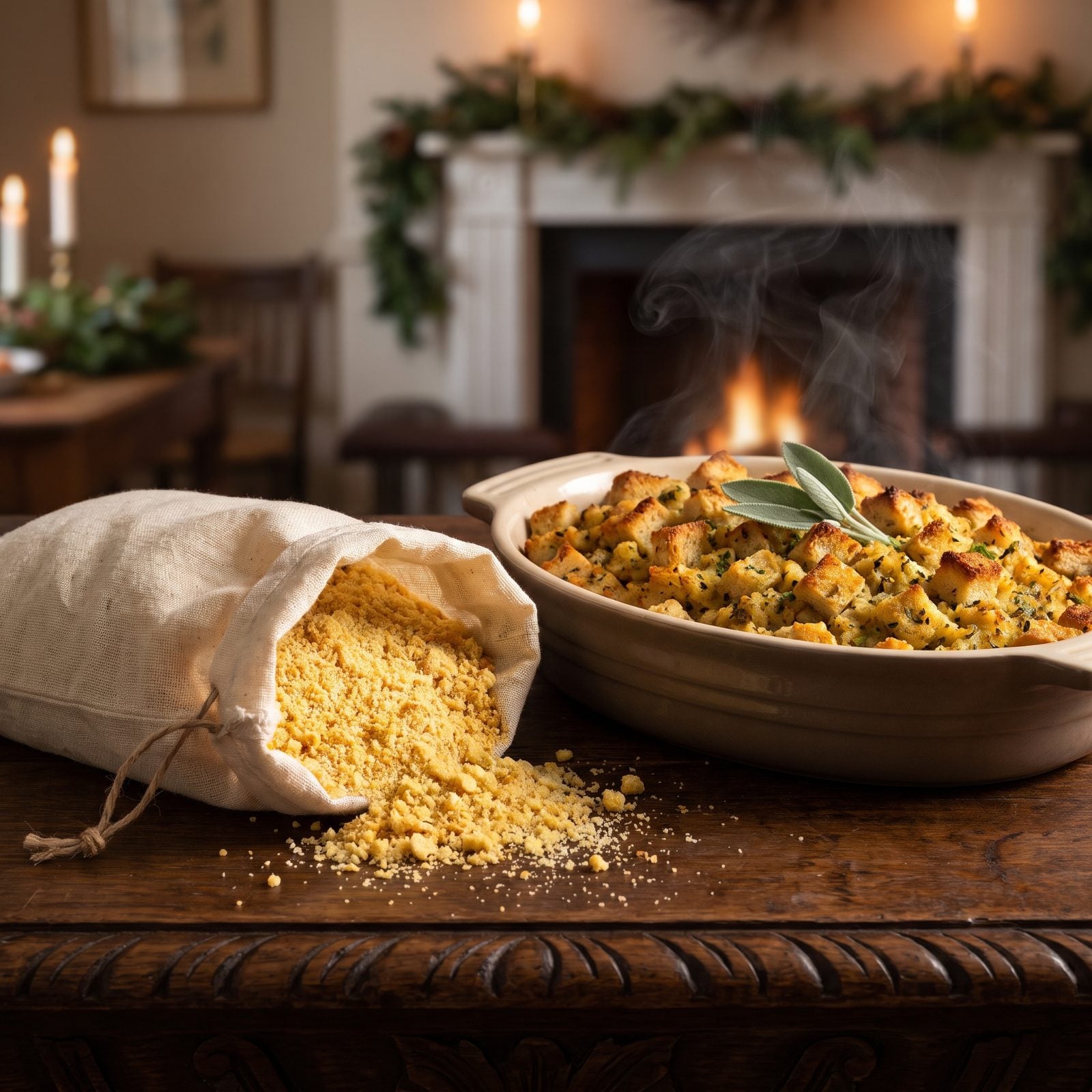
Cornbread crumbs saved in a jar or a cloth sack were the start of the best part of any holiday table. Dry, a little stale, even the end pieces nobody wanted on their plate — all of it went in.
Moistened with a bit of broth, seasoned with onion and sage, baked till the top crisped up, those humble crumbs became the dressing everyone fought over. And the cornbread had to be stale to work. Fresh crumb turned to mush, but a few days of drying out gave it the body to soak up flavor and hold its shape.
13. Citrus Peels Became Candied Sweets
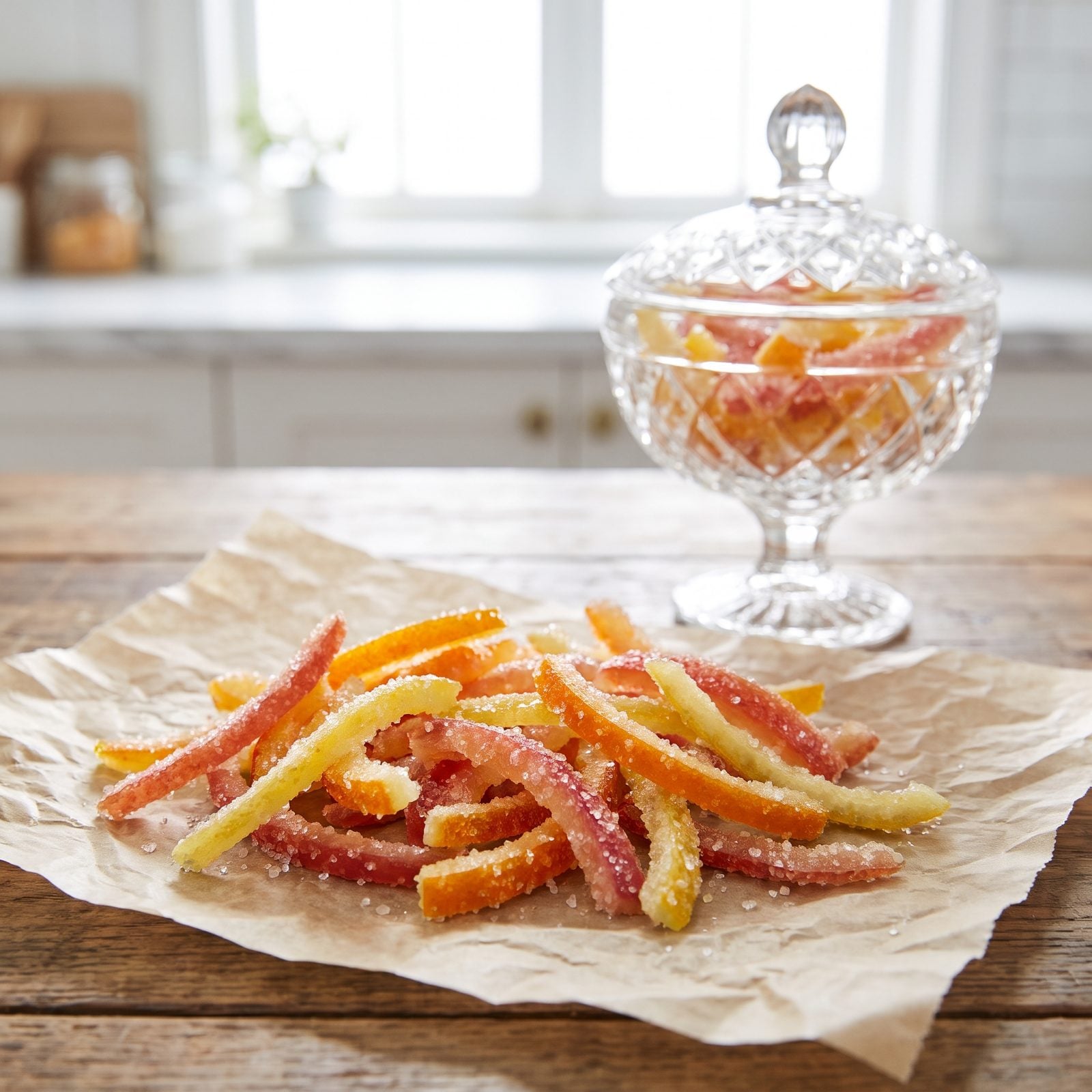
Orange and lemon peels were too precious to toss, especially around the holidays when citrus was a real treat. The peels simmered slow in sugar syrup until they turned glossy and tender, then rolled in sugar to dry.
What was headed for the scrap pail became candy — a little sweet to hand the children, or to chop into a cake. Nothing about the fruit went unused, right down to the rind.
12. Leftover Coffee Flavored Chocolate Cake
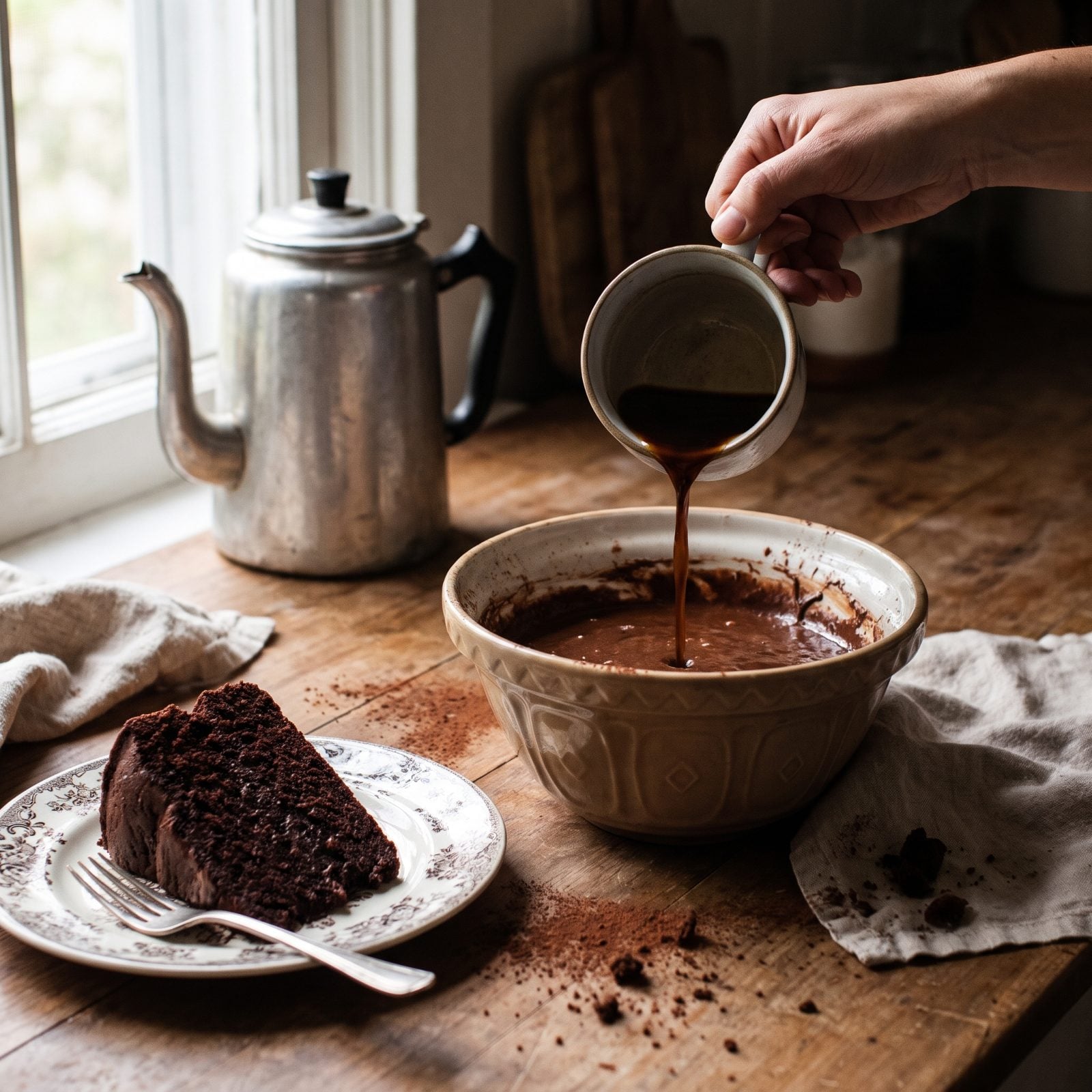
The last inch of cold coffee in the pot never went down the drain. It went into the cake batter, poured slowly into the mixing bowl.
Coffee and chocolate were made for each other, though most folks adding that leftover cup didn’t think of it that way. They just knew it deepened the flavor, moistened the crumb, and cost nothing. A plain slice of chocolate cake turned richer and moister on the strength of what was left in the morning pot.
The best chocolate cakes in that era owed their depth to a pot of coffee nobody wanted to waste.
11. Gravy Became the Base of Tomorrow’s Stew
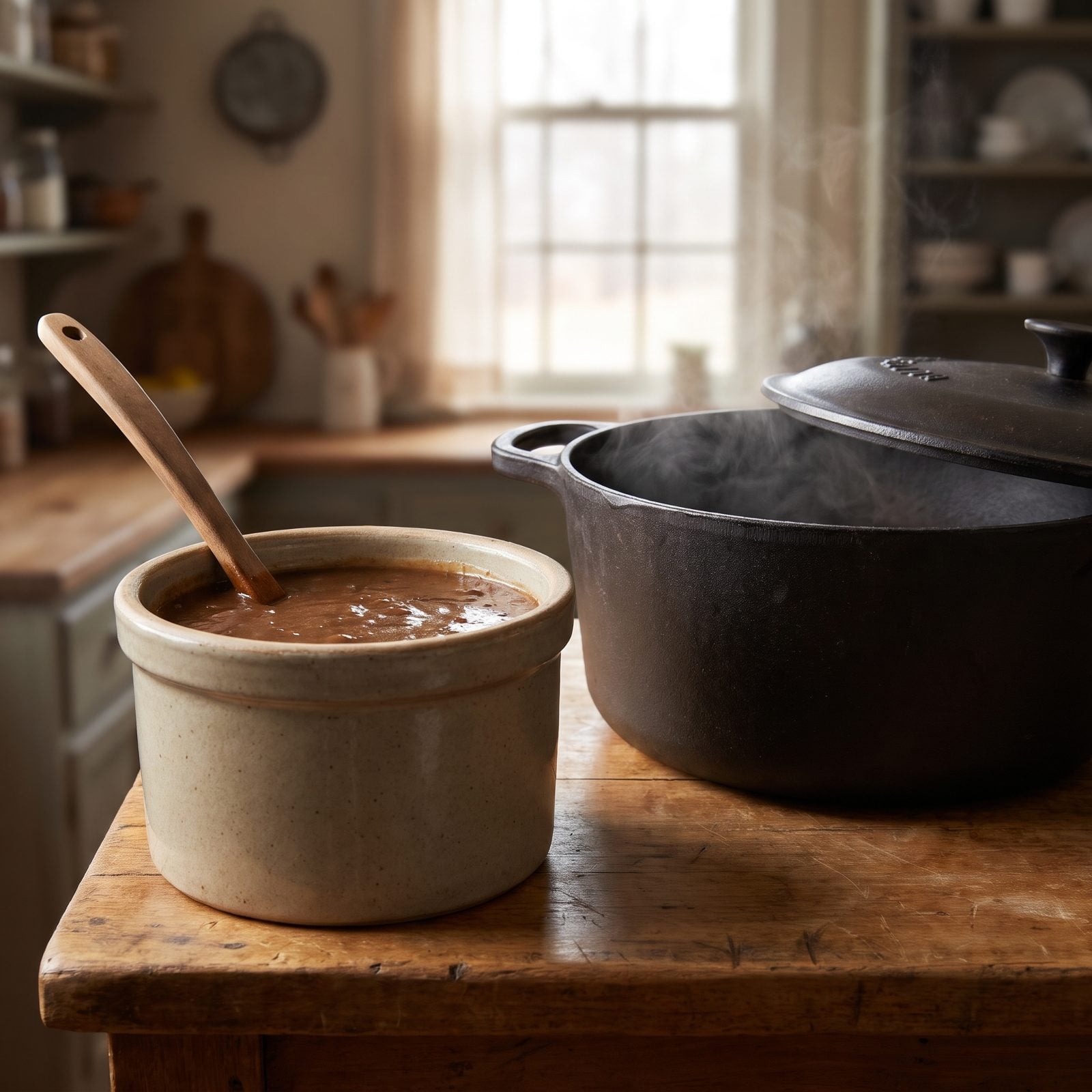
A cup of gravy left over from the roast wasn’t a sad little leftover. It was a head start.
Stored in a crock and pulled out the next day, it became the backbone of a stew. All that flavor — the fond scraped from the roasting pan, the fat, the seasoning — had already done its work. Add a bit of water, whatever vegetables were on hand, and any scrap of meat, and you had a full pot of supper that tasted like it simmered all day. The gravy carried yesterday’s dinner straight into today’s.
10. Pan Drippings Flavored Warm Potato Dressing
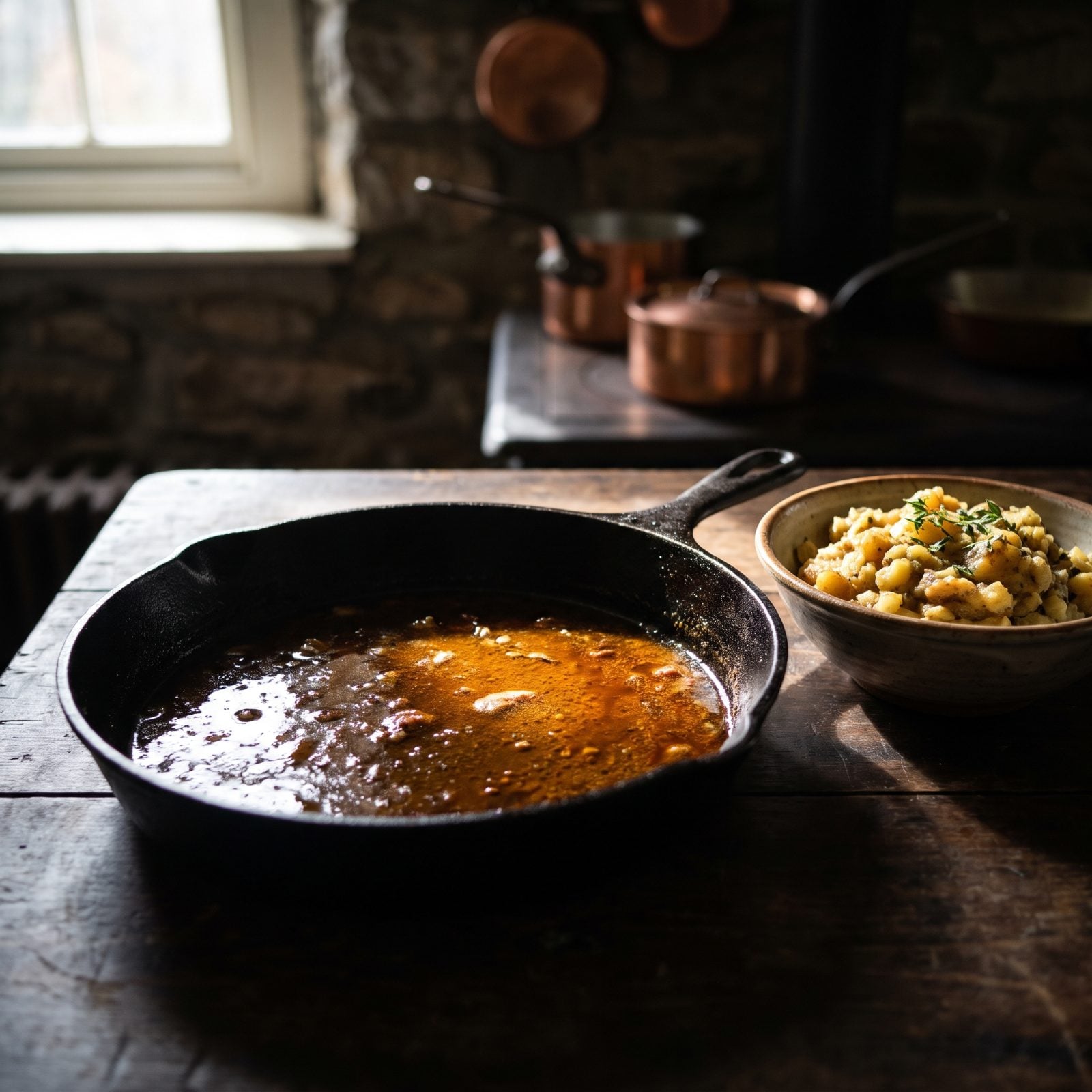
After the meat came out of the skillet, a pool of amber drippings stayed behind — and that pool was the whole flavor of the dish waiting to happen.
You loosened it with a splash of vinegar, poured it hot over sliced boiled potatoes, and the warm spuds soaked it up on contact. Served warm, never chilled, so the dressing stayed glossy and the potatoes stayed tender. A few crisp browned bits scraped from the pan went in too. That skillet of fat was never grease to throw out. It was seasoning you’d already paid for.
9. Cooked Cabbage Became Bubble and Squeak
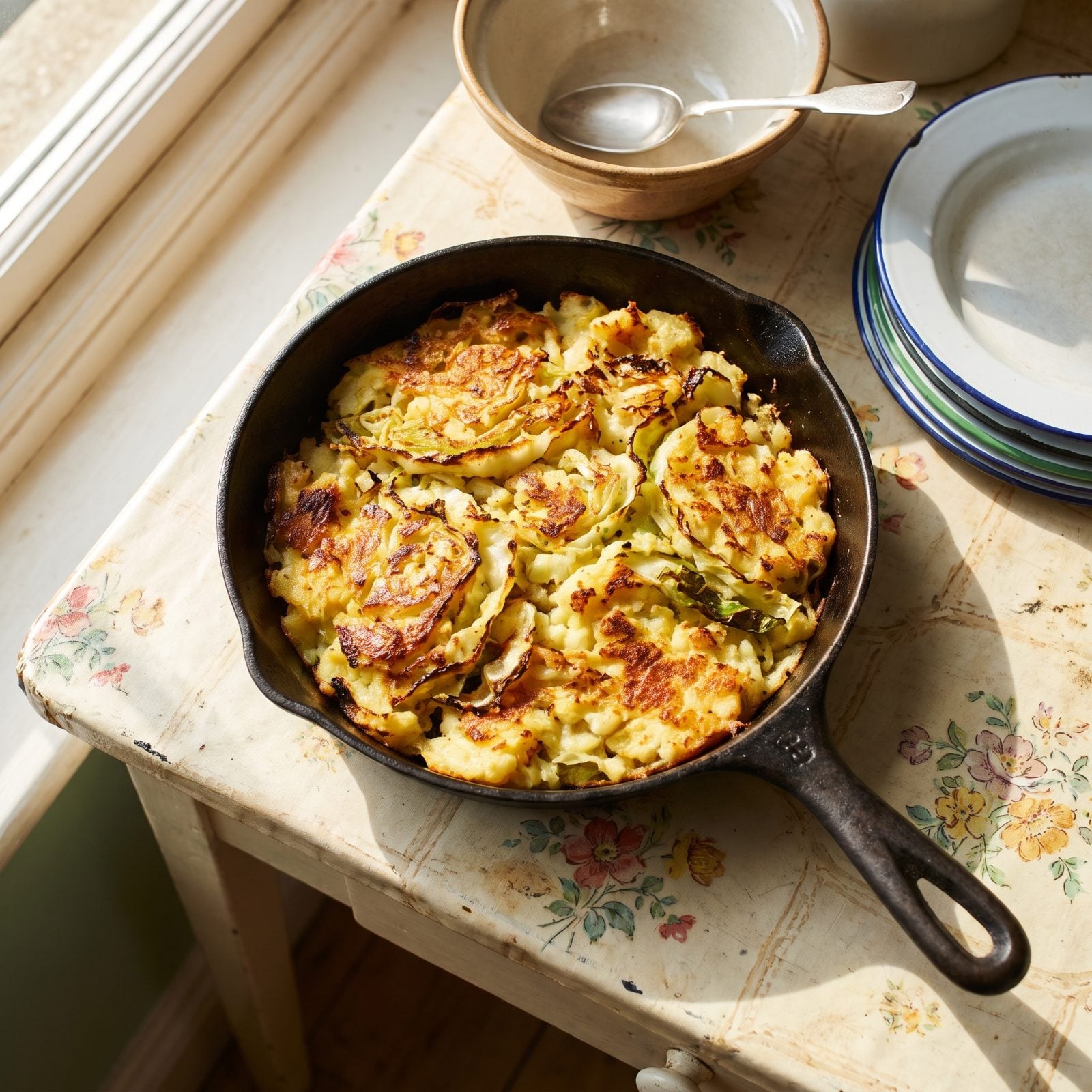
Cold cooked cabbage and leftover mashed potato, pressed together in a hot skillet and left alone to brown. The name came from the sound it made — bubbling and squeaking as it fried.
You didn’t stir it much. The whole trick was leaving it still long enough to build a crisp golden crust on the bottom, then flipping it in one piece if you were lucky or in rough chunks if you weren’t. Either way, two tired leftovers turned into a hot, crisp breakfast nobody left on the plate. And we’ll take a good browned edge of bubble and squeak over most fancy brunches, no apology.
8. Last Night’s Rice Woke Up as Cinnamon Breakfast Porridge
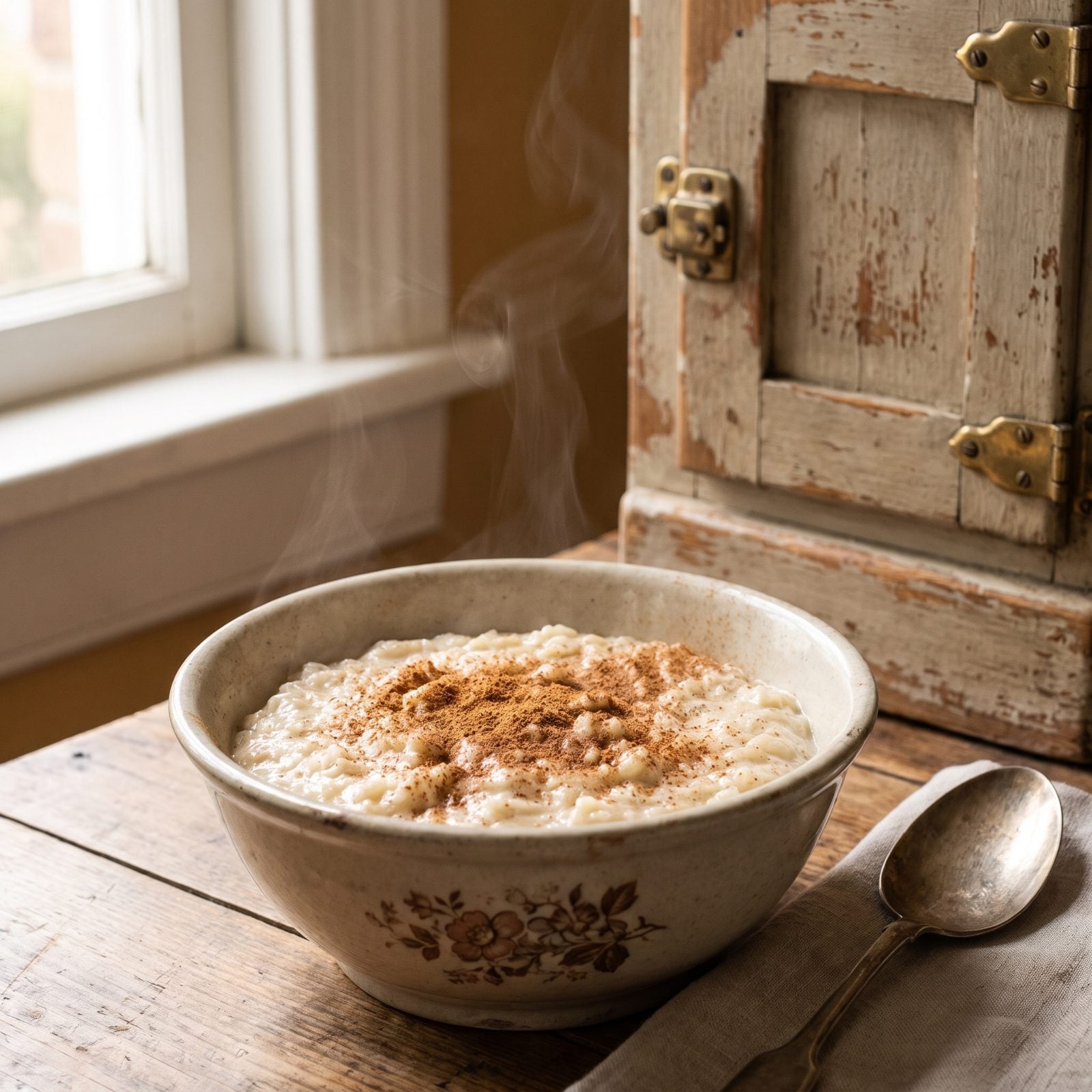
Half a cup of cold rice in a covered bowl in the icebox wasn’t leftovers. It was tomorrow’s breakfast, and everybody knew it.
You warmed it slow with milk, a spoon of sugar, and whatever cinnamon still rattled around the tin, and after fifteen minutes on low heat the stiff clumped grains loosened back into something soft and sweet. A raisin or two if the house ran to raisins that week. One pot of supper rice became a second morning meal, no new ingredient needed.
7. Cold Supper Noodles, Baked Into a Sweet Pudding
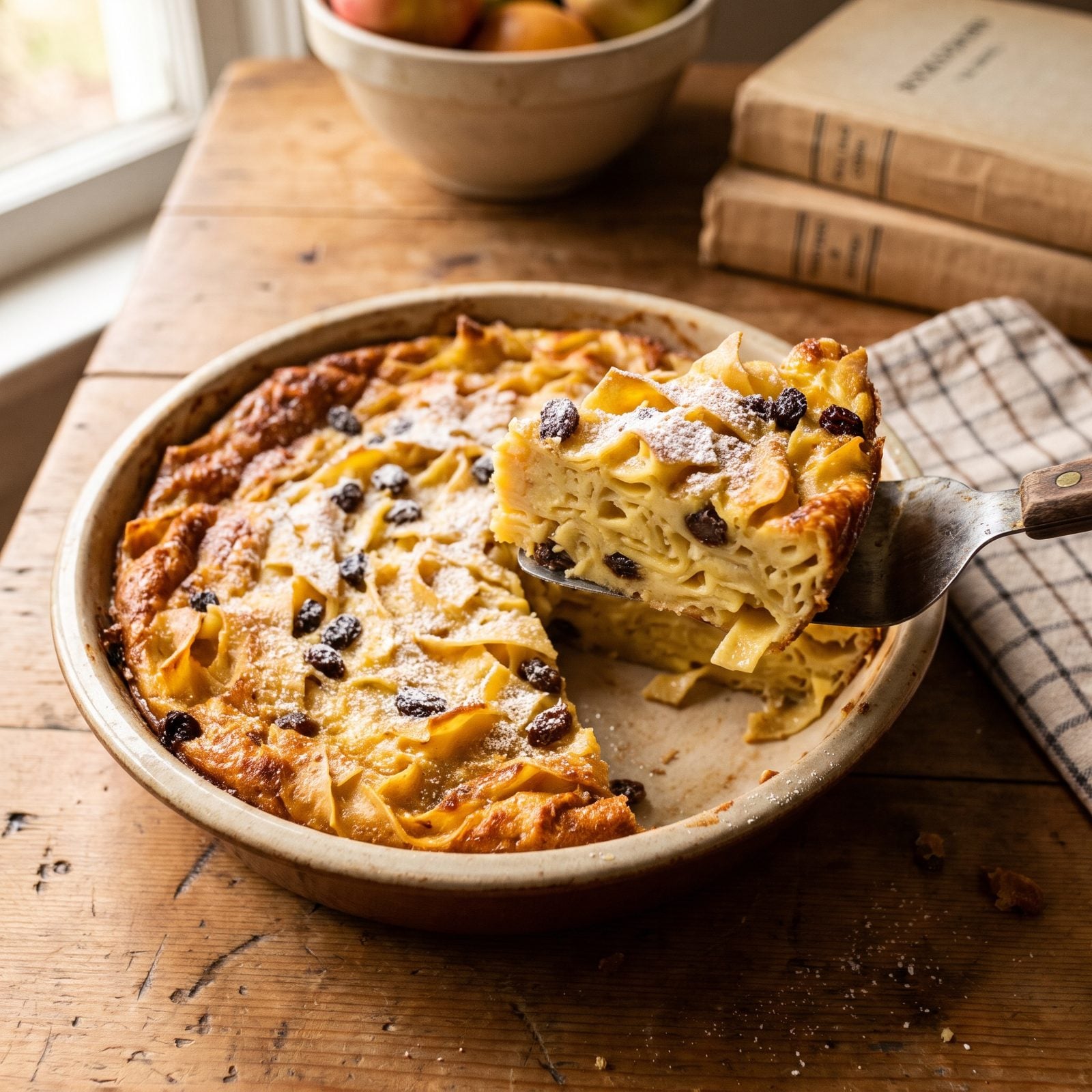
Noodles that went cold and a little sticky by morning had one honest future: pudding.
You beat up an egg or two with milk and a spoon of sugar, folded in the noodles, scattered raisins if you had them, and baked it until the top set and crisped. What came out landed somewhere between a side dish and a dessert — served warm after supper, or cut cold for a lunch pail. And here’s where day-old noodles actually earned their keep. Fresh ones turned to mush. The cooled ones held their shape and drank up the custard without collapsing.
6. The Last of the Cracker Box, Crushed Over a Casserole
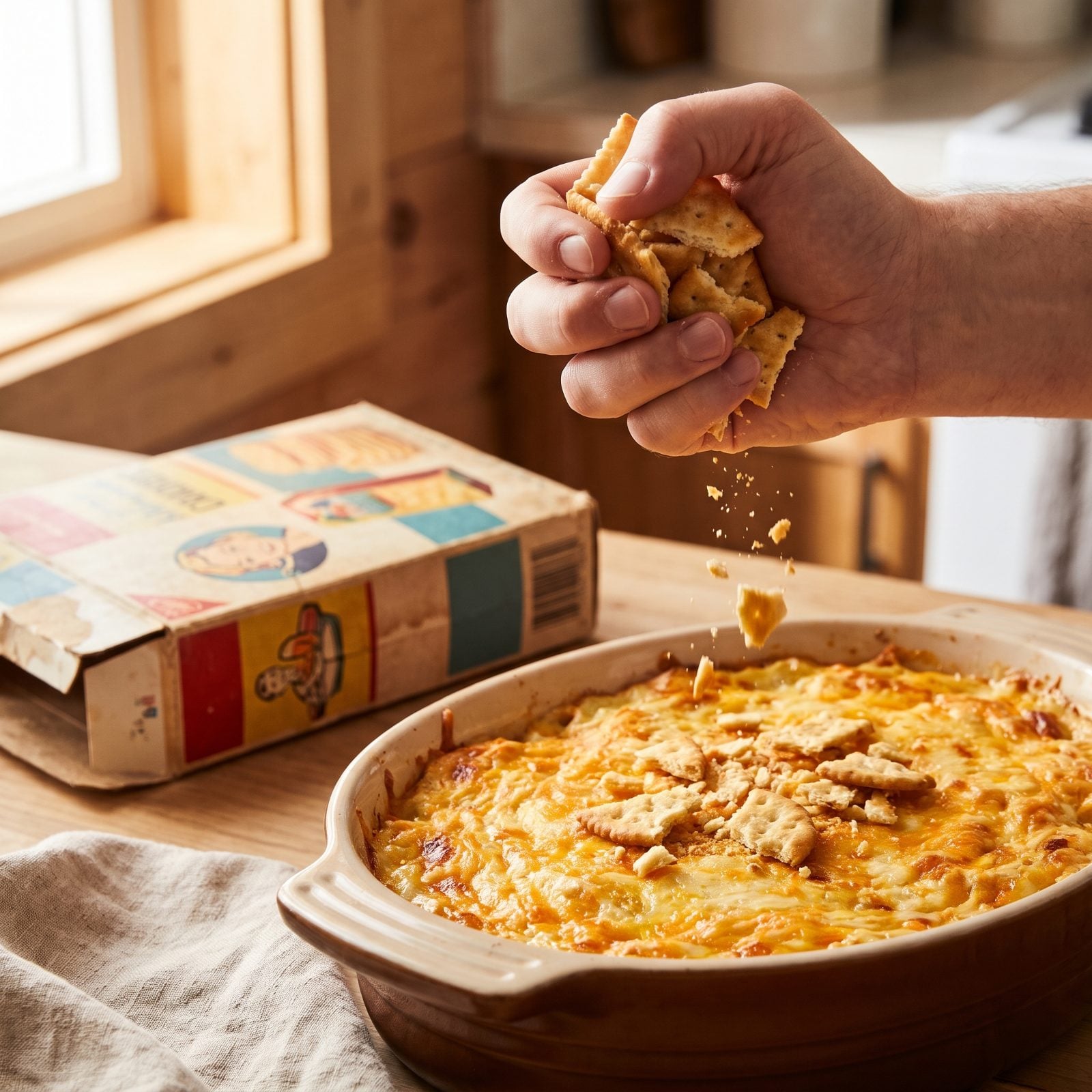
Never throw out the bottom of the cracker box. Those broken, slightly soft saltines at the end were the best casserole topping a thrifty kitchen had.
You crushed them under a rolling pin on a sheet of wax paper, tossed the crumbs with a little melted drippings or butter, and showered them over whatever was baking. In the oven they crisped back up and went golden — a crunchy lid over a soft dish of vegetables or a thin stretch of meat. You couldn’t set limp crackers out plain for company. Browned on top of a casserole, though? Nobody could tell they’d ever gone soft.
5. Egg Whites You Didn’t Need, Turned Into Meringue Kisses
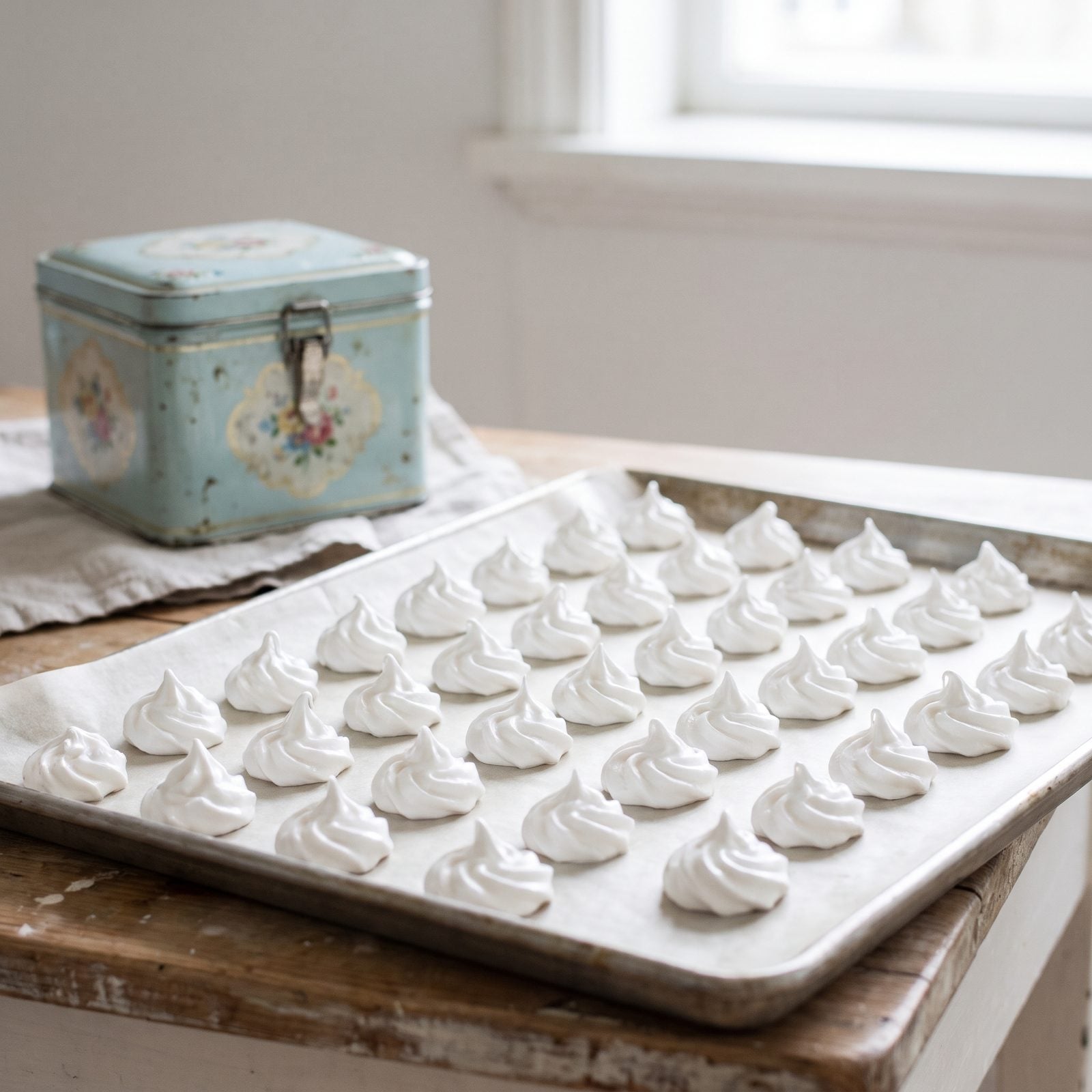
Make a custard or a yellow cake and you were left holding a bowl of egg whites, too good to pour down the drain.
Beaten with sugar until they stood up in stiff peaks, dropped in little spoonfuls on a baking sheet, dried slow in a cool oven — they turned into meringue kisses. Light, sweet, barely more than air and sugar. A whole plateful from two whites and a handful of sugar is about as far as pantry economy can stretch.
The children got them as a treat. The grown-ups knew they were really a way to make sure nothing from the egg went to waste.
4. Spare Yolks Stirred Into a Richer Custard
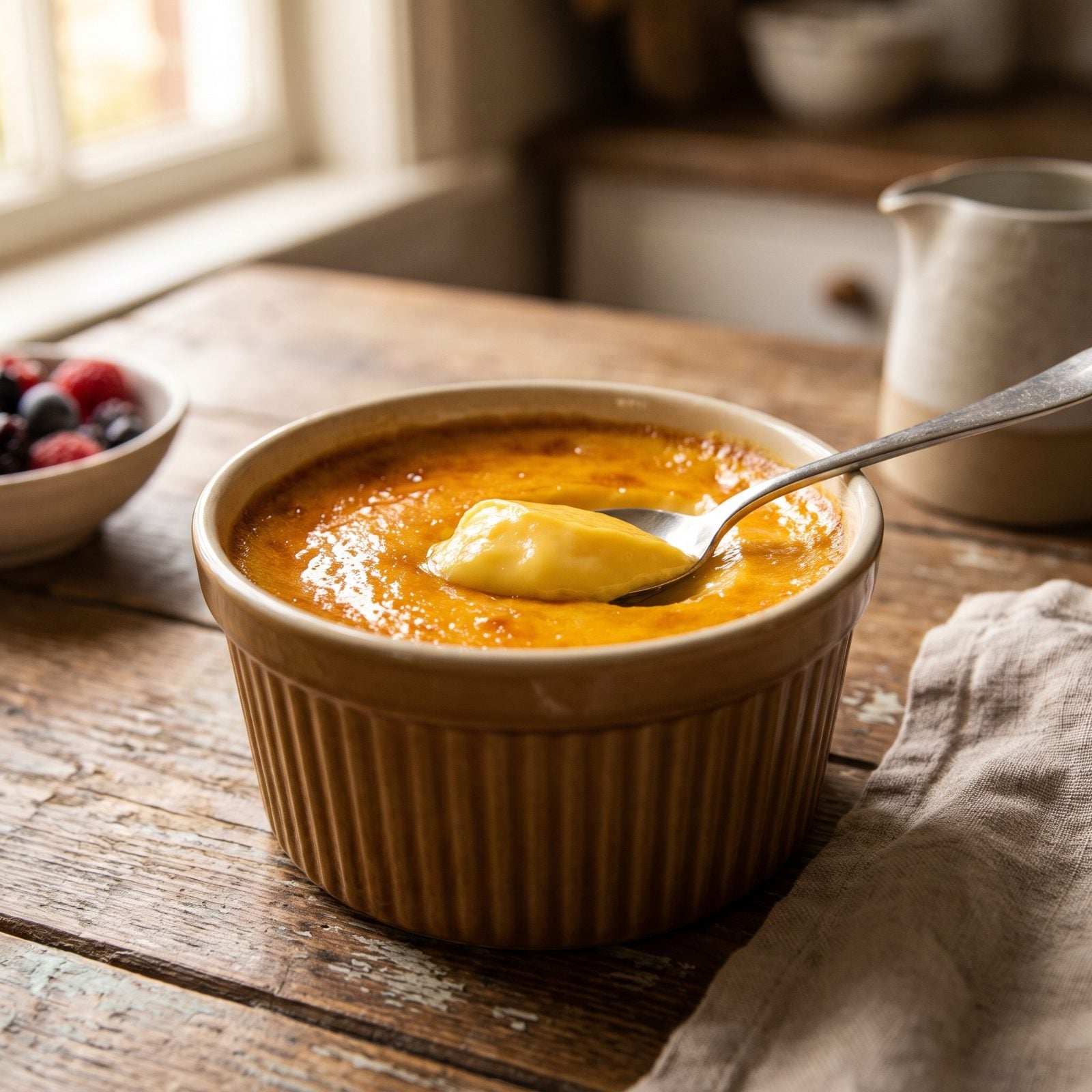
The yolks left over from a batch of meringue or an angel cake had somewhere to go, and that somewhere was custard.
Whisk a couple of extra yolks into warm milk and sugar and a thin, watery custard sets up silky and deep gold. The economy ran both directions. The whites became kisses. The yolks became dessert. One bowl of eggs did the work of two separate indulgences.
3. Dried-Out Cheese Ends, Pounded Into Potted Cheese
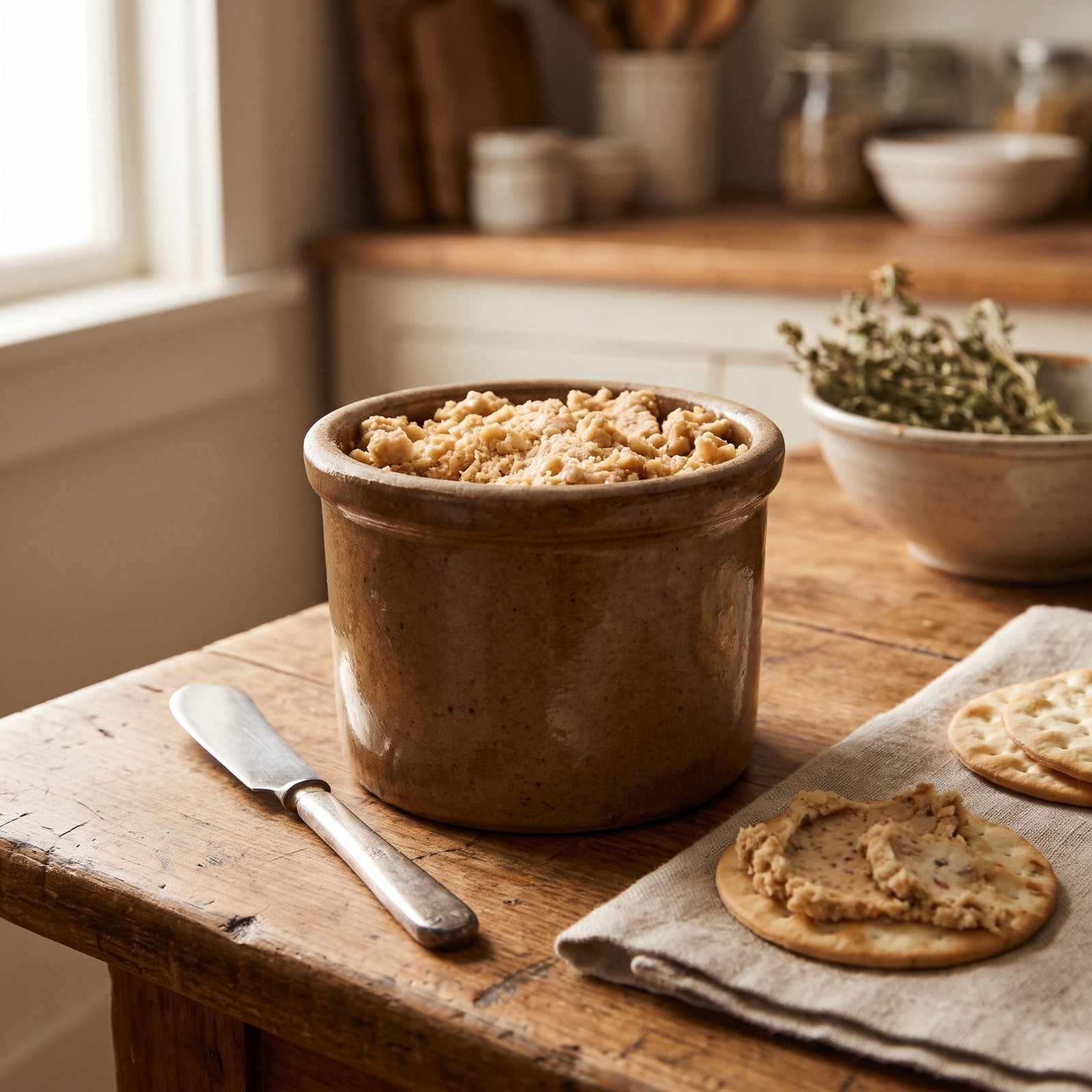
The hard, forgotten cheese ends weren’t garbage. They were the start of something you’d actually want on your bread.
Every dried-out nub and rind-edged scrap got grated or pounded fine, worked smooth with a little soft butter and a shake of mustard or pepper, then packed into a small crock. Pour a thin layer of melted butter over the top and it sealed, keeping a week or more on the cool pantry shelf.
Spread thin over bread, potted cheese tasted deliberate, not like a rescue. And that’s really the whole trick of Depression cooking — the humblest scrap, handled with a little care, stops looking like a scrap.
2. Wilted Celery Tops Dropped Straight Into the Stock Pot
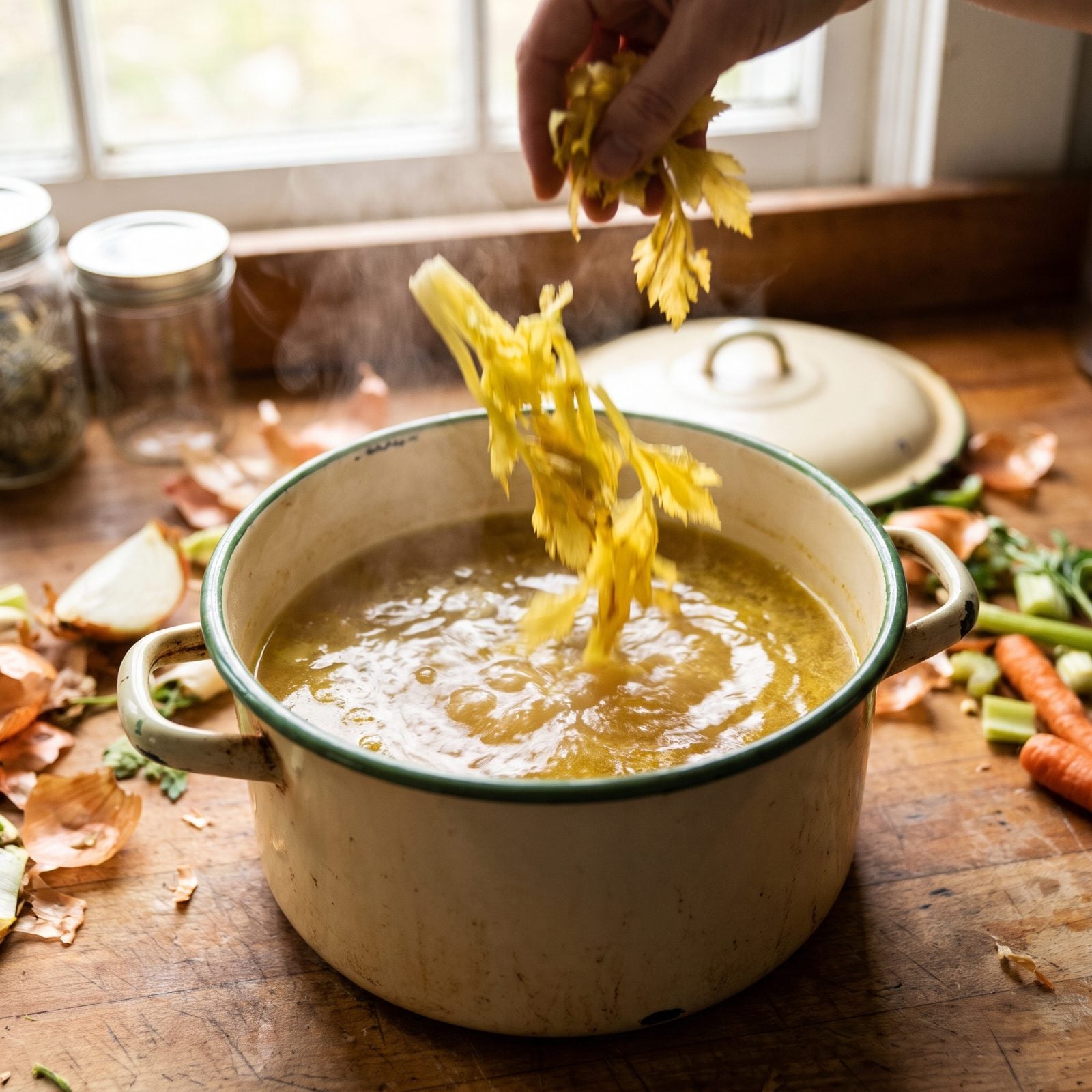
The feathery leaves at the top of a celery bunch and the pale stub ends nobody wanted to eat raw went into one place: the stock pot.
Even gone limp, those leaves carried a surprising amount of flavor — more than the stalks, sometimes. A thrifty cook kept a bowl near the stove and dropped in celery tops, onion skins, carrot ends, and wilted parsley stems all week long. Come stock day, that bowl of so-called trash simmered into a broth with real backbone, the base for soup that cost next to nothing.
1. The Spotty Bananas Nobody Would Eat, Baked Into Tea Bread
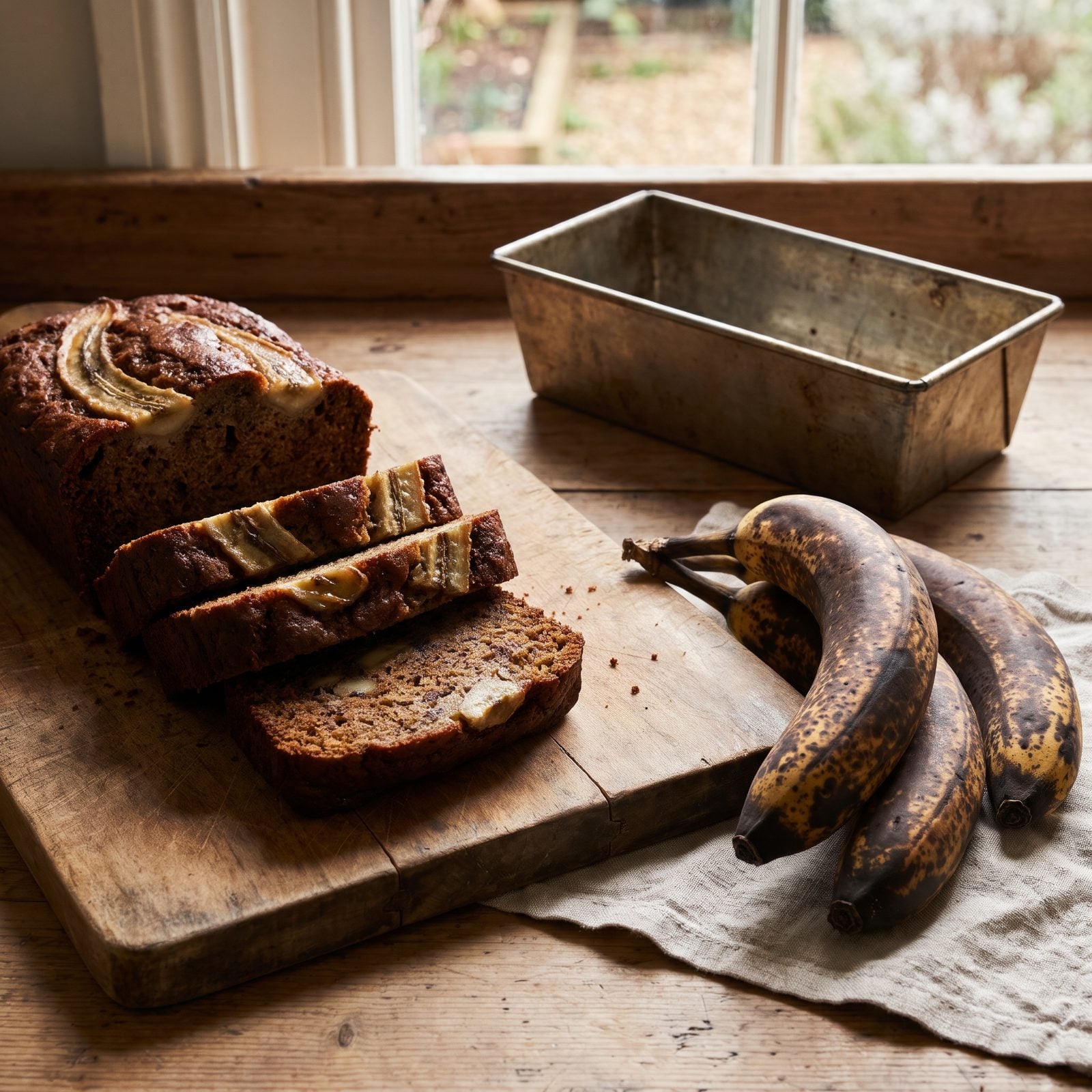
Bananas going black on the counter looked like a loss. They were, in fact, the best thing that could happen to them.
The spottier and softer they got, the sweeter they baked. Mashed with a little sugar, an egg, and some flour, they turned into a loaf of tea bread that tasted richer than anything made with firm fruit — more sweetness, more moisture, no waste, no apology.
And a loaf like this stretched. Sliced thin for an afternoon cup, packed into a lunch pail, set out when neighbors dropped by. Three bananas past their prime became a week of small pleasures, which is about the most honest thing a worn-out piece of fruit can do.
Explaining why spotty bananas bake best, a food scientist turned baker notes “As bananas ripen, starch is broken down into simpler sugars, making them sweeter and softer. That’s why overripe bananas are ideal for banana bread: they add natural sweetness, moisture, and flavour.”