
Would you like to save this?
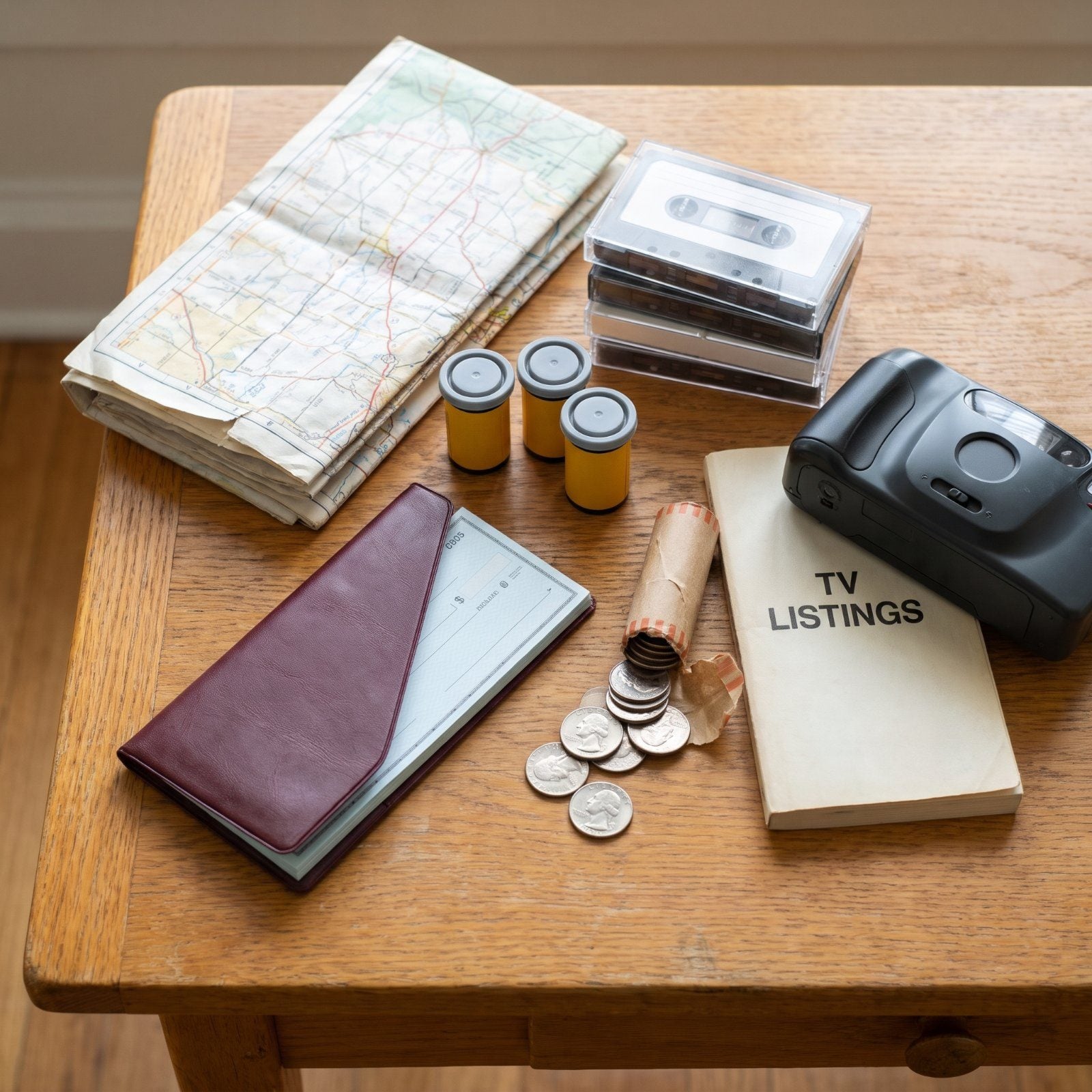
There was a drawer in every 1985 house that doesn’t exist anymore. The one with the loose quarters, the folded gas-station map gone soft at the creases, a couple of blank cassettes, and a checkbook in its little vinyl cover. You spent real money on all of it, every month, without thinking twice. Then phones and screens quietly ate the whole drawer. These are the purchases that felt permanent back then and vanished so completely your kids would need them explained.
Please note that some of the images in this article were created with the assistance of AI.
33. The Encyclopedia Set a Salesman Sold You at the Kitchen Table

A man in a tie would come to your door, sit down at your kitchen table, and sell your parents the idea that your whole future hinged on twenty-seven navy-blue volumes. The payment plan ran a year. Those books weighed a ton and smelled like fresh ink and ambition.
You did your fifth-grade volcano report straight out of one of those navy volumes. By the time you graduated, half the entries had already gone stale, and that’s exactly what killed the business. A set that cost a month’s salary and expired in a decade never stood a chance against a free search box.
32. Buying Rolls of 35mm Film and Praying You Got the Shot
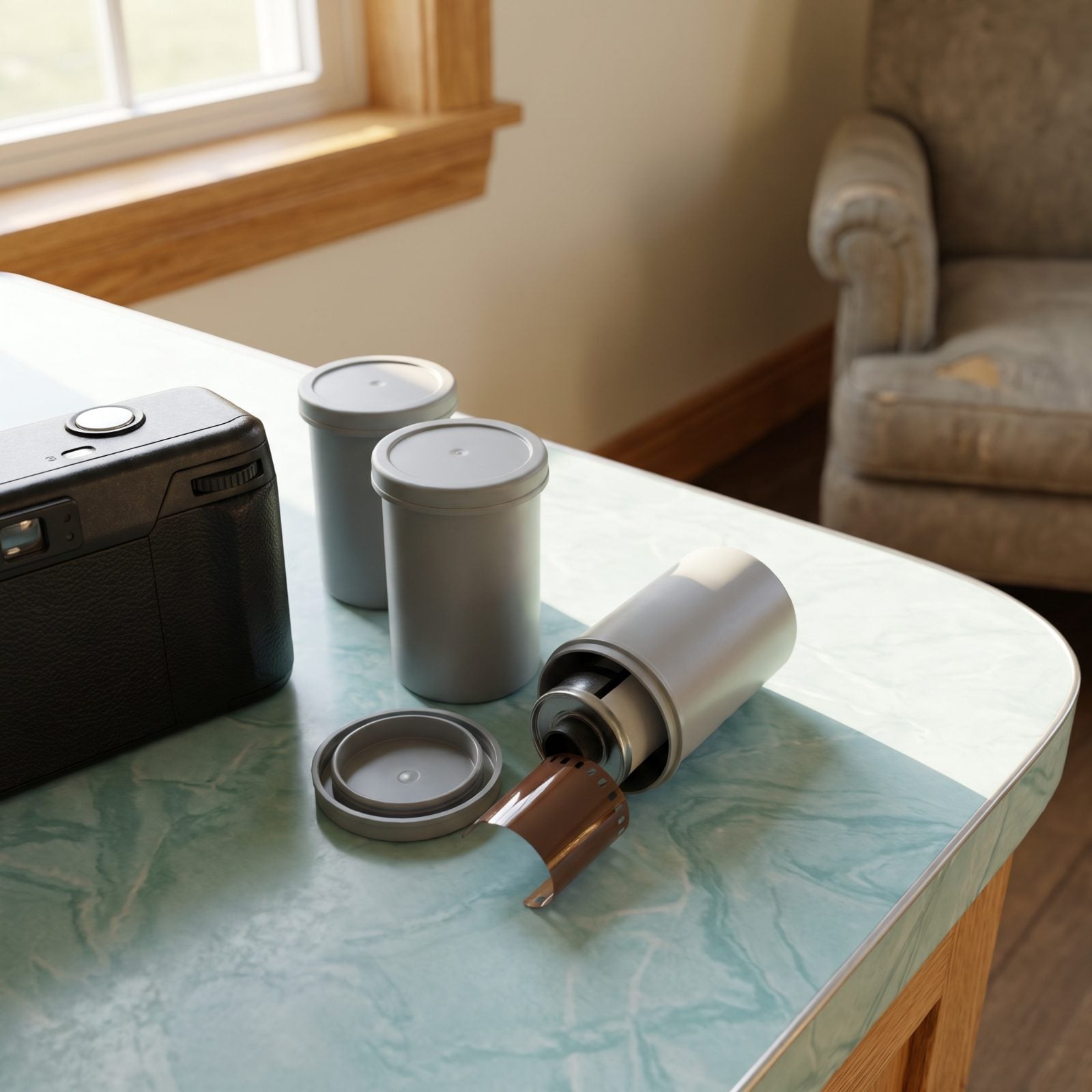
Twenty-four exposures. Maybe thirty-six if you splurged. That was the entire budget for your kid’s birthday party, and you rationed every frame like cash. Nobody fired off six shots to land one good one — you took the single frame, held your breath, and hoped nobody blinked.
The waiting was the real torture. You wouldn’t know if the photos came out for days, sometimes weeks if you let a roll sit half-finished in the camera. Then a whole generation got a phone that holds thousands of pictures and shows you the result right now. Film never lost on quality. It lost on the gut-punch of a blurry, overexposed roll you’d already paid to find out about.
31. Grabbing TV Guide Off the Rack Every Single Week
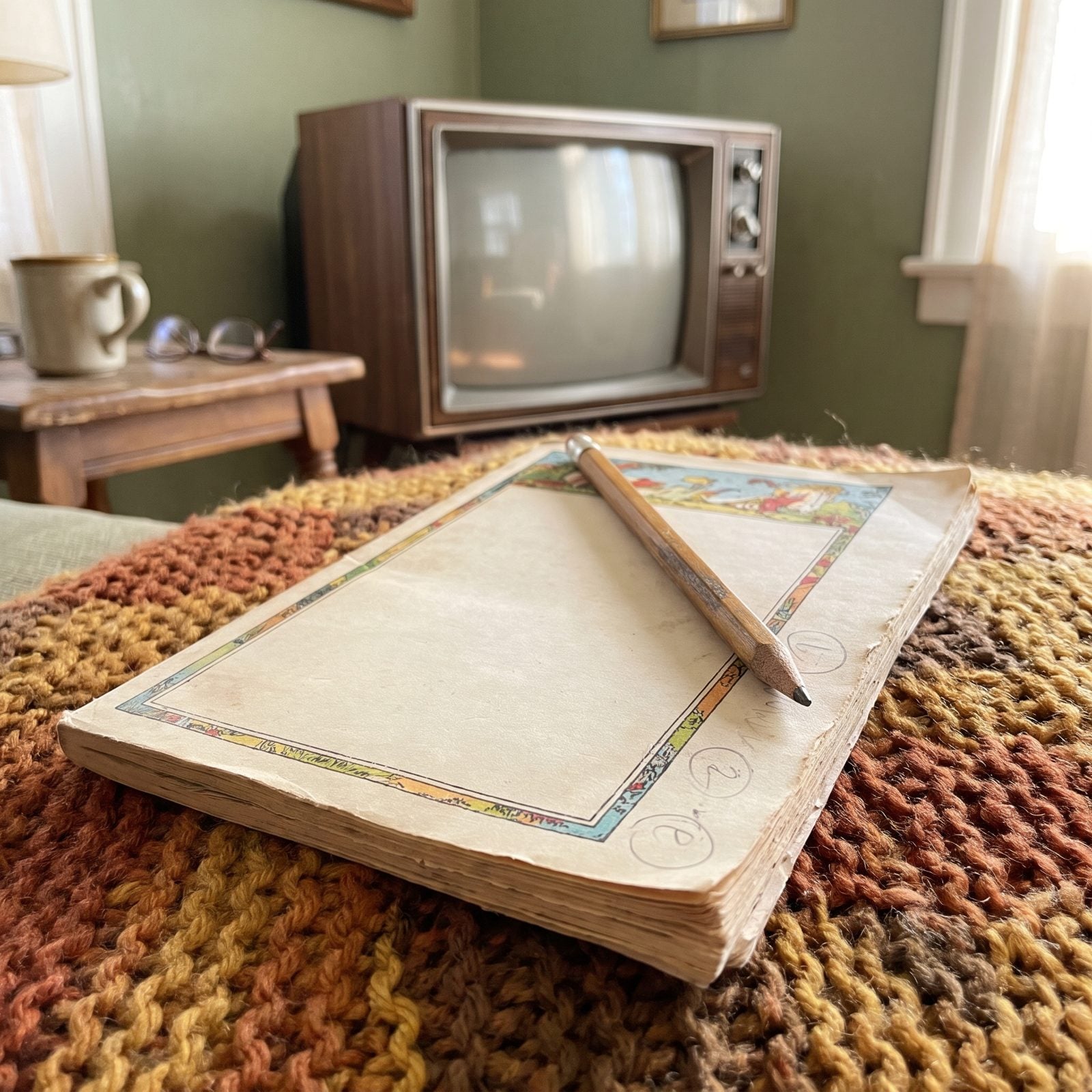
Thick as a book, a hefty block of yellowed pages, and absolutely essential. You bought it at the grocery checkout like milk, and the crossword lived in the back. Somebody in the house always circled the shows they refused to miss — in pencil, so there’d be no debate come Thursday night.
It was the only way to know what was on, when, and on which of your four channels. Miss an episode and it was gone, maybe for a summer, maybe forever. Then the on-screen guide button arrived, streaming finished it off, and now nobody circles anything. The TV just knows.
30. The Phone Book That Thudded Onto Your Porch Every Year

Two of them, usually. The thin white one for people, the fat yellow one for businesses, and they landed on your doorstep whether you wanted them or not. The yellow pages found you a plumber; the white pages told you whether that guy from high school still lived in town.
They doubled as a booster seat and a doorstop. Then everyone’s number moved into a phone you carried in your pocket, and the whole heavy annual ritual became landfill. I don’t miss the paper cuts. But I sort of miss the idea that everyone you knew was findable in one book on the shelf.
29. Keeping Rolls of Quarters and Dimes for the Pay Phone
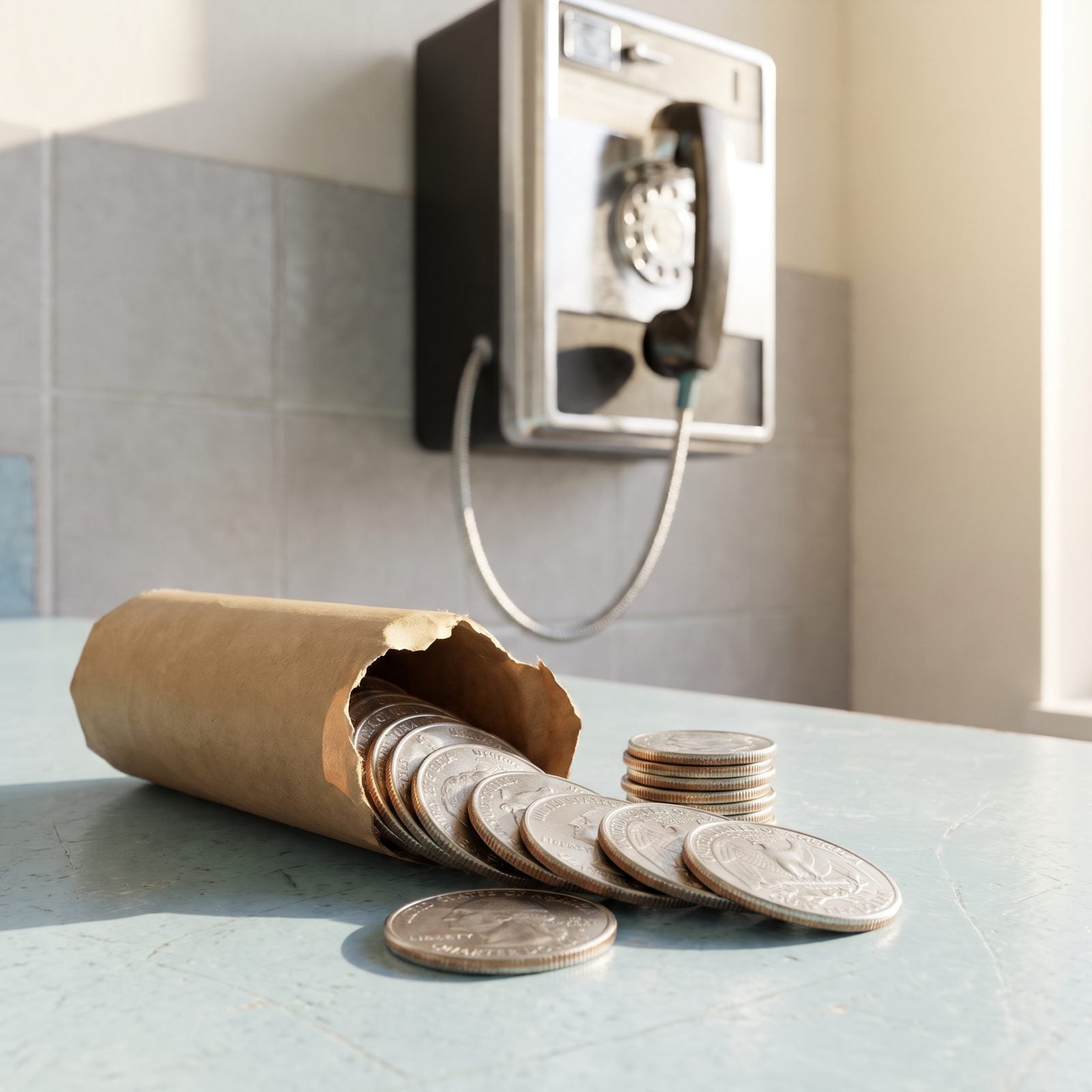
You never left the house without change. A quarter, sometimes two, bought you a call from the glass booth on the corner or the clunky unit bolted to the wall outside the gas station. Parents drilled it into you: always keep a dime for an emergency. Some kids taped one inside their shoe.
The whole economy of pocket change ran on being reachable away from home. Cell phones erased it in about ten years. The booths got ripped out, the coins went back in the jar, and an entire category of nervous mental math — do I have enough for one more minute? — simply ended.
28. Unfolding a Gas-Station Road Map You Could Never Refold
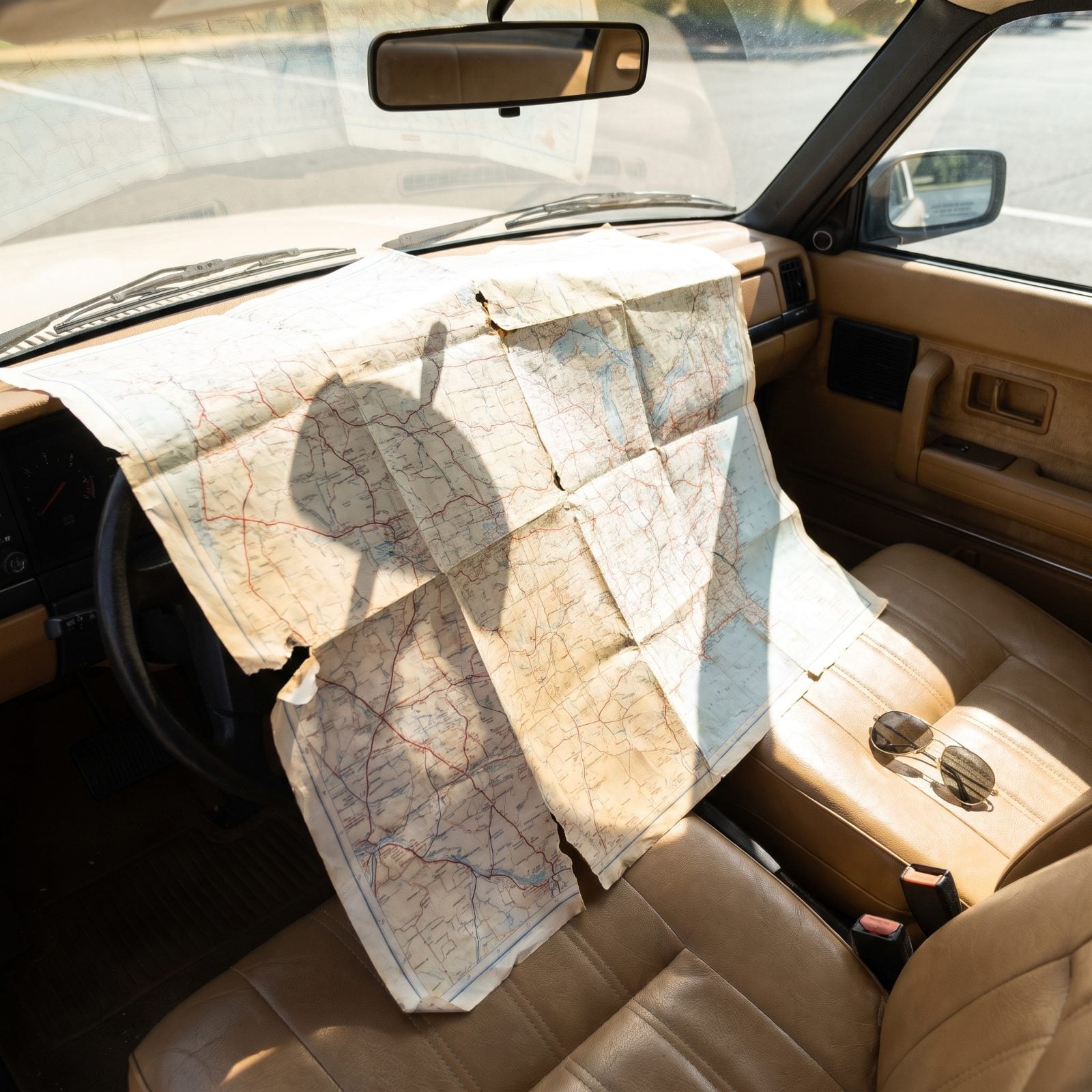
Free at the gas station if you asked nicely, a few bucks at the drugstore for the fat spiral atlas. You navigated by whoever sat in the passenger seat reading it upside down and yelling “get off at the next one, no, the OTHER next one.”
Nobody could refold it correctly. That was a law of physics. The thing lived crumpled in the glovebox, soft and torn at the creases, for years.
A turn-by-turn voice in your dashboard made the paper map a relic, but it also killed the argument that came with it, and honestly some couples miss the argument.
GPS didn’t just replace the map. It wiped out the whole skill of reading one, which is why handing a sixteen-year-old a paper atlas today is basically a dare.
27. Buying Blank VHS Tapes to Record Shows Off the TV
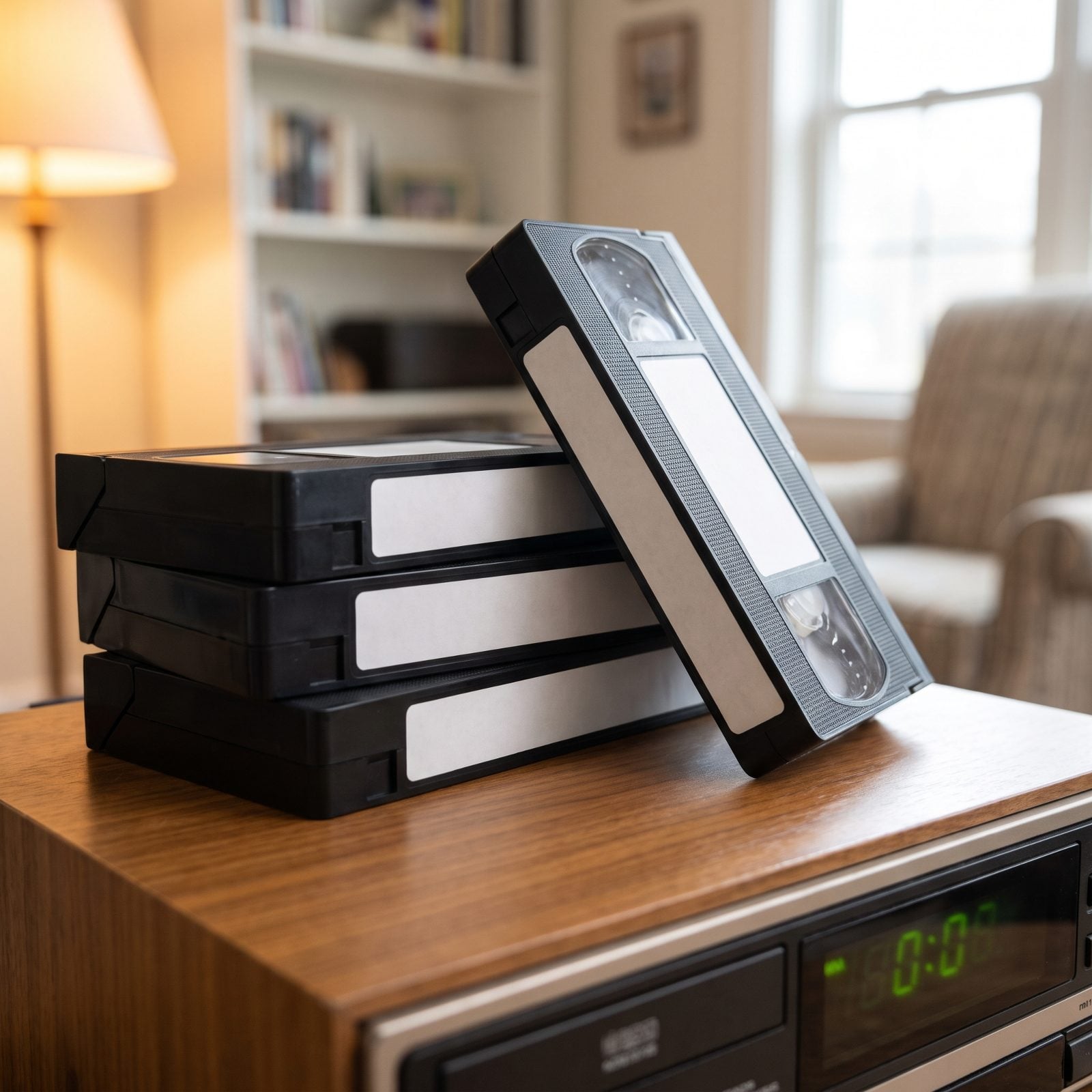
You timed your whole life around the record button. Set the clock, pray the show didn’t run long, scrawl the title on the spine in your own hand so nobody taped over the finale. A six-hour tape was a treasure if you nailed the long-play setting.
Half the tapes had three movies crammed on them, plus a stray chunk of soap opera at the end that nobody meant to catch. The DVR made recording effortless, and streaming made recording pointless. The pleasure of building your own messy video library, labels peeling and all, went right out the door with it.
26. Stocking Up on Cassette Tapes for the Car Stereo
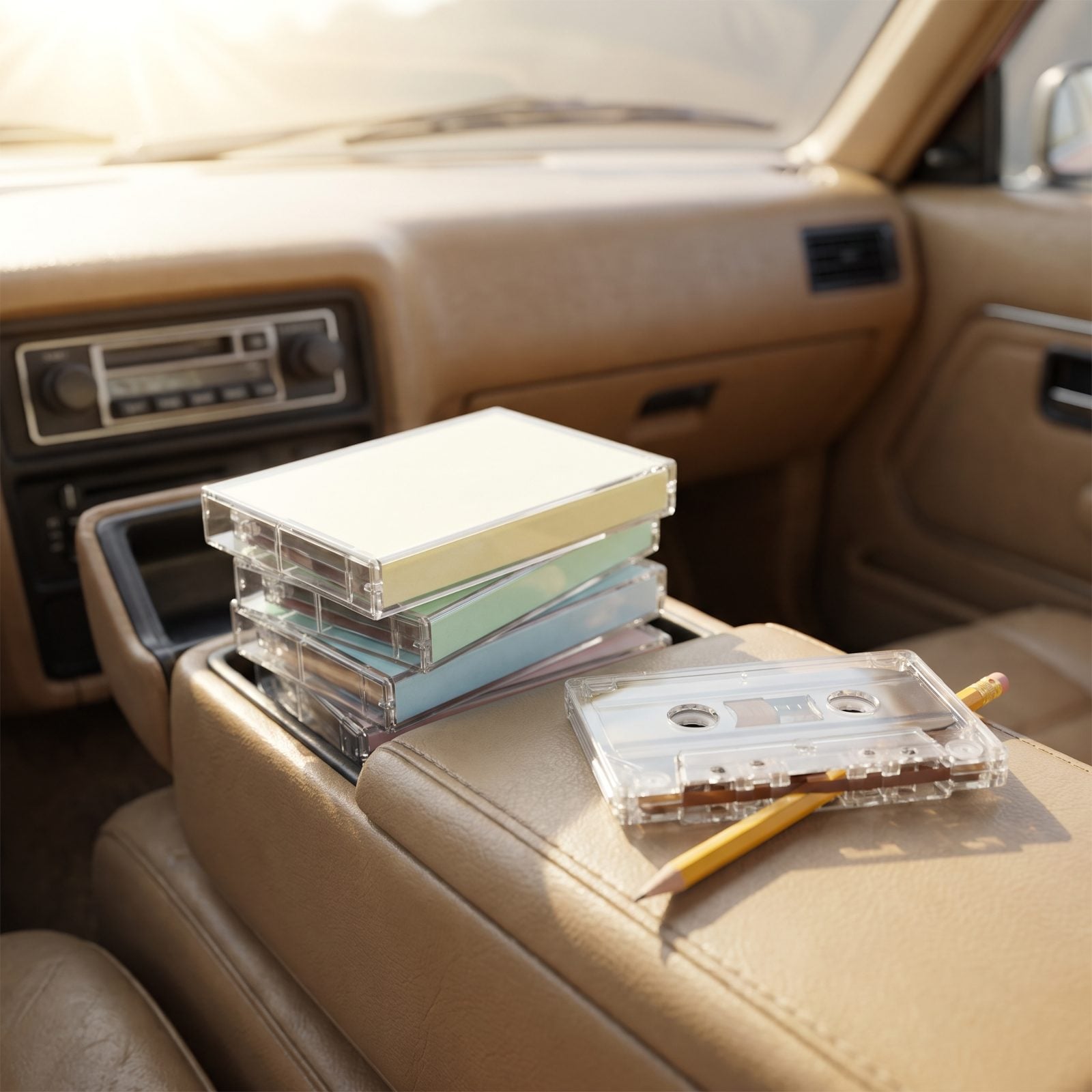
The glovebox was a graveyard of them — store-bought albums jumbled with mixtapes you’d spent a whole afternoon recording off the radio, finger hovering over pause to kill the DJ’s voice. When the tape ate itself, you fished it out with a pencil and prayed.
You bought them constantly because they wore out, warped in a hot car, and sounded worse every month. The CD, then the aux cord, then a phone holding every song ever made ended the ritual of owning music one tape at a time. I still remember the exact click of the deck grabbing the cassette. Some sounds just leave.
25. Dropping Film at the Drugstore and Coming Back for Prints
Would you like to save this?
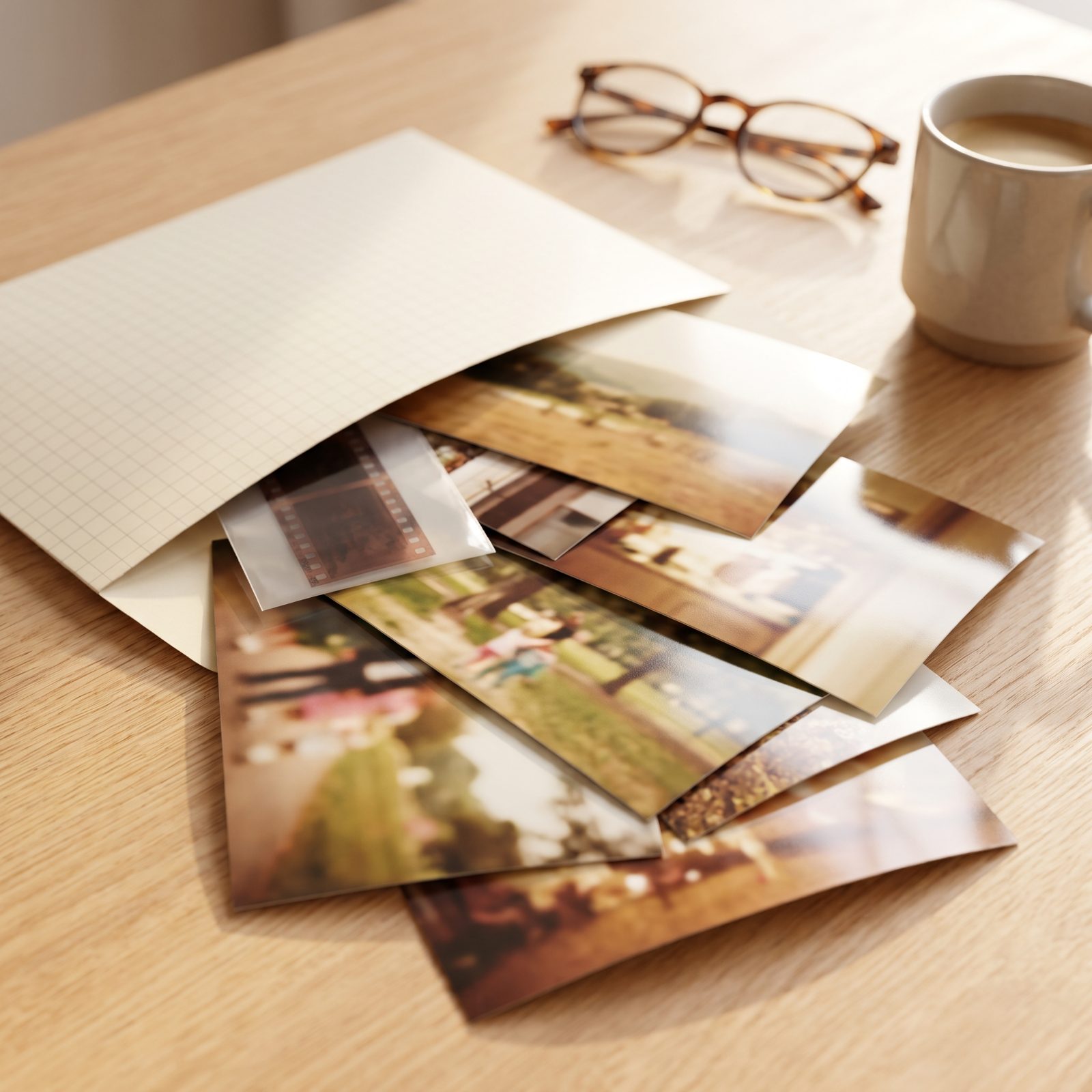
You handed the little canister to the clerk, filled out a slip, and chose your fate: one-hour for the impatient, three days if you wanted to save a couple bucks. Then you came back, tore open the paper envelope right there in the parking lot, and flipped through thirty-six attempts at one decent photo.
Half of them had your thumb in the corner. One was the inside of the lens cap. But the good ones went straight to the fridge. Digital cameras ended the trips, the waiting, the paying to see your own mistakes. We gained thousands of instant photos and lost the specific joy of discovering them all at once in a drugstore lot.
24. Ordering a Fresh Box of Printed Checks for the Bills
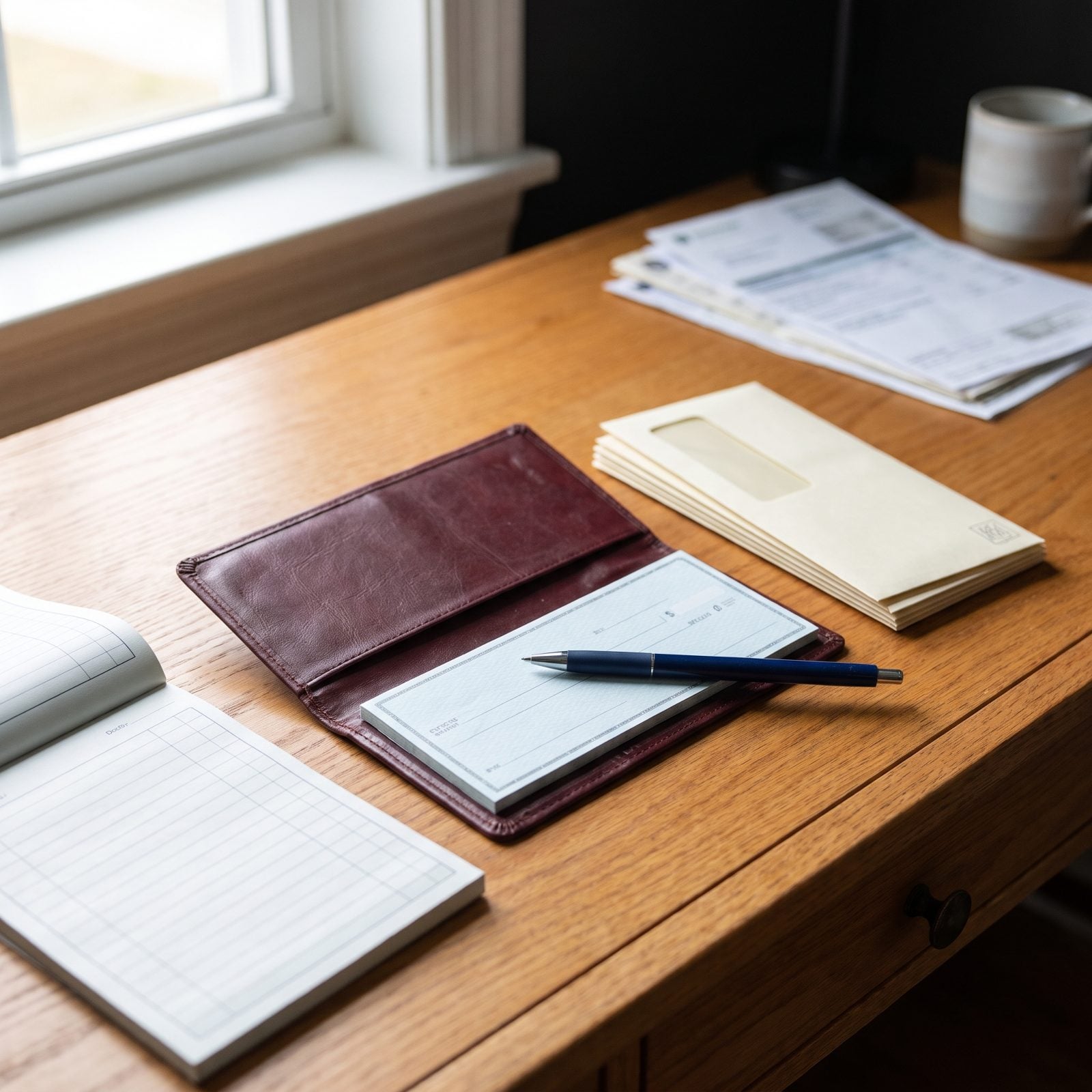
Once a month the kitchen table turned into an office. Stack of bills, the checkbook in its vinyl cover, the little register where you wrote down every amount in cramped handwriting and tried to make your balance agree with the bank’s. You licked the envelopes, stamped them, mailed them, and prayed the electric bill landed before the due date.
When the box ran low you ordered more, which meant paying money for the paper you used to spend money with. Online bill pay and tap-to-pay turned the whole scene quaint. Plenty of people over 40 still keep a checkbook in a drawer, mostly for the plumber and the kid’s field trip. It’s the last paper ghost of the whole drawer.
23. Typewriter Ribbons and the Little Bottle of Correction Fluid
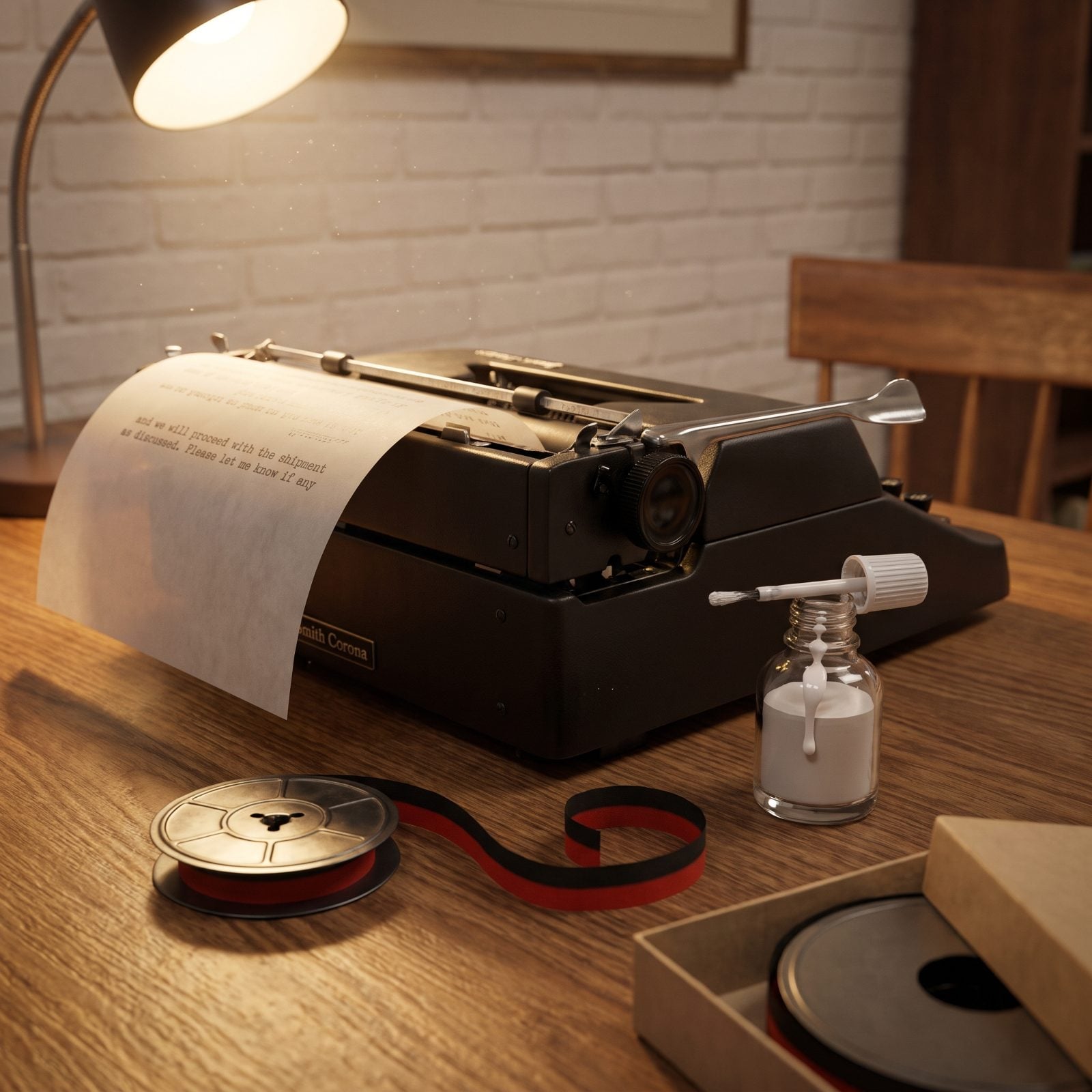
If you typed anything in 1985, a term paper, a résumé, a letter to the insurance company, you kept a spare ribbon in the desk drawer. When the letters started coming out faint and gray, you popped open the machine, threaded a fresh spool through the guides, and usually came away with inky fingertips for the rest of the afternoon.
Then there was the little bottle of correction fluid with its long swab-tipped applicator balanced across the open top. One typo meant dabbing, blowing on the page, waiting, and lining the paper back up just right so the new letter landed in the same spot. Correction tape and lift-off ribbons helped a little. Word processors and the backspace key made the whole ritual pointless, and nobody shed a tear over the smell.
22. Carbon Paper, the Original Copy Machine That Lived in a Desk Drawer
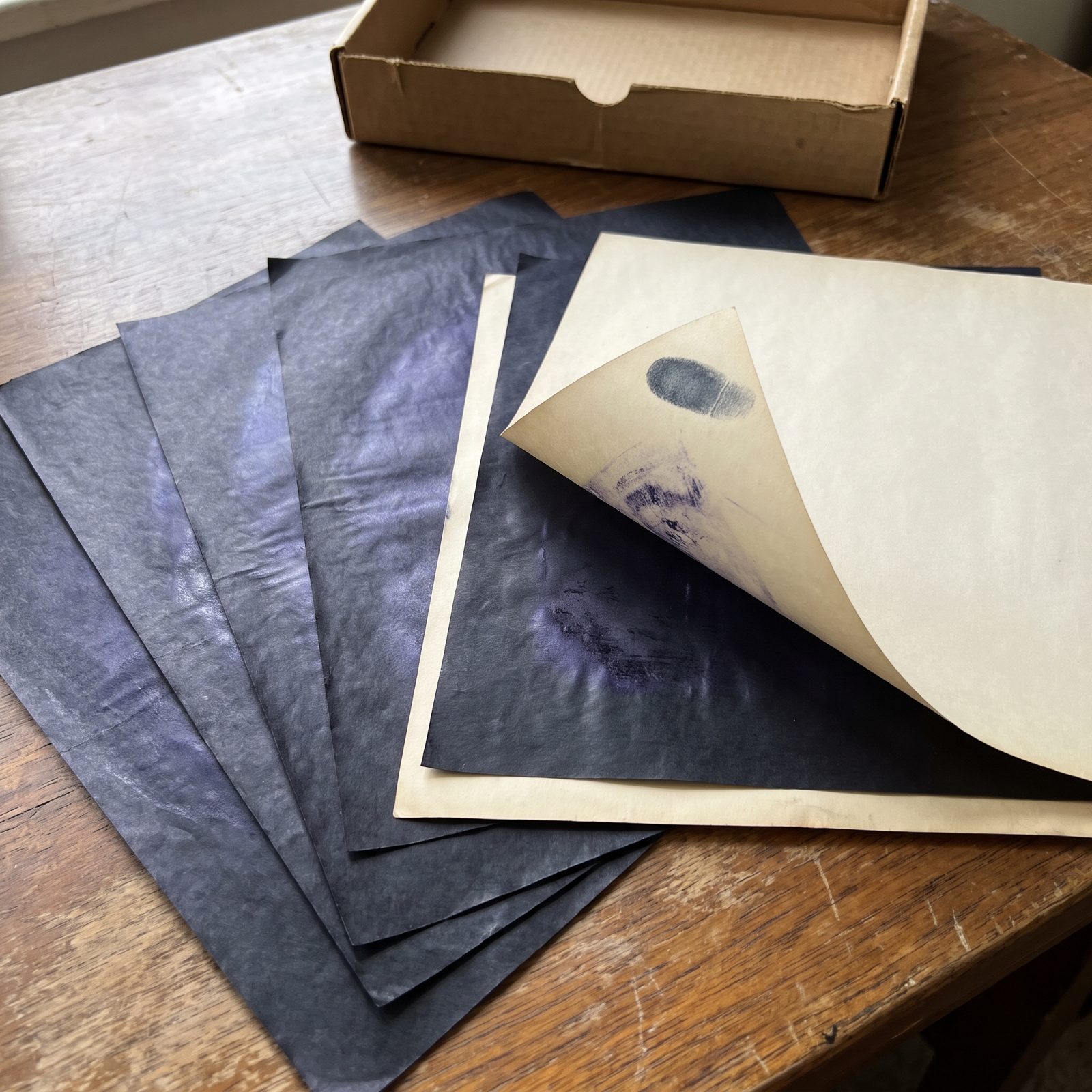
Need a copy of something? You slid a thin, inky sheet of carbon paper between two pages, rolled the stack into the typewriter or pressed hard with a ballpoint, and got a slightly smudged duplicate underneath. Receipt books, order forms, and invoices all ran on it. Every office had a box of the stuff, and every pair of hands that touched it came away with blue-black smears.
It was cheap, it needed no electricity, and it worked. But photocopiers took over the office, printers took over the home, and now a copy is just another click. Carbon paper survives mostly as a phrase most people use without knowing where it came from.
21. Floppy Disks You Fed Into the Computer One at a Time
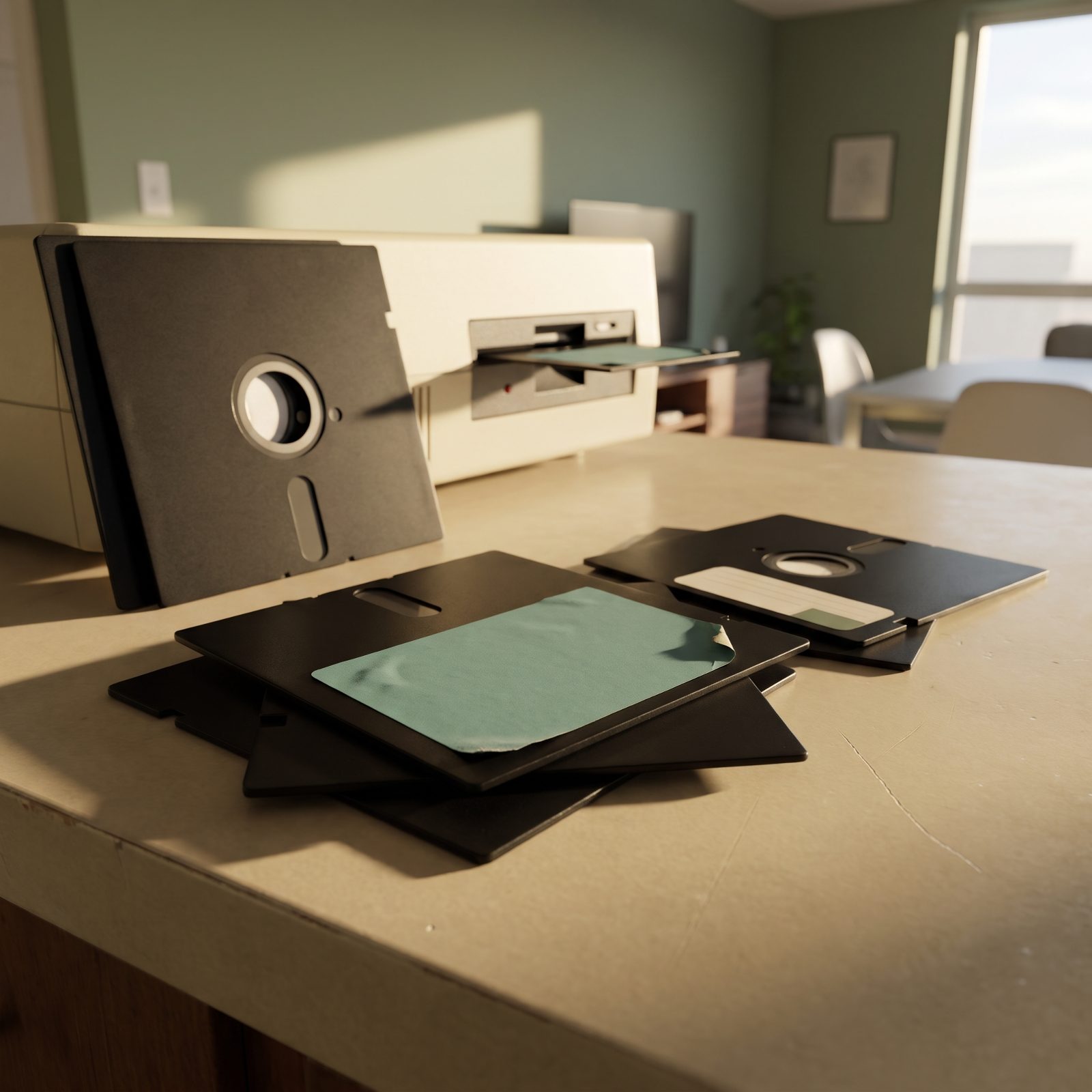
Home computers in 1985 didn’t have much room to remember anything, so you bought floppy disks by the box. The big 5.25-inch ones were flimsy, dark plastic squares with odd notches and slots that you weren’t supposed to bend, touch, or leave near a magnet. The newer 3.5-inch disks came in hard plastic with a sliding metal shutter and felt like the future.
Each one held only a fraction of a megabyte, so games and programs came on stacks of them, and you swapped disks in and out while the drive whirred and clicked. You labeled them in marker and prayed nothing got corrupted. Hard drives, CDs, flash drives, and the cloud buried them, yet the little floppy still lives on as the save icon.
20. The Cassette Walkman That Ate Batteries and Occasionally Your Tape
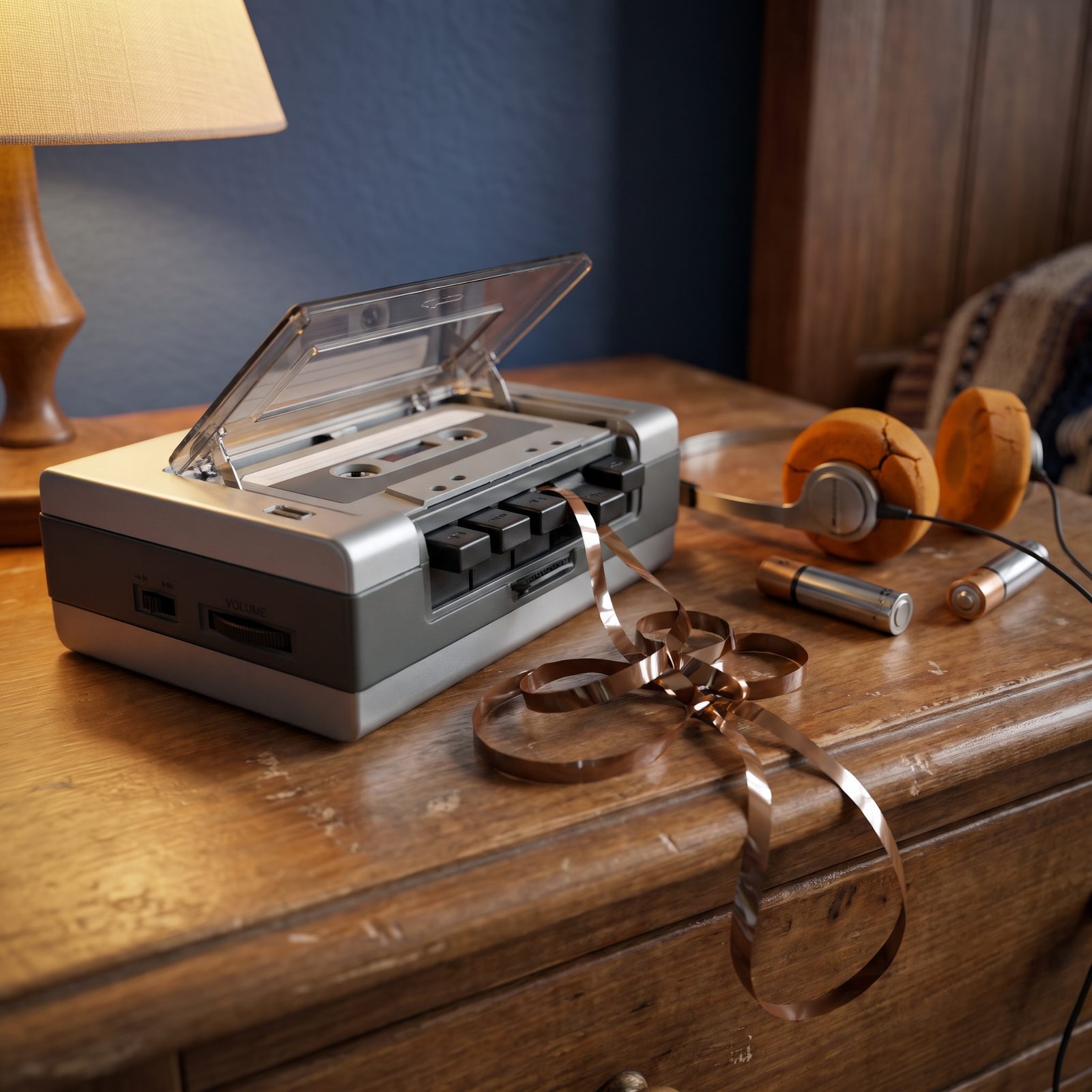
The Walkman made music personal for the first time. You clipped it to your belt, put on the foam headphones, and suddenly the bus ride or the walk to school had a soundtrack. It was the gadget everyone wanted, and anyone without one was borrowing a friend’s for a song or two.
It also came with headaches. The motor slowed and the music dragged as the batteries died, and every so often the machine grabbed your favorite tape and spat it out as a crinkled ribbon. You’d carefully pull it free and wind it back in with a pencil through the spool. Your phone holds more music than every tape you ever owned, and it has never once tried to eat a song.
19. The Answering Machine Tape That Held Everyone’s Missed Calls
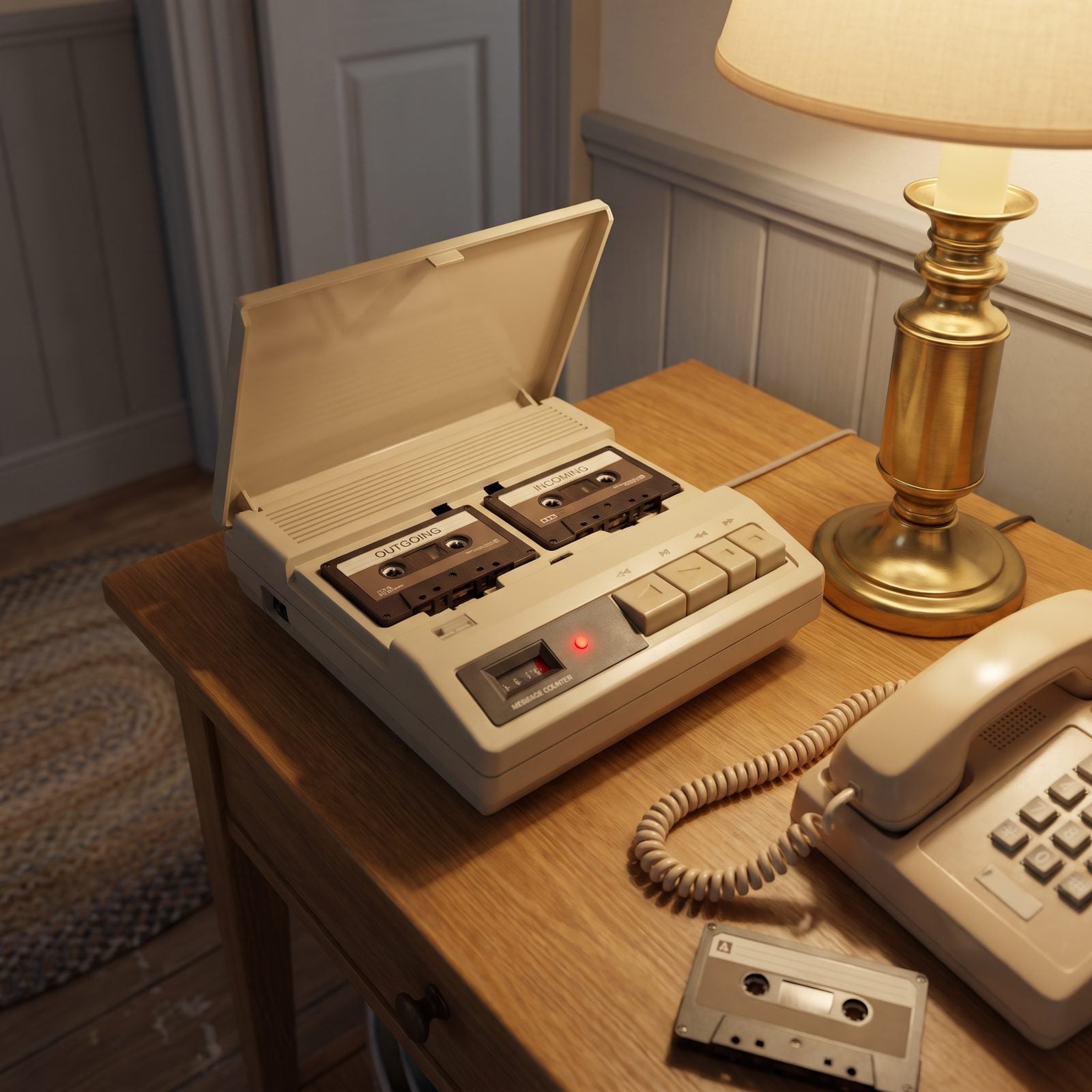
Coming home meant checking for the blinking red light. The answering machine sat next to the phone with a tiny tape inside, and you pressed play to hear whoever had called while you were out, along with a few hang-ups and maybe your mom asking whether you were ever home. Recording your outgoing greeting took several tries and usually ended up stiff or too cute by half.
People screened calls by listening as the caller talked, then picking up mid-message if it was someone they wanted. Tapes wore out, filled up, and got recorded over. Voicemail moved everything to the phone company, then to your cell, and the little machine with the cassette door simply had nothing left to do.
18. The Rolodex That Spun Through Everyone You Knew
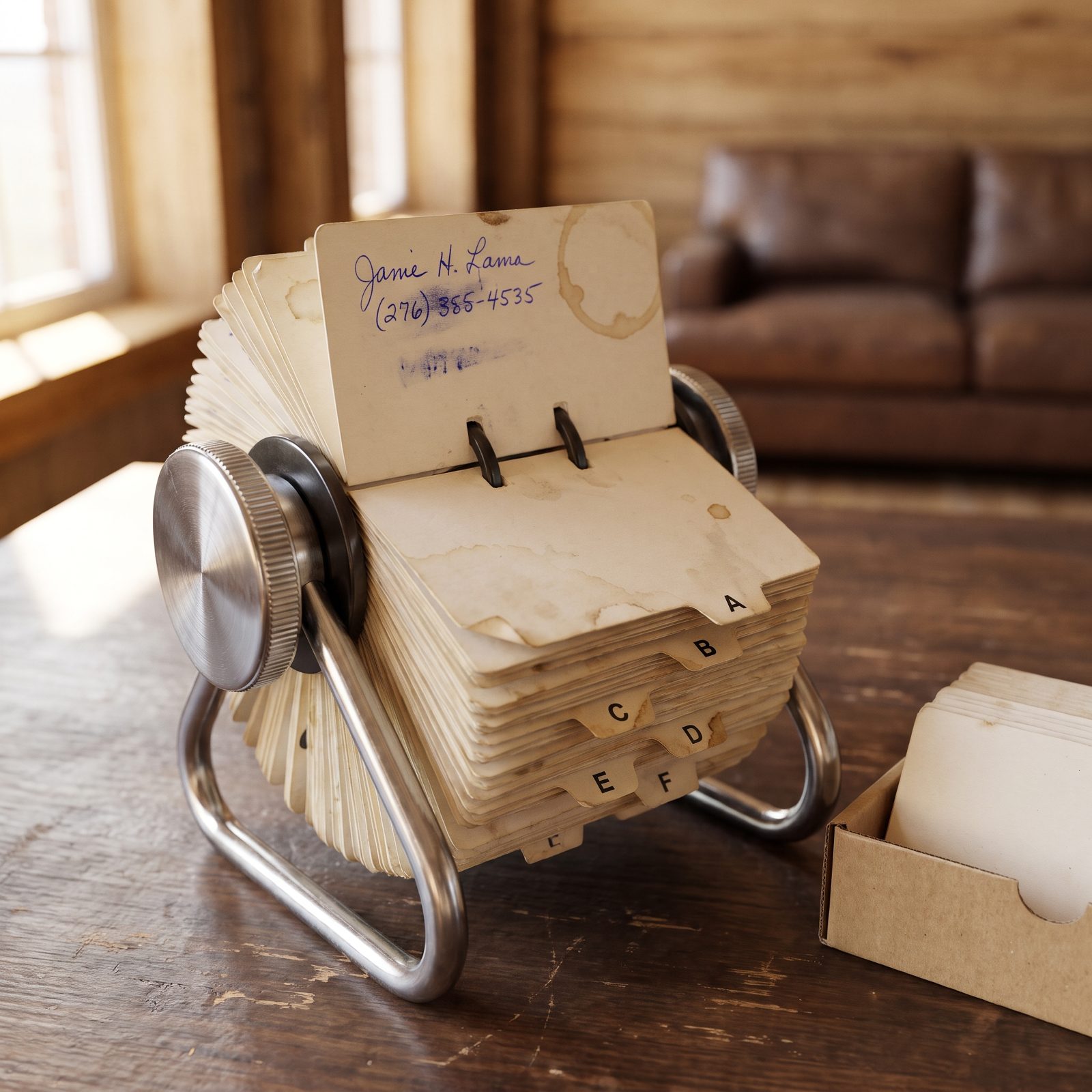
Every serious desk had one: a spinning wheel of index cards, its lettered tabs A through Z holding handwritten notes in blue ink, scrawled and sometimes half-legible, about everyone who mattered. You flipped through it with one finger, found the right tab, and dialed. Business cards were even printed to fit, and you bought fresh packs of blank cards to keep adding people.
A fat Rolodex said you were connected. When someone moved or changed jobs, you crossed out the old number and squeezed the new one in sideways, or wrote out a whole new card. Phone contacts, email address books, and professional networking sites made the whole thing obsolete, and the word itself now mostly survives as shorthand for who you know.
17. The 8-Track Still Jammed in the Dashboard
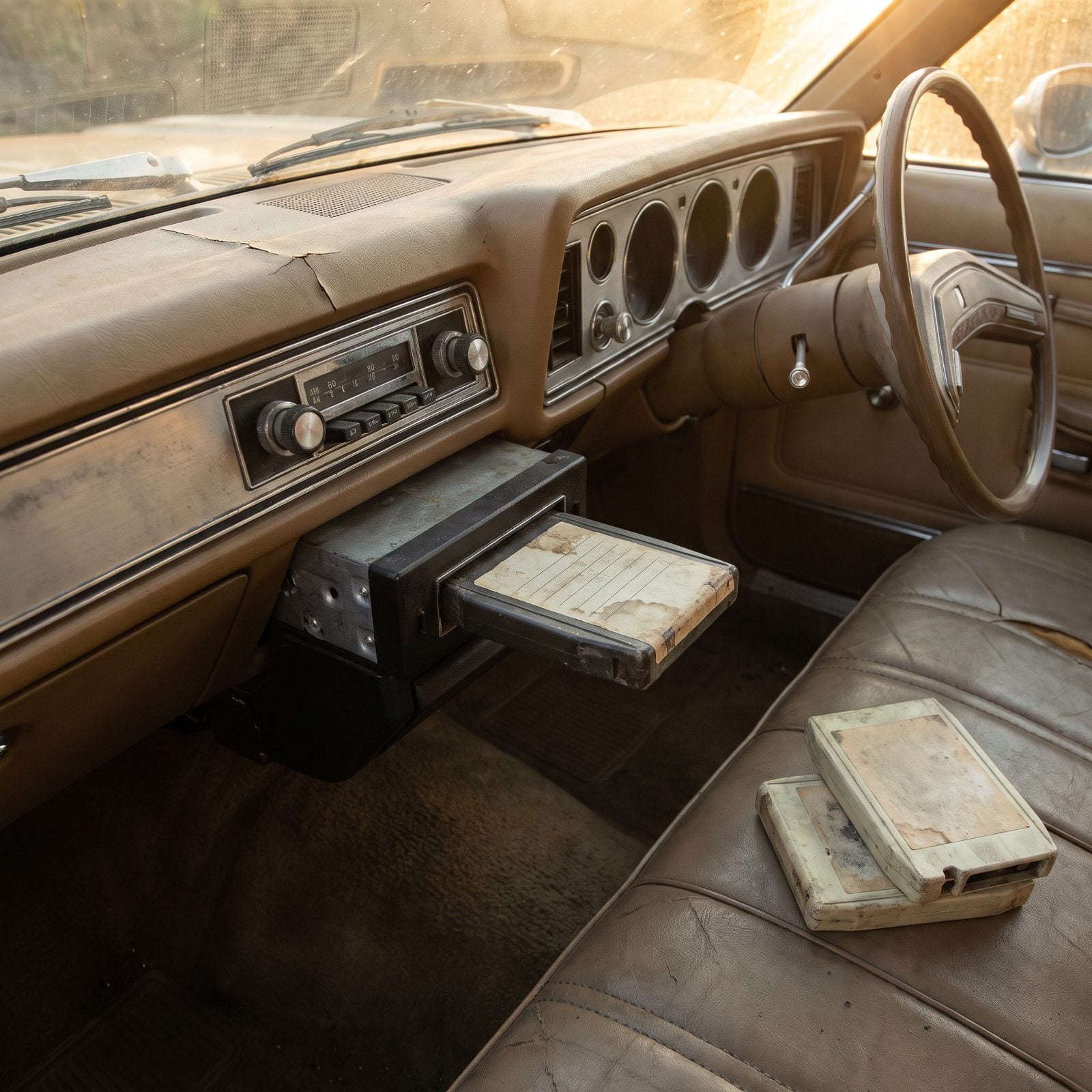
By 1985 the 8-track was already a relic, but plenty of older cars still had the player built right into the dash, and nobody was about to rip it out. So you kept feeding it, digging tapes out of bargain bins, garage sales, and the back of a relative’s closet for next to nothing.
The format had its quirks. The tape played in an endless loop and switched programs with a loud clunk, sometimes right in the middle of a song, which then faded out and picked back up on the next track. Cartridges jammed in hot weather and got stuck in the slot. Cassettes had already won, CDs were coming, and the 8-track rode out its final years in aging sedans and station wagons.
16. Vinyl Records and the 45 Single You Played Until It Warped
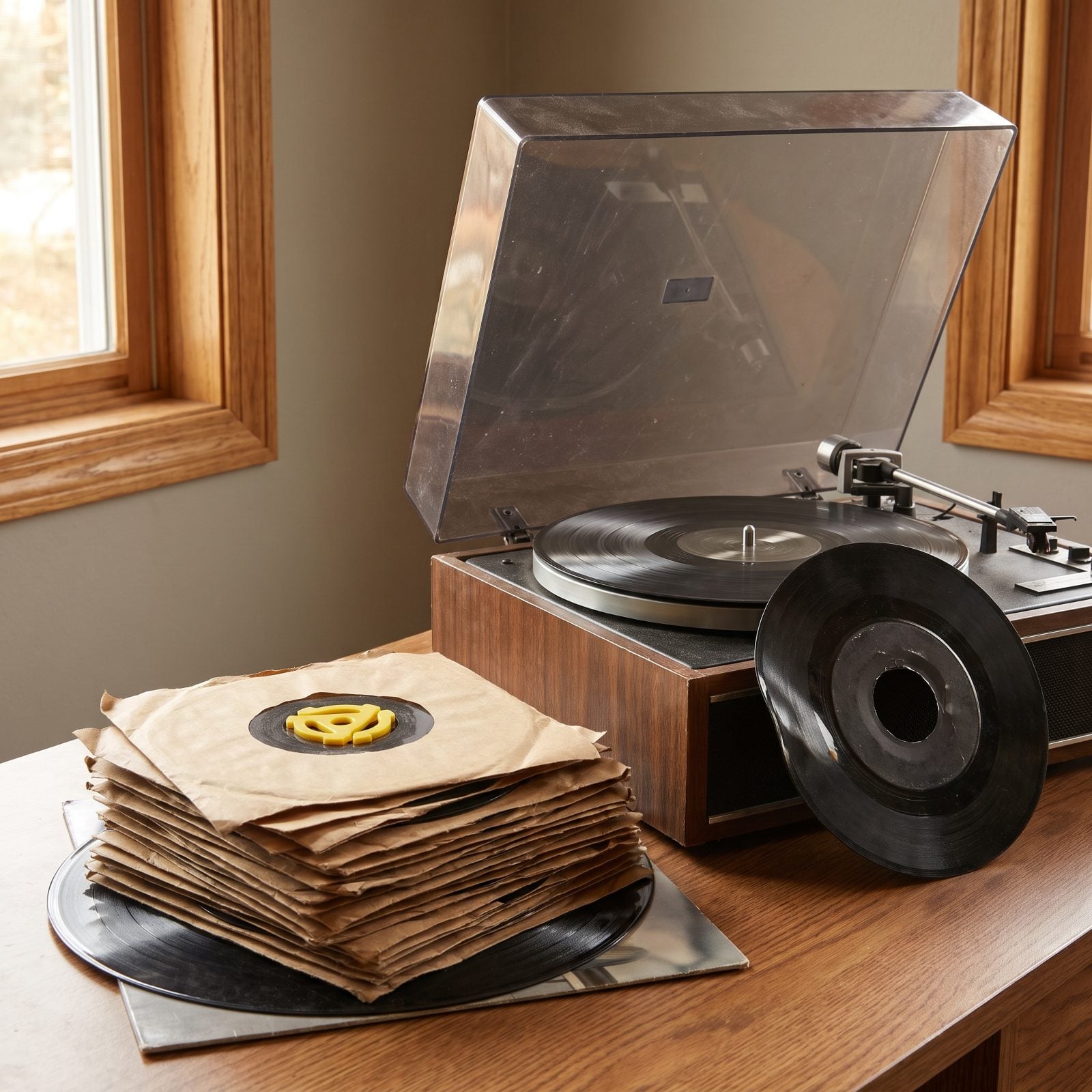
A 45 was how you owned a hit. One song on the A-side, a bonus on the flip, a big hole in the middle that needed a little plastic adapter to sit on the spindle. You played it until the grooves crackled, and if you left it on the back seat in July, you came back to a wavy disc that wobbled like a funhouse mirror.
Full albums lined the shelf in cardboard sleeves, carefully slid back after every play. Records have made a real comeback with collectors, and I won’t knock anyone for loving the sound. But nobody needs to buy one to hear a song anymore. Streaming put every single ever pressed in your pocket, no adapter required.
15. Dot-Matrix Paper With the Tear-Off Perforated Edges
Would you like to save this?
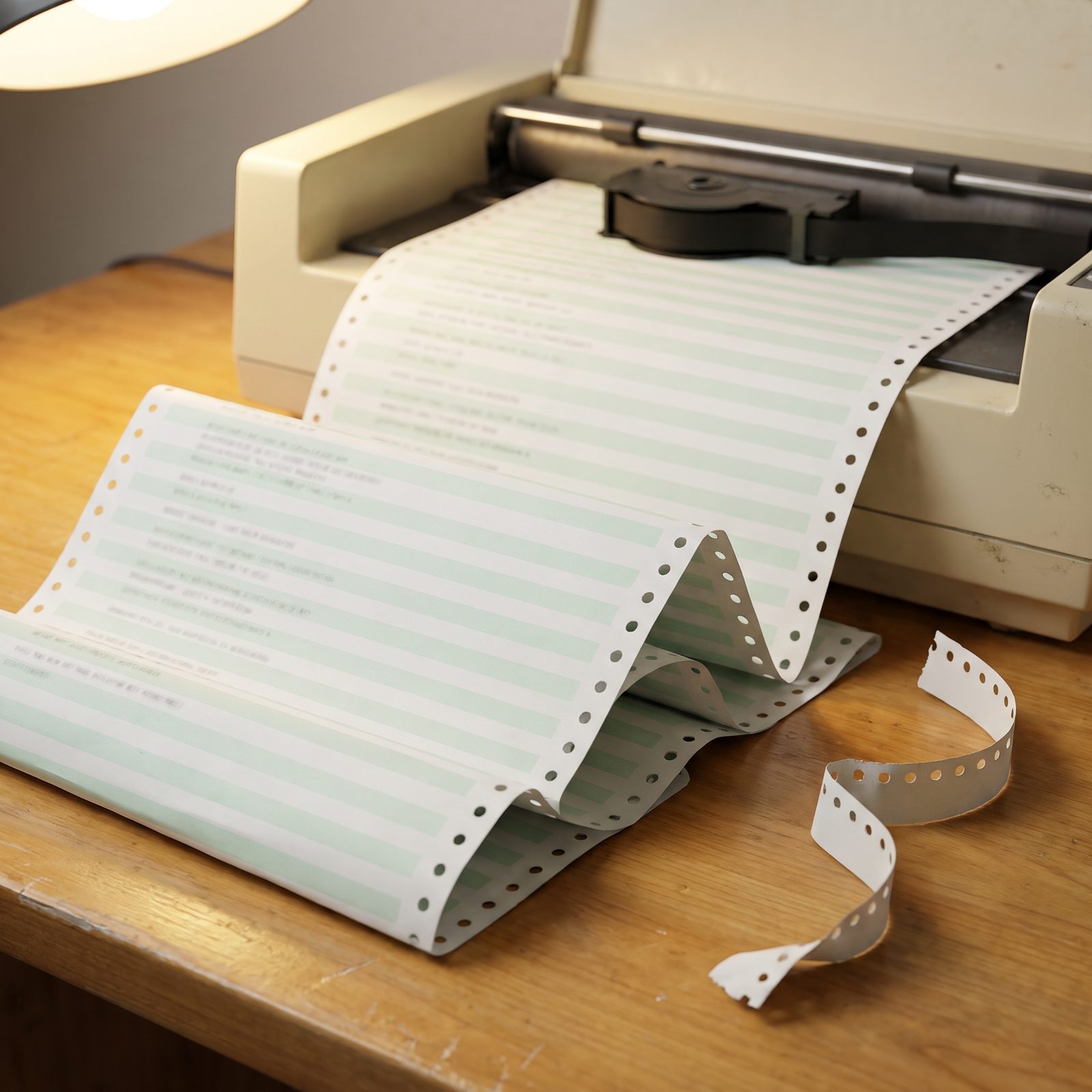
Home printers in 1985 didn’t take loose sheets. They took one long, continuous stack of fan-folded paper with strips of holes running down both edges, and those holes caught on little sprockets that pulled the paper through. The printer shrieked line by line, and you could hear a document printing from across the house.
Once it finished, you tore each page along the perforations, then peeled off the hole-punched side strips, which kids loved to collect into long, curly chains. Banners for birthday parties came out of the same printers in giant blocky letters. Inkjet and laser printers with ordinary paper trays ended all of it, and the screech went with it.
14. Postage Stamps by the Roll, Because the Bills Went Out by Mail
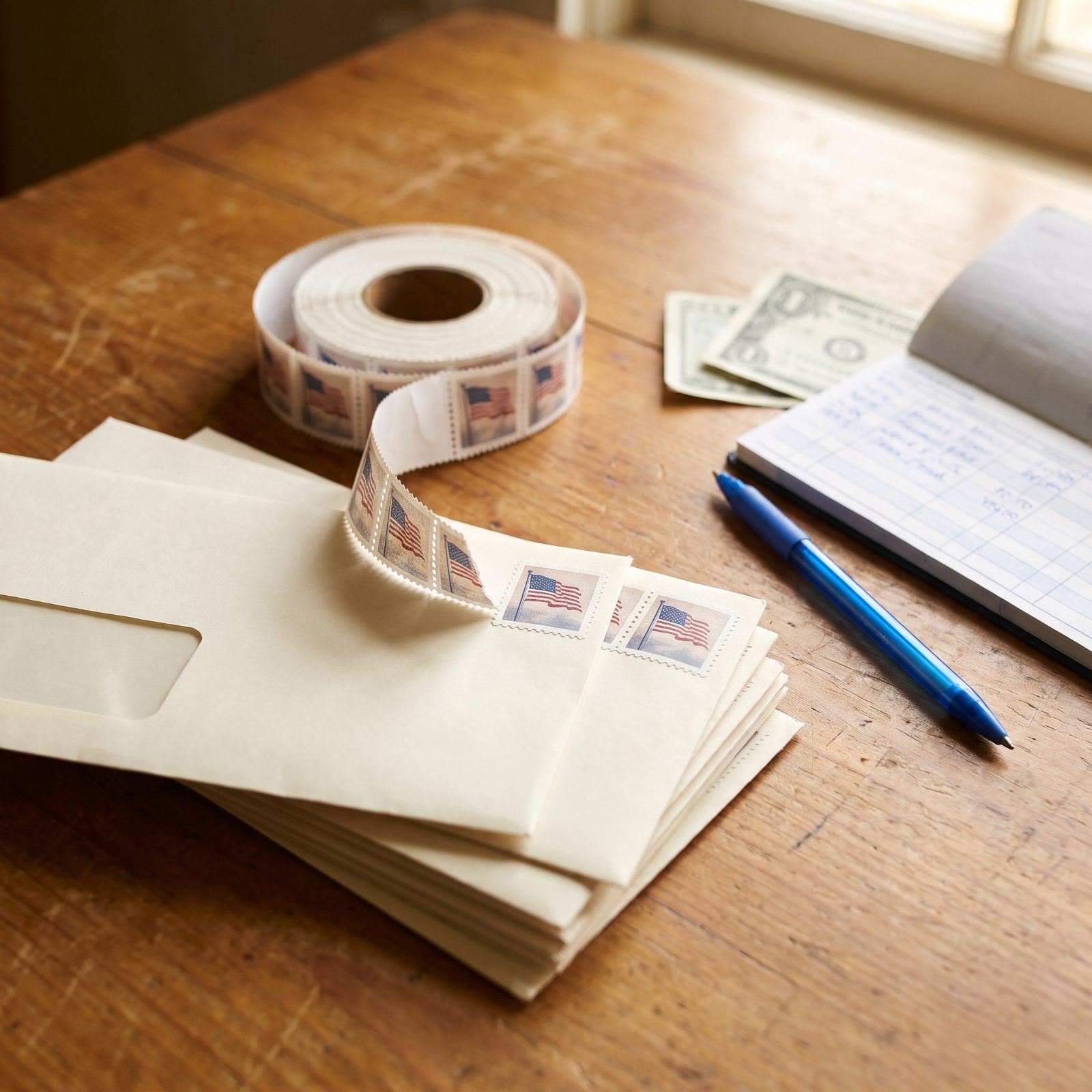
Paying bills in 1985 meant a pile of envelopes on the kitchen table every month: the electric company, the phone bill, the mortgage, the credit card. Each one needed a check, a return address, and a stamp, so households bought stamps in rolls and kept them in a drawer or a little dispenser by the checkbook.
When the postal rate went up, you added a one- or two-cent stamp to use up the old ones. Forever stamps eventually solved that problem, but by then online bill pay and automatic withdrawals had already started emptying the mailbox. Plenty of people now go months without licking or sticking a single stamp.
13. Instant Camera Film Packs You Paid a Fortune to Watch Develop
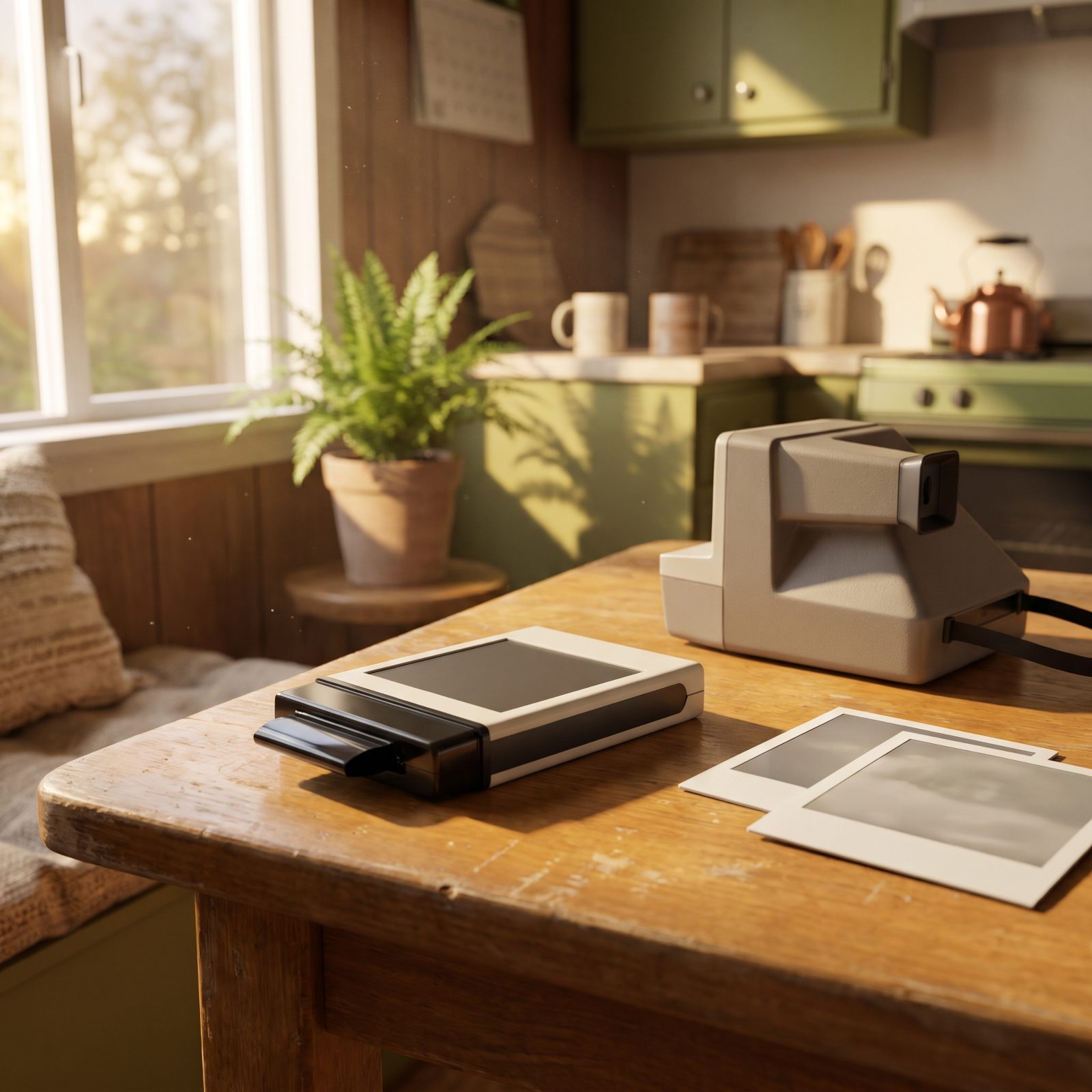
Every shot cost real money, and you knew it. A pack held ten exposures at roughly a dollar a picture once you did the math, so nobody wasted a frame on a bad angle. You composed, you waited for the kid to stop fidgeting, and then came that satisfying mechanical whir, the photo sliding out warm, and the ritual of flapping it in the air like that actually did anything.
The magic was the wait. You stood there watching a blank gray rectangle slowly resolve into faces, with no delete button to save you from a blink. Phones killed this with the swipe of a thumb — infinite free shots, instant preview, no developing chemicals curing in your hand.
12. Flashbulbs and Flash Cubes That Got Hot Enough to Burn You
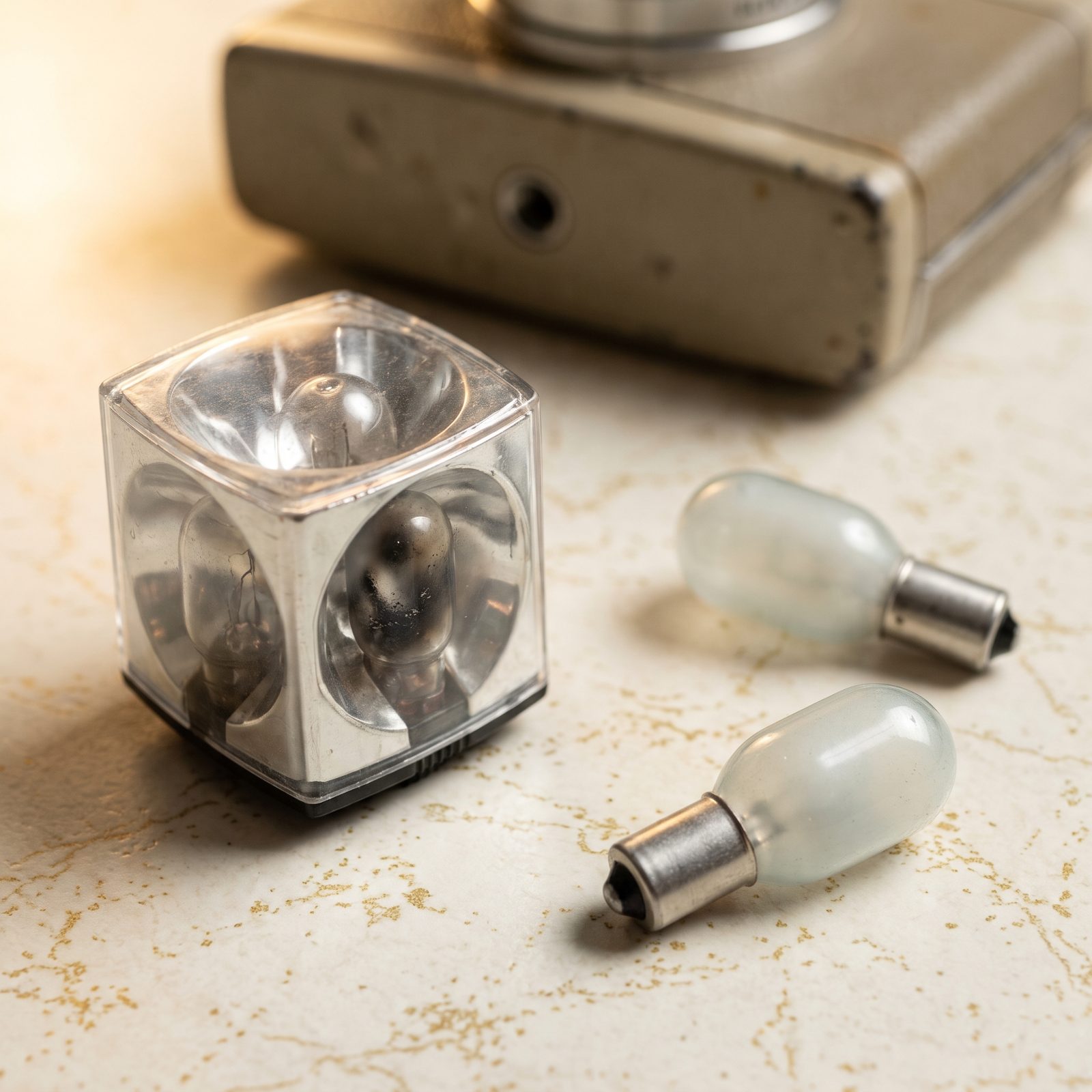
One shot per bulb. Literally. A clear plastic flash cube gave you a handful of pops before you twisted it off and dropped a smoking little plastic brick in the trash. Grab it too soon and it branded your fingertip. Kids learned that lesson exactly once.
These things were everywhere in 1985 and gone within a decade. Built-in electronic flashes made them pointless, and then phones made the whole idea of buying disposable light feel ridiculous. Try explaining to a teenager that lighting a photo used to be something you ran out of halfway through a birthday party.
11. CB Radios and the Whole Rig of Accessories That Came With Them
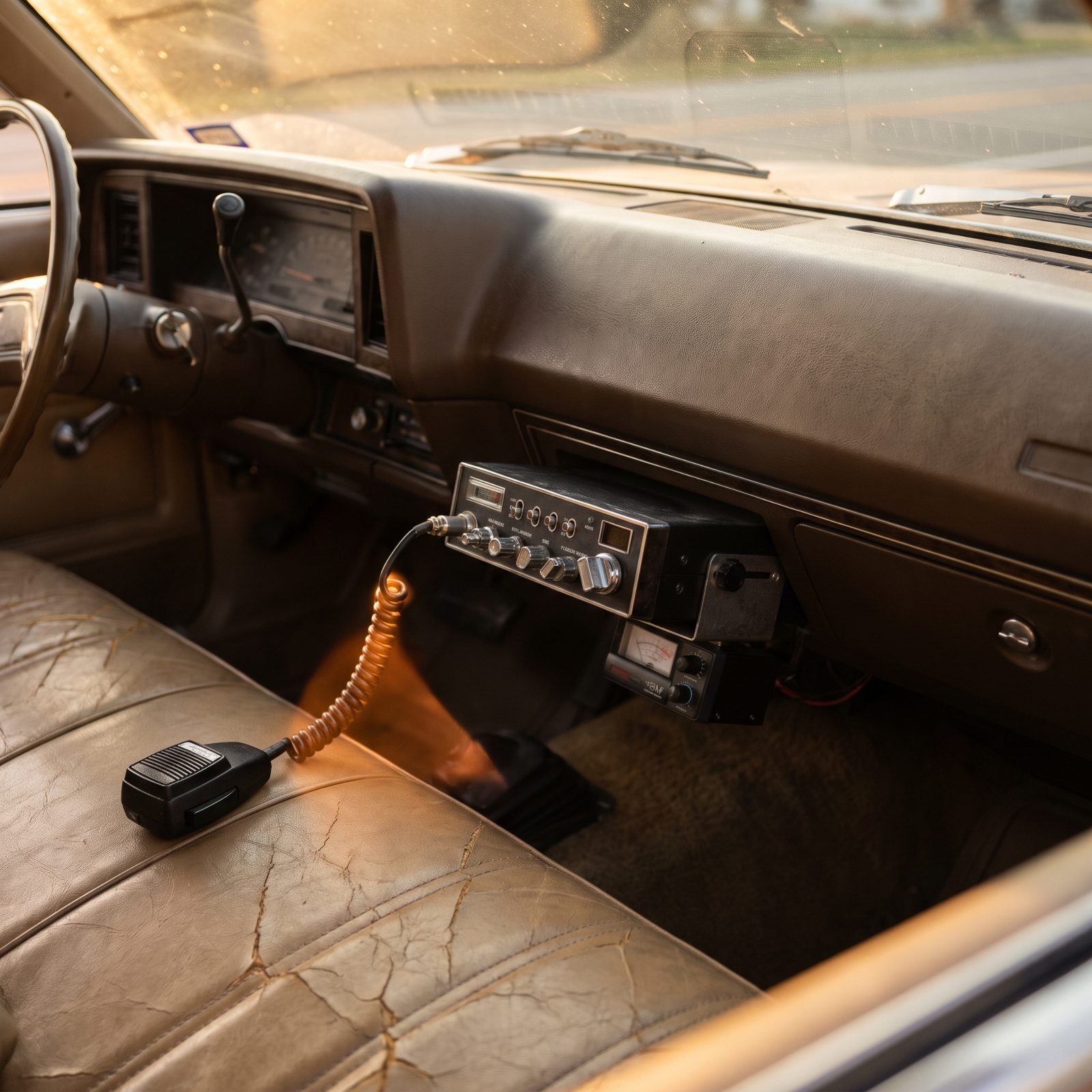
Before anyone had a phone in the car, you talked to strangers on channel 19. The craze had peaked a few years earlier, but by 1985 plenty of dashboards still carried the full setup: the base unit, the coiled mic, the whip antenna bolted to the bumper, the SWR meter for tuning it all just so.
People picked handles the way they now pick usernames. You’d ask about speed traps up ahead, chat with a trucker through a dull stretch of interstate, get a road report from someone you’d never meet. Cell phones and GPS made all of it redundant — though I’d argue we lost something real when every stranger on the highway stopped being reachable.
10. Thermal Fax Paper Rolls That Faded to Nothing in a Drawer
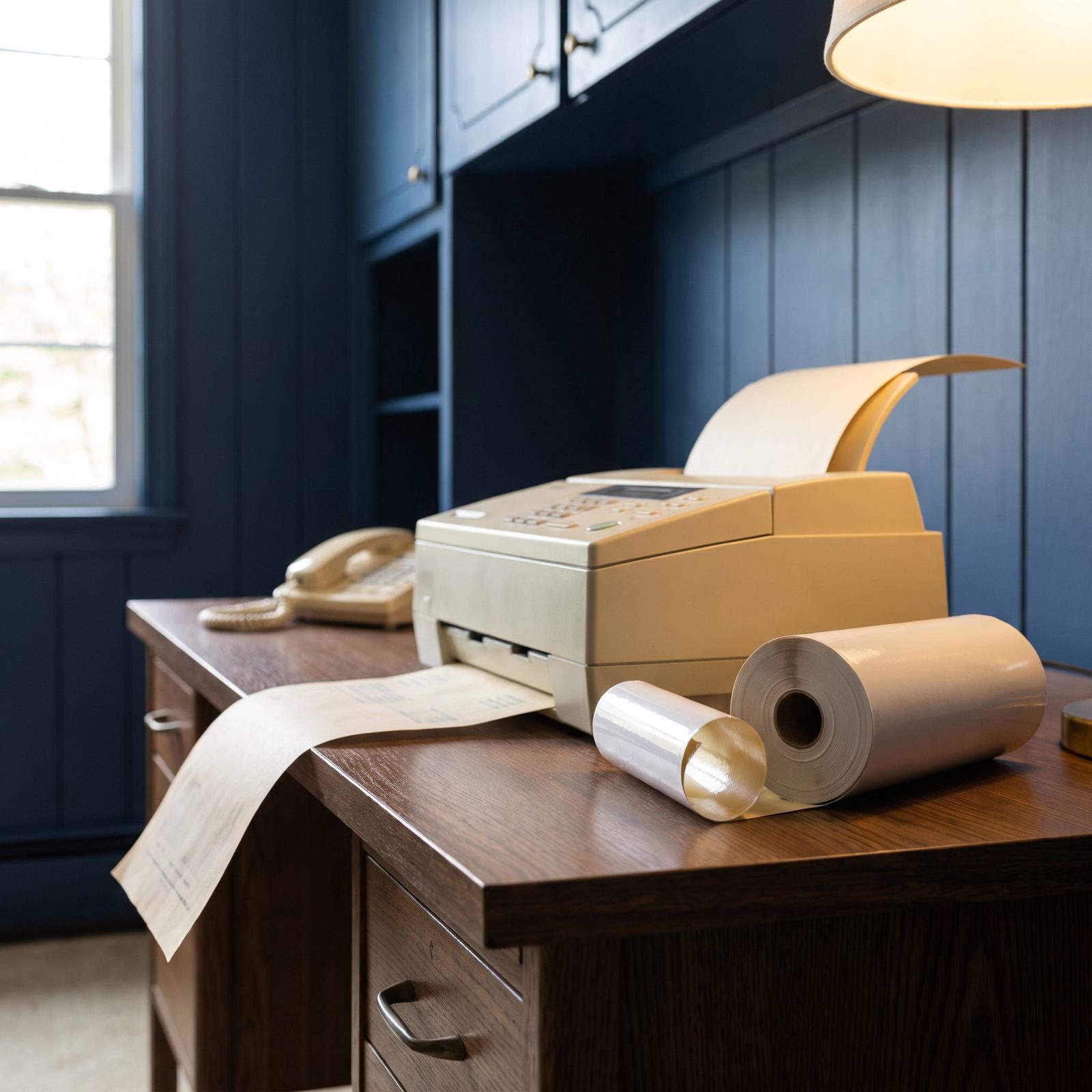
The home fax was a brief status symbol, and feeding it meant buying slick thermal rolls that smelled faintly chemical and curled stubbornly at the end. You’d tear off an incoming page, read it, file it — and discover six months later the ink had simply vanished. The paper gave up. Important documents reduced to blank curls.
Email ended all of it. No more waiting for the handshake screech, no more paper jams at 9pm, no more hunting for a fresh roll. Good riddance, mostly. Though I’ll admit there was a thrill to hearing a page start printing from someone a thousand miles away.
9. The Daily Newspaper You Bought Just for the Classifieds
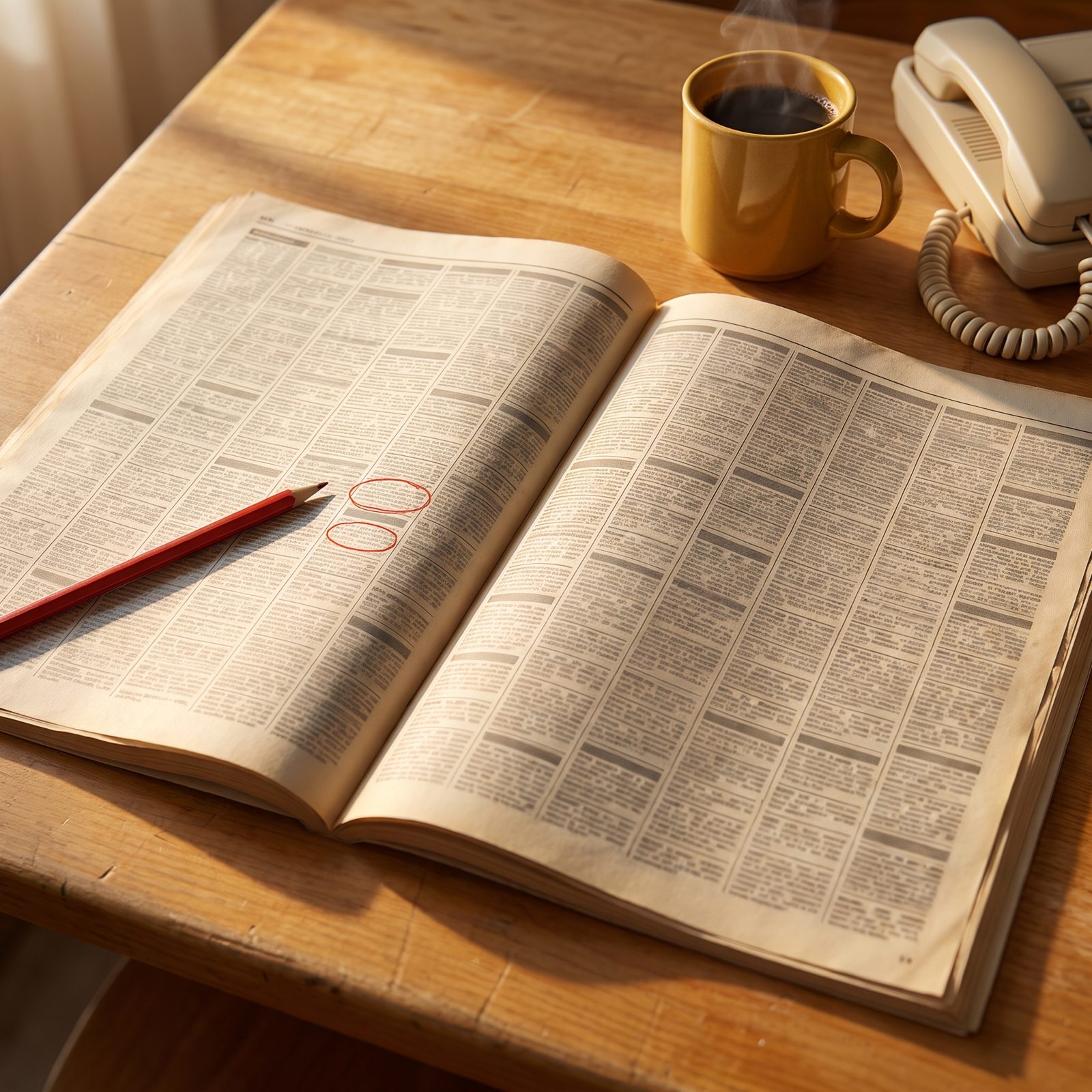
A used couch, a part-time job, a cheap car, a roommate — whatever you were after, there was exactly one place to look: the back of the paper, in those columns of tiny gray type. People circled listings with a pencil over coffee and planned a whole Saturday around the drive to go eyeball a dresser someone was selling three towns over.
Finding an apartment meant buying the paper the morning it dropped and sprinting to a payphone before somebody else called first. Online listings wiped all that out. The daily paper went from a shopping tool to something you flip past.
The classifieds were the original search bar, except it only updated once a day and you paid for the privilege.
8. Paper Day Planners You Rewrote Every Time Something Changed
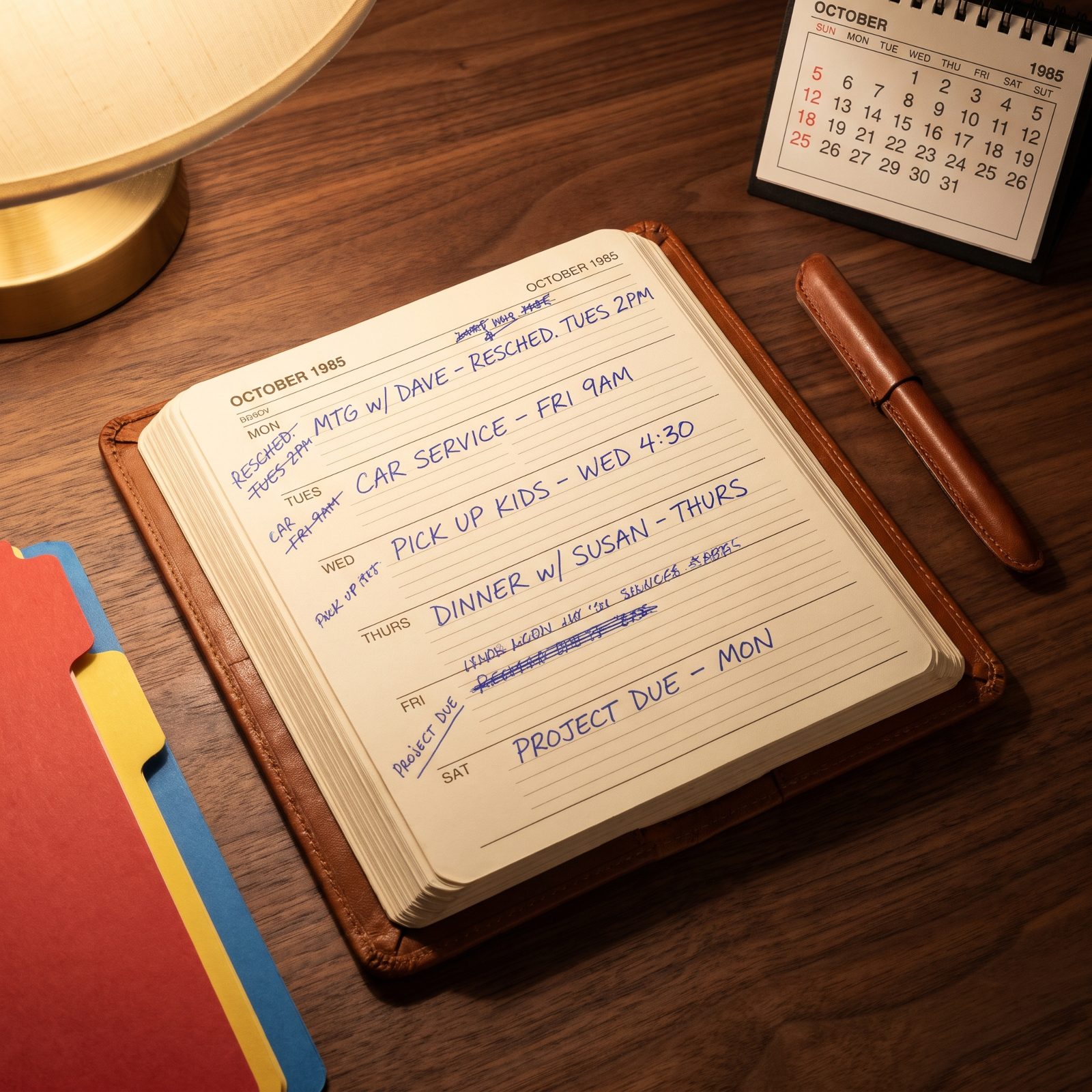
Your entire life lived in a leather-bound book you hauled everywhere, and losing it was a genuine catastrophe. You wrote appointments in pen, crossed them out when plans shifted, re-copied phone numbers by hand, and wedged loose business cards into the spine. Rescheduling a meeting meant erasing, rewriting, and praying you hadn’t missed a conflict buried two pages back.
There was something grounding about it, I’ll grant that. But smartphones with syncing calendars turned the paper planner into a relic overnight. No more copying the same recurring lunch into fifty-two separate week boxes by hand like some medieval monk.
7. Magazine Subscriptions You Signed Up for by the Armful

The mailbox was a feed. You subscribed to a whole stack: one for news, one for your hobby, one for recipes, one that was mostly ads but you kept it anyway. They landed on a staggered schedule that turned the walk to the mailbox into a small daily event, and between the coffee table and the bathroom rack, the overflow was constant.
Renewal cards fell out of every issue. You hoarded back issues you swore you’d re-read someday. Then the web served up the same content free and instant, and most of those armfuls of print quietly stopped arriving. I still miss the smell of a fresh glossy, though.
6. Overhead Projector Transparencies You Wrote On With Special Markers
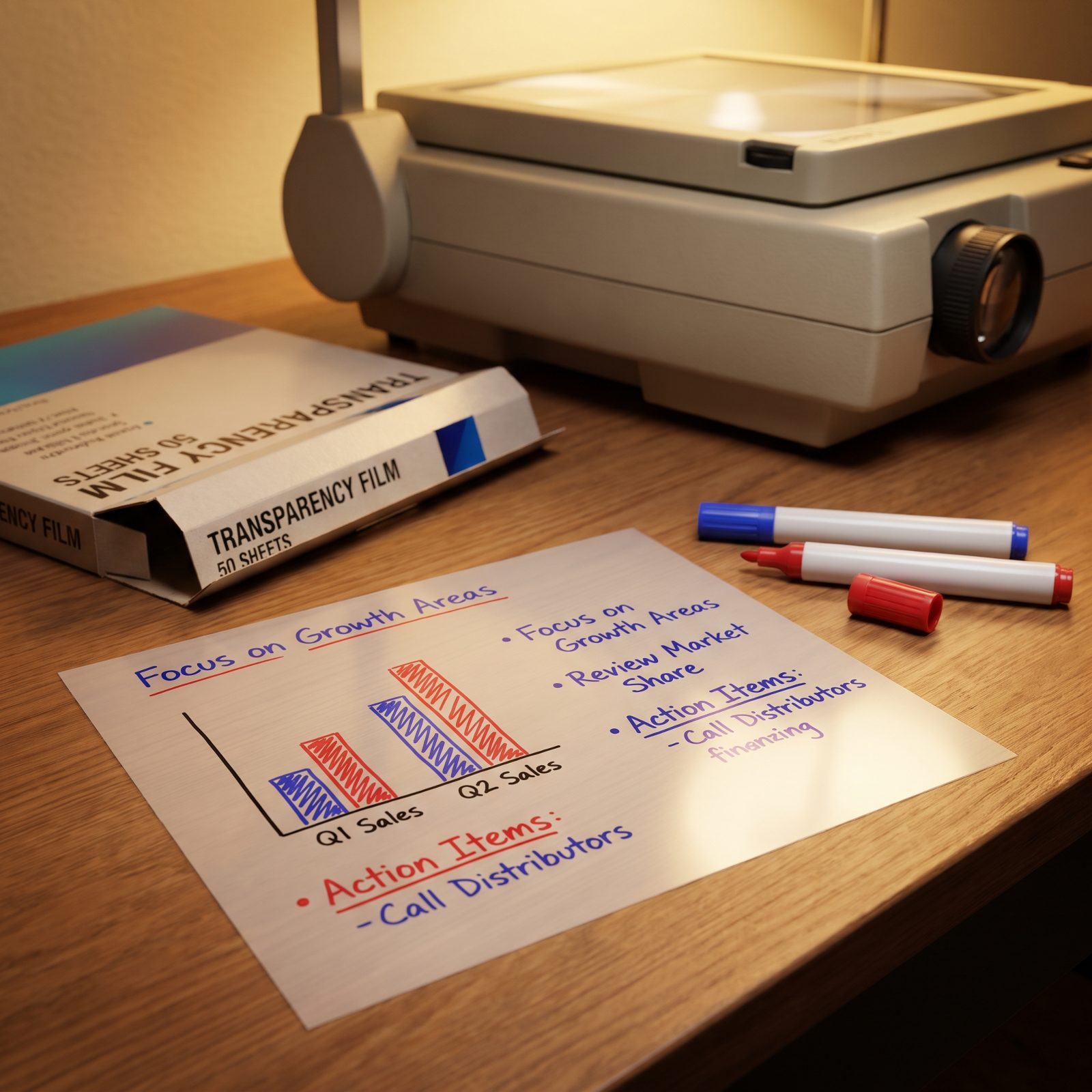
Every meeting and every classroom ran on clear plastic sheets. You wrote on them with special water-soluble markers — never a regular pen, that was a rookie mistake — slid them onto the glowing glass bed, and watched your handwriting splash up onto a screen while the fan hummed and the bulb slowly cooked the room.
Pre-printing a set of transparencies for a presentation was a whole afternoon. You bought them by the box. Slide software and digital projectors made the acetate sheet extinct, and nobody’s holding a moment of silence for it.
5. Calculator Receipt Paper Rolls That Fed the Adding Machine All Day
Would you like to save this?
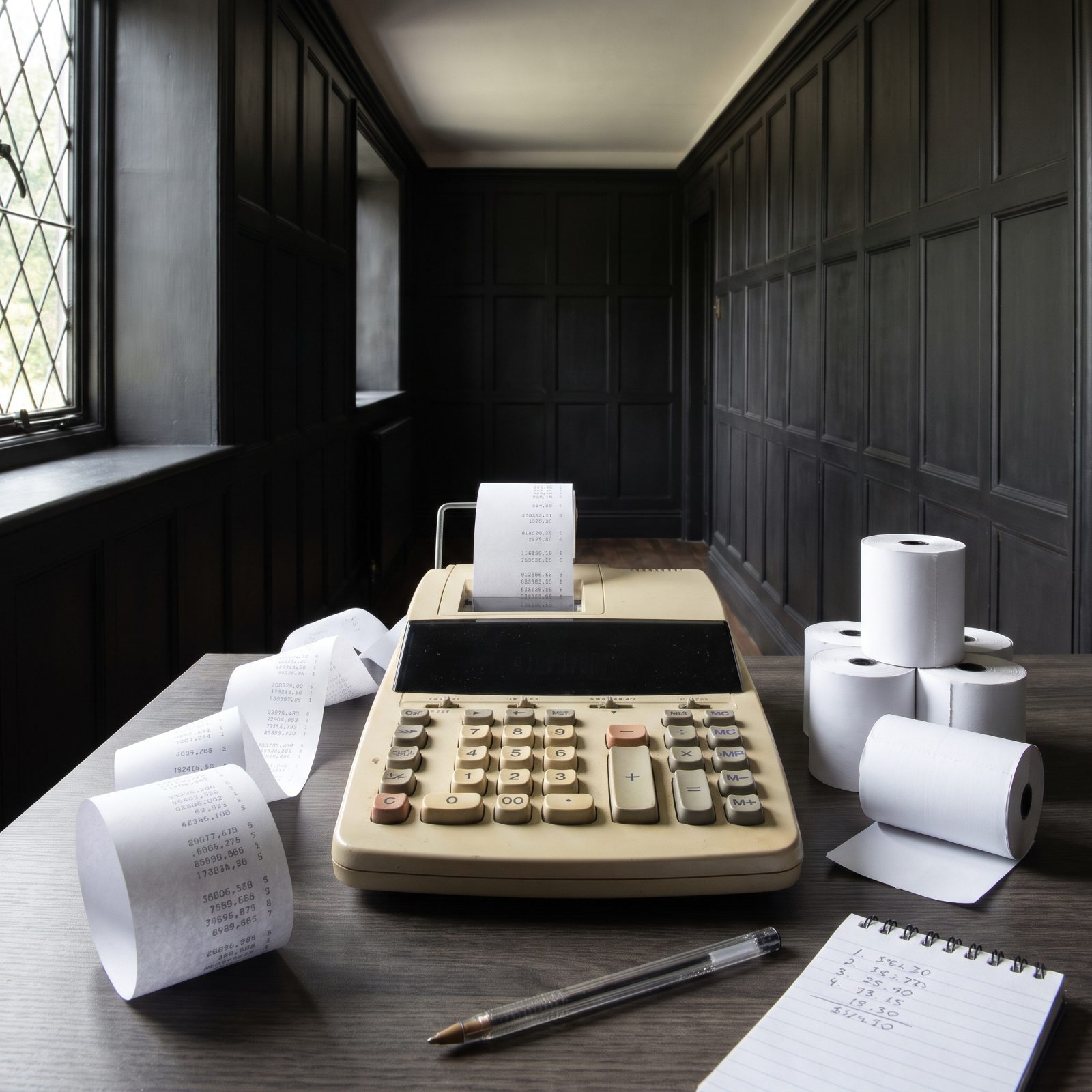
Bookkeepers — and anyone doing taxes at the kitchen table — fed these printing calculators a steady diet of narrow paper rolls. The machine clattered as it printed every entry, giving you a physical record of your math: a long curling ribbon of figures you could double-check and staple to a folder. Run out mid-tally and you were scrambling for a fresh roll from the stash in the drawer.
Spreadsheets swallowed the whole workflow. The tape-printing adding machine hung on longest in small shops and tax prep offices, but the paper roll went from a routine supply-closet buy to something you have to go hunting for.
4. The Spare Camera Batteries You Bought Before Every Birthday Party
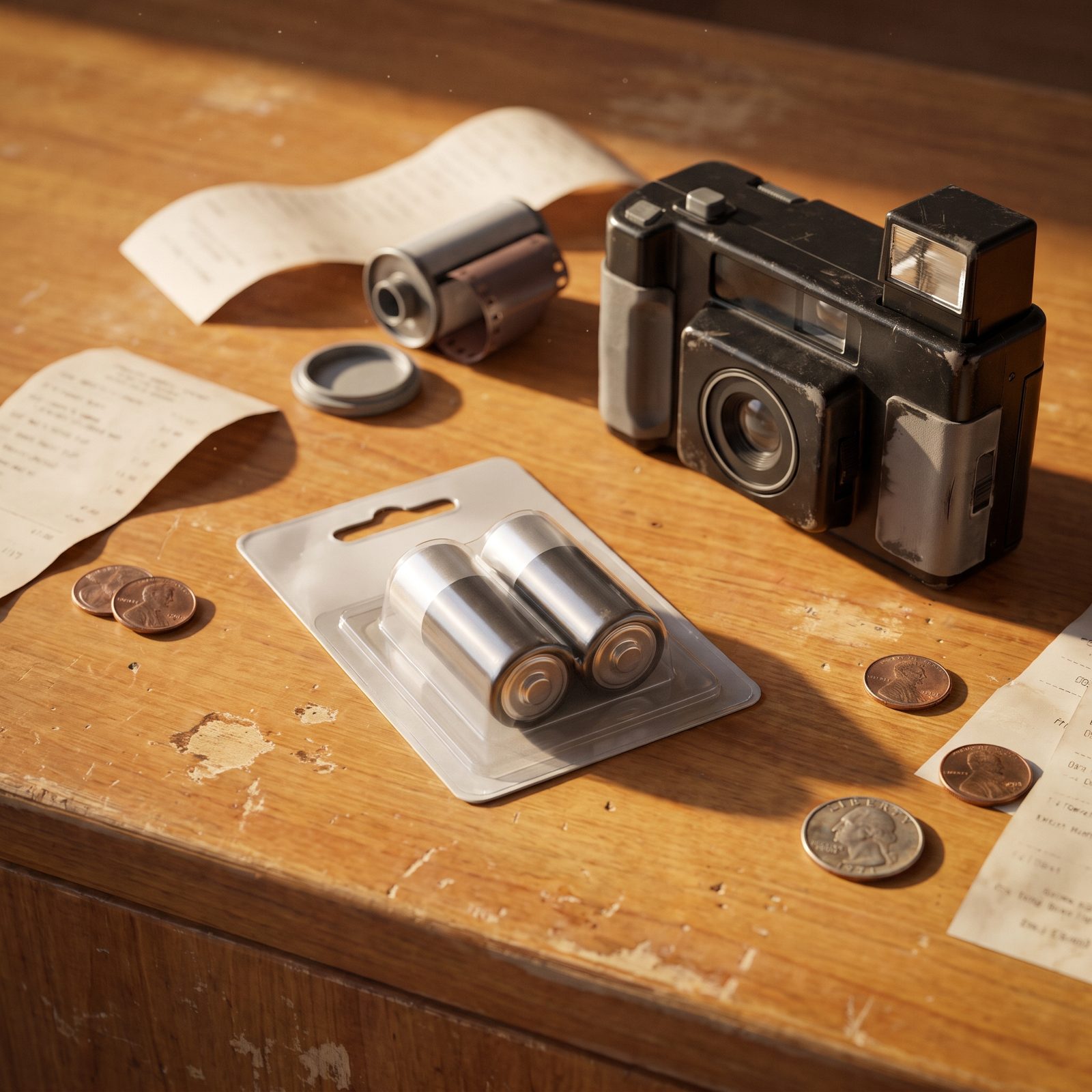
Every family event ran on a tiny silver can of fear. You just knew the flash would die at the exact moment the birthday candles got blown out, so you kept a spare four-pack in the junk drawer and another rattling around the glove box. Flash cubes, then the pop-up units — all of them hungry, all of them draining faster the second the weather turned cold.
You bought them by the blister pack at the drugstore, right next to the film. Nobody buys camera flash batteries anymore, because the camera lives in your pocket and charges overnight while you sleep. Gone is the whole ritual of shaking a dead pack and praying for one more frame.
3. The Pocket Transistor Radio That Went Everywhere You Did
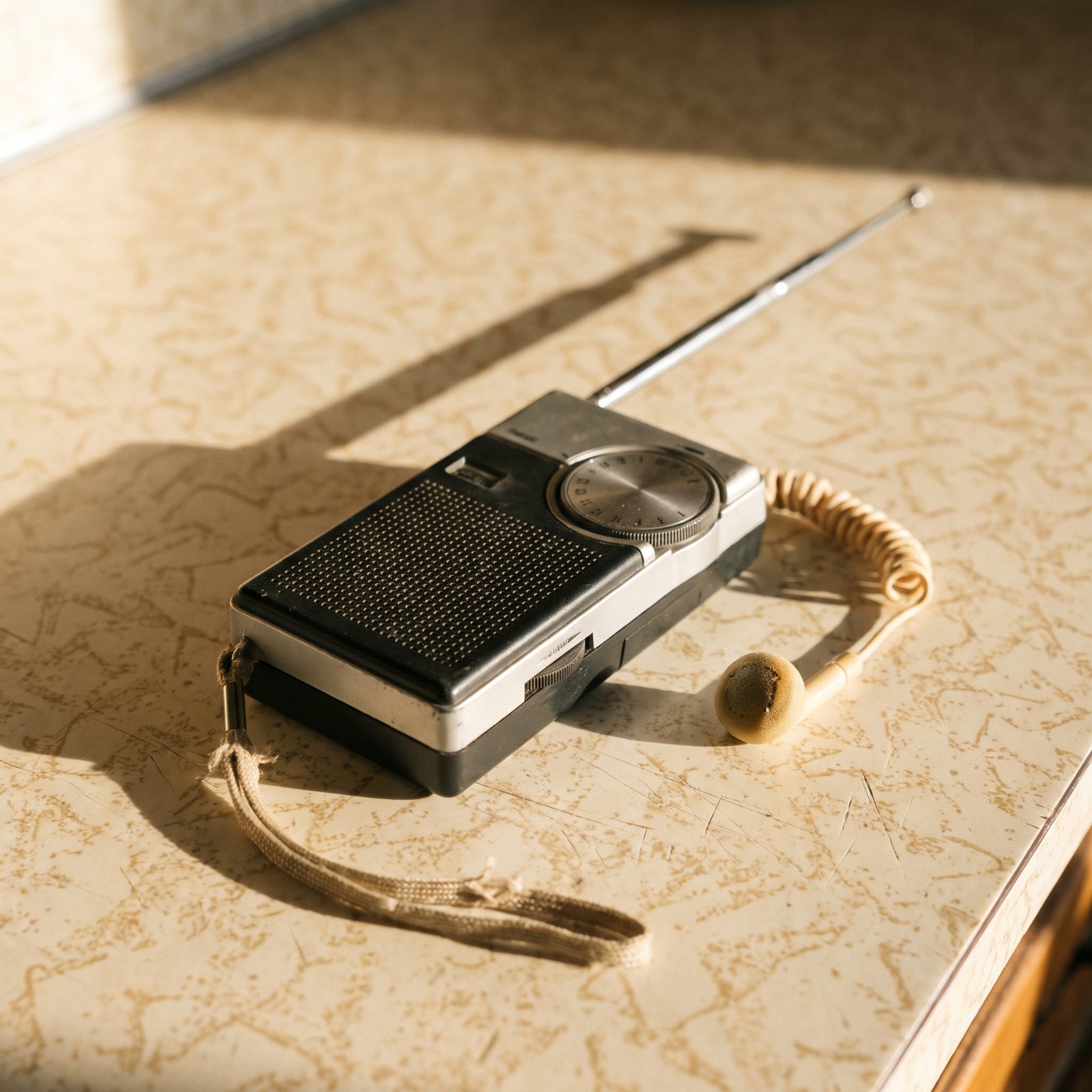
Smaller than a deck of cards, warm in your palm after an hour of use, carried to every ballgame, beach blanket, and backyard in America. The portable transistor radio was the first gadget most people took everywhere, and it ran on a single nine-volt that you tested by biting the terminals. Don’t pretend you didn’t.
You tuned it by thumb, hunting for a station through a wash of static, holding the antenna just so — AM at the lake, FM for the good songs. Then the Walkman arrived, then the phone, and the little radio migrated to the garage workbench, where it still mutters along today if you kept it.
Nobody buys a radio as a thing anymore. The radio is just one icon among forty on a screen.
2. The Clock Radio That Jolted You Awake With a Buzz or a DJ
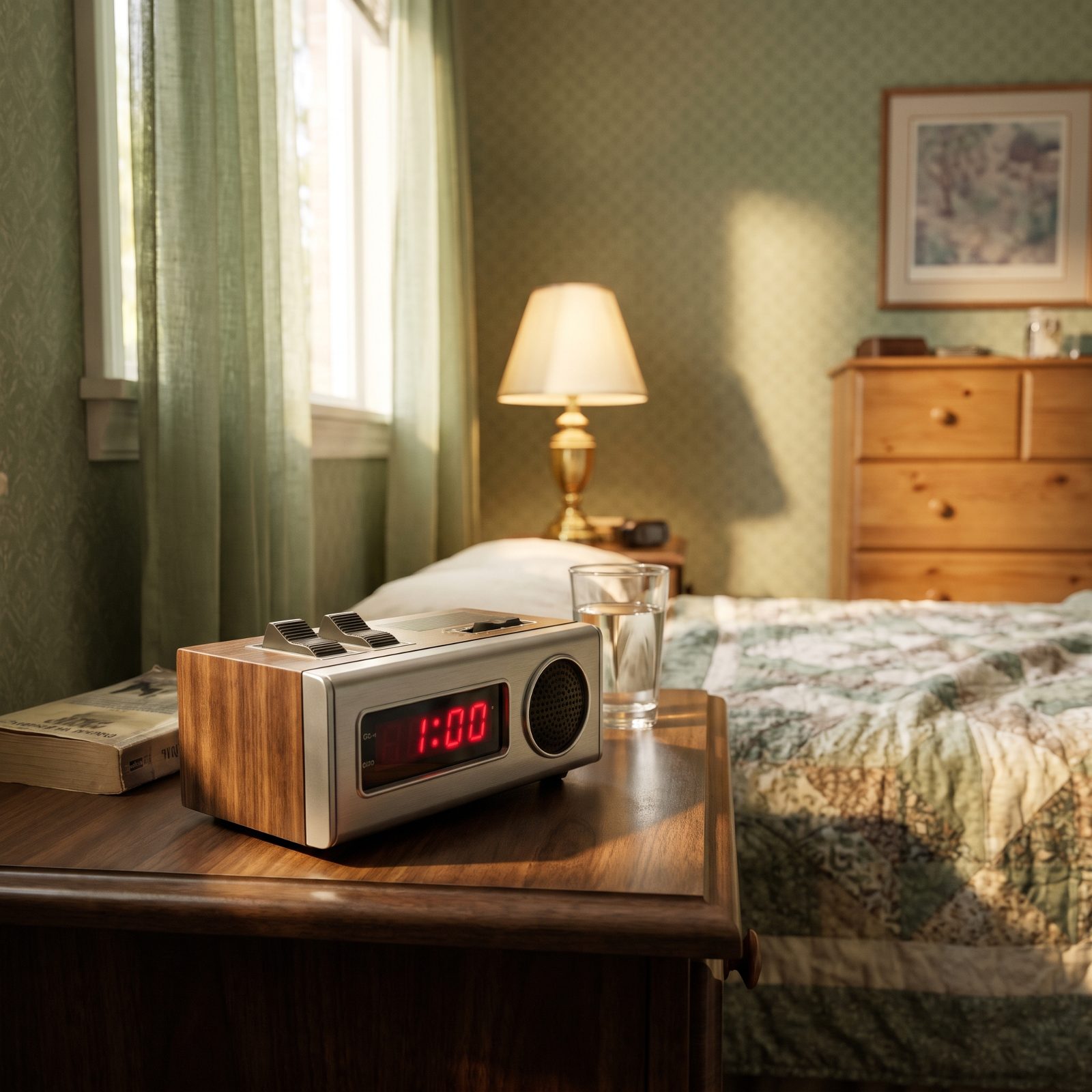
That red digital glow was the last thing you saw at night and the first thing you squinted at every morning. The clock radio sat on the nightstand doing two jobs at once, and you bought one as a matter of course — often a graduation gift, or the very first thing you grabbed for a college dorm.
You set the alarm to wake you with music, then flipped the switch to that horrible buzz when you kept sleeping through the music anyway. The snooze bar got worn smooth. Then the phone swallowed the whole category. Now the nightstand sits empty, the alarm lives in your palm, and you charge the thing that wakes you up right next to your head.
1. The Carton of Cigarettes You Picked Up With the Weekly Groceries
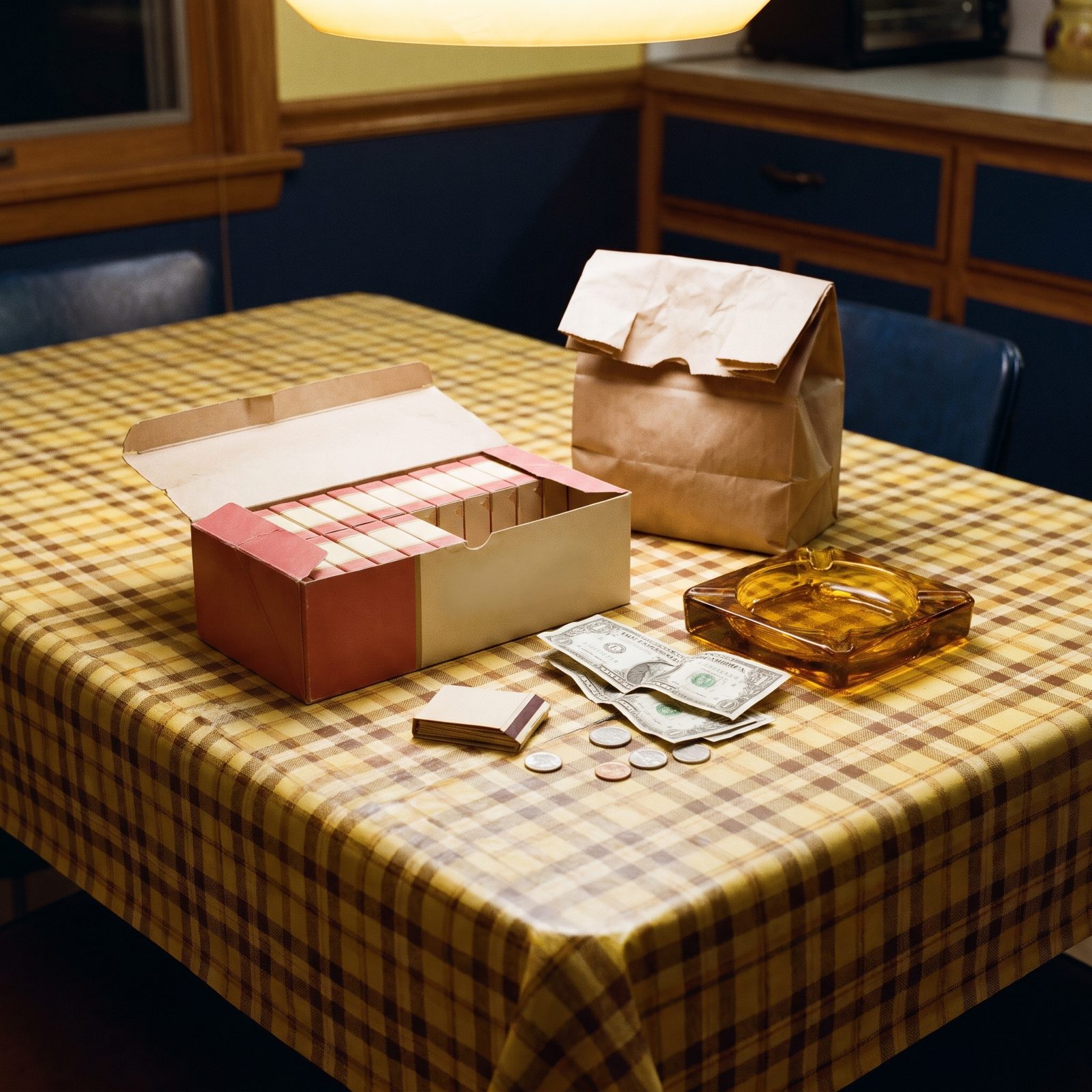
Bought by the carton, not the pack, because it came cheaper that way and smoking was simply what a lot of adults did. The carton went in the cart between the coffee and the paper towels, no second thought, and then it sat on top of the fridge or in a kitchen drawer like any other staple.
Cigarette machines stood in every diner lobby and bowling alley. You could light up on a plane, in the office, at the doctor’s. The weekly carton was ordinary — and it isn’t anymore. That’s one change nobody misses the health part of, whatever you feel about the ritual. The habit faded, the taxes climbed, the machines vanished, and the whole routine of a standing weekly purchase went with them.