
Would you like to save this?
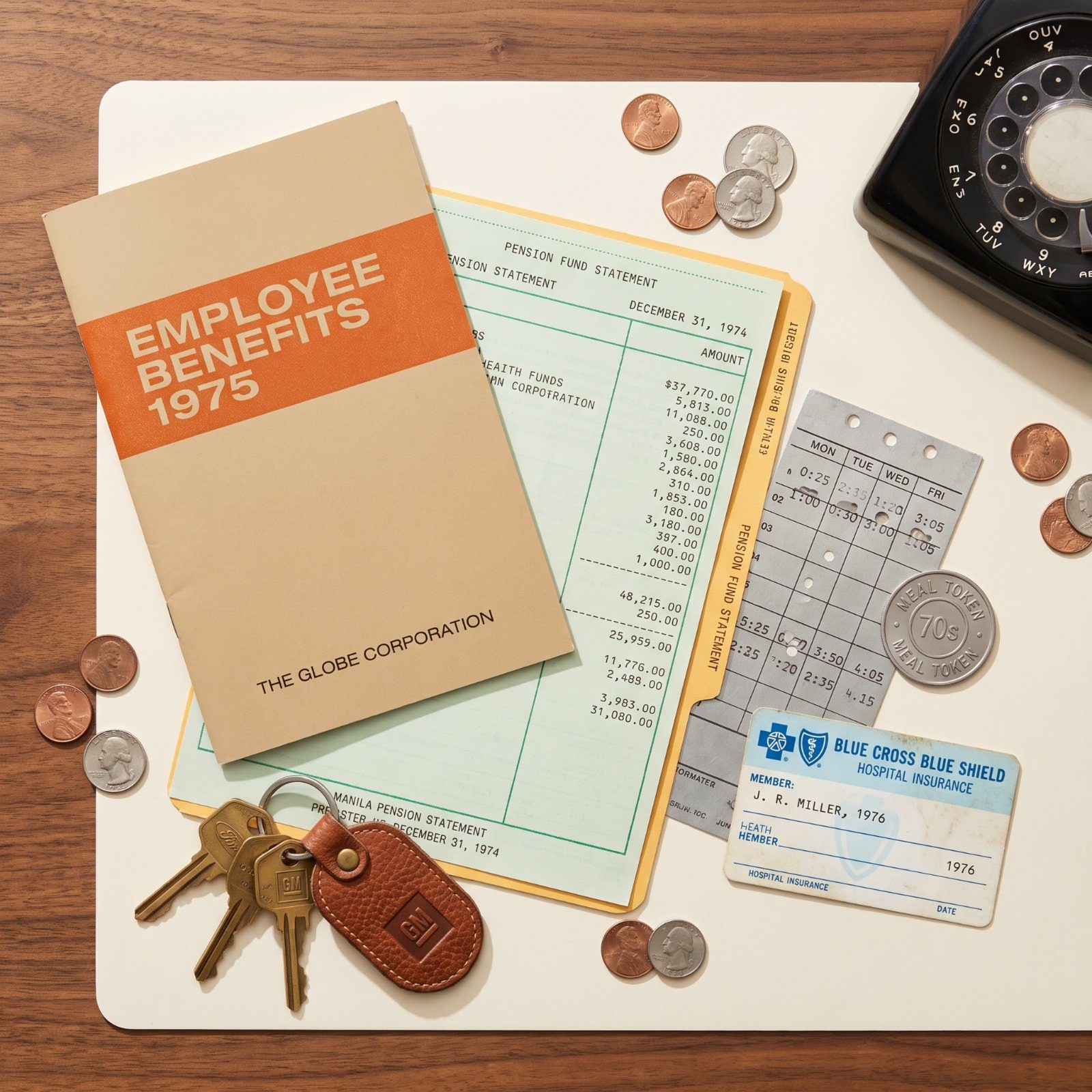
The payday envelope was just the start. Back in 1975, a decent union card or a spot at a solid corporation came bundled with things nobody bothered to itemize, because everyone already had them. A doctor’s visit that cost nothing at the counter. Lunch for pocket change. A pension you never once paid into. We went looking for the perks that used to come standard — the ones that stretched a paycheck well past the number printed on it. What follows is the stuff we quietly gave away.
24. Family Health Insurance With No Employee Premium
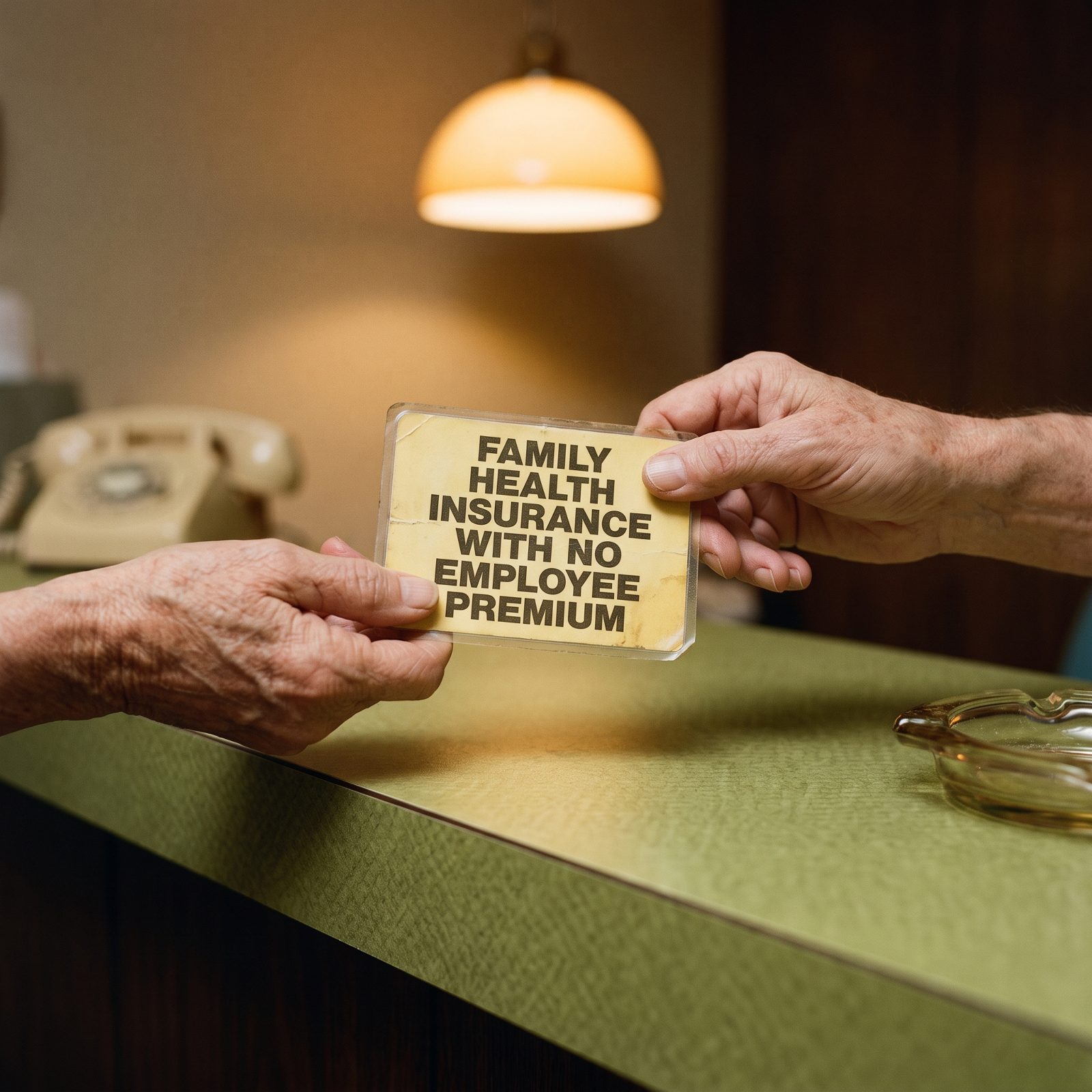
The card in your wallet did the whole job. You handed it over at the front desk, someone copied the number onto a form, and that was the transaction. No copay window, no coinsurance math scrawled on a napkin. The company paid the premium, and it covered the whole family — spouse and kids included — without a dollar leaving your check.
What made it feel generous wasn’t the coverage alone. It was the absence of the modern ritual: no open-enrollment spreadsheet, no deductible you had to clear before anything kicked in. We say this as people who now budget for the year like it’s a small mortgage. The 1975 version was quieter, and for a lot of families, free at the point of use.
23. A Fully Employer-Funded Defined-Benefit Pension
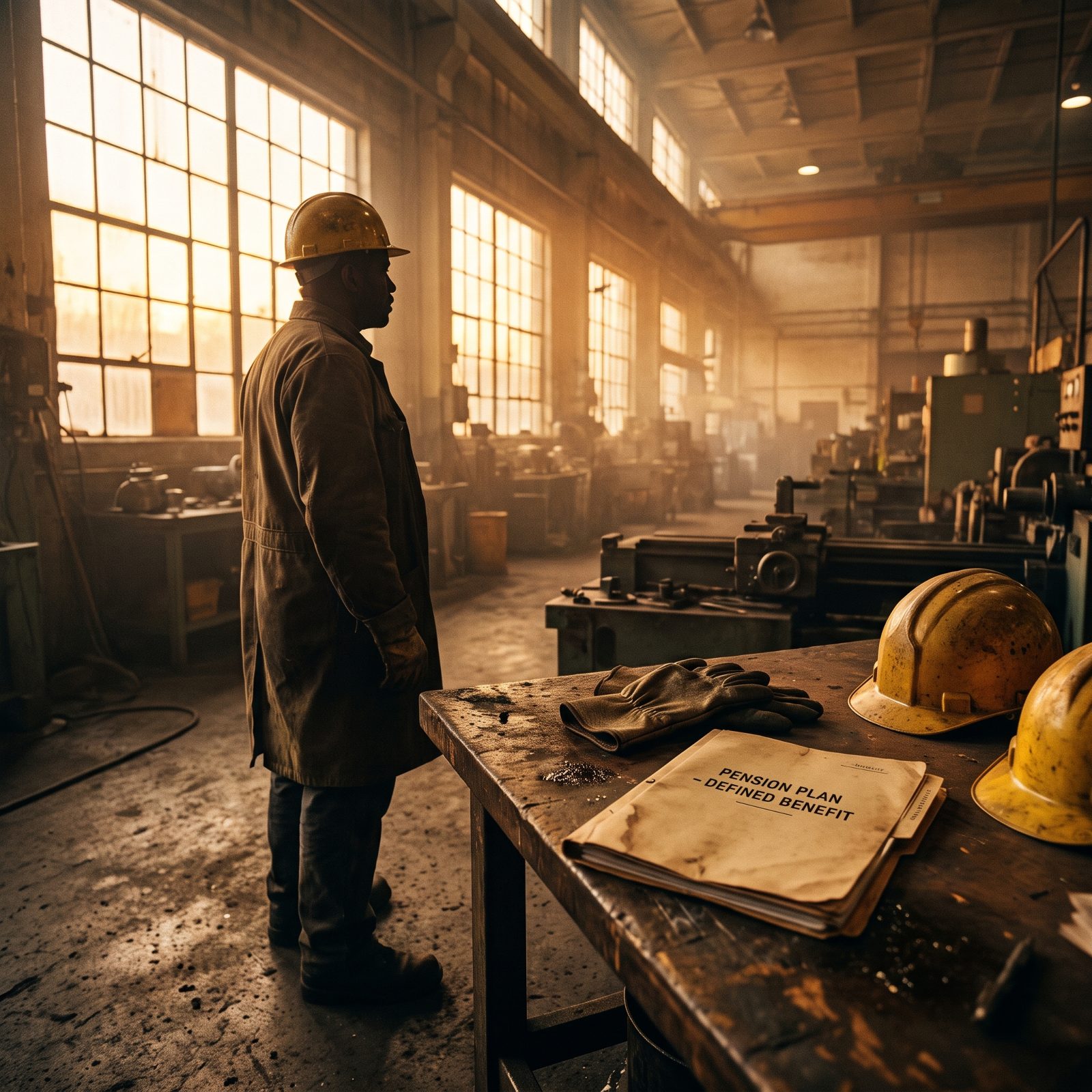
Nobody at the factory said “defined benefit.” They said “the pension,” and they said it the way you’d talk about the weather or the tides. You put in your years, you retired, and a check showed up every month for the rest of your life. The company funded it. You didn’t kick in a cent, and you never had to guess how the market was feeling that decade.
The 401(k) didn’t exist yet, which meant the whole burden of a comfortable old age hadn’t yet been handed to the individual worker to juggle in his spare time. That shift arrived in 1978 and quietly rearranged everything. In 1975 the promise was simpler — and keeping it was somebody else’s job.
You put in your years, and a check showed up every month for the rest of your life.
22. A Company Car With Gasoline Included
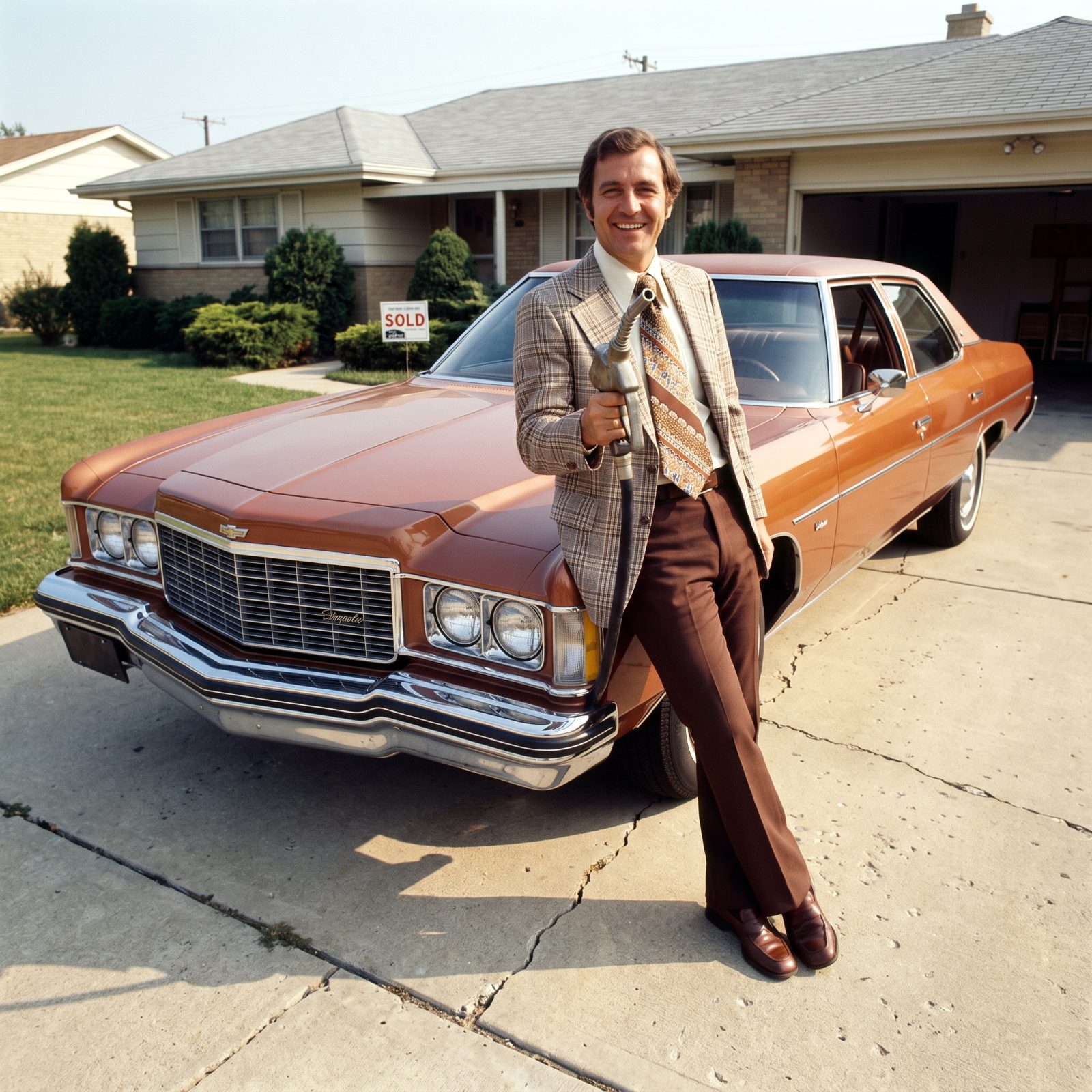
The company car wasn’t only for executives, and it wasn’t only the car. A salesman, a field engineer, a supervisor who covered territory — any of them might draw a sedan off the company fleet, plus the gas card clipped to the visor.
You filled up on the road, signed the slip, and never opened your own wallet at the pump. Given what happened to gas prices right after the 1973 oil embargo, that little card was worth a lot more in 1975 than it had been three years earlier. Insurance and maintenance rode along on the company’s tab too. The car was a tool. It just happened to be a very nice one to be seen driving.
21. Company-Provided Employee Housing

Some jobs came with a roof. Mining companies, railroads, remote industrial plants, forestry outfits, and a fair number of hospitals housing their nurses built the places and rented them cheap — or handed them over free — to keep workers close to the work.
Company towns had a complicated history, and we won’t pretend otherwise. The old ones chained a man to the boss in ways that weren’t always kind. But by 1975 a lot of employer housing was simply practical: a subsidized apartment near a hospital, a bunkhouse at a remote site, a small house on the edge of a mill town. Rent barely dented the paycheck, and for a young worker just starting out, that mattered more than almost anything else here.
20. College Tuition Reimbursement

You wanted to finish your degree, or start one, and the company said fine — bring us the receipt. Tuition reimbursement in 1975 wasn’t the capped, hoop-heavy program it so often is now. At many big employers a worker could take night classes and get the bill covered, sometimes with a modest grade requirement and not much else.
The math genuinely worked for both sides. The company bought loyalty and skill. The worker walked out with a credential he’d otherwise have paid dearly for. And here’s the part that lands differently today: tuition itself was low enough that a full reimbursement actually finished the job. You didn’t graduate with a company benefit and a mountain of debt anyway.
19. A Fully Paid Apprenticeship
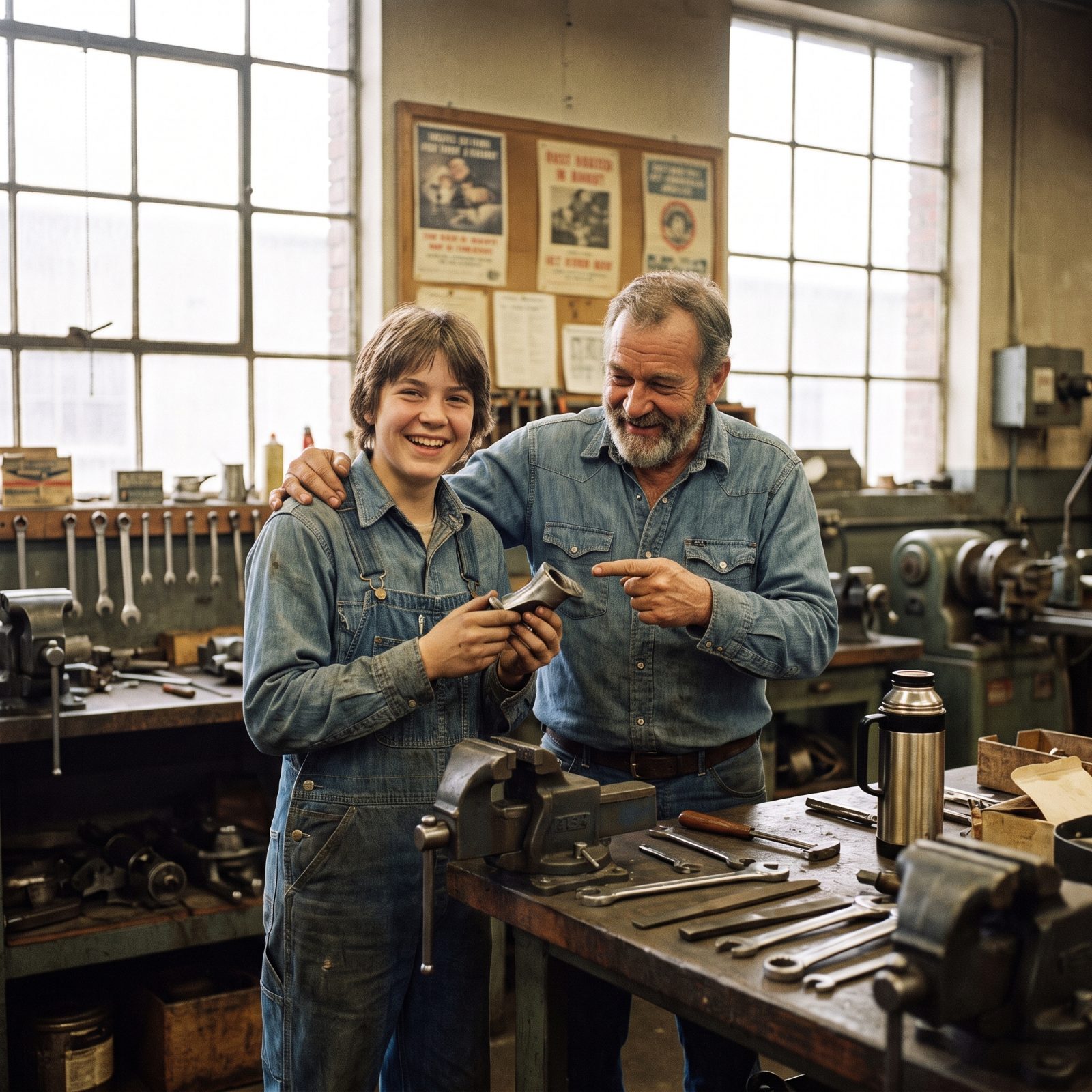
The union apprenticeship was one of the best deals a young person could land in 1975, and it barely gets a mention now. An electrician, a pipefitter, a machinist — you signed on, and instead of paying a school, the program paid you. You earned a wage while you learned, the wage climbed as your skill climbed, and at the end you carried a journeyman’s card that meant real money for life.
- No tuition, ever. The trade taught you on its dime.
- A paycheck from day one, rising on a set schedule.
- A credential that traveled anywhere the trade was needed.
Set that against graduating college in debt and hunting for an unpaid internship. The apprentice had it figured out. He got paid to become valuable.
18. Employer-Paid Dental Coverage
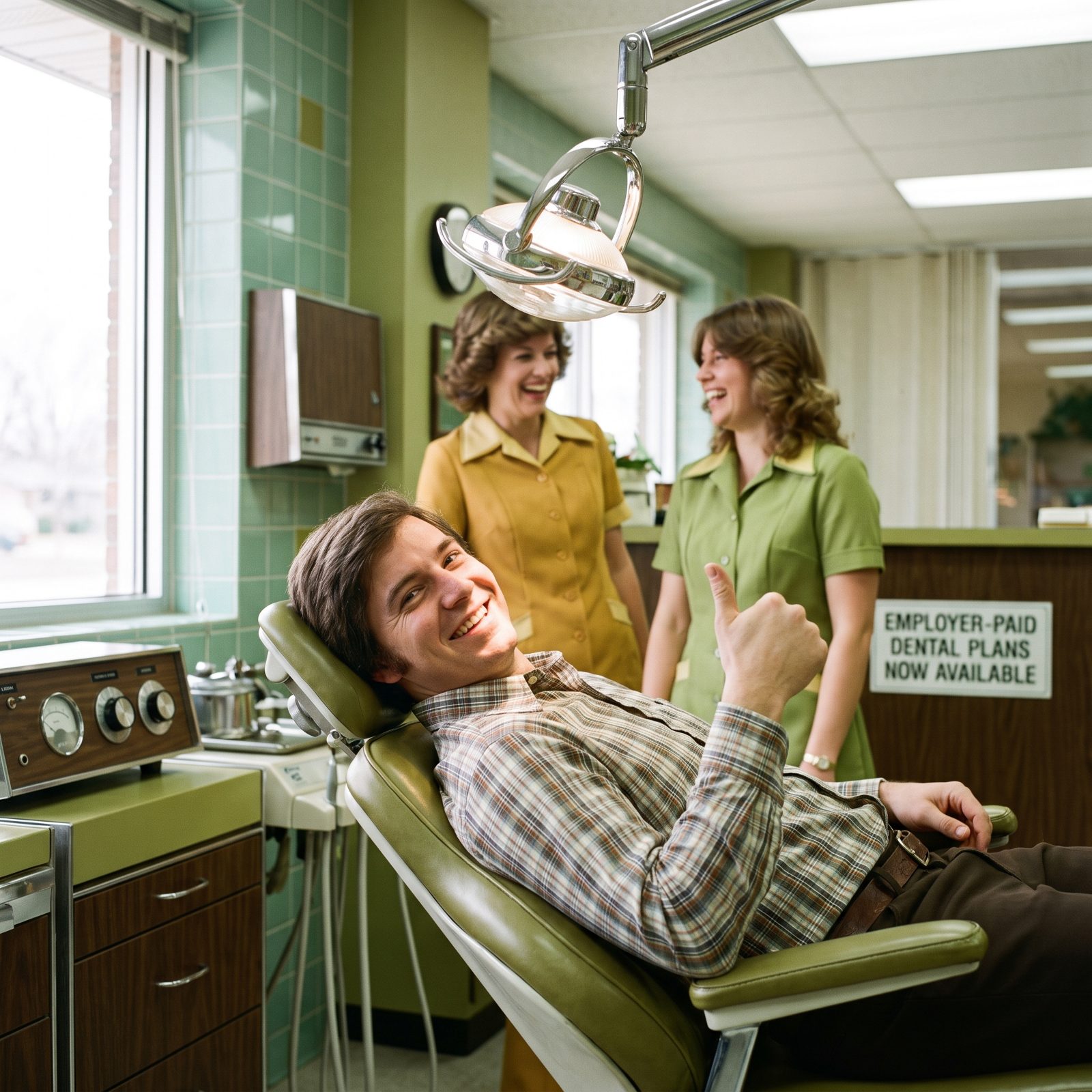
Dental coverage was newer than the rest of this list, and that’s exactly why it felt like a treat. It spread fast through union contracts and big employers in the late ’60s and into the ’70s, so by 1975 a lot of workers had it for the first time in their lives.
Cleanings, fillings, the occasional crown — covered, or close to it, with the company paying the freight. For a generation whose own parents had teeth pulled because a dentist was a luxury, this was no small thing. It quietly changed how people’s mouths looked. You can almost date a family photo by whether the adults smiled with their teeth showing.
17. On-Site Child Care

This one surprises people. On-site child care at 1975 workplaces was real, especially at hospitals, large factories with heavy female workforces, and government agencies. A nursery down the hall. A play room near the plant floor. A place where a working mother could drop her kid on the way in and see him again at lunch.
It didn’t exist everywhere, and it wasn’t cheap for employers to run, which is partly why so much of it later vanished. But where it existed, it solved the single hardest problem a working parent faces — the gap between the start of your shift and the end of the school day. That we treated this as ordinary in 1975 and treat it as a luxury perk now tells you plenty about the direction things drifted.
16. A Hot Meal in the Company Cafeteria
Would you like to save this?
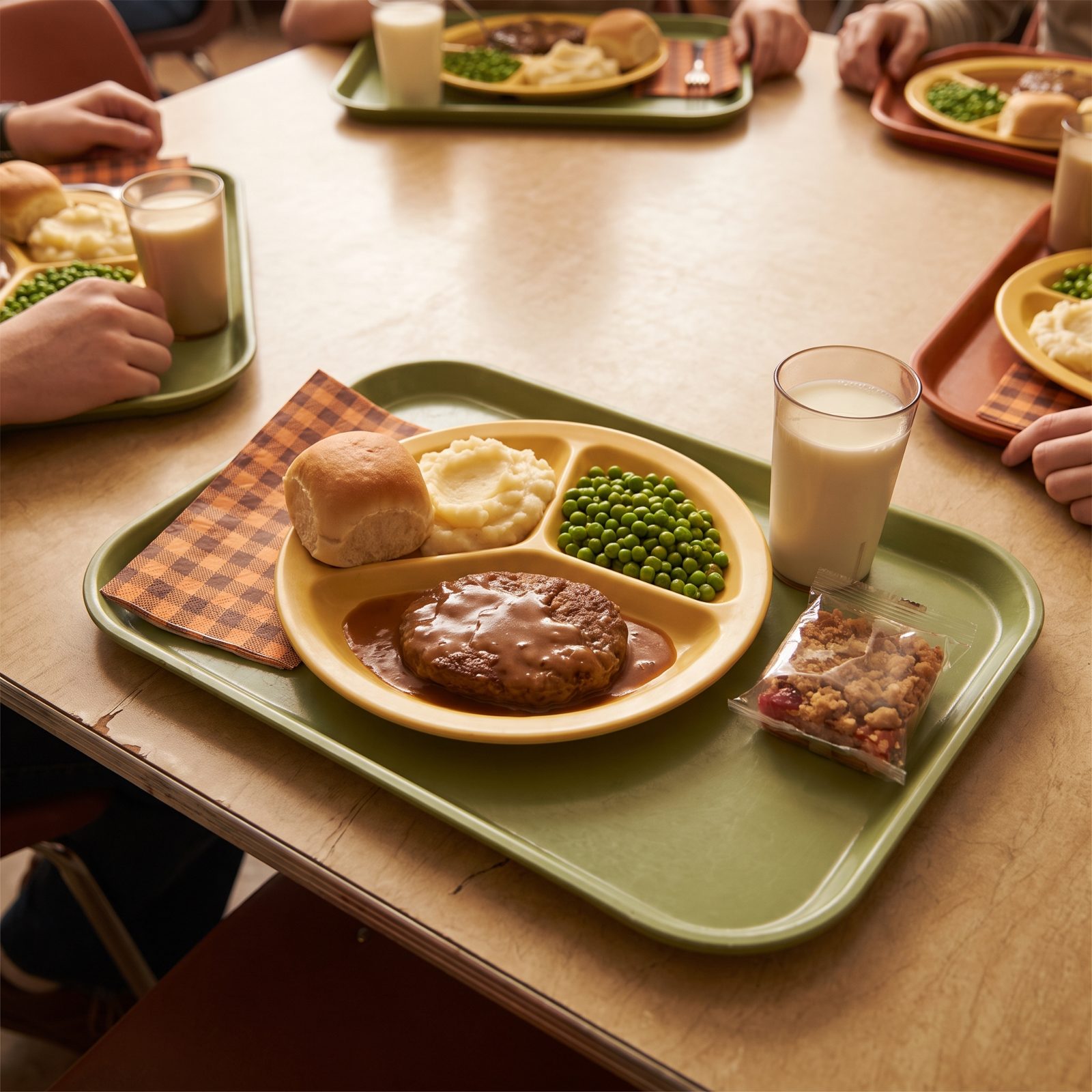
The subsidized cafeteria was the perk you enjoyed every single day without ever counting it as one. A hot lunch — meatloaf and mashed potatoes and a wedge of pie — went for what amounts to loose change today, because the company ate part of the cost to keep workers on-site and fed.
You grabbed a tan plastic tray, slid it down the rail past the steam tables, and a woman in a hairnet ladled gravy without asking. Cheap, hot, social. The cafeteria was where the plant actually talked to itself. Now we eat sad desk salads we packed at 6 a.m. and call it a wellness choice.
15. A Private Commuter Bus to the Workplace
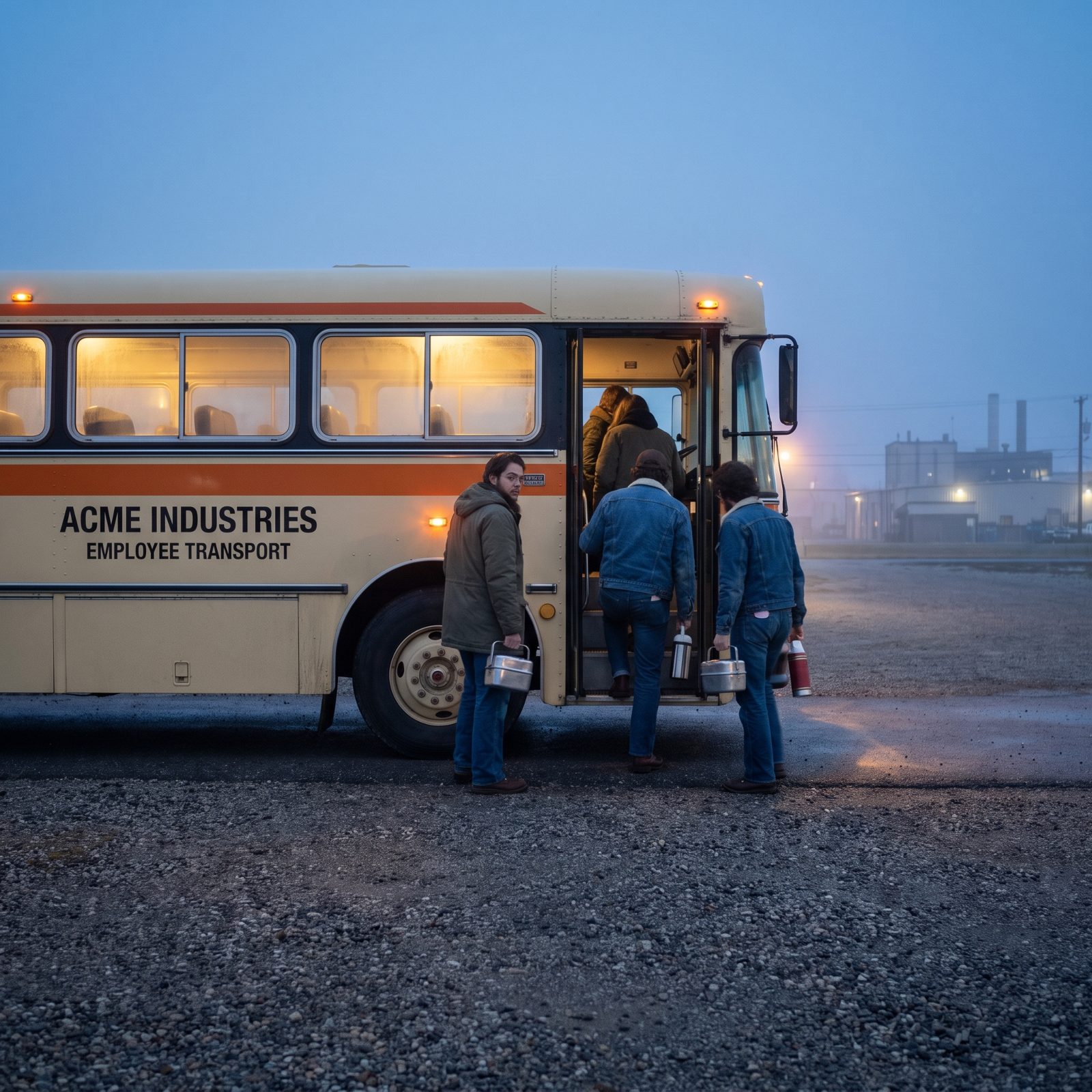
Big employers ran their own buses. If the plant sat out past the edge of the city, or the shifts didn’t line up with public transit, the company put a fleet on the road and picked workers up at neighborhood stops before dawn.
You waited at the corner, climbed onto an orange vinyl seat, and rode in with the same faces every morning. It saved gas, saved wear on your own car, and spared you the daily hunt for a parking spot, and spared the company from paving a lot for a thousand cars. After the oil embargo made every gallon feel precious, that free ride quietly became one of the better deals attached to the job. And you could sleep the whole way there.
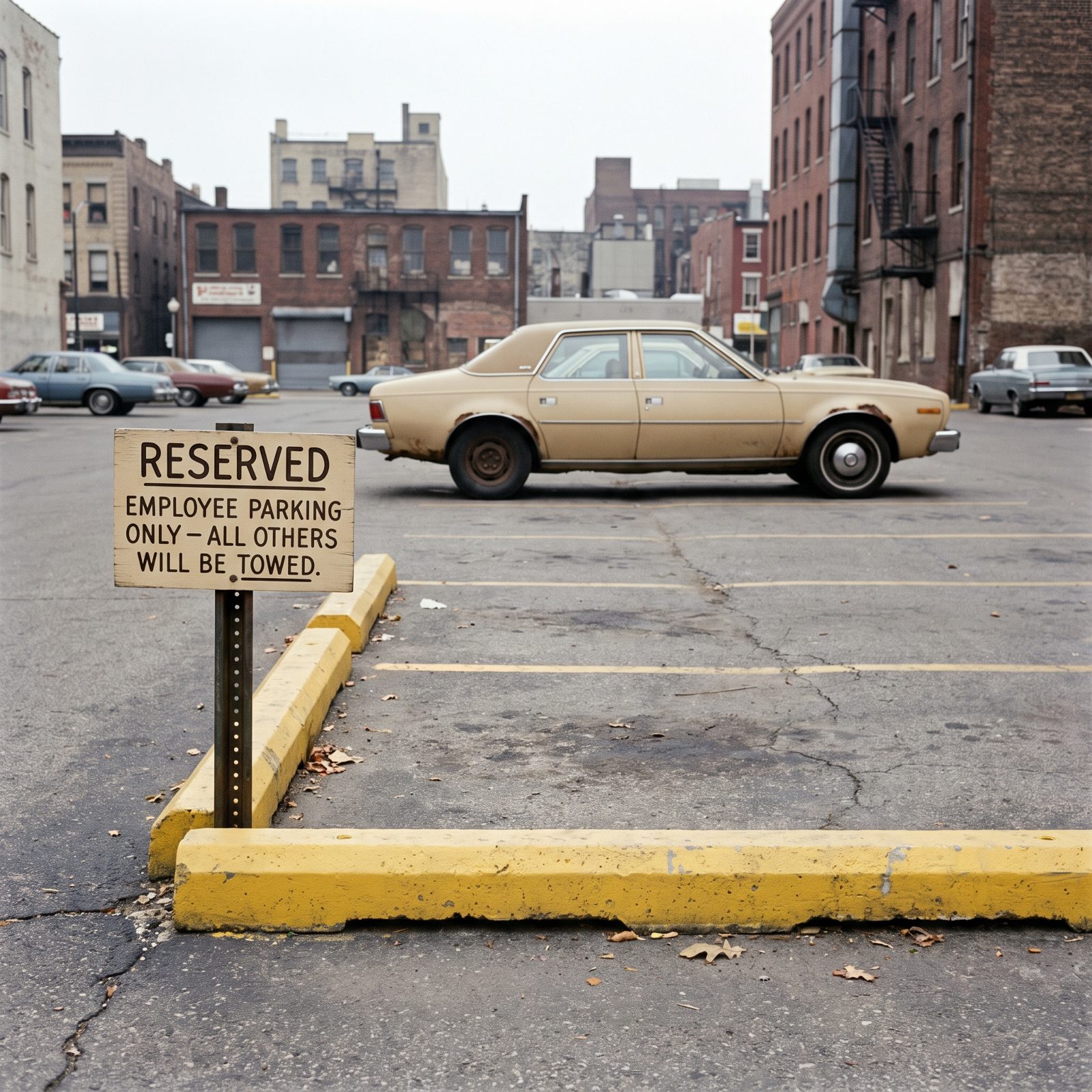
14. Free Downtown Employee Parking
13. On-Site Medical Care From a Company Nurse

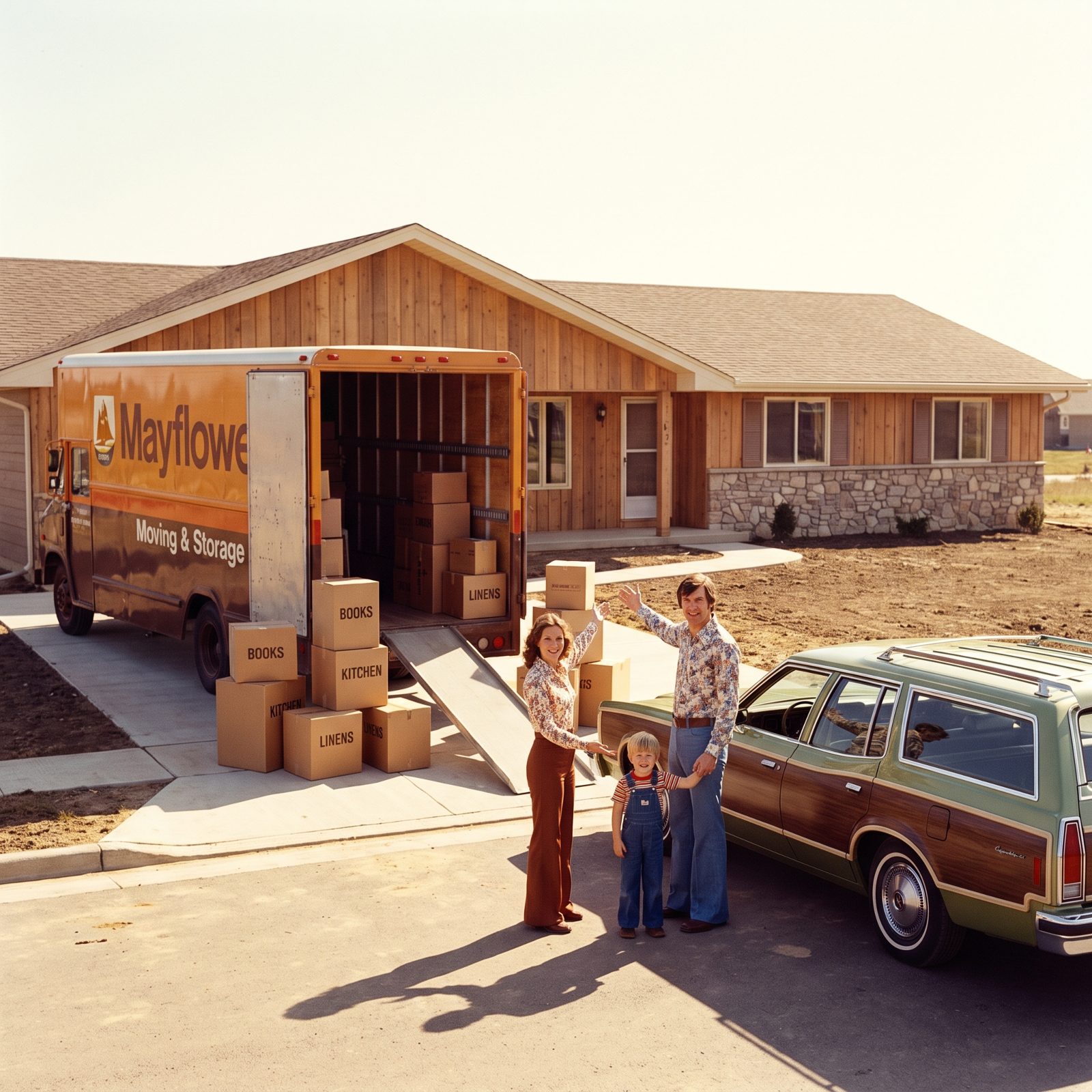
12. Relocation and Moving Expenses
11. A Complete Set of Trade Tools

A journeyman starting a job in 1975 often walked into a chest already loaded. Wrenches, sockets, felt-lined drawers, the whole rig issued by the company against a signed receipt. Nobody financed a two-thousand-dollar toolbox on a first paycheck. The plant handed you what the work required, and that was that.
Now? Tradespeople front the cost of their own kit and haul it truck to truck, job to job. Back then the tools were the company’s investment in the work getting done right. All you had to do was bring them back at the end.
10. Work Boots and Protective Equipment
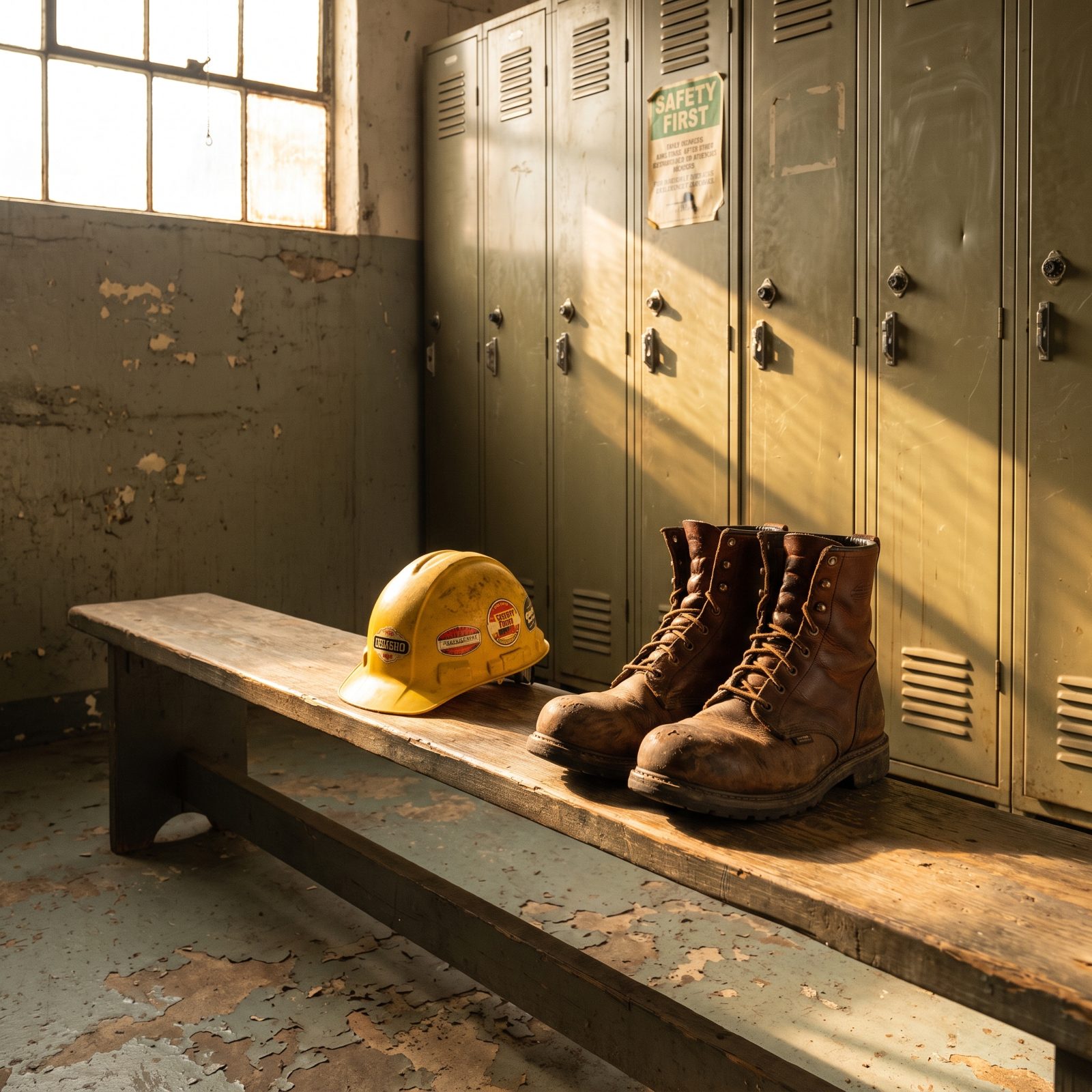
Steel-toe boots weren’t a line item on your budget in 1975. The plant issued them, along with the hard hat, the goggles, the gloves. You signed the log and walked out geared up for the shift.
These days safety footwear allowances are something workers negotiate for, and plenty of people just buy their own. Protective gear that showed up with no reimbursement paperwork to chase feels quaint. It shouldn’t. Keeping people from getting hurt was the employer’s problem, not the worker’s expense to absorb.
9. Employer-Supplied Uniforms With Free Cleaning and Pressing
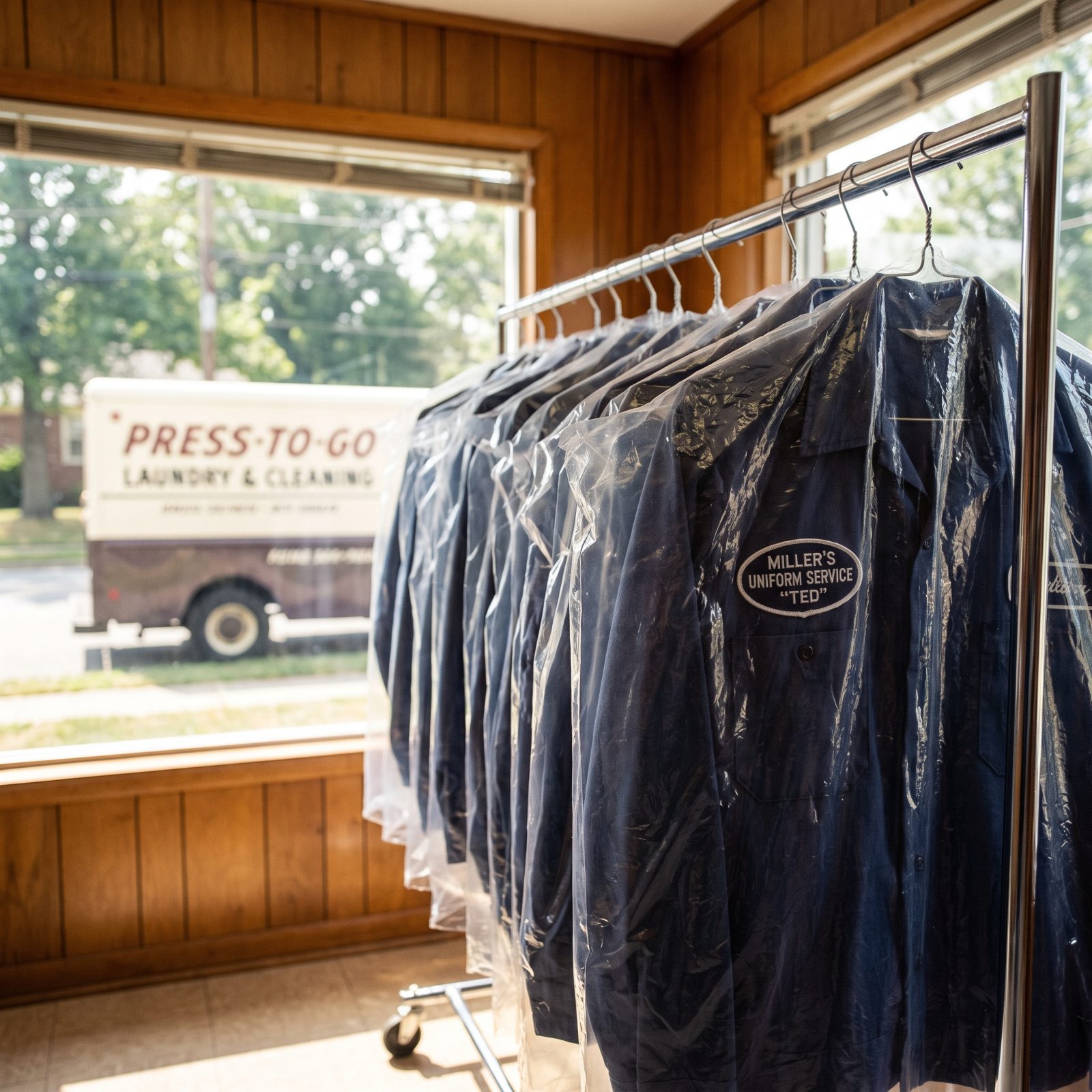
Twice a week the truck came. It dropped off your uniforms cleaned, pressed, and hanging in plastic — your name stitched on the chest in an oval patch — then hauled the dirty set away. You never once touched a washing machine for work clothes.
That gray-blue twill was somebody else’s job to maintain, and everything folded into the deal: the laundering, the pressing, a fresh set waiting Monday morning. Now people expense their own dry cleaning or run a load at home on their own time and dime. What’s gone is the convenience of never having to think about it at all.
8. Free Products Made by the Company

Work at the cannery, take home cans. Work at the bakery, the day-old bread was yours. In 1975 plenty of manufacturers let employees walk out with product — free or at a steep discount — and everybody treated it as part of the arrangement.
There’s a plain logic to it. The company had inventory, the worker had a household to feed, and goodwill cost almost nothing to hand over. Honestly, we’d argue it did more for morale than any points-based rewards app ever has. A bag of what you helped make, passed over at the end of the shift, carries a weight a gift card never will.
7. A Paid Holiday Turkey or Ham
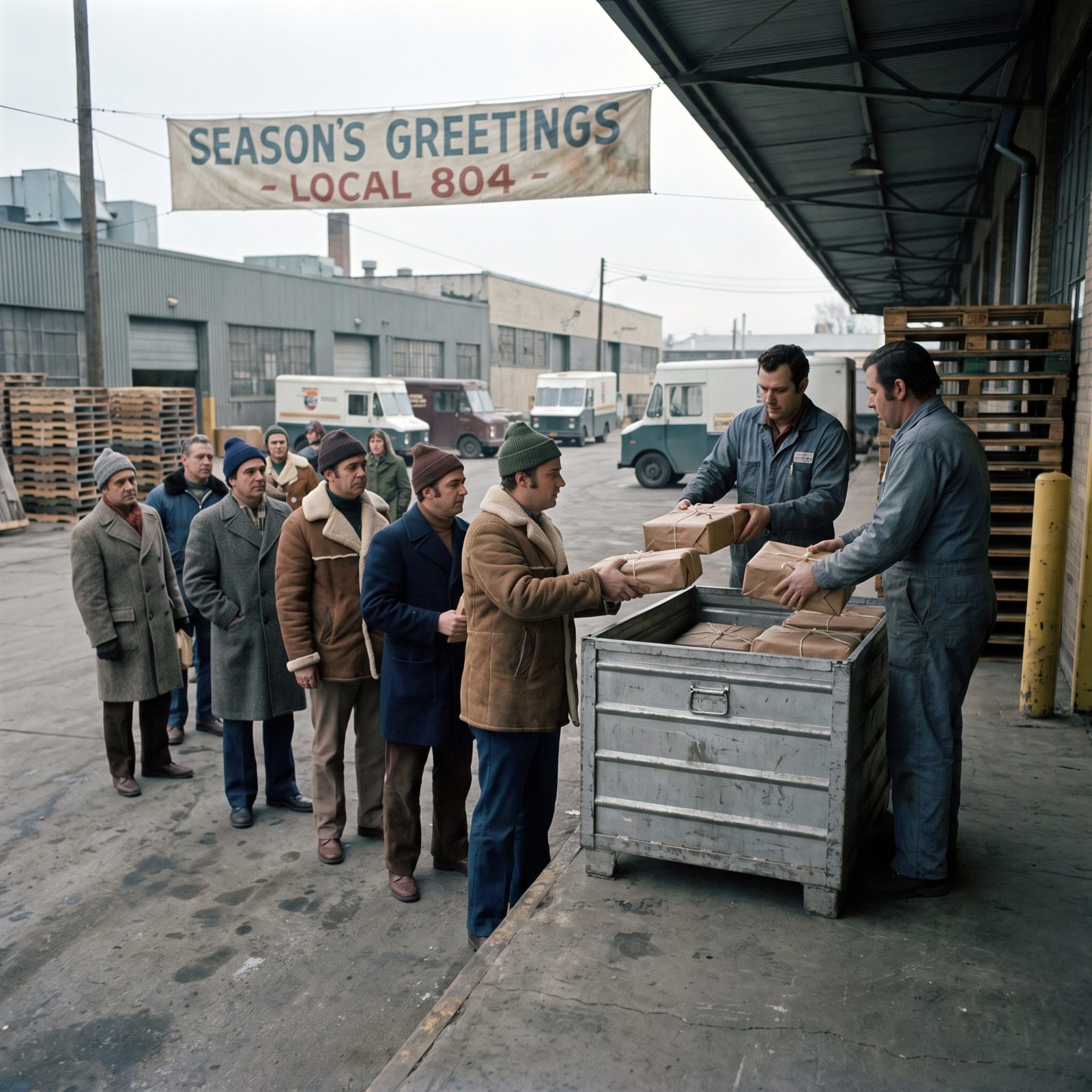
Every December, the turkey. Sometimes a ham instead. You’d get in line at the dock, someone checked your name off a roster, and you carried home a bird for the family table, courtesy of the company.
Sounds small until you realize how universal it was — factories, utilities, retailers, public agencies, all of them doing the same thing come December. The holiday turkey was a ritual, not a rounding error on a spreadsheet. Somewhere along the way it turned into a novelty story people tell, assuming they get anything at all these days.
6. The Annual Company Picnic for the Whole Family
Would you like to save this?
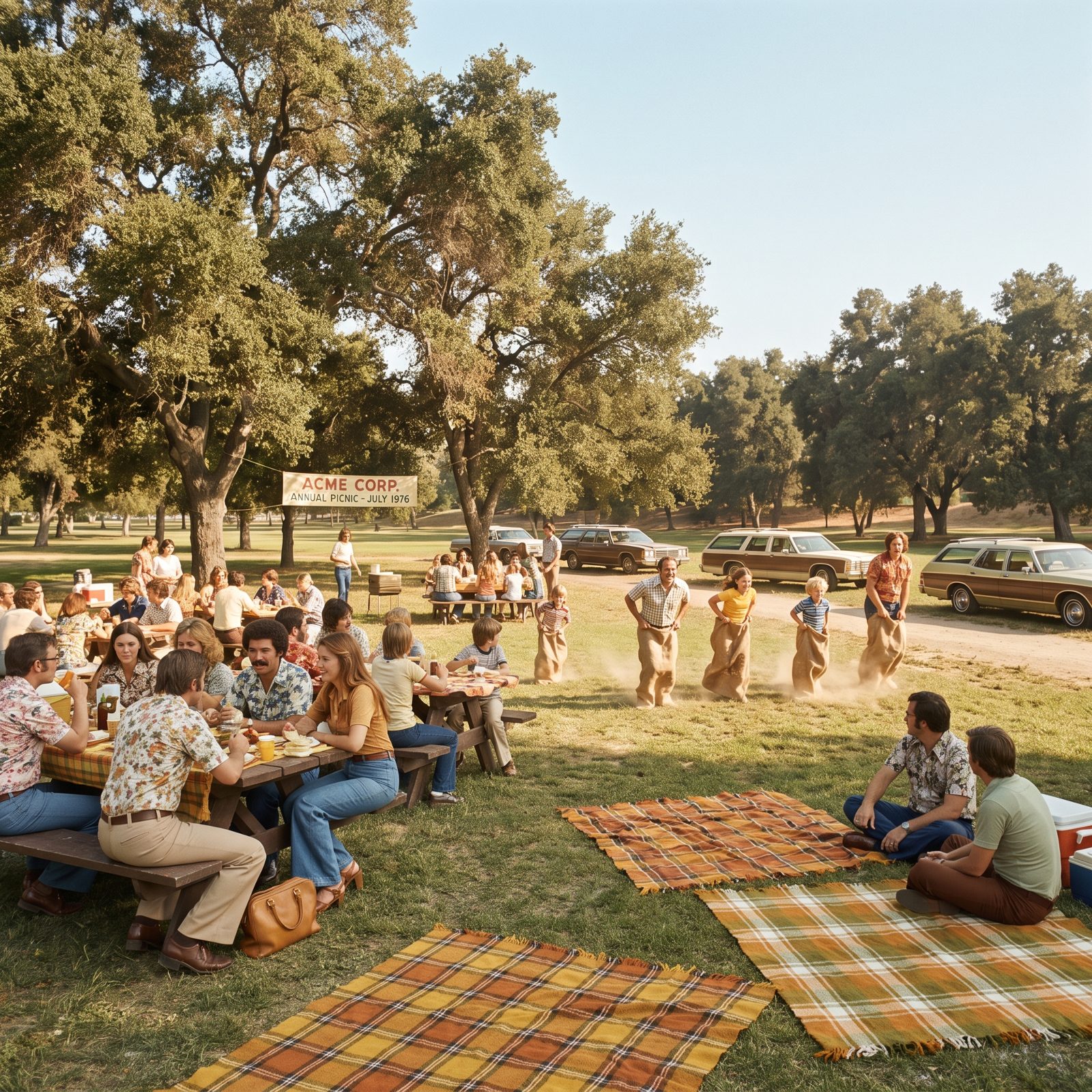
One Saturday a summer, the whole plant loaded into station wagons and drove to the park — kids, spouses, the works. The company paid for the grill, the soda sweating in the ice tub, the softball, the little prizes for the sack race.
It blurred the line between where you worked and who you were, and it did that on purpose. You met your foreman’s kids. His kids met yours. Try manufacturing that kind of connection with a Slack channel and a virtual happy hour sometime.
5. A Formal Holiday Party With Dinner and Drinks
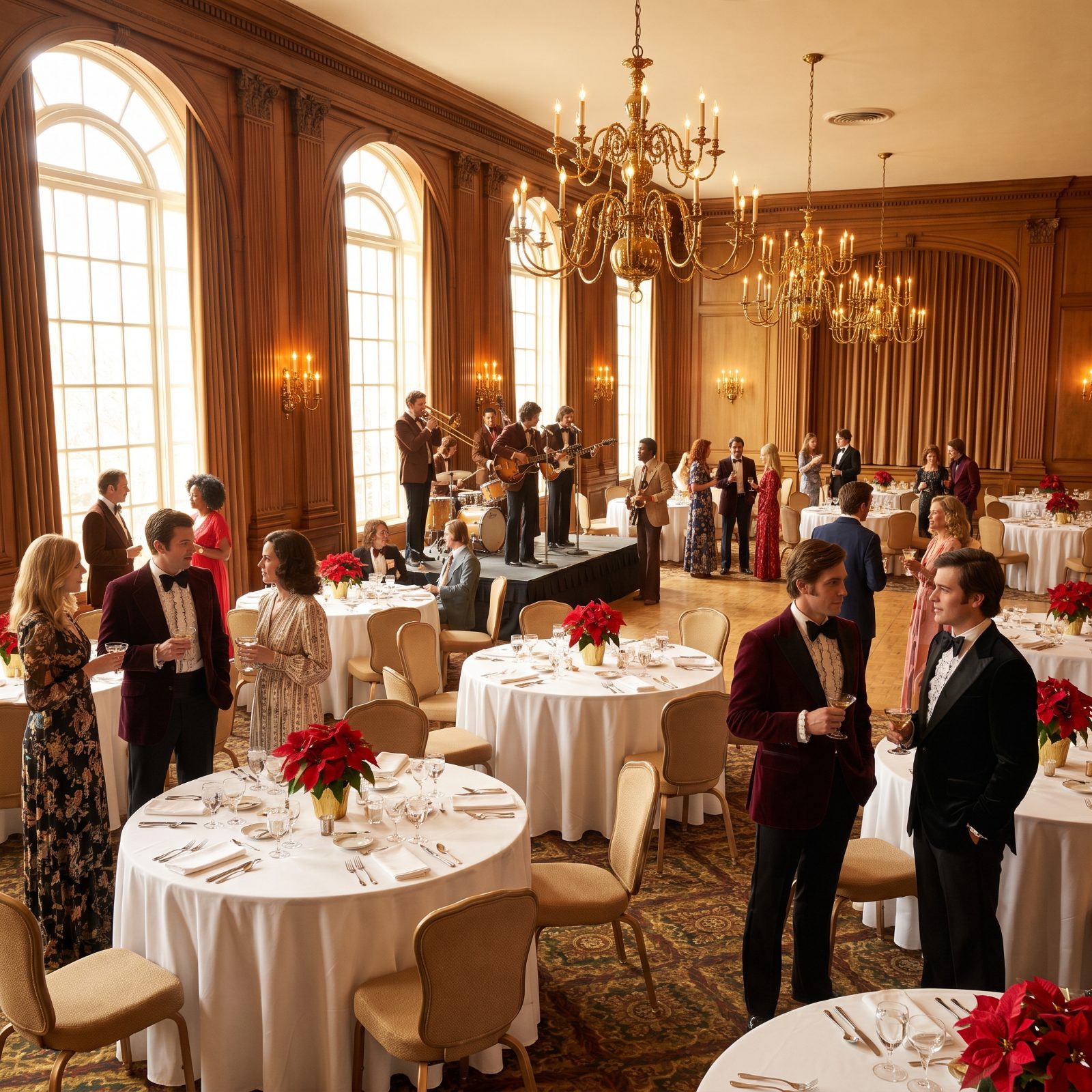
The banquet hall, the white linen, the poinsettias, a band tuning up in the corner. The 1975 holiday party was a real event — dinner served, drinks poured, spouses in their good clothes, the company covering the whole bill without a second thought.
This was not drinks after work at the same bar you’d wander into anyway. It was a night out someone planned for you, in a room dressed for the occasion, meant to say the year mattered and so did you.
A company that rents a banquet hall for you is making a different statement than one that expenses a taco truck in the parking lot.
Both can be fun. Only one treats the evening like it counts. And when it’s all over, the thing you remember isn’t the food or the band. It’s that they bothered at all.
4. Free Tickets to Company-Sponsored Sporting Events
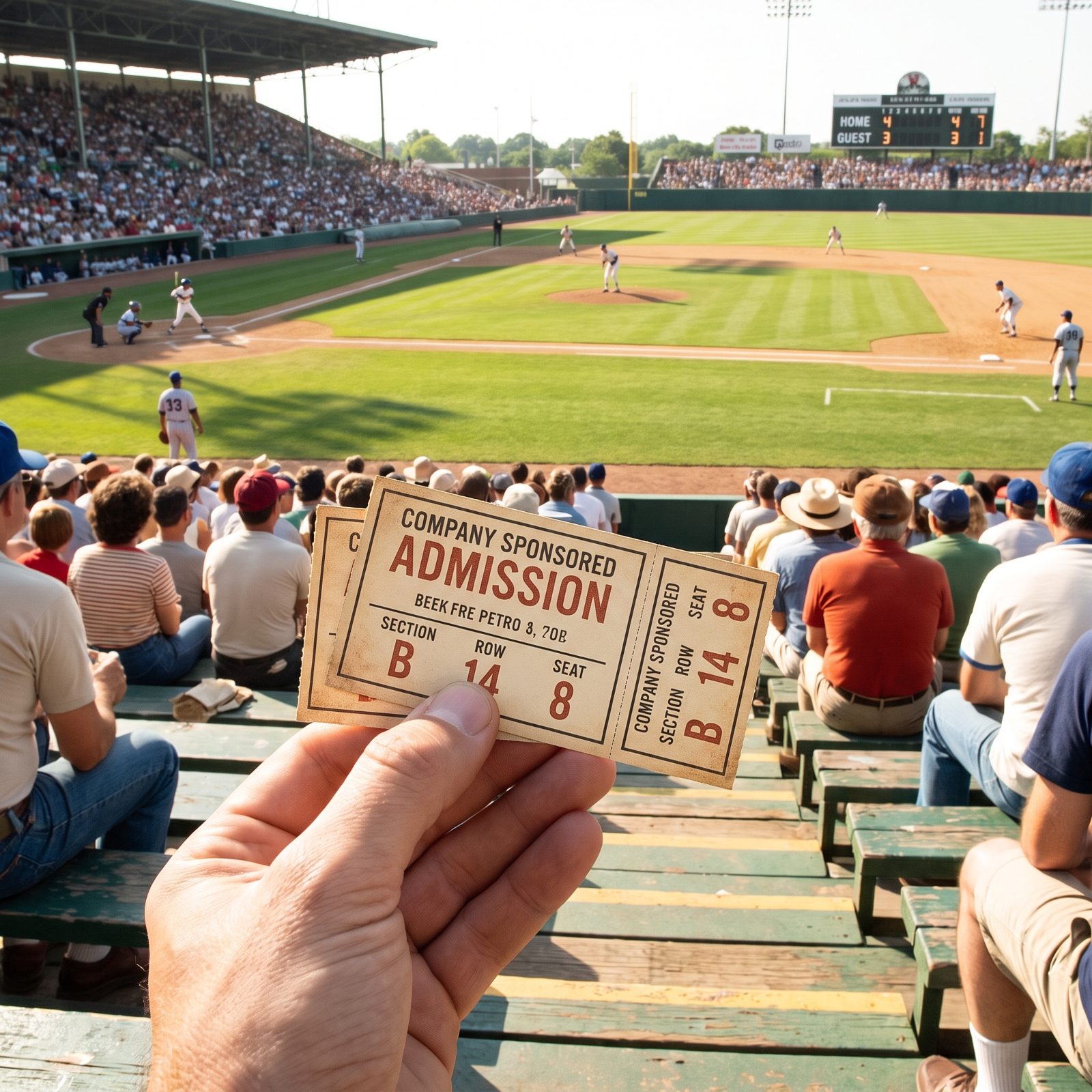
Somebody in personnel knew a guy at the ballpark, and every summer a whole block of seats went to whoever signed up first at the bulletin board. The company ate the cost. You brought your kids, your neighbor, and that father-in-law who wouldn’t shut up about the ’54 season.
Nobody was sitting in a luxury box here. These were general admission seats, way up the third-base line, and that was exactly the charm of it, because a factory line worker and a shift supervisor could end up three rows apart eating the same lousy hot dog. Baseball wasn’t really the point. The outing was the company saying out loud that you were worth a Saturday.
3. A Gold Watch for Long Service

Twenty-five years, and the reward was small enough to fit in a jacket pocket. A gold watch, handed over at a modest ceremony in the break room or a rented banquet hall, cake on paper plates, a short speech from a manager reading your name off an index card.
The watch itself was rarely worth much, and that was never the point. What mattered was the number on the certificate: the years you’d shown up, the shifts you’d covered, the pension waiting behind you. People kept those watches in drawers for decades and pulled them out to show the grandkids.
The watch measured time, but the certificate measured a life.
What made it feel generous wasn’t the gold at all. It was the quiet assumption underneath, that you’d spend a whole career in one place and the company would still be standing there to hand you something on the way out.
2. Free Legal Help Through the Union
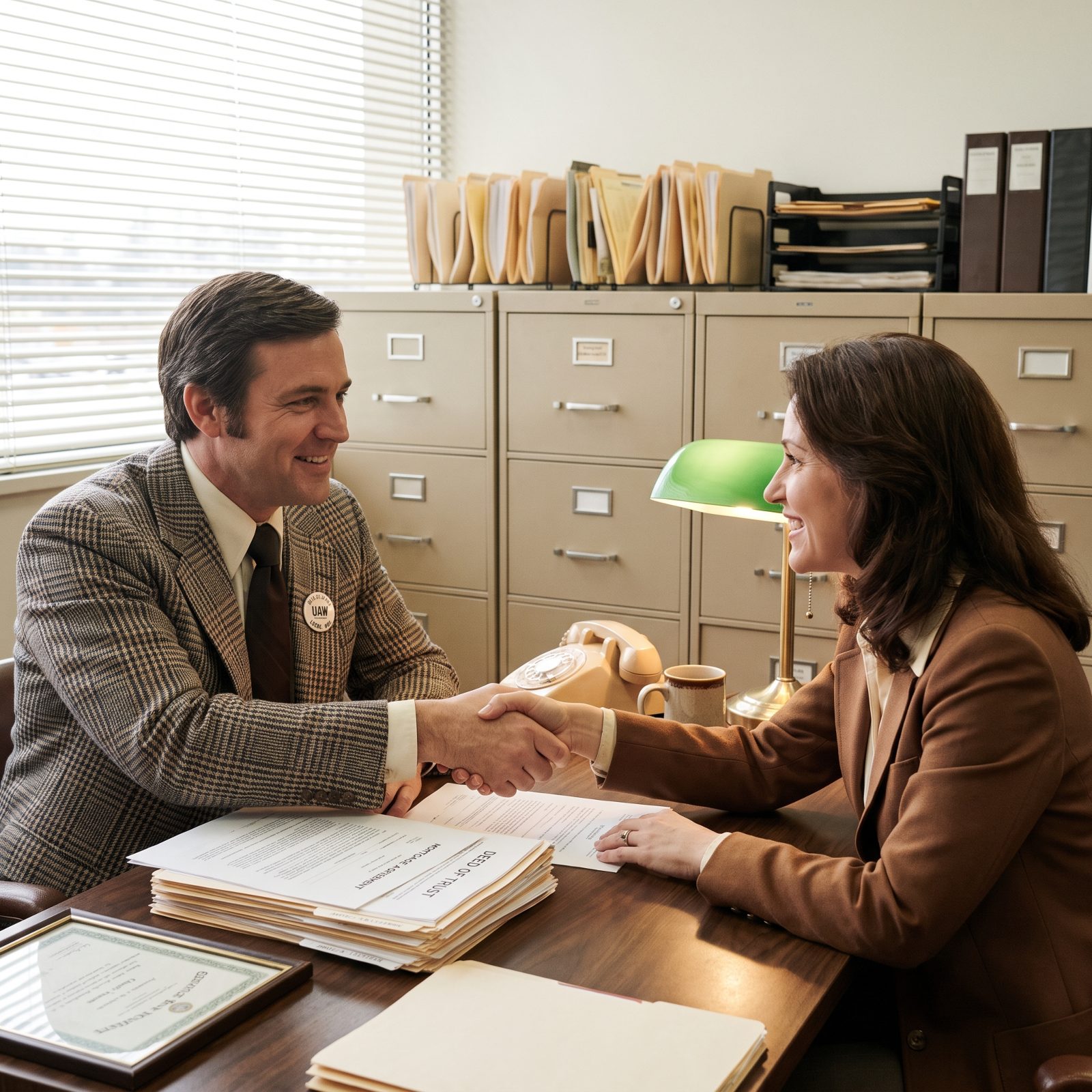
Buying a house. Sorting out a will. Chasing a landlord who wouldn’t cough up a deposit. For a lot of working people in 1975, the first phone call went to the union, not some private attorney downtown.
Bigger locals kept a lawyer on retainer, and members got a consultation folded right into their dues. No hourly clock ticking against you while you talked. You sat down, laid out the whole mess, and somebody who actually knew the law told you where you stood. For families who’d never once set foot in a law office, that kind of access was quietly enormous.
1. A Company Lodge or Vacation Cabin

Somewhere up in the woods or out by a lake sat a cabin the company owned, and if you signed the book early enough, a week of it was yours for next to nothing. You hauled your own groceries and a cooler. Everything else was already waiting.
The cabins were plain as a Tuesday. Bunk beds, a screened porch, a rowboat with one oar always slightly warped, and nobody cared one bit. For a machinist or a warehouse foreman who couldn’t so much as dream of a resort, a free lakeside week was the entire vacation, and the reservation list was full by February.
These lodges came from an old idea now nearly extinct: that an employer’s responsibility didn’t end at the edge of the parking lot. It stretched into your rest, your time off, the part of your life that had nothing to do with clocking in. That’s what reads as almost bizarre today, a company owning real estate just to make sure you had somewhere to unwind.