
Would you like to save this?
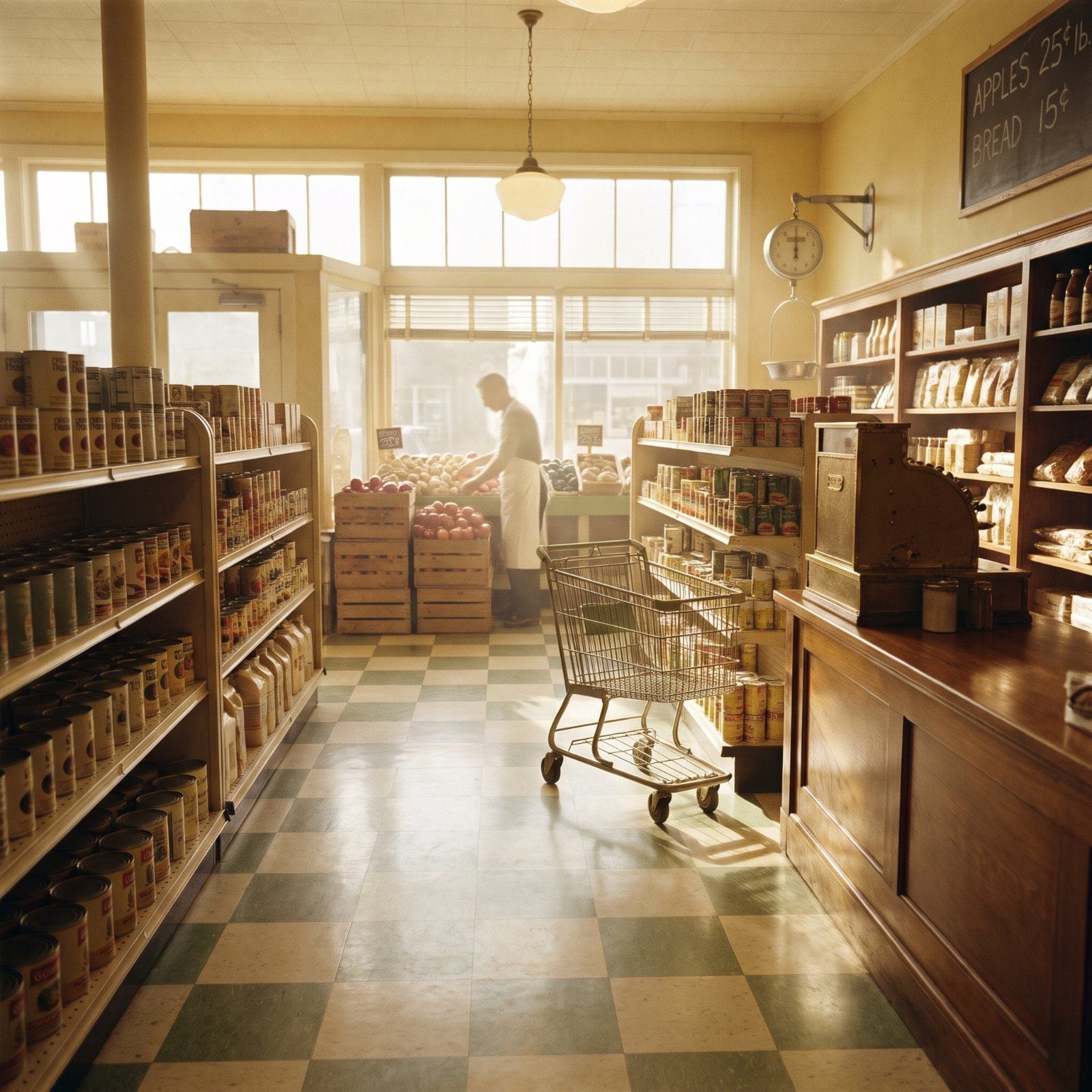
The smell hit you first. Sawdust on the butcher’s floor, the cold metal tang of the fish case, that waxy sweetness drifting from the candy counter by the register. Grocery shopping used to be a place you went, not a chore you endured. Somewhere along the way the services that made it feel human got quietly swapped for efficiency and the beep of self-checkout. Some of these saved real money. Some just made you feel looked after. Here are the ones we still catch ourselves missing in the cereal aisle.
Please note that some of the images in this article were created with the assistance of AI.
24. The Bagger Who Walked Your Groceries to the Car
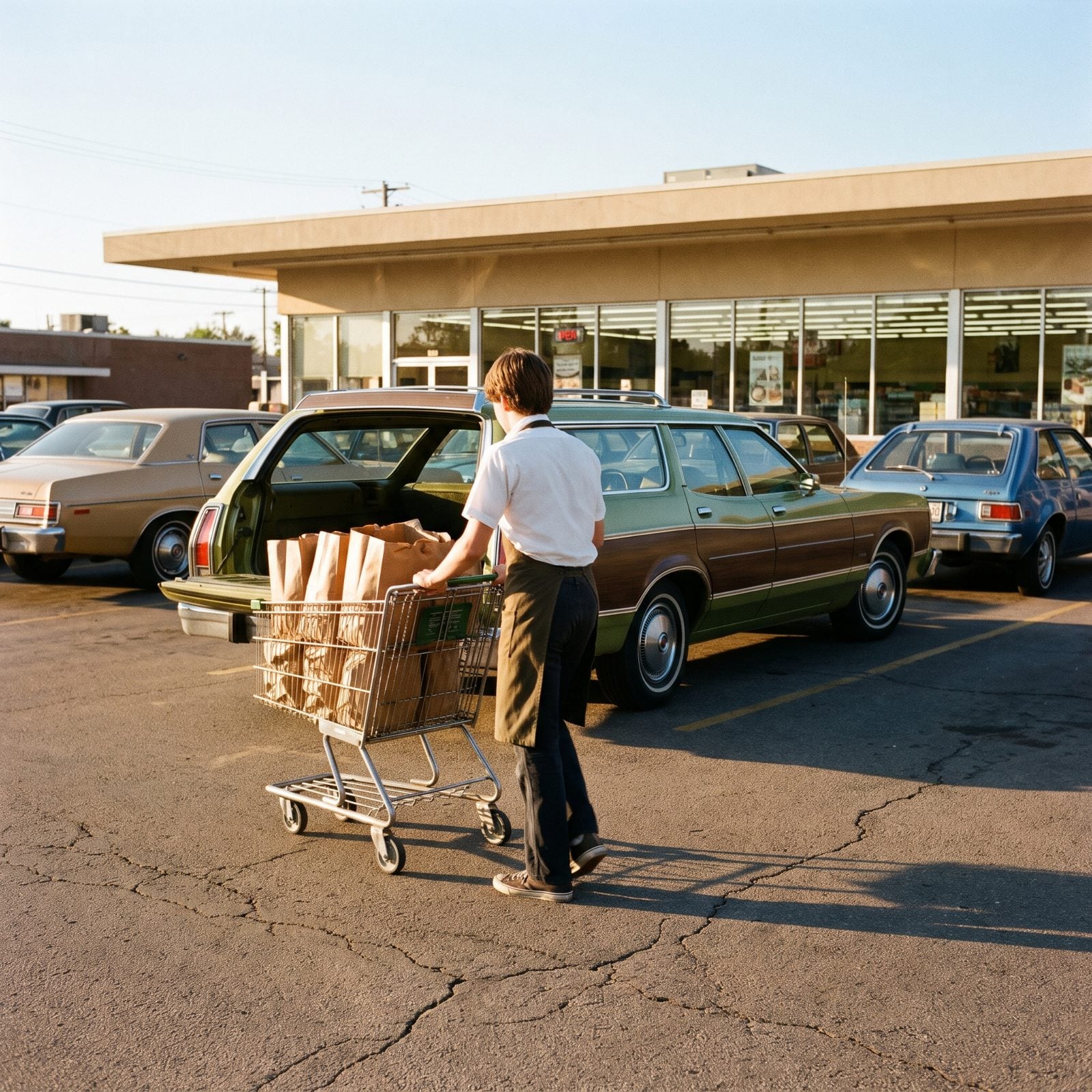
There was a time when you never touched your own bags between the register and the trunk. A teenager in an apron loaded the cart, walked beside you across the lot, and arranged everything in the back with a casual competence that made it look easy. Then he brought the cart back. You didn’t tip, and you weren’t supposed to.
First job for millions of us. For the shopper it was a small dignity — no wrestling a cart with one bad wheel across a windy lot in the rain. Carry-out didn’t die from a single decision. It got trimmed to cut labor costs, and we all just quietly started doing it ourselves.
23. The Penny Candy Counter Right by the Register
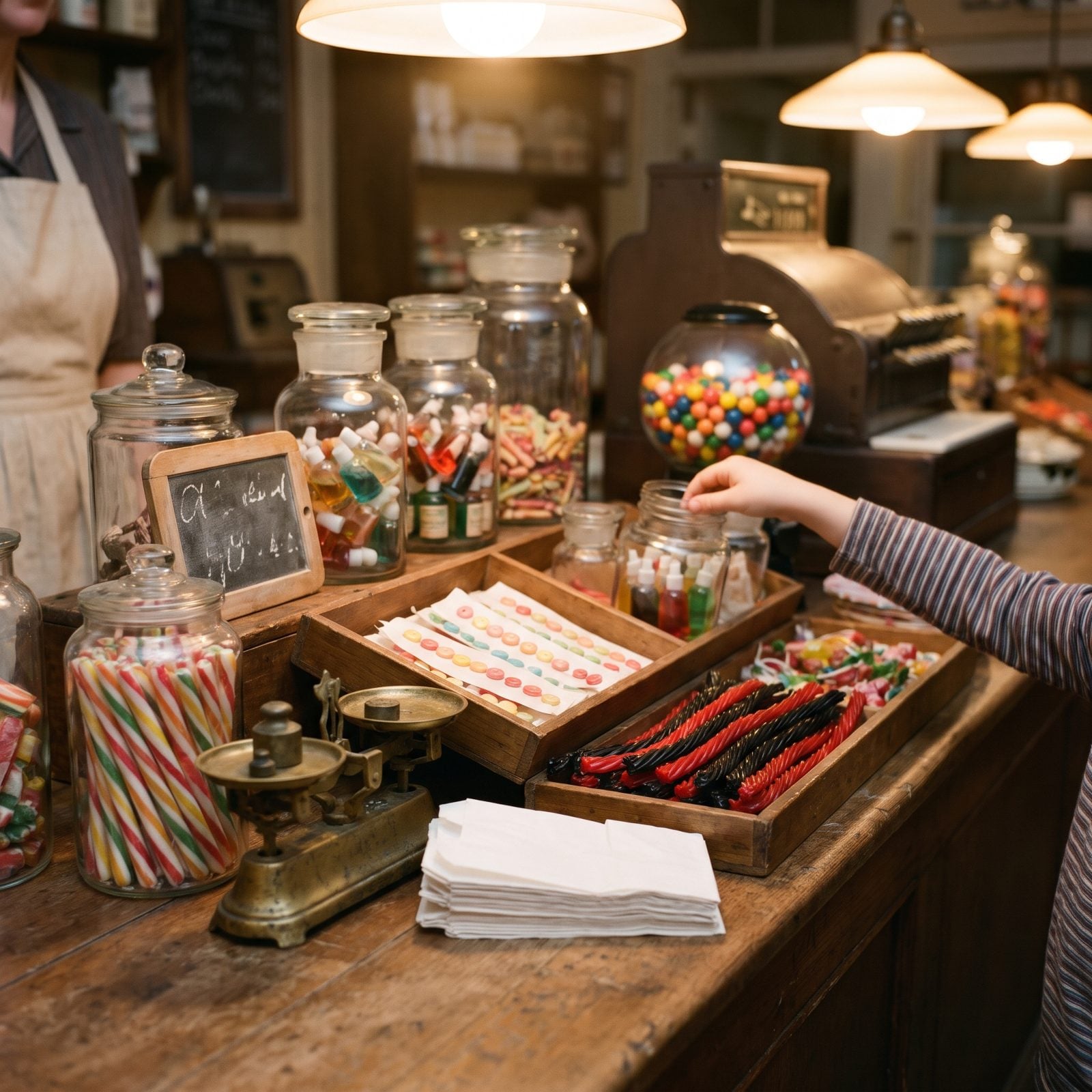
Right at adult eye level, the candy sat where you’d grab a magazine today. But at kid eye level? A whole universe. A nickel went absurdly far — wax lips, candy buttons on paper strips, those little wax bottles with the sugar syrup inside that you were never quite sure you were supposed to eat.
Standing in line was the whole negotiation. You’d stack your picks on the counter, the cashier would add it up to seven cents, and your mother would sigh and say fine, just this once. The modern checkout aisle swapped all of it for candy bars sealed behind clear plastic. Efficient. Not nearly as fun.
22. Glass Milk Bottles You Returned for the Deposit
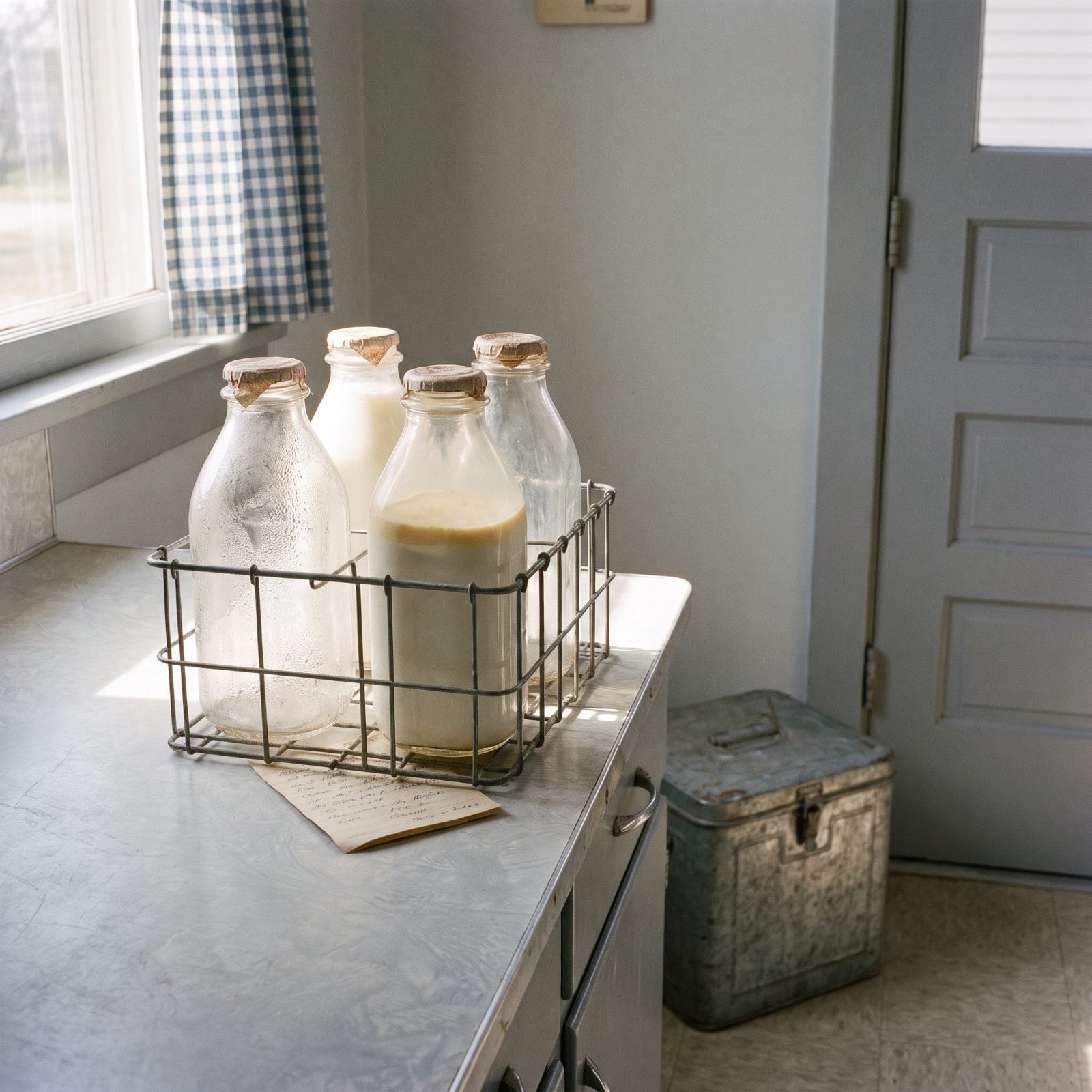
Heavy glass, a paper cap, and a layer of cream at the top you had to shake back in or skim off for your coffee. The bottles weren’t trash — they were property, sort of. You rinsed them, returned them, and got your deposit back, usually a nickel a bottle.
The system ran itself. Empties went out, fulls came in, and the glass got sterilized and refilled again and again before it ever broke. Then plastic jugs arrived and the whole loop collapsed into a single-use throwaway. We traded a return system that genuinely worked for a recycling bin we hope somebody empties correctly.
21. A Human Being at Every Single Checkout Lane
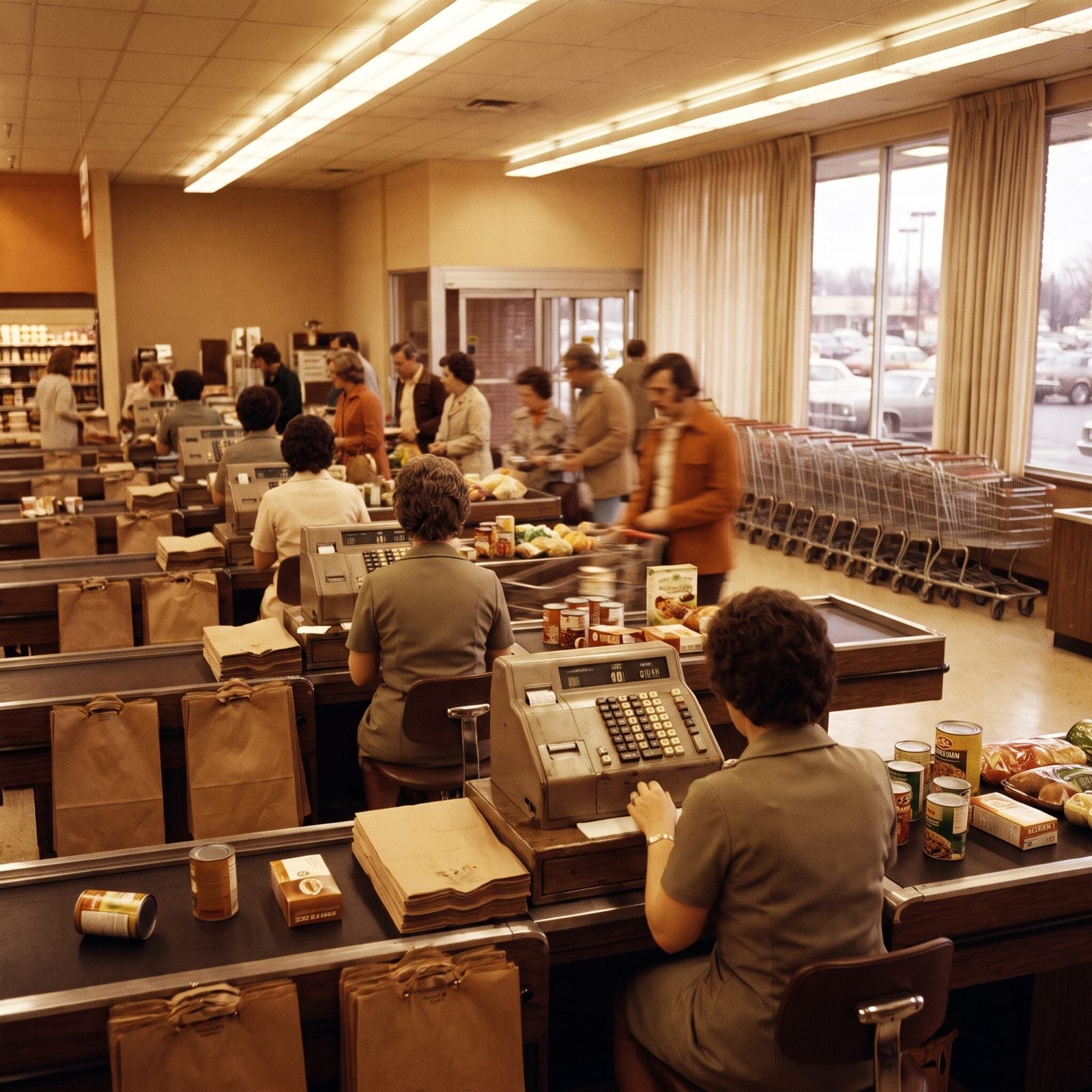
Every lane had a person. Not a flickering screen barking about an unexpected item in the bagging area while one overwhelmed attendant covers six self-checkouts. A person who knew the produce codes by heart, asked how your week was going, and bagged the eggs on top where they belonged.
There was small talk. There was a rhythm. For a lot of older shoppers that cashier was a real point of human contact in an otherwise solitary day, and losing it mattered more than the industry admitted. We called it progress when the machines rolled in. Mostly it just moved the labor from an employee onto you, unpaid.
The store didn’t get faster. It just stopped paying someone to do the scanning, and handed you the job.
20. The Pneumatic Tubes That Whisked Cash to the Office
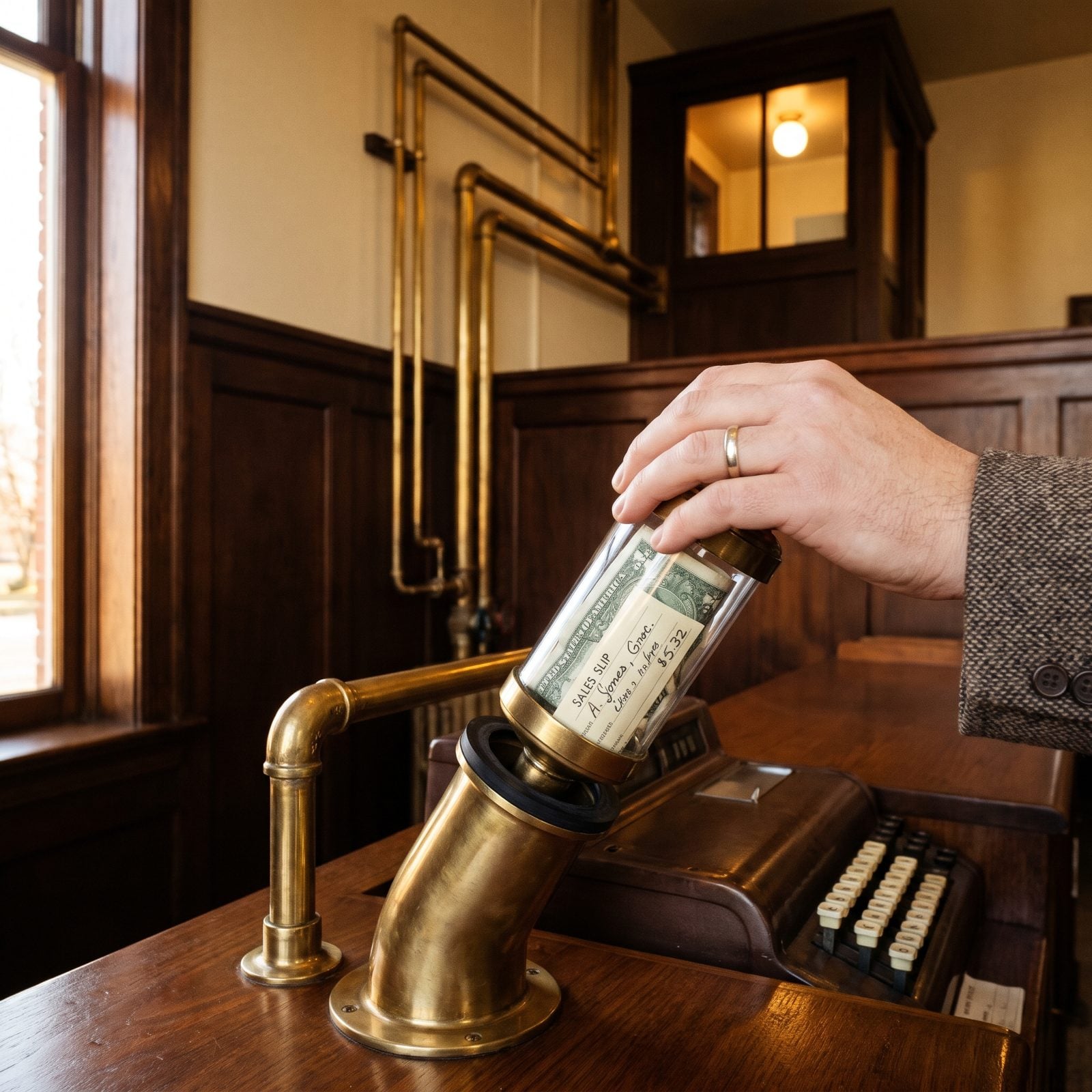
The sound is what you remember. A soft thunk, a rush of air, and the little capsule shot up the brass tube toward a cashier’s office perched above the floor. The clerk at your counter didn’t make change from the register beside her — she loaded your cash and the sales slip into the carrier, sent it flying, and change came rattling back down the same way.
It kept cash secure in one cage instead of a dozen vulnerable drawers. Banks and hospitals held onto the technology. Grocery stores dropped it once electronic registers took over. And watching money disappear into a wall and reappear as correct change felt, honestly, like a small bit of wizardry.
19. Fresh Fish on Ice With Someone to Fillet It
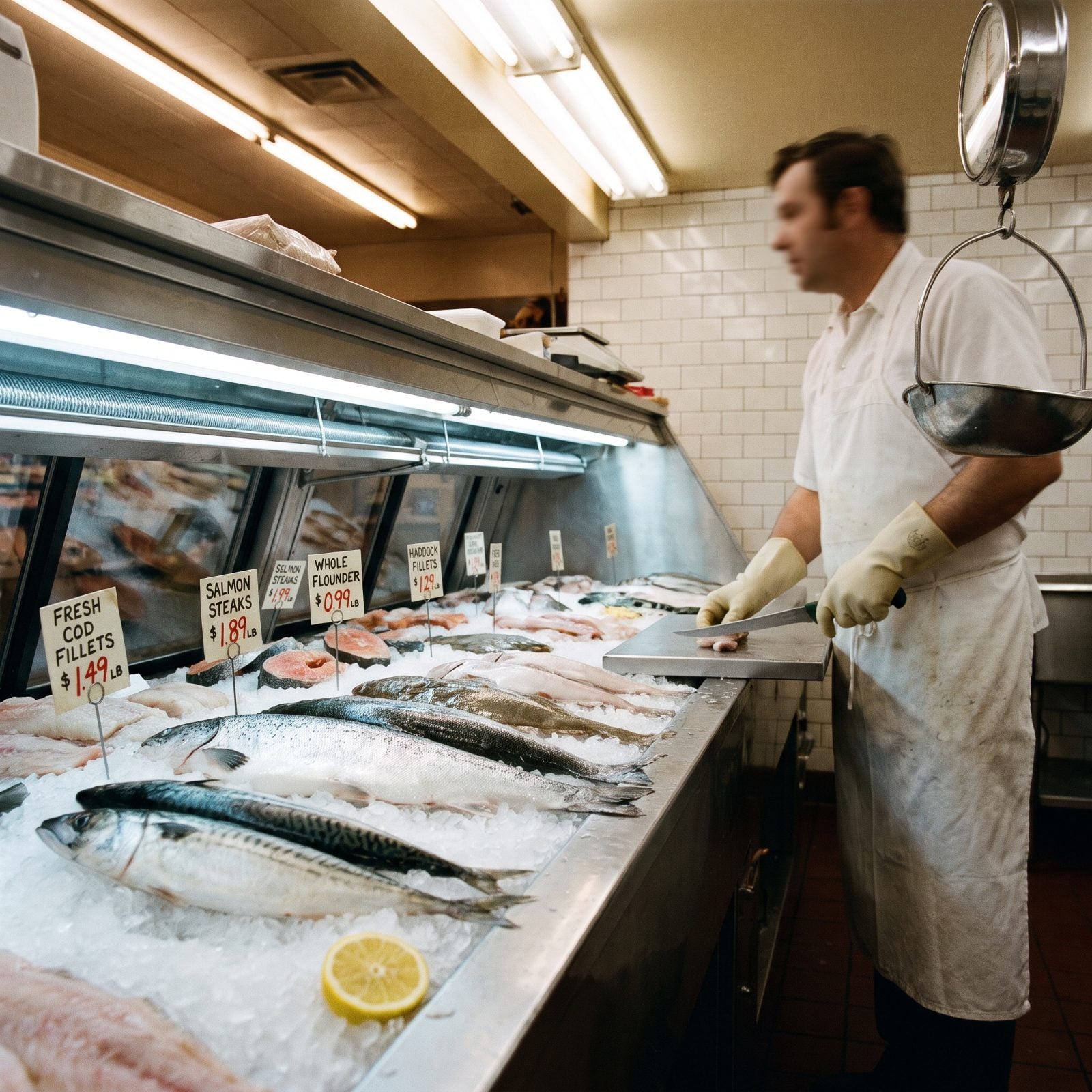
The ice mounded up white and glittering, whole fish laid out with their eyes still clear, and a person behind the glass who’d gut, scale, and fillet whatever you pointed at. You could ask what came in fresh that morning and get an honest answer, because the man selling it knew. He’d tell you to skip the salmon today and grab the snapper instead.
That counter is a rarity now outside coastal cities and higher-end markets. Most stores shrank it to a shelf of shrink-wrapped fillets, defrosted and dated, with nobody to ask. Something about fish especially — you want a human you can trust standing between you and dinner.
18. Double-Coupon Days That Doubled Your Savings
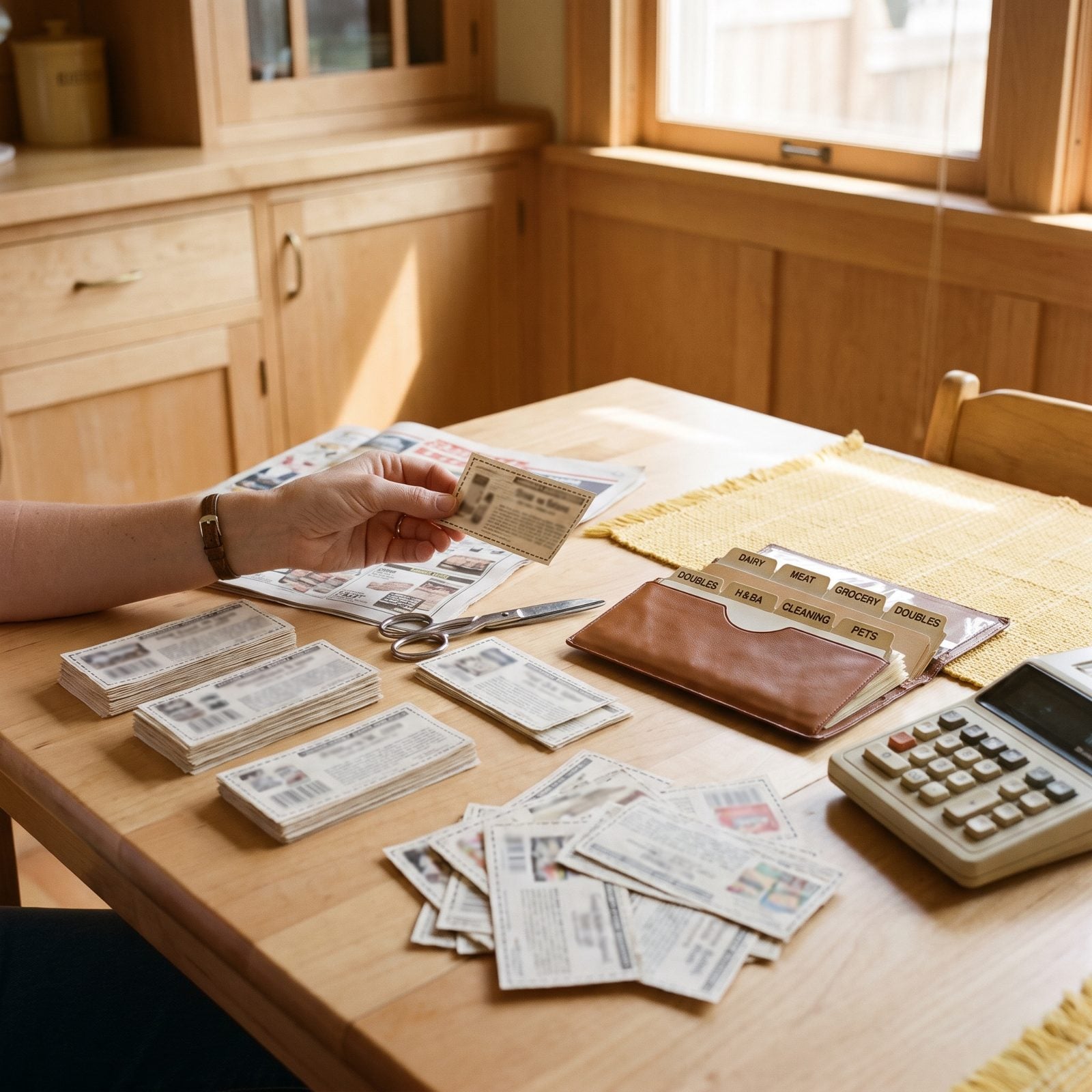
Sunday morning meant scissors. You clipped the inserts, sorted them into a little accordion wallet, and waited for the magic words printed in the weekly ad: coupons doubled. Your fifty-cent coupon became a dollar off. Stack enough of them on a sale item and you walked out having paid pennies, sometimes nothing at all.
It was a genuine sport. There were strategies, stockpiles, and a quiet pride in beating the system fair and square. Stores phased out doubling because it ate margins and extreme couponers gamed it hard. Digital coupons replaced the ritual, but tapping a button on an app never felt as earned as that satisfying double at the register.
17. Cashing Your Paycheck Right There at the Register
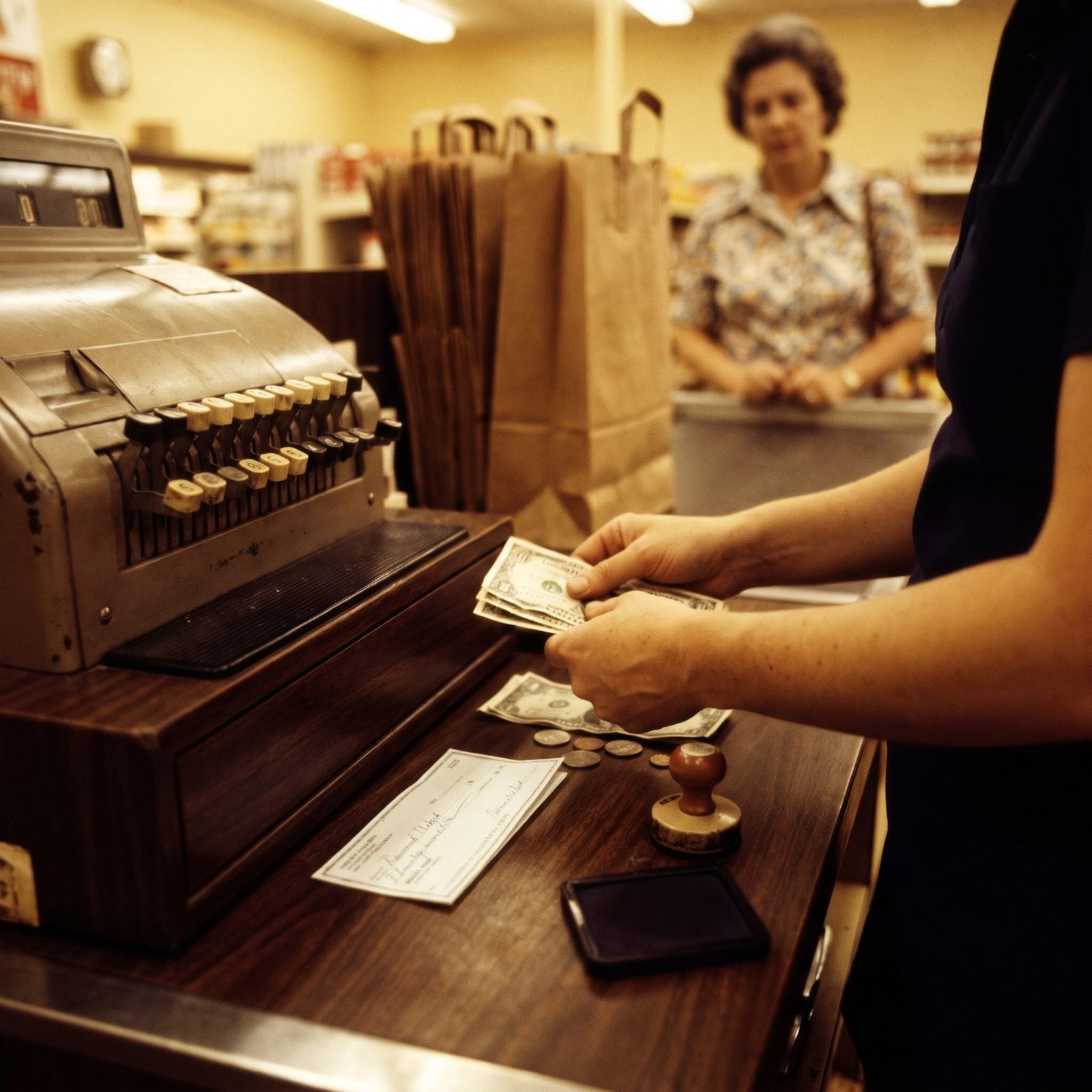
No bank run on payday. You handed the cashier your check, she stamped the back, counted out your cash, and you shopped with the rest. The store knew you, or at least knew your face, and that was enough. Writing a personal check over the amount to get twenty dollars cash back was standard too.
This ran on something that’s hard to find now: trust between a store and the people in its neighborhood. Fraud, fees, and the rise of debit cards killed it. Cash-back on a card is the ghost of it. But there was a particular comfort in your corner grocery acting a little like your bank, no questions asked.
16. In-Store Bakeries That Baked Everything From Scratch Before Dawn
Would you like to save this?
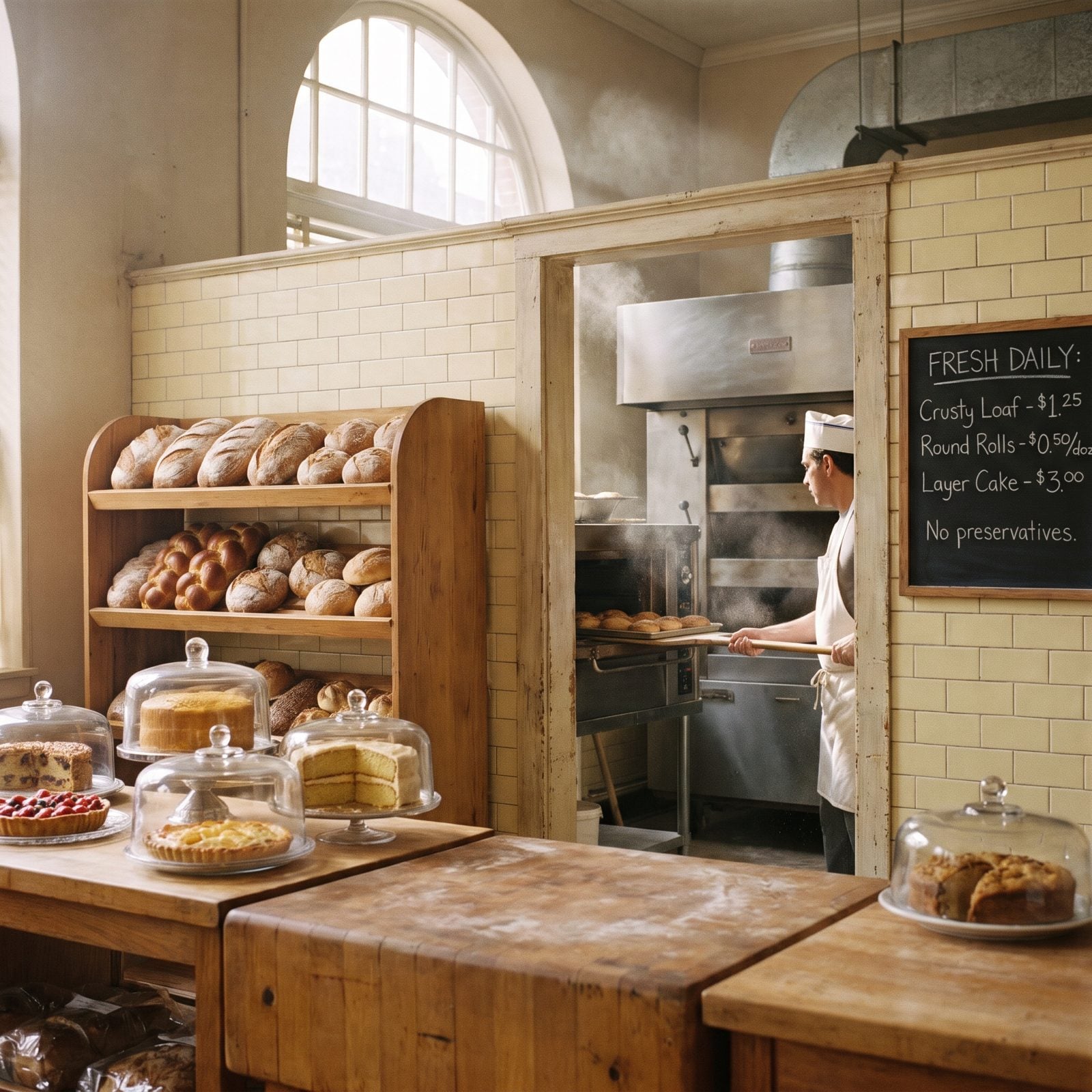
You could smell it from the parking lot. Not the fake vanilla fog of a scent machine, but actual bread, baked that morning by someone who clocked in at four.
The old grocery bakery wasn’t a thaw-and-sell operation — it had mixers, proofing racks, and a person whose entire job was dough. You bought a loaf still warm enough to fog the paper bag. Birthday cakes came decorated by hand, slightly crooked roses and all, and you stood there while they piped your kid’s name in blue frosting that would end up on three different shirts by evening.
Then corporate consolidated baking into regional plants and started shipping frozen. Cheaper, consistent, soulless. The counters are still there. The four a.m. baker mostly isn’t.
15. The Store Credit Account With a Running Tab in a Ledger
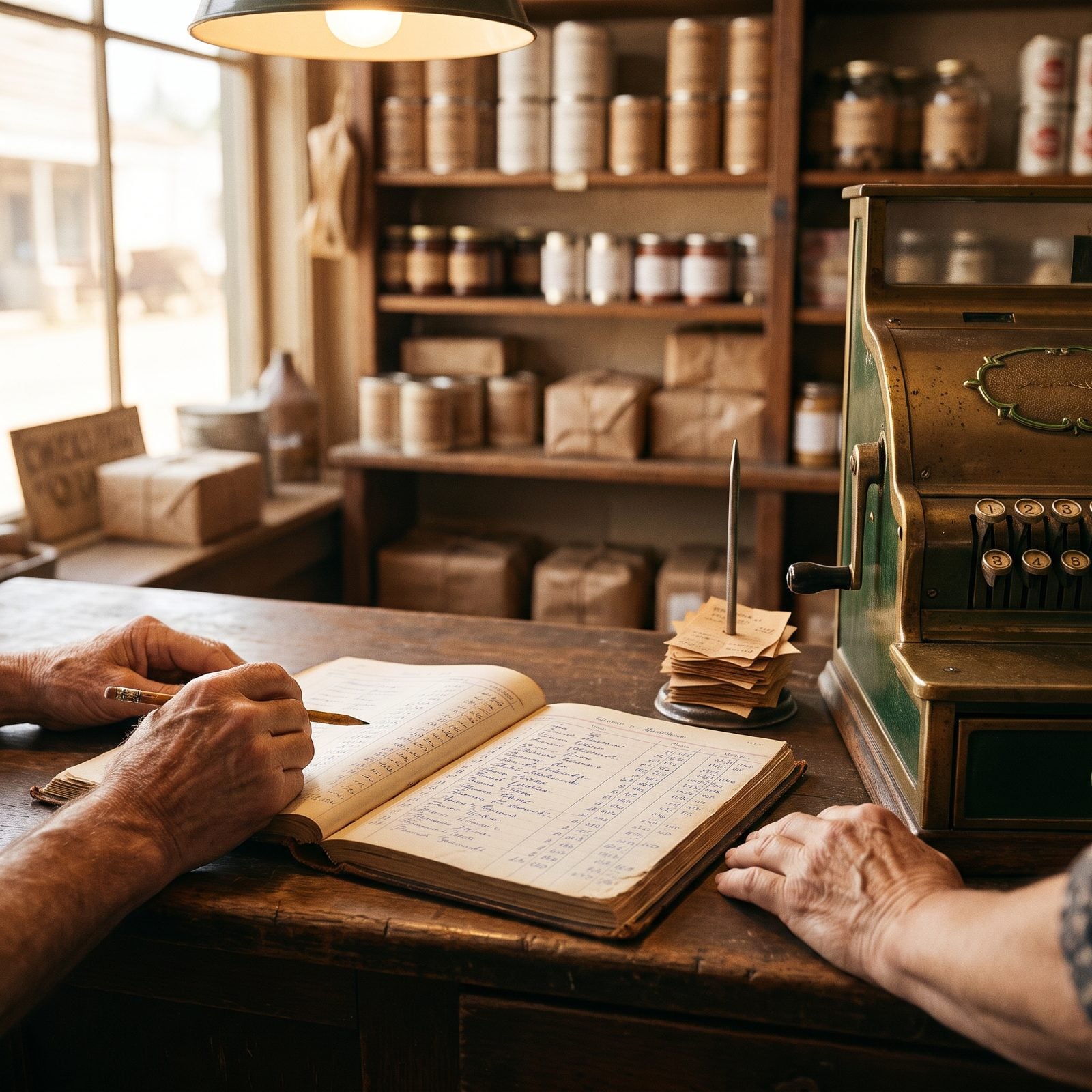
Before plastic, there was trust and a ledger. The grocer wrote your name at the top of a page and jotted down every loaf and quart you took home that week, and you settled up on payday.
This was credit based on knowing you, not a three-digit score crunched by a server farm somewhere in Nebraska. The grocer knew your work schedule, your rough patches, your good months. Fall behind and you got a quiet word, not a collections call.
Supermarket chains killed the personal tab once stores got too big to know anyone by sight. We’re not pretending the ledger was perfect — plenty of grocers played favorites, and a bad one could squeeze you. But there was a dignity in it that a card swipe never quite managed to replace.
14. Cashiers Who Knew Your Name, Your Kids, and Your Usual Order
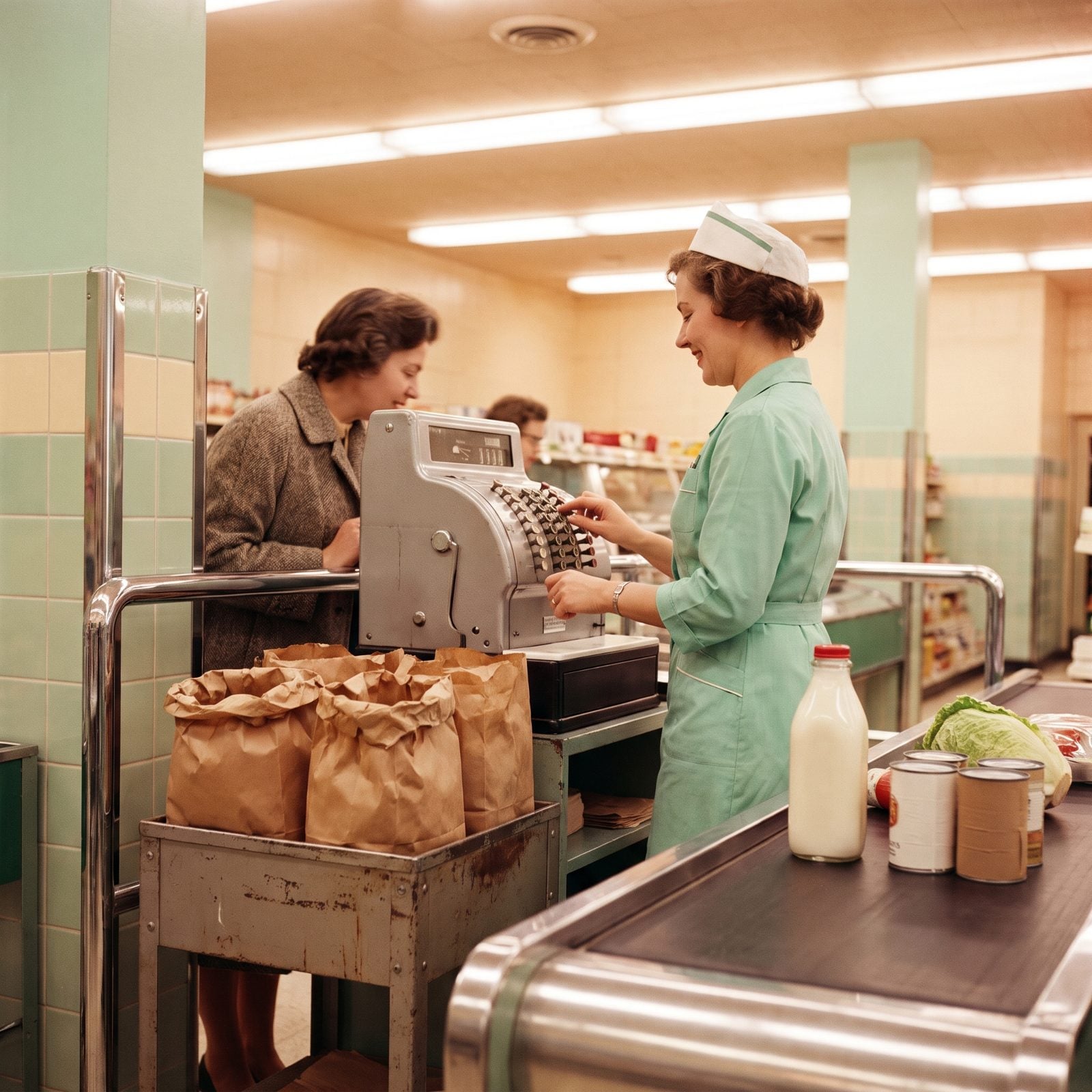
You had a cashier. Not a lane number. A person who knew your husband’s name, asked how your mother’s hip was healing, and remembered that you always bought the same brand of coffee.
That recognition did something self-checkout never will — it turned a chore into a visit. The line moved slower and nobody minded, because the slowness was the point.
Scanners, loyalty apps, and rotating part-time schedules quietly ended the era of the cashier who knew you. Now the machine asks if you found everything okay, and it does not wait for an answer.
13. Printed Price Stickers Pressed Onto Every Single Item
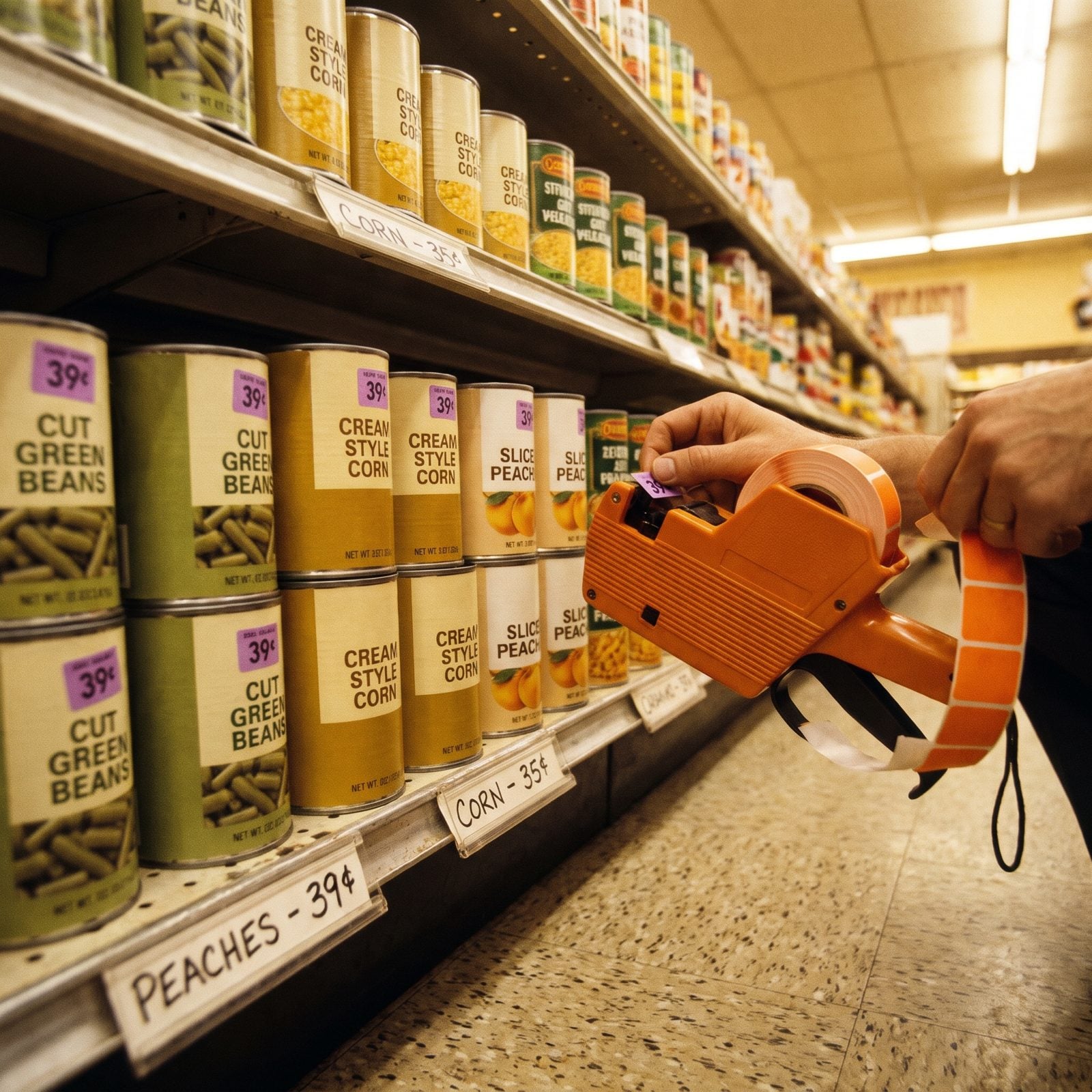
Chunk. Chunk. Chunk. The sound of a price gun tattooing purple numbers onto every box and can on the shelf.
That little sticker gave you certainty. You knew the price before you hit the register — item by item, no squinting at a shelf tag three feet below the product. When a sale ended, somebody had to physically re-sticker the whole display, which meant prices changed slowly and out in the open where you could see it happening.
Barcodes and scanners made individual stickers obsolete almost overnight in the 1980s. More efficient, sure. But there’s a reason people still argue with the register when the shelf tag says one thing and the scan says another. A sticker never lied to your face.
12. Free Coffee and a Tray of Samples Waiting at the Door
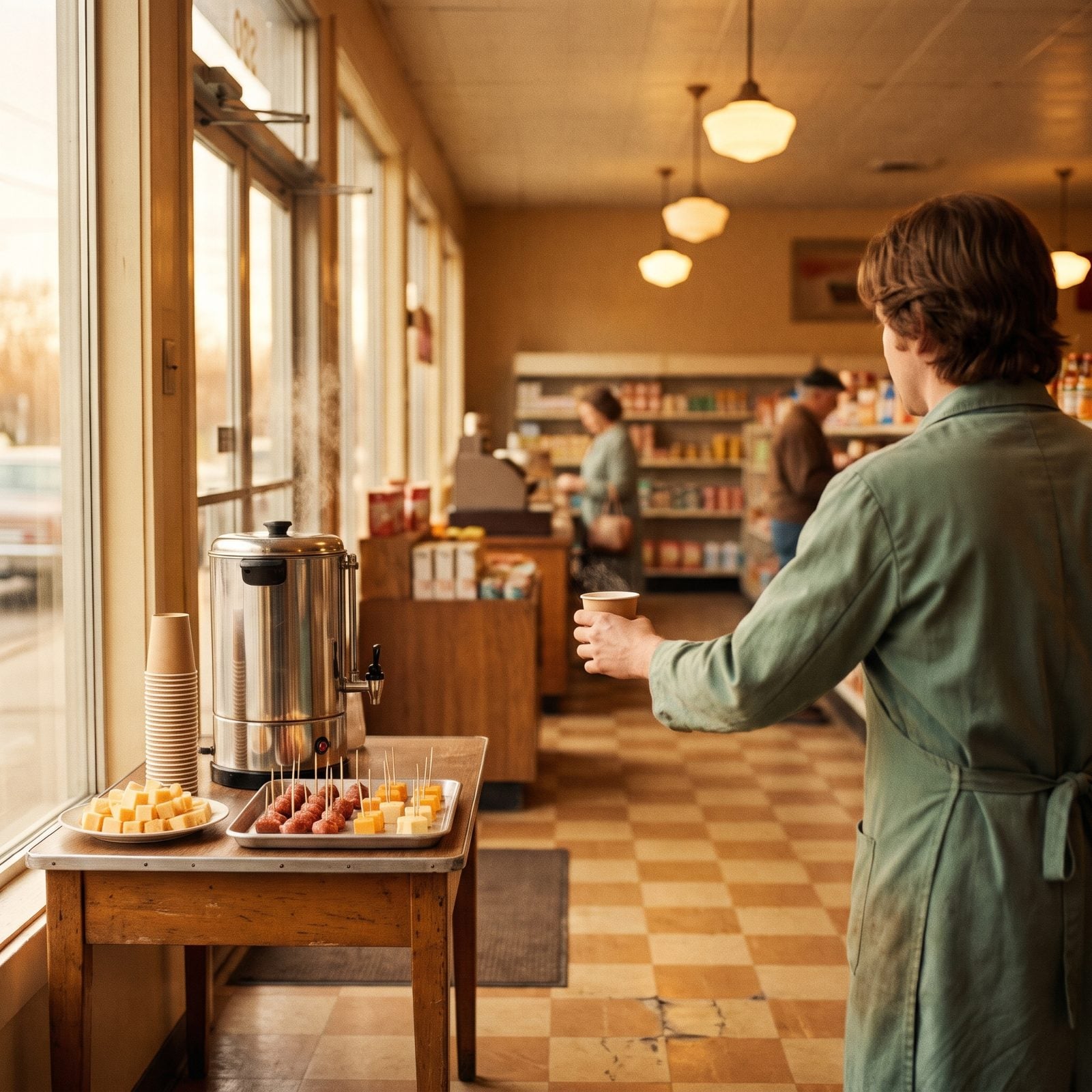
Walk in cold on a winter morning and there it was: a steel urn of free coffee and a tray of cheese cubes on toothpicks. Nobody expected you to buy a thing.
The samples weren’t a marketing funnel back then — they were a reason to come in and linger. You tried a new cracker, chatted with the demo lady, warmed your hands on the cup. Stores competed to feel like a welcome instead of a transaction, and the free coffee was how they said it.
Liability worries, budget cuts, and the slow corporatization of everything thinned the sample table down to the occasional weekend demo. The free coffee urn is nearly extinct now. We still miss walking into a store that seemed glad we showed up.
11. Deli Clerks Who Sliced It to Your Exact Thickness and Meant It
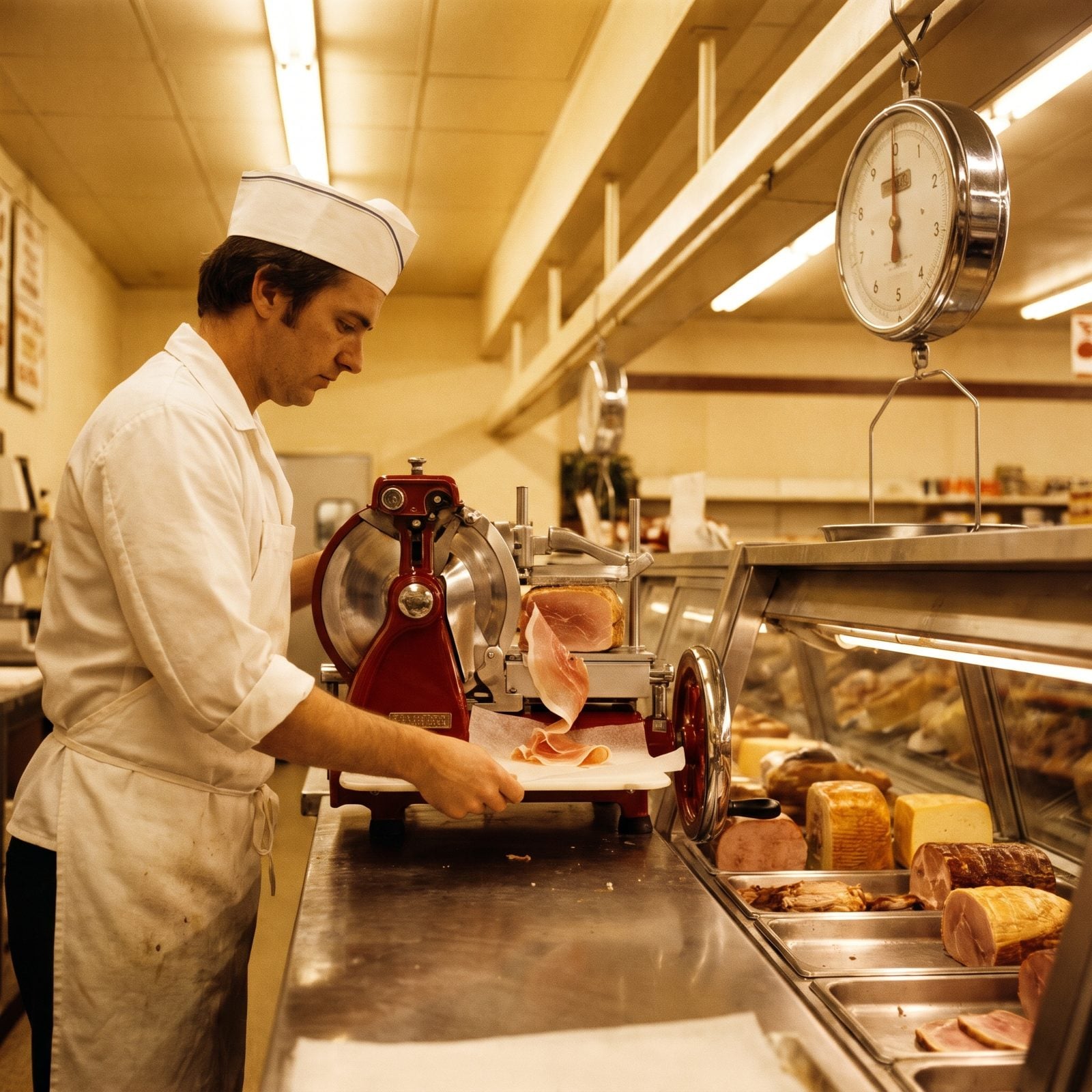
“How thin you want it?” And the clerk meant it. You’d say shaved for the sandwiches, a touch thicker for the cold plate, and he’d adjust the dial and hand you a sample slice off the blade so you could check for yourself.
That was expertise, the small kind. The deli clerk knew his slicer, knew his meats, knew that paper-thin ham behaves nothing like thick-cut roast beef. He’d call out the weight before he wrapped it so the scale never ambushed you.
Then came the pre-sliced, pre-packaged stuff in plastic clamshells, and the whole exchange went with it. Faster, yes. Also the exact same thickness for everyone, which is to say nobody’s.
10. Rain Checks Handed Over the Counter Without a Single Argument
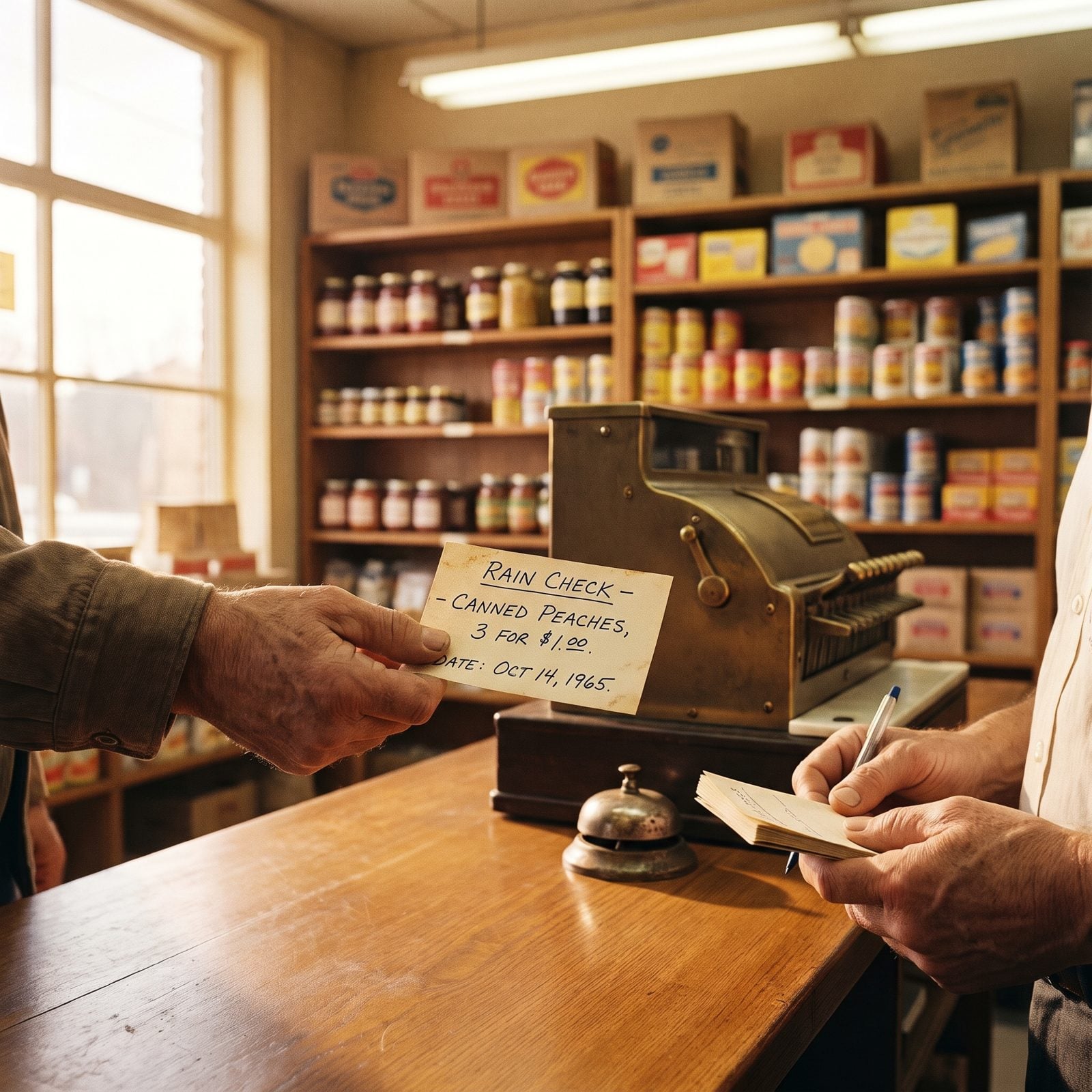
Sale item sold out? You got a rain check. No sighing manager, no fine print, no “while supplies last” shrug — a clerk wrote the item and the sale price on a little slip, and you came back the next week and paid the sale price anyway.
The logic was simple and honest. The store advertised a deal, ran out, and made good on it, because that was how you treated people you expected to see again.
Rain checks still technically exist in a handful of states where the law demands them. Try getting one without a hassle, though. Mostly the offer just evaporates, replaced by a sign that shrugs on the store’s behalf. The policy outlived the courtesy.
9. Return Policies So Generous You Barely Needed a Reason
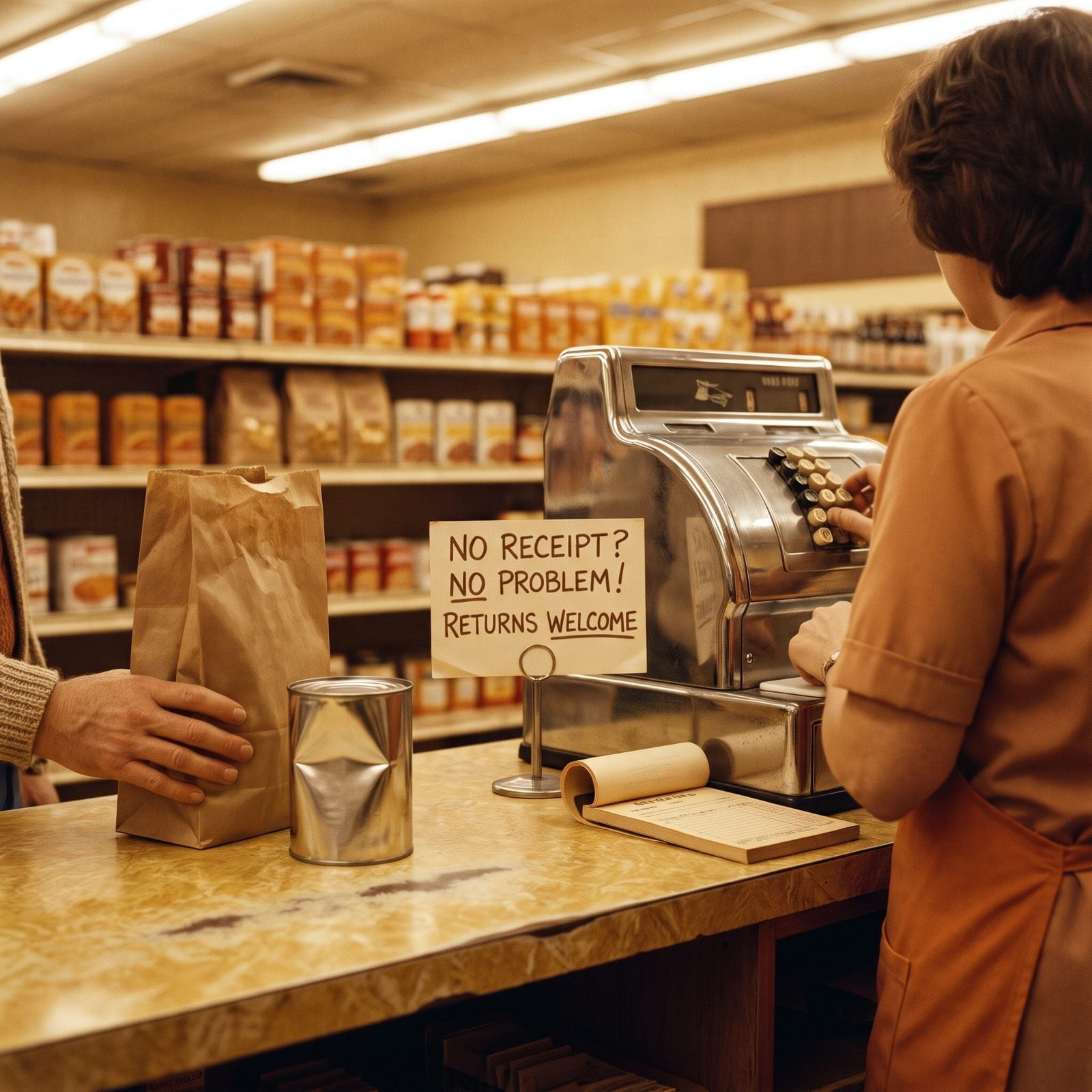
Bought the wrong thing? Kid didn’t like the cereal? Can came home dented? Bring it back. Here’s your money. Have a good one.
The old grocery return desk ran on the assumption that you weren’t trying to pull a fast one, because most people weren’t. The clerk didn’t demand a receipt for a two-dollar item or interrogate you about why. The relationship was worth more than the loss, and everybody understood that math without having to say it.
Fraud worries and razor-thin margins tightened all of it down. Now you need the card you paid with, the receipt, the original packaging, and a pleasant attitude while they decide. The trust ran both ways once. Losing it was quiet, but it was real.
8. Home Delivery Carried to Your Door by the Neighborhood Stock Boy
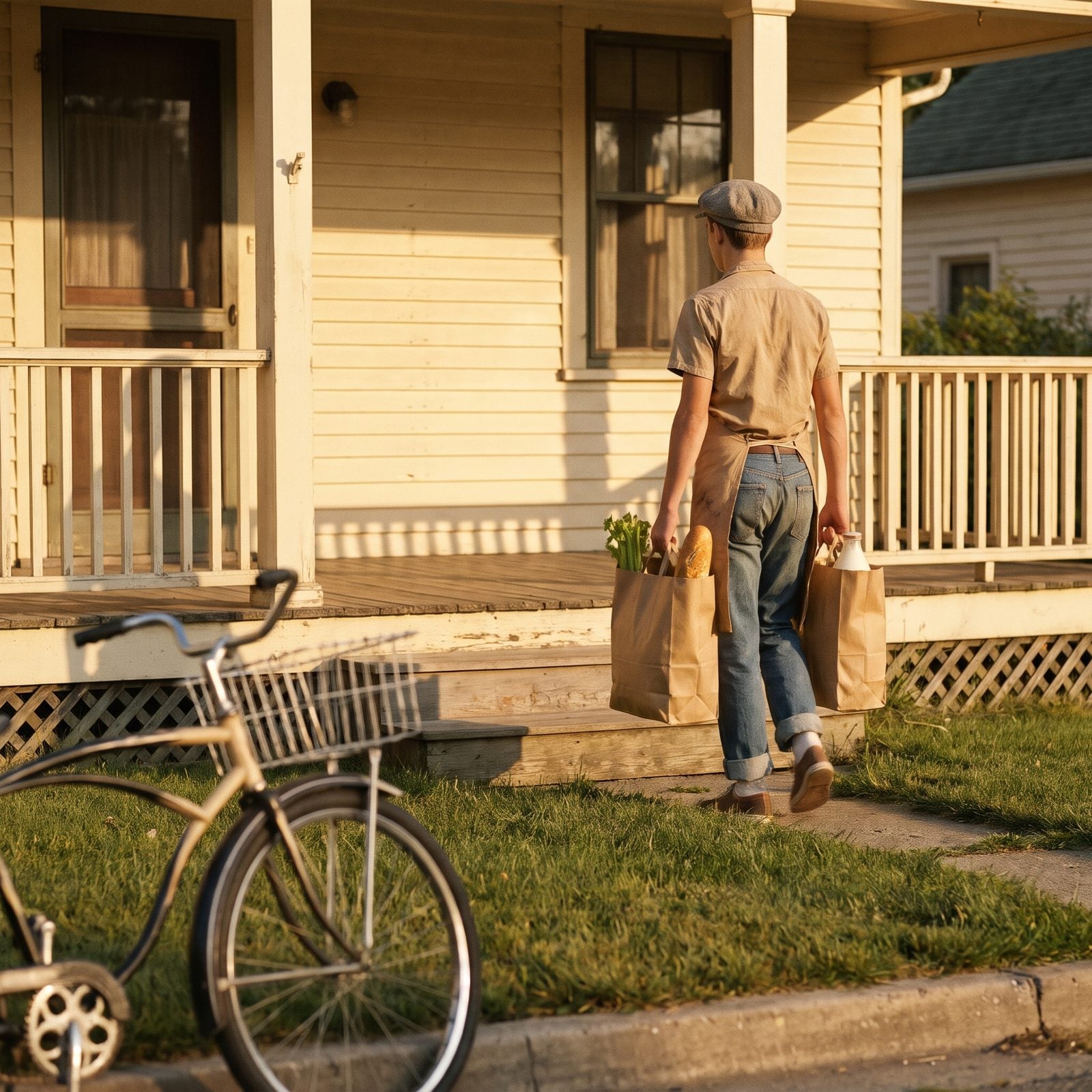
You called the store, read off your list, and a kid on a bicycle brought it to your porch an hour later. No app. No fifteen-dollar fee. No tipping screen offering you three guilt-inducing options.
The neighborhood stock boy knew the route, knew which houses had the tricky steps, and set the bags inside the door if your hands were full. For a generation of teenagers it was a first paycheck, and for anyone who couldn’t easily get out, it was a lifeline.
Supermarkets killed it as stores ballooned and margins shrank, and for decades home delivery all but disappeared. Then we rebuilt the whole thing digitally, bolted on surge pricing and a subscription, and called it innovation. The bicycle version was better. It was also free.
7. Calling in Your Order and Picking It Up Ready to Go
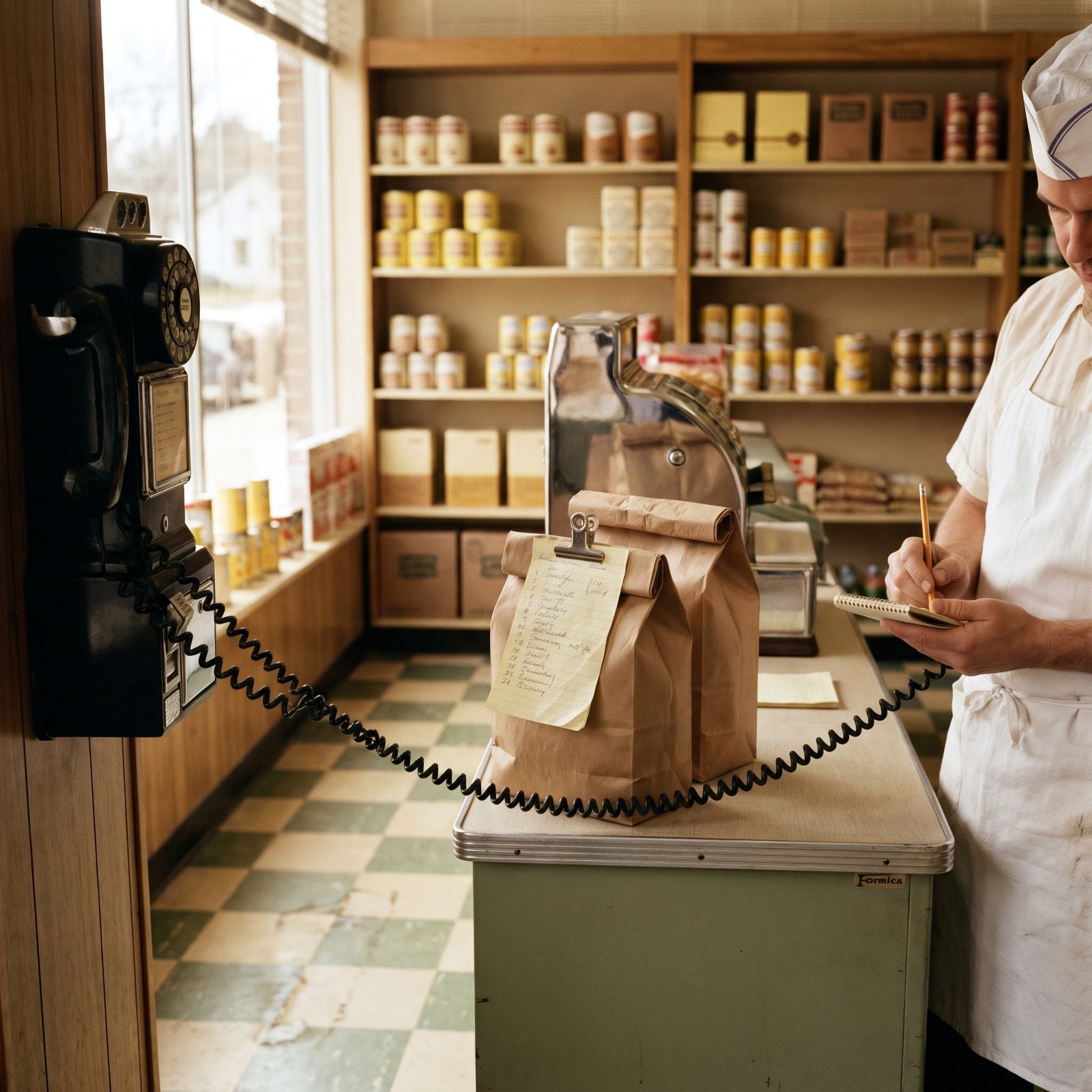
Before anyone had an app, you had a phone and a store that knew your name. You read your list off to someone who actually worked the floor, and an hour later your bags were waiting by the counter, rolled tops and all. No checkout line, no markup, no mystery substitutions picked by a stranger scanning a screen.
What we got back dressed up and called “curbside” is really just this, resurrected and monetized. The original was free. That’s the part that stings.
6. The Clerk Who Walked You Straight to the Capers
Would you like to save this?
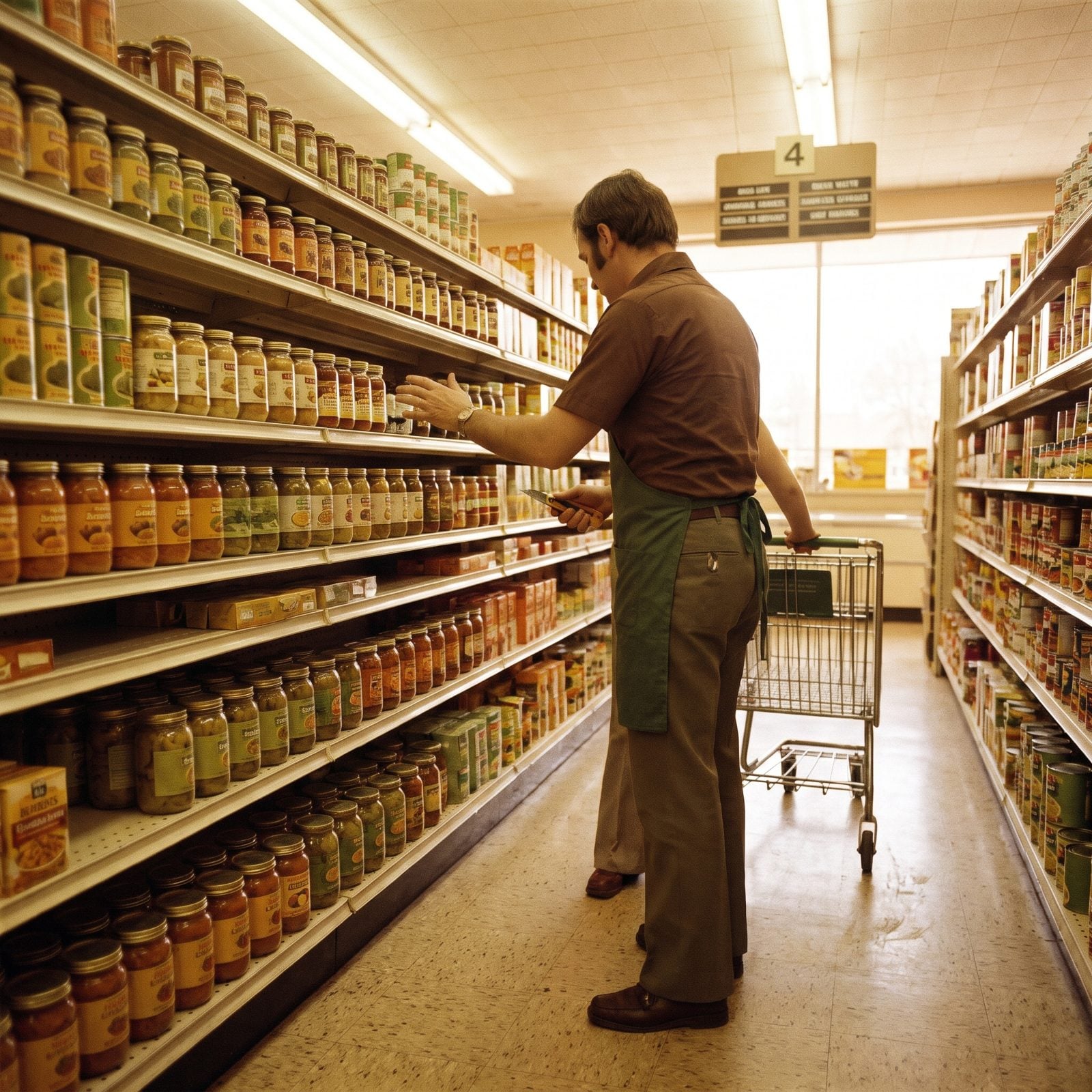
Ask where something was, and the answer wasn’t a vague point toward “aisle seven, maybe.” Someone set down what they were doing and walked you there. All the way. Then they’d often reach up and hand you the jar.
We miss this more than we expected to. Now you hunt down a teenager wearing earbuds who shrugs and says “I think we’re out.” The person who knew the store cold, where the odd stuff hid and which brand actually moved? That job got cut the moment labor became a line item instead of a feature.
5. Specials Written by Hand on Paper Signs
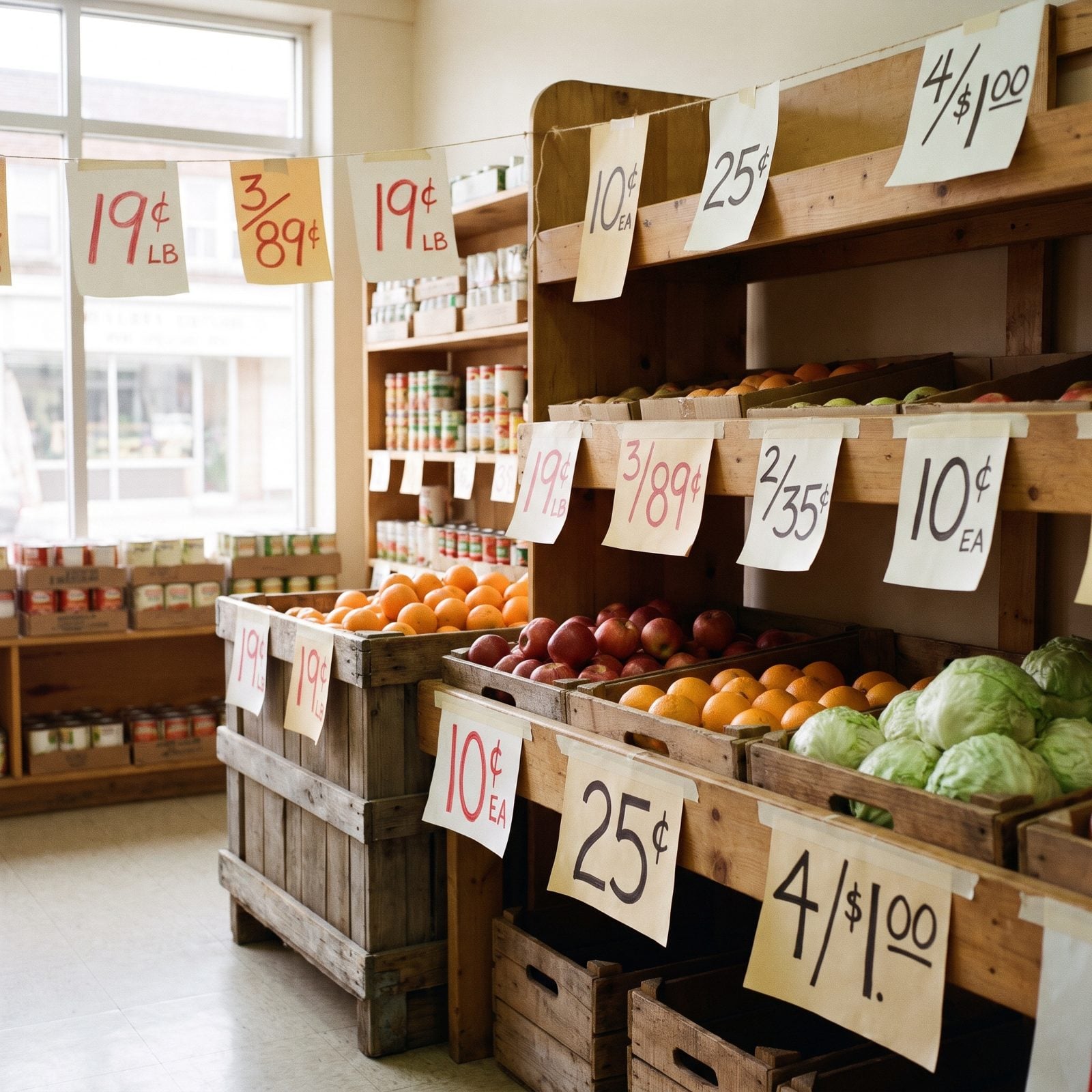
Someone stood at the front of the store with a marker and a stack of paper and made the signs that morning. You could tell by the handwriting whose shift it was. The threes with the flat tops. The dollar signs that leaned.
A hand-written special felt true in a way the laser-printed shelf tag never has. It said a person looked at the back stock, saw the strawberries were turning, and knocked the price down because that’s what you do. The specials changed with the weather and whatever mood the pen-holder was in that day.
4. Paper Bags, No Questions Asked
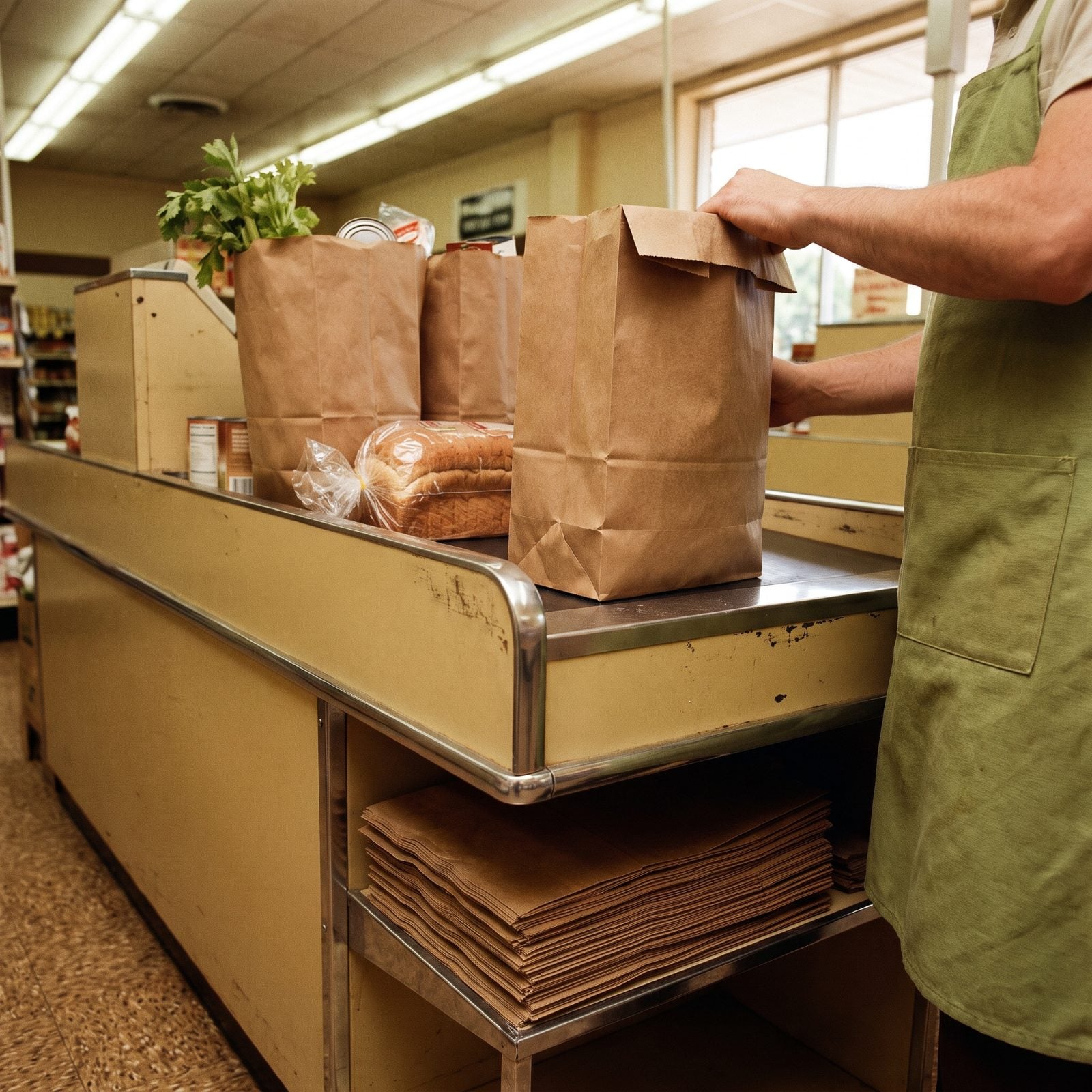
The bag stood up on its own. That was the whole genius. It held its shape on the car floor, flattened for storage, lined the bathroom trash, covered your textbooks, hauled the recycling — the most useful object in the house, and you got a fresh stack every single week for nothing.
Nobody asked “paper or plastic” because there was no plastic. Then plastic showed up cheaper and quietly took over, and now paper is the premium upsell at some stores. The default became the luxury. Strange little trick, that.
3. A Free Balloon and a Cookie to Keep the Kids Happy
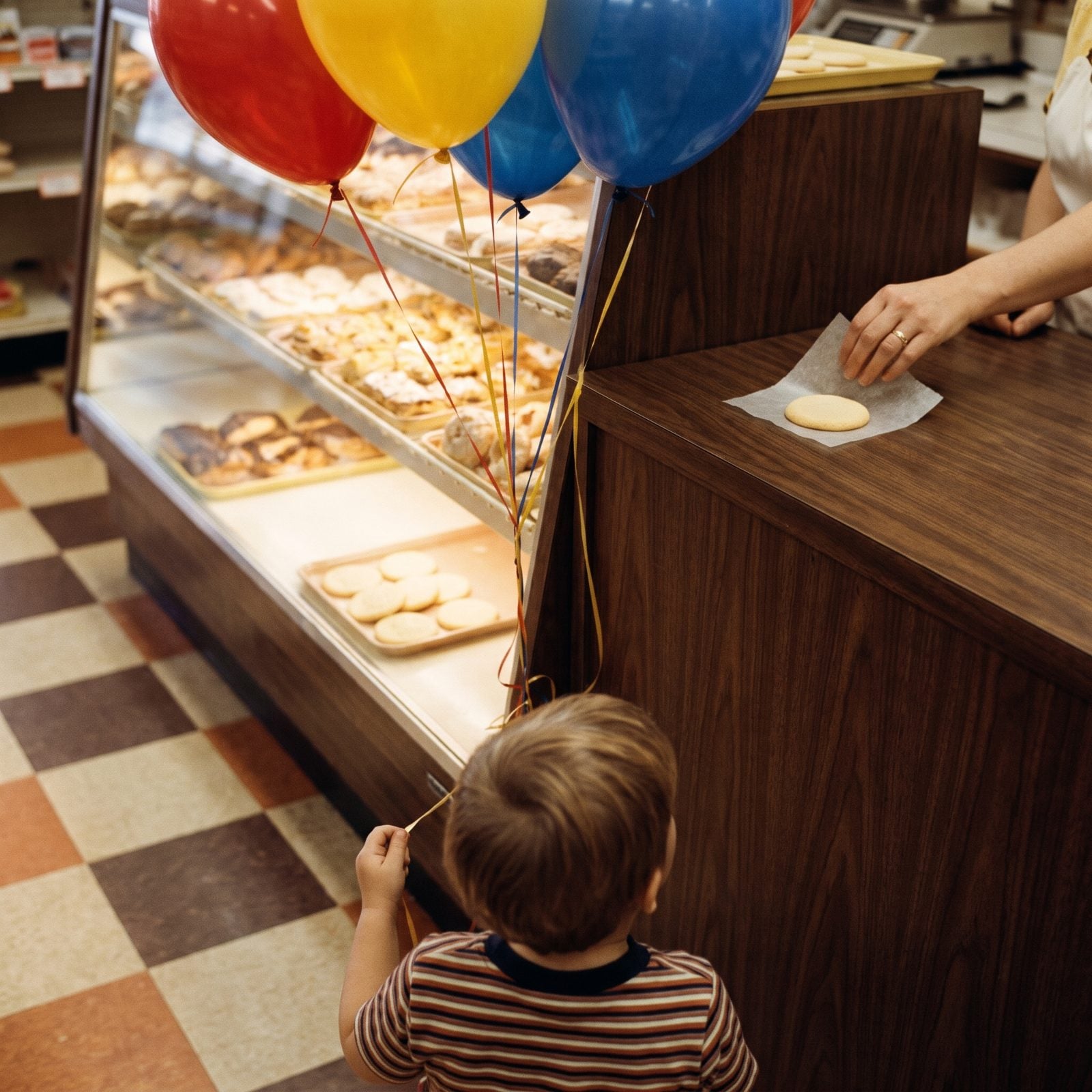
You behaved in the grocery store because there was a reward system, and the reward was a balloon tied to your wrist and a free bakery cookie handed over with a wink. The bakery gave cookies to kids like it was policy, because it basically was.
Cost the store almost nothing and bought decades of goodwill. A kid who got a cookie there grew into an adult who shopped there. Somewhere along the line a liability lawyer or a spreadsheet killed it, and the place got a little colder, one small kindness at a time.
2. Gas Pumped for You While You Grabbed Groceries
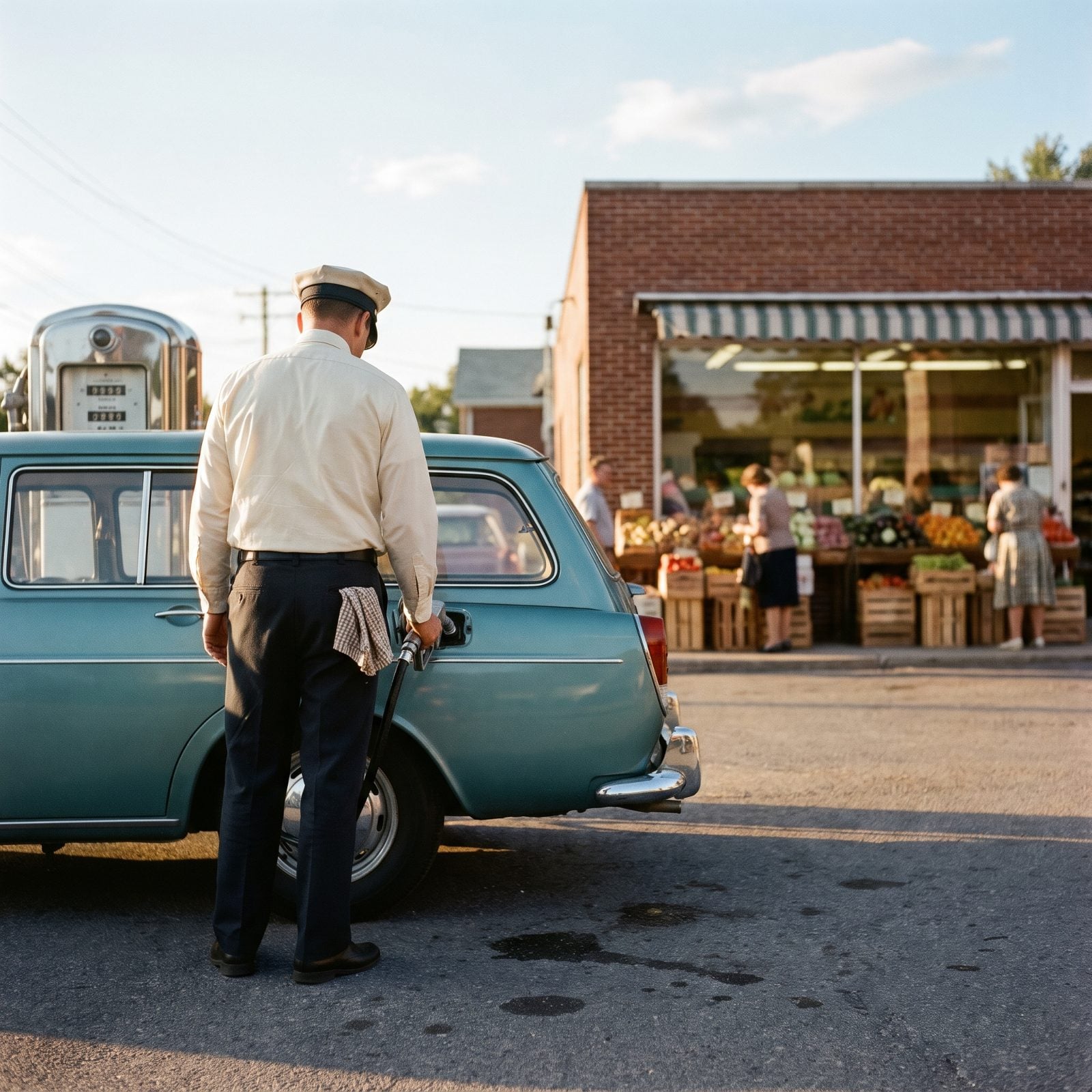
The grocery store and the filling station used to live side by side, and the whole stop was one errand. You’d pull in, somebody in a uniform pumped your gas and checked your oil and wiped your windshield, and you walked next door for the week’s shopping while it happened. Came back, paid, drove off. Full tank, full cart, hands clean.
Self-service gas spread in the seventies because it shaved pennies off the gallon. We took the pennies. We gave up the guy who topped off your washer fluid without being asked and knew your car by its dents.
1. Comment Cards a Real Manager Actually Read
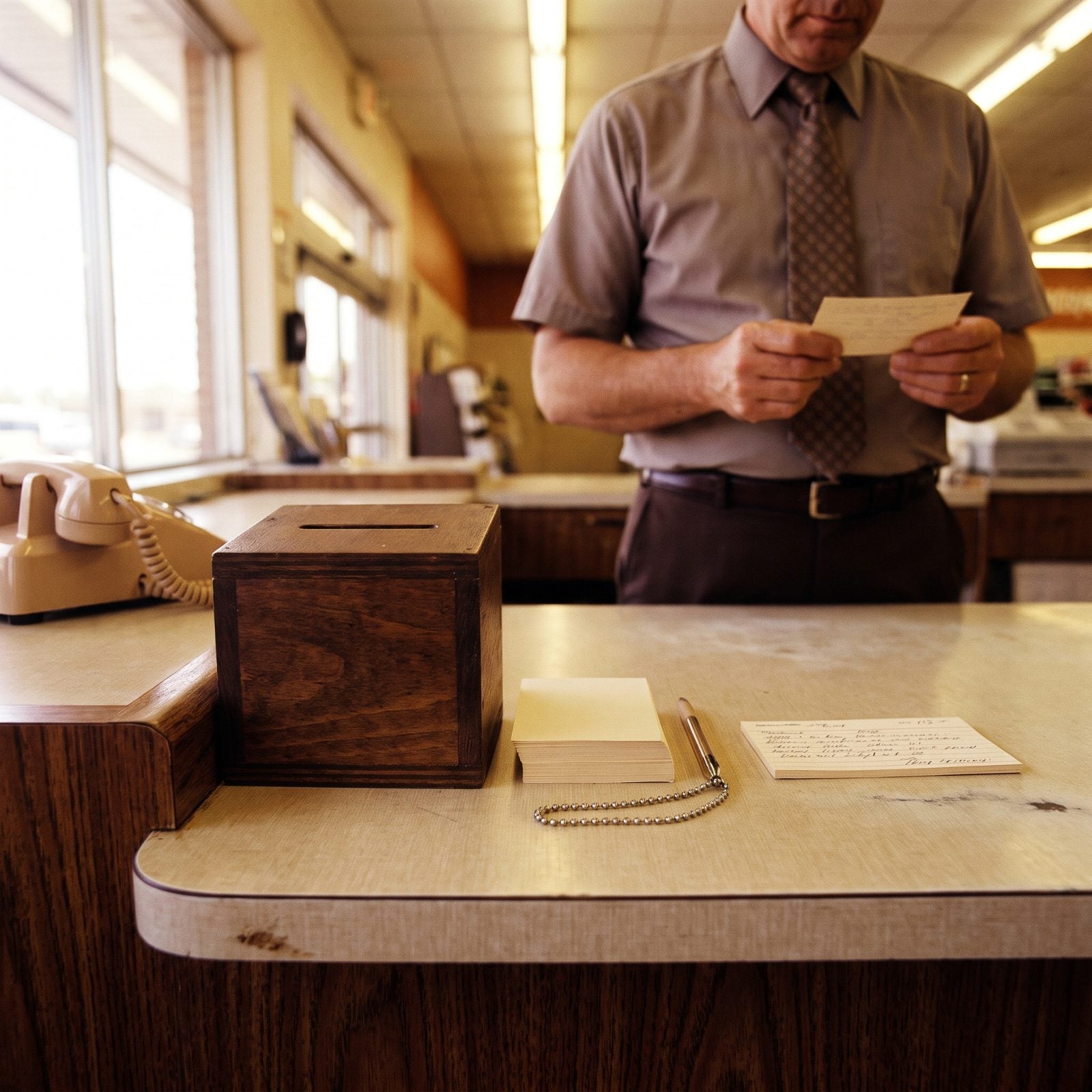
There was a little box by the service desk with blank cards and a pen on a chain, and you could write down exactly what was wrong, and a person named Dave or Carol who ran the store actually read it. Sometimes they called you. Sometimes the thing you complained about got fixed, and you noticed on your next trip.
Feedback now vanishes into a survey link printed on your receipt, scored by an algorithm, answered by nobody. The comment card worked because a human with the power to change things held your handwriting in their hands and felt a little bad about it.