
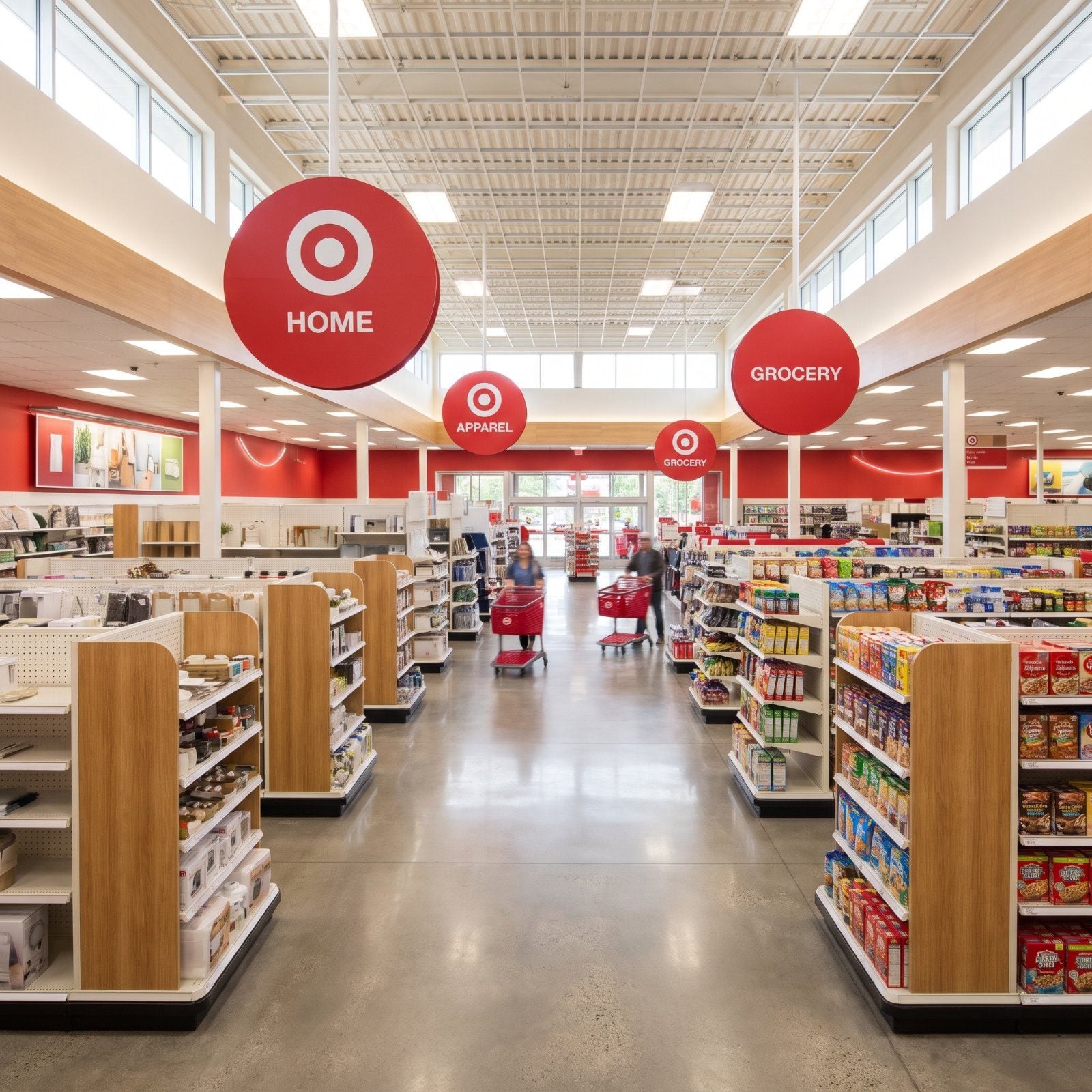
Nobody walks into Target for one thing and leaves with one thing. You know the drill. You went in for toothpaste and came out with a throw blanket, a candle, two shirts, and a snack you’d never heard of twenty minutes earlier. None of that is luck. Target spends real money making sure your trip feels like a stroll instead of a chore — the lighting, the aisle shape, the carts, the way a lamp sits next to a rug like it already lives in your house. Somebody decided every piece of it. Here’s what they decided, and why it works on you.
Please note that some of the images in this article were created with the assistance of AI.
28. The Racetrack Aisle Quietly Guides Your Entire Trip
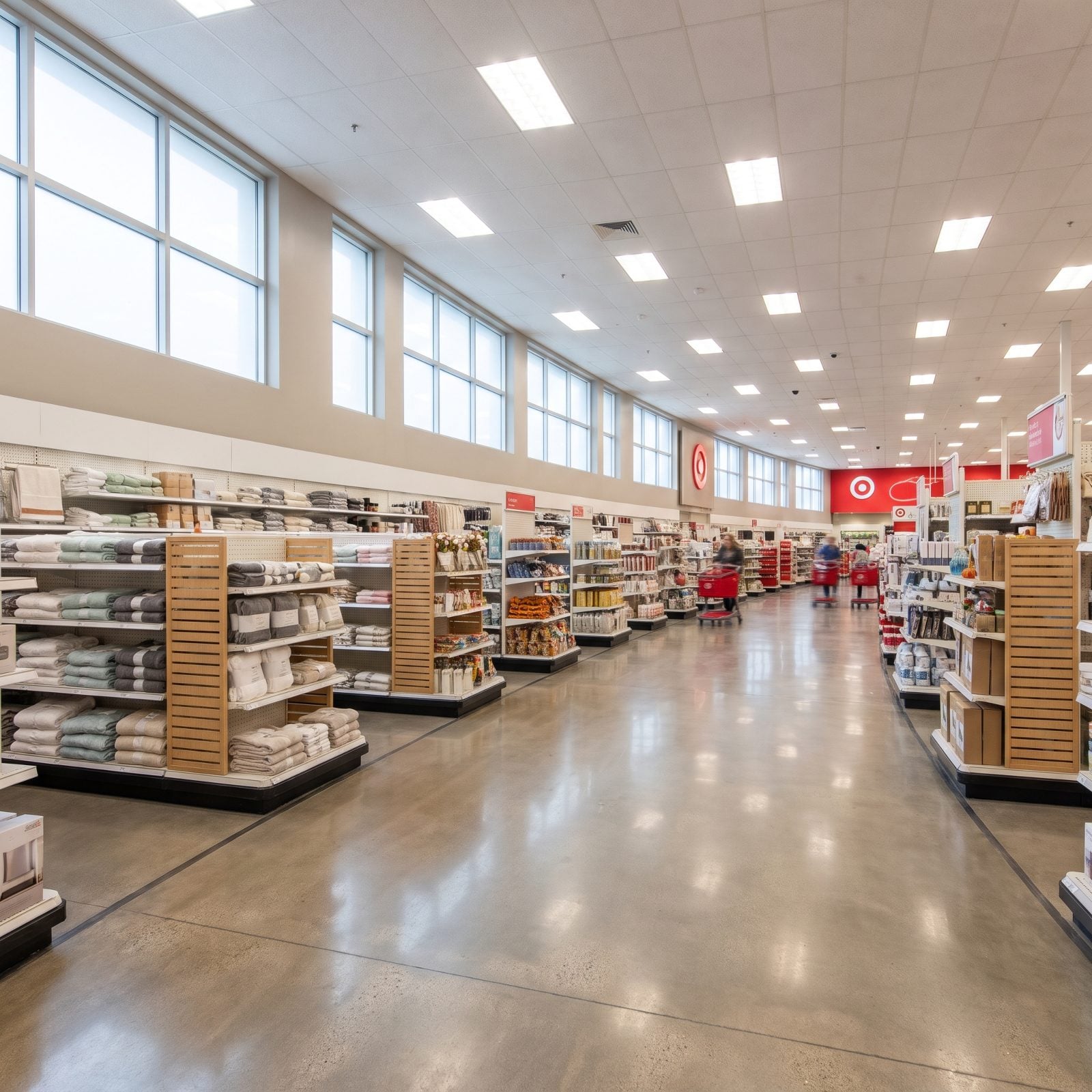
That wide, smooth loop running around the edge of the store has a name. Retail designers call it the racetrack, and it’s one of the oldest psychological plays in the business. You never feel steered, but you are — the path pulls you past every major department on your way to anywhere, and the endcaps all face outward onto it, catching you in motion.
The genius is that it feels like freedom. You think you’re wandering. You’re actually following a route someone drew years ago to maximize how much of the store your eyes cross before you reach the register.
27. Low-Profile Fixtures Preserve Long Sightlines
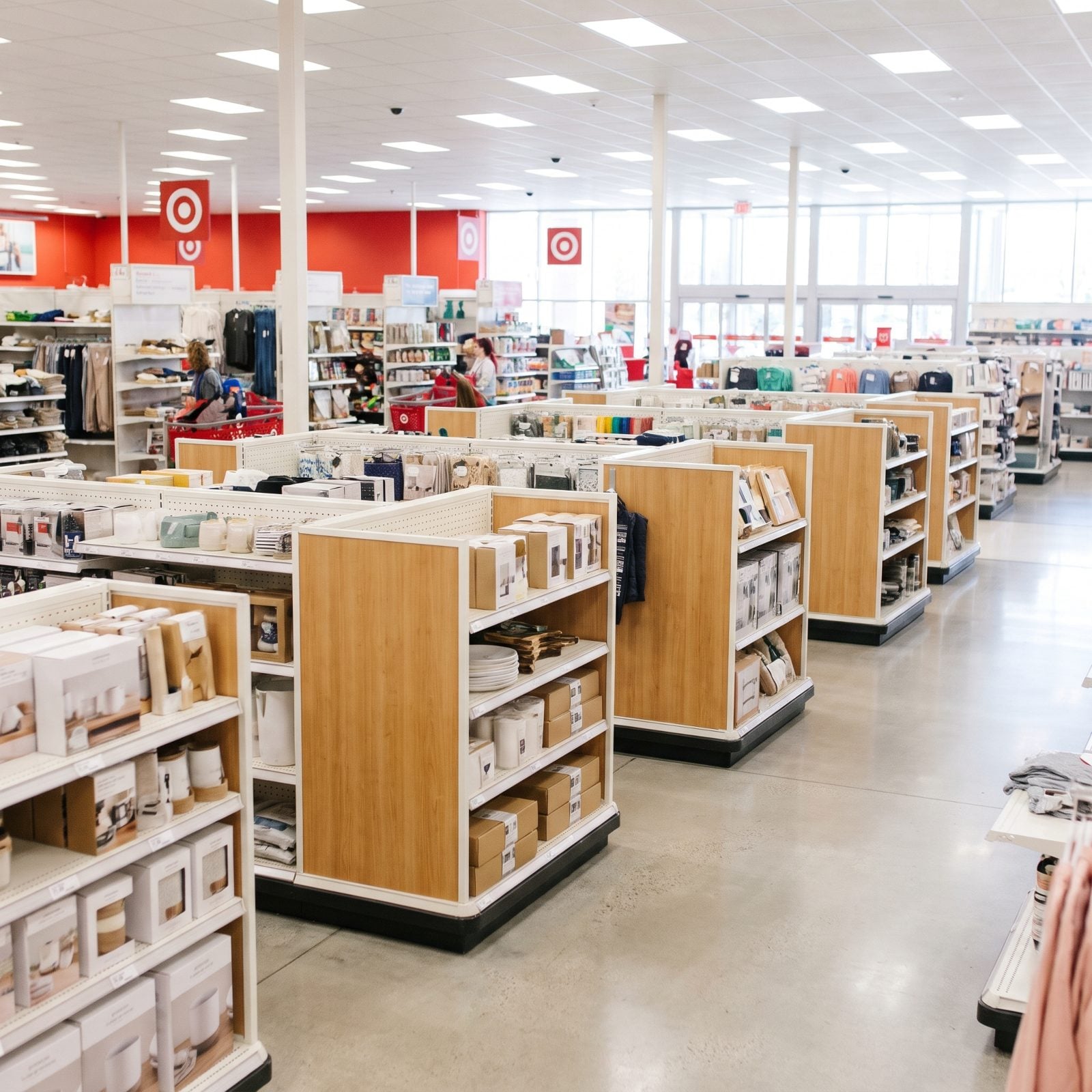
Walk into a lot of big-box stores and you’re staring down a canyon. Shelves tower over your head, and you can’t see three feet past the aisle you’re in. Target plays it differently. Fixtures tend to sit lower, around shoulder height in most departments, so you can look clear across the floor and spot where you’re headed.
It does two things at once. You feel less boxed in, which keeps the stress down. And you can see the next thing you might want from forty feet away, which keeps you moving toward it. Open sightlines are an invitation disguised as floor plan.
26. Red Portals Mark the Store’s Major Departments
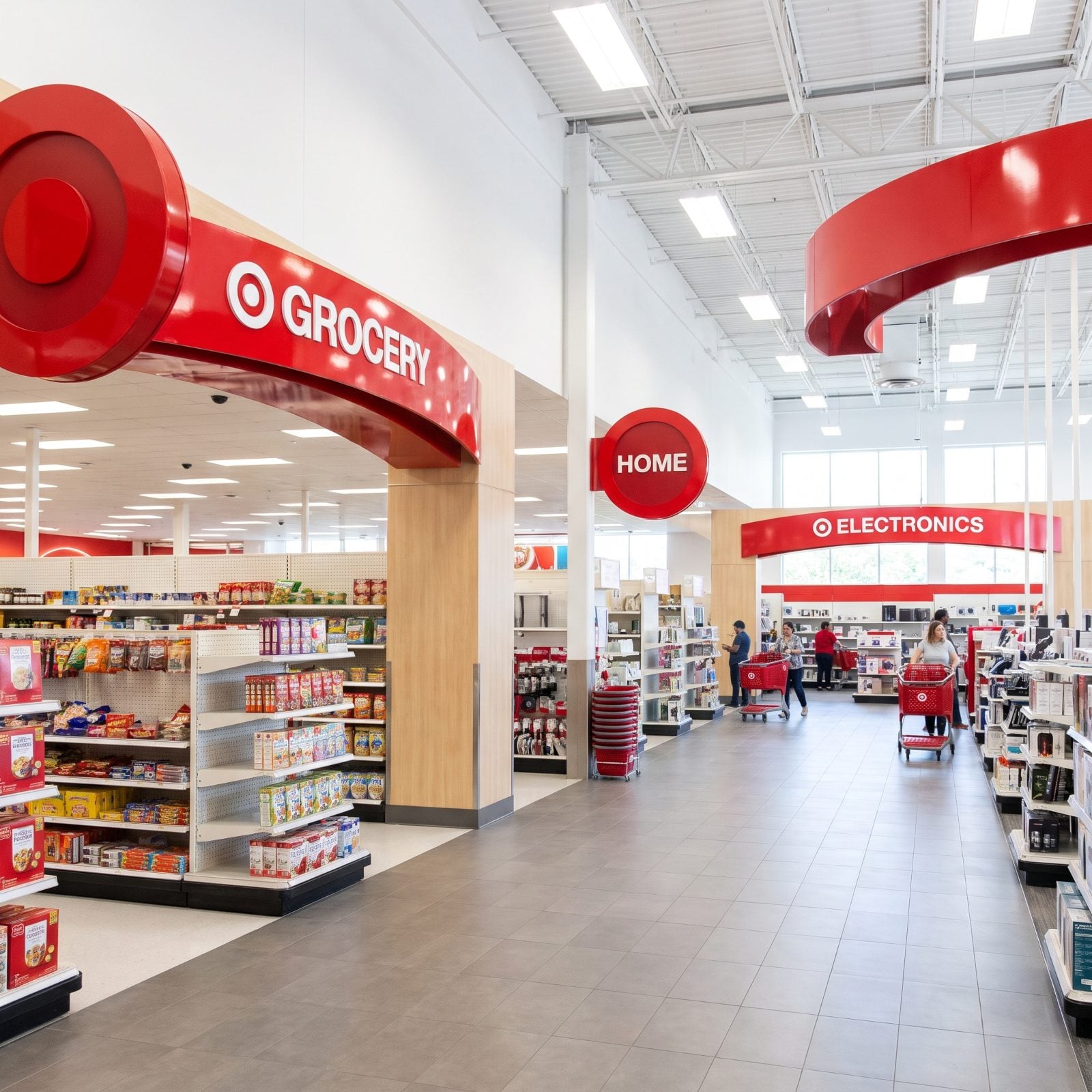
Notice how you always seem to know when you’ve crossed from groceries into home goods without reading a single sign? That’s the red doing its job. Target marks the edges of its big departments with bold thresholds and overhead markers that act like doorways, and you don’t read them so much as feel them.
Color-coded zoning is wayfinding you process below the conscious level. The red says new territory, pay attention. It breaks a giant store into a handful of rooms your brain can actually file.
25. Bullseye’s Playground Creates an Immediate Treasure Hunt
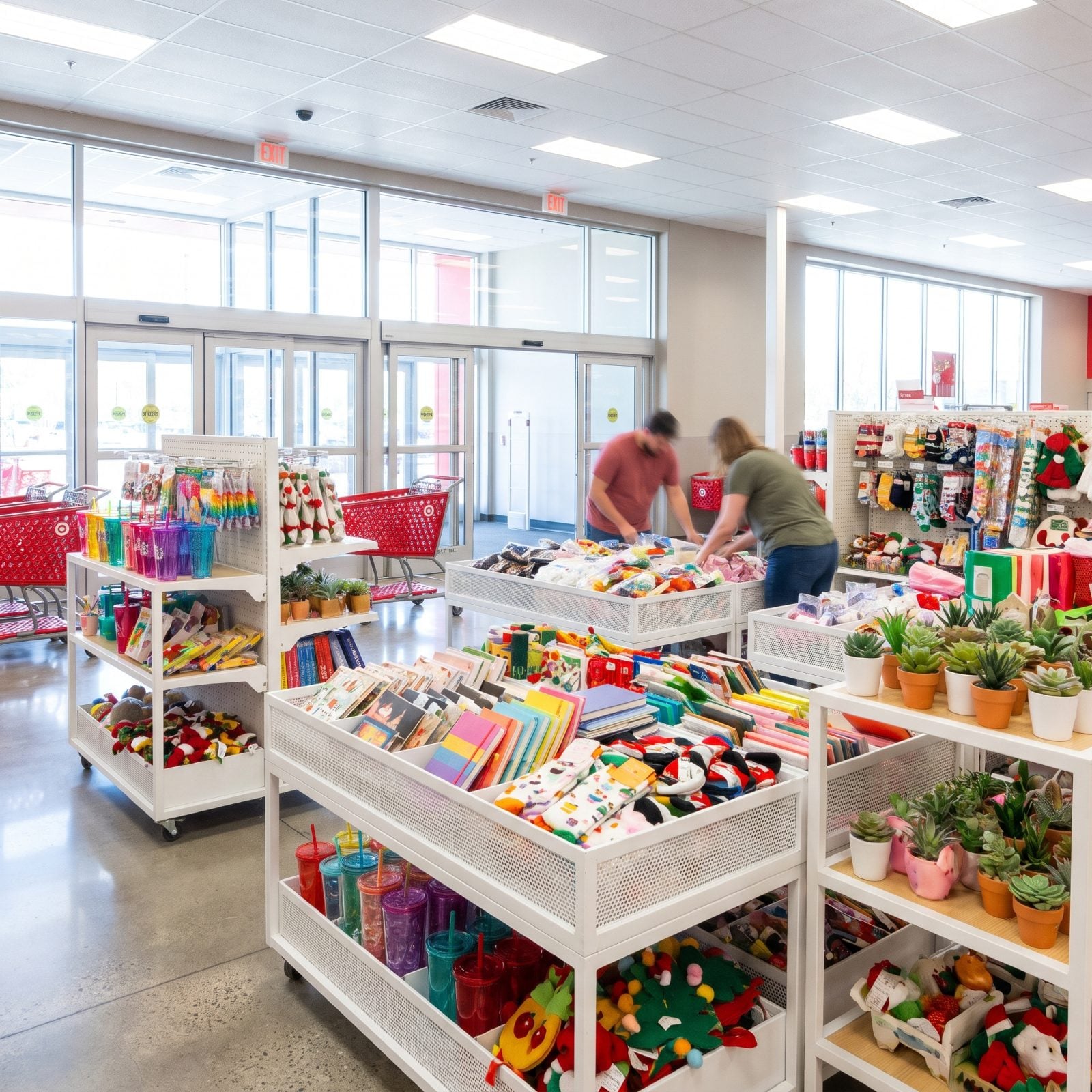
The first thing you hit past the doors is a maze of low bins stuffed with cheap, colorful stuff you did not come for. Seasonal napkins. A three-dollar mug shaped like a cactus. Tiny candles. This is Bullseye’s Playground, engineered to feel like rummaging a flea market before you’ve even grabbed a cart.
Everything is small, everything is low-priced, and everything is a little different each visit. That rotation is the hook. The constant churn trains you to look, because you learned long ago that if you don’t grab it now, it won’t be here next time.
24. Shopping Carts Reinforce the Brand Through Color and Shape
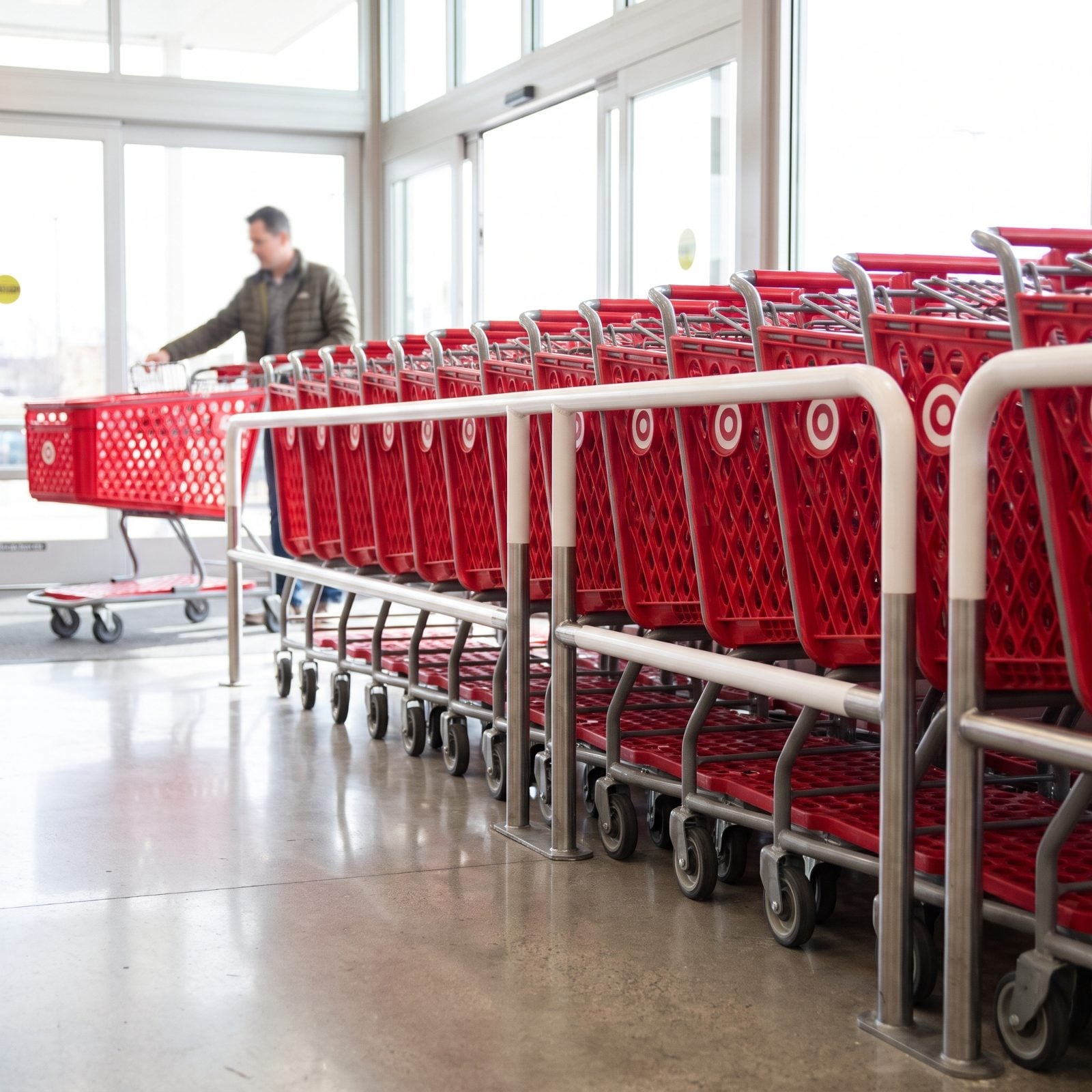
Most stores hand you a gray wire cart and forget about it. Target’s carts are cherry red, and that’s no throwaway decision. The color follows you through the entire trip — a little piece of the brand riding along in your hands for an hour.
Every time you glance down, there’s the red. By the time you leave, the brand has spent sixty minutes in your peripheral vision, and you never once felt advertised to. Good brand design works best when you don’t notice it working.
23. Home Displays Are Staged Like Real Rooms
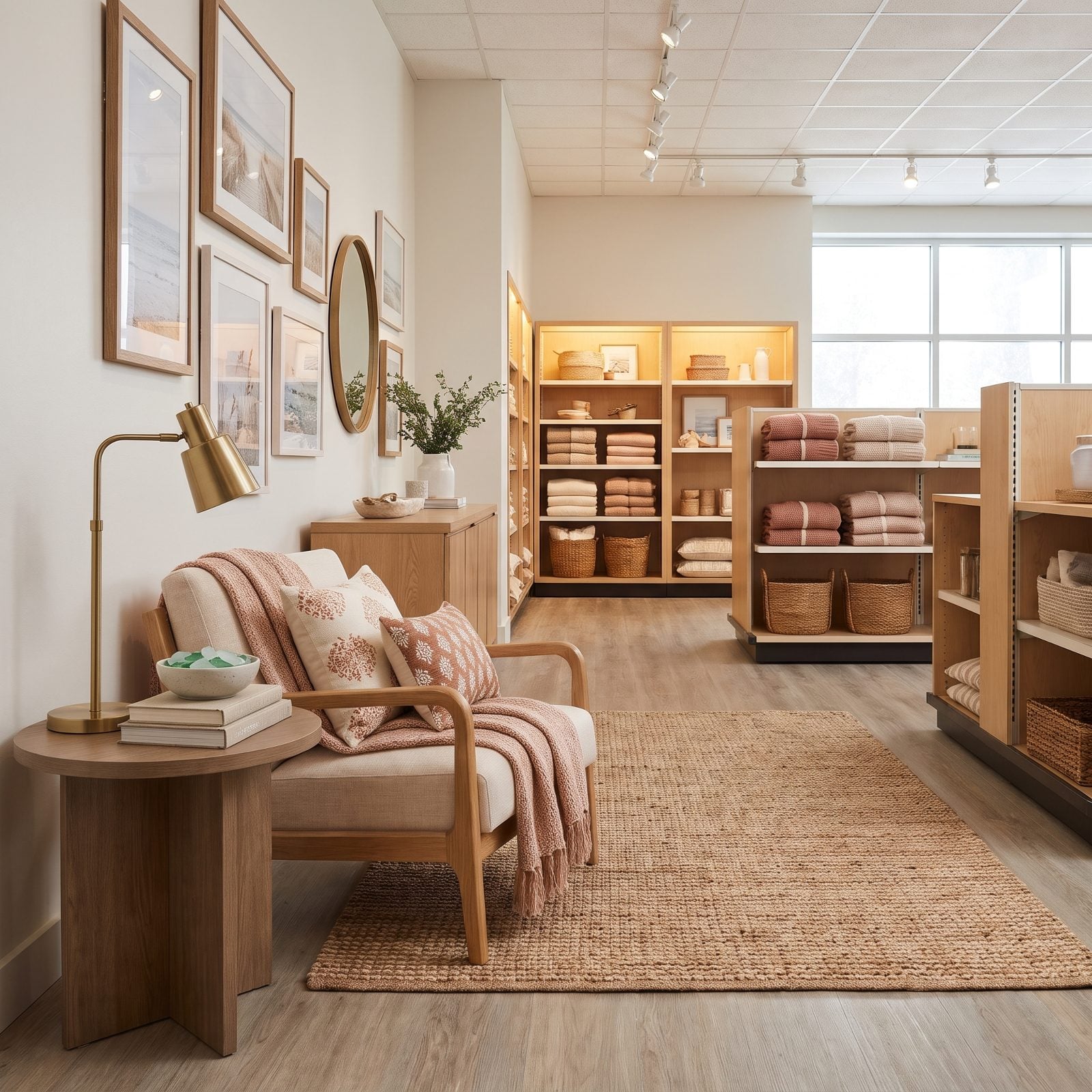
The home section doesn’t show you a shelf of lamps. It shows you a lamp sitting on a wood side table next to a chair with a throw draped over the arm, a rug underneath, art on the wall behind. You’re not looking at products — you’re looking at a room you could have.
Staged vignettes do the imagining for you. Instead of wondering whether that brass table lamp would work in your space, you see it already working, and you want the whole feeling. Which is how you walk out with the textured throw blanket you never planned to buy.
22. Mannequins Wear Complete, Shoppable Outfits
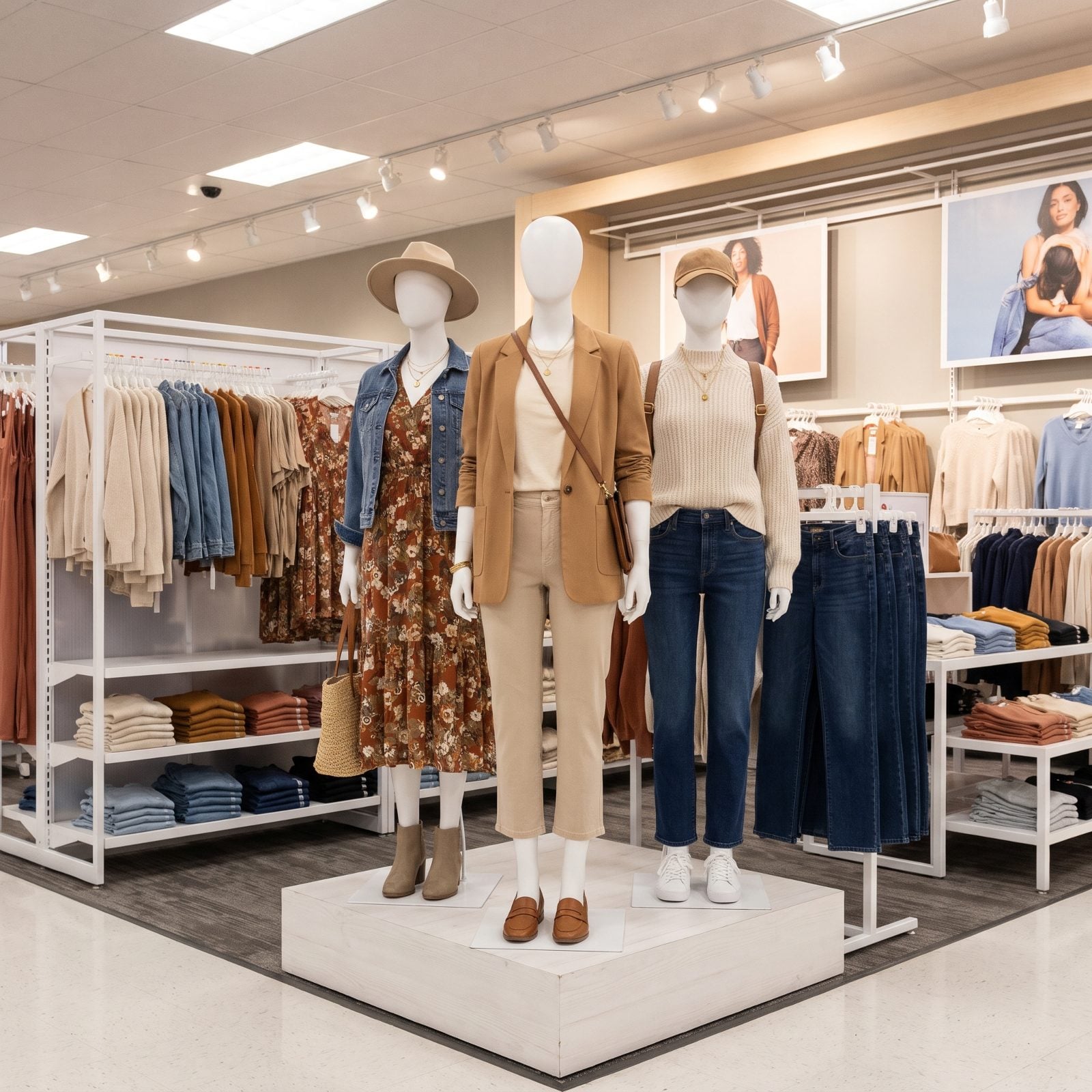
Target dresses its mannequins head to toe, and here’s the part that matters: everything on them hangs within arm’s reach. The jacket, the tee under it, the trousers, the bag. You see a full look and you can grab every piece of it in under a minute.
The styling does the convincing. One well-built outfit makes three separate items feel like a decision you already made. And it hands you permission. You weren’t sure the striped shirt worked with the olive pants until someone put them together and said, yes, like this.
21. Beauty Departments Use Specialty-Store Lighting
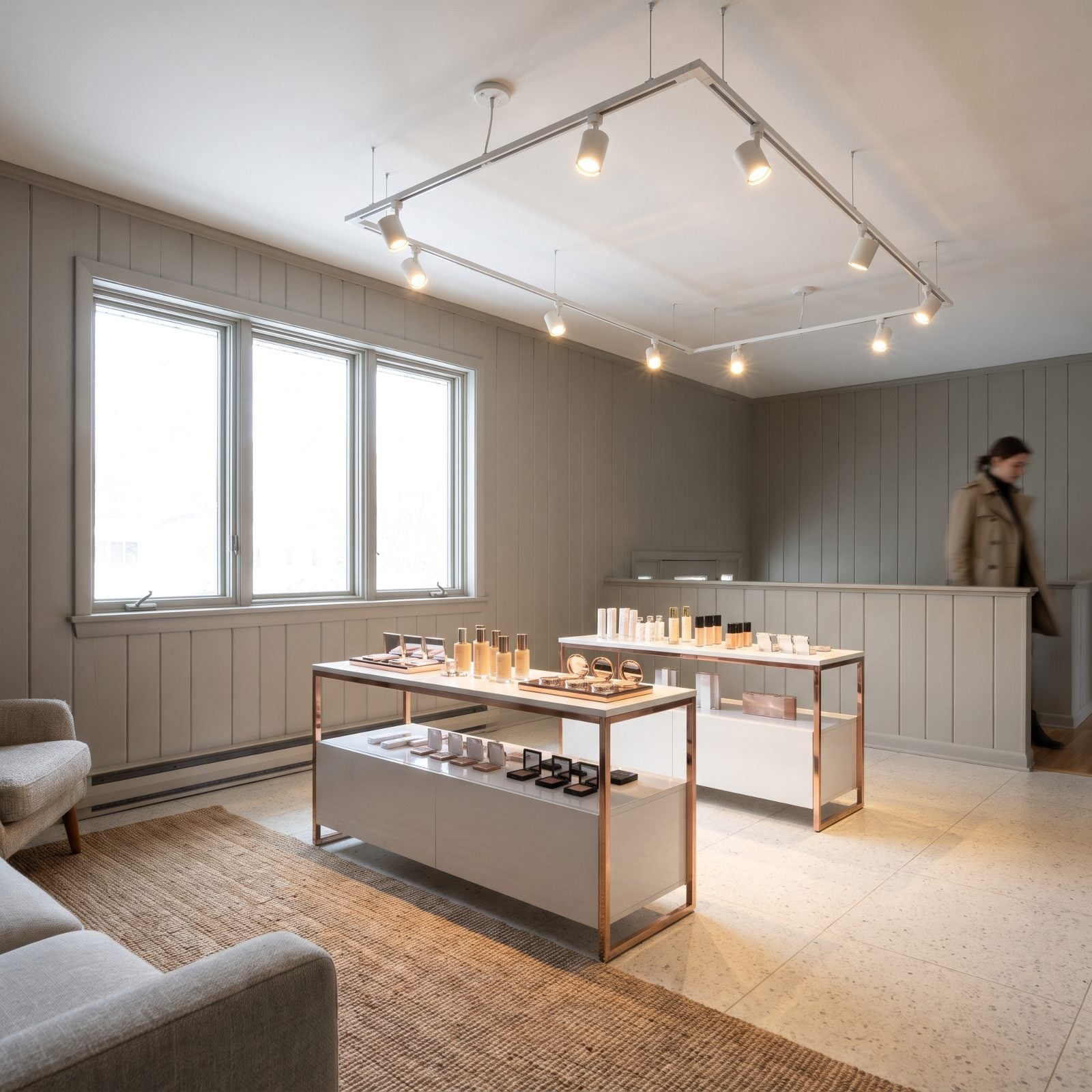
Step into the beauty section and the whole mood shifts. The lighting warms up — it stops being flat overhead fluorescent and starts being the focused, flattering glow you’d find in a dedicated cosmetics shop. Often the floor changes underfoot too.
This is deliberate theater. Makeup and skincare sell on how the product looks, and even more on how you imagine looking after you use it. Harsh light kills that daydream. Warm, focused light sells it.
20. Endcaps Function Like Mini Advertising Campaigns
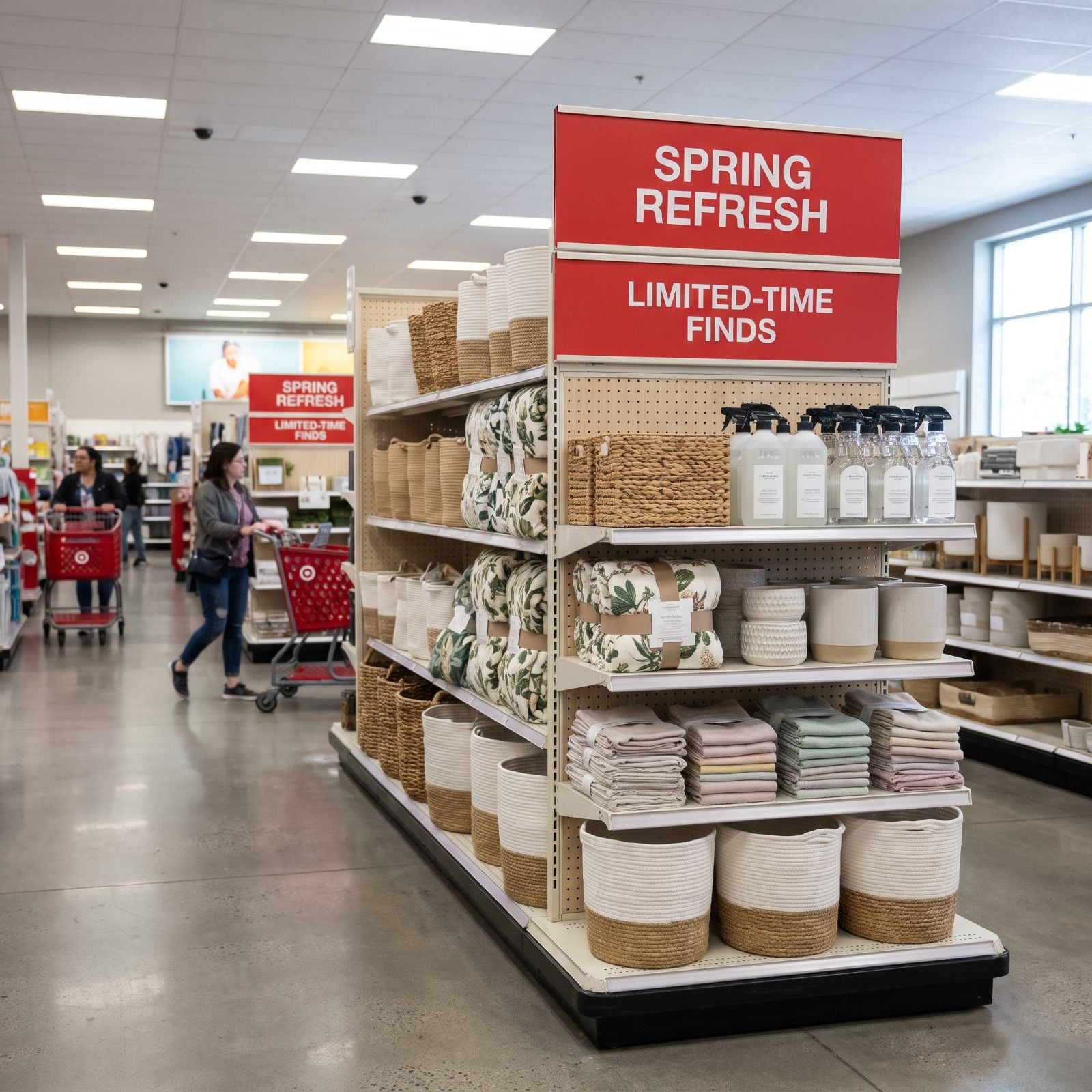
The end of every aisle is prime real estate, and Target treats each one like a tiny ad campaign. Not random overflow stacked for space. A single themed story, coordinated products, bold red header, the whole thing built to stop you mid-stride as you cruise the racetrack.
Here’s what people get wrong: an endcap product isn’t always on sale. The position does the selling. Stuff parked at the end of an aisle moves far faster than the same item sitting mid-aisle, purely because of where your eyes land. You’re paying for the spotlight as much as the discount.
19. Unexpected Products Are Merchandised Together
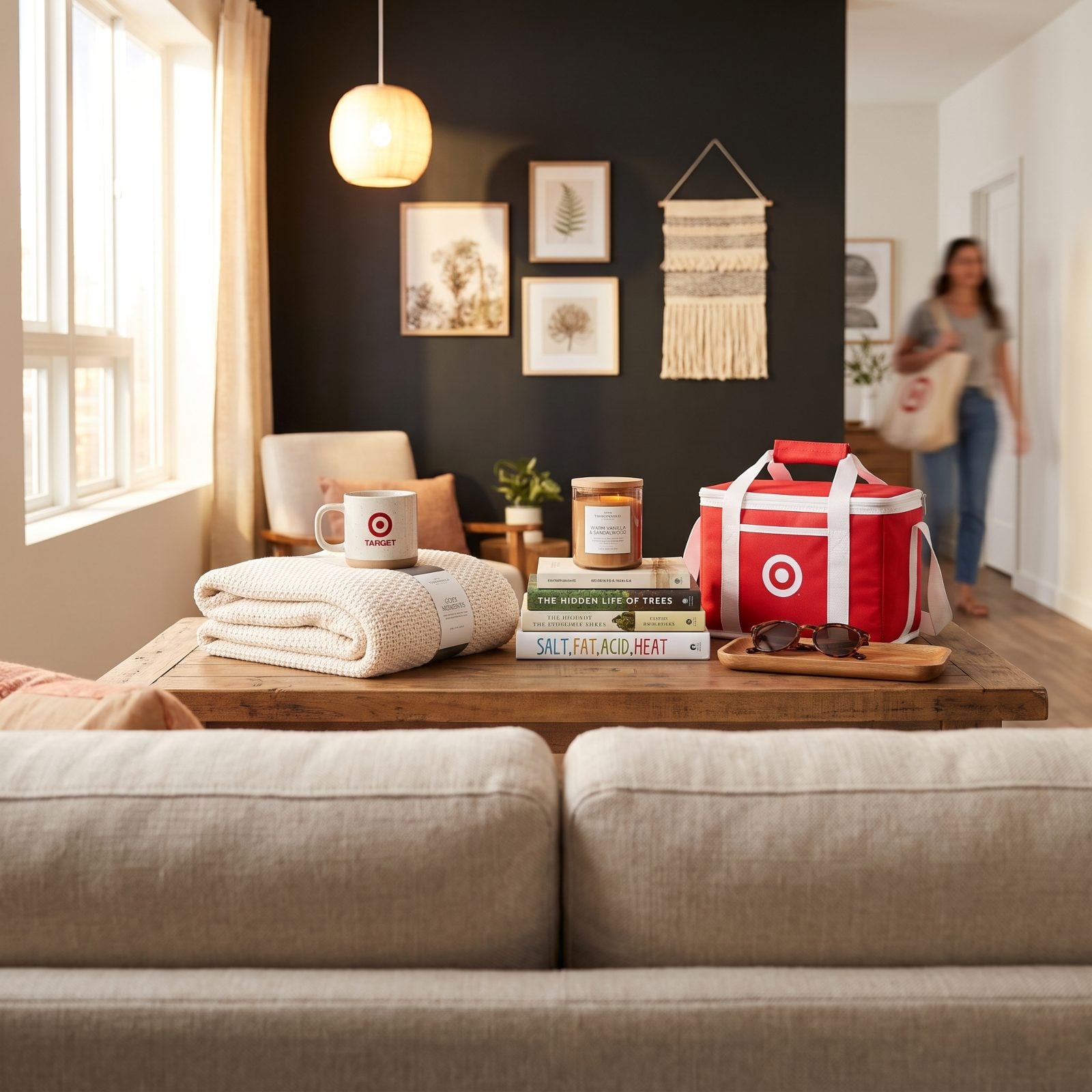
You’re cruising an aisle and somehow, on the shelf in front of you, there’s a scented candle sitting next to a throw blanket next to a coffee mug. None of those things live in the same department, and that’s the point. Target groups products by moment instead of by category, so you stumble on a cozy-night-in setup no single aisle could have shown you.
Cross-merchandising sells the scene, not the item. You came for a blanket. You leave with the candle because the display quietly suggested the blanket wasn’t complete without it. Nobody asked you to picture the whole evening — the shelf did it for you.
18. Owned Brands Each Get Their Own Visual Language
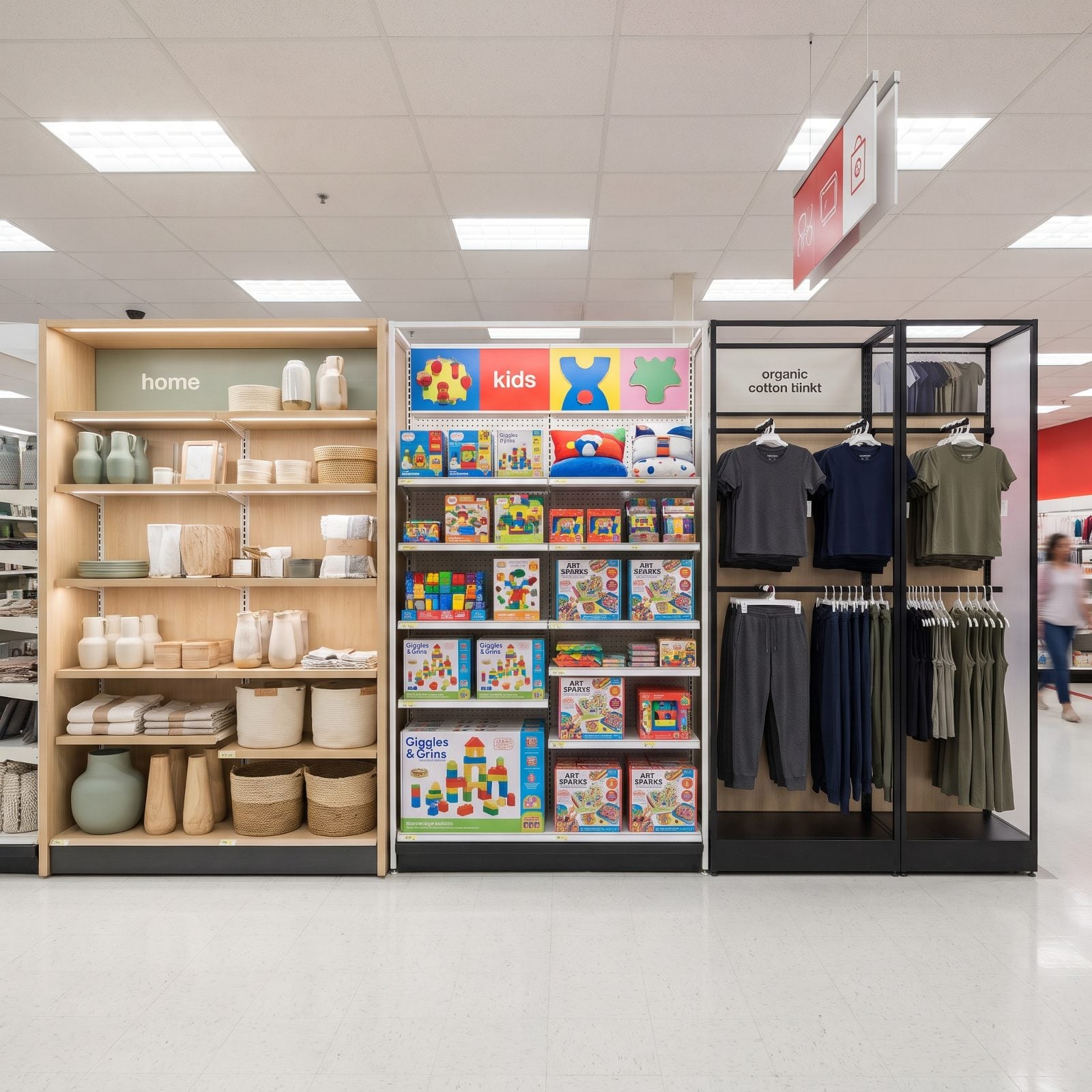
Target runs dozens of its own brands, and the trick is that most shoppers never clock them as store brands at all. Each one gets built like it’s a standalone company — different fonts, different color stories, different shelf fixtures. The home line looks nothing like the toddler line, which looks nothing like the activewear.
Walk past them and your brain files each as a real brand with a point of view, not a generic knockoff of something pricier. That’s the whole game. The design does the convincing before the price tag ever enters the conversation.
17. Small-Format Stores Stock What the Block Actually Buys
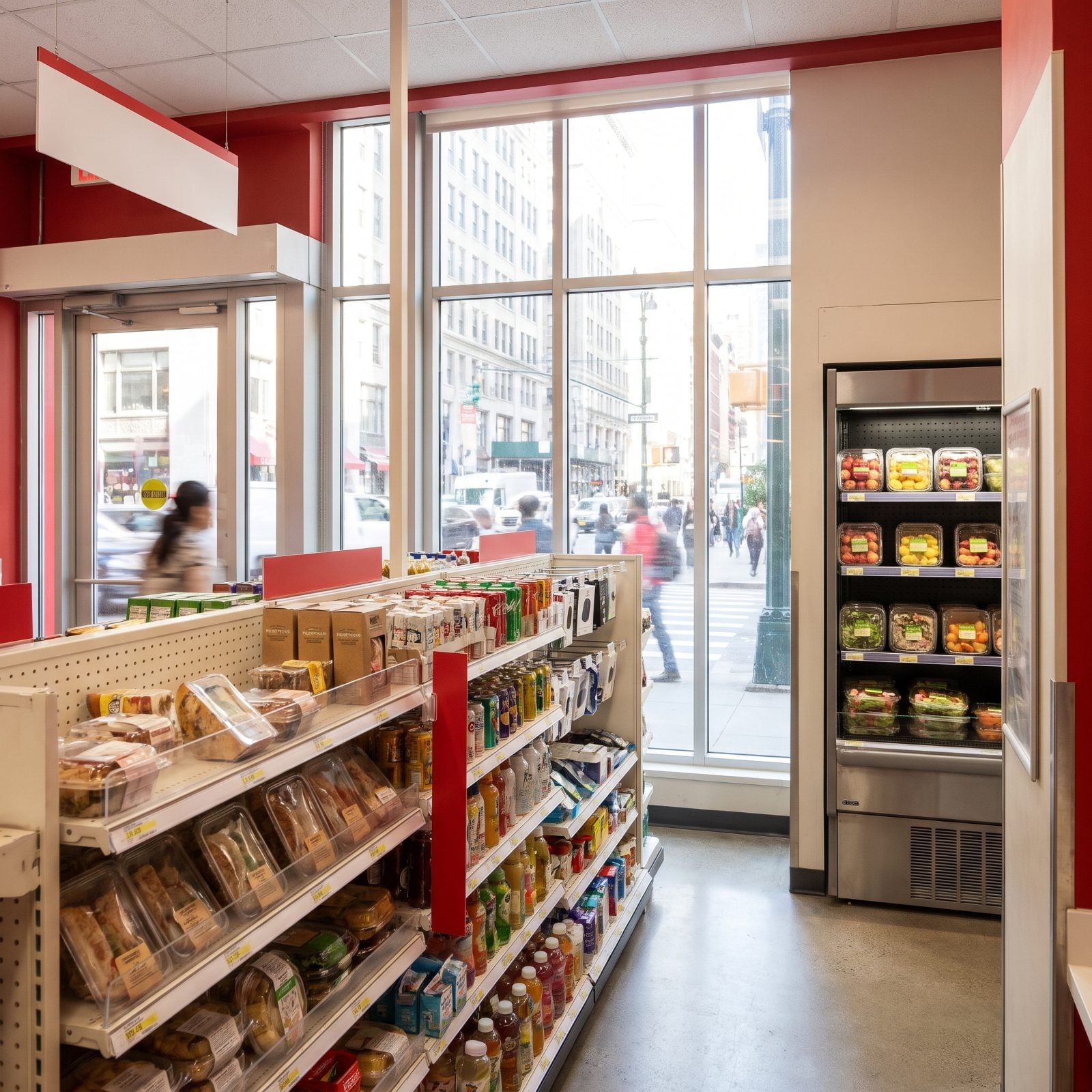
Those small-format stores near colleges and dense city blocks aren’t just shrunk-down versions of the suburban supercenter. The inventory gets rewritten for the neighborhood.
Put one near a campus and it fills with single-serve snacks, dorm bedding, phone chargers, and quick-fix groceries. Drop one downtown and it leans toward fresh food and household basics people can carry home without a car. Same red circle logo. Totally different shelves.
16. Remodeled Stores Quietly Nod to the Town They’re In
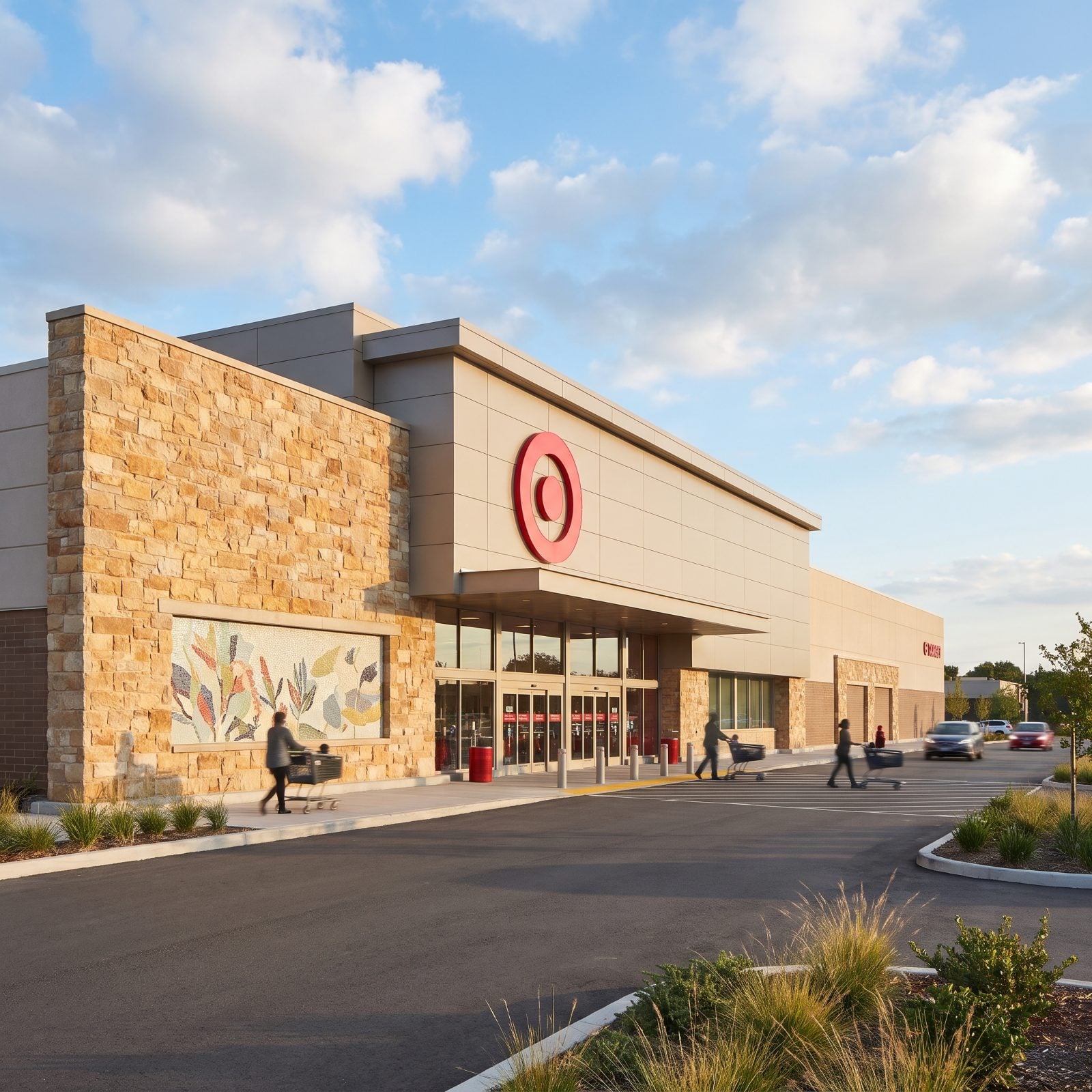
You’ve walked into a remodeled Target and felt something slightly off from the one across the state, even if you couldn’t name it. Usually it’s a piece of local artwork near the entrance, or an exterior detail that pulls from the region — a coastal store gets a different material on the facade than a mountain-town one.
It’s small. Most people never consciously register it. But it softens the big-box sameness just enough that the store feels like it belongs to the place instead of being dropped there by a satellite.
15. The Seasonal Aisle Flips Before You’re Ready for It
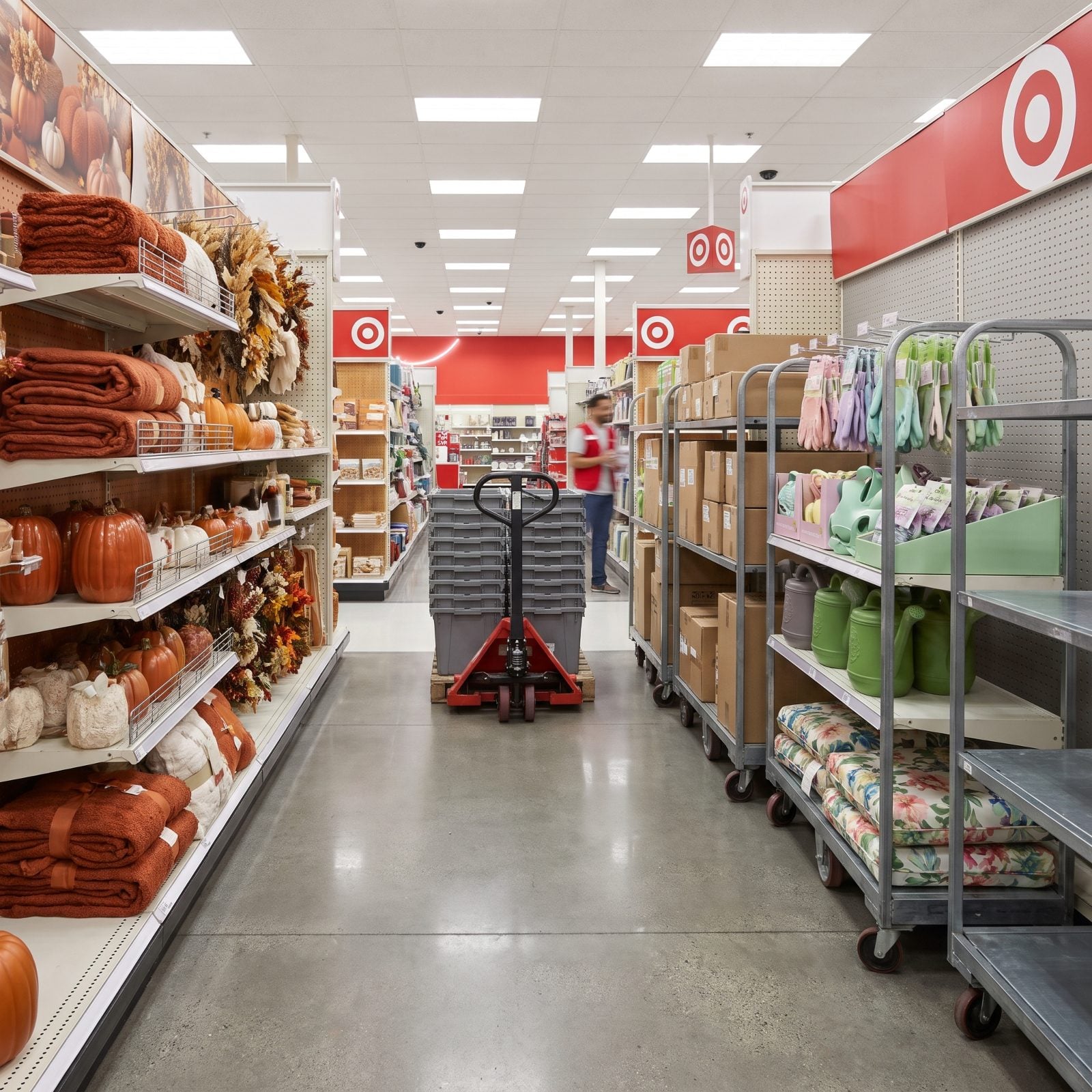
Summer stuff goes on clearance while it’s still ninety degrees out. This drives people a little crazy, and it’s understandable — you go looking for pool floats in July and find back-to-school already muscling in.
The resets run weeks ahead of the actual calendar because shelf space is the most valuable thing in the building. Every square foot has to earn money for the next wave before the current one is even done. So the Halloween candy shows up in August, and your sense of time gets quietly rearranged.
14. Clearance Hides in the Back on Purpose
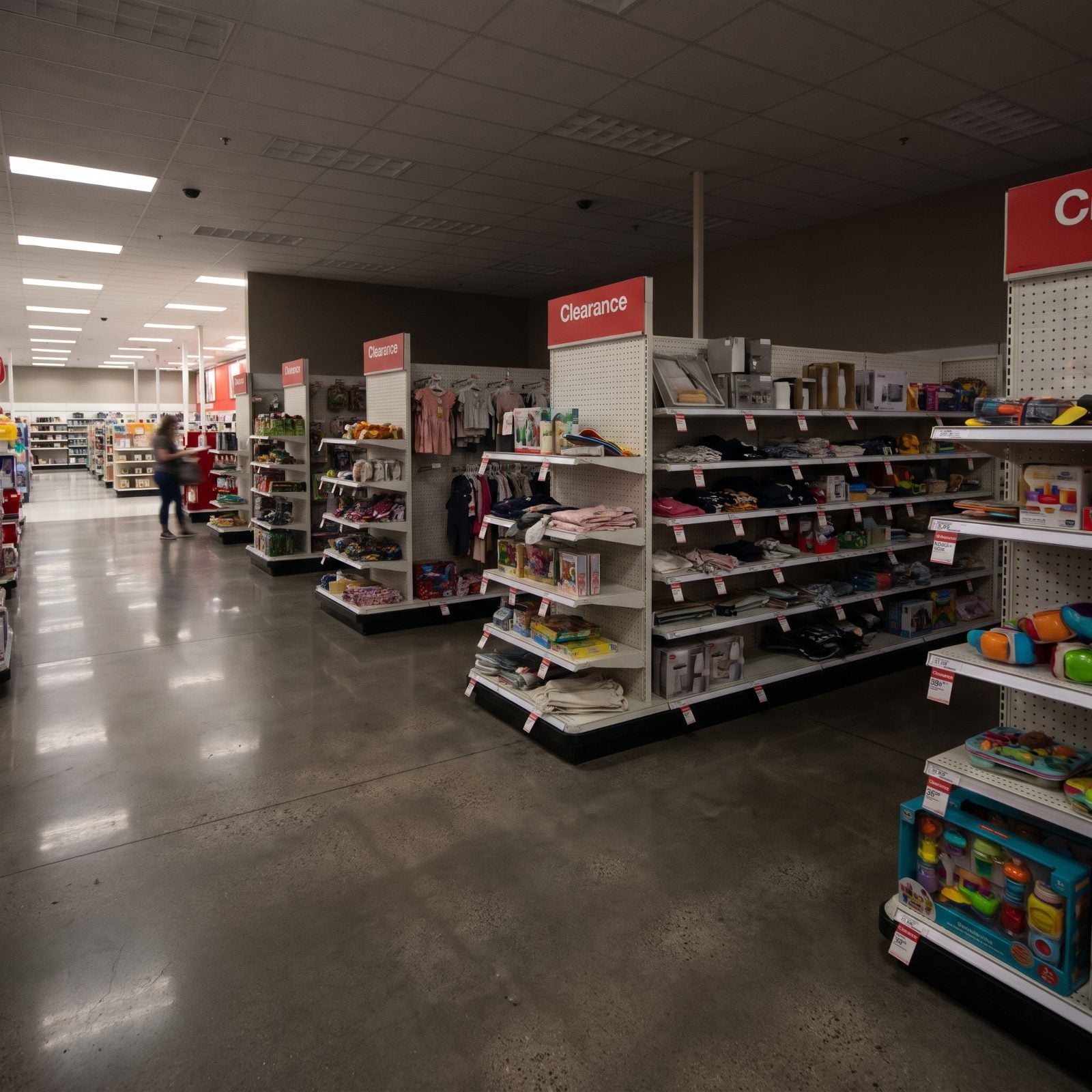
The deepest markdowns rarely sit by the front door. Clearance migrates to back corners, endcaps near the restrooms, or a shelf you’d only find if you were already lost.
There’s logic to it. Full-price goods get the prime real estate up front where traffic is heaviest, and the discount hunters are motivated enough to go dig. Want the real deals? You have to walk past everything selling at full price to get there, and that walk is no coincidence.
13. Starbucks Sits Exactly Where Your Willpower Dips
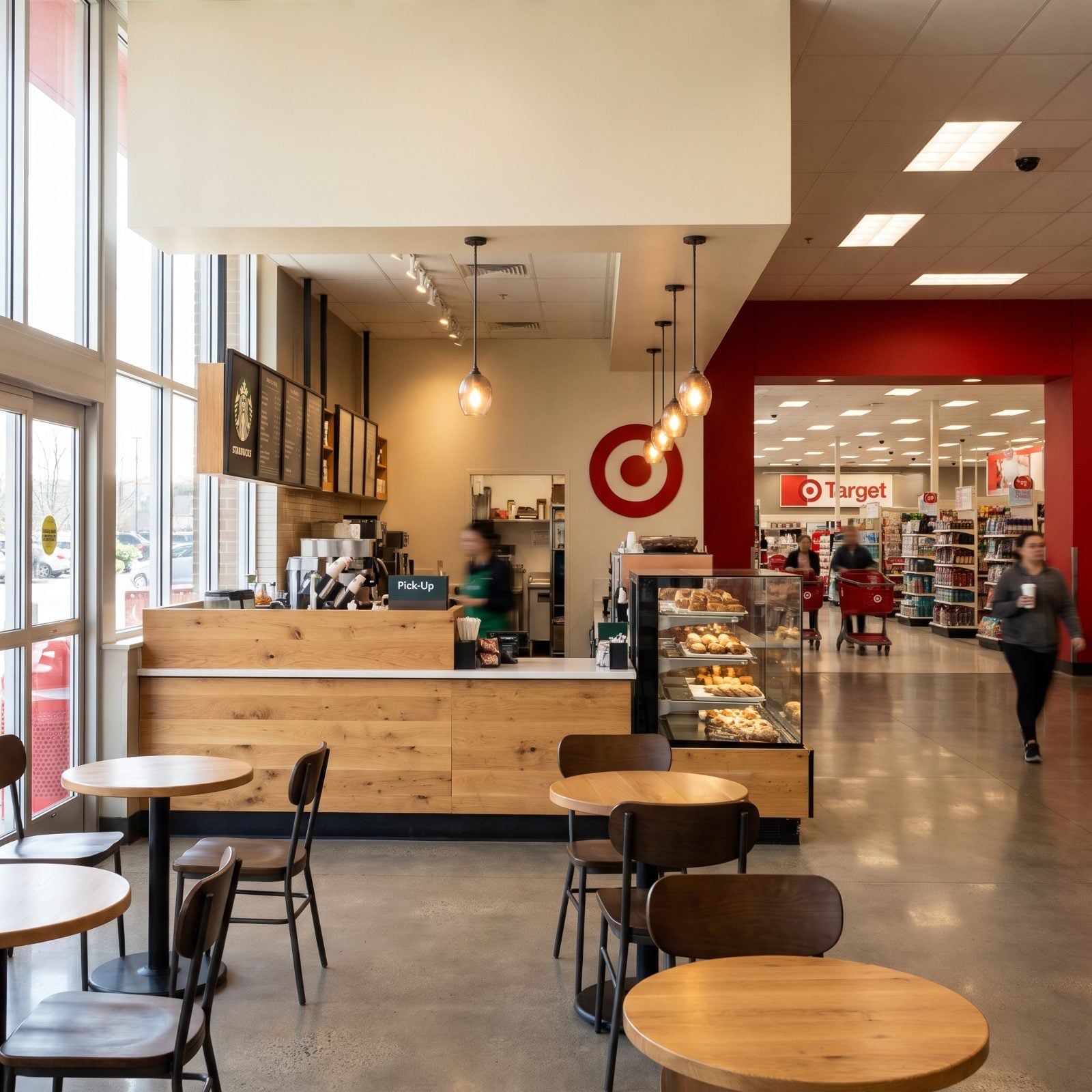
The café near the entrance isn’t there for your convenience, not really. It’s there because a drink in your hand changes how you shop.
Hold a warm cup and you slow down. You linger. You wander aisles you’d have skipped on a quick dash in and out. A relaxed shopper with ten extra minutes spends more than a rushed one, and Target knows it cold. The coffee is the price of admission to a longer, calmer trip, and most people happily pay it.
12. The Pharmacy Belongs to CVS, Not Target
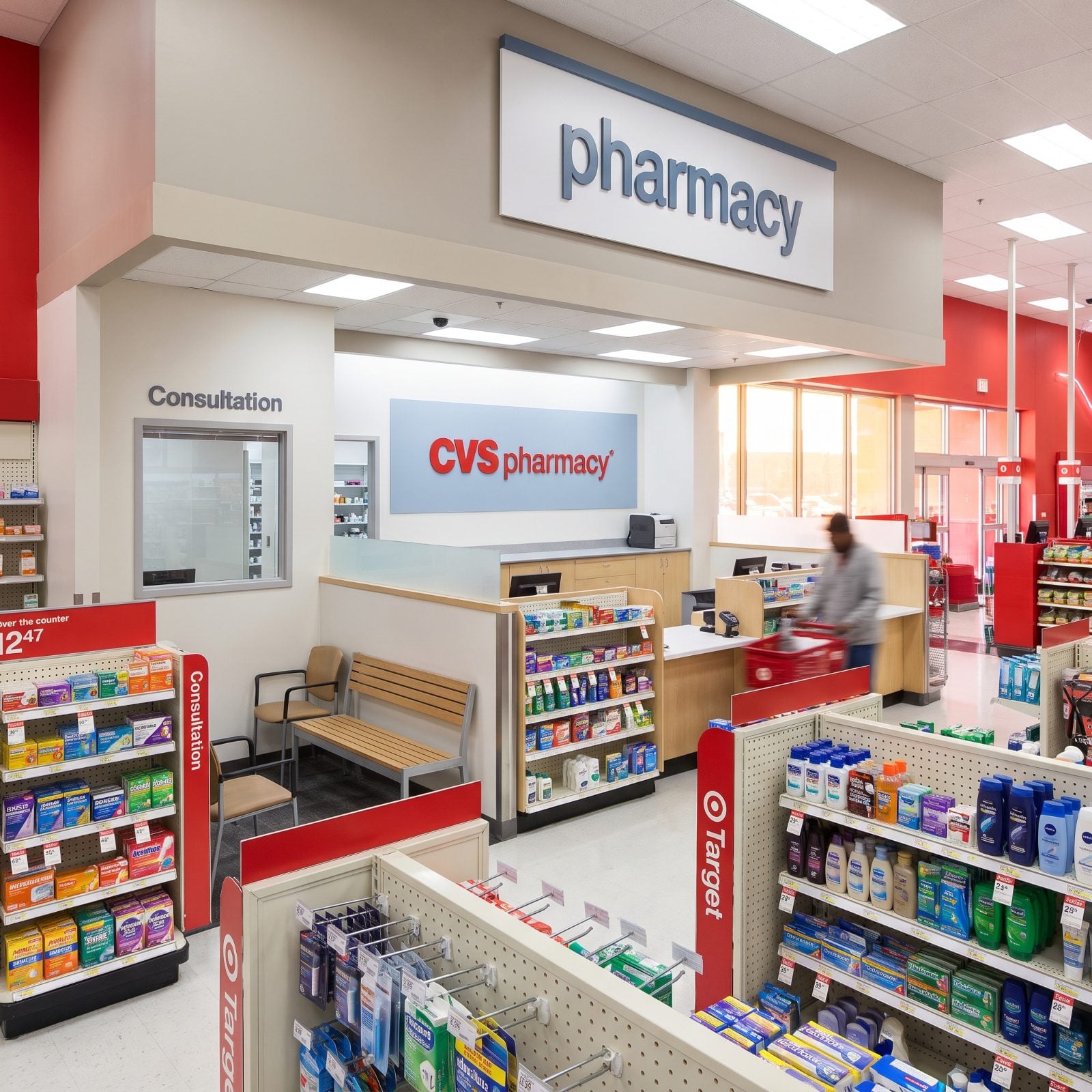
Here’s one almost nobody realizes while standing right in front of it: the pharmacy counter inside Target is run by CVS.
The deal happened years back, and it means the person filling your prescription works for a different company than the one that rang up your cart. The signage stays quiet about it on purpose. You’re still inside the red store, still grabbing shampoo on the way out, but the clinical side runs on someone else’s system entirely — a corner of the building hiding in plain sight.
11. The App Knows You’re Pulling Into the Lot
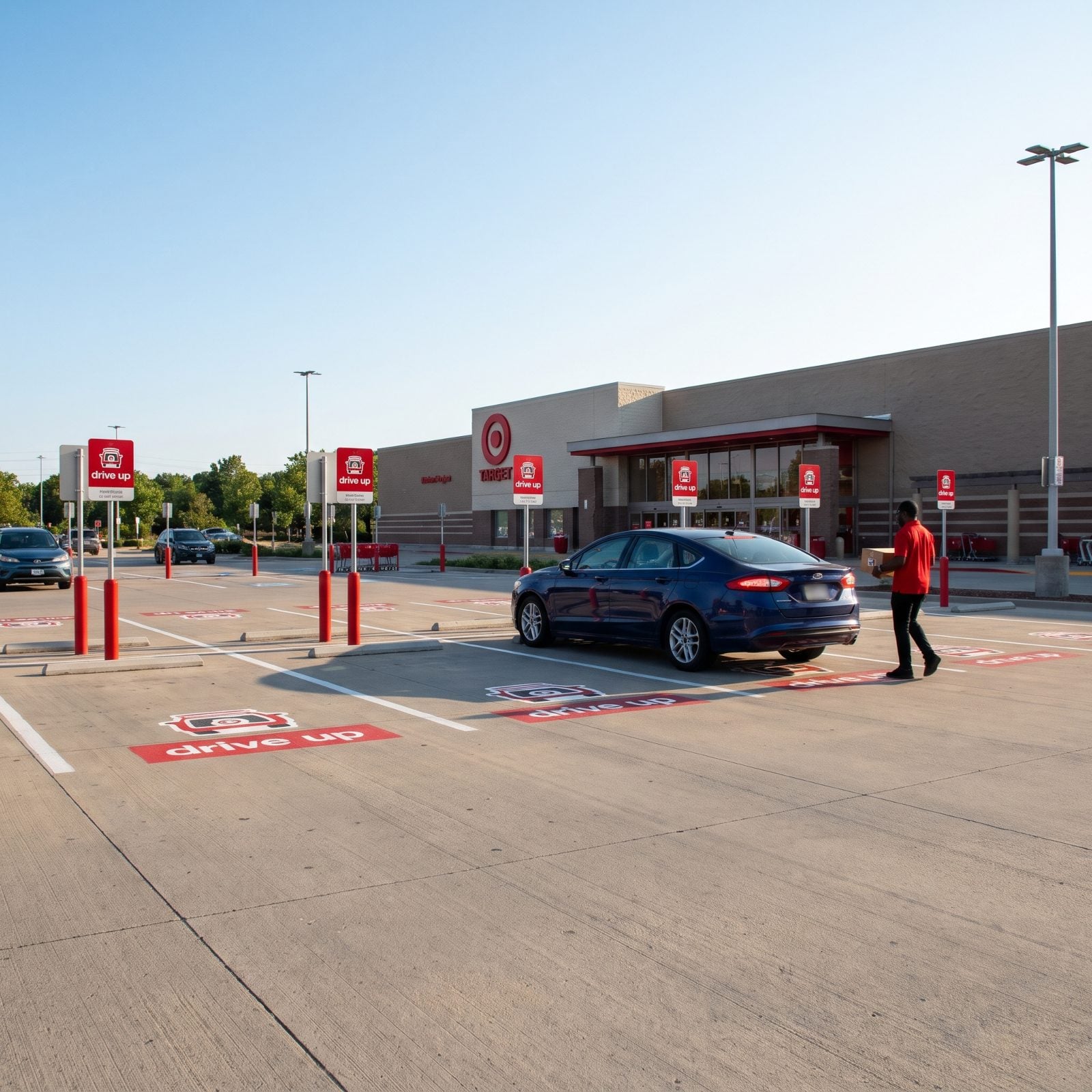
You tap “I’m on my way” in the app and something clever kicks in. The phone’s location can tell the store you’re approaching before you’ve even parked.
By the time you roll into the Drive Up spot, your order is often already being walked out. No sitting there waiting, no awkward phone call. The timing feels almost psychic, but it’s just geofencing doing quiet work in the background so the handoff happens the second you stop the car.
10. Separate Coolers Keep Your Frozen and Fresh Apart
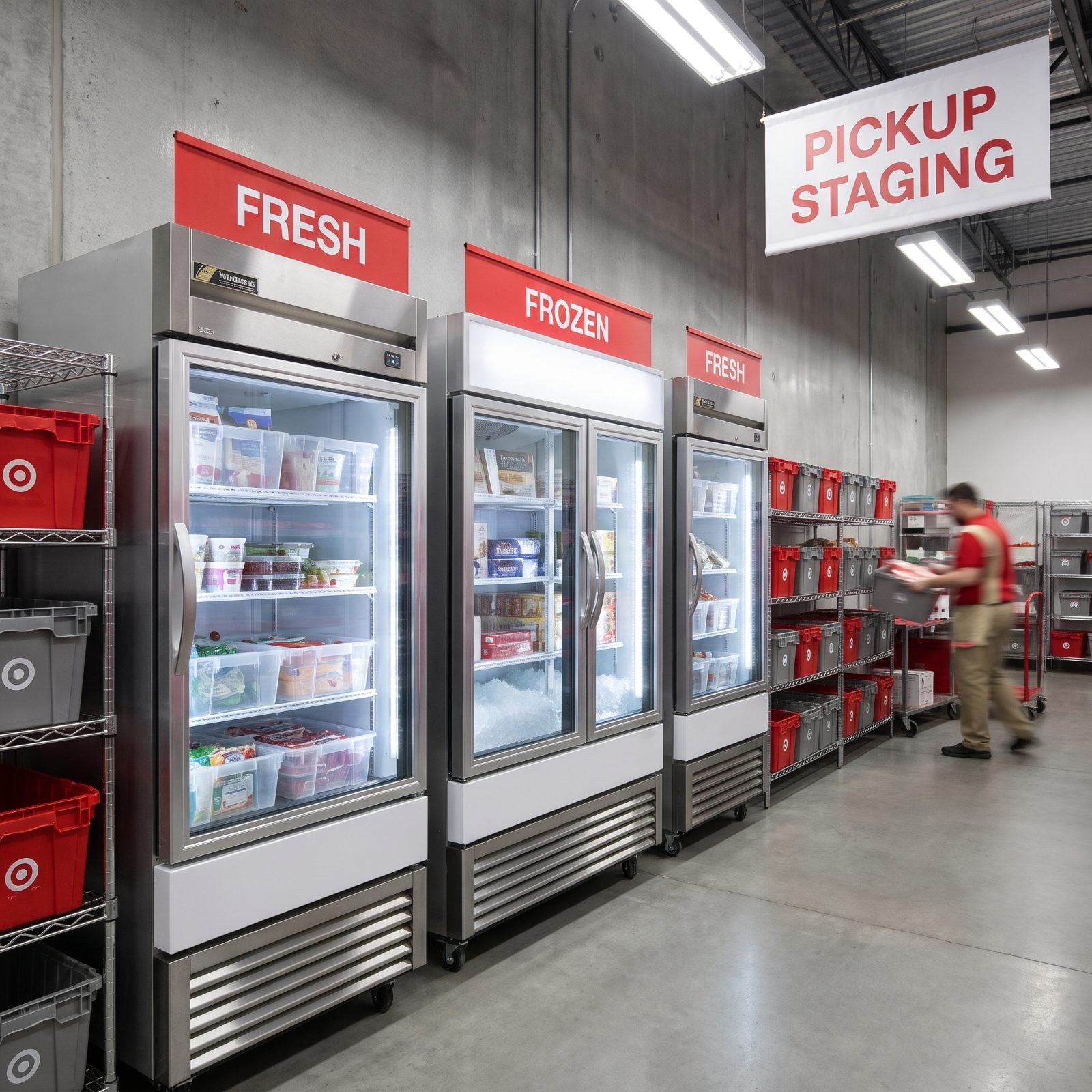
Order groceries for pickup and your stuff doesn’t just sit in a bin waiting. The staging area uses separate coolers, each held at its own temperature. Frozen goes in the freezer unit, dairy and fresh items go in the refrigerated one, and the shelf-stable stuff waits at room temperature.
So when the team member loads your trunk, your ice cream hasn’t spent an hour sweating next to the canned beans. It’s the kind of invisible logistics you only notice when it fails somewhere else.
9. You Can Tack a Coffee Onto Your Curbside Run
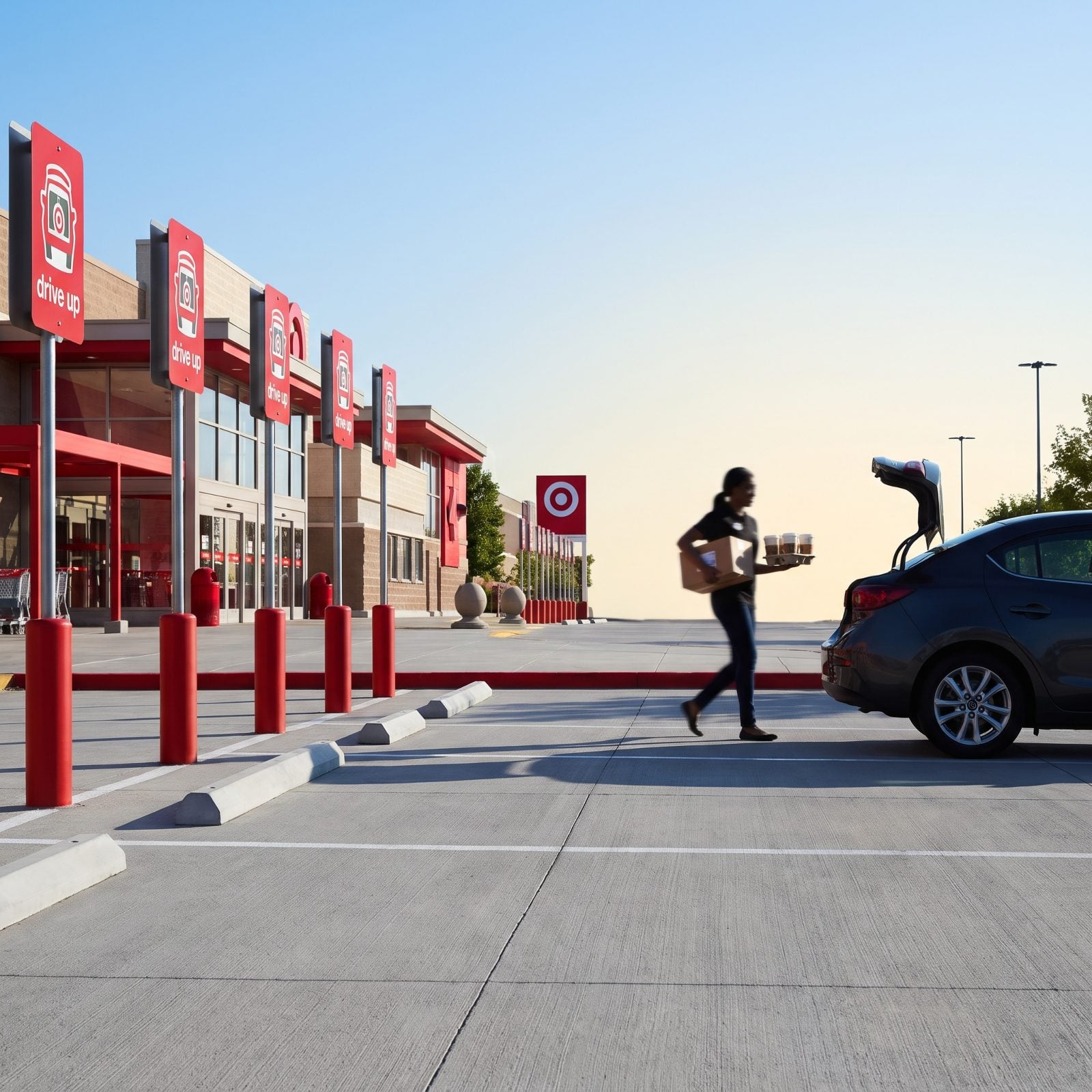
At plenty of locations you can add a Starbucks order to your Drive Up pickup and have a tray of fresh drinks brought out to your trunk along with your bags.
It’s a small thing that quietly dissolves the line between errand and treat. You never leave the car, you never wait in the café line, and somehow a routine grocery grab turns into a little something for yourself. The friction is gone, so the small indulgence feels like no decision at all. Sneaky, honestly.
8. Returns Get Handled Through Your Car Window
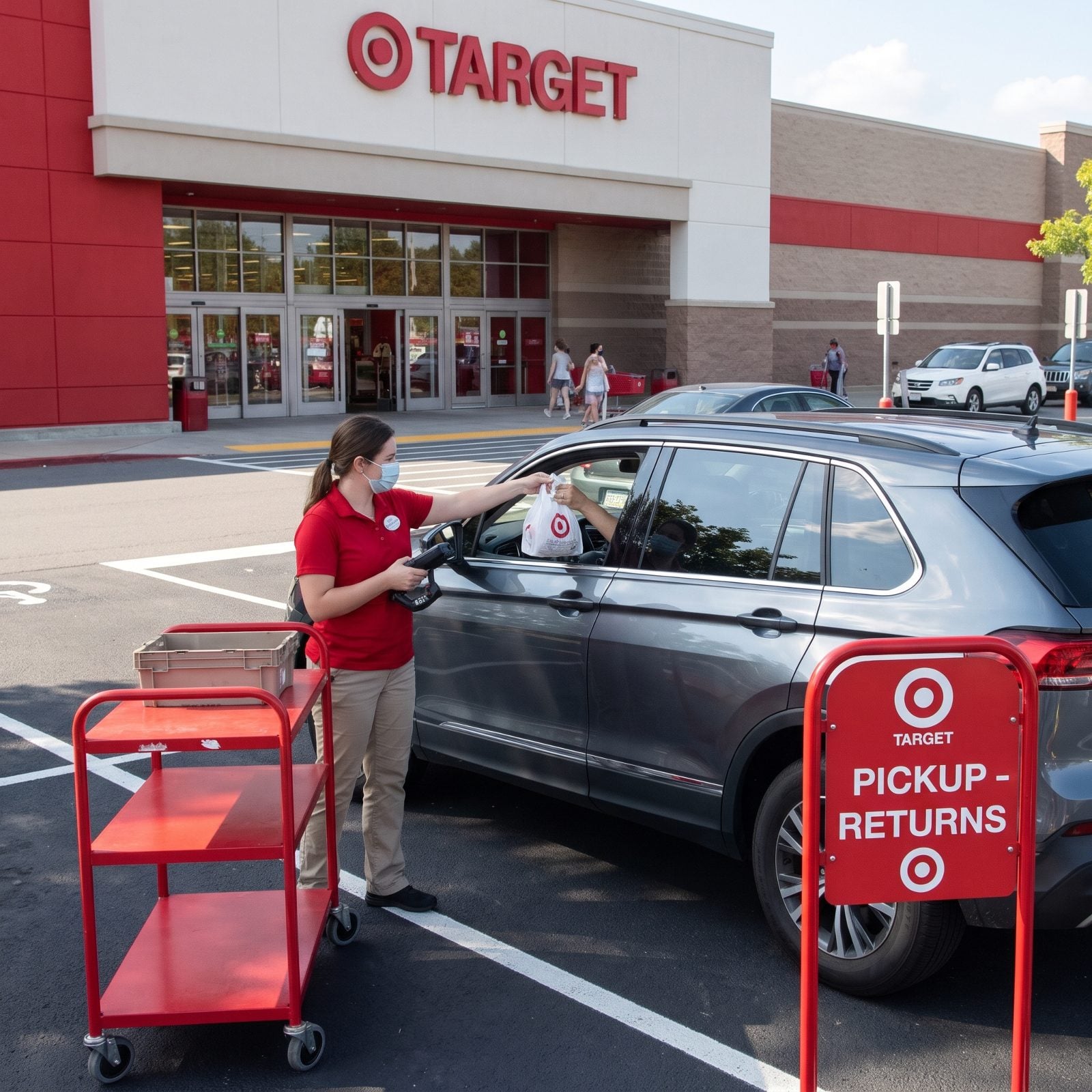
You pull into the red-signed spot, pop the app, and hand a bag through your window. No line, no cart, no walking that long diagonal back to the service desk while clutching a receipt you’ve already crumpled into a ball.
Eligible returns and exchanges now happen right at Drive Up, which quietly erases the single most annoying errand in retail. The employee scans, you sign nothing, you leave. And most people have no idea it exists until a worker mentions it in passing.
7. Order Pickup Skips the Purchase Minimum Entirely
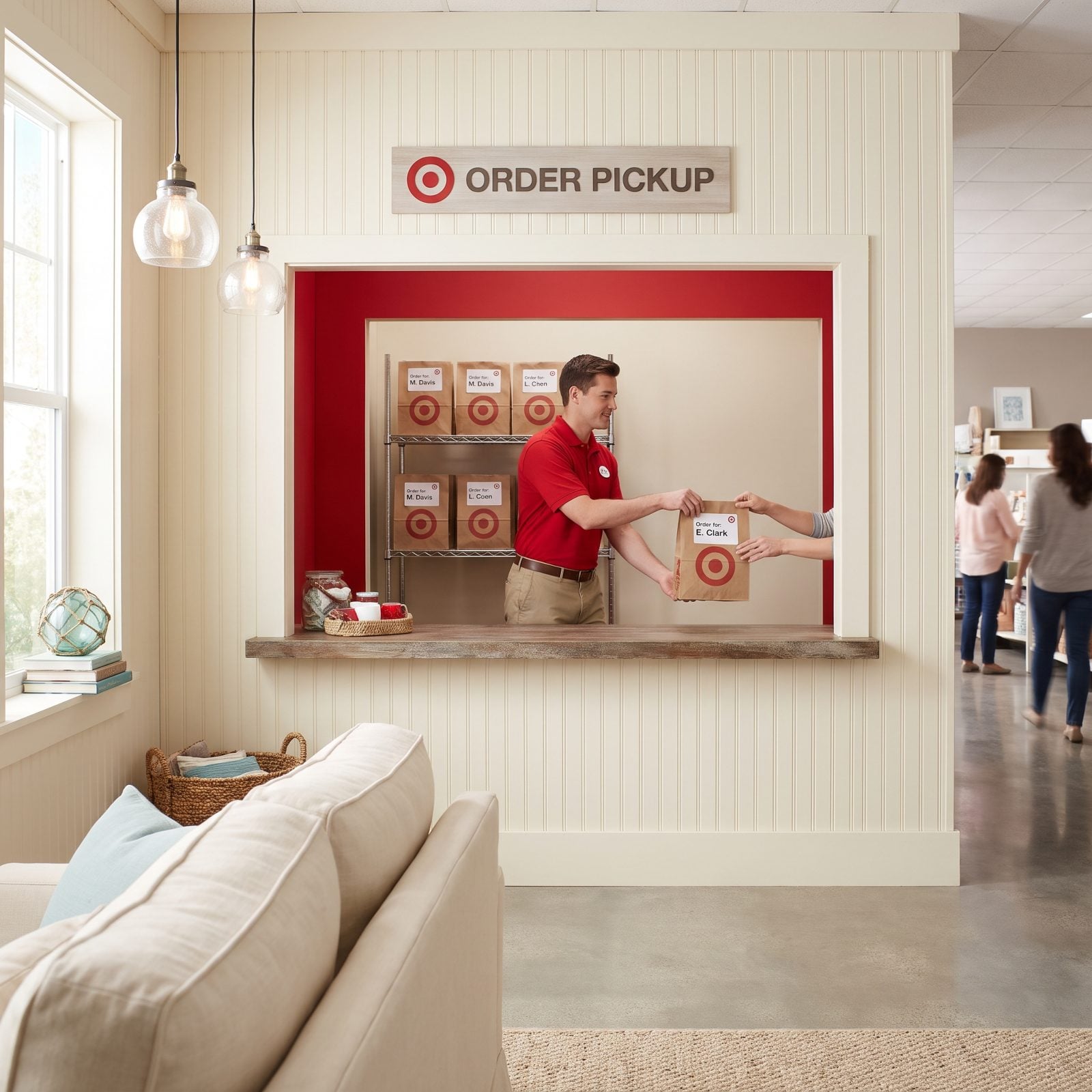
Most retailers make you spend thirty-five bucks before they’ll let you pick anything up. Target doesn’t. Order a single lip balm, drive over, grab it. That’s allowed, and it’s wonderful.
Sounds minor until you need exactly one thing and refuse to pay shipping or hit some made-up cart threshold. The barrier other stores quietly build to protect their margins just isn’t here.
6. The Pickup Backroom Hides Behind a Plain Wall
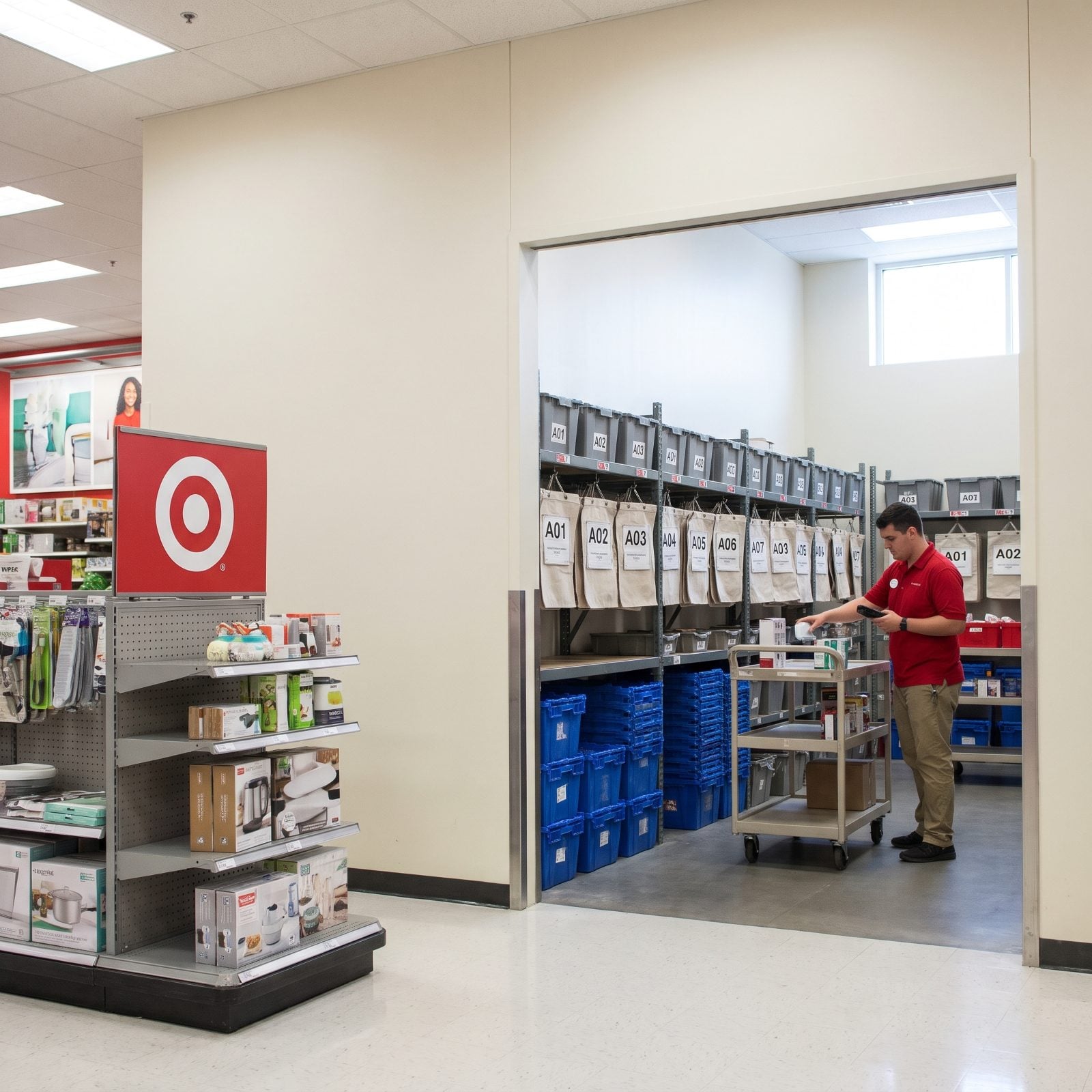
That blank stretch of wall near the front, the one with a plain door and no sign at all? There’s a whole operation humming right behind it.
Pickup orders live on numbered racks and in rolling bins back there, staged by the hour so an employee can grab yours in seconds. From the aisle you’d never know it’s there, because the machinery that makes same-day pickup fast is walled off from the sales floor on purpose. Nobody wants to shop inside a warehouse.
5. RFID Tags Pinpoint a Single Shirt in the Store
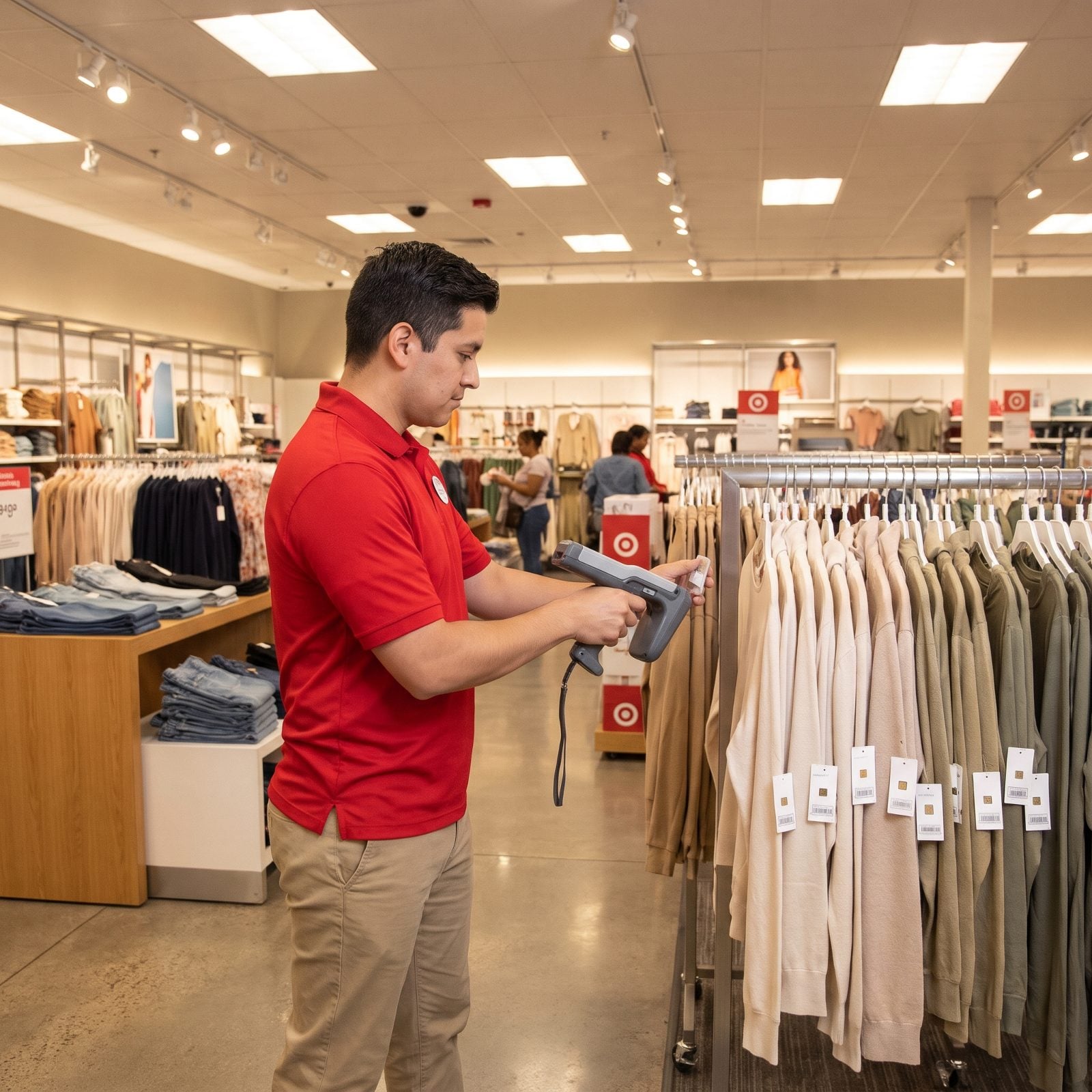
Every piece of apparel carries a radio tag woven into the hangtag. Wave a scanner down an aisle and the system knows there are three mediums of that henley tucked somewhere nearby, even if a shopper buried one under a stack of larges.
That’s how an employee can swear a size exists when the shelf looks picked clean. The tag broadcasts its presence. The shirt didn’t vanish. It’s hiding, and the scanner doesn’t care how clever the hiding spot is.
4. Shelf Labels Carry a Secret Code Only Workers Read
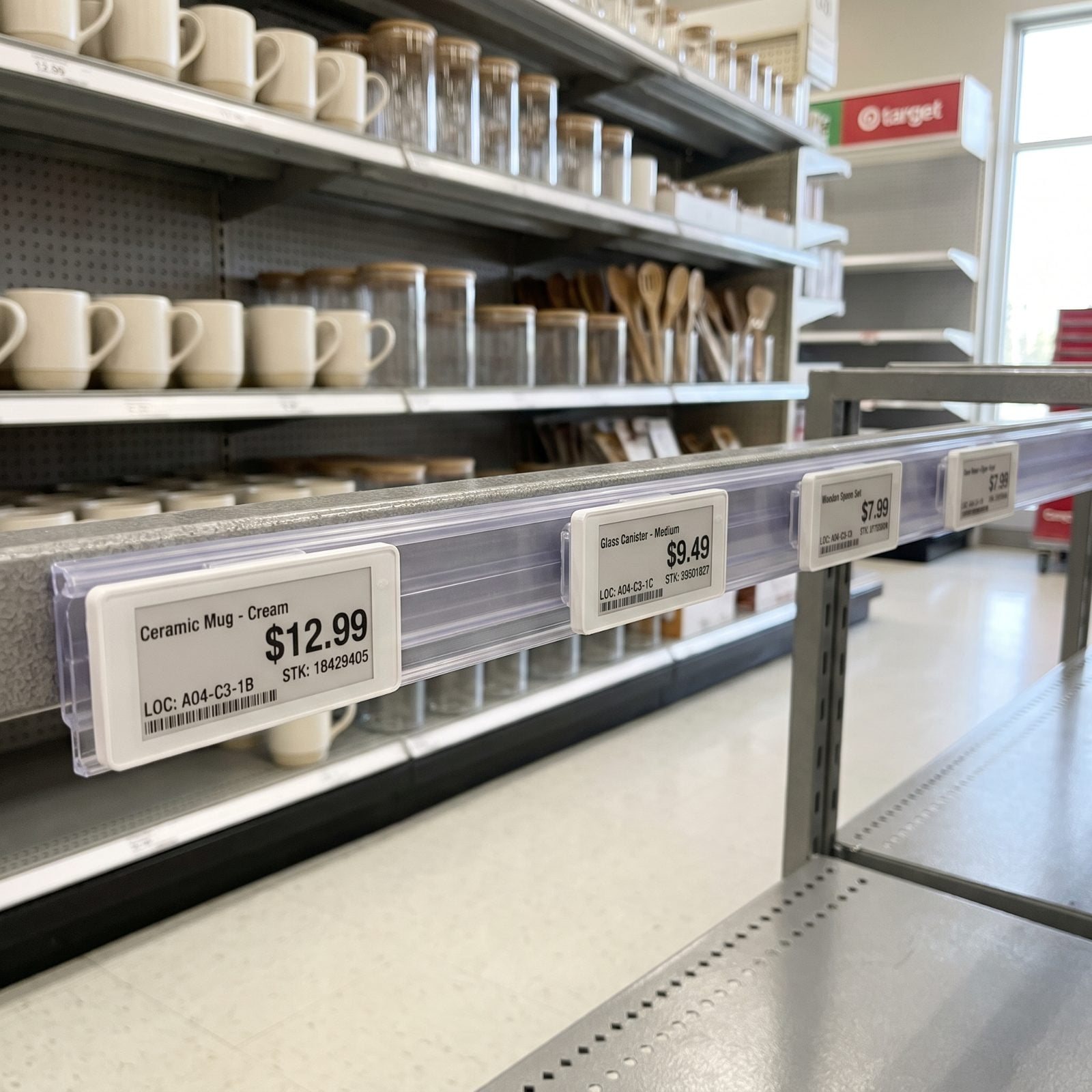
Look closely at a shelf label. Past the price sits a cluster of small numbers and letters most shoppers never even register.
Those codes tell an employee exactly where the item lives in the backroom, how it’s stocked, and where to refill it. A map printed right out in the open, legible only if you know the language. You’ve strolled past thousands of them without a clue, which is precisely the idea.
3. The App Walks You Straight to the Right Aisle
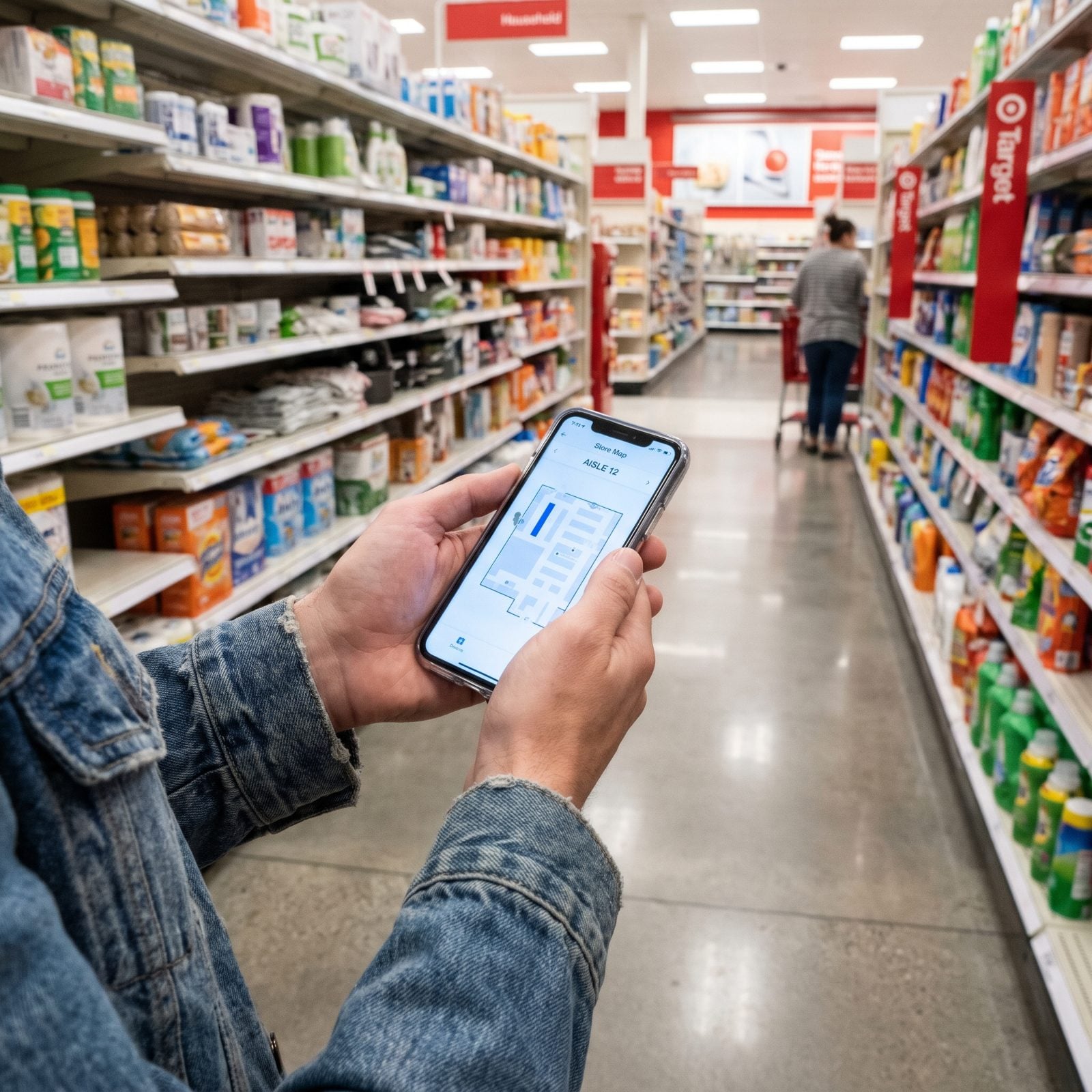
Type a product into the app and it hands you an aisle number. Not a vague department. A specific aisle, often down to the exact bay.
Search “paper towels,” get “A21,” walk there, done. It cuts the wandering out of a quick trip because every product is mapped to a physical spot that updates whenever things move.
2. One Wallet Barcode Pays and Applies Every Discount
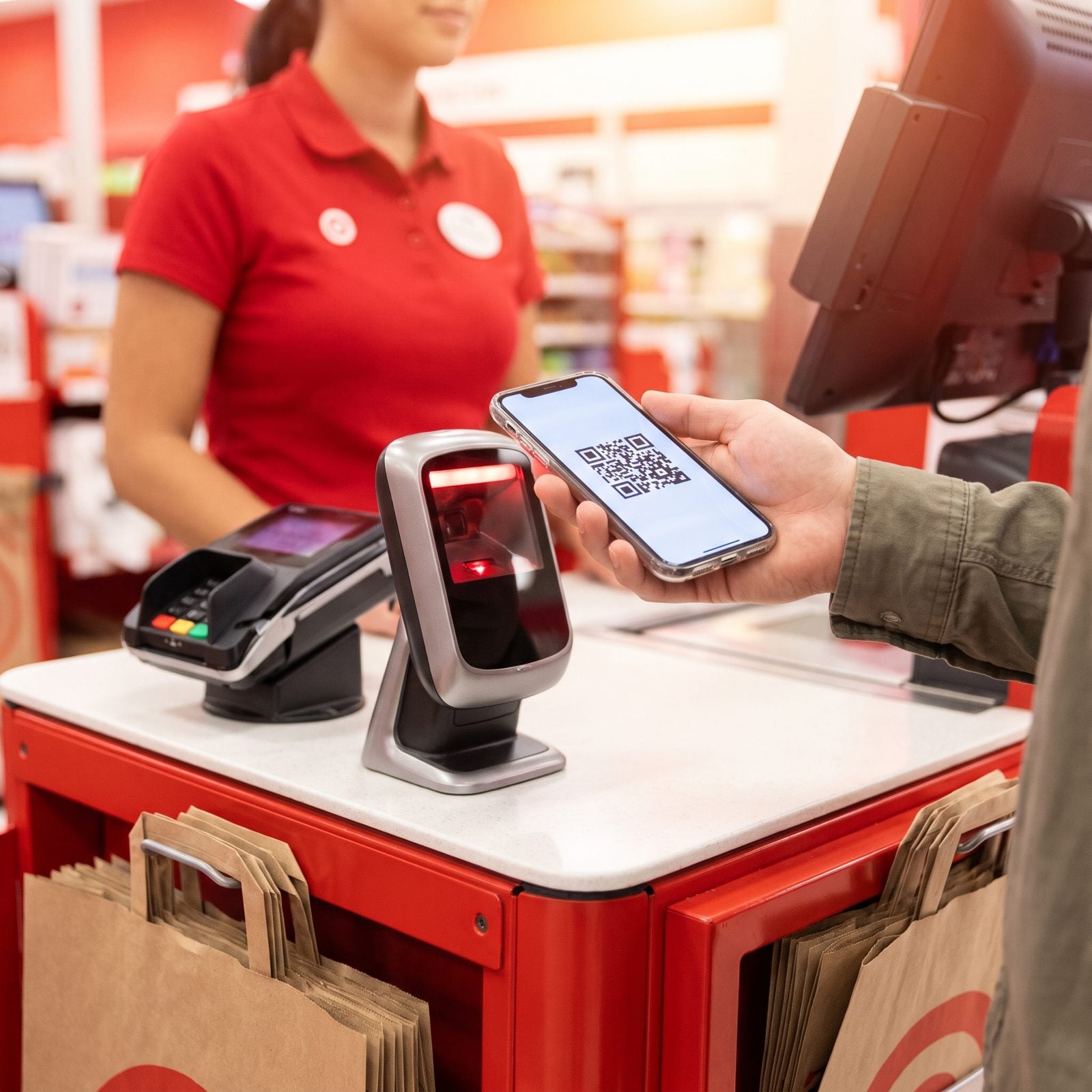
One barcode does everything. It runs your payment, pulls every eligible offer, applies your rewards, and stacks an extra discount if you’re paying with the store’s debit card, all in a single scan.
Compare that to the usual checkout shuffle. Coupon, then loyalty card, then payment, three separate motions while the line groans behind you. Here it collapses into one beep, and you don’t notice the design choice until you watch how much time it saves somebody else.
1. Your Local Store Is Also Shipping Online Orders
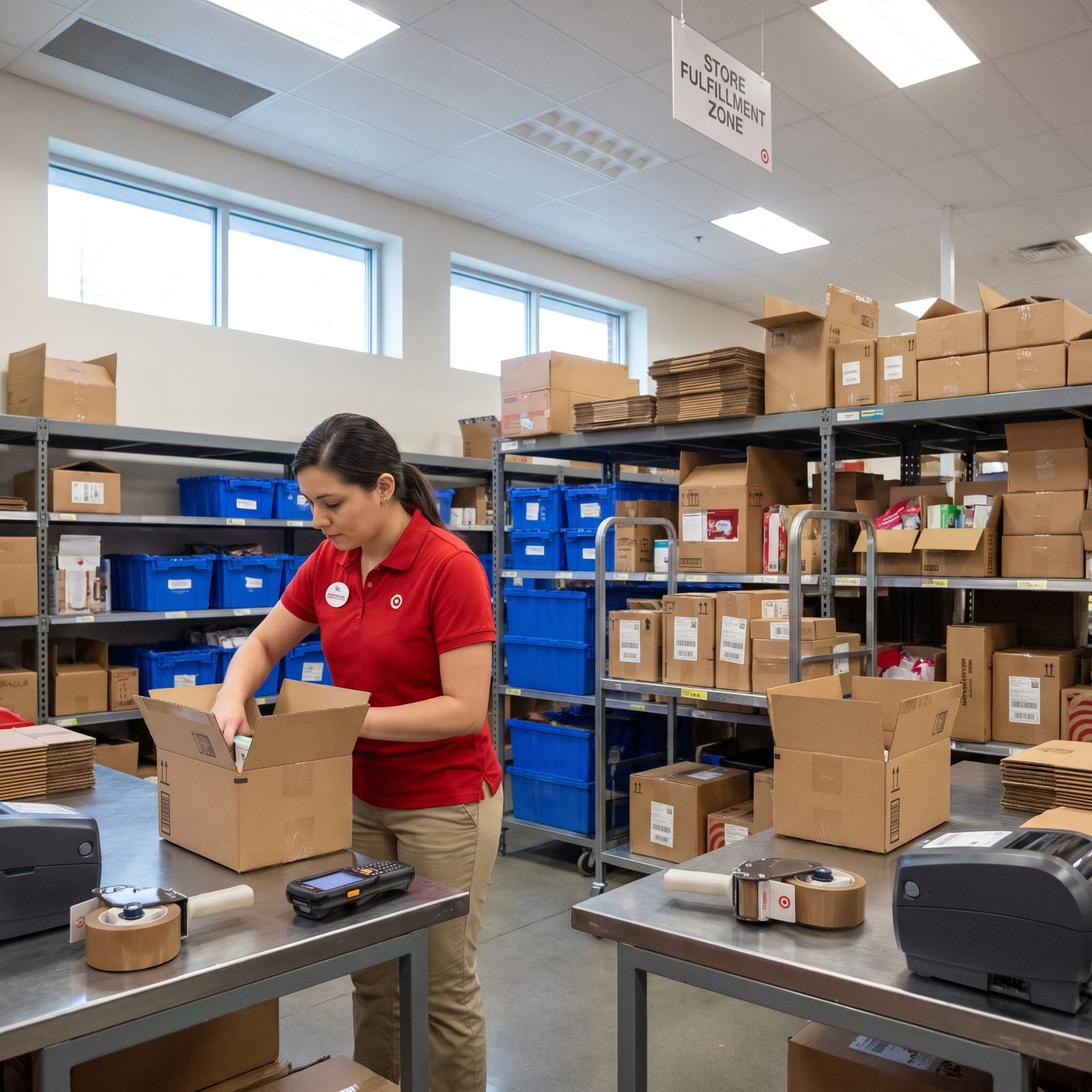
That package landing on your porch probably shipped from the store three miles away, not some distant warehouse in another state.
Most of the chain’s online orders get picked and boxed inside regular stores, which turns each location into a tiny distribution hub during the slow hours. It’s why delivery feels fast, and why a store’s shelves and its website share the same inventory. The building you shop in on Saturday is quietly shipping to your neighbors come Tuesday.