
Would you like to save this?
The milk is always in the back. You knew that. What you maybe didn’t clock is why, and that the answer got decided in a room full of people who studied your footsteps like a hunting trail. Everything in a big-box store is a choice someone made to move money from your wallet to the register, and most of it works precisely because you never notice it working. None of this is illegal, shady, or secret. It’s just retail, done by people very good at retail. Here are the moves worth knowing before your next cart fills up.
Please note that some of the images in this article were created with the assistance of AI.
27. The Milk Is in the Back for a Reason, and It Isn’t Refrigeration
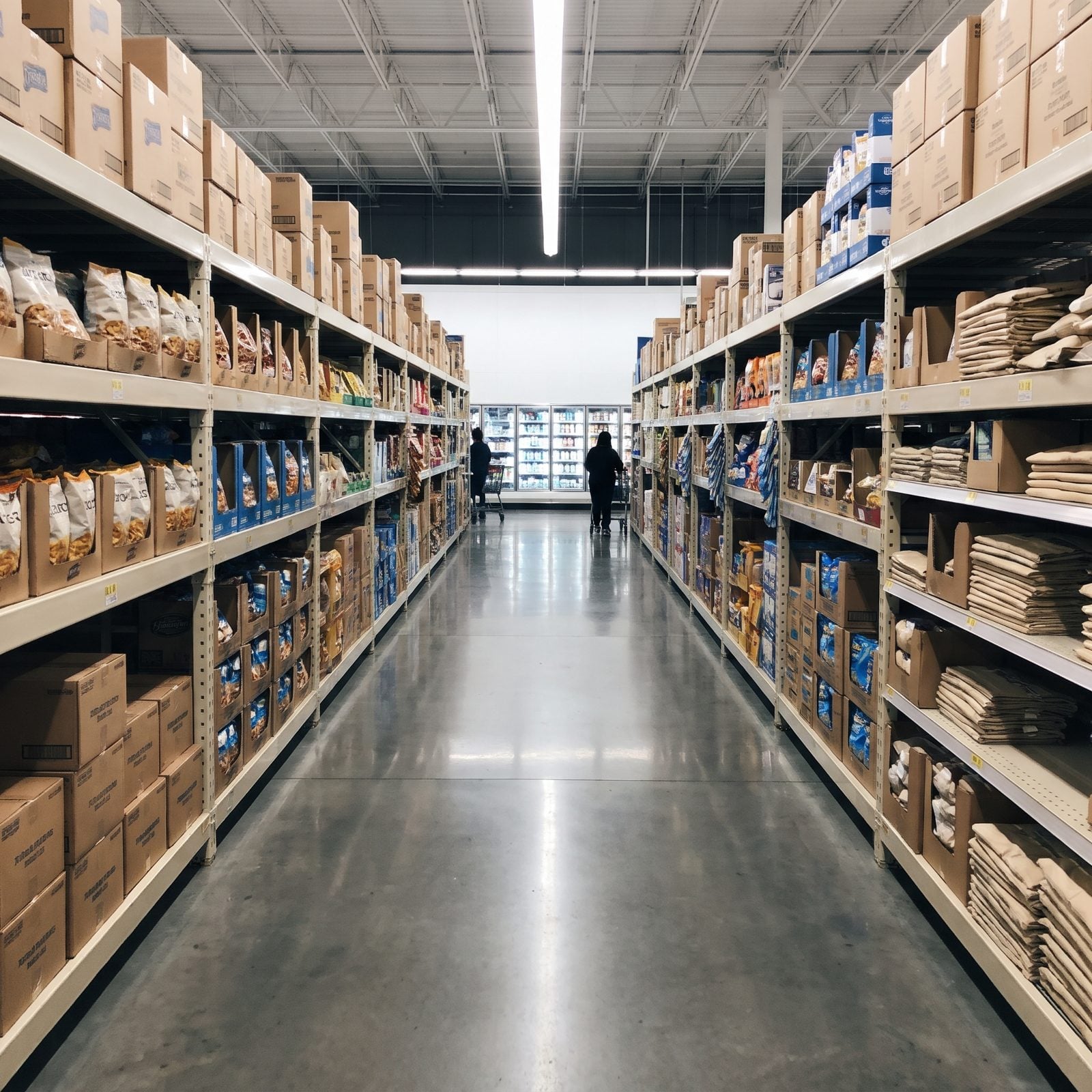
Milk, eggs, bread. The three things nearly everyone comes for, parked as far from the door as the building allows. That’s not about keeping the dairy cold — it’s about the walk. To grab a gallon of milk you pass chips, cookies, seasonal junk, and a hundred things you never wrote on the list.
Grocers have known this since the first supermarket aisles were drawn up in the 1930s: put the staples at the perimeter, make the trip long, and let impulse do the rest. We fall for it every single time we go in for “just milk” and leave forty dollars lighter.
26. Rollback Tags Are a Countdown, Not a Promise
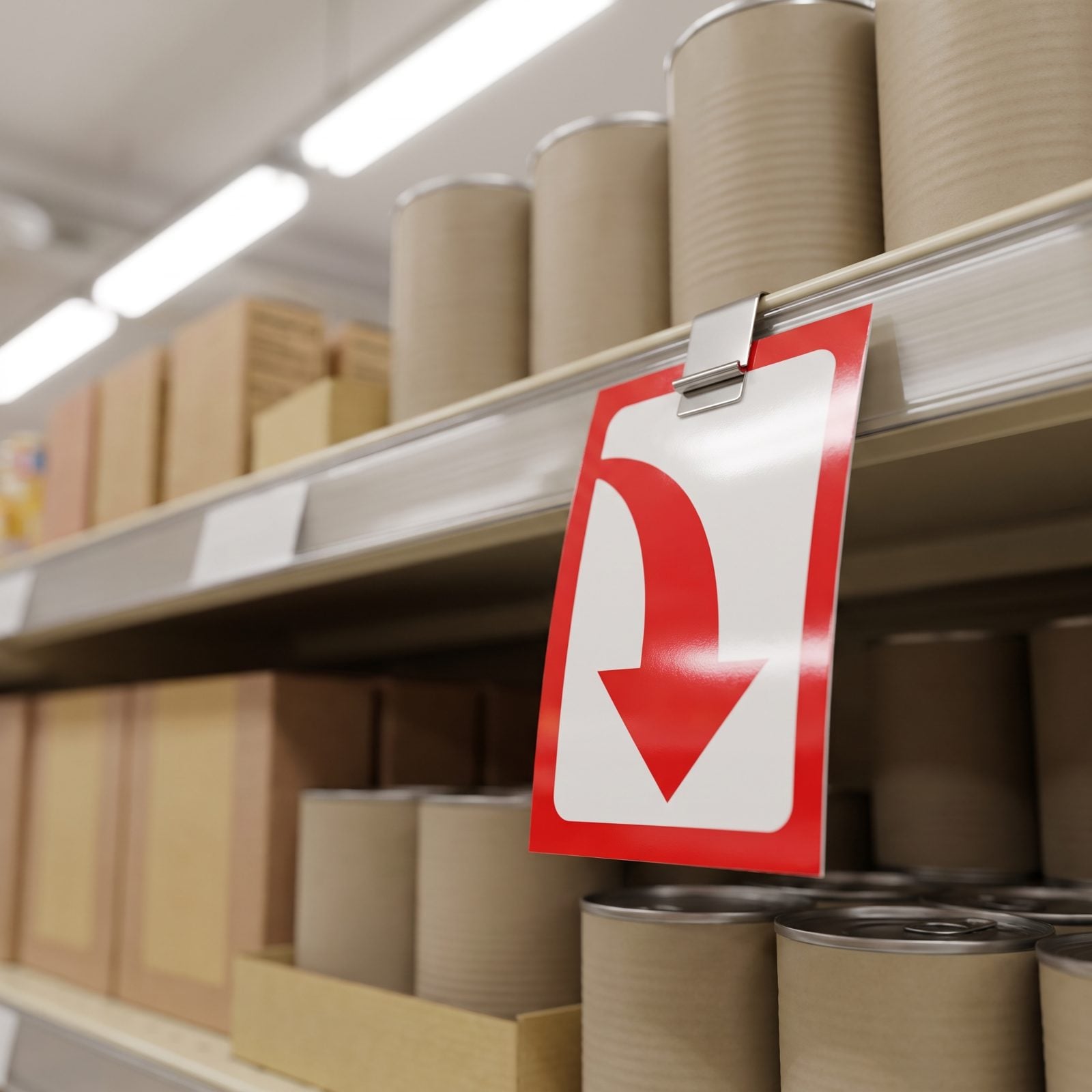
A rollback looks like a sale. It mostly isn’t one, not in the way you think.
Rollbacks are temporary reductions from a recently raised price, and they expire — usually within a few months. The tag often shows the old price crossed out, which anchors you to the “savings,” but that higher number may have only existed for a few weeks. Then the item drifts right back up once the rollback ends.
So don’t ignore them. Just read a rollback tag as “cheaper than it was lately,” not “the lowest price around.” Check the actual number against what you remember paying, not against the crossed-out one.
25. That Endcap Deal Was Paid For, Not Picked for You
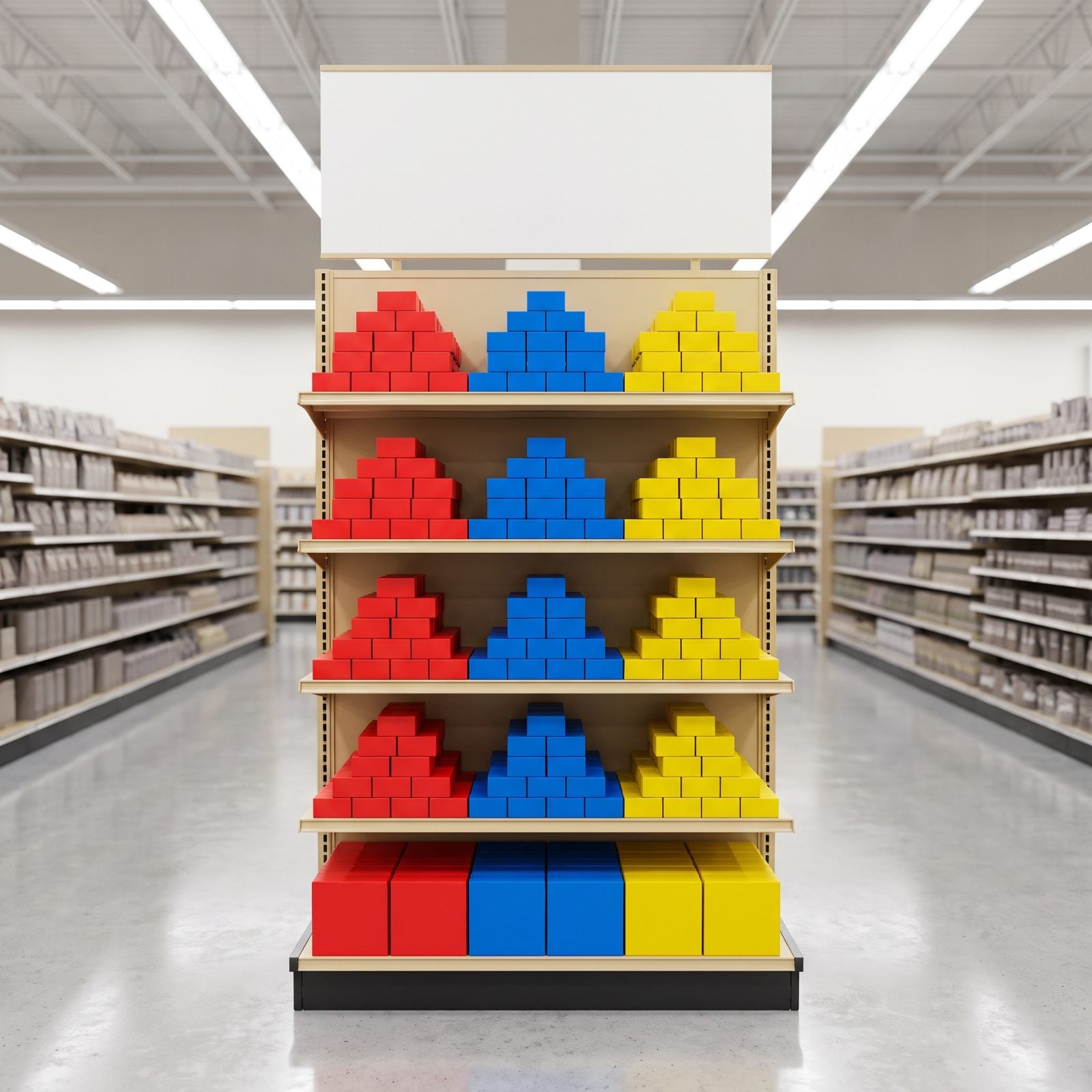
You’ve walked past a hundred of these and assumed the store put its best bargains out front where everyone sees them. Reasonable guess. Wrong, mostly.
Endcaps — those displays capping the ends of aisles — are some of the most valuable real estate in the building, and brands pay for them through what the industry calls slotting and promotional fees. The product sitting there earned its spot with a check, not with a lower price. Sometimes it’s genuinely a deal. More often it’s just whatever the supplier wanted shoved in your face.
24. Store-Brand Packaging Is Copying Its Neighbor on Purpose
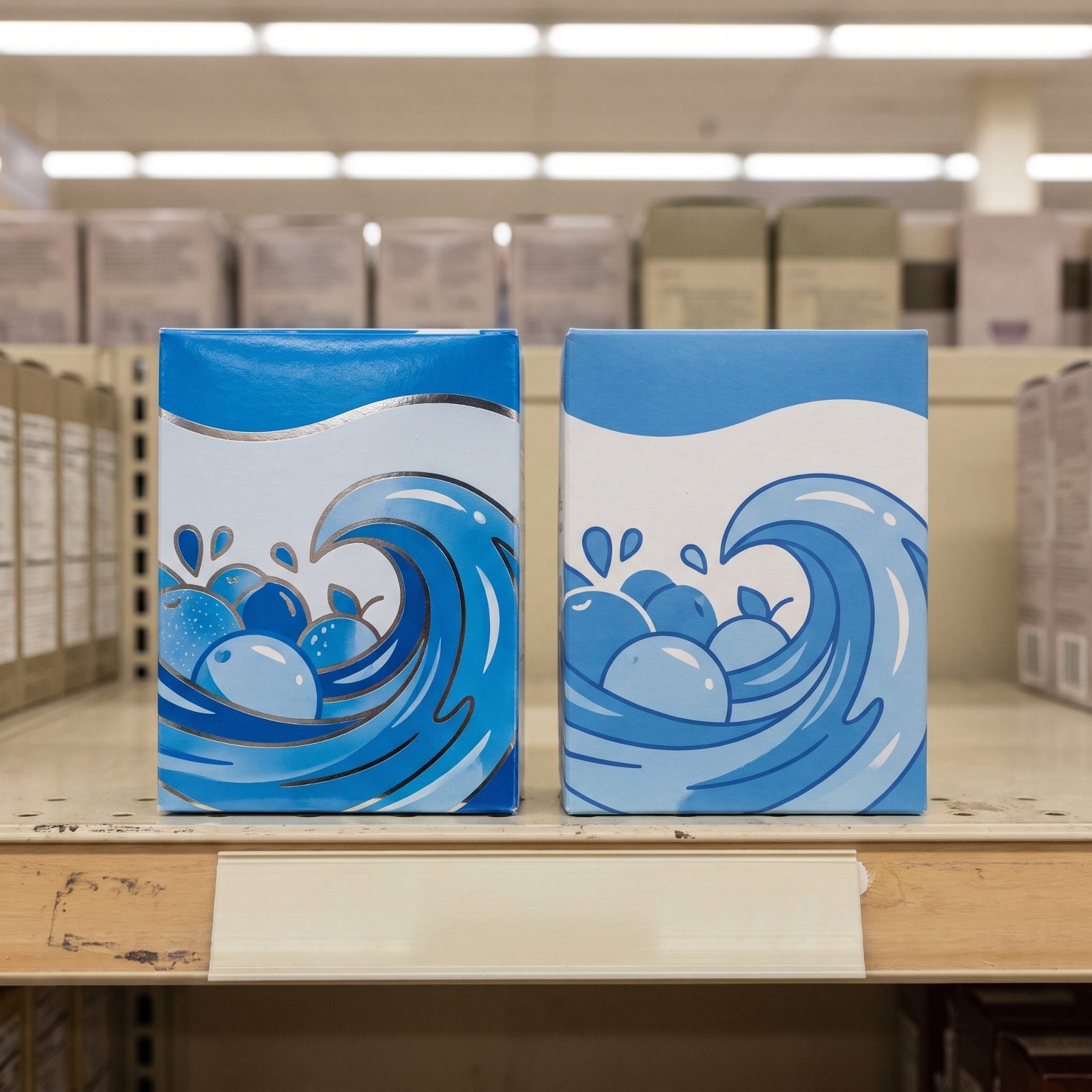
Stand in any aisle and look at the house brand next to the name brand. Same blue, same gold band, same little starburst in the corner. That’s no coincidence, and it’s not laziness either.
Store brands deliberately echo the color and layout of the national brand sitting beside them. Your brain reads the familiar palette as “the trusted one, but cheaper,” and your hand reaches. The designers are counting on it, because you shop fast and you shop by color more than you’d ever admit.
Here’s the flip side. The store brand often rolls out of the same plant as the name brand, and it’s usually a genuinely good buy. The mimicry is doing you a small favor.
23. The App Price and the Shelf Price Don’t Always Match
Here’s a quiet one. The price in the app and the price on the shelf for the exact same item can differ, and the app price sometimes wins.
App-exclusive deals, online clearance, and digital-only coupons live in a separate system from the paper tags. Scan the barcode in the app while you’re standing in the aisle and you may find it’s a dollar or two cheaper online for pickup. Or the reverse. They are simply not guaranteed to agree.
We check the app in the store now out of pure suspicion. Takes ten seconds, and it has saved us more than once on things we’d otherwise have grabbed off the shelf at full tag price.
22. The Same Box Costs Different Amounts Two Towns Over
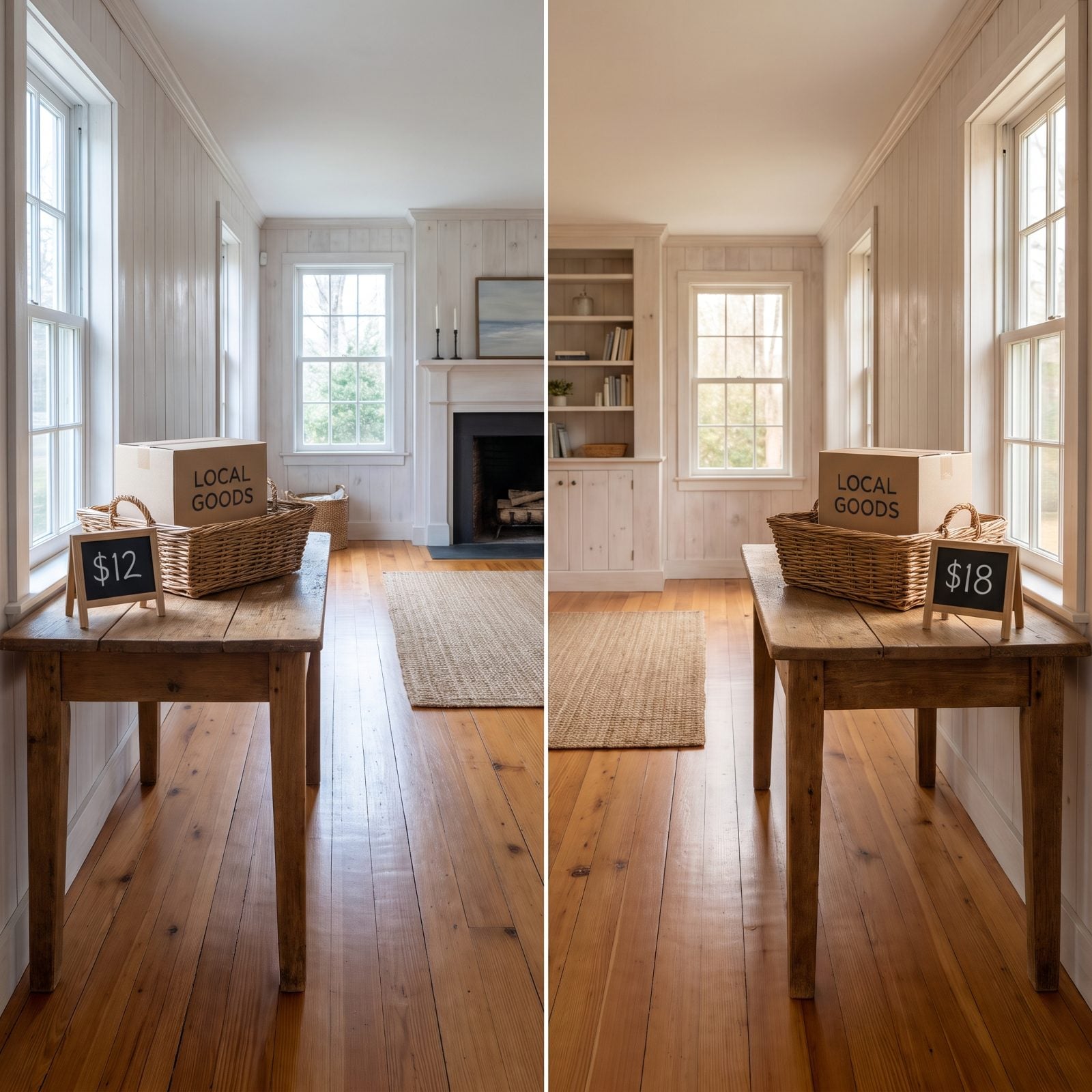
Prices aren’t set nationally for every item. They’re set by zone.
Walmart and most large chains use local-market pricing, adjusting the cost of individual products based on nearby competition, local demand, and what the store down the road charges. Two of their own stores fifteen minutes apart can ring up the same item at two different prices, and neither one is a mistake.
You won’t catch this casually. But if a store sits near an Aldi or a strong regional grocer, its prices on the overlapping items tend to run lower, because it’s fighting for that trip. A store with no competition nearby? Less reason to bother.
21. Self-Checkout Handed You a Job and Called It Convenience
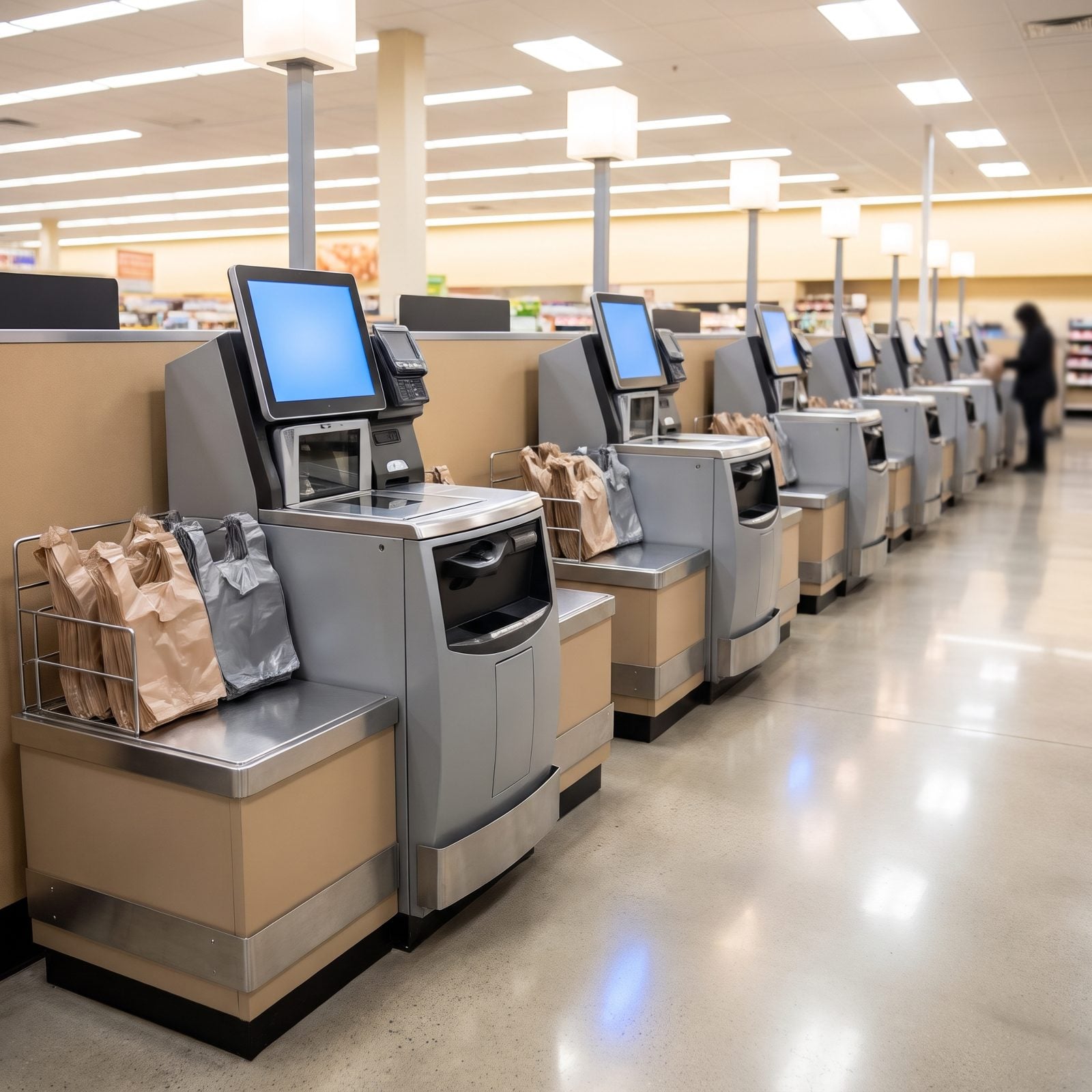
Scanning your own groceries felt new and a little fun once. Now it’s just the arrangement: you ring, bag, and troubleshoot, and the only person doing unpaid labor is you.
Self-checkout expansion moves labor cost off the store’s books and onto your time. One attendant watches six lanes that used to be six cashiers, the store pockets the wages it no longer pays, and you do the work for free — often while an automated voice scolds you about an unexpected item in the bagging area.
We’re not telling you to boycott the thing. We use it when we’ve got five items and no patience. But call it what it is. This isn’t a service to you; it’s a service you now perform.
20. Every Scan Is a Note Being Taken About You

Every time you scan a loyalty card, pay with a saved card, or buy through the app, you’re adding a line to a file. What you buy, when, how often, what makes you switch brands, what you grab the second something hits rollback.
That data shapes which coupons you get, what the app shows you, and how prices and promotions get tuned to your habits. Not sinister so much as thorough. The modern grocery run doubles as a survey, and you’re filling it out with your cart.
19. That Online Listing Might Not Be Walmart Selling to You
Would you like to save this?
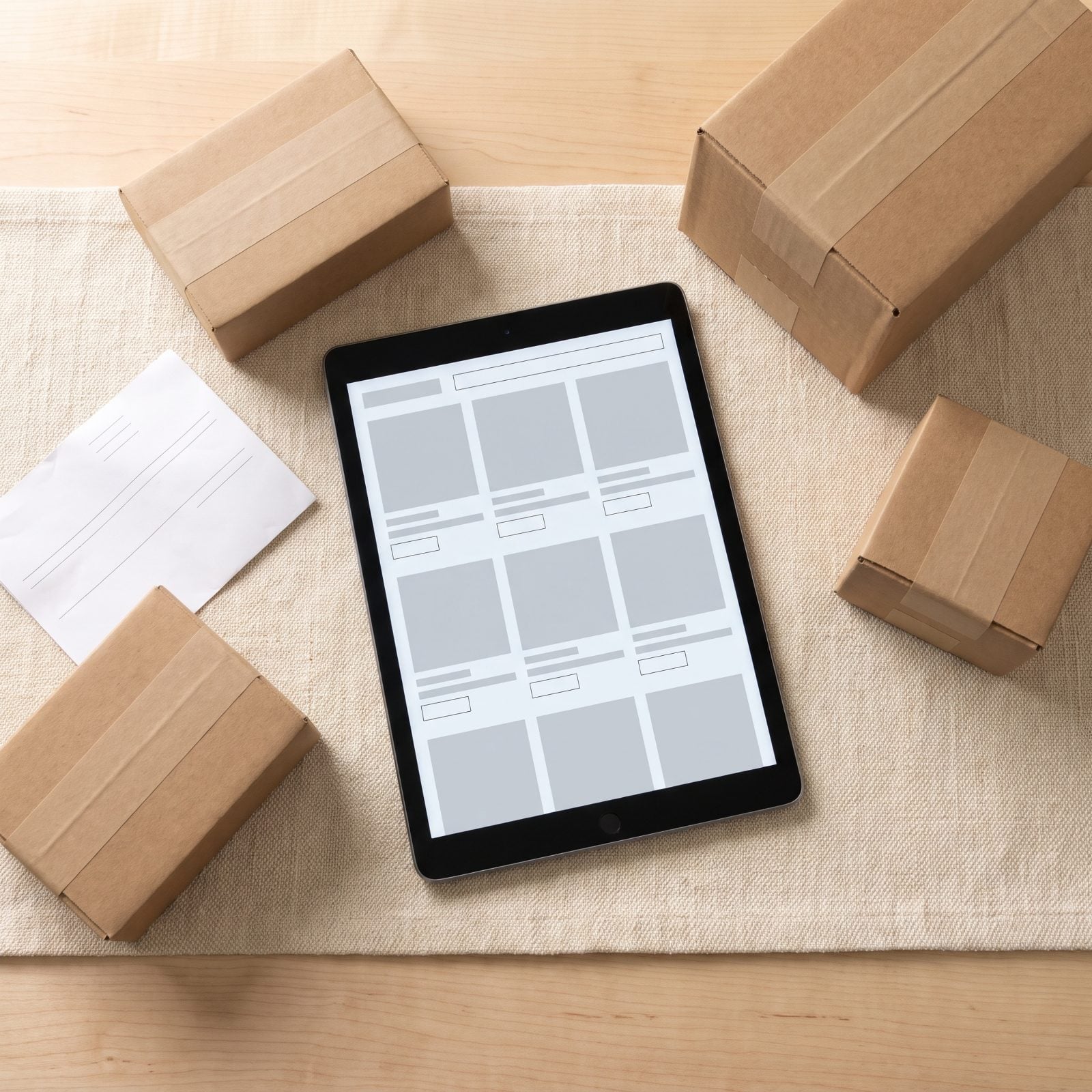
You think you’re buying from Walmart online. Sometimes you’re buying from a stranger renting their shelf.
A big chunk of the website is a third-party marketplace, where independent sellers list their stock right alongside the store’s own inventory. The distinction is there if you look — usually a small “sold by” line — but it’s easy to miss. And that can mean different return policies, longer shipping, and resellers marking up items you could’ve found cheaper elsewhere.
Before you click buy on something online, glance at who’s actually selling it. The familiar name at the top of the page doesn’t mean the familiar name is the one packing your box.
18. The Fresh Produce by the Door Is Set Dressing
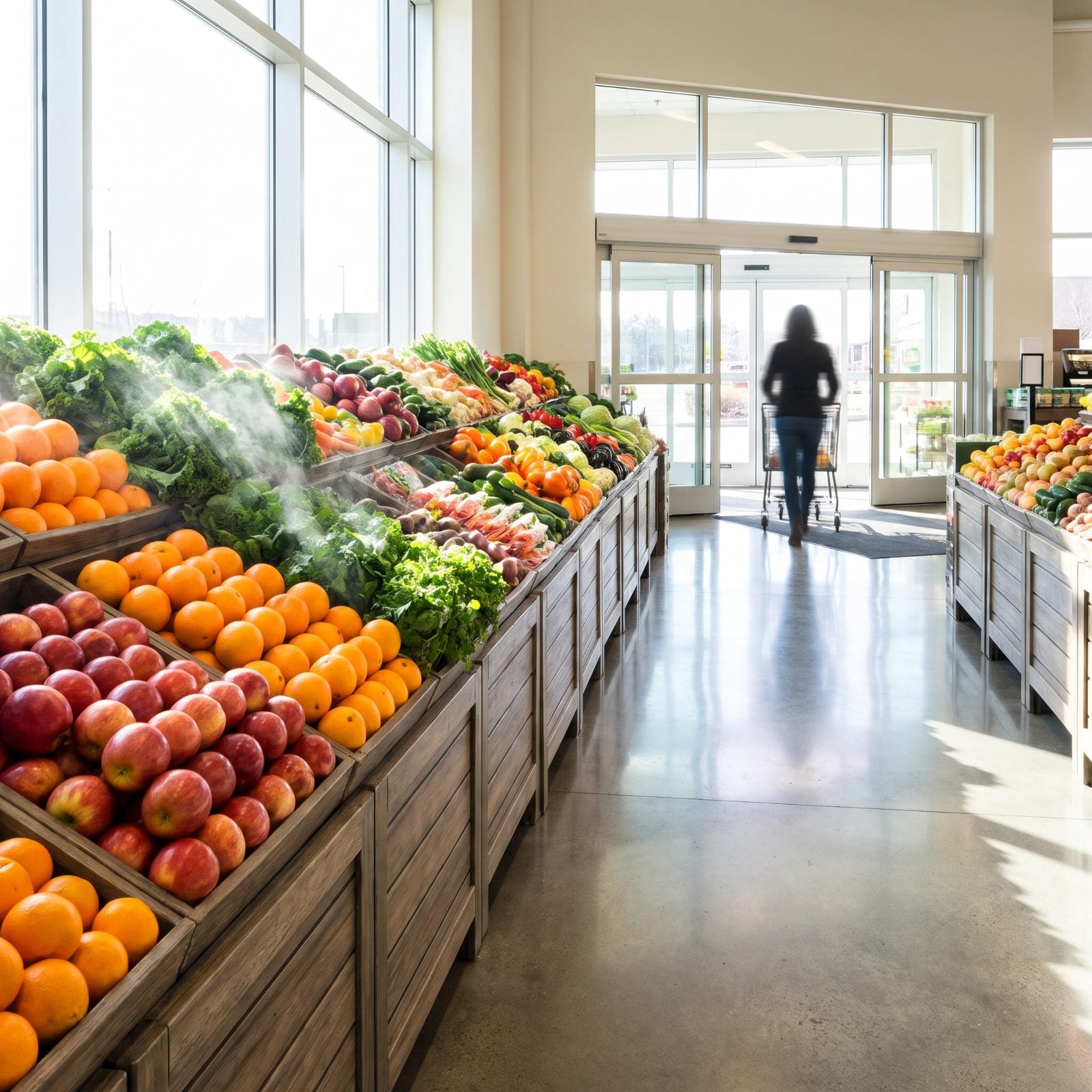
Walk in and the first thing you hit is a wall of color. Apples stacked in glossy pyramids, greens still beaded with mist, oranges piled high. It smells faintly of citrus and damp. Feels abundant. Feels fresh.
That placement is a decision, and freshness is the message it’s built to send. Produce up front tells your brain the whole store is fresh and well-run before you’ve reached a single other aisle. The misters, the lighting, the mounded displays all pile onto the same impression. By the time you wander into the processed middle of the store, your mind’s already made up.
17. The Checkout Lane Candy Wall Built for the Last 90 Seconds
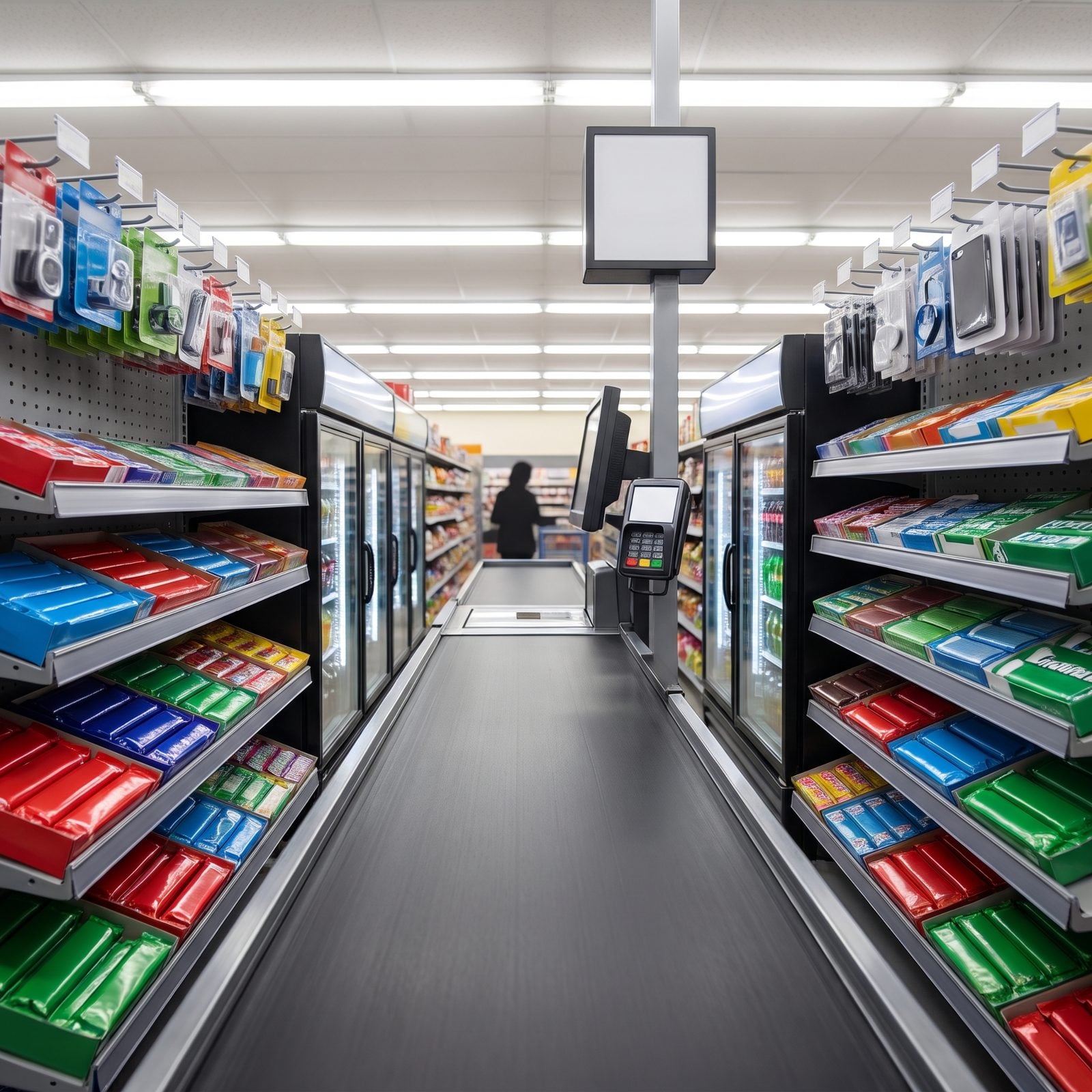
By the time you hit the register, every real decision is already made and your guard is down. That’s the whole point of the candy wall.
Those racks are stocked with cheap, grab-sized stuff priced low enough that your brain files it under “why not” instead of “do I need this.” A dollar candy bar doesn’t register as spending. Multiply that by every trip, every kid reaching, and it adds up to real money the store banks on. The gadgets and phone chargers do the same job for a different shopper, small and tactile and impossible to put back down once you’ve picked them up.
16. Family-Size Packs That Only Look Like a Deal Per Unit
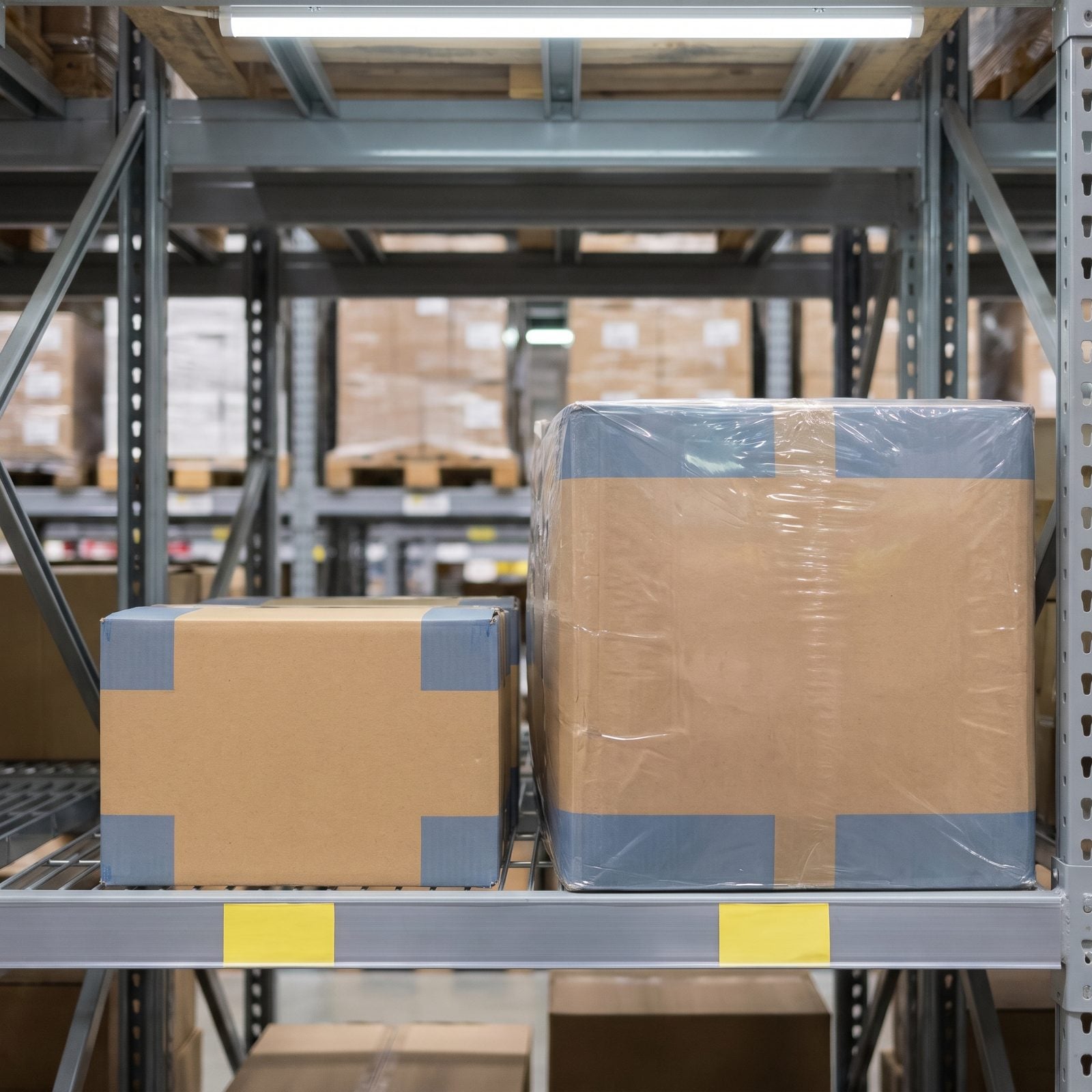
Bigger is cheaper. You learned that somewhere and you’ve trusted it ever since. Walmart knows you trust it.
The family-size and bulk packs sit there wearing the costume of a bargain, and plenty of the time they really are one. But not always. Sometimes the giant box works out to more per ounce than the regular one sitting a shelf down, and the packaging is built to make you stop doing the math. That little unit-price number on the shelf tag is your defense, tiny and tucked in a corner. Read it anyway. We ignored it for years and bought a lot of oversized ketchup we didn’t need.
15. Prices Ending in Odd Cents That Whisper ‘Clearance’
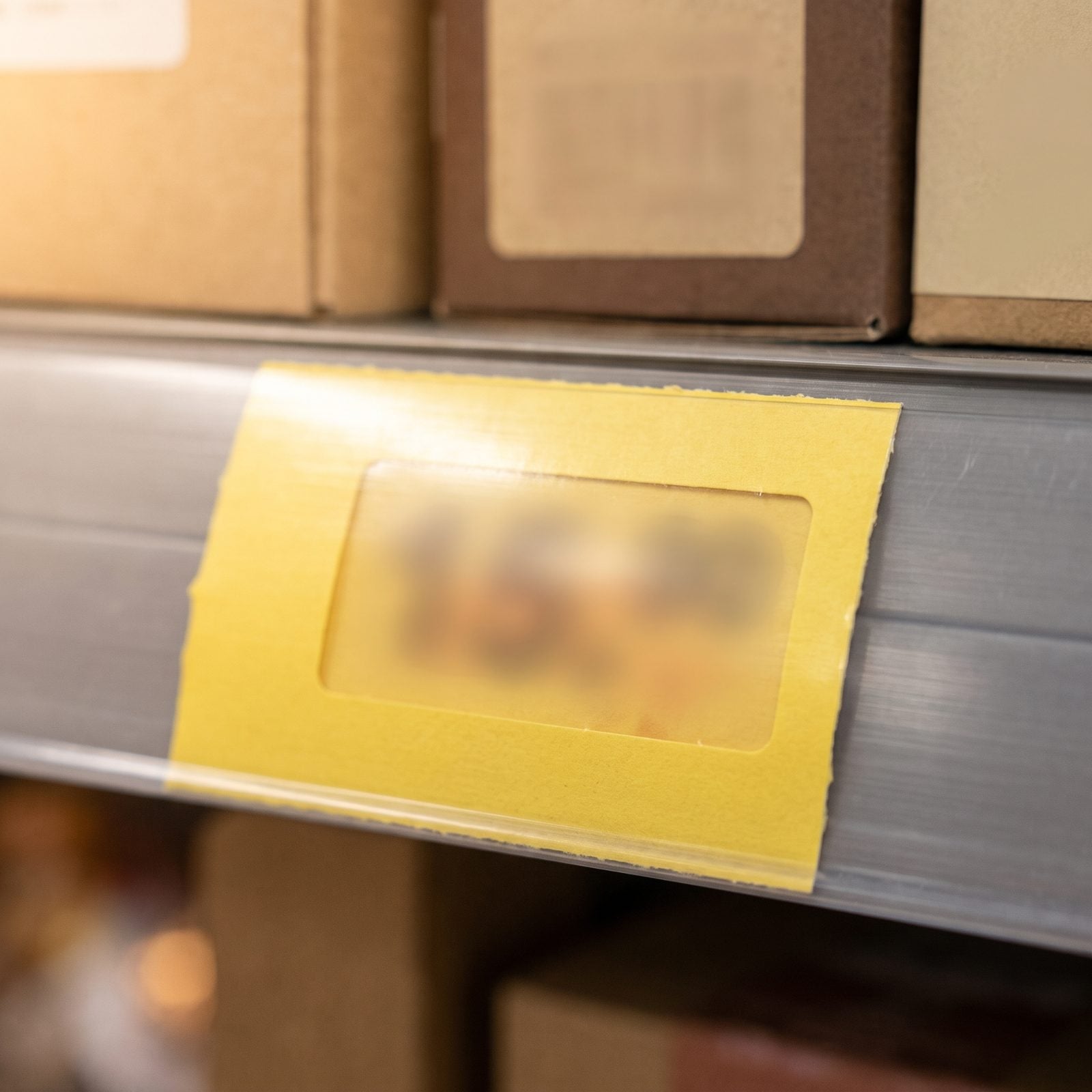
A price ending in a familiar number like 97 cents is often just the regular everyday price. But catch a weird tail, a penny ending like .03 or .00 or some odd rollback cent, and that’s frequently code for a markdown.
Store insiders have talked about this pricing language for years. The exact cents vary and Walmart doesn’t publish a cheat sheet, so don’t treat any single penny as gospel. Still, the pattern is real enough that a quick glance at the ending digits pays for itself. And when you can’t make out the cents at all, look at the tag itself. A bright yellow sticker slapped onto the gray shelf edge is often its own hint that a markdown is in play.
14. The Pharmacy Parked at the Far Corner on Purpose

Notice you never walk straight to the fireplace. There’s a reason it anchors the far wall under the dark beamed ceiling, framed by the oak paneling.
People drift toward a fire on cool evenings no matter what, so the room uses that guaranteed draw as bait and leads you past the full length of the navy velvet sofa to get there. Everything you pass on the way is an invitation to sit: the wooden coffee table with its bowl of lemons and stack of books, the matching velvet armchair. Same logic a designer uses when floating the seating around the hearth: reliable focal point, gentle detour, maximum comfort.
13. Clearance Racks Scattered Like Easter Eggs, Never in One Spot
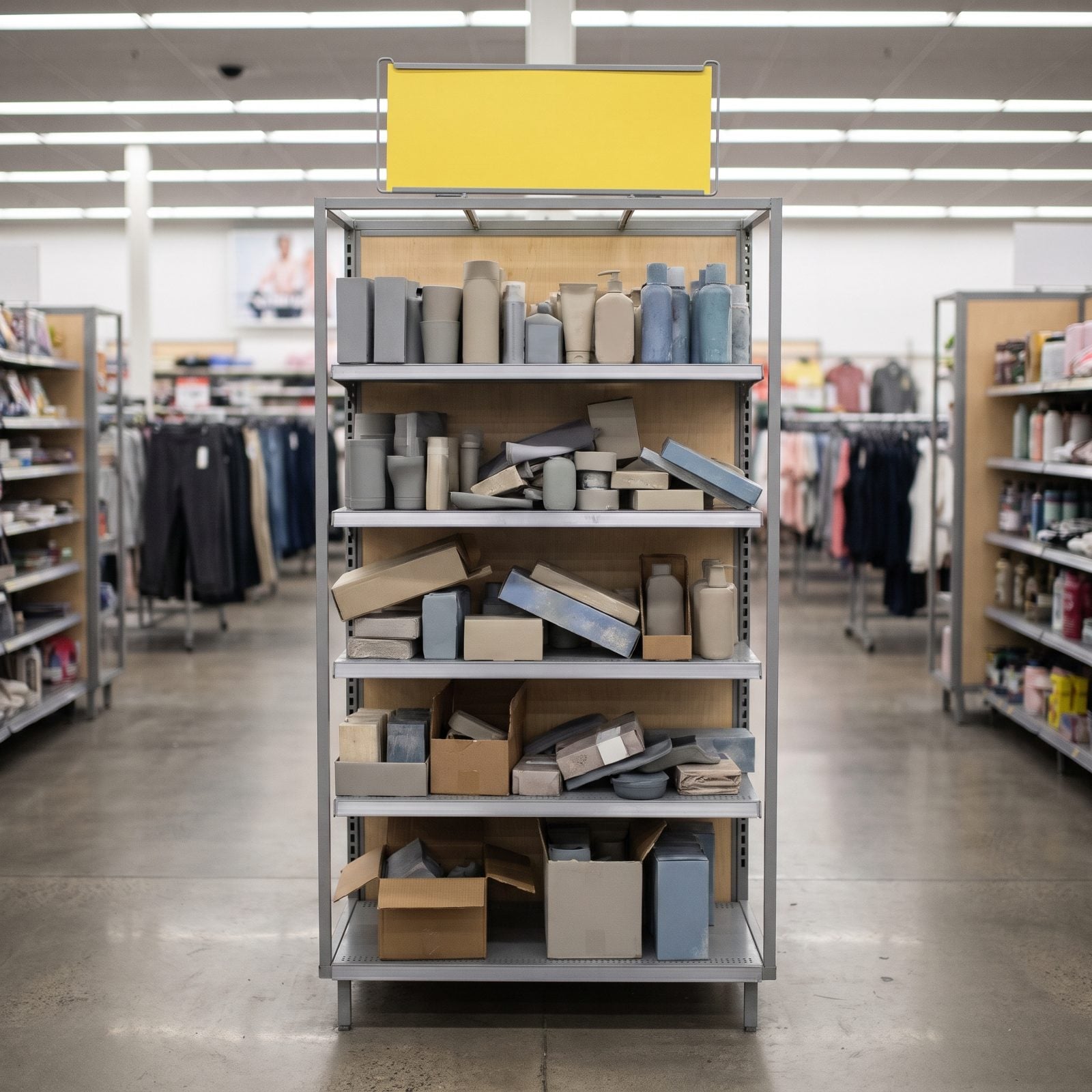
You’d think clearance would live in one tidy corner. It doesn’t, and that’s deliberate.
Walmart spreads its markdowns across the whole building, tucked onto endcaps and random shelves scattered through every department. Want the deals? You have to hunt, and hunting means walking the full floor past everything else for sale. It turns bargain-chasing into a scavenger run, and the scattered scraps keep you moving, keep you browsing, keep your eyes landing on full-price stuff you never came for.
12. Store-Brand Products Sitting at Eye Level Next to the Big Names
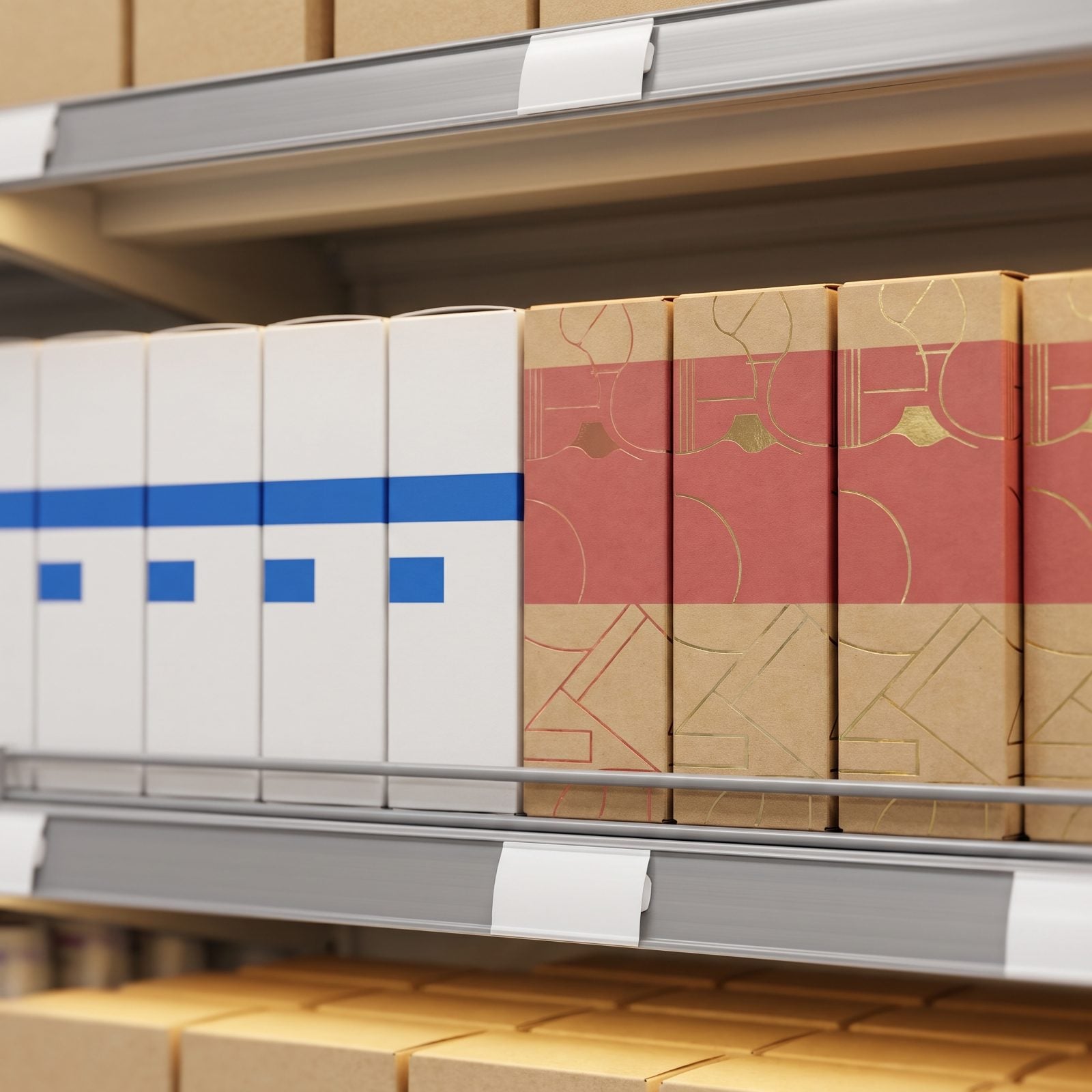
Eye level is prime real estate, and Walmart hands a big chunk of it to its own private-label brands.
The store-brand box sits right where your gaze naturally lands, usually a notch cheaper than the name brand beside it and often made in the same factory. Good for you, better for Walmart, which pockets a fatter margin on house labels. The pricier name brands get pushed up high or stuffed down low where you have to reach or crouch. Shelf height is a quiet nudge toward whatever makes the store the most money.
11. The Pickup Lot Designed to Turn One Order Into Three More Buys
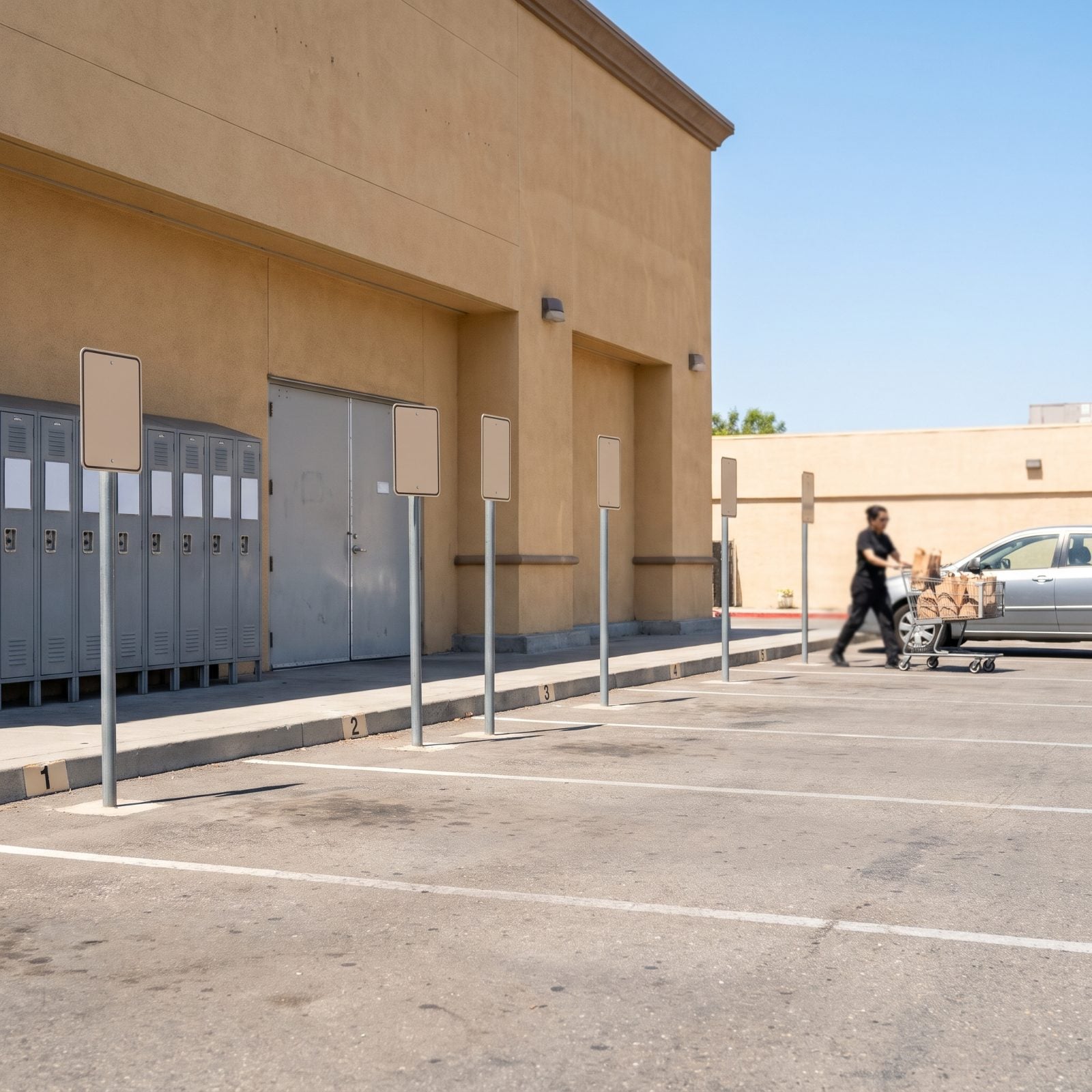
Online pickup was supposed to save you from impulse buys. Walmart found a way around that.
The app nudges you with add-ons as you build the order, extras you’d never have grabbed walking the aisles. And the whole pickup system is built to keep you inside the Walmart ecosystem, where a two-dollar top-up feels like nothing. You skip the store but not the upsell. It just moved to your phone.
10. The Returns Desk Up Front That Funnels You Right Back In
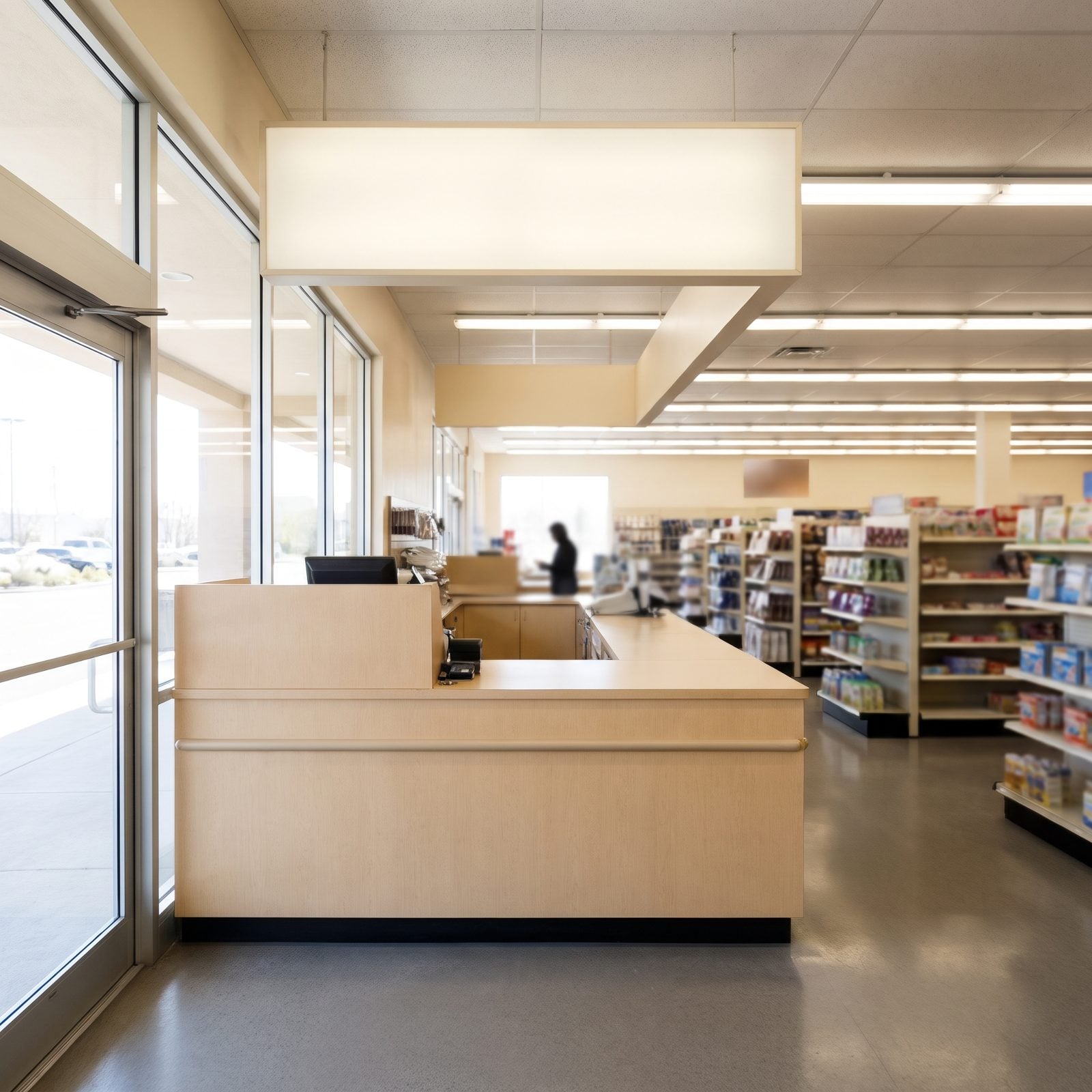
Make a return and you’ll notice the desk is right by the door, with the entire store spread out behind it. No accident.
You came in holding money the store is about to hand back, and now you’re standing at the mouth of every aisle with cash or store credit burning a hole. An exchange becomes a replacement purchase. A refund becomes seed money for something new. The placement keeps the transaction short and the temptation close, and you rarely leave with just your refund.
9. Everyday Low Price: The Anti-Sale That Keeps You Comfortable
Would you like to save this?
Walmart’s whole brand runs on the promise that it’s always cheap, so you never bother shopping around.
Everyday Low Price means fewer of the big weekend blowouts other stores run. Instead of training you to wait for a markdown, Walmart trains you to trust that the price is already as low as it gets. So you buy now. You don’t comparison-shop. You don’t hold out. Whether every price is genuinely the lowest in town is another conversation entirely. But the psychology works, and it works quietly: steady, predictable, no FOMO. The lack of sales is the sales strategy.
The absence of a sale is itself a sale. You stop looking for a better deal because you’ve been told there isn’t one.
8. The Patio Furniture Shows Up While It’s Still Snowing
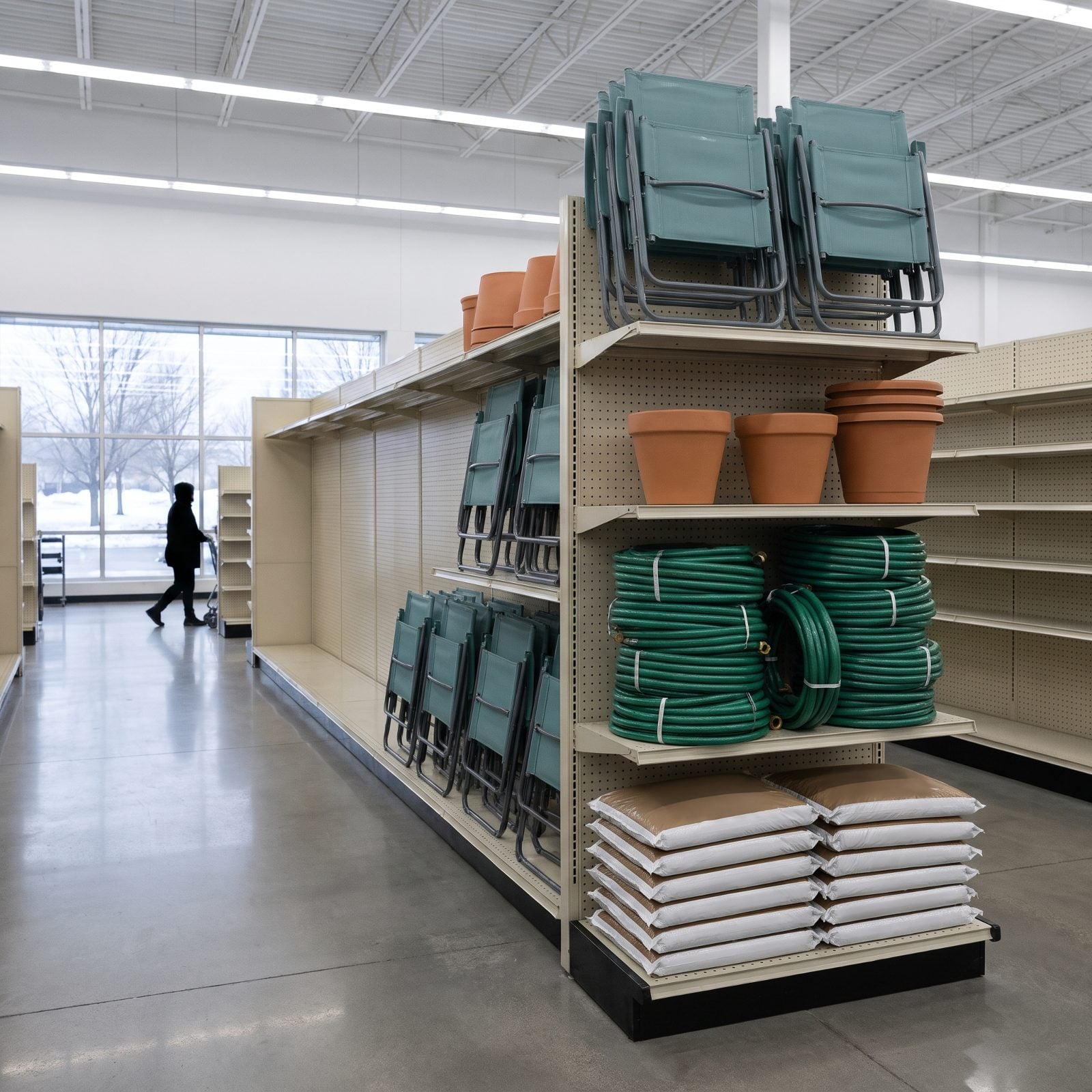
Walk in during a February freeze and you’ll find lawn chairs and garden hoses staring back at you. Not a mistake. Seasonal merchandise lands on the aisle-ends weeks, sometimes months, before anyone would actually use it.
The logic is simple: plant the idea early, and by the time the weather turns you’ve already half-decided you need a new grill. Retailers call it seasonal pre-selling, and the aisle-end is prime real estate because you pass it whether you meant to or not.
7. The Store Is Kept at Exactly the Temperature You Forget You’re In
You never think about the temperature. That’s the point.
Big stores are tuned to a comfortable neutral so you don’t bolt the way you would from a stuffy or freezing room, and the lighting runs the same play — warm enough to feel welcoming, bright enough that every stacked box on the shelves looks crisp and inviting. Comfortable shoppers linger. Lingering shoppers buy more. One of the oldest tricks going, and it works precisely because you can’t feel it working.
6. The Wide Aisles and Big Carts Are Slowing You Down on Purpose
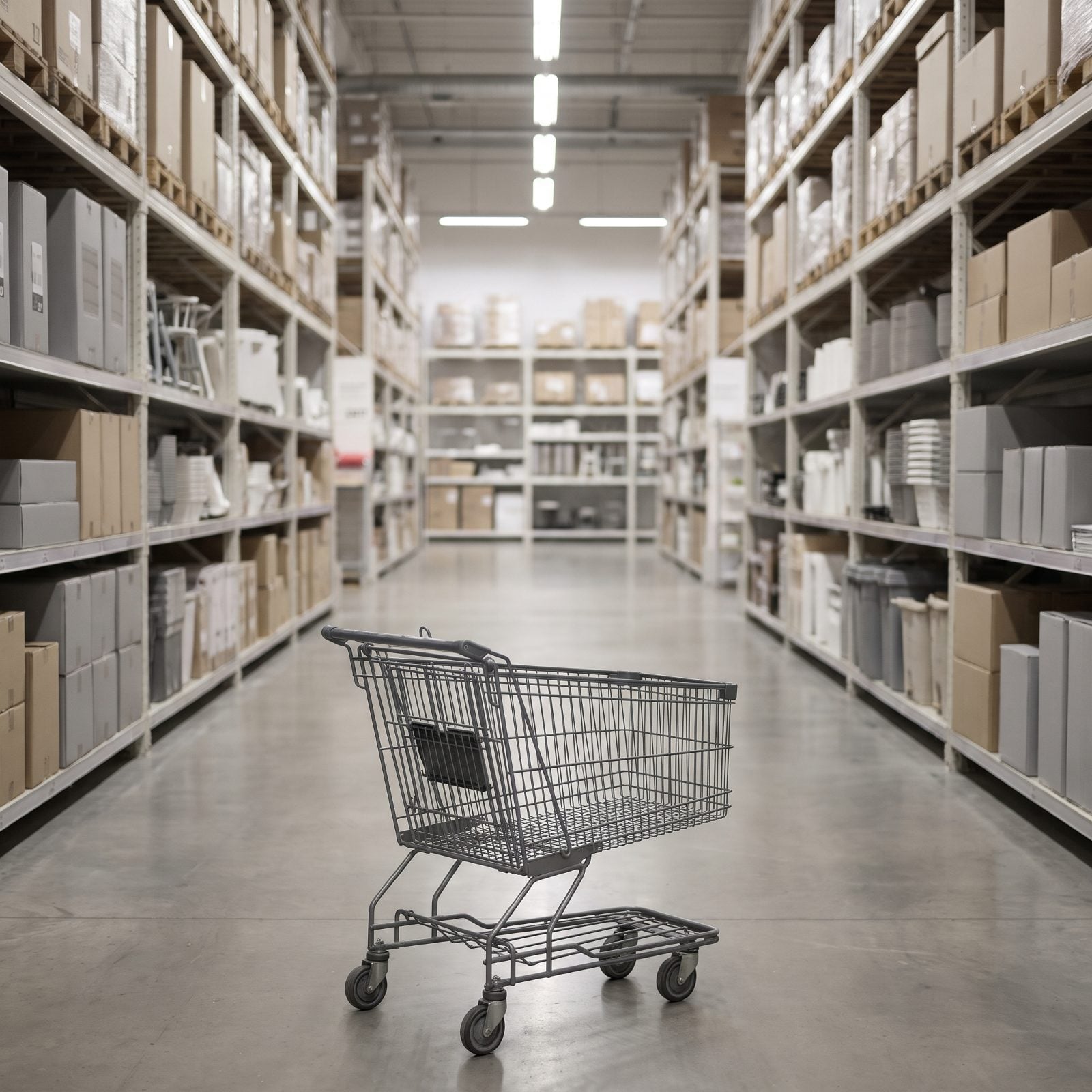
A bigger cart makes your purchases look smaller. Fill a quarter of a big one and it still reads as nearly empty, so you keep adding.
And wide aisles? They do the opposite of what you’d expect. They slow your pace, give you room to stop, make browsing feel relaxed instead of cramped. A narrow, crowded aisle rushes you toward the exit; a roomy one invites you to drift. Cart and aisle are both nudging you to take your time, and time in a store almost always means more in the cart.
5. The Price-Match Policy Quietly Got Smaller Over the Years
There was a time you could walk up with a competitor’s lower advertised price and get it matched, then stack it with ad-matching from local circulars. That era is largely gone.
Over the years the policy narrowed — dropping competitor matching in stores, limiting what qualifies, shoving most of it online under tighter rules. Check the current terms before you assume a match will happen, because the version in your memory probably isn’t the version at the register. These things shift without any announcement, and the only people who notice are the ones who still ask.
4. The Shelves Refill Overnight Because of a Distribution Machine You Never See
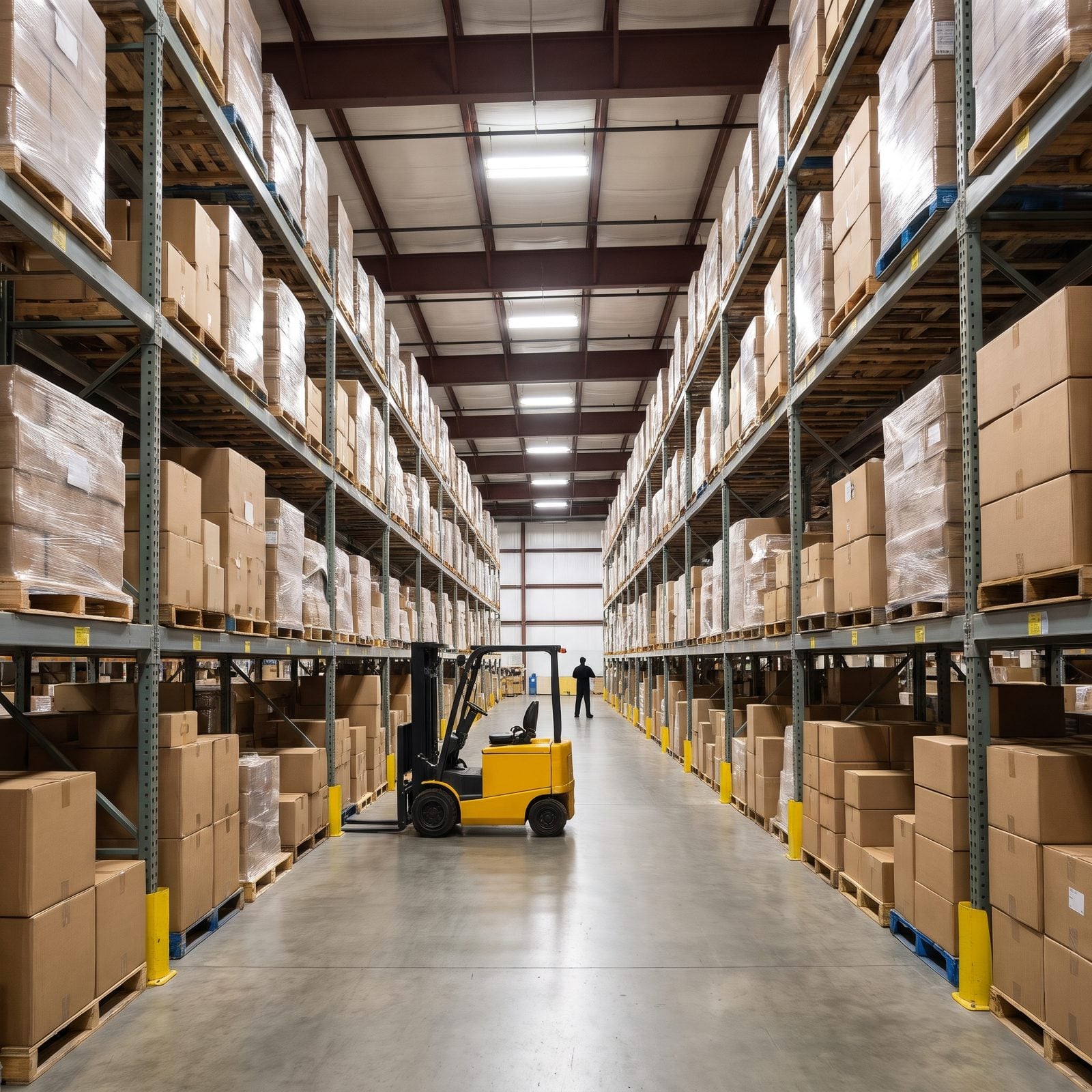
The yogurt you bought is back on the shelf by morning thanks to a supply chain most shoppers never think about. Regional distribution centers feed nearby stores on tight, frequent cycles, so a bare shelf fills back faster than at many competitors.
This is the part of retail that’s genuinely hard to picture because it’s so enormous. Trucks running on precise schedules, inventory tracked in near real time, products routed to stores based on what’s actually selling that week. You see the full shelf. You never see the thousand-mile relay that put it there.
3. Opening Hours Expand and Contract Based on Who Shows Up When
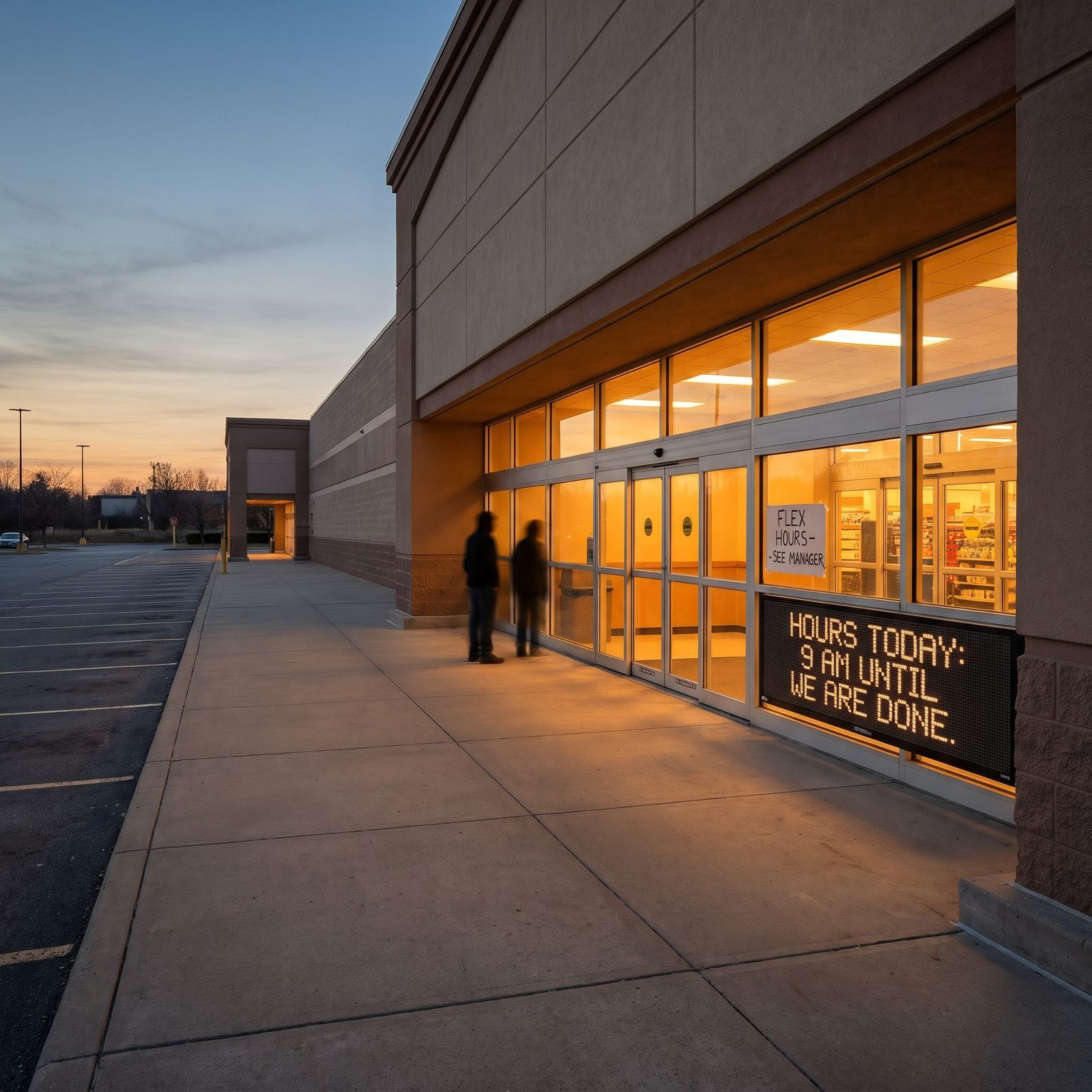
Stores used to run around the clock. Many don’t anymore, and the hours you see now come straight out of foot-traffic data, not tradition.
If a region barely shopped at 2 a.m., those hours vanished. If demand shifts, they stretch back out. Quietly responsive stuff — which means the store across town might keep different hours than yours for no reason you’d ever guess. Check before a late run. The 24-hour store you remember may have clocked out.
2. The Milk Is a Marathon From the Bread for a Reason
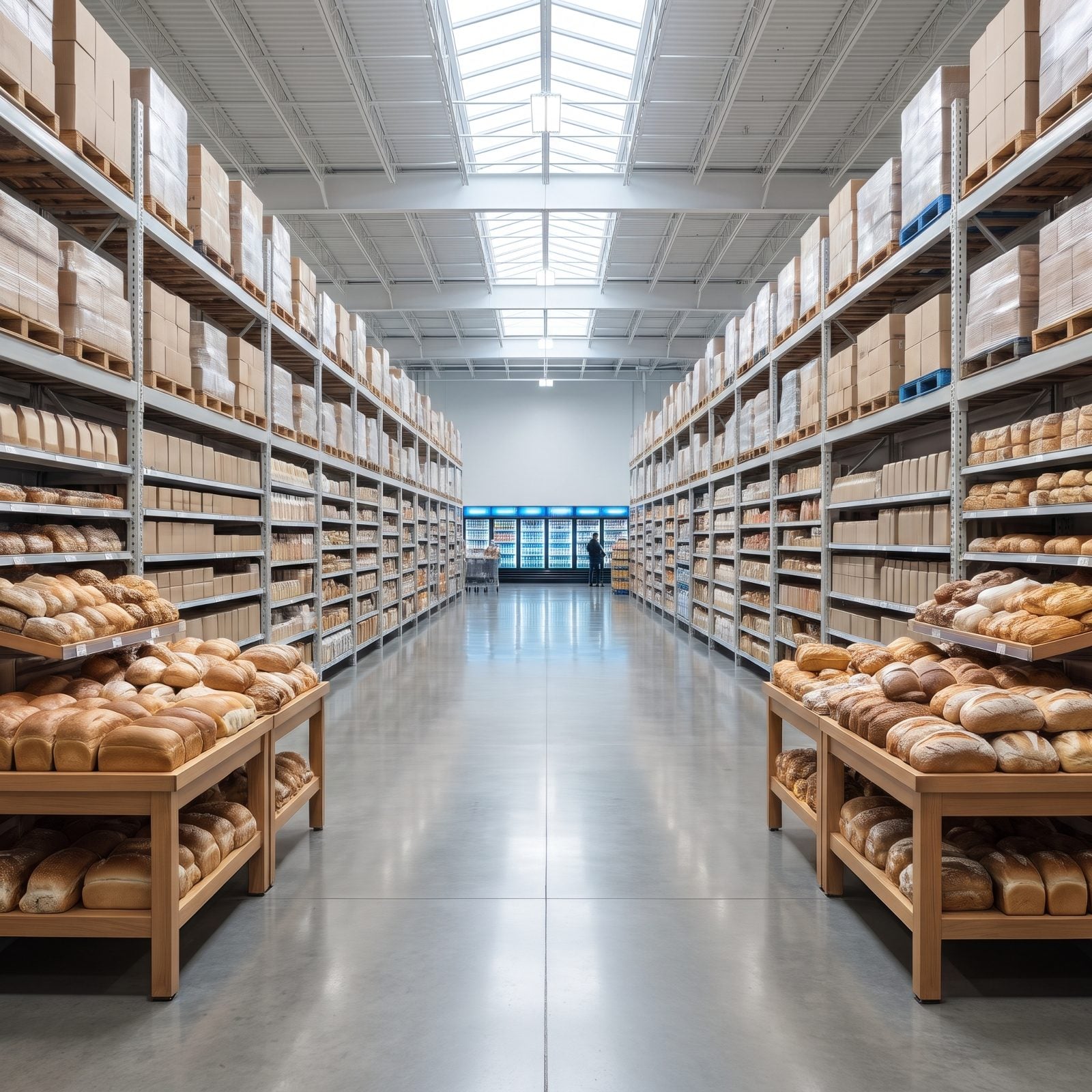
The essentials you came for are scattered to the far corners on purpose. Milk at one end, bread somewhere else, eggs in a third spot entirely.
You walk past hundreds of products you didn’t plan to buy to reach the three you did. Grocery layout has worked this way for decades, but a supercenter cranks it up with sheer size. The longer your path to the staples, the more impulse buys line the route. That’s how a quick run turns into a cart you need both hands to steer.
1. The Friendly Greeter at the Door Is Watching More Than the Weather
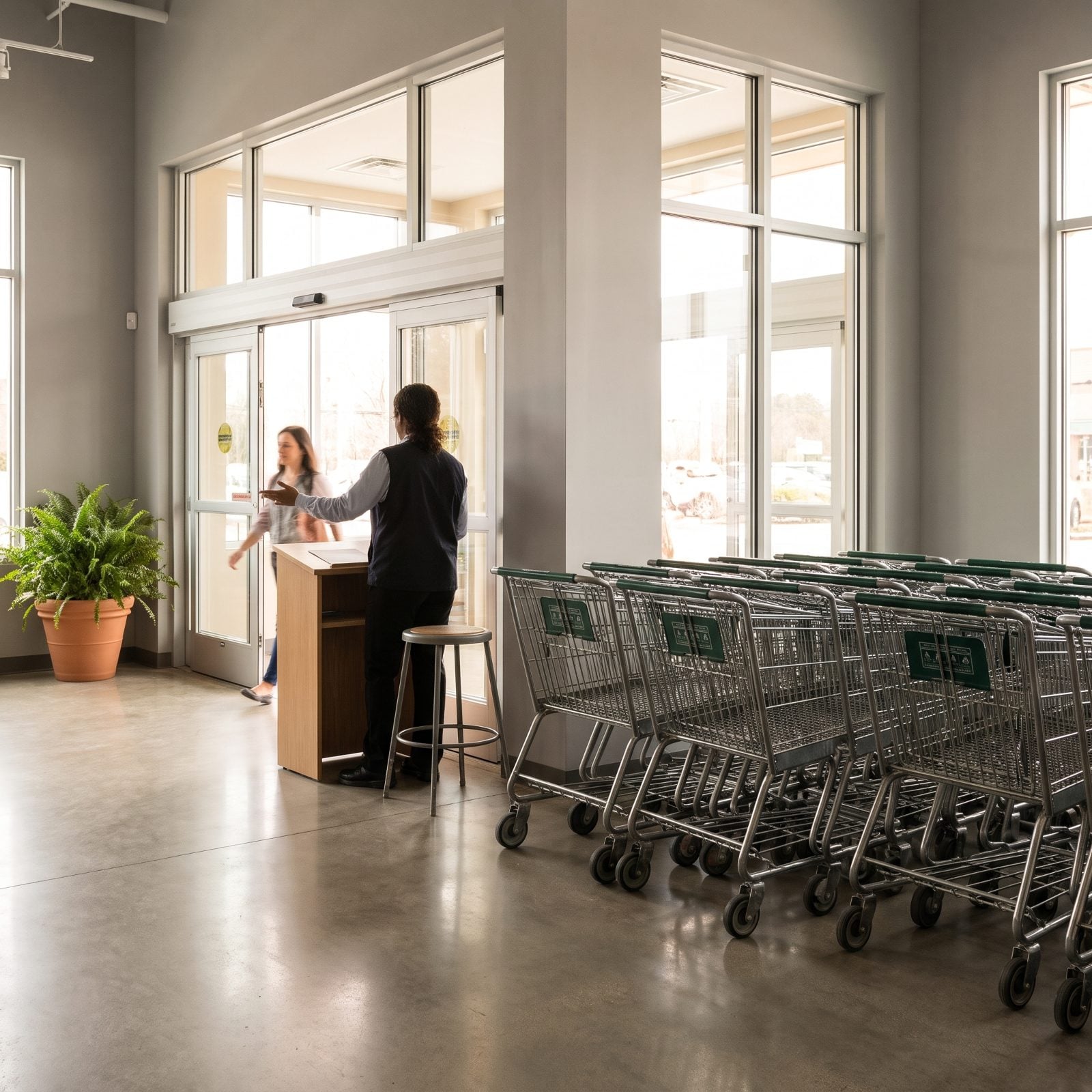
The greeter says hello and hands you a cart, and most shoppers file it under hospitality. It is that. It’s also a good deal more.
Someone standing at the only entrance, watching everyone come and go, is a soft form of loss prevention and a traffic counter rolled into a smile. The welcome is real and so is the deterrent, both at once. A friendly face at the door makes shoppers feel seen, which quietly discourages strolling out with unpaid goods. Clever bit of psychology, dressed up as plain Southern manners.