
Would you like to save this?
A full-time manufacturing worker in 1965 might gross roughly $90 to $110 a week, depending on the plant, region, union contract, and overtime. That paycheck could cover groceries, gasoline, family entertainment, and other routine expenses in proportions that look startling now. Larger purchases still required saving, financing, or a mortgage, but they often sat closer to a working household’s reach. These 25 prices show what one paycheck could cover—and what steady factory wages could put within reach.
25. A Three-Minute Long-Distance Call: Often $1 or More

A three-minute long-distance call could easily cost a dollar or more, especially across several states or when an operator handled the connection. Direct-dial and off-peak rates were cheaper, but coast-to-coast calling was never casual pocket change. For a factory worker sending money home to family in another state, a weekly Sunday call was a genuine budget line item, not an afterthought. People kept a dish of quarters near the phone for exactly this reason.
Long-distance felt expensive because it was. The idea that you’d call a sibling in another time zone just to chat for an hour was, for most working families, simply not something that happened.
24. A Bowling Night Out for the Whole Family: About $2 to $3
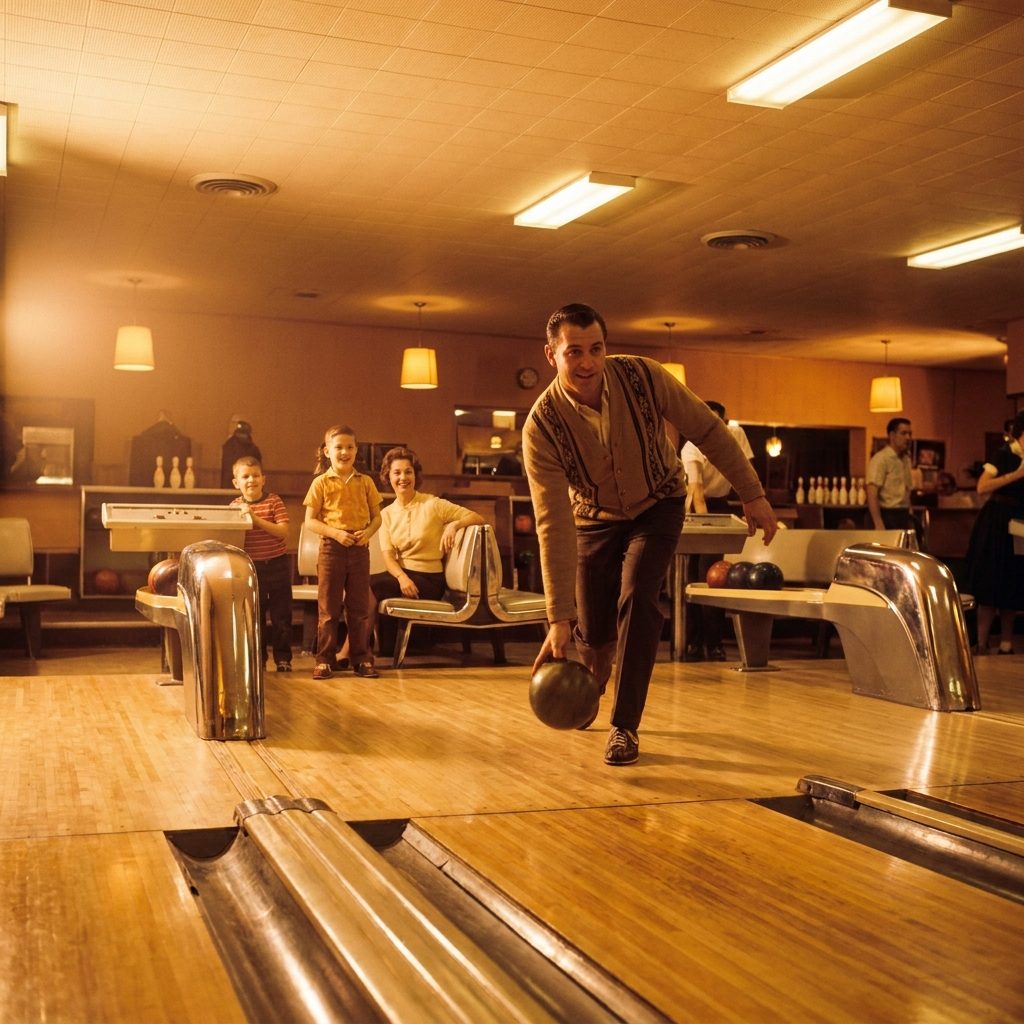
A full evening of bowling, shoe rentals, a few games for two adults and two kids, and a round of sodas from the counter, ran somewhere around $2 to $3 in the early 1960s. That was roughly an hour’s pay for a factory floor worker making $1.50 to $2.00 an hour. A comparable family outing now costs many times more before anyone reaches the snack bar.
Bowling was genuinely working-class entertainment, not a novelty. Leagues ran every night of the week. The factory and the bowling alley were practically extensions of each other.
23. A New Transistor Radio: About $12 to $20
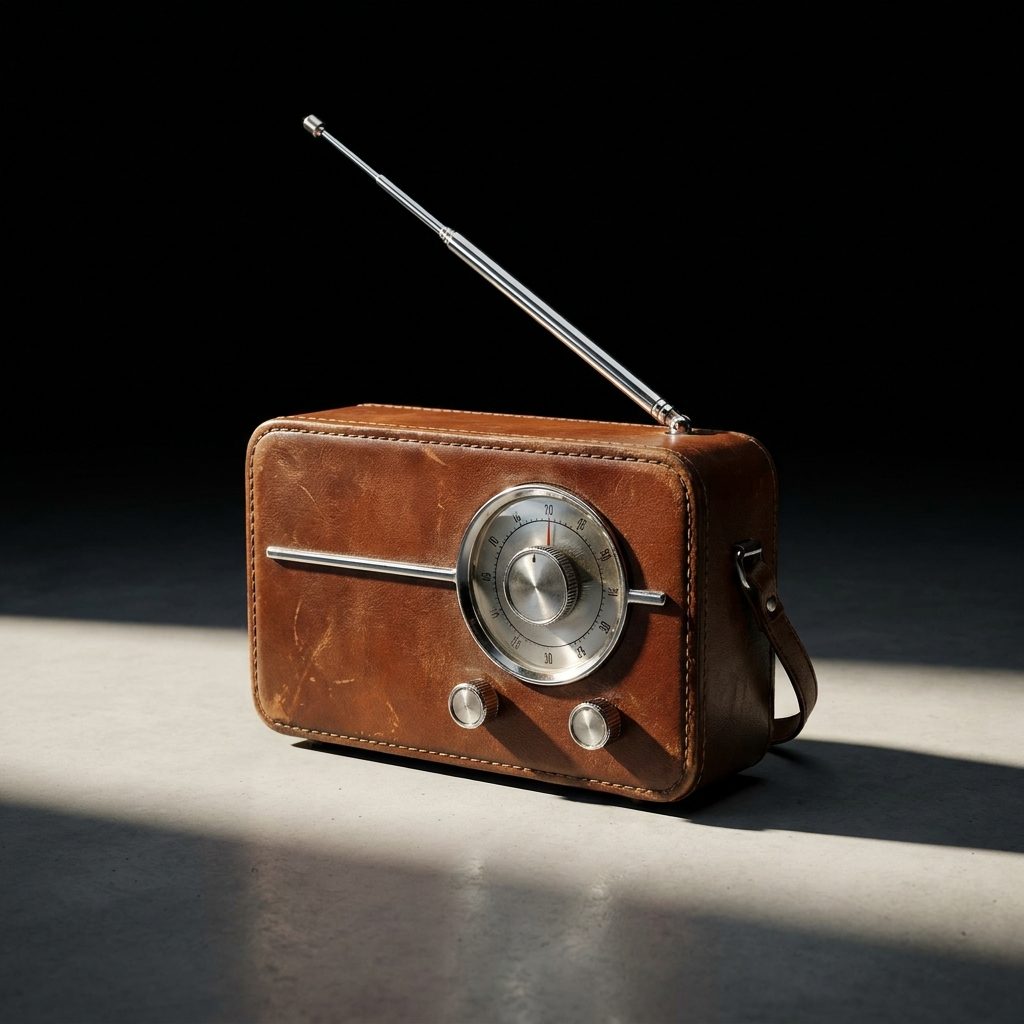
A Japanese-made transistor radio, Sony, Toshiba, or one of a dozen other brands flooding American stores by the early 1960s, cost around $12 to $20 depending on features. That was roughly a week’s discretionary spending for a factory family. It was also one of the most wanted objects in America. Kids saved for them. Fathers bought them for Sunday garage work. Mothers kept them on the kitchen windowsill tuned to AM pop stations all afternoon.
22. A New Pair of Work Boots: Around $8 to $12
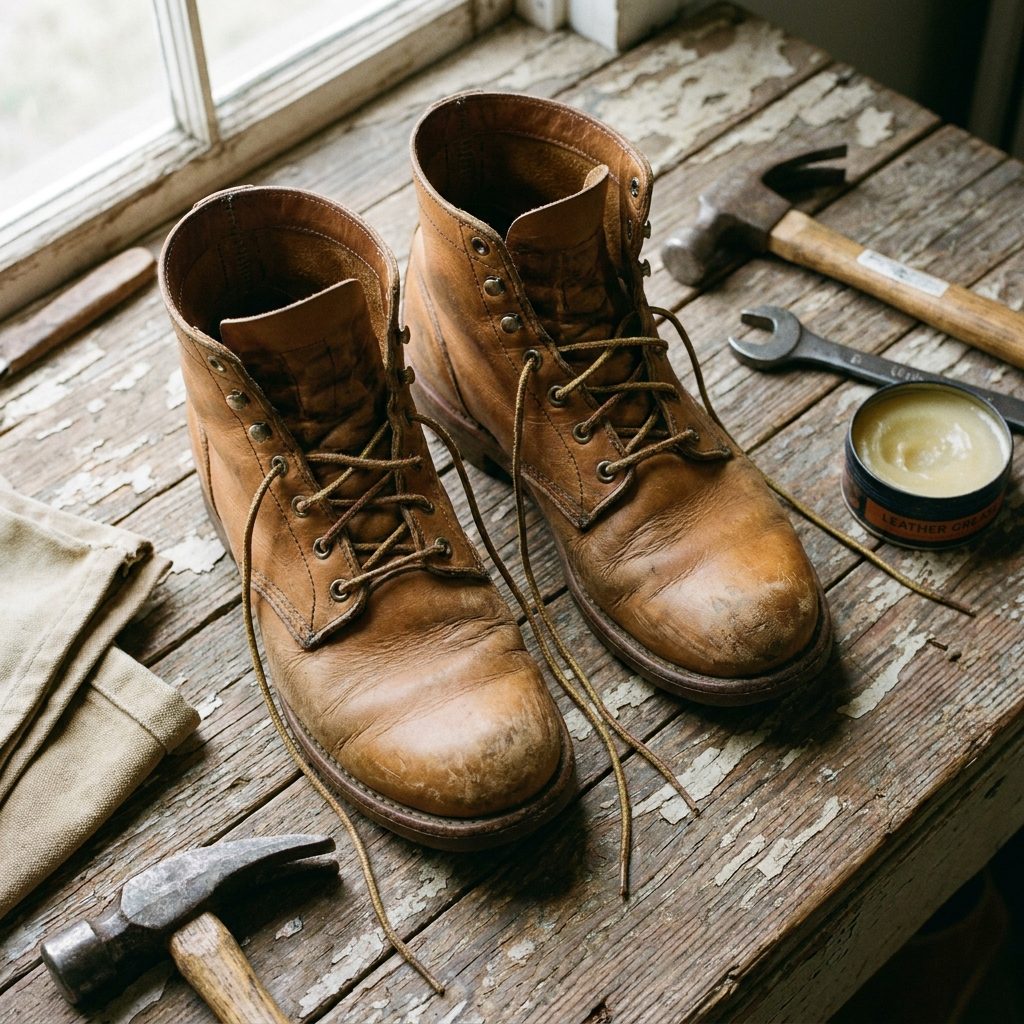
A sturdy pair of leather work boots from a hardware or general store cost around $8 to $12 in 1962. That represented roughly four to eight hours of factory wages, depending on the worker and the boot. Men bought one pair, resoled them twice, and wore them until the uppers gave out. Throwing away a boot that could be fixed was not a concept most factory households entertained.
A comparable name-brand work boot now costs many times more in nominal dollars and does not always last longer.
21. A Week of School Lunches for Two Kids: About $2 to $2.50
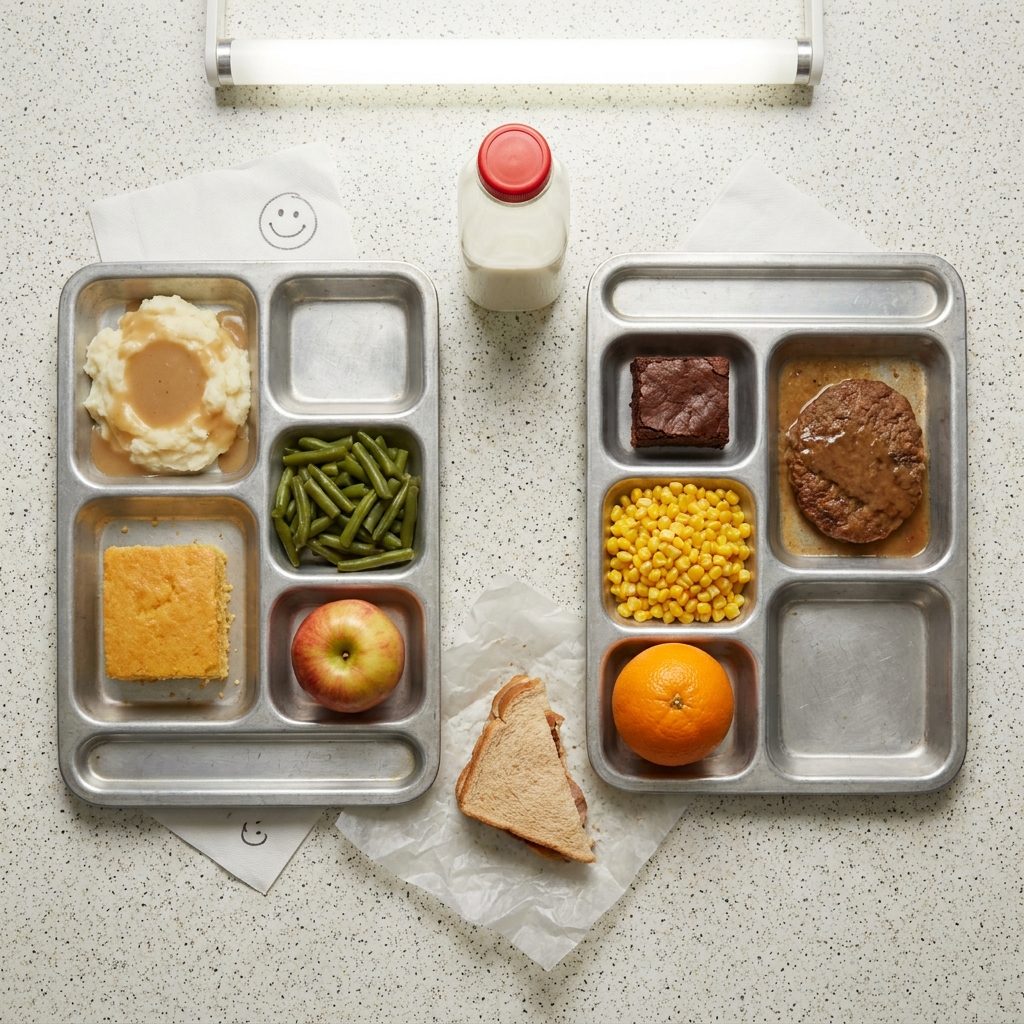
Federal school lunch program prices in the early 1960s ran about 20 to 25 cents per meal per child. Two children eating five days a week came to roughly $2 to $2.50 total. That bought a hot meal: protein, a vegetable, milk, and something resembling dessert.
Today, a single paid school lunch can cost what an entire week for one child once did.
20. A Month’s Worth of Haircuts for Dad and Two Sons: About $1.50 to $2

A barber charged 50 cents for a man’s haircut in 1963. Two boys at the same rate, once a month, put the family’s total monthly haircut bill at $1.50, with Dad sometimes going more often than the boys and pushing the monthly total closer to $2. The barbershop was also where men read the only Sports Illustrated in the house and argued about the pennant race without getting in trouble for it.
19. A Family Movie Night at the Drive-In: About $1 to $1.50 per Carload
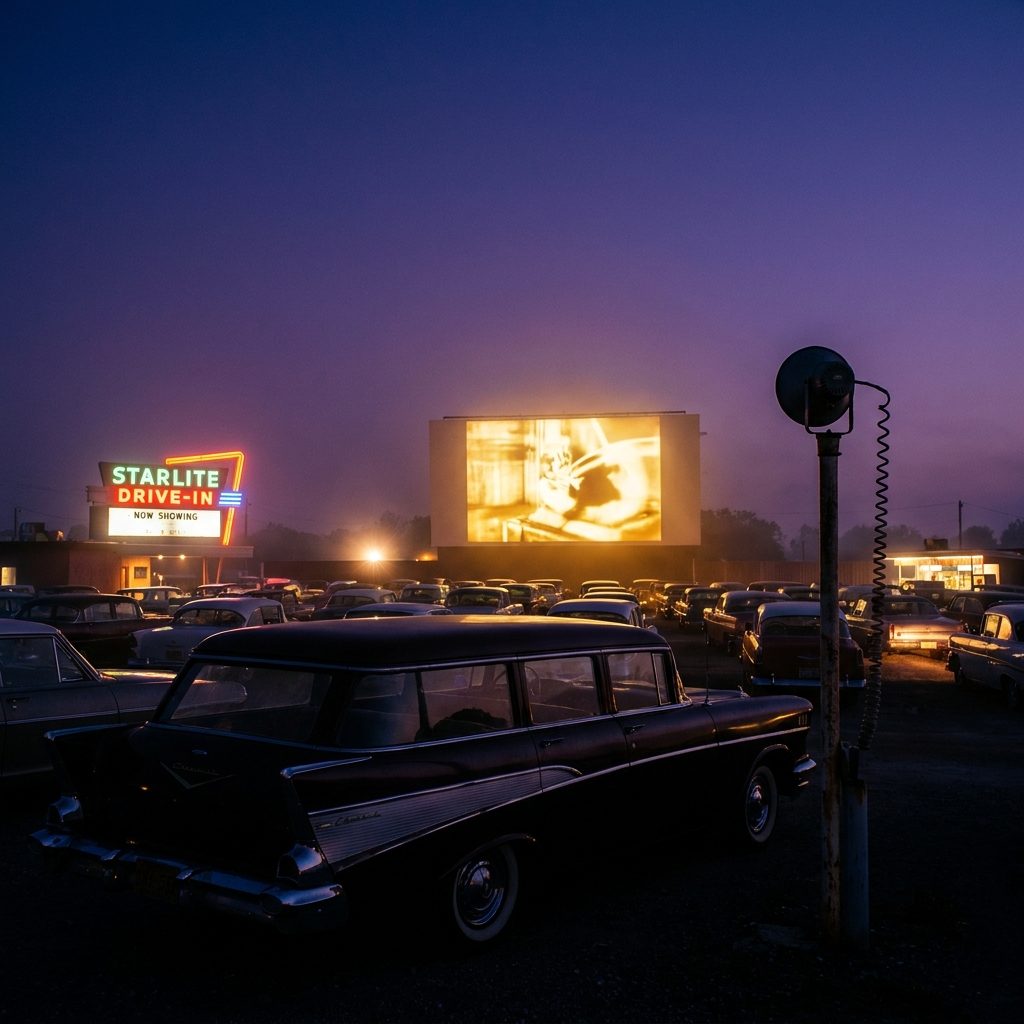
Some drive-ins let a family of four pile into the station wagon and pay roughly $1 to $1.50 per car at the gate and watch a double feature without a babysitter, a restaurant bill, or anyone telling the kids to sit still. The speaker hooked over the window. The popcorn came from the trunk. It was the most efficient entertainment dollar available to a working family in 1963, and everybody knew it.
Drive-ins peaked at around 4,000 locations across the U.S. in the late 1950s. By 1983, that number had dropped below 3,000. Only a fraction remain today.
18. A New Baseball Glove for a Kid: About $4 to $7

A decent kid’s baseball glove cost around $4 to $7 at a sporting goods store or Sears in 1962. That represented roughly two to nearly five hours of factory wages. It also lasted roughly ten years if a father showed his son how to oil it properly, which most fathers did, because $5 was not something you threw away because you got lazy with maintenance.
17. A Week of Groceries for a Family of Four: About $20 to $25
Would you like to save this?
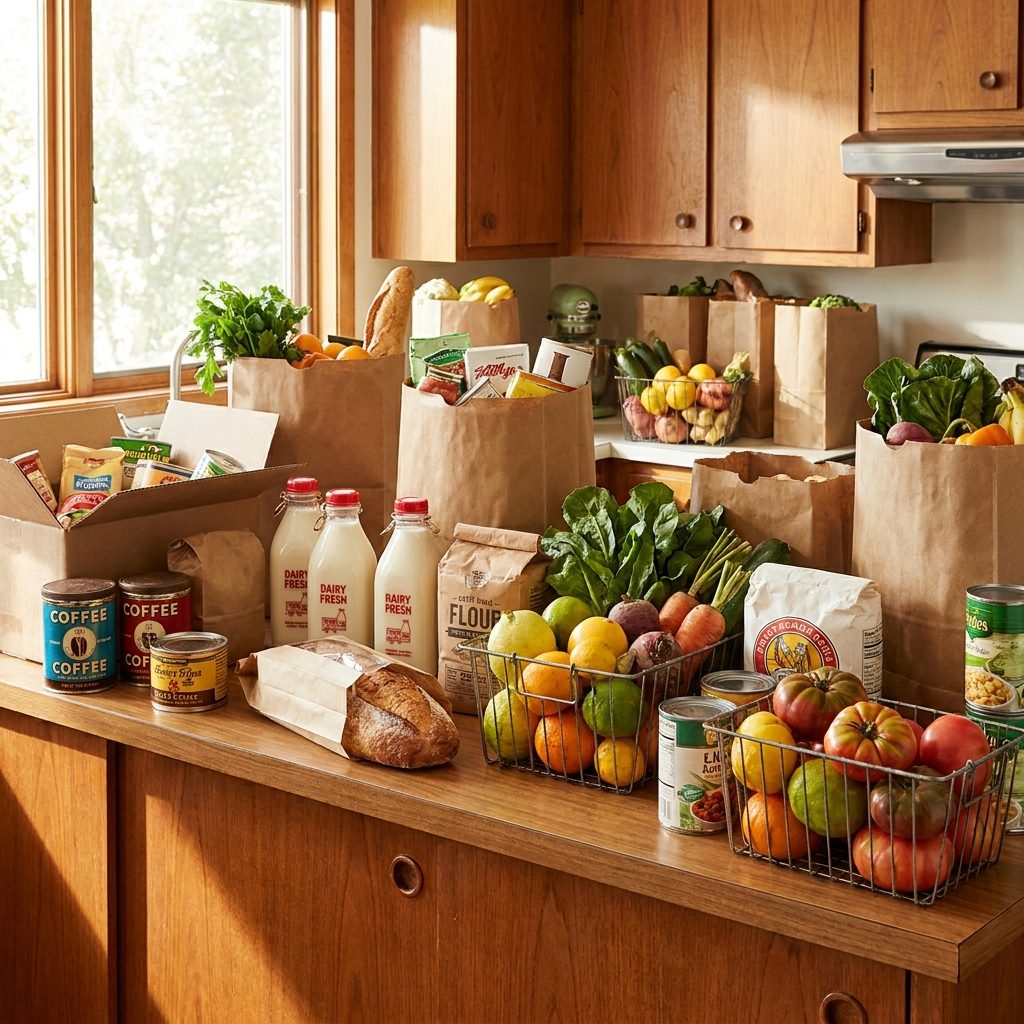
A full week of groceries for a family of four ran roughly $20 to $25 at the average supermarket in 1963. Bread was around 22 cents a loaf. A pound of ground beef cost about 45 cents. A comparable grocery cart now costs several times more in nominal dollars.
The real kicker isn’t the price on the receipt. It’s that a factory worker earning $90 a week could cover the whole grocery run with roughly one to one-and-a-half days of gross wages, and still leave most of the week’s gross pay for rent and everything else. The math felt different then, not because money was free, but because the basics hadn’t become luxuries yet.
16. A Brand-New Chevrolet Impala: Around $2,600 Off the Lot
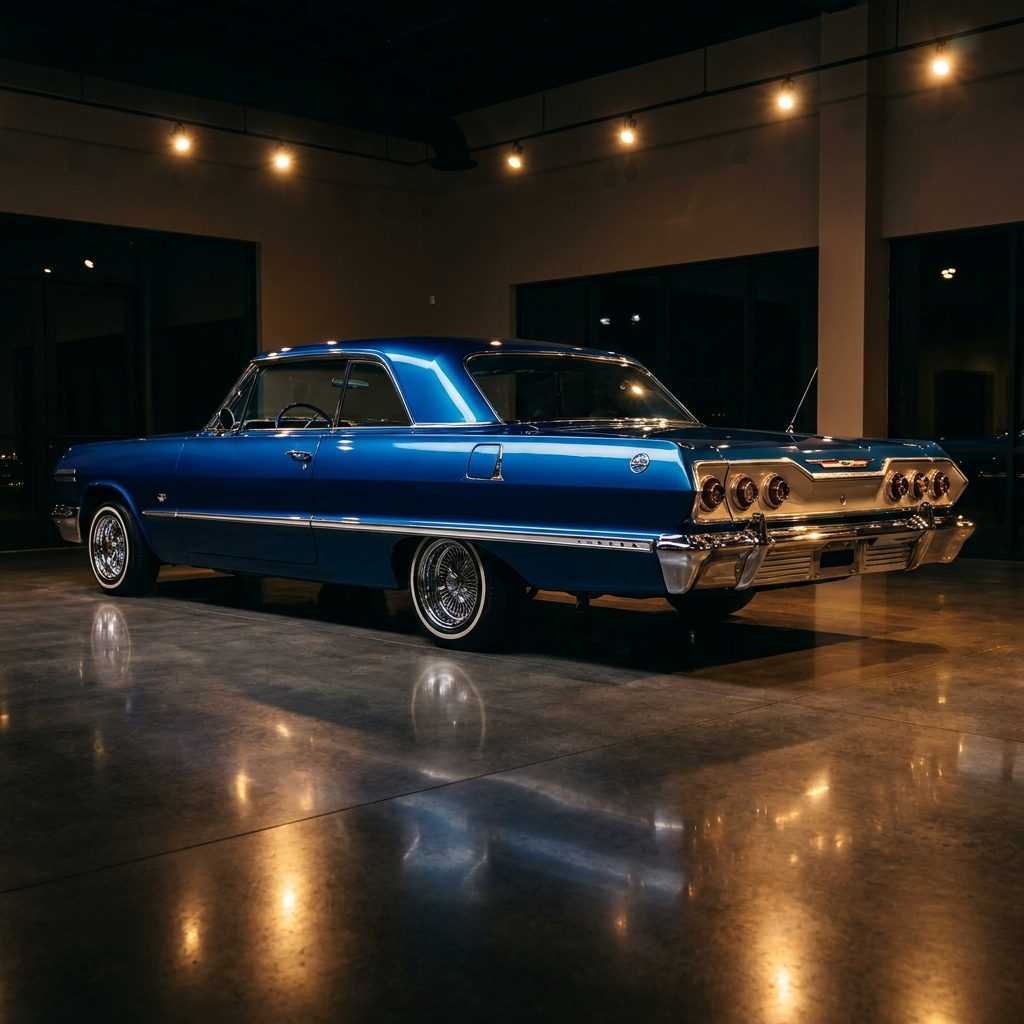
A base 1963 Chevrolet Impala stickered at roughly $2,600. A factory worker pulling $90 a week could own one outright in under a year of saving, assuming he didn’t spend a dime on anything else, which nobody did, but the math still held a certain promise.
A well-preserved Impala now trades as a collectible, while a modern family sedan occupies a very different market. The cleaner comparison is not sticker price alone, but how many weeks or months of wages each purchase demanded.
15. A 21-Inch Black-and-White Television Set: About $150 to $200
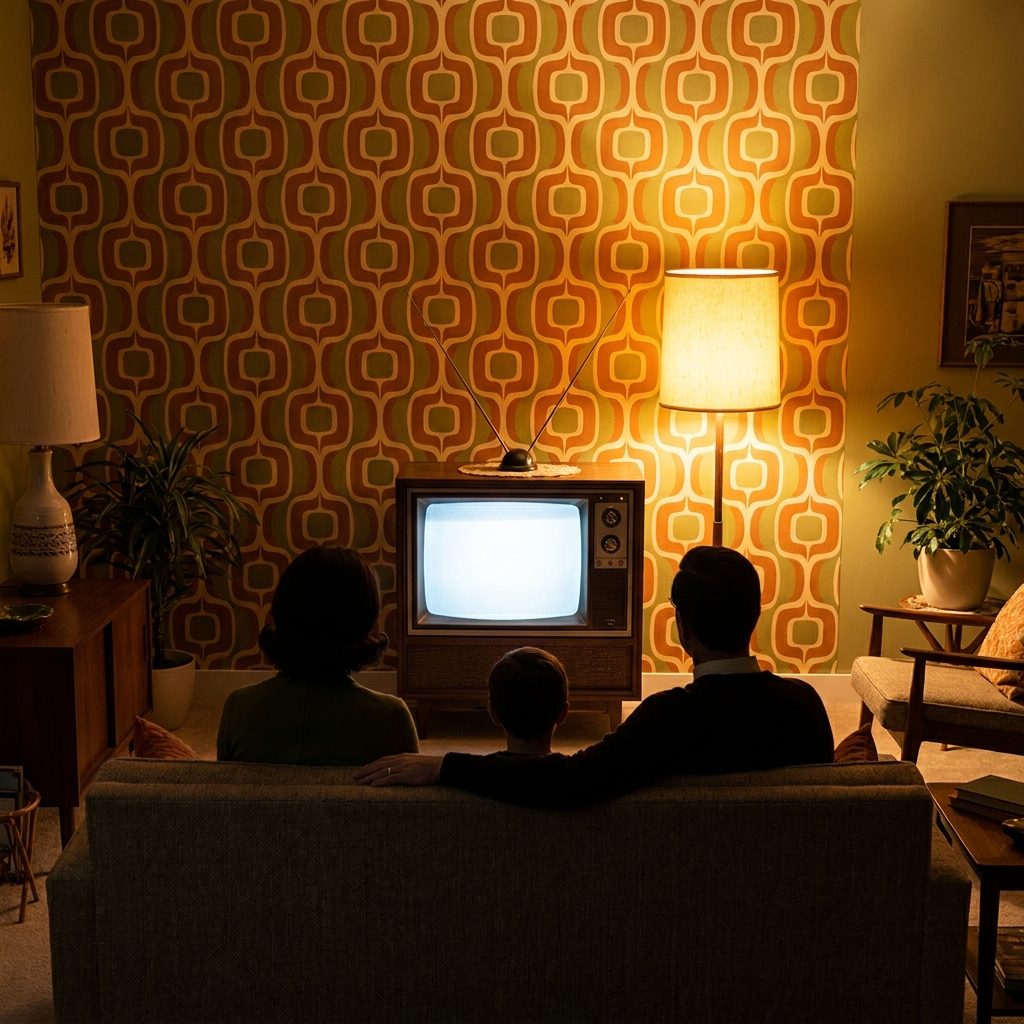
A 21-inch black-and-white television cost somewhere between $150 and $200 in 1962, roughly one-and-a-half to a little over two weeks of gross pay for a comparatively well-paid line worker. It was a serious purchase. Families saved for it. When it arrived, it sat in the living room like a piece of furniture, because it basically was.
Color sets existed but ran $400 or more, which put them firmly in the category of things you admired at the neighbor’s house. The black-and-white was the practical choice, and most households made that choice well into the decade.
14. A Three-Bedroom Starter Home: Around $12,000 to $18,000

Median home prices in 1963 hovered around $18,000 for a new single-family house in the suburbs. In cheaper markets, a solid three-bedroom could be had for $12,000. A factory worker earning $90 a week wasn’t buying one outright, but with an FHA-style mortgage, a modest down payment, and a favorable rate, the monthly principal-and-interest payment on a lower-priced home could land around one week’s gross wages. Taxes, insurance, location, and the exact loan terms changed the total.
That ratio is worth sitting with: one week’s gross wages could cover the basic monthly payment on some lower-priced homes.
13. A Full Month of Electricity and Gas: Under $15
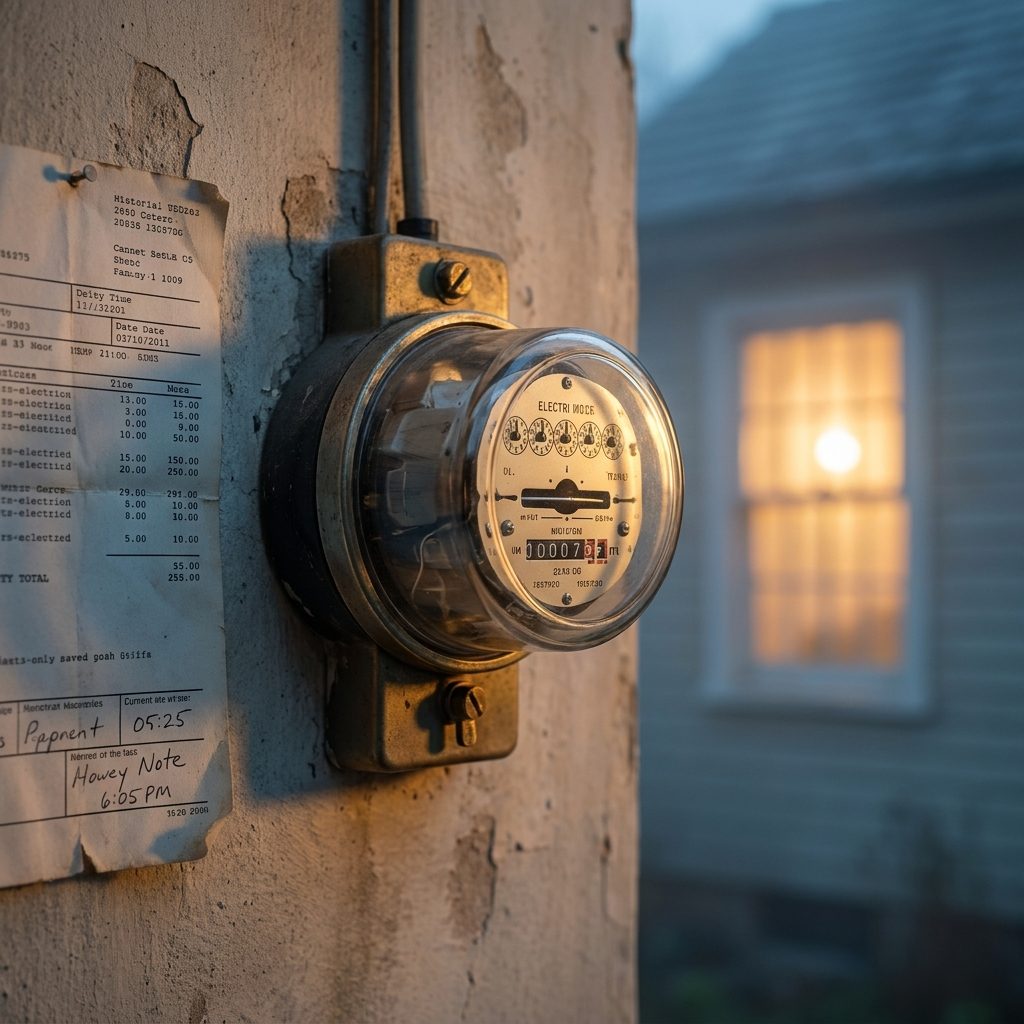
Combined gas and electric for a typical three-bedroom house ran under $15 a month through most of the early 1960s. Some households paid closer to $10. The bills were so predictable that most families folded the envelope straight into the weekly budget without even glancing at the total.
Then 1973 arrived, the oil embargo hit, and utility bills became something you looked at very carefully and argued about.
12. A Sears, Roebuck Winter Coat: About $12 to $18
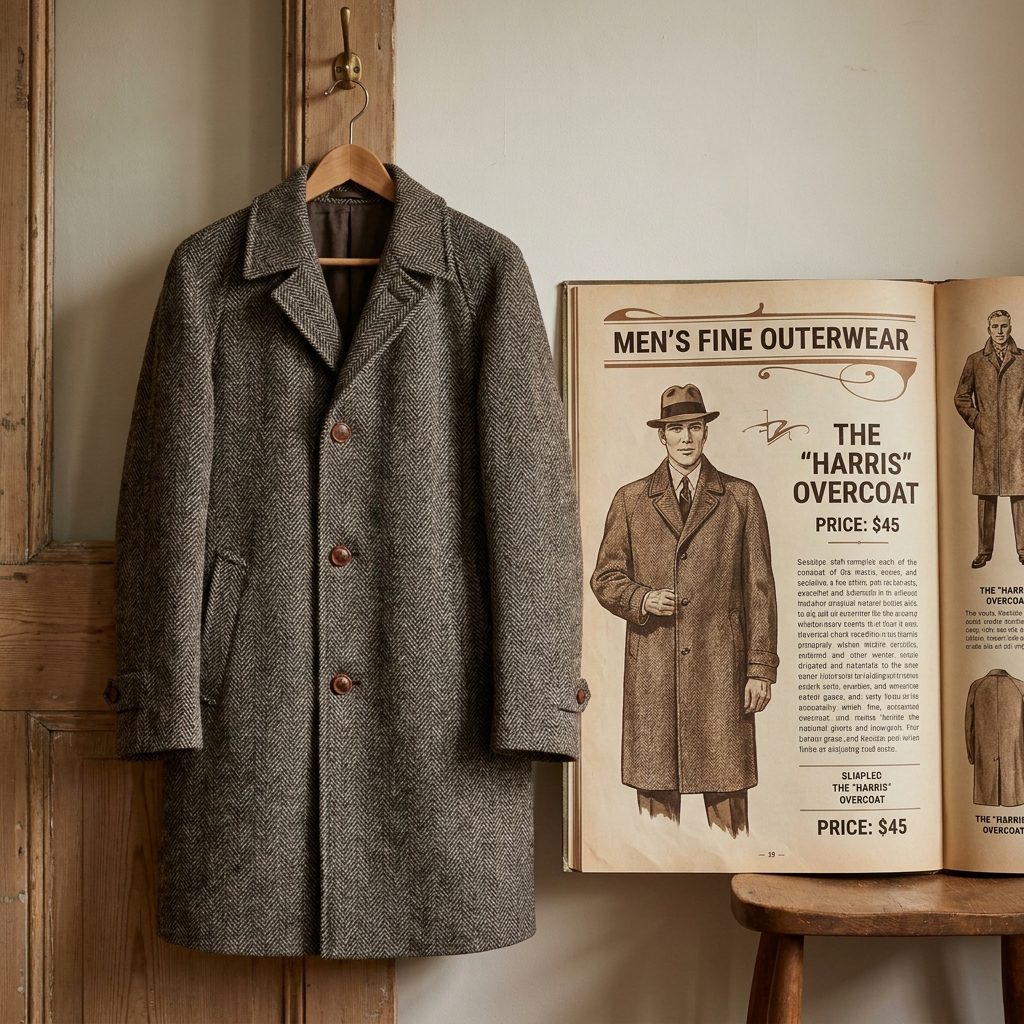
The 1965 Sears fall catalog listed men’s wool-blend overcoats at $12.99 to $17.99. Order by mail, delivered to the house, or pick up at the store. A factory worker in Ohio making $1.80 an hour could cover one of the cheaper coats in about a shift, while the better versions cost somewhat more.
This wasn’t a once-a-decade purchase like a suit. A coat took a real beating every winter—slush, road salt, a kid’s sled rope, a dozen freezing walks to the car — and got replaced every few years rather than altered and babied for fifteen. It was everyday armor, not Sunday best, and the catalog made restocking it as easy as checking a size chart at the kitchen table.
Wool coats from a comparable mid-tier retailer today run $150 to $300. The shift-wages math doesn’t come close to working the same way anymore.
11. A Family Dentist Visit: Around $3 to $5
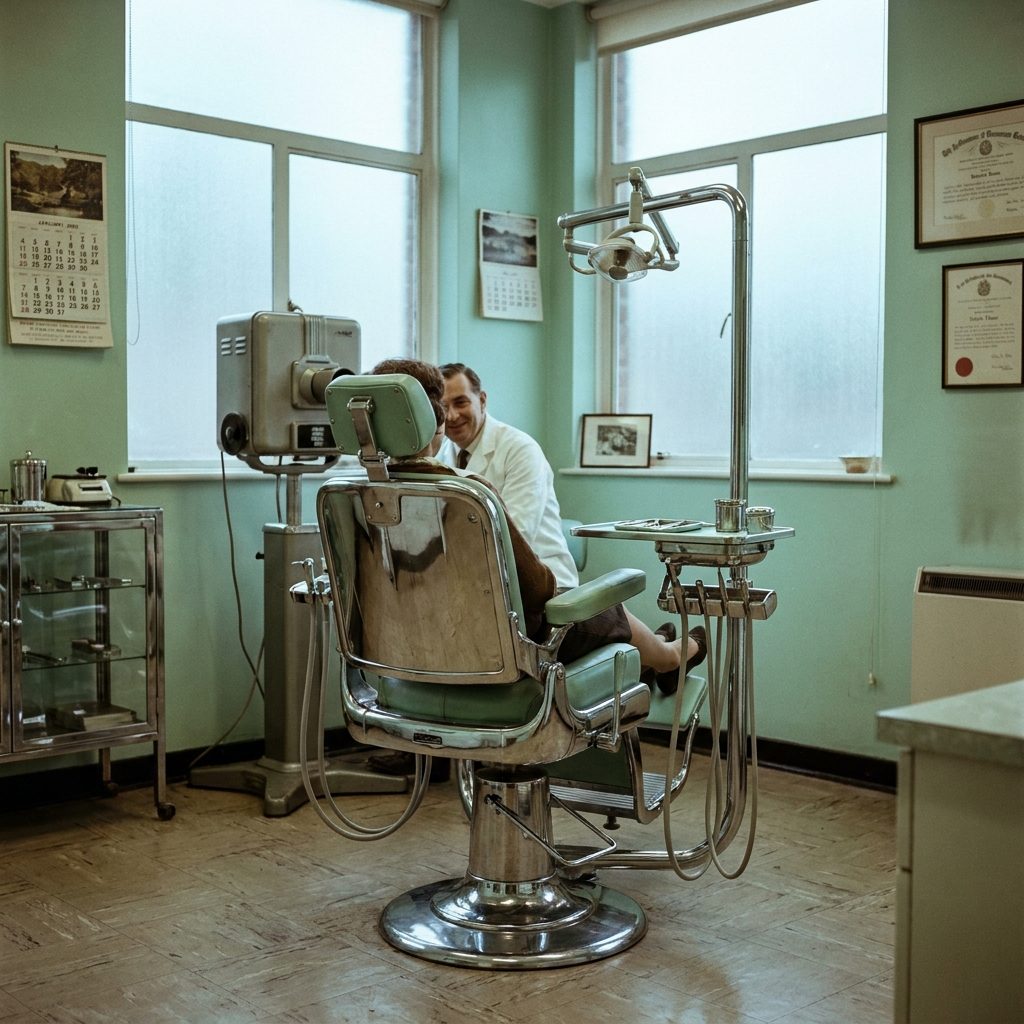
A routine checkup and cleaning at a family dentist in 1962 ran about $3 to $5. A filling cost $5 to $10. No insurance was required to make those numbers workable. A factory worker could often pay the bill in cash without turning the visit into a major household expense.
Modern uninsured prices are far higher in nominal dollars, and the financial barrier to routine care is much steeper for many households.
10. A Year of State College Tuition: About $250 to $400

Annual in-state tuition at a public university in 1964 ran roughly $250 to $400. Room and board often added roughly $700 to $1,000, depending on the campus. A student with a strong summer job could cover tuition and make a substantial contribution toward room and board without taking on modern levels of debt.
Modern in-state tuition at a public four-year university is many times higher in nominal dollars, even before housing is added. The idea that a summer job covers college has become a kind of nostalgic fiction. It used to be a real financial plan.
9. A Two-Night Family Trip to a National Park: Roughly $40 to $70
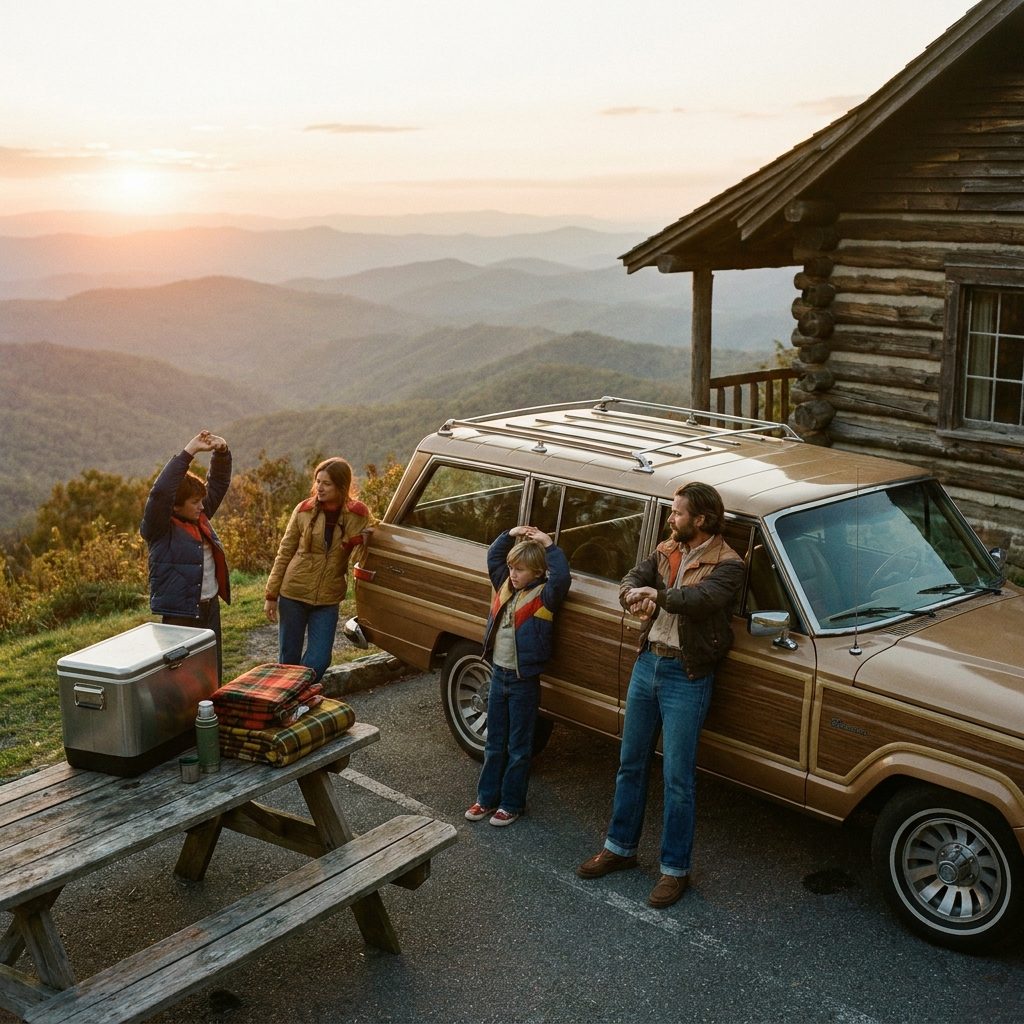
A regional two-night park trip could fit within roughly $40 to $70 if the family drove its own car, stayed in a basic cabin or inexpensive motel, packed most meals, and limited paid attractions. The exact total depended on distance, lodging, and how often the cooler gave way to a diner.
That was not pocket change, but it could fall below one week’s gross pay for a comparatively well-paid factory worker. The trip still required planning. What changed was that a modest family vacation could sit within reach without becoming a year-long financial project.
8. A Full Tank of Gas in the Family Sedan: About $5.50 to $5.75
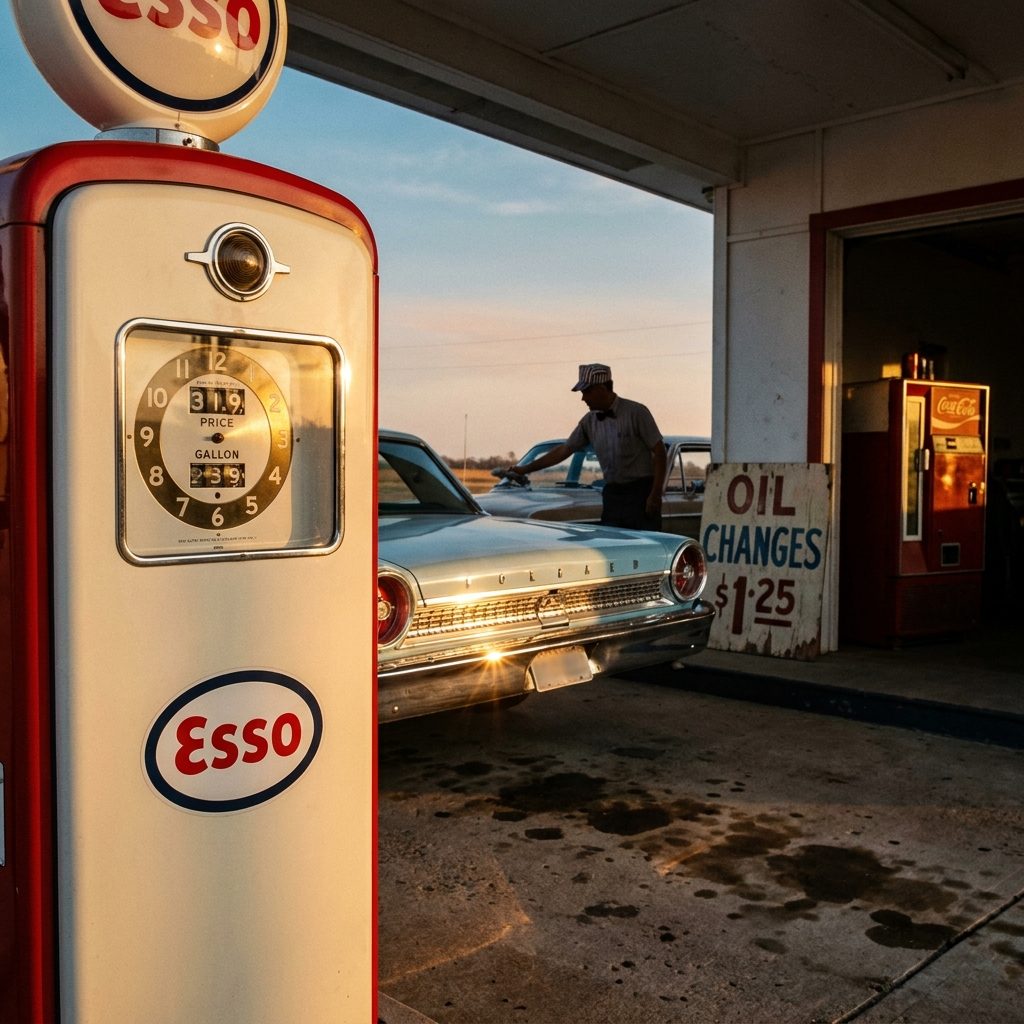
Gas hovered near 30 to 35 cents a gallon through much of the decade. A Chevy with an 18-gallon tank ran about $5.50 to $5.75 to fill from empty, and the attendant checked your oil and wiped the windshield while he was at it. No self-serve. No tipping.
A factory guy pulling roughly $2.25 an hour covered that tank with roughly two-and-a-half hours on the clock. Same fill-up today? Closer to $65, and you’re pumping it yourself in the rain.
7. A Hardcover Novel Straight Off the Shelf: About $4.95

Would you like to save this?
A brand-new hardcover ran roughly four to six dollars, and that felt steep to a factory worker earning a couple bucks an hour who thought twice before laying down half a day’s pay for a book the library would loan him free.
Paperbacks were the workaround. Fifty cents got you a Signet or a Bantam with a lurid cover and glue that cracked by chapter four. Book clubs mailed hardcovers for a dollar if you promised to buy four more, and half the country’s shelves were built on that promise—the reason so many midcentury homes had a wobbling stack of dog-eared spy novels and westerns nobody remembered ordering.
6. A Sunday Roast Beef Dinner at a Diner: About $1.85
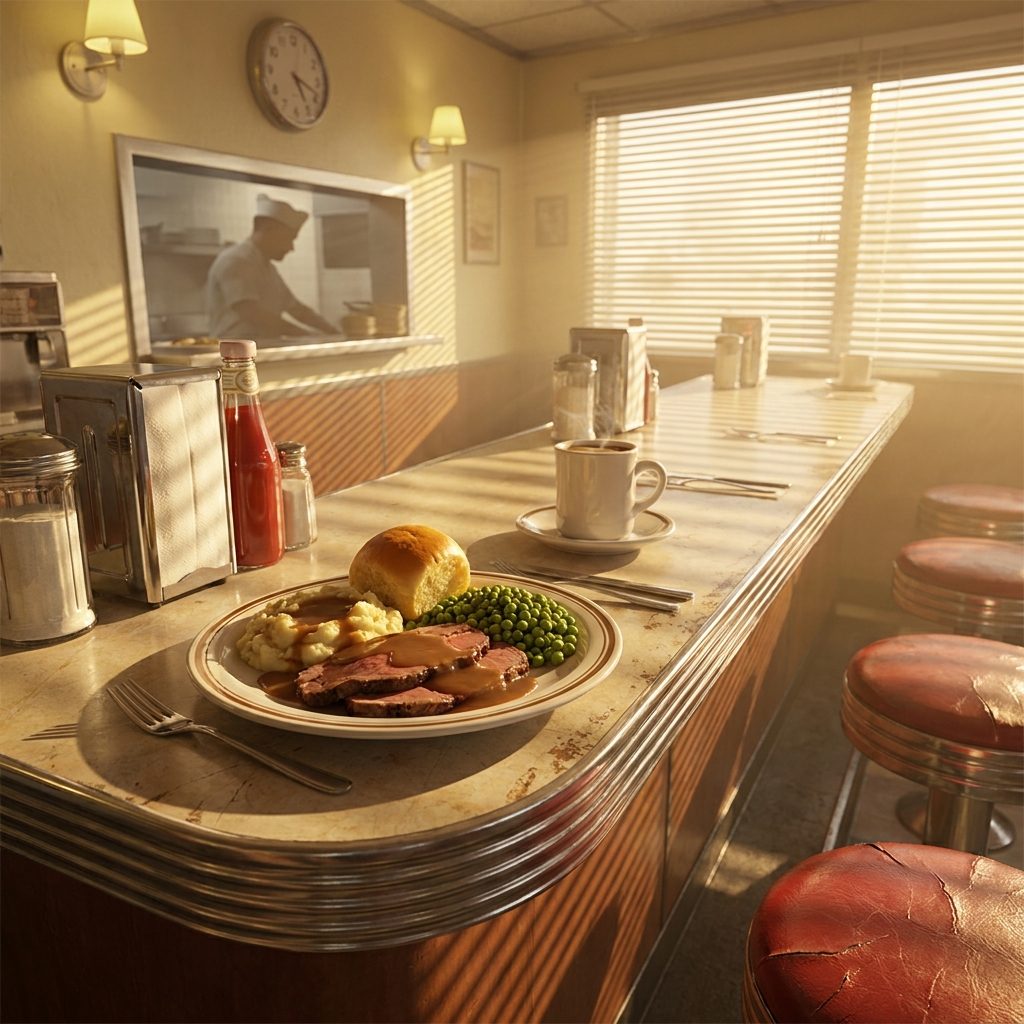
Sunday supper out was a treat. For $1.85 you got sliced roast beef, mashed potatoes swimming in brown gravy, a scoop of peas, a roll with a pat of butter, and coffee that kept coming until you waved it off.
Kids’ plates ran under a buck. A family of four could sit down, eat until they couldn’t manage another bite, tip the waitress, and walk out for under nine dollars—roughly two to four hours of factory pay, depending on the plant and year, to feed everyone silly.
5. A Man’s Two-Piece Wool Suit from Sears: About $45
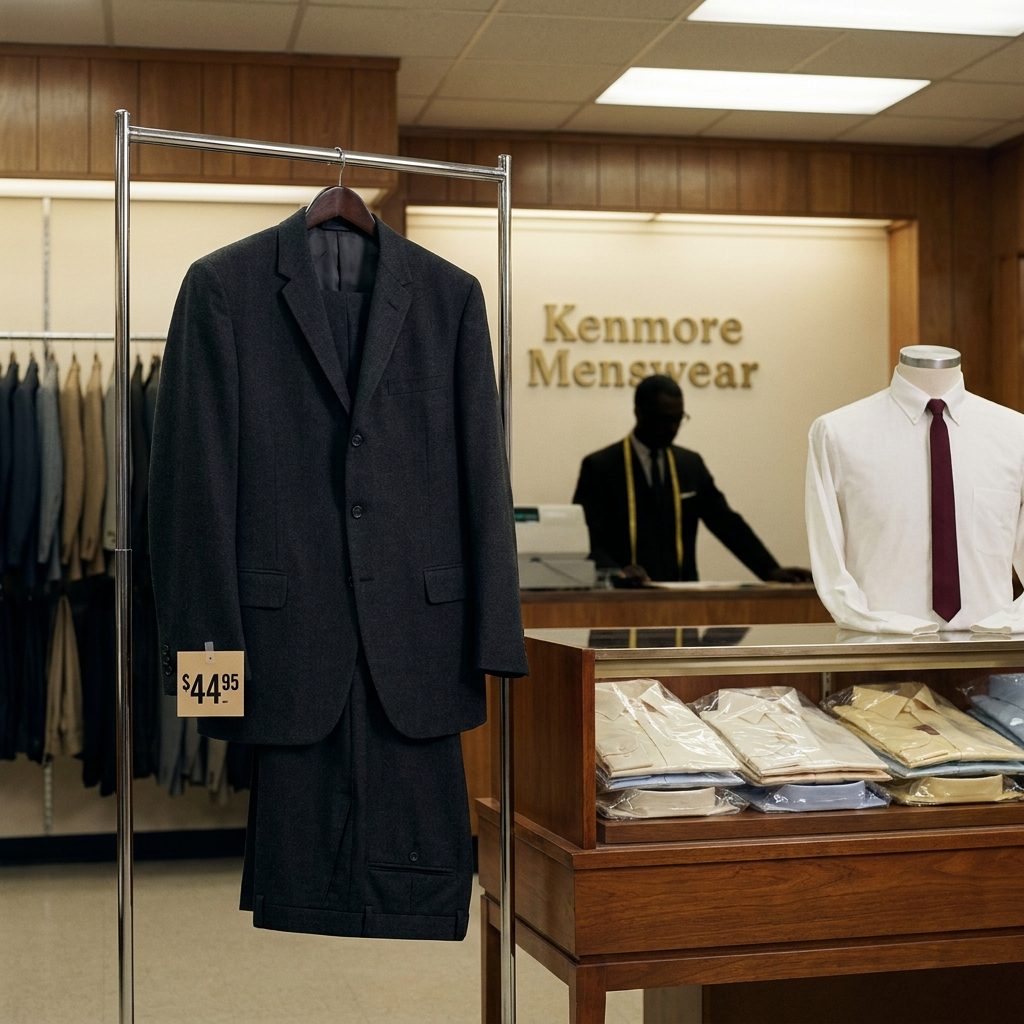
A suit was a different category of purchase altogether, and the price tag reflected it. Forty-five dollars was serious money—roughly half a week’s gross pay for a comparatively well-paid factory worker, and more for someone earning less—for the mid-tier Sears wool blend, not even the good stuff.
A man didn’t buy a suit to survive winter. He bought one for the moments that mattered: a wedding, a funeral, a job interview, church on the Sundays that counted most. Most men owned exactly two and knew which was which. Let out at the waist as the years went on, taken to the same tailor for the same small alterations, worn to more occasions than anyone kept count of. Fifteen years wasn’t unusual, because a suit wasn’t judged by how hard it worked. It was judged by how long it kept fitting the version of a man he still wanted to be.
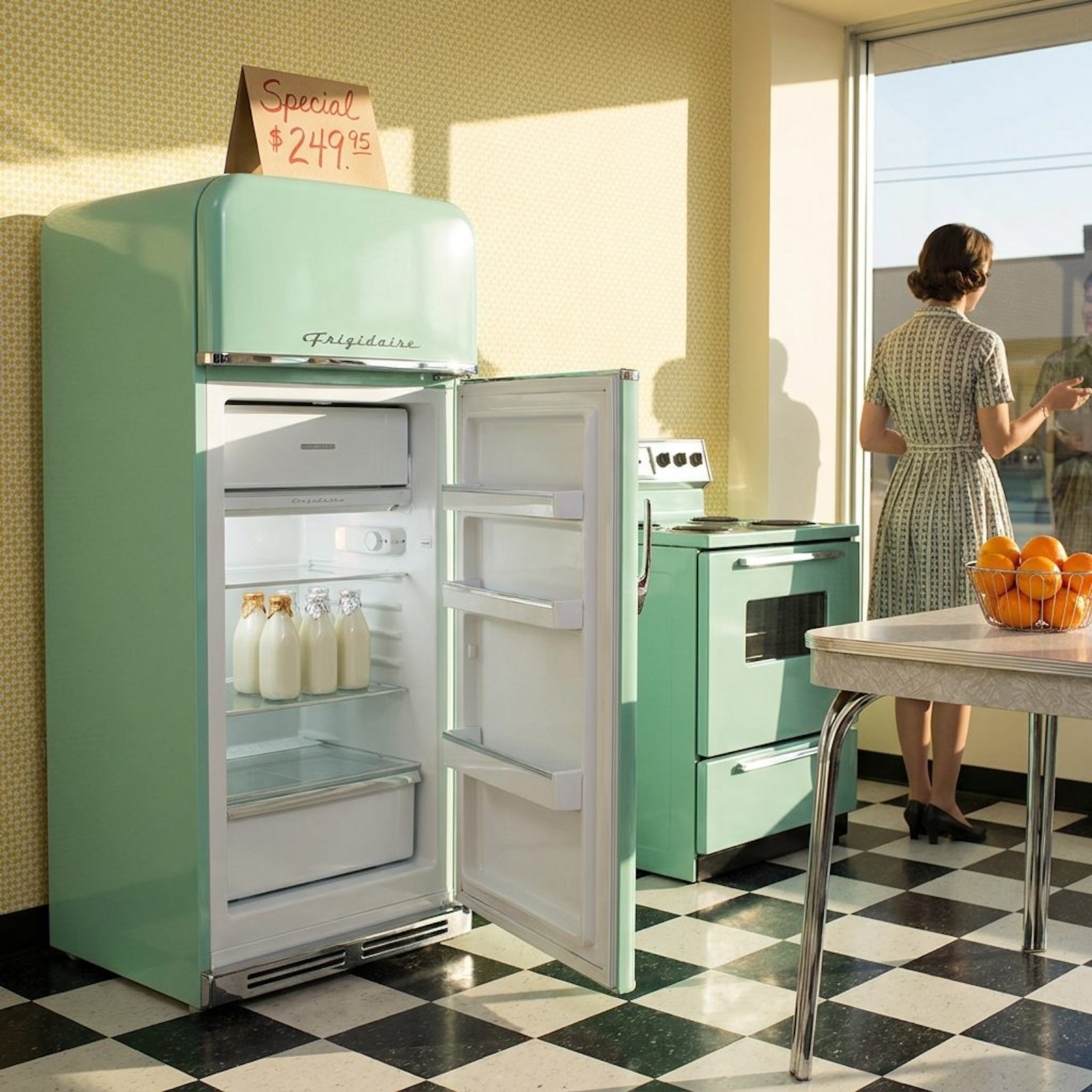
4. A Refrigerator That Would Outlive You: About $250
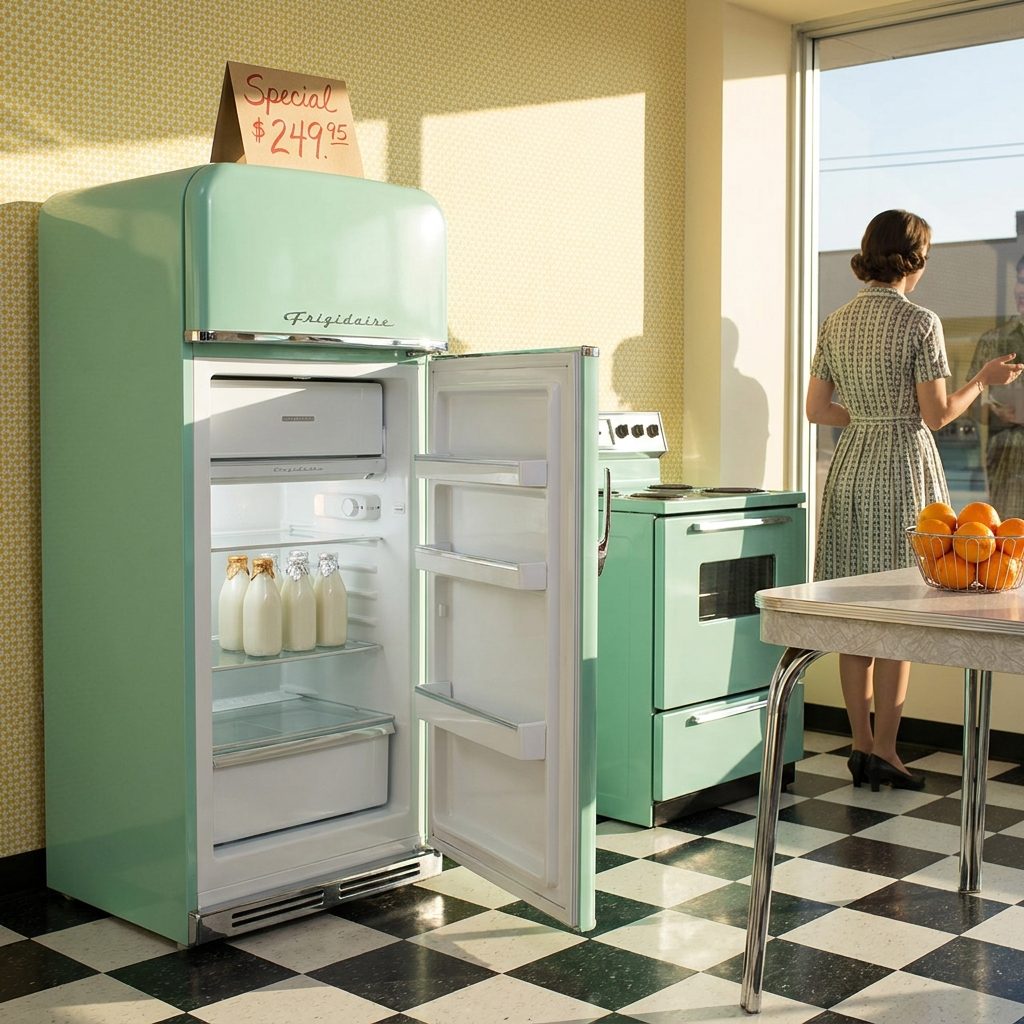
A new fridge went for about $250—a solid Frigidaire or a Kelvinator, roughly two-and-a-half to three weeks of gross pay. Families financed them through Sears or the local appliance shop. A small down payment and installment plan spread the balance over many months, with the final cost depending on interest and store terms.
The payoff was that the thing lasted. Somebody bought a refrigerator in 1962 and was still running it in 1994, humming away in the garage holding beer and leftover casserole. Nothing built today does that.
3. A Carton of Cigarettes at the Corner Store: About $2.50
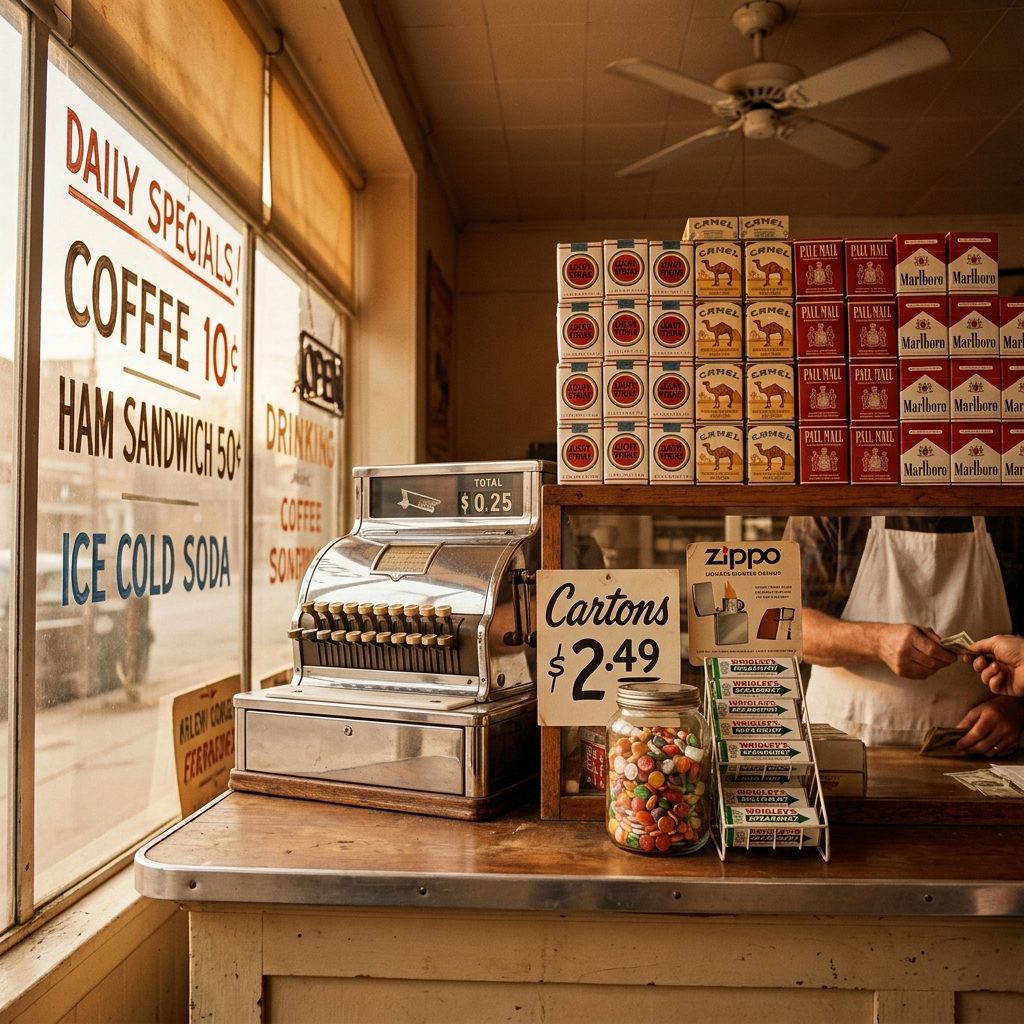
Cigarettes sat in the weekly budget the same way milk did. A carton of Luckies or Camels ran roughly $2.50, individual packs about a quarter, and a factory floor without a haze of smoke over it simply did not exist.
Vending machines in bars and bus stations sold packs for thirty cents. Pull the knob, catch the pack in the tray, matches tucked into the cellophane. Age checks were inconsistent and often nonexistent. Public concern was beginning to change. The 1964 Surgeon General’s report formally linked smoking with serious disease, and federal warning labels followed later in the decade. Habits changed much more slowly than the evidence.
2. A Kodak Brownie Camera and a Roll of Film: About $8 Total
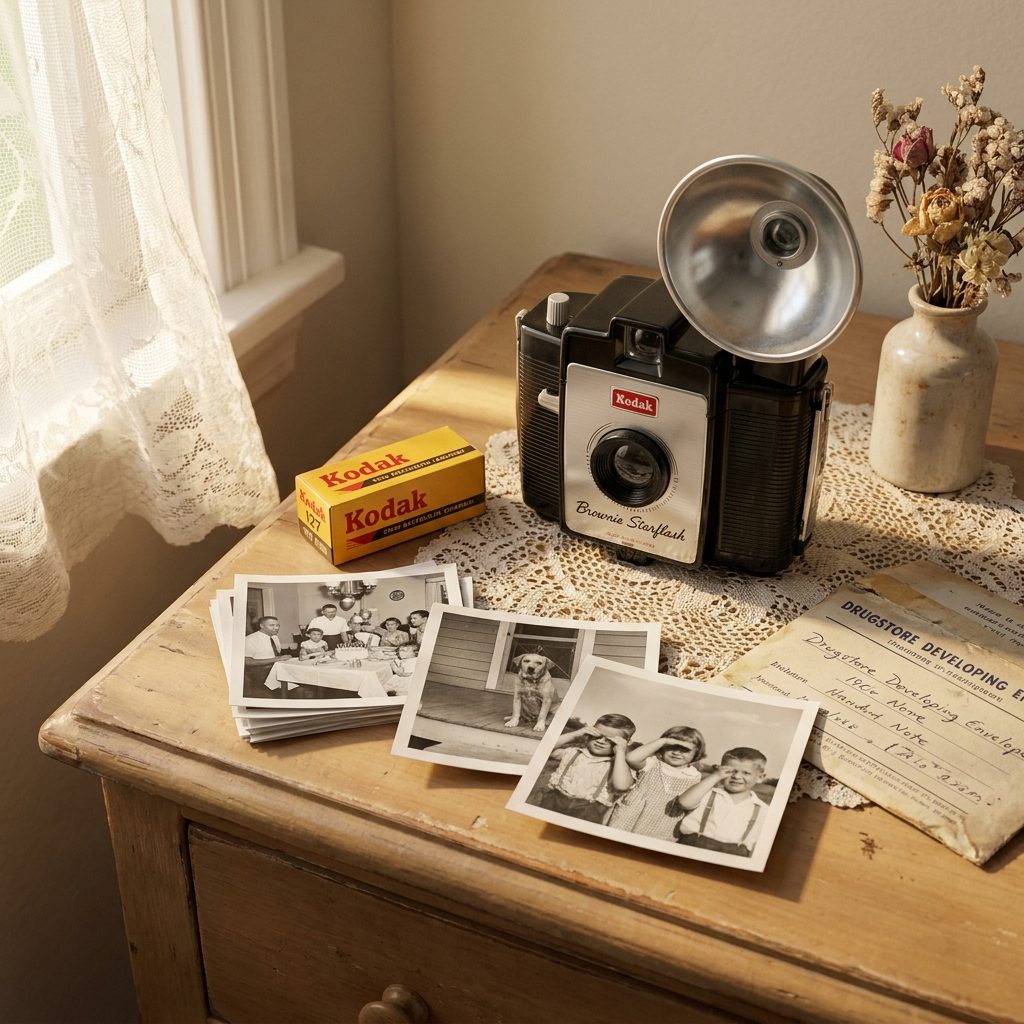
The Brownie Starflash cost about six dollars, a roll of 127 film another buck and change, and developing came to roughly a dollar for a set of small square prints. Eight dollars covered the whole operation, camera included.
You opened the back, loaded the paper-backed roll away from harsh light, and wound it carefully. You shot twelve exposures for the whole family reunion, then waited a week for the drugstore to hand back the envelope. Half the pictures had a thumb in the corner and nobody complained.
1. A Full Set of New Tires for the Car: About $80
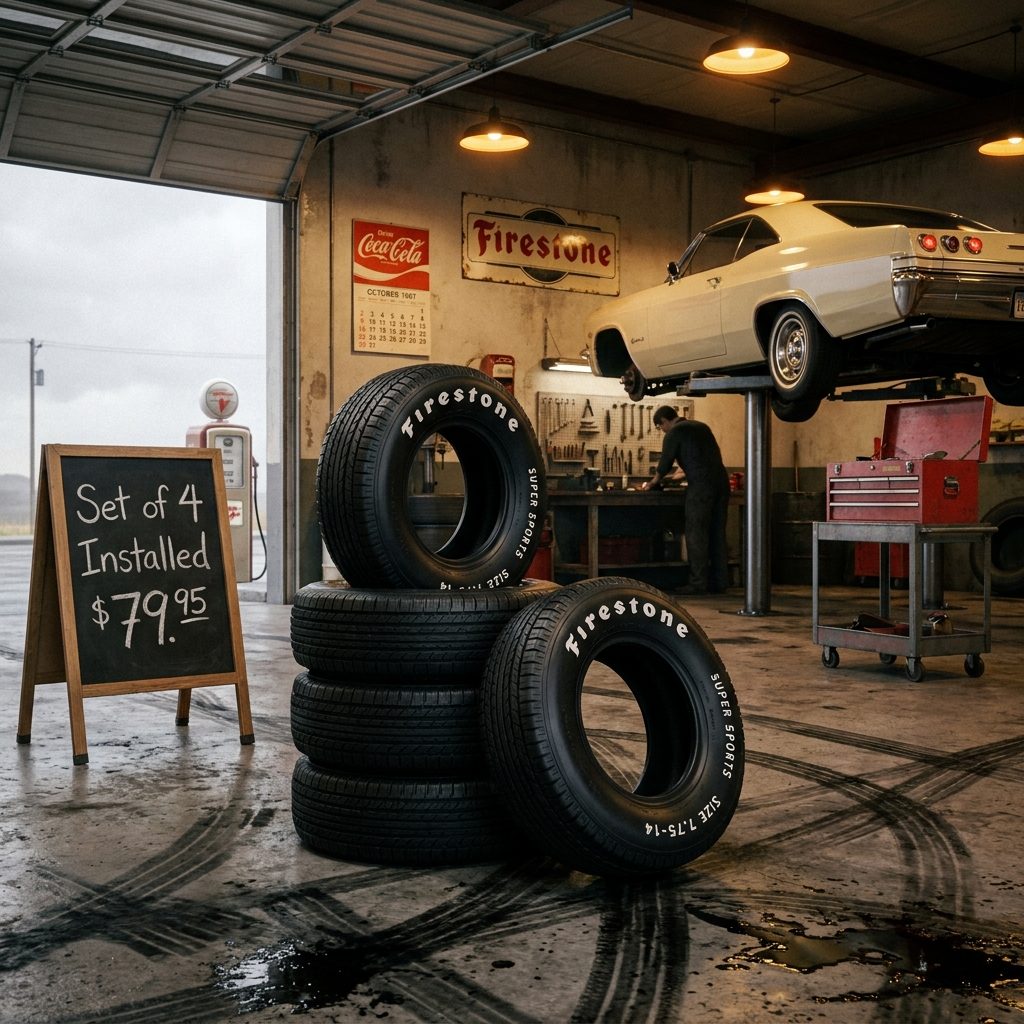
Four new tires ran about eighty dollars installed—less than one week’s gross pay at the article’s higher wage benchmark, but still a painful household expense. Whitewalls cost more and made you look like you were showing off at church.
People stretched tires way past what any modern mechanic would allow. Bald as a peach, plugged three times, driven well into the Johnson administration. When one finally blew on the highway, you pulled over, changed it yourself with the jack from under the seat, and kept going.