

Would you like to save this?
A minimum-wage job in 1975 paid $2.10 an hour. Now imagine working that job through the summer and covering a full year of tuition at many state universities. Not a semester. A year.
Tuition at some public schools ran a few hundred dollars, while the broader student budget—tuition, dorm, meals, books, transportation, and everyday expenses—could approach what many people today would spend on a used car. The paychecks were smaller too, so nobody was living large. But the math bent in a direction it hasn’t bent since. Here’s what the numbers looked like.
29. Dorm Room Cost: Roughly $500 to $700 for the Year

The bed and the four walls, priced on their own, ran about $500 to $700 for the academic year.
What did that buy? A cinderblock box, a metal-frame twin, a shared bathroom down the hall, and a roommate you either loved or tolerated. The rooms were small and the walls stayed bare until you covered them with posters and flyers.
Cheap by today’s standards, sure. But rents everywhere were lower, wages were lower, and a dorm was never a luxury. It was the bare-bones option, priced like one.
28. Meal Plan: About $600 to $800 a Year for Three Squares a Day
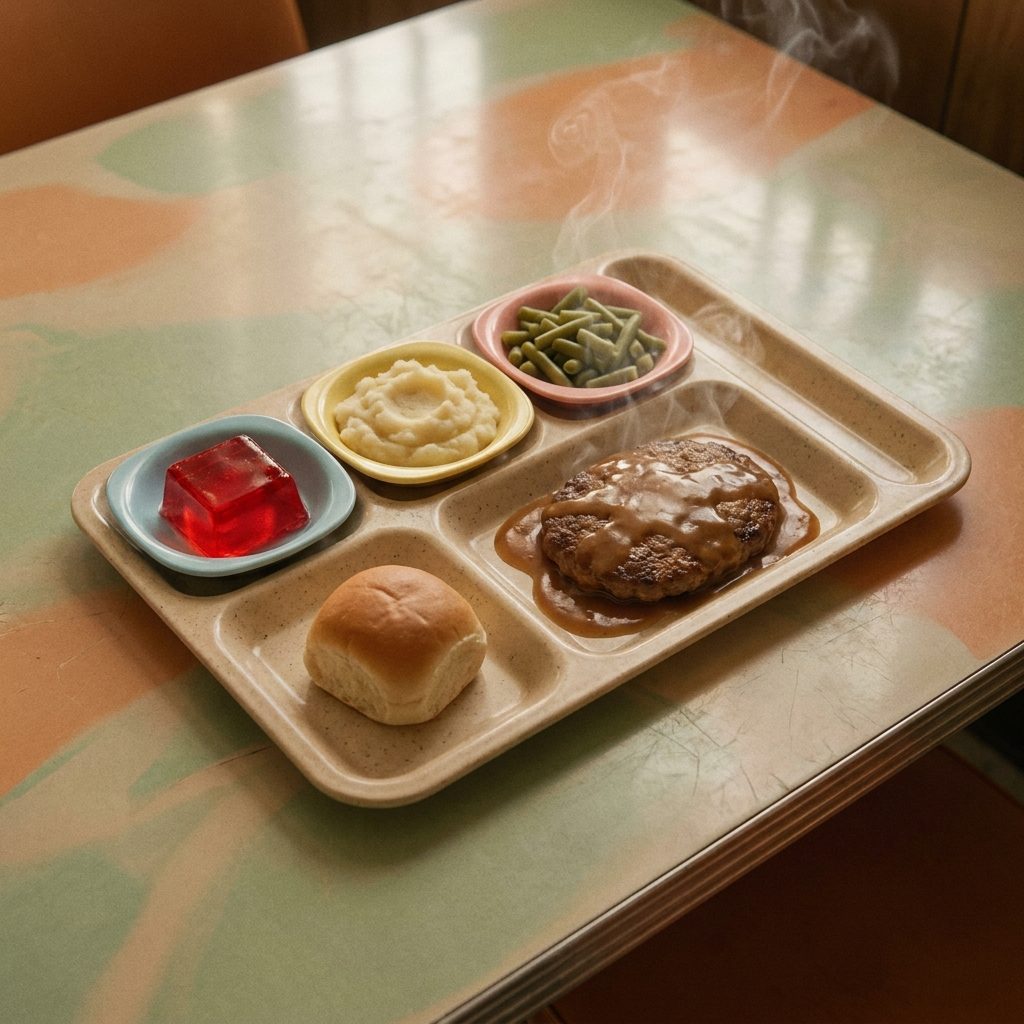
Three meals a day, seven days a week, for somewhere around $600 to $800 a year. Run the division and you land at pocket change per meal.
Many dining halls offered generous portions or second helpings within set hours, which mattered to a hungry eighteen-year-old.
The coffee was thin, the vegetables looked tired, and the mystery meat earned its name. Still, the meals were reliable and already paid for, which mattered more than culinary ambition.
27. Used Textbooks: Half Price or Less at the Campus Store
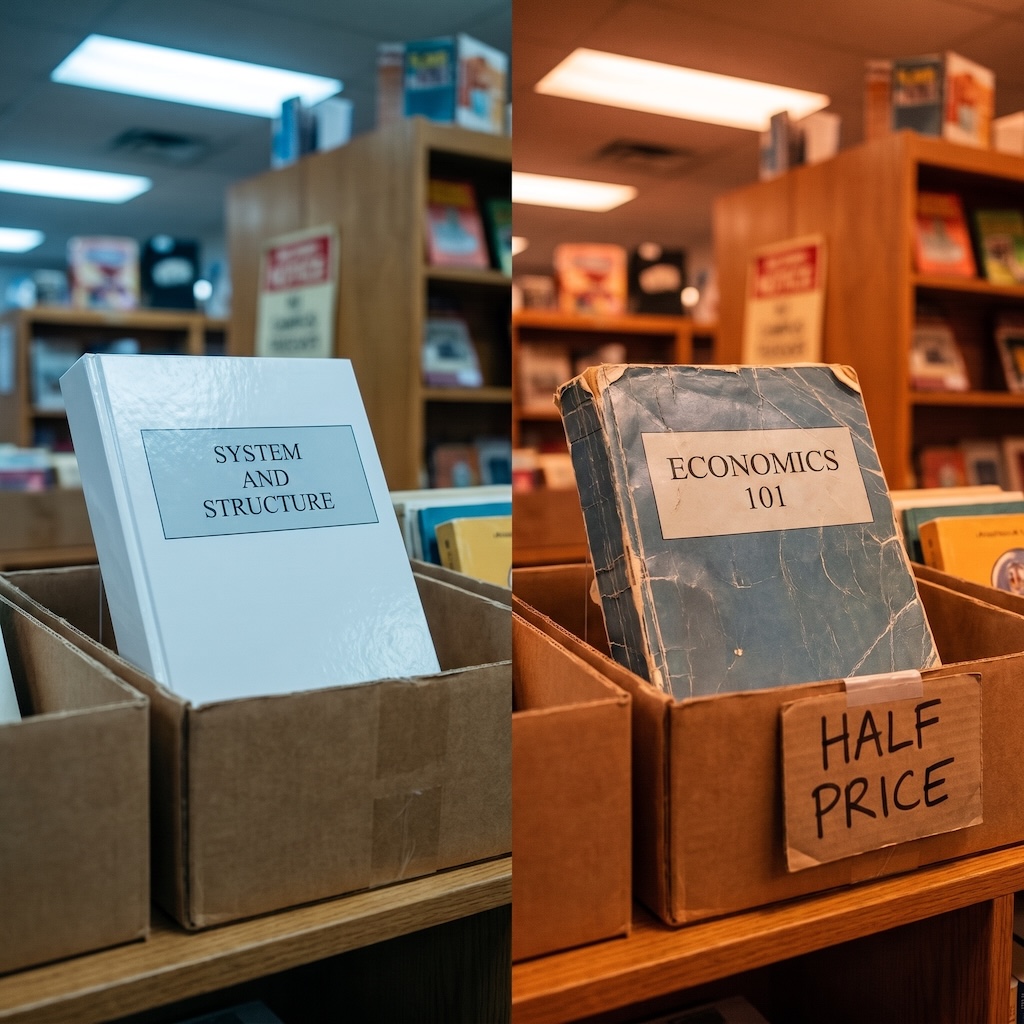
The used bin was where the real savings hid. A secondhand textbook usually ran half the new price or less, so that $12 hardcover came home for five or six bucks.
The trade-off was somebody else’s handwriting in the margins and a cracked spine that fell open to last year’s exam chapters. Some students swore by that. Inherit a previous owner’s highlighting and you got a study guide for free.
End of the term you sold them back, pocketed the small refund, and started over. That resale market helped stretch a tight book budget.
26. School Supplies: A Few Dollars for Notebooks, Pens, and a Slide Rule

The odds and ends barely registered. Spiral notebooks, a pack of pens, a wooden ruler, maybe a stapler, and a few dollars covered the lot.
The one splurge for the science and engineering crowd was a good slide rule, which could run ten or fifteen dollars for a nice one. It was the pocket calculator of its day, right up until the pocket calculator showed up and made it obsolete in remarkably little time.
No laptop line. No printer cartridge line. No software fee. The supply list was short, cheap, and made of paper and graphite.
25. Tuition at a Public University: About $400 to $600 for In-State Students
Here’s the number that launches every conversation about the good old days. In-state tuition at a public university in 1975 often ran just $400 to $600 for the full year.
State legislatures footed most of the bill back then. Public universities were funded as a public good, and the price to the student reflected that, which is how a resident could enroll for a figure that reads today like a rounding error.
Over the following decades, students came to shoulder a larger share of public-college costs. That shift is a major reason tuition climbed the way it did. The number wasn’t magic, though. It was a policy choice, and the choice changed.
At many public universities, a summer job could cover a full year of tuition in 1975. That became far less common as tuition pulled away from student wages.
24. Tuition at a Private College: Roughly $2,000 to $3,000 a Year
Private colleges cost real money even then. Tuition ran roughly $2,000 to $3,000 a year, four or five times the public rate.
Still, hold that against a private school today and the gap is jarring. What once cost a few thousand now runs into the tens of thousands, and that’s before you add a bed and a meal plan.
The prestige premium existed in 1975 the same as now. You paid for the name, the class sizes, the endowment. But the ceiling was low enough that a middle-class family with savings could, with real effort, reach it. That reach has stretched a long way since.
23. Community College Tuition: About $300 a Year in 1975
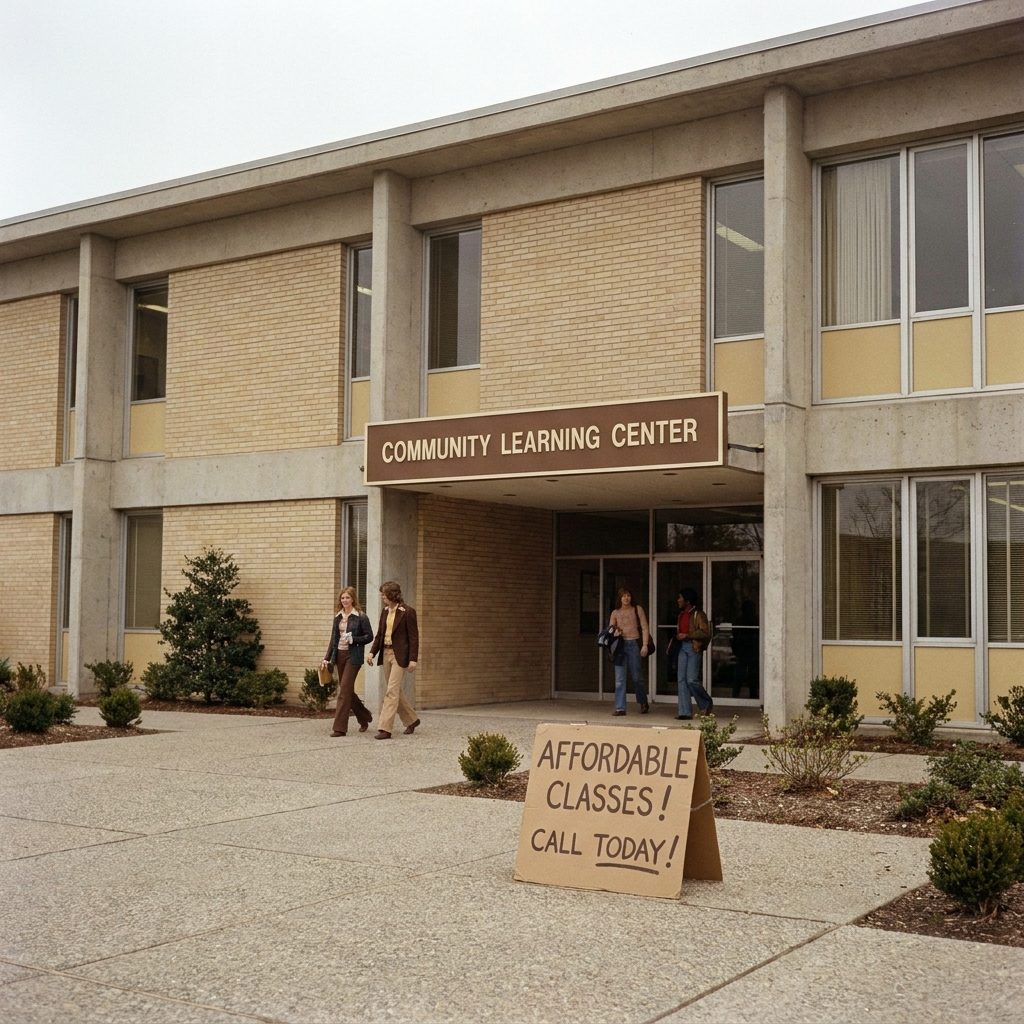
A full year at a public community college in 1975 ran a few hundred dollars in tuition. That covered two semesters, with summer courses sometimes available at comparatively low additional rates.
Put it against a paycheck. Minimum wage that year sat around $2.10 an hour, so a year of tuition worked out to maybe a hundred-something hours of work. A student could bag groceries part-time and cover it without loans, which sounds like folklore now.
Here’s the catch nobody mentions. Wages were low too, and a lot of these kids were the first in their families to sit in a classroom past twelfth grade. Cheap tuition was a door, sure, but you still had to walk through it while working nights.
22. Laboratory Fees: Roughly $15 to $30 Per Science Course
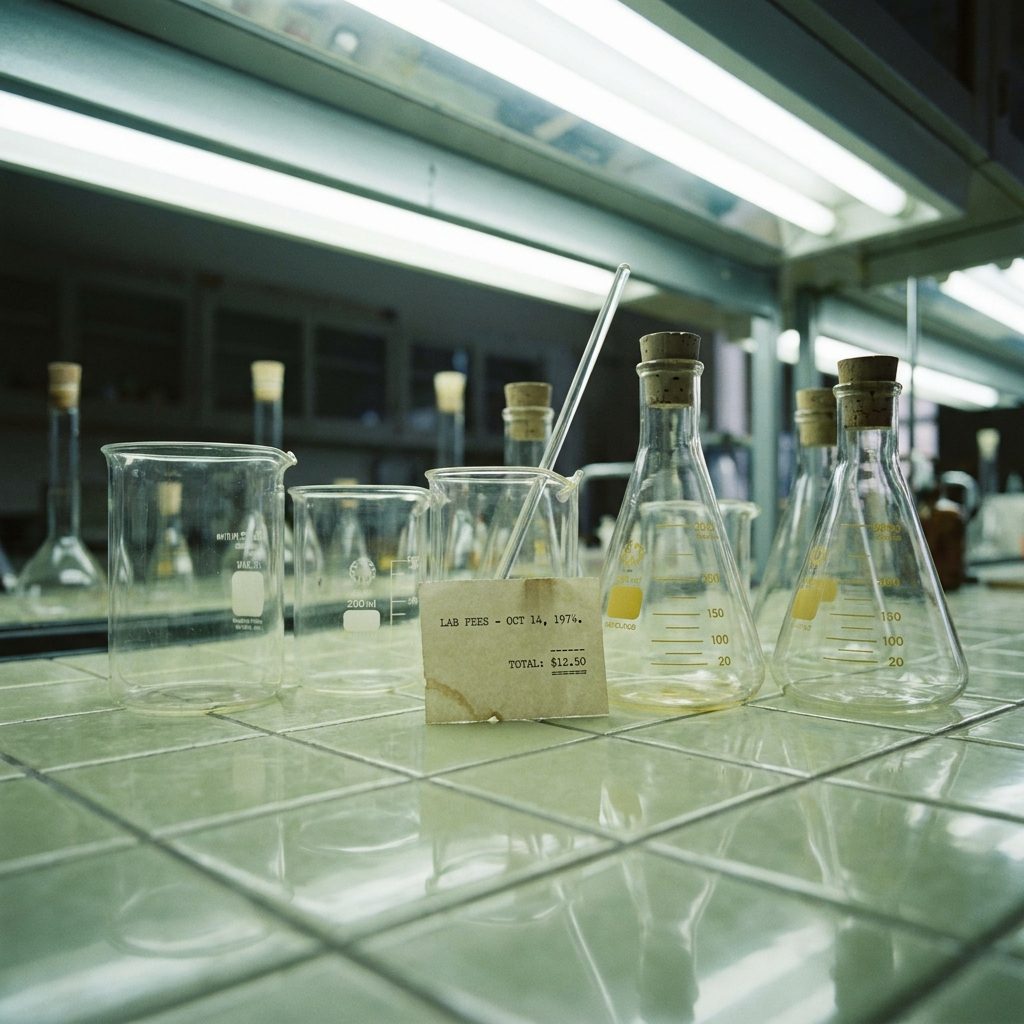
Sign up for chemistry, biology, or physics in 1975 and a lab fee tagged along, usually fifteen to thirty dollars per course. It paid for the beakers you broke, the chemicals you burned through, and the goggles nobody wanted to wear.
Small money on paper. But stack several laboratory courses across the year and it added up to a decent grocery run.
21. Parking Permit: About $10 to $25 for the Year
Would you like to save this?
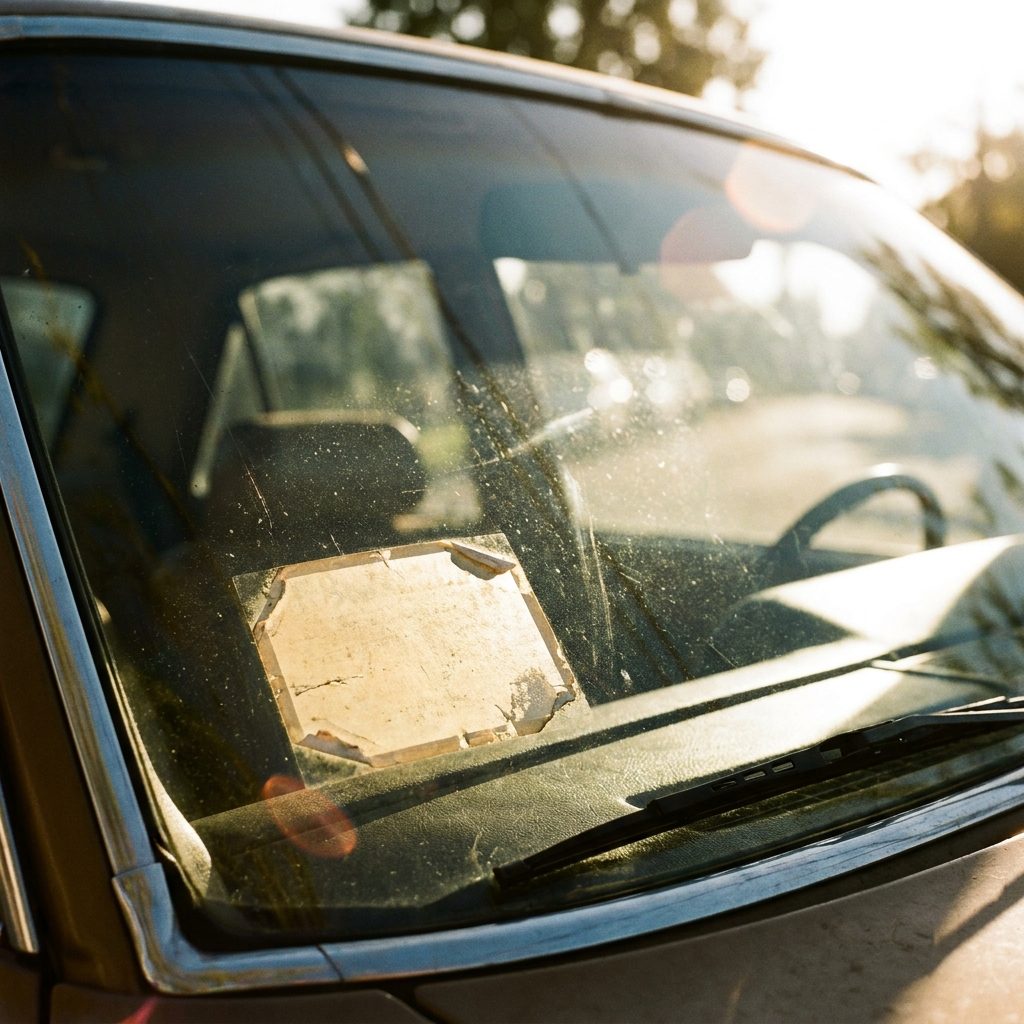
A whole year of parking on campus cost somewhere between ten and twenty-five dollars in 1975. You slapped the sticker in the corner of the windshield and forgot about it until renewal.
Now weigh that against gas prices, which had just spiked hard after the oil embargo to somewhere in the neighborhood of half a dollar a gallon. At the lower end, the permit cost less than two fill-ups; at the upper end, it was closer to three. Either way, gasoline remained the larger recurring cost.
Students still griped about the walk from the far lot. Some things don’t change.
20. Campus Housing Deposit: Around $25 to $50 Down
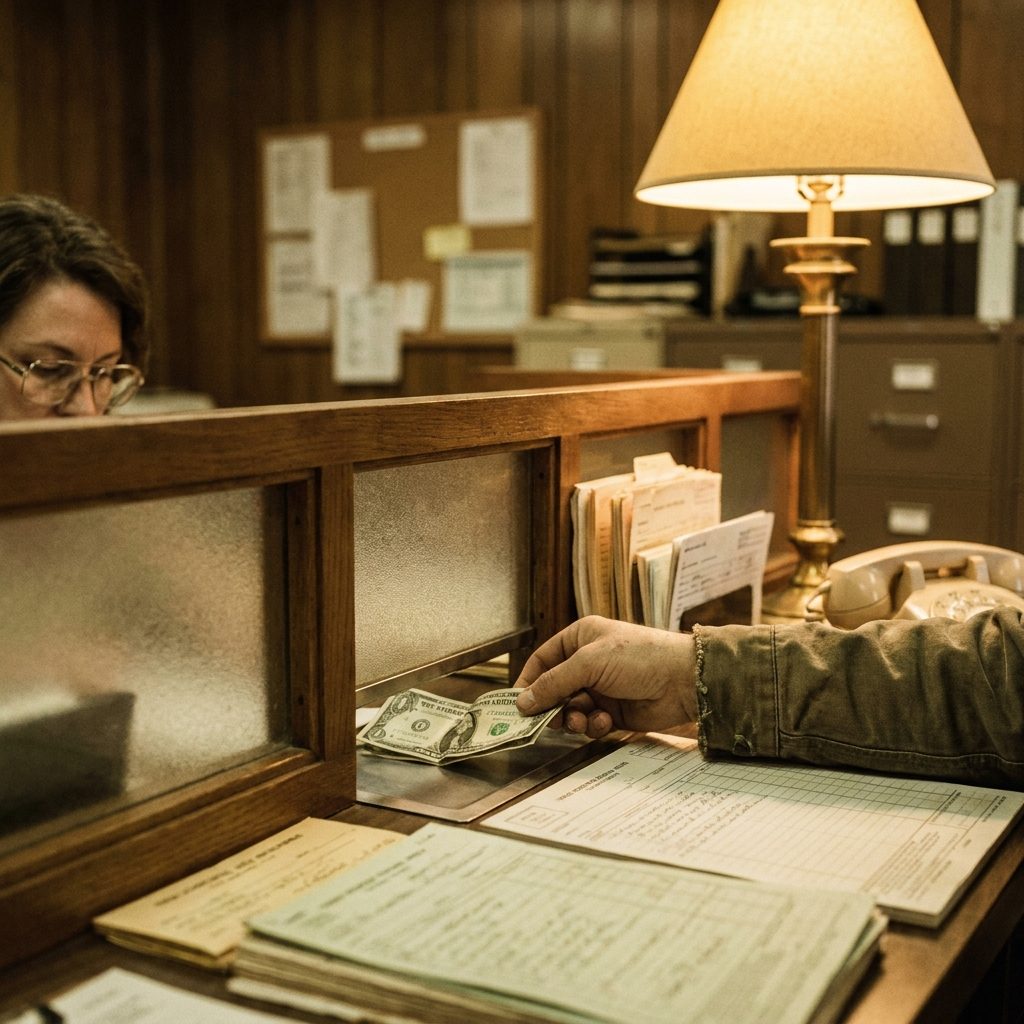
Before you got a dorm key, you put money down. The housing deposit in 1975 usually ran twenty-five to fifty dollars, held against damage and mostly returned if you didn’t wreck the room.
At ten hours of work a week, that deposit represented roughly one to two and a half weeks of gross pay. Parents often covered it, sliding a check across the kitchen table with a warning about what happened if the walls came back with holes.
19. Dorm Furnishings and Essentials: Roughly $75 to $150 to Kit Out a Room

Setting up a dorm room from scratch was the real damage. A bedspread, sheets, a desk lamp, a wastebasket, a fan, maybe a small radio and a hot plate you weren’t supposed to have—all in, you might spend $75 to $150 in 1975 money.
Milk crates did a lot of heavy lifting, and so did whatever your family already had stashed in the attic. The kids who showed up with a brand-new stereo were a different tax bracket, and everyone on the floor knew it within a week.
The one splurge worth it? A good desk lamp. Typing a term paper at 2 a.m. under a single ceiling bulb was nobody’s idea of comfort.
18. Laundry Expenses: About 25 Cents to Wash, Plus the Dryer
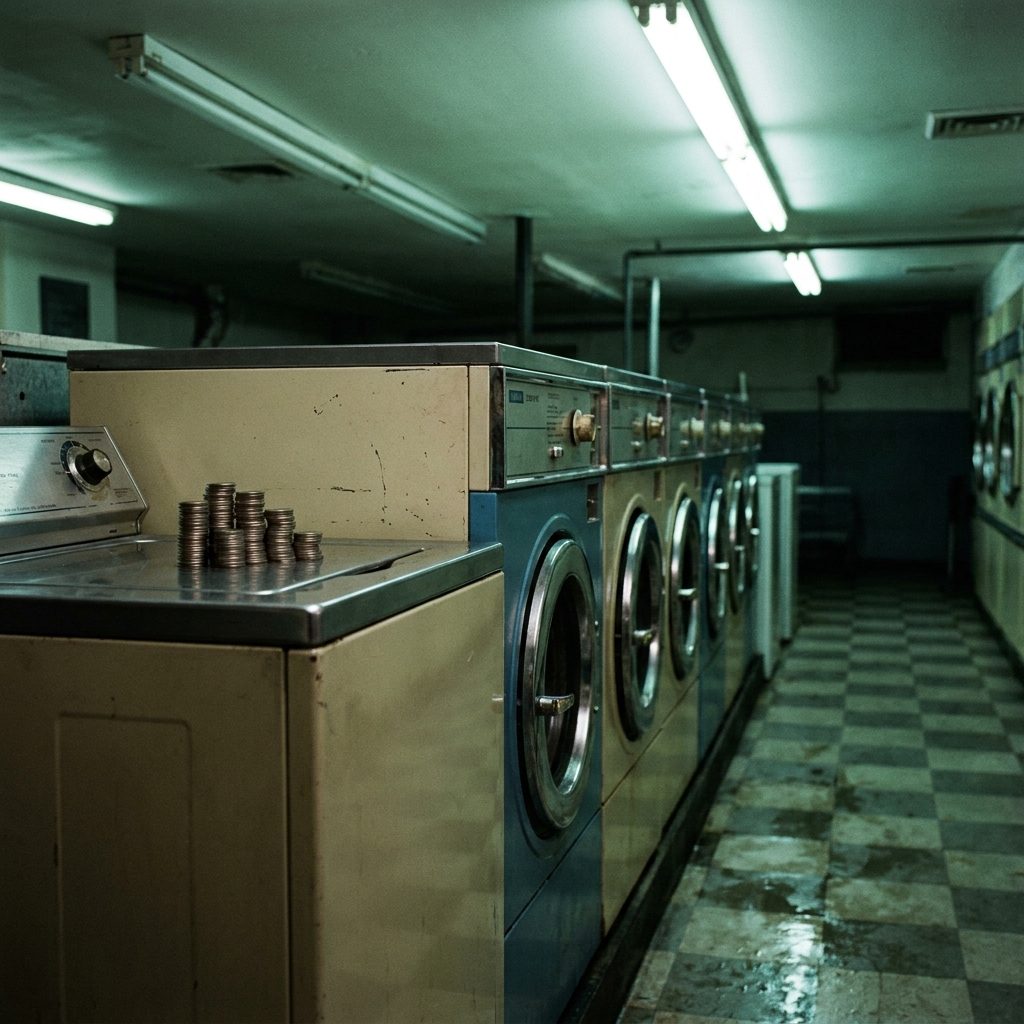
The dorm laundry room ran on quarters. A wash was around twenty-five cents, a dryer maybe the same, so a full load cost you half a dollar and a lot of patience.
Do the math over a semester and it stayed cheap—ten or fifteen dollars if you were disciplined. Most students weren’t. Clothes piled up until the fumes forced action, then a Sunday afternoon vanished into the basement.
The unwritten rule: never leave your load in the dryer past the buzzer. Someone would pull it out and pile it on the folding table, and honestly, you deserved it.
17. Telephone Charges: A Dorm Phone and Long-Distance That Stung
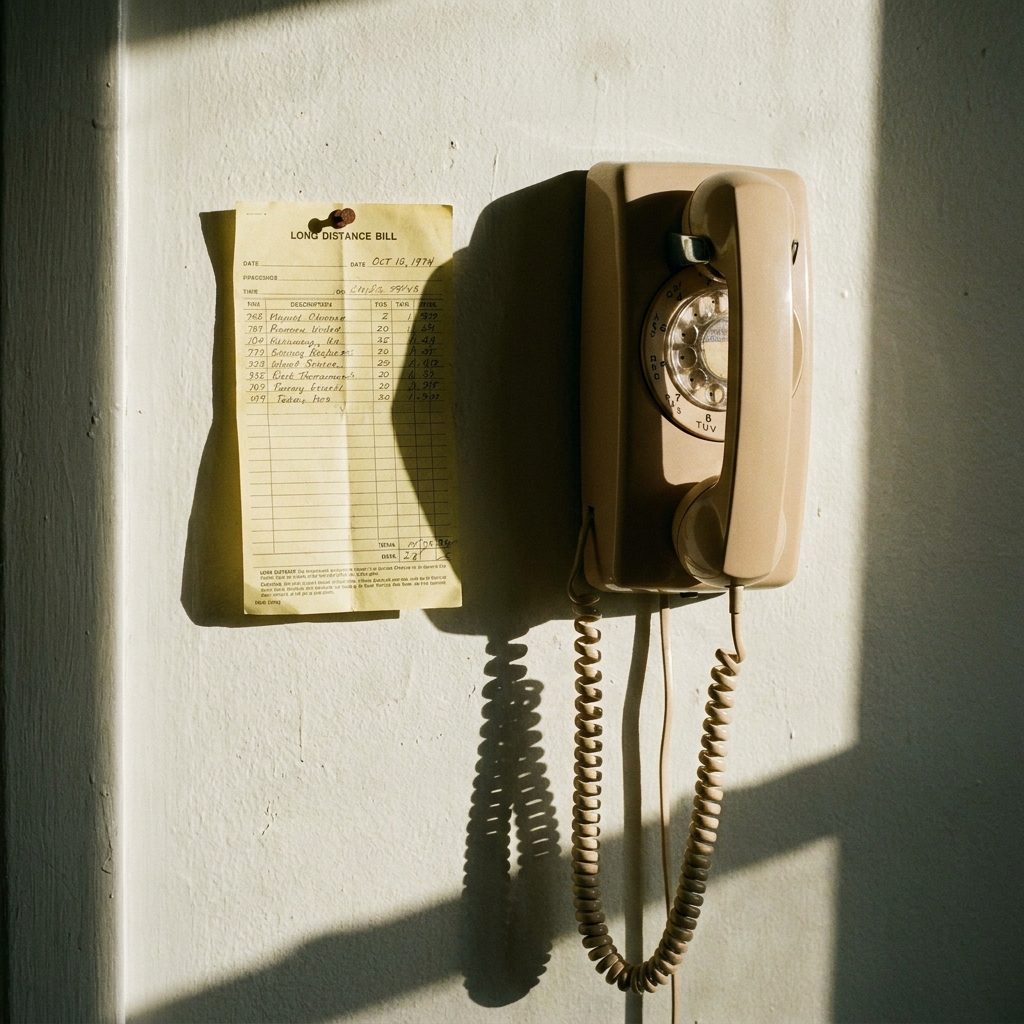
The phone bill is where 1975 really gets you. Local calls from a shared dorm phone were often included or inexpensive. Long-distance to call home was another animal entirely.
A daytime call across the country could run fifty cents or more per minute, real money then. So students learned the tricks—call after 11 p.m. for the cheap rate, keep it short, or reverse the charges and let Mom and Dad eat the cost.
You did not chat on long-distance in 1975. You delivered information and hung up.
A ten-minute homesick Sunday call could cost more than a week of laundry, and that timer ticking in the back of your head shaped every conversation with home.
16. Postage and Stamps: 10 Cents for Nearly All of 1975
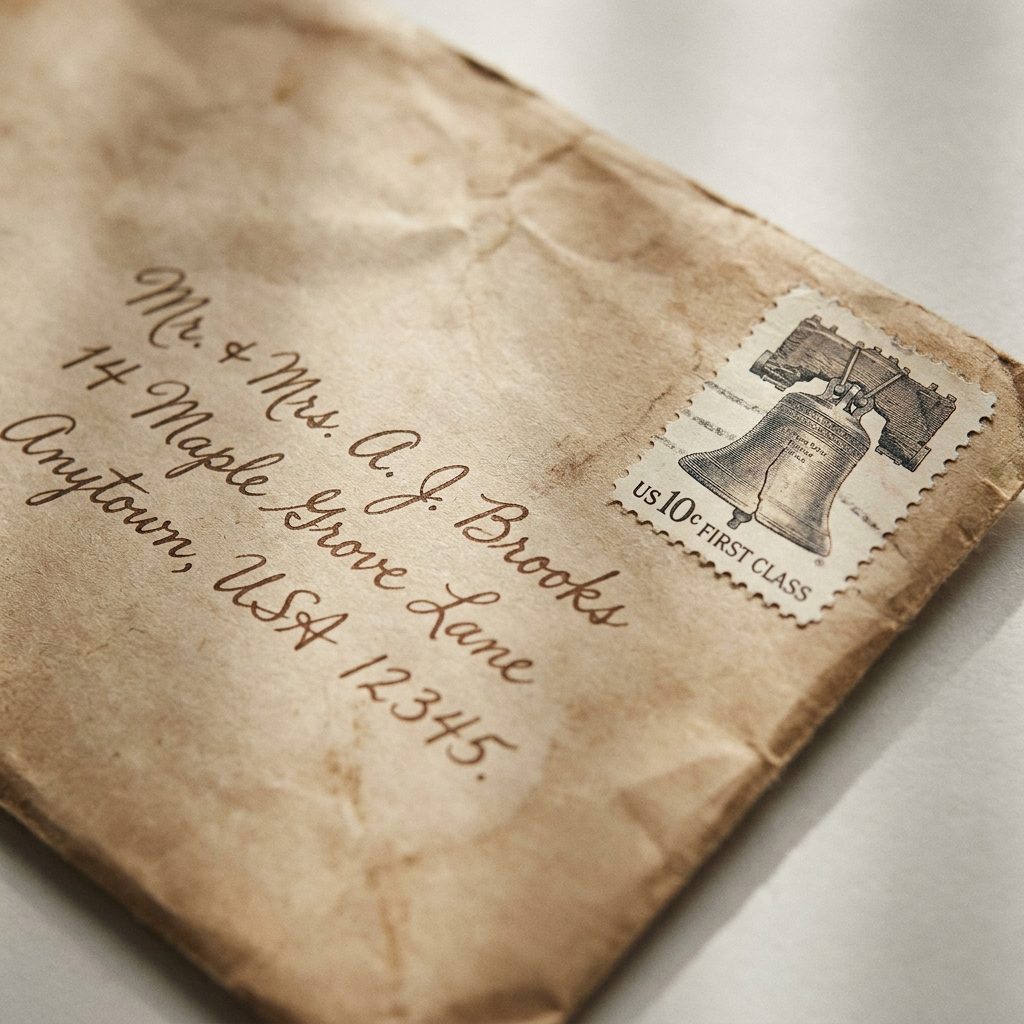
A first-class stamp cost 10 cents for nearly all of 1975; the increase to 13 cents took effect on December 31. That dime was how you kept in touch when long-distance calls cost a fortune.
Letters home did the heavy lifting. Your news crossed the country in a few days, and it beat the phone timer running in your head every single time.
15. Bus Fare or Campus Transportation: A Ride for a Quarter or Less
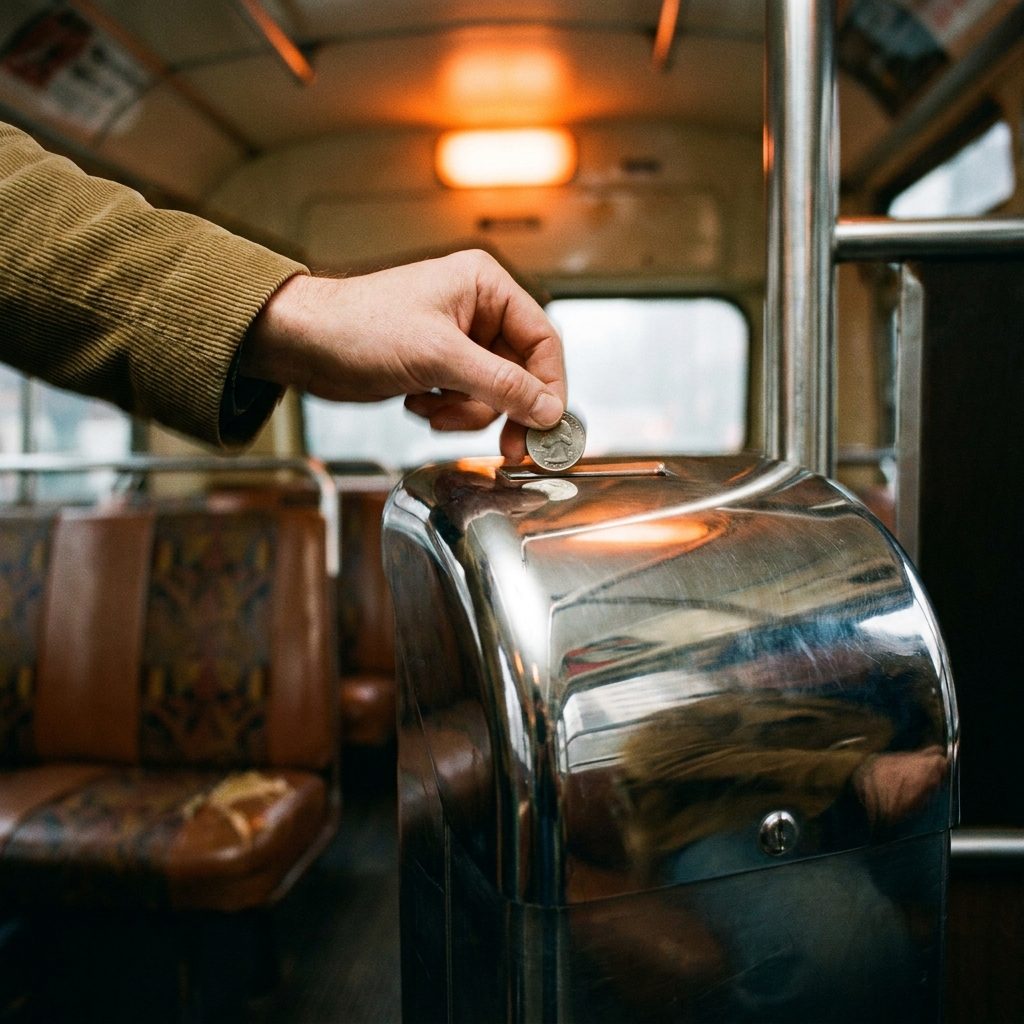
Getting around ran cheap. In many college towns, a city bus ride cost a quarter or less, while some schools operated free campus shuttles.
For commuter students, the bus beat the cost of gas and a parking permit combined. For a daily commuter, a monthly pass could quickly become cheaper than paying each fare separately.
The trade was time. You waited in the cold, read your notes at the stop, and learned the schedule by heart, because missing the bus meant an hour gone. A quarter bought the ride. Your patience covered the rest.
14. Gasoline for Commuter Students: About 57 Cents a Gallon in 1975
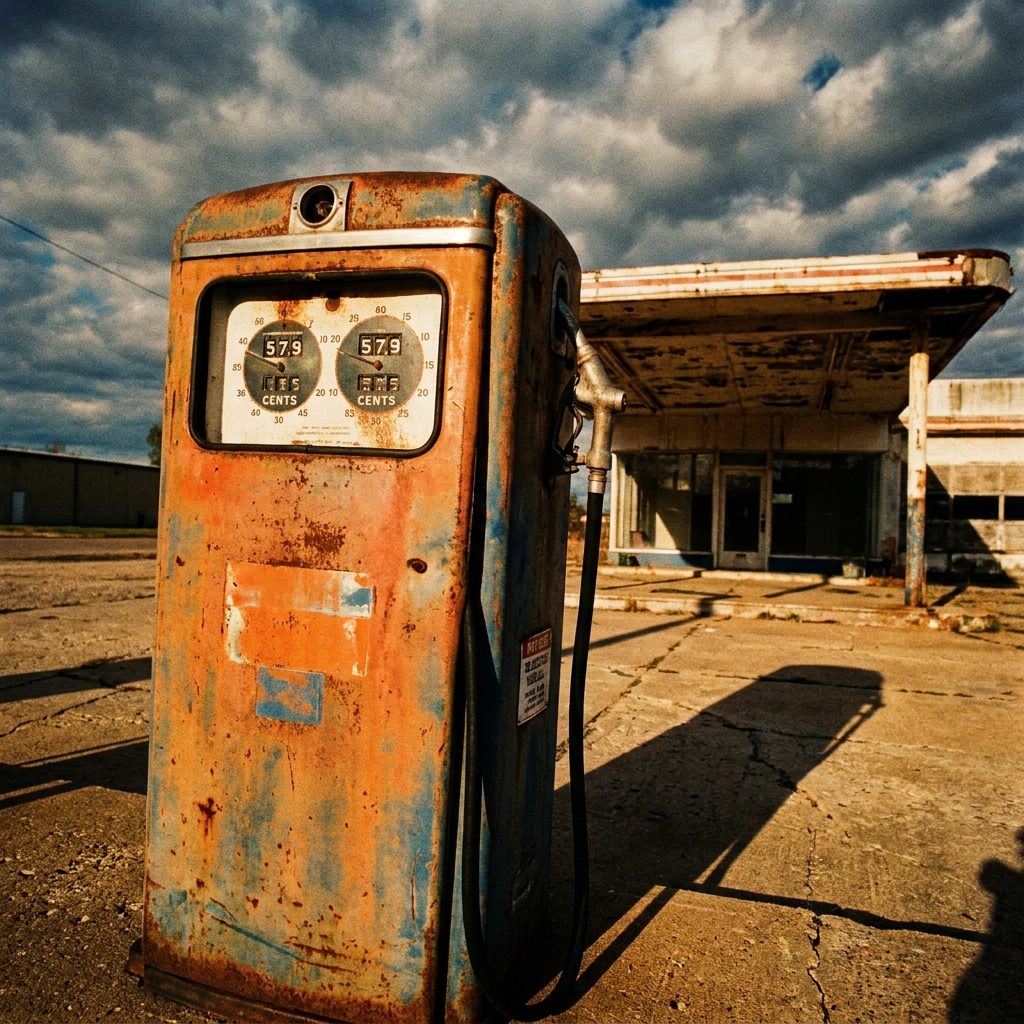
Fifty-seven cents a gallon. That’s roughly what a commuter student paid in 1975, after the oil crisis had pushed prices sharply above early-1970s levels. Gas felt expensive that year, and people grumbled about it the same way we do now.
Fill a fifteen-gallon tank and you were out about eight and a half bucks. Do the math on a campus job that paid $2 an hour and that tank cost you four hours on the clock—not nothing. But the beat-up Nova got you to your 8 a.m. class and back, and you split rides with two other kids from your block to make it stretch.
13. Car Insurance: Roughly $150 to $250 a Year for a Young Driver
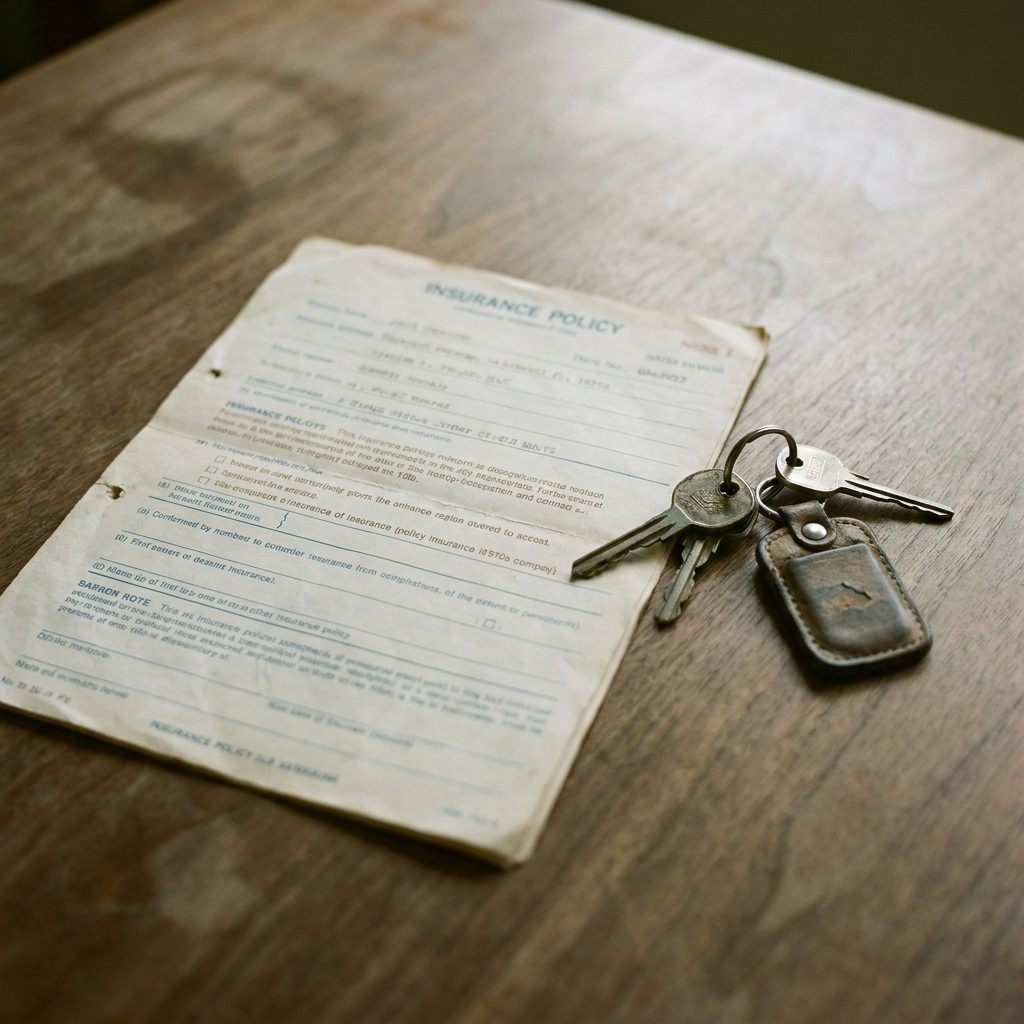
A young driver’s annual premium could land around $150 to $250, although the amount varied widely by state, vehicle, coverage, driving record, age, and sex. Young men often faced the highest rates.
Against a full school year, it was a real line item, though several weeks of steady summer work could cover it. The premium showed up as a single annual notice or split into a couple of payments, and you wrote the check by hand at the kitchen table.
12. Coffee and Snack Budget: A Cup of Coffee for About 15 to 25 Cents
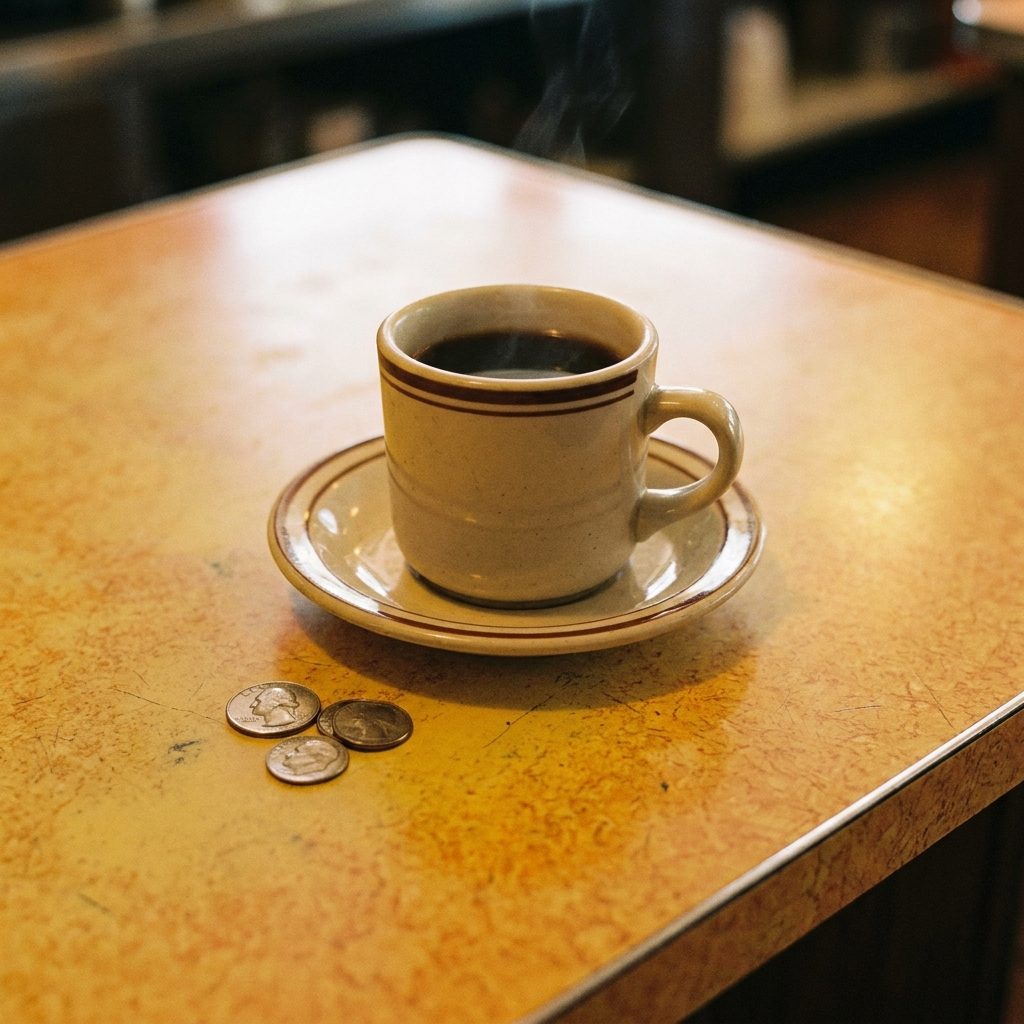
Coffee cost fifteen to twenty-five cents a cup in 1975, and many diners offered inexpensive or free refills. A snack cake or a bag of chips ran a dime or fifteen cents, so you could nurse a caffeine habit and a study session on pocket change.
Budget a couple of dollars a week and you kept yourself going on cheap fuel between classes. The vending machine down the hall from the lecture hall took nickels and dimes, and it dispensed the kind of coffee that tasted exactly like the machine felt about its job.
11. Pizza Night with Friends: A Whole Pie for Around $2.50 to $4

Would you like to save this?
A whole pizza ran two and a half to four dollars in 1975. Not a slice. The whole pie. Four hungry students split it, each threw in a dollar, and everybody walked away full.
Add a pitcher of cola or the cheap house beer for a buck or two, and pizza night for the whole crew came in under ten dollars total. The place had wood-look tables and a jukebox in the corner, plus a waitress who’d been working there since before any of you were born.
10. Dating Budget: A Full Evening Out for About $10 to $12

A proper date in 1975—dinner and a movie—came to about ten to twelve dollars for two. A sit-down meal at a modest restaurant ran three or four dollars a plate, movie tickets were a couple of bucks each, and you had enough left over for a soda or a coffee afterward.
Twelve dollars sounds like nothing now. But if one person was paying on a two-dollar hourly wage, that evening cost the better part of a full shift. Romance had a price tag then too. It just came with different math.
9. Movie Tickets: About $2 to $2.25 to Get In
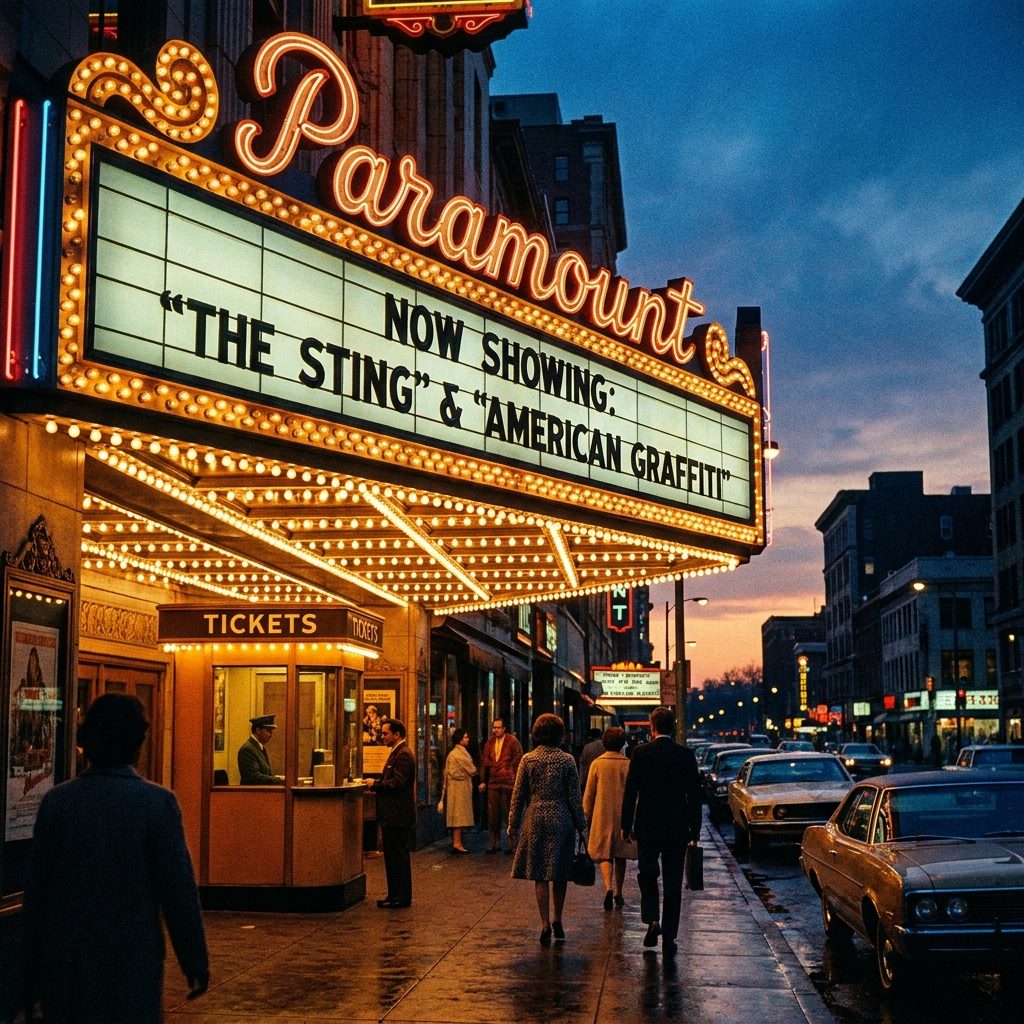
A movie ticket in 1975 cost roughly two dollars, give or take a quarter, and a student discount could shave it lower. Popcorn and a soda added maybe a dollar. Call it under three-fifty for the whole night at the pictures.
Single-screen theaters were still common, though multiplexes were spreading, and the experience depended heavily on the town and whether the theater was showing first-run films. Nothing streamed at home. If you wanted to see the movie everyone was talking about, you got in the car, drove down, and paid your two bucks at the window.
8. Haircuts and Personal Care: A Cut for About $2 to $4
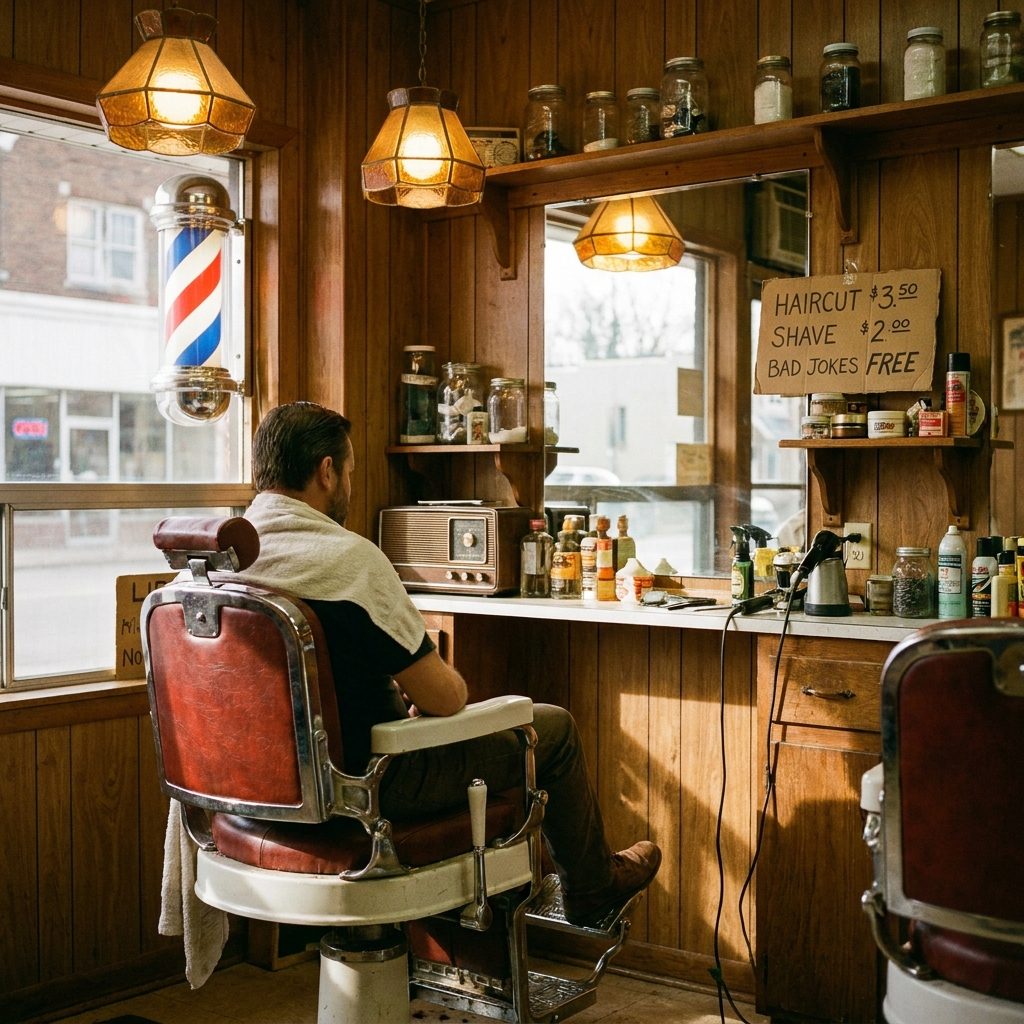
A basic haircut ran two to four dollars in 1975, and the barbershop threw in the conversation for free. Shampoo, toothpaste, a razor and a bar of soap set you back another couple of dollars a month at the drugstore.
The whole personal-care line in a student budget was tiny—a few dollars a month kept you presentable. Long hair was in, which conveniently meant a lot of guys stretched the time between cuts and pocketed the difference for pizza and gas. Frugality dressed up as fashion.
7. Health Center Fees: Often Bundled In, or a Few Dollars a Visit
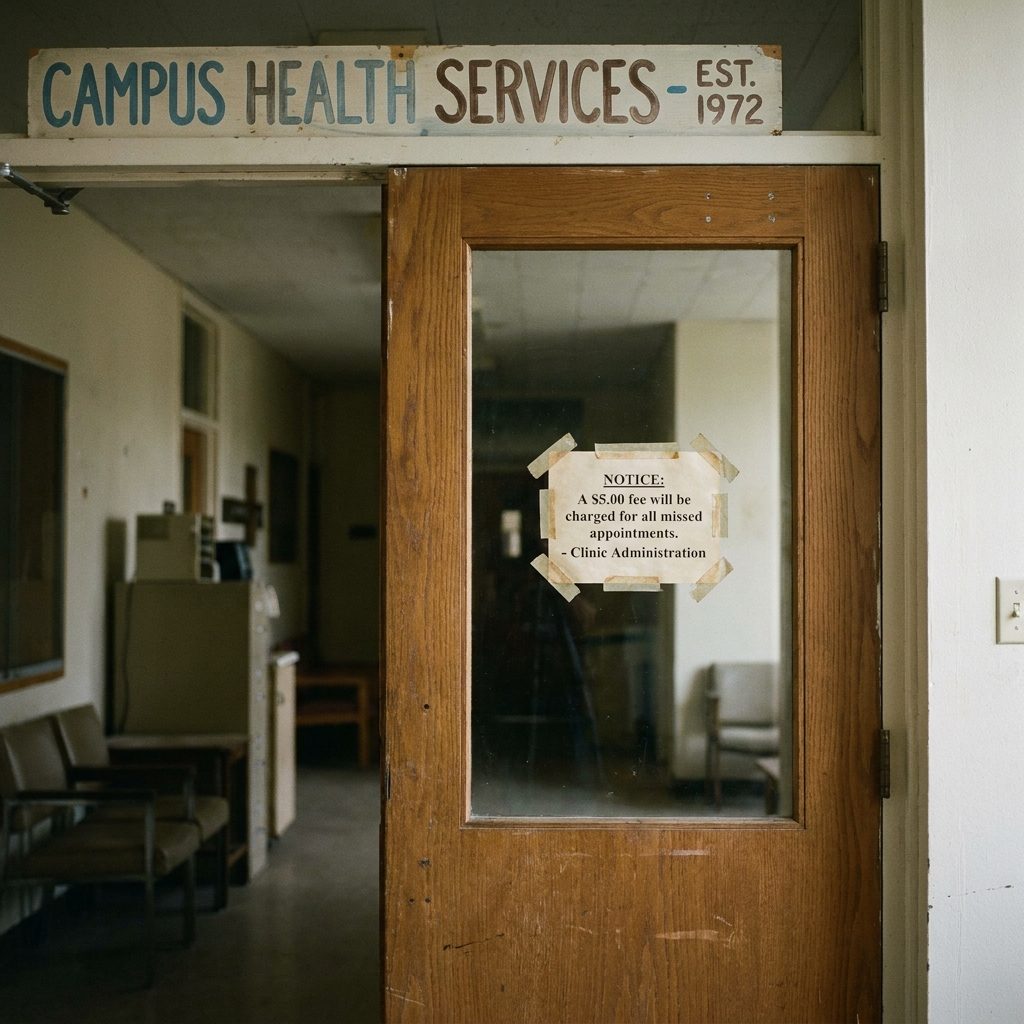
College health fees in 1975 were usually folded into your tuition-and-fees bill—a modest annual charge that got you into the campus health center for the basics. A visit for a sore throat or a sprained ankle cost little or nothing on top of that.
When a specific service did carry a fee, it was measured in single dollars, not hundreds. For basic care, the process was usually far simpler than the insurance-heavy system students often navigate now. You walked in, a nurse looked you over, and you walked out with aspirin and instructions to drink fluids and stop staying up all night.
6. Part-Time Campus Job Wages: About $2.10 to $2.30 an Hour
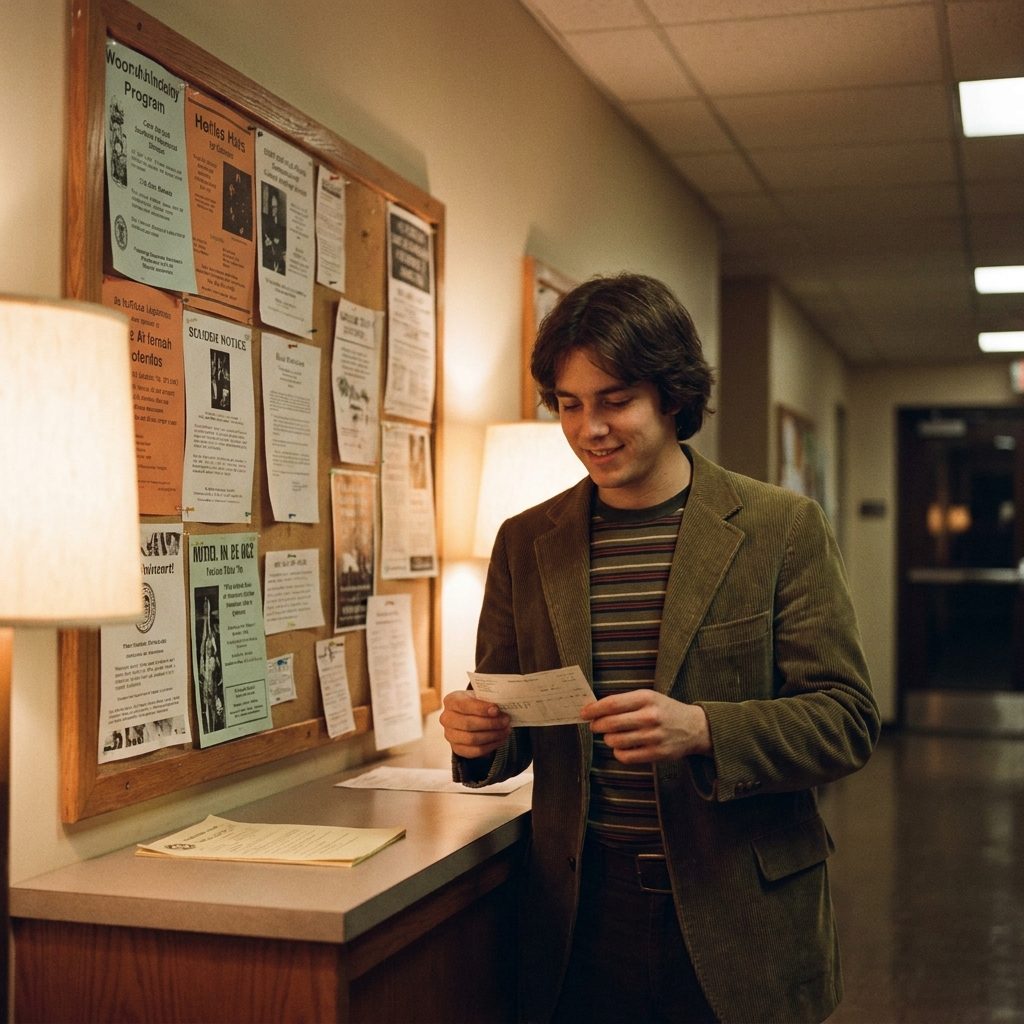
A campus job often paid about $2.10 to $2.30 an hour in 1975. The federal minimum wage sat at $2.10 that year, and many work-study, library, and cafeteria jobs paid near that level.
Work ten hours a week and you cleared roughly twenty-one dollars before payroll deductions. That could cover a modest weekend, a few gallons of gas, or a pizza night with friends—which puts every other price on this list into focus. The prices were low because the paychecks were low. A student in 1975 wasn’t rich; the math simply worked at a smaller scale. The whole economy of college life ran on those two-dollar hours, one shelved book and one punched timecard at a time.
5. Basic Educational Opportunity Grant: Up to About $1,400 in 1975
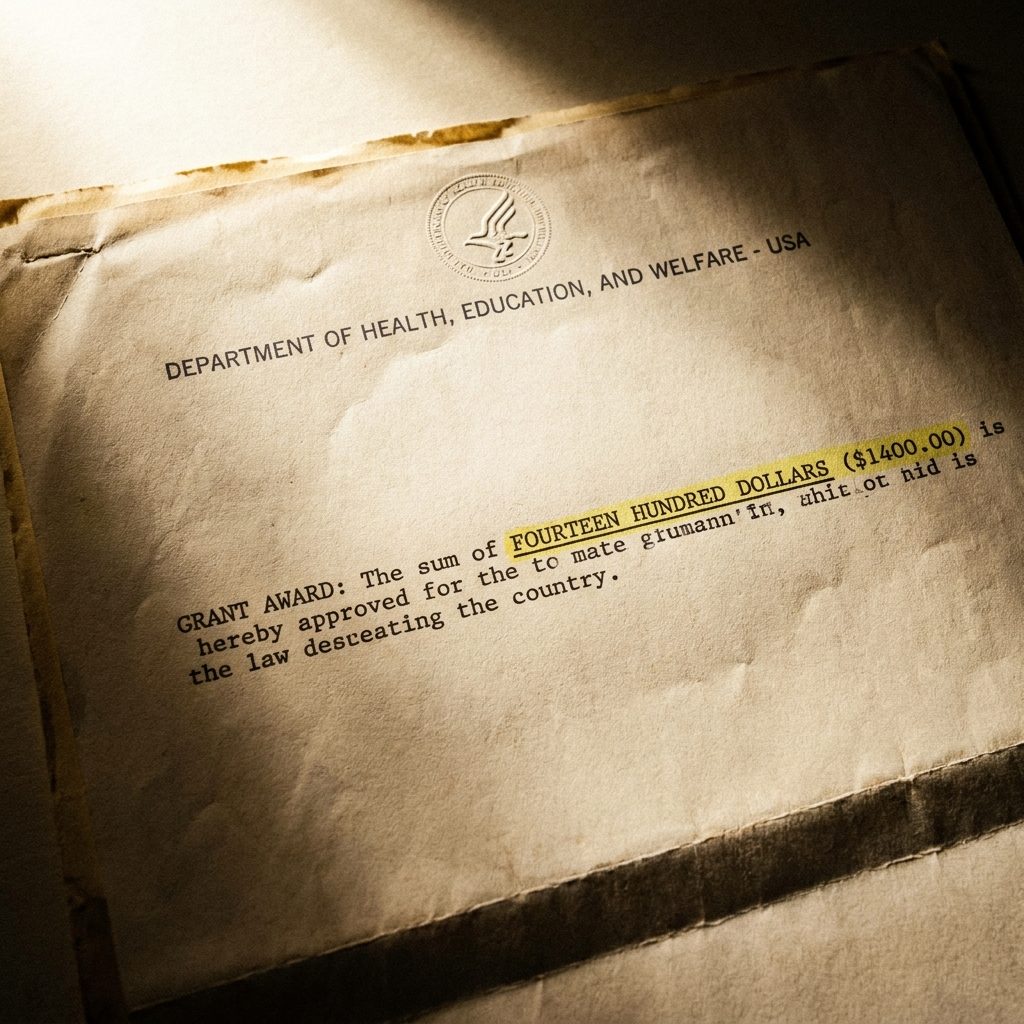
Money you never paid back. The Basic Educational Opportunity Grant—later renamed for Senator Claiborne Pell—topped out around $1,400 in 1975, and that maximum award could cover average in-state tuition, an average dorm room, and part of the meal plan at a public four-year school.
Awards scaled to family income, so plenty of students saw a few hundred bucks instead of the ceiling. But $1,400 against a full student budget approaching $2,500 could still cover more than half. No interest, no repayment schedule, none of the decades of dread we’ve all come to expect from the word “loan.”
4. Federally Backed Student Loans: Around $1,500 at Rates Near 7 Percent
Under federally backed student-loan programs, an undergraduate could borrow roughly $1,500 for a year at an interest rate near 7 percent, depending on the program and circumstances.
The scale looks very different beside modern student debt. A student who borrowed the full amount for four years could leave owing about $6,000. Against a starting salary near $9,000, the debt was substantial but far smaller relative to earnings than the balances many graduates face now.
3. The Family Share: How a $2,500 College Budget Fit a $13,700 Income
Median U.S. family income was roughly $13,700 in 1975. Against a full public-college student budget of around $2,500, parents and students had to decide how much each source of money could reasonably cover. Parents rarely covered all of it. How much parents covered varied widely; many families combined parental savings with summer work, a campus job, grants, or a modest loan.
Wages were lower, no argument there. But families could combine savings, summer earnings, campus work, grants, and a modest loan without automatically turning the entire bill into long-term debt. Many students graduated with far smaller balances than the five-figure debts common today, although borrowing experiences varied.
2. Graduation Fees: The Cap, Gown and Diploma for About $15 in 1975

You paid to graduate. Nobody warns you about that part. The cap, gown, and diploma could set a 1975 graduate back around $15, sometimes more if the tassel and hood came separately.
That’s roughly seven hours of a work-study shift at a couple bucks an hour—all for the one afternoon your whole family drove up to watch you shake a dean’s hand and collect a piece of paper you’d spent four years earning.
You kept the tassel. Plenty of graduates still have one tucked into a drawer somewhere.
1. A Full Public-College Student Budget Could Approach $2,500 in 1975
Would you like to save this?
Add tuition, housing, meals, books, transportation, and personal expenses, and a reasonable public four-year student budget could approach $2,500 in 1975. Tuition and fees, a dorm room, a meal plan, books, the odd lab fee—that was a plausible all-in student budget, and even that number felt heavy to plenty of families.
Median family income that year hovered near $13,700, which meant a full year of college could absorb about a fifth of what a typical family brought home. Line a public four-year up against a modern paycheck and you’re looking at a completely different creature.
Private schools ran higher, with tuition, room, and board alone averaging well above $3,500 before books, travel, and personal expenses. A state-school student with a summer job could still make a meaningful dent in that $2,500, even if summer earnings alone rarely covered the entire amount.
None of this makes 1975 some golden age of cheap everything and fat paychecks. Wages were smaller. A new car was a stretch. Plenty of families still couldn’t swing tuition at all, and pretending otherwise would be dishonest. What actually shifted wasn’t that life got expensive across the board—it’s that college pulled away from the paycheck faster than just about anything else you can name.